
53: Audi's authentic supercar, MG takes on Tesla and Apple CarPlay updates
About this episode
Audi’s new limited-run halo supercar gets framed as a spiritual successor to the R8—borrowing from a Lamborghini sibling—while the hosts dig into its hybrid V8 direction, F1-inspired tech, and Bauhaus-leaning design cues. Then the show pivots to MG’s S6 EV: pricing versus Tesla and BYD, AWD vs RWD differences, and battery chemistry tradeoffs (NMC vs LFP). The final stretch covers Apple CarPlay updates, including CarPlay Ultra, and how phone-based AI compares with in-car sensor-driven systems.
In this week's episode of The Hook Turn Podcast, we discuss Audi's new supercar which ushers in an entirely new bauhaus design philosophy in a production car for the first time.
We also discuss the value-packed MG S6 EV, its direct rival to the BYD Sealion 7 and Tesla Model Y, amongst many other entrants in the midsize electric SUV segment.
Finally, hot off the press from Apple's annual WWDC, we cover the latest updates to Apple CarPlay in iOS 27.
Show notes:
- Audi Nuvolari: https://www.audiusa.com/en/models/nuvolari/intro/
- MG S6 EV: https://www.drive.com.au/reviews/2026-mg-s6-ev-review-australian-first-drive/
- Apple CarPlay in iOS 27: https://9to5mac.com/2026/06/09/heres-everything-new-for-carplay-in-ios-27/
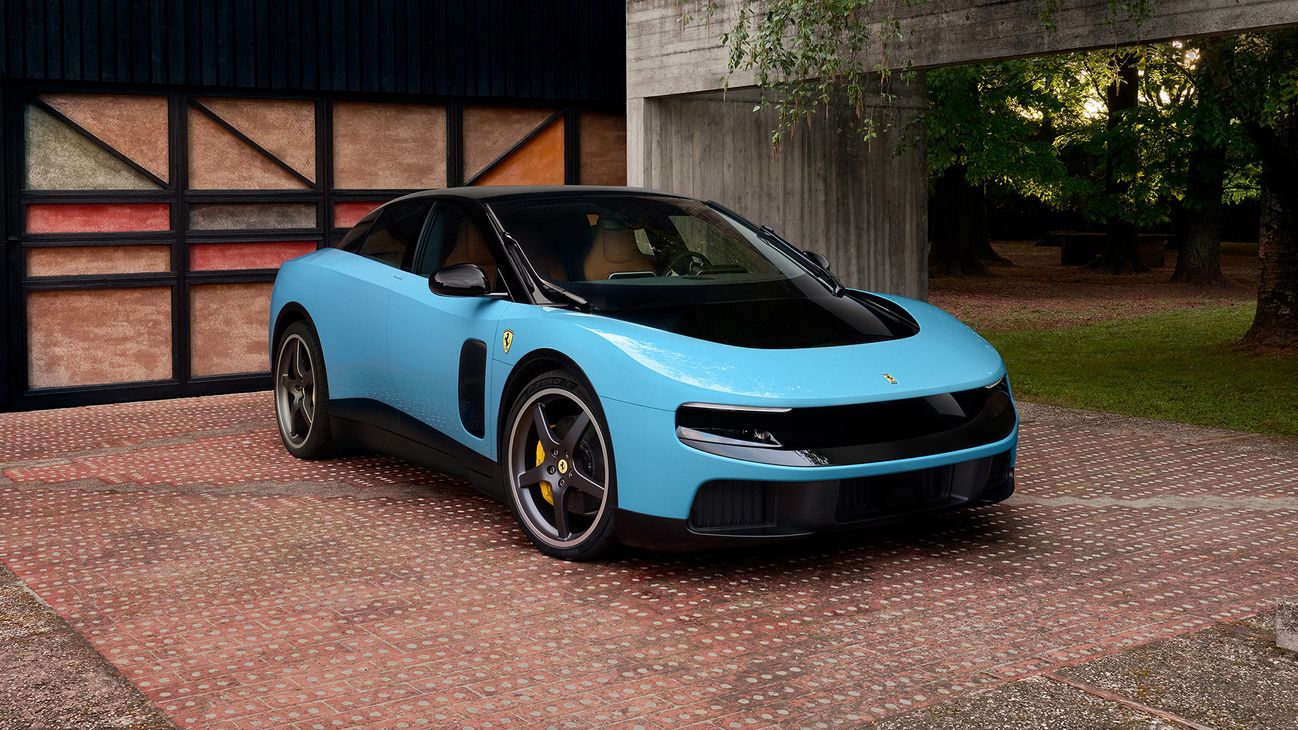
Ferrari Luce
"...ed last week's discussion on both the new Ferrari Luce as well as my recent purchase as well. Today, we'..."
The Ferrari Luce is a new car model from Ferrari. It’s the kind of vehicle Ferrari builds to deliver high performance and a premium driving experience. The podcast is bringing it up as a recent release to discuss what it is and why it matters.
The Ferrari Luce is a newly discussed Ferrari model, brought up as part of a recent conversation about new releases and the brand’s direction. It’s significant because Ferrari models are typically used as benchmarks for design, performance, and technology within the high-performance segment. In this podcast context, it’s mentioned directly as a new topic alongside other recent Ferrari-related discussion.
kilowatt hours
"There's a larger battery, I believe, so it's seven kilowatt hours, which is a little bit larger than what's in the Temerario."
Kilowatt-hours (kWh) tell you how big the battery is in an electric car. Bigger battery capacity usually means the car can use more energy before it needs charging.
Kilowatt-hours (kWh) measure the size of an electric car’s battery—how much electrical energy it can store. A larger kWh figure generally means the car can provide more energy for longer driving range or more sustained performance, depending on the vehicle’s efficiency and power limits.
kilowatts
"And the system output is 736 kilowatts with a zero to 100 kilometer an hour time of 2.6 seconds."
Kilowatts (kW) are a measure of how much power the car can produce. More kW generally means stronger acceleration potential.
Kilowatts (kW) measure power output—how quickly the car can deliver energy to accelerate. In this segment, the hosts use the kW number to compare how strong the electric system is versus another supercar they mention.
zero to 100 kilometer an hour time
"And the system output is 736 kilowatts with a zero to 100 kilometer an hour time of 2.6 seconds."
Zero to 100 km/h time is how fast the car goes from stopped to 100 km/h. Lower time usually means quicker acceleration.
Zero to 100 km/h time is a common performance metric that measures how quickly a car accelerates from a standstill to 100 kilometers per hour. It’s often used as a straightforward way to compare acceleration between cars, especially when traction and power delivery are similar.

Audi Concept C
"Sam, maybe it was in a previous episode where we were talking about the Audi Concept C, if you remember, and that was sort of like a concept car and almost like a harbinger of Audi's sort of new, very clean, very Bauhaus design philosophy."
Audi Concept C is a show-car that Audi used to preview a new design style. The hosts are saying the production Audi they’re discussing later looks like it took styling cues from this concept.
Audi Concept C is a design study that previewed Audi’s newer “clean” design direction. In this segment, the hosts treat it as a design harbinger that the production car’s styling follows, especially in surfacing and material choices.
Bauhaus design philosophy
"very Bauhaus design philosophy. And that was all about, you know, authentic materials, very smooth surfacing."
Bauhaus is a design style that focuses on simple shapes and honest materials instead of lots of decoration. The hosts are saying Audi’s design direction is leaning toward that kind of clean, minimal look.
Bauhaus design philosophy refers to a modernist approach associated with the Bauhaus school, emphasizing clean geometry, functional form, and honest use of materials. In automotive design, it usually shows up as restrained styling, smooth surfaces, and fewer decorative elements.

Audi R8
"From the side profile, there's a lot of, they have that contrasting side blade, which was a hallmark of the Audi R8."
The Audi R8 is a famous Audi supercar. The hosts are using it as a style reference, saying this new Audi has a similar “side blade” look.
The Audi R8 is a mid-engine supercar known for its distinctive side blade styling. Here, the hosts use it as a reference point for the production car’s contrasting side blade, saying it’s a hallmark look associated with the R8.
piano black
"Like you look at just the door handles have this beautiful sort of milled aluminum, like design, physical, you know, gorgeous. It's not, there's no sort of piano black or any fake plastic materials."
“Piano black” is that shiny, mirror-like black trim you often see inside cars. The host is saying they don’t want that look here, preferring more solid-feeling materials instead.
“Piano black” is a glossy, mirror-like black trim finish often used on dashboards and consoles. The speaker contrasts it with what they like here—milled aluminum and other materials—implying they dislike piano-black surfaces because they can look cheap or show fingerprints and scratches easily.
portrait oriented touch screen
"Yes, there is a screen and there is a type portrait oriented touch screen. But below that, I think there are physical buttons for the climate controls as well."
That’s the infotainment screen layout—tall like a phone rather than wide like a tablet. The host also says the car keeps real buttons for climate control, instead of relying only on touch.
A “portrait oriented touch screen” means the infotainment display is taller than it is wide, like a smartphone layout. The speaker pairs this with physical climate-control buttons, suggesting a design that mixes modern screens with traditional tactile controls.
twin-top of V8 engine
"Yes, it's very interesting that, obviously, like they were like, okay, it's not necessary for this to go full EV, and we see it's a hybrid, loosely speaking, but it's still got a very traditional twin-top of V8 engine."
They’re saying the car isn’t fully electric. It uses a V8 engine, but it also has an electric/hybrid system working alongside it.
The phrase “twin-top of V8 engine” is describing a V8-powered hybrid setup, where the car uses a V8 engine alongside an electric system. The important takeaway is that it’s not a full-EV strategy; it’s a hybrid that still relies on a traditional V8 combustion engine.
halo car
"So yeah, I think the limited quantity of this car means that Audi isn't looking for this to be any kind of seller or mainstream seller. It's sort of meant to be a new halo car for the brand."
A “halo car” is a special, attention-grabbing model a brand builds to make people think the company is cutting-edge. It’s usually not meant to be the most common car you see on the road.
A “halo car” is a flagship, high-visibility model meant to boost a brand’s image rather than to sell in large numbers. The speaker frames this Audi as a limited-quantity halo product, positioned to make the brand look more exciting and technically credible.
electrical assistance
"more traditional things like a very traditional motor with just some electrical assistance."
“Electrical assistance” means the car’s engine is helped by an electric system. It’s not necessarily fully electric—more like extra push when you need it.
“Electrical assistance” here suggests a hybrid-style setup where an electric system helps the car’s traditional engine. It’s a middle ground between fully electric propulsion and a conventional engine-only approach.
massive touch screen
"haven't gone full, let's chuck in a massive touch screen and call it a day."
A “massive touch screen” refers to the modern dashboard approach where large, tablet-like displays handle most controls and infotainment. The host argues that simply adding lots of screen area isn’t what makes a car feel expensive—especially versus cheaper brands that can afford to “fill the cabin” with screens.
Lamborghini
"within the Volkswagen group, they have, you know, they have Lamborghini that sort of takes that sport and above Lamborghini"
Lamborghini is mentioned as one of the Volkswagen group’s supercar brands. The host is using it to explain how the group already has a step-up in sportiness above regular performance cars.
Lamborghini is cited as the Volkswagen group brand that “takes that sport and above,” meaning it occupies a higher-performance tier within the group’s lineup. It’s part of the host’s explanation of how Audi fits into the group’s brand ladder.
Bugatti
"they have, you know, Bugatti and Porsche as well."
Bugatti is mentioned as an even more extreme, top-tier supercar brand in the Volkswagen group. The point is that Audi is trying to compete at that very high end too.
Bugatti is referenced as the Volkswagen group brand positioned even higher than Lamborghini in the ultra-luxury, hypercar hierarchy. The host uses it to frame Audi’s move into the very high-end segment as part of the group’s overall positioning.
Porsche
"Bugatti and Porsche as well. So it's good to see sort of Audi being able to extend its sort of brand width"
Porsche is mentioned as another Volkswagen group brand known for sports cars. The hosts are using it to show the group already has experience in the performance/supercar world.
Porsche is listed alongside Bugatti and Lamborghini as part of the Volkswagen group’s performance brand lineup. The host uses these brands to explain the group’s existing credibility in sports and supercar competition.
Volkswagen group
"I think it's good that the broader Volkswagen group management hasn't sort of artificially restricted Audi from, you know, you can only compete directly with BMW, Mercedes"
The “Volkswagen group” is the parent company that owns several car brands. The hosts are saying it’s allowed Audi to go after the very top luxury/supercar market.
The “Volkswagen group” is referenced as the corporate umbrella that includes multiple performance-focused brands. The host argues that group management hasn’t artificially limited Audi’s ability to compete in the highest-end segment.
Nuvolari
"And just for context for our listeners, Nuvolari is named after an Italian F1 driver. So I believe"
Nuvolari is a reference to a famous Italian race driver. The host is explaining that the name comes from motorsport history.
Nuvolari refers to Tazio Nuvolari, an Italian Formula 1-era racing driver. The host says the name is used as a reference point, tying the product branding to motorsport heritage.
active aerodynamics
"And I believe they used Audi, reached out to some F1 drivers to sort of hone some of the active aerodynamics as well."
Active aerodynamics means the car can adjust its aerodynamic parts while you drive. That helps it stay stable and manage cooling better depending on speed and driving conditions.
Active aerodynamics uses moving parts—like flaps or shutters—to change airflow as driving conditions change. The goal is usually to improve downforce, cooling, and stability rather than relying on fixed aero shapes.
F1 connection
"So yes, they are going to be playing into the F1 connection. And given, you know, Audi's current role in F1..."
They mean the car is drawing inspiration from Formula 1. The idea is that racing experience can help the car’s design—especially how it manages airflow.
“F1 connection” is shorthand for the idea that Formula 1 technology and expertise can influence a road car’s engineering. In this context, it’s tied to using F1 drivers and experience to refine the car’s aerodynamic behavior.
titanium
"Yeah, I just got to say, the launch color, it's called titanium. I think it's a very beautiful color."
“Titanium” here is the launch paint color name, not the metal itself. The hosts are describing how that specific color interacts with the car’s aluminum structure and contrasts with black aero elements.
space frame
"I really like it because it sort of brings out the natural qualities of the aluminum space frame that Audi is using. So what they're doing is they have this space frame and they have like these aluminum body panels..."
A space frame is a strong skeleton for the car made from many connected metal pieces. It helps the car handle loads safely while keeping weight down, especially when built with aluminum.
A space frame is a vehicle body structure made from a network of rigid members, designed to spread loads through the chassis. Using a space frame can help achieve a strong, lightweight structure—especially when paired with aluminum components.
aluminum body panels
"So what they're doing is they have this space frame and they have like these aluminum body panels that are sort of clouding the space frame."
These are car body panels made from aluminum. Aluminum is lighter than steel, which can help the car’s efficiency, but repairs can be different than with steel panels.
Aluminum body panels are exterior panels made from aluminum instead of steel. Aluminum is typically lighter, which can help overall weight and improve efficiency, though it can require different repair techniques than steel.

MG S6 EV
"Okay, so a second topic is the MG S6 EV. So this is a new electric SUV that MG has come out with."
The MG S6 EV is MG’s new electric SUV. It’s meant to compete with cars like the Tesla Model Y, and the episode talks about different versions (rear-wheel drive vs all-wheel drive) and what features you get for the money.
The MG S6 EV is MG’s new all-electric SUV, positioned as a direct competitor in the compact/mid-size electric crossover space. In this segment, the hosts compare it head-to-head with popular EVs like the Tesla Model Y and discuss its rear-wheel-drive vs all-wheel-drive variants and feature content.

Audi S6
"...ep, definitely. Okay, so a second topic is the MG S6 EV. So this is a new electric SUV that MG has com..."
The Audi S6 is a higher-performance version of a regular Audi 6-series car. It’s designed to feel quicker and more exciting to drive, while still being a comfortable, everyday sedan. It’s mentioned because it represents a “sport” trim level rather than a basic model.
The Audi S6 is a performance-focused version of the Audi A6, typically combining a more powerful engine with sport-tuned driving characteristics. It’s the kind of car that gets discussed when people want a balance of everyday luxury and stronger acceleration. In the podcast context, it’s referenced alongside an electric SUV topic, likely as a point of comparison for size/positioning or performance expectations.

Tesla Model Y
"It's essentially their sort of direct rival to vehicles like the Tesla Model Y and perhaps on the Chinese side models like the BYDC Line 7, Geely, EX5 and so on."
The Tesla Model Y is a very popular electric SUV. The hosts mention it because it’s one of the main cars people compare against when judging whether a new EV like the MG S6 EV is good value.
The Tesla Model Y is a mainstream electric crossover that’s widely used as a benchmark for value and everyday usability in the EV market. Here it’s used as the comparison point for the MG S6 EV’s pricing, size, and performance expectations.

Galaxy Geely Ex5
"It's essentially their sort of direct rival to vehicles like the Tesla Model Y and perhaps on the Chinese side models like the BYDC Line 7, Geely, EX5 and so on. I think there's a whole bunch of- Kia EV5 as well. Yep. Yes, the Kia EV5 as well. Yes, that's correct. Yes. So there's,"
The Galaxy EX5 is an electric SUV meant to compete with other popular electric crossovers. It’s in the same general “size and purpose” category as vehicles like the Tesla Model Y. The podcast brings it up because it’s designed to attract similar shoppers who want an EV SUV.
The Galaxy EX5 is presented as an electric vehicle intended to compete directly with popular EV crossovers like the Tesla Model Y, and it’s also grouped with other Chinese-market EVs such as the BYD lineup and Geely models. It’s discussed in the context of “direct rival” positioning, which usually means it targets similar buyers looking for a compact, practical electric SUV. The mention suggests the podcast is comparing EV size class, market strategy, and product overlap.

Kia EV5
"Yes, the Kia EV5 as well. Yes, that's correct. Yes. So there's, it's a very sort of hardly contested segment."
The Kia EV5 is another electric SUV that’s aimed at the same kind of buyers as the MG S6 EV. The hosts bring it up as a competitor when talking about what this segment is like.
The Kia EV5 is an electric crossover that competes in the same general size and pricing bracket as other “value-focused” EVs. In this segment it’s listed as part of the comparison set for the MG S6 EV’s target market.

Toyota RAV4
"..., yeah, I mean, as we said, Tesla Model Y, Toyota RAV4, Kia EV5, Kia Sportage type size. But you have th..."
The Toyota RAV4 is a compact SUV designed for everyday driving. It’s a common choice because it’s practical, with room for passengers and luggage. The podcast mentions it because it’s often compared to other SUVs in the same size class.
The Toyota RAV4 is a compact SUV that’s widely known for being practical, easy to live with, and popular in the mainstream crossover segment. It’s frequently mentioned in comparisons because many buyers use it as a benchmark for everyday comfort, cargo space, and overall ownership practicality. In this podcast context, it’s grouped with other similarly sized models to discuss how they stack up against each other.

Kia Sportage
"So I think size-wise it's, yeah, I mean, as we said, Tesla Model Y, Toyota RAV4, Kia EV5, Kia Sportage type size."
The Kia Sportage is a common SUV people recognize, and the hosts use it to describe the MG S6 EV’s size. It’s not the EV being discussed—it's just a comparison for how big it is.
The Kia Sportage is a non-electric compact SUV used here as a size reference point for the MG S6 EV’s “mid-size SUV” positioning. The hosts are basically saying the MG S6 EV is meant to feel similar in footprint to mainstream gas/hybrid crossovers.
rear wheel drive
"So this is sort of like a mid-size SUV. So I think size-wise it's, yeah, I mean, as we said, Tesla Model Y, Toyota RAV4, Kia EV5, Kia Sportage type size. But you have the, you have two specifications. You have the rear wheel drive essence, which is 49,990 drive away."
Rear-wheel drive means the power goes to the back wheels. That can change how the car accelerates and grips compared with a version that powers all four wheels.
Rear-wheel drive (RWD) means the electric motors send power to the rear axle. In EVs, that choice can affect traction, efficiency, and how the car feels when accelerating compared with all-wheel drive.
all-wheel drive
"And the all-wheel drive essence, which is 56,990 drive away. And there's not a huge difference. I mean, apart from the all-drive being more powerful and having a 0 to 100 kilometer of our time around four seconds, that's very, that's very quick."
All-wheel drive means the car can send power to all four wheels. That usually helps it grip better and accelerate more strongly than a rear-wheel-drive version.
All-wheel drive (AWD) sends power to both the front and rear axles, typically improving traction and allowing stronger acceleration—especially on slippery surfaces. Here, the hosts say the AWD MG S6 EV is more powerful and quicker than the rear-wheel-drive version.
0 to 100 kilometer of our time
"And there's not a huge difference. I mean, apart from the all-drive being more powerful and having a 0 to 100 kilometer of our time around four seconds, that's very, that's very quick. I think we might double check whether that's actually the right performance figures. But I think for the all-wheel drive, that's very, very, that's very quick."
“0 to 100” measures how fast a car accelerates from a standstill to 100 km/h. Lower seconds generally means quicker, more urgent acceleration.
“0 to 100” is a common acceleration metric: how many seconds it takes to go from 0 km/h to 100 km/h. It’s used to compare how quickly different cars feel when you press the accelerator from a stop.
dual-motor
"But yeah, I think the dual-motor, sorry, it's not four seconds, it's 5.1 seconds. So which is still, you know, that's a very, very solid acceleration time."
A dual-motor EV has two electric motors instead of one. That often helps the car drive all four wheels and accelerate more strongly.
A dual-motor EV uses two electric motors—commonly one on each axle. That setup often enables all-wheel drive and can improve acceleration and traction compared with single-motor designs.
panoramic sunroof
"But yeah, I think the dual-motor, sorry, it's not four seconds, it's 5.1 seconds. So which is still, you know, that's a very, very solid acceleration time. But yeah, I think the dual-motor... I think the main difference is that the all-wheel drive model gives you a panoramic sunroof."
A panoramic sunroof is a big glass opening in the roof that lets in more light. The hosts say it’s one of the main upgrades you get on the higher-spec AWD version.
A panoramic sunroof is a large glass roof opening that typically spans much of the cabin, giving more light and an airy feel. In this segment, it’s called out as the main difference between the AWD and RWD grades.
360-degree camera
"You get all of the, you know, convenience features, 360-degree camera. Sandeep, have I missed anything from the features list?"
A 360-degree camera shows you a combined view around the car. It makes parking and tight maneuvers easier because you can see what’s around you.
A 360-degree camera uses multiple cameras around the car to create a top-down or stitched view. It helps with low-speed maneuvering and parking by showing obstacles from different angles.
Chinese car nowadays
"The reality is with pretty much all Chinese car nowadays, in terms of features for the price, they will all be pretty amazing."
The hosts are making a broad market observation: many newer Chinese EVs emphasize high feature content for the money. The point is that shoppers often see strong equipment lists at aggressive prices, even if the exact feature set varies by model and trim.
LFP battery
"it does have an NMC battery over an LFP battery, depending on whether you prefer having the ability to charge 100% with LFP versus maybe the slightly longer range of an NMC battery is your call."
LFP is a different type of EV battery. In this discussion, it’s mainly about charging to 100% being more acceptable, versus trading that off for range with the other battery type.
LFP (lithium iron phosphate) is another lithium-ion battery chemistry used in EVs. Here it’s framed as the option that allows charging to 100% more readily, while NMC is framed as potentially offering slightly more range.
NMC battery
"it's got an NMC battery over an LFP battery, depending on whether you prefer having the ability to charge 100% with LFP versus maybe the slightly longer range of an NMC battery is your call."
NMC is one type of electric-car battery. The point they’re making is that it can help you go a bit farther on a charge, compared with another battery type they mention.
NMC (nickel-manganese-cobalt) is a lithium-ion battery chemistry. In this segment, the host contrasts it with LFP and claims NMC can offer a slightly longer driving range, while LFP is positioned as better for charging to 100%.
full digital instrument cluster
"Unlike a Tesla, it has Apple CarPlay and Android Auto. It's got a full digital instrument cluster."
A digital instrument cluster is the screen behind the steering wheel that shows your speed and other driving info. They’re saying this car’s dashboard looks modern and complete.
A full digital instrument cluster replaces traditional analog gauges with screens that can display speed, navigation, battery/charging status, and driver-assist information. The host mentions it to emphasize the car’s modern cockpit experience.
one pedal driving
"it's got full one pedal driving, which a lot of other Chinese brands do not have. So the BYDC Line 7, which will be another similar competitor, does not have full one pedal driving."
One-pedal driving means you can slow down mostly by lifting your foot off the accelerator. It uses the car’s electric braking to help you control speed without constantly touching the brake.
One-pedal driving is an EV driving mode where lifting off the accelerator triggers strong regenerative braking to slow the car, often allowing you to do most speed control without using the brake pedal. The host calls it a major differentiator versus other Chinese EVs that don’t offer it.
slow to charge
"It apparently is a bit slow to charge, but the reality is anyone buying this car is not really going to be regularly doing a lot of distance driving."
“Slow to charge” means the battery doesn’t refill as quickly as some other EVs. The host says it probably won’t matter much if you mostly charge at home and don’t drive long distances often.
“Slow to charge” refers to the EV’s charging rate being lower than expected, meaning it takes longer to replenish the battery. The host argues it’s less important for typical buyers who don’t do frequent long-distance trips.
WLTP cycle
"for our listeners, I'm just having a look at the specifications. So on the WLTP cycle, which is, you know, optimistic, but the railroad drive version is, they're quoting 530 kilometers."
WLTP is a standardized test used to estimate how far a car can go on a charge. It’s not perfect—real-world range can be lower depending on how you drive.
WLTP (Worldwide Harmonised Light Vehicles Test Procedure) is the standardized testing method used to estimate a car’s fuel economy and electric range. It’s meant to be more realistic than older tests, but it can still be optimistic compared with real-world driving.
frunk
"But yeah, I think, I mean, this has a frunk as well. It has, it has every sort of feature under the Sunlight."
A frunk is a storage compartment in the front of an electric car. It’s like a trunk, but it’s up front because there’s no engine there.
A frunk is the front trunk area on many electric cars, created because there’s no traditional engine up front. It’s a practical storage space, and the host notes the car has one as part of its overall feature set.
ventilated front seats
"It's got ventilated front seats, I mean, I don't just, yeah. Exactly, ventilated front seats."
Ventilated front seats have airflow through the seat to help keep you cool. It’s a comfort feature that can make a big difference in warm weather.
Ventilated front seats use fans and vents to move air through the seat cushions, helping cool occupants in hot weather. The host calls out ventilated front seats as a notable comfort feature on the car being discussed.
faux matte wood trim
"but it does look good with that sort of faux matte wood trim. It just has that little sort of warm touch. There's no piano black or any sort of doesn't look like there's any scratchy plastics"
Faux matte wood trim is fake wood-looking material inside the car. It’s meant to look classy and warm, but it’s usually more durable and less reflective than real wood or shiny finishes.
Faux matte wood trim is interior trim designed to look like wood, but made from synthetic materials with a matte finish. The host uses it to describe the car’s interior aesthetic—aiming for a warm, upscale look without the glossy “piano black” style.
European driving style
"what they've been saying is that yes, the driving is quite, they've tried to put in a little bit more of a European driving style, so that's less sort of rolly-poly in corners and the suspension is a little bit firmer."
They mean the car is tuned to feel more “planted” and responsive when you turn, like many European cars. In this case, it’s described as less body sway in corners and a firmer ride.
“European driving style” here is shorthand for tuning that prioritizes sharper steering response and more controlled body motion during cornering. The host links it to less “rolly-poly” feel and a firmer suspension setup.
rolly-poly
"so that's less sort of rolly-poly in corners and the suspension is a little bit firmer."
“Rolly-poly” means the car leans over a lot when you go around a corner. They’re saying this setup makes the car lean less and feel more stable.
“Rolly-poly” is a colloquial way to describe noticeable body roll when cornering. The host says the car’s tuning reduces that roll and instead uses firmer suspension to keep the car flatter through turns.
suspension
"the suspension is a little bit firmer. But the con of that is that, again, you might find the suspension to be a little bit firm over some of those potholes and rougher sort of roads"
Suspension is what helps the car ride over bumps and stay stable when turning. Here they’re saying a firmer suspension can feel better in corners but can be harsher on rough roads.
Suspension is the system that connects the wheels to the body and controls how the car absorbs bumps and how it behaves in cornering. The host specifically contrasts firmer suspension (better corner control) with a harsher ride over potholes and rough roads.
audio system
"the other cons surprisingly is that apparently the audio system is not very good. So both cars have a have an unbranded 11 speaker audio system. And I think the drive, the review from drive.com that you were saying it sounds a bit tinny"
The audio system is the car’s sound setup—speakers and the electronics that drive them. They’re saying the 11-speaker system doesn’t impress reviewers and may sound thin rather than rich.
An audio system in a car includes the speakers and amplification that determine sound quality. The host says both cars use an unbranded 11-speaker setup, but reviews claim it can sound “tinny,” which is a sign of limited bass or poor tuning.
on-roads
"I only paid the $54,990 for the car itself, didn't have to pay any extra on-roads. So in that sense, I only paid $5,000 more than what I would have to pay for this MG. However, right now... BYDC Line 7 after on-roads is now about $60,000."
“On-roads” means the final price you pay to have the car legally registered and ready to drive. It’s the base price plus extra fees, so it can change which car is actually the better deal.
“On-roads” refers to the total amount you pay to get a car registered and ready to drive, including government fees and delivery/registration charges on top of the base car price. It’s why two cars with similar sticker prices can end up with very different real-world budgets.
BYD
"Do you think this model is sort of good enough to take on BYD and maybe reverse its fortunes?"
BYD is a major Chinese EV and battery manufacturer that competes heavily in global electric-car markets. Here, the host is asking whether MG’s new model can take market share from BYD and improve MG’s sales momentum.
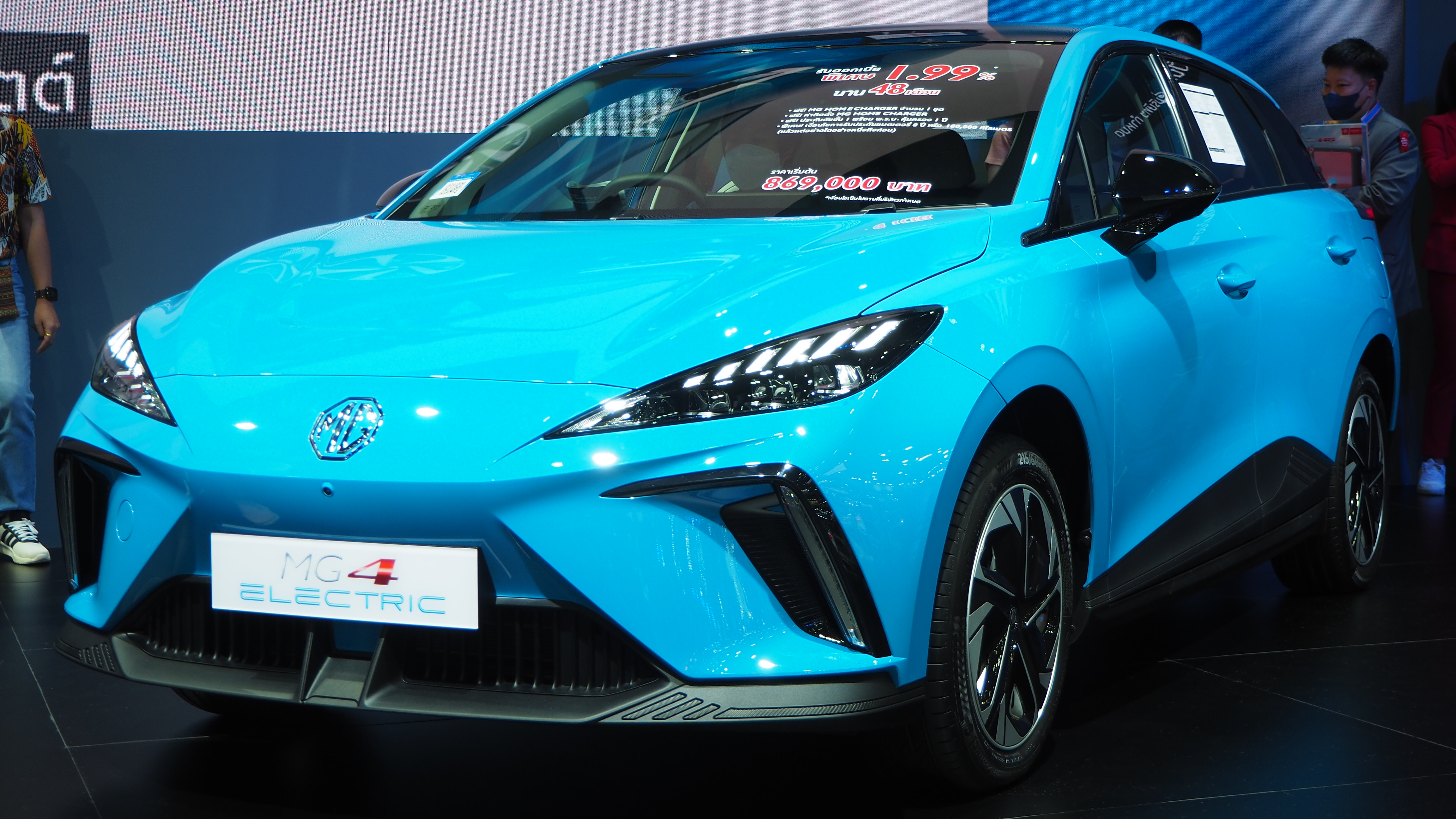
Mg4 Urban
"...ortunes? Because you look at models like the MG4, MG4 Urban, and I believe like the MG4 when it first sort of..."
The MG4 is an electric car (a hatchback) made to be a more accessible way to drive an EV. The podcast also mentions different versions, like the MG4 Urban, and how the car has changed over time. It’s being brought up because it’s a common EV choice and people want to know what to expect.
The MG4 is an electric hatchback that’s often discussed as an entry point into EV ownership, including different variants like the MG4 Urban. It comes up in the podcast in the context of how the model line has evolved over time and what buyers should expect from early versions versus later updates. The mention suggests the conversation is about model history, positioning, and real-world ownership considerations.
Apple CarPlay
"which is iOS 27 Apple CarPlay. So, or let's, or to put it a little bit shortly, more concisely, Apple CarPlay."
Apple CarPlay is a feature that connects your iPhone to your car’s screen. It lets you use apps like maps and music while driving, and the hosts are about to talk about new updates Apple announced.
Apple CarPlay is Apple’s in-car infotainment system that lets you use your iPhone through the vehicle’s display and controls. In this segment, it’s the upcoming topic after the MG discussion, tied to updates announced at Apple’s WWDC.
Worldwide Developers Conference
"we had the Apple Hazard annual WWDC or Worldwide Developers Conference. And this is the sort of"
WWDC is Apple’s big yearly event for developers. It’s where Apple announces new software features, and the host is saying the CarPlay updates they’ll talk about came out of that event.
Worldwide Developers Conference (WWDC) is Apple’s annual event where it announces software updates and new features for iOS, macOS, and related platforms. The host references it as the source of the Apple CarPlay-related news they’re about to discuss.
infotainment
"So it's really made it that anyone like you're in any car that supports smartphone mirroring can like get updates through their phone. I mean, [1786.3s] and also we see they have to keep, I guess I have to upgrade their phone every so often to make sure"
Infotainment is the car’s dashboard screen system—things like maps, music, and phone features. It’s the tech that can feel “outdated” if it doesn’t get updates.
Infotainment is the car’s in-cabin tech that combines things like navigation, music, phone integration, and apps on a screen. It’s often the part that gets updated over time, which is why people talk about “latest tech” in the infotainment system.
smartphone mirroring
"So it's really made it that anyone like you're in any car that supports smartphone mirroring can like get updates through their phone."
Smartphone mirroring means your phone’s display can show up on the car’s screen. That way, you can use newer phone features even if the car’s built-in system is older.
Smartphone mirroring is when your phone’s screen (or key apps) are displayed through the car’s infotainment system. It lets you use phone-based features—like maps or media—without the car needing to be built with those apps from day one.
Android automotive
"And now there's also a lot of vehicles with Android automotive. So that's models like, you know, the latest Volvo models like the EX60 models from Renault and so on."
Android Automotive is the software platform some cars use for their dashboard screens. It can let the car include apps directly, instead of only using your phone.
Android Automotive is Google’s in-car operating system used by automakers to power the infotainment interface. It’s the platform that enables built-in apps and services (including streaming apps) without relying solely on phone mirroring.

EX60
"... like, you know, the latest Volvo models like the EX60 models from Renault and so on. They're also getti..."
EX60 is a model name used for an electric vehicle. The podcast mentions it to talk about EVs that are aimed at similar kinds of buyers. It’s brought up as part of a comparison of current EV lineups and how they’re positioned.
“EX60” is referenced as a model name associated with recent electric vehicles from Volvo and also compared in the same breath with Renault’s EV naming. In the podcast context, it’s used to illustrate how different manufacturers are building EVs that target similar buyer needs and market segments. The discussion likely focuses on naming/model strategy and how these EVs relate in size or positioning.
Siri
"I think the one problem, and I guess the one shortfall that I see with AI Siri compared to some of the other native integrations like Google Gemini with the Volvo EX60, for example."
Siri is Apple’s voice assistant. Here, the hosts are comparing it to other built-in AI systems and saying some of those can use the car’s cameras/sensors more effectively.
Siri is Apple’s voice assistant. In this segment, it’s contrasted with other “native” AI integrations because the hosts claim some alternatives can use the car’s sensors more directly.
Google Gemini
"with AI Siri compared to some of the other native integrations like Google Gemini with the Volvo EX60, for example. And, you know, same with Google Gemini with some of the models from Renault and Chad GPT integration with some of the models from Volkswagen"
Google Gemini is an AI assistant. In this segment, it’s presented as better than some alternatives because it can use information from the car’s own cameras and sensors.
Google Gemini is an AI model/assistant that can be integrated into a car’s native infotainment system. The key differentiation discussed here is that, when it’s built into the vehicle, it can potentially use data from the car’s own cameras and other sensors.
car sensors
"they can make, with inbuilt Google Gemini, they can make use of all of the car sensors. So that's sort of like a key point of differentiation."
Car sensors are the devices that help the car “notice” what’s around it, like cameras and other detection hardware. The segment argues that some AI systems can use those inputs directly.
Car sensors are the hardware inputs a vehicle uses to perceive the world—commonly cameras, radar, and other measurement devices. The hosts’ point is that an inbuilt AI system can use those sensor inputs to understand what the car is seeing.
Ford facing cameras
"So Gemini could sort of look at what was being seen through, you know, the car's own camera. So you'll have the Ford facing cameras in the car and you can, you'll have cameras at the back and all sorts of other"
Facing cameras are cameras on the car that look ahead to help it see what’s going on. The hosts are saying an AI system can potentially use what those cameras see.
“Facing cameras” refers to cameras mounted on the car that look forward (and sometimes to the sides) to help the vehicle see the road. The segment uses “Ford facing cameras” as an example of sensor hardware that an in-car AI could interpret.
advanced driving assistance system
"sensors that are used for the advanced driving assistance system. And Gemini can take advantage"
ADAS is the set of safety/driver-assist features in a car. It uses sensors to “see” what’s around you and can help with tasks like staying in the lane or controlling speed.
An advanced driving assistance system (ADAS) is a suite of safety features that uses sensors (like cameras and radar) to help the car perceive the road and assist with driving tasks. Examples include things like adaptive cruise control and lane-keeping, depending on the vehicle.
onboard cameras
"it observed using the in-car, using the onboard cameras within on the car. But because Siri AI"
Onboard cameras are cameras mounted on the car. The idea here is that the car can “see” what you drive past, and an AI can use that to answer questions.
Onboard cameras are vehicle-mounted cameras used for driver assistance and perception. In this segment, they’re described as the sensors Gemini can use to recognize what you passed (like a bridge or landmark) and answer questions about it.
Volvo EX60
"you can't really overcome compared to having some of these inbuilt AI features in the, in like the Volvo EX60, for example. So yeah, Samu, did you have any other thoughts"
The Volvo EX60 is mentioned as an example of a car that has more built-in AI features. The key idea is that it can use the car’s own sensors, not just what your phone can provide.
The Volvo EX60 is referenced as an example of a vehicle with more inbuilt AI features than phone-projected systems. The host’s point is that an in-car AI can use the car’s own sensors and hardware more directly than CarPlay-based assistants.
GROC AI integration
"I can't imagine too many people are interested in having a conversation with the robot in their car. We already know Tesla has done it through GROC AI integration in their cars."
This refers to Tesla’s built-in AI feature that can talk with you inside the car. The host’s point is that it’s integrated into the vehicle, not just projected from a phone.
GROC AI integration is described as Tesla’s in-car conversational AI capability. The host claims it allows you to have a conversation with the AI while in the Tesla, implying it’s more integrated than phone-based assistants.
GPS accuracy
"I think just another minor one, I know you mentioned the improved GPS accuracy, but you can also have audio scrubbing now within CarPlay, within CarPlay."
GPS accuracy is how precisely your car’s navigation knows where you are. Better accuracy usually means the map moves smoothly and directions are more reliable.
GPS accuracy refers to how precisely the navigation system determines your vehicle’s position. Improvements typically reduce wrong turns, jittery map movement, and delays in recalculating routes.
audio scrubbing
"but you can also have audio scrubbing now within CarPlay, within CarPlay. So if you want to, you know, if you're looking at a listening to a podcast or, you know, a particular song and you want to just, like, rewind 10 seconds"
Audio scrubbing means you can quickly move backward or forward to a specific moment in what you’re listening to. Instead of restarting, you can jump to the part you want.
Audio scrubbing is the ability to move through audio content by dragging or using controls to jump to a specific point in the track. In this context, CarPlay adds finer control so you can rewind/seek in a podcast or song more directly.
CarPlay Ultra
"But unfortunately, it only has very limited support. So I think currently in production cars only Aston Martin has CarPlay Ultra support, and there's been some other brands that have announced it."
CarPlay Ultra is an upgraded version of Apple’s CarPlay system for cars. It’s meant to work with more of the car’s screen and controls, but only some newer cars support it so far.
CarPlay Ultra is a higher-end version of Apple’s in-car CarPlay, aimed at supporting more advanced vehicle functions and richer screen experiences than the basic CarPlay setup. In the segment, the hosts note that only a small number of brands have announced or offered it, and that availability in production cars is still limited.
Hyundai
"I think most notably Hyundai and Kia have announced support for CarPlay Ultra, but they haven't, as far as I know, they haven't released any production vehicles that have CarPlay Ultra"
Hyundai is a car brand. They’re mentioned because they’ve said they’ll support the upgraded CarPlay Ultra, but the hosts say Hyundai hasn’t put it into production cars yet.
Hyundai is a major automaker mentioned here because it has announced support for CarPlay Ultra. The hosts emphasize that, as of their understanding, Hyundai hasn’t yet released production vehicles with CarPlay Ultra support.
Request an Explanation
Heard something you'd like explained? We'll add it to this episode.
Sign in to request explanations for terms you heard.
Want to learn more?
Browse our glossary for plain-English explanations of automotive terms, jargon, and concepts.
Help improve this episode
See something that's not quite right? Our annotations are AI-generated and can sometimes miss the mark. Click the flag icon on any annotation to suggest a correction.