Software-defined vehicles take center stage as Alex Partners’ study argues China is far ahead, driven by a consumer-first mindset, faster development cycles, and more centralized/zonal architectures. The discussion digs into why Western automakers struggle: legacy program complexity, organizational change management, and supplier shifts from “black box” components to platforms and post-SOP software control. The second half pivots to industry news—recalls and warranty costs, aluminum supply/tariff fallout for Ford, and the engineering realities of EREVs (plus delays and challenges for Scout). Tesla’s rumored entry-level plans and the New York auto show round it out.
TOPIC: Software Defined Vehicle PANEL: Himanshu Khandelwal, AlixPartners; Frank Markus, Motor Trend; Gary Vasilash, shinymetalboxes.net; John McElroy, Autoline.tv
"For more than forty years, we have helped companies and their stakeholders around the world harness opportunity, overcome challenges, and achieve outsized outcomes Alex Partners when it really matters."
Alex Partners is a business consulting company. They’re sharing research results that connect to how carmakers and suppliers are dealing with software-defined vehicles, especially in China.
Alex Partners is a consulting firm that works with automakers and suppliers. In this episode, they’re presenting findings from a global study tied to the Chinese auto industry and software-defined vehicles.
"But the reason we're going to talk about software defined vehicles is that Alex Partners just did a very interesting study globally of automakers and suppliers... Functional safety is very critical... I can release the product... But I can continuously fix the bugs as they go along."
A software-defined vehicle is a car where software plays a big role in how it works. Instead of being “done” at launch, the car can get updates later—like fixing problems or adding features over time.
A software-defined vehicle (SDV) is a car where key functions are controlled by software, not just fixed mechanical systems. A major shift is that software can be updated after the vehicle is sold, enabling bug fixes, feature updates, and ongoing improvements during the vehicle’s life.
"Perfect software at the start of the program when I'm launching it. Functional safety is very critical, so I need to make sure I have that."
Functional safety is about making sure the car stays safe even if something goes wrong. When software can be updated, engineers still have to prove the updates won’t create dangerous behavior.
Functional safety refers to engineering practices that ensure a system behaves safely even when faults occur. For SDVs, it’s critical because software updates and new functionality must not compromise safety-related behavior.
"...I can release the product, I can release the vehicle, but I can continuously fix the bugs as they go along."
This means the car’s software can be improved over time, including fixing problems found after launch. Instead of waiting for a hardware recall or a service visit, updates can address issues.
This highlights the SDV model of iterative improvement, where defects found after launch can be corrected via software updates. It implies a different lifecycle than traditional vehicles, which typically rely on hardware changes or dealer service for fixes.
"you almost have what I call is a you know, you're running a smart parallel workstream, which is you cannot get to the all the ECUs everything in the vehicle by having a central compute."
ECUs are the car’s control computers. Older cars use lots of separate ones, while newer designs try to use fewer, bigger computers.
ECUs (electronic control units) are the traditional distributed computers used to control specific vehicle functions. In older architectures, you often have many ECUs across the car; newer SDV approaches try to reduce or consolidate them.
"But you've got to bring your suppliers along right as part of this. And I got to imagine suppliers are deeply worried about this if all they're going to do is make the hardware and the OEM is going to develop all the software."
Suppliers are the companies that make parts for automakers. When automakers shift more work to software, suppliers worry they might just be making hardware while the OEM handles the software decisions.
Suppliers are critical partners in vehicle architecture changes because they provide hardware components and sometimes software interfaces. The transcript highlights supplier concern that OEMs may increasingly develop the software themselves, potentially reducing supplier control or value.
"Taking the example of let's say the one you described ABS and vehicles kid control in all of that, I'm not sure if that's exactly how it will pan out, but hear me out right now, I'm just giving you this ABS VSC."
ABS is Anti-lock Braking System. It prevents wheel lockup during hard braking by modulating brake pressure, helping maintain steering control.
"But now you're telling me that just give me the breaks and calipers and this, and I will take care of all the algorithms from that"
Algorithms are the “decision rules” the car uses. They take what the sensors detect and decide what actions to do to keep the car safe.
In vehicle control systems, algorithms are the mathematical rules and logic that decide how to react based on sensor inputs. For safety systems like ABS and stability control, algorithms determine how brake pressure or torque should be adjusted second-by-second.
"...I can also sell this in the retail market, in the aftermarket as well, So there are tier ones."
Aftermarket means products sold for cars after they’ve been bought—like upgrades or replacement systems. They’re saying the same tech could be sold to consumers outside the factory.
The aftermarket is the market for parts and services sold after the vehicle is already in customer hands, rather than during original vehicle production. The speaker says tier ones may sell the same hardware/software package in the aftermarket too.
"One of the reasons that the Chinese are able to move so quickly is they use a lot of common components across the industry."
Common components are the same parts used in lots of different cars. That makes it cheaper and faster to build new models.
Common components are shared parts used across different models and even across brands, reducing cost and speeding up development. The speaker links this manufacturing strategy to why Chinese automakers can move quickly, and parallels it with software reuse.
"So the standardization of software works very well when it is a commodity software. The soundation stantilization of software also works well. That I can take this software and then I can configure it myself for my own needs."
Standardization means using the same basic software parts across cars. Then each company can still customize the parts that matter for their own identity.
Standardization of software means using common software building blocks across many vehicles or brands. In the segment, it’s presented as beneficial because it allows the same base software to be reused, then configured for brand-specific differentiation.
"I just need the basic software, basing operating system that runs. I don't want to create this myself because it's just the commodity software. I put my requirements there and somebody, you know, there is probably there is a matching algorithm that happens in that in that platform where I provide my requirements for you know, call it my you know heads up display for example."
A heads-up display shows information in front of the driver, like speed or navigation, without you looking down at the screen. They’re using it as an example of a software feature you could source from a marketplace.
A heads-up display (HUD) projects key information into the driver’s field of view, typically on the windshield. In this segment, it’s used as an example of a feature where an automaker might specify requirements and then source matching software.
"I just need the basic software, basing operating system that runs. I don't want to create this myself because it's just the commodity software."
The operating system is the core software that everything else runs on. They’re saying you might not want to build that from scratch—only the feature software on top.
An operating system (OS) in a vehicle coordinates resources and provides the runtime environment for applications. The speaker contrasts “basic operating system” with higher-level feature software that can be sourced as commodity components.
"There might be some specific pieces where I don't want to develop. There is something very basic I can outsource."
Outsource means paying another company to do some of the work for you.
Outsourcing means hiring an external vendor to develop or supply parts of a system rather than building everything internally. The segment suggests there are “basic” pieces an OEM might outsource while keeping key areas in-house.
"The automotive and industrial sectors are undergoing a historic transformation electrification, digitalization, supply chain reinvention, regulatory shifts."
Electrification means cars are moving away from gas engines and toward electric power. That can be fully electric cars or cars that use electricity along with gas.
Electrification is the shift from gasoline/diesel powertrains to electric propulsion, typically via battery-electric vehicles (BEVs), plug-in hybrids (PHEVs), or hybrid systems. In the industry, it also affects manufacturing, supply chains, and regulatory compliance.
"...y three thousand, twenty one to twenty three Ford Expedition super Duties and Lincoln Navigators. The windshie..."
The Ford Expedition is a large SUV designed to carry more people and handle bigger trips. It’s built for comfort and can also be used for towing. The podcast mentions it in the context of model-year pricing or options.
The Ford Expedition is a full-size SUV built for passenger space, towing capability, and highway comfort. It’s commonly discussed alongside other large SUVs because buyers compare size, power, and features in the same category. In this podcast context, it sounds like the conversation is focused on pricing or model-year details for large SUVs.
"... there were seventy five thousand, twenty five bw jettas in Taois vehicles. The gauges on the instrument p..."
The Volkswagen Jetta is a compact car that’s meant for everyday driving. The podcast mentions a situation affecting many Jettas, related to the gauges on the dashboard. If the gauges don’t work correctly, it can make it harder to see important driving information.
The Volkswagen Jetta is a compact sedan that’s widely sold and often used as a benchmark for everyday practicality. In the podcast excerpt, it’s tied to a large number of vehicles affected by an issue involving the instrument cluster/gauges. That makes it a notable topic because gauge-related problems can affect driver information and overall usability.
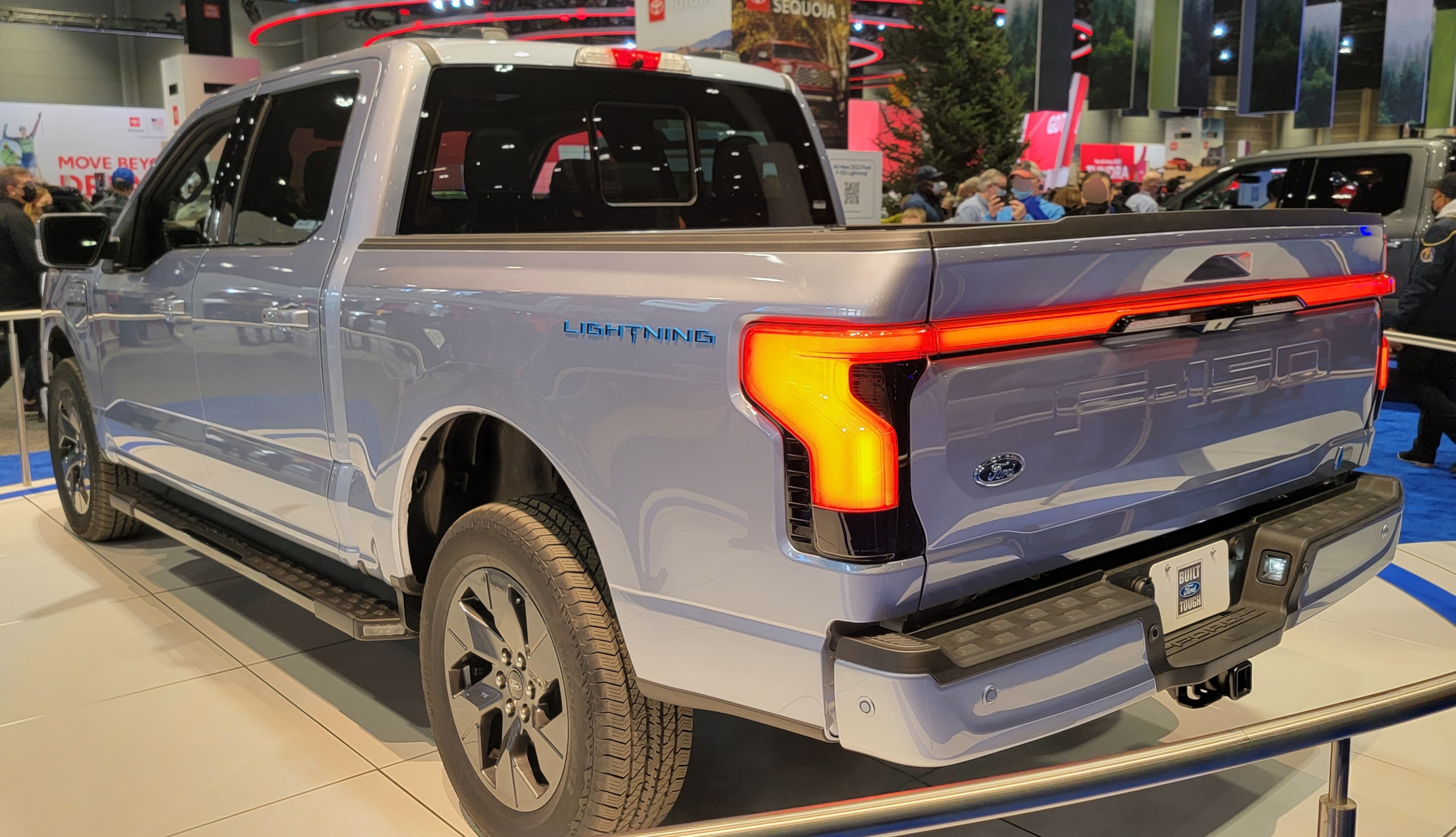
"...the supplier, Novellas, had to bring in aluminum from Europe and South Korea so Ford can build F one fifties, which are an aluminum Tensis vehicles since since model year twenty fifteen."
The Ford F-150 is a popular pickup truck. This discussion is about how using aluminum can make the truck’s costs sensitive to aluminum prices and trade rules.
The Ford F-150 is Ford’s best-selling pickup, and the segment notes it uses aluminum body components. That matters because aluminum supply and tariff costs can directly affect the vehicle’s production economics.
"Yes, it it answers a lot of the worries that people have with range anxiety and throwing and charging and all that."
Range anxiety is when you worry your EV won’t have enough battery to get where you’re going. People feel better when they know charging is easy and the battery range is dependable.
Range anxiety is the fear that an electric vehicle (or plug-in hybrid) won’t have enough battery range to reach a destination or charging station. It’s a major adoption barrier, so automakers and analysts often discuss how charging access and battery performance reduce it.
"...and then you start the challenge with somebody who wants to buy a EV right now, which."
EV means electric vehicle. It’s the kind of car that runs on electricity instead of gasoline.
EV stands for electric vehicle—cars powered primarily by electric motors and rechargeable batteries. The segment uses EV as the buyer’s motivation point: people who want an EV “right now” may be influenced by pricing and energy costs.
"Frank, you were in New York last week for the Auto Show. What really struck your fancy there?"
An auto show is a big event where car companies bring cars to show off new ideas. Journalists and fans go to see what’s coming next.
An auto show is an event where automakers unveil new models, concepts, and technologies to the public and media. This segment focuses on the “rush” and uncertainty around what would be revealed, which is common when concepts and announcements are staged close to showtime.
"...Hyundai for the Boulder concept. Nobody, even the people they flew in, did not have any advanced words..."
A concept car is a prototype used to preview future design directions and sometimes new technology. Auto-show concepts are often not production-ready, so details can be limited until later development stages.
"...X you know GM competitive analysis people who have a different take on things and whatever."
Competitive analysis means looking at what other car companies are doing and learning from it. Automakers use it to decide what to build next.
Competitive analysis is when automakers study rival products—design, packaging, pricing, and customer appeal—to guide their own engineering and marketing decisions. It’s especially common when a company is preparing a new vehicle or refresh.
"...it's easy to reach the stuff in your well, you know, the roof rack and whatever."
A roof rack is the bars on top of a car that you can strap things to. It’s useful for trips when you need extra space.
A roof rack is a set of crossbars mounted on the roof that allows you to carry items like luggage, bikes, or gear. It’s a key utility feature on SUVs and adventure-focused vehicles, and the speaker notes it as easy to reach from the sill.
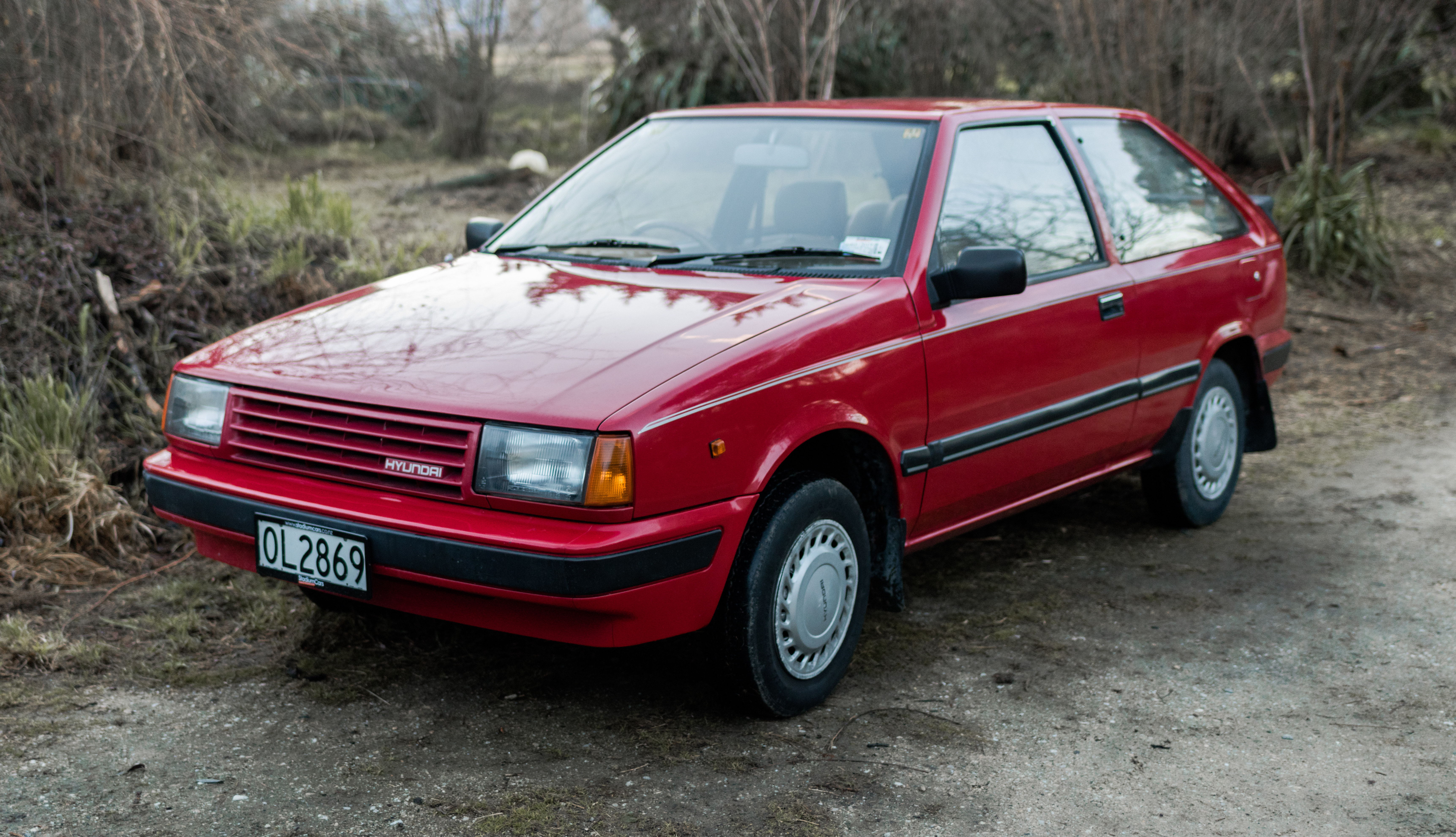
"[3381.8s] Speaker 6: So if a Buick sedan, a proper sedan comes out, how well will it do in the market, given that Toyota, Honda, Kia, Hyundai have sort of said this is our market.
[3400.7s] Speaker 8: Now, Yeah, that's a good question."
They mention Hyundai because Hyundai is also strong in sedans. The key point is that Hyundai (and Kia) often uses long warranties to help buyers feel secure.
Hyundai is included in the same sedan-market comparison group. The segment emphasizes that Hyundai and Kia have used long warranty programs as a selling point to offset concerns about reliability.
"[3381.8s] Speaker 6: So if a Buick sedan, a proper sedan comes out, how well will it do in the market, given that Toyota, Honda, Kia, Hyundai have sort of said this is our market.
[3400.7s] Speaker 8: Now, Yeah, that's a good question."
They mention Kia because Kia is one of the brands people associate with sedans. Later they also talk about Kia using long warranties to give buyers confidence.
Kia is mentioned as part of the group that has staked out the sedan market. The conversation later ties Kia’s appeal to warranty coverage, which is a common strategy for winning buyers in competitive segments.
"[3381.8s] Speaker 6: So if a Buick sedan, a proper sedan comes out, how well will it do in the market, given that Toyota, Honda, Kia, Hyundai have sort of said this is our market.
[3400.7s] Speaker 8: Now, Yeah, that's a good question."
They bring up Honda because Honda is also known for sedans. The idea is that these brands already have customers trained to shop for sedans there.
Honda is cited alongside Toyota, Kia, and Hyundai as a company that has positioned itself in the sedan market. That matters because brand reputation and existing model lineups can make it harder for a newcomer to win customers.
"[3381.8s] Speaker 6: So if a Buick sedan, a proper sedan comes out, how well will it do in the market, given that Toyota, Honda, Kia, Hyundai have sort of said this is our market.
[3400.7s] Speaker 8: Now, Yeah, that's a good question."
They mention Toyota because Toyota is known for having strong sedan offerings. The point is that Toyota (and others) already have a reputation in that segment, so a new sedan has to compete with that.
Toyota is referenced as one of the brands that has “owned” the sedan market. In practice, Toyota’s strategy and product mix influence how consumers perceive which automakers are serious about sedans versus SUVs or EVs.
"Speaker 7: I would certainly consider a ten year warranty or something to you know, kind of offsets the stirling reputations that Hanta and Toyota, you know, I have always enjoyed, and the ten year on hundred thousand mile warranties that the Koreans have used to buy that, you know that that peace of mind."
A ten-year warranty means the company promises to cover certain problems for a long time. It helps buyers feel less worried about what could go wrong after purchase.
A “ten year warranty” is a long coverage period that can reduce buyer risk and improve perceived value, especially for brands trying to overcome reliability skepticism. In this discussion, it’s framed as a tool to make a new sedan purchase feel safer.
"[3480.3s] Speaker 3: Buick sedan styling? Man?
[3484.2s] Speaker 2: I mean, that's what creates desire. It's got to look"
They’re saying the car’s look matters a lot. If the sedan looks good, people will be more interested in buying it.
“Styling” is presented as the driver of desire—if a Buick sedan looks compelling, people will want it even in a market where sedans are less common. This is a key marketing concept: design can overcome brand inertia and category skepticism.
"[3563.1s] I want to know about any recall since I owned the vehicle, kind of piggyback and to what you were talking about before."
A recall is when the car maker says, “We need to fix something.” It’s usually for safety issues, and owners may be able to get the repair done.
A recall is when a manufacturer asks owners to bring a vehicle in for repairs because of a safety or compliance issue. Listeners often ask about recalls to understand whether a specific model had known problems after purchase.
"[3615.2s] Program, they kind of dare not draw that because def'll be problematic for the you know, the notion that they they don't need dealers, right, we're not part of Olkswagon."
Dealers are the stores that sell cars and often handle service. The speaker is saying the company’s plan might be to not rely on dealers, and that affects how they talk about the product.
Dealers are the retail middlemen that sell vehicles and provide service/parts in many traditional automotive sales models. The segment suggests a strategy that “they don’t need dealers,” implying a direct-to-consumer approach, and notes that certain messaging could be problematic for that narrative.
Select text to request an explanation
Speaker 1: Auto Line after Hours is brought to you by Alex Partners.
For more than forty years, we have helped companies and their stakeholders around the world harness opportunity, overcome challenges, and achieve outsized outcomes Alex Partners when it really matters.
Speaker 2: Hey, everybody, thanks for joining us on Outline after Hours.
We got a little bit of a different show today.
We had a bit of a technical difficulty. Garry will
join us for the second halt half of the show. Well,
we've got Frank Marcus here from Motor Trend and Himanshu condel Wal from Alex Partners. We're going to be talking
about software defined vehicles for the first half of the show, then get into the news of the industry this week in the second half. But the reason we're going to
talk about software defined vehicles is that Alex Partners just did a very interesting study globally of automakers and suppliers and some of the findings are enough to set your hair on fire if you don't work in the Chinese auto industry.
Speaker 3: You do work in the Chinese auto.
Speaker 2: Industry, the future looks great. But come on you so
great to have you on the show here.
Speaker 4: Thank you for having me.
Speaker 3: Yeah, let's get into the study.
Speaker 2: But first, just for those who don't know what software defined vehicle is, let's have your definition, because I swear if you talk to five people, you might get five different definitions.
Speaker 5: Yeah, you talk to five people, you'll probably get ten different definitions, depends on when you ask them. In the
most simplistic way, the way we define software defined vehicle is a car, a vehicle that can be controlled by not only mechanical but now.
Speaker 4: Software as well.
Speaker 5: The software can be updated much after the vehicle is sold, so it is not just stopping at the start of production SOP, but much after the life of the program.
Speaker 4: What does that really mean. I have don't have to
have a.
Speaker 5: Perfect software at the start of the program when I'm launching it. Functional safety is very critical, so I need
to make sure I have that. But I can release
the product, I can release the vehicle, but I can continuously fix the bugs as they go along. But the
more important part is I now have the opportunity to program or send new softwarees into the vehicle.
Speaker 4: It's huge for the customer experience.
Speaker 6: Right.
Speaker 5: So that's how we define right software. It's not once
one time vehicle build shipped. It's I'm constantly updating the
vehicle features and functions and improving the functionalities depending on what functionality is.
Speaker 4: That I want to improve on.
Speaker 2: But mans which you're talking about, goes against the grain of what legacy rtmakers believe they need to do.
Speaker 6: I e.
Speaker 2: Have the car perfect from the first time that goes into the showroom. How do you see rtmakers changing that
kind of mindset?
Speaker 5: And that that's where the challenge has been for us from a Western WIEM standpoint.
Speaker 4: As you said, it's the mindset.
Speaker 5: Culturally, I've been developing and selling the vehicle a perfect vehicle that goes.
Speaker 4: On the road without any issues.
Speaker 5: The demography is changing, the world is changing, the competition is changing. And what some of our ev competitors brought
from China as well as from here is that mindset that I have to be functionally functional, safety without compromising that.
As long as I have that, I can get the vehicle.
Speaker 4: On the road and then I can constantly.
Speaker 5: So yes, is it my DNA is not allowing me to do that. I got to work on that, right.
It's not the technology problem. It is an operating model problem.
It's a cultural problem. It's a huge change management that
I need to deal with it.
Speaker 7: Would you agree that Tesla was the first software to find vehicle that Americans had access to? Or was it
maybe the world or I would say yes, yeah, absolutely, Well how is that shaping the way people look at and what they expect from software to find vehicles? Because
the Tesla crowd has, you know, had these little features, a little easter eggs beamed into their car surprise and delight.
I wake up one day and I've got a new thing.
And it seems like sometimes the legacy ones aren't doing that with the technology.
Speaker 5: And it's also the consumers, right, So folks who are used to driving you know six point four liters, you know that goes zero to sixteen three points six seconds. Well,
I'm also getting there in an evy now, But what's the customer experience I'm getting?
Speaker 6: Right?
Speaker 5: Do I care about those going up and down? Do
I care about changing the ambient sliding and all of that?
Some people do, some people don't. What our legacy uems
are working on is I'm going to, you know, try to perfect if I can get the engine tuning really really done with the software defined vehicle, if I can get some of the soft safety related issues of perfected using software defined vehicle. If I can get the battery performance,
battery management and using software defined vehicles, I'm going to try to focus on that first from an end consumer standpoint.
If I think about it, right, they don't if you ask someone down the road, or for example, if I ask my wife at home, she doesn't know what software defined vehicle is. She does know that the customer experience
matters a lot. So if the screen is going blank
while she's driving, it's both, by the way, functional safety ask issue, but just the customer experience because suddenly I'm not on my call anymore. So that customer experience has
to be managed very very appropriately for the success of software defined vehicle and mantra.
Speaker 2: Your study found out that the Chinese are way ahead of the rest of the world in doing this. Why
do you think that is that they're so far ahead and why do you think it's everybody else is so far behind?
Speaker 5: Yeah, A city said, essentially, thirty nine percent of the Chinese OEMs you know are doing a lot of these development and house there is still sixty one percent out of their DNR.
Speaker 2: Okay, and that thirty nine percent is that mainly the Chinese startups versus the joint venture sort of legacy ones.
Speaker 5: It's it's primarily the enevs is how they really started.
But some of the bigger OEMs also have done a great job in really accelerating the pace of their development. Right,
So it's yes, the envies, even our enevs here, you know, Teslas and reviews, you know, they have that leg up.
But the OEMs in China because of the mindset, because of the operating model concept, because of the cultural aspect that I'm going to be consumer first and I'm okay to releasing a vehicle with you know, cal de beta version of the vehicle as long as functional safety is not considered. So it's it's the mindset, it's product development speed.
So some of the quote un quote the legacy oms in China have also progressed along going in the same pace. Now,
are they at twenty four month cycle versus you know, thirty six forty eight month cycle? Those even some of
those Chinese oms might not be quite there, but they are definitely ahead of us from a Westerners standpoint.
Speaker 7: How many of those thirty nine percent are on total centralized architecture one computer is because I'm trying to figure out how how central is that to a successful SDV.
Speaker 4: If if it is.
Speaker 5: An E n EV vehicle or Chinese OEM, for the most part, they are in the central architecture concept, right, So it's central compute, zonal architecture.
Speaker 4: That's where they are.
Speaker 5: More often than not. Even for the most sophisticated OEM,
you almost have what I call is a you know, you're running a smart parallel workstream, which is you cannot get to the all the ECUs everything in the vehicle by having a central compute.
Speaker 8: Right.
Speaker 4: So, there is a little bit of hard hybrid architecture.
Speaker 5: There's still does, but by and large it's you know, the the their EE design, ectronic syleptrical design is at dead level.
Speaker 2: If you have a legacy platform with suppliers doing all the software, you make the switch over to a software defined vehicle with zonal and perhaps even centralized compute, that's a heavy lift that takes a long time to do.
Is that what's holding back legacy Western auto makers as well?
Speaker 5: To Yes, absolutely, it's it's the it's the complexity of running the legacy program as well as developing an entire new SDV program, right so you're running.
Speaker 4: You know, essentially you have two feet on.
Speaker 5: Two boats, and both the boats are moving, and how do you make sure that they kind of go together so that the complexity aspect is there? But if you know,
if you look at how the question is always added.
So where do I go from here? I still have
to run these two It's the organizational you know, we have a chief engineer running the program. Right, I'm going
to be launching this specific vehicle or this specific platform.
I need to make sure that this specific platform gets launched perfectly. Now, Now we also are launching an SDV program, right,
so how do we make sure that once we have an SDV architectured vehicle.
Speaker 4: That gets launched.
Speaker 5: The learnings we talked about software reused yesterday, right going to the platform reuse, how do we make sure that now this specific program gets translated from a reuse standpoint to all the other platforms that's going to be built on top of this plate, this specific architecture.
Speaker 4: And that's the challenge, right because you have.
Speaker 5: I have two streams of call it Tier one suppliers Tier to supply us running managing the current programs, and now you have an SDV architectured program that's coming live.
So it's the organizational complexity. I wouldn't necessarily say that
technical challenges can be solved because you have the partnership constructs we talked about that. It's the organizational design and
the change management to make sure that the learnings, everything that is done for the SDV for one program now will get replicated in the fall one programs.
Speaker 4: So we're going to see lots and.
Speaker 5: Lots of vehicles in the at least one SDV program per we am coming in call it next to do three years. That's not the challenge. That is a challenge.
I mean I would say that's not the challenge. That's
not the small challenge. The bigger challenge would be once
I launched you know this specific, how do I now bring another forty vehicles using this architecture.
Speaker 4: And that's where the complexity comes.
Speaker 7: Can you handicap you know, we've got on the one hand, the Rivians and Tesla's with are very centralized, and now we've got BMW and sort of Mercedes cheering for having four brains. They've gotten it down from hundreds to four.
Is one or the other of those just destined for better success in the SDV world.
Speaker 5: So you know, I wouldn't necessarily pick an OEM versus other uh. You know, we work with a lot of clients,
but the OEMs who are picking up a program and driving all the details. It's about what level of vertical
integration I'm going to be doing in my specific stack, right, So starting with the application layer, then my middleware or operating system layer, and my hardware stack if I have better.
So I'm going to pick depending on my my capacity to consume capital if I can, and obviously it has to align with my branding. Right, So if I want
more control of every feature, I'm going to be as vertically integrated similar to revians in Tesla. Right, So it's
picking the right level of vertical integration, picking the right level of integration, and the partnership in the entire right application layer, for the most part is being done by our Westerner OEMs, right, who we generally talk about. It's
the middle stack, right, It's the software, it's the operating system.
You know, I'm not going to necessarily develop a real time our toss myself. I'm going to probably take something
that exists in the market and then I'll configure it for my quote unquote my vehicle program. Right, So I'm
going to start taking some of those and now it's not going to be overright. We know, for example, in
you know some of these cases, it was announced in five six years back. It takes four or five years
to develop a very robust program, right. I'm still calling
it program by the way, intentionally. Once I delivered this
program successfully, now I can now scale it up or start to scale it up and bring other programs, right, And that's what everyone is desiring.
Speaker 8: Right.
Speaker 5: So we talked about yesterday different art types. This specific
art type is not entirely taking in.
Speaker 4: Ownership of the stack.
Speaker 5: But I'm going to be very selective and very strategic and very deliberate about where the pain points are today, what do I want to control, and then I'm going to go heavy on developing those and that it takes time.
Speaker 4: That's the complexity as well.
Speaker 2: Yeah, and Mancho, when I hear you talking about that, I almost wonder if I were a legacy auto maker, is it even worth trying to take my legacy programs into this. Why don't I start with a clean sheet platform,
maybe an EV to all my learning on going to an STV and zonal centralized compute system on that and take that learning like you say, it's going to take four to five years, instead of trying to do a patch work of you know, band.
Speaker 3: Aids on my legacy program.
Speaker 5: But John, if you look at it, that's what our Williams we are trying to do. Take an EV program
because that's a clean slate, and then you build it up now SDV, it doesn't matter whether it's ICE or EV, right, it's TV architecture.
Speaker 4: Is this TV architecture.
Speaker 5: It was just easier for me to start with the clean slate when I was starting an EV program.
Speaker 7: So what about for example BMW, they're part of joy and whatever. They say that architecture, the electrical part of
it should be applicable to future ICE and hybrid programs on that same you know, general electrical architecture. Is there
any reason why that's going to be easier or harder than if you're a Tesla or Arabian where they're all electric only, it's.
Speaker 4: It's going to be harder.
Speaker 5: And the reason is, you know, even though I'm quote un quote on papers starting from scratch ground up, still leveraging some of my algorithms that I had developed for my own stack along the Way right, So it's no, I'm not going to start everything from scratch. I have
a lot of these building blogs that I developed along the Way right, so the new BMW Architecture or food Architecture or GM.
Speaker 4: Right, they are.
Speaker 5: While it's a bottoms up approach of developing, and that's you know, that's what's going to be launched, but it's not completely from scratch that Teslas and Reviews did. It
took them ten plus years to get to where.
Speaker 4: They are or more.
Speaker 2: But you've got to bring your suppliers along right as part of this. And I got to imagine suppliers are
deeply worried about this if all they're going to do is make the hardware and the OEM is going to develop all the software. Although I've also got to believe
there's an interim whereas if it's a federal safety related component, I'm thinking brakes or steering or airbags or things like that.
As a legacy automaker, you probably going to want to live with something that's tried and proven right now. And
I wonder if if that's some of the things that they're really struggling with and That's why I wonder is it easier just to leave the legacy as it is and learn on something new.
Speaker 5: Well, so I'll answer the second question just it's the evolution of the industry. So you are going to be
ic TV architectured in the future.
Speaker 4: Now.
Speaker 5: Two years back, if you recall, we said by twenty thirty we're going to have a fair number of vehicles and you know products in the market with STV. But
you know, thanks to a lot of changes in last six to nine months, that timeline has pushed to the right, right, So it's the natural evolution, John, whether you are going to wait or not, everyone is going to go in the direction. So if I'm going to wait, I'll probably
be the only one left. Going back to the second
or first question on the tier tier tier, and that's a you know, that's a challenge and again it's a complete city. That's Tier ones have been the system integrator
for our oeams for the longest time. I myself worked
for a for a system in Tirador or for a Tier one for a number of years. I was, you know,
a safety engineer. That's how I sated. I knew part
of the breaking system and safety system and it is a complex. The product development takes time. Having said that,
what tier ones really need to do, or are beginning to do, is the wams are asking just give me the hardware.
Speaker 4: I got the all the software.
Speaker 5: So everything that was embedded, software developed, used to be packaged in you know, it used to be just black box for em. You give it to me, simplifying it,
plug and play off. I go, I'll all take I'm
the SI for the entire vehicle. I launched that vehicle.
Now I have taken that away. I'm going to take
that away. Where tier ones need to now pivot towards this.
Rather than just thinking about I'm going to give you a product, they need to be thinking about, can I gave you a platform?
Speaker 4: So let me describe what that platform is.
Speaker 5: Taking the example of let's say the one you described ABS and vehicles kid control in all of that, I'm not sure if that's exactly how it will pan out, but hear me out right now, I'm just giving you this ABS VSC.
Speaker 4: In your non SDV vehicle.
Speaker 5: But now you're telling me that just give me the breaks and calipers and this, and I will take care of all the algorithms from that So if I'm a Tier one, what I want to do is, you know, mister Rimanshu, who's the OEM.
Speaker 4: I'm going to give you this.
Speaker 5: Hardware, but I'm also going to give you not just at the SUP but everything from a software control points that I've been doing for you for the last seven ten seventy years. I'm going to provide that after the SOP,
through the life of the program, any updates there are needed.
Speaker 4: So I'm going to.
Speaker 5: Give you this hardware, but I'm also going to give you the software related control points that are there.
Speaker 8: Right.
Speaker 5: So it's now actually i have an opportunity as a Tier one because I'm not constrained of selling that plateform to just one OEM. Now I can reuse that and
then give it to someone else because I'm defining the input outputs and I can reuse that. I'm simplifying that.
But the whether it's that specific or other. The other
aspect is in the non STV world, if I'm doing the ABS in all of these testing, the aid ASAS testing, for example, is primarily done by the aid AS player and this now all of these systems are very well interconnected, so I can also provide you quote unquote a services type of portfolio where I will be responsible for all the testing. So they have to redefine, they have to
find these opportunities where they can write if there is there is a tier one that's that is heavily in the personalization vehicle personalization. Rather than providing just hardware or software,
what can I provide as a service to the customer to my OEM? Right, there might be opportunities to you know,
revenue sharing type of opportunities. I will run your out
pipes right, and this may not be for someone like Mercedes, but an OEM that is relatively behind in the in the E ball this game might need services where they need the out pipe, they need the out management to be done by a third party. So there is an
opportunity for a tier one to play that role.
Speaker 7: Can you imagine an era where the tier one can make a brandable like you know Brambow or like a you know Intel inside, Hey, our software package is really great.
Speaker 8: People feel it. You want to have that on there?
Speaker 4: I think it's already happening.
Speaker 5: Okay, yeah, yeah, there are tier ones who are looking at you know, I'm going to provide this to you business or mister oe M. This is my not just hardware,
now my hardware software the app that goes with it.
And by the way, I can also sell this in the retail market, in the aftermarket as well, So there are tier ones. They are looking into this as we speak.
Speaker 2: Him an't you as you know. One of the reasons
that the Chinese are able to move so quickly is they use a lot of common components across the industry.
But in your presentation yesterday you also talked about common software at least across an industry and that you can take to other platforms. Go into that a bit, because
I find software reuse to be an intriguing concept.
Speaker 5: So in the in the presentation yesterday, the software reuse was not across the industry. Yeah, so it was so
for an OEM. So let's talk about OEM versus Tier one.
For Tier one, it is for an OEM. Right, I'm
going to own this software. I've developed this software. You know,
take the example of aid AS. For example, I've created
aid as specific portfolio of softwarees the entire software stag. Absolutely,
it's already being done. Actually even in the current or
non s DV or not one hundred percentage sdv R creded vehicle to take that you know, adaptive cruise control or whatever equal, and that you know our OEMs use and apply the different vehicles.
Speaker 4: The power is.
Speaker 5: Actually, you know, more often than not, they are more most likely not most likely, they are using the hardware reuse more than the software use.
Speaker 6: Right.
Speaker 4: Because if I have you know, a vehicle.
Speaker 5: A where I have this specific piece of aid, as I'm taking all the controllers and everything, I need to reconfigure it and re customize it when I take it in my own vehicle. Be now, if I if I'm
a Tier one supplier, you know, so far, I've been making money, a lot of money, if you will, because I can customize the heck out of it or an OE m A. But now that OEMA is asking me,
I don't really.
Speaker 4: Need all of these things.
Speaker 5: You just give me the hardware, right, And that's where the opportunity is for me as a Tier one for a software use standpoint, I create this, I create this platform, if you will, not just a product anymore.
Speaker 4: And now I can give the inputs and outputs all the you know, I.
Speaker 5: Would call it sort of closer to the ground lower level controls and algorithms is software.
Speaker 4: OEMs are developing.
Speaker 5: It from the the functionality of my product, my black box.
I'm going to develop that software. I'm going to give
you input outputs and now you can do plug and play.
But now I have an opportunity to take this and reuse the software components that I have for other OEMs. Right,
So that's the the you know, the decoupling, that decoupling of not just the hardware and software, decoupling of mindset is also there now where you're leveraging that across other platforms or programs.
Speaker 3: What do you make of this? Uh consortium?
Speaker 2: I guess a marketplace called sd verse that was largely organized by General Motors and Magnat and now they're trying to bring others in. And their whole idea is we're
going to have all those STV software sitting on the shelf or whatever area of the car you need. Don't
go develop it yourself, just go to the market and buy it right off the shelf and you're up and running.
Speaker 3: At least that's the theory.
Speaker 2: Could this help, certainly, at least in the US market where sd versus largely focused.
Speaker 3: Could this help them catch up?
Speaker 8: Yeah?
Speaker 5: So again, right, if to think about a software, if the specific piece of software has to be used in code and GM's vehicles and Mercudes Benz vehicles, it's got to be something that is very commoditized, right, because if it is something totally differentiated, I'm going to probably develop myself or with my partners.
Speaker 4: Right.
Speaker 5: So the standardization of software works very well when it is a commodity software. The soundation stantilization of software also
works well. That I can take this software and then
I can configure it myself for my own needs. Right,
so I can create my own brand differentiation. And I
think that's where you know, a market place like sd works makes a difference. I don't have to find this software.
You know, there are people who can who are hosting this software. You know, there is probably there is a
matching algorithm that happens in that in that platform where I provide my requirements for you know, call it my you know heads up display for example. Right, I just
need the basic software, basing operating system that runs. I
don't want to create this myself because it's just the commodity software. I put my requirements there and somebody, you know,
if if if a software already exists. It gives you
the match if it doesn't exist. The platform, this online
platform should be able to find vendors for me to go after. Right, So that's the advantage. Now you know
where it becomes scalable is the challenge, Right? How do
I you know my software stack for all of the you know call it aid ASS and I v I and body control systems and engine management system.
Speaker 4: All of that the application layer.
Speaker 5: If I'm an OEM, I'm trying to do in house, maybe there are some specific subcomponents there that I can buy, right, so you know it has software STAG is probably huge.
There might be some specific pieces where I don't want to develop. There is something very basic I can outsource.
Great place for me to go and find those software.
Speaker 2: Very good, imancho. If people want to say, okay, I
want to dive into the study more, where can they find it? Is it on the alex Partner's website.
Speaker 4: So what's on.
Speaker 5: The alex Partner's website is what we presented yesterday. If
anyone wants to do deep dive, they can reach out to Tim Used. We can provide the context and Tim
can get hold of someone like me, me or someone like me an expert in the film.
Speaker 2: Yeah, okay, we're good because I think you've triggered a lot of interest here in number one, the need to catch up to the Chinese or setting the pace, and if you don't catch up to them, you're going to be left behind.
Speaker 8: And the R and D.
Speaker 5: Yeah, it's so RND is is the beast here if you think about it. Right, If I'm putting my money
right now because I know that's where I'm going to reap the benefits in the future, I'm doing that. But
I'm also going to double down in the future. Right,
So in the next five years, I'm going to go more because today's RND, I'm spending on wherever the control.
Speaker 4: Points that I want to manage.
Speaker 5: This is where I'm going to do development here, this is where I will outsource, this is how I will integrate, This is where I'll get the new tool chain. This
is where I'll spend on dev offs for example.
Speaker 4: Right.
Speaker 5: But in the future, also, once I have this established, I'm going to go I'm going to increase my R and D because I can go after Now what's not visible here is the amount itself. Right, am I spending
one billion in China versus ten billion here. Either way,
it's the proportional aspect that matters here. Right, I'm still
doubling down, so if my competition is here, I'm going to keep, you know, making that gap.
Speaker 2: Well, Kimansho Condo will this very interesting conversation. I'm sure
it's not the end of this discussion either. We're going
to have to have you back at some point to see where do we stand in the future.
Speaker 4: Absolutely would love to come back.
Speaker 3: John very good.
Speaker 2: So we're going to have to take a quick commercial break with guess what a message from Alex Partners, and we'll be back in the second half of the show to talk about more of the news of the week.
Speaker 9: The automotive and industrial sectors are undergoing a historic transformation electrification, digitalization, supply chain reinvention, regulatory shifts. The pace is accelerating and
the pressure to adapt is real. This is not a
time for hesitation. It's a time for bold decisions back
by fast effective execution. You need a partner who understands
complexity from factory floors to boardrooms and delivers measurable results.
That partner is Alex Partners. When it really matters.
Speaker 2: We're back and guess who's on the set right now during the slash. Sorry that we ran into some techniculture difficulties,
but anyway, it's.
Speaker 6: All about technology.
Speaker 8: That's hardware to find.
Speaker 6: So this, I mean this raises a news related point I mean to think about it is that Okay, So I was looking at some recent recalls, okay that have happened.
So two hundred and seventy one thousand, twenty twenty three to twenty twenty five Malibus the rear view camera needs replacement.
Speaker 3: This is an ongoing theme in the industry as Okay.
Speaker 6: There were four hundred and twenty three thousand, twenty one to twenty three Ford Expedition super Duties and Lincoln Navigators.
The windshield wiper arms may break. Okay, there were seventy
five thousand, twenty five bw jettas in Taois vehicles. The
gauges on the instrument panel may not illuminate. Uh, I
don't know what's going on. And then there were forty
four hundred Lucid gravitys were being recalled because their lap belt anchor brackets on the second roll may have inadequate welds. Okay,
So here are four things This happened within you know, the last week or so, and it occurs to me that three out of four our physical mechanical mechanical not fixing over the air, right, So, I mean, what does this say about the ability to make vehicles in they first century? I mean the making part.
Speaker 2: So it's stunning, and you know, we we you know, obviously the automakers don't with you know, here's how it failed.
But I mean wincheld wiper blades or arms arms, It's it's not even the motors or the electronics driving it, it's it's the arms are breaking. I mean, come on,
we've had winshield wipers on cars going back to the very beginning.
Speaker 8: We've been costing those guys down for a while.
Speaker 6: And you know, is that I mean, is that you think that I think.
Speaker 3: That's a good guess. I would cut yeah.
Speaker 2: Because you know, we've been talking about it on the show for a while, because I've been diving into this recall and warranty costs have gone through the roof in the last five years, and you know, I've been trying to get my head around why this is happening. And again,
the automakers don't come out and share everything that's going on.
But there's a lot more complexity in cars. You've got
the whole move to aid US. We've been talking about
software defined vehicles, although mostly none of this is related to STV, but you've got you know, uh push to using digital twins, You've got like you're talking the cost cutting and died. There's just so much hitting all at once.
But boy, when you get something as basic as windshield wiper arms breaking YAI and seat belt wells and see, how does that get pass the system?
Speaker 8: Right?
Speaker 6: Well, the thing I mean I wonder about, I mean, as we go to software to finding vehicles, I mean, what is the level of confidence that the consumers will have that these guys have the wherewithal to produce vehicles that will reliably and safely and support one's family from A to B and not you know blue screen of death as you know the old Microsoft world had it.
Speaker 8: Good question.
Speaker 2: Well, let's see what happens, because, like you said, three out of four of what you.
Speaker 3: Just mentioned we're mechanical. I've got nothing to do with softwa.
Speaker 7: And I've got a safety recall on the car out back here for a trailer module or something. And I
called to try and get an appointment. They said, we're
getting two parts per week in it might be two years.
What are you kidding?
Speaker 8: Now, it's not something that you know, park it outside.
Speaker 7: You know, this is only if you're towing, which you aren't most of the time, and so on. But still
it is because it's related similar to that board one.
There was a trailer module recall of four hundred thousand or something a few weeks ago, and this is similar on a Slanti's vehicle.
Speaker 2: But look, last year the industry spent thirty billion dollars on warranty and recall work. Thirty billion, and that's just
in the US. So and this is a global issue.
It's not just to the US. I mean, I've dived
into this, and it's not just the legacy auto makers.
In fact, the startups in the US and in China, on a percentage basis, are their warranty and recall costs are shooting up even higher than it is for the legacies.
Now they have many smaller numbers of vehicles out in the field, so you know, I'm talking on a percentage basis, but it shows it's an industry wide problem.
Speaker 7: And I wonder in the software to find world where more and more things will be fixed over the air.
Does the average person even care even care if they don't have to take it in somewhere and they just get an email, Hey we had this little issue. Yours
has all been fixed while you were sleeping last night.
Don't worry about it.
Speaker 3: So even more, should it even be called to recall?
Speaker 2: Should the car companies be forced to send a recall notice to a customer who's going to have the thing fixed overnight while it's parked in the garage.
Speaker 7: On the leading question that I'd be curious to see how that you know unfolds too, because you know full disclosure.
Do you really want to know, like how many goof ups your company, your car company made you know, just as well not to know certainly from their standpoint, it is yeah, I know.
Speaker 2: But as a customer, do I care if the thing's going to get fixed and over the euro update? I
personally I don't care, and I don't need to get a notice saying, hey, your car has been recalled even though it's already been fixed overnight. Moving on to another
topic of yeah, I think we beat that one to dath Okay, what well, so as we know that that Ford had a problem with its aluminum supplier.
Speaker 8: York, multiple fires. What's up with that place?
Speaker 6: Well, you know, I mean when you're making aluminum, it's energy intensive, so maybe there's a problem there. Okay, So
the supplier, Novellas, had to bring in aluminum from Europe and South Korea so Ford can build F one fifties, which are an aluminum Tensis vehicles since since model year twenty fifteen. So this is this is costing some real
dough because there are the fifty percent tariffs on aluminum coming into the country. Now, Ford, quite reasonably, I think,
went to the government and said, hey, can you give us some temporary relief here on teriffs. We've done what
we could, sources it locally and right and you know, and we will source it locally when things are back up and running. And the government said no. So now
there's some discussion that Ford may go back to steel.
Speaker 3: Yeah, so why not?
Speaker 2: I mean absolutely, I don't know how easy it would be to just start stamping steel. I mean, when you
design dies to stamp aluminum, my understanding is it's different than stamping steel. So you just can't start feeding steel
links into the stamping machines, right, You've got to design it for that.
Speaker 6: But for those who are listening, Frank has got all kinds of.
Speaker 3: It's very animated.
Speaker 2: Yeah, that won't work, right, So yeah, I mean, wouldn't you in your next generation f one fifty go let's go back to steel guys.
Speaker 7: It is like no one else has jumped on the aluminum bandwagon. So we've still got this cost, you know,
and especially like repair costs, you know, disadvantage sort of.
So yeah, it's still a big vehicle, and you know it does give you that extra payload and towing.
Speaker 8: Yeah.
Speaker 2: Really though, because one of our viewers looked kick kick Gearhart, I hope you're watching Kit because I think he looked it up and said, you know, the F one fifty is only about fifty pounds lighter than a Silverado.
Speaker 3: Now an engineering turn. You know, we all want to
take mass out, right, But that's.
Speaker 8: An expensive fifty pounds if that's all.
Speaker 2: If that's all, it is, exactly right.
Speaker 6: So when is there going to be a new F one fifty.
Speaker 2: Well, there's a new truck we know coming that's going into They used to call blue Wovale City and now I think they're calling a Tennessee truck plan or something like that.
Speaker 3: And it's supposed to be an e REV. And my
bet is that makes a lot of sense to put that in a steel bodied truck.
Speaker 8: Yeah, if it's EREV.
Speaker 7: Though, in your add and that battery in there while is going to be a big step change in wait and cost.
Speaker 3: Yes, so you got to balance cost and weight.
Speaker 2: I think in the case of the Ford Motor Company, they're going to vote for cost I E take cost out.
Speaker 8: Yeah.
Speaker 6: So Frank, you've you've written quite extensively, certainly compared to these two here about EREVS. What's your assessment of how
that whole thing is playing out?
Speaker 7: Well, I mean, you know, that is the thing that makes people feel comfortable.
Speaker 8: Okay.
Speaker 7: I don't want to imagine towing something and stopping for forty minutes every forty minutes or whatever it.
Speaker 8: Is, if it's a big towing job.
Speaker 7: So the idea that I can just keep on trucking and gas up great, you know, because everyone of course buys a car for that once a year vacation. They
don't worry about every day other than that. I'm not
going to need it whatever. So yes, I think that's great.
And when you can put a regular engine in a regular spot, it looks great. I'm a little concerned about
the Scout situation where they decided kind of late in the game to put a you know.
Speaker 8: A range extender in there, and they're sticking it in the back underneath.
Speaker 7: I mean, that's a lot of a lot of challenge going on to cool that and everything else.
Speaker 6: So but conceptually, you see from an engineering point of view that the EREV will work just fine.
Speaker 7: I mean, you know, there should be no nothing about that that's unworkable. I mean, it's it's all about making
the customer feel comfortable. That's the whole thing. And I
think it looks like the best way to get customers there if they're going to have electrication in their truck, and yes you're gonna you know, it still ends up being more efficient going you know, globally down the road to have that, So you do get a little plus that, not that we care about that at the moment.
Speaker 3: Look in China, at the moment, we do care about the plus.
Speaker 2: In China, e revs are pretty popular and it's been a growing segment and more models are coming out. My
question is talking about the US market in particular. It
looks like these e revs are going to be trucks and SUVs because that seems to deal with exactly the issues that you raised, Frank. But will those buyers remember
pick up buyers, the most conservative buyer in the market.
Are they going to go, yeah, I want to plug me in one of them trucks? Will they go for it?
And what's the price premium going to be? Because I
got to believe with the battery and all the complexity coming in with it, that it's going to comar.
Speaker 3: So that's my question.
Speaker 2: Yes, it it answers a lot of the worries that people have with range anxiety and throwing and charging and all that.
Speaker 3: Will they really buy well?
Speaker 6: But I mean, if you I mean going back to the F one fifty, I mean it's it's hybrid is highly successful. So these conservative buyers are based on.
Speaker 8: Transmission. You know, it's a fancy transmission.
Speaker 7: And if you open the hood and okay here, especially in like Graham situation where we've got a pretty well paid for V six in there, it looks like the engine you've always seen. It's right when you expect to
say it. It's not you know, underneath the back floor
or whatever. You know, Oh cor Beras had it there.
Speaker 6: I mean, I got to be really old to remember that.
Speaker 8: Well anyway, you know, I think, yeah, it looks you know reasonable.
Speaker 6: Yeah, all right, so you mentioned Scout, So John, I understand Scout had some re and well maybe they didn't make the news.
Speaker 3: Maybe somebody who had somebody else for them.
Speaker 2: So earlier this month, Scott Ko, the head of Scout, was at their facilities that are literally just up the.
Speaker 3: Road from us here.
Speaker 2: They're engineering and design facilities, and you know, he pretty much admitted that the program had been pushed back a year.
And then this week Auto Forecast Solutions are good buddies at Auto Forecasts that talk to all the suppliers and they know the orders that suppliers are getting from OEMs for which programs, and they're reporting suppliers are Callingham that the Scout program has been pushed back yet another year.
And Automotive News actually called Scout and they said, we have nothing further to add.
Speaker 3: So it sure looks to me like it's been pushed back another year.
Speaker 7: So why might that be, Frank, Well, you know plenty of reasons for that. I'm trying to get that engine
in there. I think the math is.
Speaker 8: Going on like the only way.
Speaker 7: Well, plus, what do they say ninety percent orders were for the E REV and and I'll remember, you know, and we know they're using a legacy VW four cylinder engine, right.
Remember when Toyota tried to lean an engine down to make it go underneath a minivan floor. There's a brand
new engine for that thing. You know, this is not
You don't easily lay an engine over like that. So
the challenges of getting that thing just to oil itself and everything leaned over to fit under there are not insubstantial.
Speaker 8: And then you've got to cool it and you know, everything else. So I would.
Speaker 7: Imagine that that is a good hefty bit of the reason why this is.
Speaker 2: Yeah, we'll also wondering could it be too Look that plant's tooled to build, are supposedly going to be tooled to build two hundred and fifty thousand, would maybe going up to four hundred thousand some crazy number. Uh, And
we know that Audi desperately needs to get a plant in the US, you know, to avoid tariffs. Could it
be that part of this delay is saying, Okay, now I got to butt on some Audi's down the line here, and that pushes out tooling decisions and installation.
Speaker 3: I don't know, Okay, do you think great?
Speaker 6: But if you go back to what Frank was saying earlier about how you need to keep the customer feeling comfortable, and if a large chunk of people have said, hey, Scout, we know you're a new brand, we know we've never bought one from you before, well maybe some OLGEISTD and you know, we're gonna we're gonna put our reservation with you.
We're not going to put a reservation with Rivian, We're putting it with you. And then to suddenly say, you
know what, get a wait a while, maybe a year, maybe another year. No, I don't think they're going to
do that. I think there must be a real issue
that needs to be solved, because if you you know, if this is a plant that's gonna be making ev down there OUDI, evs have not been sitting the world on fire in terms of the demand for them. So
I don't see that as being some real critical part of volkswagen groups strategy for the US.
Speaker 2: Well, you know, we talk about oh you put an engine in there, runs a generator, keeps the battery going.
My understanding is the first ARIA in Japan was an e ref and they taught about bringing it here. But
when they brought it here to test it and everything, the engineers here in the US said, not for the US market. We run at much higher speeds on our
highways than they do in Japan. And they said, man,
that engine, it was just running hard all the time.
So then you get in this Nissan right correct, So then you get into NVH issues, noise issues, an engine that's running at a speed that has nothing to do with the throttle input that you're giving it, and people just might be going and I don't know, maybe Scout has said, look, well you got to get the calibration down so that this thing really works.
Speaker 3: We got to isolate this engine even better.
Speaker 8: I don't know, I was sticking it away in the back.
Great for that's the one news situations that bury it back there.
Speaker 6: Yeah, cover with all kinds of noise attenuation.
Speaker 7: Yeah, I think they would have put in the front had they thought about it from day zero.
Speaker 6: But does that vehicle have a fronk? Maybe?
Speaker 7: I mean they've got all all the like power lectronics up there now and stuff.
Speaker 8: It's a lot to move around, but it's not for nothing.
Speaker 7: Does everybody else doing one of these seem to stick it in there, right?
Speaker 2: So another thing that just came out is, uh, we reported it today in outline Daily Garius, So what do you think Tesla allegedly is developing entry level car? You know,
after they said some years ago that they were doing it, and then what was it a year or two ago Elon said now we're not going down that path, and now the word's coming out that yes they are.
Speaker 6: So remember when they launched that roads during the space and you know it's half way to mile Yeah it must be. And and so I figure by the time
that lands, there'll be the Tesla too.
Speaker 3: So you don't have much faith in them coming out with an entry level car.
Speaker 6: No.
Speaker 1: Oh.
Speaker 8: In the heart of that.
Speaker 7: That made me kind of wonder is the fact that they're gonna they're going to co develop one with wheel and one without. And I mean, if there is some
like sudden you know, we've now opened the gates to let everybody turn their cars into robo cut taxis if there's suddenly a big demand for a ROMOTAXI. We want
to get the price of it even down further.
Speaker 8: So you think it's a scale play.
Speaker 2: Maybe how hard, Frank, would it be to take that cyber cab that they have a two seater with no steering wheel or pedals.
Speaker 3: Just add of steering wheel and pedals and boom, but a bang, You got it done.
Speaker 7: And then you start the challenge finds one of lots of Dodo or car.
Speaker 6: Yeah, and then you start the challenge with somebody who wants to buy a EV right now, which.
Speaker 7: Although I mean as I think also reported today, you know, test the sales. Everyone who's mad at him for the bondings,
they've all forgotten.
Speaker 3: Gasoline prices have a lot to do with that, I think.
Speaker 6: Well, and then his his adjusting of the prices of the vehicles in a way that you know you tried, only wishes it could do in terms of turning the dials.
Speaker 2: Yeah, but I want to say, you know, in Europe especially, they really turned against Elon when he started bashing the Europeans and all that. They said, the hell with you
in your cars. But their sales are i want to say,
up three X in France and four X and Germany so I think these high fuel prices have got people to say, you know what, I still hate the SOB, but I'm going to buy that car that gets you know, doesn't use any gas.
Speaker 6: I wonder, you know, like if you take Germany, I mean where Volkswagen is doing fine in terms of his electric vehicles comparatively speaking, whether it's an availability proposition for people, like they need something and they're like, you know, we want an electric vehicle, we can't get one from Volkswagen right now, therefore we'll get a Tesla.
Speaker 8: Yeah. I'm always curious too.
Speaker 7: I mean, okay, the gas prices are spiking now because of the conflict and whatever.
Speaker 8: How many people are like.
Speaker 7: Really, I can't afford gas, therefore I need to spend fifty thousand dollars to save you know, five hundred. I mean,
you know, there's only so many people that need a new car every year, and all those people, yeah, let's get an electric one because now gas is expensive. It's
my turn to buy one, you know. But just massive
numbers of people. I don't know, it doesn't make sense to.
Speaker 2: Me, but you know, I thinkeople are attracted to Tesla.
This goes back to our first half of the show with Hamanshu talking about software to find vehicles.
Speaker 3: Tesla's got terrific software. I mean, the stuff really works,
and people.
Speaker 7: Really start to love that. Oh it's a new car.
I woke up this morning and now there's a thing on my car that I never handed more. And it's
maybe it's dumb, maybe it's kind of cute, cool, whatever, but that really gets people excited.
Speaker 3: Yeah, absolutely right.
Speaker 2: My question is if Tesla is truly going through with this all new entry level car that I believe will be a four seater not a two seater, will they go with unboxed assembly? You know, because it was about
four or five years ago that Toya Tesla proposed this totally different way of making cars, making it with modules, which I geeked out on. I thought it was fabulous.
I still love the idea. Now Ford's picked up the
idea and run with it. Will Tesla if it's truly
developing an entry level car and really wanting to take costs?
Speaker 3: Are they going to do unsockd.
Speaker 6: So wasn't that what they were going to be doing in their Mexican plant.
Speaker 3: Yeah, that's right.
Speaker 6: They didn't make that Mexican that's right.
Speaker 3: That's exactly right. Yeah, could no.
Speaker 2: I mean you got to you got to either put it on a new line or rip up a lot.
Speaker 3: I mean, it's a totally different way of putting cars together.
Speaker 6: So will Tesla, which now is no longer a car company, but it's a software company, an AI company, a space company.
Speaker 4: Humanoid company, aid company.
Speaker 6: That you know that makes some cars by the way, that pay all the bills, by the way. But you know,
are they are they basically going to say, yeah, we're gonna invest in another assembly plant, or are we going to you know, well, with the Model S going out of Fremont, maybe they've got some space they could rip that out. Yeah.
Speaker 2: Well, but supposedly they're going to put humanoids. You know,
Elon's talking about building a human a million humanoids a year in that plant by starting production at the end of this year.
Speaker 6: That's when the roadster makes its way to Pluto.
Speaker 7: You know, it's all those timing estimates with a giant salt.
Speaker 3: Yeah, that's right.
Speaker 2: I mean, as I've said, Elon uh Over promises and underdelivers, but ultimately usually he does deliver.
Speaker 6: He may just become distracted between now and then. So
we need not worry about that too much. Frank, you
were in New York last week for the Auto Show.
What really struck your fancy there?
Speaker 7: I mean, it was so fun to rush over to a stand where no one knew what was going to come.
Speaker 8: Out of there.
Speaker 7: I mean our tea we're talking, yes, Hyundai for the Boulder concept. Nobody, even the people they flew in, did
not have any advanced words, so there was nothing ready to go at the time of the ship, you know, the sheep pull or this tastes you know, curtain rise kind of thing or whatever, And it was just very, very fun. We all scrambled, you know, to come up
with different things to you know, publish me.
Speaker 8: As quickly as possible. Afterward. It was a rush that
was neat.
Speaker 7: And then of course there were you know, Kia maybe had two cars there, well three if you count the PV you know NYC cab that they had there. You know,
Subaru had a car, Volkswagen the Atlas all knew.
Speaker 8: There was a lot of news in New York. Yeah,
it was great.
Speaker 6: So what did you think of the Boulder, Well, in twenty thirty, there be a boulder and will it.
Speaker 8: About that. It was fun because I got to.
Speaker 7: Actually I walked around it with Adam Bernard and and some of his people X you know GM competitive analysis people who have a different take on things and whatever.
Speaker 8: We were looking at and like when you look at.
Speaker 7: The way the hood is formed and whatever, Yeah, it's got these giant fenders on it, because that's like the raft version of the thing. But you can easily see where,
oh these make the fenders this way, and now you've got a normal tire on there, you know.
Speaker 8: And stuff like that all the way around the car.
Speaker 7: I would expect you're not going to make a mid size pickup and not put an SUV on it.
Speaker 8: I mean, so yeah, I would.
Speaker 7: I can't see why they wouldn't do something like that.
It would be a lot tamed down from what we just saw. But a lot of they things like you know,
the doors, you know, had a they curved up into the roof and had a little bonus window along there, which you think, well, all right, that maybe won't happen.
But the good thing about it is, you know, if you stand on the sill now it's easy to reach the stuff in your well, you know, the roof rack and whatever.
Speaker 8: So there was a lot of thoughtful.
Speaker 7: Now the door, the rear door that opens both ways, that's with a like two and three hundred pound tire on it.
Speaker 8: I'm not holding my breath for that one.
Speaker 2: Yeah, right of complexity and weight that goes into something like that. Yeah, Frank, what do you make I think
it was? Automotive News reported, uh GM going back to Sedan's,
a new Camaro coming, Buick maybe getting a new Regal or something along that.
Speaker 7: Why would the Americans still just continue to watch, you know, Toyota and Honda and Hyundai and Kia sell all the demand that there still is for for Sedan's. I mean, now,
I mean Buick's and Camaros are probably going to be you know, on the upper end of those things. But
absolutely I would love to see it and a Camaro Ford or probably I mean Okay Ford or Camaro.
Speaker 2: I mean I think it will be really I mean, it would have to be Camaro Sedan.
Speaker 8: Yeah. Well, the chargers that trail you know, I mean,
so you.
Speaker 6: Know, although the charger sales are not again setting the world on fire.
Speaker 7: Now, this one, you know, it came out as an electric and I don't know, there's a lot of mixed messages on that I think it looks terrific.
Speaker 2: Yeah, I agree, I think you're an electric Yeah yeah, interior and exterior, I think they did a terrific job.
But yeah, I think you're You're absolutely right. I mean,
the launch of that got lost in all the mess going on at Stilantis, and you know, it didn't get a proper launch.
Speaker 3: Now, so here's the question.
Speaker 6: So if a Buick sedan, a proper sedan comes out, how well will it do in the market, given that Toyota, Honda, Kia, Hyundai have sort of said this is our market.
Speaker 8: Now, Yeah, that's a good question.
Speaker 7: I would certainly consider a ten year warranty or something to you know, kind of offsets the stirling reputations that Hanta and Toyota, you know, I have always enjoyed, and the ten year on hundred thousand mile warranties that the Koreans have used to buy that, you know that that peace of mind. I would think that would be a
good idea if they can swing it.
Speaker 2: I think the key is going to be, can GM do these sedans all off the same platform and really tightened its spelt and not come up with some unreasonable sales target just to get financed to okay, the program.
Speaker 7: And pricing is going to be key too. I know
Royce was really on record trying to you know, keep the line on price and he wanted to do an electric Kamaro that would be a base price similar to the cheapest Equinox EV and.
Speaker 8: That was a great sentiment.
Speaker 7: But that Alpha two platform doesn't sound like you know, bargain basement hardware underneath there.
Speaker 5: Yeah.
Speaker 8: See.
Speaker 6: Another thing I wonder about is that, you know, Buick, if you go to a Buick showroom now you can only buy an suv. And this been this way for
a showrooms like that, you know, but it's been this way for a few years now. So what would make
somebody say, oh, I want to buy a.
Speaker 3: Buick sedan styling? Man?
Speaker 2: I mean, that's what creates desire. It's got to look
drop dead wildcat stuff.
Speaker 8: And some of the you know, the Chinese Buick stuff.
Speaker 3: Looks very good.
Speaker 6: Yeah, but I'm not talking about you guys. I'm talking
about the normal.
Speaker 3: Concerns the problem. I mean, it looks great, but I mean,
I mean.
Speaker 6: Have you seen an accord lately from you know, front back side? The thing is gorgeous and nobody ever thinks
about it.
Speaker 3: I don't think it's gorgeous.
Speaker 2: I think it's an I don't think we're going to get off on another tangent. Yeah uh yeah, No, I
think it's got to look better than in Accord and the Wildcats. And look, if you look at to my eye,
Buick's current SUV lineup, crossover lineup, very attractive, you know, and they're especially doing well with young women, which I think modes very well for the brand.
Speaker 6: But did you see their salesman numbers in the first quarter, Jen.
Speaker 3: Yeah, the whole market was down anyway.
Speaker 2: Hey, we're down towards the end. But Sean, do we
got any questions from the audience?
Speaker 10: Okay, yeah, So I think I can give you to shoot you some questions here real quick. Dan Ce says, yes,
I want to know about any recall since I owned the vehicle, kind of piggyback and to what you were talking about before.
Speaker 6: Let's see here.
Speaker 8: They're probably gonna go in your car fax anyway.
Speaker 10: So William Passano says he believes the new F one fifty is coming in twenty twenty seven or twenty twenty eight.
I did a quick little search here on Google while we were doing the show, and it does look like twenty twenty eight for a new F one fifty possibly coming out as a twenty nine model year. Oh William
the SINO also had this to say about rear engines in the Scout uh VW had an engine in the rear and underneath with their old vans and trucks, does that give them any leg up and doing the Scout.
Speaker 11: Program, they kind of dare not draw that because def'll be problematic for the you know, the notion that they they don't need dealers, right, we're not part of Olkswagon.
Speaker 8: We're all new. And yeah those were air cooled. There's
a lot of heavy lifting on the cooling.
Speaker 2: Well they were, but if you remember the van again had that engine and that was water cooled.
Speaker 3: So yeah they yeah, but I yeah, I don't know.
Speaker 6: Those guys aren't around anymore.
Speaker 7: Yeah, engineers who did that ideal is that to keep lying on costs, they are using a legacy you know, vertical in line engine and modifying it if they could have just bought had the budget to get a horse powertrain or or even you remember Nyon engineer from Hyundai, he's been working up an E rev motor that's alone and flat.
Speaker 10: All right, I've got a question that kind of is my own here. You guys were just talking about the
GM Sudan's buick that do you feel like those vehicles have a better chance of eating into like Toyota, Honda, Hondai, Kia Sedan's than Kia and have of eating into mid sized truck from all the other big players that are there.
Speaker 8: Ooh, good question.
Speaker 3: What do you think I mean?
Speaker 8: So that's a horse race, man.
Speaker 7: I mean, the people that are buying pickup drugs really are not inclined to look at Korean the stuff, and the people are buying sedans are not used to looking at Americans.
Speaker 8: So I'll be eager to watch that TBD. Yeah, I
just thought that could be kind of interesting.
Speaker 10: And then Robert Foster wants to know what you all were driving this week.
Speaker 2: I'm driving a Toyota Highlander, a big suv hybrid. Toyota
is the master of the hybrids and big, comfortable, pretty nice vehicle.
Speaker 6: I'm driving an F one fifty Go Figure.
Speaker 7: I started out in an Alpha Tonale, I was in a BMW five fifty E and I'm in my RAM fifteen hundred at the moment.
Speaker 6: All right, So I should I should mention this. So
I actually got a ride in a show me SU seven yesterday our friends at care Soft. Yeah, I was
driving in a parking lot, well I was. I was
in the Twitter chr for the interiors judging, and I see these three cars parked in a parking lot in Southfield with a bunch of guys standing around in a camera and going on here.
Speaker 8: So I pulled over.
Speaker 6: And so care Soft is working with Bloomberg on doing a story with Gabby Coppola who is who is here?
A couple of weeks ago, and so jumped into that show May and man, it's cordous. You've been in it.
Speaker 2: I have the Sue seven. I've been in both You
seven and Sue seven. So anyway, Hey, we're gonna have
to wrap it up. Our time is out. Frank Marcus
always great to have you on the show.
Speaker 8: Oh it's a pleasure.
Speaker 2: Yeah, Gary, we'll do this again next week. I want
to thank all of you for having tuned in.
Speaker 1: Auto Line after Hours. It's brought to you by Alex Partners.
For more than forty years, we have helped companies and their stakeholders around the world harness opportunity, overcome challenges, and achieve outsized outcomes ALEX Partners when it really matters
Request an explanation for:
3 cars
3 cars featured
Request an Explanation
Heard something you'd like explained? We'll add it to this episode.
Sign in to request explanations for terms you heard.
Want to learn more?
Browse our glossary for plain-English explanations of automotive terms, jargon, and concepts.
See something that's not quite right? Our annotations are AI-generated and can sometimes miss the mark.
Click the flag icon on any annotation to suggest a correction.