This is a mid-size pickup truck from Nissan. The person asking is wondering if they should change the truck’s fluids just because it’s old, even though it doesn’t have many miles on it.
Term
Fluid changed
This means replacing the truck’s different fluids that keep parts working smoothly. The person is asking whether they should do it because the truck is old, even though it hasn’t been driven much.
Low mileage means the truck hasn’t been driven much. The question is whether “not driving it” is enough to skip maintenance, or whether time alone can still wear out the fluids.
Concept
cool heated garage
Where you park the car matters. A heated garage can reduce temperature swings and moisture, while a non-heated garage can let more condensation build up.
The Lamborghini Countach is a classic, very famous supercar from the late 1900s. In this story, someone bought one new but didn’t really drive it—more like kept it as a display piece.
The Tesla Roadster is one of Tesla’s early electric sports cars. Here it’s mentioned as a ridiculous idea—like getting it back from space just to display it.
The transfer case is what sends power to both the front and rear axles on a 4WD truck. It has special fluid that needs changing so it can keep working properly.
The front differential is a set of gears that helps the front wheels turn at different speeds when you’re cornering. It has special fluid that needs periodic changes to keep the gears healthy.
A differential is a set of gears that helps your wheels turn at different speeds when you’re cornering. That’s important for smooth handling and to avoid drivetrain binding.
Differential fluid is the oil that keeps the gears inside the differential running smoothly. If it gets old or contaminated, the gears can wear faster.
Required maintenance is the list of services the car maker says you should do at certain times. It can be based on mileage, but also on how old the car is.
A coolant flush replaces the old antifreeze/coolant with new fluid. It helps the engine run at the right temperature and protects against corrosion inside the cooling system.
Transmission fluid is the liquid that keeps the transmission parts moving smoothly and helps it shift properly. If it looks dark or dirty, it can be a sign the transmission has been working too hard or isn’t being maintained well.
Brake fluid is the special liquid that helps your brake pedal actually squeeze the brakes. With age, it can soak up water, which can make the brakes less effective when things get hot.
Concept
absorbed a lot of moisture
Over time, water can get into brake fluid. That can cause corrosion and can make the brakes perform worse, especially when you’re stopping hard or driving in heat.
This is a 1968 Dodge Charger with a HEMI V8. “Hemi” is a famous engine design, and the blower means it’s using extra air pressure to make a lot more power than a normal Charger.
A blower is a device that pushes more air into the engine. More air usually means more power, which is why cars with blowers can feel dramatically faster.
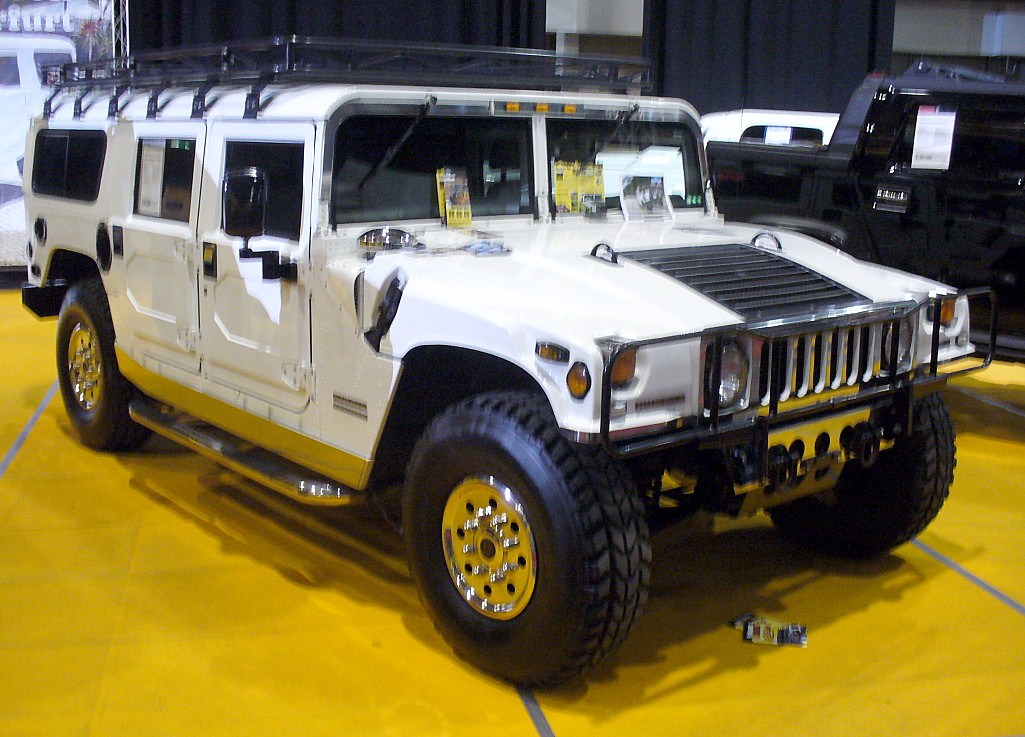
The Hummer H1 is a very rugged, off-road SUV that looks like a military vehicle. People collect it because it’s big, tough, and has a reputation for going almost anywhere.
They’re talking about Ford Escorts—compact cars made by Ford. They’re saying the ones there were in great condition, like you’d expect from a collector’s display.
Car
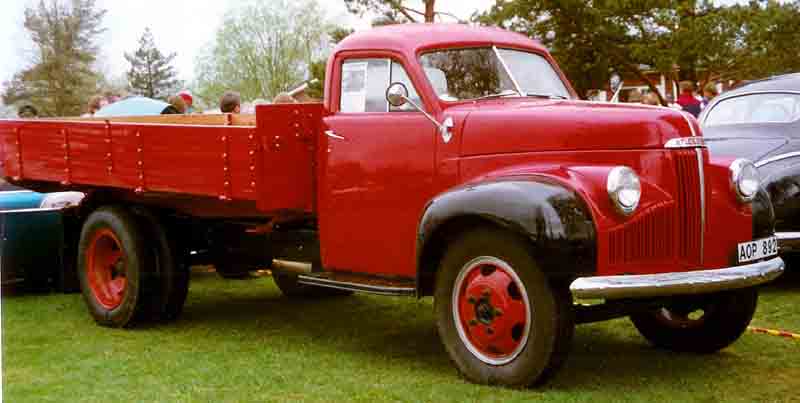
1948 Studebaker truck
This is a specific old truck: a Studebaker from 1948. The year is important because older trucks had different wiring and electrical setups than today.
A fabricated flatbed is a custom-built truck bed platform added or modified by a fabricator. In this case it’s replacing the original grain/livestock box setup, which changes how the truck is used and can affect mounting and wiring for rear lighting.
Term
six volt positive ground electrical system
This truck uses a 6-volt electrical system, and the “positive” side of the battery is connected to the metal body. That matters when you add new electrical parts, like lights, so they work correctly.
Term
24 inch round led tail lights
These are LED tail lights—newer-style lights that use diodes instead of old bulb filaments. On an older truck, you may need to make sure they’re wired correctly for the truck’s electrical setup.
Some LED lights only work one way electrically. A “dual polarity” LED is made to work whether the car is wired positive-ground or negative-ground, so you don’t have to change the wiring as much.
A flat LED is a thin LED light module that replaces a bulb. Instead of one bulb wire, it can have multiple wires so it can do more than one lighting function.
Turn signals are the blinking lights that tell other drivers you’re turning left or right. Here, the speaker is explaining which wire controls that blinking function.
A ground lead is the wire that completes the electrical circuit. If it’s connected the “wrong way” for the device you’re installing, the device may not work correctly.
This is a small electrical adapter that flips the wiring so the device sees the polarity it expects. It helps you avoid rewiring the whole car.
Term
polarity reducing converter
This is a converter that changes the electrical “direction” the accessory expects. It’s used when your car’s wiring polarity doesn’t match the new part.
Term
steering wheel isn't just right
The caller is saying the car won’t start unless the steering wheel is in the right position. Some cars have a lock or safety feature tied to the steering wheel, so if it’s turned the wrong way, the ignition won’t work normally.
Term
put it in neutral
Neutral is a gear position where the engine isn’t driving the wheels. Many cars won’t start unless the shifter is in the correct position (like neutral or park), as a safety check.
Concept
curb thing
A curb is the raised edge of the road. If you hit it, your tires or steering can get stuck or misaligned, making it hard to move the car.
“Locked up” means the steering wouldn’t move. That can happen when the car’s steering lock engages, so you can’t turn the wheel to get the car out of trouble.
A tow is when someone moves your car for you because it won’t run or can’t be driven. Here, they’re talking about a way to let the wheels move so the car can be pulled.
Term
gear changer
The gear changer is the lever or selector you use to choose what the car should do—like Park or Drive. Some cars also have a special towing-related release near that area so the car can be moved.
Acura is Honda’s luxury brand. The Acura RL is a sedan, and here they’re talking about a repo situation involving that model line. It’s mainly a setup for explaining how turning the wheel while turning off the car can affect the ignition lock.
The lock cylinder system is the part in the ignition/steering lock that your key turns. If you shut the car off while the steering wheel is still turned, the parts can fight each other and jam, which can wear out or damage the lock.
Term
electronic wheel
“Electronic wheel” means the steering is helped by electronics (not just your arms). When you turn the key off while the wheel is turned, the steering help can stop and push back, which can make the key/lock jam.
Term
pump shuts off
The “pump” is part of power steering that helps you turn the wheel. If the car turns that help off while you’re still holding the wheel turned, the steering can push back and interfere with the ignition lock.
Push-button start means you start the car with a button instead of turning a key. The host is saying the problem can still happen even if the car uses a push-button system.
A solenoid is an electrically controlled part that can “pull” or “push” something inside the car. Here, it’s mentioned because it may be what’s preventing the shifter from releasing normally.
Term
break override
A brake override is a system that can apply the brakes in a special situation to keep the car controlled. Here it’s mentioned as an older method used when the car is on a slope.
A park assist brake helps keep the car from rolling while you’re parking. The idea is to hold the car securely so the parking mechanism doesn’t get stressed or jam when you release it.
A release solenoid is an electronic part that helps unlock the transmission so you can move out of Park. If it’s not working right, the shifter can feel stuck or won’t release properly.
That’s the parts under the floor that connect the gear lever to the transmission. If it gets damaged, the truck may not shift into or out of Park correctly.
A Ford F-150 is a popular full-size pickup truck. This caller says they have questions about their 2002 F-150, so the discussion is likely about a problem specific to that truck.
Cars sometimes have a “don’t drain the battery” timer for things like interior lights. A battery saver relay is the switch that should turn those lights off after a short time. If it’s stuck or broken, the lights can stay on and drain the battery.
Accessory power is the car’s “low-power” electrical mode for things like interior lights and radio. It’s supposed to turn off after a while. If it doesn’t, those items can stay on and drain the battery.
Term
wrap relay
This sounds like the specific relay that controls whether the interior lights should turn off. If the relay gets stuck, the lights may never shut down. Swapping it with another similar relay can help confirm the fault.
A wiring diagram is a map of the car’s electrical connections. It shows which wires and parts talk to each other. Mechanics use it to track down why a light or relay isn’t working correctly.
A fuse box is where the car’s fuses (and often relays) are housed to protect electrical circuits from overloads. If a relay or fuse related to interior lighting is faulty, it can cause lights to stay on or fail to turn on.
The door latch has a sensor that tells the car if the door is open or shut. If that sensor thinks the door is still open, the car may keep the interior lights on. Fixing or adjusting the latch/sensor can solve the issue.
A dome light is the small interior light on the ceiling of the car. It usually turns on when you open a door, and some cars will turn it off after a while to save the battery.
Door latches are the parts that keep the door securely shut. If they’re failing or sticking, the car may think the door is still open, so the interior lights stay on.
An integrated latch assembly is a latch system where more parts are built together as one unit. That can affect what gets replaced when the door starts acting up.
The body control module is like the car’s computer for the comfort/electrical stuff inside the vehicle. It can tell lights when to turn on and off, so if a light won’t go out, the BCM is a likely suspect.
A scan tool is a device a mechanic plugs into the car to read what the car’s computers are reporting. It helps them see whether the light problem is coming from the car’s control system.
Term
short in the wiring
A wiring short is when two wires (or a wire and ground) accidentally touch, causing electricity to flow incorrectly. If unplugging the computer doesn’t fix the light, the problem may be in the wiring itself.
A moisture trail is basically a path where water leaked and got into the car’s electronics. Water can mess up electrical connections, so it can explain weird behavior like lights that won’t turn off.
Four-wheel drive means the car can send power to all four wheels to help with traction. If the same computer controls 4WD too, fixing it can be more complicated than just the lighting issue.
An engine has multiple cylinders, and “cylinder number three” means one specific one. If that cylinder is misfiring and you see white smoke, it can mean coolant or another problem is getting into that cylinder.
A head gasket is the sealing layer between the engine block and the cylinder head. If it fails, combustion gases and/or coolant can leak into the wrong places, which can cause misfires and white smoke from coolant burning in the cylinders.
“3.6 V6” means the engine is 3.6 liters total and has six cylinders arranged in a V shape. Different engines can have different common problems, so knowing the exact engine helps diagnose the issue.
The Chrysler Pacifica is a minivan, which is a type of vehicle built to carry people and cargo comfortably. The podcast mention sounds like mechanics are working on the engine, including replacing motors. That’s useful if you’re thinking about owning one and want to know what repairs can involve.
This means fluid is leaking through the inside wall of the cylinder. If coolant gets into the cylinder, it can cause misfires and white smoke, and it may require replacing the engine rather than a simple gasket fix.
K-Seal is a liquid sealant you add to the cooling system to try to stop small leaks. If the leak is too big or the damage is too severe, it won’t be able to seal it.
The BYD Seal is an electric car. The podcast mention about trying “K seal first” sounds like they’re talking about using a leak-stopping product before doing other repairs. They also reference mileage, which suggests they’re deciding whether that approach makes sense for the car’s condition.
Term
permanently fix
They’re talking about whether the sealant can truly stop the leak long-term. The key point is that it only works for small leaks; if the damage is bigger than the product is designed for, it won’t hold.
A remanufactured engine is an older engine that gets taken apart, checked, and rebuilt with new or refurbished parts. It’s meant to work like a properly rebuilt engine, usually for less money than a brand-new one.
A warranty is the promise that if something goes wrong within a set time and mileage, the company will cover the repair. They’re saying this remanufactured engine comes with a three-year, 100,000-mile warranty.
The camshaft and lifters work together to open and close the engine’s valves. If they fail, the engine can lose correct valve timing and can develop serious running problems.
“Porous block” means the engine block casting has tiny flaws that can let fluids seep through. That can cause leaks that are hard to fix with a simple gasket replacement.
An engine valve failure is when the valves inside the engine aren’t sealing or working right. That can cause misfires and poor compression, which is why the engine may run rough or fail.
A leak-down test checks how well an engine cylinder seals. The mechanic listens for where air escapes; if it comes out through a valve, that points to valve/head trouble.
This is a 2005 Chevrolet Avalanche, a full-size vehicle that mixes pickup utility with SUV comfort. The host is using it to explain how they’d track down why it’s running badly and smoking.
Fuel trims are numbers the car’s computer uses to fine-tune how much fuel the engine gets. If one side’s numbers are way off compared to the other, it can point to a problem on that bank.
The throttle body controls how much air the engine gets. If it’s dirty, the engine may not idle or respond correctly, which can contribute to running rich or smoking.
Fuel pressure is the “push” of fuel getting to the engine. If it’s too low or too high, the engine can get the wrong fuel amount and start running poorly.
A purge valve routes fuel vapors from a charcoal canister into the engine. If it doesn’t work right, it can change how the engine runs, but it usually wouldn’t affect only one bank.
An O2 sensor checks how much oxygen is in the exhaust. The computer uses that info to fine-tune the air-fuel mix, and a bad sensor can trick you into chasing the wrong problem.
Upstream and downstream sensors are two oxygen sensors placed at different points in the exhaust. They help you tell whether the catalytic converter is doing its job.
The catalytic converter is the emissions “cleaner” in the exhaust. If it gets clogged on one side, the exhaust flow changes and the engine may start running too rich on that bank.
Term
run rich
Running rich means the engine is getting too much fuel compared to air. That can make it smell strong, foul plugs, and cause the computer to keep adjusting.
Rhodium is a rare, expensive metal that’s used inside catalytic converters. Because it’s valuable, thieves often steal the whole converter to sell the metals.
Reverse polarity means the car’s battery connections are wired “backwards” compared to most modern cars. Some parts may not work correctly unless you change the wiring or use parts made for that older setup.
Older trucks sometimes used a lower-voltage electrical system (like 6 volts). Converting to 12 volts is an upgrade that makes it easier to run common modern lights and electronics.
LIVE
Welcome to the under the hood show podcast. Thank you very much for listening and downloading the podcast app
Russ Evans who brings us the under the hood show podcast Berkeley won classics your key to collector car insurance and
Road ready wheels
replica OEM wheels at huge savings use the offer code hoodie for even more and by car dash part over
200 million used parts ready to ship to you fast
Don't forget we streamed the show on YouTube and Facebook. We'd love to have you join us there
Here is the under the hood show podcast. This is under the hood
Welcome to the under the hood show. We are glad to have you with us Russ Evans is here to answer your automotive questions
Thanks for joining us under the hood. Shannon Nordstrom is here to do the same. Welcome Hoodie
Thanks for tuning in so we can help you tune up. I'm Chris Carter here to answer your calls at 866
594
415
50
We during that break there Roger was waiting. Yeah as the music was playing
He's just sitting there waiting for his turn. I think if
If if right now at this very moment if we started calling you uncle Chris
It would catch on and everybody calling the show would be like I got a question for uncle Chris
Hey, uncle Chris
What what's the weirdest what brought that on I've ever heard
Something he said when he was just coming on the air right now my head went to uncle cracker. It just that
That phrase just for whatever reason I was like the singer and I thought uncle Chris
Chris or uncle Chris or I thought you'd you skip some are you said I'm Chris or something like that
I went uncle Chris uncle cracker
Uncle Chris this may be the strangest beginning. I come into it. I come on with a deep voice
And then we get that Roger got any comments on that
Or do you want to just ask about your car question?
Well, let me just say that
I have seven brothers and I'm the oldest and I can validate
Chris's comments about liking the ones that you thought
Uh-huh. Well, there's a different level of respect there. I suppose. Yeah
It's just you've been it's like it's you've been through the battles. There's no need to measure anything
You know, it's going to happen. You've been through the battles with each other and came out the other side
That's right
Well, here's my question. Okay 2013
2013 Nissan Frontier
Pro 4x4 with 28,000 miles on it and I've had the oil changed
I bought it when it had 20,000 on it
And my question is do I need to have all the other?
Fluid changed because you know, it's 13 years old. It's low mileage
Or do I just leave it alone and
and
Have it go to the 50,000 or whatever before I change any of that stuff. I had no problems with the vehicle so far
How is it stored it's cheap. Yeah, I'm just I'm just curious. So how is it stored?
Where do you where do you keep it? Is it a cool heated garage or is it a?
It's a in a
three-stall car garage and
It's not heated but I drive it
You know every other day or so
Mostly in sound very few highway miles on it. I want to hopefully I want you to ask that question someday
How do you store the car? Where do you keep it? And I want him to say we have that on the sign
On top of the pole and it turns slowly
That's where I want. I want someone to have one of those
I haven't had that answer yet. I know
I saw one recently on the
Internet, but it was a real thing. It was a tour of a
Some rap star's house in miami. You may have seen the one with the he's got a
Lamborghini
The kuntosh a 79 that was bought brand new and it's never been driven
It was drained of all the fluids and it hangs on his wall
sideways
Next to a staircase a big wide like 12 foot wide step. It's just hanging there. How do you store your car?
I hang it on the wall. Get on the wall just like a picture. It's a work of art. What a flex that is
He's a basketball player. He's not a rap star. That's what it was. All right. How what what?
That's that's something to gain weight. How much money I had yeah
so
Think about that guitars on the wall that I can't play one right here on the floor. Yeah
Can't play it either because it's got a clock on it. That makes more sense than a lamborghini
On the wall
If you're elan musk
Yeah lamborghini. I got a rocket ship on my wall for me. It's I got a nickel on my wall
Go retrieve that uh tesla roadster out of space and I'm gonna hang it on my wall. There you go. Go get it
That would be great to get that back someday
Somebody will bring it back. That brings us around to space the final frontier. Nissan's frontier. Yes
2013 all right. He's like I've been sitting here for a half hour. Think about how cheap
The fluid changes are for most of this truck the front differential the rear differential the transfer case
Cheap cheap cheap
So it's not gonna hurt you to change them money wise and then you could tell that's where you're gonna get most your condensation
Is those differentials where it's sat and it's it's you know, it's over it's a lot. It's old
Uh
I would probably change those just to get a good look of what's inside and get the fluid out of them the transmission
It gets hot when you use it
So, you know, it's gonna be burning moisture out of it at when it's driven for a good number of miles at points
So look at the condition of it if it looks great, yeah
You're fine. Probably leave it a while
Now the last one is going to be your cooling brake fluid change it
It's going to absorb metals get that flushed to do that change it. It's not very expensive. It should be done
Coolant though is your last
frontier
That because of the age needs to be changed
You know, you can use test strips and see what kind of metals in it and you can use a refractometer and see what the
Boil point and freeze point is of it
But I bet you're gonna have high metal content in there just because of the age and it's been
Slowly corroding inside of the engine dropping some metals in there
What you do is you start the engine up and you run it for
About a minute enough to just get coolant
Circulating and then you use this test strip in there and you see what it looks like and if it's got high metal
You know, the pH has changed you'll see you you want to change it
But I would I would be thinking cool and change on that
Because of the the years but other than that, I mean you're and this fits any car too
I'm gonna ask this question like like i'm roger
And i'm listening i'm listening to the show and i'm calling in
The and the advice you give i'm just gonna go to a mechanic. I don't have a guy. Let's say and I don't I don't have you
If roger goes to any shop does he
Have that discussion with them at the counter and say it's been sitting here
It's 13 years old and this and that I want to check change the differentials and
Find out the status of the fluid. Do you know what I mean? I'm just a little bit
So I call the show first. Yeah, because
There are some really good customer service people
At shops
They're tremendously good about customer service and communication
That they nail it
but
They're gonna be going off of what they can sell you
From the list of required maintenance
And all of those services are due by age. Yeah
Because it's 13 years old or if you ask for it, you're gonna get it just like you're at taco bell and saying
I want this this this do I need it? Well, I don't know what you need but go ahead and order what you want
You have some of those as well. Then you have other people that
Say, well, oh, you you want the heart attack burger. How's your cholesterol? Do you think you should?
Yeah, you're right. You probably shouldn't eat that. Why don't you go for the veggie dish?
Thank you
Some just sell off the menu. Yeah, so that's where you'd want to make sure you're having that discussion if you're going in with somebody that
Is truly and it just it's harder to do that anymore
Right because of the way you construct the facility and if well and if I were Roger
I'd go in and say change the front and rear differential do this and then they'd say okay
It's done and I'd leave and go. Oh, yeah, I was supposed to ask some questions about that
I forgot that or you get home and your wife would say do you ask them about the brake fluid?
What did they say about the brake fluid? I got it changed it. I don't know how it looked
It's like a doctor's appointment. Did you ask them about that ward on your toe? Oh, I forgot about that
Toe
I figured I'd be clean this time
Does that all make sense to you Roger? Do you have a guide? Is this is this something that seems makes you comfortable?
Well, uh, I have to have a guy because my family does not allow me near any kind of tool
That's not always bad. I have to trust
Yeah, I them
Let's recap because I think in the course of this conversation
We've given him the impression that he doesn't have to do anything, but he should do everything right
Isn't that kind of what just happened there? Yeah. All right, so
I think Russ's advice on the differential on the front. It's a small fluid cavity
It is not a bit of shop. It's going to be affordable to do
I would do that with the age let them inspect it
Just see what that fluid looks like. I think the frontier those Nissan rear ends
Most all of them have a drain plug on them same as the front
So I think you're right and and that's a really good idea
You know the the coolant with that many years on it
They can test it but a coolant flush
I would highly recommend because that engine is still a very expensive engine. It's a high feature engine and high
popularity it is and and the transmission fluid they can inspect that and see because it's uh,
You know, just what what's it looking like if it's getting a little dark?
They can use the proper procedure on that still as a dipstick so they can just pull it out. It's that simple
Yeah, and the brake fluid is uh something that with the age
I I would have them do it just you know, like I said, it's absorbed a lot of moisture over the years and
metals and and uh, it's it's just a good time to do that
But that's a heck of a good truck that truck is solid they are
We don't get a lot of failures on those. We get them in that people have
Abandoned a tow lot because they've just completely worn out
And we'll get them in with 300 and some thousand miles on them and there's still
Some life left in them when you start them back up again
And roger correct me if i'm wrong russ if he wants to
Listen or see what we're just said if he's because like when I'm doing this show I get so excited. I don't pay attention
Uh, if he goes to youtube in a few days, he can see the transcript
Yes, yes
There you go. He could screen print it. Yeah carry it with him roger
Thanks very much for the call and thanks for the hour and a half
You had to wait on hold while we talked about other stuff 866594415
Oh, that's the number to reach us here at the end of the hood show
the uh, you
Have been traveling we talked about this uh last week and you've you've you went and saw some industry things
Around the world, but you also saw car things that normal people would care about
right
I'm trying to think where I've been this is kind of I'm in a fog right now like museum
You went didn't you go to a british car museum go to the british car museum?
I'm just trying to figure out where you're gonna where you were going with that
And I wish I would have had more time at that museum because we had we had flown into uh,
London late at later at night and then the next morning we got up and went to it was up by
Manchester and uh the town I can't remember the exact name right now, but one of the british museum was and
On our brakes. I escaped and ran down there quick through it
And it was really really impressive. I mean just
You forget the lineage of british british vehicles until you see them all in one place
Do they have all the bond? Is that the one with all the bond cars? Uh, they had a they had sections, but they didn't have them all there
um
but just seeing the different displays for land rover and and uh
um
Jaguar and they had all the you know a lot of the early formula one cars in there and
Just really really impressive and well done. Um, not not like something you're going to be in there for 10 days
Uh, it was very well done very
Very well explained
I enjoyed it
I did like a walkthrough video that was going to do it was going to be like a minute and it'll be in
Six minutes or something, but I think I put that on the under the hood. She'll facebook page
Yeah, but that was a great opportunity. Like I said, I just I wish it would have had more time because by the time
We finished our meeting in the presentation
We had to do then they were closing up the museum and kicking everybody out of there
So all I could really do is run down there on the brakes, but they have a large conference room like a lot of these places have where they can have
Parties meetings and it was on an upper level and then the museum was down on the bottom
And so it was it was fun to be able to just
It's actually perfect for me because I sometimes don't get in as deep as you guys might
In a history museum. Oh, that's yeah
I would that's my my focus is the museum parts. I love that, you know, yeah, no, so I almost feel
I don't I hate to say it this way, but I may have shorted myself by not spending more time there
But I just that's just the way it works. It's just the way it worked out that day. Yeah
and
That one we went to in
Scottsdale
Remember that we were down there at the Barrett Jackson
And the Berkeley one took us out to the museum
It wasn't a museum. It was a car a car like a club. Yeah, but it was basically a museum
Yeah, a lot of museum pieces in there and stuff, but that was that was the meeting. Yeah, I didn't I didn't go to that
Oh, that's right. You guys went over there. I did not the coolest thing about that for me
Was the oddities. So it was mainly a a Porsche type
Place it was a lot of that and German cars
But when you went out into the building you could if you had a car and you wanted to
Say you live in a condo and you wanted to work on your car and have collectors
You would storm at this place, but you work on them. They have garage facilities outside and this
rack system with like three levels of cars and here's Porsche Porsche Porsche Ferrari
1968 Dodge Charger Hemi with a blower on it
Hummer
H1
All decked out and things like that and then something gotty. Yeah, Lamborghini
81 citation. Yeah. Yeah, and there were there really were things like yeah
Old Ford escorts there, but that were mint. Yeah, just just
The differences and stuff like
That's like something you'd seen in a movie with all that, you know, it's like, oh, we're all
We're like a British chase scene thing and then you've got the charger in there or whatever it was
those places are very
interesting to see what people
collect and what they find
Their value in and we're gonna talk to Mike here in a second
But I just want to warn our uk listeners if you ever call the show now
Shannon's gonna go. Oh what part of
Wherever and they're gonna say and you're gonna you're I'll have like you'll be like
I'll the semest to three city names that I'll remember
No different island
Because I'll prove how shallow I am on these things
You'll want to connect and you'll be like, I don't remember the name of the town
And you know and I've got a I've got to be speaking in texas coming up here late august
Oh, whereabouts and of dallas fort worth
it's near Manchester and
Um
But a a a person in our industry I can call him an industry friend
Um, I we know each other, but if it's not like we hang out or anything, but good good guy, but he's been a
a
Very much an influence in our industry because he did things in different ways and other people did in the beginning
His name is ron sturgeon. He's been on tv with him and his his wife with their little dogs on
He's he's done very very well, but he's just recently opened up his private museum to be a public museum
And it's been done very very very well
I've seen pictures of him excited because they're gonna do their their uh friday night
auction and fundraiser for the state associations
Uh at his museum cool friday night. So
Um excited to be able to go see because I've been through it when he had it in his old location
which was
Kind of on property where the original salvage yard was and then he eventually acquired and had buildings around it so
the car collection
outpaced the buildings they were stored in
700 to one
Um, and and so now it sounds like he's matched the
ambience of the car collection built a building to the to the museum and the place where they've put it
It's been in conjunction with the city and done very very well
So i'm excited to see that and he's but he's a european car collector. He's got a lot of unique european stuff because he started
Doing volkswagen salvage
Is how he got started so he loves that kind of stuff
Let's talk to mike in minnesota mike. You're on the end of the hood show. What can we do for you?
Good morning guys, and thanks for the call and our thanks for
visiting with me. I have a
1948
Studebaker truck
That my dad bought knew it's been around here for years and we finally decided to try to
Resurrect it, you know and uh, so what we did was we took the the grain box grain and livestock box off
And had a flatbed fabricated to put on the back of it which just kind of trims it up a little
The problem is that like many of those vehicles in those days
This vehicle has a six volt positive ground electrical system
Which is fine everything works good. I don't think
DC current cares which which way it goes around the circle, you know
So positive ground works fine, but the fabricator for the flatbed put in
24 inch round led tail lights, which are great. They fit right into the
The back side of the flatbed, but the the led lights will not
tolerate the positive ground and i'm wondering if there's either such a thing as a
a positive ground led light or a
Dual polarity led light or a workaround of some sort
those lights
The lights aren't grounded that they're
They've got two wires on have you pulled the bulbs out?
No, there's no bulb. It's just a flat led. It's like an led grid and it it has three leads on it
That's one lead that to the light is is a ground and
Into the harness which grounds to the frame further up and
The other two leads coming out of the led light are for the turn signal and the brake light turn turn tail and stop
so you you have a
Yeah, I see what you have going on that that is it's not a problem when it's just a single bulb where you're using
Two what you you could if you want to do it the cheap way you
You cut the wires and you reverse the ground for the tail light
You take the brake light one off just cut it off and leave it
Tape it up and then reverse the ground
And the the tail or break whatever you want to do you could
But you're gonna have to have two lights on each side. You have one led for
Tail and you're gonna have one for break and then you can reverse them
So now you have two lamps with two wires instead
But the one lamp with the three wires on it
You can decide if you want to make that a break or a tail
But you're only going to be able to use two wires on one like that
So I reverse them as a matter of fact i've done that
I've hooked one of the hot leads either the turn signal or the brake light up to what the led light
Lead is called a ground lead
So I've reversed the polarity that way, but that gives me only one function on that light
So you have to add a second light your other choices
They do make a converter for those
But you're gonna need either one that's got the dual function
Or one that you have to use two of them. They have them to reverse the polarity
Would dakota digital make something like that? No, they don't okay
But they do have jc whitney used to sell them in their catalog when they had a lot of these positive grounds
To reverse them to put a regular radio because people would go from six volt to 12 volt
Which is fine and then they'd have to get a polarity reverser for the radio
so you could
You could get a polarity reversing device
um
To make that work and that's going to be your easiest thing because with the with the
Polarity issue you're gonna have problems with your gauges everything that truck will work just fine by swapping polarity except for your gauges
They will not work
That'd be exactly opposite. So you can't swap those you you need the converter or
You could put the converter just on the gauges
And which would require just the one single wire box
And then you could put a 12 volt battery in it put a 12 volt coil in it switch your bulbs and then have a 12 volt system
And there's ways to do it. It's
It can be done with a converter look up a polarity reducing
Converter for a car and you'll find
Exactly what you're looking for the end of the hood show podcast is brought you by exclusive sponsors like berkeley one classics
Celebrating 50 years your key to collector car insurance and by car dash part dot com with over 200 million parts
Find them online at car dash part dot com and by road ready wheels
OEM replica wheels at a huge savings road ready wheels dot com. Thanks for listening to the under the hood show podcast
When I got my first specialty car
I called up my agent and had him put it under my regular auto policy
And had very minimal coverage even dropping coverage in the storage months to keep the cost down
That was before I met the professionals at berkeley one classics
I'm shannon northstrom host of the under the hood show with russ evans and chris carter
Berkeley one classics ensured me with an agreed value policy
That means if you suffer a loss, there's no haggle over the value of your vehicle
They also show me that I could insure my vehicle for what it was really worth and keep my coverage year round and still save money
I did not know that my homeowners policy did not cover my car when it was stored in my garage for the winter for 50 years
Berkeley one classics has ensured a wide range of vehicles from sports cars and rare exotic cars to antique vehicles
Including cars trucks tractors and motorcycles
Berkeley one classics makes it easy to get a quote
Just visit them on the web at berkeleyclassics.com and use their online quote tool or give them a call
1-800-603-3330 that's 1-800-603-3330
What would your vehicle be without wheels our partner at road ready wheels has wheels thousands of wheels
Affordable in stock and ready to ship to you replace or upgrade your damage or plain steel factory wheels with new oem
Looking road ready wheels
Maybe steel is the way to go for you to mount a second set of winter tires
Or you just don't like the aluminum look road ready wheels has many choices for you
Go to road ready wheels dot com and use their online vehicle selection tool to help you find the wheels that fit your vehicle
Mercedes Cadillac Ford Chevy Chrysler and many more with the oem fit and look that you want
Save 10% at checkout when you use the code hoodie for being a loyal under the hood show listener
New oem wheels can be expensive with some wheels that cost 500 or more from the dealer
Many of those from road ready wheels are about half of that saving you some serious cash
Use your factory tpms sensors and caps too
Go to road ready wheels dot com to find out more. That's road ready wheels dot com
If you need parts, whether it be for a brand new car or going back about 20 years, it doesn't matter
Check out car dash part dot com
It's fast and it's easy over 200 million parts strong all across north america
Over 4 000 recyclers to choose from giving you the largest selection available
Whether it's an engine transmission doors seats or wheels you can find them on car dash part dot com
We even let you know what parts from other models and years fit your car many recyclers supply pictures of their parts too
We even have a mobile app search us in canada or buy from your local independent recycler
Whichever you choose buying recycled is good for the environment and good for your wallet
If you're a repair shop, there is a professional version available for you at no charge
That's car dash part dot com car dash part dot com. Check it out today
Welcome back everybody. It's time to get back under the hood with a motor medics 866594
415 out. That's the number to reach us here at the end of the hood show
Don't forget if you miss an episode you can always find it wherever you get your podcast
And you can watch the show on our youtube channel
If you subscribe there and join the hoodie fan club at under the hood show dot com you could win a hoodie like martin winsbury
Burry burry
Congratulations from our friends over at berkeley one classics celebrating over 50 years
of collector car coverage protecting you
Your vehicle the thing you love
Your restoration project. I have a question for someone from berkeley that they would hate. Yes. Oh, yeah
I won't ask anybody from berkeley this but here's what I want to know
What car is there a car they think of that has like the most claims on it like just through whatever?
You know what I mean? So kind of like it's when in the school. It's that kid
They have that car. Yeah, yeah, not necessarily the model but the car that they've insured the single car that like
Russ
Yeah, they're really rough. I bet there's that one person someone hit me again
But they probably
Yeah, that'd be a good question. I mean, I'm sure it's not like they're not like hey
That's awesome. What a great question. Let's talk to nancy. You're on the under the hood show nancy. What can we do for you?
Hi there, thank you
Well, my car is a
2002
rl
Acura and
Little four doors to dan and
I love it, but it has this problem when I want to start it sometimes
The steering wheel isn't just right so or the wheels aren't just right and
I have to like jerk the wheel around
and turn the ignition or sometimes put it in neutral and
and kind of like
Put my leg out and try and move the car back
so the wheels straighten out
and
For your listeners, you know in the movies
Uh
When you push your car a little bit and you're on a hill and it gets away from you. You cannot jump in it
You just have to wait until it stops
This sounds like a a woman with experience. Yeah
Yeah, well, uh, it's from my team when I had my old
Old jalopy and he had to sneak out of the driveway without running the engine and yeah
Yeah
So yesterday is why I called you is it really got stuck and I couldn't and I had already done the curb thing pushed it back so
and
Tried the steering wheel, but I stayed in the car this time
and um, and then I was jammed up against the curb so I couldn't move my wheels very good anymore and
Or my steering wheel and it was like locked up and I remember
Uh, a young man came and I called a tow because I didn't know what to do about it
The first time and he popped this little square thing
by the gear changer
Open and then he stuck my key down in it and like like if I was going to get towed
It would release the wheels and I thought of that I didn't have a screwdriver. So I had to run
Run across the streets of the store lucky
I was in a a shopping mall and I popped that cap off and I stuck my
My key down in there and it released it and I thought oh, it didn't start. Well
Of course it didn't start
I thought that was going to start the car, but then I thought oh, I'm going to try it one more time. Well
I turned the ignition in at work
um
And because I had just totally given up I was it was hot
Like I'm not I'm going to call my husband and I thought I didn't want to do that
I wanted to fix it myself and also I called you guys because I love listening to you guys
so
I just thought
You know, maybe they have an answer, but you weren't on the air yet. Okay. All right, Nancy. Well
It's good to know that you have tried to chase a car in your life. Yeah, that's a good thing
Got a lot going on. Yeah, there's a we'll put that in a site compartment there. She's she's done that but
So she could get in the repo business now. Yeah, at least on Acura RLs. She'll have that
Why is that lady running next to our car dad?
She's taking it back to the bank son
What she does yep
It's Nancy
repo lady
I like watching the videos on youtube of runaway cars and boat trailers and things like that where nobody gets hurt
But it goes you just anticipating where it's going to end up watching them go back into the water is pretty great
Yeah, like when they pull up the boat ramp and then it falls off the hitch and goes all the way down
Makes a turn and then ends up in the water and floats away with the trailer. Yeah, what's going on with Nancy's Acura here
I think it's just got a well either if it's up against a kerb if you turn the wheel on any car
On flat ground against a kerb whatever and the wheel is turned
While you turn the key off you've got to turn the wheel take your hands off of it
Let it sit for you know at least half a second
You're not touching the wheel and then turn the key off if you
Turn the wheel and hold it there and turn it off at the same time which sometimes happens
The pressure as that pump shuts off or the electronic wheel shuts off will push back against the key and it'll jam it
It only takes one or two times of that to damage the lock cylinder system. Okay, so then even if you're doing it
Perfectly after that it may already be damaged and over 25 years or whatever
So sometimes you got to turn the wheel in the same direction
It has already turned a little harder before you can turn the key on to get it to move
That's on the turn key one's not the push button starts at all
But it could also have a problem with the solenoid system that releases that shifter
Where you've got to pull the cap off and unlock it by hand
But a lot of times it's just the wheel is stuck in the electric the lock cylinder's jam
So if you can't park it with the wheel straight and then turn the key off
If you're turning it make sure you turn it like if you're parking against a curve
You turn it so the wheels are against the curve and then you let go of the wheel
Completely and let it sit for a minute and turn the key off
You got to have it in park with the wheel turned your foot off the brake everything's at rest
And then turn the key off. Otherwise it will
It'll jam
And if it happens a couple times it'll just jam it'll be permanent
Some of those early systems too you could jam the the
break override
By pressure on the wheels if you're on a hill. Yeah
So that's what the where the parking assist brake comes in
Is when you get the vehicle there before you have the pressure come off of it
You set that park assist brake and and if that's still working good you can
Then it takes the pressure off of that before you release it park before you put it in park
It may be that it's already damaged or maybe it happened pre ownership
The last owner had that happen a few times and it's just made it worse over
I I have a
196,000 miles on it and I put a lot of fat on it. I've had it for
One year
Yeah, then it's probably more recent, but it may be that the lot you did that many miles that maybe just worn out
How how many of all these miles nancy that you've been chasing this car around
What is the uh, how long has it been doing this particular problem?
Has this been going on for 100,000 miles and it just finally got bad enough you get stuck
No, no, it's only been going on for like
May and oh
Yeah, I don't
Okay, so you're parking the same way you've always parked and you're doing the things that you had always done before and now
It's a problem. That's what i'm trying to get at correct
Yeah
Time for that is but it did it a year or two ago
and
You know, I thought it was the battery and stuff and so I checked the battery
All that and but I had I had power in the starter, you know, there was nothing wrong with anything it just
Something about the way I parked it, but you know, yeah, that's when you broke it
And I don't pay attention
and I
Jam it in park and jump out of the car and get to your time time or get to the
Wherever I'm going on time. So I think
You may have damaged it. You may have damaged the floor shifter mechanism the you know the release solenoid
Something in there has gotten some new
Pressures on it time to take it to a shop and have them take a look at it and more than likely they're going to suggest replacing the lock cylinder
Nancy especially if you can duplicate it. Mm-hmm Nancy. Thanks very much for the call. Good luck 866594
415 Oh, let's go to california and talk to ryan. You're on the end of the hood show ryan. What can we do for you?
I have questions on my 2002 f-150
It's uh
Giving me a little bit of a couple problems
Okay, mostly it seems to be wiring issues
mechanical stuff is
so easy to fix
um the interior lights stay on and
The uh, battery saver relay which is supposed to turn them off after 15 minutes
Doesn't do it
so
I'm wondering if the
Internal light relay and the battery relay could be bad
Yeah, the wrap relay retained accessory power
at relay that relay
could be stuck on
But it could also be that the body control module has failed and keeping it powered up. It's going to be one of the two
um
You can look in the in the wiring diagram schematics for that and find the location of the wrap relay
I don't know if it's going to tell you in the manual in the fuse box
Sometimes it does for relays and if it does you could
You pull it swap it with a different one and see what it does
Easy to check that by just an affordable part you can change out
Is it possible that his internal door latch is?
Making the the latch think the door is open and then that's causing the the light to be on
Right, and then that would not get shut down by the wrap relay. Maybe it'll still shut it down
She'll shut it down unless it's barely on and it's flickering so it it doesn't ever go off if it sees it
If you open a door on on that your forward truck
And turn the dome light on and you leave it open if the truck's brand new after about 15 minutes
It'll shut the light off or over five miles an hour. I think it shuts the light off for safety reasons
You know it's done in the dome light on
but if you open the door
And then in 10 and a half minutes close the door for just a second open it back again
And you keep doing that every 10 minutes for the next five hours. It will never shut off
So if that latch is on a hair trigger because it's starting to fail if it's got any kind of thing in there
It'll stay on forever
So that that's a thing. So if you close the doors and the lights don't go off
Then you got to fix the door latches first and see if that fixes your problem
And they're just a twist in part because that's not a comp. That's a pretty common failure on the so many we used to put on those
It's funny. We don't do them any more. It's like once they all got replaced that fixed the original problem
Because once they're replaced they don't come back and say oh, it's doing it again five years later
They just interesting didn't come back and you didn't see the problem as much on the o4 and newer models as you did on the
They're a different latch 97 to o4 3 4 o4 classic the old ones like this
They were a removable part the new ones part of the latch has integrated latch assembly on the newer ones
So have you have you thought down that road at all yet?
Ryan yeah, I have
um
The lights will brighten as soon as I open up one of the doors
Sometimes the driver's door will stick a little bit
but the the lights will just dim down
and then
They just stay on and even when I'm driving
The lights just stay on yeah, that's a body control module function if they're dimmer, but not off
That's a body control module function. So something is going on in there
That's
That's causing that a shop can look at that and see they'll look at the data from that on a scan tool
And if it says dome light off command for that is off and that they're still glowing
Yeah, you got a you got an issue going on and where they start with that is they
They unplug the module and see if they go out
If they don't you got a short in the wiring powering it up, but if they do then they know it's in the module
And when they when they look at the module to inspect it sometimes they'll see that
Oh, we got we got a moisture trail coming down to this thing from a leak over here
And and then it gets into that module that that is something that we would see
on some of those what's that
What's that gonna run
If you can find one
You may not be able to find it. Don't say that don't
So positive some of these we have not been able to get that because they also control the four-wheel drive
And we've just not been able to
They don't have to tell ryan that let him learn that on his own
It's gonna have to because they might be available now. I think the dormant makes a number of those
Also
They make a lot of modules for a lot of cars. They have a lot of sophisticated electronics. Don't know about this one though
Here's the other thing if ryan goes to his guy and he goes, yeah, we got a million of those. No problem. It's fixed
He's gonna go
Oh, it was under the hood show guys said it was impossible. My guy fixed it. They're dumb
So don't you don't just let ryan discover some things on his own
Come on guys, I've been listening to you for the last six months. I know you guys know your stuff
Well, we appreciate the well and we'll that's just
That's of an age that you can go, you know, there's a lot of self-service yards out in cal
california
And you then you could probably find one that it would have the same options and
Plug it in and just give it a try even though you didn't have it programmed
You'd be able to give it a try and see if that
That problem is fixed california. What kind of warnings do you think they have to post near the gate at those places?
I can only imagine a warning all cars here may cause cancer do not touch
Thanks very much for the call. Good luck 866 They just have a lot of warnings like that 594
Prop 98 on every car. Yeah, there you go
Let's go to ohio and talk to walt. You're on the end of the hood show walt. What can we do for you?
Yeah, so i got a 2017 grand chair of keys got 130 thousand miles on it
cylinder number three's kind of been misfiring been some white smoke come out and uh
I'm kind of diagnosed that it's either a head gasket or a cracked head on that
What's the best thing to do replace it or is that a 3.6 v6 in there?
Yes, yes
um
If how many miles are on it you said
130 000
I have three
Of this engine in my shop right now two pacificas and a caravan
We're putting motors in all of them because they have seepage through the cylinder wall not a head gasket
And that that means they're done. They and not everyone will do this
But if they have coolant in cylinder number three, that's usually what's happening on these and it's
It's pretty persistent. We pull out number three. It's wet. It's done if we pull out number one and it's wet
it's usually a head gasket issue, but still we usually put an engine in instead of that because
More than likely we put a head gasket in we're going to have the same issue pop back up
K seal and I say you could try it the partner of ours called k letter k s e a l
Does there spend some luck with those some it fixes some it doesn't we have one?
We're putting an engine in right now
The it was a listener of ours and a customer and he specifically asked
Can I try k seal first because the miles on the van?
We tried it and it it looked like it was going to work
But it didn't because it was just too big of a hole. It's meant to permanently fix
Gaps of a certain point, but if it's over that it's just not physically possible to do it
But in a lot of cases it does work so
In this case
You know, we do a lot a lot of engines and those it's a tremendous engine
Putting a jasper engine that a rebuilt jasper
Yep, we do a lot of remanufactured engines at our shop a a lot of them
But they've got the three-year 100000 month warranty on them. They're very affordable
And they they look for things that causes they know the block numbers that were most susceptible to these and they throw those away
And you know melt them down for new ones
Um, they just they know what they're doing to fix this problem same thing with the ford and their 1.5 liter engines
And the the 1.6 engines we've had issues with it's a number of them with metal issues in there and there's block
17 18 19 even before kovat. We had a lot of kovat problems with metals
But just before there was a lot of metals made
that were
Of poor quality and it it caused a lot of camshaft and lifter failures a lot of porous block issues
ford
gm
Chrysler they all had issues with this and it wasn't the fault of the manufacturer
It was the fault of the metals being used to make this stuff
And it's it's sad that the consumer is the one that has to eat the price on every failure that occurs
There was other failures on these three sixes too that were
valve related that caused misfires
And so if it wasn't the coolant related issue
And remember we got selling these are these things are failing left and right right they used it in everything that motor was
Millions everything every year. So there's more opportunity for these things to come up
But I know when I it's my own story, but my 17 jeep it had a valve failure
They couldn't get ahead at that time under warranty and ended up putting a whole engine in it
But in that case they were willing to put a head on it because they knew from their leak down test that all the
Pressure was being escaped right through the valve
They the bottom in they knew was tight because it was low miles and they were willing to put a head on it
They just couldn't get one at the time
And so with 130,000 miles on it if it was just a valve
It could be considered for sure, but if it's the other problem with the coolant
Then definitely
More than likely the engine like Russ said is where you're gonna have to go. Did you have another question walt?
Yeah, I had a 2005 Chevrolet avalanche of 53 1500 series. It's not mine
It's a friend of mine and when he first starts at running rich black smoke comes out. So I kind of
Checked it over and the only thing I could find was like the fuel trims on one bank
Was like up in the 40s or 50s, but the other bank showed normal
and I checked the purge valve and it was working and I cleaned the throttle body and
And I checked the fuel pressure and dried on 60 and I let it set for a half hour
I thought maybe injector was seeping down. It's got 250,000 miles on it
But I can't seem to figure out really what
I didn't know if
Injectors is wore out and once bank injectors was causing a problem
If you've checked all those things and it's just on one bank, you know that eliminates a lot of things
It eliminates a mass airflow sensor problem if it's just one bank it eliminates a purge valve because it's just one bank
It's all the things that would cause one bank
That truck has two things that are they're common on it, especially with that many miles
And it one thing it could have a failed o2 sensor either an upstream or downstream on just one side causing some weird readings
the other thing that could do it is a
Plugged catalytic converter just on one side if it's restricted just a little bit
Adding another pound or so to one side that's enough to cause a dramatic change
In the fuel trim on one side and causes it to run rich and what we do is we pull out the front two o2 sensors
Up closest to the manifold and put a pressure gauge in there and read them
They should both be pretty much near zero
At 1500 rpm if you've got like three pounds on one side
That's too much and that's where your problem is and that could be caused by some slight oil burning over the years
That's plugged up just one side and that's where it starts
um
But o2 sensors. Yeah, we've done a number of them one will fail and the other one will be good and it can be misleading
Next thing he said he talked about getting
Four new ones and putting in we was going to try that wouldn't hurt
But you could also swap the swap them if you don't want to spend the money yet
They're only about 35 bucks. I think in advance
But you could switch the left side and the right side take the left two out and the right two out
Just swap them side to side see if your problem changes if it does it's definitely a sensor interesting
Walt thanks very much for the call. Good luck. You know what we need to do. We need to invent a
Cheaper way to make catalytic converters
like with
chicken manure or something something that will
That we can replace and it's not super expensive, right? Yeah, that's the way we
So nobody would steal them anymore because they're worthless and they stink. Yeah when they get hot
No, no, no, if you made a chicken manure, perfect. Yeah, you've burned that burn so hot. Well, they smell like rotten eggs
Now I don't know the smell like rotten chicken. Yeah, just no rhodium in it. Just chicken manure
That's gonna do it for this hour of the end of the hood show until next time you can always find us at under the hood show
Dot com. Thanks for listening
All right, we have a call. Let's talk to
Mike in minnesota. Mike. Did you have some more questions on the studa baker?
Yeah, I I did I guess um, I appreciated what you guys said. However, my dilemma is
I want
To keep everything as original as possible on that old truck
So I'm reluctant to reverse polarity on the whole system or I'm reluctant to convert it to 12 volt
I just want to keep it original
So what I really would like to do is to make a conversion at the end of the harness that goes to these lights
So that uh, only the lights were
converted as the polarity
There is a kid. Yeah, maybe an impossible. No, no, no, that was that was one of the things that
Wait, russ mentioned was you can get a
A converter just for the tail lights
Yeah, I heard him say that. Yeah, I don't know where to get it though
You got to go on I have looked online and been pretty frustrated searching online
That is, you know, some of those things it comes down to the terminology that you're looking for but
Otherwise, I think the other thing that russ is just getting back to the mic here, but the
The way that the vendors set those lights up
Didn't do any favors with the six volt system because you're trying to do
dual commands into one light and
I think you could probably find a converter like russ is saying to do one function
But the two functions that that could be the challenge is the is his next step
Maybe to find a new replacement light that has taken in this into account
I think what russ was saying is that maybe you end up adding a separate light for the brakes per se
And and figure out figuring out a way to cut in a brake light and then use the other for the other functions
Yes, you just add a set
But that is yeah, that that is a fun challenge. Is this a vehicle
That is going to see some shows and stuff when you're done or is it just going to be to smile and drive?
Well, I would hope to take it to some shows although
I'm not into the collection to the point of going to a
Concourse show in Florida
But but you'd enjoy going to some of the local car shows and in sure, you know, and see what's going on for sure
Yeah, because I know and in fact
In fact, I drive it now
In daylight without tail lights
Well, there's always those magnetic ones that you can throw on the back
I guess
We have like trailer. We have those for fire implements. Yeah, yeah, but I think that's going to be you're probably going to end up
figuring a way to
To craft in another brake light or two
I would keep the the one he has now
I would keep as a as the brake intern one like it is because it's so bright and it's a good led
And then I would put the marker would be the tail light I would add
I would add another led and you could even buy one to match exactly what you have and just mount it next to it
And that would be your tail light or you could go with a smaller one. It looked nice
Is there a room to cut in another to French in another light?
I
am not
Back on that I suspect there could be if I'd get another whole four inch hole saw, you know
Yeah, and then then you then you could use your your converter
You know on the end of it like you want to
Yeah, yeah, yeah, well there you go. We didn't want to we leave you hanging
So we wanted to call you back and make sure we we answered your question. No
I understand that I I know how radio works with the clock. Yeah, I appreciate both
Both the initial call and the call back you guys
I enjoy listening to your show on the
local public Minnesota public radio station on cool a broadcast on saturday afternoons
Well, thank you very much for for being a hoodie and listening in
I'm north of marshall minnesota about 25 miles. So you guys aren't that far away. I've been on your lot a time or two
Well, thank you very very much and thank you for what you do. Thank you. Thanks for listening and
We appreciate it. Thanks mike
Good. Thanks to you. See you later. Bye. Bye. I just want to make sure we say something patriotic here because we are proud americans
At this show we we love our country
We love all that it stands for we love the freedoms that we get to have
living where we do
We we love
the religion we get to
Do as we choose the speech we get to do as we choose
firearms we can have with us the
Just this is a a good country. We can drive gas cars. We want to drive
We can burn fuel as much as we want right, you know, I just
It's american
and America 250 years of freedom america time to celebrate. I remember 200 years and we celebrated
Back when I was in first grade. Do you remember celebrate not how big a deal it was in school? You were like five
Yeah, I remember I remember the quarters because I will pop the drums or the guy playing the drums was the coolest thing ever
Occasionally, you'll still run across one of those. I got a couple at home in a drawer and they said they made
250,000 of those I think to go around for this run during that during the bicentennial
They sent out the freedom train. I think it was called the freedom. Yeah, or an independence train
Independent I remember and it had like stuff on it and like the constitution
Declaration of independence bunch of american and it was like a museum that traveled the the country. They just had a train
arrive in dc that it's been
Something they've been doing. Was it a train or was it because they did no it was a train. Okay, the declaration of independence will never leave
as a freedom hall
Now I'm right as a freedom hall
I don't think it's I think it's in it's in dc, but it's it's protected that they have copies
Yeah, anyway, but the the original one is like
Watching the thing about that. It's like one of the most protected things on the planet
So like in the event of a nuclear war
It drops it's sealed and dropped into a permanent vault where
Somebody a thousand years from now would find it protected and say oh what used to be here
Well, it was a civilization the united states of america
Of course, what's on the document would read a lot different than what some people see these days, but
It's it's the national archives museum. There you go. There's a there's just a lot of cool stuff
I mean, I'm glad that we're I mean we we live in a
We're live. It's great. It's amazing country and for anybody that wants to throw a shade on it. Just
Go do it somewhere else and not this weekend
Listen
Just enjoy the fireworks and yeah
It's the fact that you get to do it. Yeah, you listen
You can complain. I'm gonna go the opposite way. You can complain all you want. You know why because that's great
Yeah, but just totally do it quietly over the 4th of july. Yeah, let people just let us have our moment
fireworks, uh
Yeah, there you go. Happy independence day. Thanks for listening to the under the hood show
If you're listening, and would you if you're not there's no point in saying this just say if you're listening, right?
Because you're not all right
With russ evans, this is shannon orts from thanking you for tuning into the norters under the hood show
Have a great day and remember ptla the opinions heard on this program based on the many years of experience of russ and shannon
Are offered for entertainment value only and as a guide to your repair needs
No claim to repair or cause is given or implied
Always consult with your own certified technician and follow all safety procedures before attempting any repair
To be a part of the show call 866 594 4150 find out more by visiting under the hood show dot com
Under the hood is produced by prairie house productions
All content is the property of nordstroms automotive incorporated and may not be used without our permission
copyright nordstroms automotive ink
You
About this episode
A Nissan Frontier owner asks whether to change all fluids on a 2013 Pro-4X4 with low mileage but 13 years of age. The hosts recommend prioritizing differential fluids (front/rear) and inspecting them, then checking transmission condition, flushing or testing coolant due to metal buildup over time, and replacing brake fluid because it absorbs moisture. They also discuss how to communicate these needs to a shop—some will follow age-based maintenance menus, others may upsell—so bring a clear checklist. The show also includes light banter and a quick travel/museum story.
This is America's Favorite Car Talk Show! Under The Hood. Call us to get free car repair advice. We can help. 13 Frontier has low miles but should fluids be changed? 48 Studebaker Positive Ground fix 02 Acura can't turn the key in ignition 02 F150 Ford dome lights won't shut off 17 grand Cherokee misfire 05 Avalanche runs rich