
And You Thought You Had Car Problems - These Guys Can Help
About this episode
A Nissan Frontier owner asks whether to change all fluids on a 2013 Pro-4X4 with low mileage but 13 years of age. The hosts recommend prioritizing differential fluids (front/rear) and inspecting them, then checking transmission condition, flushing or testing coolant due to metal buildup over time, and replacing brake fluid because it absorbs moisture. They also discuss how to communicate these needs to a shop—some will follow age-based maintenance menus, others may upsell—so bring a clear checklist. The show also includes light banter and a quick travel/museum story.
This is America's Favorite Car Talk Show! Under The Hood. Call us to get free car repair advice. We can help.
13 Frontier has low miles but should fluids be changed? 48 Studebaker Positive Ground fix 02 Acura can't turn the key in ignition 02 F150 Ford dome lights won't shut off 17 grand Cherokee misfire 05 Avalanche runs rich

2013 Nissan Frontier
"Well, here's my question. Okay 2013 2013 Nissan Frontier Pro 4x4 with 28,000 miles on it and I've had the oil changed"
This is a mid-size pickup truck from Nissan. The person asking is wondering if they should change the truck’s fluids just because it’s old, even though it doesn’t have many miles on it.
The Nissan Frontier is a mid-size pickup known for being a simple, work-focused truck platform. In this episode, the host is discussing a 2013 Frontier Pro 4x4, and the question is whether to proactively change fluids due to age (13 years) even though the mileage is low.
Fluid changed
"And my question is do I need to have all the other? Fluid changed because you know, it's 13 years old. It's low mileage"
This means replacing the truck’s different fluids that keep parts working smoothly. The person is asking whether they should do it because the truck is old, even though it hasn’t been driven much.
“Fluid changed” refers to scheduled maintenance where the truck’s various lubricating and hydraulic fluids are replaced. The key point in this episode is the owner’s dilemma: whether to change fluids based on age (13 years) rather than mileage.
low mileage
"Fluid changed because you know, it's 13 years old. It's low mileage Or do I just leave it alone and"
Low mileage means the truck hasn’t been driven much. The question is whether “not driving it” is enough to skip maintenance, or whether time alone can still wear out the fluids.
Low mileage means the vehicle hasn’t been driven many miles, which can make owners assume fluids don’t need attention. But fluids can still degrade over time due to age, heat cycles, and contamination, so the episode is really about age-vs-mileage maintenance decisions.
cool heated garage
"How is it stored it's cheap. Yeah, I'm just I'm just curious. So how is it stored? Where do you where do you keep it? Is it a cool heated garage or is it a?"
Where you park the car matters. A heated garage can reduce temperature swings and moisture, while a non-heated garage can let more condensation build up.
Garage storage conditions can affect how quickly a vehicle’s fluids and components age. The episode contrasts a climate-controlled (heated) garage versus non-heated storage, which can influence condensation, corrosion risk, and overall wear for a low-mileage vehicle.

Lamborghini Kuntosh
"The kuntosh a 79 that was bought brand new and it's never been driven [236.5s] It was drained of all the fluids and it hangs on his wall [240.4s] sideways"
The Lamborghini Countach is a classic, very famous supercar from the late 1900s. In this story, someone bought one new but didn’t really drive it—more like kept it as a display piece.
The Lamborghini Countach is a legendary 1970s–1980s supercar famous for its wedge shape and dramatic styling. The host is describing a Countach that was bought new and then stored/displayed rather than driven.

Tesla Roadster
"Go retrieve that uh tesla roadster out of space and I'm gonna hang it on my wall. There you go. Go get it [284.8s] That would be great to get that back someday"
The Tesla Roadster is one of Tesla’s early electric sports cars. Here it’s mentioned as a ridiculous idea—like getting it back from space just to display it.
The Tesla Roadster is an early Tesla electric sports car that helped establish Tesla’s reputation for EV performance. The host jokes about retrieving it from space and hanging it on a wall, using it as a punchline about extreme “display” culture.
transfer case
"Think about how cheap [298.0s] The fluid changes are for most of this truck the front differential the rear differential the transfer case"
The transfer case is what sends power to both the front and rear axles on a 4WD truck. It has special fluid that needs changing so it can keep working properly.
A transfer case is the drivetrain component that routes power to the front and rear axles in 4WD vehicles. It often has its own fluid service interval because it works under heavy load and helps manage how torque is split.
rear differential
"Think about how cheap [298.0s] The fluid changes are for most of this truck the front differential the rear differential the transfer case"
The rear differential is another set of gears that helps the rear wheels spin at different speeds when you turn. It also needs its own fluid changes.
A rear differential performs the same job as the front differential, but for the rear axle—letting the rear wheels rotate at different speeds in turns. On many 4WD trucks, it’s serviced with its own differential fluid.
front differential
"Think about how cheap [298.0s] The fluid changes are for most of this truck the front differential the rear differential the transfer case"
The front differential is a set of gears that helps the front wheels turn at different speeds when you’re cornering. It has special fluid that needs periodic changes to keep the gears healthy.
A front differential is the gear unit that allows the front wheels to rotate at different speeds, especially when turning. It’s part of the drivetrain on many 4WD/AWD trucks and requires its own fluid service.
differentials
"It's 13 years old and this and that I want to check change the differentials and [421.1s] Find out the status of the fluid."
A differential is a set of gears that helps your wheels turn at different speeds when you’re cornering. That’s important for smooth handling and to avoid drivetrain binding.
In a car, differentials are gearboxes that let the left and right wheels rotate at different speeds, especially when turning. They also help transfer engine torque to the driven wheels, and they can be front and rear depending on the drivetrain layout.
differential fluid
"Find out the status of the fluid. [426.3s] Do you know what I mean? I'm just a little bit"
Differential fluid is the oil that keeps the gears inside the differential running smoothly. If it gets old or contaminated, the gears can wear faster.
Differential fluid is the lubricant used inside the differential to reduce friction and wear on the gears and bearings. Over time—especially with age—it can degrade, which is why mechanics may recommend checking or changing it.
required maintenance
"They're gonna be going off of what they can sell you [446.3s] From the list of required maintenance"
Required maintenance is the list of services the car maker says you should do at certain times. It can be based on mileage, but also on how old the car is.
Required maintenance refers to the scheduled service items a vehicle manufacturer recommends to keep the car in proper working order. In this context, the host is saying shops may base what they offer on those age-based intervals.
age-based service intervals
"And all of those services are due by age. Yeah [452.6s] Because it's 13 years old"
Some car services are recommended based on the car’s age, not only mileage. Oils and fluids can wear out over time even if you don’t drive a lot.
Age-based service intervals are maintenance schedules that depend on how many years the car has been in service, not just how many miles it has traveled. Fluids and wear items can still degrade with time, which is why a 13-year-old car may need certain services even if it hasn’t been driven much.
coolant flush
"[569.4s] You know the the coolant with that many years on it [572.3s] They can test it but a coolant flush [574.5s] I would highly recommend because that engine is still a very expensive engine."
A coolant flush replaces the old antifreeze/coolant with new fluid. It helps the engine run at the right temperature and protects against corrosion inside the cooling system.
A coolant flush is a service that replaces old engine coolant with fresh coolant to improve heat transfer and corrosion protection. Over time, coolant can degrade and become less effective, especially on higher-mileage or older vehicles.
transmission fluid
"[574.5s] I would highly recommend because that engine is still a very expensive engine. It's a high feature engine and high [580.7s] popularity it is and and the transmission fluid they can inspect that and see because it's uh, [586.9s] You know, just what what's it looking like if it's getting a little dark?"
Transmission fluid is the liquid that keeps the transmission parts moving smoothly and helps it shift properly. If it looks dark or dirty, it can be a sign the transmission has been working too hard or isn’t being maintained well.
Transmission fluid lubricates internal transmission components and helps manage hydraulic pressure for shifting. Checking its condition (for example, whether it’s dark) can indicate wear or overheating before problems become expensive.
dipstick
"[586.9s] You know, just what what's it looking like if it's getting a little dark? [589.3s] They can use the proper procedure on that still as a dipstick so they can just pull it out. It's that simple"
A dipstick is a simple tool you pull out to check how much fluid is in the vehicle. It can also help you see if the fluid looks dirty or worn out.
A dipstick is a removable rod used to check fluid level and sometimes fluid condition. In this context, it’s being used to check transmission fluid level by pulling it out and inspecting it.
brake fluid
"Yeah, and the brake fluid is uh something that with the age [597.2s] I I would have them do it just you know, like I said, it's absorbed a lot of moisture over the years and [600.9s] metals and and uh, it's it's just a good time to do that"
Brake fluid is the special liquid that helps your brake pedal actually squeeze the brakes. With age, it can soak up water, which can make the brakes less effective when things get hot.
Brake fluid is the hydraulic fluid that transfers force from the brake pedal to the brake calipers/wheel cylinders. Over time it can absorb moisture from the air, which lowers its boiling point and can contribute to brake fade or corrosion inside the brake system.
absorbed a lot of moisture
"I I would have them do it just you know, like I said, it's absorbed a lot of moisture over the years and [600.9s] metals and and uh, it's it's just a good time to do that"
Over time, water can get into brake fluid. That can cause corrosion and can make the brakes perform worse, especially when you’re stopping hard or driving in heat.
Brake fluid moisture absorption is a common aging issue: water gets into the fluid through the system’s seals and venting. That matters because water can reduce the fluid’s ability to handle heat and can promote corrosion in brake lines and components.

1968 Dodge Charger Hemi
"here's Porsche Porsche Porsche Ferrari 1968 Dodge Charger Hemi with a blower on it Hummer"
This is a 1968 Dodge Charger with a HEMI V8. “Hemi” is a famous engine design, and the blower means it’s using extra air pressure to make a lot more power than a normal Charger.
A 1968 Dodge Charger Hemi is a classic American muscle car powered by a Chrysler HEMI V8 (the “Hemi” refers to the hemispherical combustion-chamber design). It’s especially notable because the speaker adds a blower, which means forced induction for much higher output than stock.
blower
"Ferrari 1968 Dodge Charger Hemi with a blower on it Hummer"
A blower is a device that pushes more air into the engine. More air usually means more power, which is why cars with blowers can feel dramatically faster.
A blower is a supercharger that forces extra air into the engine, increasing power. In a muscle-car context like a 1968 Dodge Charger Hemi, a blower typically indicates a heavily modified setup aimed at much higher performance than stock.
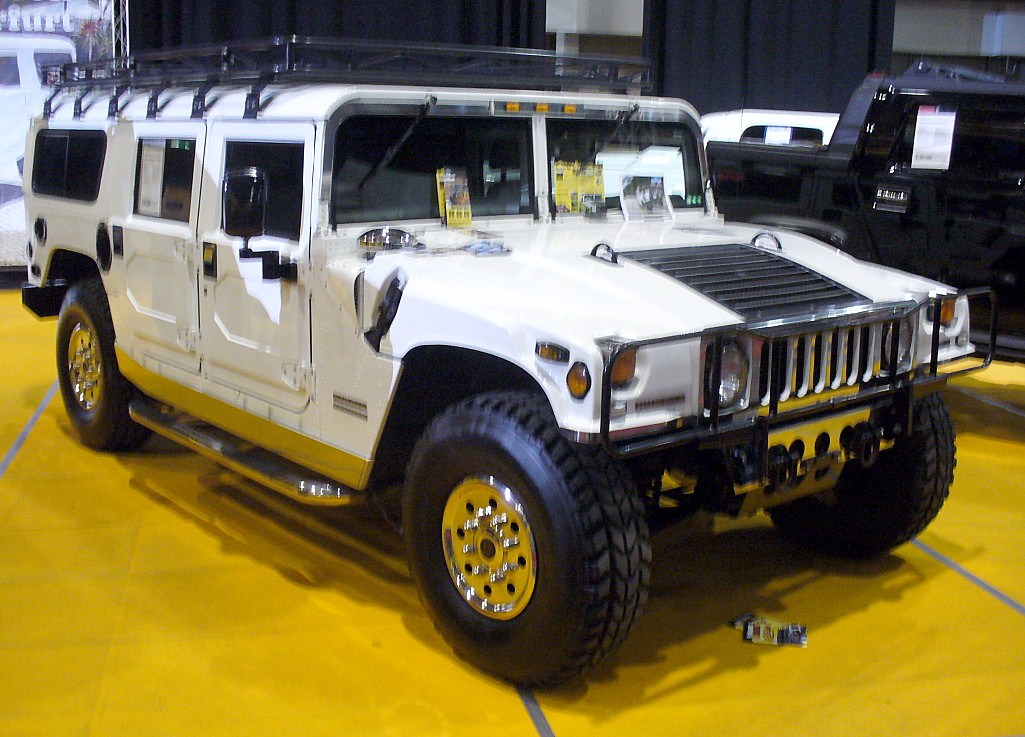
Hummer H1
"Hummer H1 All decked out and things like that and then something gotty. Yeah, Lamborghini"
The Hummer H1 is a very rugged, off-road SUV that looks like a military vehicle. People collect it because it’s big, tough, and has a reputation for going almost anywhere.
The Hummer H1 is the original, boxy military-style SUV from Hummer, built around a rugged, off-road-focused platform. It’s a distinctive collector vehicle because it’s iconic, large, and engineered for durability and traction rather than everyday comfort.

Old Ford escorts
"there were there really were things like yeah Old Ford escorts there, but that were mint. Yeah, just just"
They’re talking about Ford Escorts—compact cars made by Ford. They’re saying the ones there were in great condition, like you’d expect from a collector’s display.
“Ford Escorts” refers to the Ford Escort model line, which has multiple generations and is known in enthusiast circles for being a compact, rally-bred platform (especially in Europe). The speaker is describing rare, well-kept examples (“mint”) in the collection.
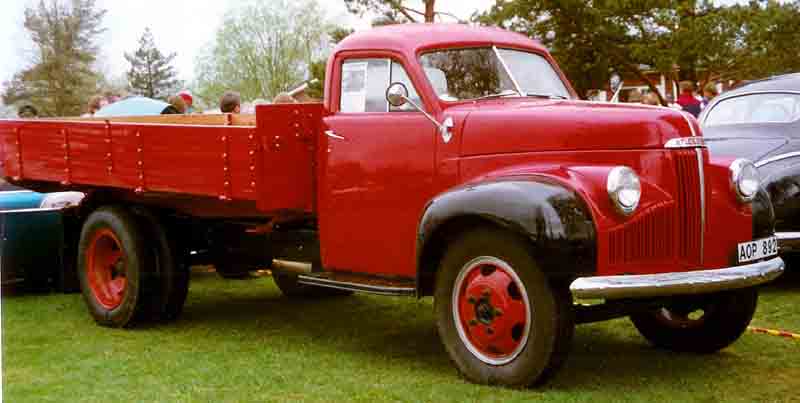
1948 Studebaker truck
"Good morning guys, and thanks for the call and our thanks for visiting with me. I have a 1948 Studebaker truck that my dad bought knew it's been around here for years and we finally decided to try to Resurrect it"
This is a specific old truck: a Studebaker from 1948. The year is important because older trucks had different wiring and electrical setups than today.
A 1948 Studebaker truck is a late-1940s American work truck, notable here because the host is talking about reviving a specific vintage vehicle. Studebaker is the make, and the year matters because electrical systems and body styles from this era differ from modern trucks.
flatbed fabricated
"so what we did was we took the the grain box grain and livestock box off And had a flatbed fabricated to put on the back of it"
A fabricated flatbed is a custom-built truck bed platform added or modified by a fabricator. In this case it’s replacing the original grain/livestock box setup, which changes how the truck is used and can affect mounting and wiring for rear lighting.
six volt positive ground electrical system
"The problem is that like many of those vehicles in those days This vehicle has a six volt positive ground electrical system Which is fine everything works good."
This truck uses a 6-volt electrical system, and the “positive” side of the battery is connected to the metal body. That matters when you add new electrical parts, like lights, so they work correctly.
A six-volt positive ground electrical system means the truck’s battery and chassis are wired so the positive terminal is connected to the vehicle’s metal body. This was common on older vehicles, and it affects how accessories like lights must be wired and compatible.
24 inch round led tail lights
"but the fabricator for the flatbed put in 24 inch round led tail lights, which are great. They fit right into the"
These are LED tail lights—newer-style lights that use diodes instead of old bulb filaments. On an older truck, you may need to make sure they’re wired correctly for the truck’s electrical setup.
“LED tail lights” are rear lights that use light-emitting diodes instead of older incandescent bulbs. On a vintage truck with a positive-ground, six-volt system, LED compatibility and wiring polarity can be important so the lights function correctly.
Dual polarity led light
"i'm wondering if there's either such a thing as a positive ground led light or a workaround of some sort [1125.6s] those lights"
Some LED lights only work one way electrically. A “dual polarity” LED is made to work whether the car is wired positive-ground or negative-ground, so you don’t have to change the wiring as much.
A “dual polarity LED light” is designed to work regardless of whether the vehicle is wired for negative ground or positive ground. Internally, it handles polarity so the LED grid doesn’t need rewiring or polarity reversal to function.
flat led
"No, there's no bulb. It's just a flat led. It's like an led grid and it it has three leads on it"
A flat LED is a thin LED light module that replaces a bulb. Instead of one bulb wire, it can have multiple wires so it can do more than one lighting function.
A “flat LED” (as used here) refers to a thin LED lamp module—often an LED grid/strip—that replaces a traditional bulb. The speaker notes it has multiple leads (wires) for different functions like ground, turn, and brake/tail.
turn signal
"The other two leads coming out of the led light are for the turn signal and the brake light turn turn tail and stop"
Turn signals are the blinking lights that tell other drivers you’re turning left or right. Here, the speaker is explaining which wire controls that blinking function.
A “turn signal” is the vehicle’s flashing indicator used to show left or right turns. In this wiring discussion, the LED assembly uses one of its leads specifically for the turn function.
ground lead
"Lead is called a ground lead"
A ground lead is the wire that completes the electrical circuit. If it’s connected the “wrong way” for the device you’re installing, the device may not work correctly.
A ground lead is the wire that provides the electrical return path for a circuit. In older vehicles, the “ground” might be connected to the positive or negative side of the battery, which affects how lights and accessories must be wired.
dual function
"you're gonna need either one that's got the dual function"
A dual-function light can do two jobs, like turn signal and brake light. If the wiring polarity is wrong, it might only work for one of those jobs.
A dual-function light is a lamp designed to perform two roles (commonly brake/turn or running/turn) depending on the input signal. When polarity is mismatched, a dual-function lamp may still work for one mode but fail for the other, requiring the correct wiring or an adapter.
polarity reversing device
"so you could... get a polarity reversing device"
This is a small electrical adapter that flips the wiring so the device sees the polarity it expects. It helps you avoid rewiring the whole car.
A polarity reversing device is an electrical adapter that flips the positive/negative connections so an accessory designed for one battery polarity can work on a vehicle with the opposite polarity. It’s commonly used when converting older “positive-ground” setups to modern 12-volt electronics.
polarity reducing converter
"It's... It can be done with a converter look up a polarity reducing Converter for a car and you'll find"
This is a converter that changes the electrical “direction” the accessory expects. It’s used when your car’s wiring polarity doesn’t match the new part.
The host is referring to a polarity-conversion converter/adapter used to change the effective polarity of a vehicle’s electrical system for specific components. In practice, these converters are used so accessories like gauges or radios behave correctly when the vehicle’s original polarity doesn’t match the accessory’s requirements.
steering wheel isn't just right
"I have to like jerk the wheel around and turn the ignition or sometimes put it in neutral and kind of like Put my leg out and try and move the car back so the wheels straighten out"
The caller is saying the car won’t start unless the steering wheel is in the right position. Some cars have a lock or safety feature tied to the steering wheel, so if it’s turned the wrong way, the ignition won’t work normally.
This describes a steering-position-related starting issue: the car may not allow starting unless the steering wheel is in a certain position. Many cars use a steering lock mechanism that can prevent ignition if the wheel isn’t aligned/unlocked.
put it in neutral
"and turn the ignition or sometimes put it in neutral and kind of like Put my leg out and try and move the car back"
Neutral is a gear position where the engine isn’t driving the wheels. Many cars won’t start unless the shifter is in the correct position (like neutral or park), as a safety check.
“Neutral” is the transmission position where the engine is disconnected from the drive wheels. Some cars require the shifter to be in neutral (or park) for starting, especially on automatic transmissions with a safety interlock.
curb thing
"So yesterday is why I called you is it really got stuck and I couldn't and I had already done the curb thing pushed it back so [1681.3s] and [1682.3s] Tried the steering wheel, but I stayed in the car this time"
A curb is the raised edge of the road. If you hit it, your tires or steering can get stuck or misaligned, making it hard to move the car.
Hitting a curb can cause alignment and steering issues, and it can also jam the tires against the curb so the wheels can’t turn normally. In this segment, the speaker says they already “did the curb thing” and then got stuck against the curb, limiting wheel movement.
locked up
"Or my steering wheel and it was like locked up and I remember [1698.0s] Uh, a young man came and I called a tow because I didn't know what to do about it"
“Locked up” means the steering wouldn’t move. That can happen when the car’s steering lock engages, so you can’t turn the wheel to get the car out of trouble.
“Locked up” here describes the steering being immobilized—commonly caused by a steering lock mechanism that engages when the key is removed or the wheel is turned too far. When the steering is locked, you can’t properly steer or reposition the car.
tow
"Uh, a young man came and I called a tow because I didn't know what to do about it [1703.5s] The first time and he popped this little square thing [1707.2s] by the gear changer"
A tow is when someone moves your car for you because it won’t run or can’t be driven. Here, they’re talking about a way to let the wheels move so the car can be pulled.
A tow is when a vehicle is pulled or transported by another vehicle because it can’t be driven safely or at all. In this story, the tow procedure is tied to releasing the wheels so the car can be moved without starting the engine.
gear changer
"The first time and he popped this little square thing [1707.2s] by the gear changer [1710.3s] Open and then he stuck my key down in it and like like if I was going to get towed"
The gear changer is the lever or selector you use to choose what the car should do—like Park or Drive. Some cars also have a special towing-related release near that area so the car can be moved.
The gear changer is the driver’s control for selecting the transmission’s operating mode (like Park, Neutral, Drive, or Reverse). Many cars have a specific procedure near the shifter for releasing the drivetrain/wheels for towing, which is what the “little square thing” is used for in this segment.

Acura RLs
"So she could get in the repo business now. Yeah, at least on Acura RLs. She'll have that"
Acura is Honda’s luxury brand. The Acura RL is a sedan, and here they’re talking about a repo situation involving that model line. It’s mainly a setup for explaining how turning the wheel while turning off the car can affect the ignition lock.
Acura is Honda’s luxury brand, and the Acura RLs refers to the Acura RL sedan line. In this segment, the host is talking about a specific “repo lady” scenario involving these cars, which sets up a discussion about how steering-wheel position affects the ignition/lock behavior.
lock cylinder system
"The pressure as that pump shuts off or the electronic wheel shuts off will push back against the key and it'll jam it. It only takes one or two times of that to damage the lock cylinder system."
The lock cylinder system is the part in the ignition/steering lock that your key turns. If you shut the car off while the steering wheel is still turned, the parts can fight each other and jam, which can wear out or damage the lock.
The lock cylinder system is the mechanical part of the ignition/steering lock that the key operates. If you turn the wheel and turn the key off at the same time, the steering/locking mechanism can bind, which can damage the lock cylinder system over repeated events.
electronic wheel
"The pressure as that pump shuts off or the electronic wheel shuts off will push back against the key and it'll jam it."
“Electronic wheel” means the steering is helped by electronics (not just your arms). When you turn the key off while the wheel is turned, the steering help can stop and push back, which can make the key/lock jam.
“Electronic wheel” here is shorthand for an electronically assisted steering system that can keep applying force briefly as the car shuts down. When the steering assist shuts off while the wheel is still turned, the returning force can push against the key and contribute to jamming the ignition lock.
pump shuts off
"The pressure as that pump shuts off or the electronic wheel shuts off will push back against the key and it'll jam it."
The “pump” is part of power steering that helps you turn the wheel. If the car turns that help off while you’re still holding the wheel turned, the steering can push back and interfere with the ignition lock.
The “pump” refers to the hydraulic component used in power steering (or a related assist system) to provide steering force. If the pump shuts off while the steering wheel is held turned, the assist pressure can drop and the mechanism can push back against the key/lock, increasing the chance of jamming.
push button starts
"That's on the turn key one's not the push button starts at all"
Push-button start means you start the car with a button instead of turning a key. The host is saying the problem can still happen even if the car uses a push-button system.
Push-button start is an ignition method where the driver starts the engine with a button instead of turning a key. The host is using it to distinguish this scenario from key-based starting, suggesting the issue may be mechanical/electrical rather than the start method itself.
solenoid system
"But it could also have a problem with the solenoid system that releases that shifter"
A solenoid is an electrically controlled part that can “pull” or “push” something inside the car. Here, it’s mentioned because it may be what’s preventing the shifter from releasing normally.
A solenoid system uses an electrically controlled coil to move a mechanism. In this context, it’s responsible for releasing the shifter so the transmission can be moved out of a locked state.
break override
"Some of those early systems too you could jam the the break override By pressure on the wheels if you're on a hill."
A brake override is a system that can apply the brakes in a special situation to keep the car controlled. Here it’s mentioned as an older method used when the car is on a slope.
A brake override is a safety/override behavior that applies braking force under certain conditions, such as when the vehicle is on a hill. The host contrasts this older approach with a dedicated park assist brake, implying different strategies to prevent jamming.
park assist brake
"So that's what the where the parking assist brake comes in ... You set that park assist brake and and if that's still working good you can then it takes the pressure off of that before you release it park"
A park assist brake helps keep the car from rolling while you’re parking. The idea is to hold the car securely so the parking mechanism doesn’t get stressed or jam when you release it.
A park assist brake is a feature that helps hold the vehicle in place during parking transitions. The host describes using it so the system can take over holding force before releasing the parking mechanism, preventing a jam.
starter
"[1996.1s] and [1997.3s] You know, I thought it was the battery and stuff and so I checked the battery [2002.1s] All that and but I had I had power in the starter, you know, there was nothing wrong with anything it just"
The starter is the part that turns the engine over when you turn the key. If it’s getting power, it suggests the starting problem may be elsewhere.
The starter is the electric motor that cranks the engine to get it running. The caller says they had power to the starter, which helps narrow the problem away from the starter itself.
release solenoid
"[2024.4s] Wherever I'm going on time. So I think [2028.2s] You may have damaged it. You may have damaged the floor shifter mechanism the you know the release solenoid [2034.8s] Something in there has gotten some new"
A release solenoid is an electronic part that helps unlock the transmission so you can move out of Park. If it’s not working right, the shifter can feel stuck or won’t release properly.
A release solenoid is an electrically controlled valve that helps the transmission release a locked state (commonly related to getting out of Park). If it’s failing or has been stressed by mechanical issues, the car can get stuck or behave inconsistently.
floor shifter mechanism
"[2024.4s] Wherever I'm going on time. So I think [2028.2s] You may have damaged it. You may have damaged the floor shifter mechanism the you know the release solenoid [2034.8s] Something in there has gotten some new"
That’s the parts under the floor that connect the gear lever to the transmission. If it gets damaged, the truck may not shift into or out of Park correctly.
The floor shifter mechanism is the linkage and hardware that connects the gear lever to the transmission’s internal selector. If it’s damaged, it can cause problems with selecting or releasing gears like Park.

Ford F150
"[2051.3s] 415 Oh, let's go to california and talk to ryan. You're on the end of the hood show ryan. What can we do for you? [2059.1s] I have questions on my 2002 f-150"
A Ford F-150 is a popular full-size pickup truck. This caller says they have questions about their 2002 F-150, so the discussion is likely about a problem specific to that truck.
The Ford F-150 is a full-size pickup known for being widely used as a work truck and for having lots of aftermarket support. In this segment, the host is about to help a caller with a specific issue on a 2002 model.
battery saver relay
"The uh, battery saver relay which is supposed to turn them off after 15 minutes [2089.6s] Doesn't do it"
Cars sometimes have a “don’t drain the battery” timer for things like interior lights. A battery saver relay is the switch that should turn those lights off after a short time. If it’s stuck or broken, the lights can stay on and drain the battery.
A battery saver relay is a relay that controls interior lighting so it automatically turns off after a set time (often to prevent draining the battery). If it fails or gets stuck, the lights can remain on even when the car should shut them down.
accessory power
"Yeah, the wrap relay retained accessory power [2101.8s] at relay that relay"
Accessory power is the car’s “low-power” electrical mode for things like interior lights and radio. It’s supposed to turn off after a while. If it doesn’t, those items can stay on and drain the battery.
Accessory power is the electrical power state that runs certain non-engine functions (like interior electronics) without fully powering the car’s main systems. Some relays keep accessory power active for a limited time; if that control fails, lights can stay on.
wrap relay
"Yeah, the wrap relay retained accessory power [2101.8s] at relay that relay [2103.9s] could be stuck on"
This sounds like the specific relay that controls whether the interior lights should turn off. If the relay gets stuck, the lights may never shut down. Swapping it with another similar relay can help confirm the fault.
“Wrap relay” appears to be the speaker’s term for the relay that controls the interior light shutdown behavior (the relay mentioned alongside the battery saver function). If that relay is stuck, it can keep accessory power or lighting circuits active.
wiring diagram schematics
"You can look in the in the wiring diagram schematics for that and find the location of the wrap relay"
A wiring diagram is a map of the car’s electrical connections. It shows which wires and parts talk to each other. Mechanics use it to track down why a light or relay isn’t working correctly.
Wiring diagram schematics are service-manual diagrams that show how electrical components are connected—wires, connectors, fuses, and relays. They’re used to trace faults like a relay not commanding the correct behavior for interior lights.
fuse box
"I don't know if it's going to tell you in the manual in the fuse box [2122.8s] Sometimes it does for relays"
A fuse box is where the car’s fuses (and often relays) are housed to protect electrical circuits from overloads. If a relay or fuse related to interior lighting is faulty, it can cause lights to stay on or fail to turn on.
internal door latch
"Is it possible that his internal door latch is? [2138.8s] Making the the latch think the door is open and then that's causing the the light to be on"
The door latch has a sensor that tells the car if the door is open or shut. If that sensor thinks the door is still open, the car may keep the interior lights on. Fixing or adjusting the latch/sensor can solve the issue.
The internal door latch includes sensors/switches that tell the car whether a door is open or closed. If the latch reports “door open” incorrectly, the car may keep interior lights on and refuse to shut them down.
dome light
"And turn the dome light on and you leave it open if the truck's brand new after about 15 minutes [2165.3s] It'll shut the light off or over five miles an hour."
A dome light is the small interior light on the ceiling of the car. It usually turns on when you open a door, and some cars will turn it off after a while to save the battery.
The dome light is the interior ceiling lamp that turns on when a door is opened. Many cars also have a timed shutoff or safety logic so it doesn’t drain the battery if a door is left ajar.
door latches
"So if that latch is on a hair trigger because it's starting to fail if it's got any kind of thing in there [2188.9s] It'll stay on forever [2190.8s] So that that's a thing. So if you close the doors and the lights don't go off [2195.8s] Then you got to fix the door latches first and see if that fixes your problem"
Door latches are the parts that keep the door securely shut. If they’re failing or sticking, the car may think the door is still open, so the interior lights stay on.
Door latches are the mechanisms that hold a door closed and also provide the car with a “door open/closed” signal. If a latch is worn or sticking, the car may think the door is still open, so the dome light won’t turn off.
integrated latch assembly
"They're a different latch 97 to o4 3 4 o4 classic the old ones like this [2226.5s] They were a removable part the new ones part of the latch has integrated latch assembly on the newer ones"
An integrated latch assembly is a latch system where more parts are built together as one unit. That can affect what gets replaced when the door starts acting up.
An integrated latch assembly means multiple latch components are combined into a single unit inside the door. The host is contrasting older designs where the latch was more modular versus newer designs where part of the latch is built into the assembly, which can change how repairs are done.
body control module
"The lights just stay on yeah, that's a body control module function if they're dimmer, but not off That's a body control module function."
The body control module is like the car’s computer for the comfort/electrical stuff inside the vehicle. It can tell lights when to turn on and off, so if a light won’t go out, the BCM is a likely suspect.
A body control module (BCM) is the car’s electronics hub for “body” functions like interior lights, wipers, and other convenience features. In this segment, the BCM is specifically tied to a dome light staying on, which suggests the BCM is commanding the lights incorrectly or detecting a fault.
scan tool
"That's causing that a shop can look at that and see they'll look at the data from that on a scan tool And if it says dome light off command for that is off and that they're still glowing"
A scan tool is a device a mechanic plugs into the car to read what the car’s computers are reporting. It helps them see whether the light problem is coming from the car’s control system.
A scan tool is a diagnostic device that connects to the car’s onboard diagnostics to read stored fault codes and live data. Here, the shop uses it to check what the BCM is doing—like whether the dome light “off command” is being issued.
short in the wiring
"They unplug the module and see if they go out If they don't you got a short in the wiring powering it up"
A wiring short is when two wires (or a wire and ground) accidentally touch, causing electricity to flow incorrectly. If unplugging the computer doesn’t fix the light, the problem may be in the wiring itself.
A short in the wiring means an unintended electrical connection that allows current to flow where it shouldn’t. In the diagnostic logic described, if unplugging the BCM doesn’t turn the lights off, the issue is likely a wiring short that is still powering the circuit.
moisture trail
"sometimes they'll see that Oh, we got we got a moisture trail coming down to this thing from a leak over here And and then it gets into that module"
A moisture trail is basically a path where water leaked and got into the car’s electronics. Water can mess up electrical connections, so it can explain weird behavior like lights that won’t turn off.
A moisture trail is visible evidence that water has leaked and traveled along surfaces into an electronic component. Moisture intrusion can cause corrosion or intermittent faults in modules like the BCM, leading to problems such as lights behaving incorrectly.
four-wheel drive
"So positive some of these we have not been able to get that because they also control the four-wheel drive And we've just not been able to"
Four-wheel drive means the car can send power to all four wheels to help with traction. If the same computer controls 4WD too, fixing it can be more complicated than just the lighting issue.
Four-wheel drive (4WD) is a drivetrain system that sends power to both the front and rear axles for better traction. The segment notes that some modules also control 4WD, which affects parts availability and repair approach.
cylinder number three
"cylinder number three's kind of been misfiring been some white smoke come out and uh i'm kind of diagnosed that it's either a head gasket or a cracked head"
An engine has multiple cylinders, and “cylinder number three” means one specific one. If that cylinder is misfiring and you see white smoke, it can mean coolant or another problem is getting into that cylinder.
“Cylinder number three” identifies a specific combustion cylinder in the engine. When that cylinder misfires and you see white smoke, it can indicate that something is wrong with that cylinder’s ability to burn fuel correctly—often due to coolant intrusion or internal engine damage.
head gasket
"i'm kind of diagnosed that it's either a head gasket or a cracked head on that"
A head gasket is the sealing layer between the engine block and the cylinder head. If it fails, combustion gases and/or coolant can leak into the wrong places, which can cause misfires and white smoke from coolant burning in the cylinders.
cracked head
"i'm kind of diagnosed that it's either a head gasket or a cracked head on that"
A cracked head means the metal top of the engine has a fracture. That can let coolant leak into a cylinder, causing misfires and white smoke.
A “cracked head” means the cylinder head has a fracture. Cracks can allow coolant to leak into a cylinder, leading to misfires and white smoke, and they often require engine teardown to confirm and repair.
3.6 v6
"What's the best thing to do replace it or is that a 3.6 v6 in there? Yes, yes"
“3.6 V6” means the engine is 3.6 liters total and has six cylinders arranged in a V shape. Different engines can have different common problems, so knowing the exact engine helps diagnose the issue.
A “3.6 V6” refers to a 3.6-liter V6 engine, where six cylinders are arranged in a V shape. Engine layout matters because certain failure modes (like cylinder-wall seepage) can be more common on specific engine families.

Chrysler Pacifica
"...ave three Of this engine in my shop right now two pacificas and a caravan We're putting motors in all of them..."
The Chrysler Pacifica is a minivan, which is a type of vehicle built to carry people and cargo comfortably. The podcast mention sounds like mechanics are working on the engine, including replacing motors. That’s useful if you’re thinking about owning one and want to know what repairs can involve.
The Chrysler Pacifica is a minivan designed for family hauling, with versions that can include hybrid powertrains depending on the model year. The podcast context about “putting motors in” suggests it’s being discussed from a repair or service standpoint, likely focusing on engine replacement work. That makes it relevant to listeners who want to understand real-world maintenance and repair experiences.
seepage through the cylinder wall
"We're putting motors in all of them because they have seepage through the cylinder wall not a head gasket"
This means fluid is leaking through the inside wall of the cylinder. If coolant gets into the cylinder, it can cause misfires and white smoke, and it may require replacing the engine rather than a simple gasket fix.
“Seepage through the cylinder wall” describes coolant (or another fluid) leaking past the cylinder wall into the combustion area. In this context, it explains why the shop is replacing engines rather than just doing a head gasket repair—because the issue is internal to the cylinder.
K seal
"K seal and I say you could try it the partner of ours called k letter k s e a l"
K-Seal is a liquid sealant you add to the cooling system to try to stop small leaks. If the leak is too big or the damage is too severe, it won’t be able to seal it.
K-Seal is a coolant-system sealant marketed to temporarily seal small leaks, especially in head-gasket-like failures. It works only when the leak is within the product’s intended size range; large holes or severe damage can’t be sealed reliably.

Byd Seal
"... a customer and he specifically asked Can I try k seal first because the miles on the van? We tried it a..."
The BYD Seal is an electric car. The podcast mention about trying “K seal first” sounds like they’re talking about using a leak-stopping product before doing other repairs. They also reference mileage, which suggests they’re deciding whether that approach makes sense for the car’s condition.
The BYD Seal is an electric sedan from BYD, typically discussed in the context of EV ownership and service. In the podcast snippet, the mention of “K seal” and “miles on the van” suggests a conversation about sealant use for leaks and whether it’s appropriate based on mileage or condition. That makes it relevant to listeners who want to understand practical troubleshooting steps for EVs.
permanently fix
"It's meant to permanently fix Gaps of a certain point, but if it's over that it's just not physically possible to do it"
They’re talking about whether the sealant can truly stop the leak long-term. The key point is that it only works for small leaks; if the damage is bigger than the product is designed for, it won’t hold.
In this context, “permanently fix” refers to K-Seal’s claim that it can seal certain coolant leaks for the long term. The host explains it’s intended for gaps up to a certain size, beyond which it can’t physically seal the leak.
remanufactured engines
"Putting a jasper engine that a rebuilt jasper Yep, we do a lot of remanufactured engines at our shop a a lot of them"
A remanufactured engine is an older engine that gets taken apart, checked, and rebuilt with new or refurbished parts. It’s meant to work like a properly rebuilt engine, usually for less money than a brand-new one.
A remanufactured engine is rebuilt using a core (an old engine) that’s disassembled, inspected, and reworked to meet specified tolerances. The goal is to restore reliability and performance while controlling cost compared with a brand-new engine.
Jasper
"Putting a jasper engine that a rebuilt jasper Yep, we do a lot of remanufactured engines at our shop a a lot of them"
Jasper is a company that rebuilds engines and sells them to repair shops. Here, they’re being used as the replacement engine option.
Jasper is an engine remanufacturer that supplies rebuilt and remanufactured engines for repair shops. In this segment, the host references a “Jasper engine” as the replacement strategy for repeat failures.
three-year 100000 mile warranty
"But they've got the three-year 100000 month warranty on them. They're very affordable"
A warranty is the promise that if something goes wrong within a set time and mileage, the company will cover the repair. They’re saying this remanufactured engine comes with a three-year, 100,000-mile warranty.
A warranty is the coverage period and mileage limit that protects the buyer if the remanufactured engine fails due to covered issues. The host highlights Jasper’s specific coverage as a key part of why the replacement engine is an attractive option.
camshaft and lifter failures
"it caused a lot of camshaft and lifter failures a lot of porous block issues"
The camshaft and lifters work together to open and close the engine’s valves. If they fail, the engine can lose correct valve timing and can develop serious running problems.
Camshafts control valve timing, while lifters (or followers) transfer motion from the cam to the valves. “Camshaft and lifter failures” indicates internal wear or damage severe enough to prevent proper valve operation, often linked to oiling/metal-quality problems.
porous block issues
"it caused a lot of camshaft and lifter failures a lot of porous block issues"
“Porous block” means the engine block casting has tiny flaws that can let fluids seep through. That can cause leaks that are hard to fix with a simple gasket replacement.
A “porous block” refers to the engine block having microscopic defects or permeability that can allow coolant or oil to leak through the casting. This kind of defect can make head-gasket-like symptoms recur and may require replacing the engine rather than just resealing.
misfires
"There was other failures on these three sixes too that were valve related that caused misfires"
A misfire is when one or more cylinders don’t burn the fuel correctly. The engine can shake, run rough, and sometimes produce smoke or poor power.
Misfires are when an engine cylinder doesn’t ignite properly during the combustion cycle. The host connects valve-related problems to misfires, which is a common symptom pattern when combustion sealing or timing is off.
valve failure
"my 17 jeep it had a valve failure They couldn't get ahead at that time under warranty and ended up putting a whole engine in it"
An engine valve failure is when the valves inside the engine aren’t sealing or working right. That can cause misfires and poor compression, which is why the engine may run rough or fail.
Valve failure means the engine’s intake or exhaust valves aren’t sealing or operating correctly, which can lead to misfires and loss of compression. In this segment, the leak-down test suggested pressure was escaping through a valve, so the diagnosis pointed to the cylinder head/valve area.
leak down test
"because they knew from their leak down test that all the Pressure was being escaped right through the valve"
A leak-down test checks how well an engine cylinder seals. The mechanic listens for where air escapes; if it comes out through a valve, that points to valve/head trouble.
A leak-down test pressurizes a cylinder at top-dead-center to see where compressed air escapes. If the pressure escapes through a valve, it indicates a sealing problem in the valve/head area rather than, say, a loose piston ring.

2005 Chevrolet avalanche
"Yeah, I had a 2005 Chevrolet avalanche of 53 1500 series. It's not mine and when he first starts at running rich black smoke comes out."
This is a 2005 Chevrolet Avalanche, a full-size vehicle that mixes pickup utility with SUV comfort. The host is using it to explain how they’d track down why it’s running badly and smoking.
The Chevrolet Avalanche is a full-size pickup/SUV hybrid from Chevrolet, known for its unique folding bed design. In this segment, it’s used as a real-world case study for diagnosing a rough-running, smoke-belching engine issue.
fuel trims
"the only thing I could find was like the fuel trims on one bank Was like up in the 40s or 50s, but the other bank showed normal"
Fuel trims are numbers the car’s computer uses to fine-tune how much fuel the engine gets. If one side’s numbers are way off compared to the other, it can point to a problem on that bank.
Fuel trims are the engine computer’s adjustments to the air-fuel mixture based on sensor feedback. When one bank’s fuel trims are very high (like the 40s/50s mentioned), it often indicates that bank is running lean or the system can’t deliver the expected fuel/air balance.
throttle body
"and I checked the purge valve and it was working and I cleaned the throttle body and"
The throttle body controls how much air the engine gets. If it’s dirty, the engine may not idle or respond correctly, which can contribute to running rich or smoking.
The throttle body is the air-control valve that meters how much air the engine can ingest. Cleaning it can help if carbon buildup is causing airflow/idle issues that lead to incorrect fueling and smoke.
fuel pressure
"And I checked the fuel pressure and dried on 60 and I let it set for a half hour"
Fuel pressure is the “push” of fuel getting to the engine. If it’s too low or too high, the engine can get the wrong fuel amount and start running poorly.
Fuel pressure is how strongly the fuel pump pushes gasoline (or diesel) through the fuel system to the injectors. If pressure is off, the engine may run lean or rich and can trigger misfires or fuel-trim corrections.
injector
"I thought maybe injector was seeping down. It's got 250,000 miles on it"
An injector is the part that sprays fuel into the engine. If it leaks or doesn’t shut off properly, the engine can get too much fuel and run rough.
An injector is the electronically controlled valve that sprays fuel into the engine (typically into the intake port or directly into the cylinder). If an injector is seeping or worn, it can cause one bank to run rich and create O2 sensor and fuel-trim symptoms.
mass airflow sensor
"It eliminates a mass airflow sensor problem if it's just one bank it eliminates a purge valve because it's just one bank"
The mass airflow sensor tells the computer how much air is going into the engine. If it’s inaccurate, the computer may add the wrong amount of fuel.
A mass airflow sensor (MAF) measures how much air the engine is ingesting. The ECU uses that signal to calculate fuel delivery; if the MAF is wrong, it can cause incorrect fueling across the engine, not just one bank.
purge valve
"It eliminates a mass airflow sensor problem if it's just one bank it eliminates a purge valve because it's just one bank"
A purge valve routes fuel vapors from a charcoal canister into the engine. If it doesn’t work right, it can change how the engine runs, but it usually wouldn’t affect only one bank.
A purge valve controls the flow of fuel vapors from the charcoal canister into the engine’s intake. If the purge valve is stuck or malfunctioning, it can affect fueling and emissions, but the host argues it’s less likely when symptoms are isolated to one bank.
o2 sensor
"And it one thing it could have a failed o2 sensor either an upstream or downstream on just one side causing some weird readings"
An O2 sensor checks how much oxygen is in the exhaust. The computer uses that info to fine-tune the air-fuel mix, and a bad sensor can trick you into chasing the wrong problem.
An O2 sensor (oxygen sensor) measures oxygen in the exhaust so the ECU can adjust fuel mixture. The transcript distinguishes upstream vs downstream sensors and notes that a failing sensor on only one side can produce misleading readings.
upstream or downstream
"And it one thing it could have a failed o2 sensor either an upstream or downstream on just one side causing some weird readings"
Upstream and downstream sensors are two oxygen sensors placed at different points in the exhaust. They help you tell whether the catalytic converter is doing its job.
Upstream and downstream O2 sensors are positioned before and after the catalytic converter. Comparing their readings helps determine whether the catalytic converter is working properly or whether the issue is in the exhaust/combustion upstream.
catalytic converter
"Plugged catalytic converter just on one side if it's restricted just a little bit Adding another pound or so to one side that's enough to cause a dramatic change"
The catalytic converter is the emissions “cleaner” in the exhaust. If it gets clogged on one side, the exhaust flow changes and the engine may start running too rich on that bank.
A catalytic converter cleans up exhaust by converting harmful gases into less harmful ones. If it becomes partially restricted on one side, it can change exhaust backpressure and oxygen readings, which can push that bank’s fuel trim rich.
run rich
"In the fuel trim on one side and causes it to run rich and what we do is we pull out the front two o2 sensors"
Running rich means the engine is getting too much fuel compared to air. That can make it smell strong, foul plugs, and cause the computer to keep adjusting.
Running rich means the air-fuel mixture has more fuel than ideal. That can happen when an injector leaks, when exhaust conditions skew O2 sensor feedback, or when a restricted catalytic converter changes how the ECU interprets oxygen levels.
pressure gauge
"Up closest to the manifold and put a pressure gauge in there and read them They should both be pretty much near zero"
A pressure gauge is a tool that measures pressure. They use it during diagnosis to confirm which side/bank is showing abnormal readings.
A pressure gauge is a test tool used to measure pressure at a specific point in the system. In this diagnostic method, the host uses it at the O2 sensor locations to help quantify the exhaust/oxygen-related readings that indicate which bank is off.
manifold
"Up closest to the manifold and put a pressure gauge in there and read them"
A manifold is the part that routes gases around the engine. Where you measure near the manifold can change what the readings look like.
A manifold is the engine’s ducting that collects and routes gases to or from the cylinders. The transcript references placing the test point “up closest to the manifold,” which matters because readings can vary depending on where you measure along the exhaust/intake path.
oil burning
"That's too much and that's where your problem is and that could be caused by some slight oil burning over the years"
Oil burning is when the engine uses oil instead of just fuel. It can happen as parts wear, and it can mess with exhaust readings and engine running.
Oil burning means engine oil is getting into the combustion process and being burned along with fuel. Over time, that can foul sensors and contribute to exhaust conditions that skew O2 sensor readings, making a catalytic converter restriction or mixture issue harder to diagnose.
swap them
"But you could also swap the swap them if you don't want to spend the money yet They're only about 35 bucks. I think in advance"
Swapping sensors means moving an O2 sensor to a different spot to see if the bad readings move with it. If they do, the sensor is likely the problem.
Swapping O2 sensors is a diagnostic step where you move a sensor from one bank/position to see if the fault follows the sensor. If the problem moves with the sensor, it strongly suggests the sensor is the cause rather than the exhaust or catalytic converter.
rhodium
"Yeah just no rhodium in it. Just chicken manure"
Rhodium is a rare, expensive metal that’s used inside catalytic converters. Because it’s valuable, thieves often steal the whole converter to sell the metals.
Rhodium is a precious metal used in catalytic converters to help reduce certain pollutants in exhaust. Its scarcity and value are part of why catalytic converters are so often targeted for theft.
reverse polarity
"So I'm reluctant to reverse polarity on the whole system or I'm reluctant to convert it to 12 volt"
Reverse polarity means the car’s battery connections are wired “backwards” compared to most modern cars. Some parts may not work correctly unless you change the wiring or use parts made for that older setup.
Reverse polarity means the electrical system’s positive and negative terminals are swapped compared to modern convention. On older vehicles, that can affect how accessories and some sensors behave, so people sometimes convert the wiring to match today’s standard.
convert it to 12 volt
"So I'm reluctant to reverse polarity on the whole system or I'm reluctant to convert it to 12 volt"
Older trucks sometimes used a lower-voltage electrical system (like 6 volts). Converting to 12 volts is an upgrade that makes it easier to run common modern lights and electronics.
Converting to a 12-volt system changes the vehicle’s electrical voltage from an older standard (often 6-volt) to 12 volts. This is a common upgrade on vintage trucks because it can make starting, lighting, and modern accessories easier to source and wire.
Request an Explanation
Heard something you'd like explained? We'll add it to this episode.
Sign in to request explanations for terms you heard.
Want to learn more?
Browse our glossary for plain-English explanations of automotive terms, jargon, and concepts.
Help improve this episode
See something that's not quite right? Our annotations are AI-generated and can sometimes miss the mark. Click the flag icon on any annotation to suggest a correction.