
This Is America's Favorite Car Talk Show - Live Callers Getting Their Cars Fixed
About this episode
Live callers drive the conversation as the hosts tackle real-world fixes across multiple systems. They dig into AFM “delete/defeat” approaches, explaining how lifter lock-pin failures and cam delamination point back to oiling issues, and why late disabling may not help. The show then pivots to air-ride warning-light troubleshooting, start-stop behavior workarounds, and several electrical, clutch, and transmission diagnostics—plus practical advice like CRC cleaner timing for short trips.
The best call-in car talk show in America! Under The Hood. We take your live calls and get you answers to all your car repair problems fast. Give us a call today. Here are today's callers. 1. 18 Silverado disable the AFM or not. 2.004 Mercury air bag suspension conversion 3. 96 Ranger Using CRC cleaner and when 4. 00 Ford F350 with a 7.3 and manual trans 5. 13 Suburban won't go into gear. Transmission pressure issue 6. 15 Jeep Brake control module replacement.
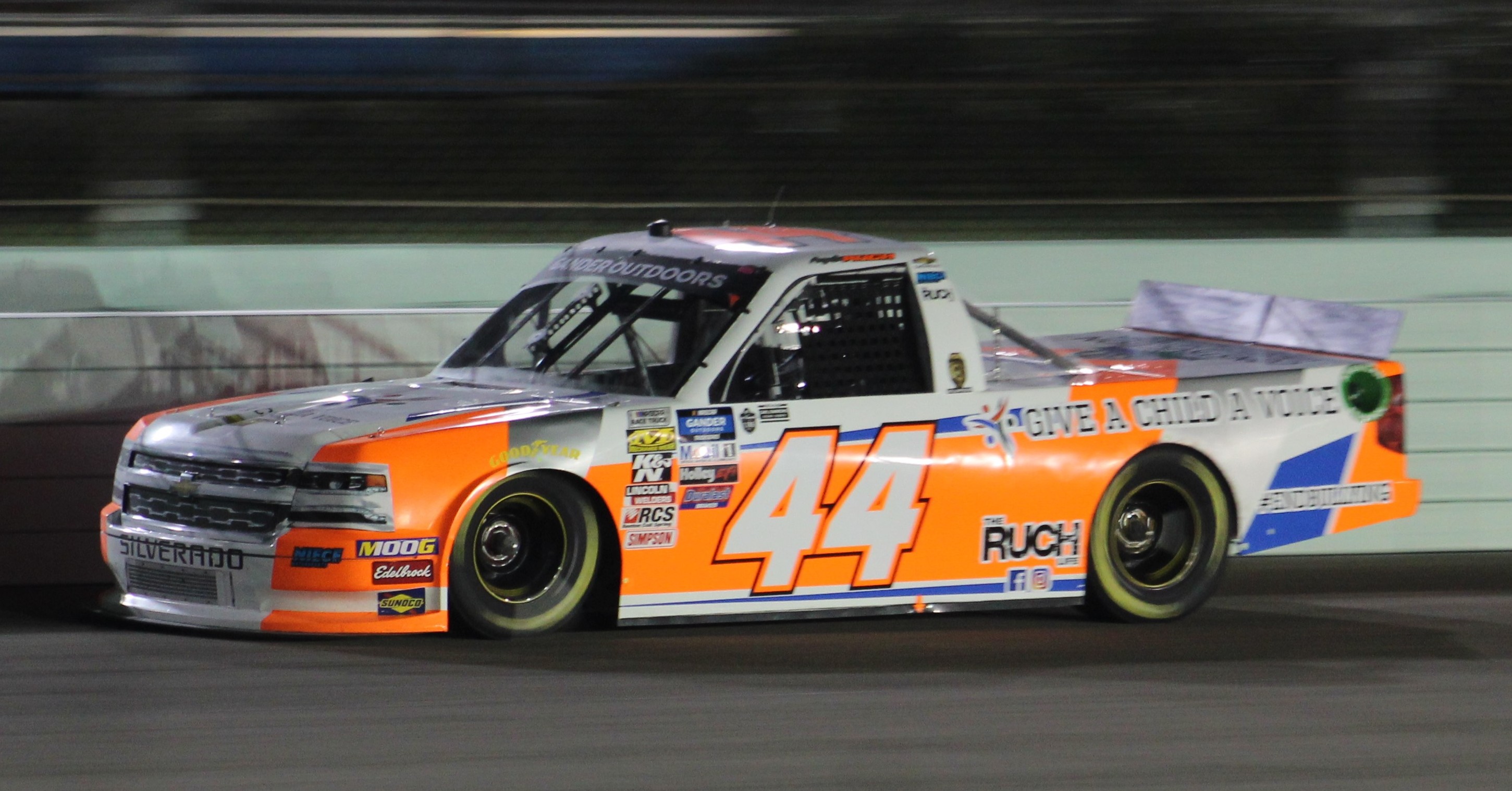
2018 Silverado
"I've got a 2018 Silverado. I'm curious about something. I've been reading on the internet about the AFM delete"
This is a Chevrolet Silverado pickup from 2018. Some versions use a system that can shut down part of the engine to save fuel, and that’s why people talk about AFM and possible engine wear.
The Chevrolet Silverado is a full-size pickup, and the 2018 model is known for using an engine system called AFM (Active Fuel Management) on certain V8 configurations. AFM can switch the engine between fewer cylinders and all cylinders, which is why owners often ask about AFM-related wear and whether disabling it helps.
AFM delete
"I've been reading on the internet about the AFM delete devices that you put in your OBD port that keeps it in eight cylinder mode all the time."
An AFM delete is a way to turn off the truck’s fuel-saving feature that shuts down some cylinders. Instead, the engine stays in full-power mode all the time.
An AFM delete is an aftermarket modification (often via an OBD-port device or tuning) that disables Active Fuel Management. The goal is to keep the engine operating in full-cylinder mode instead of switching between cylinder counts.
OBD port
"devices that you put in your OBD port that keeps it in eight cylinder mode all the time."
The OBD port is a diagnostic plug on the car that lets tools talk to the engine computer. Some aftermarket devices use it to change how the engine system runs.
The OBD port is the On-Board Diagnostics connector used to communicate with a vehicle’s computer. Many AFM delete devices plug into this port to intercept or alter how the engine control module behaves.
eight cylinder mode
"devices that you put in your OBD port that keeps it in eight cylinder mode all the time."
Eight-cylinder mode means the engine is running on all eight cylinders. The AFM system can normally switch between fewer cylinders and all eight.
Eight-cylinder mode means the engine stays in a configuration where all eight cylinders are firing. In AFM-equipped trucks, the system normally toggles between fewer cylinders and eight-cylinder operation to improve fuel economy.
lifter
"Does that really save the engine from losing the lifters and having to be rebuilt?"
A lifter is a small internal engine part that helps open the valves at the right time. If lifters wear out or break, the engine can start making noise and may need major repairs.
A lifter (in this context, a camshaft-actuated valve lifter) is a component that transfers motion from the camshaft to the engine’s valve train. The discussion centers on lifter wear or failure, which can lead to metal damage and the need for engine work.
lock pin
"either the lifter has fallen apart, the lock pin has come out of it and it's fallen apart,"
A lock pin is a tiny part that holds internal lifter components in place. If it comes loose, the lifter can fail and cause serious engine damage.
A lock pin is a small retaining component inside the lifter assembly that helps keep the lifter’s internal parts positioned correctly. The host describes a failure mode where the lock pin comes out, allowing the lifter to break apart.
turning on and off
"which could be caused from turning on and off if the oil is not changed off enough or just a poor quality"
In the AFM context, “turning on and off” describes the engine’s cylinder deactivation/activation cycling between fewer cylinders and full-cylinder operation. The host suggests this cycling could contribute to wear if oil changes and oil quality/contamination aren’t handled properly.
camshafts
"The other thing we see is camshafts that are worn down because they're delaminating."
Camshafts are the rotating shafts that control valve timing by operating the lifters and valves. The segment describes camshaft wear caused by internal material breakdown, which can be separate from AFM-related lifter issues.
delaminating
"because they're delaminating. The metal's coming apart that's on that forged camshaft"
Delaminating refers to layers of material separating from each other inside a component. Here, the host says the metal is coming apart on a forged camshaft (and the lifter), which points to a material/heat-treatment or lubrication-related failure mode rather than purely AFM operation.
forged camshaft
"The metal's coming apart that's on that forged camshaft and the lifter as well."
A forged camshaft is made by forming the metal under high pressure (forging), which is often used to improve strength and durability compared with some casting approaches. The host specifically ties delamination to the forged camshaft’s material breaking down.
oiling system issue
"And that breaks down, which is an oiling system issue. That wouldn't have anything to do with the AFM."
An oiling system issue means a problem with how engine oil is supplied, circulated, or maintained to lubricate internal components. The host connects camshaft/lifter delamination and breakdown to lubrication/oil delivery problems, noting it can be separate from AFM.
oil quality issue
"I believe that if you've got, let's say you just have an oil quality issue, so things are gonna wear under pressure easier."
Oil quality is about how well the oil protects the engine. If the oil isn’t doing its job, parts that rub and move can wear out faster.
An oil quality issue means the engine oil isn’t providing the intended lubrication properties, such as viscosity and additive performance. If oil protection is compromised, moving parts can experience more wear, especially under high load or pressure.
solenoid valves
"Now as the vehicles age, if they've ever had that system operating or if the system just breaks down on its own, the solenoid valves that open up to allow the oil to go into that system to shut those lifters off"
A solenoid valve is an electrically controlled valve. In some cylinder-deactivation systems, it uses oil pressure to move parts that stop certain cylinders from working.
Solenoid valves are electrically controlled valves that move oil to actuators inside the engine. In AFM systems, they help route oil pressure to shut off lifters so the engine can disable cylinders.
partially open
"So if it's partially open, [267.7s] it's gonna allow that pin to slide off its lock"
Partially open means the mechanism isn’t fully on or fully off. The speaker is saying that “in-between” position can cause extra wear compared with being fully engaged.
“Partially open” describes a valve-train or actuator state that isn’t fully engaged or fully disengaged. The speaker argues that being stuck in an in-between state is worse than being fully on or fully off because it allows the lock pin to slide and wear out faster.
disables it
"they're wanting to fix it, [295.3s] they put that in and it disables it."
Here, “disables it” means turning off a feature in the engine. The host is saying that if you turn it off after the problem starts, you may not be fixing the underlying issue the feature was meant to prevent.
In this context, “disables it” refers to a modification or procedure that turns off a specific engine function once a problem starts showing up. The speaker suggests that disabling the system after it has begun leaking may defeat the original purpose of the design.
regular maintenance
"and it gets regular maintenance. [311.8s] You know, if the question was with 18,000 miles, [314.4s] do you think there's any significant wear"
Regular maintenance means doing the routine services the car needs over time. Keeping up with it helps prevent small problems from turning into big ones.
Regular maintenance is the routine schedule of inspections and service items (like fluids, filters, and scheduled checks) that keep a vehicle operating within design limits. The point in this segment is that consistent upkeep can prevent wear problems even as mileage increases.
solenoids
"You know, if the question was with 18,000 miles, [314.4s] do you think there's any significant wear [315.7s] in those solenoids? [316.6s] Yet I would say no."
Solenoids are small electrically controlled valves. They help the car decide when to route fluid or pressure, and if they wear out the car can start acting weird or shift poorly.
Solenoids are electrically controlled valves used by many automatic transmissions and engine/boost control systems. When they wear out or stick, they can cause shifting problems, rough operation, or warning lights depending on the system.
oil changes
"somebody that's really concerned [345.6s] and they just took extra caution [349.2s] to make sure they did their oil changes [350.6s] at 3,500 miles or 3,000 miles instead of 7,000 miles."
An oil change is when you drain old engine oil and put in fresh oil. Fresh oil helps keep the engine clean and lubricated, which can help it last longer.
Oil changes are scheduled replacements of engine oil to remove contaminants and replenish additives that protect internal engine parts. Changing oil more frequently than the manufacturer interval can reduce wear, especially if the vehicle is driven hard or in harsh conditions.
multi-cylinder displacement
"these multi-cylinder displacement changes, we've watched over the years"
It’s when a car’s engine can turn off some cylinders to use less fuel. When you need more power, it turns those cylinders back on.
This is a reference to cylinder deactivation, where an engine temporarily shuts off some cylinders to save fuel. The “displacement changes” part means the engine effectively runs with fewer cylinders under light load, then returns to full-cylinder operation when more power is needed.
random or not random
"where it can random or not random, but it uses all the cylinders in different sequences."
The car can choose which cylinders to use or shut off in different patterns. The idea is to avoid always stressing the same cylinders over and over.
This describes how cylinder deactivation can vary which cylinders are used or shut off. “Random or not random” implies the system may rotate cylinder usage patterns to spread wear and reduce repeated stress on the same cylinders.
failures on the 7 to 13 model
"But the failures on the 7 to 13 model they're older now, so you see more of them,"
They’re saying there was a period when this cylinder system was more likely to break. Later versions were improved so the problem happened less often.
The host is pointing to a known reliability problem window for a specific generation of the cylinder-deactivation system, affecting model years “7 to 13.” In other words, earlier versions of the technology were more failure-prone, and later revisions reduced the issue.
14 or newer LT series
"Then this 14 or newer LT series has, which was an updated version of the system."
They’re talking about a newer generation of the engine/system (the “LT series”). The host’s takeaway is that the newer version was updated to be more reliable than the older one.
“14 or newer LT series” appears to be the speaker’s shorthand for a later, updated generation of the engine/system family that controls cylinder deactivation. The key point is that this later LT-series update is described as an “updated version of the system,” implying fewer failures than the earlier 7–13 generation.
solenoid manifold
"if you want to do it 100% the right way, you would take out the cam and the lifters and get the whole solenoid manifold and everything just. And that's a lot of work and a lot of money."
A solenoid manifold is a valve/actuator assembly controlled by solenoids, used to route oil or control engine functions. In this context, it’s part of the hardware involved in cylinder deactivation, so replacing or removing it is labor-intensive.
defeat device
"Is there any one particular brand of those defeat devices that you like over the others?"
A “defeat device” is an aftermarket gadget that tricks or overrides a car’s factory system. Here it’s being used to stop the cylinder-deactivation feature from turning on.
In this context, “defeat devices” are aftermarket modules or plugs that override or disable a factory system—here, the cylinder deactivation/AFM behavior—without fully repairing the underlying hardware. They’re often used to prevent the system from activating.
active fuel management
"It just goes into that portion where it says, when it's in this mode, don't run the AFM, shut that off. And it does that."
Active Fuel Management is a system that can temporarily shut down some cylinders to save gas. The car decides when to do it using sensors and the engine computer.
Active Fuel Management (AFM) is an engine technology used on some V8s where the car can deactivate cylinders under low demand to improve fuel economy. The key idea is that the engine control computer switches between cylinder-active and cylinder-deactivated operation based on driving conditions.
transmission settings
"It doesn't change the transmission settings. It just goes into that portion where it says, when it's in this mode, don't run the AFM, shut that off."
Transmission settings refer to the shift strategy and behavior commanded by the vehicle’s transmission control module (how it decides when and how to shift). The speaker is saying these “defeat devices” don’t alter shifting behavior—only the cylinder-deactivation behavior.
start-stop mode
"and they also shut off that start-stop mode [519.9s] when you come to a stop sign that shuts it down"
Start-stop mode is a system that turns the engine off when you’re stopped, then turns it back on when you start driving again. It’s meant to save fuel in city traffic.
Start-stop mode is an engine feature that automatically shuts the engine off when the car is stopped (like at a light) and restarts it when you’re ready to move again. The goal is to reduce fuel use and emissions in stop-and-go traffic.
stop start
"[522.4s] and stop start it shuts that off too. [524.0s] So you can get, if you pay a little more,"
Stop-start is the feature that shuts the engine off when you stop and restarts it when you go. Here they’re talking about options to turn it off or change when it turns back on.
“Stop-start” (often written as start-stop) refers to the same system that turns the engine off at stops and restarts it when you move. In this segment, the hosts discuss how the car can be configured to disable it or change how it behaves.
remembers the last settings
"They also have one that when you put in, [530.7s] remembers the last settings, [531.7s] Shannon has something similar to that in his,"
This means the car can save your preferences so you don’t have to set them again every time you restart. In this case, it’s about keeping the mode/behavior you chose.
This refers to a vehicle’s ability to retain driver-selected settings across power cycles (turning the car off and back on). The hosts are discussing how some cars keep the stop-start behavior and other modes the next time you start the vehicle.
toll hall mode
"And if it's in toll hall mode, when you shut it off, [544.1s] it restarts in toll hall mode, [546.2s] where I've got one and every time I pull a boat,"
“Toll hall mode” sounds like a custom setting in the car that changes how the car behaves. The host is saying the car should remember it and go back to it automatically after you turn the car off and on.
“Toll hall mode” appears to be a user-configurable driving/engine behavior mode tied to the car’s settings. In the segment, it’s described as restarting in that mode after the vehicle is turned off, and as being recommended when a specific accessory is connected.
trader plugged in
"[553.1s] I see you have a trader plugged in. [554.7s] So it's, I mean, it's not a big deal, [556.3s] but it's also a pain because it's like,"
This sounds like a device you plug in to the car that makes the car switch to a certain setting. The host thinks the car should recognize it automatically and go to the right mode.
“Trader plugged in” likely refers to an accessory or module connection that changes the vehicle’s behavior. The hosts imply the car should detect the connected device and automatically switch to a specific mode (described as “toll hall mode”).
auto start stop
"And it's on the auto start, stop. And it's a 22 and a half Silverado."
Auto start/stop is the feature that turns the engine off when you’re stopped (like at a light) and turns it back on when you’re ready to go. Some people don’t like it and want it to stay off.
Auto start/stop is a system that automatically shuts the engine off when the vehicle is stopped and restarts it when you’re ready to move. It’s designed to reduce fuel use and emissions in stop-and-go driving, but some drivers prefer to disable it.
factory settings
"It's not changing any of the factory settings. It's just remembering that every time I was starting the vehicle..."
“Factory settings” are the original settings built into the vehicle by the manufacturer. They’re saying the add-on isn’t changing the truck’s core programming—just what it does based on the button you pressed.
“Factory settings” means the vehicle’s original, manufacturer-programmed behavior—what the car does out of the box. In this case, the device is described as only remembering a button choice and not altering the truck’s underlying factory programming.
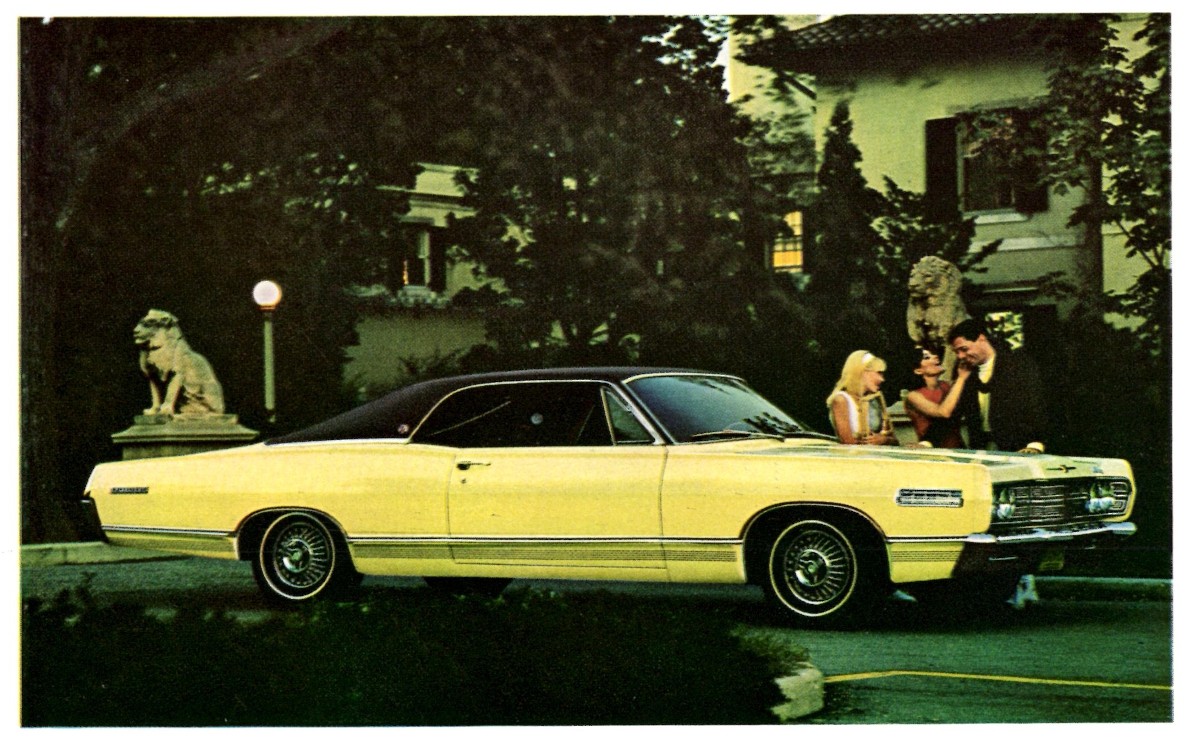
Marquis Mercury Marquee
"...hat a pretty common thing's done on a 22-year-old Mercury marquee is I'm replacing that air suspension with the cra..."
The Mercury Marquis is a large, older luxury car. The podcast mentions replacing the air suspension, which is the system that helps control the car’s ride height and comfort. On older cars like this, that kind of suspension work can become necessary as parts wear out.
The Marquis refers to the Mercury Marquis, a full-size luxury sedan that was produced in earlier decades. In the podcast context, the host mentions a “22-year-old Mercury marquee” and replacing its air suspension components, which highlights a common maintenance topic for cars with air suspension systems. It’s discussed because air suspension can be expensive to repair and often becomes a focus as these cars age.
air suspension
"So I'm doing what a pretty common thing's done on a 22-year-old Mercury marquee is I'm replacing that air suspension with the crawl springs and shocks."
Air suspension uses air bags instead of regular springs. It helps the car keep a consistent ride height, but if something in the system fails, you can get warning lights.
Air suspension uses air springs (instead of metal coils) to support the vehicle and maintain ride height. It typically relies on an air compressor, valves, and sensors, so failures can trigger warning lights and uneven ride behavior.
springs and shocks
"Mercury marquee is I'm replacing that air suspension with the crawl springs and shocks. I got the kit."
“Crawl springs and shocks” appears to refer to converting from air suspension to conventional coil springs and dampers (shocks). The key idea is that the car’s suspension hardware changes from an air-based system to a traditional spring/shock setup.
warning lights
"And so unlike my truck where I got one of those warning lights with my tires, I'm trying to eliminate that warning light situation."
Warning lights are the dashboard alerts that tell you the car thinks something is wrong. Here, they’re trying to stop the suspension-related alert after the swap.
In this context, warning lights are dashboard alerts triggered by the suspension system (or related sensors) detecting a fault. The speaker is trying to prevent the warning light from coming on after changing the suspension hardware.
bypass module
"So it's either a dark green wire with a lighter green stripe in it, which I looked at a diagram. And I've been underneath that area. I had my glove box out before. ... One, I'm eliminating. I'm not going to put in a bypass module."
A bypass module is a small electronics add-on that helps the car’s computer stop complaining. It’s often used when you change parts so the dash warning lights don’t stay on.
A bypass module is an aftermarket or custom electronic device used to “trick” or reroute signals so the car’s computer doesn’t detect a removed/changed component. In suspension conversions, it’s often used to prevent fault codes or warning lights.
dark green wire with a lighter green stripe
"So it's either a dark green wire with a lighter green stripe in it, which I looked at a diagram. And I've been underneath that area."
They’re talking about a specific wire color pattern to make sure they connect or cut the right circuit. Getting the wrong wire can create problems or new warning lights.
This is a specific wiring reference the speaker uses to identify the correct circuit for their suspension-related workaround. Correct wire identification matters because cutting or tapping the wrong circuit can cause new faults or safety issues.
glove box
"And I've been underneath that area. I had my glove box out before. And if I did do that, I would want to know maybe if it's important."
They mention the glove box because they’ve been taking it out to reach wiring or parts inside the car. It’s just a location reference for the work.
The glove box is being used as a reference point for accessing interior trim or wiring related to the suspension system. While it’s a common part, here it’s specifically tied to where the speaker has been working.
trunk for the suspension
"The other one is one of the other ones is turn the switch off, which my switch is off right now in the trunk for the suspension"
They’re saying the suspension control switch is in the trunk. That helps explain where the car’s suspension settings or service controls are located.
The trunk is where the speaker says their suspension switch is located, implying the suspension system has a user-controlled switch or service control. Location matters because it affects how the system is accessed and how wiring is routed.
modules
"The best way to do is with the module. If you got to buy the kit, they have kits with the bypass..."
The module is the car’s control computer for the suspension. It watches the sensors and decides whether everything is working; if not, it turns on the warning light.
The module is the electronic control unit that manages the suspension system and monitors sensor inputs. It decides whether to illuminate the warning light based on whether it sees expected electrical signals and physical movement.
ride height sensors
"So you've got ride height sensors back there. If they're not connected, it needs to see that the computer wants to see them connected..."
These sensors tell the car how high the suspension is sitting. If they’re unplugged or don’t show the car moving when the system tries to adjust it, the car will think something is wrong and turn on a warning light.
Ride height sensors measure the car’s suspension height and send that information to the suspension control system. If the sensors aren’t connected or don’t report movement when commanded, the system can flag a fault and illuminate the warning light.
compressor
"So if the compressor is not running, it's going to say... turn the light on. If it is running, but the car doesn't move..."
The compressor is the pump that powers the air suspension. If it doesn’t run correctly—or if the car doesn’t actually change height—the car will detect a problem.
The compressor is the pump that pressurizes the air-suspension system so it can raise or lower the vehicle. If the compressor doesn’t create the expected load or the car doesn’t move, the module interprets that as a fault.
pull the fuse
"If you turn the switch off and then pull the fuse, what's going to happen is it's going to see that the switch is off and that'll be fine. It shuts it down."
Pulling a fuse removes power from a part of the car. The idea here is that if the system is intentionally turned off, it may not treat it as a failure and won’t warn you the same way.
Pulling the fuse cuts power to the affected circuit, which can change how the suspension system reports faults. In the speaker’s explanation, turning the switch off and removing the fuse makes the system interpret the situation as shutdown rather than a malfunction.
fuses
"But when you pull the fuse, it's going to turn the light on because it sees that there's power missing from the module back there."
A fuse is a protective electrical switch that melts/breaks if too much current flows. Pulling it removes power to a system, and the car may notice and turn on a warning light.
A fuse is a safety device that breaks an electrical circuit if current is too high. The speaker describes pulling a fuse to remove power from a module, which then triggers a warning light because the car detects missing power.
service mode
"because it won't try to power the compressor or raise or lower it when it's in service mode by having that switch off."
Service mode is a special setting the car uses for repairs. It helps the mechanic test things without the car doing normal actions like moving the suspension.
Service mode is a diagnostic or maintenance state that lets the car’s systems behave differently so technicians can test or adjust components. In this context, it’s used to prevent the suspension from moving while the system is being evaluated.
dash
"it says on the dash, hey, the power's off to the suspension."
The dash is the driver’s instrument panel. It shows warning messages like “power off” so you know something isn’t operating normally.
The dash is the instrument panel area where the car displays warnings and status messages. The speaker references a message on the dash indicating the suspension power is off and that the system needs to be turned back on.
service reminder
"it wants it's reminding you to turn it back on after so many minutes."
A service reminder is a warning message that pops up after some time. It’s telling you to switch things back to normal after a repair/diagnostic step.
A service reminder is a timed warning the vehicle displays to prompt you to restore normal operation after a temporary diagnostic or disabled state. The transcript describes the car reminding the driver to turn the suspension power back on after a set number of minutes.
instrument cluster
"I think you can the wire you're cutting feeds the instrument cluster."
The instrument cluster is the part of the dashboard with the gauges and warning lights. It’s how the car shows you things like speed and alerts.
The instrument cluster is the dashboard panel that houses the driver’s gauges and displays, like the speedometer, tachometer, and warning lights. Cutting the wrong wire can affect the cluster’s ability to display information or communicate with other modules.
networks all got to communicate together
"Yeah, that's all the networks all got to communicate together and you cut something that's going to say, hey, I'm missing the signal"
Newer cars have computers that talk to each other through wiring networks. If you cut the wrong wire, one computer may not get a message and can turn on warning lights or act weird.
Modern cars use multiple electronic control units (ECUs) connected by vehicle networks so they can share signals. If you cut a wire that carries a network message, the car may lose the “missing signal” and trigger incorrect behavior, like warning lights.
air spring
"Some of them work pretty good because the air bag is what they call an air spring. It adjusts the level of the vehicle, but it uses the springs of the car."
An air spring is like a spring made from compressed air. It helps support the car and can keep the ride height more level when the car is loaded.
An air spring is a suspension spring that uses compressed air instead of (or alongside) steel coil springs. In an air-suspension setup, the air spring helps support the vehicle and can maintain ride height as load changes.
coil spring
"If it's equipped with coil springs back there to keep it level, the air ride just runs it up and down and changes the dampening a little bit, but it still has the shock built into it."
Coil springs are the metal springs that help the car absorb bumps. Some cars use them along with air suspension to keep the ride height steady.
Coil springs are steel springs that support the vehicle and absorb bumps. In some air-ride setups, coil springs may still be present to help keep the car level, while the air system fine-tunes ride height and motion.
dampening
"the air ride just runs it up and down and changes the dampening a little bit, but it still has the shock built into it."
Dampening is how the shocks control the bounce. It helps the car settle after hitting a bump instead of bouncing around.
Dampening (damping) is how a shock absorber controls suspension movement—specifically how quickly the suspension compresses and rebounds. Adjusting damping changes how “bouncy” or controlled the ride feels over bumps.
leaking oil
"So if they're not leaking oil, you know, in a lot of cases they're still safe. You just got to find that out with your own shop to know for sure."
If you see oil leaking from the shocks, it usually means the shock isn’t working as well as it should. That can lead to a rougher ride or more bouncing.
Leaking oil from shocks/struts is a common sign the damper is failing or losing its ability to control suspension movement. In suspension diagnostics, oil leakage is often treated as a key “inspect first” symptom.

Lincoln Continentals
"And you have other ones like the Lincoln Continentals where they go bad and the car just dragging the ground, dragging the ground."
Lincoln Continental is a luxury car model. The speaker is saying that on some of them, something in the suspension can fail so the car sits too low and scrapes the ground.
The Lincoln Continental is a full-size luxury car line from Lincoln. In this segment, the host is describing a specific failure mode where the car sits too low and drags the ground, which points to suspension/ride-height issues.
air ride
"Those air ride, that's a thing. We still convert a lot that have to be some of the newer Cadillacs, some of the,"
“Air ride” means the suspension uses air bags instead of traditional metal springs. If that system has a problem, the car can sink too low and start scraping the ground.
“Air ride” refers to an air-suspension system that uses air springs to control ride height and comfort. When it fails, the car can sag and drag, which is why the caller and shop are discussing it as a known problem area.
nitrogen charge shocks
"We will not work on the, the, we don't do any air suspension work on the Jeeps or any Chrysler Ram products because of the nitrogen charge shocks they have in there. Um, it's a, it's just a different type of system."
Nitrogen charge shocks are shock absorbers that use gas pressure inside to help control how the car moves over bumps. The shop is saying this setup is different from the air-suspension systems they normally work on.
Nitrogen charge shocks are dampers that use pressurized nitrogen gas to help control suspension movement. In this segment, the shop claims that these nitrogen-charged components are part of a different suspension approach, which is why they won’t do air-suspension work on those vehicles.
Chrysler Ram products
"We will not work on the, the, we don't do any air suspension work on the Jeeps or any Chrysler Ram products because of the nitrogen charge shocks they have in there."
Ram is the pickup-truck brand associated with Stellantis (formerly under Chrysler). The shop says they avoid air-suspension work on Ram products because of the nitrogen-charged shocks used in that system.
Jeep
"We will not work on the, the, we don't do any air suspension work on the Jeeps or any Chrysler Ram products because of the nitrogen charge shocks they have in there."
Jeep is the off-road-focused brand within Stellantis. Here, the shop is saying they avoid air-suspension work on Jeep vehicles due to the nitrogen-charged shock setup they use.

96 Ford Ranger
"So what can we do for you with your 96 Ford Ranger? [1565.9s] I'm calling to give a report and to ask another question."
This is a 1996 Ford Ranger pickup truck. The conversation is about a problem it had with starting—especially when the engine is hot—and how it was fixed.
The Ford Ranger is a compact pickup truck, and this caller specifically mentions a 1996 model. In this segment, the truck’s issues are tied to fuel delivery (a fuel pump replacement) and hot-start behavior.
fuel pump
"So a while back, I called and we had a fuel pump issue and we replaced it. [1578.0s] And then it had a rough start on hot days, which you said to put, put in CRC"
The fuel pump is what sends gas from the gas tank to the engine. If it’s not working right, the truck may start poorly or run rough, especially when conditions change.
A fuel pump moves gasoline from the tank to the engine at the right pressure. When a fuel pump is failing, you can get hard starts, rough running, or other drivability problems—like the caller’s earlier issue that was resolved by replacement.
rough start
"And then it had a rough start on hot days, which you said to put, put in CRC [1584.2s] guaranteed to pass."
A rough start means the engine doesn’t catch cleanly when you turn the key. It can happen more on hot days when fuel and air conditions inside the engine change.
A “rough start” means the engine doesn’t start smoothly—often it stumbles or hesitates during ignition. Hot-start roughness can point to issues like fuel pressure/volume problems, vapor-related fuel delivery, or ignition/fuel mixture problems.
hot days
"And then it had a rough start on hot days, which you said to put, put in CRC [1584.2s] guaranteed to pass."
They’re talking about starting problems that show up when it’s very hot outside. Heat can make the fuel behave differently, which can affect how smoothly the engine starts.
“Hot days” is relevant here because heat can worsen drivability issues, especially “hot starts.” When the engine bay and fuel system are heat-soaked, fuel can vaporize more easily and starting can become harder or less smooth.
CRC
"And then it had a rough start on hot days, which you said to put, put in CRC [1584.2s] guaranteed to pass."
CRC is a brand of car chemicals. In this call, they used a CRC product to help the truck start smoothly on hot days.
CRC is a consumer automotive chemical brand (often known for products like fuel system cleaners and starting aids). Here, the caller uses CRC to address rough hot starts after the fuel pump replacement.
fires up
"And now I don't even think twice when I started up on hot days. [1594.9s] It just fires up. [1596.1s] No stumbling."
“Fires up” just means the engine starts. They’re saying it now starts quickly and cleanly on hot days.
“Fires up” is a common enthusiast phrase meaning the engine starts and runs immediately. In this context, it’s used to contrast the earlier rough hot starts with the improved behavior after the fuel pump and CRC treatment.
No stumbling
"[1594.9s] It just fires up. [1596.1s] No stumbling. [1597.0s] So I want to say thank you on that."
“Stumbling” means the engine doesn’t run smoothly right after starting—it kind of hesitates. They’re saying it no longer does that.
“Stumbling” refers to an engine that hesitates or loses smoothness right after starting. Eliminating stumbling suggests the fuel/air mixture and ignition are now stable enough for consistent starts.
heat cycle
"How many of those miles are in one drive where you're getting the vehicle heated up and through a really good heat cycle on the engine?"
A heat cycle means the engine gets fully warmed up and then cools down again. If you only drive short distances, the engine may never get hot enough to burn off moisture and buildup.
A heat cycle is the process of warming the engine up to operating temperature and then cooling back down. Short trips often don’t complete a full heat cycle, which can leave moisture and combustion byproducts sitting in the engine and fuel system.
condensation buildup
"So you're going to get condensation buildup in the engine when you shut it off as things cool and heat up and you're going to have carbon that's unburned fuel"
Condensation buildup is water that collects when the engine cools off. With short trips, the engine doesn’t get hot enough to dry out, so moisture can build up.
Condensation buildup is moisture that forms inside the engine when it cools down, especially after short trips. That moisture can mix with combustion byproducts and contribute to deposits and corrosion-like issues over time.
unburned fuel
"as things cool and heat up and you're going to have carbon that's unburned fuel and things that hydrocarbons, they get on those injectors and in the back of the valves"
Unburned fuel is gas that doesn’t fully burn inside the engine. Instead of turning into power, it can leave deposits that make the engine dirtier.
Unburned fuel is gasoline that doesn’t fully combust in the cylinders. When it escapes combustion, it can leave carbon deposits and contribute to sticky residue on intake components and fuel-injection-related surfaces.
hydrocarbons
"and things that hydrocarbons, they get on those injectors and in the back of the valves and it just sits there"
Hydrocarbons are parts of fuel that can end up as leftover chemicals when the engine doesn’t burn everything cleanly. They can stick to engine parts and form grime over time.
Hydrocarbons are fuel-related chemical compounds that can remain in the exhaust or combustion byproducts when combustion isn’t complete. They can deposit on engine surfaces like injectors and valve areas, contributing to buildup.
injectors
"and things that hydrocarbons, they get on those injectors and in the back of the valves and it just sits there"
Fuel injectors are the parts that spray fuel into the engine. If they get dirty, the engine can start running poorly because fuel delivery becomes less effective.
Fuel injectors are the components that spray fuel into the engine for combustion. Deposits from unburned fuel and hydrocarbons can foul injectors, which can worsen drivability and cause rough running.
clutch
"I'm the guy that had put in a brand new clutch a year later, the pebble got hard. It's been bled a million times and it only had like 2000 miles on it."
In a manual car, the clutch is what you press to disconnect the engine from the transmission so you can change gears. If it’s not working right, the car may not go into gear smoothly or may make strange thumps.
A clutch is the friction device that lets a manual-transmission car smoothly connect and disconnect the engine from the gearbox. When the clutch is released, the pressure plate clamps the clutch disc to transmit power; if it doesn’t release or engage correctly, you can get hard shifting or odd noises.
bled a million times
"It's been bled a million times and it only had like 2000 miles on it."
Bleeding the clutch means getting trapped air out of the hydraulic fluid so the clutch responds normally. If there’s air in there, the clutch can feel weird and not fully release or engage.
Bleeding the clutch hydraulic system removes air from the fluid lines so the clutch can release and engage consistently. Air in the system can cause delayed or incomplete clutch operation, leading to hard shifting or odd engagement behavior.
pressure plate
"Looking at the pressure plate, half of it still had the machine mark. And the other half showed where it was actually grabbing or wearing."
The pressure plate is part of the clutch that squeezes the clutch disc to the engine so power can get to the transmission. If the contact marks look uneven, it can mean the clutch isn’t engaging or releasing evenly.
The pressure plate is the clutch component that clamps the clutch disc against the flywheel to transmit engine torque. Wear or uneven contact patterns on the pressure plate can indicate misalignment, improper release, or a hydraulic/actuation issue.
machined it crooked
"Then either when they made that either it's bent, which is very unlikely or they machined it crooked when it was on their machine, it wasn't sitting level. So it, you know, it was wobbling as they machined it."
This means the part may have been cut or finished slightly off-level. If the clutch isn’t perfectly aligned, it can contact unevenly and cause rough engagement or weird pedal feel.
“Machined it crooked” refers to a manufacturing or machining error where a part is cut or finished while not sitting level. For a clutch, that can cause uneven contact and lead to symptoms like grabbing, chatter, or difficulty operating the pedal.
chatter
"especially if it shatters, if you try to release that clutch, if it no chatter, and then then it's, it's gripping, but it's, it's not right."
Clutch chatter is the shaking or vibrating you can feel when the clutch starts to grab. It usually means the clutch surfaces aren’t engaging smoothly.
Clutch chatter is a vibration or shudder that happens when the clutch engages unevenly or the friction surfaces don’t mate smoothly. It’s often felt as a roughness during take-up and can be caused by warped or improperly finished clutch components.
wear pattern
"It could never, it'll never, it'll never wear into a pattern by itself. It'll, well, it'll, it'll cut down the side of the clutch that it is grabbing on the side of the flywheel..."
A wear pattern is the uneven shape that friction material develops over time when it contacts imperfectly. The speaker argues that a clutch won’t naturally “self-correct” into a perfect pattern; instead, it will keep wearing down where it’s already grabbing.
torqued down
"Well, when the flywheel is bolted to the engine and torqued down, if it is not torqued in a criss-cross pattern in several steps, it could have been bolted down tightly, just a little crooked."
“Torqued down” means the bolts were tightened to a specific tightness setting. Doing it correctly helps the part sit straight and secure—if it’s tightened unevenly, it can cause vibration and uneven wear.
“Torqued down” means tightening bolts to a specified torque value using a torque wrench. Correct torque is critical for parts like a flywheel because uneven clamping can cause the part to sit crooked, leading to wobble and uneven clutch wear.
flywheel
"Well, when the flywheel is bolted to the engine and torqued down, if it is not torqued in a criss-cross pattern in several steps, it could have been bolted down tightly, just a little crooked."
A flywheel is a heavy spinning part connected to the engine. It helps the engine run smoothly, and it also affects how the clutch engages—if it’s not mounted perfectly, the clutch can wear unevenly and feel off.
A flywheel is a heavy rotating component mounted to the engine that helps smooth out engine speed and provides a stable surface for the clutch to engage. In a clutch job, its mounting and seating matter because any wobble or uneven contact can affect how the clutch disc wears and how smoothly the clutch releases.
criss-cross pattern
"Well, when the flywheel is bolted to the engine and torqued down, if it is not torqued in a criss-cross pattern in several steps, it could have been bolted down tightly, just a little crooked."
A criss-cross pattern is the tightening sequence used to clamp a circular part evenly—like a flywheel—by alternating sides as you tighten. This helps prevent the part from being pulled down crooked, which can cause wobble and uneven clutch disc wear.
crank shaft
"And if it's not flatly seated against the crankshaft, it's going to wobble back and forth."
The crankshaft is the main rotating shaft inside the engine that converts piston motion into rotational motion. For clutch-related work, the flywheel must sit flat against the crankshaft so it doesn’t wobble, which would otherwise lead to driveline vibration and uneven clutch wear.
master cylinder
"Uh, yeah, we went from flywheel all the way up to the master cylinder. We were taking no chances on having a stiff pedal when we got done."
The master cylinder is part of the hydraulic clutch system (on many cars) that converts pedal movement into hydraulic pressure. If it’s replaced along with other clutch components, it can help prevent symptoms like a stiff pedal or inconsistent clutch feel.
remachined
"Did you guys replace the flywheel or remachined it or anything when you had the part?"
Remachining means cutting and resurfacing a component to restore its flatness or correct dimensions. In flywheel service, remachining can be used to address surface issues, but it must be done within allowable limits to avoid weakening the part or changing its balance.
pilot bushing
"Was the pilot bushing in good shape yet? In the end of the crankshaft? Uh, oh, it was still good, but we replaced it also."
The pilot bushing helps line up the transmission to the engine. If it’s worn, the car can feel rough when shifting and the clutch/transmission parts can wear out faster.
A pilot bushing (or pilot bearing) supports the transmission input shaft where it centers in the engine’s crankshaft. If it’s worn or damaged, it can cause vibration, clutch engagement issues, and accelerated wear on related parts.

2000 F 250
"We're going to jump over and talk to James in Oregon with a 2000 F 250. How are you doing James? Hi, it's a F 350 with the 7.3 diesel power screw, big one."
This is a Ford F-250 pickup from around the year 2000. These trucks are built for heavy work, so repairs to the clutch/drivetrain are pretty common topics.
A Ford F-250 is a heavy-duty pickup known for towing and work use, and it’s a common platform for drivetrain and clutch-related repairs. In this segment, the host is about to talk to a caller with a Ford truck, setting up a practical repair discussion.

Ford F350
"How are you doing James? Hi, it's a F 350 with the 7.3 diesel power screw, big one. All right."
A Ford F-350 is a heavy-duty pickup, and this caller specifically mentions the 7.3L diesel engine, which is a well-known powerplant in the Super Duty lineup. The 7.3L diesel’s durability and torque make it a popular choice for towing and long-term ownership.
7.3 diesel
"How are you doing James? Hi, it's a F 350 with the 7.3 diesel power screw, big one. All right."
“7.3 diesel” means the engine is about 7.3 liters and runs on diesel fuel. Bigger diesel engines usually make strong pulling power, which is why they’re popular for towing and work.
“7.3 diesel” refers to a 7.3-liter diesel engine displacement, which indicates a large, torque-focused powerplant. In Ford Super Duty trucks, the 7.3L diesel is known for strong low-end pulling power and is a common engine choice for heavy-duty use.
manual transmission
"And, uh, everybody, everybody wants to buy it because it's a six speed manual."
It’s a car where you change gears yourself. You use a clutch pedal, and there are six different gear ratios to choose from.
A six-speed manual transmission is a gearbox where you shift gears yourself using a clutch pedal and a gear lever. The “six-speed” part means there are six forward gear ratios, which can help keep the engine in its power band and improve highway cruising.
shift on the fly
"Every, it has every other option, but no shift on the fly that was going"
“Shift on the fly” means you can switch the car into 4-wheel drive while you’re driving, instead of having to stop first. It’s useful when road conditions change quickly.
“Shift on the fly” refers to a 4WD system that lets you change between two-wheel drive and four-wheel drive while the vehicle is moving, rather than requiring the car to be stopped. This is typically controlled by the transfer case and is meant to make switching modes easier in changing traction conditions.
self locking hubs
"on bad on them and no, uh, self locking hubs."
These are automatic front-wheel engagement parts for some 4-wheel-drive trucks. When you turn on 4WD, they “lock in” the front wheels for you.
Self-locking hubs are part of a part-time 4WD setup that automatically engages the front wheels when 4WD is selected. They replace manual locking hubs, reducing the need to physically lock the hubs yourself.
loose wire
"And, uh, the other day when I went to town and rolled the window down on my side. And then when I got into town, it wouldn't roll back up again. So, and it's done that a couple of times since then might just be a loose wire."
This likely means a wire or plug for the window switch isn’t connected well. That can make the window work sometimes, but not consistently.
A “loose wire” suggests an electrical connection problem, such as a connector that has come partially undone or a damaged lead. In power windows, that can cause the window to move in one direction but fail to operate reliably in the other direction.
passenger windows
"I don't know the, the passenger windows doing the same thing. They're both, they're both having issues."
That’s just the windows on the passenger side. If both passenger windows act up the same way, it can hint at a common electrical problem.
“Passenger windows” refers to the power windows on the right/left passenger side (depending on the vehicle). When both passenger windows show similar symptoms (going down but not up), it often points to a shared control or wiring issue rather than a single window motor failure.
switch itself
"More than likely than what you're seeing is a problem with that switch itself. Uh, the switches are very common."
They’re saying the button/switch you use to control the window might be the problem. If the window only works sometimes, the switch can wear out or make bad electrical contact.
The “switch itself” means the window switch (or related control switch) may be failing electrically or mechanically. If the windows respond when the switch is manipulated, a worn switch is a common cause of intermittent power-window operation.
corrode the terminals
"When you have the door open, rain gets in there, snow all sorts of things and can corrode the, the terminals."
Terminals are the metal connection points for wires. If they get corroded from moisture, the connection becomes unreliable and the window/door electronics can act up.
“Terminals” are the metal contact points where wires connect to a switch, motor, or module. Water and road salt can cause corrosion there, increasing resistance and leading to intermittent electrical behavior.
ground
"And the way they work is they have to have a ground to all the wires when they're at rest and then as you push it to up or down, it removes the ground from one wire and applies power to it to go up."
Ground is the electrical “return path” in the car’s wiring. The switch uses ground and power to tell the window motor which direction to run.
In automotive wiring, “ground” is the electrical reference point—typically the vehicle’s chassis—used to complete circuits. The speaker describes how the door/window switch removes ground from one wire and applies power to another to move the window up or down.
door switch
"The partner over at standard does sell a really nice door switch for these things. Window switch with the lock and everything."
A “door switch” is the control switch inside the door that sends electrical signals to the window/lock circuits. When it wears out or gets intermittent, the windows can fail in a way that’s consistent across both sides.
standard
"The partner over at standard does sell a really nice door switch for these things."
“Standard” is the name of a parts brand. They make replacement switches you can use when the original window/door switch fails.
“Standard” here refers to an aftermarket supplier that sells replacement electrical parts like door/window switches. Listeners should treat it as a parts brand recommendation rather than a vehicle manufacturer.
window switch
"Window switch with the lock and everything. And they're built, they're, they're more weather resistant inside."
A window switch is the button you press to raise or lower the power windows. If it’s worn out, the window may only work when you move or press the switch just right.
A “window switch” is the driver’s control (often integrated with the lock controls) that commands the power window system. If the switch is intermittent—like when you wiggle it—the window can work inconsistently.
wiring diagram
"You could pull it apart and get a wiring diagram and all that and check it out."
A wiring diagram is a map of the car’s electrical connections. It helps you figure out which wire should be getting power when you press the window switch.
A “wiring diagram” is a schematic that shows how wires connect between switches, motors, fuses, and modules. It’s used for troubleshooting by tracing circuits and checking which wire should have power or ground in each switch position.
Request an Explanation
Heard something you'd like explained? We'll add it to this episode.
Sign in to request explanations for terms you heard.
Want to learn more?
Browse our glossary for plain-English explanations of automotive terms, jargon, and concepts.
Help improve this episode
See something that's not quite right? Our annotations are AI-generated and can sometimes miss the mark. Click the flag icon on any annotation to suggest a correction.