
The Motor Medics Helping People to Repair Their Cars Over The Phone
About this episode
From engine coverage and recall talk to phone-aided diagnostics, the Motor Medics walk through real repair scenarios and what to check before you spend big. They discuss Hyundai engine replacements, why some failures leave drivers stranded, and how oil changes (or neglect) can drive warranty disputes. The show also covers suspension and ADAS calibration costs, plus practical troubleshooting for smoke, sensor issues, and transmission problems—often with scanner-based checks and smart inspection habits.
The best call-in car talk show in America! Under The Hood. We take your live calls and get you answers to all your car repair problems fast. Give us a call today. Here are today's callers... A happy Hyundai owner gets his expensive engine replaced for free Why are there 4 front shocks on my 94 F150 Truck? Are some cheap OBD2 Scanners no good? My Corvette won't scan The Chrysler Jeep 3.6 Tick. Can I change my oil weight? DIY car cam ADAS replacement. Do I need to have it calibrated? Blue smoke from my 18 Subaru Crosstrek. What is it? Why did my Sorento Tach drop to zero and stall? Almost no oil changes on my 98 Ranger with a bazillion miles. Say it aint so! Can I install a 6" lift on my 26 Ram and not void the warranty?
recall
"Oh, just so many recalls and more over that. It's just crazy looking at the things that they've got out there. One thing I'm glad they're doing it."
A recall is when a car company says, “We found a problem and you need to get it fixed.” It’s usually done for safety reasons, and the fix is typically provided by the manufacturer.
A recall is when a manufacturer (or regulator) identifies a safety or compliance issue and requires affected vehicles to be repaired, usually at no cost to the owner. The host mentions recalls to frame why so many engine-related issues are showing up in the news and in repair shops.
engine
"Hyundai has had a problem with engines for a long time in a lot of models. And it's been very expensive for a lot of people. But they are covering engines for a long way. I just had a customer, for instance, this week they came in and they had a 2013 Hyundai with 90,000 miles on it."
The engine is the part of the car that makes power to move the vehicle. Here, the host is saying the engine had a known problem and that the repair could cost a lot of money.
An engine is the power unit that burns fuel (or uses another energy source) to create mechanical power for the car. In this segment, the term matters because the host is specifically talking about an engine problem that led to expensive repairs and later coverage.
warranty
"They gave you a new one. They really didn't have to because your warranty was a year and it's been three and they gave you one anyways. Right."
A warranty is the coverage that pays for certain repairs for a limited time after you buy the car. The host is saying the repair got covered even though the warranty period was already over.
A warranty is a promise from the manufacturer (or seller) to cover certain repairs for a set period or mileage. In the segment, the host contrasts the normal warranty window with Hyundai covering an engine repair even after the warranty had effectively expired.
fuel pump
"Right. Now there's some recalls we think are, they seem foolish to us. Like when you've got 130,000 mile van and they were recalling a fuel pump that was over 12 years old."
The fuel pump is like the car’s fuel delivery system. If it starts failing, the engine may not get enough fuel and can shut off while you’re driving.
A fuel pump is the component that moves gasoline (or other fuel) from the tank to the engine at the right pressure. If it fails or weakens, the engine can lose fuel delivery and may stall—especially dangerous in traffic.
AFM
"Well, yeah, any fuel pump that's 130,000 miles and over 10 years old may just stall in traffic. So can I get one too? No, you can't. Or, you know, how about the transmissions that fail when they're and leave you stopped in traffic or the engines that fail because the AFM goes out and leaves you stopped in traffic."
AFM is a fuel-saving feature that can temporarily turn off some cylinders when you don’t need full power. If the AFM system has a problem, the car can start acting up and may even stop running.
AFM stands for Active Fuel Management, a system that shuts off some cylinders under light load to improve fuel economy. When AFM-related components fail, it can cause drivability problems and, in severe cases, leave the vehicle stranded.
transmissions
"No, you can't. Or, you know, how about the transmissions that fail when they're and leave you stopped in traffic or the engines that fail because the AFM goes out and leaves you stopped in traffic."
The transmission is what helps the engine’s power get to the wheels in the right gear. If it breaks, the car may not be able to drive and could leave you stuck.
A transmission is the drivetrain component that changes gear ratios so the engine can deliver power efficiently. When a transmission fails, it can leave the car unable to move, which is especially dangerous if it happens in traffic.
lifter failure
"How many of those GMs that have we had with the AFM lifter failures? I mean, they call every week we've got a problem with those."
Some cars use special valve components to shut off cylinders for fuel savings. If those parts fail, the engine can be damaged and may need a big repair—sometimes even a new engine.
In many GM AFM setups, the system uses lifters (valve-actuation components) to manage cylinder deactivation. “Lifter failures” refers to those components failing, which can lead to loss of engine function and often requires major repair or engine replacement.
burning oil
"But Hyundai has got that knock that they usually develop a knock, start burning oil and eventually they can go out."
Burning oil means the engine is using oil that should stay in the crankcase. If it keeps happening, the oil level can drop and the engine can be damaged.
“Burning oil” means the engine is consuming engine oil and burning it as fuel. This can happen when internal engine components wear or fail, and it often leads to low oil levels and eventual engine damage if not addressed.
knock
"But Hyundai has got that knock that they usually develop a knock, start burning oil and eventually they can go out."
A knock is a bad-sounding ping or rattle from the engine. It usually means something isn’t right with how the engine is burning fuel or with engine parts, and it can get worse.
An engine “knock” is an abnormal pinging or rattling sound caused by abnormal combustion or mechanical issues inside the engine. Persistent knock can be a warning sign that the engine is in trouble and may worsen quickly.

Ford F150
"I have a like new 1994 F-150 XLT Lariat 4x4 with a 5.0 and five speed manual, 85,000 miles on it. Four shocks in the front."
This is a 1994 Ford F-150 pickup truck. “4x4” means it drives all four wheels, and the XLT Lariat is a nicer trim level than the base models. That’s important because off-road packages change parts like the shocks.
The 1994 Ford F-150 is a full-size pickup known for being a common platform for both daily driving and work/off-road setups. In this case, the “XLT Lariat 4x4” indicates a higher trim (Lariat) and four-wheel drive, which matters for how suspension and shock packages are specified.
EFS heavy duty suspension
"They have two shocks on each side of it on the heavy duty suspension on that vehicle. Now they call them."
Heavy duty suspension means the truck’s suspension parts are built to handle tougher use. It’s meant for heavier loads and rough roads, and it often comes with stronger shocks and springs.
A heavy duty suspension is a sturdier suspension setup designed to better handle higher loads and rougher terrain. In pickup trucks, it often includes upgraded shock absorbers and springs so the vehicle can stay controlled when towing, hauling, or driving off-road.
FX4
"They have two shocks on each side of it on the heavy duty suspension on that vehicle. Now they call them. They've got different names like FX4 and things like that on these on these vehicles, but they're still not four shocks."
FX4 is a name Ford uses for an off-road option on some trucks. It usually means the suspension is set up to handle rougher roads better, but it doesn’t automatically mean the truck has extra shocks in every configuration.
FX4 is Ford’s off-road package branding used on certain F-150 and related trucks. It typically indicates upgraded off-road suspension components (like shocks and related hardware), but it doesn’t necessarily mean the truck has a “four shocks” setup.
Rancho shocks
"That package, I'm not sure what they called that, but I think and they I believe they were all four Rancho shocks on those. They put them on the full size Bronco and they had them on the F-150s unsung."
Rancho is a brand that makes shock absorbers. Shocks help control how the truck moves over bumps, and using Rancho shocks usually means the suspension is set up for tougher driving.
Rancho is a well-known aftermarket shock absorber brand used on many off-road and truck applications. When the host says the truck had “all four Rancho shocks,” they’re describing a specific shock setup intended to improve ride control and durability for off-road use.

Ford Bronco
"They put them on the full size Bronco and they had them on the F-150s unsung. Not all, but we've we've done a few of them where they come in and we had to get shocks for them."
The full-size Bronco is Ford’s bigger SUV that’s built for off-road use. The host is saying similar off-road shock setups showed up on these Broncos too.
The “full size Bronco” refers to Ford’s larger Bronco SUV line, which shares many truck-based components and off-road options with the F-150. The host is using it as an example of where similar multi-shock off-road setups were used.
Mitchell system
"And it would ask if we go to advanced auto parts and we use their website direct with our Mitchell system. So we can just link right in, click the button and it shows this what's available on the vehicle."
Mitchell is a computer system mechanics use to look up the right parts for a specific car. It helps them confirm what shocks (or other parts) fit based on the vehicle’s details.
The Mitchell system is a shop software tool used by repair facilities to look up vehicle-specific parts and repair information. In this segment, it’s used to match the correct shock options to the vehicle configuration.
Advanced Auto Parts
"And it would ask if we go to advanced auto parts and we use their website direct with our Mitchell system. So we can just link right in, click the button and it shows this what's available on the vehicle."
Advanced Auto Parts is a store that sells car parts. In this conversation, they’re using its website to see which shocks are available for the truck they’re working on.
Advanced Auto Parts is a parts retailer whose website can be used to check availability for specific vehicle configurations. Here, it’s part of the workflow for finding the correct shock options for the caller’s truck.
struts
"Now, when you get into some of the other vehicles, we have a vehicle in our shop right now and it's got shocks and struts going on it. Two of their electronic magnet ride with the air, two of them are $600 each and the other two are $900 each."
Struts are suspension parts that help support the car and control bouncing. On some cars, they do the job of both a shock and a mounting point.
Struts are suspension components that combine shock absorption with structural support. On many cars, shocks and struts are related, and repairs can involve replacing struts in pairs or sets to keep handling consistent.
electronic magnet ride
"Two of their electronic magnet ride with the air, two of them are $600 each and the other two are $900 each. I priced some out earlier this week for another Cadillac and they were $1,400 each."
This is a suspension system that can automatically change how firm the ride feels. It uses electronics to adjust the shock behavior, so the parts cost more than basic shocks.
“Electronic magnet ride” refers to an electronically controlled magnetic suspension system that adjusts damping on the fly. Instead of fixed shocks, the car can change how stiff or soft the suspension feels, which is why the parts can be very expensive.
air ride
"And then we had another, I think it was a Lincoln that had an air ride on it. And they were only $260 each for these electronic air, which surprised me when you compare them to the other ones."
Air ride uses air-filled springs to support the car. It can make the ride smoother and can change the car’s height, but repairs can be pricey.
Air ride (air suspension) uses air springs instead of conventional steel springs to support the vehicle. It can improve ride comfort and adjust height, but it often involves costly components when leaks or wear happen.
tire wear issues
"That's why they don't do shocks in there. They have tire wear issues. They got 150,000 miles."
Bad shocks can make your tires wear out faster. If the suspension can’t control bouncing well, the tires don’t stay planted the way they should.
Worn or mismatched shocks/struts can cause excessive tire wear because the suspension can’t keep the tires properly controlled on the road. When the car bounces or doesn’t damp evenly, tread can wear faster and unevenly.
running board
"In order, a running board goes out and you got to buy a motor for it and it's $1,800 because for one running board, that's not even the whole thing. That's just a motor."
A running board is the step on the side of the car you use to get in. If it’s powered, the motor that moves it can be expensive to replace.
A running board is a side step (often power-operated) that helps passengers get in and out of the vehicle. If it’s motorized, the “motor” replacement can be a major cost because the step assembly may be integrated with the mechanism.

Chevrolet C5
"I've got a couple of questions about two vehicles I have. Sure. I've got a 2001 VET C5 with an LS1."
They’re talking about a 2001 Chevrolet Corvette (C5 generation) with an LS1 V8 engine. The LS1 is a popular engine from that era, and it’s often used because it’s powerful and well-supported by parts and diagnostics.
This is a 2001 Chevrolet Corvette C5, and the key detail is the LS1 engine. The LS1 is a Gen III small-block V8 used in late-90s/early-2000s Corvettes, and it’s known for being a common swap platform and for strong factory performance.
communication problem
"I was having a check engine light on the other night when I was driving home and I have a little reader, not an expensive one, but it's a communication problem."
In this context, “communication problem” refers to the scanner failing to establish a data link with the car’s diagnostic computer. Even if the check engine light is present, a scanner that can’t connect won’t be able to read the codes.
OBD2
"There's different protocols. There's even in the same cars with OBD-2, you have to put in the year first and sometimes the make and model so it knows what protocol of OBD-2 it's using to try to identify the vehicle."
OBD-2 is the standard system cars use to talk to diagnostic tools. A scanner plugs in and reads stored trouble codes, but some scanners connect better than others depending on the car’s specific communication method.
OBD-2 (On-Board Diagnostics, second generation) is the standardized diagnostic system that most cars use to communicate fault codes to scanners. Different manufacturers can use different “protocols” under the OBD-2 umbrella, which affects whether a given scanner can connect reliably.
diagnostic trouble codes
"There's different protocols. There's even in the same cars with OBD-2, you have to put in the year first and sometimes the make and model so it knows what protocol of OBD-2 it's using to try to identify the vehicle."
Diagnostic trouble codes are like the car’s “error messages.” When the check engine light comes on, the car stores a code, and a scanner reads it to show what system is having trouble.
Diagnostic trouble codes (DTCs) are the specific fault identifiers stored by the car when it detects an issue. A scanner reads these codes over OBD-2 so you can pinpoint what system triggered the check engine light.
valve frame problems
"A mechanic in Arizona called it the 36 tick and he said that after a while, they seem to have valve frame problems on. I bought a 2015 Wrangler 3.6 a couple years ago."
They’re describing a problem with the engine’s valve system. The speaker connects it to the camshaft and the parts that push the valves, which can cause ticking and drivability issues.
“Valve frame problems” appears to be the speaker’s way of describing a valvetrain issue—problems in the system that opens and closes the engine’s valves. In this segment it’s tied to the overhead cam and follower components, which are part of how valve timing is controlled.
36 tick
"A mechanic in Arizona called it the 36 tick and he said that after a while, they seem to have valve frame problems on. I bought a 2015 Wrangler 3.6 a couple years ago."
“36 tick” is a slang term for a ticking sound people notice on some 3.6-liter Jeep engines. In this context, it’s linked to a valve/engine timing problem that can require a repair shop to diagnose.
“36 tick” is a nickname for a ticking noise associated with some 3.6-liter Jeep engines. It typically points to a valvetrain problem—often involving components that control how the overhead cam operates the valves.

2015 Wrangler 3.6
"I bought a 2015 Wrangler 3.6 a couple years ago. Unfortunately, it came with a 30 day warranty and I drove it out."
This is a 2015 Jeep Wrangler with a 3.6-liter engine. The speaker says it developed a serious engine/valve-related problem very quickly after buying it.
This refers to a 2015 Jeep Wrangler with a 3.6-liter engine. The segment ties this specific engine to a known ticking/valvetrain issue that can lead to shop repairs and repeat symptoms.
followers
"He didn't say what they did, but they pretty much explained that it's a problem with the followers and the overhead cam. A friend of Ryerson, this Twin Cities had a Jeep Grand Cherokee with 80,000 miles, same thing."
Followers are parts inside the engine that help the camshaft open and close the valves. If they wear out, the engine can start making noise and may run poorly until the valvetrain is fixed.
In an overhead-cam engine, “followers” are the valve-train components that transfer motion from the camshaft to the valves. If followers wear or fail, the valve timing and operation can become noisy (“ticking”) and unreliable, sometimes requiring repeated repairs.
overhead cam
"He didn't say what they did, but they pretty much explained that it's a problem with the followers and the overhead cam. A friend of Ryerson, this Twin Cities had a Jeep Grand Cherokee with 80,000 miles, same thing."
An “overhead cam” (OHC) is a camshaft located in the cylinder head that controls valve timing. When the overhead cam or its related valvetrain components develop wear, it can cause ticking noises and intermittent running issues.

Jeep Grand Cherokee
"A friend of Ryerson, this Twin Cities had a Jeep Grand Cherokee with 80,000 miles, same thing. Another friend with another Jeep down in Arizona had one with like 120,000 dollars."
The Jeep Grand Cherokee is another Jeep SUV. Here it’s mentioned because the same kind of engine ticking/valve-related issue happened on one with similar mileage.
The Jeep Grand Cherokee is a midsize SUV from Jeep, and in this segment it’s used as an example of the same engine/valvetrain problem showing up in more than one Jeep model. The speaker cites mileage and a similar symptom pattern.
heavier weight
"One thing I was going to ask as a preventative, one mechanic recommended maybe changing to a little heavier weight oil. Definitely not."
“Heavier weight oil” means a thicker oil grade. Thicker oil can protect parts differently, but it can also cause problems in cold weather or with certain engine designs.
Heavier weight oil refers to using a higher-viscosity engine oil (for example, moving from a thinner grade to a thicker one). Oil viscosity affects how easily oil flows at cold temperatures and how well it maintains film strength at operating temperature.
020
"A lot of times they got 020 in them. And so I've actually switched to 530 on my Grand Cherokee."
“0W-20” (spoken as “020”) is a specific type of engine oil that’s relatively thin. It’s designed to circulate quickly, especially in cold weather.
“020” is shorthand for an SAE oil viscosity grade like 0W-20. It’s a thin oil intended to flow easily (especially when cold) and reduce friction for fuel economy.
530
"And so I've actually switched to 530 on my Grand Cherokee. And I feel just a little more lubrication that way, and especially as honest as it is, I have no problems with that on my end."
“5W-30” (spoken as “530”) is a thicker engine oil than 0W-20. The idea is that it may provide different protection for engine parts, but it can also behave differently in winter.
“530” is shorthand for an SAE oil viscosity grade like 5W-30. Compared with 0W-20, it’s generally thicker at operating temperature, which can change lubrication behavior and wear characteristics.

BMW 540S
"...s. People were putting in heavy weight oil in the 540s to try to fix things, and it wasn't fixing anythi..."
The BMW 5 Series is a luxury car that’s meant to be comfortable and fun to drive. The podcast talks about people trying different types of engine oil to fix a problem, but it didn’t actually solve it. That’s a reminder that some issues need the right diagnosis, not just a change in oil.
The BMW 5 Series is a mid-size luxury sedan known for performance-oriented driving and a range of engine options. In the podcast context, it’s brought up in relation to engine oil choices—specifically that using heavier oil in certain 5 Series models didn’t solve the underlying issue. That makes it relevant to discussions about diagnosing problems correctly rather than trying to “treat” them with oil changes alone.
factory defect
"Just like GM went to a different oil in their 6.2 engines trying to cover up a factory defect."
A factory defect means the problem was built into the vehicle from the start. Here, the speaker implies the manufacturer tried to hide the issue with oil changes.
A factory defect is a design or manufacturing issue present from the original production. In this context, the speaker suggests an oil change was used to mask or reduce symptoms rather than fully fix the underlying problem.
oil weight
"They would have said, Chrysler yes, let's change the oil weight, but they're not doing that. I don't think that's going to fix..."
Oil weight is basically how thick the engine oil is. The number/letter rating tells you how it behaves in cold weather and when the engine is hot.
“Oil weight” is the viscosity grade of engine oil (for example, 5W-30 or 10W-40). It affects how easily the oil flows when cold and how well it protects the engine at operating temperature.
regular oil changes
"Of all the engines that come into our place that are having failures, almost zero have regular oil changes and clean oil. They've got horribly dirty oil."
Regular oil changes mean you replace the old oil before it gets too dirty or loses its protective properties. Clean oil helps protect the engine from extra wear.
“Regular oil changes” means replacing engine oil on a consistent schedule rather than waiting until it’s very degraded. Fresh oil helps keep contaminants suspended and maintains lubrication so wear is reduced.
clean oil
"Of all the engines that come into our place that are having failures, almost zero have regular oil changes and clean oil. They've got horribly dirty oil."
Clean oil means the oil isn’t full of gunk and debris. That matters because dirty oil doesn’t protect the engine as well.
“Clean oil” refers to engine oil that hasn’t accumulated excessive soot, sludge, or metal particles. When oil is clean, it can lubricate and carry away heat and contaminants more effectively.
6,000 miles to 10,000 miles
"Their oil changes are anywhere from 6,000 miles to 10,000 miles or more. You know, I know I'm supposed to change it."
They’re talking about how many miles people drive before changing the oil. Waiting longer can let the oil get dirty and less protective.
This is the stated range for how long some vehicles go between oil changes. Longer intervals can increase the chance that oil becomes too contaminated to protect the engine, especially if driving conditions are hard.

Chevrolet Equinox
"Mike, what can we do for you? I've got a 2022 Chevy Equinox just turned about 50,000 miles. Only issue we've had is we've got like a rock chip in the front camera, the one in the grill."
A 2022 Chevy Equinox is a family SUV. Here, the front camera gets a rock chip, and that can mess up the parking-assist system that relies on a clear camera image.
The 2022 Chevrolet Equinox is a modern compact SUV that uses cameras and driver-assistance features. In this call, the front camera is damaged by a rock chip, which affects the camera view used by parking-related safety systems.
front camera
"Only issue we've had is we've got like a rock chip in the front camera, the one in the grill. Oh, it's messing up the view. It's like the bottom half is kind of obscured."
The front camera is a small camera on the outside of the car. If it can’t see clearly—like if the lens is damaged—the car may stop working correctly with parking or safety features that use the camera.
A front camera is an exterior-mounted camera used for driver-assistance and parking-related functions. When its image is obstructed, the system may throw errors or disable features that depend on that camera feed.
rock chip
"Only issue we've had is we've got like a rock chip in the front camera, the one in the grill. Oh, it's messing up the view. It's like the bottom half is kind of obscured."
A rock chip is a small crack or dent from something hitting the car while you’re driving. If it hits a camera lens, the picture can get blurry or blocked, and the car may think something is wrong with parking help.
A rock chip is a small impact damage to glass or a lens surface from road debris. On a vehicle with a camera in the grille, even a small chip can blur or block the camera’s view and trigger driver-assist warnings.
park assist
"And I think it's probably causing this, like a park assist error. Mm-hmm. Every time we started that, you know, if I can't see the, can't see a clear camera, gives you that and kills your park assist."
Park assist is the car’s help for parking, usually by using sensors and cameras. If the camera can’t show a clear view, the car may show an error and turn off the parking help.
Park assist is a driver-assistance system that helps with low-speed parking maneuvers, typically using sensors and/or camera views. If the camera image is unclear, the system can produce a park-assist error and disable the feature for safety.
realign it, refocus it
"Or do I really need the dealership to realign it, refocus it? Good question."
Realign/refocus means adjusting the car’s camera or sensors so they’re aimed correctly. If they’re not, the car may not recognize lanes or distances properly until it’s calibrated.
Realignment and refocusing refer to calibrating the vehicle’s sensors/camera so they point correctly and measure distances/lanes accurately. In modern cars, even small changes to sensor aim can affect driver-assist features, which is why the conversation ties it to reprogramming and alignment requirements.
ADOS system
"have the ADOS system reprogrammed and realigned. Yes. Or you will have a problem with your adaptive cruise, with your park sensors, lane keeping assist, all that relies on that."
The ADOS system is a tool/process shops use to reprogram and calibrate the car’s driver-assistance sensors after repairs. If it isn’t done correctly, features like adaptive cruise or lane assist may not work.
The ADOS system (as referenced here) is an automotive calibration/programming setup used to reprogram and align advanced driver-assistance sensors after work is done. When it’s not properly calibrated, related systems like adaptive cruise, park sensors, and lane keeping assist may fail to operate or require dealership-level setup.
adaptive cruise
"Yes. Or you will have a problem with your adaptive cruise, with your park sensors, lane keeping assist, all that relies on that."
Adaptive cruise control is cruise control that automatically slows down and speeds up to keep a safe distance from the car in front. If the car’s sensors or camera aren’t aligned right, it may not work until it’s calibrated.
Adaptive cruise control is a driver-assist system that automatically maintains a set distance from the car ahead by adjusting speed. It depends on accurate vehicle sensing and calibration, so if related sensors/cameras are realigned, the system may need to be reprogrammed and aligned to work correctly.
lane keeping assist
"Or you will have a problem with your adaptive cruise, with your park sensors, lane keeping assist, all that relies on that."
Lane keeping assist helps keep you in your lane by nudging the steering when it detects lane lines. If the car’s camera or sensors aren’t aligned, the feature may not work until it’s recalibrated.
Lane keeping assist is a driver-assistance feature that helps keep the car centered in its lane by using steering inputs when lane markings are detected. It typically depends on a calibrated camera and/or sensor alignment, so if the camera/sensor alignment is off, the system may not operate or may behave incorrectly.
mobile units
"Some guys go around here and in our town with mobile units, they bring their trailer."
Mobile units are calibration setups that can come to you. Instead of needing a big shop space, some companies can calibrate the car on-site with portable equipment.
Mobile calibration units are portable setups that bring the necessary equipment to the customer’s location instead of requiring the car to be driven to a fixed calibration bay. The segment contrasts older requirements (large flat floor and targets) with newer, more compact approaches.
calibrate
"It tells them where the car is sitting and it has levels on the unit so it knows to compensate between the two and then it calibrates and adjusts for that."
Calibration means adjusting a system so it works accurately. Here, it’s making sure the camera/sensor setup matches how the car is actually sitting.
Calibration is the process of setting a system’s measurements so it reads correctly. In this context, the unit uses the car’s position and then calibrates so camera/glass-related systems compensate for the car not being perfectly level.
windshield
"I know I had a, in our town, I had a glass company do our, because we knew them personally. I just said, Hey, you're going to put a windshield in for us, but I need to replace the parking sensors in a camera too."
The windshield is the big front window of the car. If your car has cameras or sensors mounted near it, replacing the glass can require setup so the safety features still work correctly.
A windshield is the front glass of the car that protects occupants and is critical for visibility. Modern windshields often include sensors and cameras behind them, so replacing one can require calibration of those systems afterward.
parking sensors
"I just said, Hey, you're going to put a windshield in for us, but I need to replace the parking sensors in a camera too."
Parking sensors are little sensors on your car that help you avoid hitting things when you park. They warn you when something is close, usually with beeps or a display.
Parking sensors are proximity sensors mounted on the car (often in the bumpers) that detect nearby objects at low speeds. They’re used to warn you when you’re close to curbs, walls, or other cars while parking.

2018 Subaru Crosstrek
"I got a 2018 Subaru Crosstrek with about 70,000 miles on it. And from time to time, it will, when I start it up, it will give me an enormous puff of blue smoke."
This is a 2018 Subaru Crosstrek, a small crossover with a special engine design Subaru uses. The discussion is about a problem where it smokes blue when you first start it, and what that could mean.
The 2018 Subaru Crosstrek is a compact crossover that uses Subaru’s horizontally opposed “boxer” engine layout. In this segment, the host is diagnosing a symptom—an enormous puff of blue smoke on startup—on this specific Crosstrek.
blue smoke
"And from time to time, it will, when I start it up, it will give me an enormous puff of blue smoke. I can't replicate it, so I can't bring it to the dealer."
If you see blue smoke from the exhaust, it usually means the engine is burning oil. When it happens right at startup, it can be a sign that oil is leaking into places it shouldn’t be while the car sits.
Blue smoke from an engine usually indicates oil is being burned. On startup, that often points to oil getting past seals or worn cylinder components and then igniting when the engine fires.
cylinder head issue
"If it's doing it just on startup, it's probably a cylinder head issue where you've got oil leaking down past the valves and getting into that cylinder and then you start it up."
The cylinder head is the top part of the engine where the valves live. If something there is leaking oil, that oil can get into the cylinder and cause smoke when you start the engine.
A cylinder head issue refers to a problem in the cylinder head area—where valves and passages are located. The host suggests oil could be leaking past the valves, then entering the cylinder and burning when the engine starts.
oil leaking down past the valves
"If it's doing it just on startup, it's probably a cylinder head issue where you've got oil leaking down past the valves and getting into that cylinder and then you start it up."
Valves have seals that keep oil out of the combustion area. If those seals fail, oil can slip into the cylinder and burn, which often shows up as blue smoke.
Oil leaking past the valves means oil bypasses the valve seals and ends up in the combustion chamber. When the engine starts, that oil can burn and produce blue smoke.
piston rings
"It could also be coming by piston rings as well as it sits there. But, you know, things to do about that."
Piston rings help keep oil from getting into the engine’s combustion area. If they wear out, oil can slip past and burn, which can cause blue smoke.
Piston rings are the metal rings on the piston that help seal the combustion chamber and control oil consumption. If the rings are worn, oil can get into the cylinder and be burned, contributing to blue smoke.
PCV system
"Look at the PCV system and make sure you don't have oil in that. Remove the oil fill cap."
The PCV system helps manage crankcase fumes by sending them back into the engine to burn. If there’s oil where it shouldn’t be in that system, it can point to an engine problem causing oil to be getting into the wrong airflow path.
The PCV system (positive crankcase ventilation) routes crankcase vapors back into the intake to be burned. The host advises checking for oil in the PCV system because excess oil there can be a sign of internal engine wear or ventilation problems.
blow by
"Make sure you don't have a ton of blow by with it when the engine's running. That's just indicating the engine's worn out."
Blow-by is when pressure and gases escape past the piston rings into the area under the engine’s pistons. If it’s excessive, it can mean the rings aren’t sealing well anymore, which can lead to oil burning and smoke.
Blow-by is combustion gases leaking past the piston rings into the crankcase. Excess blow-by indicates the rings (or related sealing surfaces) may be worn, which can also correlate with oil consumption and blue smoke.

Porsche Boxster
"...out. Is that just the nature of the beast being a Boxster style engine? No, not unless it's worn out."
The Porsche Boxster is a sports car with the engine placed closer to the middle of the car. That layout helps with how the car drives. The podcast is asking whether a problem is normal for this kind of engine or if it usually means something is worn out.
The Porsche Boxster is a mid-engine sports car built for balanced handling and driving feel, with an engine layout that’s central to its performance character. The podcast’s question about whether certain issues are “just the nature of the beast” points to how some engine-related behavior can be tied to design and wear over time. It’s being discussed as a case where the cause may or may not be normal, depending on condition.
cylinders
"The cylinders are on the bottom. If they've got excess wear to them, they can get oil down that cylinder and get past the rings."
Cylinders are the engine’s “work chambers” where the piston moves. If they’re worn out, oil can slip into the area where fuel burns, and that can create smoke.
Cylinders are the chambers inside an engine where the piston moves and combustion happens. If the cylinders have excess wear, oil can leak past the piston’s sealing parts and get into the combustion area, leading to smoke.
oil down that cylinder
"If they've got excess wear to them, they can get oil down that cylinder and get past the rings. If there's any wear there, they line up just right."
Normally oil stays in the engine’s lubrication system. If it leaks into the cylinder where fuel burns, it gets burned too, and that’s what creates smoke.
This describes oil leaking into the cylinder where it shouldn’t be. When oil gets into the combustion chamber, it can burn along with fuel, producing smoke and often indicating worn internal engine sealing surfaces.
smoking issue
"70,000 miles and you've got a smoking issue. That's a mechanical issue."
A “smoking issue” means the car is producing smoke while running. In this discussion, the smoke is likely from oil burning inside the engine, which usually suggests worn internal parts.
A “smoking issue” here refers to smoke coming from the engine during operation, which the host links to oil getting into the cylinder. That pattern often points to internal wear (like worn cylinders or piston rings) rather than an external problem.
diagnosis
"Would you wait until it happens every time before you bring it in for a diagnosis? Rather than have them hunt it down and charge you for a diagnostic?"
Diagnosis is the step where a mechanic figures out what’s actually causing the problem, not just what it looks like. It can involve tests and inspection before any repair.
In this context, “diagnosis” is the process of figuring out the root cause of a symptom (like smoke) using inspection and testing. The speaker contrasts paying for a diagnostic hunt versus acting on the likely underlying mechanical issue.
consuming oil
"But watch your oil level and see if it starts consuming oil, you're going to have to do something about it."
“Consuming oil” means the engine is burning or leaking oil faster than it should. If you notice it, it’s a sign something inside the engine isn’t sealing properly.
“Consuming oil” means the engine uses oil faster than normal, typically because oil is leaking past seals or worn piston rings and entering the combustion process. Persistent oil consumption is a strong clue of internal wear and can lead to smoke and long-term damage if ignored.
oil level
"But watch your oil level and see if it starts consuming oil, you're going to have to do something about it."
Oil level is how much oil is in the engine. If it’s dropping because the engine is burning oil, you need to address it quickly to avoid serious engine problems.
“Oil level” is the amount of engine oil in the crankcase, checked with the dipstick or oil level sensor. Monitoring it matters because if the engine is consuming oil, the level will drop and the engine may be at risk of damage.
catalytic converter getting plugged
"Once it starts burning oil, then you've got issues with worrying about the catalytic converter getting plugged and all that kind of stuff."
The catalytic converter is a device that cleans exhaust. If it gets clogged, exhaust can’t flow through as well, and the car may run worse or fail emissions tests—especially if the engine is burning oil.
A catalytic converter can get “plugged” when exhaust flow is restricted, often from contamination. If an engine is burning oil, oil deposits can foul the converter, reducing efficiency and potentially causing drivability or emissions problems.
piston ring issues
"Yeah, I haven't seen any change in the oil level at all. Then this is real minor then. Once it starts burning oil, then you've got issues with worrying about the catalytic converter getting plugged and all that kind of stuff. ... Some have had some piston ring issues, but not many."
Piston rings are small parts on the pistons that help keep oil where it belongs. If they’re worn or not sealing right, the engine can start burning oil, so the oil level drops faster than normal.
Piston rings help seal the combustion chamber and control oil consumption. If the rings wear or stick, they can let oil pass into the cylinders, leading to oil burning and lower oil levels between oil changes.
PVC
"So the stuff to check the PVC and all that, that's just to make sure that something else isn't feeding that."
PVC here refers to the Positive Crankcase Ventilation system, which routes crankcase vapors back into the engine to be burned. Checking the PVC helps rule out a ventilation-related cause of oil consumption or oil being pulled into the intake.
oil cap
"Or new cap, new oil cap. Does that ever, is that ever it? No. Okay."
The oil cap is where you add engine oil. If it’s off or not closed properly, you can get leaks or warnings, but it usually isn’t the real cause of bigger problems like the car losing power while driving.
The oil cap is the filler cap on the engine’s oil fill port, used to add engine oil and keep the crankcase sealed. While an oil cap that’s missing or not seated can cause leaks and warning lights, it’s not typically a fix for symptoms like sudden power loss or tachometer drop.
fuel cap
"Just be nice. Fuel caps, but never the oil cap. 866-594-4150."
A fuel cap is the cover on your gas tank. If it’s loose or not sealing right, the car can complain and may run poorly, but it’s rarely the only cause of serious engine problems.
A fuel cap seals the fuel tank so fuel vapors don’t leak and the vehicle can maintain correct fuel-system pressure. If a fuel cap is loose or failing, it can trigger warning lights and sometimes cause drivability or emissions-related issues, but it’s usually not the cause of major power loss by itself.

2014 Kia Sorento
"Hi, guys. Thanks for taking my call. I have got a 2014 Kia Sorento. Got a couple problems."
This is a 2014 Kia Sorento SUV. The caller says the engine speed gauge (tachometer) suddenly drops to zero, and the car loses power while still running, so it becomes hard to drive.
The Kia Sorento is a midsize SUV, and this one is a 2014 model. In this call, the key issue is that the tachometer drops to zero while idling or driving, which usually points to an engine-speed signal or powertrain control problem rather than a simple “easy fix.”
tack
"But it will, when it happens when you're driving down the road, the tack will just drop to zero. And when that happens, you have no power."
They’re talking about the tachometer, which is the gauge that shows how fast the engine is spinning. If it suddenly drops to zero while you’re driving, the car may not be getting the right engine information, and power can feel like it disappears.
“Tack” here is almost certainly the tachometer, the gauge that shows engine RPM (revolutions per minute). If the tachometer drops to zero while driving, it often indicates the engine control system is losing the RPM signal or the engine is cutting out in a way that feels like a power loss.
idling
"Just happened last weekend where it did it while it was idling. [1756.8s] I left it idling for quite a while and the engine just died."
Idling is when the engine is on but the car isn’t moving. If it stalls while idling, something is likely confusing the engine’s computer about how to keep it running.
Idling is when the engine is running while the vehicle is stopped, typically at a low, controlled RPM. Stalling during idling can indicate sensor or control problems because the engine is relying on precise inputs to keep running smoothly.
long crank
"And the other problem it has is occasionally if it sits for a few days, [1772.7s] it will have like kind of a long crank when you start it. [1776.3s] So I don't know if these two problems are related or not."
“Long crank” is when you turn the key and the engine spins for a while before it actually starts. That usually means the car isn’t getting the right signals to start quickly.
“Long crank” means the starter motor spins the engine for an unusually long time before the engine catches and runs. It often points to issues with engine timing signals (like a crank sensor), fuel delivery, or ignition control.
crank sensor
"My first thought when you have an attack do that and acting like yours is doing is [1786.9s] the crank sensor on these key as we put a number of those in. [1790.3s] If that crankshaft sensor is bad, it will do that."
The crank sensor is like an engine “position tracker.” It helps the car know when to spark and inject fuel. If it’s faulty, the engine can stall or take a long time to start.
A crank sensor (crankshaft position sensor) tells the engine control unit exactly where the crankshaft is in its rotation. If it fails, the engine may stall at idle or be hard to start because the computer can’t correctly time fuel injection and ignition.
standard
"I know our partner over at Standard has gone to great links to make sure they have upgraded [1799.8s] their sensors to repair failed ones like this."
Standard is a company that makes replacement car parts. In this case, they’re being recommended for a crank sensor because the host says they tend to last longer than the factory-style part.
Standard is an aftermarket parts brand referenced here for crankshaft sensors. The host claims Standard’s sensors are more durable than replacing with an OEM (factory) sensor.
factory one
"we like to get the standard sensor because it's a tougher, more durable [1812.7s] sensor to replace than putting a factory one back in it."
“Factory one” means the replacement part is the same style as what the car originally used. The host is saying an aftermarket option might be sturdier.
A “factory one” refers to an OEM (original equipment manufacturer) replacement part—the same type of component the car came with. The host contrasts OEM replacement with an aftermarket sensor they believe is tougher and more durable.
preventive tune up
"Even if you, if that's not your issue, replacing that sensor would be a good [1824.4s] preventive tune up type item on this vehicle just so you don't have it happen in the future."
A “preventive tune up” is maintenance you do to stop problems before they happen. The host is suggesting swapping the sensor early to reduce the chance of the same starting/stalling issue coming back.
A “preventive tune up” is maintenance done to prevent a future failure rather than fixing a problem that’s already fully confirmed. Here, the host suggests replacing the sensor as a proactive step to avoid stalling and hard-start issues recurring.

1998 Ford Ranger
"Russ, you might want to leave the room. I got a 1998 Ford Ranger that I bought brand new. It's got 260,000 miles on it right now."
A Ford Ranger is a pickup truck. This one is a 1998 model, and the caller says it has a lot of miles and they installed a lift kit to raise the truck.
The Ford Ranger is a compact pickup truck, and the 1998 model is from the late-1990s generation. In this call, the key detail is that the owner has high mileage and added a lift kit, which changes ride height and typically affects tires, suspension geometry, and driveline angles.
lift kit
"But at about 170,000, I put a lift kit in it, a six-inch aftermarket lift kit, and haven't had any problem with it since for the last 90,000 miles."
A lift kit is an upgrade that raises a truck or SUV higher off the ground. In this case it’s a six-inch lift, which usually means the suspension is changed so the truck sits taller.
A lift kit is an aftermarket suspension package that raises a vehicle’s ride height. A “six-inch” lift typically requires more than just taller springs/shocks—often it also changes alignment, may require different wheels/tires, and can increase stress on components if not set up correctly.

Dodge Ram
"...ast 90,000 miles. Well, I just purchased the 2026 Ram 1500 4x4 that I want to put the same manufacturer..."
The Dodge Ram is a pickup truck designed for work and everyday use. The Ram 1500 4x4 version is built to handle driving on rough or slippery surfaces. The podcast mentions it because the owner wants to use the same kind of maintenance approach they used before.
The Dodge Ram (specifically the Ram 1500 in the podcast context) is a full-size pickup truck commonly chosen for towing, hauling, and everyday driving. The discussion centers on buying a newer Ram 1500 4x4 and using the same manufacturer or product approach that worked on a previous vehicle. It’s mentioned because pickup owners often try to standardize maintenance parts or fluids across their vehicles.
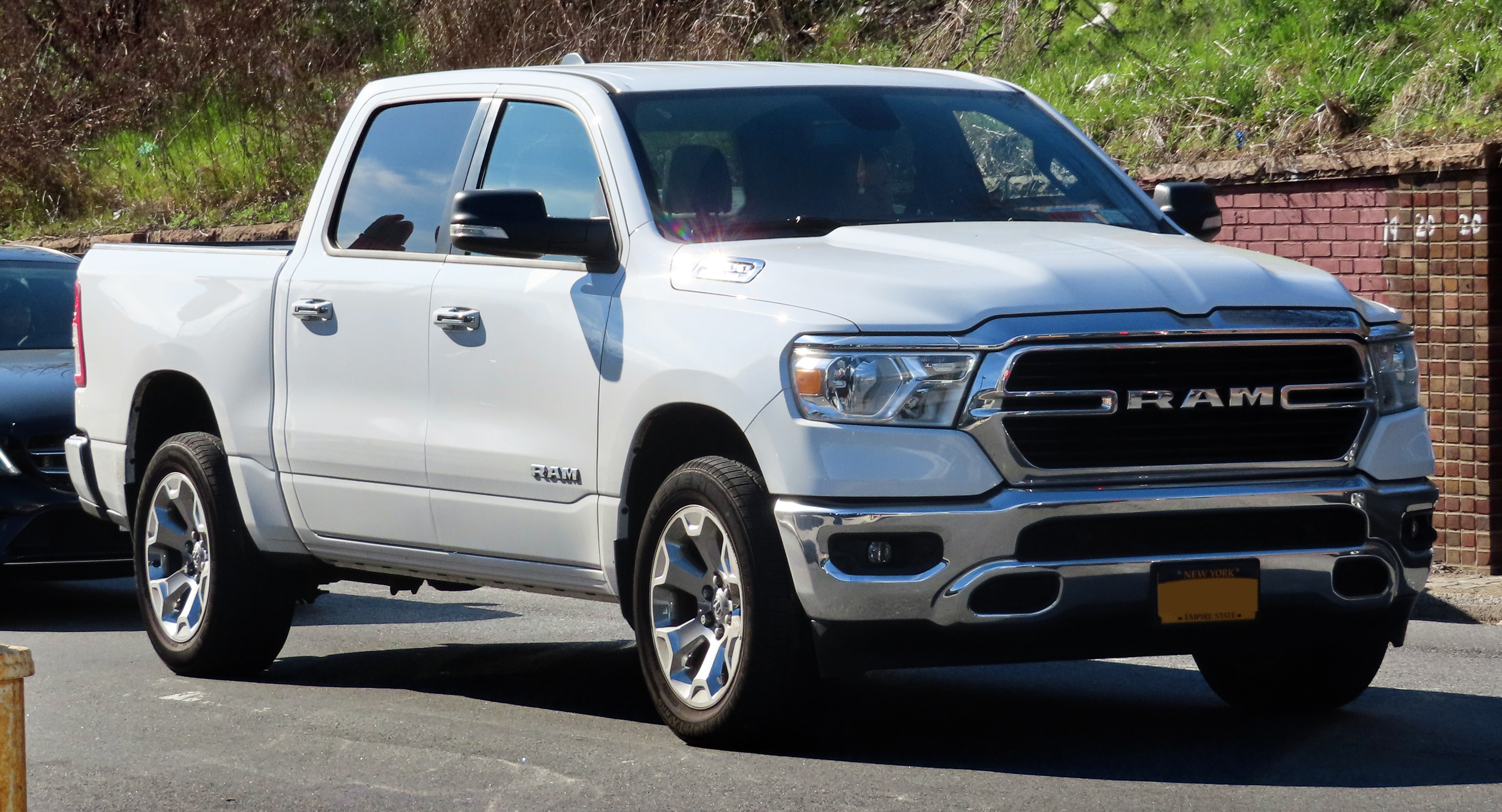
2026 Ram 1500 4x4
"Well, I just purchased the 2026 Ram 1500 4x4 that I want to put the same manufacturer lift kit in,"
The Ram 1500 is a full-size pickup truck, and “4x4” means it can drive all four wheels. The caller wants to raise it with a lift kit like they did on their older Ranger.
The Ram 1500 is a full-size pickup, and the “4x4” indicates it has four-wheel drive. Here, the caller is planning to install a similar manufacturer lift kit, which matters because lifting a modern 4x4 can affect steering/suspension alignment, tire fitment, and ride quality.
powertrain
"for like the powertrain or engine or transmission, what not."
The powertrain is the main set of parts that turn engine power into motion. In warranty terms, it’s one of the big areas that may have its own coverage rules.
The powertrain is the set of components that make the car move, typically including the engine, transmission, driveshaft, and differential. In warranty discussions, it matters because coverage can be separated by component group.
aftermarket lift
"if a transmission or the engine, and they're like, oh, you replaced the control arm with an aftermarket lift. So yeah, you're screwed."
An aftermarket lift is a lift kit that wasn’t installed at the factory. The discussion is about whether it should automatically void warranty coverage for unrelated problems.
An aftermarket lift refers to a non-factory suspension lift kit installed after the vehicle is sold. The segment uses it as an example of how dealers might try to connect an unrelated failure to the modification.
control arms
"so, I mean, I guess I don't want to, if I have a problem with the control arm, I don't want, or if a transmission or the engine, and they're like,"
A control arm is part of the suspension that helps guide how the wheel moves. The point here is whether an unrelated lift-kit install should affect warranty coverage for that suspension part.
A control arm is a suspension component that locates and controls the wheel’s movement. If a control arm fails, it’s an example of a problem that may or may not be related to an aftermarket modification like a lift kit.
aftermarket parts
"you know, federal laws about being able to put on your own aftermarket parts, and how they affect the warranties, and you can get online and look those up and how they work,"
Aftermarket parts are non-factory parts made by other companies. The discussion is about whether those parts can be used without losing warranty coverage—especially if they didn’t cause the problem.
Aftermarket parts are components made by companies other than the original vehicle manufacturer. This segment discusses how federal rules generally limit warranty denial to cases where the aftermarket part caused the failure.
oil filter
"So if you buy a brand new car that had an AC Delco oil filter on it, and you put a Fram oil filter on it, or a Wix oil filter on it, as long as that filter meets"
An oil filter cleans the oil that lubricates the engine. This episode uses oil filters to explain that you can often use a different brand as long as it meets the right requirements.
An oil filter removes contaminants from engine oil to help protect engine components from wear. The segment uses oil filter brand/spec matching as an example of how aftermarket parts can be acceptable under warranty rules.
AC Delco
"So if you buy a brand new car that had an AC Delco oil filter on it, and you put a Fram oil filter on it, or a Wix oil filter on it, as long as that filter meets"
AC Delco is a brand that makes car parts, including oil filters. The host is saying that switching to a different filter brand can still be warranty-safe if it matches the required specifications.
AC Delco is an automotive parts brand commonly associated with General Motors’ original equipment and replacement parts. In the segment, it’s used as an example of a factory-specified oil filter brand that can be swapped for other filters without voiding warranty coverage (as long as specs are met).
Wix
"and you put a Fram oil filter on it, or a Wix oil filter on it, as long as that filter meets or exceeds the factory specifications and doesn't anyway harm the vehicle, they are not allowed"
Wix is a brand that makes oil filters and other replacement parts. The host’s example is that switching filter brands is generally allowed if the filter matches the required specs.
Wix is an automotive parts brand that produces replacement filters, including oil filters. In this discussion, Wix is part of the example showing that aftermarket filters can be warranty-safe when they meet the manufacturer’s requirements and don’t cause the failure.
tuner
"In other word cases though, you know, if you put on a tuner on a car that modifies the factory"
A tuner is something that changes how the car’s engine is programmed to run. The host is saying that performance tuning can be more likely to affect warranty decisions than simple parts swaps.
A tuner is an aftermarket device or software used to change engine calibration (like fueling and ignition) to alter performance. The segment hints that tuners can be treated differently because they directly modify how the engine runs.
tires
"But in the cases of lift kits, the biggest thing they're going to be looking at is tires. If you put tires on that were larger than what the factory specified..."
Here, tires means the size you choose after lifting the vehicle. Bigger tires can make the truck feel like it has to work harder and can lead to extra wear on other parts.
In this context, tires refers to the size and fitment chosen after a lift. Oversized tires can make the vehicle work harder (more rolling resistance and altered gearing effects) and can contribute to accelerated wear on related components.
bearing
"If you put tires on that were larger than what the factory specified or had available from the factory, then it causes the vehicle to work harder, then you've got issues with bearings and things..."
Bearings are precision components that allow rotating parts to move with low friction. When lift kits and tire sizes change loads and alignment, bearings can wear faster due to increased stress and altered suspension geometry.
Hemi
"Oh, it's a suspension aspect... but I'm just more concerned about the, you know, replacing the Hemi or the transmission type issue versus the suspension issues."
“Hemi” is a nickname for a specific style of V8 engine used by Chrysler. The host is basically saying they’re more worried about a big engine problem than a suspension problem.
Hemi is a nickname for Chrysler’s hemispherical combustion-chamber engine design, commonly associated with V8 engines. In this segment, “replacing the Hemi” is shorthand for a major engine repair or replacement risk compared with suspension issues.
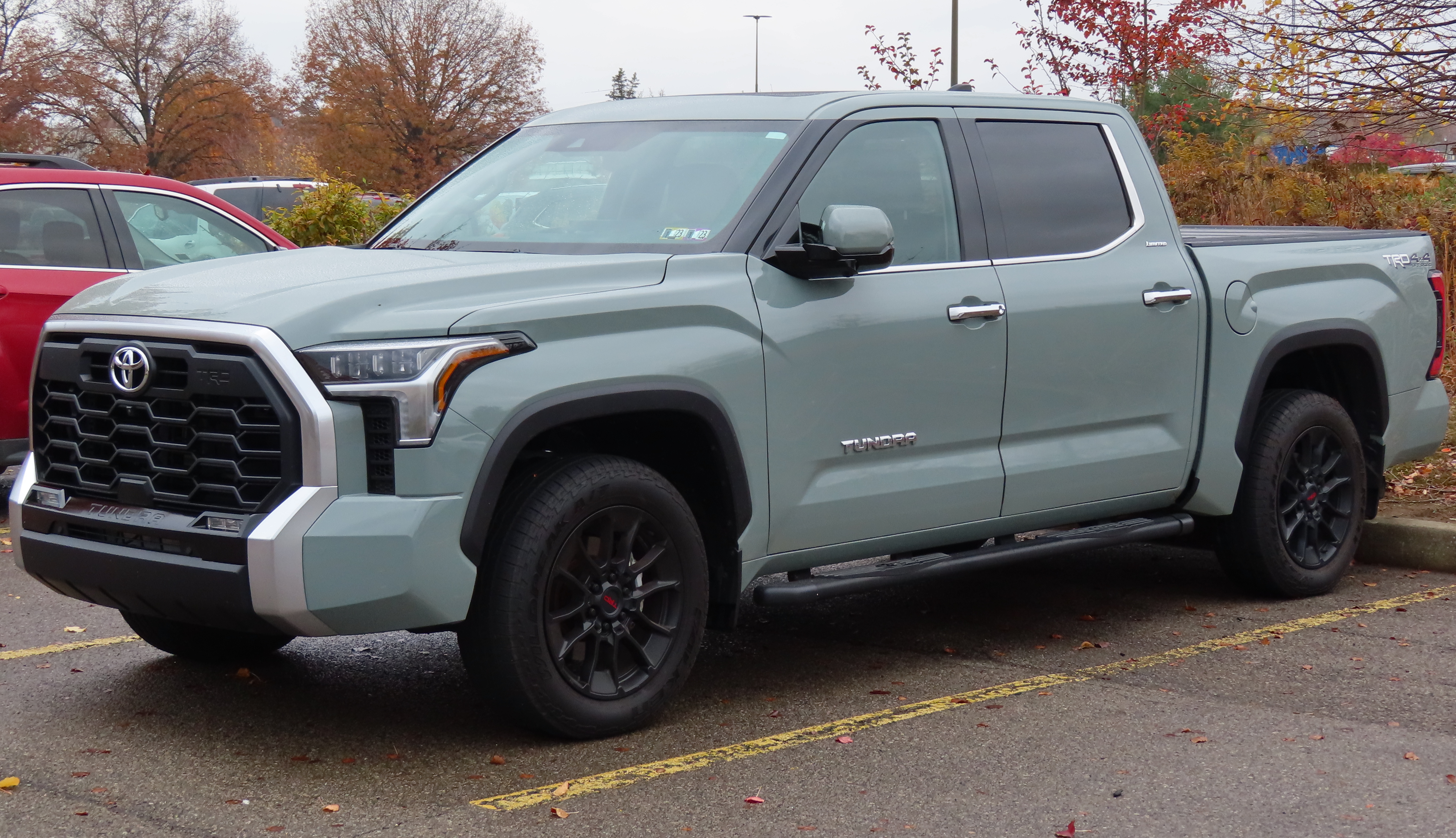
Toyota Tundra
"Let's go to Virginia and talk to Thomas. You're on the end of the hood show. Thomas, what can we do for? I have an 07 Tundra. It's got a 5.7 four-wheel drive, just over 100,000 miles on it right now."
A Toyota Tundra is a big pickup truck. Thomas is talking about his 2007 Tundra, and he mentions it has a 5.7-liter engine and four-wheel drive, which can affect how the truck shifts and how it behaves when you start driving.
The Toyota Tundra is a full-size pickup known for its durable V8 powertrains and body-on-frame truck construction. In this call, Thomas specifies an '07 Tundra' with a 5.7-liter engine and four-wheel drive, which matters because transmission behavior and driveline load can differ by drivetrain setup.
cold start
"there's two seeming to be correlated issues. One of them is if I do a cold start and put it in drive, it doesn't seem like the transmission engages."
A cold start means starting the truck after it has been sitting and everything is cold. Some transmission problems are worse right after a cold start, before the fluids warm up.
A cold start is when you start the engine and drivetrain from a fully cooled state. Many transmission and driveline problems show up more clearly on cold start because fluid viscosity and internal clearances change until the system warms up.
transmission engages
"One of them is if I do a cold start and put it in drive, it doesn't seem like the transmission engages. So I can get up to about 3,000 to 4,000 rpm, and the car will just barely crawl."
When the transmission 'engages,' it means the truck actually connects the engine to the wheels in the selected gear. If it doesn’t engage right, the engine can rev but the truck won’t move normally.
When a transmission 'engages,' it means the internal clutches/bands have locked up so the vehicle can actually move in the selected gear. If engagement is delayed or incomplete, the engine may rev while the truck barely creeps, which matches Thomas’s description.
check the fluid
"Yeah, that's not good. You know, first step is check the fluid, make sure it's full and it's clean. If it is, you can... I had it drain and filled and at a shop, and they took a video of it for me, and it was completely clean when it came out."
Checking the fluid means making sure the right fluid is at the correct level and not dirty. In an automatic transmission, bad or low fluid can cause shifting problems like the ones Thomas described.
Checking the fluid means verifying the correct fluid level and condition in the relevant system—here, likely the automatic transmission fluid. Low level, contamination, or degraded fluid can cause delayed engagement and harsh or failed shifts.
drain and filled
"I had it drain and filled and at a shop, and they took a video of it for me, and it was completely clean when it came out."
A drain-and-fill is when a shop drains the old fluid and puts in new fluid. It can help if the fluid is dirty, but if the transmission itself is worn out, changing fluid alone may not solve it.
A 'drain and fill' is a service where the technician drains the fluid and refills it with new fluid, typically replacing only a portion of the total capacity. For transmissions, this can help if the fluid is contaminated, but it won’t fix mechanical wear inside the transmission.
trailer brake
"One thing of note is that it did have a trailer brake on it. So my gut says that's probably correlated to it. Nobody puts a trailer brake"
A trailer brake is the braking system on the trailer itself. Many trucks use a controller to tell the trailer brakes when to slow down, and problems with that setup can cause weird behavior when towing or when you’re trying to get moving.
A trailer brake is a braking system on a trailer, often controlled by an electric brake controller in the towing vehicle. If the trailer brake setup is misconfigured or malfunctioning, it can affect how the truck’s braking and related systems behave under load, potentially correlating with drivability issues the owner notices.
Request an Explanation
Heard something you'd like explained? We'll add it to this episode.
Sign in to request explanations for terms you heard.
Want to learn more?
Browse our glossary for plain-English explanations of automotive terms, jargon, and concepts.
Help improve this episode
See something that's not quite right? Our annotations are AI-generated and can sometimes miss the mark. Click the flag icon on any annotation to suggest a correction.