00:00
Hello, everybody, and welcome back to the Bring a Trailer podcast, Alex Porter here.
00:04
On today's episode, I am joined by Zach Beck and Cam to discuss George Lucas's classic
00:10
film, American Graffiti.
00:12
We had a lot of fun rewatching this one, or in the case of a couple of my co-hosts watching
00:16
it for the first time.
00:17
We also discuss the cars at length, the making of the film, the production behind it.
00:23
Hope everyone enjoys it.
00:24
Thanks as always to our producer, Chris Baxter.
00:30
Bring a trailer podcast.
00:33
All right, American Graffiti, here we are.
00:36
I want to start with hearing from all of you about your history with this movie.
00:41
We were always going to do this one.
00:43
It's an important one, but I want to start with Zach specifically, because the reason
00:47
this is only our fourth BAT at the movies is because you requested it.
00:50
So what's your history with the movie, Zach?
00:52
And why, why this one so early?
00:53
And this is also my first movie podcast with you guys, I think.
00:57
No, you do fast and furious.
01:00
You're losing your mind.
01:01
You've been on 50% of them.
01:03
No, no, this is only our fourth.
01:05
I was getting confused because I'm like a hybrid of Vin Diesel and Paul Walker in my
01:10
life, so it's all just kind of blurring to you.
01:12
Did you see our new artwork in the studio?
01:14
Shout out, Emily, really well done.
01:15
And I'm slowly replicating Paul Walker's garage one car at a time.
01:19
I actually think that, isn't that your favorite one came?
01:22
The Tyrese, Fast and Furious.
01:24
We're, we're pointing to some artwork that was Paul Walker and Tyrese.
01:27
Too fast, too fast.
01:28
I mean, that's the one I'm most familiar with.
01:29
That was like my era of fast and furious.
01:33
She like commissioned, she got it for us after listening to you talk about your
01:40
Well, sorry to derail us.
01:41
We can take a few decades, step back into the fast and the furious of the 1970s,
01:47
which was set in 1962.
01:50
I made in 73 set in 62.
01:53
I would have always told you this was a 50s movie, but it's actually set in the
01:55
early 60s and George Luke's second film, which we'll get into a little more later
02:01
on, I think it's kind of a romantic look of his own upbringing and life in the
02:09
Central Valley of California, which resonates very closely to me and a bit
02:13
with you, Alex, and maybe Beck and Cameron have a little bit of that life
02:17
growing up a little bit, but yeah, for me, man, there's so many different angles
02:23
on this, but the thing that I think it does the best depiction of is the feeling
02:29
of owning a cool car at that time and place and what it does for your own
02:34
self-image and self-esteem and what the opposite does.
02:38
Toad's character is like the embodiment of that just so through and through
02:42
rolling up on the Vespa, but also the two CV in the opening scene when he just kicks
02:46
it because he hates it so much.
02:47
It's all just really resonates with me.
02:49
When was the first time you saw it and how long it had been since you watched it again?
02:55
I think I saw it, man, maybe I was like a freshman in high school, maybe even like late
03:00
middle school, and then the stuff that stood out mostly was just kind of the
03:04
music and the era of it all.
03:06
And then I watched it a couple of times in college, which was great.
03:09
And then rewatching it just this last week brought up a lot of stuff.
03:13
I was like, oh man, that totally slipped by me, but more in the negative
03:17
sign of the times type stuff.
03:19
I know Cameron had some strong opinions of that before we get on, but no trigger
03:22
warnings on this podcast.
03:24
No, we need to talk about all of it.
03:25
It does age with you, interestingly.
03:27
Beck, did you see this when you were young too?
03:29
No, my first time ever seeing it was for this podcast.
03:32
And I'm actually kind of appreciative of that because I don't think I would have
03:36
appreciated this if I saw it as a teenager.
03:39
I think I would have probably found it as kind of boring and unrelatable.
03:42
I grew up in the city where I had a car and like I went and got lost on Friday and
03:46
Saturday nights for sure.
03:48
But like cruising, I didn't have friends who are into it.
03:50
I definitely didn't have like a group of friends that were in the cars too.
03:53
So in that sense, I couldn't really attach to it.
03:56
I don't think it's so surprising for me to hear you say that, Beck.
03:59
And don't take this the wrong way, but meeting you as an adult today, you just
04:02
have the appearance of someone that was raised in the 1950s.
04:05
This is probably true.
04:06
You also, your background with cars makes it seem like you would have been
04:09
somebody who would have been cruising with your buddies.
04:11
Plus I was the one guy who owned a car.
04:13
Oh, they'd all get in the car and come with me.
04:15
I was always like the driver, which was an alpha Milano alpha male Milano,
04:20
Ford or, which is great.
04:21
Obviously when you're actually having a Ford or car with five belts is like
04:25
actually super helpful, would definitely shove more than just five people in
04:29
But I loved cars, but I didn't really have friends who were super into it.
04:33
I wanted to might sort of know it, but we didn't really go cruising that much.
04:36
I would go out for drives, but I don't think this movie would have resonated in
04:39
the same way because I felt kind of different in that sense.
04:42
Like I didn't, it wasn't like the group of people that I was hanging around with
04:45
throughout cruising, but now as an adult and looking back, I truly enjoyed it.
04:50
I thought it was such a great watch.
04:52
A while it is kind of compared to modern times, a slower film for sure.
04:56
In the context of George Lucas and also his first film, which is beyond slow.
05:03
It is actually that context is still very enjoyable.
05:06
You've seen THX 1138 a couple times.
05:08
Have either of you guys seen it?
05:10
His third movie, it's worth mentioning is Star Wars.
05:13
It's pretty impressive.
05:15
Did you, had you seen it before, Kim?
05:16
No, I sit similar to Beck.
05:18
This was my first time seeing it.
05:20
And also you've seen Star Wars before.
05:25
Um, no, but also similar to Beck.
05:27
I don't think this would have resonated with me.
05:30
Had I seen this during high school, I did have two buddies in high school that
05:34
were the only kids in school with old, cool cars.
05:38
Shout out Stan and Jacob.
05:40
But Stan had an old, I think it was a second gen Thunderbird that he had cut
05:45
the pipes off of it and he was full greaser guy.
05:48
And so I, I had a little bit of that energy in my life, but funny enough,
05:52
like the area that I grew up in San Diego, we had a, a classics night on
05:57
Elkohon Boulevard every week that all of the heads would come out in their
06:00
old 32 Fords and their Bel Airs and stuff.
06:03
And we would go walk around that.
06:05
So I did have exposure to a lot of these cars early on into some cruising
06:09
culture because San Diego is strong on that LA and San Diego.
06:12
Yeah, a little bit.
06:13
I can't say I was super ingrained in it, but I definitely saw these types
06:16
of cars rolling around when I was younger.
06:19
And I also am glad that I saw for the first time at this age because I have
06:23
much more of an appreciation and nostalgic feel for that time in my life.
06:27
And I think it just allowed me to kind of appreciate the cruising culture and
06:32
what that would have been like in high school.
06:35
Did, was there cruising in sack, sack?
06:37
It definitely wasn't the same arm out the window, hollering at girls, but at
06:43
least not for me and my friends, but definitely that's kind of like what you
06:46
did on Friday and Saturday night, if you had at least partially full tank of
06:51
gas and no other money, you just kind of cruise around meet up with people, all
06:56
of the stuff where people are leaning out their cars and asking whether
07:00
there's something to do that's still so relevant to my upbringing of like just
07:04
trying to figure out somewhere to go, whether it's the Safeway parking lot or
07:07
deeper into sack and people going off, having their own adventures and antics
07:12
and then all meeting up in a different parking lot at a different point.
07:15
Fast food places too.
07:17
Probably a fast food joint.
07:18
That's what I remember doing, right?
07:19
Like everyone hanging out at Taco Bell or whatever.
07:22
One of my favorite things that you have to be like a valley kid to really pick up
07:26
on is the entire movie.
07:29
It's night to morning and they're in short sleeves the entire time because it's
07:33
so hot in the summer in the valley that it cools off to 80 degrees at night.
07:38
And then when they go to the radio station, Wolf Benjax just sucking down popsicles
07:42
because it's so hot in there and it probably doesn't even have AC.
07:46
So yeah, a little stuff like that makes me laugh and nostalgic of Valley
07:50
upbringing in and out.
07:51
In and out was huge.
07:54
Similar to you, I'd seen it in high school.
07:56
A lot of the movies we've been doing, I had seen them because they were like in
08:01
the car movie can and same thing with Bullet.
08:03
We haven't done it yet, but like Le Mans, Grand Prix, those movies, which we will
08:06
definitely do same thing, right?
08:08
Like you're supposed to see them.
08:10
It's interesting hearing you say it came.
08:12
I did have by maybe junior year car buddies, like the guys that I was in
08:16
auto shop with and stuff, we all had cars and they were into cars.
08:19
So I watched these movies with them, thought they were cool, but obviously
08:22
didn't resonate enough that I didn't rewatch them for a long time.
08:26
And then maybe 10 years ago or so, I put American graffiti on and it's become
08:29
kind of a rewatchable staple for me, like put it on and kind of fall asleep to it.
08:34
Like I actually had not seen the end in a long time, like the race.
08:37
So I've seen the beginning half, like a bunch of times recently.
08:41
It's like a comforting movie to me because I don't need story or plot or
08:45
I love a vibes movie.
08:46
And this is an excellent vibes movie.
08:48
I can't believe you never saw the race.
08:49
I had seen it a long time ago, but hadn't made it to that part in a long time,
08:54
Harrison Ford is so strong in that movie.
08:56
I think it's his first movie ever.
08:58
And he's got like 11 lines or something.
09:02
And he looks so cool.
09:02
And I'd forgotten he doesn't show up to prelate into it.
09:07
Cowboy had his fantastic.
09:09
He's also like in his 30s.
09:11
Like he's already one.
09:12
He's already not young.
09:15
But then I think people have all heard it, like the storyline.
09:17
He was like a carpenter ahead of time.
09:19
He was like working on sets.
09:20
This is definitely, I think, was his first legit role.
09:23
And for this to then, well, funny enough to think about who's in this movie
09:26
and who carries on in their careers.
09:29
And arguably his is the largest, right?
09:32
And yet he's certainly not the protagonist, obviously.
09:35
He's the villain and he's not that important until the very end.
09:39
Small role, small role, but memorable.
09:42
Roll bar in the 55.
09:43
I have a whole section for the cars.
09:45
Let's talk a little bit about the background of the movie.
09:47
And I think that'll launch us into some stuff.
09:49
So like you said, second movie for Lucas, made in 1973, encouraged by Francis Ford Coppola.
09:56
I don't know if you noticed that.
09:57
I didn't notice that till this rewatch, the most recent one.
09:59
Francis Ford Coppola producer right up on there.
10:01
That actually helped get the movie made.
10:03
He encouraged Lucas after THX 1138 to write something about his youth and growing up.
10:09
Seven hundred and seventy five thousand dollar budget made two hundred million dollars.
10:13
One of the most profitable movies of all time, because it was re-released after Star Wars
10:17
in 78 with better sound and a couple scenes put back into it.
10:20
And so it made forty million dollars on that run, nominated for five Academy Awards,
10:25
including Best Picture and Best Director, which I didn't realize, which is awesome.
10:29
I mean, critically acclaimed at the time, four stars from Roger Ebert.
10:33
Pauline Cale didn't like it.
10:34
She doesn't like anything, but loved by most people.
10:36
Ninety five percent on Rotten Tomatoes today.
10:38
I mean, it was more of an iconic movie than I realized.
10:41
It was a really enjoyable watch for me.
10:43
I would go back and watch it again for sure.
10:45
Goes down easy, right?
10:46
Yeah. Also up against seventy three, some heavy hitters.
10:49
Oh, dude, it's crazy.
10:51
The Sting cleaned up that year.
10:53
The Sting won the Dragon is seventy three also and the Exorcist.
10:57
Exorcist actually won some Oscars, which was I think maybe still is rare
11:01
while Sinners just won some Oscars, but rare for a horror movie to win.
11:04
That movie freaked me out.
11:05
Another one I watched in high school because I felt like I had to.
11:08
And I've not stomach to rewatch on that one.
11:10
What's funny is the Sting feels like such an older film, like a whole way it's shot.
11:15
So not to go on like the shot tangent always, but this is I believe it's
11:19
Technoscope is what is shot on, which is a normal 35 millimeter film,
11:23
but not very tall vertically, which is why he got the wide angle.
11:27
It's a cheap way of doing films because you can get more frames per foot of film.
11:31
And thus, it also allows for because it's much smaller shutter.
11:34
It's a much smaller camera so you can attach it to cars.
11:37
You can do a very documentary feel.
11:38
And that's kind of how this feels.
11:40
It actually kind of feels like bullet in some ways.
11:42
It's very naturally lit. It's not naturally lit.
11:43
There's tons of lights being used, but it's shot in a way that nothing's
11:47
done on a set and it feels very real.
11:49
And I think that's actually a lot of the enjoyment of it.
11:52
Oh, you feel like you're there and you're a part of it.
11:54
Yeah. Super NorCal.
11:56
I just read a little bit about he.
11:57
Helen NorCal. Helen NorCal.
11:59
So kind of make it feel a bit more natural because there's so much
12:04
conversation in this movie.
12:06
He employed like a lot of two camera.
12:07
One camera on each person.
12:09
So they didn't have to really focus on hit your mark on the camera.
12:12
And it definitely came off that way.
12:14
Like it felt like you were very much in the dialogue that was happening.
12:17
And it's improvisational, too.
12:18
And such good background.
12:20
There's just the right cars in the background everywhere.
12:22
Well, something like three.
12:23
You don't know where that Mel's existed.
12:25
Is that San Rafael?
12:27
So like, do you know about 140 South FNS?
12:30
That was. Oh, this is SF. OK.
12:32
And then now it's housing.
12:34
Fascinating semi-troubled production started in San Rafael.
12:38
Couldn't do it in Modesto, which is where it's supposed to be set, his hometown.
12:41
Interestingly, Zach, I hadn't thought about your observation about short sleeves,
12:45
but like they actually filmed it on coastal northern California.
12:47
So it actually wouldn't have been that warm.
12:49
San Rafael gets pretty hot.
12:50
Yeah. And then they bumped Petaluma.
12:53
Right. Had to move to Petaluma because San Rafael kicked him out, which is hilarious.
12:57
Prime because it would have been like 60 to 70 degrees at night.
12:59
But if they actually shot Modesto, all the actors would just have sweat.
13:03
All over them, which might have been good.
13:05
Can we do a little Mel's corner?
13:08
So Mel's, if you don't know, a chain of diner style,
13:12
very 50 style diner restaurants in California.
13:15
I did not realize there's actually two competing companies.
13:18
Oh, I didn't know that.
13:19
There's Mel's Drive-In, which is what I only know.
13:21
There's about eight of them.
13:22
There's three of them in San Francisco.
13:23
What's the one on Geary?
13:25
They're all Mel's Drive-In in San Francisco.
13:27
Then there's original Mel's.
13:29
And it's because the original creator of it started it in 47 in San Francisco,
13:35
went out of business in the 70s.
13:37
Then his son rebooted Mel's diner with his father.
13:41
They got an argument, split up the company.
13:43
And the father made original Mel's, which to this day has 22 locations.
13:48
And the son with Mel's diner has eight, but they still exist as two separate companies.
13:53
Interesting. No idea.
13:54
Yeah, but before this, which is the one in the movie
13:57
where they all did Mel's Drive-In.
13:59
And that one is in San Francisco, Zach?
14:01
Yes, it was once in San Francisco, South of Market, Mission Area.
14:05
Have any of you ever seen guests who's coming to dinner, the Sidney Patier?
14:09
Like, OK, they go to Mel's Drive-In in that too.
14:11
Oh, really? Yeah, it's kind of like a stabile, you know,
14:13
Catherine Hepburn, I think she goes there with her daughter in that.
14:15
Well, when that opening happens, when they're pulling into Mel's Drive-In
14:18
into the parking lot, every time like you see an inside shot,
14:22
it hasn't changed one bit.
14:24
Like going into any one of them now, it is identical.
14:26
Great mid-century design on the one in the movie.
14:29
It's so good looking.
14:30
Yeah, it's so cool.
14:31
And they keep coming back to it, which is cool.
14:33
Like, you feel like you know where the people are at all given times.
14:36
It's very much acts as a home base of the movie of like,
14:39
well, it's all me here and then go off on our adventures and we'll recon.
14:42
Reconning multiple times, yes.
14:44
Mel's doesn't do Dorset service, though, anymore, OK?
14:48
I don't go to a Sonic for that.
14:49
Yeah, OK. I've never done that.
14:51
Never experienced that before. Have you guys?
14:53
We got a Sonic while I was in high school
14:55
and the line was always so long that I would never go.
14:58
But they would roll around on roller skates and do the whole thing.
15:01
I don't know if there's any other.
15:02
I grew up in a household that was more militant about not eating in cars.
15:08
Kind of kills the whole Sonic idea.
15:11
There was no place to do that in the city,
15:13
which is ironic, considering that this started in Sam or at least Mel's.
15:16
Have you eaten in a Mel's all the time?
15:18
OK, they have great for kids.
15:19
They have Milner's Coupe all over the one on Geary Street.
15:22
Like the inside of it is like all the 32 Ford is just all over the wall.
15:25
One picture is production photos.
15:27
Whenever you search production on this movie,
15:29
the black and white photos you see of George Lucas on set
15:32
are plastered on the interior of Mel's drive into the state.
15:35
Well, and still the greatest thing about Mel's as a kid is your food comes in a car.
15:41
Twenty eight years old when he made this.
15:42
Cam, you're still young, but man, that really hurts me.
15:45
I mean, I'm 28 and I ain't not making a feature film.
15:48
What have you done when this door was through a hundred curation listings earlier today?
15:53
Apparently, the studio disliked it so much,
15:55
they said it was only fit for release on TV originally,
15:58
which is fascinating part of it because the cheap way it was shot,
16:01
which is actually I think a benefit to how it looks.
16:05
Did you guys read about the drunken antics of Harrison Ford and company?
16:08
Oh, yeah. OK, so holiday in some.
16:11
Well, tell the story then, Zach, because I thought it was great.
16:13
I think you'll do a much more flowery description.
16:16
So Harrison Ford and then the guy who's the head of the pharaohs,
16:20
the guy who kind of kidnaps Richard Dreyfus and the actor who played
16:25
Milner driving the Deuce Coupe, the three of them were drunk all the time
16:28
and they got kicked out of their holiday and then they would have nightly
16:30
competitions to climb up the holiday in sign.
16:33
Harrison Ford got kicked out of his room.
16:35
I mean, actually, I'm like, man, I wish I was there.
16:37
And then they threw Dreyfus in the pool and he gashed his head open
16:40
and they're supposed to do a bunch of close up shots the next day.
16:43
Right. So just total fraternal antics
16:47
the entire way through.
16:48
And fascinating to me that those are the kind of the three people
16:50
playing badasses in the movie.
16:52
So probably like a lot of productions, you hear this,
16:54
they're like kind of getting into character a little bit.
16:56
Sure. And with that introduction that the drive-in is where you start
16:59
to be like one by one, the whole ensemble, if you will,
17:02
when Richard Dreyfus is brought on as Kurt.
17:04
Great if I'm wrong. That is Mike Barron.
17:06
Oh, my God, I've always thought Mike Barron looks like a young driver and talks
17:10
like Mike Barron. And I'm just like, this is him.
17:13
He's also the character that I'm the most.
17:14
I just like him. I want to hang out with him.
17:16
I think Dreyfus is amazing in the movie.
17:17
He was my favorite part.
17:18
And that's how I feel about Mike.
17:19
I just love hanging out with Mike.
17:20
It's always fun to be around Mike.
17:22
So it's a good analog there.
17:23
The way he handles getting kidnapped by the pharaohs is great.
17:28
Well, you know, who else auditioned for that role and didn't get it,
17:32
but then ended up in a George Lucas film, the Mark Hamill.
17:35
Mark Hamill auditioned for the Dreyfus role.
17:40
Well, and then and I didn't know this because I wasn't a happy days guy,
17:42
but Ron Howard's character in happy days is like apparently very similar
17:46
to his character in this.
17:47
Well, the happy days is basic.
17:49
I probably would imagine they green lit that based off of this
17:52
massive success a year later, right?
17:54
He's basically playing the same role.
17:56
The, you know, 50 years later,
17:58
internet legend is that this was a big reason why 50s nostalgia
18:03
took off in the 70s.
18:05
That is this movie, even though it's set in the 60s,
18:08
the guys on the rewatchable is one of my favorite podcasts.
18:10
They have this theory that, you know, everything, I mean,
18:12
it's a broad theory in society, but after 20 years,
18:15
nostalgia always comes back and I remember thinking many years ago,
18:18
I probably said this to you, Zach.
18:19
Well, 90s baggy pants are never going to come back because they were terrible
18:23
So now we're at like the 30 year mark for that.
18:26
In the internet era, it's a little bit less, whatever,
18:28
but there was certainly a huge 50s nostalgia wave in the 70s.
18:32
Well, and I feel like it is and Motorola razors are ripe for coming back.
18:37
Well, it hits harder and certain.
18:38
Like, I feel like the 80s, there wasn't a huge
18:40
targeting for the 60s, like, I think the 80s definitely embodied itself
18:43
in the culture that came out of it.
18:45
And it is interesting to see that in the 70s, there was such a.
18:49
And it's also interesting in it's set in 62, like he could have taken
18:53
the music, the cars, a completely different direction, but I feel like
18:57
he really was leaning into the 50s thing for being set kind of well into the 60s.
19:02
School us on the music a little bit, Cam, because it's such a big part of this.
19:05
Well, a big part of this is that a ton of the music from the movie is
19:09
from the early to mid fifties, kind of getting into the later fifties
19:12
with some of the more rock and roll stuff.
19:14
But music was a huge part of this movie, you know, just going off
19:17
of the budget that we were talking about, 770,000 70 to 100,000 is kind
19:22
of the reported estimate that was just put towards licensing music for the movie,
19:26
which was exorbitant at the time.
19:30
So yeah, nearly 10% of the budget.
19:32
And that kind of like changed the movie industry on a whole.
19:36
As far as like hiring a dedicated music reference, I don't even know
19:41
what that job would be called in a movie.
19:43
Someone to select all of the scoring compositions and music for a movie.
19:48
The person that did that in this was actually, and I love this, was George
19:52
Lucas himself when he was writing the script had 45 players sitting on the desk
19:57
and we just kind of throw on songs as he was writing and either let the song
20:01
influence the scene or try to take the scene that he's writing and find a
20:05
song that really connects with it.
20:07
And through that, you start to get this really natural character that
20:12
the music plays, both being a bit of a narrator for what is happening
20:16
throughout the movie, as well as emphasizing what is happening in each scene.
20:21
And I love that it is.
20:22
And Alex, you kind of mentioned this, but it is a it's a diagetic score where.
20:26
Hang on, I'm Googling diagetics.
20:28
I only learned about book.
20:30
I only learned about this term recently.
20:32
It means the people hear it.
20:34
It means the people.
20:35
It's not just the people watching the movie hear it, but the people in the
20:38
movie hear it to play naturally.
20:40
Well, and not only that, it also helps contextualize scenes where like the
20:46
scene where Kurt is looking for Wolfman Jack.
20:49
I forget the exact song that's playing.
20:51
I think I have it here.
20:52
Crying in the chapel.
20:53
That song throughout that scene of him searching for Wolfman Jack, it starts
20:57
off basically like you would hear it.
20:59
If you were listening to it on headphones, straight off of a recording
21:04
And so it's very clean and crisp.
21:05
And then it transitions to Kurt in the car, searching for Wolfman Jack.
21:09
And it goes to more static, low-fi, more AM sound.
21:12
Cause he's hearing it on the radio, right?
21:14
Cause it's coming through the radio.
21:16
Transition to him getting out of the car, walking into the radio station.
21:19
And it moves into a similar roomy sound where you can tell it's not coming
21:24
through direct speakers, but it's much cleaner than the car was.
21:28
And it just really creates this whole storyline within a scene.
21:32
And it does that in so many, including having like the actual band at the
21:38
Oh, dude, wait, I have a question for you on this.
21:40
I thought that band kind of rips.
21:41
Is that like, like you're a musician, I mean, Flash, Cadillac and my
21:45
continental kids, it looks like they're really playing and like they, they're
21:48
good and like the harmonizing is good.
21:50
What did you think about that scene at the sock hop?
21:51
Flash Cadillac and the continental kids were a fantastic band and like, and that
21:55
was them, that was them playing on the stage.
21:58
Who knows if they were actually playing live and having that recorded.
22:01
I think they were named in the opening credits.
22:04
I think we all imagine.
22:05
We have to acknowledge this movie is a prime example of high school
22:09
kids that are all in their thirties.
22:11
Oh my God, totally.
22:12
Everybody I'm watching, I'm like, they look older than me.
22:16
People also look different in the seventies.
22:17
It's a combination.
22:19
Well, and I'm so curious, have any of you seen more American graffiti?
22:23
No, I read about it though.
22:26
I actually, I actually got, I think I told you this guys, I got offered a car
22:31
that was in that movie, a dragster that's in that movie, which I, I'm kind
22:34
of curious to see if it's supposed to be terrible.
22:36
Oh, rotten tomatoes, 20%.
22:39
I think I'll stop there.
22:40
So other amazing music observations, Cameron, I mean, deep on that, a bunch
22:45
of stuff I've never picked up on.
22:47
And you're totally right that the majority of the music is fifties, but has
22:52
green onions ever slapped harder than when they're pulling up to the.
22:56
I mean, green onions slaps hard every time.
22:58
Do you know what year that came out?
23:04
Here are the movie sets.
23:05
So I would have been the sick track to put on when you're cruising around.
23:09
And that's the setup for the drags.
23:12
And I'm not a music file at all.
23:14
But however, I noticed while watching this film that there's one very notable
23:17
sixties band that's never a part of it.
23:19
And I had to sort of look it up and realize, oh, it's because they didn't.
23:22
First album isn't until a year later.
23:24
There's no Beatles.
23:25
Like a huge, it's almost like important that this takes place in 62.
23:30
Otherwise, I would imagine it'd be completely different one year later.
23:34
No Elvis either, because they wouldn't let it in.
23:35
And like, you'd have to tell me, but apparently Elvis would have definitely
23:38
been playing at some point somewhere.
23:40
Oh, a hundred percent.
23:41
And I don't think it wasn't that they wouldn't let it in.
23:43
The studio just refused to pay what the.
23:45
Oh, what he would have.
23:47
The publishing costs for his music.
23:49
Um, but yeah, Beatles landed in the US in 64, I think.
23:53
And that if it was 64, 65, for sure, all of the stuff on the radio would have
23:57
been Beatles into stones, which is why I'm curious what timeline the sequel
24:04
has set in and what kind of music is used in that movie.
24:08
Well, here, here's the question.
24:09
I think we need to just forget the sequel.
24:10
So like, pretend it didn't happen.
24:12
It hadn't even been directed by Louie.
24:14
But some of the people came back, the guy who plays Johnny Milner's back.
24:16
Guys that most needed work came back.
24:19
No, Ron Howard's still in it, I think.
24:21
The reason I think this feels like the fifties still is like, you know, in
24:24
history circles, they'll sometimes talk about a long decade or a short decade.
24:27
And the early sixties are part of the long fifties, I think, right?
24:31
And the Beatles is actually maybe when the sixties start.
24:34
So you'd actually have a different feel in the movie if it was set even just
24:37
two or three years later.
24:38
Well, I was going to say Beatles aren't really cruising culture.
24:41
It would be a totally different.
24:42
The haircut would be different.
24:43
Everything would look different, right?
24:45
It's also like so many of the hits from back in the day.
24:48
They were all just about teenage stuff.
24:51
And so it kind of makes sense that you could probably throw down just about
24:54
any top 40 hit from, you know, 55 through 60.
24:58
And it would probably work in some sort of scene within this movie.
25:01
I would love to hear your guys's take on what role do you think Wolfman
25:05
Jack played in the movie?
25:07
Do you think he was a narrator?
25:09
Do you think he was kind of just adding to the storylines of each character?
25:15
I love that part of it.
25:17
And from what I understand, he had like a four hour cut of this movie.
25:22
And it didn't really make sense.
25:25
Like I grew up on Star Wars.
25:28
George Lucas is not my favorite filmmaker.
25:30
I know why he's revered.
25:31
Iln is so important.
25:32
Star Wars, the IP around Indiana Jones.
25:35
Like it's some of my favorite stuff.
25:37
It was just a movie of vignettes.
25:38
And I can't remember where I read this.
25:40
It was one of the editors.
25:41
I mean, he wanted to edit it himself and he did keep cutting it down.
25:44
But the story made less and less sense.
25:46
The more of it he took out.
25:47
I mean, it's just like Star Wars.
25:48
He wrote nine movies worth of stuff and made one movie out of it.
25:51
Right. I believe the Wolfman Jack stuff, which I think was encouraged.
25:56
I mean, he loved Wolfman Jack, as you probably read, right?
25:58
When he was a kid, it ties everything together.
26:01
It's the way you tie all the various little vignette stories together.
26:04
There's this one constant announcer who everyone's listening to.
26:09
And I also loved I've found in some research that all of the calls that happened,
26:13
like the Wolfman Jack call in thing were all real calls back in the day
26:18
that they just pulled from their archives of various, I think it was like 300 plus
26:23
hours of calls that they listened to and just pulled from the best ones
26:26
that they thought were the most interesting.
26:29
There's a lot of reasons why this movie would never work in a more modern society.
26:33
But Wolfman Jack is one of the main reasons because he's the connective tissue.
26:38
And now there's not this one media outlet that everybody kind of gravitates towards.
26:45
People all have these different niches.
26:47
So it looks pretty different.
26:48
Plus, I mean, texting and Tinder would totally kill hollering at people out here.
26:53
The monoculture is dead. Cam didn't even grow up with that.
26:56
You're about the end of monoculture.
26:58
Beck and I grew up when it was still everyone saw Titanic or everyone knew whatever.
27:02
But that is long gone.
27:03
There's too much stuff now.
27:05
And it's niche. Everyone can find their people.
27:08
But I do want to just say one thing that we didn't acknowledge that George Lucas
27:13
modeled the characters of Kurt, Steve and Terry and himself of different points in his life.
27:19
And all three of them are super relatable for different reasons,
27:23
at least for us, which I think grew up with low self-esteem.
27:26
Good thing Howard's not here.
27:28
But especially Toad, when he gets the Impala, it's like life changing.
27:33
Yes. All of a sudden, he's sitting up straight.
27:36
He's making eye contact.
27:37
Calling out to girls.
27:39
It's unreal. That's all it took.
27:40
And that's probably all it would have took for us in high school.
27:43
How many girls have been excited about the upholstery in your car ever?
27:46
The Honda Freelift.
27:47
Is that a real thing that has ever happened?
27:50
Beck did a bunch of car research and I want to dive into.
27:52
I will just say I did have a lot of those fifties jams in my head,
27:55
like for a while, like they got stuck in my head.
27:58
Oh, yeah. And I'll do that.
27:59
Zach, we should talk first about Lucas's car background,
28:02
which I didn't know about till I did the research on this.
28:05
Sick. I mean, he's an interesting guy,
28:07
whether you love his films or not, he still seems like a good person.
28:10
Totally appreciate.
28:12
And I think he's quoted.
28:14
I'm sure you read this article, too, that he's like, I'm not a car collector.
28:18
I'm pretty frugal with my car purchases.
28:21
He buys what he likes.
28:23
We got to talk about his auto Bianchi because that gets us to,
28:26
I think the modern cars he owned or cars in his modern life
28:30
or a Ferrari Dino, which he said he loved.
28:33
He had a Ferrari 360, which I love, which I was so excited to talk to you about that.
28:37
Yeah. And then that was from an 04 article.
28:40
So that would have been a brand new mode at the time.
28:42
Yes. 67 Camaro and two Tuckers,
28:45
which it has to be because of his Francis Ford Coppola friendship.
28:49
Well, he sold one in 2024.
28:50
I don't know if he still owns the other.
28:53
Coppola made the Tucker movie, which we'll do eventually in the Coppola Winery Clubhouse.
28:58
Oh, man, maybe not for much longer after his last.
29:03
You mentioned that Toad is him when he's a freshman and he's a nerd.
29:06
It makes perfect sense.
29:07
The Kurt character is him as like a USC film student,
29:10
which is like how I always picture young Lucas, you know, with the beard
29:12
and the plaid shirt tucked in, you know, in Tunisia, making Star Wars.
29:17
That's Dreyfus and Johns Community College ripping around 100 percent.
29:20
And I didn't know till I did the research on that, that he was like a hot rodder.
29:24
And did you go into the Shelby stuff, Zach?
29:26
OK, great. OK, good.
29:28
Do you want to talk auto Bianchi first or what?
29:29
Because there's so much good stuff.
29:31
Cam, back, did you read about all this stuff?
29:32
No. OK, I did not know you.
29:34
I mean, this is a formative moment in Lucas's life, which is also
29:36
funny to me because it coincides at a time where I was a little older,
29:40
but I got in that gnarly motorcycle accident. Totally.
29:42
He was driving home.
29:44
His car growing up in high school was an auto Bianchi.
29:47
And you can find photos of it.
29:48
It's super modified.
29:49
Like he's got a shop windshield.
29:52
I want to know what's up with those shields on the side.
29:55
Yeah, I was trying to figure out, Zach, it must be a cab with the windshield chopped.
29:59
But it could be a sedan.
30:01
These are Fiat 500s, as you know, auto Bianchi's are Fiat 500 based.
30:05
But his was all hot it up.
30:06
And there were definitely a lot of speed parts.
30:09
You can still see the Modesto license plate frame on the front.
30:11
Wow, a young stormtrooper.
30:14
You know, there's a cut down Lola T70 and TX.
30:18
There's a pair of them.
30:21
So that was his car.
30:22
And he hopped it up when he put a short ratio of four speed in it
30:25
so he could actually compete at the drags with this little thing.
30:29
And then as the story goes, his friend in also an Impala, I think.
30:37
What's coming up behind it?
30:38
I think it was a 58 Impala, same as in the movie.
30:40
Yeah, I think on like a two lane road or something, trying to catch up to him.
30:43
And Lucas didn't see him, flipped on his blinker, hung a left and then Paula slammed into him.
30:49
He rolled a bunch of times.
30:51
It's a brutal car, brutal photo.
30:52
No heartbeat, two collapsed lungs.
30:55
Didn't think he was going to make it, but came out of it.
30:57
And that's basically how we got the George Lucas we all know,
31:00
because he had this near death experience and said, man, life's fleeting.
31:04
I'm going to make something of myself.
31:05
It's amazing stuff.
31:07
Never knew any of this.
31:07
Wanted to be a hot rodder, wanted to be a racer, was buddies.
31:11
I think around the same time he worked in a shop,
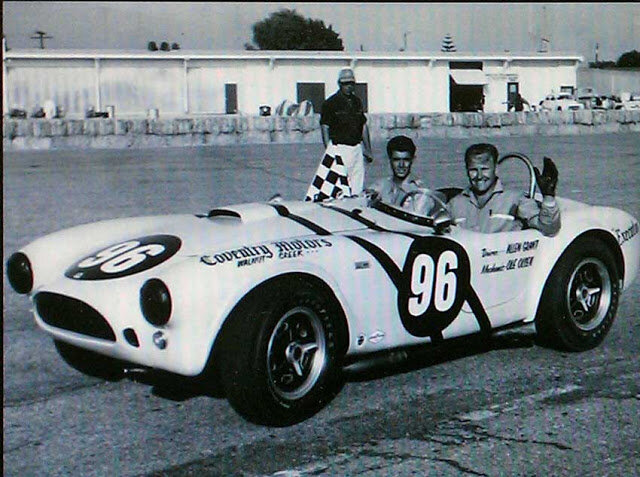
31:13
which is where he was hopping up the auto Bianchi, made friends with Alan Grant,
31:19
who is up the famous Yellow Shelby.
31:20
He was a works Shelby driver when he was 21.
31:24
And he had an 18 year old mechanic that he took all the way, I think,
31:26
to Sebring, Zach, that was George Lucas pulled up right now.
31:29
Chassis numbers and that's allegedly a George Lucas designed livery.
31:34
We'll put pictures of all this in the pod thing and painted by George Lucas.
31:38
That Shelby, it's this yellow.
31:39
You've probably seen this car.
31:40
It's a famous, that's the Alan Grant Cobra.
31:42
I never knew any of that stuff, Zach.
31:44
Wasn't that so cool?
31:45
Yeah, that's a brand.
31:46
I mean, I always liked Lucas and he loves machinery.
31:49
Obviously we have to have airplane corner.
31:50
I mean, that flying wing that he invented.
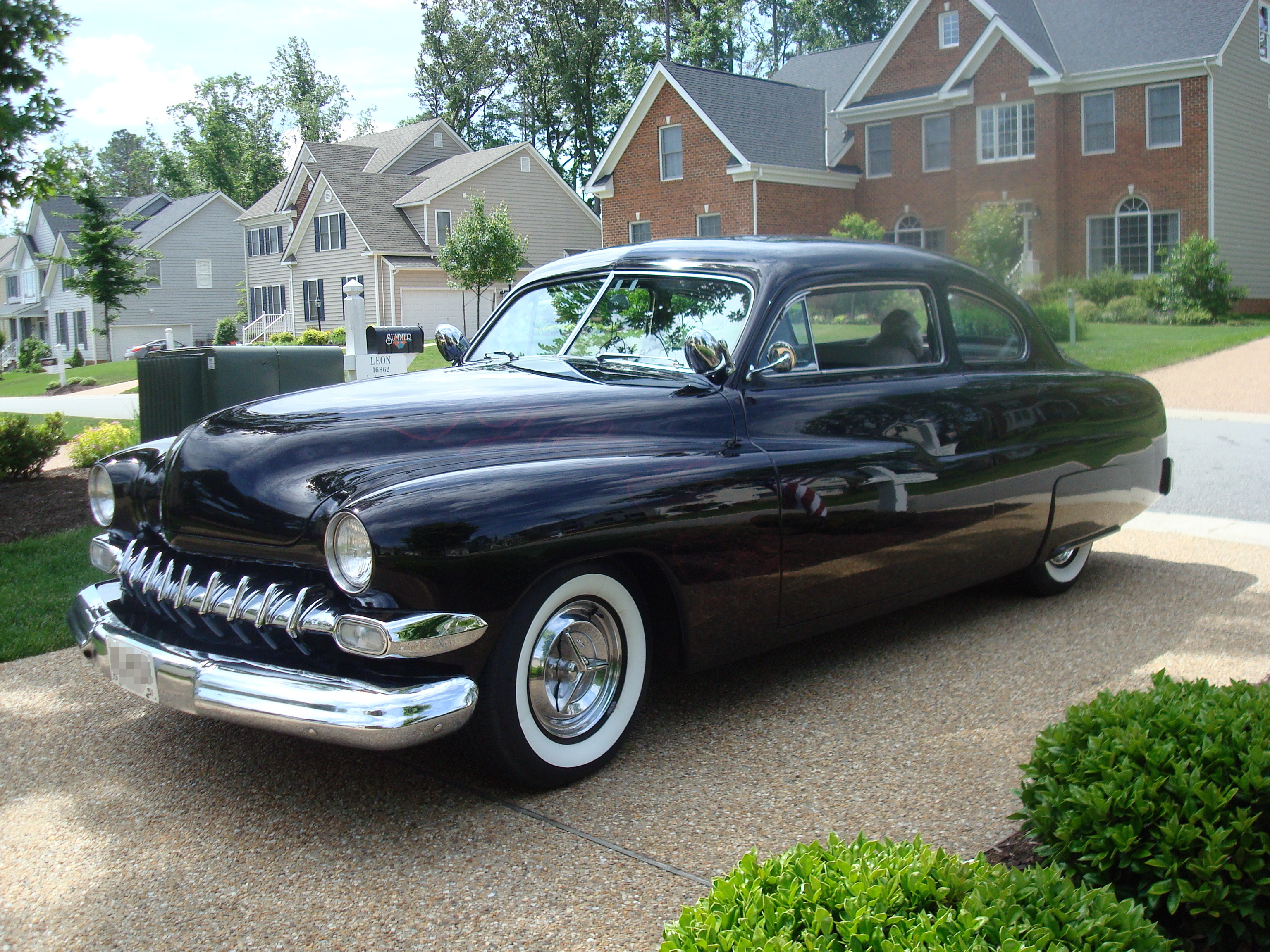
31:52
Maybe that was Spielberg.
31:53
Spielberg likes airplanes, too, in the first Indiana Jones, where he fights
31:56
the big bald guy and punches him into the propeller.
31:58
Like he's always got great vehicles and all of this stuff.
32:01
Anyway, I thought that background was amazing.
32:03
And I believe back segway to you, that's why the Milner Coupe is yellow.
32:09
So few special cars in this movie, like honestly, probably the best example.
32:13
Let's start with what's the most iconic?
32:14
What's the one that you think of?
32:16
I think it's the Deuce Coupe.
32:20
It looks, it pops out in night photography so well.
32:24
That was, I believe, actually a chopped car they found already and then did
32:28
some further customization.
32:29
But full fender, a red full fender car.
32:31
Full fender, but obviously they did the cycle fenders for the film itself.
32:35
Also, crucially, a channeled front grill, which I don't know much about
32:40
hot riding culture, but when researching about this, I started looking up like
32:44
copies of it and some of them started to look kind of odd.
32:47
And it's supposedly because the channeling is like one of the hardest things.
32:51
And so a lot of people don't do it.
32:54
So the Deuce grill is very famous.
32:56
People even put them on Model A's.
32:57
We have a Model A coupe that I want very badly right now and has a Deuce grill.
33:00
And it looks so much better than the standard old brass radiator because it's
33:04
got a, when people talk about the grill, it's actually the grill shell.
33:06
The radiator is behind it.
33:07
So it's the beautiful Deuce grill is the shell around the actual radiator itself.
33:12
Whereas if you go back into the 20s, the radiator is all one piece.
33:16
Like the grill is just the radiator, right?
33:18
But this is a shell around it.
33:19
Model A's and 32s are really easy to chop because they're vertical.
33:22
Like if you look at the windows, the roof line is very easy to chop because you
33:25
can just take some section out of the middle and drop the top.
33:28
The A, B, C copillars are all very vertical.
33:30
What's really hard is chopping slopey cars.
33:33
So the pharaohs will get to it eventually.
33:35
They're 51 Merc, those are called lead sleds.
33:38
And the reason that's so hard is because you have to do all kinds of crazy
33:41
work to deal with the sloped pillars.
33:43
And then you lead, you put lead over everything to smooth it out.
33:47
That's where the name of those comes from.
33:49
But much easier to chop a Model A or a Deuce because it's vertical.
33:53
But for the front grill, it's still rather difficult.
33:56
That's where people will skip out when I'm making the replicas of these.
33:59
And thus, I think you can buy a fiberglass chopped grill now.
34:02
So while like my whole fiberglass body to sure, Alex, the profile of what
34:07
the car looks like in the film, very aggressive, small front and big rear end.
34:11
But when you look online, people who've not done that on the front, it looks kind of goofy.
34:16
Well, the other problem is, and this is true of the Model A on the site right now,
34:19
you'll notice it doesn't have a hood top, the Milner Coupe, and a lot of them don't.
34:23
That you couldn't actually put a hood top across the top.
34:25
The grill is too high.
34:26
The hood wouldn't match the cowl line.
34:30
And it's a thing people complain about.
34:31
No, it doesn't look aesthetically correct.
34:33
Yeah, I actually like hot rods with a hood and hood sides.
34:37
I don't need an exposed engine.
34:38
We had that white 32 recently on the side of the thing was.
34:42
But built in California meant to be purely for this film.
34:45
Still exists to this day, supposedly, from what it sounds like,
34:49
it's owned here in San Francisco by a collector, which was kind of wild to see
34:53
that that's still sticking around.
34:55
But yes, so obviously the Milner Duce Coupe is the primary hero car.
34:59
Probably I'd say the number two car would be Bob Thalfa's 150.
35:03
That one there were.
35:05
Wow, that's number two.
35:06
I would put the Impala at number two.
35:07
I would kind of put the Impala at number two as well.
35:09
Oh, I sort of thought of the 55.
35:11
I tried to do a little research on this.
35:13
And some people think the T-Bird is like the notable car from the movie.
35:16
That's another fantasy girl's T-Bird.
35:18
Yeah, but Bob Thalfa's car, there were three of them.
35:21
There was a main hero car for most of the shots.
35:23
There was the stunt car.
35:24
Then there was the car that they burned at the end for the hero car.
35:28
Four twenty seven, supposedly an L-88 motor put into it with a four speed
35:32
so he could actually shift it while driving four speed in the Duce also.
35:38
Yep. But then the stunt car.
35:40
What's the motor in the three twenty seven Corvette small block with four?
35:44
It I didn't notice it when watching it with four Rochester's on it.
35:47
Apparently it does have like the trumpets like stick outward.
35:50
So it must be in a square setup when he goes and takes the plugs out at the end
35:54
when he's going to raise such a six.
35:55
Well, another interesting thing is I could be wrong on this,
35:59
but I'm pretty sure three twenty sevens didn't come out until 1962.
36:03
So most of the engines actually weren't available, which is why,
36:07
for example, in Bob Falafell's car, there's never a hood open shot.
36:11
The four twenty seven motor, those and it wouldn't have been available then.
36:13
And then the four fifty four, that's in the actual stunt car.
36:16
Again, we don't want to see it, but that stunt car has to be
36:20
doing a lot of drags, multiple times, multiple shots.
36:23
They need it to be very robust and also be very reliable
36:25
in the sense of where it's going to hit its marks every time.
36:28
So that was an automatic transmission for that one.
36:30
And then for the car that they flip, they were struggling to get it to flip.
36:34
And so it's actually if you watch it closely,
36:36
it's sort of like in most car flip scenes and movies now,
36:39
like all of a sudden, like the front left corner for no reason just starts to lift.
36:43
And so they do, yeah, obviously have to destroy that one.
36:46
And that car is the one that struggles more in its history.
36:49
It's a lot of unknown cars got destroyed.
36:51
People say they've got one because it was actually, I believe,
36:54
a universal studio's like prop car that was used in previous films beforehand.
36:59
They basically that's the fifty five.
37:00
Correct. Yes, they pulled it out of their sort of inventory
37:02
of already built vehicles that were reliable for it.
37:05
And they sort of padded it with the hero shot car and then one they crashed.
37:09
But I would agree the 58 Impala stands out so much before we talk about that.
37:13
I just want I want to hear from you.
37:15
None of you are really hot rod guys after watching this because I love these already.
37:19
And I'm like, God, I need to redouble my efforts to get a deuce coop.
37:22
And I specifically want to coop not a roadster.
37:24
The roadster is arguably more the icon as a hot rod.
37:27
Where do you guys land after watching this on hot rods, like pure hot rods,
37:31
like thirty twos and also on tri-fives.
37:33
Well, Cameron's already got the tats for one.
37:37
I've always had a bit of affinity for for hot rods of this era.
37:40
If I'm being honest, like a deuce coop has been up there for me as like,
37:43
I just love the looks of those cars.
37:46
And I also just love the culture behind, you know, modifying your stuff,
37:49
running what you got.
37:50
I think it's I think it's all really cool.
37:52
I have a strong appreciation for them.
37:55
I would be down if the opportunity to borrow yours someday and just cruise around for a day.
38:00
I think that would be the experience I'd like to have,
38:02
but it's not something I can really see myself in.
38:04
You can see from the way Milner's sitting in it.
38:06
It's like a pretty horrendous experience to be in one of these high boy roadster.
38:10
We've had a few that I've really like.
38:12
This black car really resonates with me.
38:14
And that's the clone of the famous Done Spencer V Wincher, which Bruce Meyer owns, right?
38:19
That's maybe the most famous hot rod, the black thirty two roadster with the V.
38:23
Winchield lot number one, nine, eight, two, four, zero classic.
38:27
Well, and and honestly, maybe it's just me wanting to be Harrison Ford.
38:31
But I also was a little intrigued by having a little two door one fifty.
38:36
No, give me a Millennium Falcon.
38:41
I look at my watch list the other day and it's like all tri-fives and hot rods.
38:45
That's what I'm interested in right now.
38:46
That line, I think it's Harrison Ford who gives it where someone asks what you got
38:50
in their kid and he says more than you can handle felt so fast and furious of more
38:56
than you can afford, pal.
38:57
Like you instantly got that sense for that scene.
39:00
Love that there's a roll bar in the fifty five, which seemed kind of crazy.
39:03
You know, this is like an era of like people not came in to help at the end.
39:08
And also Zach, that crash and the auto Bianchi that Lucas had in real life.
39:12
He had a seatbelt on and that would have been sixty one or something like that.
39:15
So kind of questionable whether you'd even have one and he had a seatbelt on
39:19
and he was like Zach said he was thrown out of the car eventually, but it held him
39:23
in for some number of rotations.
39:24
So you have to have been a lap belt.
39:26
When the tri-five flips, I just can't not see the fifty nine Bel Air versus two
39:32
thousand nine Impala IHS crash test.
39:35
Have you guys all seen that now?
39:36
So I mean, the fifty nine Impala just disintegrate.
39:40
Is that where the car just there's nothing left of it?
39:43
And there's all these conspiracy guys in the comments being like, oh,
39:46
they they took metal out of that car.
39:49
No, I'm shocked at how well that thing crashed when they rolled it.
39:53
The robot's got to be a big part of that.
39:54
Oh, maybe a good segue into the fifty eight Impala is I think there's a
39:57
misperception amongst particularly younger car people that these big old
40:00
American cars are super heavy, but they're actually not like modern cars
40:04
are heavier and part of that because they have so much better crumple zones.
40:07
So is the design of the structure for sure.
40:09
I mean, the fifty eight Impala was not light.
40:11
No, it's not light, but it's not.
40:13
I've heard people say things like, oh, you know, cars were so big and heavy
40:16
and boat like back then and like actually I bet those two cars that you just
40:20
showed us crashing, they probably were about the same curb weight.
40:23
Probably both like four thousand pounds.
40:26
I don't know what the oh nine Malibu is, but not light.
40:28
Fifty eight Impala between thirty four fifty and thirty six fifty.
40:32
So less than a current M three or two.
40:35
Is it like a two series, like a thirty eight hundred pound car?
40:38
BMW is not a fair example, though.
40:41
Back, I don't know if you saw this in your research, but apparently the Chevy
40:44
one fifty and the Deuce Cube both sold to the same person after the movie.
40:50
One guy bought them both.
40:51
Steve Fitch and actually the one fifty that was eventually found and saved
40:56
the real hero car is currently being restored by level one restoration in Colorado.
41:00
They're doing the YouTube videos about the process as well.
41:03
So look them up, but that car is essentially survived.
41:06
And then also the Deuce Cube is still to this day here in the city.
41:08
And then did you in your research, the license plate on the?
41:13
Should we get into Robert Duvall corner?
41:18
Every every episode, you got to do a Robert Duvall corner.
41:21
We'll have a little jingle.
41:22
He was in T.H.X., right?
41:23
Chris put in a little jingle for Robert Duvall corner right now.
41:27
I love the spell of the morning.
41:29
All right, we're back.
41:31
And Robert Duvall obviously not only is in T.H.X.
41:34
eleven thirty eight, which is the license plate T.H.X.
41:36
one thirty eight because he couldn't have a seven digit license plate back then.
41:39
That's his character's name.
41:41
He's the title character in the science fiction film that was George
41:44
Lucas's college film project at first and then was then redone partially
41:49
and re-released as a feature film prior to American graffiti.
41:53
But Robert Duvall was in that film.
41:55
Awesome. We never want to go into an episode without talking.
41:57
Maybe we have to have gotten in 60 seconds next, the rebake.
42:00
Or I was thinking this is a perfect example of a one degree of separation.
42:03
Robert Duvall film and we can do a rating for each movie.
42:07
How many degrees of separation it takes to get to Robert Duvall?
42:10
And then I also thought it was cool.
42:13
Do you see who purchased it?
42:14
No, the Mercury. Yeah, yeah, yeah.
42:16
Fifty one Merck and that had already been modified back.
42:18
What's the history on that car?
42:19
Yeah, this is the Pharaoh's car, the game car.
42:22
I believe Van Halen bought it.
42:25
That's right. So we got parked.
42:27
There's a more music cam.
42:29
If you ever did like the Universal Studios Backlot tour, like in the tram
42:32
that drags you all around, you would eventually go through the parking lot.
42:36
Well, they had a bunch of film cars sitting there.
42:38
As a kid, I saw one of the original Time Machine DeLorean's there.
42:40
And I was like, shot that it was there.
42:41
Eventually that one then got restored.
42:43
Now it's in the Peterson, but supposedly that's where the Mercury Coupe was.
42:47
And eventually Van Halen bought it and then apparently went to Brian Setzer.
42:51
Yeah, which is the perfect musician that should be owning that car.
42:54
Do you know, does he have it to this day or not? I don't know.
42:56
No, so went to Brian Setzer, Stray Cats, Brian Setzer Orchestra.
43:00
But then he sold it to a young car collector in New York.
43:03
And then that collector died by suicide.
43:07
And then the last known report was he was resting in a junkyard
43:11
because the father of that collector would not sell it.
43:14
Oh, interesting. Yes.
43:16
It has really interesting hubcaps.
43:17
I presume that's the real car they're filming in the back seat of where there's all the fuzzy.
43:23
Who do we think here would be the most likely to actually end up joining the Faro's?
43:28
Oh, good question. Not me, but.
43:30
It's not you. It's probably not me.
43:33
Cam, would you be in a car gang?
43:35
Yeah, sure. Yeah, I get to wear the cool jacket.
43:37
You get the cool jacket.
43:38
Well, as long as you do doodiness.
43:40
Tabitha is actually the most likely to join the car gang.
43:43
She's already hardy to sell cutco knives in between high school and college.
43:48
That's your answer.
43:52
So the other biggies are the.
43:54
All ours would be in the Suzanne summers in the Thunderbird,
43:58
which is such a weird.
43:59
I had no idea my wife actually pointed that out while we were watching it.
44:02
I had no idea it was her.
44:03
But the Thunderbird is 56.
44:05
T-bird, you guys, that's my favorite year of T-bird.
44:07
What about you? That's 56.
44:09
57 guy. Interesting.
44:11
Continental kit in the back.
44:12
Oh, you're pro continental kit.
44:14
Oh, my God, this is the breakout moment of the pod.
44:17
Oh, no, two thumbs down on Continental kit.
44:19
Continental with a F code supercharger in there.
44:22
Oh, well, F code is strong.
44:25
But if you go full Thunderbird, there's another movie reference in there
44:28
that I can't say exactly for lying.
44:31
But that's why the 57 is like the epitome of the T-bird for me.
44:35
I will say the final shot of the T-bird rolling on the road
44:38
as Kurt's looking out of the airplane window.
44:40
Maybe it's some unresolved relationship trauma.
44:42
But I was like, damn, that that kind of hit totally.
44:45
Totally. We got to find you a payphone after.
44:50
But yes, the 56 Thunderbird, the 58 Impala.
44:54
And then lastly, the 58 Ed Soul.
44:57
Come on, the two CV in the vest.
45:01
And the police car.
45:04
Getting the rear end yanked out.
45:06
Supposedly the two CV was actually a much later 60s.
45:09
Like this specific one that was in it was a local car.
45:11
They had a guy come bring it out.
45:14
But because of the two CV, it doesn't really matter.
45:16
It could have easily been from the late 40s.
45:19
You to know European or Japanese cars.
45:22
Couple three fifty sixes.
45:23
Do you spot the three fifty sixes?
45:25
There's one scene where you see one and there's another scene where you see two.
45:29
People hanging out in the back seat of a beetle, which is problematic.
45:32
There's a three fifty sixes of some sort in the shot of them at the airport.
45:37
You can't really tell what it is.
45:38
You just see the back end of it.
45:39
But yeah, not a lot of European representation.
45:42
Is there a single Japanese car that you guys spotted?
45:45
I didn't see a single one.
45:46
Even in seventy three when they made it, that would have been rare.
45:49
But in sixty two, was there any Japanese car even sold in the U.S.
45:53
in sixty two? I don't think there was.
45:55
Yeah, on the six hundred is one of the first Japanese cars sold here.
45:58
And that's like sixty five, maybe.
45:59
When were the Dotson dealers with those early squarish bodied Dotsons?
46:05
Mid to late sixties, something.
46:06
Sixty two would have been.
46:07
I mean, we're all struggling here.
46:08
Somebody can just Google first Japanese car sold in the U.S.
46:11
But it would have been around this time or even a few years later.
46:14
I also love that all of the extra cars in the background,
46:18
they basically just sent out like advertisements.
46:21
Sure. NorCal car clubs just being like, hey, bring your car out.
46:24
If you got paid like twenty to twenty five dollars a night for it.
46:27
But I just I would love to be hanging on the set
46:29
for those totally with those people, because I'm sure that was quite a scene.
46:33
But just the the casting of the background cars,
46:36
like it really felt like you were living in that time period.
46:39
And part of that monoculture,
46:41
I feel like that would be so much more successful then than it would be now
46:44
to try and get like three hundred cars and teenagers to show up
46:47
and like hang out during the night in the background.
46:49
It seems like impossible.
46:51
But that's literally what they did in the Fast and Furious for the right.
46:54
But now that's still within the window of like that time.
46:56
Come on, what are BAT alumni events?
46:58
I mean, time is such an interesting thing.
47:00
This is set. I'm messing with you, man.
47:01
This is set 17 years after the end of World War Two,
47:04
and it was only made twenty eight years after the end of World War Two.
47:08
And Fast and Furious was made like twenty eight years ago from today.
47:12
So time is a crazy thing.
47:14
And this movie came out. Time was a flat circle.
47:17
Months months before the oil crisis.
47:19
Oh, totally now. Right.
47:20
So like it's celebrating something that's just about to they said
47:23
that killed cruising culture to a large extent.
47:25
This movie did come out like months before the oil embargo in 73
47:30
that set gas prices off.
47:31
So while it may be reinvigorated a bit of car culture,
47:35
I can't say financially it was too successful.
47:39
When is the peak of American car culture?
47:43
I actually think it's when this movie set.
47:46
Like when's the time when the average American or even American car
47:49
people are the most into cars?
47:51
Well, peak implies that it's downhill from there, right?
47:56
Yeah, I think there's multiple peaks.
47:58
I think there's post World War Two enthusiasm, economy booming.
48:02
And that's late fifties up until the early seventies, right?
48:08
And then you go into a valley until maybe around the late eighties,
48:13
which climbs up into the mid two thousands.
48:17
I think that wave gets ridden pretty hard.
48:19
And then there's financial crash, which derails everything.
48:23
And then again from 2011, 2012 to maybe even today,
48:29
I think is kind of another peak resurgence.
48:32
I think if we're talking peak American car culture,
48:35
meaning not just Americans, but American cars,
48:39
then definitely there's an argument for that being around that time early sixties.
48:43
Because while all the muscle cars really start to come out
48:46
64, 65 all the way through into early seventies,
48:50
that is actually American company sort of corporate culture.
48:55
Corporate culture leveraging what is prior to that been the boom
48:59
of the youth culture in building their own hot rods and street racing
49:03
and cruising around.
49:06
And then really it's later that the corporation sort of catch up to that,
49:09
cash out a bunch of money and then, of course, big giant oil crisis.
49:13
And then, yes, that does crush that part of it.
49:14
And then all those subsequent booms in car culture are not,
49:18
I'd argue, centered around American cars
49:23
or even necessarily just American tastes.
49:25
It becomes so much more fluid and so much more dynamic of all the options
49:28
and then what you do.
49:29
And so, yes, there's those heights and valleys and what's obvious,
49:32
obviously a malaise era.
49:33
There's throwback era is all these things.
49:35
But as far as American car culture is literally is that term.
49:39
I feel like that might be right.
49:40
Yeah, resurgence in the 90s could also be the only other kind of peak of American car.
49:46
I mean, I felt it when I was a kid, but it was very much, again,
49:51
like all my friends were at least semi into cars
49:52
because everyone wanted the independence that a car gives you, right?
49:55
Like a 16-year-old wants to get the hell out of the house.
49:58
So all the people portrayed in this movie are to some extent into cars
50:01
because they have to be because they want to get out and cruise.
50:03
You've got to have a car.
50:04
I forgot who it was this weekend, but they're asking me about growing up.
50:07
And they're like, oh, well, what would you do before you had a car?
50:11
I was like, oh, you just sit at home and do nothing.
50:14
That's what your life is till you're 16, 17.
50:17
You get license and keys grown up in these areas.
50:19
Did you have that game when you were 16?
50:21
A desire to get out of the house and buddies who want to get out of the house?
50:23
I mean, by the time you got your license,
50:25
you couldn't even take other kids in your car, right?
50:28
No, you could legally, technically.
50:31
How are you going to join the Pharaohs?
50:34
Well, my my first car was a Honda pilot that I could fit eight people in.
50:38
So I was often breaking the law.
50:40
Steph, your limitations is over, buddy.
50:42
Yeah. And so kind of similar to what Beck was saying earlier,
50:45
having multiple seats indoors and all that.
50:48
It was honestly a benefit and I was the car that drove everyone around.
50:52
But for sure, I was itching the second I turned 16 to get my license
50:56
and to be able to just take myself places, mostly just like friends' houses and things.
51:01
But yeah, for sure, I had that itch.
51:03
Your son that soon to be 16, does he have that as well?
51:07
He's not super interested in cars, but he's itching to be independent, I can tell.
51:12
And so probably a lot of dads have done this is I'm forcing it down his throat,
51:15
but he's got to learn how to drive a stick.
51:17
Then he can have my Civic, right?
51:18
And so like it almost forces a little bit of car culture on him
51:21
and having to learn a little bit of something about how to operate a car
51:25
that's a little more complicated than your standard car.
51:27
And better than what I'm seeing, which is the dirt bikes that are like taken over.
51:33
It's like gangs of under 16.
51:35
Like we're talking like 13 to 15 year olds who they can't either own a car
51:39
because they can't afford it or they can't drive it, whatever it is.
51:41
The dirt bikes just like roaming around is their opportunity for independence, though, right?
51:46
They can fly off and go to wherever they want and go find the neighborhoods
51:49
and go find wherever they want to hang out.
51:51
And I was desperate to get out.
51:53
I just I needed to get in the car and be gone.
51:55
And I was gone any night that I could be out of the house.
51:57
Zach wanted to be the fastest guy in the valley.
52:00
That's like that's my favorite.
52:01
You're still the most bitching ride in the valley.
52:04
One of the scenes that really got me on the last time I rewatched it
52:07
is when they're walking through the junkyard and he's talking about all the people who got killed,
52:11
trying to be the fastest guy in the valley.
52:12
I think he mentions a vet in there and some other things and really fascinating.
52:17
That scene, the liquor store scene is peak for me.
52:20
Fantastic. Awesome.
52:21
I also lost my wife.
52:23
Her name wasn't Heidi, though.
52:25
And what's the booze he's asking for?
52:26
It's like old harpers or something.
52:29
Old harpers, I think that's right.
52:31
The gunfire that feels like that would happen in the fifties, just leaning out.
52:36
That's that's Valley Cultures.
52:38
Sure. That whole scene also reinforced a connection to another film, Superbad.
52:43
Superbad is a coming image.
52:44
Oh, I wonder if that was inspired totally.
52:47
There's characters.
52:48
I mean, Mick Lovin is totally toad.
52:51
Yes, right. Completely is.
52:53
And then the two boys, they have different sort of futures ahead of them.
52:56
And they're all just trying to go hang out for the night,
52:59
just trying to find a party to go to.
53:01
And then there's a whole scene where Mick Lovin is trying to buy booze at a liquor store.
53:06
And that's what Toad's trying to do.
53:06
He also ends up with the hot lady.
53:08
Just like the hot lady.
53:09
Dude, it must be an inspiration.
53:10
I never had thought about that before.
53:13
Or teenage boys are always just trying to buy booze.
53:14
It's just a common truth.
53:16
If they remade the movie set more along the lines of when we grew up,
53:21
what would you want to see the hero on Villain Cars be?
53:23
Harrison Ford. Boom.
53:26
The 3240, real car.
53:28
We're talking like 90s, late 90s, early 2000s.
53:33
I hope everyone has different answers, too.
53:35
Man, that's such a good question.
53:36
I know my Villain car, 100%, be a Ford Fox body, five liter.
53:41
Okay, let's start Villain car.
53:45
That was just sort of like people in the parking lot,
53:49
the dudes who had some money from working at good guys.
53:52
I mean, honestly, if it was true to my high school experience,
53:54
it would be a dude in a lifted Tahoe with like 38-inch wheels,
53:59
a dual-stage Magnaflow mufflers,
54:01
huge 15-inch subwoofers and black tint.
54:04
That's what people try.
54:06
It's a little bit earlier than the era, but...
54:08
You can go later for your gen if you want.
54:10
No, I'm going to go a little earlier.
54:13
Like, just a blacked-out Buick Regal.
54:17
I would put Harrison Ford in an Eclipse GSX.
54:22
Because people would tune those up to run 10s in period.
54:26
They were like unstoppable.
54:28
And that's his mission, just to find some other guy
54:30
that he heard has a fast car to prove his car is faster.
54:34
The guy I know who had the most tuned kind of street racer-y car
54:38
in San Luis Obispo had a GST Eclipse that like ran like,
54:42
it wasn't even that fast, like 12s, maybe low 12s,
54:45
something like that huge turbo and all that.
54:47
Definitely would see that 19th Avenue cruising around for sure.
54:51
An Alfa Romeo Milano, of course.
54:55
Bec does not have a very good car.
54:58
So it's helpful that you put some context around it.
55:01
Like, what would you have if you were trying to be
55:03
the fastest guy in the valley, like in the late 90s, early 2000s?
55:07
The fastest cars at my high school,
55:08
these wouldn't be my choices,
55:09
but the fastest cars at my high school were two guys
55:12
had 3,000 GT VR4s with tunes on them.
55:17
And then one guy had not the very original,
55:20
but the first SVT Mustang Cobra that had the twin cam motor
55:24
and independent rear suspension, but not a supercharger.
55:27
It was like a 320 horsepower twin cam V8.
55:31
That's maybe like an 01 SVT Cobra.
55:34
Those were the fastest cars at my high school.
55:36
That's what I was going to say.
55:38
It would have been perfect.
55:39
An SVT Cobra may be a terminator,
55:41
but also part of his character is he has an older car
55:44
that is built up and makes it aspirational,
55:46
which is why a Fox body Cobra would also be pretty proud.
55:49
Like the kids who had to save their paper money
55:52
and buy their own cars at my high school,
55:53
they all had Fox bodies with power pulleys and loud exhausts.
55:56
And like, it would have a Cobra bumper cover,
55:59
but definitely it's not a...
56:00
All those guys had GTs, which now everyone knows,
56:02
oh, you got to get an LX notch.
56:04
That's the lightest one,
56:05
but all of these guys had GTs because they wanted to look cool.
56:08
Your answer, Cameron.
56:09
Fox body was going to be my hero car answer.
56:12
Man, that's boring.
56:13
What else could it be?
56:13
I'm trying to think of European or Japanese stuff.
56:15
None of that is really fast in the straight line though.
56:18
Saw a lot of Pontiac Transans,
56:19
remember the big intake on the Firebird Hurts?
56:23
That would have been definitely...
56:24
Yes, my senior year, a kid bought an O2 Camaro SS
56:28
with a six-speed and I remember being horrified
56:31
by how fast that car was in the backseat.
56:32
It's probably not that fast now,
56:33
but they were what, 350 horsepower?
56:35
Well, not that heavy.
56:37
The plot of the movie,
56:38
the hero car has to be an American car,
56:40
in my opinion, even if you remade it.
56:41
Otherwise, yeah, you could say Supra,
56:43
I mean, boosted GSR Integra's...
56:49
There's no shortage of pretty fast cars.
56:51
I mean, it's passing furious.
56:52
Yeah, now we're just getting into Tokyo drift.
56:54
So it's like Mustang or Camaro, basically,
56:56
is where you gotta go.
56:57
Could have been a Corvette.
56:58
I'm cluing in on what guys were hot rotting
57:00
around our era that were American cars.
57:03
The hot rotters of our era were like lowered Civics and stuff.
57:06
Like those were the guys modifying their cars the most,
57:08
but they were slow, you know,
57:09
and a lot of those guys would buy...
57:13
I mean, even now, putting up,
57:14
I think you can tune them to run nines and eights
57:16
if you really want to go for it.
57:17
Yeah, that's crazy.
57:19
Actually, I ran into a guy,
57:20
a gas station in the skyline.
57:22
Everybody wants to be your friend in that car.
57:24
And he was chatting with me,
57:26
and then he was like,
57:27
yeah, I actually have an Integra GSR
57:29
that I built into a drag car.
57:31
It's running 1,100 horsepower through a...
57:34
And I was like, is it a K series?
57:36
Cause I know people do crazy K builds,
57:38
and he's like, no, it's built on a B series.
57:40
And it's front wheel drive still.
57:42
Yeah, they trailers it up to Sonoma, Drag Nights.
57:45
There were guys who would have...
57:47
Maybe, I don't know if this is a thing anymore,
57:49
but the wheelie bar and...
57:51
Cause like, you don't need a wheelie bar,
57:52
but the wheelie bar would lift the back of the car up
57:54
so that you got more weight on the front tires.
58:00
I mean, I remember when the EM1 Civic SIs were brand new
58:04
and guys were stoked out there on the drag strip,
58:06
running like 17-fives in those.
58:08
You know what I mean?
58:09
It's like how fast those cars could go.
58:12
But you know, I had the 912E and that turbo coupe
58:14
and all that stuff was slow, right?
58:16
And you were probably not unlike,
58:18
like, cause Milner's supposed to be the fastest guy
58:20
in the valley and the 55 is there to challenge it.
58:22
But most people were like, George Lucas,
58:23
he had his hot rod at Auto Bianchi.
58:25
And that's what I was trying,
58:26
I was trying to make the 912 fast dude
58:27
with like it's stock injected two liter,
58:30
cause even like five extra horsepower
58:32
really means something to you when you're 16 years old,
58:36
And you are just pulling up at a stoplight
58:37
and trying to race whatever random person comes up next to you.
58:40
That's still when you have that kid mentality,
58:42
if you change your oil and your filter
58:44
and you're like, yeah, it's probably like
58:45
another five to 10 horsepower.
58:46
K&N, K&N air filter.
58:48
Everyone thinking they're getting horsepower
58:49
out of their K&N cones.
58:51
I'm an AEM generation kid.
58:54
That's a great question, Zach.
58:56
I wish I had a better answer for that one.
58:57
That's the big one.
58:59
Where do you guys land?
59:00
Where is it in the car, Canon movie?
59:02
Kind of one of my hot takes was like,
59:04
is this better than Star Wars?
59:05
I actually, I can't go there,
59:07
but I think it's actually at this point in my life
59:10
and for nostalgia, I like it about as much
59:12
as I like the original Star Wars.
59:14
Once upon a time in Hollywood,
59:15
it's like a good parallel for this.
59:17
Back to your vignette comments.
59:20
Hard to compare Star Wars.
59:21
Less accurate car choices of that.
59:22
What's his name in an MG instead of a Jaguar?
59:26
Yeah, that's tough.
59:28
I think this movie, while very much a car movie
59:30
to folks like us is also a movie
59:32
that you could completely enjoy
59:34
and not focus on the cars at all.
59:37
Because it's a movie about kids, too,
59:38
about maturing teenagers.
59:41
And so in that sense,
59:42
I don't think I would rank it extremely high
59:45
but just a great movie in general.
59:47
I think there's so many elements
59:48
that make it a great movie
59:49
that you don't have to be a car fan to enjoy.
59:52
In fact, I remember near the end of the film
59:54
when Kurt is in the phone booth
59:57
and he's talking to Suzanne Summers on the phone
00:02
and he says the line that right up until the moment
00:05
he's about to say it, I realize, oh my God,
00:07
I've seen this clip a hundred times.
00:10
It's been in montages about famous lines
00:12
that have come from films of,
00:13
you're the most beautiful thing I've seen
00:15
and I don't know anything about you.
00:17
And that just hit me really hard thinking like,
00:19
holy cow, this isn't a car movie necessarily,
00:22
it is like an American culture film.
00:24
And thus it's part of film history.
00:27
And that really stood out to me.
00:30
Up until that point,
00:31
I was really thinking mostly just about,
00:33
this is a movie about call culture
00:35
and it's a coming of age film.
00:36
And then realizing, oh no,
00:37
this is the start of so many people's careers.
00:40
It is George Lucas starting what is going to be
00:42
the biggest transcendence of his life at this point,
00:45
going pretty much nowhere but up after this,
00:48
especially at least for the 70s and the early 80s.
00:50
This movie doesn't have to be a car movie.
00:53
It can really be a lot of things.
00:54
Well, now I want to know, Cameron Beck,
00:57
because you guys just saw it for the first time,
00:58
what did you think of the ending
01:00
with the postscript of the four main characters?
01:03
I feel like you could have dropped that entirely.
01:07
The dying, the dying and...
01:08
It also does play with the...
01:10
It's killed by a drunk driver.
01:11
I mean, makes total sense for the guy
01:13
that stayed at home just cruising around.
01:15
Seeing it for the first time
01:17
and taking in the entire movie.
01:19
While they're like ups and downs emotionally
01:21
throughout the movie,
01:22
it's pretty much you're kind of just hanging out
01:24
with these kids laughing, having a good time.
01:26
And then I thought it was actually
01:27
kind of nice to throw in at the end,
01:30
like what 1962 was leading into
01:33
or what was on the precipice at that point
01:36
and a lot of not fun stuff in American history.
01:39
And so maybe I put a bit of a sour taste in my mouth,
01:43
but I was appreciative that stuff was in there.
01:46
Yeah, it was relevant.
01:46
And you see Ron Howard never fulfills his dreams.
01:51
Again, excited to meet it to the end.
01:53
I'd forgotten about that part.
01:55
I mean, you guys maybe read this or knew this already,
01:57
but Lucas was originally supposed to make Apocalypse Now.
02:01
Oh, I didn't realize it.
02:02
You know, him and Spielberg and Coppola and John Milius,
02:05
all those guys were buds, right?
02:06
They all went to USC was one of the very first film schools.
02:09
So all those guys met and they all gave each other points
02:12
on each other's movies, right?
02:14
And like obviously Lucas develops Indiana Jones,
02:17
but then Spielberg directs first one
02:19
of the best movies of all time.
02:20
I don't know if there's enough cars in that for us
02:21
to do it on the pod,
02:22
but there's the great Mercedes truck scene
02:25
where he like bends the Mercedes thing off the front grill.
02:27
But they were all buds and originally developing
02:31
Joseph Conrad's Heart of Darkness was a Lucas thing.
02:34
And you know, they're young liberal guys.
02:36
He was going to go to Vietnam and film that movie in Vietnam
02:39
using like real soldiers and stuff.
02:41
And I read an interview one time where he's like,
02:43
yeah, a bunch of kids who dodge the draft
02:45
were actually willing to go to Vietnam
02:46
if they could make a movie there, but didn't want it.
02:48
So fascinating stuff.
02:50
And then Coppola obviously takes over the project
02:51
and makes one of my favorite movies of all time.
02:53
And George Lucas ends up making his Vietnam film
02:56
A lot of people, of course, have that to be his.
03:00
Almost everything was about it at the time.
03:01
But it is fascinating.
03:02
Again, the long fifties, the sixties really start
03:05
when Beatles come and then we start sending a bunch
03:06
of young guys over to Vietnam just a couple of years later.
03:10
What else should we talk about?
03:12
Magic carpet airlines.
03:16
But Chris Jingle for Airplane Talk.
03:21
Not a real airline made up for the film,
03:24
but I think it's kind of a perfect ending scene
03:27
of the kid who you don't expect is the one.
03:31
They flip their storylines
03:33
and Kurt is actually going to be the one.
03:34
The one who at the beginning of the film
03:35
is second guessing their choices they're making
03:38
doesn't want to leave town, but by the end of this
03:40
he's like, I'm going to be the one who goes,
03:41
flies off on his magic carpet.
03:44
Did you catch what airport that was to?
03:47
It's somewhere in the East Bay.
03:49
And in airfield, which is in Pleasant Hill, concrete.
03:55
They're still operating.
03:56
You want to fly some private planes around.
03:57
I love that they fire up the motors on the DC7
03:59
and takes off and everything.
04:01
Some radial engine madness.
04:03
One movie that obviously popped into mind
04:05
when watching this was Grease.
04:07
And I had to go look up when the Grease movie came out,
04:11
which was 78, but the Grease musical
04:13
actually came out in 72.
04:15
Or maybe there was already kind of that nostalgia
04:17
for that era coming out in other ways,
04:19
but I just found that interesting.
04:21
Slightly less authentic car culture in Grease than in.
04:25
I was in Grease twice.
04:28
Once in high school and once in college.
04:30
I was a Thunderbird in both of them, where you came.
04:32
I was in Grease in high school as well.
04:35
I could see you as Keniki.
04:36
It's totally Keniki.
04:42
Did you do some pointing dancing?
04:44
And there are no videos out there of it.
04:47
So at some point you would have to have a car
04:49
for multiple scenes where there's a car in the musical.
04:51
I always thought it was funny.
04:52
First time an Edsel came on my radar
04:54
was that our prop director,
04:56
when she was making this very tiny little box
04:58
for the wood and foam and everything,
05:00
decided she wanted to make it a joke.
05:02
And so she looked up,
05:03
like what is the most embarrassing car
05:05
to be seen in in the 50s?
05:08
And she found an Edsel.
05:09
And so she made an Edsel grill for that car,
05:12
which at the time I didn't really understand the point of it.
05:13
But then it was funny to see it again come up in this film.
05:16
Shout out Ryan Huber, Edsel fans.
05:19
I loved rewatching it.
05:20
I love doing this with you guys.
05:21
To me, I romanticized the era
05:24
when cars mattered so much in culture in general.
05:27
So I just liked that, right?
05:28
If you were a kid, you just had to be, you know,
05:30
cars meant freedom.
05:31
They meant like, you know, getting away from your parents.
05:33
So I just, it's an easy era for me to romanticize.
05:36
And it really, it's a good hang, like you said, Cam.
05:39
It's good to just hang with people who are doing that stuff.
05:41
Zach, this was a great suggestion by you.
05:44
Thought I wasn't totally let down.
05:45
What are we going to do next?
05:47
Le Mans, Grand Prix.
05:48
I have a really long list that I'll show you guys after this.
05:51
It would be nice to change eras.
05:53
For sure, to jump something a little bit more modern maybe
05:56
and then come back.
05:57
Beck was so bored watching this.
05:59
I was a little sleaze.
06:00
Just do Brad Pitt formula one.
06:02
Oh, I would actually love to do that.
06:03
Oh, Ford versus Ferrari.
06:04
We were talking about, if you remember,
06:05
there's the scene in Ford versus Ferrari where
06:07
John Bernthal playing.
06:10
Whoever Bernthal was playing was like a PR guy for Ford
06:12
and he's talking about recapturing the youth.
06:15
Like we need to build the Mustang to capture it.
06:18
I think a lot of that is not totally accurate.
06:20
Actually, that one would be fun to fact check.
06:22
And also that's former podcast guest, A.J.
06:25
Bain wrote the book that that's based on.
06:28
Iacocca, that's right.
06:30
But same idea of like, oh, we need to pull the youth back in.
06:33
Zach, to your point about like multiple waves of kids
06:36
and car culture having primacy in the American popular culture.
06:39
Like that's mid-60s him trying to pull everyone back in
06:43
At least that's the argument in the movie.
06:45
That'd be a good one.
06:46
I wouldn't mind doing that one.
06:48
Rush is another one that I really want to do.
06:51
Both of those require very big fact checking sessions.
06:55
And like the one thing that's really nice about this
06:57
is it's pretty authentic, right?
06:59
Like it's done by a car guy and written by a car guy
07:01
and the cars are legit and we're built for the movie.
07:04
It's very authentic.
07:05
Rush is actually a great one off of this
07:06
because it's Ron Howard.
07:09
How many degrees of separation for Duvall?
07:11
That's your job to figure that out.
07:13
What a treat, boys.
07:14
Thanks to all of you for listening as always.
07:17
You can send feedback to podcastatbringetrailer.com.
07:20
We will catch you next time.