
The McQueen Classics Interview
About this episode
The McQueen Classics Interview with Bring a Trailer Podcast guest dives into how a lifelong car obsession became a full-scale operation. From dealership-era odometer rollback stories to a $2.5 million, long-stored 1985 Pontiac GTO purchase, the conversation connects hot-rod roots, NASA/air-base beginnings, and the realities of building a collection. They also break down BAT’s listing and auction mechanics, consignment/title paperwork, and how community vetting plus buyer advocates keep the process honest.
This week, Alex interviews none other than Peter Guida of @mcqueens, one of BaT's most beloved and fastest-growing Local Partners and the host of our recent Meet-Up in lovely Lewes, Delaware. The gregarious Guida talks about how he got into cars due to his dad's decades at NASA; the Maryland and SoCal hot rod subcultures; getting shot down on his first approach to BaT; the origins of the McQueen name and logo; being paid to roll back speedometers (in the '80s, don't worry!); and using similar experiences from the bad old days to run things utterly by the book in modern times.
Peter also explains his unique strategies to deliver on BaT given his ever-increasing volume of listings, gets deep into the intricacies of the Delaware title system, talks up his idea for the next big thing at BaT, and regales with the various facts he uses to pitch his clientele on the BaT experience.
hotrodder
"So I'm an old hot rodder. I love to build cars."
A hot rodder is a person who likes modifying cars—usually older ones—to make them faster and more exciting. It’s a car hobby and culture, not just a job. Here, the speaker is saying they’ve been into building cars for a long time.
A “hot rodder” is someone who builds or modifies older cars for performance and style, often using a mix of traditional and modern parts. The term is strongly tied to American car culture, especially the mid-century era when people started customizing cars for street driving and drag racing. In this segment, it frames the guest’s background and approach to building cars.
BAT event
"The El Camino, El Camote, as we called it, which we optioned at our BAT event, was the big and little California hot rod."
BAT is short for Bring a Trailer, a website where car enthusiasts buy and sell cars through online auctions. Saying they “optioned” it at a BAT event means they prepared the listing and put it up for auction there.
“BAT” refers to Bring a Trailer, an online auction platform focused on enthusiast cars. When someone says they “optioned” a car at a BAT event, they mean they set up the listing and auction it through that platform. It’s a specific hobbyist marketplace, not a generic auction term.
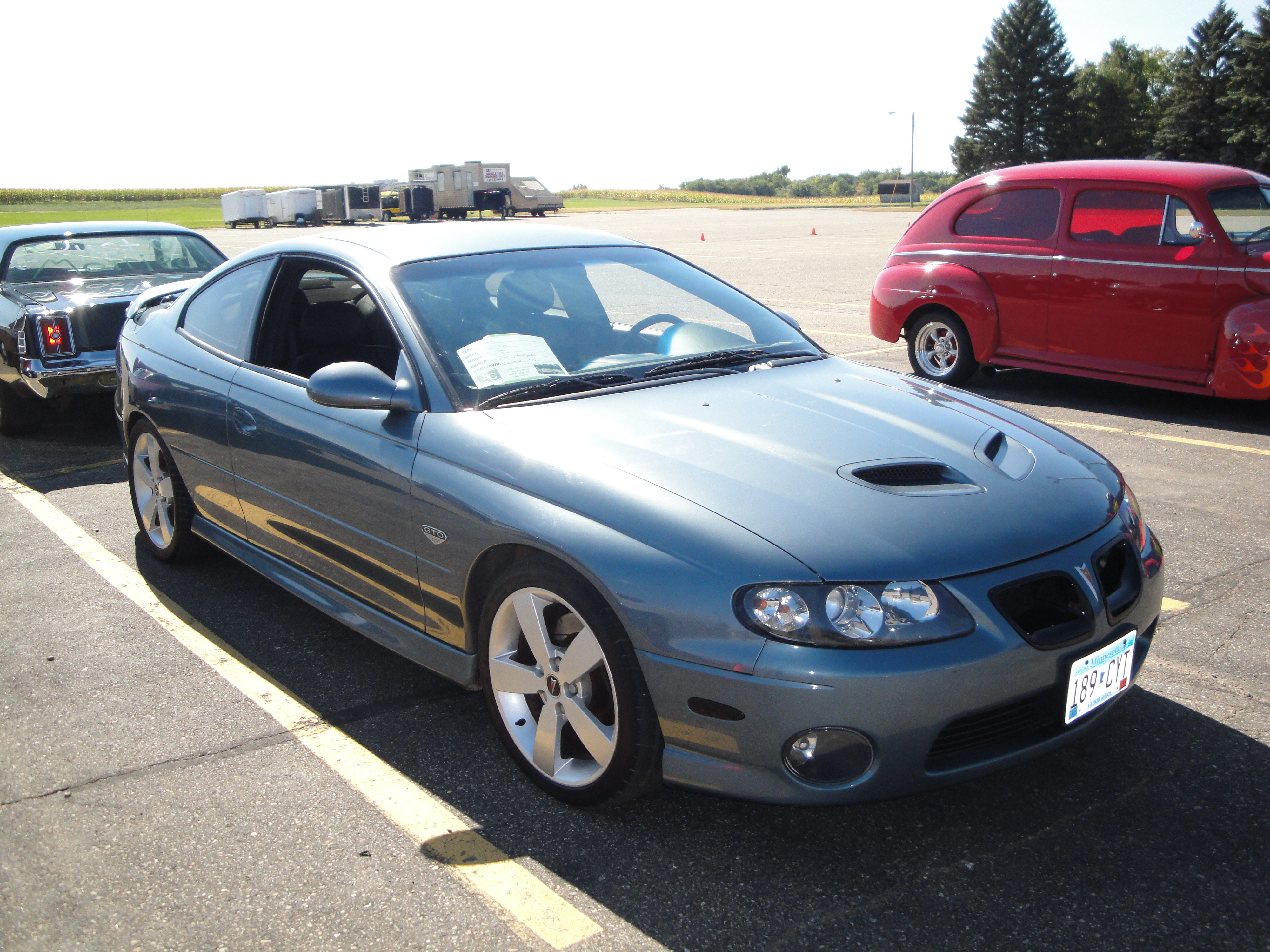
85 GTO
"Rob Meyers from RM, of course, came with his ketchup stain on his T-shirt and bought a $2.5 million 85 GTO that had not been started in probably 20 years, had 255 miles on it."
The GTO is a Pontiac muscle car. “85 GTO” means a GTO from 1985. They’re describing buying one that had been sitting for about 20 years before being sold.
The Pontiac GTO is a legendary muscle car nameplate known for its performance heritage. The “85” here points to a 1985 model year example, which is notable because later GTOs are often less talked about than the earlier, more iconic generations. In the story, it’s a long-stored car that was bought after sitting for decades.
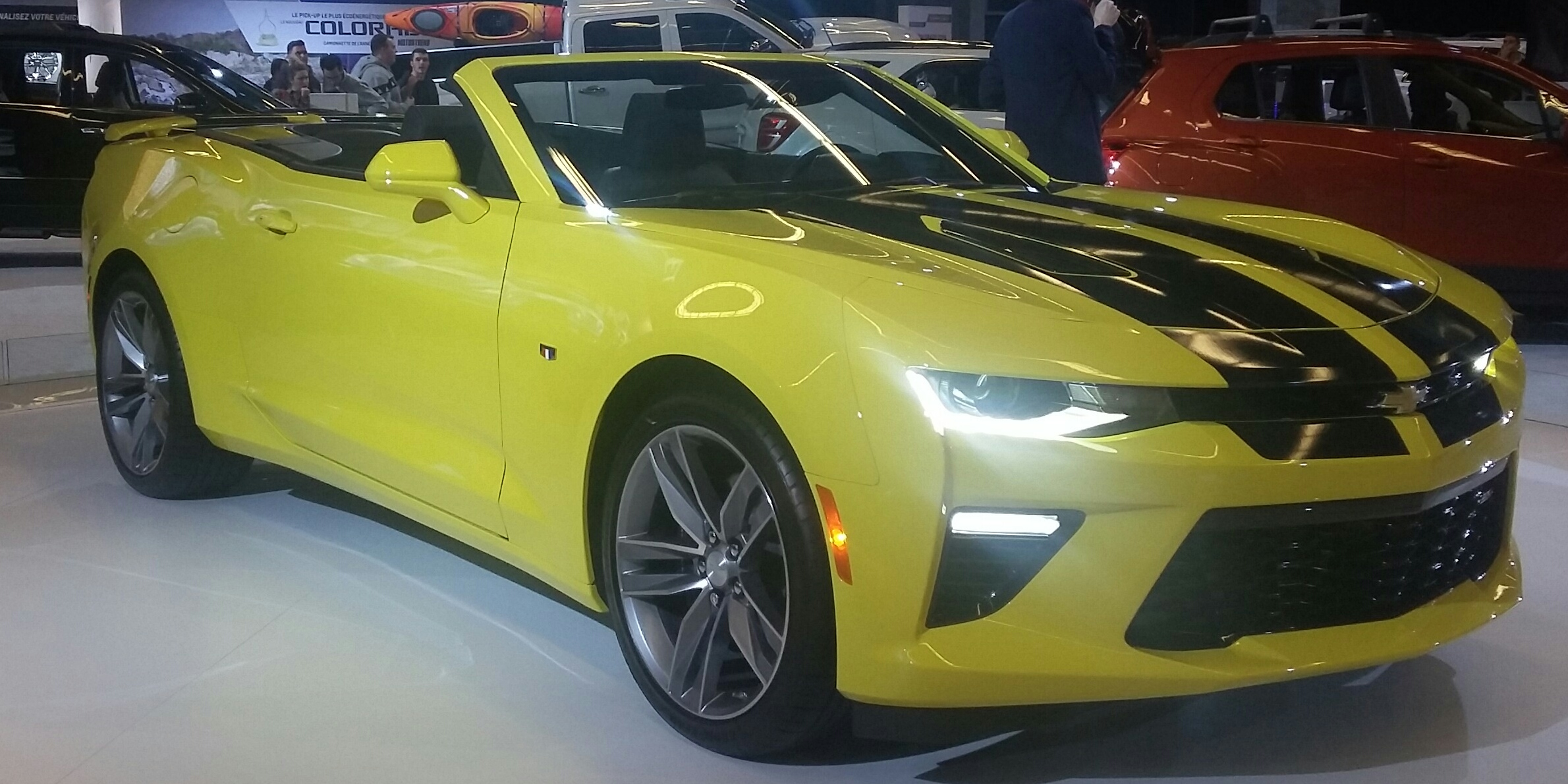
Chevrolet Camaro
"...s, Yeah, your stuff's too eclectic. If it was all Camaros, we would be in. And I agreed."
The Chevrolet Camaro is a sporty car made by Chevrolet, usually as a coupe or convertible. People talk about it a lot because it has a strong performance reputation and there are many different versions over the years. It may come up when someone is saying what kind of cars they’d want to see more of.
The Chevrolet Camaro is a classic American sports coupe/convertible known for its performance-focused styling and long-running popularity. It often comes up in collector and enthusiast discussions because there are many generations, trims, and engine options that make each one feel distinct. In a podcast context, it’s the kind of car people reference when talking about what they’d want in a lineup or collection.
wheelie
"It was so heavy that the front wheel would actually have a wheelie. If I wasn't careful, I had so much stuff on the back."
A “wheelie” is when you ride with the front wheel in the air. The speaker is saying their bike was heavy enough that it could do that.
A “wheelie” is when the front wheel lifts off the ground while riding, typically caused by braking/acceleration forces and rider balance. It’s a specialized cycling term the speaker uses to describe how the bike behaved.
427s
"...a GT390 that has a 427 in it. ... I eventually blew it up."
“427” is shorthand for a very large V8 engine size (427 cubic inches). The speaker uses it to show the car was a serious, high-power muscle car.
“427” refers to engine displacement—427 cubic inches—typically associated with large-displacement V8s in classic American muscle cars. In this story it’s used to emphasize how powerful the Mustang was compared with a more typical first car.

427 four speed Mustang
"...I took $1,600 out of my paper route money and I bought my first car at 15 and it was a 427 four speed Mustang."
This Mustang had a big 427 V8 engine and a four-speed manual transmission. It’s the kind of setup enthusiasts chase because it feels more raw and hands-on to drive.
A “427 four speed Mustang” describes a Ford Mustang with a 427-cubic-inch V8 and a four-speed manual transmission. That combination is a classic muscle-car recipe: big-displacement torque plus a manual gearbox for more direct driver control.
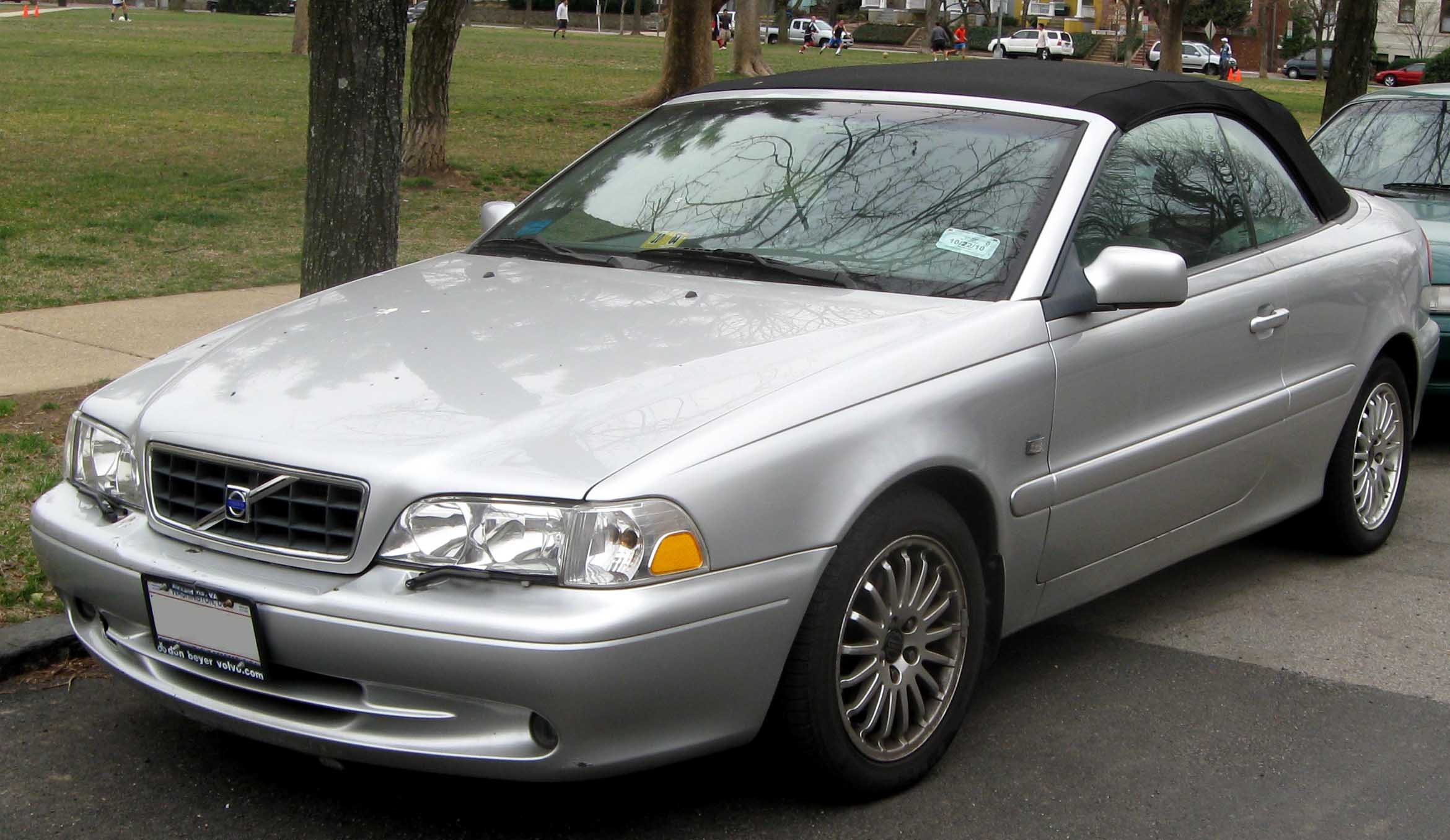
Volvo C70
"Right. I occasionally buy a car. I bought a car today, a Volvo C 70 convertible for a thousand dollars. We're going to put it on B.A.T."
The Volvo C70 is a luxury convertible made by Volvo. It’s designed for comfortable driving with the top down. In the podcast, it’s being talked about because someone bought one and plans to list it.
The Volvo C70 is a compact luxury convertible/cabriolet built by Volvo, known for combining open-top driving with a more comfort-oriented character. It’s a model that can be especially interesting to collectors because it’s less common than many mainstream convertibles and can show up at surprising price points. In the podcast context, it’s mentioned as a recent purchase intended for auction/listing.

Porsche 944
"“You got a Porsche 944 live right now.” “Do your mechanics have the ability to work on everything basically?”"
The Porsche 944 is a classic Porsche sports car from the 1980s. It’s known for being fun to drive and handling well, and it’s a favorite among enthusiasts.
The Porsche 944 is a front-engine, rear-transaxle sports car known for its balanced handling and classic 1980s/early-1990s Porsche feel. It’s a popular enthusiast choice because it’s more approachable than many other 911-era Porsches while still delivering that “Porsche” driving character.
specialty tool
"“If we need a specialty tool, we're going to buy it no matter what.” “And we've got all of the software for any car and cut a key for a CA Corvette.”"
A specialty tool is a tool made for one specific type of repair. It helps mechanics do the job the right way instead of using generic tools that might not fit or work as well.
A specialty tool is a purpose-built tool designed for a specific job or vehicle system, rather than a general-purpose wrench or socket. In shops that service many different cars, having specialty tools is what makes it possible to do correct repairs without improvising.
software for any car
"“If we need a specialty tool, we're going to buy it no matter what.” “And we've got all of the software for any car and cut a key for a CA Corvette.”"
Modern cars often require manufacturer-specific diagnostic and programming software to communicate with onboard computers. When a shop says it has “software for any car,” it usually means it can run diagnostics, perform calibrations, and handle key/immobilizer-related functions across different brands.
cut a key
"“And we've got all of the software for any car and cut a key for a CA Corvette.” “Wow.”"
“Cut a key” means making a working replacement key for the car. On many newer cars, it also has to be programmed so the car recognizes it and lets you start the engine.
“Cut a key” refers to duplicating or programming a car key so it matches the vehicle’s lock and, on many modern cars, its immobilizer system. This is more than just copying a metal key blank—often it involves electronic programming using the car’s systems.
wiring harnesses
"And the way the internet is and the way shop key is and the way all of your wiring harnesses and everything that's online, we fix anything."
Wiring harnesses are the car’s main bundles of wires that connect all the electronics together. If something goes wrong, the shop may need to trace or repair the wiring to fix the problem.
Wiring harnesses are bundles of wires and connectors that distribute power and signals to the car’s electronic systems. On modern vehicles, they’re central to troubleshooting because problems can be caused by damaged wiring, bad connectors, or related components.

GLS 63
"We just had a GLS 63 in here that had a transmission problem."
The GLS 63 is a high-performance Mercedes SUV. If it has a transmission problem, it usually means the car can’t shift or drive as it should, and repairs can get expensive.
The Mercedes-Benz GLS 63 is a high-performance version of the GLS full-size SUV line. The “63” typically refers to a AMG-tuned model that’s known for strong power and performance-focused hardware, so a transmission issue on one is a big deal for drivability and repair complexity.
transmission fluid
"And we had to buy a $400 specialty tool to fill the transmission fluid."
Transmission fluid is the fluid that helps the transmission shift smoothly and protects its moving parts. If you don’t fill it correctly, the transmission can behave poorly.
Transmission fluid is the lubricant and hydraulic fluid used by an automatic transmission (and many other transmission types) to control shifting and reduce wear. The speaker’s point about buying a specialty tool to fill it suggests the fill procedure is specific and important for correct operation.

Dodge Ram pickup truck
"Or now, if I'm working on your classic car, now I get your five year old Dodge Ram pickup truck with 90,000 on it for a water pump."
This is a Dodge Ram pickup truck. They’re saying they sometimes swap in a truck like that while they work on your classic car, and they were doing a water pump repair on one with 90,000 miles.
A Dodge Ram pickup truck is a common full-size American work truck, often used for towing and daily driving. In this context, it’s being used as a “loaner” or replacement vehicle while the shop works on a customer’s classic car, and the speaker mentions a water pump job at 90,000 miles.
water pump
"Or now, if I'm working on your classic car, now I get your five year old Dodge Ram pickup truck with 90,000 on it for a water pump."
A water pump moves coolant around the engine to keep it from overheating. If it goes bad, the engine can run too hot and cause serious damage.
The water pump is the component that circulates engine coolant through the cooling system. If it fails, the engine can overheat, so it’s a maintenance/repair item that matters for long-term reliability.
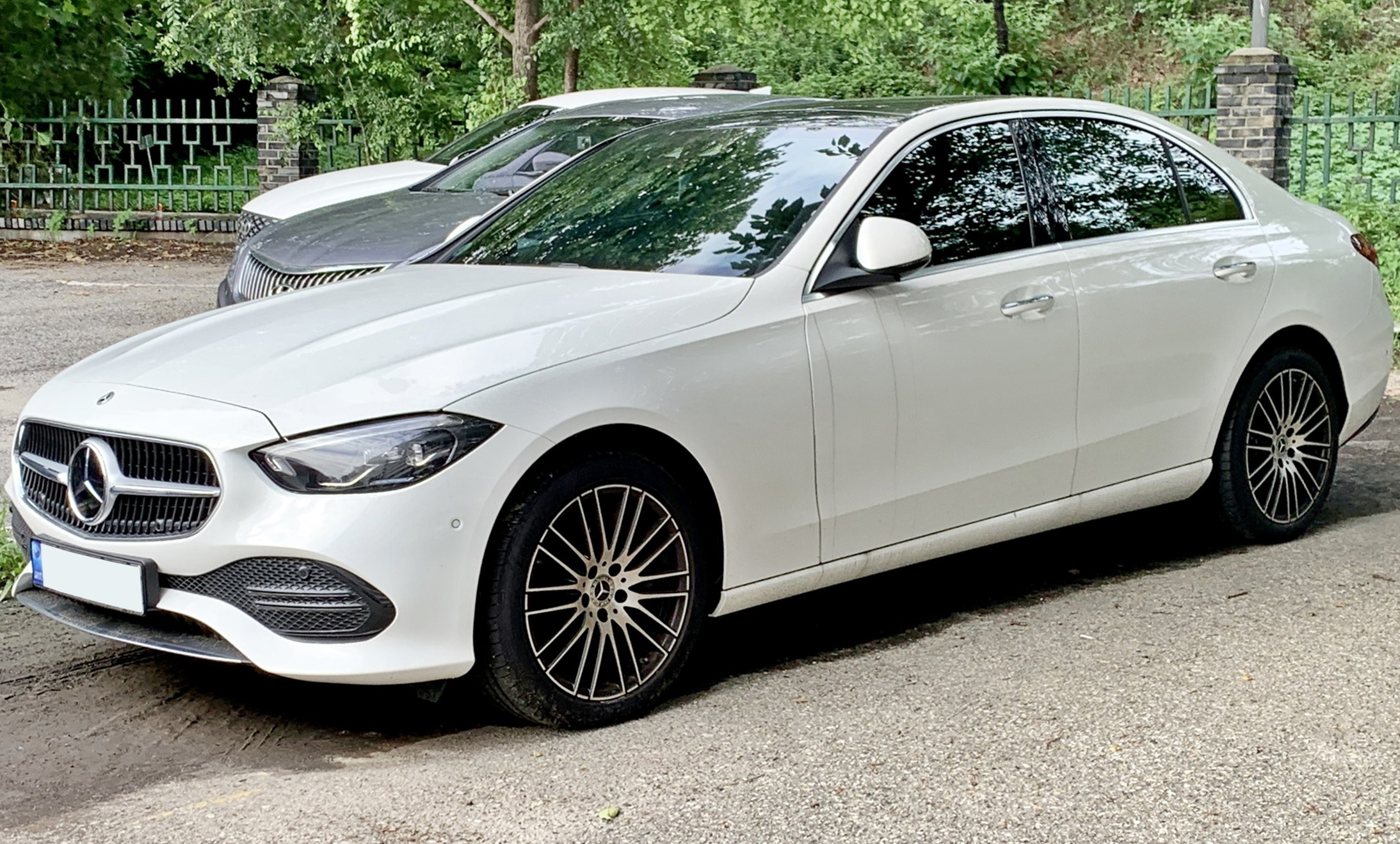
C-Class C200
"I'm going to try to buy that. I just bought a C200 from BAT's local partner in Great Britain. Yeah, ..."
The C-Class is a Mercedes-Benz luxury car model. A C200 is one of the versions within that lineup. In the podcast, it’s mentioned because someone bought a specific C200 through a local partner.
“C-Class” refers to the Mercedes-Benz C-Class line, which is a compact luxury car that can be found in multiple trims and power levels. In the podcast context, the mention of buying a C200 points to a specific, more entry-level version within that model family. It’s discussed because it’s a common way for enthusiasts to buy a particular spec and condition through an auction or partner sale.
C36 AMG
"My family, we had a C36 AMG and it's one of my favorite cars we've ever owned. [2038.0s] I thought that car was so great. [2039.6s] Go fast."
The C36 AMG is a Mercedes C-Class that AMG made more powerful and more fun to drive. The speaker is saying it’s one of their favorite cars because it feels special compared to regular C-Class models.
The Mercedes-Benz C36 AMG is a performance-focused C-Class built with AMG tuning, typically offering a stronger engine and sportier driving feel than standard C-Class models. It’s a notable “classic AMG” era car that enthusiasts often remember for its balance of everyday usability and real performance.

Pontiac Solstice
"And when these bids are going on, like we just sold, if you pull up the Pontiac Solstice, for example, that guy was here. And if you look at the bidding, I convinced him to pull the reserve."
The Pontiac Solstice is a small sports car/roadster that Pontiac sold. Here, it’s mentioned because it was one of the cars up for auction, and the discussion centers on the reserve price and bidding.
The Pontiac Solstice is a compact, rear-wheel-drive roadster from Pontiac that became known as an affordable “entry” sports car. In this segment, it’s used as an example of a specific car being auctioned and discussed in terms of reserve pricing.
traditional model of automobiles
"So this is what happens. In the traditional model of automobiles, you want to go in and you want to steal the cars."
This is the speaker talking about the usual way cars are handled or sold. They’re setting up a contrast with what’s happening in their specific case.
The “traditional model of automobiles” is being used as a framing device for how the market typically works—specifically, the speaker contrasts it with the current situation and implies a different sales/handling approach. Here it’s less about a technical automotive concept and more about a conventional business workflow in the car world.

88 twin-turbo Callaway
"We currently, if you see the 88 twin-turbo Callaway, so that car came from that collection."
This sounds like a Chevrolet Corvette from 1988 that was modified by Callaway. Callaway is a company that upgrades cars for more power, and “twin-turbo” means it uses two turbochargers to make more boost.
The phrase “twin-turbo Callaway” points to a Callaway-modified Chevrolet Corvette (the “88” refers to the model year). Callaway is an American performance tuner known for adding forced induction—here, twin turbochargers—to boost power beyond stock Corvette output.

BMW M8 Convertible
"...hat car gets 600 miles on it. And then we have an M8 convertible 2023 with 128 miles on it. This is what happened."
BMW is a car brand that makes performance-focused vehicles. The podcast mentions an M8 convertible from 2023, which is a high-performance version of a BMW. It’s included because the speaker is talking about what happened with those cars.
BMW is a German automaker known for performance-oriented vehicles across many body styles and model lines. In the podcast context, the mention of an “M8 convertible 2023” and a vehicle that “gets 600 miles” suggests the discussion is about high-performance BMWs and how they’re being used or tracked. It’s brought up as part of a story about what happened with those cars and their usage.

M8 convertible 2023
"And then we have an M8 convertible 2023 with 128 miles on it."
This is a BMW M8, and it’s a convertible from 2023. “M8” means it’s the high-performance version, and “convertible” means the roof comes down.
The “M8 convertible” refers to the BMW M8, a performance-focused version of the 8 Series, and the speaker specifies the 2023 model year. The convertible body style matters because it changes chassis rigidity and weight compared with the coupe/gran coupe, while still carrying BMW’s M-tuned performance hardware.
reserve
"We have a 60K reserve on that car."
A “reserve” is the lowest price the seller will accept at auction. If the bidding doesn’t hit that number, the car might not be sold.
An auction “reserve” is the minimum price the seller is willing to accept. If bidding doesn’t reach that number, the car may not sell even if there’s a high bid.
consignment
"Let me take them on consignment."
Consignment means the car owner lets a dealer or auction sell the car for them. The car doesn’t fully “belong” to the seller until it actually sells, and the seller usually keeps a fee.
Consignment is an arrangement where the owner places a car with a seller/auction to sell it, but the owner keeps ownership until it sells. The seller typically takes a commission, and the owner gets the remaining proceeds.
door handle
"or that's the door handle off a 67 and a half. [2910.7s] All that kind of stuff is amazing."
A door handle is what you grab to open the car door. On older cars, the exact style can be different from model to model, so people often track the correct part.
A door handle is the exterior latch control used to open a car door. On older cars, details like handle shape, mounting, and fitment can be model-specific, which is why enthusiasts care about the exact part.
project section
"...on those, oh, freaking genius, who came up with the project section? Unfucking believably genius, because this collection of 30 cars that's coming in, probably 12 of them are projects."
A “project section” is where sellers group cars that need work—like restoration or major fixing. It’s basically the “fix-it up” category, not the “turn-key” category.
A “project section” is a curated listing area for cars that are incomplete, needing restoration, or otherwise not fully finished. In collector-car marketplaces, it helps buyers find fixer-uppers versus ready-to-drive cars.
project cars
"you're going to see the Queens in the next 60 days, probably have about 25 project cars. We got a British collection just came in with 12 cars,"
“Project cars” are vehicles that aren’t fully sorted or running reliably yet and are typically being restored, repaired, or modified over time. In collector contexts, they often sit because the owner can’t drive everything and may be waiting on parts, time, or expertise.
all fiberglass
"A Lotus Elite, which is the very early all fiberglass, like little Colin Chapman, beautiful little car."
“All fiberglass” means the car’s body is made from fiberglass instead of metal. Fiberglass can help the car be lighter and not rust like steel, but fixing it after damage can be more specialized.
“All fiberglass” refers to a body made primarily (or entirely) from fiberglass composite rather than traditional steel panels. Fiberglass bodies can reduce weight and resist corrosion, but they can also complicate repairs and may hide prior damage if the car wasn’t maintained well.
HUD
"How interesting is the local partnership program? I can't talk enough about HUD."
HUD typically means “head-up display.” It shows important info on the windshield so you don’t have to look down at the dashboard as much. That can make driving a bit safer and more convenient.
HUD usually stands for “head-up display,” a system that projects key driving information (like speed or navigation cues) onto the windshield so you can see it without looking down at the instrument cluster. It’s often discussed as a convenience and safety feature because it reduces eye movement while driving.
Request an Explanation
Heard something you'd like explained? We'll add it to this episode.
Sign in to request explanations for terms you heard.
Want to learn more?
Browse our glossary for plain-English explanations of automotive terms, jargon, and concepts.
Help improve this episode
See something that's not quite right? Our annotations are AI-generated and can sometimes miss the mark. Click the flag icon on any annotation to suggest a correction.