
Birds, Trucks, and Bad Decisions
About this episode
Dan and Nick bounce from Star Wars collectibles and pollen paint-care to a surprisingly deep rabbit hole on extreme bird-watching documentaries. The conversation then shifts to truck and SUV competition: Kia’s rumored US pickup by 2030, GMC bringing back a body-on-frame “Jimmy” to challenge the Toyota 4Runner, and why the Bronco/4Runner cross-shopping is less direct than it seems. They also debate EV depreciation and the Ford F-150 Lightning’s real-world towing/range failures, plus Corvette pricing, Toyota’s TRD Hammer rumors, and garage upgrades like mini-splits.
This week’s episode takes a few fun detours and a few hard turns into the reality of today’s car market. We kick things off in unexpected territory with a discussion on Listers: A Glimpse Into Extreme Birdwatching and the strange, entertaining world of accidental ornithology—proof that bird watching can be far more intense (and competitive) than anyone expects.
With the GMC Jimmy officially making a return, we ask the obvious question: does this finally give us hope that Ford might bring the Everest stateside? That leads into a bigger “what if” conversation—cars that *should* have been massive hits but were held back by baffling decisions. We argue the Cybertruck may have been more popular as a true SUV instead of a polarizing pickup, and the Honda Prelude is our go-to example of a car that was absolutely nerfed by its manufacturer. We also ask listeners which car they think deserved better.
Truck talk continues as Toyota announces the Tundra TRD Hammer Edition, a clear shot across the bow of the Raptor. We think Toyota nailed this one and expect it to be a serious competitor. On the performance side, pricing for the new Grand Sport X has dropped, and at $113K we make the case that it’s one of the best bang‑for‑your‑buck cars on the market right now.
We then dive into the brutal reality of depreciation—especially in the EV space. The Tesla Model 3 RWD losing roughly 62% of its value raises a bigger question: is this a reflection of the EV market as a whole, or is Tesla dealing with its own unique set of problems, including brand fatigue and Elon‑induced polarization? Along similar lines, Ford officially confirms what many saw coming—the death of the F‑150 Lightning. The twist? We think it’s actually fixable, and we break down how Ford could have saved it.
We wrap up with some real‑world pain: gas prices. When a full tank in a Raptor is flirting with $200, it begs the question—what’s the most you’ve ever paid to fill up?
And finally, our Question of the Week: what shop or garage upgrades are you planning this year? Dan thinks a mini‑split is non‑negotiable before summer hits—do you agree?
The Avants Podcast is brought to you by our friends at STEK USA and Carter Seattle!
Not an Avants member? https://www.avants.com/member-plans
Leave us a review on Apple Podcasts!
Leave us a voicemail or send us a text any time at 425-298-7873!
We're doing give aways! Leave us a review on Apple Podcasts and we'll pick a random name every 25th review!
pollen
"I'm done with the pollen. Oh, yeah. Oh, dude Yeah, we're just a reminder to people if you've got a bunch of pollen all over your vehicle spray it off first before you wash it"
Pollen is basically tiny dust. If you wash over it without rinsing, it can act like sand and scratch your car’s paint.
Pollen is a fine, dusty contaminant that can act like abrasive grit when it’s rubbed into the paint during washing. Even though it looks harmless, it can contribute to scratches if you don’t rinse it away first.
spray it off first
"Yeah, we're just a reminder to people if you've got a bunch of pollen all over your vehicle spray it off first before you wash it"
Before you wash your car, rinse off the loose stuff first. That way, you don’t rub dirt and dust into the paint and scratch it.
They’re advising a paint-safety wash technique: rinse off loose contaminants before touching the paint with soap or a mitt. This reduces the chance of dragging grit across the clear coat and causing micro-scratches.
dust can scratch your paint
"Yeah, spray it off heavily that stuff can it's isn't it's dust so you don't think of it But it will scratch your paint. Yeah, it will if you rub it in just yeah"
Dry dust can still be rough. If you scrub it into the paint, it can leave tiny scratches you might not notice right away.
The key idea is that dry, dusty contaminants behave like abrasives. If you rub them into the paint (even with a sponge), you can create swirls and micro-scratches in the clear coat.
Big Year
"So it's a big year is a thing that birders do and they try and see basically all the birds in North America In 48 states within a year and it's a big thing."
A “big year” is a bird-watching challenge. People try to spot as many different bird types as they can in a set time, usually about a year.
“Big Year” is a birding challenge where participants try to see as many bird species as possible across a defined region and time window. In this segment, they describe it as trying to see basically all the birds in North America within a year and across many states.
makeshift van converted for road trip
"they drove around the country in a makeshift van ...they put cots that stacked on top of each other in the back."
The documentary uses a converted van as a mobile base—stacking cots in the back to create sleeping space. That’s an example of a “road-trip build,” where a vehicle is modified for long-distance travel rather than comfort or performance.
road trip vehicle repairs (welded fixes)
"Like they literally fixes ideas. There's some repairs on it in the video. They're like you watch you watch him weld it ...They go through hell."
In the video, the van breaks down or gets damaged, and they show repairs like welding. It’s a good example of how long trips can require constant fixes.
The hosts mention repairs shown in the video, including welding—highlighting how road-trip vehicles often need ongoing maintenance when you’re far from help. It’s a reminder that long-distance travel can expose reliability and durability issues.
Kia minivan
"Yeah, they took the seats out of the back of a Kia minivan and literally took two cots and put them on top of each other"
They’re talking about a Kia minivan that was turned into a sleeping space. They took out the back seats and put two beds (cots) stacked on top of each other so they could sleep while traveling.
The hosts describe a Kia minivan being modified for a road trip sleep setup. They specifically mention removing the back seats and stacking two cots inside, turning the van into a makeshift “bunk bed” space.
accidental ornithology moment
"So he had a sketch called accidental or ornithology... This is an accidental ornithology moment where you watch this and you're like, I know way too much about American birds now."
They’re joking about accidentally becoming really into birds. The idea is that you start watching casually, and suddenly you know way more than you meant to.
“Accidental ornithology” is a humorous concept where someone becomes deeply knowledgeable about birds unintentionally. In this segment, the hosts compare it to how watching the film makes you learn far more than you planned.

Ford Ranger
"“...to take on the ranger right and things like that”"
They’re saying Kia wants to compete with the Ford Ranger. The Ranger is one of the popular midsize trucks, so it’s a benchmark for what Kia would need to match.
The Ford Ranger is referenced as a key competitor in the midsize pickup segment. When Kia targets the Ranger, it implies Kia is aiming at the same buyer needs: practical size, capability, and increasingly electrified options.

Ford Maverick
"“I mean you look at the way they took on the maverick”"
They bring up the Ford Maverick as an example of a smaller pickup that did well. It shows there’s interest in trucks that aren’t huge or super expensive.
The Ford Maverick is used as an example of how Kia’s strategy could land in the U.S. market. The Maverick helped prove there’s strong demand for smaller, more affordable pickups, which is relevant when discussing Kia entering with a new truck.
airbag
"But almost all of ford stuff has been software updates and it's been pretty minor stuff minus the airbag thing. That's not minor But that's a subset of vehicles But a lot most of the ford recalls you see a tons of them"
An airbag is the safety system that deploys during a crash to protect you. If there’s a recall involving the airbag, it’s taken more seriously than a typical software or convenience issue.
Airbag recalls are treated as higher priority because they involve occupant safety systems that must deploy correctly in a crash. Even if other issues are minor, an airbag-related problem can be a deal-breaker for some buyers.
software updates
"But almost all of ford stuff has been software updates and it's been pretty minor stuff minus the airbag thing. That's not minor But a lot most of the ford recalls you see a tons of them But most of them have just been software updates."
Sometimes recalls are handled by updating the car’s computer instead of changing parts. That usually means the fix is simpler and you’re back on the road faster.
“Software updates” in the recall context usually means the manufacturer fixes behavior or diagnostic logic via the vehicle’s computer rather than replacing major hardware. This can still be important for safety, but it’s often less disruptive than mechanical recalls.

Hyundai Santa Fe
"Reliability on the Santa Fe and a bunch of other Hyundai products has been pretty sub par unfortunately. It's getting been getting better, but Uh, just I think that's been a lot of what's been driving the maverick sales and the maverick's great"
They’re saying the Hyundai Santa Fe hasn’t been as reliable as people want, though they think it’s getting better. That affects how confident buyers feel when choosing one.
The hosts cite the Hyundai Santa Fe as an example of Hyundai reliability being “sub par,” while also noting it has been improving. This kind of discussion often influences how buyers weigh Hyundai models versus competitors.

GMC Jimmy
"I think someone is listening to our show. That's the only I'm going with okay because gmc is bringing back the jimmy So does if this if but Okay, so explain what's what they're talking about"
They’re talking about GMC reintroducing the Jimmy name. That matters because it signals a new SUV aimed at people who want a more traditional, truck-based feel.
The hosts say GMC is “bringing back the Jimmy,” which is a major model-name revival. They discuss it in the context of a body-on-frame SUV that would compete with mainstream midsize SUV choices.
body-on-frame
"No, they're bringing back the gmc jimmy body on frame colorado turned. It's basically a direct competitor for the forerunner Okay, which is fantastic more of that and I hope that drives forward to say hey"
Body-on-frame means the car’s body sits on a separate truck-style frame. It’s often used for vehicles meant to tow or handle rougher use, and it can feel more “truck-like.”
“Body-on-frame” describes a vehicle architecture where the body is mounted on a separate ladder-like frame, similar to traditional trucks. This often supports towing and durability, and it can feel more rugged than unibody designs, though it may be less efficient.
EVs compared to gas price break-even
"Everybody's buying suvs people are talking about the gas stuff like I said, I don't think it's gonna matter If you do the math on evs compared to what you already have gas would have to go above like $8 a gallon for to really make a Debt I mean and even then it would cost you"
They’re doing a cost comparison between electric vehicles and gas cars. The point is that EVs only really win financially if gas gets very expensive or electricity stays cheap.
The hosts discuss how EVs become financially compelling only when electricity costs (and incentives) make them cheaper than gas. They use a “gas would have to go above about $8 a gallon” type of comparison to illustrate the break-even idea.
EV sales did go up
"I'm still not gonna be like yeah, I'm gonna go buy an evy. Um evy sales did go up by the way [583.1s] Um, that didn't surprise me."
They’re saying EVs are selling better lately. The idea is that when gas gets expensive, some people are more open to buying an EV, but others still prefer their current vehicle type.
The hosts are noting that electric vehicle (EV) sales increased despite higher fuel costs. This is a market-behavior concept: when operating costs rise, some buyers become more willing to switch to EVs, but not everyone—especially truck owners—changes behavior immediately.
Hard top vs removable roof/doors SUV concept
"It's a hard top. It's a permanent body hard top [616.9s] SUV like the forerunner the bronco is its own thing like with with the roofs off and things like that and being able to [623.2s] Take the doors off."
They’re comparing two kinds of SUVs: ones with a fixed hard roof versus ones where you can take the roof and doors off. That difference affects how fun and flexible the SUV feels.
The hosts distinguish between a permanent hard-top SUV and an SUV designed for removable roof and doors. This matters because it changes how the vehicle is used day-to-day—open-air driving, storage considerations, and the overall “lifestyle” appeal.

Chevrolet Blazer
"...e of suv like I mean you think about the original blazers the original jimmies They were really successful..."
The Chevrolet Blazer is an SUV model made by Chevrolet. The podcast talks about the older versions because they were popular and helped build the name’s reputation. That’s why it comes up in a discussion about SUVs in general.
The Chevrolet Blazer is an SUV nameplate with a long history, and the podcast specifically references the earlier “original” Blazers as being successful. That kind of mention usually points to how the model name carries brand recognition and how past versions shaped expectations for later ones. It’s discussed because the conversation is about SUVs and the legacy of the Blazer name.
Third-row SUV / extra seating rows
"Even if they made the maverick like [650.6s] Like instead of taking the truck out of it made it into a small little suv with a third a second or third row kind of thing [656.1s] yep, I"
They’re talking about adding more seats—like a second or third row. More rows can help families, but it can also reduce trunk space and make the vehicle feel less roomy.
The hosts mention adding a second or third row to a smaller SUV concept. This is a practical family-utility concept: third-row seating can broaden the buyer audience, but it also impacts packaging, weight, and cargo space.

Ford Bronco
"I don't people are cross shopping the bronco and the forerunner as much as people think... the bronco is truly an off-road vehicle... worst on-road driving experience you've ever had"
The Ford Bronco is built to handle dirt roads and trails first. Because of that, it can feel rougher or less comfortable on regular roads compared to more comfort-focused SUVs.
The Ford Bronco is designed as a purpose-built off-road SUV, so its ride, gearing, and overall calibration prioritize trail capability over everyday comfort. That’s why the hosts describe it as “truly an off-road vehicle” and not a great choice for highway manners.

Toyota 4Runner
"...cross shopping the bronco and the forerunner... the forerunner's night and day quieter... It's way more comfortable... a nicer vehicle all around"
The Toyota 4Runner is positioned here as a more comfortable, quieter alternative to the Bronco, even if they’re offered with similar option packages. The hosts argue that it “drives nicer” because it isn’t engineered to be beaten off-road in the same way.
off-road vs on-road vehicle tradeoff
"...if you drive them their polar, they're so different... forerunner's night and day quieter... bronco is truly an off-road vehicle... Refocus the explorer market to be purely on-road"
There’s a tradeoff between cars built for trails and cars built for daily driving. Off-road vehicles can be louder or less comfortable on pavement because they’re tuned to handle rough terrain instead.
The hosts are discussing the fundamental tradeoff between off-road-focused vehicles and on-road comfort. Off-road SUVs often sacrifice quietness and ride refinement to gain durability and control on trails, while on-road-oriented models prioritize comfort and highway manners.

Jeep Wrangler
"They designed to compete with the jl wrangler... truly fantastic off-road, but they're they really are terrible on-road"
The Jeep Wrangler is famous for off-roading. The point here is that it can be great on trails, but it may not feel as good on regular roads.
The hosts say the Bronco was designed to compete with the Jeep Wrangler, which is known for extreme off-road ability. They also characterize the Wrangler as fantastic off-road but unpleasant on-road, highlighting the tradeoff between trail performance and daily drivability.
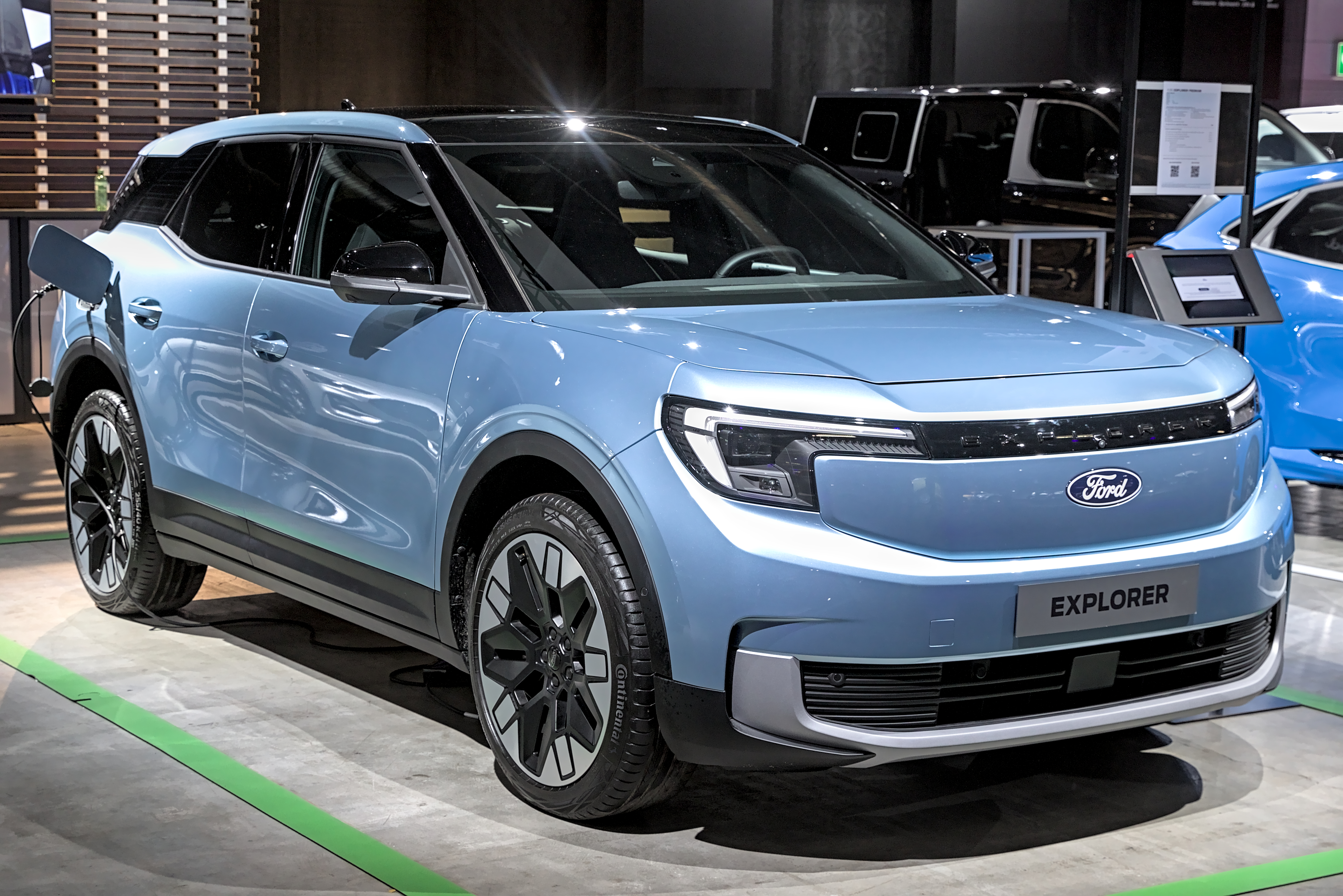
Ford Explorer
"...aging explorer sales... the explorer outside even with the tremor pack is never going to be the off-road vehicle... the explorer is way bigger than the ranger... Refocus the explorer market to be purely on-road"
The Ford Explorer is being talked about as a bigger family SUV that isn’t really meant to be the top off-road choice. The hosts suggest it should lean more toward regular-road comfort instead of trying to compete with true off-road trucks.
The Ford Explorer is discussed as an aging sales story and as a vehicle that, even with off-road-oriented packages, won’t match dedicated off-road SUVs. The hosts also argue the Explorer should be refocused toward purely on-road use because it’s “way bigger than the ranger,” especially inside.

Ford Everest
"...Everest would be... if you haven't seen it the Everest is is the ranger with... it's a lot smaller truck... you could take a... Everest and... get into more tight spots"
The Ford Everest is talked about as a Ranger-based vehicle that’s smaller and easier to maneuver in tight areas. The hosts suggest it could be made more off-road-capable with the right suspension.
The Ford Everest is described as essentially the Ranger in a different, smaller-truck form factor, and the hosts argue it could reach “more tight spots.” They also discuss the idea of fitting it with more aggressive suspension hardware to increase off-road fun.
F-150 Raptor
"...obviously You know you put the suspension of the raptor on there, which I think you could still do. Yeah ..."
suspension of the raptor
"...you put the suspension of the raptor on there, which I think you could still do... you could get into a lot more places"
Raptor suspension is built for rough roads and big bumps. The idea here is that putting that style of suspension on another truck could help it handle tougher off-road spots.
“Raptor” suspension refers to the off-road suspension hardware and tuning associated with Ford’s Raptor models, typically designed for higher wheel travel and better control over rough terrain. The hosts suggest swapping that kind of suspension onto an Everest could improve where it can go.
tires
"[758.0s] You just need tires [759.2s] Yeah, but also truthfully. I mean minus our friends and the advanced people"
Tires are what actually touch the road and determine grip. For snow or rough roads, the right tires can make a regular SUV feel much more capable.
Tires are a major factor in how capable a vehicle is on snow, ice, dirt, and uneven surfaces. The hosts’ argument is that for many “off-road-ish” trips (like reaching ski areas), the right tires can matter more than owning a dedicated off-road vehicle.
vicious curb
"[768.2s] Which is fine. There's nothing wrong. No, nothing wrong with that, but vicious curb everywhere. So right teach those curbs [773.9s] Yeah, I'm just saying I think there's a great market for it."
A curb is the edge you park next to. They’re joking that the curbs in their area are rough enough to hurt your wheels or tires.
A “curb” is the raised edge at the side of a road, and “vicious curb” is a colorful way of saying the curb is harsh enough to damage wheels, tires, or suspension. The comment fits the broader discussion about city driving and how people treat their vehicles around tight parking areas.

Tesla Model S
"so he he as a as a joke [790.6s] Pranked as he has a tesla. He brought it for service [792.5s] Model s and as a joke, he brought home a cybertruck to scare his wife"
The Tesla Model S is an electric car. It’s a sedan, and it’s usually more “normal-car” shaped than the truck being discussed right after it.
The Tesla Model S is an all-electric luxury sedan known for strong performance and a tech-heavy interior. In this segment, it’s mentioned as the baseline vehicle before the host talks about bringing a different Tesla home.

Tesla Cybertruck
"[792.5s] Model s and as a joke. He brought home a cybertruck to scare his wife [797.6s] How to do it ... [800.8s] And but he did say it actually has a great turning circle because it's four-wheel steering"
The Tesla Cybertruck is Tesla’s electric “truck” with a very unusual, boxy shape. They’re talking about how it turns and whether it would be better if it looked more like a normal SUV instead of a pickup.
The Tesla Cybertruck is Tesla’s angular, all-electric pickup-style vehicle. The hosts discuss its handling and design, including the claim that it has a great turning circle thanks to four-wheel steering, plus debate over whether it should be redesigned as more of an SUV.
four-wheel steering
"[800.8s] And but he did say it actually has a great turning circle because it's four-wheel steering [803.9s] So then it drives fine. It actually drives really nice"
Four-wheel steering means the back wheels can turn too, not just the front wheels. That can make the car easier to turn in tight spaces.
Four-wheel steering (4WS) allows both the front and rear wheels to steer, improving low-speed maneuverability and high-speed stability. That’s why the host says the Cybertruck has a great turning circle—rear-wheel steering can help the vehicle pivot more tightly.

Rivian R1S
"[830.0s] Yeah, and I I get where he was coming from but it's a terrible truck [833.9s] As far as the truck goes. So why not just make it an suv and compete with the r1s?"
“R1s” sounds like an electric SUV model name. The speaker is basically saying: if the Cybertruck looked more like an SUV, it would compete with that SUV.
“R1s” appears to be a reference to Rivian’s R1S, an electric SUV. The host is suggesting the Cybertruck (if redesigned into an SUV) would compete with that kind of vehicle.

Citroën 2CV
"[842.7s] But i'm not opposed to weird looking like some of the best cars in the history of cars are weird looking the citrone 2cv"
The Citroën 2CV is a famously quirky, lightweight French car known for its simple design and unusual proportions. The host brings it up to argue that “weird-looking” vehicles can still become iconic and beloved.

Citroen 2CV
"...the history of cars are weird looking the citrone 2cv Uh, what's the old vovo with the uh, the weird b..."
The Citroën 2CV is an old, classic car with a very unusual look. It was designed to be practical and simple rather than flashy. The podcast mentions it because it’s a memorable example of a weird-looking car from the past.
The Citroën 2CV is a classic, quirky European car known for its unusual styling and simple, practical design. The podcast brings it up as part of a discussion about odd-looking cars and automotive history. It’s mentioned because the 2CV stands out as an iconic example of how car designs can be very different from what people expect.

Studebaker Avanti
"Uh, what's the old vovo with the uh, the weird body lines. I love that car. Um, I don't remember the name Avanti's like cars a bunch of cars out there at the time. You're like these cars look weird They're not good. They don't sell that well, but you look back in history and you're like, I love that"
The Studebaker Avanti is an older car with a very distinctive, unusual design. The podcast mentions it because people find its body shape memorable and different from other cars. It’s brought up as an example of a classic that looks unique.
The Studebaker Avanti is a classic American grand touring-style car known for its distinctive body lines and standout design. In the podcast, it’s referenced as a car people remember as “weird” in a good way—something visually different from the rest of what was around at the time. That’s why it’s discussed: it’s a design-focused classic with a strong identity.
sharp angle body lines
"Which honestly looks a lot more like cybertruck in the sense that it had very sharp angle body lines I'm not comparing the two. I love the thing. I think it's an amazing little vehicle Forever will be but I think that the cybertruck and I took a look good look at it after he was mentioned"
This is just a description of the car’s shape—lots of straight lines and sharp corners instead of curves. That kind of design can make a vehicle look unique and “future” even years later.
“Sharp angle body lines” refers to styling that uses hard edges and geometric shapes rather than rounded contours. In automotive design, this can make a vehicle look futuristic and distinctive, but it also affects aerodynamics, packaging, and how the car ages visually.
Starlink minis
"Who said is anybody know about starlink minis? Oh, yeah [927.6s] I don't know how many people mess like tagged us first of all and then multiple people"
Starlink minis are small satellite internet devices. The hosts are talking about whether you can use that kind of setup while traveling in a truck to places like Moab.
“Starlink minis” refers to Starlink’s compact satellite internet hardware. The episode treats it as a practical question for off-road travel—whether it can be used in a vehicle like a truck during a trip to Moab.
Moab
"Obviously, uh, she was asking about her take her husband's truck going to moab and if she could use a mini good news and and by the way, the the community also rallied around it and um"
Moab is a famous off-roading destination in Utah, known for trails and desert terrain that test vehicles and gear. In this segment, it’s the context for the question about using Starlink minis on a truck trip.
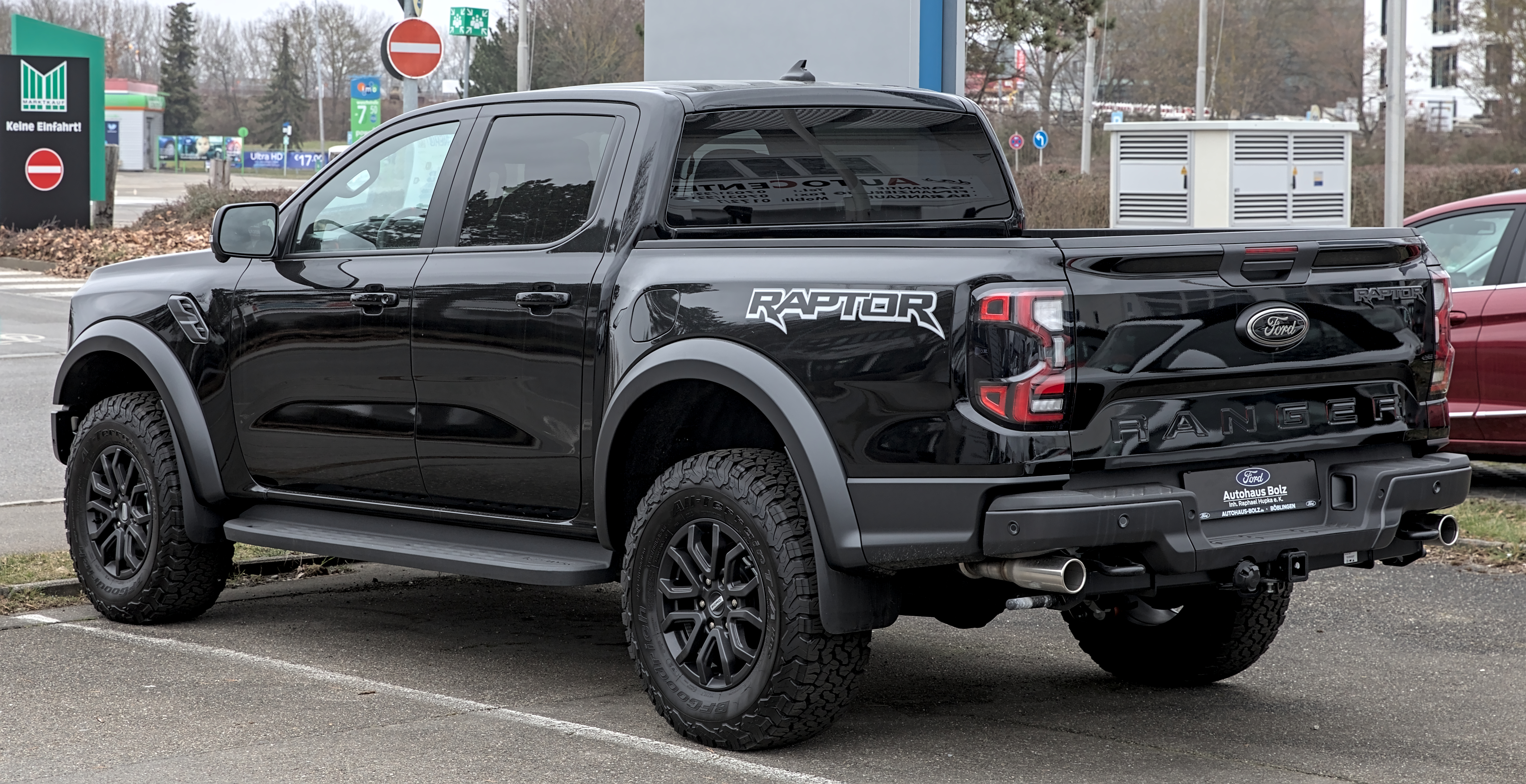
Ford Raptor
"More competition, um the raptor was it Right the forward raptor the the f-150 that was the off-road vehicle"
The Ford Raptor is a special off-road version of the F-150. It’s built to handle rough roads and trails better than a normal pickup.
The Ford Raptor is Ford’s high-performance off-road version of the F-150, known for aggressive styling and suspension tuned for rough terrain. The hosts mention it as a key off-road benchmark that other brands tried to challenge.
off-road truck market competition
"More competition, um the raptor was it ... Dodge came in and proved that uh, people wanted something else... Toyota can do a really good job and could put a little dent in this market"
They’re basically talking about how off-road trucks are a competitive category. Different brands try to win customers by bringing out special off-road versions, and the market reacts to what people actually buy.
The segment frames off-road pickups as a competitive “market” where brands try to win buyers by offering specialized trims and concept models. The hosts connect this to how Ford’s Raptor and Dodge’s T-Rex efforts influenced what people want, and how Toyota plans to respond with a Tundra-based off-road offering.
Ford F150
"More competition, um the raptor was it Right the forward raptor the the f-150 that was the off-road vehicle"
The Ford F-150 is a popular big pickup truck. In this conversation, they’re talking about the off-road versions of it and how they compete with other rugged trucks.
The Ford F-150 is a full-size pickup truck, and in this segment it’s referenced as an off-road-focused competitor. The hosts are discussing how the F-150’s off-road variants (like the Raptor) shaped the market for rugged trucks.
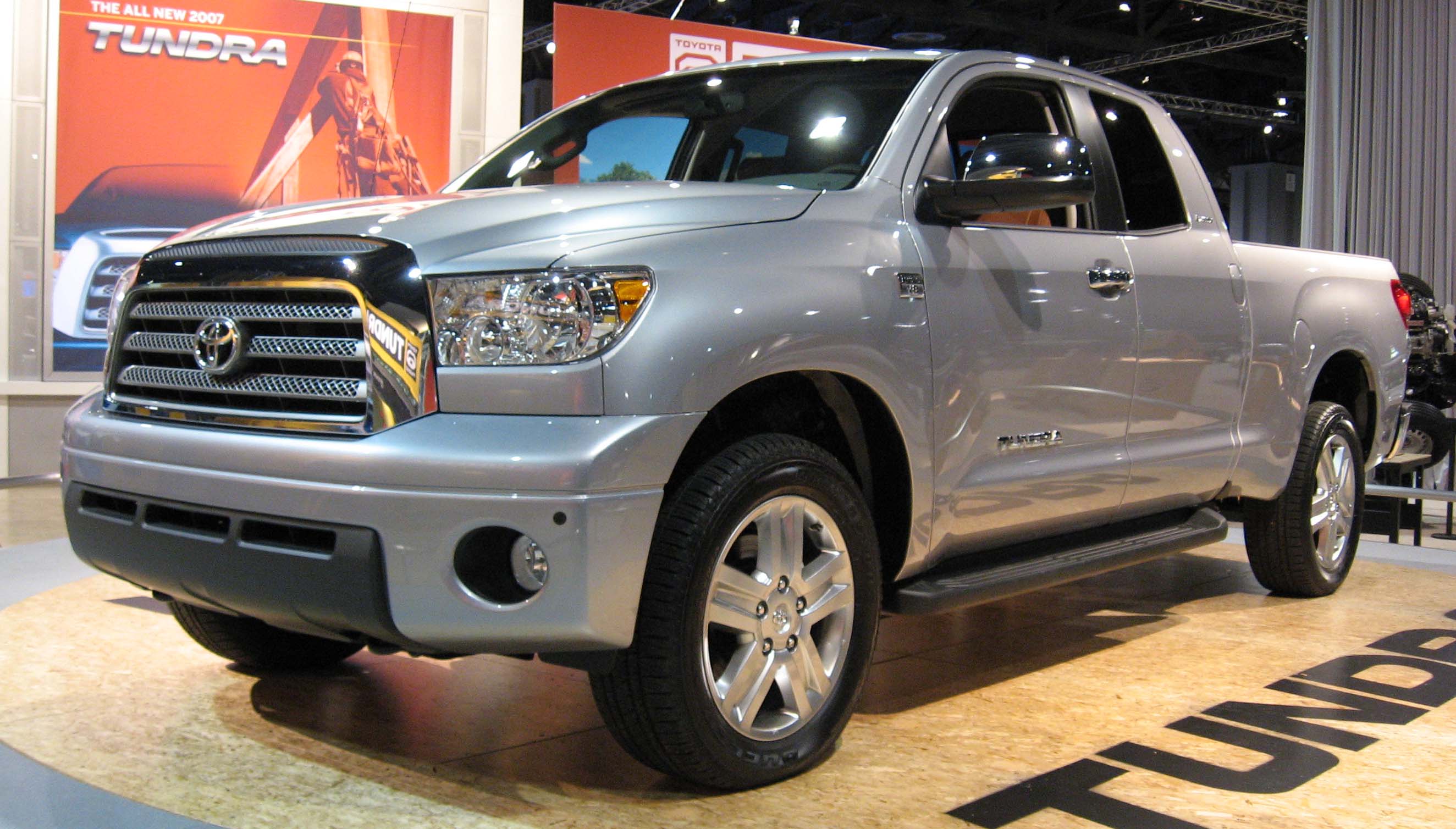
Toyota Tundra
"It's going to be on the tundra platform. Um, I don't think we'll see anything"
The Toyota Tundra is Toyota’s big pickup truck. They’re saying the new off-road Toyota would be built on the Tundra’s basic platform, which usually means it will share a lot of the same structure and components.
The Toyota Tundra is Toyota’s full-size pickup, and the hosts say the upcoming off-road model will be “on the Tundra platform.” That implies the new truck would share core underpinnings with the current Tundra, affecting packaging, ride, and parts commonality.

Toyota TRD Pro
"Yeah, and the what's the what's their they have a high speed suspension version of the They do the Tacoma. Yeah t-r-d pro or t-r-d off-road or I think it's a t-r-d pro"
TRD Pro is Toyota’s off-road-focused version of certain trucks. It usually gets upgrades meant to make it handle rough trails better than the standard model.
TRD Pro is Toyota’s performance off-road trim line, typically focused on upgraded suspension, off-road tires, and skid protection. The hosts mention Toyota’s high-speed suspension model of the Tacoma, pointing to the TRD Pro as a reference point for how Toyota might approach a Tundra-based off-road truck.

Toyota Tacoma
"They do the Tacoma. Yeah t-r-d pro or t-r-d off-road or I think it's a t-r-d pro"
The Toyota Tacoma is Toyota’s midsize pickup. They’re saying Toyota already makes an off-road Tacoma version with suspension tuned for rough driving, so they think Toyota can do something similar on a bigger truck.
The Toyota Tacoma is a midsize pickup, and the hosts use it as an example of Toyota’s existing off-road hardware. They specifically reference a Tacoma TRD variant with a high-speed suspension setup, suggesting Toyota already has the engineering to compete in the rugged-truck segment.
modifying trucks after purchase
"I like the new tundra I always have I think that you have to modify them like when you get them They're very bulky and they seem very low to the ground even with the t-r-d versions"
They’re saying that even if you buy a truck with an off-road package, a lot of people still change things after purchase. Common mods help with ground clearance and making the truck feel right for trails or rough roads.
The hosts say they “always have” liked the new Tundra, but that you typically need to modify it to suit your needs. This reflects a common off-road ownership reality: factory setups may be capable, but many owners add lift, tires, and other changes to improve stance, clearance, and ride.

Toyota Sequoia
"Like just like the sequoias by the way that that Kate and I talk about it. There's a somebody that lives in my neighborhood That's got one of those sequoias"
The Toyota Sequoia is a big Toyota SUV. They’re using it as an example of how large vehicles can feel bulky and look lower than you’d expect, even with off-road packages.
The Toyota Sequoia is a full-size SUV, and the hosts compare its size/stance to the feel of the Tundra. They mention a neighbor’s Sequoia as an example of how these large vehicles can look bulky and sit low even when equipped with off-road trims.
Baja suspension
"You don't see a lot of people that have fully, you know, Baja suspension a raptor"
“Baja suspension” means suspension parts set up for rough desert racing. It usually helps the truck ride over big bumps without breaking or losing control.
“Baja suspension” refers to off-road suspension setups inspired by Baja racing—typically longer travel shocks/struts, stronger components, and geometry tuned for impacts and uneven surfaces. The hosts use it to describe what it takes to make a truck truly capable in desert conditions.
aftermarket support
"Yeah, the the t the t-r-x t-r-x. Sorry. Yeah, it doesn't have the aftermarket support"
Aftermarket support is how many extra parts and upgrades are available from companies other than the manufacturer. For off-roading, that can be the difference between a truck that’s “good” and one you can build into a serious trail machine.
Aftermarket support means the availability of third-party parts, accessories, and tuning options for a vehicle. In off-road trucks, strong aftermarket support matters because it lets owners upgrade suspension, wheels/tires, lighting, and protection parts beyond what the factory offers.
overland built
"they come with and they're more overland built but built up for control arms"
“Overland built” means the truck is set up for long trips in rough areas, not just city driving. It usually includes protection and suspension/traction upgrades for dirt roads and trails.
“Overland built” generally means a vehicle is equipped for long-distance travel on rough roads, with durability and protection prioritized. In this context, the hosts connect it to suspension, skid plates, and traction features that make a truck more capable for remote trips.
control arms
"they come with and they're more overland built but built up for control arms awesome suspension"
Control arms are part of the suspension that helps keep the wheels positioned correctly. Better control arms can improve how stable and controlled the truck feels over bumps.
Control arms are suspension links that connect the chassis to the wheel assembly and help control wheel movement and alignment. The hosts call out control arms as part of what makes the TRD Pro/Trail Hunter setup strong for handling off-road terrain.
skid plate packages
"awesome suspension great skid plate packages"
Skid plates are protective shields under the truck. They help protect the engine and other parts from getting hit by rocks or logs on rough trails.
Skid plate packages are protective metal/engineered covers that shield vulnerable underbody components from rocks and debris. In off-road trucks, they’re a key part of “overland built” capability because they reduce the chance of expensive damage when driving off pavement.
competing with the Raptor
"they come with and they're more overland built... They're all set to compete with the raptor"
They’re comparing Toyota’s off-road trucks to the Ford Raptor. The discussion focuses on what Toyota includes to make it competitive.
This segment is specifically about how Toyota’s off-road trims (TRD Pro and Trail Hunter) stack up against the Ford Raptor. It frames the comparison around hardware like suspension, skid plates, sway bar disconnects, and locking differentials.
disconnect sway bars
"disconnect sway bars"
Disconnecting sway bars lets the wheels move more freely when you hit bumps. That can improve grip off-road without making the truck feel too soft on smooth roads.
Disconnect sway bars (anti-roll bars) allow the front and/or rear sway bar to be decoupled, letting each wheel move more independently. That improves ride comfort and traction on uneven terrain, while still allowing sway-bar stiffness when you want more stability.
locking differentials
"Locking differentials. They're all set to compete with the raptor"
A locking differential helps both wheels on an axle turn together. If one wheel is slipping, it can keep the truck moving instead of getting stuck.
Locking differentials force the left and right wheels on an axle to rotate together, improving traction when one wheel loses grip. The hosts mention locking differentials as a major off-road feature that helps Toyota trims compete with the Raptor’s desert capability.
mid truck band vs Ranger
"they just you know, they just need a suspension overhaul and some wider stance just like the raptor... they've done pretty good in in the mid truck band going up against ranger"
They’re talking about which trucks compete in the mid-size pickup market. The Ranger is used as a reference point for how Toyota has been doing in that segment.
The hosts mention the “mid truck band” and compare Toyota’s performance there against Ford’s Ranger. This is a market/positioning discussion about where different trucks compete rather than a deep technical explanation of one model.
Chevy
"GMC and Chevy at for Yeah, nobody likes the Chevy seriously in the in the full-size truck market for extreme off-road stuff"
Chevrolet is a major truck brand. The hosts are basically saying that, for the most extreme off-road trucks, people don’t rate Chevy as highly as some competitors.
Chevy (Chevrolet) is another General Motors brand that competes heavily in the full-size truck market. Here, the hosts are debating how well Chevrolet is regarded for extreme off-road use compared with rivals.
Stellantis
"Dodge and what's the stilantis? Yeah, pretty have well documented quality control issues People aren't taking the chances they used to on those things."
Stellantis is the company that owns several car brands, including Dodge. The hosts are saying that some of those brands have had reliability/quality problems that hurt buyer confidence.
Stellantis is the multinational automaker formed from the merger of Fiat Chrysler Automobiles and PSA Group. The hosts reference “Stellantis” in connection with “well documented quality control issues,” reflecting how brand ownership can shape buyer confidence.
Dodge
"Dodge and what's the stilantis? Yeah, pretty have well documented quality control issues People aren't taking the chances they used to on those things."
Dodge is a car brand known for performance models. The hosts mention it in the context of how buyers perceive reliability and quality.
Dodge is a Stellantis brand that competes in performance and truck-related segments. In this segment, Dodge is brought up alongside quality-control concerns, setting up a later discussion about a potential comeback with a performance-focused vehicle.

Dodge Viper
"We wish them the best. I want to see the viper come back But I totally doesn't totally has a reputation for quality"
The Dodge Viper is a famous, hardcore sports car. The hosts are discussing whether bringing it back could help Dodge win back buyers who are worried about quality.
The Dodge Viper is a legendary American sports car known for its big V10 engine and raw, performance-first character. The hosts talk about “the viper come back” and also note that the Viper has a reputation for quality, framing it as a potential entry point for a brand to rebuild trust.
supercharged V8
"We're going to throw a supercharged v8 in this thing and a you know wide suspension and put it on 37s and people are looking at the and if they undercut the"
A supercharged V8 is a V8 engine that’s boosted with a device that forces extra air in. More air usually means more power, which is why it’s mentioned as a selling point.
A supercharged V8 uses a forced-induction system (a supercharger) to push more air into the engine, which typically increases power. In this segment, it’s part of a hypothetical “comeback” formula meant to compete with established off-road performance trucks.
37s
"wide suspension and put it on 37s and people are looking at the and if they undercut the Raptor r"
“37s” means really large tires—about 37 inches tall. They help a truck handle rough terrain better, but they can make the ride and efficiency worse.
“37s” refers to 37-inch tires, a common shorthand in off-road circles for very large, aggressive all-terrain or mud-terrain tires. Bigger tires improve ground clearance and traction for rough terrain, but they also affect gearing, ride quality, and fuel economy.
undercut
"I'd probably go take a look at it. Oh, yeah, absolutely Absolutely. Yeah, if they're hitting that that's what they got to do if they just undercut forward a little bit And they can prove that like yeah, we've got all the same features and"
To “undercut” means to charge less than the competition. The idea is that if the cheaper truck still offers the same features, people may choose it instead.
“Undercut” here means pricing a competing truck lower than the established leader to attract buyers. The hosts connect it to value perception: if the cheaper truck matches the leader’s features, buyers may be willing to switch.
Lexus
"I mean you look at some of the stuff they do from Toyota like Toyota Lexus and things like that They know how to do a really nice interior and it flows well"
Lexus is Toyota’s luxury division. The hosts bring it up to support the idea that Toyota is good at making comfortable, well-designed interiors.
Lexus is Toyota’s luxury brand, and the hosts mention it to reinforce Toyota’s reputation for refined interiors. The implication is that design and comfort standards carry across Toyota’s brands.
price competition
"Yeah, I'm always down for more competition to make my truck cheaper. Yes my next truck is cheaper. I see. Oh, okay ... then Ford will have to compete and lower the price"
They’re basically saying that if one company prices a truck aggressively, other brands may have to drop their prices too. Competition can push prices down for buyers.
The hosts talk about “more competition” to make a truck cheaper, framing pricing as something manufacturers adjust in response to rivals. This is a common market dynamic: when one brand offers a better value, competitors often lower prices or add incentives to stay attractive.

Chevrolet Corvette
"Okay, our favorite Corvette driving Garov. Um, do we know one? ... Anyway, uh, so the new Corvette pricing drops"
They’re talking about the Chevrolet Corvette, which is a performance sports car. The conversation is about which Corvette versions are the best deals and how pricing is changing.
The hosts discuss Chevrolet’s Corvette lineup and pricing changes. In this segment, they specifically reference the Corvette Grand Sport and a C7-era Grand Sport, framing them as performance/value options within the Corvette family.
Corvette Grand Sport
"...h, so the new Corvette pricing drops The for the grand sport the grand sport and the um, he has a grand zero. ..."
The Corvette is a sports car built for performance. The podcast talks about Corvette pricing and mentions different versions of the car. That matters because pricing and trim levels affect what you’d pay and what features you get.
The Corvette is a performance sports car known for being a flagship model from its brand, and it’s often discussed in terms of pricing and trims. The podcast specifically mentions “new Corvette pricing” and references variants like the Grand Sport and another model name. That makes it relevant because buyers and enthusiasts track how Corvette models are positioned and priced.
zero to 60 time
"It's replacing the e-ray 100 more horsepower. I mean zero to 62 and a half seconds quarter mile and 10"
They’re talking about how fast the car accelerates from a stop to highway speed. “0–60” is a common way to compare performance between cars.
The hosts mention “zero to 62 and a half seconds,” which is a shorthand for 0–60 mph acceleration performance. 0–60 is a widely used metric because it’s easy to understand and correlates with real-world passing/launch feel.
MSRP
"...Pretty great bargain and then they upped the msrp on the zero one x by 15,000"
MSRP is the sticker price the manufacturer recommends. It’s not the final amount you pay at the dealership, but it’s the number people use to compare deals.
MSRP (Manufacturer’s Suggested Retail Price) is the baseline price a manufacturer sets before taxes, dealer fees, and options. The hosts use it to discuss how Chevrolet increased the Corvette Z06’s price by $15,000 and what that implies for buyers.

Nissan Gtr
"Okay, just they can get it same same as the gtr... the head of Nissan north america was talking that we're talking gtr again... by 2030 hybrid drivetrain and and priced about where it is now"
They’re talking about the Nissan GT-R, a fast sports car that’s known for being hard to beat. The host is saying Nissan may add a hybrid system by 2030, but they expect the price to stay in the same general range.
The speaker is referring to Nissan’s GT-R, a high-performance sports car known for its all-wheel-drive traction and strong performance-per-dollar reputation. The segment discusses expectations for a future hybrid drivetrain and pricing staying roughly similar by 2030.
hybrid drivetrain
"they said by 2030 hybrid drivetrain and and priced about where it is now"
A hybrid drivetrain uses both a gas engine and an electric motor. The electric part can help with quick acceleration, but the battery can also make the car heavier.
A hybrid drivetrain combines an internal-combustion engine with one or more electric motors and a battery. In performance cars, hybrids are often used to improve acceleration, reduce engine load, and potentially meet emissions rules—though adding batteries can increase weight.
aftermarket wing
"I need somebody to come out with it or gm can do it an aftermarket wing that works on that car"
An aftermarket wing is a spoiler you add that wasn’t installed by the car’s manufacturer. People choose them for looks or performance, but they should fit correctly and be mounted properly.
An aftermarket wing is a non-factory aerodynamic component installed by the owner or a shop, rather than being part of the original manufacturer package. Aftermarket aero can be chosen for styling, downforce characteristics, and fitment—though it may require careful mounting to avoid issues like poor alignment or unintended airflow.
rear lip spoiler
"It's not even a wing like what would you describe the thing? It's a rear lip spoiler a rear lip spoiler ... I really like the one on the c7."
A rear lip spoiler is a small piece on the back of the car that changes airflow. It can help the car feel more planted, but it also affects how the car looks.
A rear lip spoiler is a small aerodynamic extension at the trunk/bumper edge that helps manage airflow and can add downforce. In this segment, the hosts compare a “rear lip spoiler” style to a much larger wing, arguing about both function and visual appeal.
duck bill
"...It just needs it needs a little more duck bill or duck tail or whatever"
“Duck bill” is a nickname for a spoiler shape that’s wider and more curved, like a duck’s beak. They’re saying they want that style to get the look they prefer.
A “duck bill” is an aftermarket-style spoiler shape that resembles a broad, curved lip. The hosts use it as a descriptive term for the additional aero piece they want to add to better match the C7 look.
front down force
"...we want the z07 and the ztk package because I want all the front down force."
Downforce is what helps press the car down so the tires grip better, especially when you’re going fast. They’re saying they want the setup that gives the front end maximum grip.
Downforce is aerodynamic force that pushes the car’s tires toward the road, improving grip and stability at speed. The hosts mention wanting “all the front down force,” which is typically achieved with front splitters, canards, and carefully shaped airflow.
ztk package
"...we want the z07 and the ztk package because I want all the front down force."
They’re talking about an option package that’s meant to make the car better for fast driving. The important takeaway is that they think it increases aerodynamic performance.
The “ZTK package” is mentioned alongside “Z07” as part of a configuration aimed at maximizing aerodynamic performance. The transcript doesn’t define what’s included, but it’s clearly treated as an aero/track-oriented option group.
delivery times
"Um, how are they doing on delivery times? Are they doing are they getting a pretty good job? I get in these cars to people or people waiting years for these kind of no No, they're usually within three to six months."
They discuss delivery times and how long customers typically wait to receive vehicles. Delivery timing is influenced by production schedules, recalls, shipping logistics, and how quickly manufacturers can ramp back up.
production shut down due to a recall
"Okay, there was there was a production shut down due to a recall We knew that but beyond that when they had when they can move cars it's open It's back up now. It's only down for like a week."
They said production was temporarily stopped because of a recall. That can delay deliveries because the factory has to fix the problem before cars can be shipped.
The segment mentions a production shutdown caused by a recall. Recalls can pause or slow manufacturing until the issue is corrected, which then affects delivery timing and inventory availability.
depreciated in five years
"How much has a 2021 tesla model model 3 depreciated in five years? Anyone you want to guess Well percentage-wise."
They’re asking how much the car’s value drops over a five-year period. Things like new pricing and demand can make that drop faster or slower.
They reference a “depreciated in five years” question, which is about long-term value loss. Depreciation depends on factors like market demand, new-car pricing, interest rates, and how quickly technology changes (especially for EVs).

Tesla Model
"...hey looked at uh, here it is How much has a 2021 tesla model model 3 depreciated in five years? Anyone you wa..."
The Tesla Model Y is an electric SUV that runs on a battery instead of gasoline. People often talk about it because its price and resale value can change a lot over time. The podcast mentions Tesla in the context of depreciation—how much the car’s value drops after a few years.
The Tesla Model Y is an all-electric compact SUV, and it’s frequently discussed because of its pricing and how much it depreciates over time. In the podcast, it’s brought up indirectly through a question about how a Tesla model (mentioned around the Model 3) has depreciated, which ties into how buyers evaluate long-term value. That makes it relevant to conversations about ownership cost and resale expectations.

Tesla Model 3
"There was a study people did it was there's an article I read was it they looked at uh, here it is How much has a 2021 tesla model model 3 depreciated in five years?"
They’re talking about how much a 2021 Tesla Model 3 is worth now compared to when it was new. “Depreciation” just means the car loses value over the years.
The hosts discuss a depreciation study focused on a 2021 Tesla Model 3. Depreciation is how much a car’s value drops over time, and it’s especially relevant for EVs because pricing and incentives can shift quickly.
depreciation
"...the average depreciation was fun to watch... I'd be okay taking depreciation on car like that that I wasn't putting gas in every day..."
Depreciation is how much your car loses value as the years go by. Even if you don’t wreck it, the resale price usually drops, and that loss is a real cost of ownership.
Depreciation is how much a vehicle’s value drops over time. In car shopping, it’s often the biggest cost after fuel/charging, because you’re effectively paying the difference between what you paid and what you can sell it for later.
electric cars
"This is probably a little higher because it's a tesla But this is sort of what has been plaguing electric cars so much..."
They’re talking about EVs and why they might lose value faster than expected. The idea is that the EV market has been changing quickly, which can make used EV prices drop.
Electric cars (EVs) have faced rapid pricing and demand shifts, which can influence depreciation and resale values. The hosts suggest that EVs have been “plagued” by these effects, likely due to changing incentives, battery/technology expectations, and market competition.
resale value
"Okay, but is the resale value dropped so much because People don't want to buy it..."
Resale value is the price your car can get when you sell it later. If resale value drops, you lose more money over time.
Resale value is what you can sell the car for after you’ve owned it. When resale value drops, the effective cost of ownership rises because you recover less money when you sell or trade in.

Porsche Takeons
"So model threes in general have just bit the bullet and died. I don't know if it's just because it's a tesla um Porsche take-ons have done really well I mean, uh, obviously"
The Porsche Taycan is an electric car, meaning it runs on a battery. The podcast mentions it while talking about how well electric cars do in terms of value and demand. It’s brought up as an example of an electric Porsche model that’s been doing well.
The Porsche Taycan is an all-electric performance sedan, and it’s discussed in the context of how electric models hold up in the market. The podcast compares depreciation and performance expectations, mentioning Tesla and then noting that Porsche “take-ons” have done well. That makes the Taycan relevant because it’s part of a broader conversation about electric-car value and buyer demand.
lease EVs
"So lease. Yeah. Yeah, okay. We've been saying it the whole time and you lease EVs. You don't buy them."
Leasing means you pay to use the car for a set time and then return it. The idea here is that leasing can protect you if the car’s value drops more than expected.
Leasing an EV shifts the risk of depreciation away from the buyer because you’re not typically responsible for the car’s long-term resale value. The hosts are arguing that, given uncertainty around EV brand stigma and resale, leasing can be a safer business decision than buying.

Volkswagen GTI
"I still but again, I will come back to it a better deal is a Volkswagen gti with a manual"
The Volkswagen GTI is a small sporty car. They’re comparing it to the Tesla and saying the GTI might cost less overall when you include things like how much the car loses value and what you spend on gas.
The Volkswagen GTI is a compact hot hatch known for balancing everyday usability with sporty driving dynamics. In this segment, the host prefers it over an EV because the total cost of ownership—especially depreciation and fuel—can work out better for their situation, even if the GTI isn’t as “tech-forward” as a Tesla.
Ford F-150 Raptor
"Exactly finding that car. Yeah, it's just the raptors don't really the raptor the f-150 raptor really doesn't appreciate like most trucks even now"
The Ford F-150 Raptor is a tougher, more off-road-focused version of the regular F-150 pickup. They’re basically saying people still want them, but not as many as before.
The Ford F-150 Raptor is a high-performance off-road version of the F-150 pickup, built for traction and durability on rough terrain. In this segment, they’re talking about market demand and resale value trends for the Raptor.
frunk
"Its frunk is not I mean it's a little bigger than the 570 h frunk. I think maybe it's the hair but"
A frunk is like a trunk, but it’s in the front of the car. Some cars have it because of how the engine or battery is arranged.
A “frunk” is a front trunk/storage compartment, typically found on cars with packaging that leaves space in the front. In supercars and some EVs, it’s often used for small items because the engine bay is either absent or packaged differently.

McLaren 600LT
"I'd still buy one. Oh, yeah, I still love them. Yeah, I saw 600 lt in traffic the other day"
The McLaren 600LT is a track-oriented supercar in McLaren’s “LT” lineup, known for a lighter, more performance-focused setup than standard models. Here, it’s name-dropped as something the host saw in traffic, reinforcing that they’re into high-end cars.

Revuelto Lamborghini Ravuelto
"A new lamborghini ravuelto down in port in portland with that body kit where the rear fins or lights"
The Lamborghini Revuelto is Lamborghini’s modern flagship V12 hybrid supercar, notable for its advanced hybrid system and aggressive styling. The hosts mention seeing one with a body kit in the rain, highlighting how visually striking it is.
EVs dominating the news
"Oh second part of the ev update evs are kind of dominating the news right now. So no, yeah, so that's why they keep coming up on the show"
They’re saying electric cars (EVs) are getting talked about a lot lately. That’s why they keep bringing EV updates onto the show.
This refers to the broader trend of electric vehicles (EVs) getting a lot of attention in media and public discussion. The hosts are framing the episode’s “EV update” as timely because EV topics are frequently in the spotlight.
incentives
"Yeah, automakers are eating nearly 8,000 on incentives just to sell sell them right now. They're eating 8,000 the cost was to clear them off the floor because they've been sitting so long"
Incentives are discounts the manufacturer gives to help sell cars. If lots of cars are sitting around, the company may offer more money off to get them sold.
Automakers often use cash incentives to move inventory, especially when cars sit on dealer lots. The idea is to reduce the effective price so buyers will take action before the next model year or production changes.

Toyota Prius
"I haven't been by a toy dealership. I don't I don't really see Priuses... I don't see as many new Priuses on the road as I used to"
The Toyota Prius is a hybrid car that’s been popular for years. The hosts are saying they don’t see as many new ones anymore, likely because other cars now offer hybrids too.
The Toyota Prius is a long-running hybrid model, and the hosts discuss seeing fewer new Priuses on the road than before. They attribute the change to increased hybrid competition and more brands offering hybrid options.
hybrid competition
"No, I think it's because of competition now. Honestly, probably there's a lot of hundays and keyas and everybody's got a hybrid now"
They’re basically saying hybrids became common across lots of brands. When more people can buy a hybrid from many different companies, one model like the Prius may not stand out as much.
The hosts suggest Prius visibility dropped because hybrid offerings expanded across many brands. When more manufacturers offer hybrids, buyers have more choices, which can reduce demand for any single hybrid model.
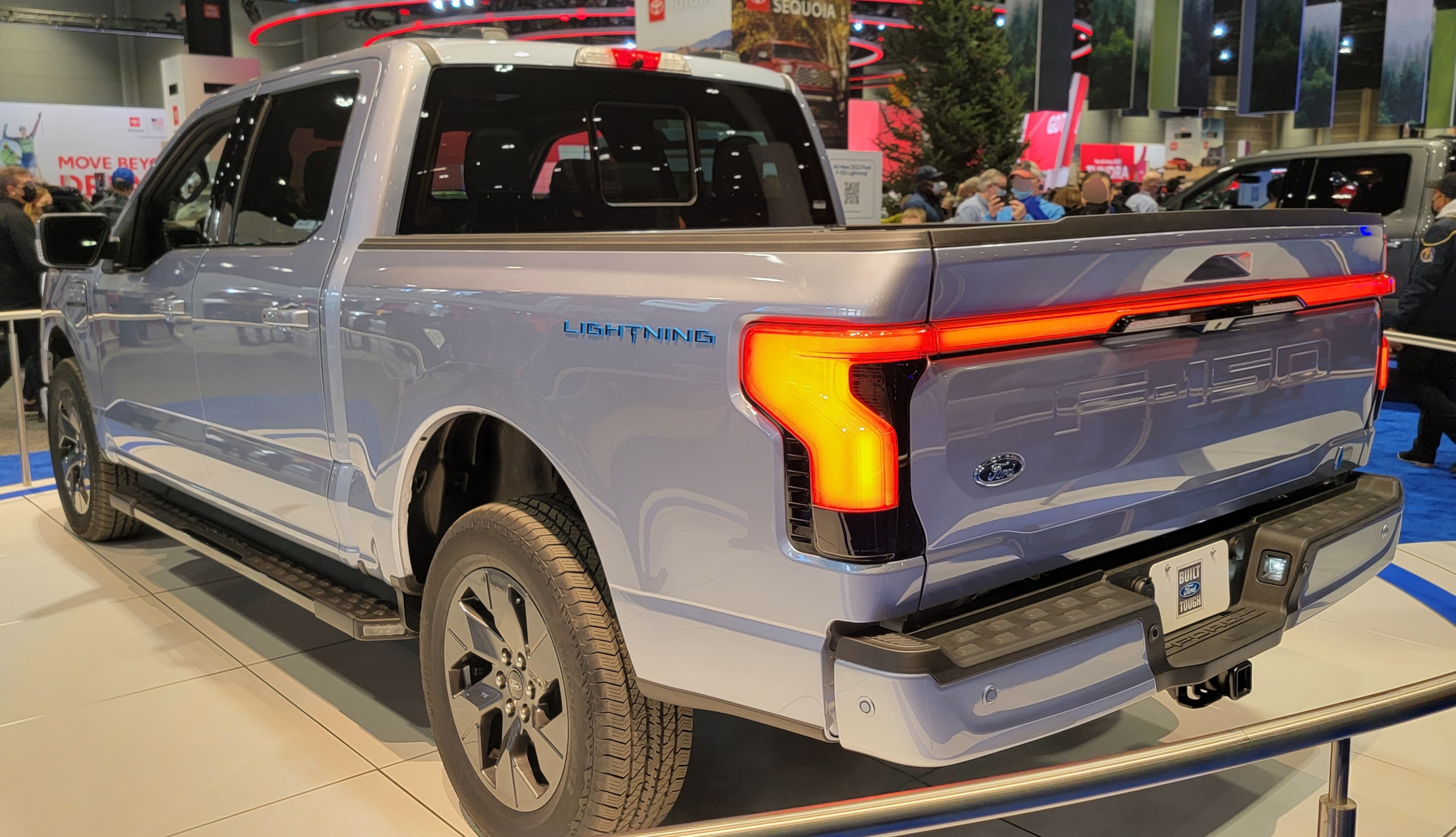
Ford F-150 Lightning
"Reading a story and watching a video that was embedded in the article about the f150 lightning and about how that is Ford had pulled back on it production wise now. It looks like it's dead... It was plagued by recalls"
The Ford F-150 Lightning is Ford’s electric pickup truck. In this conversation, they’re saying it didn’t sell as well as hoped and that there were problems like recalls and production changes.
The Ford F-150 Lightning is Ford’s electric version of the F-150 pickup, and this segment discusses its commercial struggles. The hosts mention production pullbacks and a history of recalls, framing it as a case study in why the model didn’t meet expectations.
recalls
"...the whole thing was a disaster and what it came down to... It was plagued by recalls, but one of the biggest things was somebody posted a video"
A recall is when a car company has to fix a problem in a vehicle model. It usually means there’s something that could be unsafe or needs correction, and it can make people hesitant to buy.
Recalls are manufacturer actions to fix safety or compliance problems found in a vehicle after it’s sold. The hosts connect the F-150 Lightning’s struggles to being “plagued by recalls,” which can hurt consumer confidence and sales momentum.
towing test
"Doing a towing test. Mm-hmm And it was not towing it was towing A boat, but it was a small boat not like a giant boat like not a wakeboard boat"
A towing test is basically “how well does the vehicle handle pulling something?” It checks things like how much power it uses and whether it can still go far enough. With electric trucks, towing usually drains the battery much faster.
A towing test is when a vehicle is evaluated while pulling a trailer or load to see how it affects range, power delivery, and real-world drivability. For EVs especially, towing can drastically increase energy use and reduce usable range.
range was bad
"To say the range was bad would be understating it to a degree. It's it got about 20% of its range Well, they they didn't make it even 100 miles"
They’re saying the vehicle didn’t go very far compared to what you’d expect. When you tow something, the battery gets used up much faster, so the “range” you can actually get is way lower.
“Range was bad” here refers to an EV’s usable driving distance dropping sharply under towing load. The discussion implies the vehicle only achieved a small fraction of its advertised range, highlighting how real-world conditions can differ dramatically from ideal testing.
Request an Explanation
Heard something you'd like explained? We'll add it to this episode.
Sign in to request explanations for terms you heard.
Want to learn more?
Browse our glossary for plain-English explanations of automotive terms, jargon, and concepts.
Help improve this episode
See something that's not quite right? Our annotations are AI-generated and can sometimes miss the mark. Click the flag icon on any annotation to suggest a correction.