BMW's Alpina plans, a five-star roadster, Prior's Morgan
About this episode
MX-5 updates get a five-star nod, with the hosts pointing to “engine tweakery,” improved throttle control, and a better differential. The conversation then jumps to JCB’s hydrogen-burning piston land-speed plans at Bonneville with Andy Green, including huge power and a carbon driver cell. At RAF Wittering and Thruxton’s skidpan, they compare how cars behave on extreme grip loss and what happens when traction and stability controls are switched off. The show also covers BMW Alpina’s bespoke concept plans and Prior’s Morgan three-wheeler history.
On this week's My Week In Cars podcast, Steve Cropley spends some time in a Mazda MX-5, and finds out what BMW intends to do with Alpina. Prior gets his Morgan Super 3, while Cropley still hasn't decided on a replacement for his Mini.
There's more too, including your letters, and details of a special offer which gives you SIX issues of Autocar for just £6 if you click here.
Hosted on Acast. See acast.com/privacy for more information.
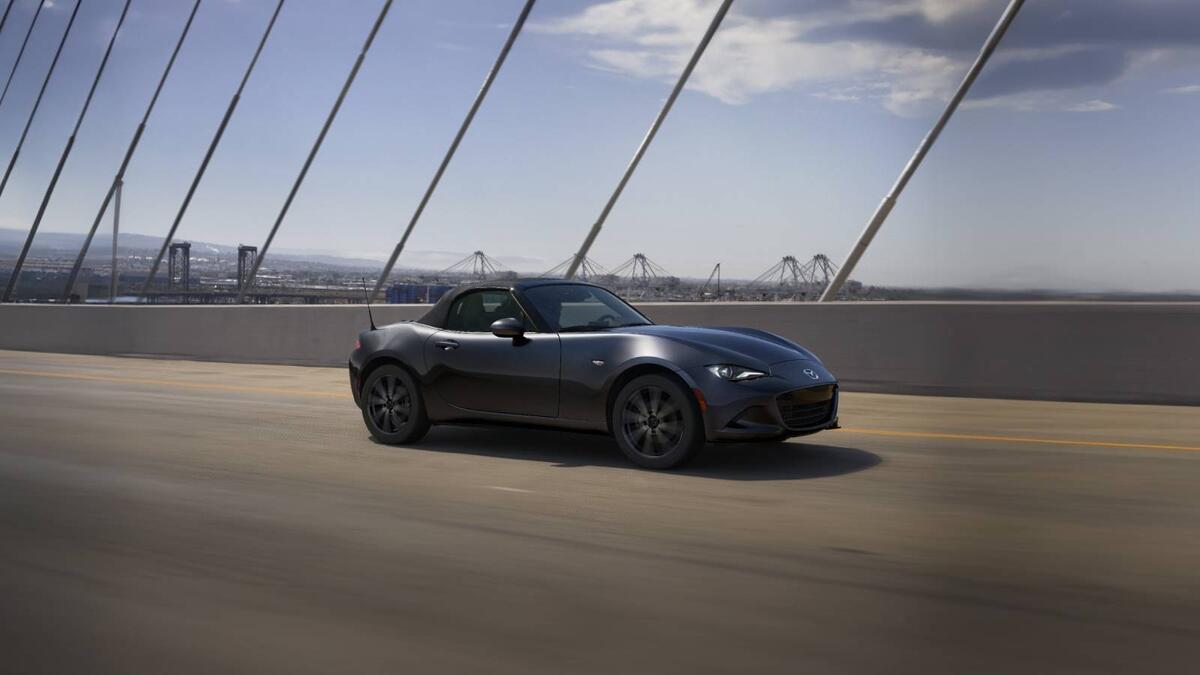
Mazda Mx5 Mazda
"Nick Lindley writes to us to say further to your MX-5 Mazda MX-5 road test, which we had in the mag the other week. Got five stars... it's got a, it's a little bit more engine tweakery. The throttle control is improved. It's got a better diff."
The Mazda MX-5 is a small, lightweight roadster that’s famous for being fun to drive. Here, the hosts say it’s been improved over the years with changes to the engine, how the throttle responds, and the way power is sent to the wheels.
The Mazda MX-5 is a lightweight, front-engine, rear-wheel-drive roadster known for delivering a fun, balanced driving feel. In this segment, they’re discussing how the MX-5 has been updated over time—engine “tweakery,” improved throttle control, and a better differential—so it can still score highly even after many years on sale.
diff
"The throttle control is improved. It's got a better diff. And it just, I mean, it is awesome."
A “diff” helps the wheels turn at different speeds when you’re cornering. A better diff can help the car grip better and feel more stable when you’re driving hard.
“Diff” is short for differential, the drivetrain component that allows the left and right wheels to rotate at different speeds while turning. When they say it’s “a better diff,” they’re implying an update that improves traction and how the car behaves under load.
Thruxon skid plan
"I was with him the other day at Thruxon on the Thruxon skid plan. I mean, it's, everything else is uncontrollable"
A skid plan is a controlled driving session where drivers practice handling on low-grip surfaces to understand traction limits and vehicle stability behavior. Mentioning it in the context of the MX-5 suggests they’re evaluating how the car’s updates affect real-world control.
land-speed record
"diesel max, which was two of their digger engines in a sort of needle shaped record breaker, went to Bonneville, did 350 miles an hour with Andy Green, the world's fastest bloke in it, driving it."
A land-speed record is when a vehicle tries to go as fast as possible on a measured track on land. Here, they’re talking about attempts at Bonneville with a purpose-built vehicle and a specialist driver.
A land-speed record is an attempt to achieve the highest speed possible by a vehicle on land, typically measured over a defined course and conditions. This segment references JCB’s record-style efforts at Bonneville, where Andy Green drives specialized machines to extreme speeds.
JCB
"Since then, JCB have become much more interested in hydrogen and they've developed hydrogen burning piston engines for their diggers, which they consider to be a lot more practical and easy to put into a machine than hydrogen fuel cells."
JCB is a company that makes construction machines. In this story, they’re using those digger engines to build a special hydrogen-powered vehicle for a speed attempt.
JCB is a company known for construction equipment like diggers, and in this segment it’s also pursuing extreme-speed experiments. The host says JCB shifted from a diesel-based record concept to hydrogen-powered digger engines for a new Bonneville attempt.
hydrogen burning piston engines
"Since then, JCB have become much more interested in hydrogen and they've developed hydrogen burning piston engines for their diggers, which they consider to be a lot more practical and easy to put into a machine than hydrogen fuel cells."
This means using hydrogen as the fuel in a regular engine that uses pistons. Instead of running on gasoline, it burns hydrogen to make power.
Hydrogen burning piston engines are internal-combustion engines that use hydrogen as the fuel instead of gasoline or diesel. The idea is to keep the familiar piston-engine hardware while switching the energy source, which can make integration into existing vehicle designs easier than using hydrogen fuel cells.
hydrogen fuel cells
"Since then, JCB have become much more interested in hydrogen and they've developed hydrogen burning piston engines for their diggers, which they consider to be a lot more practical and easy to put into a machine than hydrogen fuel cells."
Hydrogen fuel cells generate electricity by combining hydrogen with oxygen, and that electricity then powers an electric drivetrain. The host contrasts this with hydrogen burning piston engines, arguing that fuel-cell systems can be harder to package into a digger-style land-speed record vehicle.
brake horsepower
"If you think about it, the amount of the thing is freshly engineered, the engines which normally produce 78 brake horsepower produce 800 each."
Brake horsepower is a way to measure how much power an engine makes. It’s measured on a test stand, before the power goes through the gearbox and wheels.
Brake horsepower (bhp) is a measure of an engine’s power measured at the crankshaft using a dynamometer. It’s a common way UK/European sources report power, and it’s different from wheel horsepower because it doesn’t account for drivetrain losses.
space frame
"Lots of visuals so that you could see how it works. It's a mighty space frame with a carbon cell in the middle to protect the driver."
A space frame is a skeleton made from metal tubes that forms a strong, rigid cage. It helps the car handle stress without adding too much weight.
A space frame is a rigid vehicle structure made from a network of tubes or members that triangulate loads. It’s often used in race cars and record cars because it can be very strong while keeping weight down.
carbon cell
"It's a mighty space frame with a carbon cell in the middle to protect the driver. Okay. And, you know, all the details of suspension and God knows what was brilliant."
A carbon cell is the driver’s protective safety compartment. It’s made from strong, lightweight carbon fiber to help keep the driver safe in a crash.
A carbon cell refers to a driver safety compartment (often a monocoque-like survival cell) built from carbon fiber. Carbon fiber is strong and light, and the cell is designed to protect the driver in high-energy impacts.
Bonneville
"including knowing that you can be at Bonneville in what three months time. Fantastic. They're going to test it at Wittering, sort of low speed"
Bonneville is a famous place for land-speed records on salt flats. Cars go there to try to set speed records in long, straight runs.
Bonneville typically refers to the Bonneville Salt Flats in Utah, famous for land-speed records. Vehicles are engineered specifically for straight-line stability, traction, and aerodynamic efficiency over long salt-flat runs.
stability control
"Because yeah, traction control, stability control [640.2s] is all off."
Stability control helps the car stay pointed the way you’re steering. If it starts to slide, it can brake certain wheels and reduce power to help you regain control.
Stability control (often called ESC) helps prevent skids by detecting loss of steering control. When the car is sliding or rotating too much, it selectively brakes individual wheels and may reduce engine power to bring the vehicle back in line.
traction control
"Because yeah, traction control, stability control [640.2s] is all off."
Traction control helps the car not spin its wheels when the road is slippery. It can reduce power or brake a wheel so the tires can grip again.
Traction control is a driver-assistance system that reduces wheel spin when the tires lose grip. It typically does this by cutting engine power and/or applying brakes to the slipping wheel(s).
anti-roll control
"Some cars have an anti-roll control [644.5s] that you can't switch off, don't they?"
Anti-roll control helps stop the car from leaning too much in corners. It uses the car’s systems to keep it more level so it feels steadier.
Anti-roll control is an active chassis system designed to reduce body roll during cornering. Instead of relying only on passive anti-roll bars, it can use braking and/or suspension control to keep the car flatter and more stable.
roll mitigations
"And roll mitigations. Yeah, yeah. Yes, I was trying to do some [657.3s] cornering shots once in an Aston DBX"
Roll mitigation is the car’s way of preventing too much leaning in a turn. If the car thinks it’s getting close to tipping, it can intervene to help keep it stable.
Roll mitigation refers to safety logic that intervenes to reduce the risk of excessive body roll or even rollover. In practice, it may limit how much the car can lean by using braking, torque reduction, and/or suspension control.

Aston Martin DBX
"...rying to do some cornering shots once in an Aston DBX for the, I don't know, I think for the cover of t..."
The Aston Martin DBX is a luxury SUV made by Aston Martin. It’s meant to be comfortable like a normal SUV, but it’s also built to drive more like a sports car. The podcast references it while talking about taking driving/cornering photos.
The Aston Martin DBX is a high-performance luxury SUV from Aston Martin, combining everyday practicality with sports-car-style performance. It’s a notable model because it brings Aston Martin’s brand identity into the SUV segment. The podcast mentions it in connection with cornering shots, highlighting its on-road dynamics.
roof rack and roof box
"what might have happened [689.7s] actually is the, we were testing this car with a roof rack and roof box on it. And the [696.4s] roll mitigation calibration may have set itself up for that."
A roof rack and roof box add weight up high and change how the car sits. That can make the car’s stability/handling settings behave differently, especially when you’re trying to drive it hard.
A roof rack and roof box change the vehicle’s aerodynamics and center-of-gravity, which can affect how chassis control systems behave. The host suggests the DBX’s roll-mitigation calibration may have been set up for that added load, changing how easily it will slide.
four-wheel drive
"And although it is rear biased, [739.8s] I mean, it is four-wheel drive. And it will push power to the front when it thinks things [745.3s] are getting hairy."
Four-wheel drive powers all four wheels for better grip. The host says this one usually drives from the rear, but it can send power to the front when the road gets tricky.
Four-wheel drive (4WD) sends power to all four wheels to improve traction. The host notes the DBX is rear-biased but can shift power forward when conditions get “hairy,” which is typical of electronically controlled AWD systems.

Fiat 130 Coupe
"And, you know, Max hadn't seen one of these before and he really liked it. So we're sitting at this table supposed to be talking about BMW business. And we're searching the world's auction houses for a Fiat 130 Coupe for sale."
The Fiat 130 Coupe is an older Italian coupe with a very distinctive, elegant design. The hosts are talking about it because it’s rare enough that even car designers hadn’t seen one, and it’s still interesting to enthusiasts.
The Fiat 130 Coupe is a classic Italian grand-touring coupe known for its clean, chiseled Pininfarina-style design language. In this segment, it’s discussed as a rare, desirable car that even designers who haven’t seen it before get excited about.
Pininfarina
"And it's a car designed for Pininfarina by an Italian designer called Power Think Italian called Paolo Martin, the Fiat 130 Coupe, which has got surprising similarities in sort of techniques anyway, to the poll stars."
Pininfarina is a well-known Italian company that designs car bodies. The host is saying the Fiat 130 Coupe was designed for Pininfarina, which helps explain why it has that distinctive, elegant look.
Pininfarina is an Italian design house best known for shaping the look of many iconic cars. In this segment, it’s used to explain that the Fiat 130 Coupe’s bodywork and “clean, chiseled” styling were designed for Pininfarina by an Italian designer.
Fiat 132 Coupe
"In fact, I showed a Fiat 132 Coupe to Ben Someril, you, our own tame car designer and, and, you know, artist, concept man. And he wasn't familiar with the car either."
The Fiat 132 Coupe is mentioned as a related Fiat coupe that one of the show’s car designers hadn’t seen either. It’s basically there to show how these older Italian designs can surprise even people who work in car design.
The Fiat 132 Coupe is referenced as another example of a Fiat coupe that the hosts’ designer, Ben Someril, hadn’t encountered before. It’s used to reinforce that the Fiat 130 Coupe’s design and engineering ideas feel familiar to people who think like designers.
3.2 litre quad cam V6
"Yeah, it's got a elegant 3.2 litre V6, which is related to, I believe, related to the Ferrari Dino engine. I could be wrong about that, but it's certainly a 3.2 litre quad cam V6."
This phrase describes the engine: it’s a V6 with 3.2 liters of displacement, and it uses four camshafts to control the valves. More camshafts can mean the engine can manage airflow and valve timing more precisely.
A “3.2 litre quad cam V6” describes an engine with six cylinders (V6) and four camshafts total (quad cam), displacing 3.2 liters. Quad-cam setups typically allow more precise control of valve timing, which can improve how the engine breathes across the rev range.
Ferrari Dino
"Yeah, it's got a elegant 3.2 litre V6, which is related to, I believe, related to the Ferrari Dino engine. I could be wrong about that, but it's certainly a 3.2 litre quad cam V6."
“Ferrari Dino” is a famous Ferrari engine line. The host is saying the Fiat’s V6 might be related to that kind of engine, which would make the Fiat more interesting to car people.
“Ferrari Dino” refers to Ferrari’s Dino-branded engines, which are famous for their high-performance engineering and racing heritage. The host is suggesting the Fiat 130 Coupe’s V6 is related to that Dino engine family, which would be a big deal for enthusiasts because it implies serious pedigree.

Fiat Dino
"... a 3.2 litre quad cam V6. Did this come after the Fiat Dino Coupe and Spyder or was it around at a similar ti..."
The Fiat Dino Coupe is an older sports car made for performance and driving enjoyment. It’s part of the Dino lineup, which is known for its engine and sports-car character. The podcast is comparing timing—whether it was released before or around the same time as another Dino model.
The Fiat Dino Coupe is a classic sports car associated with the Dino name, known for its compact, performance-focused design. It’s often discussed in relation to the Dino engine family and how the Dino models fit into the broader history of Italian sports cars. The podcast asks whether it came before or around the same time as the later Dino 208 GT4/Spyder discussion.

Ford Granada
"... of, is it offensive I say there's shades of Ford Granada about the Fiat 130? No, no, I think you're right...."
The Ford Granada is a mid-size car that was made for everyday driving and comfort. In the podcast, it’s used as a comparison to describe the style of another classic car. The point is about how the cars look rather than performance details.
The Ford Granada is a mid-size car that was sold in multiple markets and is remembered as a comfortable, traditional family/commuter model. It’s mentioned in the podcast as a reference point for the look or “shades” of another car—specifically the Fiat 130—suggesting a similar design vibe. That kind of comparison is common when discussing classic styling.
brutalist architecture
"It's that sort of look that people would, [1031.3s] almost like brutalist architecture, that people would just look at it and go, [1033.8s] no, that's not a thing."
“Brutalist architecture” usually means buildings that look very blocky and plain, with sharp shapes. The host is comparing that vibe to the Fiat 130’s styling—some people reject it immediately, but others later start to like it.
“Brutalist architecture” is a design style associated with raw, blocky forms and minimal curves. The host uses it as a metaphor for the Fiat 130’s styling—arguing that the car’s sharp, angular proportions can make people dismiss it at first, until they learn to “see the point.”
BMW Alpina
"Did you talk Alpina at the same time? [1048.4s] Yeah, a bit. Yeah, it was there. They've launched a car, a concept car, the first [1057.8s] all BMW Alpina car, which is a concept and it's being launched."
BMW Alpina is Alpina’s version of BMW-based cars—Alpina takes BMWs and makes them feel more special, often with its own tuning and upgrades. The host is saying they’ve revealed a concept car.
BMW Alpina refers to Alpina’s cars built on BMW platforms, where Alpina is known for tuning and refining BMW drivetrains and chassis for a more distinctive, luxury-performance character. The host says Alpina has launched a concept car and is presenting it at a major Italian event.
Villa d'Este Concourse
"there's this big do it in Italy. What's it called? The Villa d'Este. [1066.6s] Oh yeah, okay. [1071.9s] Concourse thing."
Villa d’Este is a big fancy car event in Italy where rare and important cars are shown off. The host is saying Alpina’s concept is being launched there.
Villa d’Este is a famous luxury car concours event in Italy, where collectors and manufacturers showcase notable vehicles. In this segment it’s mentioned as the setting for Alpina’s concept-car launch.
bespoke
"The, the short of it is that this concept is bespoke to Alpina. There won't be a BMW alter variant of it. Is that right?"
“Bespoke” just means it’s made to be special and tailored, not mass-produced as a generic version. In this case, they’re saying the idea is unique to Alpina.
“Bespoke” means the car is tailored specifically for that brand or customer rather than being a standard, widely shared model. Here, the hosts use it to say the concept is unique to Alpina and not simply a BMW variant.
independent brand owned by the Bovenseepen family
"Alpina was an independent brand owned by the Bovenseepen family, but they effectively made... well famously, they were a manufacturer in their own right, in inverted commas. They made cars based on BMWs."
They’re giving Alpina’s backstory: it used to be run as its own independent brand by the Bovenseepen family. The key point is that Alpina built cars using BMWs as the base, which is why it feels different from a regular BMW.
The segment explains Alpina’s history: it was an independent brand run by the Bovenseepen family, producing cars based on BMW platforms. This background matters because it clarifies why Alpina’s identity is distinct from BMW’s own lineup.
BMW bought the Alpina brand
"And the Bovenseepen's were getting older and... The Bovenseepen's were... BMW bought the Alpina brand off of them because it was just too complicated for them to keep running."
They say BMW ended up buying the Alpina brand because the original family operation was getting too hard to manage. That helps explain why Alpina is connected to BMW, but still has its own character.
The hosts describe how BMW acquired Alpina’s brand after the Bovenseepen family found it too complicated to keep operating. This acquisition is relevant to understanding how Alpina can remain a distinct tuner while being tied to BMW.
electric one
"the volumes could, you know, do we do an electric one? But what if nobody wants one?"
An electric car runs on electricity from a battery instead of burning fuel. The point in this segment is that they’re debating whether making one would make sense if demand is low.
An “electric” car uses an electric motor powered by a battery, rather than relying on a combustion engine. The hosts are weighing whether an all-electric version would be commercially viable if customers don’t want it.
plug-in hybrid
"But what if nobody wants one? Do we do a plug-in hybrid? What if nobody wants one? How do we do it?"
A plug-in hybrid is a car that can run on electricity sometimes, but it also has a gas engine. You can charge it by plugging it in, and the discussion here is whether buyers would actually want that kind of setup.
A plug-in hybrid (PHEV) is a car that combines a conventional engine with an electric motor and a battery that can be charged from an external power source. The hosts discuss it as a potential product direction, but question whether enough customers would want it.
Bovenseepen Zegato
"So now the Bovenseepen's are going to launch their own coach-built car called the Bovenseepen Zegato. Zegato rings well, yes."
This is a niche, custom-style car project using the Zegato name. The key point is that it’s planned as a very limited, more expensive build compared with earlier efforts.
“Bovenseepen Zegato” refers to a coach-built car project using the Zegato name, which is associated with bespoke, low-volume coachbuilding. In the segment, it’s described as a new launch that will be built in smaller numbers and at higher cost than before.

Alpina B6
"The thing that BMW guys said that was very interesting was that the Alpina car that they particularly admired was a B6. Okay. Just they thought that embodied the brand really well."
Alpina B6 is a BMW that’s been upgraded by Alpina, a specialist company known for making BMWs feel more refined and quick. The point here is that BMW used the B6 as the example of what Alpina should be.
The Alpina B6 is a BMW-based performance sedan/fast grand tourer from Alpina, a tuner that builds cars with its own engine tuning and chassis calibration. In this episode, the hosts say BMW specifically admired the B6 as the model that best embodied Alpina’s brand identity.

BMW 7 Series
"a couple of months ago, I wrote that BMW had said the first Alpinas would be seven series sized. Yep. So big, big cars."
The BMW 7 Series is BMW’s top luxury sedan. Here, it’s mentioned to explain that Alpina’s early cars were expected to be aimed at the biggest, most premium BMW buyers.
The BMW 7 Series is BMW’s flagship luxury sedan line, typically associated with large size, comfort, and high-end powertrains. The hosts say BMW expected the first Alpinas to be “seven series sized,” meaning Alpina’s initial offerings would target the biggest, most premium segment rather than starting with smaller models.

BMW M5
"I mean, the M three is quite aggressive already, but the M five probably isn't. And maybe it could, maybe it could be."
The BMW M5 is the fast, performance-focused version of the 5 Series. In this conversation they’re saying it might not feel as aggressive as it could be, especially compared with other BMW performance flavors.
The BMW M5 is BMW’s high-performance version of the 5 Series, typically blending strong acceleration with a more usable, “big car” daily-driver feel. Here, the hosts suggest the M5 may not be aggressive enough yet compared with what an Alpina 5 Series could offer, and they discuss how BMW could make future M cars more aggressive.
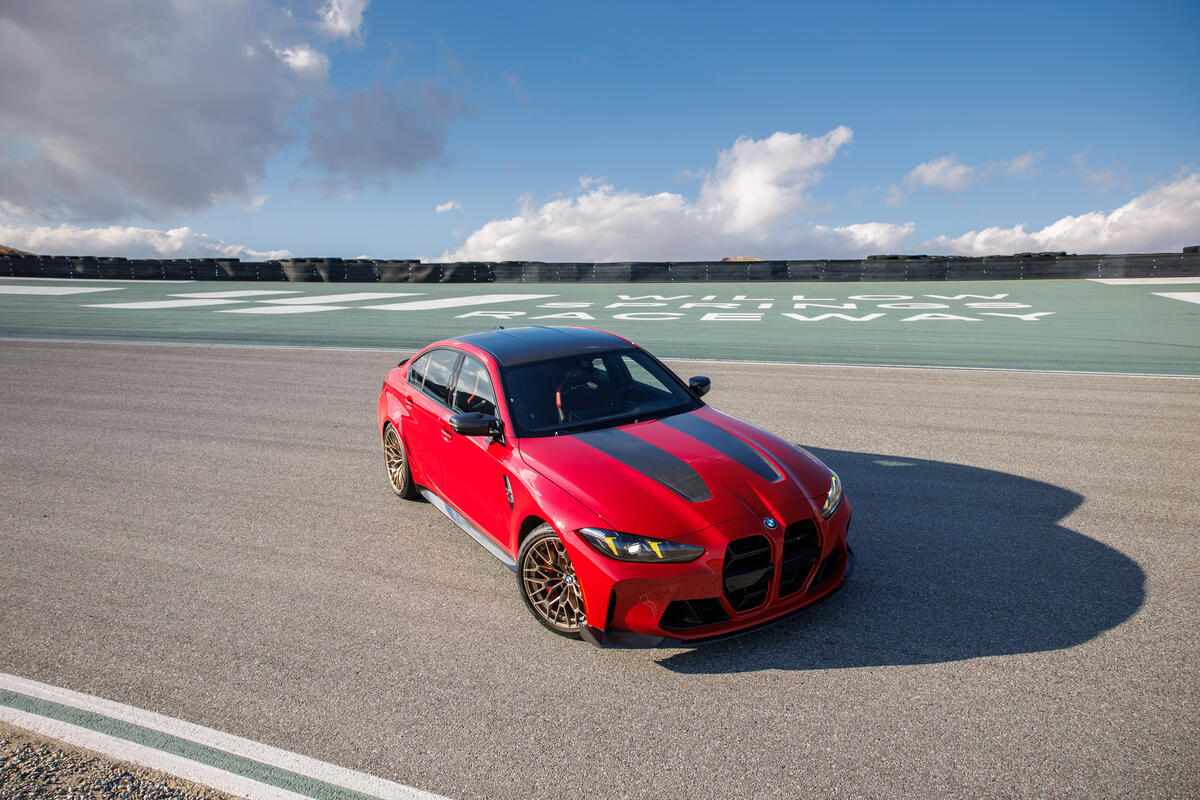
BMW M3
"I mean, the M three is quite aggressive already, but the M five probably isn't."
The BMW M3 is BMW’s high-performance version of the 3 Series. The hosts are basically saying it already feels pretty aggressive, so there’s less room to make it even more track-focused.
The BMW M3 is BMW’s performance “M” model, known for a more aggressive, track-capable character than standard 3 Series cars. In this segment, the hosts say the M3 is already quite aggressive, implying BMW’s M lineup is already pushing the envelope.
Haggerty Hill climb
"I had good time with this 260 horsepower electric mini JCW. I went to the Haggerty Hill climb in it and did just did a few runs and up Shelsley Walsh."
A hill climb is a race where cars go up a hill as fast as they can. The host is talking about what the event is like and what kinds of cars attend.
The Haggerty Hill climb is a motorsport event format where cars race against the clock up a steep course. In this segment, the host uses it to describe the kind of cars that show up and the vibe of the event.
Shelsley Walsh
"I went to the Haggerty Hill climb in it and did just did a few runs and up Shelsley Walsh. Oh, yes, I was going to go but couldn't."
Shelsley Walsh is a well-known hill-climb track in the UK. The host is saying they drove there and describing what the crowd and cars were like.
Shelsley Walsh is a famous UK hill-climb venue known for its challenging course and long history in motorsport. The host mentions running up there to give listeners a sense of the event’s character and the types of cars present.

Toyota Priusas
"...d I thought it was going to be a lot of people in Toyota Priusas, but in fact, some really high turn cars there an..."
The Toyota Prius is a hybrid car, which means it uses both an electric system and a gasoline engine. It’s designed to use less fuel than many regular cars. The podcast is talking about how common it is in real life compared with what someone expected.
The Toyota Prius is a hybrid car that became one of the most recognizable choices for fuel-efficient everyday driving. It’s often discussed because it helped popularize hybrid technology for mainstream buyers. In the podcast context, it’s mentioned in relation to how many people actually have them versus expectations.
max torque
"electric, you know, max torque, low, low down and went like a rocket, really."
Max torque is the highest twisting force an engine or motor can produce. In practice, high torque available at low engine/motor speeds helps a car accelerate strongly from slow corners—exactly the kind of situation hill climbs create.
range
"I think it's got to be a petrol one because the steering committee just doesn't want to be limited by range and he feels he would be."
Range is how far the car can go before it needs more fuel or a recharge. With electric cars, that can mean planning stops to charge.
Range is how far a vehicle can travel before it needs refueling or recharging. For electric cars, range limits can affect whether you can complete a trip without stopping to charge, which is why the host mentions the steering committee not wanting to be constrained by it.
steering committee
"I think it's got to be a petrol one because the steering committee just doesn't want to be limited by range"
A steering committee is a group of people who help decide what direction to take. Here, they’re the ones pushing for petrol because they don’t want to worry about electric range.
A steering committee is a group of decision-makers that sets direction and approves major choices. In this context, it’s being used as a humorous stand-in for internal stakeholders deciding between petrol and electric options based on practical constraints like range.
three-wheeled
"I was looking up three wheeled Morgan's. Of course. And for very, very good reason for the very good reason that my column this week is a bit of a study in Morgan three wheelers."
Three-wheeled vehicles have one less wheel than a normal car. That changes how they steer and how they feel to drive, and it’s part of why they’re so unusual.
A three-wheeled vehicle uses one wheel at the front and two at the rear (or vice versa), which changes how it steers and how it feels compared with a typical four-wheel car. It also affects stability and packaging, which is why three-wheelers are often built as lightweight, simple runabouts.

3 Three Wheelers
"...my column this week is a bit of a study in Morgan three wheelers. So just starting to rain or is it just there's a..."
A three-wheeler is a vehicle that has only three wheels instead of four. Because it has fewer wheels, it can feel different when you turn or when the road is wet. The podcast is talking about Morgan three-wheelers and how they behave as the weather changes.
A three-wheeler is a vehicle with one wheel at the front or rear and two wheels on the other end, creating a distinctive driving feel compared with four-wheel cars. In the podcast, it’s referenced as part of a column studying Morgan three-wheelers, which are known for their unusual layout and lightweight, open-road character. The mention about rain and whether it’s “just” starting to rain points to how weather affects traction and handling.
Brooklands
"he took it to Brooklands and ran it at 55 miles per hour or something like that. [1860.1s] And eventually [1866.8s] it became quite popular."
Brooklands was an old, famous British race track where people went to test cars and try to set speed records. It’s brought up here to explain how interest in the vehicle grew.
Brooklands was a famous British motor-racing circuit and test venue, historically associated with early speed trials and record attempts. Mentioning it signals the car’s performance testing heritage rather than normal road use.

Morgan three wheeler
"and three wheelers were a bit cheaper than four wheeled vehicles to tax and buy and run. [1873.3s] And then so Morgan kept a three wheeler in the range until the 1950s, early 1950s, [1880.2s] even though it introduced its first four wheeled car in 1938 or six"
Morgan makes a unique kind of car with three wheels instead of four. It’s a roadster style, and the host is talking about how Morgan kept making that format for a long time before switching focus.
Morgan is known for its three-wheeled roadsters, which use a narrow, motorcycle-style front end with two wheels in front and one wheel at the rear. In this segment, the host discusses Morgan keeping a three-wheeler in production through the early 1950s and later reintroducing new three-wheeler designs.
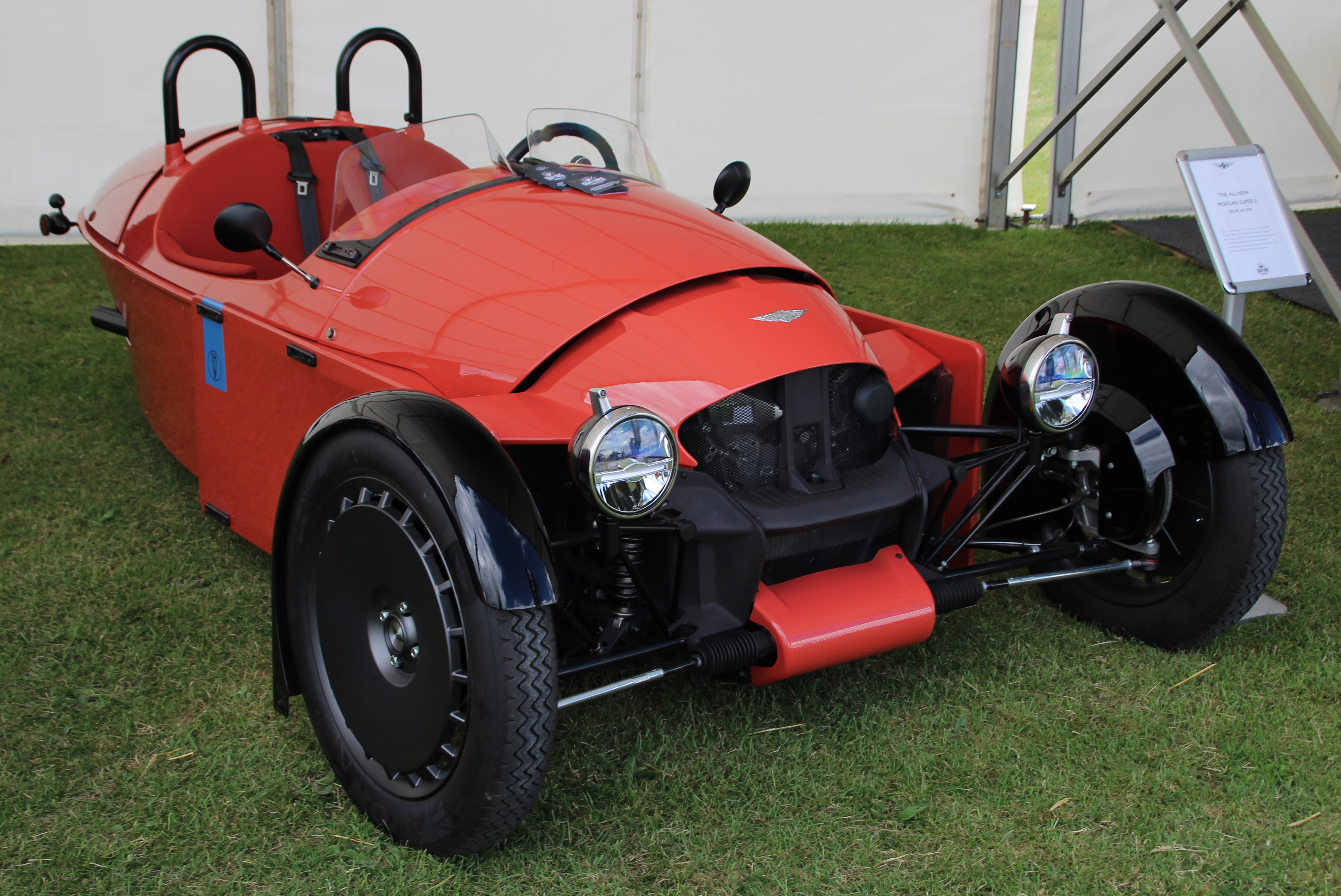
Morgan Super 3
"their first clean sheet [1920.8s] of paper design since they made the air away in 2000 and introduced the super three in 2022, [1927.5s] which I liked even more than the three wheeler. I think I thought it was terrific, [1931.3s] which is. So on Tuesday, I bought one."
Morgan’s Super 3 is their newer version of the three-wheeled roadster. In this segment, the host is talking about a press car they bought and road-tested, emphasizing how it looks and feels familiar.
Morgan Super 3 is a modern take on the brand’s three-wheeled roadster formula, positioned as an updated “clean sheet” design direction. The host says it’s one of the earliest Super Threes they had as a press demonstrator and highlights its look and early ownership/road-test context.
Walker ramp
"When I arrived, I did the Walker [1954.6s] ramp, actually it's raining. Oh, it's got the tonneau over it. It's fine. [1959.4s] The tonneau, that's fine."
A Walker ramp is a factory ramp used to move or position the car for demonstration. The host is saying they used it when they arrived before driving the car later.
A “Walker ramp” refers to a specific ramp used at the Morgan factory for demonstration/vehicle handling during road-test or display setups. In this context, the host mentions using it as part of getting the press demonstrator ready to drive.
tonneau
"When I arrived, I did the Walker [1954.6s] ramp, actually it's raining. Oh, it's got the tonneau over it. It's fine. [1959.4s] The tonneau, that's fine."
A tonneau is a cover that helps protect the open-top area from weather. Here, the host says the car has one on, so it’s fine even though it’s raining.
A tonneau is a cover—often a soft or folding top—that protects the passenger compartment and/or rear storage area when the car is open. The host notes the car has a tonneau over it, which helps explain why it’s usable even while raining.
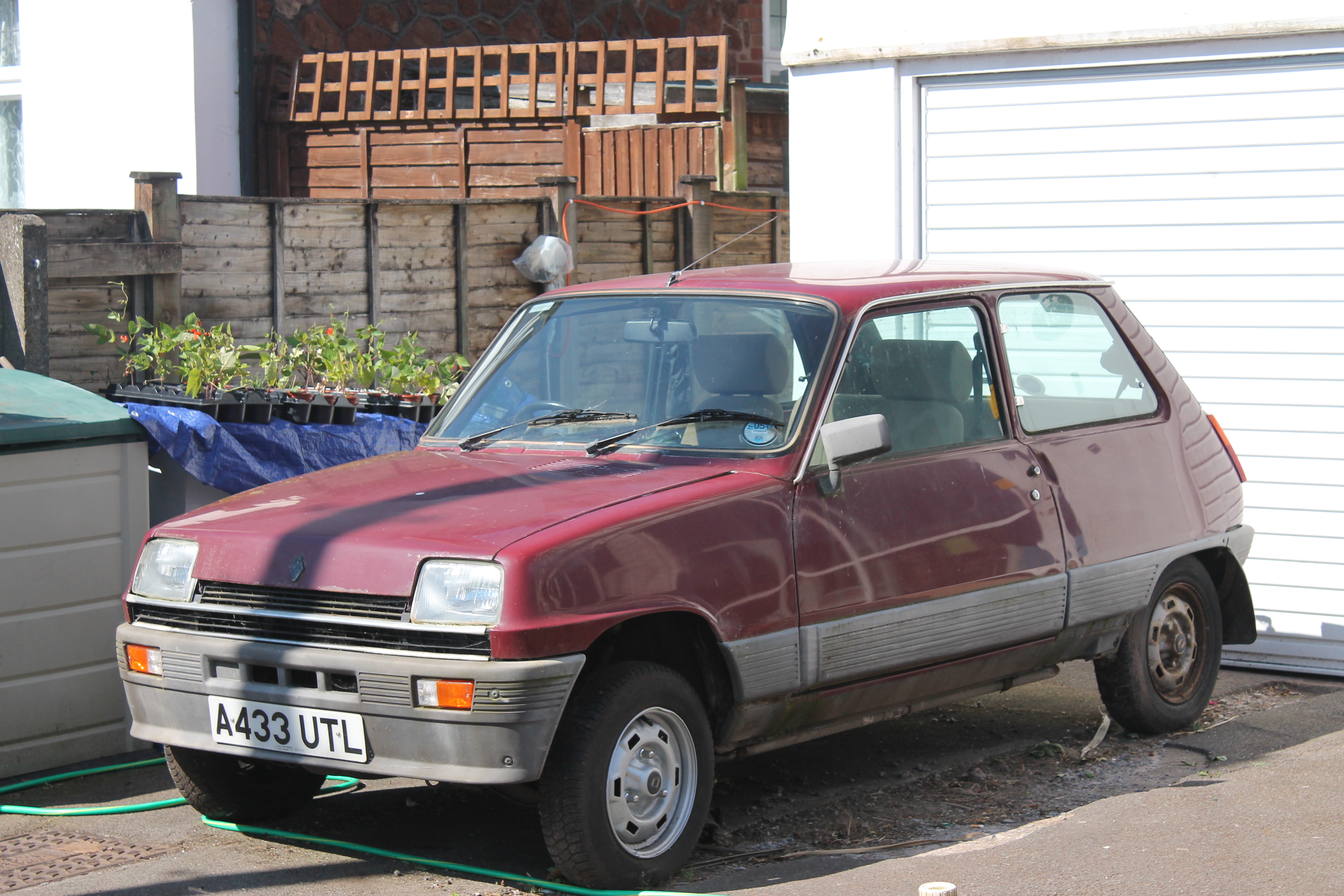
Renault 5
"...ther day about Twingo, didn't we? About Twingo or Renault 5. Yeah, the thing I like, I like to look at that."
The Renault 5 is a small hatchback car. It’s known for being practical and for having a lot of fans over the years. The podcast mentions it because someone likes how it looks.
The Renault 5 is a compact hatchback that became well known for its practicality and long-running popularity. It’s often referenced in car conversations because it has a strong place in classic European motoring history. In the podcast, it’s mentioned alongside the Twingo as something the host likes to look at.

Renault Twingo
"...r not. Oh no, we had a letter the other day about Twingo, didn't we? About Twingo or Renault 5. Yeah, the ..."
The Renault Twingo is a small car made for city driving. It’s designed to be easy to park and drive in crowded streets. The podcast mentions it because someone wrote in about the Twingo (and also brought up the Renault 5).
The Renault Twingo is a small city car designed for easy maneuvering and parking in tight urban spaces. It’s frequently mentioned because it’s a practical, compact alternative in the small-car category. In the podcast, it comes up via a listener note and alongside discussion of the Renault 5.
hill climbing
"if you were going to restore, he's in the middle, I think, of restoring a pre-1973 something or other to take hill climbing."
Hill climbing is a type of racing where cars go up a hill as fast as they can. Because the road is twisty and the conditions change, the car setup matters a lot.
Hill climbing is a motorsport where cars race against the clock on an uphill course, often with tight turns and varying grip. Builds for hill climbing tend to prioritize responsive handling, traction, and a powerband that works well at the speeds you’ll see on the climb.
hot hatch
"Yeah, well, I think it's actually funnily enough, it is something I think about a lot. I mean, it would be a hot hatch for me."
A hot hatch is a small hatchback that’s been made sporty—faster and more fun to drive than a regular version. People often modify them because there are lots of parts available.
A hot hatch is a compact hatchback tuned for stronger acceleration and sharper driving dynamics than a normal family hatch. The term usually implies a sportier engine tune, suspension/brake upgrades, and a big aftermarket scene for modifications.

Peugeot 205 GTI
"I've just done this, admittedly, by a slightly odd route with the Peugeot 205 GTI, which is now complete and ready, and we'll run later this year."
The Peugeot 205 GTI is a well-known “hot hatch” from Peugeot—small car, sporty setup. People like it because it’s fun to drive and there’s a lot of aftermarket support if you want to modify it.
The Peugeot 205 GTI is a classic hot hatch from Peugeot, famous for its lightweight feel and responsive handling. In enthusiast circles it’s also known for being relatively easy to modify, which is why it shows up in discussions about budget builds and track-style driving.
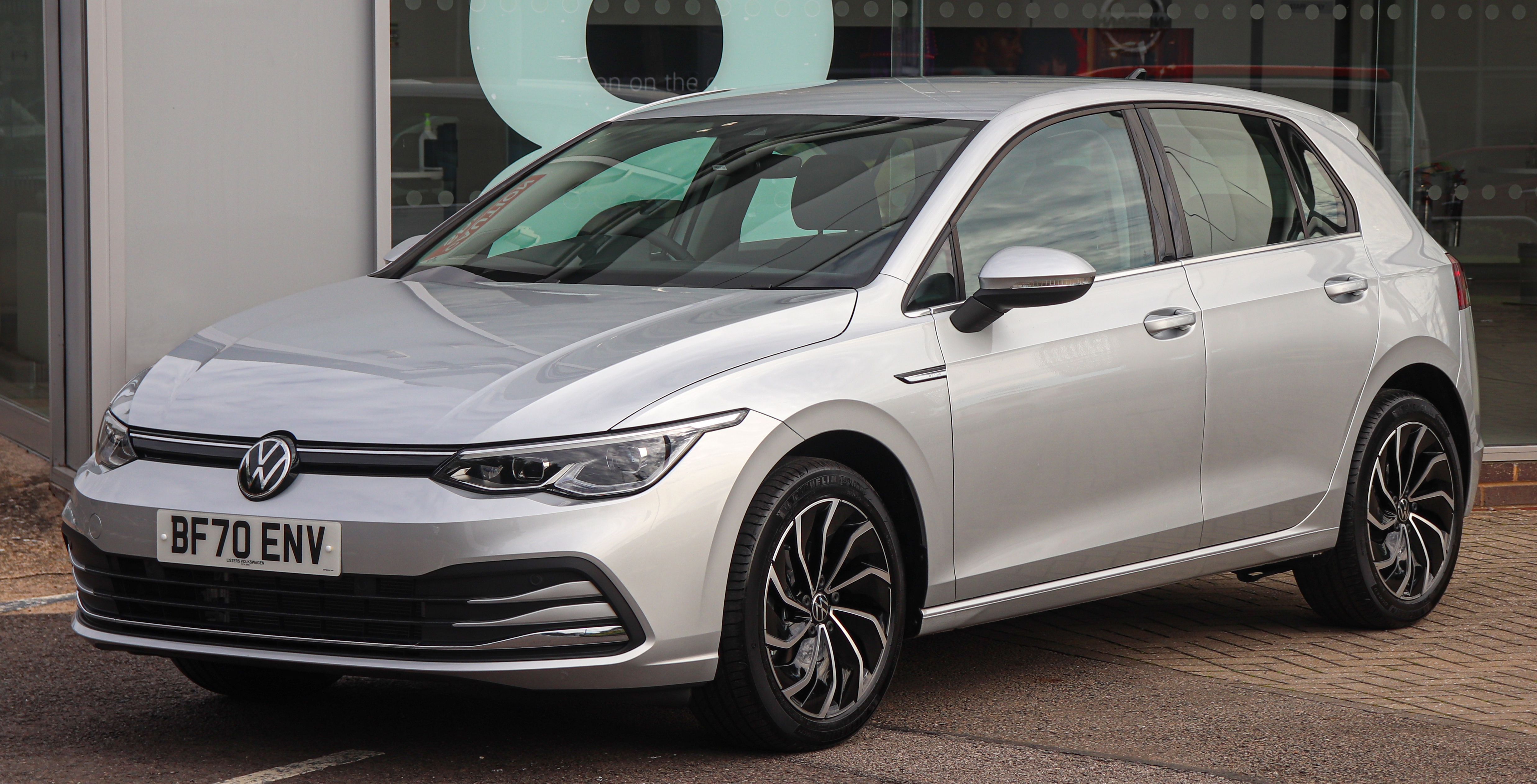
Volkswagen Golf
"...y whatever was around at the time, a Ford or a VW Golf. I've just done this, admittedly, by a slightly o..."
The Volkswagen Golf is a small car (a hatchback) made for everyday use. People talk about it a lot because it’s common and practical. The podcast mentions it as one of the kinds of cars that were around at the time.
The Volkswagen Golf is a mainstream compact hatchback known for being practical, efficient, and widely available in many generations. It often comes up in car discussions because it’s a common reference point for everyday driving and for how manufacturers evolve their “everyday” models over time. In the podcast context, it’s mentioned alongside another popular choice as a typical car people might have considered.

Peugeot 205
"...his, admittedly, by a slightly odd route with the Peugeot 205 GTI, which is now complete and ready, and we'll r..."
The Peugeot 205 CTI is a sporty version of the Peugeot 205 small car. It was made to feel more exciting to drive than the standard versions. In the podcast, it’s mentioned as an earlier step in a story that ends with the 205 GTI being finished.
The Peugeot 205 CTI is a performance-oriented variant of the Peugeot 205, a popular compact from the 1980s and early 1990s. It’s significant because it offered a more spirited driving experience than the basic models, which helped it build a strong enthusiast following. The podcast references it as part of a route that leads to the Peugeot 205 GTI being completed and ready.

Porsche Macan EV
"His fears are well founded. My car, a Porsche Macan EV, £110,000, responded as follows to my voice command, Porsche tuned to BC Radio 2."
The Porsche Macan EV is Porsche’s electric Macan SUV. The hosts are using it to show what happens when you try to use voice commands in a modern car.
The Porsche Macan EV is Porsche’s electric version of the Macan, moving the brand’s compact-SUV formula to battery power. The segment uses it as an example of how modern infotainment/voice systems behave in real life.
BYD C-Lion 7
"Maybe it was why Jeremy Vine was on and it wouldn't fit. My colleague's car, a BYD C-Lion 7, £41,000, responded to his voice command, BYD"
The BYD C-Lion 7 is an electric car from BYD. In this story, it’s mentioned to compare how its voice features respond versus the Porsche.
The BYD C-Lion 7 is an electric vehicle from BYD, used here as a contrasting example to the Porsche’s voice-command response. The point is less about performance and more about how different brands’ in-car systems handle the same request.

Land Rover Defender
"You saw on the A2 and on my Defender, I've got those little wind deflectors that go around the edge of the windows."
The Land Rover Defender is a tough, off-road SUV. Here it’s just being used as an example of a car that has small window add-ons to let air in without the windows being fully open.
The Land Rover Defender is a rugged, off-road-focused SUV known for its boxy styling and long-running, utilitarian design. In this segment, it’s mentioned as the host’s car that has window wind deflectors for ventilation.
wind deflectors
"You saw on the A2 and on my Defender, I've got those little wind deflectors that go around the edge of the windows."
Wind deflectors are little add-ons near the window edges. They let you get fresh air in while cutting down the loud shaking/wind noise you can get with the window cracked.
Wind deflectors are small aerodynamic pieces mounted at the edge of side windows. They help channel airflow into the cabin while reducing wind noise and “buffeting” when the window is cracked open.
buffeting
"They are really good. They let fresh air in without any of that buffeting."
Buffeting is the annoying shaking and noise you can get when the window is cracked open. It happens because the wind flow becomes turbulent, and the deflectors help smooth it out.
Buffeting is the vibration and turbulence you feel and hear when air flows around an opening—like a partially lowered window. It’s caused by unstable airflow that creates pressure fluctuations, which wind deflectors can reduce.
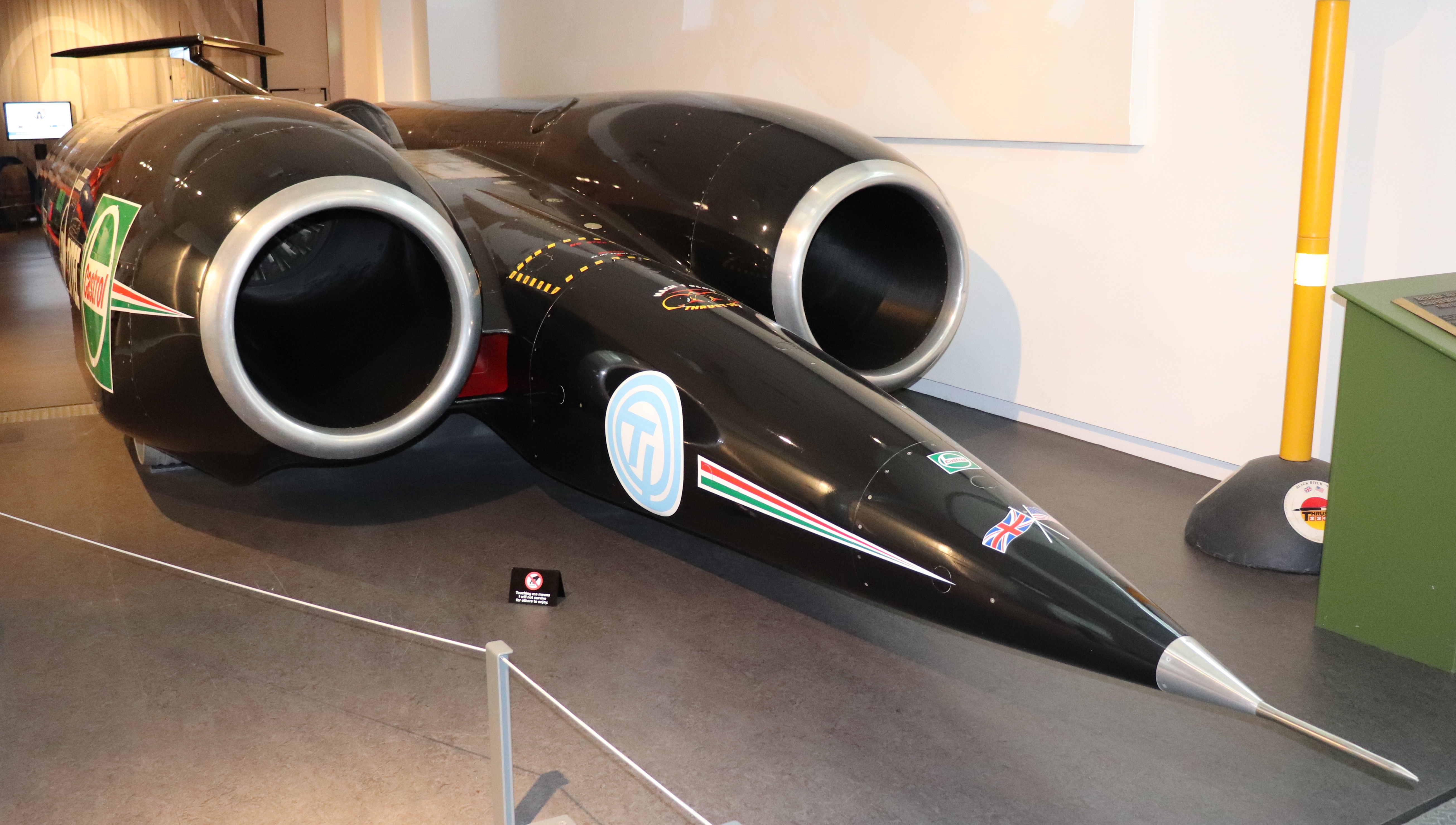
Thrust SSC
"And he made the thrust SSC which Andy Green drove."
Thrust SSC is a famous record-breaking land-speed car driven by Andy Green. It was built to go so fast it could reach supersonic speeds on the ground.
Thrust SSC is the supersonic land-speed-record car associated with Andy Green. It’s notable because it was designed to break into the sound barrier on wheels, using extreme aerodynamics and powerful jet propulsion.
throttle control
"Apparently his throttle control was fantastic. Oh, really? The turbo, we were in F1, we're up to 1300 BHP in qualifying."
Throttle control means how smoothly and precisely you press the gas. In racing, that matters because tiny changes can change how much grip the tires have and how the car behaves.
Throttle control is how precisely a driver manages the accelerator pedal to meter engine power. In racing, small changes can strongly affect traction and balance, especially when the engine is turbocharged or when grip is inconsistent.
turbo
"Oh, really? The turbo, we were in F1, we're up to 1300 BHP in qualifying. He said he had the business of feathering the throttle down to a fine art in complete contrast"
A turbo is a device that helps the engine make more power by pushing extra air into it. Because it can change how quickly power comes on, drivers have to manage the gas carefully.
A turbocharger (“turbo”) uses exhaust gas to spin a turbine that forces more air into the engine. That lets the engine make much more power than it would naturally aspirated, but it also makes throttle response and traction management more critical.
BHP
"The turbo, we were in F1, we're up to 1300 BHP in qualifying. He said he had the business of feathering the throttle down to a fine art in complete contrast"
BHP is a way to measure engine power. It tells you how strong the engine is, based on testing.
BHP stands for brake horsepower, a measure of an engine’s power output. It’s commonly used in automotive contexts to compare how much power an engine produces under test conditions.
feathering the throttle
"He said he had the business of feathering the throttle down to a fine art in complete contrast [2490.8s] to many other racing and rally drivers. Brackets, Derrick Bell, Tony Pond, Ari Lyandike, et cetera, et cetera,"
Feathering the throttle means gently and gradually adjusting the gas pedal. It helps the car stay stable instead of jerking forward or losing grip.
Feathering the throttle means making very small, smooth adjustments to the accelerator instead of abrupt on/off inputs. The goal is to keep the car balanced and the tires in the right traction range while still maintaining speed.
rear brake
"I've driven one of Julian's cars, and you turn and nothing happens. [2513.0s] He's like, you have to put that rear brake on because the front wheels are so nutly loaded. [2518.5s] One for each rear wheel."
Putting the rear brakes on can help the car turn more by shifting how the weight sits on the tires. Drivers sometimes use it to make the car rotate into a corner.
Using the rear brake strategically can shift weight rearward and help rotate the car into a turn. In performance driving, that can be part of a technique to induce oversteer/rotation when the front is heavily loaded or when the driver wants the car to pivot more readily.
rear wheel
"[2513.0s] He's like, you have to put that rear brake on because the front wheels are so nutly loaded. [2518.5s] One for each rear wheel. [2519.5s] One for each rear wheel, and it just really, the car rotates around that."
They’re talking about controlling the brakes separately for each back wheel. That can help the car turn more predictably because the driver can manage how each rear tire grips.
The mention of “one for each rear wheel” points to independent rear braking control, where each rear wheel can be managed separately. That kind of control can help fine-tune rotation and stability because braking force can be distributed where it’s most effective.
car rotates around that
"[2519.5s] One for each rear wheel, and it just really, the car rotates around that. [2523.6s] Amazing levels of lock if you do that. [2526.1s] I mean, you can see the appeal."
They mean the car turns by pivoting more than just following a smooth curve. Certain techniques can make the car “spin into” the corner in a controlled way.
The phrase describes a rotation-focused driving behavior: the car pivots around a chosen point/axis rather than simply arcing through the turn. Techniques like rear braking and high steering angles can encourage this kind of rotation, changing how the driver feels the car’s balance at turn-in.
lock
"One for each rear wheel, and it just really, the car rotates around that. [2523.6s] Amazing levels of lock if you do that. [2526.1s] I mean, you can see the appeal."
“Lock” means how much the steering can turn. More steering angle can help the car pivot and rotate more aggressively in a corner.
“Lock” here refers to steering lock—how far the steering can be turned. The speaker is emphasizing that the car can achieve very large steering angles, which can increase how quickly the car can rotate, especially when paired with braking/traction techniques.
800 RPM
"And he's like, look, this, this car will go from 800 RPM at idle, and it will pull all the way to 9,000 RPM."
RPM means how fast the engine is spinning. The speaker is saying the engine can run very low (around idle) and then rev up strongly as you drive.
RPM (revolutions per minute) is how fast the engine crankshaft spins. Saying the car can go from 800 RPM at idle to much higher RPM describes how smoothly it can operate at very low engine speed and then accelerate through the rev range.
9,000 RPM
"And he's like, look, this, this car will go from 800 RPM at idle, and it will pull all the way to 9,000 RPM. In this little trials car."
RPM is how fast the engine spins. The higher the RPM you can reach, the more the engine is working to make power as you accelerate.
RPM (revolutions per minute) indicates engine speed, and higher RPM generally means the engine is producing more power (up to its designed limit). The mention of pulling all the way to 9,000 RPM emphasizes the engine’s usable rev range in this small trials car.
trials car
"And he's like, look, this, this car will go from 800 RPM at idle, and it will pull all the way to 9,000 RPM. In this little trials car."
A trials car is made for slow, careful driving over obstacles. Instead of going fast, it’s about control—like climbing, balancing, and maneuvering precisely.
A trials car is built for trials-style driving, where the goal is to negotiate obstacles slowly and precisely rather than race for speed. That’s why the speaker talks about very low RPM control and then pulling through the rev range while maneuvering around tight, uneven terrain.
WSH
"Thrust, WSH, high speed, jet hydrofill, design for stability and control."
WSH sounds like a shorthand name for a specific system or feature on the vehicle. The transcript doesn’t explain what it stands for, so it may be a project-specific acronym.
WSH here appears to be an acronym tied to the vehicle’s high-speed/jet-hydrofoil concept, but the transcript doesn’t define it. Because the meaning isn’t clear from the audio text alone, it’s worth flagging for listeners: it likely refers to a specific engineering system or performance mode used in the project.
jet hydrofill
"Thrust, WSH, high speed, jet hydrofill, design for stability and control."
A jet hydrofoil uses a jet propulsion system to drive the craft while hydrofoils lift it above the water surface. The “design for stability and control” line suggests the project focuses on keeping the vehicle controllable while generating lift at speed.
powertrain
"there was a bloke that built some sort of a hill climber with an imp and what he had was the imp powertrain but driving the front wheel. So it was front wheel drive and in effect he sat behind all the stuff at the front."
Powertrain is the parts that make the car move and send power to the wheels. In this story, they kept the Imp’s driving components but changed which wheels got the power.
A powertrain is the set of components that generate and deliver drive power—typically the engine plus the transmission and drivetrain elements. Here, the host says the builder used the “Imp powertrain” but rerouted it to drive the front wheels.
front wheel drive
"So it was front wheel drive and in effect he sat behind all the stuff at the front. Alongside the engine."
Front-wheel drive means the front wheels are the ones that get the engine’s power. That affects how the car is built and where the engine ends up.
Front-wheel drive (FWD) means the engine sends power to the front wheels, which handle both propulsion and steering. In the segment, the host emphasizes how converting an “Imp” powertrain to FWD changes where the engine sits relative to the front axle and how the car packages its weight.
supercharged
"The supercharged front wheel drive info needed. Any info on this car says somebody on the Facebook looks to be front wheel drive supercharged till when empowered."
A supercharger forces extra air into the engine. More air usually means more power, so it’s a common way to make a small engine feel much stronger.
A supercharger is a forced-induction device that increases engine air intake pressure, allowing more fuel to be burned and typically producing more power. The speaker connects “supercharged” to the described hill-climb car’s front-wheel-drive conversion, implying it was tuned for extra shove.
weight distribution
"And yeah, so the weight distribution is lovely, really. I just remember seeing this little car, it was so simple."
Weight distribution is how the car’s weight is balanced, like how much is on the front versus the back. That balance can change how the car grips and turns.
Weight distribution describes how a car’s mass is spread front-to-rear (and sometimes side-to-side). The speaker claims the conversion produced “lovely” weight distribution, which matters because it affects balance, traction, and how the car behaves in corners—especially for a hill-climb style build.
three-speed box
"It's a three-speed box, probably. And they'd sort of bolt it all together and make a car out of it."
A “three-speed box” is a gearbox with three forward gears. It was common on older cars, and it changes how the car feels when accelerating and when driving at steady speeds.
A “three-speed box” refers to a transmission with three forward gear ratios. Older cars and many post-war specials often used simple multi-gear setups like this, which affects how the car accelerates and how it cruises at speed.
drum brakes
"It usually had non-independent suspension and, you know, drum brakes on rear brakes."
Drum brakes are an older braking system where pads press against the inside of a metal drum. They were common on older cars, but they generally don’t handle repeated hard braking as well as newer disc brakes.
Drum brakes use brake shoes that press outward against a rotating drum to slow the vehicle. They were common on older cars, especially before disc brakes became widespread, and they tend to be less effective at repeated high-speed braking than modern disc setups.
non-independent suspension
"It usually had non-independent suspension and, you know, drum brakes on rear brakes."
Non-independent suspension means the two wheels are connected so if one side moves, the other side is affected too. It’s often simpler, but it can make the ride and handling less smooth than independent suspension.
Non-independent suspension means the left and right wheels are mechanically linked, so movement on one side affects the other. This can reduce ride comfort and grip consistency compared with independent suspension, but it can be simpler and robust on older or purpose-built cars.
DRW Imp Sport Racer
"I've just discovered a car which is not this car. It's called a DRW Imp Sport Racer... I think it has got an Imp engine by the looks of it... it's mid-engine rear wheel drive."
This is a very rare, custom racing-style car. The host thinks it likely uses an Austin-Healey Imp engine and that it’s set up like a race car with the engine in the middle and power going to the rear wheels.
The DRW Imp Sport Racer is a niche, custom-built racing-style car that’s being discussed as a “special” from the post-war era. In the segment, the host suggests it likely uses an Austin-Healey Imp engine and is configured as a mid-engine, rear-wheel-drive layout.
Skidpan
"Sir Thruxton Skidpan is the only thing I think I haven't talked to you about... nobody's on the Skidpan. Have a go."
A skidpan is a special practice area where you can safely make a car slide. It’s used to learn how the car behaves when traction is lost.
A skidpan (skid pad) is a controlled surface used to safely demonstrate and practice loss-of-traction situations. Drivers can work on how tires and stability/traction systems behave when the car starts to slide, without risking public-road traffic.
Leapmotor
"So we had four or five cars there, including the MX-5 and, and my Leapmotor long-termer."
Leapmotor is a car brand that makes electric cars. They’re saying they had one of their long-term test cars with them.
Leapmotor is an automotive brand known for producing electric vehicles. Here, the host references a Leapmotor long-termer, meaning a long-term test car they’ve been living with to evaluate real-world behavior.
stability button
"I wish I'd found that the last, Oh, the last traction button, stability button."
The stability button changes how much the car helps you stay in control. It can make the car step in more on slippery roads, or allow more freedom in how it handles.
A stability button usually adjusts the car’s electronic stability control (ESC), which helps keep the vehicle pointed in the direction the driver intends. Different modes can reduce intervention for more driver involvement or increase it for maximum assistance on slippery surfaces.
traction button
"I wish I'd found that the last, Oh, the last traction button, stability button."
That traction button controls how strongly the car fights wheelspin. Depending on the setting, it can be more cautious or let the tires spin a bit more.
A traction button typically changes how the car’s traction control system intervenes. Traction control limits wheelspin during acceleration, and different settings can make the car either intervene more aggressively or allow more slip for a sportier feel.
longest drift
"The, you know, the ultimate driver. Yeah, yeah, yeah. Already, he held a record at MB World, do you remember for a while for, for the man that could do a sort of two mile continuous. The longest drift."
A “drift” is when the car slides sideways while the driver keeps it under control. “Longest drift” means keeping that slide going for as long as possible before something (like the tires) gives out.
A “drift” is a driving technique where the car is steered while the rear end is intentionally sliding, usually to maintain control while keeping speed. “Longest drift” refers to staying in that controlled slide for the maximum distance or time—here, until the tires fail.
tires exploded
"I think which was set basically until the tires exploded from memory. The only people who've sort of beaten it have done it in sort of wet conditions or on slippery skidpans,"
“Tires exploded” means the tires failed badly, usually from overheating and extreme stress. In a long drift, the tires can get destroyed fast.
“Tires exploded” describes catastrophic tire failure under extreme heat and friction loads—common in long, sustained drifts. When tires overheat and degrade, they can fail suddenly, ending the run.
refueling
"BMW did it and even refueled it. The car while it was going, the car alongside to a little sort of mid drift refueling."
Here, “refueling” means adding fuel while the car is still running. The point is that it makes the stunt harder because the driver still has to keep the car under control.
“Refueling” in this context is unusual: the car is still moving while fuel is added during the drift attempt. That turns the run into a combined endurance-and-control challenge, because the driver must keep the car stable while the fueling happens.
low grip surfaces
"He was just the thing that was, you know how drifting, especially those very low grip surfaces that the car, I always find that there's a, but you can hold it for a while,"
“Low grip surfaces” are places where the tires don’t stick well. That makes it easier to slide on purpose, which is what drifting is.
“Low grip surfaces” are road or track conditions where the tires don’t get much traction, making it easier for the car to slide. Drifting becomes more achievable because the driver can keep the car in a controlled slide rather than fighting sudden loss of control.

Nissan Gtr
"Yeah, he's also got Nissan GTR that he uses as a photography and filming vehicle. [3398.3s] GTR Godzilla tracking rig. [3400.4s] So basically, if you're watching a film which has got high speed chase footage in it, [3405.4s] especially on circuit."
The Nissan GT-R is a fast sports car. Here, they use it like a moving camera car so filmmakers can get really dramatic high-speed shots on track.
The Nissan GT-R is a high-performance Japanese sports car known for its all-wheel-drive traction and strong twin-turbo performance. In this segment, it’s used as a camera platform for filming high-speed chase and circuit footage, with cameras mounted to capture dramatic motion.
tracking rig
"[3390.0s] Yeah, he's also got Nissan GTR that he uses as a photography and filming vehicle. [3398.3s] GTR Godzilla tracking rig. [3400.4s] So basically, if you're watching a film which has got high speed chase footage in it, [3405.4s] especially on circuit."
A tracking rig is a way to mount cameras on a vehicle so the footage stays steady and follows the action. Here it’s used to film fast-moving cars on track for movies.
A tracking rig is a camera-mounting setup used to keep a vehicle’s motion smooth and consistent in the frame. In this context, the “GTR Godzilla tracking rig” turns the Nissan GT-R into a moving platform for filming high-speed chase sequences.

Rolls-Royce ghost
"[3454.3s] Yeah, very much so. [3455.3s] I once drove, I can't even remember why, but from London to somewhere in Scotland, [3461.6s] in a Rolls-Royce ghost, what's it, hang on, yeah, a ghost with him."
The Rolls-Royce Ghost is a very high-end luxury car. They mention it because the host once drove it on a long trip in Scotland.
The Rolls-Royce Ghost is a luxury sedan from Rolls-Royce, built around a quiet, comfortable ride and a powerful V12 (in most Ghost generations). In this segment, it’s mentioned as the car the host drove on a long trip with the same person who does high-speed filming work.
Request an Explanation
Heard something you'd like explained? We'll add it to this episode.
Sign in to request explanations for terms you heard.
Want to learn more?
Browse our glossary for plain-English explanations of automotive terms, jargon, and concepts.
Help improve this episode
See something that's not quite right? Our annotations are AI-generated and can sometimes miss the mark. Click the flag icon on any annotation to suggest a correction.
1 community members have helped improve this episode.