
BONUS - Overland EXPO PNW 2026, Redmond
About this episode
Bonus episode from Overland Expo PNW 2026 in Redmond, with most chats recorded at “Subaru Base Camp” and the Subaru booth. Hosts walk through the event’s logistics and upgrades—“Subaru Base Camp was just elevated by like a thousand percent from last year”—plus the community vibe: campfires, shared meals, and owners comparing builds. Interviews range from rallycross/autocross Outback plans to lifted Forester XT “basically an STI,” and stock-capable trail stories using X Mode and map skills.
In this bonus episode from Overland EXPO PNW I talk to Subaru Base Camp campers and amidst all the conversations Rhiannon Gelsomino has some fun playing games with campers!
Links from the show, links to sponsors and discount partners, and ways to support the podcast:
Subaru USA
https://www.instagram.com/subaru_usa/
Website
https://www.subaru.com/index.html
Overland EXPO
https://www.instagram.com/overlandexpo/
Website - Overland EXPO
- - - - - - - - - - - - - - - - - - - - - - - - - - -
Subie & YOU! Podcast Website!!
https://subieandyoupodcast.com/
Go check out the Subie & YOU! Podcast website!!
Subie & YOU! YouTube Channel
https://www.youtube.com/@subieyou
Please visit the channel and subscribe.
- - - - - - - - - - - - - - - - - - - - - - - - - - -
Sponsors of the Podcast:
Subaru Gear
Use code subieandyou2026 to get 20% off your purchase!
Get FREE shipping for orders over $50 after 20% discount!
Website:
Accentrek Designs
Instagram:
https://www.instagram.com/accentrek.designs/
Website:
https://www.accentrekdesigns.com/
Mele Design Firm
Use code subieandyou on most products store wide to get 10% off your purchase!
Website:
- - - - - - - - - - - - - - - - - - - - - - - - - - -
Other Brands Offering Discounts
Orbis Overlanding
10% discount off Orbis Overlanding and partnering car products
(excludes apparel)
Discount code: subieandyou
Website:
rally cross
"We race rally cross with Northwest Rally Association."
Rallycross is a type of racing on a short track that can include dirt and pavement. It’s designed to be chaotic and fun, with lots of turns and traction changes.
Rallycross is a motorsport format where cars race on a short course that mixes dirt/gravel and paved sections. It’s different from rally (long stages) and from autocross (usually tighter, mostly paved/controlled surfaces), though the skills overlap.
donor car
"And then we have primitive racing's old rally cross car that was as a giant. The donor car, but we're rebuilding it to be an autocross car."
A “donor car” is basically a parts source. Instead of using it as the main car, you take useful parts from it to build or upgrade another car.
A “donor car” is a vehicle kept mainly to provide parts for another build. In motorsports, people often buy a cheaper or less competitive car to harvest components, then rebuild the target car for a specific class or event.
auto cross
"The donor car, but we're rebuilding it to be an autocross car."
Autocross is a timed event where you drive through a course marked with cones. The car setup matters a lot because you’re constantly turning and changing direction quickly.
Autocross is a timed driving event where cars run through a cone-defined course, emphasizing acceleration, braking, and steering response. Converting a rallycross “donor car” into an autocross car usually means tuning suspension, tires, and setup for quick directional changes rather than longer rallycross-style runs.
skids
"So I have their lift and everything on my car and their skids. Good people over there."
Skids are protective plates you bolt underneath the car. They help keep the important parts safe if you hit rocks or the ground off-road.
“Skids” are protective metal plates (often aluminum or steel) mounted under the vehicle to shield vulnerable components like the oil pan, transmission, and transfer case from rocks and impacts. They’re common on off-road builds because underbody damage is a frequent trail problem.
lift
"So I have their lift and everything on my car and their skids. Good people over there."
A lift means raising the car higher off the ground. That gives you more clearance so you’re less likely to hit rocks or the trail with the bottom of the car.
A “lift” is an off-road suspension modification that raises the vehicle’s ride height. More ground clearance helps the tires clear obstacles and reduces the chance of scraping the underbody on trails.
ADF stuff
"Yes, I love primitive. I have a lot of ADF stuff on my car as well. Patrick is amazing."
“ADF” here is a brand that makes off-road parts. If they say they have “ADF stuff,” they mean they installed aftermarket off-road gear from that company.
“ADF” in this context refers to ADF Offroad, an Australian off-road parts brand known for suspension and expedition accessories. When someone says they have “ADF stuff,” they’re typically talking about aftermarket off-road gear installed for trail use.

2005 four-ser XT
"And then we have a rebuilt 2005 four-ser XT basically an STI. It's got forged rods and pistons, a type RA block."
They’re talking about a 2005 Subaru Forester XT that’s been heavily modified. The goal is to make it behave more like an STI, not like a normal Forester.
This is a Subaru build based on a 2005 Forester XT, and the speaker says it’s “basically an STI,” meaning it’s been modified to feel/perform like an STI. The key point is that it’s not a stock Forester—it's an enthusiast hybrid build with internal engine upgrades.
type RA block
"It's got forged rods and pistons, a type RA block. Did all of it in our living room?"
An “RA block” is a stronger Subaru engine block used for performance builds. Builders choose it because it’s meant to handle more stress than a standard block.
A “type RA block” refers to a Subaru “RA” (for Racing/“Raider” lineage) engine block variant associated with stronger internal construction used in performance-oriented builds. Using an RA block is a way builders start with a foundation intended to better handle higher power and durability demands.
forged rods
"It's got forged rods and pistons, a type RA block. Did all of it in our living room?"
Forged rods are stronger engine parts that connect the pistons to the crankshaft. People upgrade them when they want the engine to survive more power.
“Forged rods” are connecting rods made from forged metal, which is typically stronger and more durable than many stock rods. They’re often used in performance builds because they can handle higher cylinder pressures from boost and tuning.
pistons
"It's got forged rods and pistons, a type RA block. Did all of it in our living room?"
Pistons are parts inside the engine that move up and down to create power. Upgrading pistons is a common step when building an engine for more boost or harder use.
In this context, “pistons” refers to upgraded (likely forged) pistons installed as part of the engine rebuild. Pistons are critical for withstanding boost and heat, and performance pistons are chosen to better tolerate higher stress than many factory pieces.

2019 Subaru Ascent
"So yeah. So I got those cars. My first Subaru was actually a 2019 Subaru Ascent and I lifted it."
The Subaru Ascent is Subaru’s three-row family SUV, and the speaker highlights their “first Subaru” as a 2019 Ascent that they “lifted.” That matters because it shows a mainstream family platform being modified for off-road capability.
off-road
"[484.4s] And I was like, hey, can we do an off road thing? [488.2s] And they're like, well, I don't know if there's interest."
“Off road” just means driving where the road isn’t paved—like dirt trails or gravel paths. It’s usually harder on tires and the suspension than regular city driving.
“Off road” means driving on unpaved surfaces like dirt, gravel, rocks, sand, or trails instead of normal paved roads. It usually implies you’ll need tires and vehicle setups that can handle traction changes and uneven ground.
BDR
"[491.2s] So I put it together. [492.2s] We're going to do section two of the BDR, the Washington BDR. [496.6s] And I think we had 23 cars show up for it."
BDR is short for a mapped off-road adventure route called the Backcountry Discovery Route. “Washington BDR” means the version of that route that goes through Washington state.
BDR stands for Backcountry Discovery Route, a set of mapped multi-day off-road routes. The “Washington BDR” refers to the specific BDR route through Washington state, typically aimed at adventure vehicles and off-road-capable setups.

Subaru Outback
"One of them's here right now, Dan Ring again. And we showed up and our site was literally three outbacks bumper to bumper... So it was three outbacks."
The Subaru Outback is a Subaru wagon/crossover that’s popular for road trips and light off-road use. Here, they’re talking about bringing several Outbacks to an overlanding show.
The Subaru Outback is a crossover wagon built on Subaru’s all-wheel-drive platform, known for off-pavement practicality. In this segment, it’s the main overlanding setup the hosts brought to an event, lined up bumper-to-bumper.
Overland trailer
"And Troy had his little Overland trailer with his back. So it was three outbacks."
An overland trailer is a towable setup designed for extended road trips and off-road camping, often carrying gear, water, or a sleeping area. In this segment, Troy’s trailer is mentioned as part of the overlanding display next to the Outbacks.
busted windshield
"So mine was the cleanest and the newest. So I didn't have a whole lot of stuff on it yet... Troy had a busted windshield. Oh my gosh."
A busted windshield is a cracked or broken windshield. It can be unsafe because it affects your view and may need repair or replacement.
A busted windshield means the glass is cracked or broken, which can affect visibility and safety. It’s also a practical issue at events because it may limit driving or require immediate replacement.
muddy
"And two years in a row, I took my car there muddy. We're all because it was it's more of like a kind tuner scene there."
“Muddy” here is shorthand for actually using the vehicles in off-road or dirty conditions, rather than keeping them clean for show. In overlanding communities, that’s a credibility signal that the setup is meant to be used, not just displayed.
Forester
"We got so many like just with the three outbacks. We actually had a Forester. My friend Simone came with her Forester, but we couldn't fit it..."
The Subaru Forester is a practical SUV/crossover that’s popular for outdoor trips. It’s easy to load up with gear and is designed to handle rougher roads than a typical car.
The Subaru Forester is a compact crossover known for practical interior space and standard all-wheel drive on many trims. It’s frequently used for outdoor activities because it’s easy to pack and has good visibility and ground clearance for light off-road use.
stock Subaru
"[915.3s] and intimidated maybe, but then by the end of it, you're like, oh my gosh, I can't believe [918.8s] I did that in a stock Subaru. [920.6s] Yeah."
A “stock Subaru” is basically a Subaru that’s still in its original, factory setup. The point here is that it can do real off-roading even without big modifications.
The phrase “stock Subaru” means a Subaru that’s largely unmodified from the factory. In off-road contexts, it highlights that the vehicle can still handle challenging trails without major upgrades.
one and a quarter inch
"[942.5s] My car's got, I call it a baby lift. [945.0s] I got the one and a quarter inch, um, king spring primitive lift. [950.1s] Yeah."
“One and a quarter inch” specifies the lift height increase, which directly affects ground clearance. Even small lift amounts can change how easily a vehicle clears obstacles, especially when paired with appropriate tires and driving lines.
spot you
"[967.0s] Yes, we got to do it. [968.4s] So, but you know, you, you don't get left behind and everybody talks you through things [972.7s] and everybody's willing to get out and spot you. [974.9s] And you know, we're all willing to be like, Hey, I've used this product."
In off-roading, “spot you” means a guide or spotter stands outside the vehicle to help the driver navigate obstacles safely. The spotter watches tire placement, clearance, and body position to reduce the chance of getting stuck or damaging the vehicle.
limited trim
"My outback is a 2016. I believe it's the limited trim. I've got the leather in the sunroof, which is pretty sweet."
“Limited trim” just means a nicer version of the same model with more features. In this case, the guest mentions leather and a sunroof, which are the kind of upgrades you’d expect on a higher trim.
“Limited trim” refers to a higher equipment level within a model lineup, typically bundling more comfort and convenience features. On a Subaru Outback, it often means upgrades like leather upholstery and additional interior amenities compared with lower trims.

Subaru Just Subaru
"...en they purposefully reach out to just, you know, just Subaru owners and then have them come together to meet e..."
The Justy is a small Subaru that was made to be efficient and easy to drive. In the podcast, it’s mentioned because people are trying to get owners together for a meet-up. That suggests it’s a less common model with a dedicated group.
The Subaru Justy is a small, fuel-efficient car that was designed for simple, economical transportation. In the podcast, it’s mentioned in a community context—people reaching out to “Justy” owners to meet up—showing it’s part of a niche enthusiast group. That kind of reference usually highlights how owners of less-common models connect with each other.

cross trek
"So, what year is your cross trek again? [1647.9s] Cross trek is a 2023."
The Subaru Crosstrek is a small SUV/crossover that’s popular for road trips and light off-road use. Here, they’re talking about their 2023 Crosstrek and how it’s been working for them.
A Subaru Crosstrek is a compact crossover built around Subaru’s all-wheel-drive focus and higher ground clearance for rough roads. In this episode, the guest specifies a 2023 Crosstrek, which helps listeners understand the kind of modern Subaru overland/road-trip platform they’re discussing.
Subaru of America
"Because you, I'm guessing, got an email invitation from Subaru of America to attend this? [1713.0s] I did and I was ecstatic."
Subaru of America is Subaru’s U.S. organization. In this story, they’re the ones who sent the invitation.
Subaru of America is the U.S. arm of Subaru that handles marketing, distribution, and customer-facing programs. Here, it’s mentioned as the source of an email invitation to an event.
X-Mode
"And during the off-road adventure yesterday, I got to use my X mode, which I've never used before. Nice. And absolutely incredible. My other vehicle couldn't do that."
X Mode is a setting in some Subaru models that helps the car handle rough or slippery ground. It changes how the car manages power and traction so you can move more confidently off-road.
X Mode is Subaru’s driver-selectable off-road traction mode. It adjusts throttle response, transmission behavior, and traction control to help the vehicle maintain grip on loose surfaces like dirt, gravel, snow, or mud.
emergency things
"And there's some like emergency things that I really need to carry with me. [2203.3s] So that helps too."
“Emergency things” are the extra supplies you bring in case something goes wrong far from help. Think of items that help you stay safe or deal with a problem until you can get assistance.
In overlanding context, “emergency things” means the supplies you carry for breakdowns, injuries, or getting stuck away from help. These items are usually chosen to be lightweight, durable, and easy to access when you need them quickly.
Overland Expo
"And that's what's great about coming to these events, not, I mean, because like at Overland [2211.1s] Expo, you see so many vendors that could potentially have something that you can utilize."
Overland Expo is an event for people who travel with their vehicles and carry gear for trips. Here, they’re saying it’s a good place to find products and get ideas from other Subaru owners.
Overland Expo is an overlanding-focused event where people share gear, vehicle setups, and routes for long-distance off-road travel. In this segment, it’s used as a place to discover vendors and see how other Subaru builds are outfitted.
Crosstrek Cross Track
"Yeah. But so what year is your cross track? 21."
washboard
"you can see the washboards going up to the bowl. Oh man. I was like, these washboards are insane or something like that."
A “washboard” is when the trail surface has lots of small ridges. Your vehicle bounces and shakes as you drive over them.
A “washboard” is a series of small, repeated bumps in the road surface that create a rhythmic up-and-down motion. On a trail ride, washboards can feel bouncy and can make it harder to keep traction and control.
living out of your Subaru
"So living out of your Subaru and then modifying your Subaru. So the living out of your Subaru, did you learn some stuff for that?"
They mean using the car like a home while you travel—sleeping in it and using it for camping. It’s more than just driving somewhere; you’re set up to live out of the vehicle.
“Living out of your Subaru” refers to overlanding-style self-contained travel, where the vehicle is used as a base for sleeping, cooking, and day-to-day logistics. It usually goes beyond normal road-trip use and often pairs with interior camping setups and route-planning tools.
paper maps
"But yeah, doing paper maps and digital maps and that kind of stuff. Yeah."
Paper maps are just printed maps you can read without needing a phone or internet. People like them for trips because they still work even if your signal or battery dies.
“Paper maps” are physical navigation maps you can use without cell service or a powered device. In overlanding contexts, they’re often used as a backup to digital navigation in case of dead batteries, weak signal, or device failure.
digital maps
"But yeah, doing paper maps and digital maps and that kind of stuff. Yeah."
Digital maps are navigation maps on a phone or GPS that show your location. They’re handy for directions, but they can be affected if you lose signal or your device runs out of battery.
“Digital maps” are navigation maps on devices like phones or GPS units, typically using GPS location to show where you are. For overlanding, they’re useful for turn-by-turn guidance, but they can be limited by battery life and cellular coverage.
Forester Forrester Hybrid
"...e. Like, uh, you know, the, the, the Rebel rally, Forrester hybrid. Yeah."
The Forester is a Subaru SUV that’s built for everyday driving and can handle rough roads better than many sedans. A “hybrid” version uses both a gas engine and an electric system. In the podcast, it’s mentioned as part of the hybrid lineup.
The Subaru Forester is a compact SUV known for practicality, all-wheel drive, and a comfortable ride for daily use. The podcast references a “Forester hybrid,” which indicates a version that combines an electric system with a gasoline engine for improved efficiency. It’s a common model in Subaru lineups because it balances everyday usability with light off-road capability.
livery
"They did that super quick and the livery on it looks incredible. Yeah. The colors are really nice."
“Livery” is the decorative paint/graphics scheme on a vehicle—often including stripes, logos, and color patterns. In motorsport and custom builds, the livery is a big part of the visual identity and can make a rig look purpose-built even if the mechanicals are similar to other builds.
Redmond
"And then I came the first two years that they had it here in Redmond. But last year you were actually invited by Subaru of America..."
Redmond is the city where this overlanding event is happening. The hosts are talking about how the expo has been held there for a few years.
Redmond is the city where Overland Expo PNW is held. In this context, it’s the specific location the hosts are discussing for the event’s early years and recent attendance.
base camp
"And did you, did you come to the base camp that they had or were it, since you were here just for the day, did you mostly just go to the booth and the Expo? Both."
At an event like this, the base camp is the main area where you start out and where you’ll usually find the most organized stuff. They’re saying they checked that area and also walked around the rest of the expo.
In the context of events like Overland Expo, a base camp is the main gathering area where attendees can find organized activities, vendor presence, and a central hub. The speaker contrasts spending time in base camp versus wandering the rest of the expo.
Transamerica Trail
"America trail. [3963.7s] I think that's what it's called. [3965.2s] They have the, uh, trail seeker, the electric vehicle."
The Trans America Trail is a famous long off-road route across the U.S. People use it to plan big adventure trips, and they’re mentioning it as a reference point for their own trail experience.
The Trans America Trail is a well-known overland/off-road route across the United States, often used by adventure travelers to plan multi-day trips. In this segment, it’s referenced to compare which trail segments the group took.

Chevrolet Tahoe
"...they, they had to be back where I used to live in Tahoe on the 22nd. So graduation was the 18th."
The Tahoe is a large SUV made for carrying people and gear. It’s commonly used for family trips and towing. In the podcast, it’s mentioned as part of someone’s past location and schedule.
The Chevrolet Tahoe is a full-size SUV designed for families and larger groups, with seating capacity and towing capability that make it useful for trips. It’s the kind of vehicle people mention when discussing where they lived or traveled because it’s built for everyday practicality. In the podcast context, it’s likely referenced as part of someone’s personal timeline rather than performance talk.
do yourself showcase displays
"Overland Expo has a part of it called this, do yourself showcase displays. And I applied for my 2015 Super Forrest in there and I won."
They’re describing a section of the event where people bring their own vehicles to show off. It’s a way for attendees to display their setup and talk to visitors about it.
This sounds like a named Overland Expo participation format where attendees can display their own vehicles. It’s essentially a “showcase” category that lets people bring their rigs and talk about them with other attendees.
ground tents
"seeing all the different types of setups and people have ground tents, people have hammocks, people have rooftop tents"
Ground tents are the classic tents you set up on the ground. They’re the most common camping option, and the hosts are contrasting them with other ways people camp from vehicles.
Ground tents are traditional camping tents pitched directly on the ground. They’re the baseline comparison point for other overlanding setups like rooftop tents or vehicle-based sleeping.
rooftop tents
"people have ground tents, people have hammocks, people have rooftop tents, people have camping in the back of their vehicle"
Rooftop tents are tents that mount on top of your vehicle. Instead of sleeping on the ground, you sleep up on the roof, which can be more convenient and comfortable in some camping spots.
Rooftop tents are camping tents mounted on the roof of a vehicle. They’re popular with overlanders because they keep you off the ground and can be faster to set up at campsites.
hammock
"people have ground tents, people have hammocks, people have rooftop tents"
A hammock is a fabric bed you hang between two points. Some campers use them instead of tents when they can find good places to tie them off.
Hammocks are suspended fabric beds hung between trees or posts. In overlanding, they’re a lightweight alternative to tents when the campsite has suitable anchor points.
camping in the back of their vehicle
"people have rooftop tents, people have camping in the back of their vehicle, just all of just the high diversity of all the arrangements"
This means sleeping and setting up camp inside your vehicle’s cargo area. People do it to avoid pitching a separate tent and to keep everything tied to the car.
Camping in the back of a vehicle refers to sleeping and living out of the cargo area—often with a platform, bedding, and sometimes a pop-up or slide-out setup. It’s a common overlanding approach because it uses the vehicle as the shelter base.
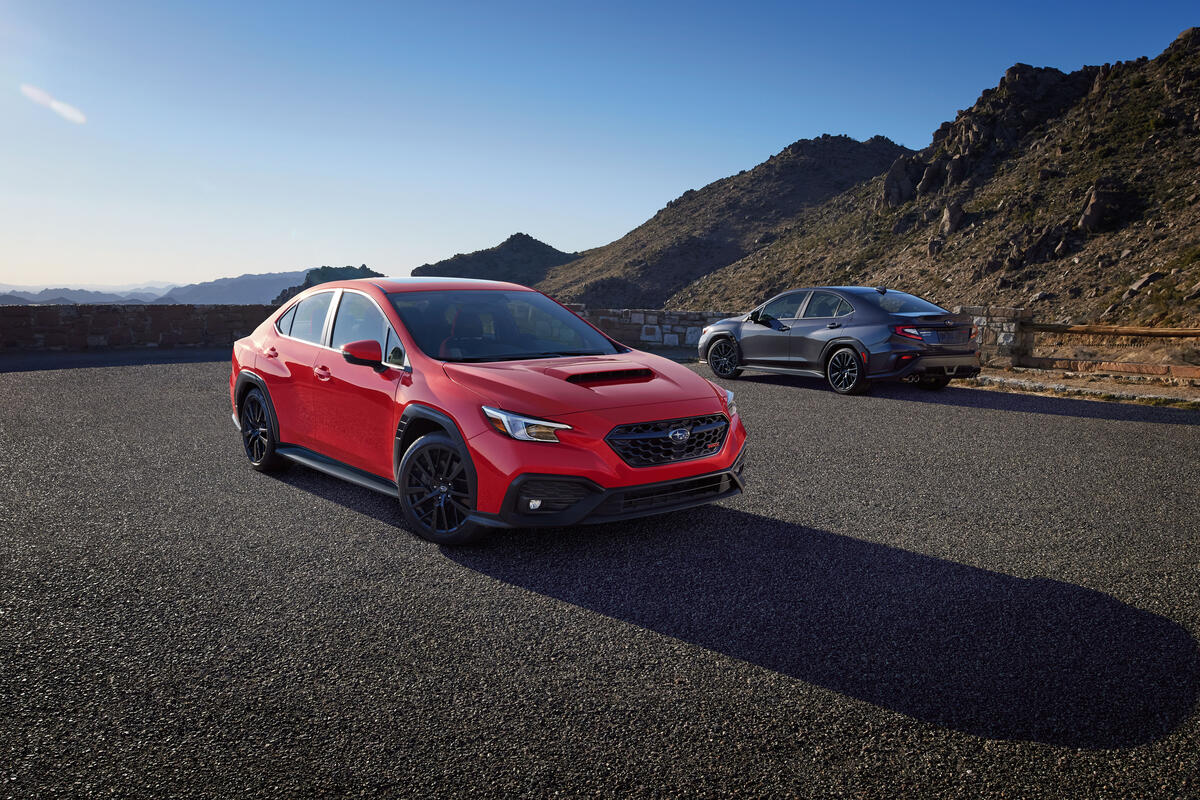
lifted WRX
"And there's also a lifted WRX over there too. Yes. Which is really cool."
The Subaru WRX is a turbocharged, all-wheel-drive performance car. A “lifted WRX” means it’s been raised up so it can handle uneven roads better—useful for overlanding and camping trips.
The Subaru WRX is a rally-inspired compact sport sedan known for its turbocharged performance and all-wheel-drive traction. A “lifted WRX” typically means increased ride height (often with suspension changes) to better handle rough roads and off-road camping setups.
Rica wheels
"I came up to you because I saw that you have these awesome... Yes. ...Rica wheels."
“Rica wheels” are aftermarket rims from a company called Rica. People change wheels to get a different look and sometimes to fit different tires for off-road or rugged driving.
“Rica wheels” refers to aftermarket wheels from the brand Rica. Wheel swaps can change both appearance and function—like tire fitment, ride feel, and how well the setup clears suspension or brake components.
T-tons
"...Rica wheels. These T-tons. Those T-tons."
“T-tons” sounds like a named accessory or product they’re using on the vehicle. The exact item isn’t clear from the transcript alone, but it’s part of the overland setup they’re showing off.
“T-tons” sounds like a specific accessory name or product line associated with the wheels/gear being discussed. Without the exact spelling or full product name, it’s hard to pin down what it is (for example, a tire/wheel-related accessory or a rack component).
bigger motor
"Because I was like I have to have the bigger motor. [4639.6s] Yeah."
“Bigger motor” just means a more powerful engine. With more power, the car can feel less strained when you’re driving uphill or carrying gear.
“Bigger motor” is shorthand for choosing an engine with more displacement and/or higher output. In overland and off-road use, a stronger engine can make it easier to maintain speed on grades and carry extra weight more comfortably.
manual transmission
"I see and I had to have the manual. [4640.6s] I know. [4641.6s] Even though it's a two point slope."
A manual is a car where you shift gears yourself using a clutch and a stick. Some drivers like it because it gives you more control over how the car responds.
A “manual” transmission is a gearbox where the driver selects gears using a clutch pedal and gear lever. Enthusiasts often prefer it for more direct control of engine speed, especially when crawling over uneven terrain or managing power delivery.

Ktm Xbow
"But, you know, this layout is, is incredible. It's in sort of with the, with the X-Bow course, like integrated, right? And that's cool."
The KTM X-Bow is a small, lightweight sports car built to be very fun to drive. It’s designed more for performance and track-style driving than for everyday comfort. The podcast mentions it in the context of a course and how the layout feels.
The KTM X-Bow is a lightweight, track-oriented sports car that emphasizes a minimalist, performance-first design. It’s often discussed in terms of its driving layout and how it’s engineered to feel connected and agile. The podcast references an “X-Bow course” and an integrated layout, suggesting the conversation is about driving dynamics and track experience.

Chevrolet Corvette
"Yeah. You might have a Corvette Club, you know, it's not necessarily a Chevy Club..."
The Corvette is a sports car made for speed and driving excitement. Because it has a strong fan base, people often form clubs specifically for Corvettes. In the podcast, it’s referenced in that club context.
The Chevrolet Corvette is a sports car known for its performance and its long-running history as a flagship model. It often gets discussed in terms of car clubs and enthusiast communities because owners frequently organize around the brand and the model. That’s why “Corvette Club” comes up as a natural way for fans to connect.
number plate
"[5457.1s] Okay, where we going next? [5459.1s] Cover your number plate. [5461.1s] I just gave away one of my answers. [5465.7s] I said number plate."
A number plate is the license plate on a car. It’s how police and cameras identify which vehicle it is.
A number plate is the vehicle’s license plate—an identification plate required for road use. In many countries it’s displayed on the front and/or rear of the car so authorities can identify the vehicle.
Ute
"[5465.7s] I said number plate. [5468.1s] Ute. [5469.1s] What is a Ute? [5470.1s] Pick up."
A ute is like a pickup truck, but usually with a more car-like cabin for passengers. It also has an open bed in the back for carrying stuff.
A ute (short for “utility vehicle”) is a body style common in Australia and some other markets: it’s essentially a pickup truck with a passenger cabin and an open cargo bed. It’s often used for work and outdoor activities because it can carry gear while still seating people comfortably.
pickup truck
"[5469.1s] What is a Ute? [5470.1s] Pick up. [5471.1s] Pick up truck. [5472.1s] Yeah!"
A pickup truck has seats for people and an open area in the back to carry things. It’s commonly used when you need to haul gear.
A pickup truck is a vehicle with a separate passenger cabin and an open cargo bed. The “pickup” layout is popular for hauling tools, equipment, and outdoor gear, especially in overlanding and work use.
bitumen
"[5488.1s] I'm ready. [5489.1s] Bitumen. [5490.1s] Bitumen! [5491.1s] What's bitumen guys?"
Bitumen is the sticky black material used to make asphalt roads. It helps hold the road surface together and keep water out.
Bitumen is asphalt binder—an oil-based sticky material used to make asphalt pavement. It’s what gives roads their waterproofing and binding properties, and it’s especially common in countries that use the term “bitumen” for asphalt.
puncture
"[5842.1s] Here we go. [5843.1s] Are we ready? [5844.1s] Not really. [5845.1s] The Korean word we use is puncture. [5848.1s] Puncture."
Here, “puncture” means the tire gets poked or pierced. That hole lets the air out, and the tire goes flat.
In this context, “puncture” is being used as the Korean word for a tire puncture—i.e., the tire gets pierced and then goes flat. It’s essentially the cause of the flat tire rather than a separate problem.
flat tire
"[5848.1s] Puncture. [5849.1s] Oh. [5850.1s] Flat. [5851.1s] Flat tire! [5852.1s] Well done!"
A flat tire is when your tire loses air. The car can’t drive normally on it, so you usually have to fix or replace the tire.
A flat tire means the tire has lost air pressure, so it can’t support the vehicle properly. In off-road and overlanding contexts, it’s a common roadside issue that often leads to a quick tire change or repair.
gas mileage
"[6215.1s] Great little fun car to ride in. [6217.1s] I love the gas mileage. [6219.1s] I love how easy it is to actually get into things."
Gas mileage means how far the car can go on a gallon of gas. Better gas mileage usually means fewer stops to refuel on trips.
Gas mileage is a measure of how efficiently a vehicle uses fuel. In practice, it’s often discussed as miles per gallon (MPG) for gasoline cars, and it matters for overlanding because it affects how far you can go between fill-ups.
oil filter
"You've got your oil filter right there. The only thing you have to do is get up underneath it and you're good to go."
The oil filter is like a screen for your engine oil. It catches gunk so the oil stays cleaner and helps the engine last longer.
An oil filter is the part that traps contaminants in the engine oil as it circulates. Keeping it fresh helps protect the engine by reducing wear from dirt and metal particles.
OEM
"So do you have the OEMs get played on it or have you done any modifications? So far it's all OEM, which is why I'm out here."
OEMs are the companies that make the parts that come on the car from the factory. When someone says it’s all OEM, they mean it hasn’t been heavily modified with aftermarket parts.
OEMs means original equipment manufacturers—companies that make parts that are installed on the vehicle when it’s new. In car talk, “OEM” usually implies factory-spec parts rather than aftermarket upgrades.
Subi forums
"And I started joining some Subi forums. I found out about the stuff that Subaru does in Flagstaff."
“Subi forums” are websites where Subaru owners talk to each other. People ask questions, share tips, and compare what modifications worked for them.
“Subi forums” are online community message boards where Subaru owners and enthusiasts share advice, mods, troubleshooting, and event experiences. They’re a common place to learn what works well on specific Subaru models and what to avoid.
Subaru booth
"Yeah, so what do you think of the Subaru booth here? Well, I love it."
A “Subaru booth” is the brand’s staffed display area at an event where Subaru representatives and/or dealers explain vehicles, accessories, and how to use them for activities like camping and off-road driving. It’s often where you’ll hear guidance on what’s worth modifying versus leaving stock.
clearance
"with the wilderness because you've got a little bit more clearance, you've got the all-terrain tires,"
“Clearance” means how much space the car has between the ground and the bottom of the vehicle. More clearance helps when roads or trails are bumpy so you don’t hit the underside.
“Clearance” here refers to ground clearance—how much space exists between the road and the lowest part of the vehicle. More clearance helps reduce the chance of scraping the underbody on rough trails or uneven camping-area terrain.
wilderness trim
"they're pretty much just ready to go. I mean, even [6415.1s] if you don't get the wilderness trim, [6417.1s] they're still so very capable."
A “wilderness trim” is a Subaru version that’s set up for dirt roads and light off-roading. It usually includes things like extra clearance and more rugged gear so you can go off the pavement more easily.
“Wilderness trim” is a Subaru off-road–oriented package level that’s meant to make the car more capable for dirt roads and rough trails without requiring major modifications. It typically pairs higher ground clearance and more rugged underbody/traction-focused equipment with exterior and interior styling aimed at outdoor use.
modifications based on their needs
"Yeah, and the way [6445.1s] that a lot of the people do modify [6447.1s] their Subarus is they modify [6449.1s] it based on their needs."
This is the idea of customizing your car for the trips you actually do. If your route is rough or rocky, you pick upgrades that help with that—rather than just adding random parts.
This describes a common overlanding approach: tailoring a Subaru’s setup to the specific routes and conditions you expect to encounter. Instead of one-size-fits-all upgrades, people choose changes like suspension lift, tires, and protection based on how rocky, muddy, or remote their trips are.
aftermarket
"They're a little rocky, [6461.1s] so maybe I'll get some aftermarket"
“Aftermarket” just means parts you buy from other brands, not the car’s original manufacturer. People use them to upgrade their Subaru for off-road use.
“Aftermarket” refers to parts made by companies other than the original manufacturer, installed to change or improve how the vehicle works. In off-road builds, aftermarket components are commonly used to add clearance, traction, and protection beyond what the factory provides.
all terrain tires
"And then of course, you know, they do [6469.1s] have all-terrain tires, but if you wanted a more [6471.1s] aggressive all-terrain tire, you can do that."
All-terrain tires are tires made for mixed driving—regular roads plus rough trails. They have tread and sidewalls meant to grip better off pavement than regular street tires.
All-terrain tires are designed to work on both pavement and dirt/rock/gravel. They typically have tougher sidewalls and a tread pattern that balances highway comfort with off-road traction.
all wheel drive
"Well, and the funny thing [6477.1s] is here in the all-wheel drive, so that's [6479.1s] something else I didn't know about and how [6481.1s] Subaru was the first to come up with some [6483.1s] of the all-wheel drive."
All-wheel drive means power goes to all four wheels. That usually helps the car grip better on slippery roads like snow, so it’s less likely to spin its wheels.
All-wheel drive (AWD) sends power to all four wheels, which can improve traction on slippery surfaces like snow and ice. The key benefit is that it helps reduce wheelspin compared with driving only one axle.
spare tire area
"I'm looking at getting a spare tire rack for the back because I don't want to have the donut when I'm off in the trail."
A spare tire rack is a bracket or mount that holds your spare wheel on the outside of the car. It’s useful for trips because you can keep the spare easy to reach and make room inside the vehicle.
A spare tire rack is a mounting system that holds your spare wheel on the outside of the vehicle, typically on the rear. For overlanding, it keeps the spare accessible and can free up cargo space inside.
donut
"I'm looking at getting a spare tire rack for the back because I don't want to have the donut when I'm off in the trail."
A “donut” is a small spare tire that’s meant to get you to a repair shop. It’s not meant for long distances or high speeds like a normal full-size tire.
In this context, “donut” refers to a compact spare tire (often called a donut spare). These spares are smaller and lighter than a full-size tire, but they usually have speed and distance limits and are meant for temporary use.
Tule
"I know Subaru's big on Tule. But, you know, I'm looking for something a little cheaper."
“Tule” sounds like Thule, a company that makes racks and gear mounts for cars. People use them to carry extra stuff on trips, and the speaker is considering a cheaper alternative.
“Tule” here likely refers to Thule, a well-known maker of roof racks and cargo solutions used for road trips and overlanding. The speaker is comparing rack brands and looking for a more budget-friendly option.
Big Bend area
"So being in Dallas, like where are you taking your Subaru? Mostly it's either going to be around the Big Bend area."
Big Bend is a remote part of Texas with lots of outdoor trails and long drives. It’s the kind of place where having the right gear (like a spare setup) matters.
The Big Bend area refers to the Big Bend region of Texas, known for remote roads and rugged terrain. It’s a common overlanding destination because it combines long distances with scenic backcountry routes.
Southwest Texas
"Mostly it's either going to be around the Big Bend area. Okay. So Southwest Texas. That's a long drive."
Southwest Texas is a big, remote region. When you’re far from help, it’s extra important to be prepared with things like a dependable spare tire plan.
Southwest Texas is the broader region that includes Big Bend, characterized by long distances between services and variable terrain. For overlanders, that typically increases the importance of carrying reliable recovery and spare-tire options.
Arkansas
"But Arkansas, there's some great trails up in Arkansas. Oh yeah, I found some there too. Fantastic stuff to go out to."
Arkansas is another place the speaker plans to go for trails. If you’re doing off-road trips there, you’ll want to be prepared for breakdowns away from town.
Arkansas is mentioned as another destination with trails suitable for off-road travel. It’s relevant because trail networks and access to services can influence what kind of spare tire and rack setup you want.
hydroplaning
"[6705.1s] You can be kind [6707.1s] of hard to avoid, you know, [6709.1s] hydroplaning if there's water on the road."
Hydroplaning happens when water builds up under your tires and they start to “float,” so the car can’t grip the road well. In heavy rain, that can make it harder to steer or slow down.
Hydroplaning is when tires lose contact with the road surface due to a layer of water, causing reduced steering and braking control. The segment mentions it as something you can’t always avoid in heavy rain, which is why traction-focused drivetrains like AWD are valued.
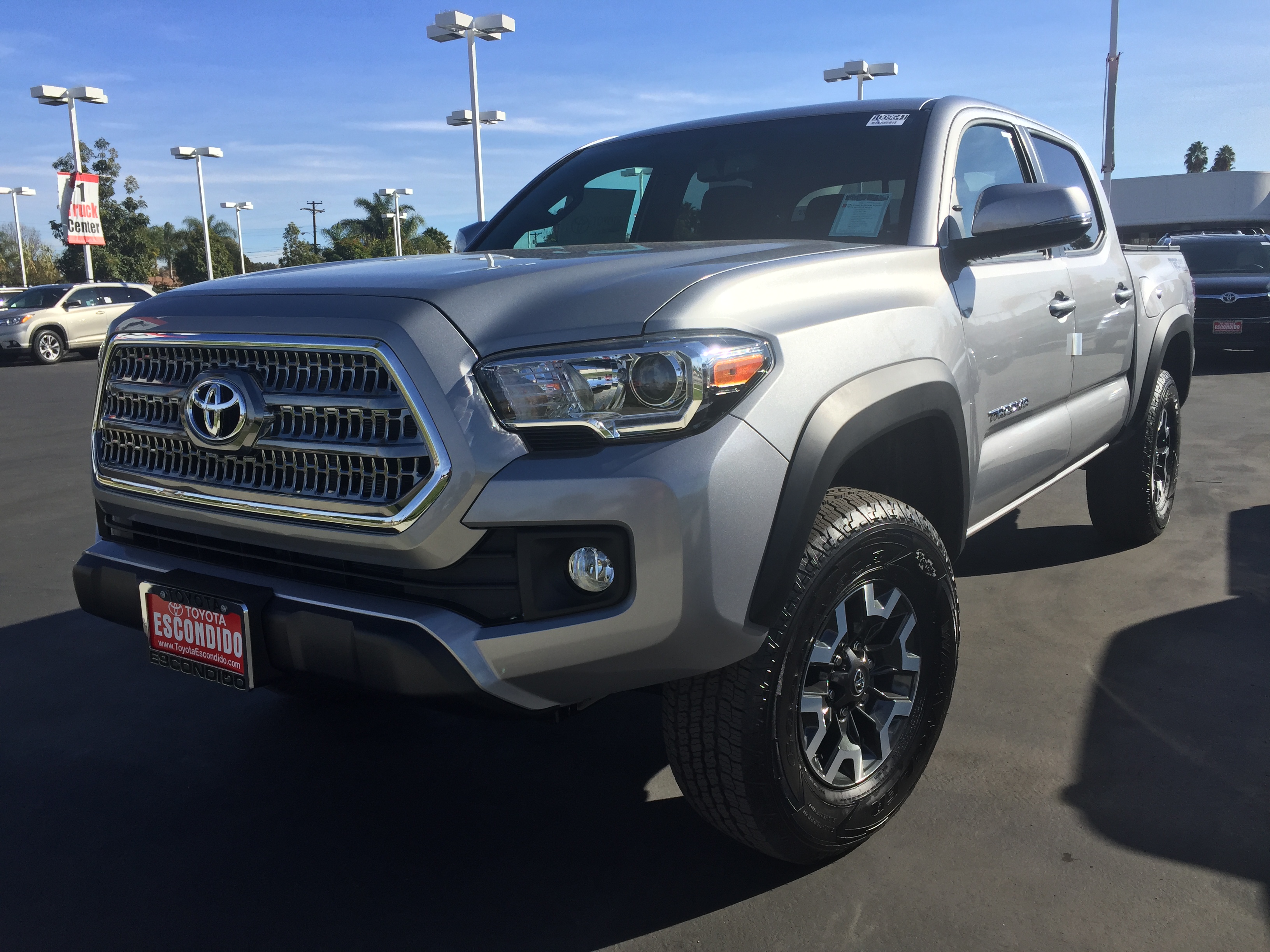
Toyota Tacoma
"So I like the, I like [6757.1s] the solidness of it. [6759.1s] When you shut the doors, there's [6761.1s] a hard thunk to it. Yeah. [6763.1s] I tried out one of the Tacomas because"
The Toyota Tacoma is a popular midsize pickup truck. Here it’s brought up as another truck the speaker tried for comparison.
Toyota Tacoma is a midsize pickup known for off-road capability and being a common alternative to Subaru-style overland setups. In this segment, it’s mentioned as a comparison point for how the hosts feel about ride solidity and traction.
automatic
"now. It's got to be automatic though. Yeah."
“Automatic” means the car changes gears by itself. You don’t have to use a clutch or shift manually.
In this context, “automatic” refers to an automatic transmission, meaning the car shifts gears for you instead of requiring manual clutch-and-gear changes. For off-road or overlanding use, many drivers prefer automatics for easier low-speed control.
overlanding
"They're real big in camping, real big in overlanding. And they really help support local shelters and things."
Overlanding is like going on an extended road trip, but you’re set up to camp and handle rough roads. People usually plan for being self-sufficient far from normal services.
Overlanding is long-distance, self-sufficient travel—often off paved roads—using a vehicle equipped for camping and basic repairs. It’s more about the journey and durability than speed or racing.
Camp Subaru
"Well, yeah, if you get a chance to go check out Camp Subaru, so if you take the loop and go around, it's like halfway around the loop straight"
“Camp Subaru” is a Subaru area at the event where you can go check things out. It’s set up like a camp or hangout zone for Subaru fans.
“Camp Subaru” sounds like a Subaru-themed area/activation at the event, likely featuring Subaru vehicles and community-focused activities. The host describes it as something you can visit by taking a loop around the venue.
Rallytech
"but there was, I believe it was [7169.1s] Rally Tech [7171.1s] who did it."
Rally Tech is a company name. The hosts are saying that this company did the modifications on the vehicle they’re talking about.
Rally Tech is a company name mentioned in the context of who modified a vehicle. In overland/off-road circles, brands like this are often responsible for suspension, wheels/tires, and other fitment-focused upgrades.
Rally Innovations
"Rally Tech [7171.1s] who did it. Maybe it was Rally Innovations [7173.1s] who did it."
Rally Innovations is another company name. The host is suggesting they may have been the ones who did the upgrades that changed how the vehicle looks.
Rally Innovations is another company name the host associates with the vehicle’s modifications. The mention is tied to how the car looks after changes like wheels and tires.
River Rock color
"with the [7177.1s] River Rock color, I believe it is, [7179.1s] it just, with the modifications that they put on it."
“River Rock color” is the name of the paint color on the vehicle. The host is saying that this color looks especially good with the chosen wheel colors.
“River Rock color” refers to a specific paint color the host says the vehicle is finished in. Paint color strongly affects how wheel finishes (like bronze or gold) contrast and how the build’s modifications read visually.
wheels and tires
"they just changed out the wheels [7189.1s] and tires and just that alone. Yeah."
Wheels and tires are the parts that connect the vehicle to the ground. Swapping them can change both how the car looks and how it grips on dirt or rough roads.
Wheels and tires are two of the biggest visual and functional upgrades on an overland build. Changing them can alter stance, ride feel, and off-road traction, and it often makes the whole vehicle look more “purpose-built.”
bronze color wheels
"The [7193.1s] Oh, God, the gold color [7195.1s] wheels, the bronze color wheels. Yeah."
Bronze color wheels are wheels finished in a bronze/gold-brown tone. The host is saying that this wheel color makes a big difference in how the whole build looks.
Bronze color wheels describe a wheel finish that creates a warm contrast against certain paint colors. On modified vehicles, wheel color is a major part of the overall aesthetic and can make the stance and body lines stand out.
Crater Lake Run
"Yeah. [7211.1s] There was actually, we went on the Crater Lake Run. [7213.1s] There was a"
The “Crater Lake Run” is a group trip/drive that the overland crowd did. It’s mentioned as a way they met new people.
The “Crater Lake Run” is an organized overland/off-road ride the group went on during the event. It’s the kind of route-based activity where people meet and compare builds.
front suspension
"with just the front [7519.1s] suspension replacing the top hat"
The front suspension is what connects the front wheels to the car. It helps the wheels stay in contact with the road over bumps, and it affects how the car steers and rides.
“Front suspension” is the set of components that connects the front wheels to the vehicle body and controls ride comfort and wheel contact. Changes to the front suspension can affect steering feel, how the car handles bumps, and how much lift you can run for off-road use.
top hat
"with just the front [7519.1s] suspension replacing the top hat [7521.1s] for double ax top hats"
A top hat is a mounting part at the top of the strut/spring. Swapping it can help you change the ride height and how the suspension sits.
A “top hat” is the upper mounting piece for a strut/spring assembly. Replacing it can change ride height and suspension geometry, which matters when you’re trying to lift a vehicle for overlanding or fit different spring/strut setups.
two inch spacer
"[7521.1s] for double ax top hats [7523.1s] and then one inch spacer as well [7525.1s] in the rear."
A one-inch spacer is a small thickness piece added to lift the car. It’s a common way to get more clearance, but it can affect suspension alignment and fitment.
A “one inch spacer” is a thickness add-on used to raise ride height without replacing the entire suspension system. Spacers can help achieve the desired stance, but they can also change how the suspension works and may require careful alignment and fitment.
K&N
"just replacing, you know, the engine [7533.1s] or filter for [7535.1s] K&N and then"
K&N makes aftermarket air filters. People swap them in to let the engine breathe a bit better than the factory filter.
K&N is an aftermarket brand known for air filters, including reusable, oiled filters. Swapping to a K&N filter is a common “intake” mod intended to improve airflow and reduce restriction compared with some stock filters.
Grinch Speed
"[7535.1s] K&N and then [7537.1s] bypass by all from Grinch Speed other [7539.1s] than that pretty much stock. Yeah."
Grinch Speed is a company that makes aftermarket parts. Here they’re mentioned as the source for an exhaust/bypass modification.
Grinch Speed is referenced as the supplier for an exhaust-related “bypass” modification. In overland/off-road builds, exhaust and bypass parts are often chosen to change sound, flow, or how the vehicle routes gases.
no drill
"that a spider no drill refract was able to made as well"
“No drill” means you attach something to the car without drilling holes. That’s useful because it can help avoid damage to the body and reduce the chance of water leaks.
“No drill” refers to mounting accessories without drilling holes into the vehicle’s body. It’s popular for overlanding gear because it helps preserve the factory structure and can reduce the risk of leaks from poorly sealed holes.
diodynamic lights
"Yeah. I am running as well a lot of diodynamic lights. Yeah. I mean, I have"
“Diynamic lights” sounds like a type/brand of extra off-road lights. People add these to see better at night, especially when driving off pavement.
“Diynamic lights” likely refers to a specific brand or product line of auxiliary lighting used for off-road visibility. In overlanding setups, owners add multiple light sources (hood-mounted, fog lights, light bars) to improve sightlines at night and in bad weather.
light bar
"Plus the light bar on the top and then two more pots in the rear as well."
A “light bar” is an extra strip of lights you mount on the vehicle. It helps you see farther ahead than the regular headlights.
A “light bar” is an auxiliary lighting unit mounted on the vehicle (often on the roof or front) to provide a wide, bright beam. Overlanders use them to extend usable visibility beyond the headlights, especially on trails and unlit roads.
articulation
"and sometimes like as well testing the articulations [7685.1s] of it. Yeah. Because"
Articulation is how well the suspension can flex when the wheels go over uneven ground. Better articulation helps traction, but it can also make parts under the car get closer to obstacles.
Articulation is how much a vehicle’s suspension can move independently as one wheel goes over bumps while the others stay in contact. More articulation helps keep tires on the ground off-road, but it can also increase the chance of contacting underbody parts.
skip play
"That was the first [7695.1s] time that I ended up hitting my skip play [7697.1s] with a big dent on it."
“Skip play” sounds like a name for a part under the vehicle. After the lift, the car moved differently over bumps, and the speaker hit that part and dented it.
“Skip play” appears to be a mis-transcription of a suspension/undercarriage component that can be struck when articulation increases after a lift. In this context, it’s something the speaker hit hard enough to dent, then replaced.
sway bars
"yeah, not running sway bars [7703.1s] after the lift as well. It definitely"
Sway bars help keep the car from leaning too much in turns. Off-road, skipping them can let the suspension move more, which can help the tires stay planted on bumpy ground.
Sway bars (anti-roll bars) reduce body roll by linking the left and right suspension. Off-road, removing or not running sway bars can let the suspension move more freely, improving wheel contact over potholes and uneven terrain.

Subaru STI
"And I'm also like really glad to see that I'm not the only direct. There was also an STI. And I think there was another."
STI is Subaru’s performance version of certain models. Here, they’re saying other people with STI cars were also there at the Subaru Base Camp.
The Subaru STI is the performance-focused trim of the Subaru Impreza line, known for rally-inspired all-wheel-drive and a more track-oriented setup than the standard model. In this segment, it’s mentioned as one of the other Subaru models represented at the Base Camp.
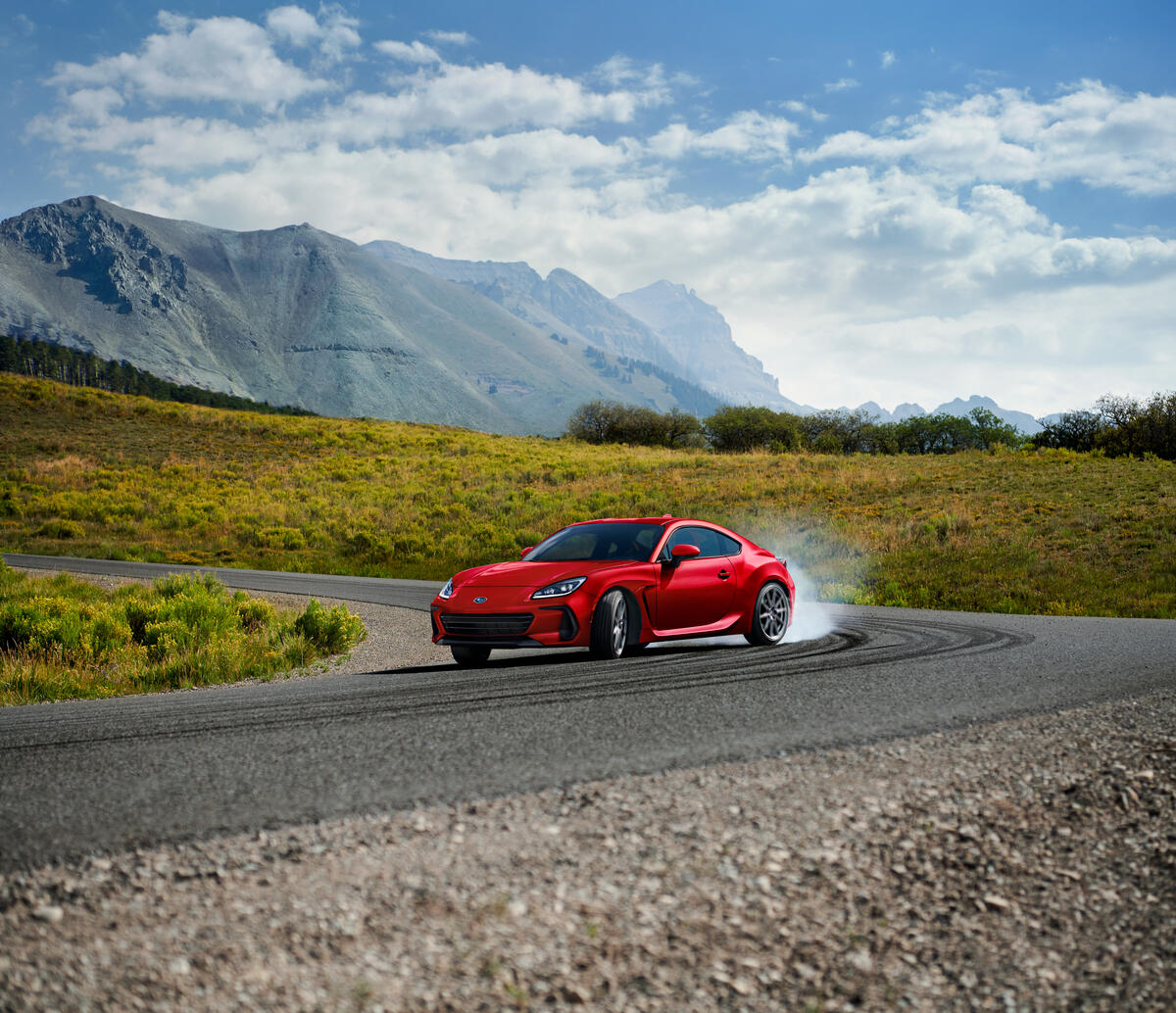
Subaru BRZ
"And I think there was another. And then there was a BRZ. The BRZ as well."
The BRZ is Subaru’s smaller sports car. In this part of the conversation, they’re saying a BRZ was also represented at the event.
The Subaru BRZ is a lightweight, rear-wheel-drive sports coupe (often paired with Toyota’s 86/GT86 platform) designed for balanced handling rather than straight-line power. The host mentions it as another model represented at the Subaru Base Camp, highlighting that the event isn’t only for one type of Subaru.
cell booster
"Yeah I have had quite a bit of people either just taking a look or asking about certain things the suspension the tires or maybe even the cell booster or something like that"
A cell booster helps your phone get a stronger signal when service is weak. It usually uses an outside antenna to catch what it can, then boosts it so you can actually use your phone.
A cell booster is an aftermarket device that improves cellular signal strength inside a vehicle or at a campsite. It typically uses an external antenna to capture weak signal and then amplifies it to provide better reception for phones and data.
weak signal
"it's not like I explained to everyone it's not like if you have no service it's not going to pick up a bar but if it's like weak signal it's going to boost that up to one to"
Weak signal means your phone can’t get a strong enough connection to work well. A booster can help when the signal is low, but it won’t work miracles if there’s basically no service at all.
Weak signal refers to cellular reception that’s too low for reliable calls or data. Booster systems are designed to amplify weak incoming cellular coverage, but they can still struggle if there’s essentially no usable service.
Request an Explanation
Heard something you'd like explained? We'll add it to this episode.
Sign in to request explanations for terms you heard.
Want to learn more?
Browse our glossary for plain-English explanations of automotive terms, jargon, and concepts.
Help improve this episode
See something that's not quite right? Our annotations are AI-generated and can sometimes miss the mark. Click the flag icon on any annotation to suggest a correction.