
C.R.E.A.M. #79 - 300k Mile Huracan, The Ugly New Juke and a GT3 Convertible
About this episode
A wide-ranging C.R.E.A.M. catch-up swings from stress about a potential Mercia logo auction win to real-world ownership: Edwin’s plan to combine two Alfa 159s into one good daily, backed by CarVertical checks, plus show-trip stories (including a disastrous food-and-fuel day for one host). The crew debates gated manuals, why car dealers use generic silhouettes, and the “rarity vs scene points” forum question. Big news hits include a 300k-mile Italian police Huracan, the ugly new Nissan Juke, and a GT3 convertible that divides purists.
⚪️ Get 20% off your next Car Vertical check using code CREAM 👉 https://www.carvertical.com/gb/landing/v3?utm_source=infl&a=TDC&b=38b26e3a&voucher=cream20🍦 Follow C.R.E.A.M. socials!https://www.instagram.com/carsruleeverything/Edwin: https://www.instagram.com/edwin.klinkenberg/Will: https://www.instagram.com/willchandlr/ 📬 Enquiries: [email protected]
cars rule or ruin everything around us
"Call you out and then William to my left at the beginning of every single podcast, we answer the question, the cars rule or ruin everything around us. This week will let's look into the future."
They’re using a recurring theme: do cars make things better or worse? The show uses that idea to talk about cars and what they change in real life.
The hosts are framing the episode around whether cars improve or worsen the world around us. It’s a recurring premise that sets up discussion topics like design choices, ownership tradeoffs, and how cars affect daily life.
let's look into the future
"This week will let's look into the future. Let's let's get the crystal ball out, folks, because what's happened? What's happening?"
They’re saying this episode will talk about what might happen next in the car world. So it’s more about predictions and trends than just current stuff.
This is a segment setup indicating the episode will focus on future-facing trends or predictions. Listeners can expect discussion to move from current cars to what’s coming next.
auction
"So this Sunday, I'm going to an auction... There is a Mercia logo coming up for an auction at Bonham's this weekend on Sunday... I have done so much research, doing numbers, seeing research on auction prices..."
They’re going to a car auction and waiting to see what happens. Auctions can swing in price, so they’ve been looking up past sale prices to guess what it might cost.
The host is talking about an upcoming car auction at Bonhams, where the outcome will determine whether they buy (or lose) a specific car. Auction pricing can be unpredictable, so they mention doing research on auction prices and “numbers” to estimate value.
Bonham's
"There is a Mercia logo coming up for an auction at Bonham's this weekend on Sunday... But yeah, most of the auction this weekend..."
Bonhams is a well-known auction house that sells cars, collectibles, and other high-end items. When a car is listed there, it often means the listing is aimed at serious buyers and can attract competitive bidding.

Alfa Romeo 159
"...We won't reveal any prices, but you've bought a new daily. [166.6s] There are a bit too. [167.4s] There are two alpha 159s at the moment."
The Alfa Romeo 159 is a regular-size sedan made by Alfa Romeo. People talk about it because it’s more characterful and fun than many typical commuter cars.
The Alfa Romeo 159 is a mid-size sedan from Alfa Romeo, known for its styling and driving feel. In enthusiast circles, it often comes up as a “real Alfa” alternative to more common European sedans, with various engine options depending on market and year.
make one good car out of two
"Yeah, this one really is a breaker for the money, but I wanted it for the interior. So the plan is to make one good car out of two."
Sometimes people buy two cars that aren’t perfect and use the best parts from each. The goal is to end up with one car that’s actually worth keeping.
“Make one good car out of two” describes a common enthusiast strategy: buying two imperfect cars and combining the best parts (or swapping components) to create a single, more desirable vehicle. It often happens when one car is cheap because of mechanical issues, while the other has the right interior or condition.
parts car / donor car
"Yeah, this one really is a breaker for the money, but I wanted it for the interior. So the plan is to make one good car out of two."
The “breaker for the money” plus “wanted it for the interior” implies one car is being treated as a donor—kept mainly for usable components—while the other provides the better mechanical base. This is a common approach when one car’s value is in specific parts rather than overall condition.
Facebook marketplace
"But I bought this car Facebook marketplace. A site of dreams."
Facebook Marketplace is being used as the source for the car purchase, which matters because private-party listings can vary widely in accuracy and documentation. The hosts’ concerns about whether the seller is “dodgy” highlight the need for verification before buying.
CarVertical
"But obviously today's podcast is sponsored by CarVertical once again, and they came in clutch on this car because I couldn't go and see it"
CarVertical is a service that looks up a car’s history using its details. It helps you spot red flags—especially when you can’t go see the car in person.
CarVertical is a vehicle history service that helps check things like reported accidents, title/ownership history, and odometer-related records. The host says it “came in clutch” because they couldn’t physically inspect the car, using the report to reduce the risk of buying a cheap, distant listing.
vehicle history report before purchase
"and they came in clutch on this car because I couldn't go and see it because it was miles away and it was cheap enough that I kind of was happy"
Before buying a used car, checking its history can help you avoid surprises. It’s especially useful when you can’t inspect the car yourself.
Using a vehicle history report before buying is a risk-management step, especially for long-distance or low-price purchases. It’s meant to catch issues that aren’t obvious in photos—like accident history, inconsistent mileage, or title problems—before you commit.
vehicle history check
"We always run one before we buy a car. ... Get a car checked. Just don't get caught out."
A vehicle history check is a report that helps you learn what a used car has been through. It’s meant to catch surprises—like accident history—before you hand over money.
A vehicle history check compiles records (accidents, mileage reporting, ownership, and sometimes title/registration events) to reduce the risk of buying a problematic car. The hosts emphasize running one before purchase so you don’t get “caught out.”
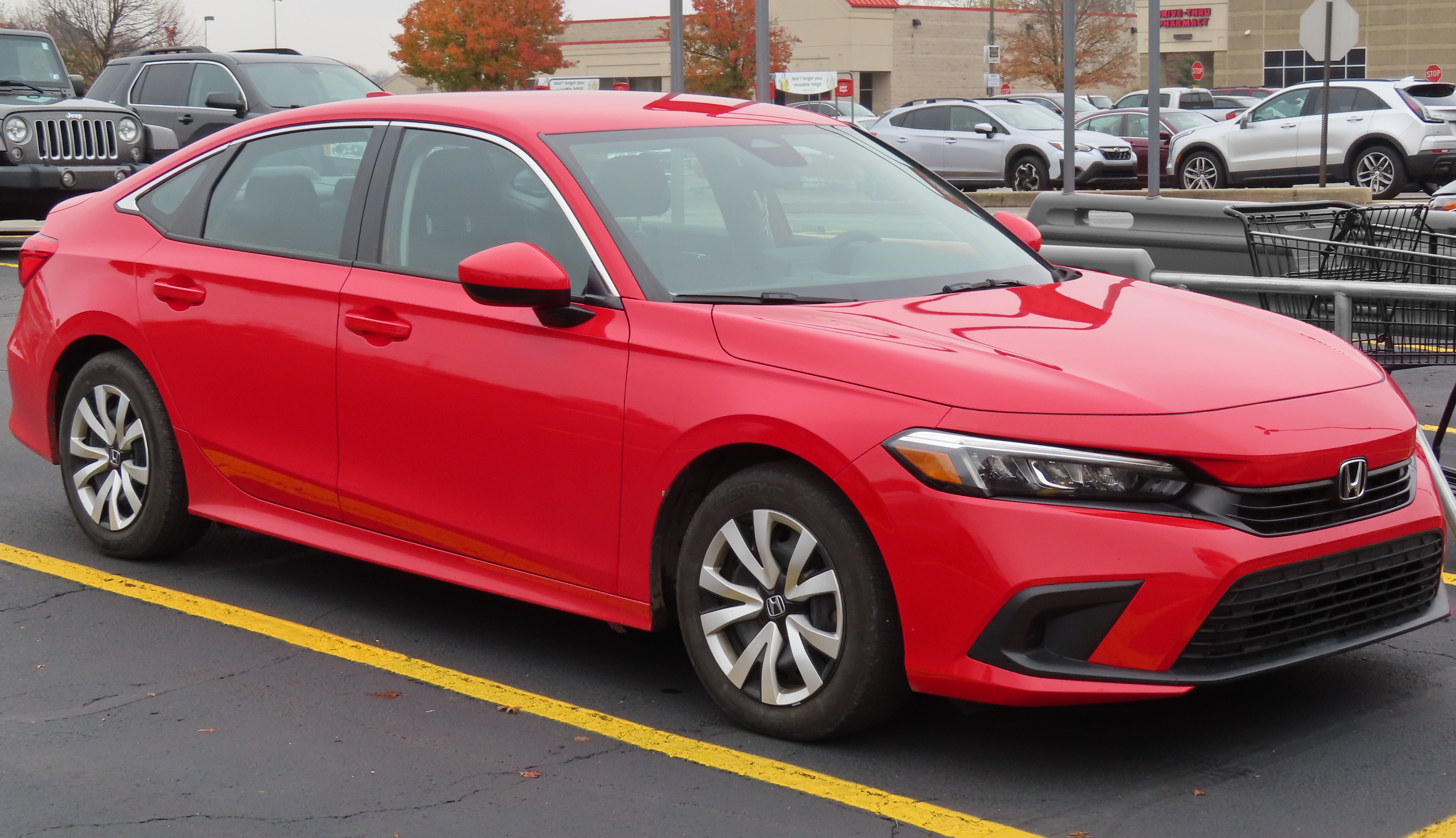
EK Civic
"There was a small room from us because we were bidding on an EK Civic as well today, which we lost out on..."
An “EK Civic” is an older Honda Civic generation from the late 1990s. It’s a popular used-car target because parts and community knowledge are usually easy to find.
“EK Civic” refers to the Honda Civic’s EK generation (the 1996–2000 era). The hosts mention bidding on one and losing the auction, implying they’re shopping for a specific older Civic platform.
combining these two cars
"I'm now really looking forward to combining these two cars because the spec that that one will become wasn't really a thing in that color with the wheels and the seats..."
They’re talking about using one car to upgrade another—like borrowing parts so the end result looks and feels better. It’s basically a DIY “make the better one” strategy.
“Combining these two cars” suggests a parts-swapping or build approach—using one car as a donor to improve the other’s appearance or specification (wheels, seats, and color). This is common in enthusiast circles when one car is mechanically fine but cosmetically lacking, or vice versa.
roof down driving
"[366.4s] When I went home, I went to get fuel. [367.8s] And there's a stretch from the unit to the fuel station, which was quite nice. [370.9s] And I had the roof down, sunset. [372.2s] That was good."
Driving with the roof down makes the car feel more open and fun. You hear more, feel more wind, and it usually feels more “alive” than driving with the roof up.
“Roof down” driving refers to using the convertible top in the open-air mode, which changes the cabin experience dramatically. It often makes the car feel more immediate and can heighten sensory feedback like wind noise, engine sound, and airflow.
Imagination Creations
"My eight series came back from Chris at Imagination Creations. Super happy with that."
Imagination Creations sounds like a car shop that worked on the host’s BMW. It’s the kind of place enthusiasts use when they want specific work done.
Imagination Creations appears to be a specialist shop or builder the host trusted to work on their BMW 8 Series. For listeners, this highlights how owners often use dedicated custom/repair shops rather than only dealerships.

Renault Clio
"Got that transported. Got my girlfriend to drive the Clio because I was like, this would be great."
The Renault Clio is a compact hatchback that’s popular for being easy to drive and maneuver in everyday traffic. The host mentions getting their girlfriend to drive the Clio, implying it’s the practical choice for local driving while they handle another car.
Lamborghini Tuscan
"Got my girlfriend to drive the Clio because I was like, this would be great. I'll drive the Tuscan."
The Lamborghini Tuscan is a high-end supercar. They’re saying they’ll drive it, meaning it’s the exciting choice compared to the smaller car.
The Lamborghini Tuscan is a V12 supercar from Lamborghini’s lineup, known for its sharp styling and dramatic performance. In this segment, the host says they’ll drive the Tuscan, suggesting it’s the more special/enthusiast-focused car for the trip.
Food and View
"I was actually really upset that I missed it because it was looking like it was going to be a great day. And that's why we don't eat seafood pizzas before we go to Food and View."
They’re talking about an event they go to. The host is saying they learned a lesson about what to eat beforehand because it affected their day.
“Food and View” sounds like a specific event the hosts are attending, likely centered around food and viewing cars or a venue experience. It’s mentioned as the context for a “lesson learned” about what not to eat before the event.
Shedfest
"So you know what? Lesson learned. See you at Shedfest."
They mention “Shedfest” as another event they’re planning to go to. It’s part of the conversation about when they’ll see each other next.
“Shedfest” is referenced as a future meetup/event the group plans to attend. While not a car term by itself, it frames the episode’s real-world gathering context.
Race driver excuses
"[689.0s] Because we had to get there early. [690.1s] You were told to get there early. [690.9s] So I got there early and I was quite tired. [693.1s] Am I, and you know. [693.9s] Race driver excuses, fine. [695.1s] Sure."
They’re making a joke about how race drivers always have a reason for how they feel—like being tired because of the event. It’s not a technical car thing, just a humor moment about racing culture.
The hosts are joking about “race driver excuses,” meaning the common habit of attributing fatigue or performance to race-related circumstances. It’s a lighthearted way to frame how racers explain being tired or off their game.
Shelsley Walsh
"So the next one will be Shelsley Walsh, August the 11th. Yeah. 22nd. That's the one, isn't it?"
Shelsley Walsh is a well-known hillclimb track in the UK. Instead of going around a flat circuit, cars race uphill for speed and control.
Shelsley Walsh is a famous UK hillclimb venue. Events there typically involve cars racing up a steep course against the clock, so it’s a different kind of test than a circuit race.
Bista
"And there's another one at Bista. And then in October at Bista. It's similar to what we did last weekend."
“Bista” sounds like the name of a place where they’re going for an event. The hosts compare it to what they did the weekend before, so it’s probably a similar meet-up or driving event.
“Bista” appears to be a venue name referenced for upcoming events. Without clearer context, it’s likely another location where the hosts are meeting or running an event similar to the previous weekend.
free up some money
"[874.9s] I've, that car, I think I talked about on the podcast. [877.5s] I said I was going to sell it because I wanted to, I wanted to free up some money and I'd be very sad about selling it."
This is basically the idea of selling a car so you have more cash available. Even if you like the car, you might do it to pay for something else or to make your finances easier.
“Free up some money” is a common ownership strategy: selling a car (often one you love) to reduce monthly costs or to fund another purchase. In enthusiast circles, it’s frequently about reallocating capital toward a different build, upgrade, or a more usable daily driver.

C55 AMG
"[894.6s] It's the same reason I haven't sold C55 AMG yet. [898.0s] I hate selling cars that need work to people because I hate the idea of if it going to someone and then that person has a really tough time or hates it."
“C55 AMG” is a fast version of the Mercedes-Benz C-Class made by AMG. The host is basically saying they don’t like selling a car that’s going to be a headache for the next owner.
“C55 AMG” refers to the Mercedes-Benz C-Class performance model built by AMG. In this segment, they’re talking about whether to sell it and how it needs work, which affects the decision-making and buyer experience.
rust under the arch
"[913.6s] So the eight series, I knew there was bits of rust under the arch. [917.9s] But I thought, let me just give it to Chris at imagination creations, let him like sand it back and just see how bad the rust is. [924.5s] It turned out the rust was bad, but quite bad."
Rust under the wheel arch is often hidden until you strip things down. Once they sanded it, they realized it was much worse than they expected.
Rust “under the arch” (wheel-arch area) is a common hidden problem because it can be covered by trim and bodywork. The host sanded it back to assess severity, and the takeaway is that surface rust can reveal deeper structural or panel corrosion once exposed.
front wing
"[927.5s] It needed two recorders entirely. [930.0s] So at that point, he was like, look, man, I can do the two recorders and the front wing that it needs. [935.2s] But now 60% of the car is going to be mismatched..."
The front wing is the outer panel over the front wheel. They’re saying the car needed a replacement panel as part of fixing the rust damage.
The “front wing” is the front fender panel on a car. In this segment, it’s part of the repair list after rust is assessed, and the host notes that replacing panels can lead to a mismatched look versus the original sections.
two recorders
"[927.5s] It needed two recorders entirely. [930.0s] So at that point, he was like, look, man, I can do the two recorders and the front wing that it needs. [935.2s] But now 60% of the car is going to be mismatched..."
This sounds like they had to replace two major lower body sections because of rust. It’s not a small cosmetic fix—replacing those parts changes a lot of the car’s structure and finish.
“Two recorders” appears to be a transcription error for a body/structural repair term (likely “rockers,” the lower side panels). The context is that the car needed two major sections replaced entirely due to rust, which is a bigger job than just patching surface corrosion.
mismatched panels vs original
"[935.2s] But now 60% of the car is going to be mismatched to the other 50% that's original. [941.2s] Shall we do you just want to keep it and then go around the whole car?"
When you replace a lot of body panels, the new parts might not line up or match the original look perfectly. That can make the car seem “different” even after repairs.
The host points out that once a large portion of the car is replaced, the new panels may not match the original ones perfectly (fit, finish, or color). This is a common issue in collision/rust repairs and affects both appearance and resale perception.
exhaust is disconnected from the rest of the exhaust
"The exhaust is how you say disconnected from the rest of the exhaust. So it doesn't have an MOT. You need to get that done."
If the exhaust parts aren’t connected correctly, exhaust gases can leak. That can make the car louder and can also cause it to fail the emissions/safety checks.
When the exhaust is “disconnected,” it usually means sections of the exhaust system aren’t properly joined—often due to a missing section, broken clamp, or a removed component. That can create loud leaks, trigger emissions issues, and can be a reason a vehicle fails an inspection like an MOT.
MOT
"So it doesn't have an MOT. You need to get that done."
MOT is a UK safety and emissions test for cars. If your car doesn’t have a current MOT, you usually can’t drive it legally until it’s fixed and passes.
MOT is the UK’s mandatory annual vehicle inspection that checks roadworthiness and emissions compliance. If a car “doesn’t have an MOT,” it generally can’t be legally driven on public roads until it’s passed.
retrim the interior
"...I need to retrim the interior because now the gray interior not working. It's always been the worst part of that car."
Retrimming is when you redo the inside of the car—like replacing worn fabric or coverings. They’re saying the interior needs work before the car feels right again.
“Retrimming” means replacing or re-covering interior materials like panels, seats, or trim pieces. In this context, the host is addressing interior wear or failure (they mention the gray interior) as part of getting the car back in usable condition.
headlining
"What I want to do, I'm going to get the the headlining because that as we all know the headlining it's it's it's like a billowy old tent. It just kind of waves around."
The headlining is the fabric/trim material on the underside of the roof. The hosts describe it as “billowy” and waving, which usually indicates the foam backing has degraded or the adhesive has failed, causing the material to sag.
scrim
"...redo that with some scrim with some scrim in brown scrim. I think is what we'll do... And then I'll scrim. I've got scrim."
Scrim is a thin fabric backing used when redoing interior roof lining. It helps the material stay tight and smooth instead of sagging.
In upholstery work, “scrim” is a backing fabric used to support and stabilize trim materials (often for headliners). The host is planning to redo the headlining using scrim in a brown color to restore a firm, wrinkle-free surface.
ZF
"[1011.7s] impulse. [1012.2s] That car's going to be cool. [1013.1s] And then a little bit of a nice upgrade on the automatic to a ZF. [1017.5s] But enough about that car."
ZF is a company that makes car parts, especially transmissions. They’re saying they want to swap the current automatic for a ZF automatic, which can make the car drive better and feel smoother.
ZF is an automotive supplier best known for transmissions. In this context, the hosts are talking about upgrading the car’s automatic transmission to a ZF unit, which can change shift feel, durability, and drivability.
modified car
"This is mainly of this is mainly caught words. [1064.1s] This is mainly modified car. [1066.0s] Yeah. Enthusiastic type car adverts where someone will list a car."
A modified car is one that someone has changed from how it came from the factory. People do it to make it look cooler or drive better, but it’s worth checking that the work was done well.
A “modified car” is a vehicle that’s been changed from factory spec—often for appearance, sound, performance, or handling. In enthusiast circles, modifications can be a selling point, but they also raise questions about quality, reliability, and whether the car was tuned/maintained correctly.
enthusiastic type car adverts
"[1066.0s] Yeah. [1067.5s] Enthusiastic type car adverts where someone will list a car. [1070.8s] You say, oh, wow, look at that car."
They’re talking about the way some car ads are written to sound really exciting. It’s a reminder to take claims with a grain of salt and look for proof.
The hosts are describing a style of car listing or advertisement where the seller uses hype and excitement to sell the vehicle. This is useful context for listeners because it can hint at how to read listings critically—what’s emphasized, what’s missing, and how to verify claims.
not included in the sale is the wheels and the steering wheel
"And then you read through it and go, not included in the sale is the wheels and the steering wheel, the turbo, the engine, the seat, whatever it is."
Sometimes sellers advertise a car with certain parts shown in the pictures, but those parts aren’t actually included when you buy it. So you might show up expecting a specific setup and find the car is missing the wheels or other items.
The hosts are describing a common private-sale tactic where key items (like wheels and even the steering wheel) are listed as not included in the purchase. That means the buyer may see one car in photos, but the delivered car could be missing the most visually important parts.
turbo
"And then you read through it and go, not included in the sale is the wheels and the steering wheel, the turbo, the engine, the seat, whatever it is. "
A turbo is a performance part that helps the engine make more power. If it’s not included in the sale, the car you buy might be much slower or incomplete compared to what the photos suggest.
A turbocharger is a forced-induction device that increases engine airflow and can significantly change performance. If a listing says the turbo isn’t included, it implies the car may be missing major performance hardware, not just cosmetic items.
listing photos vs what you actually get (seller keeps parts)
"I have a theory. It's because it's when the car looks good, you go and take that photo that you're like, oh, that's a good looking car. "
They’re talking about a situation where the ad looks great because of parts that the seller plans to keep. If you go to buy it, the car may not be ready or may be missing the parts you thought you were getting.
The hosts theorize that some sellers use photo-ready parts to attract attention, then remove them before the sale. This creates a mismatch between the listing and the actual purchase, which can waste a buyer’s time and complicate valuation.
car isn't ready to go
"Basically. It's like, so if I wanted to come and see the car, it isn't ready to go. No. "
They’re saying the seller may not have the car fully set up for you to view or buy. That makes it harder to check the car properly before you commit.
The hosts are pointing out that if a seller removes key components or hasn’t prepared the car, the buyer may not be able to inspect or drive it as expected. For used-car purchases, readiness affects how you verify condition and negotiate.
car listings "as it sits" vs "with wheels" pricing
"there's always a post where it'll say it's eight grand as it sits, or it'll be six and a half with the wheels or five with the, with the wheels and the shifter... What am I being left with? What are you giving me instead?"
They’re talking about how sellers sometimes list different prices depending on what parts are included. The point is: you should figure out what you’re actually being left with after the seller subtracts the value of parts.
The speaker is criticizing how some listings quote multiple prices depending on what’s included—like “as it sits” versus a higher number “with the wheels” (and even a separate price for a shifter). This is a common private-sale tactic that can confuse buyers about the true value of the car versus the value of individual parts.
shifter
"...it'll say it's eight grand as it sits, or it'll be six and a half with the wheels or five with the, with the wheels and the shifter."
A shifter is the part you use to select gears (like Park/Drive or 1st/2nd). Here, the host is saying the seller may be pricing the car differently depending on whether the shifter is included.
The “shifter” is mentioned as a separately valued item in the seller’s pricing structure. That implies the car may be missing the shifter or that the seller is trying to break out the value of the transmission control hardware when negotiating.
above market value
"Are you just, am I just giving you whatever above market value is for these wheels?"
It means the price is higher than what similar stuff usually sells for. If you’re paying above market value, you’re likely overpaying compared with other listings.
“Above market value” means the price being asked is higher than what similar cars or parts typically sell for in the current market. In private sales or dealer negotiations, this often signals the seller may be pricing for profit or urgency rather than fair comps.
take the parts off, take the parts off and sell them separately
"Also, I think just list the, if you're going to take parts off, take the parts off and sell them separately."
They’re saying to remove valuable add-ons from the car before you sell it, then sell those add-ons on their own. That can make you more money, but you have to make sure the car still looks good without them.
This is a sales strategy: removing aftermarket or valuable components (like wheels, exhaust, or other upgrades) from a car before selling, then selling those parts separately. It can increase total profit, but it requires careful documentation and may reduce the car’s appeal if the buyer expects those upgrades included.
prep your car for sale
"Don't do that. Just prep your car for sale."
It means getting the car ready to sell so it looks its best and seems trustworthy. Simple things like cleaning and addressing small problems can help you get a better response from buyers.
“Prep your car for sale” refers to getting the vehicle ready to maximize buyer confidence and price—typically cleaning, fixing minor issues, and making the listing look complete. Even small presentation details can affect how buyers interpret condition and risk.
photos where there's three different, you're in eight different environments
"Also, don't do photos where there's three different, you're in eight different environments."
They’re talking about how confusing or suspicious it can look when the car photos seem to be from totally different places or times. Clear, consistent photos make it easier for buyers to trust what they’re seeing.
This is advice about listing photos: inconsistent settings (different backgrounds, lighting, or locations) can make buyers suspicious or confused about what the car actually looks like now. Consistent, current photos help reduce uncertainty and prevent people from questioning condition or authenticity.
different exhaust
"Here's my car at the side of the road. Every different wheels or different exhaust."
If the photos show different exhaust setups, buyers may wonder which one is actually on the car. Exhaust can change how the car sounds and feels.
“Different exhaust” refers to showing multiple exhaust setups across photos, which can confuse buyers about the car’s current configuration. Exhaust changes can also affect sound, emissions legality, and how enthusiasts value the car.
different wheels
"Here's my car in the dark. Here's my car at the side of the road. Every different wheels or different exhaust."
They’re pointing out that if the photos show different wheel styles, buyers may not know what they’re actually getting. It can make the listing feel less trustworthy.
“Different wheels” in a listing context can mean the photos show multiple wheel setups, which may imply the car is being misrepresented or that the buyer won’t get the exact configuration shown. For enthusiasts, wheel choice also affects appearance and perceived value.
gated manual
"We've heard about gated manuals on the Lambo and the Ferrari, the Boys Drove. But I was wondering, what is the difference both engineering-wise and driving-feel-wise from a gated manual, a standard manual?"
A “gated manual” uses a shifter mechanism with defined shift positions (the “gate”), so the lever moves through specific slots rather than freely across the pattern. That usually changes the tactile feel—often described as more precise and mechanical—compared with a standard H-pattern manual.
standard manual
"But I was wondering, what is the difference both engineering-wise and driving-feel-wise from a gated manual, a standard manual? Interesting."
A “standard manual” is the normal kind of stick shift most cars use. The hosts are comparing it to a gated manual to explain why the shifting feel can be different.
A “standard manual” typically refers to a conventional H-pattern shifter without a gated/slot-restricted feel. The comparison they’re setting up is about how the shifter’s mechanical guidance affects both engineering details and the driver’s perception of shift precision.
gearbox
"It just goes down to the gearbox. The gearbox is there and the shift pattern is inside the gearbox."
The gearbox is the part of the car that actually changes gears. It contains the internal parts that decide which gear you’re in, even if the outside pieces that guide the shifter are removed.
The gearbox is the transmission assembly that contains the gear sets and shift selector mechanisms. In this segment, the host describes how the shift pattern and gear selection logic live inside the gearbox, even if the external “boot” or plate is removed.
shift pattern
"The gearbox is there and the shift pattern is inside the gearbox. The gated manual has a plate that kind of sits on top by the gear shifter."
The shift pattern is the map of the gears—where the shifter needs to go for each one. In a gated manual, that map is enforced by the mechanism so you can’t easily move into the wrong place.
The shift pattern is the defined layout of where each gear sits in the shifter’s movement. In a gated setup, the shift pattern is physically enforced so the shifter can only travel into the correct gear positions.
mechanical shift feel (auditory clack)
"But the reason that people care about it from a driving standpoint is because you get a nice click. You get this auditory clack into each gear and it just feels, it feels a lot more mechanical."
Some cars make shifting feel and sound more “real,” like you’re directly moving metal parts into place. That clack and feedback can make it feel more precise, even if it’s not required for the gears to work.
Some manual transmissions are designed to emphasize a more “mechanical” feel—often aided by how the shift mechanism engages and how much sound it produces. The audible clack and tactile feedback can make shifts feel more direct and confidence-inspiring, even though the car would still shift without the external gating plate.
extreme precision
"It is there to provide extreme precision, prevent driver error, brackets, mis shifts and protect high performance gearboxes. So, yeah."
They mean the car’s shifting feels very exact. That helps you land in the right gear more easily and reduces mistakes.
“Extreme precision” here refers to how accurately the shift mechanism guides the driver into the correct gate/position. Better mechanical guidance reduces the chance of selecting the wrong gear and can also make shifts feel more consistent.
mis shifts
"It is there to provide extreme precision, prevent driver error, brackets, mis shifts and protect high performance gearboxes. So, yeah."
A mis-shift is when you accidentally put the car into the wrong gear. On performance cars, that can be rough on the transmission, so systems that prevent it are helpful.
A “mis-shift” is when the driver selects the wrong gear (or the wrong shift position) during a manual or sequential-style gearbox operation. High-performance gearboxes are more sensitive to shock loads, so preventing mis-shifts is a big deal for durability and consistency.
gear gate
"So to stop you from wazzing it in the wrong. In a gate, it is very difficult to miss. Yeah."
A “gear gate” is the shaped path in a manual/sequential shifter that physically limits where the lever can move. When the gate is well-defined, it becomes much harder to miss a gear because the shifter naturally guides you into the correct selection.
valley, it sits in
"Because of the little, um, uh, valley, it sits in. Okay. All sort of the area that it clicks into gear."
They’re describing a shaped area in the shifter mechanism. It helps the lever “drop” into the right gear so you’re less likely to miss.
The “valley” is a physical feature of the shift mechanism/gate that helps the lever settle into the correct gear position. This kind of geometry can improve tactile feedback and reduce the chance of selecting the wrong slot.
you can't move it left or right
"You can't move it left or right. Yeah. So it feels a lot more."
They’re saying the shifter doesn’t have much freedom to move sideways. That makes it harder to accidentally choose the wrong gear.
This describes a shift mechanism with strong mechanical constraints—often meaning the lever is restricted so it can’t wander into incorrect positions. That kind of gating/locking behavior is used to reduce selection errors and improve shift feel.
Italian
"It's not how many cars we, it's an Italian thing really. Yeah."
The host attributes the described shift feel/precision to an “Italian thing,” implying certain Italian performance brands emphasize mechanical gating and tactile shift guidance. That’s a design philosophy more common in some European sports cars than in mass-market shifters.
kick cars
"People do it on MX fives, especially when they do, well, they're just, they do it on MX fives in general, but especially when they do the kick cars. You see these horrible, nasty plate that's also too thin so it doesn't make the noise."
“Kick cars” is slang for cars that are modified or driven in a way that emphasizes aggressive shifting and audible mechanical feedback—often associated with loud, intentional gear-change sounds. In this segment, it’s tied to how the shift/plate setup affects noise quality.
plate that's also too thin
"You see these horrible, nasty plate that's also too thin so it doesn't make the noise. That's the one thing. The plates on a gated manual are very thick so that there's no movement in that metal when you do it."
They’re talking about a metal plate inside the shifter mechanism. If it’s too thin, it can flex or move, and the car ends up sounding rough and “clicky” when you shift.
This refers to a thin metal plate in the manual-shift linkage/shift mechanism area that affects how much the parts move and how the shift sounds. If the plate is too thin, it can lead to unwanted play and a harsh, clicky noise instead of a solid, controlled feel.
shiny knob
"Magpie type beat. Love a shiny knob. Not always shiny though. No."
A “shiny knob” is a reference to a visually flashy gear-shifter knob, often chosen for style and tactile feel. In this segment it’s part of the hosts’ banter about preferences—showy details versus how the car actually drives and sounds.

Audi R8
"That's why I never liked the R8 ones because they always look, they don't sound the same."
The Audi R8 is a supercar from Audi. People often talk about how it sounds and how it feels to drive, and here they’re saying they didn’t like the R8 because it doesn’t match the vibe they expect.
The Audi R8 is a mid-engine supercar known for its V10/V8 sound and exotic look. In this segment, the hosts are contrasting how the R8 “looks” and “sounds” compared with other supercars, implying the driving experience can feel different even when the cars share a similar supercar formula.
Lamborghini Mercilago
"How about you have one on like a Mercilago? ... the gated manual in the Mercilago is considerably nicer than the Gallardo one."
The Lamborghini Murciélago is a classic Lamborghini supercar. Here they’re talking about how the manual shifter feels—especially how the shifter action is connected to the gearbox—compared with a different Lamborghini.
The Lamborghini Murciélago (transcribed here as “Mercilago”) is an older flagship Lamborghini supercar with a very analog driving feel. The hosts are specifically comparing its gated-manual shift feel to the Gallardo, attributing the difference to how the shifter mechanism is actuated (gearbox-side vs a cable running to the rear).

Lamborghini Gallardo
"... the gated manual in the Mercilago is considerably nicer than the Gallardo one. ... in a Gallardo, there is a cable going all the way to the back."
The Lamborghini Gallardo is a V10 supercar from Lamborghini. The hosts are comparing it to the Murciélago and saying the way the shifter is connected (via a cable) can change how nice the manual feels.
The Lamborghini Gallardo is another classic Lamborghini supercar, known for its V10 and more “driver-focused” layout than many modern supercars. In this segment, it’s used as a comparison point for shifter feel: the hosts say the Gallardo’s setup involves a cable running to the back, which they believe makes the gated manual feel less refined than in the Murciélago.
cables
"And I think it's because there's no, there are kind of cables. ... in a Gallardo, there is a cable going all the way to the back."
Some cars connect the shifter to the gearbox using cables. Cables can make the shift feel a little less crisp, because there’s more “give” in the connection.
In some cars, the shifter can be actuated mechanically via cables rather than direct linkage. Cable-actuated shifting can introduce extra compliance and “feel” differences, which is why the hosts associate the Gallardo’s cable routing with a less refined gated-manual experience than the Murciélago.
YouTube channel in the UK
"No, no, we are a YouTube channel in the UK. We'll make a video."
The hosts are explaining that they’re producing a YouTube video for their UK channel, which frames why they’re filming and coordinating car footage. This is more about the content process than car tech, but it’s a clear segment topic.
GoPro
"He looks over at the GoPro. There's no light on it. But that is coming."
A GoPro is a tiny camera you can mount on a car or helmet to film driving. They’re talking about whether theirs is turned on/recording for the video.
A GoPro is a small action camera commonly used to record car content from the driver’s perspective or mounted on the car. In this segment, they mention checking whether the camera is recording, which is typical for YouTube car builds and test drives.
car silhouette dealer
"Oh, car silhouette dealer. There you go. Well, Edward and I spoke about this the other day."
They’re talking about a common marketing trick: using a car’s outline (a silhouette) to tease what’s coming. It’s basically a way to hint at a specific car without showing it fully yet.
“Car silhouette dealer” appears to refer to a dealership or workshop using a stylized outline/teaser image of a car (a silhouette) to hint at an upcoming listing or reveal. The hosts discuss how many shops use this same kind of visual branding.
Gran Turismo shot
"It's the, it's very edge of the light leaks as if you were to take it like a very Gran Turismo shot, like a sort of teaser of something."
They’re comparing the teaser image style to how cars are shown in the Gran Turismo video game—like a dramatic, cinematic preview. It’s a way to describe the look of the silhouette.
A “Gran Turismo shot” is a reference to the video game Gran Turismo’s cinematic teaser style—often showing a car in dramatic lighting with partial views. Here, the hosts are comparing the silhouette teaser image to that kind of game-like promotional framing.
international symbol of a car dealer, a car tuner
"Well, what, what, Ben, you must now come up with, it's going to be the international symbol of a car dealer, a car tuner."
They’re riffing on the idea of having one simple logo that instantly tells you “this is a car shop.” It’s like how some signs are universal so people know what to expect right away.
The hosts are joking about creating a recognizable, standardized logo for car dealers and tuners. In automotive culture, branding and visual identity matter because they quickly signal what kind of shop or service you’re dealing with.

Chevrolet Bel Air
"I'm just taking, I'm taking the actual logo from the cars movie that like the Chevy Bel Air V. Cars."
They mention a “Chevy Bel Air,” which is a classic Chevrolet. The “V” doesn’t clearly match an official Bel Air trim, so it may just be how they’re describing a logo or version they saw.
The speaker references a “Chevy Bel Air,” which is a classic Chevrolet model line. The “V” here sounds like a transcription or creative add-on rather than a specific official Bel Air variant, so it’s likely being used as a visual/logo reference from a movie or branding concept.

TVR Tuscan
"There's a guy on Instagram called Tuscan underscore speed. He had a beautiful flip paint Tuscan... One of the biggest issues on them is they can backfire on a startup. They have an enclosed air box that you can't get to."
The segment specifically references a “Tuscan” TVR with a distinctive “flip paint” finish, and then discusses common issues on Tuscan models. The host says a major issue can be backfiring during startup, and notes the car’s enclosed air box is difficult to access, which can complicate troubleshooting.
fuel lines
"I had a load of people saying, check your fuel lines... It's not the fuel lines. Fuel lines aren't really the issue."
Fuel lines are the hoses/pipes that deliver gas to the engine. People were suggesting they might be the problem, but the host thinks the issue is probably not the fuel lines themselves.
Fuel lines carry fuel from the tank to the engine, and leaks or pressure issues can cause hard starts, misfires, or even fire risk. The host says many people suggested checking the fuel lines, but they believe fuel lines aren’t the main issue in this case, implying the problem is more likely related to startup combustion behavior and intake access.
backfire
"One of the biggest issues on them is they can backfire on a startup. They have an enclosed air box that you can't get to."
Backfire is when the engine makes a loud bang during starting, instead of running smoothly right away. It usually means the fuel/air/ignition isn’t lining up perfectly for the first few seconds.
Backfire on startup means unburnt fuel or ignition timing issues cause a sudden bang or flame during the first moments of running. On cars like the TVR Tuscan mentioned here, it’s treated as a known “startup behavior” that can point to fueling/ignition or intake-airflow problems rather than something like a simple external failure.
enclosed air box
"They have an enclosed air box that you can't get to."
The air box is the part that holds the air filter and channels air into the engine. Here, the host says it’s enclosed and difficult to reach, so it’s harder to inspect if something is going wrong.
An enclosed air box is the sealed intake housing that routes air to the engine, typically containing the air filter and ducting. The host highlights that on the TVR Tuscan, this air box is hard to access, which makes diagnosing intake-related causes of startup issues more difficult.
bonnet is not accessible
"Remember the bonnet is not accessible. The backfire goes back into the plastic intake,"
“Bonnet” just means the hood over the engine. If you can’t get to it easily, you can’t reach the problem fast, so it’s harder to stop damage if something catches fire.
“Bonnet” is the UK term for the engine hood. If it’s not accessible, it means you can’t quickly open the hood to reach the engine bay during a failure, which makes emergency response much harder.
plastic intake
"The backfire goes back into the plastic intake, catches on the air filter and it goes up in flames"
The intake is the tubing that brings air to the engine. If a flame/backfire gets into that tubing and it’s plastic, it can catch fire fast.
The intake is the path where air (and sometimes fuel vapors) flows toward the engine. If a backfire or flame travels into a plastic intake duct, the duct can ignite quickly because plastic can melt or burn.
air filter
"The backfire goes back into the plastic intake, catches on the air filter and it goes up in flames"
The air filter cleans the air before it goes into the engine. If fire reaches it, it can burn and help the fire spread.
The air filter traps dust and debris before air enters the engine. If flames reach the air filter element, it can ignite or burn, and the fire can spread into the intake tract.

Tesla 36 Model
"...ve a little anecdote for you. This just a random 36 model that's just in their, throughout loads of our off..."
The Tesla Model 3 is an electric car, meaning it runs on electricity instead of gasoline. It’s built as a regular, practical sedan for daily driving. The podcast mentions it as a common model the speakers have seen or discussed.
The Tesla Model 3 is an electric compact sedan known for its mainstream role in Tesla’s lineup and its focus on everyday usability. It often appears in conversations about how electric cars are used in real life, including charging and ownership experiences. In the podcast, it’s referenced as a “random 36 model” that’s common across their off-... context.
cams
"And they go, well, the M3 in this country didn't come with the right cams. So I went, yeah, saloon best card."
Cams (camshafts) help control when the engine’s valves open and close. If the cams aren’t the right ones, the engine can feel different—like less power or a different power band.
“Cams” are camshafts, which control valve timing by opening and closing the engine’s valves. Different cam profiles can change power delivery, idle quality, and how the engine responds across the rev range—so “the right cams” usually means the correct camshaft spec for the intended performance.

Lamborghini Huracan
"Benjamin, the Italian police Lamborghini Huracan... Because there was that police livery, the Polizia... But that car is now on 358,000 kilometers... On the original engine."
The Lamborghini Huracan is a very high-end supercar made by Lamborghini. Here they’re talking about a special police version (with “Polizia” markings) that’s still running on its original engine after an enormous amount of driving.
The Lamborghini Huracan is a mid-engine supercar from Lamborghini, known for its aggressive styling and high-performance V10. In this segment, the hosts specifically discuss an Italian police Huracan with the “Polizia” livery and its surprisingly high mileage on the original engine.
Polizia
"Because there was that police livery, the Polizia... And then obviously there was the Huracan."
“Polizia” just means “police” in Italian. The hosts are pointing out that this Huracan had police-style markings and branding.
“Polizia” is Italian for police, and it’s commonly used to describe police vehicles in Italy—often including distinctive livery/markings. In this context, it refers to the special paint and branding on the Italian police Lamborghini Huracan.
original engine at extreme mileage
"Really? On the original engine... That is 220,000 miles... God, imagine Italian police behind the wheel."
Keeping the same engine working after a huge number of miles is a big deal. It usually means the car was cared for properly and didn’t have major engine problems.
Running a performance car on its original engine after extremely high mileage is a notable durability milestone. It suggests the car was maintained well and that the engine has avoided major failures despite hard use—especially impressive for a supercar like the Huracan.

Huracan
"I don't really think the Huracan as like an entry... not hugely worried about engine gearbox... Huracan's it. Because that engine, because probably because Audi's involved in it... it's just exceptionally reliable."
The Lamborghini Huracán is a supercar. The hosts are saying it can be surprisingly reliable, especially if it’s been cared for properly, which makes it feel more “livable” than you’d expect for a car like this.
The Lamborghini Huracán is often discussed as a “supercar entry” because it’s a more approachable Lamborghini than the brand’s more exotic models. In this segment, the hosts focus on its reputation for long-term durability—especially relative to expectations for a high-performance exotic.
religiously maintained
"Also, to be fair, it will have obviously been maintained quite... religiously. Yeah, they're going to maintain it."
“Religiously maintained” emphasizes that long-term reliability is strongly tied to consistent service—oil changes, inspections, and addressing small issues early. The hosts imply that the Huracán’s high mileage is believable largely because it’s been cared for properly.
300,000 miles
"Oh, the Merch Lager. With 300,000 miles."
300,000 miles is a huge number for a supercar. The point is that this one has lasted that long, which suggests it’s not automatically doomed to expensive failures.
Hitting “300,000 miles” is a major reliability benchmark for any supercar, because high-performance cars often face expensive wear items. The segment uses the 300k-mile Huracán as evidence that, with proper maintenance, some exotics can rack up extreme mileage.
engine rebuilds
"How many engine rebuilds? [2180.8s] Now, but not all of it was because of its own doing."
An engine rebuild means the engine gets taken apart and repaired so it can run like it should again. If someone mentions “how many engine rebuilds,” they’re basically asking how often the car needed major work to keep going.
An engine rebuild is when major internal components are replaced or machined to restore compression and reliability. In a high-mileage supercar context, repeated rebuilds usually point to either heavy use, maintenance gaps, or a specific underlying issue that keeps resurfacing.
mileage accrued
"But I want to know what the mileage, how that has accrued that mileage. [2192.6s] Because also that is that amount of miles in a, what's Huracan?"
Mileage accrued just means how the car ended up with its total number of miles. The same odometer number can mean very different wear depending on how the car was driven.
“Mileage accrued” is about how a car’s total miles were accumulated—daily commuting, long highway runs, stop-and-go traffic, or frequent short trips all stress components differently. Two cars with the same odometer reading can have very different wear depending on driving conditions and maintenance.
20,000 miles a year
"It's 20,000 miles a year. [2200.2s] It's crazy. [2201.1s] So it must just be like going to all different police departments around Italy."
20,000 miles a year is a lot of driving. If a car racks up miles that fast, it’s more likely to need regular maintenance and could wear out parts sooner than a car that only gets driven occasionally.
Doing roughly 20,000 miles per year is a high annual usage rate compared with many enthusiast cars, which often see fewer miles. At that pace, even small maintenance items and wear components can add up quickly, and the car’s history becomes crucial for understanding reliability.
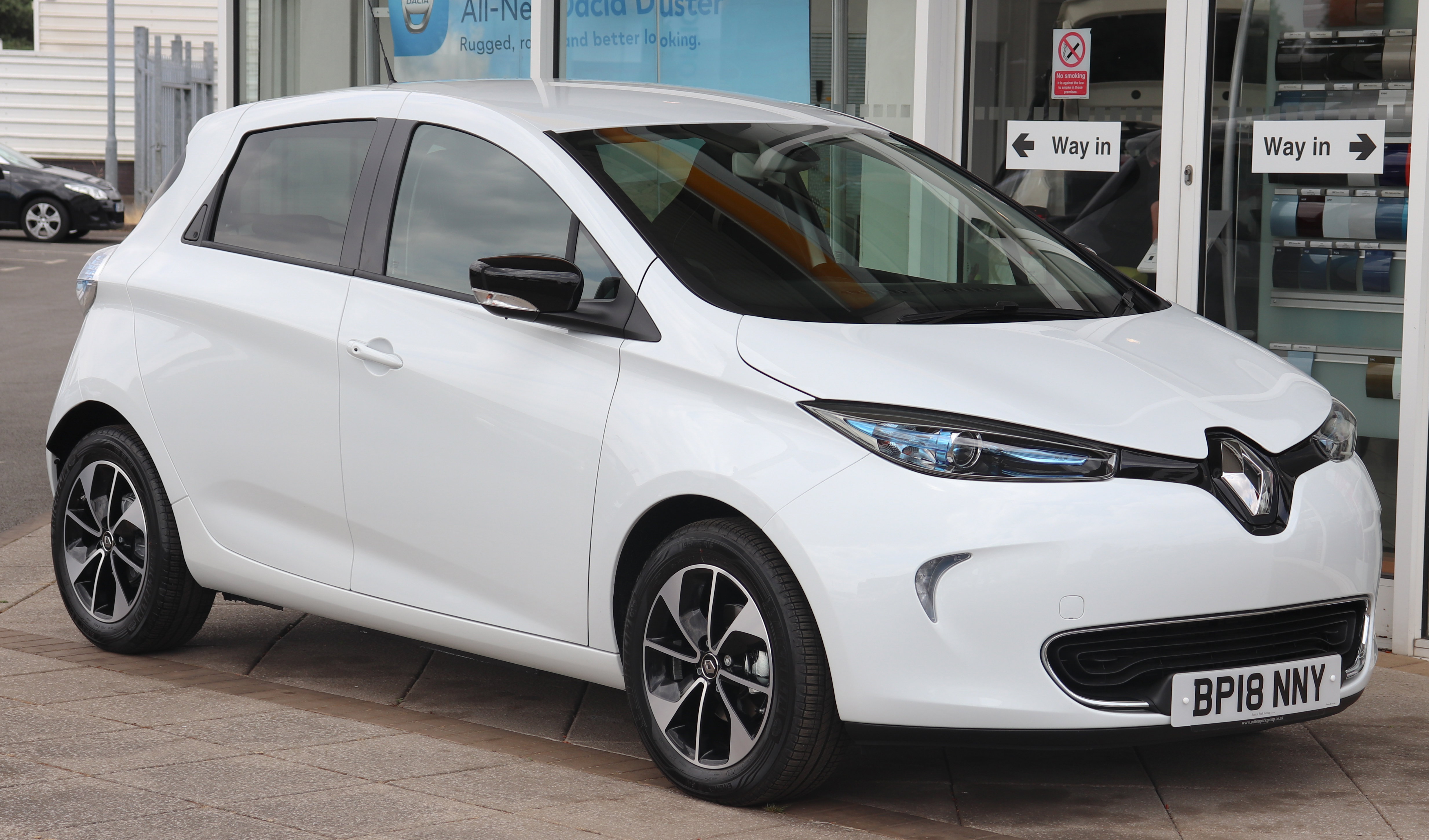
Renault Zoe
"...if I'm committing crimes and I'm getting chased by a Renault Zoe, I'm pretty confident."
A Renault Zoe is an electric Renault hatchback. The hosts are joking that if police were chasing someone in a Zoe, it would be a very different kind of police car than what people expect.
The Renault Zoe is a compact electric car (EV) from Renault. In this segment it’s used as an example of what a police chase might look like—an EV rather than a traditional performance or patrol car.
Bosch
"Here you go. Bosch. That's cool."
Bosch is a well-known company that supplies parts to car makers. Here it’s mentioned like a brand you’d see associated with the car or its setup.
Bosch is a major automotive supplier that makes electronics, sensors, and other vehicle components. In this segment, “Bosch” appears as a brand reference, likely tied to the car’s livery, equipment, or sponsorship context rather than a specific vehicle model.

Subaru WRX
"...An impressive WRX."
The Subaru WRX is a sporty Subaru with strong acceleration and grip, often associated with rally racing. The hosts are saying it’s a cool choice compared to more boring police cars.
The Subaru WRX is a performance-oriented compact sedan/wagon known for rally-inspired handling and all-wheel drive. In this segment, it’s described as “impressive,” implying it’s the kind of car people would actually want to see as a police vehicle.

Mitsubishi Lancer Evolution
"And they also had Evos. Evos. At one point."
An Evo is a fast Mitsubishi sedan that’s known for rally-style performance. In the conversation, it’s brought up as another cool car people would recognize.
The Mitsubishi Lancer Evolution (often shortened to “Evo”) is a rally-bred performance sedan famous for its turbocharged engine and all-wheel drive. The hosts mention “Evos” as another example of the kind of exciting cars that have appeared in police or public-facing roles.

Vauxhall Corsa
"But if it's a Renault Zoe or a Vauxhall Corsa. Okay. A short-reissue gearbox."
The Vauxhall Corsa is a common small car. The point of mentioning it is that even regular-looking cars can be driven aggressively enough that you’d still pull over.
The Vauxhall Corsa is a popular small hatchback sold in the UK under the Vauxhall brand. Here it’s mentioned alongside the Renault Zoe as another “everyday” car that could still be driven in a way that makes other drivers react.
RS6
"If you've got like an RS6, you'd do it on a motor. On the M40, you'd warp speeder."
RS6 refers to a very fast Audi model. The hosts are using it as a benchmark for “serious speed,” even though the exact point they’re making is a bit unclear in the transcript.
The Audi RS6 is a high-performance version of the Audi A6, typically known for strong acceleration and a heavy, planted feel. In the segment, it’s used as an example of a fast car where someone might “do it on a motor” (i.e., use the engine/powertrain rather than a different approach).
M40
"If you've got like an RS6, you'd do it on a motor. On the M40, you'd warp speeder."
The M40 is a UK highway. They’re talking about how driving culture or behavior can vary depending on where you are.
The M40 is a major UK motorway (the M40 road) that connects London to the Midlands. The hosts mention it as a specific driving context, implying different behavior or “games” happen on different roads.
warp speeder
"On the M40, you'd warp speeder. But Ben, are you actually telling me that if a Renault Zoe came on with its lights behind,"
“Warp speeder” here is basically a funny way to say “driving really fast” or “accelerating hard.” It’s not a specific car part or system.
“Warp speeder” sounds like a joking/colloquial phrase for driving very fast or accelerating aggressively. It’s not a standard automotive term, but it’s used to describe the kind of behavior the hosts associate with certain roads.
Lamborghini LP640 police car
"[2350.2s] Like what used to be Top Gear Live or before Top Gear Live. [2353.2s] An LP640 police car. [2354.8s] Yeah. [2379.2s] That was a Lamborghini police car."
That “LP640” is a Lamborghini Gallardo version. It’s not a normal police car—it's basically a flashy, high-performance Lamborghini that would be used for show or special attention. The hosts are comparing how people would react back then versus now.
The Lamborghini LP640 is a Gallardo variant (the “LP” naming is tied to engine output and model designation). When people talk about an “LP640 police car,” they mean a Gallardo used as a police display/escort vehicle—more about spectacle than practicality. The episode’s point is how rare and attention-grabbing a Lamborghini in police service would be.
finance deal
"[2383.0s] Not the time for this, if I'm honest. [2385.2s] I'm not saying that. [2386.0s] They got a great finance deal on it."
A “finance deal” usually means the vehicle was obtained through financing (like a lease or loan) rather than being paid for outright. In the context of a police Lamborghini, it’s a reminder that even exotic cars can be justified to budgets through structured payments. Listeners may want to think about how public agencies manage costs and procurement.
Request an Explanation
Heard something you'd like explained? We'll add it to this episode.
Sign in to request explanations for terms you heard.
Want to learn more?
Browse our glossary for plain-English explanations of automotive terms, jargon, and concepts.
Help improve this episode
See something that's not quite right? Our annotations are AI-generated and can sometimes miss the mark. Click the flag icon on any annotation to suggest a correction.