
C.R.E.A.M. #84 - Ranking The Best Ferraris, IYKYK Cars and a M5 Taxi
About this episode
Tire safety and MOT-advisory talk kicks things off, then the hosts get deep into UK paperwork delays around the V5/V62 process while prepping a fleet for a track day at Dunsfold’s Top Gear Test Track. Along the way, they spot an F90 BMW M5 Competition “taxi” and debate what counts as a real taxi. The episode also swings into EV used-car pricing and battery-degradation speculation, before a long “Ranking The Best Ferraris” game.
⚪️ Get 20% off your next Car Vertical check using code CREAM 👉 https://www.carvertical.com/gb/landing/v3?utm_source=infl&a=TDC&b=38b26e3a&voucher=cream20
🍦 Follow C.R.E.A.M. socials!https://www.instagram.com/carsruleeverything/Edwin: https://www.instagram.com/edwin.klinkenberg/Will: https://www.instagram.com/willchandlr/ 📬 Enquiries: [email protected]

Honda S2000
"...it's MOT that has one advisory, but fine. And the S2000, I haven't sold it yet. I've had many messages ab..."
The Honda S2000 is a small two-seat roadster made for fun driving. It’s known for revving high and feeling responsive. In the podcast, they’re talking about its MOT status and that they still have it.
The Honda S2000 is a lightweight, driver-focused roadster known for its high-revving engine and balanced handling. It’s often discussed by enthusiasts because it’s engaging to drive and has a strong reputation. The podcast notes it has one MOT advisory and says they haven’t sold it yet, implying a personal ownership or listing update.

Pontiac Solstice
"... was the bet that you wouldn't move out by Summer Solstice. That wasn't part of the podcast, but we could ta..."
The Pontiac Solstice is a small sports car made by Pontiac. It’s meant to be fun and relatively affordable compared to bigger supercars. The podcast mentions it in a wordplay/timing context rather than a deep technical one.
The Pontiac Solstice is a compact sports car produced by Pontiac, known for being an affordable, fun-to-drive option in its lineup. It’s often mentioned in discussions of entry-level sports cars. The podcast context suggests it’s part of a playful or timed challenge (“Solstice”), likely tied to a car-related bet or reference.
V5
"And for people outside of the UK, V5 is essentially like our proof of ownership, but it's not a proof of ownership. It's just a piece of paper that says, I'm taking care of this car right now."
In the UK, the V5 is the main paperwork that links a car to the person responsible for it. It helps prove who’s keeping the car, but it’s not the same as a “title deed.” If you don’t have it, you have to do extra paperwork to get a replacement.
In the UK, the V5 is the vehicle registration document (often called the V5C) that identifies who is responsible for a car. It’s commonly used as proof of ownership/keeper details in everyday processes, but it’s not the same thing as a legal title deed. In this segment, the hosts explain how missing a V5 complicates ownership/administrative steps.
PCNs
"It's your title or where PCNs go to. Exactly that."
PCNs are the UK’s parking/traffic fine notices. They get sent to the person/record linked to the car, so if the paperwork is missing or outdated, it can affect what gets mailed to you.
PCNs are Penalty Charge Notices in the UK—fines issued for certain traffic or parking violations. They’re typically sent to the registered keeper/vehicle record, which is why the V5/keeper details matter. The hosts mention PCNs as examples of correspondence that would be tied to the car’s paperwork.
taxed
"And basically the car's been off the road for five years and hasn't been taxed for five years and hasn't had a V5 for five years."
“Taxed” here means the UK road tax for the car is up to date. If it isn’t, the car usually isn’t allowed to be driven on public roads. They’re using this to describe how long the car has effectively been inactive.
When the hosts say the car “hasn't been taxed,” they’re referring to UK vehicle road tax (vehicle excise duty) being current or not. If a car isn’t taxed, it generally can’t be legally used on public roads. In this segment, the lack of tax and missing V5 are used to explain why the car has been off the road administratively.
V62
"So you then have to go off and do a thing called a V62, which is where you put a form out and you say, this is me, I've lost a V5, here's the 25 pounds, please send a new one."
A V62 is a UK form used to request a replacement V5C when the original registration document is lost. The form includes the applicant’s details and a fee, and it triggers the process to issue a new registration document. Here, the hosts use it to explain what must be done when a car has no V5 for an extended period.
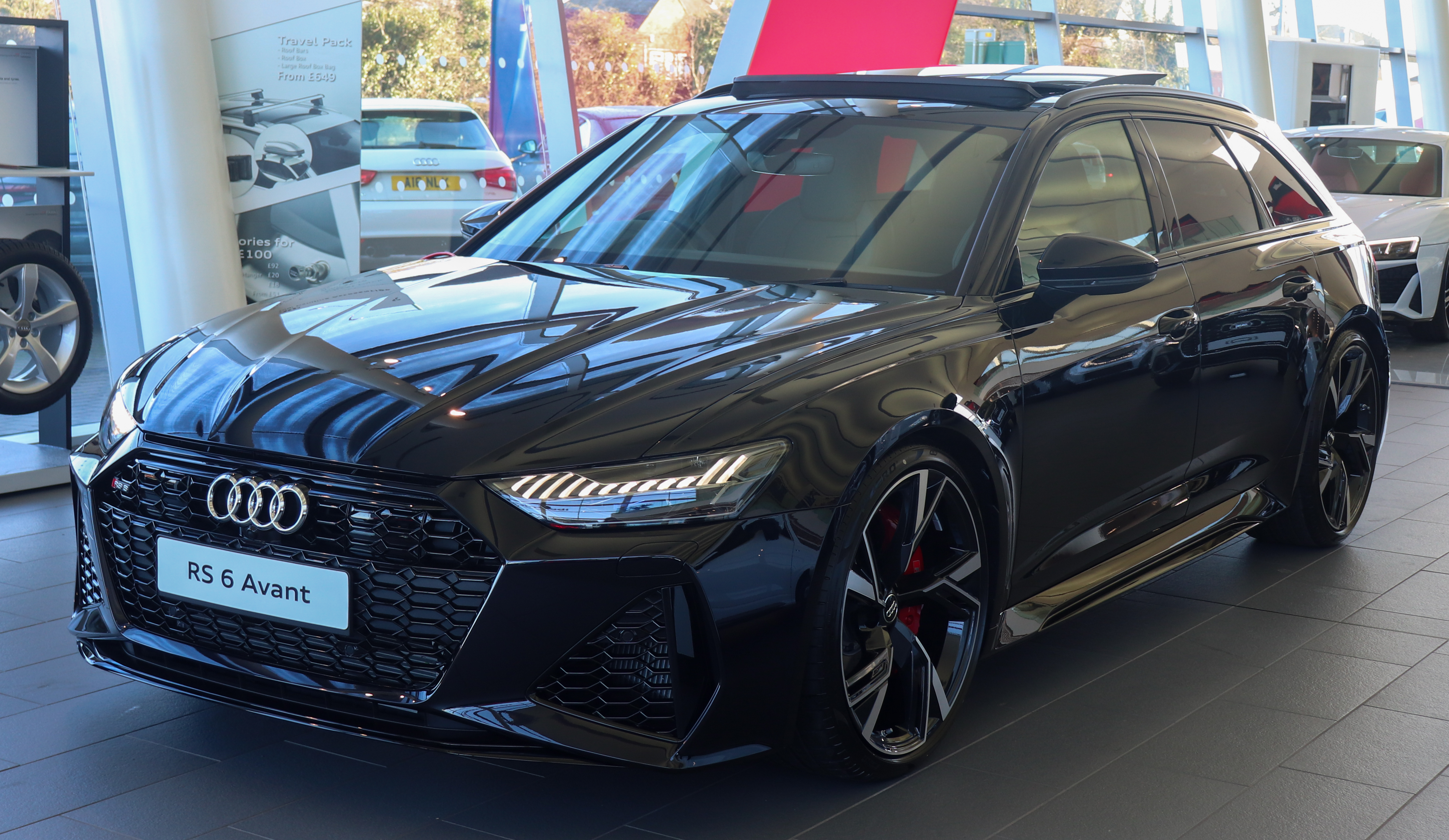
Audi Rs6
"Behind us is the Audi RS6. [639.6s] The power will be revealed definitely by then. [642.2s] We made a lot of power with this car as you've probably seen."
The Audi RS6 is a fast, performance-focused Audi wagon. Here, they’re talking about getting a lot more power out of it and using it for testing against other cars.
The Audi RS6 is a high-performance version of Audi’s A6 wagon, known for combining a practical body with serious power. In this segment, the hosts mention it as the car behind them and talk about making “a lot of power,” implying it’s been tuned or developed for track-style testing.
Dunsfold
"But the goal for it was to take it to Dunsfold [650.1s] to the Top Gear Test Track and race it against some faster cars."
Dunsfold is a track location that Top Gear uses for filming and testing cars. It’s where they can run cars back-to-back to compare how they perform.
Dunsfold is the airfield-turned-race-track used by Top Gear for filming and testing. It’s closely associated with the Top Gear Test Track, where cars are driven in a controlled environment for comparisons.
Top Gear Test Track
"to the Top Gear Test Track and race it against some faster cars. [653.5s] And we wanted the Mercilago and the Tuscan to be there."
The Top Gear Test Track is the track Top Gear uses to test cars in a repeatable way. That makes it useful for comparing how different cars stack up.
The Top Gear Test Track is the specific circuit used by the Top Gear TV show for repeatable car testing. Because it’s used for consistent runs, it’s a reference point for comparing different cars’ performance.
Mercilago
"And we wanted the Mercilago and the Tuscan to be there."
“Mercilago” is the Lamborghini Murciélago, a famous high-power V12 supercar. They’re planning to have it at the track so they can compare it against other quick cars.
“Mercilago” is almost certainly a reference to the Lamborghini Murciélago, a V12 supercar known for its aggressive styling and big power. The hosts are saying they wanted it present at Dunsfold/Top Gear’s track to race against other faster cars.

TVR Tuscan
"... faster cars. And we wanted the Mercilago and the Tuscan to be there. Because that's cool."
The TVR Tuscan is a sports car made by TVR. It’s designed to be fast and fun to drive. In the podcast, they’re mentioning it as one of the cool cars they wanted to include.
The TVR Tuscan is a British sports car known for its lightweight, performance-first character. It’s often discussed among enthusiasts because TVR models tend to emphasize driving feel and style. The podcast mentions it alongside other “faster cars,” suggesting they’re listing cars they wanted to include.
inlet manifold
"The R6 is currently good. It's inlet manifold off and none of the injectors are currently plugged in."
The inlet manifold is part of the engine that routes air (and sometimes fuel) to the cylinders. If it’s off, the engine is being worked on and isn’t fully assembled/running normally yet.
The inlet manifold is the intake plumbing that distributes the air/fuel mixture (or air, depending on the engine design) to the engine’s cylinders. Saying it’s “off” suggests the engine is partially disassembled, likely for troubleshooting or repairs.
injectors
"It's inlet manifold off and none of the injectors are currently plugged in."
Injectors are the parts that spray fuel into the engine. If they’re not plugged in, the engine won’t get the right fuel control to run properly.
Fuel injectors are electronically controlled valves that spray fuel into the engine in precise amounts and timing. The comment that none are “plugged in” implies the engine can’t run correctly because the fuel delivery system isn’t connected.
MOT fails
"I think it's about in the middle of that MOT fails. You should see one that I haven't seen before."
MOT is the UK’s yearly safety check for cars. If it “fails,” it means the car didn’t pass that safety test and usually needs repairs before it can be driven legally.
In the UK, an MOT is an annual roadworthiness test, and “fails” means the car didn’t meet the legal safety/environment standards. When a listing references MOT failure timing, it can hint at when corrosion or structural issues were first detected.
integral body structure
"Offside front integral body structure is corroded, but structural rigidity is not significantly reduced."
Some cars are built so the body and frame work together as one structure. If the “integral body structure” is corroded, it can weaken the car’s safety and stiffness, not just its looks.
An “integral body structure” means the car’s body and chassis are designed as one unit, so the body itself carries structural loads. Corrosion in that area is more serious than surface rust because it can affect how the car resists bending and crash forces.
structural rigidity
"Offside front integral body structure is corroded, but structural rigidity is not significantly reduced."
Structural rigidity is how stiff and solid the car’s body/frame is. If it’s reduced, the car can flex more than it should, which can affect handling and safety.
“Structural rigidity” is how resistant the car’s structure is to flexing under load. Even if a car still drives, reduced rigidity can mean the chassis/body isn’t holding alignment correctly and may be less safe in a crash.
body mounts
"Both body mounts inside the wheel arch. Yeah."
Body mounts are the brackets/points that hold the car’s body securely to the rest of the structure. If they’re corroded, the body can shift or feel loose, and repairs can be more involved than simple rust treatment.
“Body mounts” are the connection points that secure the body to the underlying structure (or subframe). Corrosion at body mounts can allow movement, misalignment, and increased vibration, and it can be expensive to repair properly.
chassis
"And then the next one is... Body's not connected to the chassis, mate."
The chassis is the car’s main structural base. If the body isn’t connected to it, that’s a big red flag because the car may not be safely held together.
A “chassis” is the main structural foundation of a vehicle that supports the engine, suspension, and body. If the body isn’t connected to the chassis, it can indicate severe structural damage or a major repair/fitment issue that compromises safety and drivability.
rear brake pads imbalanced
"There's rear brake pads imbalanced. Main beam telltale not working. Many things."
It sounds like the brake pads on the back wheels aren’t equally worn or matched. That can make the car brake unevenly, which may cause pulling and uneven wear.
“Imbalanced” rear brake pads means the left and right sides (or pad thickness/condition) aren’t matching. That can cause uneven braking force, pulling to one side, and faster wear on one side.
Main beam telltale
"There's rear brake pads imbalanced. Main beam telltale not working. Many things."
That’s the dashboard light that tells you when your high beams are on. If it’s broken, you might not realize you’re using high beams.
A “main beam telltale” is the dashboard indicator that alerts you when the high-beam headlights are on. If it’s not working, you can accidentally drive with high beams on or miss that they’re engaged.
Carvertical
"Shout out Carvertical. We use it on every car that we look at, because it unveils hidden damage like that."
Carvertical is a service that looks up a car’s history to help spot problems you might not notice in person. It’s used to find hidden damage before buying or inspecting further.
Carvertical is a vehicle history-report service that compiles data to help uncover issues like hidden damage. The hosts use it as a pre-check tool before deciding whether to proceed with a car.

Land Rover Range Rover
"But yeah. So no Range Rover. It's just nothing's happened yet."
A Range Rover is a large luxury SUV made for comfort and everyday driving, but it can also handle rough roads. People talk about it a lot because it’s one of the brand’s most well-known models. The podcast mention sounds like they’re waiting to get to it.
The Range Rover is a luxury SUV from Land Rover, known for combining off-road ability with a high-end interior. It often comes up in conversations about premium 4x4s and the brand’s flagship status. In the podcast, it’s mentioned as something that hasn’t happened yet, likely in the context of a discussion or lineup.

F90M5 competition
"Sorry, is that an F90M5 competition? [952.7s] It is an F90M5 competition. [954.8s] Taxi."
This is a BMW M5 Competition, which is the fast, performance-focused version of the 5 Series. “F90” is just the internal code BMW uses for that generation of the M5.
The BMW M5 Competition is a high-performance version of the 5 Series, built around BMW’s twin-turbo V8 and tuned for quicker acceleration and sharper handling. “F90” is the generation code for the 2018–2023 M5, so “F90 M5 Competition” specifically points to that modern M5 era.
private number plate
"Taxi. [954.9s] It's a private number plate as well. [956.5s] Now, this is what I'm wondering."
That means a personalized license plate with letters/numbers chosen by the owner. It’s not just a random plate number.
A “private number plate” is a personalized license plate where the characters are chosen to create a specific message or identity, rather than being assigned randomly. Enthusiasts often use them to reference a car’s model, owner’s name, or a joke.
registered as a learner's car
"who had an RS3 saloon who had a guest, [976.3s] but it was registered as a learner's car."
It means the car was set up legally for learner drivers. That usually comes with extra rules compared to normal car registration.
“Registered as a learner’s car” means the vehicle is legally set up for use by learner drivers, typically involving specific licensing/insurance and restrictions. In the UK context, it’s often discussed because it can be unusual to see a high-performance car used this way.

Audi Rs3
"I think because there was a story and a video of a guy in Birmingham [973.4s] who had an RS3 saloon who had a guest, [976.3s] but it was registered as a learner's car."
This is an Audi RS 3, which is Audi’s sporty version of the A3. “Saloon” here means the four-door version.
The Audi RS 3 is a performance compact car from Audi’s RS line, known for its turbocharged five-cylinder engine and track-capable driving feel. “RS3 saloon” refers to a four-door body style (the RS 3 Sedan), which is less common than the hatchback in many markets.
taxi plates
"None of them have taxi plates. [1039.3s] But that is because they're private hire vehicles. [1041.1s] Whereas this is taxi-taxi."
“Taxi plates” means the official markings that legally identify a car as a taxi. They’re saying chauffeur cars can be nice, but they usually aren’t licensed to operate as taxis.
“Taxi plates” refers to the official license/registration markings that identify a vehicle as authorized to operate as a taxi. The hosts use it to explain why chauffeur-company cars might include performance models, but still wouldn’t be “taxi-taxi” vehicles.
private hire vehicles
"But that is because they're private hire vehicles. [1041.1s] Whereas this is taxi-taxi. [1042.8s] Yeah, this is."
Private hire vehicles are cars you book ahead (not typically something you can hail like a taxi). The hosts are contrasting that with regular taxis and what you’d expect to see.
Private hire vehicles are cars that can be booked in advance through a private operator rather than hailed like traditional taxis. The distinction matters here because it affects what cars are allowed to operate and how they’re regulated.
taxi-taxi
"Whereas this is taxi-taxi. [1042.8s] Yeah, this is. [1043.7s] Which in theory should mean he has to be able to,"
“Taxi-taxi” just means a real, licensed taxi you’d expect to be able to hail. They’re using it to explain why the rules and expectations are different from private hire cars.
“Taxi-taxi” is an informal way to distinguish a properly licensed, hailable taxi from a private hire car. The hosts use it to set expectations about whether the ride should be able to be hailed and what kind of vehicle you’d get.

Toyota Prius
"...ays their name, and then like they're coming in a Prius. Is arriving in Prius?"
A Prius is a Toyota hybrid car, which means it uses both a gasoline engine and an electric motor. It’s designed to use less fuel than many regular cars. The podcast is referencing it by name as part of a lineup or topic.
The Toyota Prius is a hybrid car that became widely known for efficient everyday driving. It’s often discussed because it helped popularize hybrid technology for mainstream buyers. The podcast mention suggests they’re talking about the model arriving or being referenced by name.

ML63
"On to our ML63 tow car. ... Because the wheel fell off our ML63 the other day."
The Mercedes-AMG ML63 is a performance SUV (bigger than a normal sports car) that they use like a work vehicle. Here they’re talking about a problem where the wheel came off because the wheel wasn’t properly secured.
The Mercedes-AMG ML63 is a high-performance version of the Mercedes-Benz ML-class SUV, known for its powerful V8 and big, heavy “tow car” practicality. In this segment, they’re using it as a tow/errands vehicle and explain a wheel-retention failure that left them stranded.
wheel bolt
"Not a single wheel bolt holding it in. And for many of you, we'll be going,"
Wheel bolts are the fasteners that hold the wheel onto the car. If none of them are actually gripping, the wheel can fall off.
A wheel bolt (or wheel fastener) is what clamps the wheel to the hub so the wheel can’t move or come off. If there’s “not a single wheel bolt holding it in,” the wheel can detach immediately under driving loads.
spacers
"And for many of you, we'll be going, I bet it was the spacers. [1149.3s] It kind of was."
Wheel spacers are like thin metal rings that move your wheel outward. If you use them, you usually need the right-length bolts so the wheel is clamped on safely.
Wheel spacers are parts that sit between the wheel and the hub to move the wheel outward. They can change how long the wheel bolts/studs need to be engaged, so incorrect spacer thickness or bolt length can contribute to wheel-attachment problems.
hub
"You have the wheel hub. You have your studs going out or your bolts going in."
The hub is the part of the axle where the wheel mounts. The bolts/studs clamp the wheel to the hub, which is what keeps the wheel secure.
The wheel hub is the central mounting point on the axle where the wheel attaches. The studs/bolts pass through the wheel and clamp it to the hub, so the hub-to-wheel interface is critical for safe wheel retention.
studs
"You have your studs going out or your bolts going in. You either get lengthened bolts going in"
Studs are threaded posts sticking out from the hub. The wheel uses them to stay tight—if there isn’t enough thread engagement, it can be unsafe.
Wheel studs are threaded posts that protrude from the hub; the wheel is secured by nuts (or by bolts depending on the setup). If the studs/fasteners don’t have enough thread engagement—something spacers can affect—the wheel can loosen or fail.
bearing
"[1223.7s] to see like, is it a bearing? [1225.1s] What side is it coming from?"
A bearing is a small part that helps moving parts spin smoothly. If a wheel bearing fails, the wheel can start to move strangely and can become unsafe.
A bearing is a mechanical part that lets a wheel or shaft rotate with low friction. In a car, wheel bearings help the wheel spin smoothly; if one fails, you can get wobble, noise, or uneven movement that may lead to loss of control.
wheel sitting slightly out of the arch
"[1251.9s] and I just saw the wheel sitting slightly out of the, [1254.3s] out of the arch."
If the wheel looks like it’s sitting farther out than normal, something may be broken in the suspension or the wheel mounting. That’s a big warning sign because it can mean the wheel isn’t secure.
When a wheel sits “out of the arch,” it often indicates a suspension or steering problem, such as a failed hub/bearing, broken suspension component, or a wheel/axle issue. The key clue is that the wheel’s position relative to the fender changes, which can happen when structural parts fail.
brake disc
"[1271.5s] It was sitting on the brake disc, [1272.9s] which does mean the inside of the wheel is completely mashed,"
The brake disc is the round metal part the brake pads squeeze to stop the car. If the wheel ends up on it, that usually means the wheel mounting failed and the wheel isn’t attached correctly.
A brake disc (rotor) is the metal disc the brake pads clamp onto to slow the car. If the wheel ends up sitting on the brake disc, it strongly suggests the wheel/hub assembly has failed catastrophically, because the rotor is normally inside the wheel.
impact gun
"But yeah, we had to get Josh, some of the merch stuff here, [1282.1s] to run us down a jack and the, what's it called, impact gun. [1288.4s] So to remove, to jack the car up,"
An impact gun is a heavy-duty power tool that helps loosen or tighten bolts fast. It’s especially useful for wheel bolts when they’re stuck or tight.
An impact gun (impact wrench) is a power tool that uses repeated hammering force to quickly loosen or tighten stubborn bolts and wheel hardware. It’s commonly used in garages because it saves time versus a manual wrench, especially when fasteners are rusted or over-torqued.
locking wheel nut
"Got the car back here and then you on Monday got mostly repaired. [1319.8s] And now the locking wheel nut is lost. [1323.1s] So I can't take the other spacers off the other wheels."
A locking wheel nut is a special bolt for the wheel that needs a unique key to remove. If you lose the key, you can’t take the wheel off the normal way.
A locking wheel nut is a wheel fastener that can only be removed with a specific key/socket, designed to deter wheel theft. If the key is lost, the wheel can’t be serviced normally, which can leave the car immobilized until the correct removal method is used.
rear subframe
"I think the rear subframe will fall out actually today. And I think actually the front glass will smash for no reason."
A rear subframe is like a strong metal support structure at the back of the car. It holds important parts in place, like the suspension. If it comes loose, it can make the car unsafe, so it needs to be repaired properly.
The rear subframe is the structural frame that supports the rear suspension and other rear-mounted components. If it “falls out,” it usually points to serious mounting or hardware issues that can affect wheel alignment and safety. In this segment, it’s mentioned as a likely failure point that needs fixing.
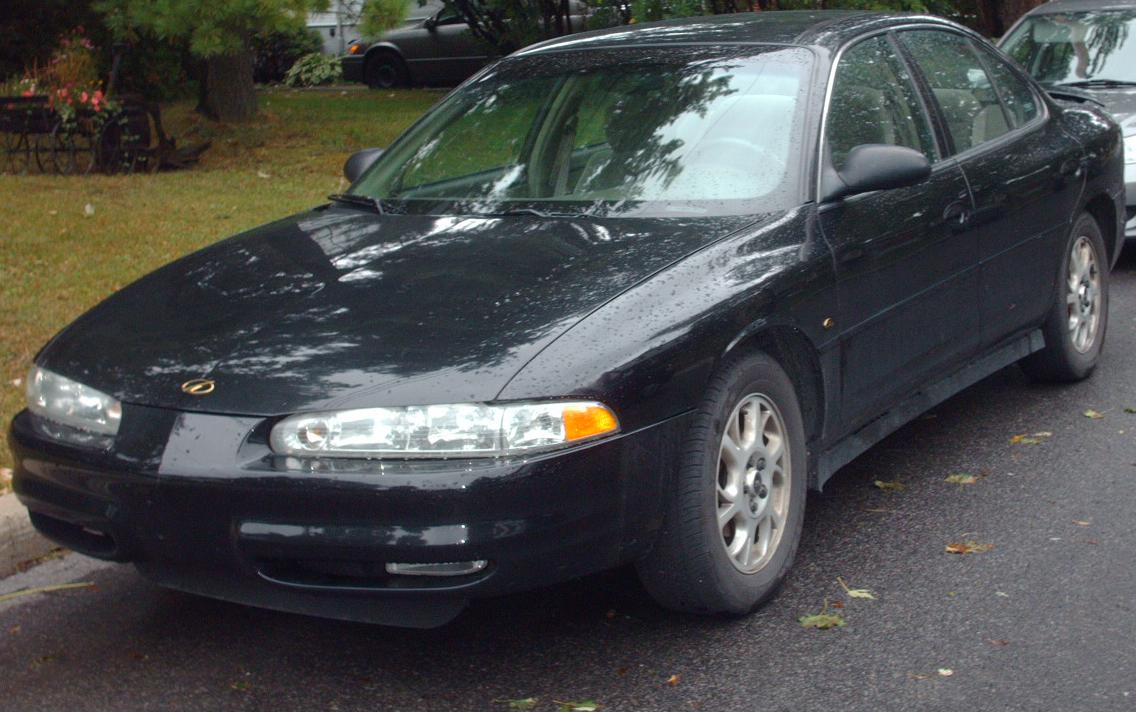
Oldsmobile Intrigue
"... £9.80? I think I said, I looked at purely out of intrigue, what a sort of fancier electric car is up for sa..."
The Oldsmobile Intrigue is a mid-size sedan, meaning it’s a regular four-door car with comfort-focused design. The podcast mention sounds like they were looking at one because it caught their attention. It’s being brought up as a car they noticed or researched.
The Oldsmobile Intrigue is a mid-size sedan from Oldsmobile, positioned as a more upscale option in its era. The podcast mention appears to be about looking up a specific car listing “out of intrigue,” suggesting they’re discussing a particular example or curiosity about it. It’s included as part of a broader set of cars they’ve been researching.

Jaguar Ipace
"If I look for the cheapest Jaguar I-Pace on AutoTrader... [1668.8s] I-Pace was it. [1669.6s] Oh, that's how it came out. [1670.0s] The cheapest Jaguar I-Pace on AutoTrader is £9,900."
The Jaguar I-Pace is Jaguar’s electric SUV. The point here is that used I-Paces are getting much cheaper as they get older—so they’re no longer priced like a brand-new luxury car.
The Jaguar I-Pace is Jaguar’s all-electric SUV, known for bringing an EV powertrain into a more traditional luxury-SUV shape. In this segment, it matters because the hosts are discussing how older I-Paces are now showing up cheaply on used listings (around the £9,900 mark).

Toyota A90
"400. It's a 400 with a 90 kilowatt battery. That is 9,900 miles."
The Supra is a sports car made by Toyota that’s built to be quick and fun to drive. The podcast description sounds like they’re talking about a specific version with an electric battery and a stated range/mileage. It’s likely being discussed as a particular car they saw or considered.
The Toyota Supra is a performance sports car known for its driver-focused design and strong acceleration. In the podcast, it’s described with a “400” and a “90 kilowatt battery,” which points to a specific electrified or converted context rather than the typical gasoline-only model. The mention also includes mileage, implying they’re discussing a particular example for sale or review.
batteries go at like 100k
" [1758.7s] So, that's a warranty. [1759.7s] It says batteries go at like 100k or starts to get worse. [1762.6s] But even from what I've seen, it's not that bad."
They’re talking about how EV batteries don’t last forever. After a lot of miles—like around 100,000—the battery usually still works, but it may hold less charge than when it was new. That can reduce range and make the car worth less.
This refers to an expected battery-life or degradation threshold for an electric vehicle. Around “100k miles,” the battery may still work, but its capacity and performance can gradually decline, which can affect range and perceived value. The hosts are using that idea to explain why a used EV might be cheaper.
warranty
" [1757.1s] But in theory, it's like... [1758.7s] So, that's a warranty. [1759.7s] It says batteries go at like 100k or starts to get worse."
Here, “warranty” means the company’s promise to cover certain problems for a set time or mileage. For EVs, that often includes the battery, so buyers feel safer about long-term battery issues. It’s part of why a used EV might cost less.
In this context, “warranty” refers to the manufacturer’s coverage for EV battery health and/or battery-related failures. EV warranties often set expectations for how much the battery can degrade before coverage applies. The hosts use it to frame why the car might be priced aggressively despite being “premium.”

Audi Etron
" [1765.9s] 2021 Audi e-tron. [1767.8s] That is the Q3 or for whatever it's supposed to be. ... [1778.9s] That's the one I was looking at. [1782.9s] Now, it's got 90,000 miles on it. [1784.1s] So, I'm sure because of mileage, it degrades the battery or whatever."
This is Audi’s all-electric SUV. The conversation is about how long its battery lasts and whether high mileage makes the battery worse. That’s why a used one can cost less than you’d expect.
The Audi e-tron is an all-electric crossover SUV, and this 2021 example is being discussed in terms of battery longevity. The hosts mention a typical battery-life expectation (around 100k miles) and connect that to why the car might be priced lower. They also discuss how higher mileage can affect battery condition and overall value.

Audi's e-tron GT
"We're talking about Audi's... The cheapest e-tron GT, 26,000 pounds."
The Audi e-tron GT is Audi’s fully electric “big cruiser” car. The discussion here is about what happens to its price after a few years—especially once lease deals and warranty coverage are no longer helping the value.
The Audi e-tron GT is an all-electric grand tourer from Audi, built around a high-performance EV platform rather than a traditional gasoline engine. In this segment, the hosts focus on how the e-tron GT’s used-car pricing and depreciation can be extreme once leases and warranties end.
depreciation
"But still, the depreciation that must be insane."
Depreciation just means the car gets cheaper as time goes on. If lots of people are selling similar cars at the same time (like after leases end), prices can fall fast.
Depreciation is how much a car’s value drops over time. For EVs like the Audi e-tron GT, depreciation can be especially steep when incentives, lease structures, and warranty timing stop propping up demand.
company car tax
"but there was no company car tax on them. That was one of the incentives."
Company car tax is how the government taxes cars that your employer provides. If EVs get a better tax deal, more people choose to lease them because it can be cheaper than other options.
Company car tax is a tax benefit/charge system tied to cars provided by employers. In the UK context implied here, EVs were often treated more favorably, which encouraged people to lease them for a short period.
leasing them for three years
"So a lot of people were basically leasing them for three years"
Leasing means you rent the car for a fixed period, usually with set payments. If lots of people lease the same type of car and then return them after a few years, used prices can drop.
Leasing is a financing structure where you pay to use a car for a set term (here, about three years) rather than buying it outright. When many drivers lease EVs at the same time due to incentives, it can flood the used market later and worsen depreciation.

Tesla Model
"So they just flood the market with them. Tesla Model 3 is with the classic. If you look at early 2021,..."
The Tesla Model Y is an electric SUV/crossover that runs on a battery instead of gasoline. It’s popular and widely sold, so you see a lot of them. The podcast is comparing it to the Model 3 and talking about when they became common.
The Tesla Model Y is an all-electric compact crossover designed for high-volume, everyday use. It’s often discussed because Tesla’s production and pricing strategy can make it very common on the road. The podcast compares it to the Model 3 and mentions early 2021, suggesting they’re talking about market timing and availability.

Tesla Model 3
"Tesla Model 3 is with the classic. If you look at early 2021, just everywhere I went, I saw Tesla Model 3s. That facelift one, I saw it everywhere."
The Tesla Model 3 is an electric car that got very popular. The hosts are talking about how many of them you see and how the price can drop a lot, especially for used cars.
The Tesla Model 3 is an electric compact sedan that became extremely common in the early 2020s. In this segment, the hosts compare its widespread presence and pricing, including references to a “facelift” version and how cheap used examples can get.

Audi Q3 e-tron
"Trying to get them started. [1926.7s] Barn find, Audi Q3 e-tron. [1929.9s] Sponsored by Nocco batteries."
The Audi Q3 e-tron is an electric SUV from Audi. They’re using it as an example of an EV you might find cheap and then struggle to get started.
The Audi Q3 e-tron is Audi’s electric version of the Q3 compact SUV line. The hosts mention it in the context of “barn find” electric cars, highlighting how older or neglected EVs can become cheap and hard to get running again.

Porsche Taycans
"But is there going to be a meta on YouTube in five years time where it's us buying Porsche Taycans for 500 quid and crashing them into each other? [1924.1s] No, because they're worth nothing."
The Porsche Taycan is Porsche’s electric car. It’s the kind of car people associate with performance, but the hosts are discussing how the price might drop a lot in the future.
The Porsche Taycan is Porsche’s all-electric sports sedan, known for its fast acceleration and performance-focused electric drivetrain. In this segment, the hosts talk about buying them cheaply and even “crashing them into each other,” which points to how electric-car values and availability can change over time.
Barn find
"Trying to get them started. [1926.7s] Barn find, Audi Q3 e-tron. [1929.9s] Sponsored by Nocco batteries."
A “barn find” is a car that’s been sitting unused for a long time, like in storage. The hosts are implying it might be cheap, but you may have to work to get it running again.
A “barn find” is a vehicle that’s been stored away for a long time—often neglected—before being discovered and sold. In the segment, it’s used to set up the idea of finding an EV cheaply and then dealing with the challenge of getting it to power up.
Audi Q3
"Trying to get them started. Barn find, Audi Q3 e-tron. Sponsored by Nocco batteries."
The Audi Q3 is a smaller luxury SUV/crossover. The podcast mentions an “e-tron” version, which usually means it’s an electric or electrified model. They’re also referencing sponsorship, so it sounds like a specific car they saw or used in a promotion.
The Audi Q3 is a compact luxury crossover/SUV from Audi. The podcast specifically mentions an “Audi Q3 e-tron,” which indicates an electric or electrified variant in their context. It’s also tied to a sponsorship mention, suggesting they’re discussing a particular event, build, or appearance.
Nocco batteries
"[1929.9s] Sponsored by Nocco batteries. [1931.8s] Can we turn it on? [1934.3s] First power up."
NOCO is a company that makes battery chargers and jump starters. The hosts bring it up because they’re trying to get a car to turn on when the battery may be dead.
NOCO is a brand best known for battery chargers and jump-starting products. The hosts mention it right after talking about trying to get an EV to power up, which suggests using a charger/jump device to revive a car with a depleted battery.

Polestar 2s
"[1940.1s] There's Polestar 2s, relatively premium looking. [1943.1s] I think they're about 40 something grand. [1944.9s] 17 grand for one here."
The Polestar 2 is an electric car that’s meant to look a bit more premium than some other EVs. The hosts are talking about how much one might cost compared with other electric models.
The Polestar 2 is Polestar’s electric liftback, positioned as a more premium-looking EV alternative. Here, the hosts discuss its approximate pricing and compare it to other electric cars they’re seeing listed cheaply.

Volkswagen Id3S
"[1948.9s] Loads of VW ID3s. [1951.1s] One here with 40,000 miles on it for 13 grand. [1955.8s] Loads and loads and loads of different electric cars that were..."
The VW ID.3 is Volkswagen’s electric hatchback. They’re saying there are a lot of them for sale, and they’re giving rough price/mileage examples.
The Volkswagen ID.3 is an all-electric compact hatchback built on VW’s ID electric platform. The hosts mention “loads of VW ID3s” with mileage and price examples, using it to illustrate how many EVs are showing up on the used market.
electric car
"because they just want to get rid of their electric car or maybe they're buying another electric car, whatever it is, surely they must be looking at those, going, I really don't want to buy that."
An electric car runs on electricity stored in a battery. The hosts are using it to talk about how these cars can be harder to resell for strong money, depending on the market.
“Electric car” refers to a vehicle powered primarily by an electric motor using a battery, rather than a combustion engine. In this discussion, the key point is how electric-car demand and resale/trade-in pricing can affect what dealers are willing to pay.

Mercedes EQC
"A 2022, what's it called? Mercedes EQC. I'll show you this. That is the... That's a car that you think you're making money with, right? ... That's 16,000 pounds."
The Mercedes EQC is Mercedes-Benz’s electric SUV. The hosts are talking about how, when you try to sell or trade an electric car like this, the price can drop a lot—so it may not feel like a good “investment.”
The Mercedes EQC is an all-electric crossover from Mercedes-Benz, built around a battery-electric powertrain rather than a gasoline engine. In this segment, it’s used as an example of how electric-car trade-in values can be weak, with the host quoting a specific “16,000 pounds” figure to illustrate the money-losing reality.
suspension arm
"And I think one bit of warranty work on suspension arm and that's it. That's the only maintenance cost that car had at all."
A suspension arm is part of the system that connects the wheels to the car’s body. If it has a problem, the car can feel off or make noises, and it may need repair.
A suspension arm (often called a control arm) is a structural link that locates the wheel and helps manage steering and ride. When it fails, it can cause clunks, uneven tire wear, or alignment issues, so it’s a more meaningful repair than routine wear items.
battery pack
"Whereas with an electric car, you know that battery pack is going to fail at some point."
The battery pack is the big battery in an electric car that powers the motor. The speaker is saying that batteries are expected to age and eventually fail, so it’s easier to predict that risk.
A battery pack is the large high-voltage battery assembly in an electric vehicle that stores energy for the electric drive system. The speaker’s point is that battery degradation and eventual failure are foreseeable risks, which affects how warranty-style coverage is priced.
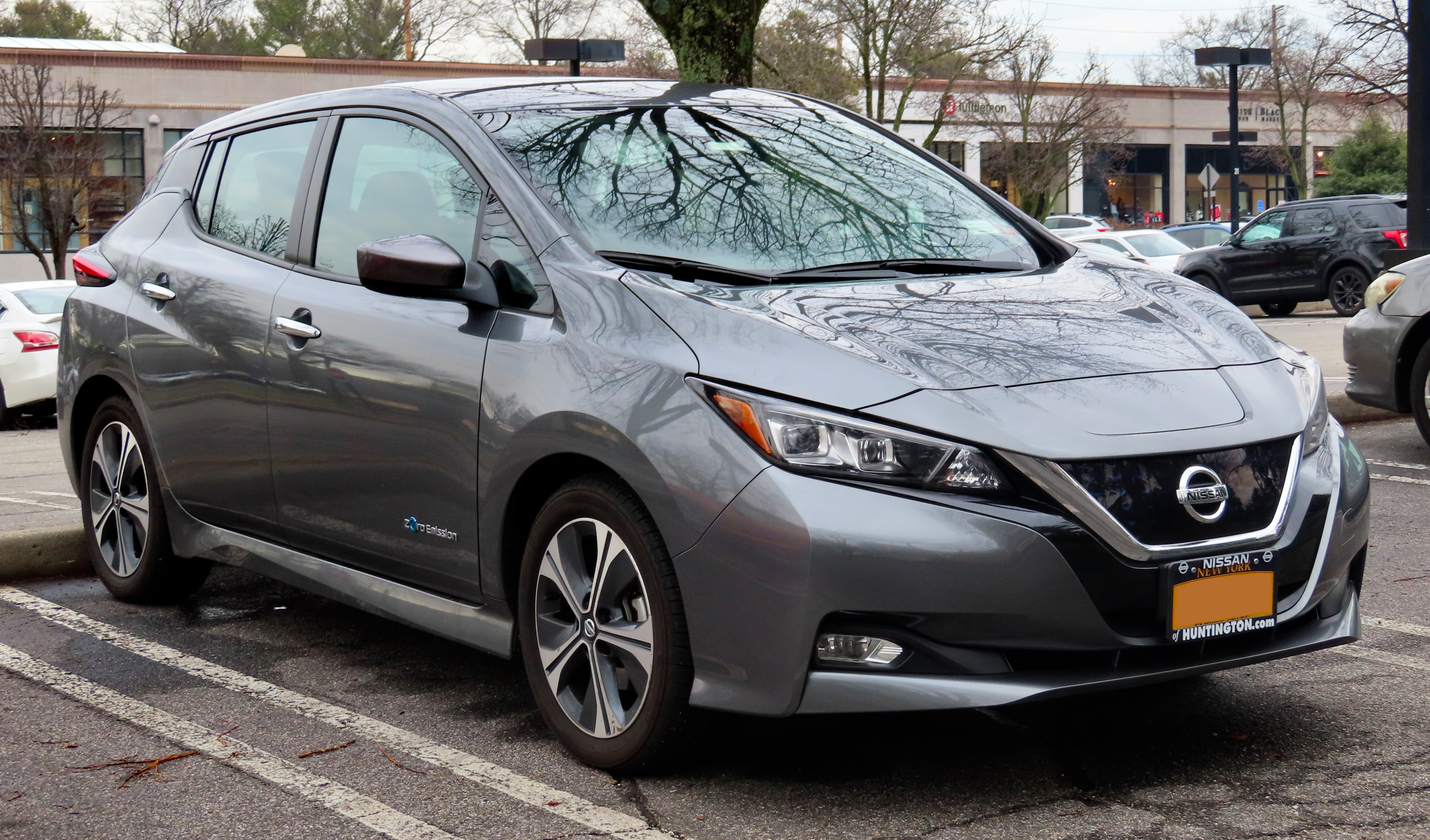
Nissan Leaf
"[2155.4s] But I would imagine an electric car, the percentage is higher. [2158.8s] Well, the Nissan Leaf that we looked at, [2160.4s] that was, they were supposed to be 100 miles at it, [2163.1s] it would do 50."
The Nissan Leaf is an electric car. The hosts are using it as an example of how an EV can lose range over time—so what was once a “100-mile” expectation can drop much lower in real use.
The Nissan Leaf is a mainstream battery-electric hatchback, and it’s often used as a real-world example of EV range loss over time. In this segment, the hosts cite a Leaf that was rated for about 100 miles but reportedly only achieved around 50 miles after years of use.

Tesla Model S
"Then the Tesla Model S, the Alex Natlalot bought, [2171.8s] that was almost half a million miles nearly."
The Tesla Model S is an electric car. Instead of gas, it runs on a big battery, and the hosts are talking about what happens when it racks up a lot of miles—especially whether the battery still has enough capacity.
The Tesla Model S is an all-electric luxury sedan where the battery pack is the main energy source for propulsion. In this segment, they’re discussing high-mileage taxi use and how battery health and warranty coverage affect long-term ownership costs and worry level.
battery work
"It wasn't, didn't that car have some sort of battery work? [2182.7s] I think it had a warranty."
“Battery work” means anything that needs fixing or servicing in the car’s main battery. If that battery has problems, it can reduce how far the car can go.
“Battery work” refers to repairs or service related to the high-voltage battery system in an electric car. It can include diagnostics, module replacement, or other battery-related fixes that affect range and long-term battery health.
80% capacity
"If it is, and then if it gets to 150,000 miles and you have 80% capacity, [2196.7s] is it actually that bad?"
Battery capacity is basically how much charge the battery can hold. If it’s down to 80%, the car can’t go as far as it used to, but it may still be totally usable.
“Battery capacity” is how much energy the battery can store compared to when it was new. When they say “80% capacity,” they mean the battery has degraded to about 80% of its original usable energy, which directly impacts real-world range.
12-volt battery
"But most of them have a 12-volt battery as well."
Electric cars still have a small 12-volt battery, kind of like a normal car. It runs the electronics, and if it dies, the car may not start even if the big battery is fine.
Most modern electric cars still use a separate 12-volt battery to power low-voltage systems like computers, lights, and control modules. Even if the high-voltage traction battery is healthy, a dead 12-volt battery can prevent the car from booting or starting normally.

La Ferrari
"I've got a game from you, Edwin, to rank the big six Ferraris. ... So I don't know Ferraris. Do you know what the big six are? La Ferrari. Yep."
The Ferrari LaFerrari is a rare, very expensive supercar. It uses both a gas engine and an electric motor, which is part of why it’s so special to collectors.
The Ferrari LaFerrari is a limited-production hybrid supercar from Ferrari, famous for combining a high-revving V12 with an electric motor. It’s one of the “big six” Ferraris the hosts are listing, which signals it’s a top-tier, enthusiast-icon car rather than a mainstream model.
V12
"More engine isn't a lot... It's a V12. Good stuff."
A V12 is an engine with 12 cylinders arranged in a V shape. In this case, it’s the kind of engine the Ferrari F50 uses, and it’s not turbocharged.
A V12 is an engine with 12 cylinders arranged in a “V” shape. In the Ferrari F50 context, it’s the naturally aspirated V12 that provides the car’s character without turbocharging.
turbos
"No turbos or turbos?... No turbos."
“Turbos” are devices that cram extra air into an engine to help it make more power. The point here is that the Ferrari F50 doesn’t have turbos—it makes power from its naturally aspirated V12.
“Turbos” refers to turbochargers, which force more air into an engine to make more power. The hosts are pointing out that the Ferrari F50 uses no turbochargers, meaning it relies on its naturally aspirated V12 instead.

288 GTO
"Number five is going to be a 288 GTO, which I know a lot about, [2383.4s] but for me it's just down the list."
The Ferrari 288 GTO is an older Ferrari from the 1980s that’s famous for being turbocharged and very performance-focused. People love it because it feels like a serious, special machine even by today’s standards.
The Ferrari 288 GTO is a 1980s turbocharged Ferrari known for its race-bred attitude and distinctive wedge-era styling. It’s famous because it was built around high-performance turbo V8 technology and was one of the key “homologation” Ferraris that helped define the brand’s turbo era.

Enzo LaFerrari
"Okay. [2408.5s] I'm going to go for a... [2412.7s] Enzo LaFerrari. [2413.7s] What is it? [2414.0s] Enzo LaFerrari. [2415.0s] F40."
The Ferrari Enzo LaFerrari is a supercar Ferrari made to show off its best technology. It’s a mid-engine car and it’s famous because it’s named after Enzo Ferrari and is very collectible.
The Ferrari Enzo LaFerrari is a halo supercar from Ferrari built around a mid-engine layout and a focus on high-performance engineering. It’s named after Enzo Ferrari and is known for being one of the brand’s most collectible, track-capable modern-era Ferraris.
Holy Trinity
"And I'm thinking, for me, Holy Trinity, that's a big thing for me. Because when I... I don't know what it's equivalent for you guys. Something. The Holy Trinity."
“Holy Trinity” here just means a person’s favorite “top three” legendary cars. It’s not an official car term—more like a nickname for the most iconic trio in their mind.
“Holy Trinity” is an enthusiast shorthand for a small set of iconic supercars that define a generation’s dream cars. In this conversation, the speaker uses it as a personal “top three” grouping (they mention Enzo and Zonda, and also bring up LaFerrari).

Zonda
"It was probably CGT, Enzo and Zonda. Yeah, they're fair."
The Zonda is a very famous supercar from Pagani. It’s known for being special and rare, and it’s often mentioned alongside other legendary exotic cars.
The Pagani Zonda is a hand-built, mid-engine supercar known for its distinctive styling and for being one of Pagani’s most influential early models. In enthusiast conversations, it’s often grouped with other “holy grail” supercars because it represents a peak of boutique Italian exotic engineering.

Slr Claren
"I think we were lucky we had a more than a Trinity. Yeah, we had SLR, Claren, LP640s in there. You've got..."
The SLR McLaren is a supercar made by Mercedes with McLaren involvement. It’s known for being a special, high-performance car rather than a normal everyday model. The podcast is listing it alongside other supercars they mentioned.
The SLR McLaren is a high-end supercar produced by Mercedes-AMG in collaboration with McLaren. It’s significant because it’s a rare, performance-focused flagship that blends supercar styling with serious engineering. The podcast mentions having SLR, “Claren,” and LP640s, indicating they’re listing notable supercars they had in their lineup or discussion.

LP640s
"Yeah, we had SLR, Claren, LP640s in there."
“LP640s” is a Lamborghini Gallardo LP640. It’s a supercar with a big V10 engine and it was a major early-2000s Lamborghini that people really got excited about.
“LP640s” refers to the Lamborghini Gallardo LP640, a high-performance variant of the Gallardo lineup. It’s known for its naturally aspirated V10 character and for being one of the most talked-about “everyday supercar” Lamborghinis of the early 2000s.

Bugatti Veyron
"Koenigsegg coming out with stuff. Veyron coming out basically in the early 2000s. That is ..."
The Bugatti Veyron is a top-level supercar made by Bugatti. It’s known for being extremely fast and for setting big performance expectations in its era. The podcast is mentioning it as a key early-2000s hypercar.
The Bugatti Veyron is a hypercar known for extreme performance and being one of the most headline-grabbing cars of the early 2000s era. It’s often discussed when people talk about the rise of modern super-hypercar benchmarks. The podcast references it in the same timeframe as other major manufacturers’ releases.
hybrid trinity
"That was the end. That hybrid trinity felt like the... Picking at the end. It was a peak in terms of performance and technology, but it felt like that's the last you're going to see of that."
“Hybrid trinity” is a nickname people use for three famous hybrid supercars that came out around the same time. The point is that they made hybrids feel normal in the fastest cars, not just in regular cars.
“Hybrid trinity” is a fan shorthand for the three landmark hybrid supercars that arrived around the same period: Ferrari LaFerrari, McLaren P1 Hybrid, and Porsche 918 Spyder. The idea is that these cars marked the end of the “pure” naturally aspirated era and kicked off modern hybrid performance.
hybrid bits
"Because every engine after this is going to get smaller because of those hybrid bits. Last time I felt something."
“Hybrid bits” means the electric parts in a hybrid car, like a motor and battery. They can help the car feel powerful even if the gas engine is smaller.
The “hybrid bits” refers to the electric components added to performance cars—typically an electric motor/generator and battery—working alongside the engine. In practice, this often enables smaller engines while still delivering top-end power, because the electric system can add torque and help efficiency.
twin turbo
"It's a V8, this twin turbo. [2679.9s] It'll want to kill you. [2681.3s] It's pretty manual, as in like..."
“Twin turbo” means the engine has two turbochargers. Turbos cram extra air into the engine, which helps it make more power—often making the car feel punchy when you accelerate.
“Twin turbo” means the engine uses two turbochargers to force more air into the cylinders. That typically boosts power and responsiveness, but it can also make the car feel more abrupt if you’re not used to turbo behavior.
manual
"[2681.3s] It's pretty manual, as in like... [2683.8s] Yeah, not Spanish, not Spanish fellow. [2687.4s] It is manual, but as in like, it's a pretty raw experience."
“Manual” here means you shift gears yourself with a clutch pedal. It makes the car feel more hands-on and can feel more intense because you control the engine speed directly.
In this context, “manual” means the car uses a traditional clutch-and-gearshift setup instead of an automatic transmission. That usually makes the driving experience feel more direct and “raw,” because you’re actively managing engine speed and traction with each shift.
special edition
"No, because that's where the beginning was. It was the first special edition. The F40 is not like a ground up with creating this thing."
A “special edition” is a version of a car that’s meant to be different from the regular one—often limited, with unique styling or upgrades. The hosts are saying the Ferrari F40 was treated as a special version rather than a completely new design.
A “special edition” is a limited or distinct version of a model, usually with styling changes and/or mechanical updates that differentiate it from the standard car. Here, the hosts frame the Ferrari F40 as the first “special edition” in that lineage, emphasizing it wasn’t created from scratch.

F80
"My five would be F80s at the bottom by some way at the moment. The recent Mustache delete one,"
F80 is the BMW M3 generation. It’s a fast BMW performance car, and in this ranking the host is saying it’s near the bottom compared with the Ferraris they’re talking about.
“F80” refers to the BMW M3 (F80 generation), which is the turbocharged, modern-era M3 that many enthusiasts treat as a benchmark for daily-drivable performance. Here it’s being placed at the bottom of the speaker’s ranking, showing the comparison is across very different “supercar vs. performance sedan” categories.
Mustache delete
"The recent Mustache delete one, the one that's had a little shave. Still doesn't make it go up anymore."
“Mustache delete” is a nickname for a cosmetic mod where someone removes a small front grille/trim piece to change the car’s face. The host is calling out that a particular car has had that look change.
“Mustache delete” is an enthusiast modification where the small grille/trim element on the front of a car is removed or replaced for a cleaner look. In this context, the host is referencing a specific modified BMW M3 example (“the recent Mustache delete one”) as part of their ranking.
gearbox hanging out the back
"Obviously, it's sort of 308, 328 Gen wider. See the gearbox hanging out the back. It's, you know, it's very impressive car."
The host is pointing out that the car’s transmission is positioned toward the back because of how the engine is laid out. That layout can help the car handle better, and it also looks dramatic.
This is describing a mid-engine layout where the transmission (gearbox) sits near the rear of the engine bay rather than far forward. That packaging helps balance weight distribution and can make the drivetrain feel more “connected,” which is why the host calls it “very impressive.”

F40
"I would probably go F40, third. ... The F40 was the final car that Enzo signed off."
The Ferrari F40 is one of the most famous “old-school” Ferraris—fast, loud, and built to feel raw rather than refined. It’s also known as the last Ferrari Enzo Ferrari signed off on.
The Ferrari F40 is a mid-engine, twin-turbocharged supercar from the late 1980s that became an icon for being brutally fast and mechanically focused. It’s especially famous because it was the last Ferrari that Enzo Ferrari personally approved before his death.

Ferrari F50
"And the F50 was like, oh, it looks odd. [3015.9s] It had the 360 looks and whatever else. [3018.8s] But when you look at it now, it's amazing. [3021.0s] And the engine is part of the chassis."
The Ferrari F50 is a special Ferrari supercar from the 1990s. It’s famous for having a V12 engine with an F1-style pedigree and for a super “race car” layout, including a very driver-focused interior and a design that shows off the exhaust.
The Ferrari F50 is a mid-1990s supercar known for its race-inspired design and an F1-derived V12 character. In this segment, the host highlights how the engine is integrated into the car’s structure (mounted behind the cabin), plus the distinctive cockpit and exterior details like the integrated wing and rear mesh that reveals the exhaust.
LED dash
"You have an LED dash, like unbelievable steering wheel. [3031.0s] The interior is just really, really simple and cool."
An LED dash means the gauges and indicators are shown using LED lights. It usually looks sharper and is easier to read than older-style instrument lighting.
An “LED dash” means the instrument cluster uses light-emitting diodes for the display. That’s notable because it can improve visibility and gives the cockpit a more modern, race-inspired look compared with older analog or incandescent gauge setups.
wing integrated
"But a V12 manual Ferrari that looks like that [3053.7s] with that, the wing integrated. [3055.9s] And also has the mesh at the back"
An integrated wing is a spoiler that’s designed as part of the car’s body. It can help stability at speed, and it also looks cleaner than a bolt-on wing.
An “integrated wing” means the rear spoiler/wing is built into the bodywork rather than being a separate add-on. On cars like the Ferrari F50, that kind of packaging is part of the aerodynamic and visual design—often aiming for downforce while keeping the overall shape cohesive.
Ferrari Enzo
"Number one is Enzo. F40, F40 third, F50 second, 30th Enzo for me."
The Ferrari Enzo is a very famous Ferrari supercar. It was made to honor Enzo Ferrari and it’s known for being a serious, high-tech, mid-engine machine.
The Ferrari Enzo (Enzo Ferrari) is a mid-engine supercar built to celebrate Ferrari’s founder and to showcase the brand’s modern performance direction. It’s especially notable for its Formula 1–inspired engineering approach and for being one of the most influential “modern Ferrari” icons.

Porsche 911
"...n said, this is amazing. It blows the 360 and the 911 out of the water. It's amazing."
The Porsche 911 is a famous sports car made by Porsche. It’s known for being fast and for its distinctive design. The podcast is talking about how impressive it is compared to another car they mentioned.
The Porsche 911 is an iconic sports car known for its long-running design and rear-engine layout. It’s frequently used as a benchmark for performance and engineering in the sports-car world. In the podcast, it’s praised as outperforming a “360,” indicating they’re comparing driving impressions or value.
auction estimate
"And I did, because it's like a 40,000 kilometer car, I think. And it says the estimate is 170 to 220,000 euros."
An auction estimate is the predicted price range for what a car might sell for. They mention a range in euros to show how the listing valued the car before bidding.
An auction estimate is the pre-sale price range an auction house expects the item (here, a car) to fetch. The hosts mention an estimate of 170 to 220,000 euros, which frames how the car’s hype and provenance (press car, Clarkson connection) might affect bidding.
investment buying vs using the car
"The guy selling that bought it as an investment, [3637.9s] which I find... [3638.5s] It's also... [3639.1s] That car's quite used."
They’re talking about whether people buy expensive cars to drive them or to treat them like investments. The story here is about a car that was bought, stored, and then sold for profit.
The hosts discuss the difference between buying a car as an investment and actually driving it. The segment contrasts a “stuck away” supercar with one that’s been repaired and then used normally.
Cat D
"So, previously, Cat D, [3647.9s] the body works a little bit ratty, [3649.4s] the history's not great."
“Cat D” is a UK label for a car that’s been in an accident or had damage serious enough to be recorded, but not the worst category. It usually means the car’s history is more complicated, which can make it harder to sell for top money.
“Cat D” is a UK insurance classification for a vehicle that was damaged but considered not severe enough to be written off as “Cat A” or “Cat C.” It typically signals that the car has had structural or major damage history, which can affect resale value and buyer confidence.

Lotus type 135
"Lotus put a post out on Instagram saying, there's a little teaser sort of a black thing... So, the description said, Lotus type 135... And then I saw exhaust pipes... So, there are tailpipes there."
They’re teasing a new Lotus called “type 135.” The big hint is that you can see exhaust pipes at the back, which usually means it’s not fully electric.
“Lotus type 135” is a Lotus model name used in a teaser post, and the key clue is that the teaser shows the rear of a car with exhaust/tailpipes. That strongly suggests it’s not an electric-only concept, because visible exhaust outlets usually mean an internal-combustion powertrain.
tailpipes
"And then I saw exhaust pipes. Yes. So, there are tailpipes there."
Tailpipes are the pipes coming out of the back of the car that let exhaust gases out. If you see them, it usually means the car isn’t fully electric.
Tailpipes are the exhaust outlets at the back of a car. When a teaser shows tailpipes, it usually indicates the vehicle uses an internal-combustion engine (or at least has an exhaust system), rather than being purely electric.
hybrid V8
"And then it says hybrid V8, V8 supercar. That's all it said."
A “hybrid V8” means the car has a V8 gas engine plus an electric motor. The electric part helps the car move and can make it feel quicker, especially at low speeds.
A “hybrid V8” is a V8 engine combined with an electric motor (and typically a battery) to assist propulsion. The point is to improve efficiency and/or add extra torque, while still keeping the character of a V8.
crushed carbon
"I don't like the crushed carbon. So, what we're looking at is... So, crushed carbon."
“Crushed carbon” is carbon fiber that’s been made to look wrinkled or textured instead of smooth. It’s mainly a styling finish that makes the car look more exotic and expensive.
“Crushed carbon” refers to a carbon-fiber surface finish where the material is compressed or textured to create a distinctive, patterned look. It’s often used on supercars and concept-style cars to make the bodywork or trim look more aggressive and high-tech.
Request an Explanation
Heard something you'd like explained? We'll add it to this episode.
Sign in to request explanations for terms you heard.
Want to learn more?
Browse our glossary for plain-English explanations of automotive terms, jargon, and concepts.
Help improve this episode
See something that's not quite right? Our annotations are AI-generated and can sometimes miss the mark. Click the flag icon on any annotation to suggest a correction.
6 community members have helped improve this episode.