
CA Tire War; Luce Conspiracy Theory; Q&A
About this episode
The Smoking Tire bounces from car culture to practical ownership questions. They riff on how automakers curate launch events and on a “Luce” conspiracy theory about Ferrari/Lamborghini strategy and market perception. The hosts then get hands-on with Q&A: whether ADAS features like lane keep assist default off, how online auctions handle VIN/no-drama, and how much suspension/tire upgrades really change ride and handling. The episode also dives deep into California’s proposed tire rules—rolling resistance, wet grip, and what that could mean for replacement tires.
Matt Farah and Zack Klapman discuss the viral video about California's war on tires; a very interesting carbon-fiber roadster from ...Argentina?; Blink 182 and Mercedes; Bad Thoughts Season 2; and Patreon questions include:
Bronco as a winter commuter?
Quality consistency from watch brands
The one car we'd restomod as a business
First single-clutch auto we liked
Best FWD car fro the early 2000s
Worst track in the country
Mods that didn't improve our cars
This car is better than a 981 Boster GTS
Mazda's new "green"
And more!
Recorded June 1, 2026
Show Notes
Vinbidders
Smoking Tire fans get $100 off the listing price with promo code TIRE and by visiting https://vinbidders.com/tire
Go from submitting your car to a confirmed sale in under 1 week with VinBidders. And you only pay $149 if the car sells.
DeleteMe
Get 20% off your DeleteMe plan when you go to www.joindeleteme.com/ TIRE and use promo code TIRE at checkout.
Fitbod
Join Fitbod today to get your personalized workout plan. Get 25% off your subscription or try the app FREE for seven days at https://fitbod.me/TIRE
Hims
For simple, online access to personalized and affordable care for Hair Loss, ED, Weight Loss, and more, visit https://hims.com/TIRE.
Enter to WIN our AMAZING 2025 Porsche 911 Turbo S!! https://www.dreamgiveaway.com/tickets/porsche?promo=SMOKINGTIRE
Promo Code Offer: Get 4X bonus tickets with any donation of $25 or more. With every donation you are helping benefit some wonderful veterans' and children's charities.
Podcast Promo Code: SMOKINGTIRE
Want your question answered? Want to watch the live stream, get ad-free podcasts, or exclusive podcasts? Join our Patreon: https://www.patreon.com/thesmokingtirepodcast
Use Off The Record! and ALWAYS fight your tickets! Enter code TST10 for a 10% discount on your first case on the Off The Record app, or go to http://www.offtherecord.com/TST.
Watch our car reviews: https://www.youtube.com/thesmokingtire
Tweet at us!
https://www.Twitter.com/thesmokingtire
https://www.Twitter.com/zackklapman
Instagram:
https://www.Instagram.com/thesmokingtire
https://www.Instagram.com/therealzackklapman
car launches
" [187.3s] Ridiculous lavish over the top wedding like you're you know, your marriage won't last very long renew your vows after two [193.4s] That's I think that science applies to car launches [198.4s] If you have like no, it's not one to one, but like there's you know, you could do a pretty [205.2s] Pretty over-the-top thing for a sort of where it's like please talk about not the product"
A “car launch” is when a car company holds an event to show off a new vehicle. The hosts are saying these events can be so over-the-top that people end up talking about the experience more than the car itself.
“Car launches” are the staged events automakers use to introduce a new model or refresh, often combining media presentations with curated experiences. In this segment, the hosts argue that launch tactics can shift attention away from the actual product.
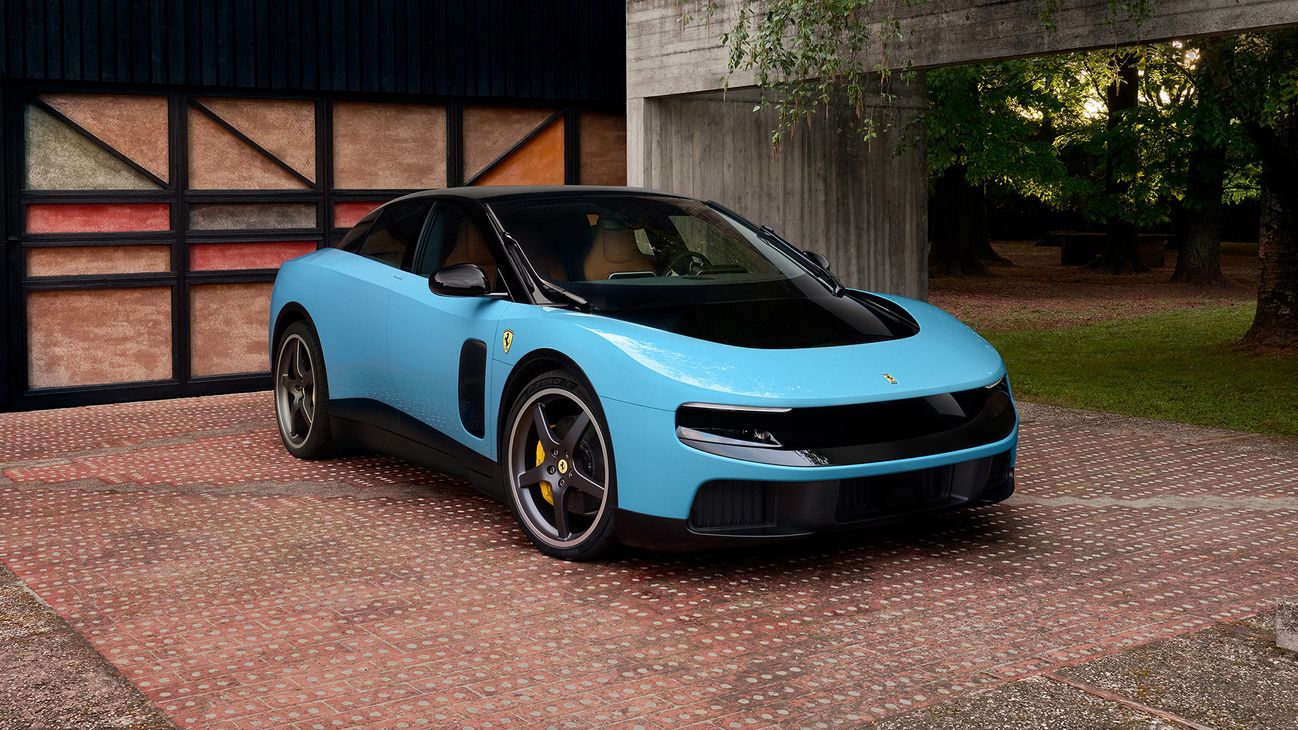
Ferrari Luce
"...when they did like an emergency podcast about the luce and he's like you can always tell like the more ..."
The Ferrari Luce is a Ferrari model that the podcast talks about. The episode suggests there are clues you can use to recognize or understand it based on specific details. It’s mentioned because it’s something people notice and discuss.
The Ferrari Luce is referenced in the podcast as part of an “emergency podcast” discussion, with attention to how you can tell something about it from details mentioned in the conversation. That suggests the car is being discussed for its specific characteristics and how it’s identified. It’s brought up as a notable Ferrari model that people track closely.
curated launches
" [218.9s] Harris talked about this when they did like an emergency podcast about the luce and he's like you can always tell like the more [225.9s] curated [228.3s] The launches both in terms of where and who they bring [232.6s] Like he's like they didn't bring a lot of drivers to that launch sure they probably they brought tech people"
“Curated launches” means the event is planned very intentionally—where it happens and who gets invited. The point being made is that the guest list and setting can reveal what the company really wants people to focus on.
“Curated launches” refers to how automakers carefully select the location, guest list, and overall agenda to shape the narrative around the new vehicle. Here, the host claims you can tell how curated a launch is by where it happens and who they invite, including whether they bring many drivers or more tech-focused attendees.

Land Rover Range Rover
"The 2013 Range Rover when they went to almond we gearie like that was pretty crazy But like we then went out and did very Range Rover-y things like in the cars"
A Range Rover is a luxury SUV from Land Rover. The 2013 model is a specific year of that SUV, and it’s known for being able to handle rough roads and trails, not just city driving.
The Range Rover is Land Rover’s luxury SUV line known for combining upscale comfort with serious off-road capability. Mentioning the 2013 Range Rover ties the conversation to a specific model year and generation-era of that off-road-focused reputation.

db12
"Like we did some pretty sweet off-roading out there actually and so it was it was like both or like the db12 in monaco But like when you shut down a city infrastructure"
The DB12 is an Aston Martin sports car meant for fast, comfortable driving. In the conversation, it’s being used as an example of the kind of fancy car you’d bring to a big movie-style location.
The Aston Martin DB12 is a modern grand tourer (GT) from Aston Martin, built for high-speed highway cruising with a sporty driving feel. The mention in a “monaco” context suggests using the DB12 as a cinematic, high-status car for a location shoot.
6th street bridge
"This is a little more than normal, you know the 6th street bridge. I mean that's is that the most It's an oddly famous part of la like it's been in a lot of movies"
This is a real bridge in Los Angeles. The hosts are saying it’s famous from movies, and that shutting it down for filming is a big production move.
The 6th Street Bridge is a specific Los Angeles landmark that the hosts describe as being “oddly famous” because it’s appeared in movies. Here it’s used as a reference point for how film crews shut down infrastructure to stage dramatic car action.
location scouting
"It's almost become a meme of like if you shut down 6th street bridge and shoot on it Yeah, that's a cool thing to do. Yeah. Yeah. Yeah, it's uh, you know black double black location scouting I suppose, you know it highly advanced"
Location scouting is when a movie team searches for the right real places to film. They pick spots that look good and work for the scene they want to shoot.
Location scouting is the process film crews use to find and evaluate real-world places that match the story’s needs. The hosts connect it to advanced planning—like choosing a famous bridge—so the production can stage car scenes convincingly.
stick
"it's a dot two dot two gt3 with a stick and so"
“Stick” means the car has a manual transmission. You use a clutch pedal and a gear lever to choose the gears yourself.
“Stick” here means a manual transmission, where the driver selects gears with a clutch pedal and gear lever. Manual gearboxes are often preferred by enthusiasts because they give more direct control over engine speed and gear selection.
bumpy roads
"In malibu and I drove it up some pretty bumpy roads God, it's so much better than the first one on the bumpy roads."
“Bumpy roads” means the pavement is uneven. That makes the suspension do more work, so it’s a good test of how stable and comfortable the car feels over rough ground.
“Bumpy roads” is a driving-condition term describing uneven pavement that forces the suspension to work harder. It’s relevant because it highlights how well the car’s chassis and suspension control body motion over rough surfaces.
ADAS
"“...the Eight uh, the adas the full adas did not come on / On the restart... that's what's an adas off.”"
ADAS means “driver-assist tech.” It’s the stuff in modern cars that helps you stay in your lane or avoid crashes using cameras and sensors.
ADAS stands for Advanced Driver Assistance Systems. It’s the umbrella term for safety and convenience features like lane keeping, adaptive cruise, and automatic emergency braking that use sensors and cameras to help the driver.
under the table
"“...given the north american market potentially a little under the table, uh, fucking handy.”"
He’s basically implying that the car’s tech might be intentionally limited in the U.S./Canada version, not clearly explained by the manufacturer.
“Under the table” here is a claim that certain features (like full ADAS) may be disabled or restricted for the North American market, rather than being fully enabled as shipped. It’s an informal way of suggesting non-transparent regional software/hardware differences.
lane keep assist
"“...you don't uh, I think that it does have limited adas / But the lane keep assist does not seem to turn on by default...”"
Lane Keep Assist is an ADAS feature that helps keep the car centered in its lane by steering corrections when lane markings are detected. Some cars allow it to be enabled by default, while others require the driver to turn it on each time.
privacy
"“...whether it's facebook marketplace bat the forums whatever you do / You're giving up a combination of money time and privacy”"
He means selling a car can expose your personal info—like your contact details—so it can feel less private than other options.
In the context of selling a car, “privacy” refers to how much personal information you have to share publicly (or with buyers/dealers) during the listing and negotiation process. It’s a practical concern distinct from pricing or convenience.

Lamborghini Gt 350S
"... effort their dealer network buys everything from gt 350s to career at gts And here's how they do it you su..."
The 350 GT is an older Lamborghini sports car designed for long-distance driving. In the episode, it’s mentioned as a kind of classic car that shows up in dealer and collector circles. The point is that it’s a notable vintage Lamborghini people seek out.
The Lamborghini 350 GT is an early Lamborghini grand tourer that’s historically significant as part of the brand’s classic lineup. In the podcast, it’s mentioned in the context of dealer networks and how certain cars are sourced and traded, suggesting a discussion about collecting and availability. It comes up because it’s a famous, desirable vintage model.
resto mod
"Um, this is called the sp 40 [788.4s] Resto mod and the reason it's [790.7s] Like awkwardly named resto mod is because these guys are argentinian."
A restomod is an old-looking car that’s been rebuilt with newer parts so it drives better. Think “classic style, modern upgrades.”
A restomod is a car that keeps the original model’s body/chassis identity but is updated with modern engineering—often including newer engines, suspension, brakes, and electronics. The goal is to preserve the classic look while making it drive more like a contemporary car.
pre-war type replicas
"[796.6s] Um, so these guys are the company behind this thing have been sort of like another per sang like a competitor building [804.3s] You know pre-war type replicas [807.0s] and they were had they had been building a replica of"
This means they build cars that look like older cars from before World War II. Even if it’s built today, the goal is to copy the classic look.
“Pre-war type replicas” refers to cars built to look like vehicles from before World War II. Enthusiasts often use this to describe modern builds that copy the styling cues and proportions of that era, even if the underlying engineering may be updated.
speedster
"[831.4s] And that's the only picture we got and it's called. Yeah, the model 40 special speedster [837.2s] um [838.3s] So he said he asked the ford special people to build him this really dope [844.9s] European looking [847.1s] Speedster thing."
A speedster is an open-top, roadster-style car meant to feel light and fun to drive. The term is often used for classic-looking replicas too.
A speedster is a body style typically associated with an open-top, lightweight roadster character—often with minimal weather protection and a focus on driving feel. In pre-war and replica contexts, “speedster” is used as a styling/heritage label for that kind of look.
coyote motor
"“It's got a coyote motor in it. Whoa”"
A “Coyote motor” is a Ford V8 engine family. It’s known for making strong power and torque, which is why the car can feel like it cruises well without constantly shifting.
“Coyote motor” refers to Ford’s Coyote V8 engine family (a modern small-block design used in many Ford performance models). In this context, it’s the engine powering the car being described, which helps explain why the car can feel like it doesn’t need as many gears.
five speed gearbox
"“And a uh a built a five speed gearbox a tremic five speed as longer gears they thought”"
A “five speed gearbox” is the manual transmission with five gears. More gears can help keep the engine in its power zone, but this car’s torque means you may not need six for everyday driving.
A “five speed gearbox” is a manual transmission with five forward gears, which determines how the engine’s RPM stays matched to road speed. The hosts compare it to a six-speed setup and argue that, for this car’s torque-heavy cruising character, five gears can be enough.
six speed
"“So they said they built one with a six speed and they said that a It was a lot of shifting”"
“Six speed” means the car has six gears instead of five. The idea is that it can keep the engine in the right RPM range, but the hosts say this particular car’s torque makes extra shifting less necessary.
“Six speed” means a six-gear transmission, typically used to better space gear ratios so the engine can stay in its ideal RPM range. Here, the discussion is about whether six gears are worth it given the car’s torque and how much shifting it requires.
torque band
"“...to really stay in this torque band”"
The “torque band” is the RPM range where an engine produces strong torque. The hosts are saying that, because this car has long, usable torque, you don’t always need extra gears to keep the engine inside that sweet spot.
center tunnel
"“...the fact that the the center tunnel Is effectively the gearbox.”"
The “center tunnel” is the raised structure running down the middle of the cabin that often houses the drivetrain components. The hosts note that, in this car, the center tunnel is effectively the gearbox housing, which affects packaging and interior space (like right-leg room).
tube frame
"“So yeah side hinge hood the full body is carbon it's a tube frame”"
A “tube frame” is a car’s skeleton made from metal tubes. It helps keep the car light and stiff, which is why many lightweight sports cars use this kind of frame.
A “tube frame” is a chassis made from welded metal tubes, common in lightweight sports cars and kit cars. It’s used to create a rigid structure while keeping weight down, which matches the hosts’ description of a carbon full body and cruiser-focused design.
full body is carbon
"“So yeah side hinge hood the full body is carbon”"
“Full body is carbon” indicates the body panels are made from carbon fiber composite. Carbon fiber is used to reduce weight and can improve stiffness, which is especially valuable on a lightweight roadster where every pound affects feel.
side hinge hood
"“So yeah side hinge hood the full body is carbon”"
A “side hinge hood” is a hood that opens by pivoting on hinges mounted at the sides rather than swinging forward from a front hinge. This can be used for styling and packaging, especially on low-nose, track-inspired cars.
high back buckets
"[982.6s] But and then these seats it's pretty cool. They're these sort of high back buckets, you know vintage looking [989.5s] But they're hinged and actually the backs fold forward and you can put a bunch of luggage behind the seats in that trunk area"
These are racing-style seats with tall backs. They hold you in place better than a normal seat, especially when the car is turning.
“High-back buckets” are bucket-style seats with tall seatbacks that wrap the driver and passenger more than a typical bench. They’re often used in performance or track-focused cars because they help support your torso during cornering.
hinged
"[989.5s] But they're hinged and actually the backs fold forward and you can put a bunch of luggage behind the seats in that trunk area [996.3s] Oh, cool. So it's actually sort of like"
In this context, “hinged” describes seats that pivot on hinges so the seatbacks can fold forward. That design creates extra cargo space behind the seats, effectively turning part of the cabin into a luggage area.
2600 pounds
"[1023.8s] It's worth coming along and fucking having a little just take all the time on the morning [1028.3s] 2600 pounds and [1030.1s] 460 horsepower"
That’s the car’s weight. Lighter cars often feel quicker and more nimble, especially when you’re steering.
“Pounds” here is the car’s weight. Weight strongly affects how a car feels—heavier cars typically need more power to feel quick, while lighter cars can feel more responsive in steering and braking.
460 horsepower
"[1028.3s] 2600 pounds and [1030.1s] 460 horsepower [1030.9s] I bet I'm really curious to see how it feels steering wise"
Horsepower is a number that tells you how strong the engine is. “460 horsepower” means the engine makes a lot of power.
“Horsepower” is a measure of engine power—how much work the engine can do over time. Stating “460 horsepower” gives a sense of the car’s output and potential acceleration capability.
steering wise
"[1030.9s] I bet I'm really curious to see how it feels steering wise because we've talked about the morgan [1035.8s] You steer the front end turns you wait a second and then you go with it."
They’re talking about how the car feels when you turn the wheel. It’s about how responsive and predictable the steering is.
“Steering wise” is shorthand for how the car responds to steering inputs—how quickly it turns in, how much effort it takes, and how predictable it feels. The host is setting up a discussion of steering feel and front-end behavior.
Caterpillar racing
"[1042.2s] Doing your own. What is it called like? [1044.5s] Caterpillar racing, you know demo dirt where they tie two cars together [1048.0s] It's a little bit like that."
They’re using a comparison to describe how the car’s steering feels. The idea is that it doesn’t instantly react—it seems to follow after a brief delay.
The host uses “Caterpillar racing” as a comparison for a steering feel where the car seems to “wait” and then follow, like a linked, articulated motion. It’s a metaphor for delayed response and the way the front end and chassis behave together.
carbon body
"because the specs are like carbon body with pretty simple panels ..."
Carbon body means parts of the car are made from carbon fiber. It’s lighter and stiffer than metal, but it usually costs more and can be harder to fix if you crash it.
A carbon body means body panels made from carbon fiber composites instead of steel or aluminum. Carbon fiber is valued for high stiffness-to-weight and can help reduce mass, but it also tends to be expensive and can be more complex to repair if damaged.
louvers
"the specs are like carbon body with pretty simple panels ... I'll say I mean the louvers might be a pain in the ass"
Louvers are slatted vents in the car’s body. They let air move through to help cool things down, especially around the engine area.
Louvers are slatted openings (often on bodywork) that allow airflow while helping manage heat or reduce aerodynamic drag. On performance cars, they’re frequently used to vent hot air from the engine bay or improve cooling.
tube chassis
"because the specs are like carbon body with pretty simple panels ... and you've got like a coyote motor ... So it's an off-the-shelf motor. It's a tube chassis"
A tube chassis is a car built on a frame made of metal tubes. Instead of relying on the body panels to be the main structure, the frame does that job, which can make the car lighter and easier to build in a custom way.
A tube chassis is a vehicle frame built from welded steel tubes (often in a spaceframe-like structure) instead of using a full unibody shell. It’s common in lightweight, custom, or kit-style cars because it can be strong while keeping weight down, and it’s easier to package components around the frame.
off-the-shelf motor
"and you've got like a coyote motor ... So it's an off-the-shelf motor. It's a tube chassis"
An off-the-shelf motor means the engine isn’t custom-made for that car. It’s a regular production engine, which usually makes it easier to get parts and keep running.
An off-the-shelf motor is an engine sourced from a mainstream production lineup rather than a bespoke, one-off powerplant. In enthusiast builds, this often means easier sourcing of parts and service, and it can reduce development cost compared with designing a custom engine.
solid rear axle
"I don't know how hard it is to Make this thing I said, is it a solid rear axle?"
A solid rear axle connects both rear wheels with one rigid bar. When one wheel hits a bump, it can influence the other wheel more than on cars with independent rear suspension.
A solid rear axle is a rear suspension setup where the left and right wheels are connected by a single rigid axle. This design can be robust and simple, but it can also affect ride comfort and how independently each wheel can move over bumps compared with independent rear suspension.
side pipes
"The sound was really cool because it's side pipes, but they're very long and they're muffled [1223.4s] So it's not"
Side pipes are exhaust pipes that come out along the side of the car. They can make the car sound different and are often part of the car’s look.
Side pipes are exhaust outlets that run along the side of the car instead of exiting at the rear. They’re often associated with certain classic styling cues and can change how the exhaust sounds and how it’s packaged.
straight pipe
"Well ours was quiet and then all the all the fiberglass packing blue like literally flew out of the muffler and now it's like straight pipe [1258.4s] Um my accident. So I get it."
A “straight pipe” means the exhaust isn’t muffled much, so it gets louder. The host is saying their muffler lost packing, so it started sounding like a straight-pipe car.
A “straight pipe” setup means the exhaust is effectively un-muffled (or much less muffled), so exhaust noise increases dramatically. In this segment, the host says fiberglass packing blew out of the muffler, turning the exhaust into something closer to straight-pipe loudness.
hybridized
"But I don't know. I mean look if if if the mainstream oems are are going to become hybridized and [1270.5s] You know if if ferrari's gonna fucking drop this an electric egg"
“Hybridized” means the car gets both a gas engine and an electric motor. The host is talking about the industry moving toward that kind of setup.
“Hybridized” refers to adding an electric motor and battery system alongside a combustion engine. In the automotive context, it usually changes how the car delivers power and how it sounds, and it’s often used to describe the industry shift toward electrification.
Thomas Holland
"Yeah, weird Thomas Holland of a throttle house had a conspiracy theory. He wrote about that went got pretty popular"
Thomas Holland is a car creator who talks about cars online. The host is mentioning him because he’s connected to a popular conspiracy-style idea about cars.
Thomas Holland is a well-known automotive YouTuber and writer associated with The Smoking Tire and the broader car-media world. Here, the host references “weirdos” and a conspiracy theory he wrote about, tying it to the episode’s theme.
double tank
"so double tank Yeah, um, I don't know"
“Double tank” is ambiguous in this context; it could refer to a manufacturing or logistics setup (two separate tanks for a process) or be a mis-transcription. There isn’t enough surrounding detail here to define it reliably for listeners.
scale
"we were like basically, you know, we were like talking about scale and we were like look to go from"
“Scale” here means making more cars than before. The idea is that you can grow production by adding space, people, and equipment.
In manufacturing, “scale” means increasing production volume and throughput. The speaker frames the conspiracy as a question of how a small automaker can scale from tens of cars per year to hundreds or thousands by expanding the factory and processes.
Remastered Singer Vehicle Design
"...te excuse me restores 200 cars a year like like a singer vehicle design He goes you basically take the the same systems y..."
A Remastered 911 is an older Porsche 911 that gets restored and updated. The idea is to keep the original 911 style, but improve parts so it feels more modern. The episode brings it up as a restoration approach and business model.
A “Remastered 911” in the podcast context refers to a restoration or refurbishment program that takes existing 911 cars and updates them while keeping the core platform. The episode mentions restoring a large number of cars per year and references a “Singer” vehicle design, indicating a focus on modernized execution. It’s discussed because it’s a way to keep the 911 identity while improving the car’s overall setup.
carbon fiber
"maybe your carbon fiber becomes in house. He's like but to go from a couple hundred cars a year"
Carbon fiber is a strong, lightweight material used in some high-end cars. Here it’s mentioned as something a small builder might start making or processing themselves when they scale up.
Carbon fiber is a lightweight, high-strength composite material commonly used in performance cars. The speaker suggests that scaling production might include bringing carbon-fiber work in-house rather than outsourcing it.
robots are assembling cars
"you're building a factory where robots are assembling cars. He's like in that"
This is about using robots to build cars instead of mostly people. The claim is that bigger production numbers usually require more automation in the factory.
This refers to industrial automation—using robots instead of humans for much of the assembly work. The speaker’s point is that reaching higher annual production targets typically forces a shift toward automated, factory-style assembly.

Rimac Nevera
"...atista Which is the italian bodied version of the nevera The remak. Yeah remats. Oh, yeah. Yeah, there's t..."
The Nevera is an electric supercar built to be extremely fast. The episode mentions a special version that’s related to the Nevera and talks about how it’s presented. It’s discussed because it’s a high-performance EV that stands out.
The Rimac Nevera is a modern electric hypercar known for extremely high performance. The podcast mentions “the Italian bodied version of the Nevera,” referring to a special variant, and it’s discussed in the context of who makes what and how the car is positioned. It’s brought up because it’s a standout EV performance machine in the hypercar world.
e-building factory
"they are building it at a new E-building factory in marinello."
They mention an “e-building factory,” meaning a factory set up for building electric cars. The point is that it sounds like a real, large investment.
An “e-building factory” here is described as a dedicated facility for electric-vehicle production or assembly. The host frames it as a serious, scaled effort rather than a small experiment.
Marinello
"they are building it at a new E-building factory in marinello. So they've made the building or they're making it next door"
They’re talking about a factory expansion in the Ferrari area (referred to as “Marinello”). The idea is that Ferrari is building new space specifically for electric-vehicle work.
“Marinello” is referenced as the location for an “e-building factory” tied to Ferrari’s manufacturing expansion. The context suggests a dedicated facility for electric-vehicle-related production, placed next to an existing factory.
allocation
"they're also allegedly not attached to any sort of allocation yet at least there's so when this came out"
In high-demand car sales, “allocation” is the limited quota of cars a dealer is allowed to sell for a given model. The host claims these rumored Luce units may not yet be tied to any formal allocation, which would help explain why there are “zero orders.”
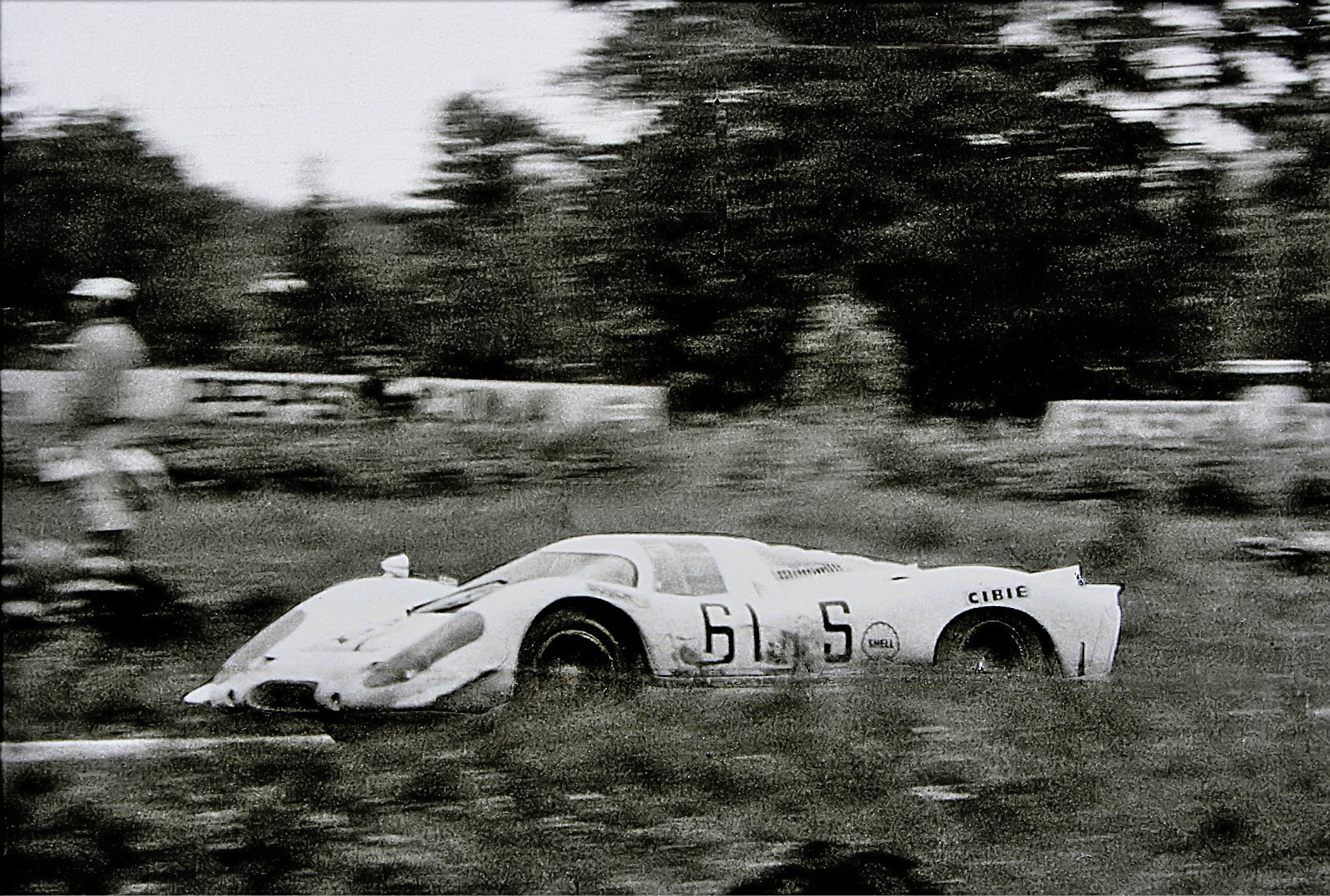
Porsche 917
"He has 917 a Carrera GT So that's that's I mean, that's kind of what you see here, right a little bit I mean more than a little bit. I mean as soon as I looked at it. I was like, oh, it's 917 inspired"
The Porsche 917 is a famous old race car from the 1970s. It’s known for a very aggressive, track-focused shape, and the host is saying this newer car borrows its look but isn’t identical.
The Porsche 917 is a legendary 1970s Le Mans–era race car known for its extreme, purpose-built proportions and aerodynamics. In this segment, the host contrasts its “real flat” front and overall shape with a modern car that’s been styled to evoke it.

Porsche Carrera GT
"and He has 917 a Carrera GT So that's that's I mean, that's kind of what you ..."
The Carrera GT is a very rare Porsche supercar built for high performance. It’s the kind of car enthusiasts talk about because it’s special and hard to find. In the episode, it’s brought up as part of a lineup of famous Porsche cars.
The Porsche Carrera GT (often referred to as the Carrera GT) is a rare, high-performance supercar known for its extreme driving character. In the podcast, it’s mentioned alongside other legendary Porsche models, which signals its status as a notable collector and enthusiast car. It comes up because people compare the “greatest hits” of Porsche supercar history.
rest oh mod
"You know, it's it's a rest oh mod 917 on a Carrera GT It's it's fun. I mean look it's fucking cool."
A restomod is an older-style car that’s been updated with newer tech so it drives better today. In this case, the host is saying the car is a 917-inspired restomod based on a Carrera GT.
A restomod is a modified classic car that keeps the original vibe or body style but updates parts and engineering for modern drivability. Here, the host is describing a “Porsche 917” themed restomod built on a Carrera GT.
GT
"In the nose and in a career in gt ... Your feet are in like a normal place and the nose is much shorter"
GT means “Grand Touring.” It’s a racing category for sports cars that are more closely related to real-world car shapes and ideas, rather than being one-off prototype race cars.
GT stands for “Grand Touring,” a class of sports cars (and race cars) that are based on production-style designs. In racing context, it helps distinguish cars that are built and homologated around that style of platform rather than being pure prototypes.
swayed seat
"“...I do like what they did with the seats here this blue Swayed seat with a tartan center. Yeah, that's pretty fucking bitch really often.”"
They’re talking about the car’s seats looking special—blue upholstery with a tartan (plaid) center. The exact term is unclear in the transcript, but the takeaway is the unique interior styling.
A “swayed seat” here appears to be a mis-transcription for a specific seat design/trim feature, likely referring to a distinctive seat upholstery pattern or configuration. The key point in the segment is the visual design: blue seats with a tartan center insert.
tartan
"“...this blue Swayed seat with a tartan center. Yeah, that's pretty fucking bitch really often.”"
Tartan is a plaid pattern. In this case, it’s being used as a design description for a patterned insert on the seat.
Tartan is a patterned fabric (often associated with Scottish plaid) used here as a description of a seat-center insert. In automotive interiors, tartan-style inserts are a recognizable styling choice that signals a more bespoke, heritage-inspired look.
modded
"“...I'm sure a lot of people will scream sack sacrilege But whatever like talk about, uh, you know modded if you got it”"
“Modded” just means the car has been changed—like adding upgrades or changing the look. The hosts are talking about the argument between people who want the car left alone and people who want to personalize it.
“Modded” refers to modifying a car from its factory configuration—commonly for performance, sound, or styling. The hosts frame it as a cultural debate: some people call it sacrilege when a celebrated car is altered, while others see it as the point of ownership.
make it yours
"“...It's different. So I don't really care... That's what carcalture is. It's like right... A lot for a lot of people turn it Make it yours.”"
The point here is that car people like to personalize their cars. Even if a car is already great (and expensive), owners often change it so it feels like their own.
“Make it yours” is the enthusiast idea that personalizing a car—through mods, styling, or interior choices—matters more than having the “perfect” factory spec. The hosts connect it to the motivation behind modifying a highly desirable, expensive car that already has strong resale appeal.
emissions
"This this bill is not really going to affect so much so effectively the the bill is designed to help curb the emissions that come from Tires right that the tie the particles in the air and the and co2 and things that are bad for the air"
Emissions here means pollution that ends up in the air. The host is talking about pollution linked to tires, like tiny particles that come from tire wear. The idea is that changing tire behavior can reduce that pollution.
In this context, emissions refers to pollution released into the air, including CO2 and airborne particles. The host is specifically tying the bill to tire-related pollution, like particulate matter from tire wear. That’s why tire standards can be framed as an emissions-control measure.
tire particles
"the emissions that come from Tires right that the tie the particles in the air and the and co2 and things that are bad for the air"
Tire particles are tiny bits that come off tires as you drive and they wear. Those bits can end up floating in the air. Some laws try to reduce how much of that pollution tires create.
Tire particles are tiny bits of material that become airborne as tires wear down and as tread and rubber break off during driving. These particles can contribute to particulate pollution in the air, which is a health and environmental concern. Policies aimed at tire design or standards may target how much particulate matter tires generate.
minimum performance standards
"Number three set minimum performance standards for the energy efficiency rolling resistance of replacement tires Okay, doesn't say what those standards are in the summary, but setting a minimum performance standard. Okay Uh, number four set a minimum performance standard for wet grip for replacement tires to ensure safety"
Minimum performance standards are rules that say a product has to meet a baseline level of quality or safety. Here, the idea is to require replacement tires to be efficient enough and to grip well on wet roads. That helps stop “bad” tires from being sold.
Minimum performance standards are regulatory thresholds that products must meet to be sold legally. In this segment, the staff report proposes minimums for rolling resistance (energy efficiency) and wet grip (safety) for replacement tires. The point is to prevent low-performing tires from being sold in California.
wet grip
"Uh, number four set a minimum performance standard for wet grip for replacement tires to ensure safety fair one of the ways that tires can have"
Wet grip means how well a tire can hold the road when it’s raining. Good wet grip helps you stop and turn safely on wet pavement. That’s why regulators may require a minimum level so you don’t end up with rain-unsafe tires.
Wet grip is a tire’s ability to provide traction on wet roads, especially during braking and cornering. It’s often tied to tread pattern, rubber compound, and how effectively the tire evacuates water. The transcript frames wet-grip minimums as a safety regulation to prevent selling tires that behave like “slicks” in rain.
shallower grooves
"fair one of the ways that tires can have Better rolling resistance is by having shallower grooves And so a lot of uh, oh e tires that are designed for our EVs and stuff and they can have Shallower grooves than some other tires, right?"
Tire grooves are the channels in the tread that help move water out of the way. Shallower grooves can make the tire roll more efficiently, but they can also make it harder for the tire to handle rain. That’s the tradeoff the host is describing.
Grooves are the channels in a tire’s tread that help manage water and debris. Shallower grooves can reduce rolling resistance (improving efficiency) but may reduce water evacuation capability, which can hurt wet grip. The transcript links shallower grooves to efficiency-focused tires, including EV-oriented designs.
rolling resistance energy efficiency
"number three [2721.3s] Okay, which is minimum performance standards for rolling resistance energy efficiency because you immediately start thinking"
Rolling resistance is how much effort it takes for a tire to roll down the road. Tires with lower rolling resistance waste less energy, which can help your car use less fuel.
Rolling resistance is the energy a tire needs to keep rolling; higher rolling resistance wastes more fuel. A tire’s “rolling resistance energy efficiency” rating is meant to show how much that waste is reduced, so shoppers can compare tires on fuel-economy impact.
off-road tires
"because you immediately start thinking [2728.1s] off-road tires [2729.8s] winter tires"
Off-road tires are built for dirt and rough ground, with tread that helps them grip where pavement tires struggle. They can behave differently on wet pavement compared to regular street tires.
Off-road tires are designed with tread patterns and rubber compounds meant to bite into dirt, mud, and loose surfaces. Because they’re optimized for those conditions, they may not deliver the same wet or track-focused performance as street-oriented performance tires.
winter tires
"off-road tires [2728.1s] winter tires [2731.8s] High performance tires."
Winter tires are made to grip better when it’s cold and when there’s snow or slush. They’re not meant to be the best choice for hot, dry weather.
Winter tires are engineered to maintain grip in cold temperatures, often using softer rubber compounds and tread designs that handle snow and slush. They can be less effective in warm weather than summer or high-performance tires.
High performance tires
"winter tires [2731.8s] High performance tires. I mean for us. It's specifically a high performance tires."
High performance tires are made to give better grip and more responsive handling. They can be a tradeoff versus fuel-economy or wet-weather behavior depending on the exact tire.
High performance tires are designed for stronger grip, steering response, and braking—especially under spirited driving. The tradeoff is that they may not be as efficient in terms of rolling resistance or may behave differently in wet conditions depending on compound and tread design.
replacement tires only
"Yeah now it also does say [2762.8s] You know that it also has to be these are replacement tires only [2767.8s] So if a car is sold, let's say with a cup too"
“Replacement tires only” means the regulation or rating applies to tires sold as replacements after a vehicle is already on the road, not necessarily the tires installed at the factory. That distinction can change how manufacturers comply and how many tire models are affected.

Ford Falcon
"...cturer would be affected. You know advan Any yeah falcon like a bunch of the car a bunch of tire companies..."
The Ford Falcon is a car model from Ford that’s been around for a long time. In the episode, it’s mentioned in connection with tires and how cars are used or tested. The point seems to be about the Falcon’s place in that kind of automotive world.
The Ford Falcon is a model line that’s known for being widely used and discussed in motorsport and automotive history contexts. In the podcast snippet, it’s mentioned alongside tire-related talk, suggesting a discussion about how certain cars fit into racing or tire testing. It’s brought up as part of a broader conversation about automotive ecosystems and suppliers.
factory equipment
"There would be an easy way around this which would be to quote offer it as a as a [2798.2s] Factory equipment all of a sudden you might see car makers offering four or five different tires as potential factory equipment"
“Factory equipment” means parts that come installed on the car when it’s built. The idea here is that if the rule only covers replacement tires, car makers might offer certain tires from the factory instead.
“Factory equipment” refers to tires (or other parts) installed by the vehicle manufacturer at the time the car is built. The speaker suggests that if replacement-only rules apply, automakers could bypass them by offering different tires as factory-installed options.
slicks
"Which you could argue fucking slicks are you can argue slicks are but in the middle there's you know ps4"
Slick tires have almost no tread. That makes them grip really hard on dry pavement, but they’re not great in rain.
“Slicks” are tires with little to no tread pattern. Because they don’t evacuate water well, they’re typically used for dry-track driving rather than wet or all-season road use.
ps4
"Which you could argue fucking slicks are you can argue slicks are but in the middle there's you know ps4"
“PS4” is a brand/model of performance street tire. It’s meant for good grip and handling on regular roads, not just a race track.
“PS4” most likely refers to the Michelin Pilot Sport 4, a performance street tire. It’s designed for strong dry grip and predictable handling on public roads, unlike track-only slicks.
triple 8's
"Whatever rio triple 8's like all those things I'm trying to figure out where those would land in here and then if tire companies had to start labeling those"
“Triple 8’s” sounds like a specific tire model. The important part here is that the discussion is about how tires might be labeled for off-road-only or temporary use, which can affect whether you can legally drive them.
“Triple 8’s” appears to be shorthand for a specific tire model that the speaker is grouping with other categories (slicks/PS4). In context, the key point is how tire labeling could classify tires as temporary-use or off-road-only, affecting legality and enforcement.
off-road use only
"Temporary use or off-road only Could you then be pulled over or if you were pulled over for something else that copper goes? Oh you're running These you know triple 8's those are meant to be off-road use only blah blah blah"
“Off-road use only” means the tire is meant for dirt trails or other non-street use. The host is saying that if a tire is labeled that way, you might get in trouble if you drive it on public roads.
“Off-road use only” is a tire labeling category that implies the tire is intended for non-road use and may not be legal for street driving. The host is discussing how enforcement could treat tires labeled this way as not compliant for on-road use.
Temporary use
"Temporary use or off-road only Could you then be pulled over or if you were pulled over for something else that copper goes?"
“Temporary use” means the tire is intended for short-term driving. The host is discussing how that label could affect whether you’re allowed to use it on the road.
“Temporary use” is a tire labeling category that indicates the tire is meant for short-term or limited-duration driving. The host connects this to how labeling could affect whether a tire is considered compliant for on-road use.

Mazda MX-5 / Miata
"So if you have let's say a 1994 NA miata with like 15s on it right and your choice is currently"
A 1994 Miata is a classic small roadster. The host is using it to show how new tire rules could make it harder to buy the right replacement tires for older cars.
A 1994 Mazda Miata (NA generation) is a lightweight, popular roadster that many owners keep on the street even decades later. The speaker uses it as an example of how tire labeling rules could limit what replacement tires are legally available for older models.
Hoosiers
"Some shitty eco tires are like Hoosiers You know what I mean like you might still be able to get your Hoosiers"
“Hoosiers” means Hoosier tires, which are often used for racing. The host is saying that if you can’t get the right legal replacement tire, you might end up with something more track-oriented.
“Hoosiers” refers to Hoosier Racing Tires, commonly associated with track-focused tires. In this context, they’re mentioned as an example of “shitty eco tires” versus more race-oriented options that might still be available if no compliant replacement tires exist.
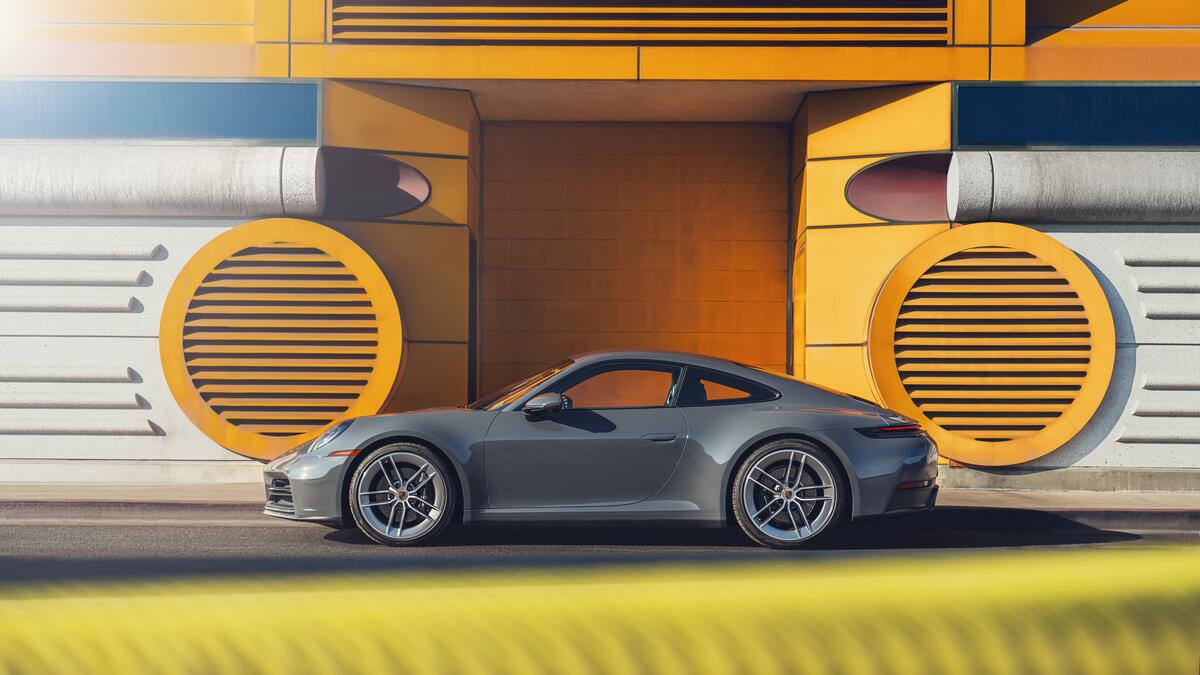
Porsche 911
"So stuff like that is an argument that could be made, you know if they're going Hey, you got to put really efficient tires on your 9 11 Yeah, and Porsche argues like well with cars designed to"
The Porsche 911 is a famous sports car. The point being made is that Porsche designs the car’s safety/handling systems assuming a certain level of tire grip.
The Porsche 911 is a rear-engine sports car where tire grip is tightly tied to how the car’s stability and safety systems are calibrated. The speaker references Porsche’s argument that those systems are designed around a certain tire grip level, so changing tire types could affect safety behavior.
sports tires
"It doesn't necessarily say What the standards are that they need to meet for rolling resistance and it doesn't say that That sports tires don't meet them."
Sports tires are performance-oriented tires tuned for grip and handling, often with different rubber compounds and tread designs than efficiency-focused tires. The key point here is whether those performance tires can still meet efficiency-related standards like rolling resistance.
timeline is Developing requirements for tire manufacturers
"well, and also, uh, the timeline is Developing requirements for tire manufacturers. They want that to go into effect in two years."
This refers to a regulatory phase-in schedule where tire manufacturers must meet new requirements by specific future dates. The episode frames it as something to plan for rather than an immediate reason to panic about current tire availability.
energy performance standards
"The energy performance standards phase one is 2028 phase two is 2031"
Energy performance standards are regulatory targets that push tire makers to improve efficiency-related metrics, such as reducing rolling resistance. In this discussion, the host references a phased timeline (phase one and phase two) for when those requirements take effect.
smog controls
"consider this California smog controls Fucking worked Like they they did and like cars didn't get worse"
Smog controls are emissions regulations intended to reduce air pollution from vehicles. The host uses California smog controls as an analogy for how regulations can initially change things but later lead to improved outcomes across the market.
Nurburgring
"But has a lower rolling resistance and then they go to the Nurburgring and they fucking take off Two seconds because their tire has lower rolling resistance than it had before with the same grip"
The Nürburgring is a very famous race track in Germany. Car companies use it to test how fast and grippy tires are in real driving conditions.
The Nürburgring is a famous German racetrack used as a benchmark for lap times and tire development. When the hosts mention going there with a future tire, they’re implying the tire’s rolling resistance and grip would translate into measurable performance gains on a real course.
turbo charging
"Yeah, but like that's how we got direct injection. That's how we got turbo charging Like that's how we got like so much of the shit that makes cars faster now"
Turbocharging uses exhaust gases to spin a compressor that pushes extra air into the engine. That extra air helps the engine make more power.
Turbocharging uses a turbine-driven compressor to force more air into the engine. More air allows more fuel to be burned efficiently, which can raise power output without needing a larger engine.
direct injection
"Yeah, but like that's how we got direct injection. That's how we got turbo charging Like that's how we got like so much of the shit that makes cars faster now"
Direct injection means the engine sprays fuel straight into the combustion area. That lets the engine control fuel more accurately, which can improve both power and efficiency.
Direct injection is a fuel system where gasoline is sprayed directly into the combustion chamber instead of into the intake. It helps engines burn fuel more precisely, which can improve efficiency and power—one reason it’s often credited with making modern cars faster and cleaner.
ultra high performance summer tires
"Carve out an exclusion for ultra high performance summer tires that are sold for road cars because if you Have a gt3 rs or something you could materially compromise its grip"
These are special tires made for warm weather. They’re built to grip the road really well, which helps handling, but they’re not ideal for cold weather and can wear faster.
Ultra high performance summer tires are designed for warm-weather traction and fast steering response, typically using softer rubber compounds. They usually deliver more grip than all-seasons or efficiency-oriented tires, but can wear faster and perform worse in cold or wet conditions.
independent testing
"Tyrek has great data on stopping distance. They do great independent testing But if people are putting on the cheapest tire in the world and all of a sudden their stopping distance goes up by two or three x"
Independent testing means someone tests tires without being paid by the tire company. That makes the results more trustworthy.
Independent testing means tire performance is measured by an organization that isn’t financially tied to the tire brand being evaluated. For listeners, it’s a credibility marker because it reduces the chance of cherry-picked results or marketing-driven testing.
stopping distance
"Tyrek has great data on stopping distance. They do great independent testing But if people are putting on the cheapest tire in the world and all of a sudden their stopping distance goes up by two or three x"
Stopping distance is how much road you need to come to a full stop after you hit the brakes. Tires matter a lot—good grip helps you stop sooner, especially in the rain.
Stopping distance is how far a vehicle travels from when the driver applies the brakes until the car comes to a complete stop. It’s strongly affected by tire grip, especially on wet or cold roads, because the tire has to generate enough friction to slow the car.
tread depth
"According to that guy tire reviews guy Says that that the lower rolling resistance tires tend to have shallower tread depth And they are four don't perform as well in the rain"
Tread depth is how much “pattern” is left on the tire. Less tread can mean the tire can’t clear water as well, so it may grip worse in the rain.
Tread depth is the measurement of how much rubber remains in the tire’s grooves. Shallower tread depth reduces the tire’s ability to evacuate water, which can hurt wet performance and increase the risk of hydroplaning.
rolling resistance tires
"According to that guy tire reviews guy Says that that the lower rolling resistance tires tend to have shallower tread depth And they are four don't perform as well in the rain"
Rolling resistance tires are tires engineered to reduce the energy lost as the tire rolls, often by using harder compounds and/or specific tread designs. The goal is better fuel economy, but the design can reduce wet traction and worsen stopping performance if the tradeoff isn’t balanced.
all season tire
"he said In europe the average all season tire is expected to last 27 000 miles in america People expect an average all season tire last 65 000 miles"
An all season tire is meant to be used year-round. It’s a compromise tire—good for many conditions, but not as specialized as a dedicated winter tire or a track-focused tire.
An all season tire is designed to work across a wide range of temperatures and conditions, typically balancing dry/wet traction with some winter capability. The tradeoffs are important: some all-season tires prioritize low rolling resistance (fuel economy) which can reduce wet grip and increase stopping distance.
Michelin Primacy
"Regular all season tires michelin primacy whatever the fuck tires"
Michelin is a well-known tire maker, and Primacy is one of their all-season tire models. The host is talking about how many miles those tires lasted in real use.
Michelin is a major tire brand, and “Primacy” is a line of comfort-oriented all-season tires. In this segment, the host is using the Michelin Primacy tires as an example of how long (or short) they lasted on an everyday car.
29 000 miles
"And i took them off with like 29 000 miles on them and they were pretty close to worn"
That’s about how far the host drove on the same set of tires before taking them off. They’re using it to show that tire wear can happen faster than some people expect.
This is the mileage the host put on their all-season tires before removing them, and they describe the tread as “pretty close to worn.” It’s used as a real-world data point to argue against expecting extremely long tire life.
tire life expectancy
"tire rack says the most optimistic tire life expectancy Is 70 to 80 000 miles"
Tire life expectancy is how long a tire is expected to last in miles. The host is saying that the optimistic estimate they saw doesn’t match what they’ve experienced in real driving.
Tire life expectancy is an estimate of how many miles a tire should last before it’s worn out enough to need replacement. The host contrasts their real-world experience with a “most optimistic” estimate from Tire Rack, arguing that the optimistic numbers may be unrealistic for typical use.

Toyota Corolla
"Also, perfect roads like dude perfect roads in like a 94 corolla that weighs 2,300 pounds straight"
A 1994 Corolla is a basic, everyday Toyota compact car. The point here is that even on a simple commuter car, the host doesn’t expect all-season tires to last extremely long.
The Toyota Corolla is a long-running compact car line known for being practical and easy to live with. In this segment, the host references a 1994 Corolla as an example of a light, simple everyday car where tire wear expectations might be different.

Lexus LS 430
"“...there's a road and track article about this guy in wisconsin that's selling exclusively one type of car / The oh four to oh six lexus ls 430...”"
The Lexus LS 430 is a luxury car from Lexus. It’s the kind of car people buy for a smooth, comfortable ride, and here the host is talking about someone who sells only that specific model.
The Lexus LS 430 is a late-2000s luxury sedan from Lexus, known for its smooth V8 power and long-distance comfort. In this segment, it’s notable because the seller is focusing exclusively on this one model, treating it like a niche “one-make” business.
one make one model car dealership
"“...So the question is if you opened a one make one model / Car dealership, what would it be?”"
This is the idea of a car shop that only sells one specific model of car. The benefit is the seller knows that car really well and can find the right parts to fix them up.
A “one-make, one-model” dealership is a niche retail concept where a seller focuses on only a single car model (and often a narrow generation range). The idea is that deep knowledge, sourcing, and parts familiarity can make it easier to restore and sell those cars—like the Wisconsin example.

ferrari 550 marinello
"“...but ferrari 550 marinello / Yeah, I could probably just look at those for a long time.”"
The Ferrari 550 Maranello is a classic Ferrari sports car with a V12 engine. The host is basically saying it would be his dream single-model dealership choice.
The Ferrari 550 Maranello is a V12 grand tourer from Ferrari, famous for its classic front-engine layout and high-revving character. Here it’s mentioned as a “one-make, one-model” dealership pick—something the host says he could stare at for a long time.
992 gt-3s
"I would say 992 gt-3s Sell all 992 gt-3 use fox bodies could do that sure focus on that"
This is a Porsche 911 GT3 RS. The “992” is the generation of the 911, and the GT3 RS is the more hardcore, track-oriented version with a lot of performance-focused tuning.
The Porsche 911 GT3 RS (spoken here as “992 GT-3s”) is a track-focused version of the 911 built around a high-revving naturally aspirated engine and aggressive aerodynamics. The “992” refers to the 911’s generation, and the GT3 RS is known for being more extreme than the standard GT3.

Mustang Fox Body
"Sell all 992 gt-3 use fox bodies could do that sure focus on that"
“Fox bodies” are a generation of Ford Mustang. People love them because there are lots of parts available and they’re commonly modified for racing.
“Fox bodies” refers to the Ford Mustang built on the Fox-body platform (late 1970s through 1990s). Enthusiasts often associate them with a huge aftermarket and a culture of modifying them for drag racing and track use.
single clutch automated manual
"Jeep chem trail hawk says what was the first single clutch automated manual car you drove that made you think Okay, they've got this figured out now"
This is a car that shifts like a manual, but you don’t have to press a clutch pedal. It uses one clutch, so the shift can feel a bit slower or have a moment where power drops compared to some other designs.
A single-clutch automated manual is a transmission that uses a conventional manual gearbox layout, but an actuator automatically controls the clutch and shifts. Compared with dual-clutch systems, it can feel more “paused” during shifts because only one clutch is available to transfer torque at a time.
Request an Explanation
Heard something you'd like explained? We'll add it to this episode.
Sign in to request explanations for terms you heard.
Want to learn more?
Browse our glossary for plain-English explanations of automotive terms, jargon, and concepts.
Help improve this episode
See something that's not quite right? Our annotations are AI-generated and can sometimes miss the mark. Click the flag icon on any annotation to suggest a correction.