
California Is Trying To Ban Aftermarket Tires Now?
About this episode
The MartiniWorks Podcast bounces from shop updates and rotary-engine swap talk to a long rant about car shipping chaos—mystery handoffs, multi-day delays, and vague scheduling. Then the hosts dig into California’s proposed aftermarket tire restrictions, focusing on rolling resistance and how enforcement could effectively “ban all aftermarket tires.” They also question treadwear and EV tire marketing, and connect the bigger picture to regulation, enthusiast pushback (SEMA), and the way social media turns car culture into shopping.
Enjoy the podcast every Friday? Support it by getting your car mods at https://bit.ly/4vtk1kyThere are some WILD headlines being thrown around that California is cracking down on aftermarket tires. What is actually going on? Today Alex, Dakota, and Gels sit down to talk about this and more on the MartiniWorks Podcast! #cars #podcast #automotivePick up our Coffee here! https://bit.ly/3PIFl6JA HUGE thank you to Continental, Motegi, and Fortune Auto for being the official tire, wheel, and suspension of the MartiniWorks Podcast! Let us know if you need a set of tires or coilovers.Shop Continental tires here https://bit.ly/4ecbfAKShop Motegi wheels here https://bit.ly/4vp7VcgShop Fortune Auto suspension here https://bit.ly/4fnfqM8Check out the main channel! @MartiniWorksOfficialWe also have an unboxing channel @MartiniWorksUnboxedFollow Alex @alexmartini__Follow Dakota @dakotastoneeFollow Gels @akagels
HKS coilovers
"If you guys and gals are looking for car parts, head on over to martiniworks.com. [51.0s] We just added HKS coilovers on the website, which is very cool."
Coilovers are suspension parts that let you change how high or low the car sits. HKS is the brand, and these are aftermarket versions people use to improve handling or get the look they want.
HKS coilovers are an aftermarket suspension setup that combines a coil spring and adjustable shock/strut in one unit. They’re commonly used to lower the car and fine-tune ride height and damping for better handling or a more aggressive stance.
Olin's
"Also, if you're loaded, we have Olin's. [60.0s] If you happen to be the recent recipient of somebody selling their kidney, you too can"
They mention “Olin’s” as something expensive, but the clip doesn’t say what it is. Without more context, it’s hard to tell which exact car part or brand they mean.
“Olin's” appears to be a brand mention in the context of expensive parts, but the transcript doesn’t provide enough detail to identify the exact product line or whether it’s a specific suspension brand. It’s likely a reference to a premium aftermarket component category rather than a generic part.
Olin coilovers
"own a set of very, very nice Olin coilovers that are available on the website now. [71.3s] We got a lot to talk about today, where it's going to be a very exciting day."
Coilovers are aftermarket suspension parts that let you adjust how high the car sits and how stiff it feels. They’re commonly used to improve handling compared to stock suspension.
Olin coilovers are an aftermarket suspension setup that replaces the factory springs and shocks with adjustable components. Coilovers let you tune ride height and damping to change how the car handles and rides.

Honda S2000
"Where are we going? I want to know, when is the S2000 getting done? What is happening with it?"
The Honda S2000 is a small two-seat sports car. It’s known for feeling exciting to drive, especially because the engine revs high. The podcast is asking when one is going to be finished or updated.
The Honda S2000 is a two-seat sports car known for its high-revving engine and balanced driving feel. It’s often discussed by enthusiasts because it’s a pure, driver-focused model with a strong reputation. In the podcast, it’s mentioned as a project or build that someone wants to know the status of.

Mazda Rx7
"...er day, another podcast. What's the update on the RX7? Same as it has been for the last time."
The Mazda RX-7 is a sports car made by Mazda. It’s known for having a special type of engine called a rotary engine. The podcast is asking for an update on it, implying there’s been progress or changes before.
The Mazda RX-7 is a sports car best known for using a rotary engine, which is a different design than a typical piston engine. It has a dedicated enthusiast following because of its performance potential and unique character. The podcast context is an update request, suggesting the RX-7 is a continuing topic or project with ongoing news.
car transported
"[255.0s] You're transporting my car. [258.6s] Can you please give me information?"
They’re talking about shipping a car to someone else. The problem is that it can involve multiple companies and unclear timing, so you can’t easily tell what’s going on.
This segment describes the logistics of having a car moved by a third party, where the handoffs and scheduling can be unpredictable. For enthusiasts, transport quality matters because delays and unclear custody can increase the risk of damage or missed deadlines.

Tesla Semi
"...ould like to, if you are a transport company or a semi truck driver that happens to do this on the side,..."
The Tesla Semi is an electric truck meant for hauling goods. It’s designed for commercial use, like moving freight for companies. The podcast is talking about it from the perspective of truck drivers and transport businesses.
The Tesla Semi is an electric heavy-duty truck intended for long-distance freight hauling. It’s significant because it targets a major part of the transportation industry—commercial trucking—using electric power. The podcast context mentions it for transport companies and drivers who might use it as part of their work.
logistics freight transport schedule
"I'm out. [581.5s] To scope our entire logistics freight transport schedule, right?"
It’s basically the plan for how trucks move packages: routes, timing, and delivery order. They’re saying AI could help organize that plan.
A logistics freight transport schedule is the planned routing and timing for moving goods—who drives which route, when, and how deliveries are sequenced. The host frames it as something AI could optimize or coordinate across drivers and trailers.
RFID chip
"then when they're chipped, then everyone who has a parcel on the trailer has access to his RFID chip if their vehicle is within a certain distance of the person."
An RFID chip is a tiny tag that can be detected by a scanner nearby using radio signals. The idea here is that it would let them identify where someone (and things near them) are.
An RFID chip (radio-frequency identification) is a small tag that can be read by a nearby scanner using radio waves. In the segment, it’s described as enabling access to a person’s parcel and tracking a vehicle’s proximity to that person.

Mazda Rx8
"So at any time, we can see exactly where my Mazda RX-8 is. Just air take the vehicle."
The Mazda RX-8 is a sports car from Mazda that uses a rotary engine (it doesn’t work like a normal piston engine). Here, they’re using it as an example of a car they could track using tech.
The Mazda RX-8 is a rotary-powered sports coupe known for its distinctive Wankel engine design. In this segment, it’s used as an example of a specific vehicle whose location could be tracked in real time.

Porsche Panamera Sport Turismo
"I wanted to get her Porsche Panamera Sport Turismo. [894.2s] It's a station wagon version of the Panamera."
This is a Porsche Panamera, but in a wagon-style body. It’s meant to be more practical for hauling stuff while still feeling like a performance Porsche.
The Porsche Panamera Sport Turismo is a Panamera variant with a wagon-style (lifted hatch) rear, blending Porsche’s four-door luxury with more cargo practicality. It’s notable because it keeps the Panamera’s performance focus while changing the body shape to a station-wagon layout.
station wagon
"It's a station wagon version of the Panamera."
A station wagon is like a sedan, but with more space in the back for cargo. It usually has a bigger rear opening so it’s easier to load things.
A station wagon is a car body style with an extended roofline and a rear cargo area that opens like a hatch. In this context, it describes the Panamera Sport Turismo’s more practical, cargo-friendly layout compared with a standard sedan.
rotary engine
"So it's like, typically when a rotary engine goes from what I understand, right? [1131.4s] It's like, okay, the seal went or like a coolant seal went or something like that. [1136.1s] Depending on what type of damage is done internally determines on like if you"
A rotary engine is a type of engine that doesn’t use pistons like most cars. Instead, it uses a spinning part, and when it breaks, you may need to replace specific internal pieces—not just one generic part.
A rotary engine (most famously Mazda’s Wankel design) uses a spinning rotor instead of pistons moving up and down. That rotor and its housing sealing surfaces can wear or fail, and the repair often depends on which internal part is damaged.
coolant seal
"It's like, okay, the seal went or like a coolant seal went or something like that. [1136.1s] Depending on what type of damage is done internally determines on like if you [1140.9s] actually need to replace like a housing or like a front plate or something like"
In a rotary engine, sealing surfaces control compression and also separate coolant passages from combustion areas. If a coolant seal fails, coolant can leak into places it shouldn’t, which can cause overheating and internal damage that may require replacing major components.
housing
"Depending on what type of damage is done internally determines on like if you [1140.9s] actually need to replace like a housing or like a front plate or something like [1145.3s] that or a rotor itself. [1148.0s] So sometimes you can, I think like parts of it, they call it like they get."
The housing is the main engine part that the rotary rotor spins inside. If its inside surface gets damaged—especially from extreme heat—it may be too far gone to fix and you have to replace it.
In a rotary engine rebuild, the housing is the main body that the rotor runs inside. If the housing’s sealing surface is damaged (for example, from overheating), it may not be repairable by resurfacing and instead must be replaced.
work hardens
"And it's like, essentially from what I understand, kind of like work hardens [1160.1s] that part of like, it got super hot and like really made that like hard and brittle. [1165.4s] So like that housing can't be like resurfaced."
Work hardening means the metal changes after being stressed—often becoming harder but also more brittle. The host is saying that if the rotary housing gets too hot, it can’t be machined back to good condition.
Work hardening is when a metal becomes harder and more brittle after being plastically deformed or heat-stressed. In this context, the host is describing how a rotary housing can get overheated, become hard and brittle, and then lose the ability to be resurfaced.
resurfaced
"So like that housing can't be like resurfaced. [1167.9s] You have to go buy a different housing. [1169.2s] So there's people that like will go to like junkyards or they'll like collect"
Resurfacing means shaving/machining a worn surface to make it smooth and usable again. Here, they’re saying overheating can damage the rotary housing so badly that resurfacing won’t fix it.
Resurfacing is machining a damaged surface to restore the correct finish and dimensions. The host is saying that if the rotary housing has work-hardened from overheating, resurfacing may not be possible or effective, forcing a replacement housing.
Renesis
"And then I mean, are we dead set on a Renesis or is it like realistic to a 13B? Because that would be sick. The Renesis would be the cheaper route."
Renesis is a specific version of Mazda’s rotary engine used in the RX-8. In this conversation, they’re comparing it to other rotary versions based on cost and how desirable they are.
Renesis refers to Mazda’s later 13B rotary variant used in the RX-8. It’s often considered the “cheaper route” in swaps because it’s more available than the earlier, more sought-after 13B derivatives.
13B
"are we dead set on a Renesis or is it like realistic to a 13B? Because that would be sick. The Renesis would be the cheaper route."
13B is Mazda’s code name for a rotary engine family. They’re talking about whether it’s realistic to swap a 13B into an RX-8 instead of using the RX-8’s stock rotary version.
13B is Mazda’s engine family code for a rotary Wankel engine used in multiple RX-7 and RX-8 applications. In this segment, they’re debating whether to stick with the RX-8’s Renesis or swap in a 13B variant, noting that some 13B versions (like REW) are especially sought after.
REW
"Because the 13B like REW is like the RX7 motor is more sought after. Right. Putting that into an RX8..."
REW is a particular version of Mazda’s rotary engine. In this segment, they’re saying the REW is the “cooler” and more desirable one to swap, especially for an RX-8 build.
REW is a specific RX-7 13B rotary variant designation (commonly associated with earlier, turbocharged applications). The hosts say the REW is more sought after than other 13B options, and they discuss doing an REW swap into an RX-8.
rotary on it
"What if we just put another rotary on it? You can't just do that."
This is shorthand for a rotary engine swap—changing which rotary engine is installed in a car. The hosts quickly push back on the idea that you can “just” drop in another rotary, implying that fitment, intake/exhaust routing, and engine management details make swaps more involved.
standalone ECU
"But doesn't you need a standalone ECU? That I don't know."
A standalone ECU is the engine’s computer, but it’s an aftermarket one. When you swap engines, the stock computer may not work correctly, so people often use a standalone ECU to make the new engine run right.
A standalone ECU is an aftermarket engine computer that replaces or bypasses the factory ECU to control fuel, ignition, and other parameters. For rotary swaps like a 13B/REW into an RX-8, a standalone ECU is often needed to properly run the engine with the new setup.
six speed
"He says it bolts up to the transmission. [1256.5s] Yeah. [1256.7s] Then you get a six speed."
“Six speed” means the car has six forward gears. When you’re talking about engine swaps, the transmission choice matters because it changes how the engine’s revs line up with the gears.
A “six speed” refers to a six-gear manual transmission (or a six-forward-gear gearbox). In swaps, the transmission choice matters because it affects how the engine’s RPM range matches the car’s gearing and how the drivetrain will physically bolt up.
bridge port
"I just want a bridge port. [1279.4s] I mean, the RMSS is still cool."
A “bridge port” is a modification to a rotary engine’s internal passages. It changes how the engine breathes, which can make it idle and sound more extreme—closer to what people expect from a rotary.
A “bridge port” is a rotary-engine porting modification where material is removed to change the intake/exhaust port shape and timing. It’s done to make the engine breathe differently—often resulting in a more aggressive idle and a more “wild” rotary sound compared with stock porting.
RMSS
"I just want a bridge port. [1279.4s] I mean, the RMSS is still cool."
“RMSS” sounds like another rotary modification option. They’re basically saying it’s still neat, but it won’t make the car behave exactly like a bridge port at idle.
“RMSS” is mentioned as an alternative rotary setup to a bridge port, implying a different porting/cylinder-head style modification. The key point in the conversation is that RMSS is still considered cool, but it doesn’t deliver the exact “bridge port” behavior at idle.
Motegi Racing Wheels
"partners of the Martini Works podcast, Motegi Racing Wheels. If you guys and gals haven't heard, we got a whole bunch of cool ones on the website"
Motegi Racing Wheels is a company that makes aftermarket wheels. The hosts are saying the wheels they use have survived a lot of abuse and still look good.
Motegi Racing Wheels is an aftermarket wheel brand known for offering many fitments and wheel widths for enthusiasts. Here, the hosts are discussing Motegi wheels and their finishes holding up during hard driving and sliding.
Kendas
"If you're looking to get something that's a really good price in stock and shipped to you fast, you want to mount on some Ironmans or Kendas or Contis,"
Kenda makes tires. The hosts list it as one of the tire brands you can buy and have mounted as part of a package.
Kenda is a tire brand often chosen for value and availability in the aftermarket. In this segment, it’s mentioned alongside other brands as a tire you can mount quickly with wheels.
Contis
"If you're looking to get something that's a really good price in stock and shipped to you fast, you want to mount on some Ironmans or Kendas or Contis,"
Contis refers to Continental tires. The hosts are saying you can choose them as part of a wheel-and-tire package they can mount and ship quickly.
Contis is a shorthand reference to Continental tires. The hosts are grouping it with other tire brands as options for a fast, in-stock wheel-and-tire setup.
Ironmans
"If you're looking to get something that's a really good price in stock and shipped to you fast, you want to mount on some Ironmans or Kendas or Contis,"
Ironman is a tire brand. The hosts are saying it’s a good-value tire option they can mount and ship with wheels.
Ironman is a tire brand the hosts recommend as a budget-friendly option. They’re positioning it as part of a wheel-and-tire package that can be mounted and shipped quickly.
offset
"I'm personally a huge fan of the fact that they have nine and a half plus zero offset wheels, which is great for people that are running unique wider setups, especially on S chassis,"
Offset is basically how the wheel sits relative to the car—toward the inside or the outside. It matters because it affects tire clearance and how the wider setup will fit.
Wheel offset is how far the wheel’s mounting surface sits inboard or outboard relative to the wheel’s centerline. The hosts mention “nine and a half plus zero offset” because offset strongly affects fitment, clearance, and how wide setups can be run on an S-chassis car.
nine and a half
"I'm personally a huge fan of the fact that they have nine and a half plus zero offset wheels, which is great for people that are running unique wider setups,"
“Nine and a half” is the wheel width in inches. Wider wheels can change how the tire sits and how the setup fits in the wheel well.
“Nine and a half” refers to wheel width measured in inches (9.5-inch wide wheel). Wheel width is a key part of fitment and handling because it determines how the tire sits and how much clearance you need.
wider setups
"nine and a half plus zero offset wheels, which is great for people that are running unique wider setups, especially on S chassis,"
A wider setup means using wider wheels and tires than the car came with. It can improve grip, but you have to make sure everything still fits without rubbing.
A “wider setup” usually means running wider wheels and/or tires than stock to change grip and steering response. In fitment terms, wider setups often require careful attention to wheel offset and clearance to avoid rubbing.
S chassis
"especially on S chassis, but they have a lot of other sizes as well."
“S chassis” is a common enthusiast shorthand for Nissan’s S-chassis platform (notably the Silvia S13/S14/S15 generations). The hosts connect it to fitment choices like wheel offset and wheel widths for those cars.
10 and a half inch wide wheels
"They have 10 and a half inch wide wheels, nine and a half, eight and a half. Really great stuff."
10.5-inch wheels are wider than stock on many cars. Wider wheels can help with tire grip, but you need to ensure there’s enough clearance.
“10 and a half inch wide wheels” describes a wheel width of 10.5 inches, which is wider than many stock fitments. Wider wheel widths can support wider tires, but they also increase the importance of offset and clearance checks.
fuel mileage
"Cause fuel mileage."
Fuel mileage means how far the car can go on a given amount of fuel. If tires create less rolling resistance, the car can often get better fuel mileage.
Fuel mileage is a measure of how efficiently a vehicle uses fuel, typically expressed as miles per gallon (MPG) or liters per 100 km. The segment links fuel mileage to tire rolling resistance, since lower rolling resistance can improve efficiency.
aftermarket tires
Aftermarket tires are tires you buy that aren’t the exact brand/model that came on the car from the factory. The discussion is about rules that might make it harder or more expensive to choose those tires.
Aftermarket tires are replacement tires made by companies other than the vehicle’s original equipment (OEM) supplier. The episode’s premise is about regulation that could restrict or change what tire options enthusiasts can buy and use.
rolling resistance
"It's, it's all about when you look at tires and things like that, aftermarket tires, rolling resistance is what they're after."
Rolling resistance is how much energy your tires “waste” as they roll over the road. Tires with lower rolling resistance usually help the car use less fuel.
Rolling resistance is the energy a tire loses as it flexes and deforms while rolling on the road. Lower rolling resistance generally helps fuel economy because the engine has to waste less energy to keep the car moving.
EVs
"[1468.1s] value proposition of a tire. [1469.9s] Just, but yeah, I was going to say it has come up a lot recently though with EVs. [1474.2s] It has, but it's mostly discussed as it having high or low rolling resistance, [1479.6s] not a number, right?"
EVs are electric cars. Since they run on stored electricity, anything that makes the car harder to move—like tire losses—can affect how far you can drive.
EVs means electric vehicles—cars powered primarily by electric motors and a battery pack. In the context of tires, EVs are sensitive to efficiency because range depends heavily on energy losses like rolling resistance and aerodynamic drag.
drag coefficient
"[1479.6s] not a number, right? [1481.5s] If I were to, if I were to say an EV has a drag coefficient of 0.3 is that [1485.7s] a good or bad, right? [1486.9s] You know, not a lot of people know if that's, if that's a good number of bad."
Drag coefficient is a measure of how much air resistance your car creates. Lower air resistance means the car needs less energy to go, especially at highway speeds.
Drag coefficient (often written as Cd) measures how aerodynamically “slippery” a vehicle is. A lower drag coefficient usually reduces aerodynamic drag, which matters more at higher speeds and can improve efficiency for EVs and other cars.
Nankang
"[1525.4s] Um, and that's where you saw so many of these [1525.4s] really cheap tires come into America. [1528.4s] Um, and that's where you saw things like the Nankang, uh, like NS 20 or whatever [1533.3s] it was called or the, you know, back then it was like 60 bucks a tire, 50 bucks a tire,"
Nankang is a tire company that makes lots of different tires. The hosts are using it as an example of cheaper tires that showed up in the U.S. a few years back.
Nankang is a tire brand known for offering a wide range of budget to performance-oriented tires. In this segment, it’s mentioned as an example of inexpensive tires that entered the U.S. market in the late 2010s.
federal 595
"[1528.4s] Um, and that's where you saw things like the Nankang, uh, like NS 20 or whatever [1533.3s] it was called or the, you know, back then it was like 60 bucks a tire, 50 bucks a [1537.5s] tire, a federal 595 was an incredibly affordable tire with the [1542.7s] lend 87 thunder."
Federal is a tire brand, and “595” is the name of a particular tire model. They’re mentioning it because it was relatively cheap compared with other options at the time.
Federal is a tire brand, and “595” refers to a specific tire model line. The hosts cite it as an example of an affordable tire that was widely available in the U.S. during that period.
lend 87 thunder
"[1537.5s] tire, a federal 595 was an incredibly affordable tire with the [1542.7s] lend 87 thunder. [1543.9s] That was a little bit weird."
This part of the transcript sounds like it might be misheard. It doesn’t clearly match a known tire or car name, so it’s hard to explain accurately.
This appears to be a transcription error for a tire/model or vehicle reference (the phrase “lend 87 thunder” isn’t a clear, standard tire name). Because the exact intended brand/model is unclear, it’s not reliable enough to annotate as a specific product.
anti dump, anti dumping tax
"Um, and so then the U S government imposed what was called an anti dump, anti dumping tax."
An anti-dumping tax is a government fee added to imported products when they’re priced so low that it looks unfair. In this case, it was meant to discourage cheap imported tires from undercutting local tire companies.
An anti-dumping tax is a tariff the government adds when imported goods (here, tires) are sold at unfairly low prices compared with the seller’s home market. The goal is to protect domestic tire makers from price undercutting and give the market time to adjust.
treadwear
"The only number that I can think of is treadwear. But as we know, treadwear is kind of a fucking number too."
Treadwear is a number printed on some tires that’s supposed to hint at how long the tread might last. But it’s not a perfect prediction, and different brands can make it hard to compare fairly.
Treadwear is a tire rating (commonly part of the UTQG system in the U.S.) intended to indicate relative expected tread life. It’s not a direct, universal measure of real-world wear, and it can vary by testing conditions, tire design, and brand-to-brand marketing.
tire pressure
"No, no, there's just, there's other, there's, there's other things too that really like play into this, like tire pressure can increase resistance because the tire deforms more while maxing out pressure helps over"
Tire pressure is how inflated the tire is. The “right” pressure helps the tire sit correctly on the road; too high or too low can make it roll less efficiently and feel worse.
Tire pressure changes how the tire’s sidewall and tread deform while rolling. Too much pressure can reduce the tire’s contact patch and increase harshness and instability, while too little pressure can increase deformation and rolling losses.
rolling efficiently
"The wider tires with flexible materials can roll efficiently. I was going to say there's so many variables changing size alone is going to affect that."
Some tires waste more energy as they roll than others. The better the tire is at rolling smoothly, the less energy the car needs to keep going.
“Rolling efficiently” points to how tire construction and compound choices reduce energy losses. A tire that deforms less (or deforms in a way that returns energy better) can have lower rolling resistance and better fuel economy.
Michelin's
"Essentially, but it was literally just a trim model that offered, I think it was Michelin's with, with the, with the model. That's what they're going to do."
Michelin makes tires. They’re saying the car’s tire option was a Michelin setup bundled with a certain trim.
Michelin is a tire brand known for performance and efficiency-focused tire designs. Here, the host is saying the Civic’s “tire” option was essentially a Michelin tire package tied to a particular trim.
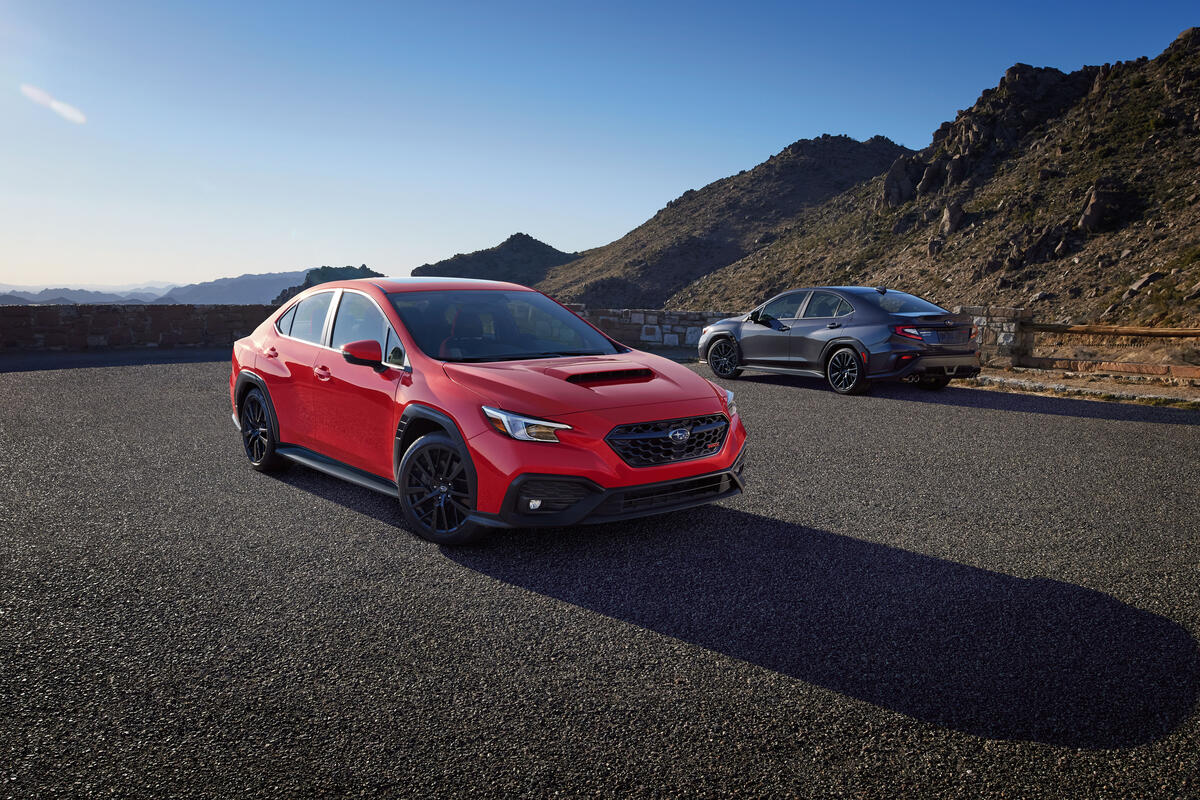
VB Subaru WRX
"You can now get a VB Subaru WRX with a optional Subaru upgrade of Michelin Pilot Sport Cup twos."
The Subaru WRX is a sporty Subaru that’s meant to drive more like a performance car than a normal commuter. “VB” is the code for this newer generation of WRX, and they’re talking about whether tire rules would limit what owners can install.
The Subaru WRX is Subaru’s performance-focused compact sedan/wagon line, built around rally-inspired handling and turbocharged punch. In this segment, “VB” refers to the current-generation WRX platform, which is being discussed in the context of how tire rules could affect what owners can fit.
Michelin Pilot Sport Cup twos
"You can now get a VB Subaru WRX with a optional Subaru upgrade of Michelin Pilot Sport Cup twos."
Michelin Pilot Sport Cup 2s are a sporty tire model designed for strong grip. They’re mentioned because the WRX can come with them, and that could affect whether regulators allow similar aftermarket tires.
Michelin Pilot Sport Cup 2s are a performance tire line aimed at high grip and track-oriented driving. They’re being referenced because the WRX can be ordered with them, which matters for rules that might restrict aftermarket tires based on efficiency metrics like rolling resistance.
homologation
"I was going to say, so, you know, kind of like we talk about like the homologation stuff."
Homologation is basically “official approval.” In car terms, it means a specific setup (like tires) is certified as meeting the rules, so regulators can say what’s allowed to match the approved configuration.
Homologation is the process of certifying a vehicle or configuration so it meets rules for a specific market or competition. In tire discussions, it often means the factory-approved tire spec (or an approved equivalent) that ties into how the car is officially rated and regulated.
mile per gallon
"it's like, I've never thought about, Oh, I'm going to get .2 less mile per gallon with my tires."
“Miles per gallon” (MPG) is a fuel-economy measure used in the U.S. It’s relevant here because tire regulations may be justified by small changes in fuel consumption caused by different tire rolling resistance.
lower resistance tires
"I don't know why I said that, but what I've been thinking is if they can [1824.7s] make lower resistance tires for like EVs, why, why would we not just do this [1829.0s] across the board? [1829.9s] Does it hurt something to have a lower or are you getting less traction?"
“Lower resistance tires” means tires that waste less energy as you drive. The concern is that making a tire more efficient might reduce grip, especially on wet roads. The exact outcome depends on the tire design.
“Lower resistance tires” is a shorthand for tires designed to reduce energy losses—most commonly by lowering rolling resistance. The tradeoff is that reducing rolling resistance can sometimes affect grip, especially in wet or cold conditions, depending on the tire’s compound and tread. That’s why the discussion also mentions traction.
EV tires
"Well, one time, no, not one time. [1821.8s] I don't know why I said that, but what I've been thinking is if they can [1824.7s] make lower resistance tires for like EVs, why, why would we not just do this [1829.0s] across the board? [1829.9s] Does it hurt something to have a lower or are you getting less traction?"
“EV tires” are tires sold as being made for electric cars. They’re usually advertised to help the car go farther by reducing energy losses. The debate here is whether they’re truly different or mostly branding.
“EV tires” are tires marketed specifically for electric vehicles, often with claims about reduced rolling resistance to help range. They may use different rubber compounds, tread patterns, and sometimes construction changes to manage the EV’s torque delivery and efficiency goals. The key enthusiast question is whether the differences are meaningful versus standard tires.
traction
"[1829.0s] across the board? [1829.9s] Does it hurt something to have a lower or are you getting less traction? [1833.0s] Yeah, typically."
Traction is how well the tires can grip the road. If a tire is tuned for efficiency, it might not grip as well in some situations. The host is questioning whether you lose grip when you choose “lower resistance” tires.
Traction is the tire’s ability to grip the road surface so the car can accelerate, brake, and corner effectively. When tires are optimized for efficiency (like lower rolling resistance), there can be compromises in traction depending on compound and tread design. That’s why the host asks whether lower-resistance tires “hurt something.”
foam
"[1839.9s] Why are there EV tires that are, it's all marketing. [1843.7s] Cause they throw foam in it. [1845.2s] They say that it has less rolling resistance."
The “foam” is something put inside the tire to change how it behaves. It can be used to reduce noise or vibrations, and sometimes companies also connect those changes to efficiency claims. The host is skeptical that the effect is meaningful.
The “foam” mentioned is likely tire construction material used to reduce noise and/or improve efficiency by changing how the tire absorbs and dampens vibrations. Some tires use foam inserts or internal layers to target ride comfort and sound, and marketing may connect those changes to rolling resistance claims. The important point is that construction tweaks can affect multiple characteristics at once.
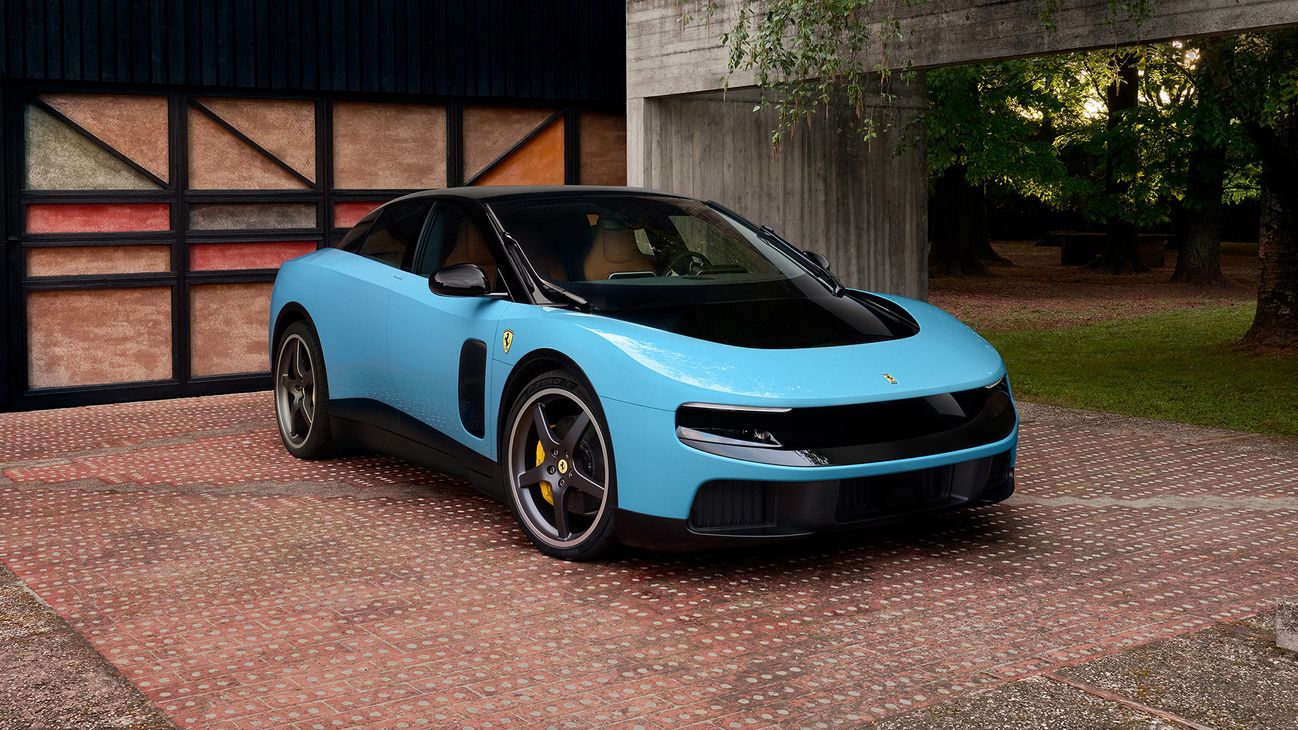
Ferrari Luce
"... talking about just like the Ferrari, the Ferrari Luce in Italy had to be made so that they're going to ..."
The Ferrari Luce is a Ferrari-related vehicle name mentioned in the podcast. The conversation suggests it’s connected to how and where it would be made. The podcast isn’t describing how it drives—more like the background of the project.
The Ferrari Luce is referenced in the podcast as a Ferrari project tied to Italy and production planning. Since it’s mentioned as something that “had to be made” for a specific reason, the discussion appears to focus on the concept or development story rather than driving impressions. In this context, it’s likely being used as an example of a new or unusual Ferrari-related topic.
zero emissions
"We're talking about we're talking about just like the Ferrari, the Ferrari Luce in Italy had to be made so that they're going to be zero emissions by 2035."
“Zero emissions” means the car doesn’t put out exhaust pollution while it’s running. In practice, that usually points to electric cars rather than gas engines.
“Zero emissions” here means the vehicle produces no tailpipe pollutants during operation, which is typically achieved with an all-electric powertrain. The speaker uses it to illustrate how regulations can force automakers to shift away from combustion engines.
grams per kilometer
"They've got fines for for grams per kilometer over 94 in Japan."
“Grams per kilometer” is a way to measure how much exhaust pollution a car makes as it drives. The host is saying Japan uses numbers like this to set strict limits for car emissions.
“Grams per kilometer” is an emissions measurement that expresses how much pollution a vehicle emits over a distance traveled. The speaker cites a threshold (over 94) to argue that Japan enforces limits that push manufacturers toward cleaner vehicles.
California banning tires
"And you've got things like California banning tires. And then ultimately, usually when what starts in California makes its way into every state,"
The host is talking about California trying to restrict what tires people can buy or use. The bigger point is that if California changes the rules, other states may copy it.
The speaker is referring to California using regulation to restrict certain tires, likely including aftermarket options. This is an example of how state-level rules can influence the broader U.S. market, since other states often follow California’s lead.
SEMA
"because we have companies and organizations like SEMA, for instance, and all of this, like we do a really good job of like, Hey, this is really cool and like historic almost."
SEMA is a big U.S. group that supports the aftermarket car parts industry—things like upgrades and specialty equipment. The host is saying they help show why these car parts and builds are cool and worth keeping.
SEMA (Specialty Equipment Market Association) is an industry organization that represents companies and builders involved in aftermarket automotive parts. The speaker credits SEMA with helping promote and protect enthusiast and collector-oriented modifications and products.
collector's car
"So it's like, we look at like collectors plates for cars. It's like, you can, you can register your car as a collector's car."
A “collector’s car” is a special registration category for older or special vehicles. The host is saying it can make it easier to register and keep these cars under rules that are different from everyday cars.
A “collector’s car” registration is a special vehicle status that can allow certain older or historically significant cars to be treated differently by the state. In the transcript, it’s used to explain how enthusiasts may keep and register cars that might not fit normal rules.

Tesla Model 3
"...what would be the first car you want? It's like a Model 3. I'm like, what?"
The Tesla Model 3 is an electric car, meaning it runs on electricity instead of gasoline. It’s a sedan, so it’s built for normal daily driving. The podcast mentions it as a popular choice when someone asks what car you’d want.
The Tesla Model 3 is an electric sedan designed for everyday driving with a focus on efficiency and technology. It’s significant because it became one of Tesla’s most mainstream models, so it often appears in “first car” or “what would you buy” discussions. In the podcast, it’s brought up as the answer to a question about what car someone would want.
time attack
"It's like, I want to build a Model 3 time attack car. [2356.4s] I'm like, oh my God, this is crazy."
Time attack is when you drive on a track and try to set the fastest time. Instead of racing side-by-side, you’re mostly competing against the clock.
Time attack is a motorsport format where drivers run individually against the clock to set the fastest lap time. Builds typically prioritize grip and repeatable braking/handling over outright drag or racing wheel-to-wheel tactics.

Honda Civics
"And then you have some of the older crowd that are spending six figures on Honda Civics. [2367.2s] And we have this IC, you know, engine that is, like its days are numbered."
The Honda Civic is a popular car that lots of enthusiasts modify. The host is using it as an example of the older tuning culture versus today’s EV-focused dreams.
Honda Civic is a long-running compact car platform that has a huge enthusiast and tuning following. In this segment, the host contrasts older enthusiasts spending serious money on Civics with the newer crowd gravitating toward EVs like the Model 3.
IC engine
"And then you have some of the older crowd that are spending six figures on Honda Civics. [2367.2s] And we have this IC, you know, engine that is, like its days are numbered."
IC engine is just a fancy way of saying a gas (or diesel) engine that burns fuel. The host is saying these engines may be phased out as rules and technology shift.
An IC engine means an internal combustion engine, i.e., an engine that burns fuel to make power. The host’s point is that regulations and market pressure are pushing the industry away from these engines over time.
twin turbo
"The fact that Audi released a new supercar that has a twin turbo, you know, hot V with a"
Twin turbo means the car uses two turbochargers to make more power. Turbos help the engine feel stronger by pushing extra air into it.
Twin turbo refers to using two turbochargers to force more air into the engine, improving power and throttle response. It’s a common way to make high-performance “downsized” engines feel strong without using a very large displacement.
hot V
"The fact that Audi released a new supercar that has a twin turbo, you know, hot V with a"
“Hot V” describes where the turbo setup sits on a V-shaped engine. The idea is to keep the exhaust path short so the turbo can spool up faster, but it makes the engine bay run hotter.
A “hot V” layout is a turbo arrangement where the exhaust components and turbochargers are packaged inside the V-shaped valley of a V-engine. This can reduce exhaust gas travel distance, which may improve turbo response, but it also concentrates heat in a tight space.
government aspect of like regulation
"So there's like two sides of it though too, right? Because I think we're talking a lot about like the government aspect of like regulation and all that sort of stuff and what we're allowed to do."
They’re talking about government rules that decide what car modifications are allowed. If the topic is aftermarket tires, those rules can determine which tire options you can legally use on the road.
This refers to rules set by government agencies that determine what modifications and products are legal on public roads. In the context of aftermarket tires, regulation can affect whether certain tire types, sizes, or tread designs are allowed for street use, which directly impacts enthusiasts and shops.
takeover culture
"And it's like, the big thing that comes to mind is like the takeover culture and that kind of shit. And it's like that is becoming obviously a huge problem."
“Takeover culture” is when car groups show up in public areas and do disruptive, attention-grabbing driving. The host suggests it causes enough trouble that authorities and communities respond with restrictions.
“Takeover culture” is a car-scene phenomenon where groups gather in public places (often roads or parking areas) and perform loud, disruptive driving or stunts. The host frames it as a social problem that can lead to crackdowns, including restrictions that indirectly affect track access and legal motorsport activity.
social media aspect of everything
"And it's like that is becoming obviously a huge problem. And like the social media aspect of everything and all the crazy dumb shit that comes with that, you know, that that is also a threat, but on a different side."
They’re saying social media can make bad or dangerous car behavior spread faster. More attention can lead to more complaints and more restrictions.
The host is pointing to social media as an amplifier for risky or disruptive car behavior, because attention and virality can incentivize stunts. That can increase public backlash and make it easier for regulators or property owners to restrict driving events and tracks.
tracks getting shut down
"Yeah. And that continuation of like housing being built, you know, population increasing and these tracks getting shut down by people moving by tracks. I feel like that's became so rampant."
They’re talking about race tracks closing because neighborhoods are growing around them. When people move closer, they may complain about noise or disruption, and the track can lose permission to operate.
This describes the real-world issue of motorsport venues losing access due to nearby residents and changing land use. As housing expands and communities push back, tracks can face noise complaints, legal challenges, or outright closure—reducing legal places to drive and practice.

Datsun 240Z
"There's nothing crazier to me than when I go out and I look at parts for the Datsun, the 240Z, knowing that I had one 10 years ago and knowing the prices on that car and [2564.4s] the things on that car were and should be dirt cheap."
The Datsun 240Z is a famous old sports car from the 1970s. The host is saying that back then it was cheaper to buy and fix, but now the car and its parts cost a lot more.
The Datsun 240Z (now commonly referred to as the Nissan 240Z) is a classic 1970s Z-car known for its stylish coupe body and enthusiast-friendly performance. In the segment, the host points out how parts and the car itself have become much more expensive over time, even though it used to be relatively cheap.
Formula One
"Nowadays it's like, man, everything is commoditized and capitalized and consumer-centric. [2627.1s] And I can't go on TikTok without seeing 9 million people talk about Formula One."
Formula One is a famous world-level race series. The host brings it up to show that lots of people are talking about racing online right now.
Formula One (F1) is the top tier of international open-wheel racing, and it’s become a major online content driver. The host mentions it to illustrate how modern car culture is influenced by social media and mass attention.

350Z
"when a dude buys some Apex wheels and some Conti tires or he picks up some Olens or KWs or he's looking to build his, you know, RX7 or his 350Z,"
350Z usually means the Nissan 350Z. It’s a well-liked sports car, and people commonly modify them—like upgrading wheels and tires—to make them handle better.
The 350Z is the Nissan 350Z, a popular enthusiast coupe known for its responsive driving feel and strong aftermarket support. Here it’s referenced as another build platform, alongside wheel and tire choices, which is typical for owners who want to improve grip and stance.
Apex wheels
"And I think there is something to be said about that. We talked about it during the SEMA meeting this week. [2820.1s] We could do that, but that's just not, I wouldn't do that to a friend. [2825.0s] I wouldn't tell my dad to go buy that. [2827.3s] I wouldn't tell my brother to go buy that. [2829.2s] So why would I tell you to go buy that? [2830.9s] And I think that relationship takes time and there are some people that are in the lawn care [2837.8s] world or that are in the garden world that are like that, that they are like that. [2843.4s] And I appreciate those people and I know some of them. [2847.4s] But the algorithm like Facebook and the Instagrams and the TikToks of the world, [2851.7s] they don't give a shit. [2852.7s] You know, they don't care. [2854.4s] You like two garden things in a row, you're about to see 100. [2857.2s] And the thing that causes the most controversy is the very next thing you're gonna see. [2861.5s] The fact that every single social media platform now has some sort of like shopping thing attached to [2867.1s] it should be a tall like tail sign of that, like that. [2870.5s] Yeah, it's like one of the reasons we don't have shopping on TikTok is that specific reason. [2875.9s] Because it's like we don't even want to go down that rabbit hole of conversation and deal with that. [2881.5s] And we want to, sometimes you just want to make fun videos for fuck's sake, you know? [2886.4s] And we want to talk about stuff with you guys. [2888.2s] And yeah, of course we sell stuff. [2889.7s] That's why we do the podcast. [2891.1s] But when a dude buys some Apex wheels and some Conti tires or he picks up some [2896.2s] some Olens or KWs or he's looking to build his, you know, RX7 or his 350Z,"
Apex wheels are aftermarket wheels from the Apex brand. People buy them to change how the car looks and how the tires sit and grip.
Apex wheels refers to aftermarket wheels sold under the Apex brand. In the context of building an RX-7 or 350Z, wheel choice affects fitment, unsprung weight, and how the car’s tires contact the road.
Conti tires
"But when a dude buys some Apex wheels and some Conti tires or he picks up some some Olens or KWs or he's looking to build his, you know, RX7 or his 350Z,"
“Conti” is short for Continental, a tire brand. Better tires can improve how much traction your car has and how it feels when you drive hard.
“Conti” is shorthand for Continental tires, a major tire brand. Tire choice matters for grip, heat behavior, and how well the car’s suspension and wheel setup can put power to the road.
KWs
"some Olens or KWs or he's looking to build his, you know, RX7 or his 350Z,"
“KWs” probably means KW suspension parts, like coilovers. People upgrade these to change the car’s stance and handling.
“KWs” most likely refers to KW suspension components (commonly KW coilovers) sold for track and street builds. In a build context, suspension upgrades change ride height, damping, and how the car responds in corners.
Continental Tires
"With that, we'd like to thank our next sponsor, the Martini Works Podcast Continental Tires. Very, very great tires."
Continental is a well-known tire company. They’re talking about using Continental tires on their cars as a practical stand-in before they switch to the official race tire.
Continental Tires is a major tire brand known for performance and motorsport-focused rubber compounds. In this segment, the hosts mention using Continental tires on cars they run in racing series to build experience and compare behavior before committing to a specific spec tire.
spec racing
"we have a MX-5 that we're going to be setting up for some spec racing eventually. But we actually are going to get a set of Conties on it to run in the interim, just to help us get a baseline for the car."
Spec racing means everyone has to use similar equipment so it’s a fairer fight. They’re saying the official race tire is costly, so they’ll use another tire first to learn what the car is doing.
Spec racing is a motorsport format where competitors use tightly controlled, standardized equipment—often including a specific tire model—so performance differences come more from driver skill and setup than from buying the “best” parts. In this segment, the hosts contrast an expensive official spec tire with a more available tire they’ll use temporarily to get baseline data.
baseline
"But we actually are going to get a set of Conties on it to run in the interim, just to help us get a baseline for the car."
A baseline is the starting point you compare everything to. They’re using one tire first so they can tell how the car changes when they switch to the official race tire.
In motorsport testing, a baseline is the reference point you measure against—like how the car feels and performs on a known tire setup. The hosts say they’ll run Continental tires first to establish that baseline before moving to the official spec tire.
spec tire
"Because the actual spec tire is very expensive. It's very hard to get along with."
A spec tire is the exact tire the racing series requires. They’re saying that tire is pricey and not always easy to deal with, so they’re testing first.
A spec tire is the specific tire model mandated by a racing series for all competitors. Because everyone runs the same tire, it helps equalize grip and tire-related variables; here, the hosts note it’s expensive and difficult to work with.
ECS-02
"And one of the things that I love about the ECS-02 specifically is the different types of tire sizes that you can get. It's absolutely insane the level of coverage that Continental has with the ECS-02 and the DWS-06."
ECS-02 is a particular Continental tire model. The host’s point is that it comes in many different sizes, so you can choose one that fits your wheels and your car.
ECS-02 is a specific Continental tire model name being discussed for its availability in many tire sizes. The key point here is that the same tire model can be sourced in multiple widths and aspect ratios to match different cars and fitment goals.
DWS-06
"It's absolutely insane the level of coverage that Continental has with the ECS-02 and the DWS-06. So whether you have a Mazda Miata..."
DWS-06 is a specific Continental tire model. They’re saying it’s available in lots of sizes, which helps when you’re matching tires to your wheels.
DWS-06 is another specific Continental tire model name mentioned alongside the ECS-02. The segment emphasizes that Continental offers extensive size coverage for this model too, which matters when you’re trying to run staggered setups or specific aspect ratios.
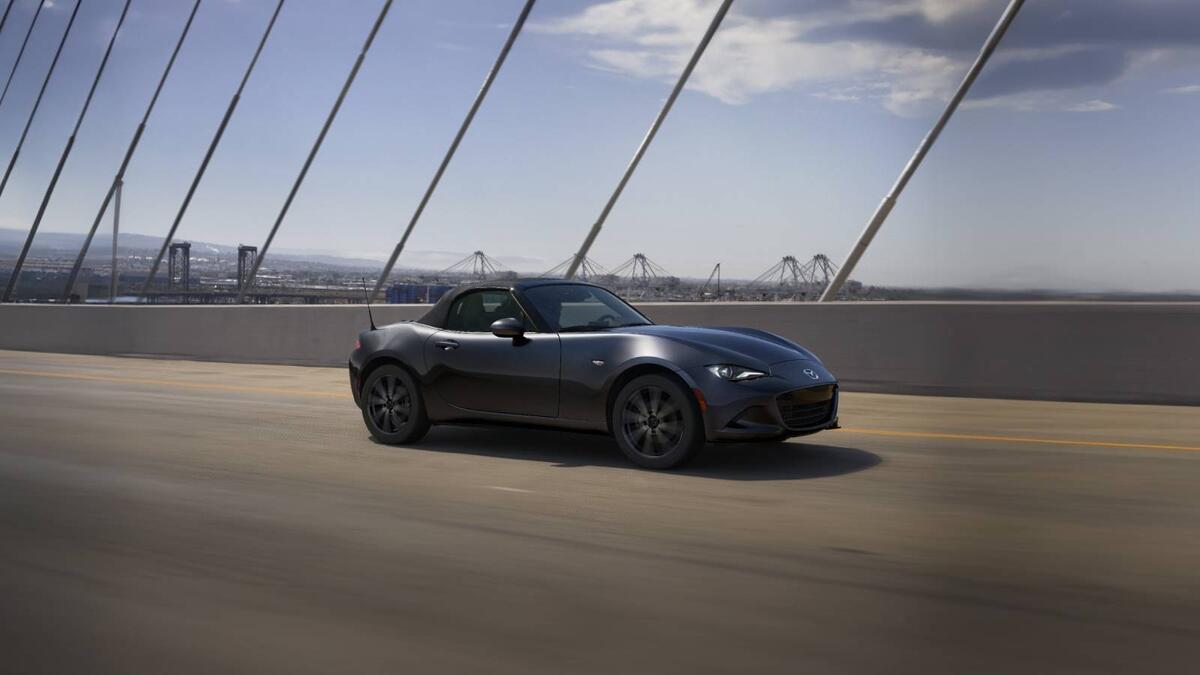
Mazda MX-5 / Miata
"...CS-02 and the DWS-06. So whether you have a Mazda Miata, an S650, a WRX, a 350Z, like they have staggered..."
The Mazda Miata is a small two-seat sports car made for driving enjoyment. It’s known for being light and easy to handle. The podcast is mentioning it in a list of cars that people set up with different tire arrangements for better traction.
The Mazda MX-5, commonly called the Miata, is a lightweight two-seat roadster known for fun handling and a simple, driver-focused design. It’s frequently discussed in motorsport and enthusiast circles because it’s relatively affordable and responds well to setup changes. The podcast context mentions staggered setups, which fits how Miatas are often configured for grip and tire performance.
staggered setups
"So whether you have a Mazda Miata, an S650, a WRX, a 350Z, like they have staggered setups, they have the right sizes..."
Staggered setup means the front and rear tires aren’t the same size. Usually the rear is wider, which can help the car grip better and look more aggressive.
A staggered setup means the car runs different wheel/tire widths front-to-rear—often wider tires on the rear. It’s commonly used to improve grip balance and steering feel, and it also affects what tire sizes you can fit.
aspect ratios
"they have the right sizes, they have awesome aspect ratios like 30, 35, 40s. It works really, really well if you're just trying to set up a really dope fitment too."
Aspect ratio is basically how tall the tire’s sidewall is compared to its width. Changing it can affect ride comfort and how the tire looks on the wheel.
Tire aspect ratio is the sidewall height expressed as a percentage of the tire’s width (for example, 30/35/40). Lower aspect ratios usually mean shorter sidewalls and a more responsive feel, while higher ratios can ride a bit softer.
fitment
"It works really, really well if you're just trying to set up a really dope fitment too. If you just want a good stance setup, Conties have a really killer looking sidewall."
Fitment means whether the wheels and tires fit the car properly. People talk about it when they’re trying to avoid rubbing and get the look they want.
Fitment is the enthusiast term for how well wheels and tires “fit” the car—clearance to suspension, fenders, and brakes, plus how flush or tucked the setup sits. It’s a big part of dialing in stance and avoiding rubbing.
stance setup
"If you just want a good stance setup, Conties have a really killer looking sidewall. So if you're going to get the best deal on Continental tire..."
Stance setup is about how the car looks—especially how low it sits and how the wheels sit in the arches. It’s mostly an appearance goal, but it also depends on tire and wheel sizes fitting correctly.
A stance setup refers to the visual and geometric “attitude” of the car—how low it sits and how the wheels sit in the wheel wells. It’s often tied to wheel/tire choice and suspension changes, and it’s why sidewall shape and tire size matter.
Dodge
"speaking of which, uh, so does Dodge apparently because on Dodge's website, they released a piece of apparel ... I guess it wasn't Dodge. It was Ram."
Dodge is a car brand. The hosts initially thought the apparel was from Dodge, but then they corrected it to Ram, which is the truck brand.
Dodge is a mainstream American car brand that has historically been associated with performance cars and, more recently, with branding that’s distinct from Ram for trucks. In this segment, the hosts correct themselves from Dodge to Ram when discussing the apparel post.
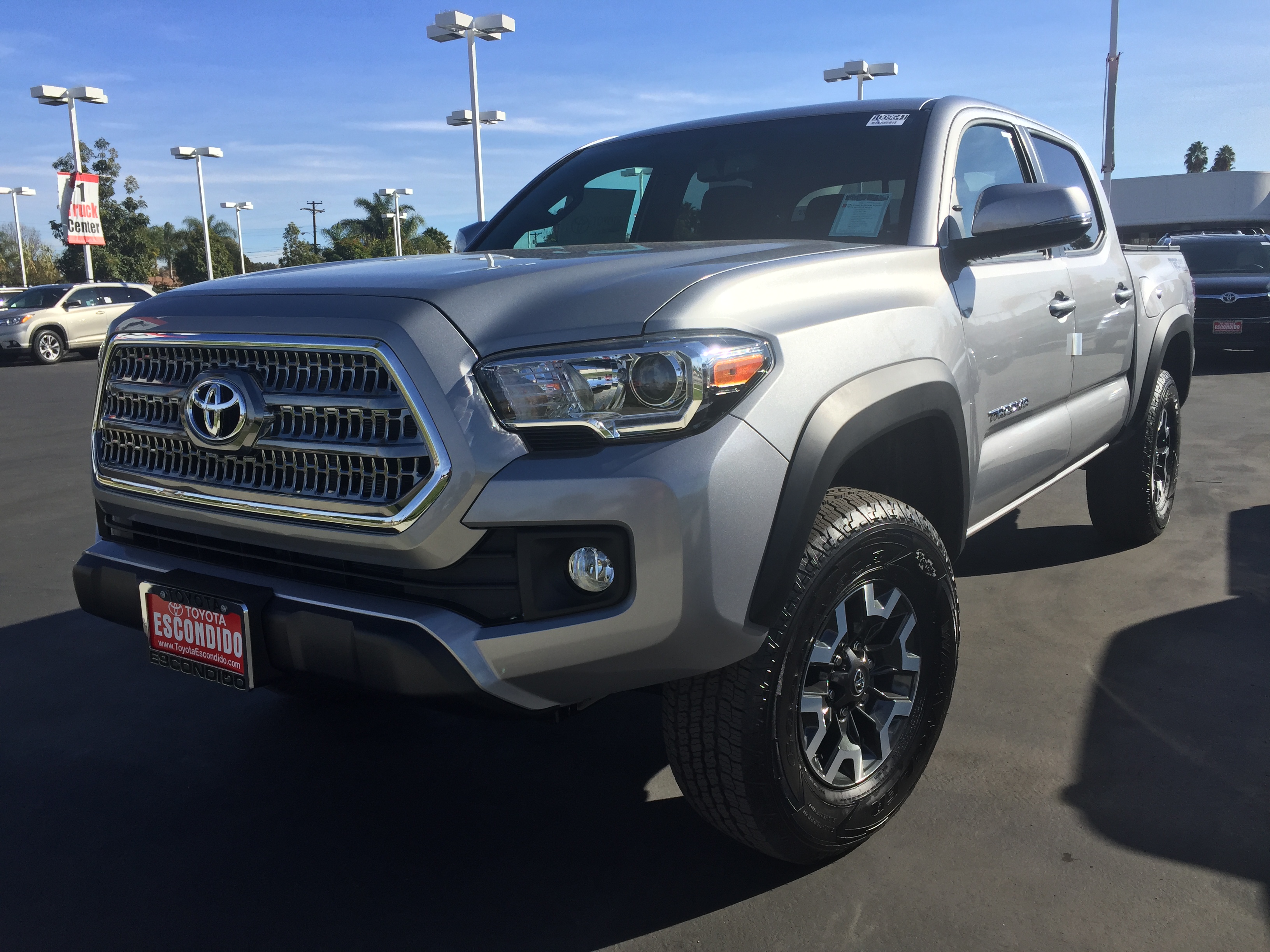
Toyota Tacoma
"it was actually a Toyota Tacoma that was the truck and the, the American flag had 40 stars on it and it has since been taken down swiftly"
The Toyota Tacoma is a popular pickup truck from Toyota. It’s the kind of truck people often modify, and here it’s mentioned because a brand used the wrong truck image for their apparel.
The Toyota Tacoma is a midsize pickup truck from Toyota, known for off-road capability and a huge aftermarket. In this segment, it’s used as the example of a truck image that was paired with the wrong brand styling.

Dodge Neon
"...also posted the wrong vehicle of a pre-production neon that had the wrong amount of spokes on the wheels..."
The Dodge Neon is a small, everyday car. The podcast is mentioning it because someone posted a picture or information that didn’t match the correct pre-production details. It’s basically a discussion about an incorrect vehicle photo.
The Dodge Neon is a compact car that was produced for many years and is often remembered as an entry-level model. It comes up in enthusiast discussions because of how it was marketed and because there are many variations and years. In the podcast, it’s mentioned in connection with a pre-production photo/post that had incorrect details, like the wrong wheel spoke count.

Dodge Ram
"...ere different. So I'm convinced that whoever runs Ram or Dodge's marketing social media is like an unso..."
The Dodge Ram is a pickup truck, meaning it’s designed to carry cargo and handle work. It’s a common type of vehicle people use for hauling or daily driving. The podcast mentions it mainly in relation to marketing posts and messaging.
The Dodge Ram is a pickup truck line focused on hauling and everyday utility. It’s frequently discussed because it has a large presence in the truck market and a big customer base. In the podcast, it’s mentioned through a comment about marketing social media, implying the conversation is about how the brand communicates rather than the truck’s engineering.

Dodge Stratus
"...post? That's like the, like the, that was a Dodge Stratus or the Dodge Intrepid, whatever. It's weird thoug..."
The Dodge Stratus is a regular four-door sedan, made for everyday driving. In the podcast, it’s mentioned because someone thinks a post may have shown the wrong car. It’s basically part of a correction about vehicle identity.
The Dodge Stratus is a mid-size sedan that was produced for many years as a mainstream family car. It’s often mentioned alongside other similar-era Dodge sedans when people talk about confusing or incorrect vehicle references. In the podcast, it’s brought up as part of a “weird” mix-up about which car a post was actually showing.
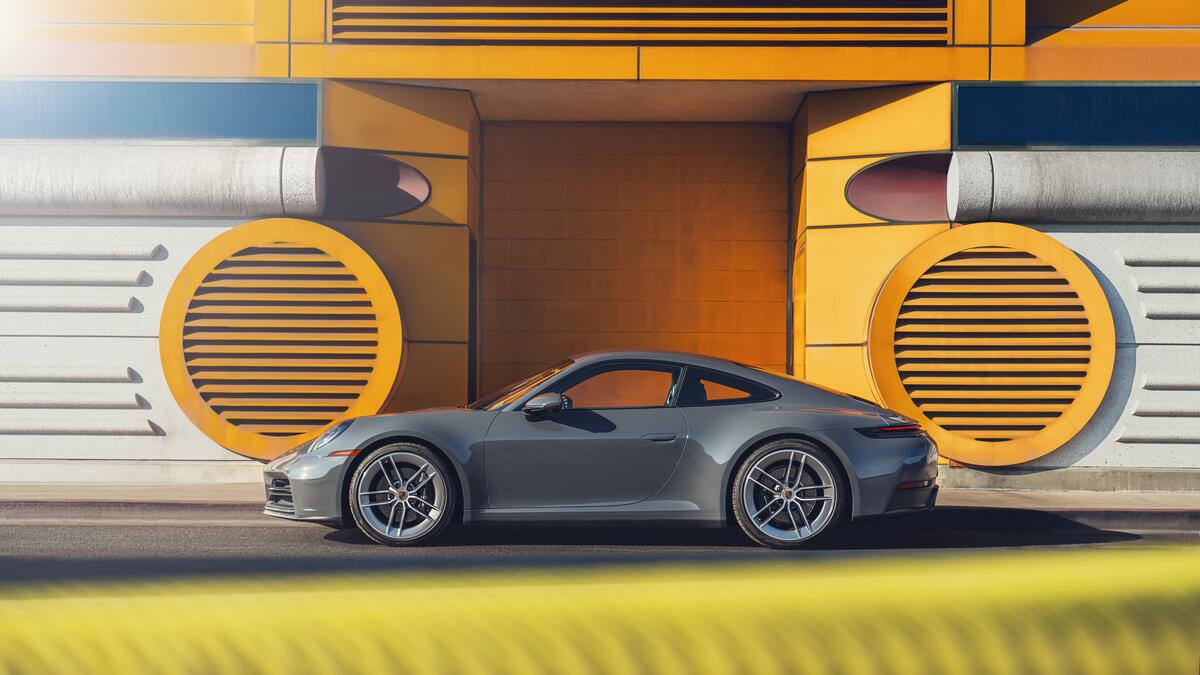
Porsche 911
".... It's always of the kink and it's like a Porsche 911, but it's 100% not a real photo. It's not real at..."
The Porsche 911 is a famous sports car made by Porsche. It has a very recognizable look, so people often identify it even in pictures. The podcast is mentioning it as a car that people might think they’re seeing, even when the image isn’t real.
The Porsche 911 is a long-running sports car famous for its distinctive design and rear-engine layout. It’s a benchmark vehicle in the performance world, so it often shows up in discussions about photos, myths, and what people think they’re seeing. In the podcast, it’s referenced as an example of a “not real” image, highlighting how recognizable the 911 is.
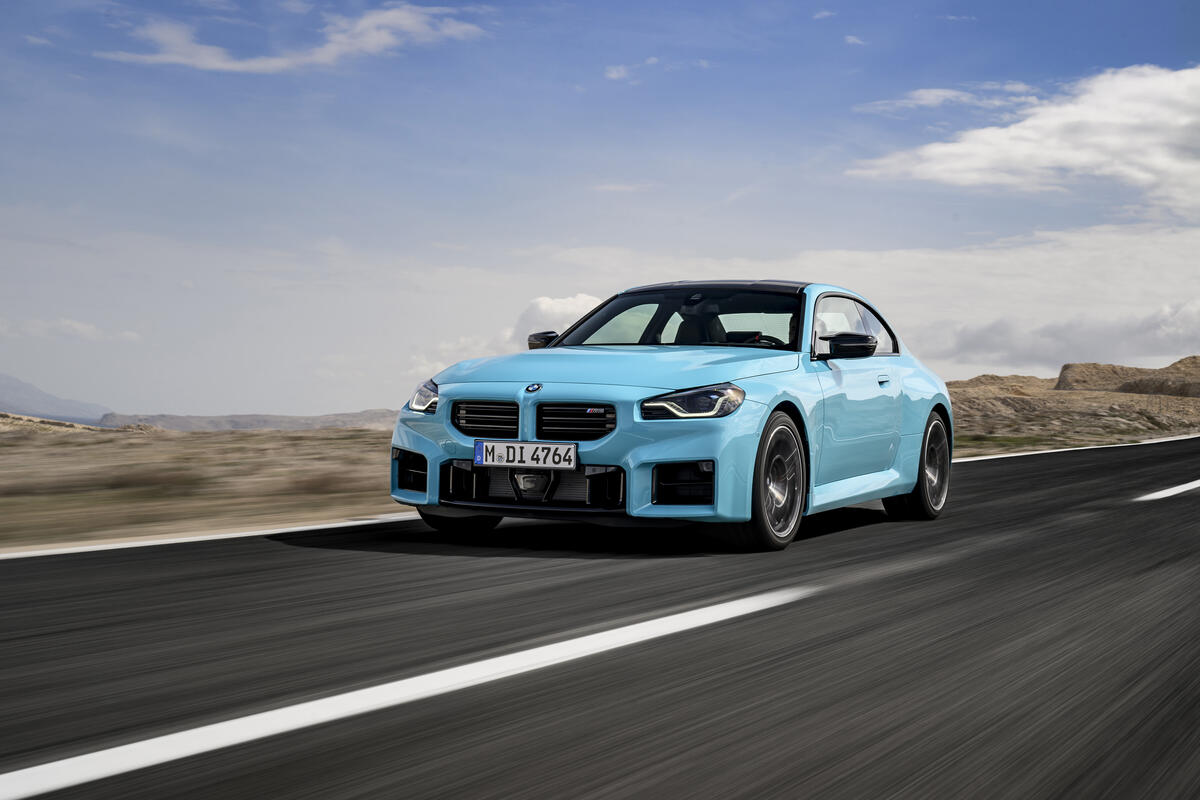
2027 BMW M2 with XDrive
"If you get a new 2027 BMW M2 with XDrive, BMW has added another M to the title."
The BMW M2 is a sporty BMW made by BMW’s performance team. “XDrive” means the car sends power to all four wheels, which can help it grip better, especially on wet or slippery roads.
The BMW M2 is a compact performance coupe from BMW’s M division, known for being a smaller, more driver-focused alternative to larger M cars. In this mention, “XDrive” refers to BMW’s all-wheel-drive system, which changes traction and how the car can put power down compared with a rear-wheel-drive setup.

Toyota MR2
"...arently, we're getting closer and closer to a new MR2, apparently. We've talked about this on the podca..."
The Toyota MR2 is a sports car that’s built to feel agile and fun to drive. Some versions are known for having the engine placed in the middle of the car. The podcast is discussing rumors or updates about a possible new MR2.
The Toyota MR2 is a sports car known for its compact size and sporty handling, with some versions featuring a mid-engine layout. It’s a model that enthusiasts watch because it has a history of being fun and relatively lightweight. The podcast context suggests talk about getting closer to a new MR2, indicating it’s a recurring topic of future plans.

Dodge Viper
"... think I saw something about the Dodge Copperhead Viper Successor. That's AI."
The Dodge Viper is a very powerful sports car made for performance. People talk about it a lot because it’s known for being extreme and memorable. The podcast brings it up in the context of a rumored or imagined successor concept.
The Dodge Viper is a high-performance sports car known for its aggressive styling and powerful V10 engine. It’s often discussed as a standout American performance icon, which is why successor rumors or related models get attention. In the podcast, it’s mentioned in connection with an AI-generated “Copperhead Viper successor” idea.

Audi R8
"...as a new 987 horsepower supercar and it's not the R8 replacement. So this debuted yesterday."
The Audi R8 is a supercar, meaning it’s built for very high performance. The podcast mentions it in relation to a new reveal and clarifies that the new car isn’t meant to replace the R8. So it’s part of a discussion about what’s coming next.
The Audi R8 is a high-performance supercar known for its mid-engine layout and track-capable performance. It’s often discussed when new power figures or updates are announced. In the podcast, it’s mentioned as not being an “R8 replacement,” implying the conversation is about a new supercar reveal and where the R8 fits in the lineup.
Nuvalari
" [3719.0s] So this debuted yesterday. [3721.9s] They're building 499 examples of something called the Nuvalari. [3726.4s] And so the Nuvalari is named after the famed Italian racing driver, [3729.8s] Tazio Nuvalari with production beginning early 2027."
The Audi Nuvalari is a limited-run Audi supercar—499 cars, according to the host. It’s named after a famous Italian race driver and is expected to start being built in early 2027.
The Audi Nuvalari is a limited-production supercar project: the host says Audi will build 499 examples. It’s named after Italian racing driver Tazio Nuvolari and is scheduled to start production in early 2027.

Lamborghini Temerario
" [3733.2s] And it's borrowing like we talked about before, the 10,000 RPM 4.0L V8 from the Lamborghini Temerario. [3743.1s] Audi's preliminary performance claims it includes 0 to 124 miles an hour in 6.8 seconds"
The host claims the Audi Nuvalari is using a 4.0-liter V8 that comes from the Lamborghini Temerario. That’s important because the engine is a big part of how the car feels and performs.
The host says the Audi Nuvalari is borrowing a 4.0L V8 from the Lamborghini Temerario. That matters because it suggests the Nuvalari’s performance character will be strongly influenced by Lamborghini’s engine design and tuning approach.
Request an Explanation
Heard something you'd like explained? We'll add it to this episode.
Sign in to request explanations for terms you heard.
Want to learn more?
Browse our glossary for plain-English explanations of automotive terms, jargon, and concepts.
Help improve this episode
See something that's not quite right? Our annotations are AI-generated and can sometimes miss the mark. Click the flag icon on any annotation to suggest a correction.
1 community members have helped improve this episode.