
Car Pro Radio Show April 18 26 Hour 2
About this episode
Deal-focused Car Pro Radio Show dives into why the auto market is ripe for shoppers: Q1 sales were down ~6%, leaving dealers with overstock and aging inventory that can translate into incentives and bargains. Trade-in values are also strong, making now a window of opportunity. Listener calls cover choosing a long-haul family hauler (Pacifica vs Odyssey vs Sienna), whether to fix an expensive suspension job vs trade, and why Jerry can’t recommend Jaguar right now. The hosts also rant about deceptive pricing ads and discuss Ford F-150 trade timing and a Florida “self-driving” DUI case.
Car Pro Radio Show April 18 26 Hour 2
Hosted by Simplecast, an AdsWizz company. See pcm.adswizz.com for information about our collection and use of personal data for advertising.
overstock situation
"they stick to them they don't alter them so what's happened is there's been too many cars built this year the dealers haven't sold what they've already ordered they can't send them back they got to sell them and so we've got ourselves in an overstock situation now that's bad news for them that's really good news for you because that's when the bargains start coming out"
Overstock means lots of cars are sitting at dealerships that they can’t sell fast enough. When that happens, dealers often lower prices to get the cars off their lots.
An overstock situation happens when manufacturers build more cars than dealers can sell. Dealers are stuck with inventory they can’t easily return, so they’re more likely to discount to move units.
aged inventory
"I wrote the article that was in yesterday's newsletter about aged inventory dealers have got inventory that's starting to get old on them and that's where the bargains are also next week"
Aged inventory is just cars that have been on the lot for a while. Dealers usually get more motivated to discount them the longer they sit.
Aged inventory refers to dealership stock that has been sitting for a long time. The longer cars sit, the more likely dealers are to discount them to reduce carrying costs and make room for newer models.
trade values
"plus the trade values right now or through the roof I've got a whole different article next week on that I've got a study by Cox Automotive they are the experts on used cars"
Trade value is the price a dealer gives you for your current car if you use it as part of the payment. Higher trade values can make it easier to afford the next vehicle.
Trade values are what a dealer offers for your current vehicle when you trade it in toward a new purchase. When trade values are high, it can offset the price of the new car and make the overall deal better.
Cox Automotive
"I've got a study by Cox Automotive they are the experts on used cars they own Mannheim auctions and they're talking about how high used cars are right now"
Cox Automotive is a company that studies car market trends using lots of sales and auction data. Here, they’re being used as the source for what’s happening with used-car prices.
Cox Automotive is a major automotive data and analytics company that tracks pricing and market trends across new and used vehicles. In the segment, they’re cited as a source for current used-car pricing dynamics.
Mannheim auctions
"I've got a study by Cox Automotive they are the experts on used cars they own Mannheim auctions and they're talking about how high used cars are right now"
Mannheim Auctions is where many dealers buy and sell used cars in bulk. Prices there can affect what dealers pay for cars and what you see at the dealership.
Mannheim Auctions (owned by Cox Automotive) is a large vehicle auction network used by dealers and remarketers. Auction results often influence wholesale pricing, which then flows into retail used-car prices.
used cars pricing
"they own Mannheim auctions and they're talking about how high used cars are right now that kind of sucks if you want to buy one but if you got a trade in that is the best news you could get"
They’re talking about used cars being expensive right now. If you’re buying used, it can feel harder to get a good price, but a good trade-in can help.
The segment discusses how high used-car prices affect buyers. When used prices rise, it can make it harder to find a deal unless you have a strong trade-in or dealer discount on the new vehicle.

Buick Roadmaster
"...o hotline 800 926 77 77 and here is Todd the old roadmaster I was gonna go there okay I thought maybe you for..."
The Buick Roadmaster is an older, full-size car model from Buick. It’s the kind of vehicle you’d usually hear about in historical discussions or when someone is talking about a specific older car.
The Buick Roadmaster is a classic, full-size car nameplate that’s associated with older Buick models rather than a current mainstream vehicle. In the podcast context, it’s being referenced as part of a conversation that likely involves customer support or a specific historical model/identity, which is why the name comes up.
federal benefit for EVs
"compared to last year when things were quite a bit different you had the you know the everybody kind of worried about the you know the benefit the federal benefit for EV's and car sales were kind of robust"
This is about government incentives that can make electric cars cheaper to buy. If those incentives change, people may buy more or fewer EVs, which can affect car sales overall.
The “federal benefit for EVs” refers to government incentives that can reduce the effective cost of buying an electric vehicle. Changes in these incentives can influence consumer demand and overall car sales trends.
trade-in values
"because like you just said a second ago the trading values are great there's a lot of inventory and when there's a too much inventory they've got to get that stuff moved it's only gonna benefit you"
Trade-in values are what a dealer offers for your current vehicle when you buy another. The hosts suggest that when there’s lots of inventory, dealers may raise trade-in offers to move cars, improving the overall deal.
inventory levels
"the trading values are great there's a lot of inventory and when there's a too much inventory they've got to get that stuff moved"
Inventory level just means how many cars the dealer has for sale. If they have too many, they’re more likely to offer deals to get cars sold.
Inventory levels refer to how many vehicles a dealer has available on the lot. When inventory is high, dealers often need to move cars, which can lead to better pricing, trade-in offers, or incentives for buyers.
dealer incentives
"it's only gonna benefit you with either insider deals or maybe even you know some of the incentives going on"
Incentives are discounts or special offers that can lower the price of a new car. The hosts are saying you may get better incentives when dealers have lots of cars sitting on the lot.
Dealer incentives are manufacturer- or dealer-funded promotions that reduce the effective price of a vehicle (for example, cash rebates or special financing). The hosts imply that incentives may be available when inventory is high, making it a good time to shop.

Toyota Highlander
"yeah let's talk to Rosie in Houston Rosie welcome to the car pro show what can I help you with hi there okay so I have a Toyota Highlander and I am looking to trade that in for a car that is more spacious"
A Toyota Highlander is a family SUV with extra seats. The caller is saying it’s not big enough anymore for their dogs and camping gear, so they’re shopping for something roomier.
The Toyota Highlander is a midsize three-row SUV known for family-friendly space and comfort. In this segment, it’s the current vehicle the caller wants to trade because they need more room for camping and three large dogs.

Chrysler Pacifica
"I've been looking at the Pacifica and I've been looking at the Honda Odyssey I'd like to stowaway feature in the Pacifica and I the Honda the Odyssey you can take those seats out and make it almost look like a cargo van well and the Pacifica is the same way"
The Chrysler Pacifica is a minivan designed for families. The caller likes it because it can be configured to carry lots of stuff by folding or stowing seats.
The Chrysler Pacifica is a minivan focused on family practicality, including flexible seating and cargo space. Here it’s brought up specifically because the caller wants the stow-and-go style convenience to create a more cargo-van-like setup for camping.

Honda Odyssey
"I've been looking at the Pacifica and I've been looking at the Honda Odyssey I'd like to stowaway feature in the Pacifica and I the Honda the Odyssey you can take those seats out and make it almost look like a cargo van"
The Honda Odyssey is a minivan built for families and hauling. The caller is interested because you can change the seating setup so there’s more room for gear and pets.
The Honda Odyssey is a minivan known for roomy interior space and versatile seating. In this discussion, it’s compared to the Pacifica based on how easily seats can be removed or stowed to open up cargo space for camping.
stowaway feature
"I've been looking at the Pacifica and I've been looking at the Honda Odyssey I'd like to stowaway feature in the Pacifica and I the Honda the Odyssey you can take those seats out and make it almost look like a cargo van"
A stowaway feature means the seats can be moved out of the way so you get a lot more space to haul stuff. It’s especially helpful when you’re camping or transporting pets and gear.
A “stowaway” feature generally refers to seats that fold, tumble, or stow into the floor to create a flat, open cargo area. On minivans, this is a key usability feature because it lets you switch between passenger space and cargo space quickly.
cargo van
"and I the Honda the Odyssey you can take those seats out and make it almost look like a cargo van well and the Pacifica is the same way so really I'm looking for that cargo van look but not not the you know"
A cargo van is built mainly for carrying items, not people. The caller wants their minivan to feel similar—lots of open space for camping gear and dogs.
A cargo van is a vehicle optimized for carrying goods, typically with minimal passenger seating. The caller uses “cargo van” as a comparison to describe wanting a minivan interior that can be configured for maximum hauling space.
Stellantis
"...I like the Pacifica... and I'm a Stellantis fan I like Chrysler but for the long haul..."
Stellantis is the large automaker formed from the merger of Fiat Chrysler Automobiles (FCA) and PSA Group. In this segment, the speaker calls themselves a “Stellantis fan,” connecting that brand to Chrysler products like the Pacifica.

Toyota Sienna
"...for the long haul you cannot beat the Odyssey or the Toyota Sienna either one of those okay I have not looked at the Sienna yet but it is on my list..."
The Toyota Sienna is a minivan that’s often compared directly with the Honda Odyssey for family use and long-term ownership. The host recommends it alongside the Odyssey for drivers who want to keep the vehicle for a very long time and reach high mileage.

Kia Carnival
"...I put the Pacifica in the same category as the Kia Carnival which you should look at also and the only reason I say that is that one comes with a 10 year 100,000 mile warranty..."
The Kia Carnival is a minivan alternative to the Pacifica. The host’s main point is that it comes with a long warranty, which can make ownership feel less risky.
The Kia Carnival is a minivan that’s being compared to the Pacifica in this segment. The key differentiator mentioned is its long warranty coverage: “10 year 100,000 mile warranty,” which the host frames as useful for buyers who may not plan for extremely high mileage.
10 year 100,000 mile warranty
"...the only reason I say that is that one comes with a 10 year 100,000 mile warranty but if you're going to try to go 200,000 miles..."
A 10-year/100,000-mile warranty means the company promises to cover certain repairs for a long time. The host brings it up because it can reduce worry if you’re not planning to keep the vehicle for extremely high mileage.
A “10 year 100,000 mile warranty” is extended coverage that can protect the buyer from certain repair costs for a long period. In the discussion, it’s used as a deciding factor when comparing minivans for different ownership goals.
high-mileage ownership (aiming for 200,000 miles)
"...but if you're going to try to go 200,000 miles with your next vehicle then the Odyssey or the Toyota is the way to go and there's history tells me that there's just absolutely no getting around that..."
This is about buying a vehicle with the plan to keep it for a very long time and drive it a ton of miles. They’re saying some minivans are more proven for that kind of high-mileage life.
The hosts are discussing a long-term ownership strategy: choosing a vehicle that’s likely to survive and stay enjoyable at very high mileage. They argue that the Odyssey and Sienna are the safer bets for reaching around 200,000 miles, based on past ownership “history.”
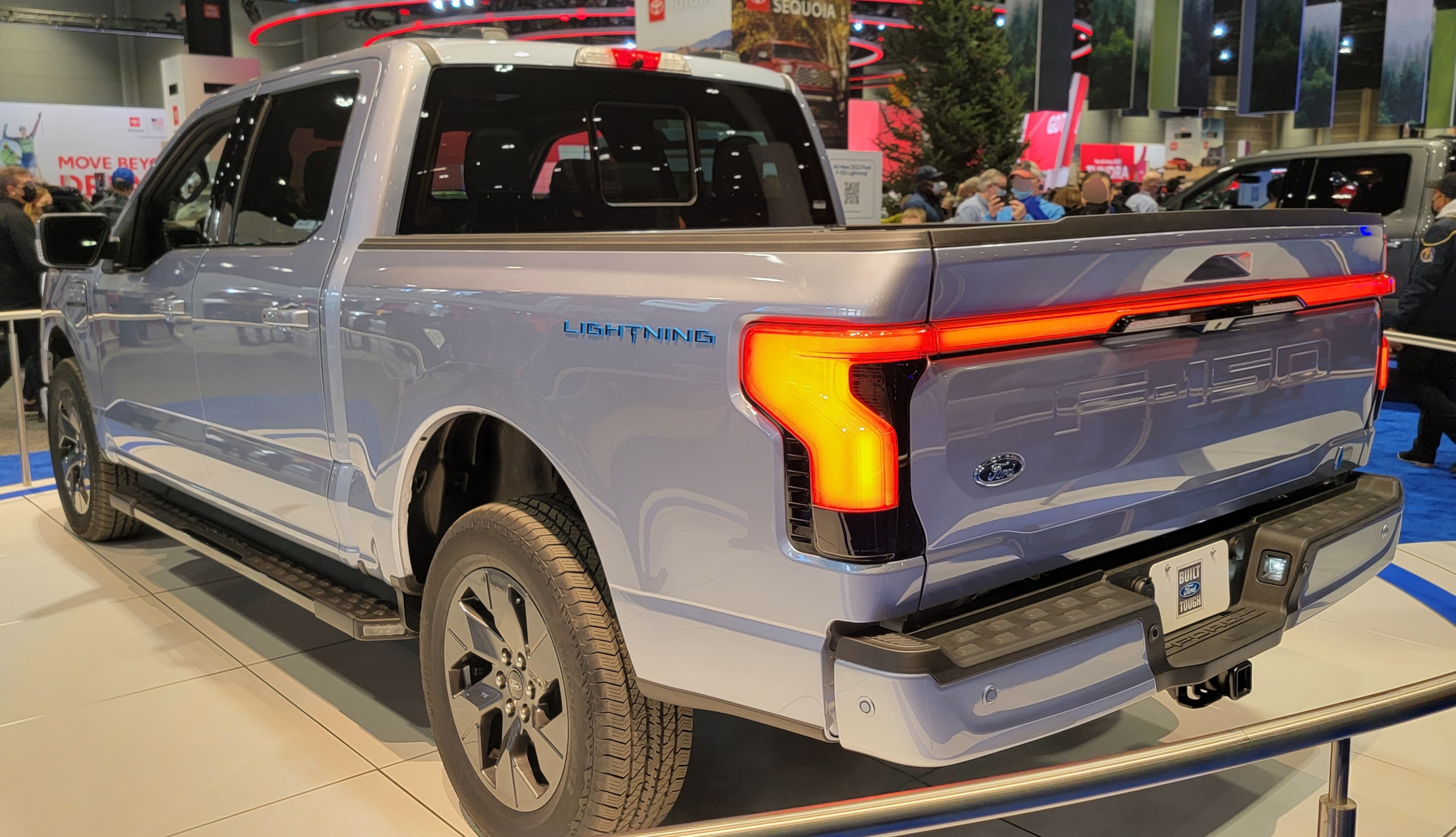
Ford F-150
"looks like the Ford even with their well had one nearly one and a half million F-150s and a single recall this week alone"
The Ford F-150 is a very popular pickup truck. The hosts are talking about how many of them have been recalled, which can be useful if you’re considering buying one.
The Ford F-150 is Ford’s best-selling full-size pickup. In this segment, it’s mentioned in the context of recall volume, highlighting how even high-volume models can accumulate large numbers of recall campaigns.
recalls
"but nonetheless with recalls and everything I think every Ford every dealer they every make they're gonna they're gonna have recalls at one point or another"
A recall is when a car company says, “We found a problem and we’ll fix it.” The hosts are discussing whether having more recalls means a company is doing a worse job, and they point out it’s not that simple.
A recall is when a manufacturer (or regulator) identifies a safety-related defect or noncompliance and notifies owners to have the issue repaired. This segment frames recalls as a way to compare manufacturers, while also noting that recall frequency doesn’t always correlate cleanly with long-term reliability.
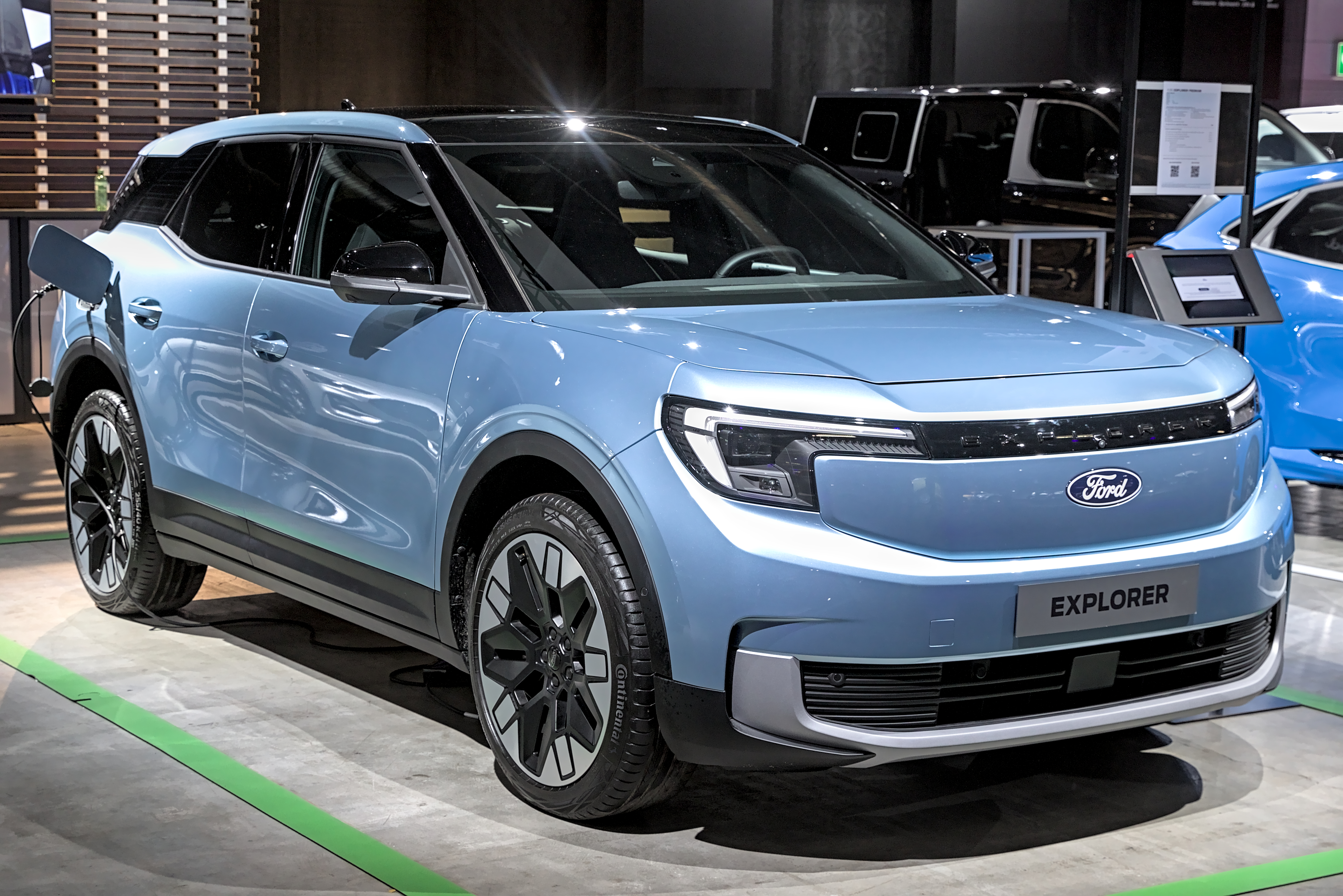
Ford Explorer
"it started really when I started paying attention to him was when around 2000 when I was the Ford National Dealer Council chairman and explorers were rolling over and killing people left and right"
The Ford Explorer is an SUV model. The story here is about a period when people blamed the vehicle, but the problem turned out to be related to the tires instead.
The Ford Explorer is a midsize SUV that’s referenced here as an example from the early 2000s when a major safety issue was widely reported. The key point is that the investigation pointed to tires rather than the vehicle design itself, illustrating how recalls can be tied to specific components.
tires
"turns out it wasn't the vehicle itself it was the tires yeah and in fact that was yesterday's true story from a former car dealer"
Tires are what connect the car to the road. In this story, the big safety problem wasn’t the SUV itself—it was the tires that were causing the dangerous behavior.
Tires are a critical safety component that can directly affect handling and stability. Here, the hosts explain that a deadly rollover issue involving Ford Explorers was traced to the tires, showing how recalls can be driven by supplier parts rather than the vehicle platform itself.

Acura MDX
"[747.9s] it's a pain the butt yeah yeah jack is Houston welcome to the car pro show hello [753.9s] jack what could I do for you hey Jerry I but I've got a 2017 Hacker MDX with 86 [763.2s] thousand miles on it took it in for oil change yesterday and I mentioned that I'm"
They’re talking about a 2017 Acura MDX SUV. They’re saying it started making suspension noises, and the shop/dealer gave a big repair estimate.
The speaker is describing a 2017 Acura MDX (the transcript likely misheard “Acura” as “Hacker”). The MDX is Acura’s midsize three-row SUV, and it’s relevant here because the discussion is about suspension noises and expensive service estimates.
timing belt
"[775.7s] $8,500 the repair all the axles and control arms and a timing belt and I'm [785.1s] just it doesn't seem to make sense to me to put $8,500 into a $12,000 car no it"
The timing belt keeps the engine’s internal timing lined up. If it’s worn or due, replacing it can be expensive, so it shows up in big repair bills.
A timing belt synchronizes the crankshaft and camshaft(s) so the engine’s valves open at the correct time. If it’s due for replacement (or if the vehicle is at high mileage), it can be a major cost item in an estimate.
control arms
"[775.7s] $8,500 the repair all the axles and control arms and a timing belt and I'm [785.1s] just it doesn't seem to make sense to me to put $8,500 into a $12,000 car no it"
Control arms are parts that connect the suspension to the vehicle so the wheels stay properly positioned. If they wear out, you can hear noises and the ride/handling can feel off.
Control arms are suspension links that locate the wheels and help manage ride quality and handling. When they wear out, they can cause clunks, rattles, or vague steering/suspension noises—exactly the kind of issue the caller is describing.
axles
"[775.7s] $8,500 the repair all the axles and control arms and a timing belt and I'm [785.1s] just it doesn't seem to make sense to me to put $8,500 into a $12,000 car no it"
Axles are the parts that send power from the drivetrain out to the wheels. If they’re worn, you may get noises or vibration, and repairs can get costly.
In this context, “axles” likely refers to the drive axles/half-shafts that transfer power to the wheels. Worn axles or related joints can create vibration, clicking, or other driveline noises, and they’re often bundled into suspension/drivetrain repair estimates.
liability if they saw something suspect and didn't tell you
"[837.0s] pointed out some other things of course that and look I was I was in the car [843.3s] business for years that's what we did that we and part of it was liability if [849.9s] if we saw something that was suspect and we didn't tell you then we opened [854.6s] ourselves up to getting sued later down the road so that's part of the issue as"
They’re saying shops sometimes recommend extra work because they’re worried about being held responsible later if they noticed a problem and didn’t mention it. It’s part of why estimates can balloon.
The speaker mentions shop/dealer liability: if a technician notices a potentially serious issue and doesn’t disclose it, the business could face legal exposure later. This is used to explain why dealerships may recommend additional repairs beyond the original complaint.
second opinion
"[860.6s] well but I as good as the accurate is I think I would have them do the minimum [868.1s] that the the the item that's bothering you and wait on the rest of it and get a [875.0s] second opinion on it that's I tell people to do that all the time you know [880.2s] get another opinion you do that if the doctor told you you had a serious problem"
If a shop tells you you need expensive repairs, it can help to get a second opinion. That way you can compare diagnoses and decide what’s really urgent.
The host recommends getting a second opinion when faced with a large repair estimate. This helps confirm whether the expensive work is truly necessary now versus later, and it can reduce the risk of over-repair.
pre-purchase inspection (PPI)
"you'd get another opinion it's no different with a car you should you should get somebody else to look at it ... give that some thought I I don't see a reason to trade I'd get that one item fixed"
If you’re not sure what’s wrong—or whether the fix is worth it—get a second opinion. A good mechanic can look it over and help you avoid paying for unnecessary work.
The host is advising that, before you commit to repairs or a purchase, you should get an independent second opinion. In practice, that means having a qualified shop inspect the car so you don’t rely solely on one party’s assessment.

Jaguar XK
"I've heard you speak about Land Rover but I've never heard you talk about Jaguar side ... when I was looking at was either a XK or an F series convertible"
The Jaguar XK is a sporty Jaguar model people buy for comfort and style. The big point here is that the host doesn’t feel good about recommending Jaguars right now because of parts and dealer support.
The Jaguar XK is a performance-oriented grand tourer that the caller is considering in convertible form. The host’s response focuses less on the specific model’s driving feel and more on Jaguar’s current ownership/market situation and service/parts availability in the U.S.
brand transition / ownership changes
"they've gone through a huge transition they've made some horrific mistakes ... what wasn't Jaguar and Ford together some at some point right about 2007"
They’re saying Jaguar went through major changes that affected how the brand is run. Those kinds of shifts can change whether dealers support the cars and how easy parts are to get.
The host attributes Jaguar’s current situation to a “huge transition” and “horrific mistakes,” and then recalls Ford’s ownership of Jaguar and related brands. Ownership and strategy changes can ripple into dealer commitment, parts logistics, and long-term product planning.
Alfa Romeo
"900 let me put in perspective for you more people bought Alfa Romeo's in the first quarter then they bought Jaguars"
The host uses sales comparisons to illustrate Jaguar’s weaker position in the U.S. market, noting that more people bought Alfa Romeo than Jaguars in the same quarter. This frames the discussion around brand momentum and dealer/parts ecosystem health.
dealer support / parts availability
"the dealers have abandoned them they don't want to work on them the parts are not easy to get the resale value is horrific"
If a brand’s dealers stop supporting it, repairs can take longer and cost more. If parts are hard to find, your car may be stuck waiting for fixes.
The host says Jaguar dealers have “abandoned” the brand and that parts are “not easy to get.” That’s important because limited dealer support and slower parts sourcing can increase repair downtime and sometimes repair costs.
resale value
"the parts are not easy to get the resale value is horrific there are just better choices out there"
Resale value is what you can sell the car for later. If resale value is bad, you lose more money when you eventually trade or sell.
Resale value is how much a vehicle is worth when you sell it later. The host argues Jaguar’s resale value is “horrific,” which can make ownership more expensive even if repairs are manageable.
Aston Martin
"before ... Ford bought Jag they bought Aston Martin at the same time roughly we had Land Rover also"
They mention Aston Martin as part of a story about how Ford owned multiple luxury brands. The takeaway is that these brands’ fortunes can be linked through corporate history.
Aston Martin is referenced in the host’s recollection of Ford-era ownership ties. Mentioning it reinforces the idea that multiple luxury brands were grouped under the same corporate umbrella, which can affect how brands are managed over time.
Land Rover
"came with Jag and then they sold them off Land Rover has has made good progress Jaguar's gone the other way"
Land Rover is another British luxury brand within the Jaguar Land Rover family. The host contrasts Jaguar’s direction with Land Rover’s progress, implying Land Rover has improved in areas like support and ownership experience.
lack of places to service it and the unavailability of parts
"I think it would be a mistake to get one and and for the reasons that I stated primarily the lack of places to service it and the unavailability of parts that can cause you real problems down the road"
This is an ownership risk concept: even if a car is appealing, limited dealer/independent service availability and scarce parts can lead to longer repairs and higher costs. Over time, that can turn small issues into bigger problems if maintenance can’t be done promptly.
Car Pro Jerry Reynolds
"you can't get good advice from someone who doesn't really have a lot of experience that's why you need to call the car pro Jerry Reynolds before you get your next vehicle"
This segment promotes using an experienced automotive advisor before buying a vehicle. The underlying idea is that knowledgeable guidance can help you avoid ownership pitfalls like poor service access or parts availability.
FTC
"Jerry's commentary on the FTC... they're starting to kind of crack down on deceptive pricing ads for car dealers..."
FTC is a U.S. government agency that helps protect consumers from unfair or misleading business practices. Here, they’re involved because some ads for vehicles may not be honest about the real price.
FTC stands for the Federal Trade Commission, the U.S. agency that regulates and enforces rules around consumer protection and advertising. In this segment, they’re being discussed in the context of cracking down on misleading dealer pricing ads.
deceptive pricing ads
"Jerry's commentary on the FTC... crack down on deceptive pricing ads for car dealers... even with a judgment that was issued here of late..."
Sometimes ads make the price look cheaper than it really is. The fine print can hide extra charges or conditions, so the “deal” you see online isn’t the deal you get at checkout.
The hosts are discussing deceptive pricing ads—marketing that makes a car (or related vehicle) price look lower than what you’ll actually pay. In the automotive world, this often involves hidden conditions, misleading “from” pricing, or extra fees that aren’t clearly shown upfront.

Honda Stream
"... dealer and they're showing the picture of a air stream travel trailer being pulled by a Ford pickup a b..."
The Honda Stream is a Honda vehicle built to move people around comfortably, kind of like a small van. It’s meant to be practical for families or groups, with space for passengers and everyday items.
The Honda Stream is a compact MPV (multi-purpose vehicle) designed to carry passengers comfortably with practical interior space. It may come up in a podcast when discussing family-oriented vehicles and how people choose cars that can handle everyday needs like seating and cargo.
Air Stream
"if you know anything about trailers it's the air stream is the Mercedes Benz of trailers..."
Airstream is a brand of travel trailers that are known for being premium and very recognizable. The host is saying that if it’s an Airstream, the price should be much higher than what the ad payment suggests.
Airstream is a well-known U.S. trailer brand famous for its distinctive aluminum “silver bullet” look and premium build quality. The host uses it as a reference point to explain why the trailer in the ad likely represents a high-end, expensive purchase.
payment-per-month pricing
"...the screenshot shows this RV dealer with a payment of 98 dollars a month for that"
Some ads focus on the monthly payment instead of the total price. But the monthly number can look small even when the overall cost is huge, depending on financing details.
The segment highlights an ad that shows a low monthly payment (e.g., “$98 a month”) for a very expensive trailer. This is a common marketing tactic that can be misleading because monthly payment depends on loan term, interest rate, down payment, and fees—not just the vehicle’s sticker price.
15 year financing
"much money that you have to pay for that particular trailer 15 year financing [1359.4s] but but even at 15 years do the math yeah I mean at 98 dollars a month how"
Financing over 15 years usually makes the monthly payment smaller. But you often pay more money overall because you’re paying interest for longer. Always check the total cost, not just the monthly number.
“15 year financing” means spreading the purchase cost over a long loan term, which lowers the monthly payment but increases total interest paid. The key is to compare the monthly payment to the loan’s total cost and the actual purchase price behind the offer.
fine print
"[1365.4s] but but even at 15 years do the math yeah I mean at 98 dollars a month how [1365.4s] much is that 15 grand yeah right yeah so what I when I got the fine print and I [1373.2s] looked what you're getting is a 16 foot cheap lightweight trailer with a single"
Fine print is the small details in the contract that can change what you’re really getting. Sometimes the ad sounds great, but the details reveal a different price or a smaller/cheaper item.
“Fine print” refers to the contract details that can change what the advertised offer actually includes. In this segment, the speaker argues the monthly payment marketing didn’t match the real product/value described in the financing terms.
trailer
"looked what you're getting is a 16 foot cheap lightweight trailer with a single [1382.2s] axle that you can purchase for $14,000 so the 98 dollars a month had nothing to"
A trailer is something you tow behind your vehicle. The important part is that different trailers vary a lot in size and weight, which changes what you can tow and what the deal should really cost.
A trailer is a separate vehicle you tow behind a truck or SUV, and its size/weight affects towing requirements and total cost. The speaker specifically calls out a “16 foot” lightweight, single-axle trailer as the real product behind the financing pitch.
single axle
"looked what you're getting is a 16 foot cheap lightweight trailer with a single [1382.2s] axle that you can purchase for $14,000 so the 98 dollars a month had nothing to"
A single-axle trailer has one set of wheels under it. That usually means it’s built for lighter loads than trailers with more axles.
A “single axle” trailer has one wheel axle assembly, which typically means a simpler setup and often lower capacity than multi-axle trailers. Axle count can affect stability, braking, and how well the trailer handles load and road conditions.
refinancing
"[1482.6s] it in my refinancing a couple years the payments of 587 they used to be 835 and [1491.1s] kept the one want to give me a good financing to come back to them and all [1494.8s] that yeah but they do I use them as my personal bank"
Refinancing means you get a new loan to pay off the old one. People do it to try to lower their monthly payment or interest rate.
“Refinancing” means replacing an existing auto loan with a new loan, usually to change the interest rate or monthly payment. The caller notes their payments changed over time, which is a common reason people refinance.
Ford loyalty rebates
"...in Texas for April the there is a lot of Ford loyalty rebates so on the pickups if you own a Ford now and you buy a new one it's something like thirty five hundred dollars extra in rebates..."
This is extra discount money if you already have a Ford and you buy a new one. It can make the trade much cheaper than you’d expect.
Ford loyalty rebates are extra incentive dollars offered to customers who currently own a Ford and are trading into a new Ford. They can materially change the deal math—especially on trucks—because they stack on top of other pricing.
XLT
"...what trim level is it it's an XLT four dollar the back seat never been set in..."
XLT is a trim level on the Ford F-150, typically positioned above the base models and below higher trims. Trim affects equipment and features, which can influence how a buyer values the truck.
V8 5.0
"...what engine it's a V8 5.0 okay 5.0 that's good..."
That means the truck has a V8 engine with 5.0 liters of displacement. Bigger engines usually feel stronger, but they can cost more to run.
“V8 5.0” refers to a 5.0-liter V8 engine, which is a common configuration on many Ford F-150 models. Engine choice matters for how the truck drives, how it tows, and how it fits your budget for fuel and maintenance.
used truck market
"...you got a six-year-old truck it's got a hundred thousand miles on it which is under the average the used truck market especially in Texas is guy high right now..."
The used truck market is what people are paying for used trucks. If demand is strong, used trucks can be worth more, which helps your trade deal.
The used truck market refers to pricing and demand for pre-owned trucks, which can swing based on region and economic conditions. The host notes that in Texas the used truck market is “guy high,” implying strong demand that can support higher trade values.
car pro.com
"...I've got four great four dealers in the Houston area and they're all at my website car pro.com near the top click the green button..."
The host says CarPro.com can help you find a nearby dealer. It’s basically a tool to connect you with the right place to shop for the deal.
CarPro.com is referenced as the place to find participating dealers. The host uses it as a practical step in the buying process to locate the closest dealer for the incentives and trade discussion.
self-drive mode
"...he claims he wasn't driving because his 2019 Ford F-150 was in self-drive mode police pull up..."
“Self-drive mode” usually means the car can help you, but it’s not the same as the car fully driving itself. In most cases, you still have to pay attention and be responsible for what happens.
“Self-drive mode” is often used loosely to describe driver-assistance features that can help with steering, braking, or lane keeping, but typically still require the driver to supervise and remain responsible. The key point in this segment is that the driver can’t assume the vehicle is fully autonomous just because it’s using some automation.
driver responsibility with driver-assistance vs full autonomy
"...well number one you are responsible for your vehicle whether it's autonomous or not that's the first problem yes and the second problem is that particular vehicle didn't have autonomous driving capability..."
Even if a truck has features that help you drive, you’re still responsible for what happens. The episode also stresses that you can’t ignore basic safety rules just because the car is doing some driving tasks.
This segment emphasizes that drivers remain responsible for vehicle operation even when a car has automated features. It also highlights a common misconception: many systems are not true “full self-driving,” and the driver must still follow safety rules (like not having an open container) and supervise the vehicle.

Tesla
"...if it did have full self-driving like Tesla right he wouldn't been weaving..."
They mention Tesla because Tesla is known for advanced driver-assist features. The point is that even with automation features, the car still needs to behave predictably—and the driver can’t treat it like it’s fully in charge.
Tesla is referenced as an example of a vehicle with more advanced driver-assistance/automation marketing. The host uses it to contrast “full self-driving” claims with real-world behavior—arguing that if it were truly fully autonomous, the car wouldn’t be weaving and would be less likely to get pulled over.
car buying tip
"...for the last so many years I'm listening to you guys and so the best car buying tip that I got from you is I try to if you want to get the best possible price then probably I think you target..."
The caller shares a strategy for getting a better car deal. It’s mostly about when to shop, not about car mechanics.
The caller’s main contribution is a car-buying tip focused on timing—shopping around the end of the year to improve price. This functions as a segment theme rather than a technical automotive concept.
end of the year between like Christmas and 31st
"...if you want to get the best possible price then probably I think you target like the end of the year between like Christmas and 31st yeah and guess what..."
Car dealers often have the best discounts near the end of the year. They’re trying to sell cars before the calendar flips, and that can make both purchases and leases cheaper.
This is a classic car-buying strategy: dealers often discount more aggressively near year-end because they’re trying to hit sales targets and clear inventory before the new model year. Lease deals can be especially attractive during this period due to manufacturer incentives and dealer volume goals.

Nissan Altima
"...in the last 16 years I bought like four cards Nissan Altima Honda Accord like Lexus hybrid and last year I bought my first Mercedes GLB 250..."
The Nissan Altima is a popular mid-size car. The caller is saying they got a good deal on one by shopping during a certain time of year.
The Nissan Altima is a midsize sedan known for strong value and frequent lease incentives. In the context of this call, it’s being used as an example of a car the listener bought at the right time for pricing.

Honda Accord
"...in the last 16 years I bought like four cards Nissan Altima Honda Accord like Lexus hybrid and last year I bought my first Mercedes GLB 250..."
The Honda Accord is a very common, dependable mid-size car. The caller is using it as another example of a vehicle they bought for a good price.
The Honda Accord is a long-running midsize sedan that’s often a benchmark for comfort, efficiency, and resale value. Here it’s mentioned as part of the listener’s history of buying cars during periods when discounts are typically better.

Mercedes GLB 250
"...and last year I bought my first Mercedes GLB 250 good for you I got amazing amazing deals..."
The Mercedes-Benz GLB 250 is a small luxury SUV. The caller is saying they got a great price on it by buying around the end of the year.
The Mercedes-Benz GLB 250 is a compact luxury SUV positioned between smaller GLAs and larger GLCs, typically offered with turbocharged power and a premium interior. In this segment, it’s used to illustrate that the listener got an unusually strong deal on a Mercedes by shopping during the end-of-year window.
Sam's Club
"...and and I'm being helped I thank you so much well thank you I thank you on the air I appreciate you saying that I really do I that means a lot and yeah I do talk about the deals at the end of the year and they are they're good that it in typically particularly if you want to lease that's the best time of year to do something but you know I I just appreciate the call I hate that we're only on an hour in Los Angeles now we're on we're on from 10 to 11 on KNX I missed that first hour with you guys but you can always grab the podcast..."
Sam’s Club is a store you typically need a membership to shop at. Here it’s just where the caller goes while listening to the show.
Sam’s Club is a membership warehouse retailer. In this segment it’s mentioned only as the caller’s routine listening time, not as an automotive purchasing channel.
lease
"...they are they're good that it in typically particularly if you want to lease that's the best time of year to do something but you know I I just appreciate the call..."
A lease is a contract where you pay to use a vehicle for a set term, usually with an agreed residual value at the end. The host notes that year-end timing is often best for leasing because incentives and dealer targets can translate into lower monthly payments or better lease terms.
buying a new vehicle can either be like Christmas or like performing a root canal on yourself
"thank you for the call that meant a lot to me buying a new vehicle can either be like Christmas or like performing a root canal on yourself ouch"
They’re comparing two experiences: one where buying a car feels exciting, and another where it feels stressful and drawn out. The point is that how you shop can change how you feel about the whole process.
This is a metaphor contrasting a pleasant car-buying experience with a painful one. It highlights how the process—negotiation, time spent at the dealership, and communication—can make shopping either enjoyable or exhausting.
car pro call thechase.com car pro listener line at 1-800-926-7777
"get free advice from the car pro call thechase.com car pro listener line at 1-800-926-7777"
The hosts promote a listener hotline for car-buying advice. While not a vehicle component, it’s part of the show’s process for helping consumers avoid common pitfalls during purchase negotiations.
dealership that Jerry recommends
"these are folks have gone to Jerry's carpro.com site have gone through the process of getting that dealership that Jerry recommends for what you're looking for"
They’re talking about choosing a dealership ahead of time instead of walking in randomly. The idea is that the right place to shop can help you get a better deal and avoid wasting hours.
The hosts discuss using a recommended dealership network (via Jerry’s site) to improve the odds of a good deal and a smoother process. This is essentially a “consideration set” approach for shopping: narrow down where you’ll buy before you start negotiating.
classic Chevy
"for example Henry and Houston said he heard good things about classic Chevy and Sugarland"
This sounds like a specific Chevrolet dealership that someone recommended. Different dealerships can treat customers differently, so it’s useful when listeners hear real experiences.
“Classic Chevy” appears to be a Chevrolet dealership name mentioned by a caller. Dealership choice can strongly influence how smooth the buying process feels and how transparent the pricing is.
spend all day at that dealership and you're just worn slap out
"that's a concern when you don't do it this way you could spend all day at that dealership and you're just worn slap out"
They’re describing how some car purchases take forever and feel exhausting. The takeaway is that preparation and the right process can help you get in and out faster.
This describes a common pain point in car buying: long, drawn-out dealership negotiations and delays. It implies that a more prepared, structured approach can reduce time and pressure.
Round Rock Hyundai
"Daniel had some good things to say about Round Rock Hyundai over in Austin yeah working with the folks there they said was outstanding"
Round Rock Hyundai is a car dealership. The caller is saying their experience there was positive—helpful staff and a smoother process.
Round Rock Hyundai is a Hyundai dealership in the Austin area that a caller praised for being courteous and knowledgeable. Dealer reputation matters because it can affect negotiation, paperwork, and overall customer experience.
bait and switch
"typical ones they wear you down that's where the bait and switch comes in and they've got you there for four hours and then they start telling you all the things that you're gonna have to pay"
It’s when a seller gets you interested with one deal, but then tries to change it later. With cars, that can mean extra charges or pressure after you’ve already started the process.
“Bait and switch” is a sales tactic where a dealer lures you in with one offer or price, then changes the terms once you’re already committed. In car buying, it often shows up as add-ons, surprise fees, or financing pressure after you’ve been kept on-site for hours.
F&I (finance and insurance) add-ons
"they've got you there for four hours and then they start telling you all the things that you're gonna have to pay and putting you through the grinder of finance"
Those are extra items the dealership tries to sell when you’re signing paperwork. They can add a lot to the final cost, even if the car price sounded like a deal.
The “things that you're gonna have to pay” after you’re already at the dealership are commonly F&I add-ons—like warranties, protection packages, and other products sold through the finance office. These can materially change the total price even if the advertised vehicle price looked good initially.
finance pressure
"they've got you there for four hours and then they start telling you all the things that you're gonna have to pay and putting you through the grinder of finance it's just and by that point you're just ready to get the car and leave absolutely"
This is when the dealership pushes hard on the payment plan and extras. If you’re worn out or distracted, it’s easier to say yes to things you didn’t plan on.
The transcript describes “putting you through the grinder of finance,” which points to high-pressure financing and F&I (finance and insurance) tactics. This can lead buyers to agree to add-ons or less favorable terms because they’re tired, rushed, or eager to leave.
Request an Explanation
Heard something you'd like explained? We'll add it to this episode.
Sign in to request explanations for terms you heard.
Want to learn more?
Browse our glossary for plain-English explanations of automotive terms, jargon, and concepts.
Help improve this episode
See something that's not quite right? Our annotations are AI-generated and can sometimes miss the mark. Click the flag icon on any annotation to suggest a correction.