
CarCast+Edmunds - Mercedes-AMG GT EV, new Kia Seltos and more.
About this episode
Mercedes-AMG’s new four-door EV takes center stage, with talk of “1,100 horsepower,” 600 kW charging claims, and how it stacks up against the Porsche Taycan. The hosts connect performance to real-world testing, battery/charging realities, and even EV sound design—sampling V8 noise and adding synthetic gear changes. Luxury interior philosophy gets debated via Mercedes screen-heavy layouts and rear-seat displays. The episode also covers a new Kia Seltos hybrid value play, plus Volvo EX30/EX60 software and pricing, and wraps with truck and manual-transmission highlights.
Follow @motorator
Follow @weaveroncars
Follow Bravago Beverages
Hosted by Simplecast, an AdsWizz company. See pcm.adswizz.com for information about our collection and use of personal data for advertising.
Hamburg
"I just spent a week in Germany in Hamburg up north, where I drove the new S-Class..."
Hamburg is a city in northern Germany. The host is saying he was there for the car preview and test drive.
Hamburg is a major city in northern Germany. The host mentions it as the location where he drove the Mercedes S-Class and previewed the new AMG GT EV.
Mercedes-AMG GT four-door EV
"I got to see a couple of weeks ahead of its debut, the new AMG, GT, four-door EV, which you may have seen online because it looks like a big neon fish... It's a 1,100 horsepower EV."
This is Mercedes-AMG’s new all-electric, four-door performance car. The big idea is that it’s meant to be extremely fast—more like a sports-car experience, but with real back seats.
The Mercedes-AMG GT four-door EV is a high-performance, all-electric sedan-style AMG model built around very high power output and a distinctive AMG design language. In this segment, the hosts frame it as a direct competitor to other ultra-fast EV performance sedans like the Porsche Taycan.
1,100 horsepower EV
"It's a 1,100 horsepower EV. It's going to cost about over 150 grand."
Horsepower is a way to describe how much power the car’s motor can make. Saying “1,100 horsepower” is the host’s way of saying this EV is aiming to be extremely powerful.
“Horsepower” is a measure of engine/motor power, and in an EV context it describes the electric motors’ peak output. The host uses “1,100 horsepower EV” to emphasize how extreme the Mercedes-AMG GT four-door EV’s performance target is.
over 150 grand
"It's a 1,100 horsepower EV. It's going to cost about over 150 grand."
“Grand” is slang for $1,000, so “over 150 grand” means it’s expected to cost more than $150,000. The point is that it’s positioned as a very expensive performance EV.
“Over 150 grand” is shorthand for a price above $150,000, used here to frame the Mercedes-AMG GT EV as a high-cost, high-performance product. It helps listeners understand the intended market tier and why it’s compared to other expensive EVs.

Porsche Taycan
"It's going to align against higher models of the Porsche Taycan, probably the Jaguar when it actually arrives."
The Porsche Taycan is Porsche’s electric sports-sedan. It’s one of the reference cars people compare new EVs against, especially for how fast and sporty they feel.
The Porsche Taycan is Porsche’s all-electric performance sedan, widely used as a benchmark for EV speed and handling. The hosts use it as the comparison point for the Mercedes-AMG GT four-door EV’s power and positioning.

Tesla Model S
"...s. Yep, Lucidere Sapphire. Lucidere Sapphire. Oh, Model S plug. No, that's gone. Yeah, that's gone. So craz..."
The Model S is an electric car from Tesla. Instead of a gas engine, it uses a battery and electric motors. The conversation suggests that some features or parts can change depending on the version.
The Tesla Model S is a premium electric sedan built around battery-electric performance and software-driven features. It’s frequently discussed because Tesla updates its lineup and hardware over time, which can change what options or components are available. In the podcast, it comes up in the context of specific equipment being present or removed.

Alero Oldsmobile Allero
"...But the shape of the big gloss panel looks like a Oldsmobile Allero from the early 2000s. The car is just hideous to ..."
The Alero is a car model that the podcast is describing mostly by its looks. The speaker compares its shape to another car from the early 2000s. The point is that the design is considered unattractive by the host.
The Alero is a mid-size car associated with a specific styling era, and the podcast describes its appearance as having a look similar to an early-2000s Oldsmobile. It’s mentioned mainly as a visual comparison and as an example of a car design that didn’t age well. The focus here is on the car’s exterior shape and how it comes across.

Mercedes-AMG GT 63
"“probably in a straight line, it's gonna be faster than AMG one, I think. I mean, the quote for the the higher performance, the GT 63 model is zero to 60. And I want to say 2.2 seconds.”"
This is a high-performance Mercedes-AMG model. They’re talking about how quickly it can accelerate from a stop, like a “how fast to 60 mph” kind of number.
The Mercedes-AMG GT 63 is being discussed here as the top-end performance model in Mercedes-AMG’s lineup, with emphasis on straight-line acceleration. The host quotes a very fast 0-60 time, positioning it against other EV performance benchmarks.
zero to 60
"“the GT 63 model is zero to 60. And I want to say 2.2 seconds.”"
“Zero to 60” measures how fast a car can go from standing still to 60 mph. Lower time usually means quicker acceleration.
“Zero to 60” is shorthand for how many seconds it takes a car to accelerate from a complete stop to 60 mph. It’s a common straight-line performance metric used to compare acceleration between cars, especially EVs.
one foot rollout
"“I know that a Mercedes says with one foot rollout, it's two seconds flat zero to 60…”"
“One foot rollout” is a testing method where the car is allowed to roll slightly before the timing starts, reducing the effective distance the car must accelerate from a dead stop. It can make acceleration times look faster than a strict “from zero” test.
U drags
"“Yeah. And you guys had, but you did U drag. So right, did you have the Taycan turbo GT out at the U jacks with the air sapphire…”"
This is Edmunds’ drag-race testing. They run cars to see which ones accelerate and pull the hardest in a straight line.
“U drags” refers to Edmunds’ drag-racing testing format, where cars are run side-by-side to measure acceleration and top-end pull. It’s used here to rank EVs by real-world test results rather than marketing claims.
thermal characteristics
"“it's, it's supposed to last for a really long time, but it's because there are just these new thermal characteristics for the battery.”"
This is about how the battery handles heat. Better heat management helps the EV keep delivering strong power for longer and can improve charging behavior.
“Thermal characteristics” refers to how the battery’s temperature behavior changes under heavy power draw. For EVs, improved thermal management helps the battery sustain high power longer without overheating, which affects both acceleration and charging performance.
battery chemistry
"“but it's because there are just these new thermal characteristics for the battery. It's a new pack, new cell design. It's actually like, if you really care about battery chemistry and pack design…”"
Battery chemistry is what kind of battery the car uses inside—what materials power the electricity. Different chemistries can handle heat and high power differently.
“Battery chemistry” is the specific electrochemical makeup of the EV’s cells (the materials and reactions that determine voltage, power capability, and heat behavior). The host ties it to pack design changes, implying the Mercedes uses a new cell approach for better sustained performance.
600 kilowatt charging
"“Mercedes is saying that it could do 600 kilowatt charging, which is, I mean, consider you pull up to a level three fast charger on the U.S. right now…”"
This is how fast the car can charge at a very powerful fast-charger. Higher kilowatts generally means you can add energy more quickly—if the charger can deliver it.
“600 kilowatt charging” refers to extremely high-power DC fast charging, measured in kilowatts (kW). The segment contrasts it with typical U.S. fast-charger limits and argues that the car can accept roughly double the power if the charger supports it.
level three fast charger
"“consider you pull up to a level three fast charger on the U.S. right now, and at most you'll get 350 kilowatts out of it.”"
A “Level 3” charger is a fast public charging station meant for quicker top-ups. The key point is that many of them don’t deliver the very highest power the car might be capable of.
“Level three fast charger” is a common U.S. term for high-power DC fast charging (often referred to as DCFC). The host uses it to set expectations for typical real-world maximum power available at public charging stations.
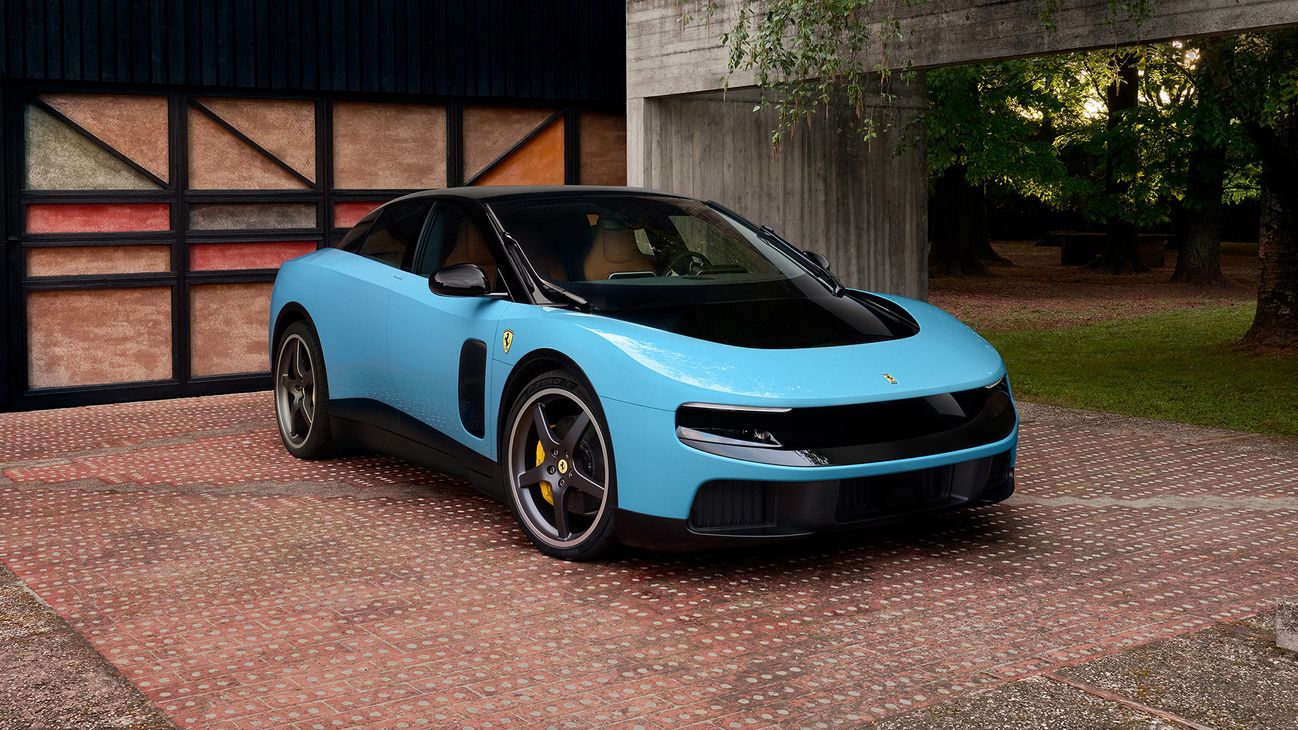
Ferrari Luce
"“We recorded this show before Ferrari unveiled the Luce then new EV, which has been dominating headlines for the last few days.”"
They’re talking about a new Ferrari electric car called the Luce. In this part of the show it’s mainly mentioned as a big recent news item.
Ferrari is referenced as having unveiled an EV called “Luce,” which the hosts say has been dominating headlines. The mention is more about the news context than technical details in this segment.

AMG one
"I think that initially the AMG one was kind of supposed to be more of a halo for the brand... [461.4s] But this had always been in the works."
The Mercedes-AMG One is a very expensive, high-end Mercedes-AMG hypercar. The hosts are saying it was meant to be a headline car for the brand, and they use an auction example to show how costly maintenance can be.
The Mercedes-AMG One is a halo hypercar from Mercedes-AMG that’s built around a high-performance hybrid powertrain. In this segment, the hosts discuss it as a brand “halo” project and then pivot to a real auction example with extreme service costs, highlighting how ownership expenses can be part of the experience.
Service A
"there's one up for auction... somebody had this service called Service A, just the initial after break-in service on it."
“Service A” is the first scheduled maintenance visit after the car is newly broken in. The point of the story is that on a supercar, even that early service can be extremely expensive.
“Service A” here refers to an early scheduled maintenance visit after the car’s break-in period. The hosts use it to illustrate that even routine early service on an ultra-expensive supercar can cost tens of thousands of dollars.
break-in
"somebody had this service called Service A, just the initial after break-in service on it."
Break-in is the early period when a new car is still settling in. The hosts are saying the first service after that period is called out separately and can be very expensive on a supercar.
Break-in is the early period after a new car is delivered where the manufacturer expects specific driving/operating conditions to help components settle. Here, it’s tied to the “initial after break-in service,” implying that the first service is more involved than later routine visits.
air filter
"It's like a $1,263 air filter and like [498.8s] a $671 oil filter. Like it's out there as part of the auction listing."
An air filter keeps dirt out of the air going into the engine. They’re mentioning the price because on a supercar, even a normal-sounding part like this can cost a lot.
An air filter is the component that cleans incoming air before it reaches the engine’s intake system. The hosts call out the specific air filter cost from the auction listing to show how parts pricing can be wildly high on exotic cars.
oil filter
"It's like a $1,263 air filter and like [498.8s] a $671 oil filter. Like it's out there as part of the auction listing."
An oil filter cleans the oil that lubricates the engine. They bring up the price because on a supercar, the cost of even basic maintenance parts can be shocking.
An oil filter removes contaminants from engine oil as it circulates through the engine. The hosts mention the oil filter price from the Mercedes-AMG One auction listing to emphasize how maintenance parts can be expensive on high-end cars.
nickel and dime
"it just seems weird that you would go in and kind of like nickel and dime for all these little things."
“Nickel and dime” means being charged lots of small extra fees. The hosts are saying it feels annoying when a supercar owner gets billed for many separate little things.
“Nickel and dime” is an idiom meaning to charge many small extra costs rather than one clear total. In the context of supercar ownership, the hosts criticize the idea of being billed for lots of individual items instead of having a bundled plan.
residual values
"Now the residual values aren't good. The initial wave of people who really wanted to get them bought them."
Residual value is what a car is expected to be worth later. If residual values are low, the car tends to lose value faster, so it costs more to own or lease.
Residual value is the estimated value a car is expected to have later (often at lease end or resale). When residual values “aren’t good,” it usually means the market expects the car to depreciate faster, which raises the effective cost of ownership.

Porsche Cayenne Coupe EV
"Yes, they've got the, now they've got the Cayenne EV, they've got the Cayenne Coupe EV, the McCann, but they're doing this backpedaling and trying to bring gas cars back."
This is the Cayenne in a coupe-style body shape. The “EV” part means the electric version, mentioned as part of Porsche’s EV lineup.
The Porsche Cayenne Coupe is a more sloped, coupe-like variant of the Cayenne SUV, and “Cayenne Coupe EV” indicates an electric version. The host groups it with other EVs Porsche planned, then contrasts that with Porsche’s later decision to re-emphasize gas models.

S-Class
"You were also there to drive the S-Class, which is still my bread and butter. Before we talk about the S-Class and then get on to some more kind of everyday cars, let's talk about the interior of that Mercedes..."
The S-Class is Mercedes-Benz’s top luxury sedan. The host is about to talk about the interior—especially how much screen and tech it has.
The Mercedes-Benz S-Class is the brand’s flagship luxury sedan, typically known for cutting-edge comfort tech and high-end interior design. The host says they sat in it and calls the cabin “masses of screen,” setting up a discussion of its modern digital/ambient interior approach.
backlit
"Everything is backlit and it's all reds and oranges and greens and all these things. It's just overwhelming."
Backlit means the display is lit from behind. In a car at night, that can be distracting because the bright screen pulls your eyes away from the road.
Backlit screens and dials are illuminated from behind so the display stays bright even in dark conditions. In cars, heavy backlighting can be distracting at night because it competes with the road view and can cause glare or visual overload.

CLA
"I drove a CLA at our test track on Monday, which was the electric version. That's the first time I've been in the interior, which is now got this Mercedes signature."
The Mercedes-Benz CLA is a compact Mercedes model, and here the host is specifically referring to the electric version they drove. They describe its interior as dominated by a horizontal panel of screens, which they contrast with the GT’s different screen arrangement.
climatization
"And even in that CLA, it takes a bit of a climatization. It's, it's just a, I find it, it's just a lot of screen relative to the road."
Climatization is the car’s heating and cooling. The host is saying it can take a bit to get the cabin comfortable.
Climatization refers to how the car heats or cools the cabin to reach a set temperature. The host is using it to say the system takes some time/effort to get comfortable, especially in a screen-heavy interior where the controls and feedback are different than older setups.
14 inch central screen
"And then the big 14 inch central screen actually kind of comes out and it's curved towards the driver."
That’s a big screen in the middle of the dashboard—about 14 inches. The host says it’s shaped so it faces the driver more, which makes the cabin feel even more screen-focused.
A “14 inch central screen” is a large infotainment/display panel mounted in the middle of the dashboard. The host notes it moves/curves toward the driver, which changes how information is presented and can increase the sense of being surrounded by screens.
integrated air vents
"Mercedes has actually integrated air vents for the climate control. So at least it's useful and it's not just this like nasty bit of black plastic that's right there."
Integrated air vents are the car’s heating/cooling outlets built into the dashboard design. The host likes it because it looks better and feels more “finished” than plain plastic vents.
Integrated air vents are HVAC outlets built into the dashboard design rather than being separate, standalone grilles. The host praises this because it makes the climate-control area look more purposeful and less like exposed, low-quality plastic.
passenger screen
"[833.4s] I'm going to ask you about that. So the passenger screen, we're starting to see that come up in [836.6s] a few cars, right? Where they're trying to make either the main screen is too far away"
A passenger screen is a screen in the car that’s meant for the person riding next to the driver. It’s usually for entertainment and settings like music and climate, not for driving the car.
A passenger screen is an in-cabin display aimed at the front-seat passenger (or sometimes rear passengers) rather than the driver. It’s typically used for media and convenience features—like controlling audio and climate—while still being connected to the car’s broader infotainment system.
cockpit oriented
"Where they're trying to make either the main screen is too far away because [841.6s] the car is too big or it's too sort of cockpit oriented like you're talking about. So they're [845.8s] given the passenger screen."
“Cockpit oriented” means the driver’s area is designed to be the center of attention. If the main screen is aimed more toward the driver, the passenger may need their own screen to see and use it comfortably.
“Cockpit oriented” describes an interior layout where the driver’s area and controls dominate the seating position and screen sightlines. When the cockpit is set up this way—or the car is physically large—the passenger may be too far from the main display, which can drive the move toward dedicated passenger screens.
rev counter
"Yes. That was like, [857.2s] just gave you the rev counter and the speed to terrify you. But is it necessary or like,"
A rev counter is a gauge that shows how fast the engine is spinning (RPM). The point they’re making is that some cars use it to make the experience feel more intense for the passenger.
A rev counter (tachometer) shows engine speed in revolutions per minute (RPM). The host describes Ferrari’s “GT cars” display approach as using the rev counter and speed to make the passenger feel more “terrified,” implying it’s a driver-focused performance cue.
infotainment system
"They're controlling audio, air conditioning. It pretty much works like the standard infotainment system. It doesn't, you know, it can't really change a lot"
The infotainment system is the car’s main tech hub for things like music, maps, and screen-based controls. Here, they’re saying the passenger screen is basically another way to use that same system.
An infotainment system combines information and entertainment in the car—typically navigation, media, smartphone integration, and settings. In this segment, the host notes the passenger screen “works like the standard infotainment system,” meaning it’s mostly an interface for apps and controls rather than a way to change core driving behavior.
rear infotainment screens
"But it's the same, it's kind of the same with the rear infotainment screens now, [910.6s] like you can sit in the back of a Mercedes and take a zoom call"
Rear infotainment screens are screens in the back seat for passengers to watch or use apps. The host is saying these are becoming more common and more connected to the car’s systems.
Rear infotainment screens are displays mounted for rear-seat passengers, typically used for media playback, web/app access, and sometimes climate or audio control. The segment contrasts these with passenger screens and highlights how connected features are increasingly available to passengers in the back seat.
battery packs design
"[1050.5s] It's two bucket seats. You sit low. It's actually neat. The battery packs design has these"
In an EV, the battery is built into the car in a specific layout. That layout can change how low the cabin feels and how the car is shaped around the battery.
Battery pack design refers to how the EV’s battery modules are packaged within the vehicle structure—affecting weight distribution, floor height, and crash protection. The hosts connect the pack’s layout to the cabin’s “sit low” feel, implying the packaging helps create a lower seating position.
bucket seats
"[1050.5s] Is it just too like bucket [1050.5s] seats? It's two bucket seats. You sit low. It's actually neat. The battery packs design has these"
Bucket seats are shaped seats that hug you more on the sides. They help keep you in place, and here the hosts are saying the rear area uses that kind of sporty seating.
Bucket seats are contoured seats designed to hold you in place with higher side bolsters, reducing lateral movement. The hosts mention “two bucket seats” to describe a low, sporty rear seating layout and how that changes the feel of the cabin in an EV.
lift back
"It's easy to get in and out of. There's a decent amount of room. It's a lift back. So the whole [1074.2s] back glass opens."
A liftback is a car shape where the back opens like a hatch. It usually makes it easier to load and unload things in the trunk area.
A “liftback” is a body style where the rear hatch lifts upward and the trunk opening is integrated with the back glass. It’s often used to describe practical EVs and hatch-based designs because it can provide easier access to cargo compared with a traditional sedan trunk.
fake propulsion sound
"unique about this car is a lot of EVs have the kind of fake propulsion sound. Yeah. [1131.4s] And there's a couple of ways you can go about it."
Electric cars don’t make the same engine noise as gas cars. So some EVs add artificial sounds through speakers to make the driving experience feel more like a traditional performance car.
“Fake propulsion sound” refers to the artificial audio EVs generate to mimic the feel of engine noise. Because EVs don’t have a traditional exhaust note, automakers use speakers and synthesized sounds to create a more familiar or more exciting auditory experience.

AMG GT
"But with the AMG GT, Mercedes actually sampled the V8 engine noise from the outgoing AMG GTR. Okay. [1159.1s] And so it doesn't sound super convincing from the outside just because it's the difference of a speaker versus an exhaust."
The Mercedes-AMG GT is a performance model line from Mercedes-AMG, and in this discussion it’s specifically being compared as an EV that uses a distinctive sound strategy. The host says Mercedes sampled V8 engine noise from the outgoing AMG GTR, aiming to make the artificial sound feel more authentic than generic EV “fake propulsion” audio.

AMG GTR
"But with the AMG GT, Mercedes actually sampled the V8 engine noise from the outgoing AMG GTR. Okay. [1159.1s] And so it doesn't sound super convincing from the outside just because it's the difference of a speaker versus an exhaust."
The AMG GTR is a fast, performance-focused Mercedes-AMG car. They’re saying the EV’s sound is based on recordings from that real V8 car.
The Mercedes-AMG GTR is a high-performance AMG track-focused model, and here it’s referenced as the source of the recorded V8 sound. The key point is that Mercedes is using audio sampling from an existing real engine experience to drive the EV’s artificial sound design.
V8 engine noise
"But with the AMG GT, Mercedes actually sampled the V8 engine noise from the outgoing AMG GTR. Okay. [1159.1s] And so it doesn't sound super convincing from the outside just because it's the difference of a speaker versus an exhaust."
A V8 engine has a distinctive sound because of how its cylinders fire and how the exhaust responds. They’re using a real V8 recording so the EV’s fake sound is closer to the real thing.
“V8 engine noise” is the characteristic sound produced by a V8 engine’s firing pulses and exhaust. In this segment, Mercedes uses recordings of that V8 sound as the basis for the AMG GT EV’s artificial audio.

Hyundai Ioniq 5N
"... I was pretty convinced. I mean, we all drove the Ioniq 5N. It's true. Right. And that thing is cool. Well, ..."
synthetic gear changes
"And so to have that sound to go with it, I think kind of, you know, pun intended, drives [1192.6s] home the experience. But it sounds really good. Like, you know, props to Mercedes for at least [1199.3s] sampling a real engine and a real good engine."
EVs usually don’t shift gears the way a gas car does. Synthetic gear changes are added sounds or effects that imitate shifting so it feels more familiar during acceleration.
“Synthetic gear changes” are artificial sound and/or behavior cues that simulate shifting in an EV. Since EVs typically use a single-speed reduction, these cues are added to make acceleration and drivetrain changes feel more like a multi-gear car.
fake noise
"And one of the questions there, do you put fake noise in an EV truck is, for me, it's got to sound believable. Yeah. So I don't know whether truck, you know, you just simulate squeaks and rattles"
EVs are quiet, so some manufacturers add artificial sounds. The point is to make the sound feel realistic and match the car’s behavior, not just add random noises.
“Fake noise” in an EV context refers to artificial sound design—often called sound synthesis—used to provide audible cues that would normally come from an engine. The host is arguing that the sound should be believable rather than random squeaks and rattles.
all wheel drive
"Yeah. Okay. And then I'm assuming this thing is all wheel drive. That's how it's going to get to the number. It's a tri motor setup."
All-wheel drive means the car can send power to all four wheels. That usually helps it grip the road better, especially when accelerating.
All-wheel drive (AWD) means power is sent to both the front and rear axles, improving traction and allowing stronger acceleration. In EVs, AWD is often implemented with multiple electric motors, which can also help with control and launch behavior.
tri motor setup
"That's how it's going to get to the number. It's a tri motor setup. So one in the front, two in the back."
A tri-motor EV uses three electric motors instead of one or two. More motors can help the car put power down better and control acceleration more precisely.
A tri motor setup is an EV configuration using three electric motors—typically one on the front axle and two on the rear axle. This can improve traction and torque delivery, and it also enables more precise control of how power is distributed during acceleration.
GT 55
"and it's at least for now, there's a GT 55 and a GT 63. Same battery, same setup. The 63 will just have more power."
“GT 55” is a specific version of the performance EV being discussed. It’s basically the lower-power option compared with the “GT 63,” even though they share the same basic battery and layout.
“GT 55” is a trim/variant designation being discussed for a high-performance EV lineup. The host says it shares the same battery and overall setup as the higher “GT 63,” with the difference being power output.
EPA rating
"because the Taycan does too. Yes. But so like, let's say this thing gets an EPA rating of 400, I would realistically expect 430, 440."
The EPA rating is an official estimate of how far an EV can go on a full charge. It’s a standardized test number, and real-world results can be higher or lower.
The EPA rating is the U.S. Environmental Protection Agency’s standardized estimate of an EV’s driving range. The host is contrasting this official number with real-world expectations, noting that some brands tend to exceed EPA figures in testing.
Porsche Taycan turbo GT
"we get to see it against the Taycan turbo GT at the U-Drags. Who do you think wins the race?"
The Porsche Taycan Turbo GT is a very fast electric Porsche. In this discussion, it’s the benchmark they’re comparing against for who can accelerate best.
The Porsche Taycan Turbo GT is a high-performance variant of Porsche’s electric 4-door sports car. The host is comparing it in a drag-race scenario, focusing on launch strength and overall acceleration/handling character.

Lucid Sapphire
"I think also that Taycan is actually quite a handful deliberately. So they actually, you know, the Lucid Sapphire is actually quite easy to drive fast. The Taycan,"
The Lucid Sapphire is a top-performance electric car from Lucid. The host says it’s surprisingly easy to drive quickly, even though it’s very fast.
The Lucid Sapphire is Lucid’s high-performance EV, known for strong acceleration and a driver-friendly feel despite being extremely quick. The host contrasts its ease of driving fast with the Taycan’s more “handful” character.
hyper screen, super screen
"The big change for the S-Class, which I absolutely hate is that the whole hyper screen, super screen setup is standard."
They’re talking about the new dashboard screen setup—multiple big displays in the cabin. The point is that it changes the look and feel of the interior compared with older Mercedes layouts.
“Hyper screen/super screen” refers to a multi-display dashboard setup that combines a large driver display and a large infotainment/passenger-oriented screen into a single, highly integrated visual experience. In this segment, the hosts criticize it for being standardized in the S-Class, arguing it reduces the more traditional, elegant interior design cues.
driver's display
"It's the driver's display, big infotainment screen, passenger screen, but then there's lots of gloss black space between all of them."
A driver’s display is the screen meant mainly for the driver to see key info while driving. Here it’s described as one of the big screens in the new Mercedes layout.
A “driver’s display” is the screen positioned primarily for the driver’s information—typically speed, navigation, and vehicle status. In this segment, it’s part of the new S-Class multi-screen layout that replaces the older vertically oriented screen design the hosts preferred.
vertically oriented screen
"The thing I always loved about the S-Class until now was you still got a really large, you know, vertically oriented screen that did everything you needed..."
This is a screen that sits upright like a tall panel. They’re saying the older S-Class used that style and it looked more elegant than the new wide-screen approach.
A “vertically oriented screen” describes a display mounted in a tall, portrait-like orientation, which can make it feel more like a traditional instrument cluster. The hosts say the S-Class used to use this style and that it contributed to an elegant, stately interior feel.
heated seatbelts
"The rest of the interior is beautiful. It's comfortable. The seatbelts are heated now, which is really nice..."
Heated seatbelts are seatbelts that warm up so they don’t feel cold in winter. The host says it’s a nice comfort upgrade.
Heated seatbelts are a comfort feature where the seatbelt webbing includes heating elements to warm the belt for cold-weather driving. The hosts mention it as a positive change in the new S-Class, even while they dislike the new screen layout.
36 inch screen
"Well, the GD that we tested the other week... That had a 6K, oh God, what was it? 36 inch screen, I think?"
They’re talking about a huge screen inside the car—around 36 inches. The point is that some EVs are going all-in on big, tech-focused dashboards.
A “36 inch screen” refers to an unusually large in-cabin display size, typically used to create a wide, tablet-like infotainment and driver interface. The hosts mention it as part of a recently tested vehicle (the “GD”), emphasizing the trend toward very tech-heavy interiors.
6K megatron
"Like if you've got an S-Class, why you can't have an S-Class with a 14 inch screen when your $25,000 GLE has got, you know, a 6K megatron."
They’re jokingly referring to a huge, high-resolution screen inside the car. The main idea is that Mercedes-Benz is putting big, modern displays in more and more models.
This appears to be a humorous way to describe a very large, high-resolution infotainment display (the “6K” implying high pixel density). The point in context is that Mercedes-Benz is adding big-screen tech across models, including the S-Class.

Mercedes-Benz GLE
"...n S-Class with a 14 inch screen when your $25,000 GLE has got, you know, a 6K megatron. I mean, Faraday..."
The GLE is a Mercedes luxury SUV. It’s meant to be comfortable and tech-filled for everyday driving. The conversation is comparing what kinds of screens and features you get in the GLE versus a higher-end Mercedes.
The Mercedes-Benz GLE is a mid-size luxury SUV that offers a mix of comfort, technology, and performance options. It’s frequently compared to other Mercedes models because of how features and screens are packaged at different price points. In the podcast, the GLE is referenced in a discussion about screen size and tech, contrasting it with the S-Class.
mild hybrid
"So you could do, there's a twin turbo, straight six, mild hybrid. So a little bit of electric boost to kind of get you off the line."
A mild hybrid uses a small electric motor to help the gas engine. It’s not meant to run the car on electricity alone, but it can make acceleration feel smoother and improve efficiency.
A mild hybrid is a hybrid powertrain where the electric motor can assist the engine, but it can’t fully drive the car by itself like a full hybrid or plug-in hybrid. The goal is usually better efficiency and smoother torque delivery, such as helping you get moving.
twin turbo
"And then there's an updated version of the four liter twin turbo V8 with a mild hybrid system."
Twin turbo means the engine uses two turbochargers. They force more air into the engine so it can make more power, often with better acceleration feel.
Twin turbo refers to an engine using two turbochargers to increase airflow and boost power. Using two turbos can help improve responsiveness and broaden the power band compared with a single turbo setup.
straight six
"So you could do, there's a twin turbo, straight six, mild hybrid. ... you still have a straight six engine."
A straight six is an engine with six cylinders lined up in a row. People often like this layout because it tends to run smoothly and feel refined.
A straight six (inline-six) is an engine layout with six cylinders arranged in a single line. Inline-sixes are often praised for smoothness and strong low-to-midrange torque characteristics.
plug-in hybrid
"And then there's a new plug-in hybrid setup where it's instead of being the old four cylinder with a plug-in hybrid system, it's a six cylinder now. So you get about 50, 60 miles of range..."
A plug-in hybrid (PHEV) is a hybrid vehicle that can be charged from an external power source and typically can drive a limited distance on electricity alone. In this segment, they describe a plug-in hybrid setup with a six-cylinder engine and an estimated electric range.
V8
"And then there's an updated version of the four liter twin turbo V8 with a mild hybrid system. ... I mean, the V8 is the way I would go."
A V8 is an engine with eight cylinders arranged in a V shape. Here they’re saying the V8 feels more powerful and sounds more exciting than the other options.
A V8 is an engine with eight cylinders arranged in a V shape. In this discussion, the V8 is positioned as the preferred option because it delivers a more dramatic sound and effortless power compared with the six-cylinder choices.
electronic speed limiter
"I realized I was actually just hitting this electronic speed limiter because it was just so effortlessly doing 155 miles an hour..."
An electronic speed limiter is a built-in cap that prevents the car from going faster than a set top speed. In the story, they thought the transmission was doing something, but it was actually the car hitting that cap.
An electronic speed limiter is a control system that caps the vehicle’s maximum speed to protect the car and meet regulations or engineering targets. The host describes hitting it while cruising, which is why the car seemed to keep “going like” but wasn’t actually accelerating further.
unrestricted section of Audubon
"I remember being on an unrestricted section of Audubon just cruising in the fast lane and I kept thinking the transmission was, was doing something..."
They’re talking about a road area where cars aren’t generally limited by a posted speed cap. They used that setting to show how the car hit its built-in top-speed limit.
An “unrestricted” section refers to a road segment where there’s no general posted maximum speed limit, allowing vehicles to reach very high speeds. In context, the host uses it to explain how the car’s speed limiter behavior became noticeable at around 155 mph.
V12
"But there's no V12 now, that's dead, dead. V12 is for the Maibach S-Class only."
A V12 is a very large engine with twelve cylinders. It’s usually reserved for the most expensive, most powerful versions of luxury cars, and the host is saying Mercedes is limiting it to a special model.
A V12 is an engine with twelve cylinders arranged in a V shape, typically used in high-end performance and luxury applications. The host says there’s “no V12 now” except for a special Mercedes-AMG/Maybach S-Class context, implying the V12 has been restricted to a niche variant.
long wheelbase
"they didn't really care about the performance. They just wanted, you know, the big long wheelbase sedan and it didn't matter what was under the hood"
“Long wheelbase” means the car’s wheel-to-wheel distance is stretched. That usually makes the back seat roomier and the ride smoother for passengers.
A long wheelbase means the distance between the front and rear wheels is extended, typically to improve rear-seat space. In chauffeur-focused luxury sedans, it helps create a more comfortable ride and more legroom for passengers.
diesel gate
"There was a period in Europe where I think the, before diesels, before the whole diesel gate thing, I think like the biggest selling S-Class was like the S320 CDI"
“Diesel gate” is a scandal where some carmakers were accused of cheating emissions tests on diesel cars. It led to investigations and a lot of distrust in diesel technology.
“Diesel gate” refers to the Dieselgate scandal, where automakers were found to use software that could detect emissions testing and adjust behavior to pass regulations. It changed how people viewed diesel emissions compliance and led to major recalls, investigations, and legal fallout.
CDI
"the biggest selling S-Class was like the S320 CDI because"
“CDI” is Mercedes’ label for a diesel engine that injects fuel directly into the engine. The idea is better fuel control for efficiency and smoother running.
“CDI” stands for Mercedes-Benz’s diesel direct-injection system. It indicates the engine uses direct injection to deliver fuel straight into the combustion chamber, which can improve efficiency and combustion control.
regular hybrid
"It's a regular hybrid, but it's, it's not the same hybrid as in the largest sport, so it hasn't got a turbo."
A regular hybrid doesn’t plug in to charge. It charges its battery while you drive, and the electric motor helps along the way.
A regular hybrid (non-plug-in) uses an electric motor and battery, but the battery is charged through driving and regenerative braking rather than by plugging in. The hosts say this hybrid setup is “weird” because it doesn’t match the performance-focused hybrid formula they expected.

Kia Seltos
"Yeah. I was a big fan. I think for anybody looking to trade down or looking for some good value, $25,000 to $30,000, the last Celtos was a nice little thing, but kind of flew under the radar. This is a little bit bigger, particularly inside."
The Kia Seltos is a small SUV/crossover. The hosts are saying it’s a good deal in the mid-$20k to $30k range and that it’s getting bigger and nicer inside.
The Kia Seltos is a compact crossover that’s being discussed here as a value-focused alternative in the $25,000–$30,000 range. In this segment, the hosts compare its positioning and features to larger Kia models, emphasizing how the Seltos can feel more upscale than its price suggests.
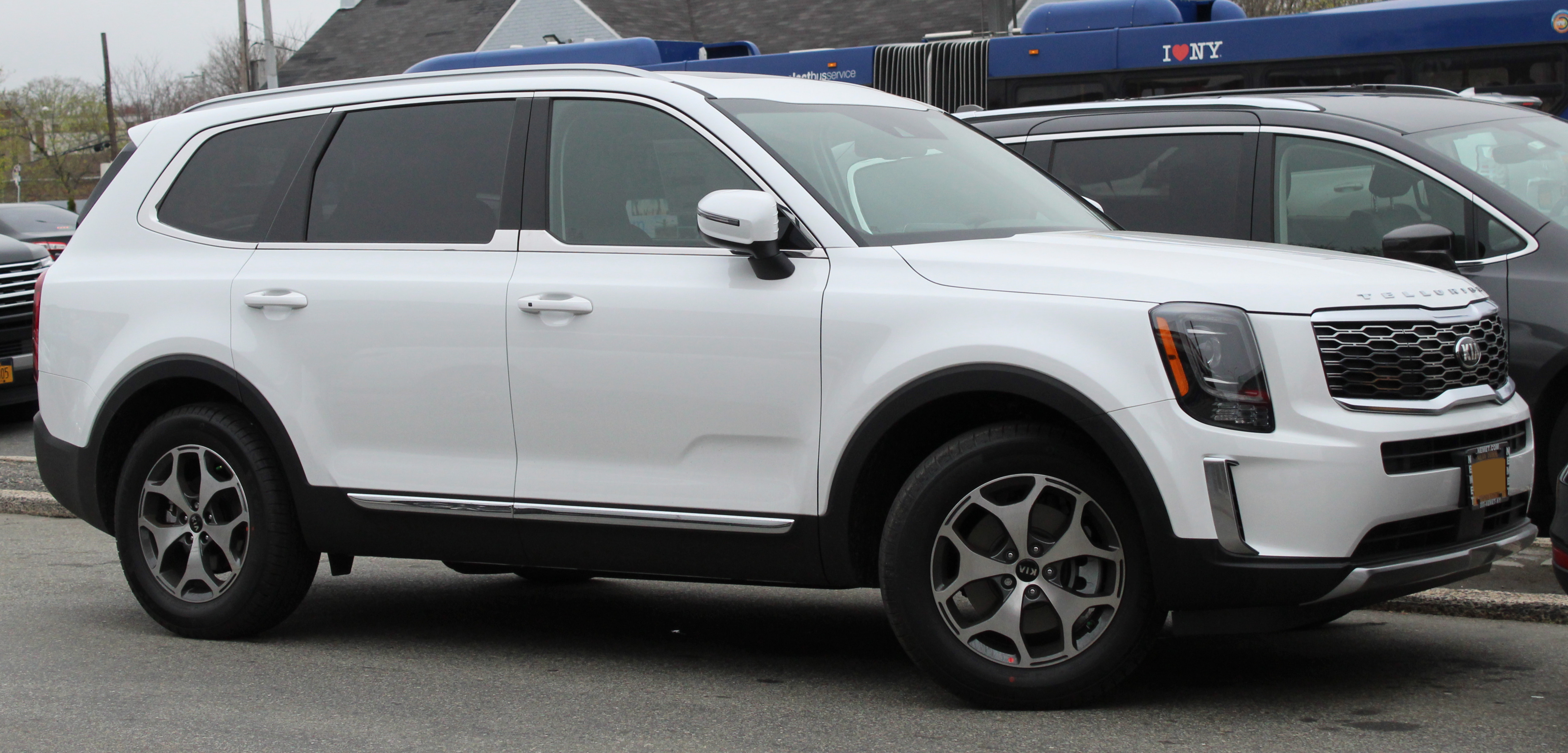
Kia Telluride
"Looks like a baby Telluride. Really nice interior. I think it'll do well. Well, and you know, it's, we talked about the S class before this."
The Kia Telluride is a bigger family SUV. They’re saying the Seltos is taking cues from the Telluride—especially the look and the screen/tech.
The Kia Telluride is a larger three-row SUV, and the hosts use it as a reference point for design and interior tech. Here, they’re specifically saying the new Seltos borrows a similar “style” and infotainment approach from the Telluride.
Android screen
"And you can still watch Netflix and YouTube because it's basically an Android screen. So putting a massive screen in S class, which has basically the same functionality as a $25,000 Celtos, where's the luxury in that?"
When the hosts say it’s an “Android screen,” they mean the infotainment system is based on Android software, which typically supports app-style features and streaming. They use this to argue the Seltos’s big display isn’t “luxury” in the traditional sense because it can deliver similar entertainment features to cheaper cars.

Ford Lightning
"But I don't know, like, I think I have YouTube and my Ford Lightning. I don't know what I'm doing with it. Like, I never use it because, you know, I walk away"
The Ford Lightning is Ford’s electric pickup. The host is saying they don’t really use the video/entertainment features, even in their EV.
The Ford F-150 Lightning is an electric pickup, and the host mentions it to illustrate how they personally don’t use in-car video apps. The point is less about specs and more about real-world usage of infotainment features in an EV.
proportions
"looks like a baby telluride, but they got the proportions right. It doesn't look like a squatted, shorty version of it."
When car people say “proportions,” they mean whether the different parts of the car look correctly sized relative to each other. Here, they’re saying the smaller SUV looks good because the wheels and other features were scaled properly.
In car design talk, “proportions” refers to how the sizes of key elements—like wheel diameter, overhangs, and lighting placement—relate to each other. The hosts are saying the Seltos looks right because the Telluride design language was scaled so the wheel and lighting proportions don’t make the car look awkward.

Chevrolet Trax
"... So it's nice to see. Yeah. On the HRV, Chevrolet Trax aren't kind of... Yeah. Or you run the risk of go..."
The Trax is a small Chevrolet SUV. It’s designed for everyday driving and easier parking than bigger SUVs. The podcast is comparing it to other similar-sized options.
The Chevrolet Trax is a small crossover SUV positioned for value-focused buyers. It’s often discussed alongside other compact crossovers because it competes on affordability and everyday usability. In the podcast, it’s mentioned in the context of comparing how different small SUVs fit certain preferences.

Hyundai Kona
"... of... Yeah. Or you run the risk of going Hyundai Kona, which is a little too far in the other direction..."
The Kona is a small SUV made by Hyundai. It’s designed to be easy to drive and park while still giving you SUV space. The podcast is basically saying it might be the wrong size or style choice depending on what you want.
The Hyundai Kona is a compact crossover SUV that’s positioned as a practical, smaller alternative in the SUV market. It’s often discussed because it can be offered in different trims and powertrain options, and because styling and packaging can appeal to different buyers. The podcast mentions the risk of going “too far in the other direction,” suggesting the Kona may not fit every preference compared to another choice being considered.
retune
"They have a tendency often to retune it for the US. Historically, the cars tend to be set up a bit softer in Asia than they are in the US and Europe."
Here, “retune” means the car’s settings are adjusted for different places. They’re talking about changing how the suspension is set up so the ride feels right on local roads.
In this context, retune means adjusting vehicle calibration—especially ride and handling settings—so the car matches the target market’s road conditions and customer expectations. The hosts specifically connect it to suspension feel, saying US/Europe setups are typically firmer than Asia setups.
shocks and the dampers
"I hope that they, if they are going to change play around with the shocks and the dampers and everything else that they don't go to, too far."
Shocks/dampers control how the car’s suspension moves over bumps. If you adjust them, the ride can feel softer or firmer.
Shocks and dampers are the components that control how quickly the suspension compresses and rebounds after hitting bumps. Changing their calibration is a common way to make a car feel softer or firmer without changing the whole suspension design.
adaptive air suspension
"but something like an S-Class. I mean, you're using an adaptive air suspension anyway."
Adaptive air suspension is a suspension system that can automatically adjust for a smoother ride. It uses air springs and computer control, and the settings can be different depending on where the car is sold.
Adaptive air suspension is a suspension system that uses air springs and sensors to automatically change ride height and damping behavior. The hosts mention it in relation to the Mercedes S-Class, implying that even with adaptive hardware, the software tuning can differ by market.
Honda S500
"...drove for the S-Class in Germany, it'll be called S500 here, but over there it's S450. So technically I ..."
The S500 is a Honda sports car name used for a classic model. It’s the kind of car that’s usually remembered for being small and fun to drive. In the podcast, the “S500” wording is used as a naming reference.
The Honda S500 is a small, classic sports car model that’s known for its lightweight, enthusiast-oriented character. In the podcast, it’s brought up because the host is discussing naming differences for a Mercedes model, noting that the S-Class is called S500 in one market. The mention is about the name “S500” rather than the Honda car’s role in the Mercedes context.

EX60
"...e in Europe last week, I think. Yeah, we did. EX, EX60, which is Volvo. Which I saw, they did like a lit..."
The EX60 is a Volvo model name mentioned in the podcast. It’s likely part of Volvo’s newer lineup and technology. The host is connecting the name to what they saw during a presentation in Europe.
The EX60 is referenced as a Volvo model in the podcast, suggesting a Volvo EV or new model designation being discussed after the host’s time in Europe. Model names like this often come up when brands roll out new technology and lineup changes. The conversation implies the host saw Volvo’s presentation and is connecting the “EX60” name to what was shown.

Volvo EX30
"I think that, you know, we owned a Volvo EX30 in the one-year road test fleet and for the entire year that we had it, it was just a constant tech nightmare. I mean, it got to the point where I was kind of the EX30 apologist for a long time, where I like the way it looks, I liked driving it, but you just, the screen was just unusable"
The Volvo EX30 is an electric Volvo small SUV. The host says the car relies a lot on a touchscreen for controlling things, and that caused frustration because the screen didn’t work well for them.
The Volvo EX30 is a compact electric Volvo crossover built around a heavy software/infotainment experience. In this segment, the host highlights that many vehicle functions are controlled through the central screen, which made the system feel unusable during their one-year road test.
Volvo EX60
"The EX60 has some of that. You still control things like the air vents through the screen. The big difference is the EX60 is running a Snapdragon processor for a lot of the vehicle functions. So everything responds quicker."
The Volvo EX60 is an electric Volvo. The host says it’s designed to feel smoother because it uses a faster computer (Snapdragon) and can update itself over the internet, so the car’s tech should work better.
The Volvo EX60 is an upcoming/introduced electric Volvo that, in this discussion, is positioned as a more polished software experience than the EX30. The host says it uses a Snapdragon processor for many vehicle functions, which helps the system respond faster and handle over-the-air updates more effectively.
Snapdragon processor
"The big difference is the EX60 is running a Snapdragon processor for a lot of the vehicle functions. So everything responds quicker."
Snapdragon is a type of computer chip. In a car, a faster chip helps the screen and software react quickly and run updates more smoothly.
A Snapdragon processor is a high-performance mobile computing chip family used in many consumer devices. In a car, using a Snapdragon-class processor typically means the infotainment and vehicle software can run faster, respond quicker, and support smoother updates.
over-the-air updates
"So everything responds quicker. It's better capable to receive over-the-air updates, put them out, you know, quickly."
Over-the-air updates are software updates sent to your car over the internet. Instead of taking it to a shop, the car can download and install improvements by itself.
Over-the-air (OTA) updates are software updates delivered to the car wirelessly, without visiting a dealer. For EVs and modern infotainment-heavy cars, OTA updates are often used to fix bugs, improve responsiveness, and add features after purchase.

Volvo EX90
"we finally finished it experience than, you know, the EX30, the EX90. And from what I hear, it's perfectly nice to drive."
The Volvo EX90 is another Volvo electric SUV mentioned here as a comparison point for software maturity. The host contrasts it with the EX60, suggesting the EX60 feels more cohesive and “finished” than the EX30/EX90 experience.

Tesla Model Y
"It's a good time for EX-60 to be launching. I mean, this is the car that competes with Tesla Model Y, BMW iX3, Mercedes GLC, Cadillac Lyric, I guess."
The Tesla Model Y is one of the most popular electric SUVs. In this discussion, it’s the yardstick the hosts use to explain who the Volvo EX-60 is trying to compete with.
The Tesla Model Y is a mainstream electric crossover/SUV that has become a benchmark for range, charging practicality, and pricing in the EV market. Here it’s used as the reference competitor for the Volvo EX-60’s target buyer and price band.

Mercedes GLC
"It's a good time for EX-60 to be launching. I mean, this is the car that competes with Tesla Model Y, BMW iX3, Mercedes GLC, Cadillac Lyric, I guess."
The Mercedes GLC is a luxury SUV model line. The hosts are listing it as one of the cars the Volvo EX-60 is meant to compete with.
The Mercedes GLC is a compact luxury SUV line, and in EV discussions it typically refers to the GLC’s electric variants. Here it’s included in the competitor list for the Volvo EX-60, signaling the EX-60’s target shoppers in the luxury crossover EV market.

Cadillac Optiq
"...MW iX3, Mercedes GLC, Cadillac Lyric, I guess. Or OPTIQ. Or OPTIQ. Yeah. It's priced around $60,000 to st..."
The Optiq is a Cadillac crossover SUV. It’s meant to be a newer, smaller Cadillac option. The podcast mentions its price to help place it among other cars being considered.
The Cadillac Optiq is a Cadillac crossover positioned as a newer, more compact option in the brand’s lineup. The podcast mentions it alongside other models and notes its approximate pricing, which is typical when discussing where it fits in the market. It’s brought up as part of a comparison of modern crossover offerings.
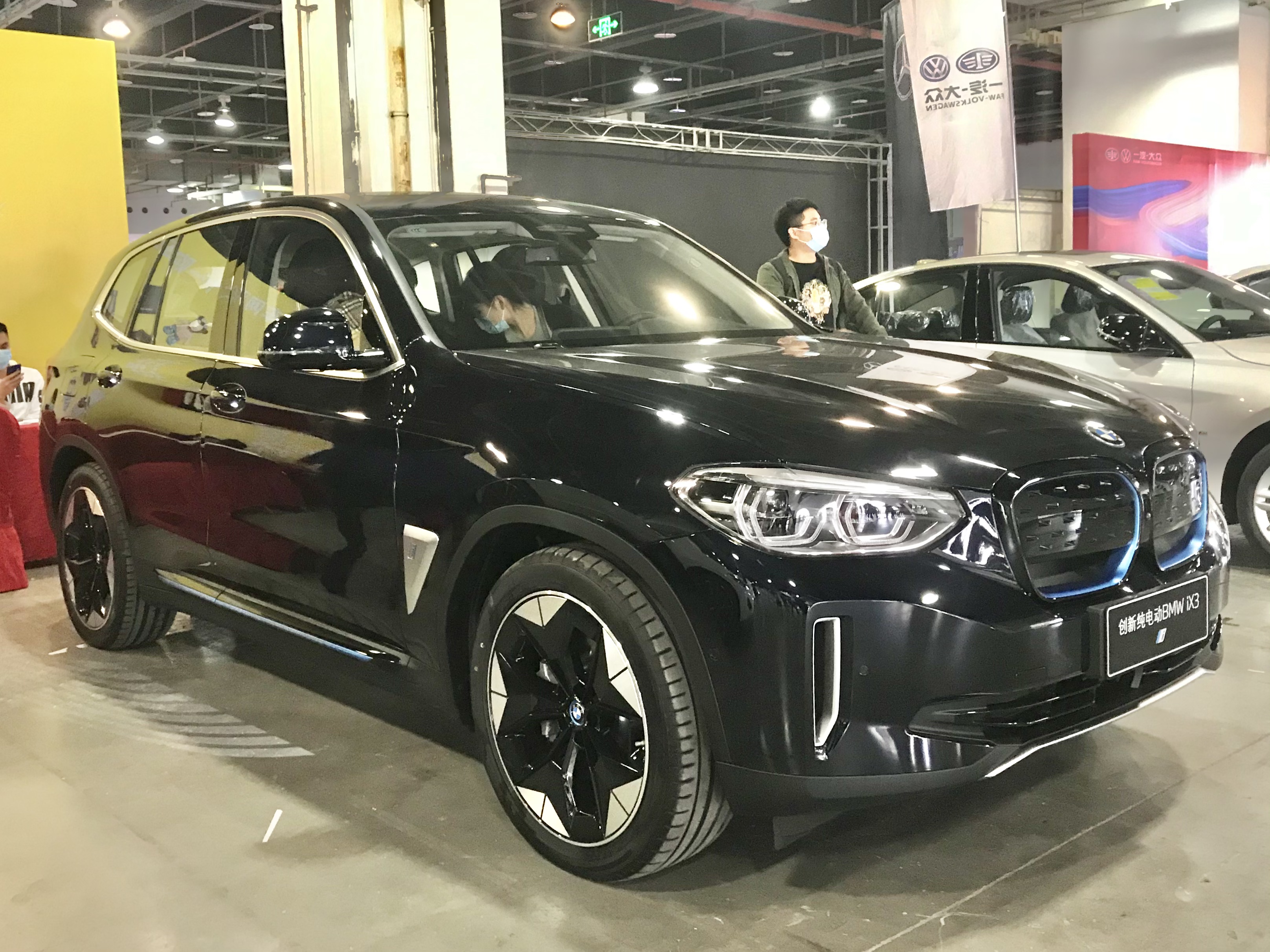
Bmw Ix3
"It's a good time for EX-60 to be launching. I mean, this is the car that competes with Tesla Model Y, BMW iX3, Mercedes GLC, Cadillac Lyric, I guess."
The BMW iX3 is BMW’s electric SUV/crossover. The hosts mention it as a competitor to the Volvo EX-60 for shoppers looking in this EV segment.
The BMW iX3 is BMW’s electric version of the X3-based crossover, positioned as a compact luxury EV alternative. In this segment it’s named as one of the direct competitors to the Volvo EX-60 in the same general price and size category.
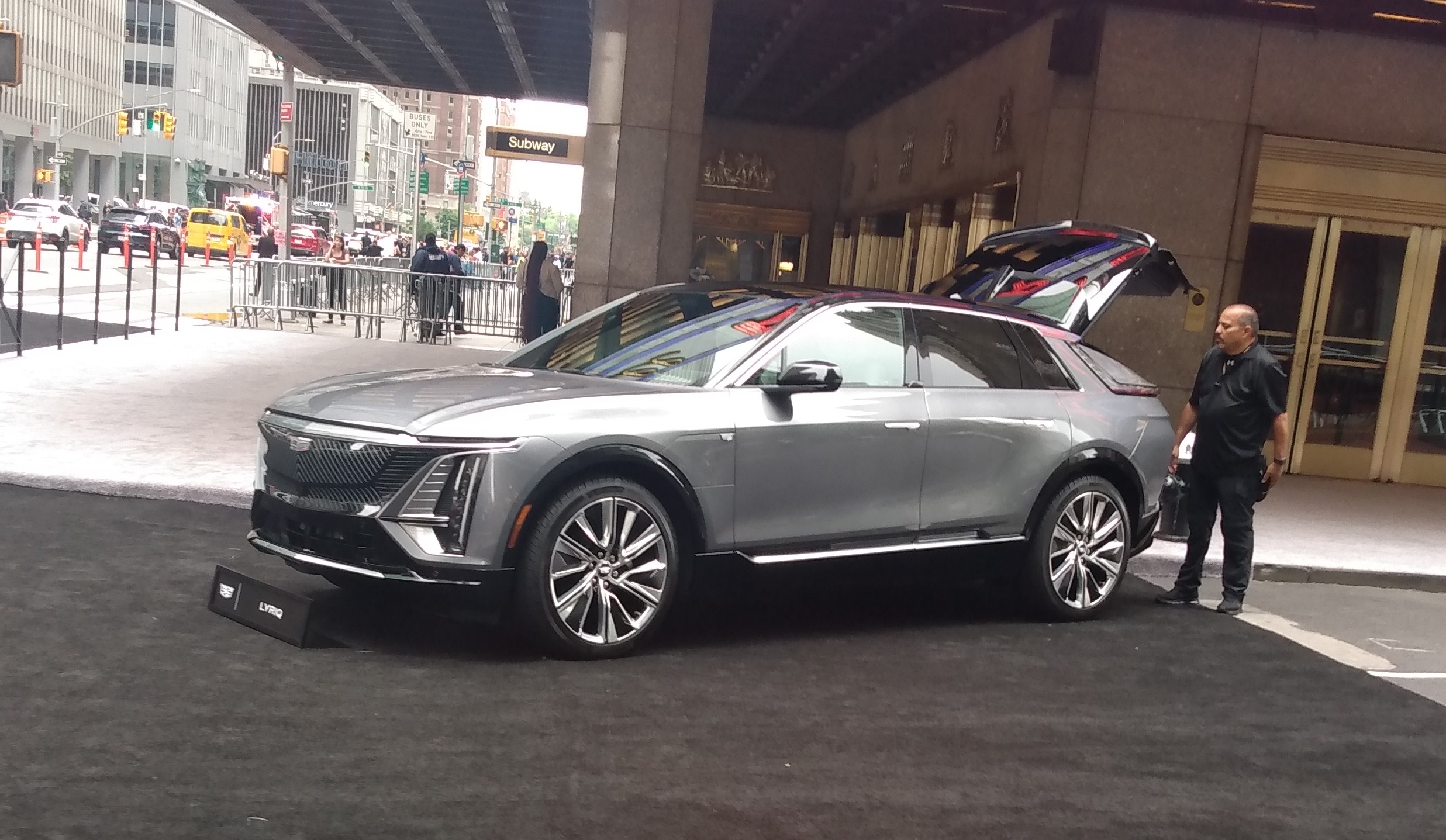
Cadillac Lyric
"It's a good time for EX-60 to be launching. I mean, this is the car that competes with Tesla Model Y, BMW iX3, Mercedes GLC, Cadillac Lyric, I guess."
The Cadillac Lyriq is Cadillac’s electric SUV. The hosts bring it up to show which other EVs shoppers might compare against the Volvo EX-60.
The Cadillac Lyriq is Cadillac’s electric luxury SUV, competing in the same broader EV crossover space. It’s mentioned here as part of the set of vehicles the Volvo EX-60 is expected to go up against.

Suzuki X90
"...this is the car also that's, I mean, frankly, the X90 needed to work. But this is the car that is that ..."
The X-90 is a small Suzuki vehicle with a unique look. It’s not a typical mainstream design, and the podcast is saying it had to work out to be a good product. The mention is more about the car’s overall concept than specific specs.
The Suzuki X-90 is a small, distinctive vehicle from Suzuki that’s known for its unusual styling and compact proportions. In the podcast, it’s mentioned as a car that “needed to work,” implying it had to overcome challenges to be successful. The discussion is using the X-90 as an example of a model that had to prove itself.

Volvo XC60
".... But this is the car that is that hardline, like XC60, that sort of mid-sized luxury SUV is where they'..."
The XC60 is a Volvo luxury SUV that sits in the middle size range. It’s meant to be a practical SUV that still feels upscale and comfortable. The podcast is saying it’s a main model for that mid-sized luxury SUV category.
The Volvo XC60 is a mid-sized luxury SUV that’s often treated as a key model for Volvo’s mainstream luxury lineup. It’s discussed because it represents a balance of size, comfort, and practicality in Volvo’s SUV range. In the podcast, it’s described as the “hardline” mid-sized luxury SUV segment where Volvo is aiming its buyers.
EV market in decline
"As Steve said, it's actually, you know, we talk so much about like the EV market in decline. But it is interesting. It is a good test case because suddenly put in the luxury market, there is now a lot of hot competition."
The phrase means that fewer people are buying EVs than before, or EV sales are slowing down. The hosts say the Volvo EX-60 is interesting because it’s launching into a more competitive luxury EV environment anyway.
“EV market in decline” refers to a period where overall electric-vehicle sales growth slows or reverses, often due to pricing, incentives, charging infrastructure, or consumer demand shifts. The hosts use it as context for why the Volvo EX-60 launch is an important test case despite broader headwinds.
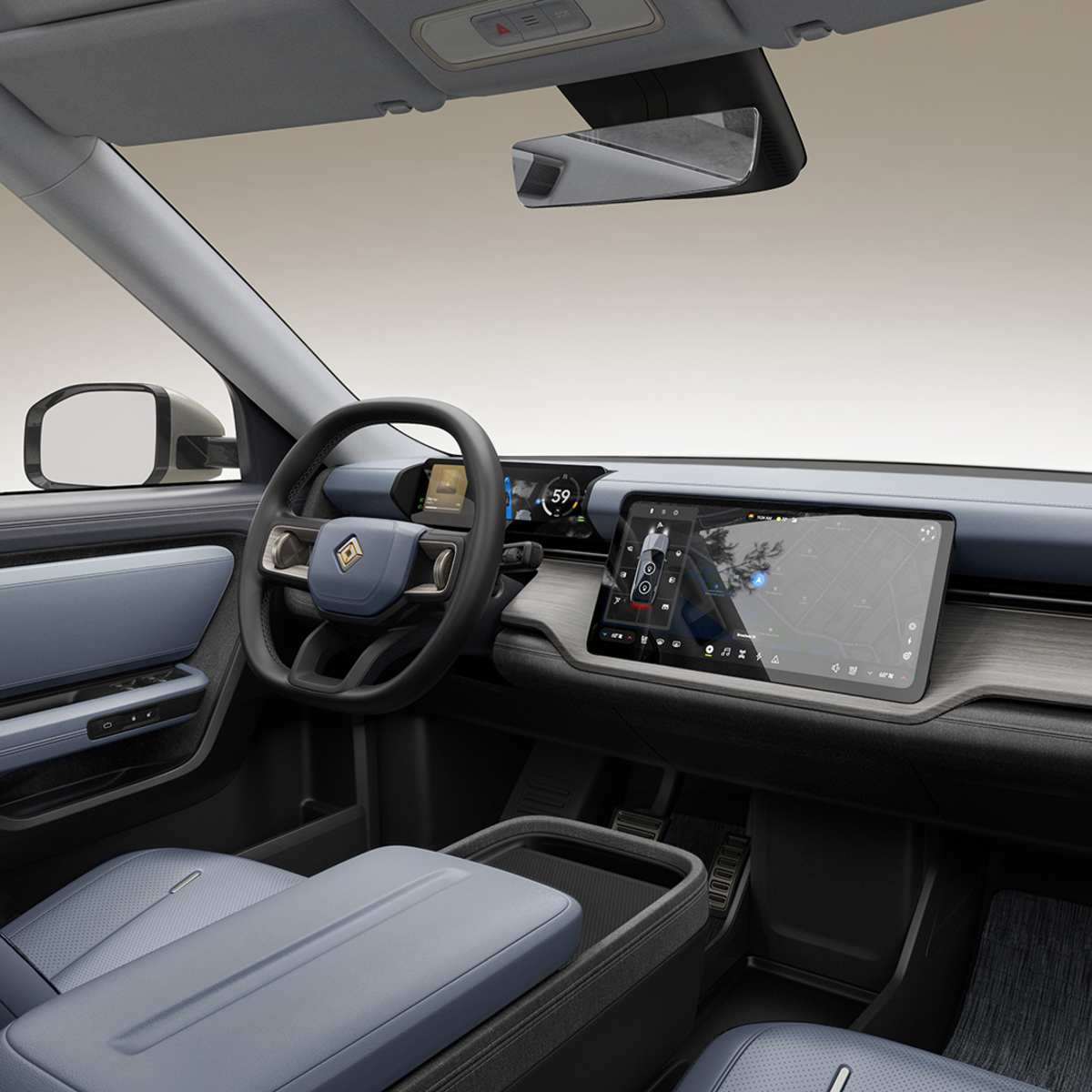
Rivian R2
"it is interesting. It is a good test case because suddenly put in the luxury market, there is now a lot of hot competition. The iX3 is seen as a good vehicle. This is coming in Rivian R2."
The Rivian R2 is Rivian’s next, smaller electric vehicle. The hosts mention it because it’s another EV that will compete for buyers around the same price level.
The Rivian R2 is Rivian’s upcoming smaller, more affordable electric vehicle intended to expand Rivian’s lineup beyond its current larger models. In this segment it’s referenced as part of the wave of EV competition in the $50k–$60k range.
transaxle
"Well, I also like the Volvo because it's, I don't know, it's a little bit more like. As Steve said, it's actually, you know, we talk so much about like the EV market in decline. But it is interesting... when you consider that the average transaxle price in your car is 50 grand, you know, these aren't crazy money in relative terms."
A transaxle is the drivetrain hardware that helps send power from the motor to the wheels. The hosts are using it to talk about how expensive the main power-transfer parts can be, and why these EVs might still make sense at their prices.
A transaxle is the integrated drivetrain unit that combines the transmission (gear reduction) with the axle(s) that deliver power to the wheels. In EVs, the “transaxle price” comment is used to argue that major drivetrain components can be a large cost driver, so EVs in this price band aren’t necessarily “crazy money.”

Bmw X3
"...e where a gas powered XC60 does everything that a BMW X3 will do. But the X3 has more kind of polarizing i..."
The BMW X3 is a smaller luxury SUV. It’s designed for daily driving but still aims to feel sporty. The conversation suggests that people don’t all agree on how it looks or feels.
The BMW X3 is a compact luxury SUV that blends everyday practicality with BMW’s driving-focused character. It’s often discussed because buyers compare it to other mid-size luxury SUVs based on comfort, tech, and how it drives. The podcast notes that the X3 can be “polarizing,” meaning some people like its style/feel while others don’t.
brand thing
"I don't like this idea that this like overt brand thing, like I don't want to be at somebody's billboard. Look at the Mercedes got like a billion stars on it."
The host is talking about cars that show off the brand logo and identity really loudly. They’re saying that can feel annoying—like the car is acting like a billboard instead of just looking good.
The host is critiquing an “overt brand” design approach—where a vehicle’s styling aggressively advertises the marque through prominent logos and visual identity. The underlying idea is that some branding strategies can make a car feel like it’s “trying too hard,” rather than letting the design speak for itself.

Volvo XC90
"...r going to the original tech presentation for the XC90, which was kind of the, this is probably going ba..."
The XC90 is a Volvo luxury SUV. It’s meant for comfort and space, especially for families. The podcast is talking about an earlier presentation of new technology that was tied to the XC90.
The Volvo XC90 is a mid-to-large luxury SUV that’s known for its family-friendly space and premium features. It’s often discussed when Volvo introduces new technology or design directions. In the podcast, the host references the original tech presentation for the XC90, implying it was an early showcase of what Volvo planned to bring to the model.
Request an Explanation
Heard something you'd like explained? We'll add it to this episode.
Sign in to request explanations for terms you heard.
Want to learn more?
Browse our glossary for plain-English explanations of automotive terms, jargon, and concepts.
Help improve this episode
See something that's not quite right? Our annotations are AI-generated and can sometimes miss the mark. Click the flag icon on any annotation to suggest a correction.
1 community members have helped improve this episode.