The episode dives into the current state of the car market, focusing on the rise of negative equity in car loans. Hosts Matt, Alistair, and Jessica Caldwell from Edmunds discuss how many consumers are underwater on their loans, especially after the pandemic-induced price hikes. They explore the implications of tariffs, the stability of vehicle prices, and the importance of considering leasing versus buying. The conversation also touches on the evolving landscape of EVs and the challenges of navigating the market's complexities, providing valuable insights for potential car buyers.
"...what we figured out a couple of weeks ago was that Alistair's in line for a Jaguar Type 00. That long nose, very interesting. It's got him enamored. I like it."
The Jaguar Type 00 is a special car from Jaguar with a unique long nose design. It's a concept car, which means it's not a regular model you can buy, and it's quite expensive, around $150,000.
The Jaguar Type 00 is a concept car that showcases Jaguar's design and engineering capabilities. It features a long nose design that has captivated many enthusiasts.
"...e of weeks ago was that Alistair's in line for a Jaguar Type 00. That long nose, very interesting. It's got hi..."
Jaguar is a fancy car brand that makes beautiful and fast cars. People often talk about Jaguars because they are seen as luxurious and fun to drive.
Jaguar is a luxury car brand known for its stylish design and high-performance vehicles. The brand has a rich heritage and is often discussed for its blend of elegance and sportiness, appealing to those who appreciate luxury and performance.
"It's not a lateral move to go from the little Genesis EV, the GV60 you have to the Jaguar"
The Genesis GV60 is a luxury electric SUV made by Genesis, which is a brand known for its high-end vehicles. It's designed to be stylish and packed with modern technology.
The Genesis GV60 is an electric SUV that represents Genesis's entry into the EV market, showcasing luxury features and advanced technology.
"...the big question that a lot of consumers had was, what are tariffs going to do to prices? And if we look back to the beginning of the second quarter..."
Tariffs are extra costs added to imported cars. If a country charges tariffs on cars, it can make those cars more expensive for buyers.
Tariffs are taxes imposed on imported goods, which can affect the prices of vehicles in the auto industry. When tariffs are introduced, manufacturers may raise prices to cover the additional costs, leading to higher prices for consumers.
"...it's going to have the, you know, it's going to be a scarcity..."
Scarcity means there aren't enough cars for everyone who wants to buy one. This can make prices go up because more people are trying to buy fewer cars.
Scarcity refers to a situation where demand for a product exceeds its supply. In the context of the auto industry, scarcity can lead to higher prices and limited availability of vehicles.
"...we are seeing price increases are our destination charges. So not necessarily as significant as vehicle prices, but those, you know, if you ask people, you probably think the average destination charge is like $700 and it's actually closer to $2,000 now..."
A destination charge is an extra fee that car companies add to the price of a car to pay for shipping it to the dealership. It's important to know this fee when you're looking at car prices.
A destination charge is a fee that manufacturers add to the price of a vehicle to cover the cost of transporting it from the factory to the dealership. This charge can vary significantly and is often overlooked by buyers when budgeting for a new car.
"...not necessarily reflected in the MSRP. So that's I think if you're a shopper out there, like look vigil, like look visually at some of the smaller..."
MSRP is the price that car makers suggest dealers sell their cars for. It's a starting point for how much you might expect to pay when buying a car.
MSRP stands for Manufacturer's Suggested Retail Price, which is the price that the manufacturer recommends that retailers sell a vehicle for. It's important for consumers to understand this price as it serves as a baseline for negotiations and comparisons.
"...we've seen some brands, I think like Porsche is a good example where they've been quite transparent and prices have just gone up. But that said, a kind of rarefied end of the market..."
Porsche is a famous car brand from Germany that makes fast and luxurious cars. They are well-known for models like the Porsche 911, which is a sports car loved by many.
Porsche is a renowned German automotive manufacturer known for its high-performance sports cars and luxury vehicles. The brand is synonymous with quality engineering and iconic models like the Porsche 911.
The Jeep Gladiator is a pickup truck that can go off-road really well. It has a truck bed for carrying things, which makes it useful for different tasks.
The Jeep Gladiator is a unique pickup truck that combines the off-road capabilities of a Jeep with the utility of a truck bed, making it versatile for various uses.
"...do you have to put $5,000 down? Do you have to put $4,000 down?..."
A down payment is the money you pay upfront when getting a car. It lowers the amount you need to borrow or finance.
A down payment is an upfront payment made when purchasing or leasing a vehicle. It reduces the total amount financed and can affect monthly payments and loan terms.
"...the Ionic 5, like you had mentioned, $200 a month, $4,000 down..."
The Ionic 5 is an electric SUV made by Hyundai. It's designed to be stylish and high-tech, making it a popular choice for those looking to drive an electric vehicle.
The Hyundai Ionic 5 is an all-electric compact crossover SUV that features a modern design and advanced technology. It is part of Hyundai's push into the electric vehicle market and offers various configurations to suit different needs.
"...the residual value of that vehicle is going to be less than 30,000. So you're buying it for 40, you're taking that lifetime cost..."
Residual value is how much a car is expected to be worth after you’ve owned it for a while. It helps you know how much money you might lose when you sell or trade it in later.
Residual value refers to the estimated worth of a vehicle at the end of a lease or after a certain period of ownership. It helps consumers understand how much depreciation a car will experience over time, which can impact decisions on buying or leasing.
"...whether or not an EV is for you, some people definitely don't want to keep it fair enough. They just want to lease it..."
An EV, or electric vehicle, is a car that runs on electricity instead of gas. This means it doesn't produce exhaust fumes and can be better for the environment.
EV stands for electric vehicle, which is a type of vehicle that is powered entirely or partially by electricity instead of gasoline or diesel. They are becoming increasingly popular due to their environmental benefits and advancements in technology.
"...the driveline components are different. There's no 30,000 miles of wear and tear..."
Driveline components are the parts that help the car move, connecting the engine to the wheels. In electric cars, these parts work differently than in regular gas cars.
Driveline components refer to the parts of a vehicle that transfer power from the engine to the wheels. In electric vehicles, these components differ from those in gasoline cars, as they often include electric motors and different types of transmissions.
"on the engine. There's no engine. I mean, it's the electric motors and how well do they hold up. And maybe we don't have enough information on that yet."
Electric motors are parts that help electric cars move by turning electricity into motion. They work differently than regular car engines that run on gasoline.
Electric motors are devices that convert electrical energy into mechanical energy, commonly used in electric vehicles (EVs) to drive the wheels. They are known for their efficiency and instant torque delivery compared to internal combustion engines.
"there was no gear oil changes or anything like that, like on the rear differential, like none of that, because the, so many cars today, those components have like 100,000 mile intervals on maintenance."
The rear differential is a part of your car that helps the back wheels turn at different speeds when you go around corners. It makes driving smoother and safer.
The rear differential is a component in a vehicle's drivetrain that allows the rear wheels to rotate at different speeds, especially important when turning. It also helps distribute power from the engine to the wheels effectively.
"we have a company that we do a lot of work with called Recurrent, they have a lot of data on, on sort of battery life and"
Recurrent is a company that studies electric car batteries to see how long they last and how well they work. They help people understand what to look for when buying a used electric car.
Recurrent is a company that specializes in providing data and insights on electric vehicle battery life and performance. They analyze battery health and longevity, helping consumers make informed decisions about used electric vehicles.
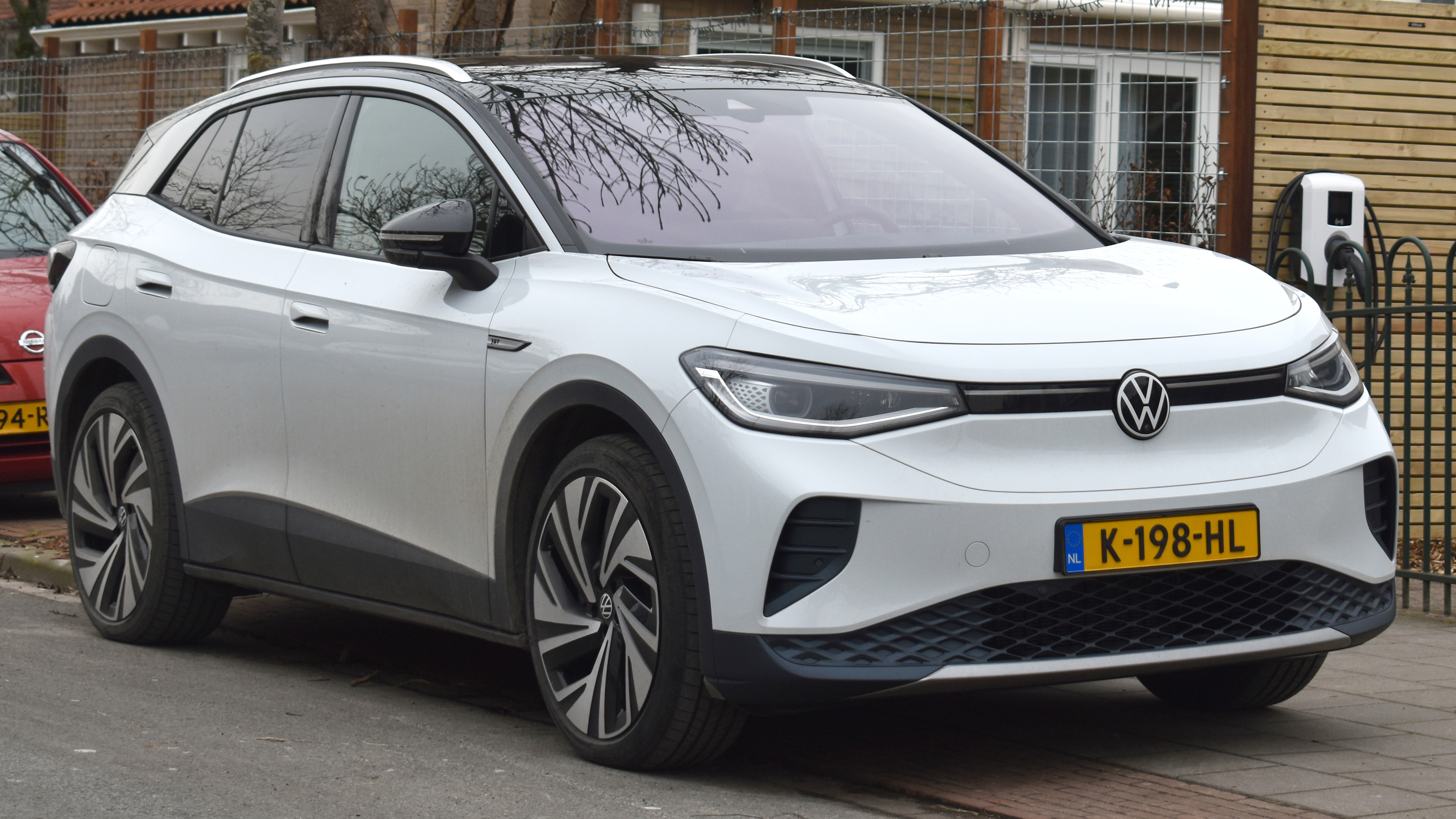
"...the reality is a three year old Model 3 or a Nissan Leaf or a Volkswagen ID4 or something like that..."
The Tesla Model 3 is a popular electric car that is known for being fast and having a long driving range. It's one of the first electric cars that many people consider buying.
The Tesla Model 3 is a compact electric sedan that has gained popularity for its performance, range, and advanced technology features. It represents a significant step in making electric vehicles mainstream.
"...s a three year old Model 3 or a night Volkswagen ID4 or something like that, over 200 miles of range, ..."
The Volkswagen ID.4 is a new electric SUV that can carry a lot of people and stuff while being good for the environment. It's designed to be easy to drive and has a decent range, so you can go far without needing to charge it often.
The Volkswagen ID.4 is an all-electric SUV that marks Volkswagen's entry into the electric vehicle market. It offers a spacious interior, advanced technology, and a respectable driving range, making it a competitive option for eco-conscious consumers.
"...decent technology over the air updates, Apple CarPlay, depending on the car."
Apple CarPlay lets you use your iPhone in your car, so you can listen to music, get directions, and make calls using the car's screen.
Apple CarPlay is a system that allows iPhone users to connect their devices to their car's infotainment system, enabling them to use apps, make calls, send messages, and access navigation features directly from the car's display.
"...here we're looking at SUVs that you'd mentioned, Alistair. SUVs, by a long shot, are selling more in this particular graph..."
An SUV is a type of car that is bigger and can be used for many purposes, like driving on different types of roads. They are popular because they have a lot of space inside.
SUV stands for Sport Utility Vehicle, which is a larger vehicle designed for both on-road and off-road driving. They are popular for their spacious interiors and versatility.
"...you think about the minivans out there, the Odyssey, you know, the Sienna, forgetting some of the other names..."
The Honda Odyssey is a minivan that many families choose because it has a lot of space and useful features. It's known for being dependable and good for everyday use.
The Honda Odyssey is a popular minivan known for its spacious interior and family-friendly features. It's often praised for its reliability and versatility, making it a top choice for families.
"...the only car Chrysler makes is the Pacifica..."
The Chrysler Pacifica is a family minivan that has many features to make traveling easier and more comfortable. It even has a hybrid version that uses both gas and electricity.
The Chrysler Pacifica is a versatile minivan that offers a range of features, including a hybrid variant. It is designed for families and emphasizes comfort and technology.
The Kia Carnival is a new minivan that looks modern and has many features that help families. It's designed to be both practical and stylish for everyday use.
The Kia Carnival is a newer entry in the minivan market, offering a modern design and a host of family-friendly features. It aims to combine practicality with style.
"...vehicles like Chevy Spark or the Aveo. Sadly, no one really misses those cars too much..."
The Chevy Spark is a small, budget-friendly car that's easy to drive in the city. It's not as popular as bigger cars like SUVs.
The Chevy Spark is a subcompact car known for its affordability and small size, making it ideal for urban driving. However, it has struggled with popularity compared to larger vehicles.
"...vehicles like Chevy Spark or the Aveo. Sadly, no one really misses those cars too much..."
The Aveo was another small, inexpensive car from Chevrolet that didn't sell well and is no longer available.
The Chevrolet Aveo was a subcompact car that was known for its low price but faced criticism for its performance and design. It was discontinued due to declining sales.
"...no one wanted a minivan, so those vehicles got shuttered..."
Minivans are cars that can fit a lot of people and their stuff, but fewer people want them now because they prefer SUVs instead.
Minivans are designed for family use, offering ample seating and cargo space. However, their popularity has declined as consumers have shifted towards SUVs, which are seen as more stylish and versatile.
"...I always get the question a lot is if Americans want K-cars. K-cars, that's it by me. Look at the last 15 years of a trend. Absolutely not..."
K-cars are small, affordable cars that Chrysler made in the 1980s. They were popular at the time but aren't really what people want to buy today.
K-cars were a series of compact cars produced by Chrysler in the 1980s, known for their affordability and practicality. They played a significant role in Chrysler's recovery during that era, but they are often viewed as outdated and not desirable in today's market.
"which is great for like Honda Beat. I can remember it was fantastically in the late 80s, early 90s."
The Honda Beat is a tiny sports car made by Honda in the early 90s. It's known for being fun to drive and very small, fitting the rules for K-cars in Japan.
The Honda Beat is a small, lightweight roadster produced by Honda from 1991 to 1996, designed to meet the K-car regulations in Japan. It features a mid-engine layout and is known for its fun driving experience and sporty design.
"So when traditionally go back to SUVs in the early 2000s, say, or before, they were body on frame. So basically trucks with"
Body-on-frame is a way to build cars where the main part of the car, called the body, sits on a strong frame. This is often used for trucks and SUVs to make them tough and good for off-roading.
Body-on-frame is a vehicle construction method where the body of the vehicle is mounted on a separate frame. This design is commonly used in trucks and SUVs, providing durability and the ability to handle off-road conditions.
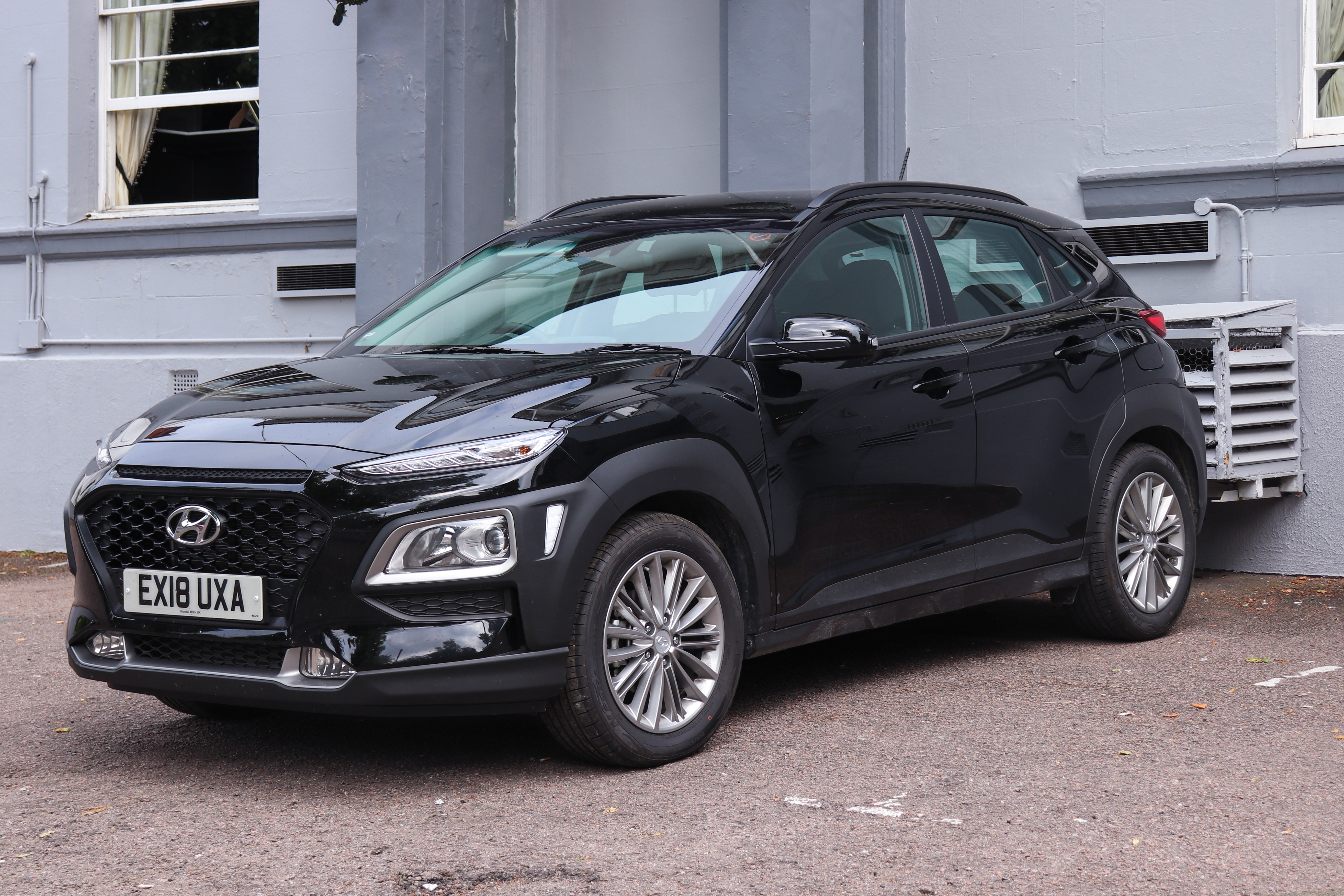
".... I know who do remember a big argument. Hyundai Kona or something maybe? Was it Hyundai Kona? We'd cal..."
The Hyundai Kona is a small SUV that looks cool and is easy to drive around town. It has enough space for passengers and their things, making it a good option for people who want a bit more room than a regular car.
The Hyundai Kona is a subcompact SUV that offers a blend of style, versatility, and advanced technology. It is designed for urban driving and features a spacious interior, making it a practical choice for those seeking a smaller SUV.
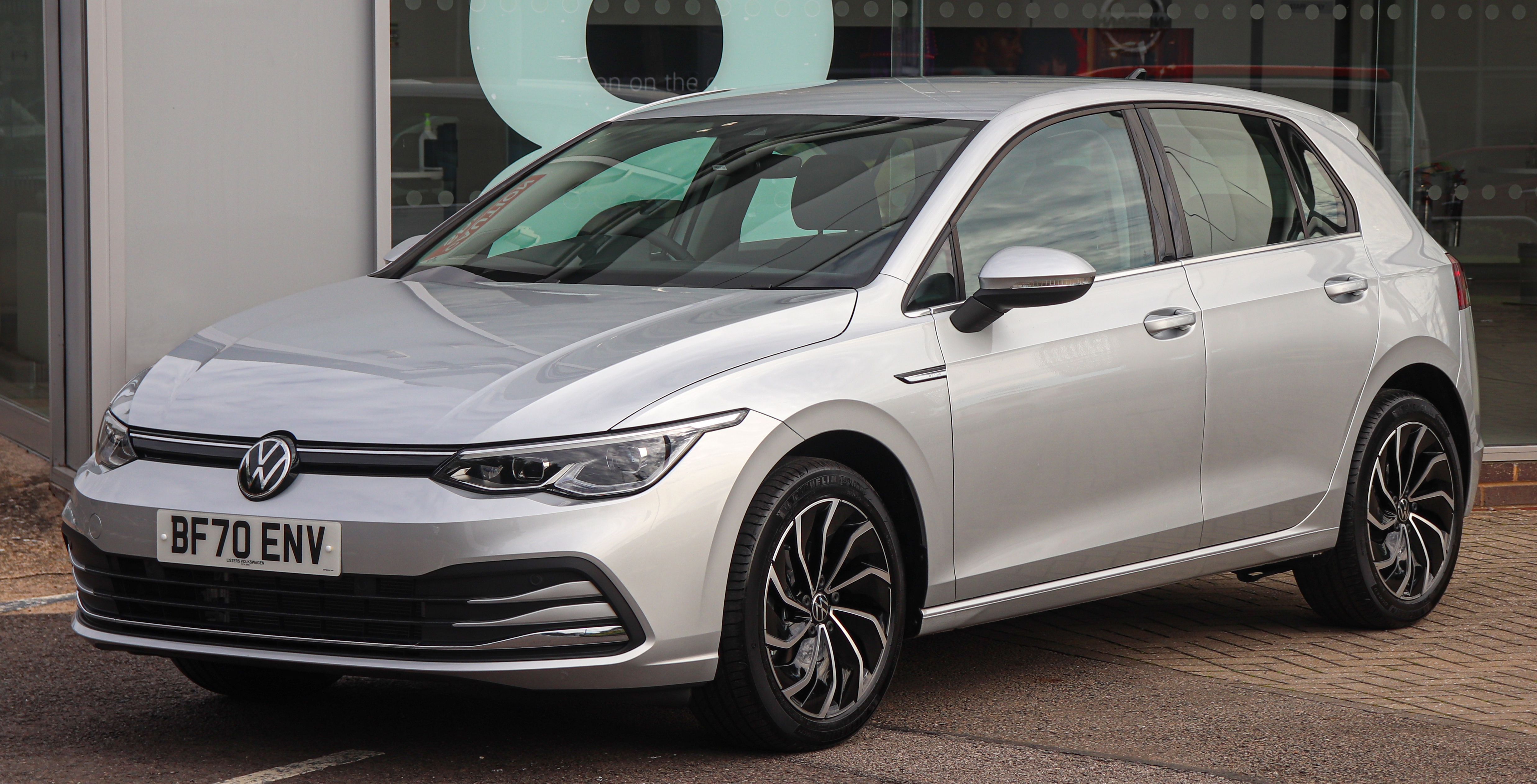
"...cially in the EV world, like we talked about the Ioniq 5, that's scaled up Mark II Golf when you look at t..."
The Hyundai Ioniq 5 is a new electric car that looks really modern and has a lot of cool features. It's designed to be eco-friendly and can go a long way on a single charge, which is great for people who want to drive without using gas.
The Hyundai Ioniq 5 is an all-electric compact crossover that has gained attention for its futuristic design and advanced technology. It represents Hyundai's commitment to electric vehicles and offers a spacious interior, impressive range, and fast charging capabilities, making it a significant player in the EV market.
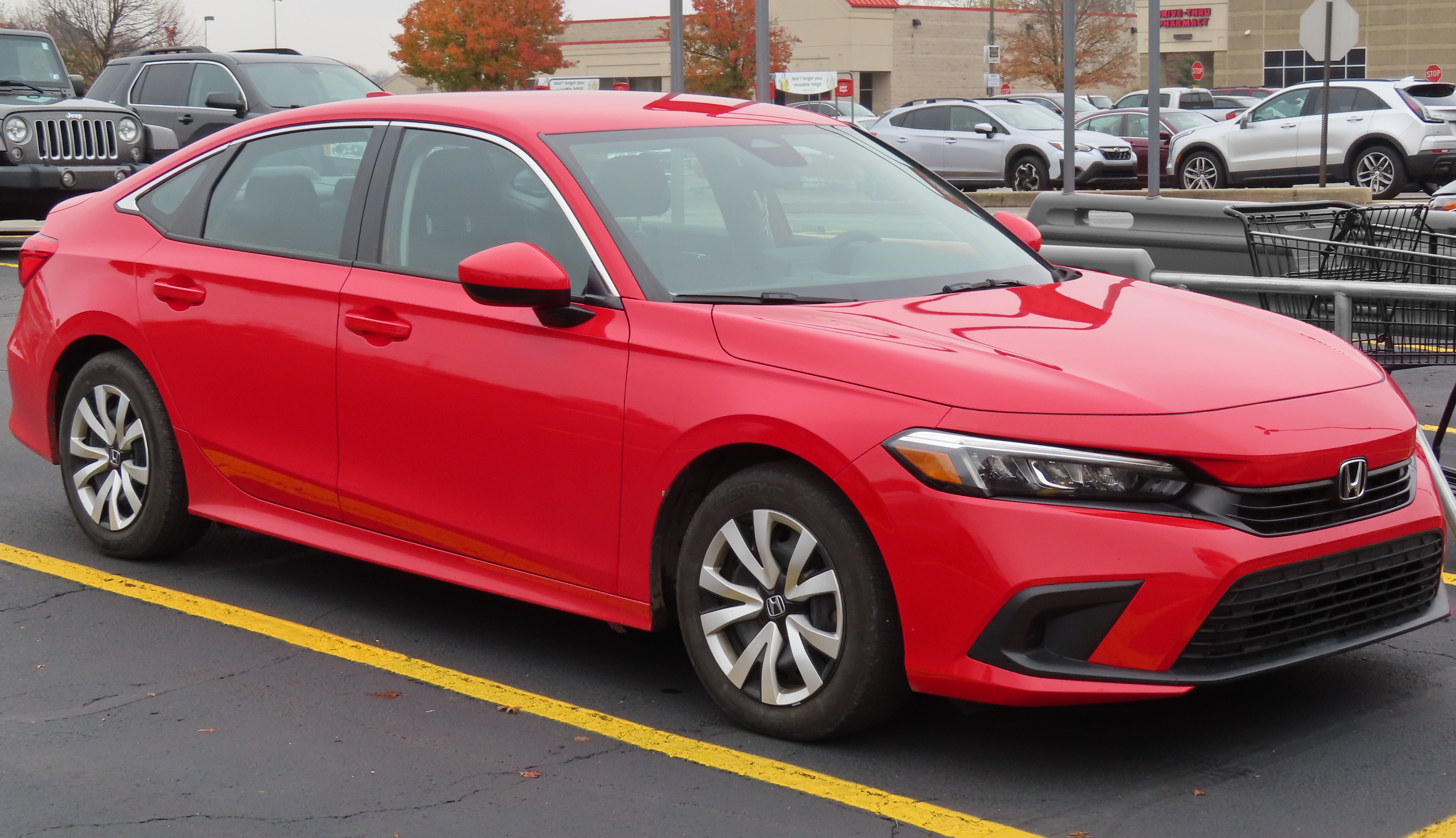
"... an Ioniq 5. I cross shop that with like a Honda Civic hatchback. Do I want the EV version? Do I want th..."
The Honda Civic is a small car that many people like because it's dependable and saves on gas. It's also fun to drive and comes in different styles, like a hatchback or sedan, making it a popular choice for many drivers.
The Honda Civic is a compact car known for its reliability, fuel efficiency, and sporty design. It has been a staple in the automotive market for decades, appealing to a wide range of drivers, from young professionals to families.
"...iving the, was it the Hyundai? Yeah, the Hyundai Palisade. It was great. Hybrid, three-row. The modern mini..."
The Hyundai Palisade is a big family SUV that can fit a lot of people and their stuff. It's comfortable to drive and has nice features inside, making it a great choice for families or anyone who needs extra space.
The Hyundai Palisade is a midsize SUV that offers three rows of seating, making it ideal for families or those needing extra passenger space. It stands out for its upscale interior, advanced safety features, and a smooth ride, positioning it as a strong competitor in the SUV market.
"...look at the size of a Civic today versus what an Accord was back in the day, that's not far off. So I do ..."
The Honda Accord is a larger car that many people choose because it's roomy and dependable. It has a lot of modern features and is good for both commuting and family trips.
The Honda Accord is a midsize sedan that has been a favorite among consumers for its spacious interior, reliability, and strong performance. Over the years, it has evolved to include modern technology and safety features, making it a well-rounded choice for many drivers.
"...s a lot of money. You see crazy loans for Toyota Camry. That's $55,000. A lot of times this is maybe Cam..."
The Toyota Camry is a popular car that many people trust because it's reliable and gets good gas mileage. It's comfortable to drive and has enough space for passengers and luggage, making it a great everyday car.
The Toyota Camry is a midsize sedan known for its reliability, comfort, and fuel efficiency. It has been one of the best-selling cars in the U.S. for years, appealing to a wide range of drivers with its blend of practicality and performance.
"...ide of all of this, Matt, is that you don't own a Cybertruck. I feel like those owners definitely feel your s..."
The Tesla Cybertruck is a new electric truck that looks very different from regular trucks. It's designed to be tough and can do a lot of work while being better for the environment since it doesn't use gas.
The Tesla Cybertruck is an all-electric pickup truck that features a unique, angular design and promises impressive performance and utility. It represents Tesla's foray into the truck market, aiming to combine sustainability with rugged capability.
"...ve done it with various cars and trucks, Ford and Mustangs and stuff. Go ahead. In my head, I go, okay, I g..."
The Ford Mustang is a classic sports car that's famous for being fast and stylish. It's been around for a long time and is loved by many people who enjoy driving and the thrill of speed.
The Ford Mustang is an iconic American muscle car known for its powerful performance and distinctive styling. It has a rich history dating back to the 1960s and continues to be a symbol of freedom and speed in the automotive world.
Select text to request an explanation
Hello, welcome to the EdmundsCarCast podcast. I'm Matt, the moderator, D'Andrea here with
Alistair Weaver and Jessica Caldwell. Jessica is the head of Insights at Edmunds. Always means
we're going to have a good, insightful, fact-based show. I'm always interested in crunching the
numbers with you. Welcome, Jessica. Welcome back. Thank you. Nice to see you guys.
Before we get things kicked off, let's talk about FanDuel. The wild card round is here,
and FanDuel is turning on playoff mode. All customers get a profit boost pack with every
NFL playoff game day. Each game day during the wild card round, you'll find a pack loaded with
multiple profit boosts waiting for you in the app. Take your shot on an upset or build a parlay that
fits the moment. Then apply your profit boosts and go after even bigger payouts when the playoffs
get rolling. So visit FanDuel, an official sportsbook partner of the NFL, and grab your profit boost
pack every NFL playoff game day. Must be 21 and over and present in select states for Kansas in
affiliation with Kansas Star Casino and 18 and over and present in D.C., Kentucky, or Wyoming.
Optin is required. Bonus issued as a non-withdrawable profit boost token. Restrictions apply,
including any token expiration and max wager amount. See terms at sportsbook.fanDuel.com.
Need help with a gambling problem? Call 1-800-GAMBLER or visit fanDuel.com
slash rg. In Connecticut, call 1-888-789-7777 or visit ccpg.org slash chat. In Maryland,
call 1-877-8HOPENY or text HOPENY. What do we want to talk about? We talked about
a couple of weeks ago with Nick on the show about some cars we were looking forward to this year.
I think we might have touched on a couple that were going away completely. But looking at the
industry in general and kind of where that's heading, did we have a good year last year?
Are we going to have a good year this year? What's happening with tariffs? Is everyone just
going to buy American-made stuff? Maybe we could take into some of those questions, right?
Yeah, we sort of did the, what should you buy? What are the products we're excited about? We
thought it'd be great to get Jessica on and also then look more broadly at the market,
how to buy, where are the deals, how to handle, if you're underwater on your lease or on your
purchase, which on your purchase I should say rather than your lease. If you're underwater,
which a lot of people sadly are, how to handle that and everything else. So this is your ultimate
shopping guide. There you go. What we figured out a couple of weeks ago was that Alistair's in line
for a Jaguar Type 00. That long nose, very interesting. It's got him enamored. I like it.
The problem with that car is it's going to be 150,000 bucks, I think. So I'm not in line on that
basis. I like the premise of it and maybe I am the target demographic is the next part abroad
and Jessica's husband's also British, but how many of us are going to spend $150,000 on those?
It's not a lateral move to go from the little Genesis EV, the GV60 you have to the Jaguar
Type 00. It's not. But one can hope, cross your fingers. Let's see.
I think the new marketing campaign got Alistair. He was like, he saw that new look and he was like,
I'm in. Was it Miami? I think that they unleashed that. I think it was very me. I think I was back
on. Should we talk about serious shopping advice? Yeah. And I'm going to bring up one of the Edmunds
pages for the YouTube Watchers and also give us some reference ourselves here, what we're digging
around to. So this is a page published on the Edmunds site now. These are some trends that will
shape the U.S. auto market in 2026. Who wants to start? You want to walk us through some of this?
Yeah. I can start. I think I'm pretty familiar with this piece.
Yeah. Could you read it?
I would help. I mean, ran it was a month ago. So I mean, a lot happens between mid-November
and mid-January. So who knows. Yeah. I mean, I think obviously 2025 was a pretty turbulent year
for the auto industry. And I think the big question that a lot of consumers had was,
what are tariffs going to do to prices? And if we look back to the beginning of
the second quarter, even the end of the first quarter, we had a lot of people buy cars at
that time. Car sales actually shot up quite significantly because people weren't trying
to buy ahead of the tariffs because the predictions were when they hit, prices will go up.
We will be able to afford vehicles. It's going to have the, you know, it's going to be a scarcity
effect. Everything, you know, the sky's falling basically. And the reality is a lot of that didn't
actually happen. When we look at prices in October, a lot of vehicles had got onto the 2026
model year at that point. Prices were relatively flat compared to, if you look at just MSRP's,
where they would have to, automakers would have to increase prices. That's where it would happen.
We're pretty flat compared to 2025. I mean, there were some models in which it made sense that
there was an increase, like there was a design change, new engines, nicer trim levels. In those
cases, we did see price increases for those, but the actual price difference, if you just look at
all of MSRP's from an aggregate level at that point versus March, it was increased less than 1%.
So at that point, you know, tariffs were, you know, they were, maybe they weren't applied to
all inventory. There were still a lot of vehicles, you know, on the lots at that point in time,
but still not necessarily a significant increase. So we have seen new vehicle prices remain pretty
stable. And I think that's probably good news considering that if you have been a car shop
or out there for the past few years, things have felt pretty turbulent. So that I think is, you
know, is something interesting as we go into 2026 where we could see some prices go up. We just
haven't seen a lot of evidence where we are seeing price increases are our destination charges. So
not necessarily as significant as vehicle prices, but those, you know, if you ask people, you probably
think the average destination charge is like $700 and it's actually closer to $2,000 now. Some vehicles
it's $3,000 plus. It's climbed significantly just in the past year. So there may be some hidden costs
that we're seeing related to tariffs, but not necessarily reflected in the MSRP. So that's I
think if you're a shopper out there, like look vigil, like look visually at some of the smaller
print and smaller numbers. So I've got a question to this because I also sort of been tracking it.
And I think I agree. I've also seen this little trend for sort of hiding a couple of ground
in destination or wherever these little little pockets of unseen money. But where obviously
tariffs are having an impact that is not like the money the tariff cost has gone away. And we've seen
some brands, I think like Porsche is a good example where they've been quite transparent and prices
have just gone up. But that said, a kind of rarefied end of the market. And they probably think
that customers could afford it further down the market into the sort of more mainstream. You're
right. You know, you haven't seen this massive increase. So what's happening? A manufacturer's
just saying, look, people can't, you know, we can't have a 50 grand car becoming 60 grand. Therefore,
we've got to swallow the costs. And if that's the case, is that sustainable in the medium term? Or
are they just going to start eking up prices over the next few months? Yeah, take a look at some
of the Q3 finance reports from the automakers, and you'll see where the money is gone. You'll see
$50 million losses in some cases. You know, just a lot of money. So no, you're right. This is not
sustainable. At some point, something has to give. So I just don't know if it's given yet. So that's
why I think as I look to 2026, will there be less shoppers out there? Probably. And I imagine,
and we're seeing it now, because we're seeing people with older vehicles trade them in quite
quicker, because people want to hold on to their cars. They're probably more fiscally conservative
out there, those type of shoppers. And then they're thinking, Oh, God, tariffs are coming up better
by now. So they went and they bought. And then now you have people, those same folks that are
more fiscally conservative thinking, should I buy? And I think I'm just going to hold and wait. So
you see it definitely in different ways, how people are reacting to just some of the macro
news that we're seeing. But yeah, eventually, it's going to have to manifest somewhere. Automakers
will eat a lot of it. I think they were saying like one third, one third, what their customer
pay third suppliers pay third, my automakers pay a third. And that has not happened from what I
could see. It's not sustainable in the long run. Like right now, what you're talking about was sort
of the immediate solution. And that's why the automakers have taken such a financial hit. Like
you said, look at their annual reports, look at their quarterly reports and see what kind of
hit they've taken. But on the long term basis, yes. And Alashi, right, we talked about this before,
where some of these fees, these tariffs are being hidden into the destination and delivery
charges. That way they can advertise the car for a competitive price. Come buy this car for $39.95.
But it's not quite the same when that destination charge has happened. But
the, I don't know, two weeks ago, a week ago or so, when Ford Racing did their big press
announcement, now we're starting to see more of the interviews that happened with the management
team, their CEO, Jim Farley, and several other people. And one of the things that
he had mentioned, and this is probably going to be true for all the car companies,
he's just saying, in the long term, to deal with all of this, we just won't be able to continue
to make the cars the way we've been making them. We can't have 2,000 people on assembly line and
have it take two hours and have 50,000 parts. We need to cut the amount of people it takes,
the amount of time it takes, the amount of parts it takes, and come up with just more
simplified modular systems overall. That will hopefully introduce more affordable cars as well,
which I think we'd all like to see. Because what's the average price now? $48,000?
A little over $48,000. Yeah, that's a lot of money. It's a lot of money.
It's a lot of money. I mean, no interest rates have come down a little bit,
but they're still higher than they've been in recent years. So I think it's like that whole
factor, isn't it? It's like the affordability is not just about the price.
It's about what can you, what does that monthly deal look like? It's also so dependent on
market. We have a page on the website called Hidden Gems, if you just Google Edmunds Hidden Gems,
and it's kind of been a little bit of a work in progress. We've gradually, we talked about it
once on the show, but we've gradually refining this product, and this is about surfacing all of
the best deals in your area. And I'm getting a bit obsessed by it, just out of curiosity.
And we're probably looking at ones for Southern California, but there's some crazy deals on the
face of it. You're looking there at a Hyundai Ernic 5. This is a $50,000 vehicle, 200 bucks
a month with only $4,000 down. It's not like there's a huge down payment. Jeep Gladiators,
309 for a 39 month loan. These are, to your point, Jessica, who's holding the baby at the
end of this? And if you're Hyundai, then you're putting an awful lot of money next to an Ernic
5 just to shift the volume at 199 a month. Yeah, definitely take a look. I think the thing that
probably stands out to me here is you need to look at the MSRP and how they relate. And then
there's not really a font change between 36 and 24. So I think as you're doing the math here,
I think it makes a lot of sense to think about this in terms of if you're thinking about how
good is this deal? I mean, we're telling you whether it's a five out of five, or a four out of five,
or three out of five. But yeah, I mean, what you should see here is definitely great EV deals.
Auto makers still have to move the metal on that. The federal tax credit, the $7,500 tax credit is
over. So that's not being applied to leases anymore. As a result, we've seen lease rates
for EVs drop from about 70% to 50%. Still relatively, I mean, still actually very high
compared to the industry. But we know that the deals are still out there because a lot of people
are still leasing them in terms of leases. And I think this page pretty much shows that. So anyone
that's out there thinking that the era of EV lease deals are over, it's not over quite yet,
because they still have to move. But it may be a window of time before automakers started just
production more. So there's just less maybe EVs for sale at this point in time. Things could
change though, because we're talking about all this, like it will last forever. We couldn't
three years see a new administration with different priorities. And all of a sudden,
everything we're talking about looks very dramatically different. So it depends when
you are in the market for a vehicle. So this is a good page because a little while ago,
I talked to someone who was at a dealer and I said, hey, what's the deal? I'm seeing these
billboards for like a Honda, EV, cheap lease rate. And then he came back to me and there was
a massive down payment. So in this page that you guys have put together helps create some
transparency on that. Listen, do you want to lease something for a few hundred dollars a month,
but do you have to put $5,000 down? Do you have to put $4,000 down? That's kind of the fine print
on a lot of these ads and commercials and billboards that you see for the new cars.
You know, the Ionic 5, like you had mentioned, $200 a month, $4,000 down, but maybe $4,000 down
is too much for some people. Yeah, if you click on the value, well, it says five out of five
value there, Matt, if you click on that, this is where we have some of the information. The figure
that I quite like on this is obviously mileage allowance, 10,000 miles is probably okay for most
EV users. But then that lifetime cost I think is really interesting because that's basically what
you're going to pay over the life cycle at lease, lease, lease, lease, whether it be like 36 months,
24 months. And I think that's kind of a great number because that's just like how much is
actually going out your pocket out of your bank account. Yeah, that's a good number not to be
confused with like the maintenance costs that come up in long term reports. This is what the
thing is going to cost you with your down payment, your lease all in for the term, in this case,
36 months. And that gives you an insight into kind of the incentives as well because if you think
of this as a, you know, 45, I think depending on the trim, let's call it a $40,000 vehicle,
you know, in three years time, the residual value of that vehicle is going to be less than
30,000. So you're buying it for 40, you're taking that lifetime cost. So you can see that Hyundai
is putting money against this instantly. But in a sense, as a consumer, who cares? You know,
you're not interested in whether Hyundai is losing money or making money. Really, what you're
interested in is what's it costing me? The question is, is tax factored into this or no,
because it's too complicated to figure out tax in each area?
Most of these figures, Jess, I was just going to correct me if I'm wrong. There'll be plus tax,
plus sales tax. I think so. Yeah, I'm not sure. Yeah. Because it's tough to say specifically
what your state and city tax would be like. Now you're doing a big compliance research project,
which I don't think you want to dig into. Okay. So I think, is it fair to say,
Jack, at the moment, when we look at the market that EVs are still where the real deals are to
be had? It feels like it looking at this page and other research. Yeah, there definitely are a lot
of deals. I mean, for so long, EVs were the best deal in the market. And I think that is, in a lot
of sense, still true. The one thing, though, is these vehicles are competing against the used.
And the used deals are really great for EVs as well, because you have relatively new vehicles,
low miles, that are coming back. We knew so many of them, like I said, 70% plus in many
months were leased. So the volume is there. And the prices are pretty low. And the interesting
thing is that people are starting to realize that because we're seeing that these vehicles are
selling faster over time. When we look at how long they sit on the dealership lot, it's definitely
has decreasing. So I think when you are evaluating whether or not an EV is for you, some people definitely
don't want to keep it fair enough. They just want to lease it, do the three years up. And that happened
a lot with new technologies. But also, you know, if you're just looking at price and being very
price sensitive, and the used market is also an interesting one to look at for EVs, because
there it looks a lot different now than three years ago. The used market for EVs is interesting
because many EVs have not really held their value. So the used market, they're less expensive than
maybe comparable gas engine cars. But also, when you're shopping for an EV or a leaseback and it's
got, you know, 30,000 miles on it, it's not exactly the same 30,000 miles as your gas engine car,
right? Like, yeah, suspension, tires, some wear and tear on the interior, but essentially,
not much else. Like, the driveline components are different. There's no 30,000 miles of wear and tear
on the engine. There's no engine. I mean, it's the electric motors and how well do they hold up.
And maybe we don't have enough information on that yet. But, you know, you don't ask questions like,
was it in for regular oil changes? And what sort of, you know, like, I took my truck in,
they're like, come in for the 20,000 mile service. I'm like, okay, what is it? They literally told me
tire rotation and a cabin filter. I was like, there was no, there was no gear oil changes or
anything like that, like on the rear differential, like none of that, because the, so many cars today,
those components have like 100,000 mile intervals on maintenance, right? The gear oils and things
like that. So, you know, you, you could argue that you might be getting a little bit better car
if you're getting a used EV. I think all the data that we've seen, and we have a company that we do
a lot of work with called Recurrent, they have a lot of data on, on sort of battery life and
everything else. We talked about this before, it's not like your iPhone, you know, two years into your
life of your iPhone and basically the battery's junk or not far off. That's just not, not the case
with cars. And also the technology in the last three years, although things have improved,
range has gone up, that sort of thing. It's not the quantum leap that we say saw from like early
versions of the Nissan Leaf to the Tesla Model 3. The reality is a three year old Model 3 or a night
Volkswagen ID4 or something like that, over 200 miles of range, plenty fast enough space,
decent technology over the air updates, Apple CarPlay, depending on the car.
So it's not like you're buying something that instantly feels old tech. And yes, the only,
probably the biggest change in the last couple of years has been people adopting the different
plugs, a Tesla style plug. But you can handle that through an adapter as well. So I don't think the
fear factor of buying a three year old EV is there now, that it was three years ago, because if you
go back six years, the technology was quite different. But in the last three years, it's been
incremental, I would say. Yeah, I think that's why it's caught on. Yeah, to the mainstream,
because, you know, they're not buying, you know, compliance cars, as we would call them,
500Ds or something like that. They're actually buying cars that they want to drive. So,
and it seems like people are realizing that and hence why they're selling so fast off the use
off the use market. So I mean, it's good. But it's something that needs to be fed.
Going back to the page and looking at the charts and looking at the vehicles that
that are selling. And, you know, here we're looking at SUVs that you'd mentioned, Alistair. SUVs,
by a long shot, are selling more in this particular graph. The SUVs are selling by a huge middle
finger compared to the others, as you can see here. And poor little vans right down here,
a little tiny segment. Is there a deal there? Should we all drive a van?
Actually, no. They're not actually really great deals. It is a small market. But there's, you
know, when you think about the minivans out there, the Odyssey, you know, the Sienna,
forgetting some of the other names, that's how much we talk about them. Chrysler,
I think all they have is the minivan, right? The Chrysler, the only car Chrysler makes is the
Pacifica. Kear Carnival is another good one. Yeah, right. I think because there is a reasonable
demand out there for these minivans that we don't always see. You think, oh, nobody wants a minivan,
but there's not very many of them. It's not like there's hundreds of them running around. So you
got like a few options that people actually will consider. Yeah. And the deals are not generally
as great, especially on the use market. People are thinking, oh, I'm going to get myself a
used minivan. That's a good idea. Yeah. It's interesting. So this statistic here on sales,
looking at the graph, how many SUVs are sold compared to cars and trucks and vans,
I would say that's also kind of in line with the amount of options out there,
just like how many vans are available. Like you said, how many car makers have so many SUVs
available, different variations on and then classifying so many things as SUVs. There are
so many small compact, we can call them SUVs or crossovers that fall into that category.
It's basically just, some of them are basically just station wagons that are a little bit
taller, I think. That SUV market has really gotten massive and kind of, I don't know,
maybe a little confusing. Yeah. I mean, but when you look at this chart, it didn't happen
by happenstance. This is not driven by anything but the US consumer because when you think about it,
cars were so popular. But the reason why they stopped selling so many cars and saw many options
is because they've just lost their popularity. You think about vehicles like Chevy Spark or the
Aveo. Sadly, no one really misses those cars too much. And through the 2010s, interest rates were
low. The prosperity felt better. People wanted bigger and bigger vehicles. And as a result,
all those smaller car brands got shuttered and now they are selling SUVs instead. And same thing
with minivans. It was like there were many more minivans on the market. SUVs became cooler. No
one wanted a minivan, so those vehicles got shuttered. And now we're at a point where we
talk a lot about affordability. There's no affordable options in the new car market anymore.
But a lot of it was driven by us because we wanted more amenities, more technology, more
features, bigger vehicles through a more prosperous period following the Great Recession.
So what we're seeing today is a result, but it'll be interesting to see at the pendulum shifts.
It may swing back a little bit. I think it may be more affordable vehicles,
maybe smaller scale SUVs, but that's not necessarily what the American public wants.
And it is funny, because I'm curious what you guys think, because I always get the,
I've been getting the question a lot is if Americans want K-cars.
K-cars, that's it by me.
Look at the last 15 years of a trend. Absolutely not. They do not. They think they're cute,
but do they want to buy them? No.
I think the problem is you don't want to get K-cars in case anybody's wondering,
what the hell is a K-car? That's a little Japanese car, which is a tiny, tiny footprint,
which is great for like Honda beat. I can remember it was fantastically in the late 80s, early 90s.
But also the other problem with cars like that is when the person next to you is in an EV truck
that weighs 10,000 pounds, it's a pretty scary place to be. I think some of the, some of you go
back to the SUV thing. You're right. The technology has changed. So when traditionally go back to
SUVs in the early 2000s, say, or before, they were body on frame. So basically trucks with
front and those vehicles still exist for off-roading. But today's SUVs are really just
cars with a slightly different body shape. And that means from a fuel economy perspective and
everything else, it's not this big quantum leap. It's not costing more to run. And also manufacturers
now call everything an SUV. I think we've gone into various arguments with money. I think it was a
Kia, it was a Kia Nero or something or back in the day. I know who do remember a big argument.
Hyundai Kona or something maybe? Was it Hyundai Kona? We'd called it a car on the site because
basically it was like a little hatchback. It's like a little hatchback. Yeah. It's a hatchback,
right? And Kia, I think it was Kia or Hyundai or one of them just went nuts and said, no,
this is clearly an SUV. And it was like, it's a front-drive hatchback. And it was like,
there was a big fight about the fact that we called it a car. And I mean, especially in the
EV world, like we talked about the Ioniq 5, that's scaled up Mark II Golf when you look at the kind
of silhouette of it. I agree. I mean, I kind of consider an Ioniq 5. I cross shop that with
like a Honda Civic hatchback. Do I want the EV version? Do I want the Ioniq 5? Or do I want
the gas version, like an Honda Civic hatchback? I don't really think of it as an SUV. What am I
doing with it that's more utility vehicle-ish? You're not going off-road with it, right? I mean,
now they've got the off-road version. I forgot what they're calling it. XRT. Yeah, the XRT.
And you're right to the point about minivans and things. We've got really nice three-row SUVs,
actual large, and they're not body on frame, and they're fuel efficient. And a few weeks ago,
when I was talking about driving the, was it the Hyundai? Yeah, the Hyundai
Palisade. It was great. Hybrid, three-row. The modern minivan is basically just an SUV
with a sliding door, pretty much. If you look at what the Kia Carnival is, and we have one in the
in the one-year ownership fleet. But yeah, so the markets, the markets change. I mean, I do think
not just in terms of deals, but I do think if you want, like, a smart choice, I mean, we talked
about the Civic Hybrid. The Honda Civic Hybrid, a sort of little over 30,000, particularly in
hatchback form, gives you pretty much everything that an SUV gives you. You've got usability,
versatility, because those cars have grown in size. If you look at the size of a Civic today versus
what an Accord was back in the day, that's not far off. So I do think that that level of the
market, there is actually very usable, very nice family cars at, you know, that $30,000 mark that
might not be trendy and might not be big SUVs, but actually do kind of meet the needs of American
families. It's just that you've got to, to a certain extent, put away the, you know, dare say,
put away the ego and think about what actually works for you. Yeah. Okay, so some final thoughts on
this topic on the current market. Then I want to get into, I want to get into the next topic after
a quick break, but here we're looking at 2026, pricing being the same, EVs still a pretty decent
lease, right? That's kind of what we're looking at. Yeah. And I think the other thing that this
article had mentioned, which I think is important to car shoppers out there, is that we had very,
very low leases because if everyone remembers the semiconductor shortage of 2022, so we had very
few vehicles leased. So if you have been in the market and you've been looking at a used vehicle
or looking for a certified pre-owned vehicle, there was hardly, there's no, there was no options
because, you know, you have to have a new vehicle to have a used vehicle and they didn't exist,
they were not leased. So the inventory has been very, very tight. And we'll start to see that sort
of lucid in 2026. So people that have been sitting on the fence because of a very short, you know,
that people like to buy like three year old luxury cars on a certified pre-owned program,
not a lot of options now. I think there will be some more coming this year. So I think that
will help a little bit if you're that type of shopper. And what do we, what's the sort of
overarching advice that the, I know it differs a little bit within the luxury market or the
mainstream market, but do we think buying because of interest rates coming down a little bit is
buying still, you still choose buying over leasing for the majority of consumers?
I mean, it depends. I mean, we're talking about buying going, interest rates going down,
but in December, interest rates were still at 6.5%, which is down from, I think there were 7.4%
a year before, but still high from a historical perspective. So I think it kind of comes down
to what deal can you get? What is your credit score? Cause that's going to matter a lot,
whether or not you qualify and sort of what type of buy, are you a buy and hold type of a person?
If you want to get rid of the vehicle in three years because you like having the latest and
greatest, um, then leasing is definitely the way to go. I would definitely not buy. Um, but if you're
like, let's just drive it for 10 years to the wheels fall off even longer, then of course buying
is probably a better question. There's the question of middle ground though. If you're a,
if you're a five or six year owner, are you, are you leasing or are you buying?
It depends what interest rate you get. If you can get a low interest rate, I would say that
probably buying is where you would want to go. But um, leasing is definitely an option. There has
been many times in which leasing is the best deal out there. I have leased a car myself.
So it definitely does happen. I will say looking at lease rates though, I want to say for the
industry, they're only about 17, 18%. So when they're that low, generally the deals are not that great.
And I do look at, you know, things like what would be the least, the least APR and it's
actually quite high. Like at some points in history, it's been like little over 0%. And now I
want to say it's closer to like 4, 5%. So yeah. The other thing I'm going to throw one more variable
in this is just personal experience because we've, we leased our Genesis and it's going back in May.
It's actually a hassle returning a lease every three years. You know, it's like,
because the process starts six months out, they start calling you and then you're like,
what am I going to do? And I'm going to try again, you go through all the different options.
There's something quite, this is just a personal opinion, but there's actually something quite nice
about like buying something and doing things on your terms. Because now I know that I've got this.
So one way or the other, I've got to solve this problem. Maybe I'm maybe, you know,
I just feel like a busy guy and it's like another thing on my list of things when I've got this
looming deadline. And I know that come May, I've got to pull the trigger and, you know,
I've got to do something. I could negotiate an extension. I could buy the car. I can hand it
back and do all these different options in front of me. But, you know, come a given date in May,
I've got to have this figured out. And there's the upsell, right? Part of that,
like three months of calling a phone call you're getting is like, let me get you into another
Genesis. Let me, let me come in and let's see what else we got for you. You know, like,
now your dealer is calling. It's like, I'm getting letters from random people as well that somebody
sold my data somewhere. So everybody seems to know my lease is up. So everybody knows your
lease is up. You're right. Everybody knows my lease is up, but everybody's trying to give me
some sort of deal or this. I've just like, I think you're onto something. I think we should
call lease termination anxiety because I feel like that may be a very common thing because you are
right. The fact that you have to make a decision by this point in time, but there's not really
flexibility for most people that is your single, your only car. What if the deals don't get better
in May? You're thinking maybe they will. What if they don't? Then I'm really in trouble. That's a
lot of anxiety. Do you know what that's because last time around, it was just last time I leased
it. All the kind of lease credit thing was going through the system and I pulled the trigger a
little bit earlier because I started to fret about what was happening. So I had a bit of anxiety then,
got rid of the Model 3, got the Genesis in, and then for three years have basically been kicking
myself because I've been overpaying. And now it's, and now the lease tax credit has gone away. So
if I wanted to, I actually liked the car. If I was wanting to just replace it with a new one,
the lease rates have actually gone up. So it's tough to do. There's a lot of, I mean,
I'm in the business. I'm supposed to know what I'm talking about. And there's a lot of anxiety.
So, you know, you kind of feel the pain. It's good. It's good working in this industry. It's
good that we actually buy cars now and again, because it's important to share the pain a little
bit and to understand. So is that a new term, Jessica? Is that not part of your nomenclature?
It isn't, but I feel like it is a shared experience that I think a lot of people have
because you get these questions in panic. And sometimes you don't. Like you get them,
like people are like, I have a year and they're like already panicked. So at least
it's three years and you're panicking within, you know, a year. That's two thirds only done.
And so why create that much stress for yourself if you don't have to?
It's not a coincidence that Alistair is starting to feel this stress and we've got you on the show.
I'm four months out. I'm getting letters on a weekly basis. I'm getting calls from the dealership
and calls from the finance company. And, you know, I'm thinking the in-laws are coming out in
April. I've got to deal with all of this. You know, it's like, it's a lot. This is this is turning
into a confessional. Maybe we need to move on. All right, let's actually podcast. We're actually
going to take a quick break. Let's take a quick break. We'll be right back. Hold on.
If you watch the last two playoff games, here's the takeaway. Defense still wins in January and
quarterbacks who don't panic get paid. That's why I'm already jumping on futures on FanDuel,
conference winners, Super Bowl matchups, the values right there right now.
Get it before the market catches up. If you've got a strong take after this weekend,
stop talking about it and bet on it. Get the FanDuel app now.
The secret is out with millions of younger looking customers across the country. Plexiderm is one of
the most highly sought after products on the market. It visibly shrinks under eye bags and
smooths out crow's feet in minutes and the effects last up to 10 hours. Influencers love it,
magazines feature it and people just can't get enough of it. As a matter of fact,
Elle magazine gave it an editor's choice award as best instant wrinkle filler for 2025. In as
little as 10 minutes, Plexiderm reduces the appearance of fine lines, wrinkles and those
dreaded under eye bags. So yes, you can look years younger in minutes and the effects last
for hours. No surgery, no gimmicks, just results. The best news, you can try Plexiderm for only
$14.95 plus get free shipping. Don't wait, order Plexiderm today. Visit Plexiderm.com
slash special. That's Plexiderm dot com slash special paid for by Sheer Science.
Okay, here we're back and I want to get into the next topic. The next topic is
being kind of underwater on your loan. Of course, this was a big thing last year or so
with Edmunds and the Fisker that you guys got and then that company going out of business.
That's not a typical situation where the entire company is gone and you can't support the card
and it's going to be turned into parts or whatever. But even in my situation, Badafore
lightning a couple of years ago, they have since dropped prices significantly, things have changed
on EVs in the entire market. And even with incentives and stuff back then, it was an expensive
truck. So if I went to go sell it now, I would be upside down on this thing. So I can't get rid
of it. I'm stuck with a payment that I don't want and I'm stuck with a truck that I can't get rid of
without eating tens of thousands of dollars or whatever it is. I haven't looked at it. It makes
me sad to look at the. So basically gone from my confessional to Matt's confession.
Yeah, it's exactly that. Yeah. And do I take it? Do you try to sell it on the
street and then pay it off? Do you take it into a dealer and go and listen to this thing's driving
me nuts? I want to get rid of it. And then they're going to go, great, here's your new 35,000 or Honda
Civic that you're going to pay $47,000 for. And you don't want to do that either. So now you're
just rolling in this negative equity for however long you're going to do it for. So let's get into
that. So you want some good news or do you just want us to agree that it's terrible?
That's it. That's all right. The show is over. It's terrible. We're ready to go.
Well, can we ask you one question, Matt? Do you like your truck? Do you like it?
Okay. I do like the truck, but every time I walk out and get into that thing,
I think about what it's costing me and it depresses me.
Okay. Because negative equity is only a thing. That's what we call being underwater in your
car loan. That's it. Sorry, using the technical definition is only a thing if you trade it in.
If you don't have to trade it in, then you're okay. So when people are like, I'm underwater
on my car, what should I do? My answer is, can you just keep it for a while? Because that's
the most probably the most financially savvy thing to do at that point. But a lot of people are not
in your position, whether maybe they truly cannot afford this vehicle or they need a bigger vehicle
or there's life changes that happen that people get into these situations.
Okay. Well, here's a scenario for you. Let's say somebody has a vehicle like this,
maybe it's really expensive from Mercedes or something like that and they're stuck with a
big payment and they want to go and refinance it and go, listen, I need to bring my payment down,
but this thing's worth 40 grand, I owe 60 grand. How do you go about refinancing that and not get
stuck with a massive interest rate because you're just refinancing money and not the vehicle?
Yeah. This is not like home values, unfortunately. A lot of people think, oh,
just refinancing my car, that makes sense. I see it all the time on the parking site.
This doesn't really work like that. There's not a ton, I would say, of this activity just because
you don't necessarily see the interest rates change dramatically and it's not like you're
buying a new vehicle, so you're going to get some sort of incentive, a 1.9% deal. That's just
not going to happen. If you're looking at traditional loan rates, depending on what you've
got, I mean, maybe it's a situation where what you signed up for was insane, but chances are
probably not, especially if it was a new car, not a used vehicle, especially if you're buying a
Mercedes as well. There's a lot of questions I have about this scenario. You just really
necessarily see the refinancing unless something like in the market dramatically changes. For
instance, when trade and value spiked because there were no new vehicles and you can go sell
your vehicle with positive equity, that was the time in which you would start to see some
weird stuff that would be atypical, but generally not as the market is trending at this point. We
wouldn't see a massive interest rate change for somebody in this scenario with one year out.
I think that you make a point about the housing market as well, because the argument
about the housing market is you live in it and property prices historically go back up. Even
if you're underwater now, the hope and expectation is in 10 years' time, you no longer will be.
With a car, it's different because it just continues to depreciate. As you say, it's pretty
unusual where the market would significantly recover. In this instance, a company like Ford
can go, we're not doing a lightning anymore. Maybe that could drive up the value of used ones a
little bit higher, like the housing market. Maybe it goes up really high and then you sell it or you
are able to refinance it based on a really good value. It's definitely different than the housing
market where you can get those ups and downs over the life of ownership, but not quite the same.
If you are in that situation, you're not alone. Like last quarter, we saw, looking at all the
trade-ins, because you have to have a trade-in to be underwater with your loan. About 29 percent,
oh, here it is, perfect. 29.3 percent to be precise. Based on the article that you wrote.
And that the average amount of people owed, so this number is 7,214. So 7,024 is how much
people on average are financing into their next loan. That's a lot of money. You see crazy loans
for Toyota Camry. That's $55,000. A lot of times this is maybe Camry. I think actually Camry is a
quite sensible buyer, but maybe another type of vehicle. Very high prices. This is sort of what
is happening. And then when we look at, I think this stat is just, and even 27 percent carried 10
percent, $10,000 or more. So that's over a quarter of all of these people that are underwater
are doing that. Is negative equity more on luxury vehicles? Is that what's happening?
Are those vehicles just, or is it kind of across the board? It is across the board. Yeah, it is
across the board. You think, oh, maybe with maybe large vehicles, large SUVs, large trucks, you'd
see more, but yeah, generally you see them. It's a fairly even distribution of types of vehicles.
And this is what, is it because people overpaid during the pandemic where vehicles were hard to
come by and cars were going for over them? So it's just, that's what's driving it. I mean,
it's just like, how do you end up 10 grand in negative equity on a 40 grand car?
Well, a few ways I think this can happen. A lot of people take really long loan terms,
so a lot of people will sign them for 84 months. And when you think about you want to get rid of
your car in two years and you signed up for an 84 month loan term, chances are you have not paid
that much off of it at that point in time because you're paying more on interest first rather than
principal. So at that point in time, you're likely underwater. But a big thing that we have
known this is that when people bought vehicles during the chip shortage, a lot of people paid
over MSRP, a lot of people listening may be in that situation. And a lot of people also panicked
because they were told, oh, we only have like three of these left at the dealership. Oh, let me
just go buy this vehicle ASAP because it may be gone and didn't really, maybe necessarily
mull it over as much as they had. So they've had this car for three years. They realize they don't
like it. Every time we look at it, they're probably like you, Matt, they're angry, they're
looking at it and they're probably thinking, I don't want this anymore. And now they're going to
get rid of it. And the thing about residuals is they don't work on how much you paid. They work
on how much the vehicle actually cost. So if you paid $5,000, $10,000 over sticker, that's not
factored into these values that we're seeing today, these values we're seeing today. So
chances are, if you're in that situation, you very much could be underwater for the loan that
you have. But I think a lot of people are in that situation if they bought in 2022, sort of in that
crunch period of inventory. Yeah, it's almost the inverse of what we're talking about leases because
when you look at a lot of the lease deals, it's the manufacturers that are underwater and they're
swallowing it. And we're seeing that in the financial announcements. But here it's actually
the individual that's underwater, which he's obviously tends to be a lot more painful.
Yeah, definitely. A lot of people have a lot of comments on this. We posted this on Reddit and
there were, it's always funny because there's a lot of judgment, like how dare, like how could
you do this? How could I think this in your comment, how could you be $10,000 underwater
in like in two years? But when you think about how much vehicles cost and the fact that you can
finance this vehicle for seven years and hardly pay anything off in the first two years,
what the value is today, it's quite easy to fall into this. It's unfortunate, but
if 29% of people that are trading the vehicles it's happening to, it's very common.
So what's our advice on this other than you should make more money?
Well, keep your car first. You could do that. Like just hang on to it. You may not,
it may not be perfect, but that is really the best thing that you could do. And then also,
don't get into the cycle because a lot of times what we do see is that people just fall into the
cycle and they do it time and time again. So when you are buying a vehicle, think about how long
one you want to own the vehicle. Don't just think about monthly payment because that's the trap
everyone gets into. They're like, oh, well, if I financed this for seven years rather than six
years, my payment now is $500 a month and that's a lot better than $575. So I'll just do that instead.
But that is a dangerous position to be in. So try to avoid that as much as possible and just be
realistic, I think with yourself because it is an emotional process buying a car. As much as we
like to be pragmatic about it, you get swept away quite easily. And if you are the type of person
and we know ourselves, if we like the upgrade and we'd like to treat ourselves, then let's let
our financial decisions reflect that. I think it's also an interesting time. The past two years
up to now, there's been so much wacky stuff going on with car pricing that it's getting confusing.
It's like there's chip shortages and things are expensive and then there isn't. And then
there's lease incentives for EVs. So EVs are affordable when everything else was super expensive
because we couldn't get power seats a minute ago. But now, or cruise control, you couldn't
get that. So things were expensive. And then these EV credits came out and things became more
affordable. So people are like, oh, let's get an EV or we're buying it or releasing it or doing that.
And then that's going away and then tariffs are coming in. So speaking again for myself here,
something like a lightning and other vehicles were like, the price of these trucks have gone
all over the place, like one minute that are expensive and then they're down a lot and then
they're leveling out a little and now they're down and now the car is gone completely. It's
nerve wracking. Like Alistair, you're saying when you got your Genesis is like, I kind of got
pressured into feeling like you were supposed to buy it at a certain time. And then it turned out
it was going to be cheaper soon. We didn't really have that much. We would just sit around and go,
hey, when's the best time to buy a new car? Should you buy a car in October? Because that's when the
25s are going out and the 26s are coming in. And now it's just kind of jumping around all over
place. We have to go, when's the best time to buy a car? Like, I don't know. We got to watch the news
and see what the government's doing. We don't know what's going to happen if it is now a good time
to buy a car. So navigating that process is kind of nuts. Now you brought up that the Edmunds Hidden
Gems page. That helps. But how often does that page going to change? Because we don't know what
the next politician's going to say. Well, the joy of that page is it's dynamic. That's the way
it's been designed. So you can keep looking at it. But I mean, look, there are some
good deals out there. We talked about EVs. Not everybody wants an EV. I think they look at
some of the interest rates on deals. So I think they're still sort of good shopping to be hard.
I think you've just got like anything else. You've got to kind of go in with your
with your eyes open and try and think medium term. I think it's very easy to get sucked into
finance deals that look like mortgages. And as Jessica said, it means for the first three
or four years, you're really just paying interest. I mean, it's depressing. I look at my mortgage
and it's like, why is it not going down? And you realize that, you know, it'll start going down in
15 years time or something. Right. When Jessica, when do you feel like we go back to normalcy?
When we go, you know what? Here's a good time of year to buy a car or president's day is coming
up and dealers usually have pretty good deals. Like just the normal thing we watch on TV,
we see the ads, but now it's still just a little bit like we're not quite there yet. There's still
too many anomalies and fluctuations in price potential. Is it going to take another year?
Is it going to, you know, I'm not saying don't buy a car. Obviously, there's some deals and stuff
out there. If you need a car, if you want a car, you know, like I said, there's some good lease
deals or some good buy deals, you know, crunch the numbers on it. Again, that's why the in gems
page is there. That helps you, although that's mostly leases. When does it feel like this is going
to sort of settle? Yeah. Such a nostalgic feeling the end of a model year and the end of the year
is a good time to buy a vehicle because of pricing. Right. What happened?
The advertising definitely exists at that point in time. I don't know if the deal actually is
substantial or substantially better, I should say. Well, it's a bit different. I don't know
if we're ever going to go back to the way things were. Like we think about like, especially you
look at used values in 2019, prices, incentives, all those things because the industry has fundamentally
changed, especially inventory. Inventory used to be near four million units they would have on hand
at any point in time. Now it's around three. And because of that, things are monitored a lot more.
You know, we are way more sophisticated as an industry in terms of where things are selling
regionally, moving things around. So it's not necessarily that we're going to go back to that
point of ridiculous incentives of $10,000 cash back and those type of things because it doesn't
feel like that is a reality we are moving towards. So I think what consumers have to do today is
disarm themselves with, you know, as good an information they have. And I think the best thing
you could do is just be really flexible in terms of what you think your next car should be and do
the research. And I would say look at new, look at use, also look at certified pre-own at least
deals if they're tolerable to you. Some people just do not want a used car and fair enough.
But because sometimes the deals are not that apparent, like you have to work a lot harder
than you did at one point, but use tools like admins to see where those, you know, those deals
could be had. Because I think when you look at that and see what's important to you, whether it is
a finance deal or whether you just want something that is cheap that feels very different than
somebody that wants a 0% APR and has great credit, it's just kind of doing more of the
legwork than you did before rather than thinking, oh, end of the year, dealers are desperate. Now
is my time to go in at, you know, eight o'clock on a Friday and get the best deal. Like that probably
is, you know, that's never coming. That was the fun part. That was the fun part sitting around
waiting. So, okay, I do have a question though. You mentioned inventory. Inventory down about 25%
than what it has been in the past. Does it still make sense? Is the better deal to go to a dealer
and buy something they have on the lot because they can't hold that inventory? Or is it to
just get what you want, order the car? Because now ordering the car is a thing. Maybe it didn't
take off quite as much as, you know, during COVID, we were like, everything's going to be order cars
and then the dealer is just going to be to deliver a car and do maintenance on it. There's not going
to be inventory anymore. That didn't quite happen. I don't know if it will, but so there is still
inventory. Does it make sense? Is there better deals to be had by just buying what's on the lot
versus sitting down and locking at a price and ordering a car?
Well, the thing about things on the lot is you could tell what incentives are available at this
point in time and what prices are. If you order something that is in the future, maybe you don't
know what the incentive program is or even if there is one because it takes three months to come to
you or, you know, whatever it may be. So, there is the danger there. I think that's for people that
are quite specific. I mean, we're really the only country I feel like that don't really order cars
ahead. It's just sort of what's available there. You know, some of it has changed, like you had
said, but not to, it feels like not to scale. So, it seems like most people work with what is
available. And the thing about now is that you could search for inventory for, you know, any
mileage around you, really. What are you going to do, Alistair? You're going to order a car and go to
the lot? Are you going to stress out? The cars do back May 1st? I'm going to use this awesome
car shopping resource called Edmunds.com. I'm going to read some fantastic reviews,
written by genuine experts. I'm going to read some fine analytics by a fantastic analyst team.
And I'm going to figure it out from there. No, I don't know because I'm like, I'm done with leasing
every three years, but actually some of the deal on the face of it. And I kind of thought, well,
because we don't do any miles. This is like a LA car. We do like 5,000, 6,000 miles a year. So,
should I, my initial thought was let's buy something and keep it long term because,
you know, cars are reliable and we could keep it 5, 7 years, whatever it may be.
And then you think, well, if I'm going to do that, then do I buy a gas car rather than EV,
or do I get a hybrid? But actually, my wife wants to continue with an EV. And then you
look at the deals and say, well, the lease on an EV is still really good at the moment. So,
maybe I'm better leasing one for three years and coping with the hassle. So, it's a tough
market, but I'm also that person that's saying I'm doing 5,000 miles a year. So, I quite like the
idea of a used EV. Because, you know, I start looking at the market and, you know, like $25,000
gets you a nice used EV. And so, maybe I'll buy a used EV.
So, basically every question we just asked in the last hour, you still have in your head
in regard. So, here's one question we didn't ask. In your particular case,
as far as managing the stress level, when this car goes back, do you have to have another car
right away? Is this, you need to return the car and get another car? Or is there some like,
you know, it's got to go back in May. We could wait till June or July.
Because the kids have got to go to school and, you know,
do they know it's a summer?
We've got an e-bike, but I mean, the e-bike is only good to a certain amount. That runs out of
range as well. That's not range anxiety. So, no, I've got to figure it. I was even starting to think,
oh, maybe I could get something from like the sort of used enthusiast market that won't depreciate.
Because that was the other thing in my head. But realistically, that's a silly idea. And that's
not going to happen. My wife's not going to drive around in a 2005, you know, whatever. So,
no, I think we're going to be in the, we're in that quandary of, you know, maybe we'll end up
leasing another EV. Because frankly, the, and let the manufacturer swallow the negative equity,
or we'll buy a used car and keep it, keep it longer term. It's a quandary. I'm sure we'll
be talking more about it in the months ahead. Does that continue to resonate?
If you lease something is, are you settled on 36 months? Are you settled on three years? Would you
just do like- A lot of the lease deals, the one thing to watch out for is that a lot of the lease
deals are two years. So, talking about the whole, what's the new expression, lease end anxiety?
Yeah. Two years. A, you've got the upfront course. And then after two years, you've got to deal with
all this again. So, you know, for my peace of mind, I don't want to do a two-year lease deal unless,
unless it's a crazy deal. Because, you know, the reality is two years doesn't feel like an awful
lot of time when you've got little kids, you know, and you've got bigger things to worry about. So,
ideally, I'm in that market where I'll buy something, keep it long term, or I'll buy a
used car with modest miles and, you know, we'll kind of run it into the ground. Because financially,
I want to, the other thing is financially, I want to reduce the monthly payment.
Yeah. Or at least have a more economic, a better, it's a tricky one. We're going off
a tangent, but I could reduce the payments and get a cheaper EV on a lease, even if it's new.
Or I could actually increase the monthly payment, but I get a better overall financial deal by buying
something. Yeah. So, it's not simply a case of saying, I want to pay less a month unless you,
you know, actually, maybe what I want to do is make a smarter economic decision. So,
there's a lot of factors to weigh up. Was that a very long-winded answer to quite a simple question?
No. Listen, it's a realistic scenario, right? Because we're just talking about, you know,
listen, we're crunching all the numbers. We're looking at, you know, everything that you do,
Jessica, at Edmunds, but also looking at, you know, your scenario, Alistair, this is a real
world scenario. People are calling. You've got to return your lease. You don't know what to get.
Are you buying or are you not buying as a gas engine, as a hybrid, as an EV?
Now, someone who has purchased an EV and this situation that I am in, I have a very hard time
recommended anybody purchase an EV. I would say lease an EV. I just don't think we know yet
where everything stands with EV in the used car market, the values. Are you going to be upside
down on something? Are you going to have a different type of anxiety like I have going,
I'm driving this thing that's not worth as much as, you know, what I owe on it, as an example.
That drives me nuts. I think it depends. I think if I was looking at something like a Model 3
standard car that we liked, like very much, you know, that's basically $40,000 on the road.
That's a lot of car for $30,000. If you're going to keep that long term, then I'd say there's not
a lot of risk going out and buying it because actually the lease rates on Teslas are actually
higher at the moment. So I think, but again, you're talking about buying a 100 grand truck.
So just the economics are different. So I'm not sure it's as clear-cut as that.
I think there is an argument for buying a $40,000 EV. I have some reservations about spending.
You go back to the, become full circle now and back to the Jaguar conversation.
I was going to say, I was going to end it with, if you end up with the Jag Type 00,
make sure you lease that thing. Don't get stuck with that thing for sure.
I'm excited about that, Cal. You can all be quiet.
Well, I mean, the one bright side of all of this, Matt, is that you don't own a Cybertruck. I feel
like those owners definitely feel your share, your pain of reduced values that have gone down
significantly have bought over the $100,000 truck and have not seen any type of return on
investment. And I think in Alster, the car buying process is fun. I feel like,
just think of all the options and just think about your new car and how much you'll like it.
And I think that will take you through this anxious period, hopefully.
Yeah. All right. I'm going to go outside and enjoy my truck.
You go and smile at your truck and I will read the lease return letters with Geely.
That would be good. It is exciting. Look, we've been cynical. It is exciting
getting a new car. I mean, that's the big go through this period of anxiety,
but then you go to the dealership or you go to the used car lot of it. Getting a new car for me
is still exciting. Yeah. And honestly, and you say that because we are talking literally about
new cars, but old cars as well, that whole process of going, you know, like you've done it with
Porsche, I've done it with various cars and trucks, Ford and Mustangs and stuff. Go ahead.
In my head, I go, okay, I got a new car. It's a 2022. Maybe my next car is a 2004, right? Maybe
then maybe after that, it's a new car. Like some things pop up with some nostalgia and me going,
I don't fuss with it much. It's pretty basic. I don't have to worry about all this crazy new
technology. I can mostly fix it myself. You know, like there's that too going, oh, maybe I just buy
something used. Yeah. You're not going to do that though. You already said your wife doesn't want
that. We're not going to do that. You're not going to do that. All right. So it's e-bikes or nothing.
It's e-bikes. It's e-bikes as far as e-bikes. I would just like say my classic car is the
best investment I've ever made, but I have owned it for 20 years now. So in the UK and then swapped
it for the same thing here. Yeah. But that is a unicorn situation. I wouldn't advise investing
unless you really get lucky as I did. Yeah. That's the story for a different day. Jessica,
thank you so much for joining us as always. You are insightful, as the title says.
Well, thank you. Yes. Thank you. Thank you so much. And guys, thanks so much for listening to
another episode of Car Cast. We will see you next week. And until then, keep the air in the spare
and the bag in the wheel. Let's be honest. The idea of buying a car is exciting, but actually doing
it, not so much. Dealers calling you, asking you when can you come in, bait and switch sales tactics,
yuck. And you definitely don't want to spend an hour listening to a guy named Rick check with his
manager. That's why Car Edge's AI negotiator is a game changer. It contacts the dealer and does
the haggling for you. And it costs less than tank of gas. It's powered by real time market data
and trained to spot dealer tactics and pricing patterns. So it knows exactly what to push back
on to get you the best deal. Here's how it works. You pick the car you want. Car Edge creates an
anonymous email and phone number for you. And then your AI agent reaches out to the dealer on your
behalf and handles the entire negotiation. No weird phone calls, no pressure sales tactics, and no
I can knock $200 off the price if you buy it today nonsense. The AI goes back and forth with
dealers until it hits the best price. You get the full chat history, full transparency and zero
headaches. It's like sending in a car buying assistant with zero patience for sales tactics.
You can try it today back at caredge.com slash AI. That's caredge.com slash AI.
It really does help the show to grow. Thank you for listening.
Request an explanation for:
21 cars
Scroll for more
21 cars featured
Request an Explanation
Heard something you'd like explained? We'll add it to this episode.
Sign in to request explanations for terms you heard.
Want to learn more?
Browse our glossary for plain-English explanations of automotive terms, jargon, and concepts.
See something that's not quite right? Our annotations are AI-generated and can sometimes miss the mark.
Click the flag icon on any annotation to suggest a correction.