
Classic Auto Mall - #243 Stewart Howden and Guests Rick DeBruhl of Barrett-Jackson Auctions and Keith Martin of Sports Car Market
About this episode
Broadcast from Morgantown, Pennsylvania, the show kicks off with auction talk, then zooms out to the Barrett-Jackson world—weather, bidding drama, and standout segments like the blindfold “feel the steel” game. Guests and hosts connect the dots between auction visibility and the restomod surge, including Corvettes pulling eye-popping prices. The conversation also gets practical: how to verify claims, why mechanical reliability beats cosmetics, and even classic driving techniques like double clutching and heel-toe. Along the way, there are shop stories, race-driver anecdotes, and event updates.
Show #243 airdate 05-13-26 Stewart welcomes Rick DeBruhl, Author and Commentator for Barrett-Jackson discussing the fast paced broadcasts from auctions at locations like #Scottsdale, #Palm Beach and soon #Columbus and his career from Service Writer at #Sears to Pit Reporter at the #Indy500. Also stopping by is Sports Car Market Publisher Keith Martin with this thought: "Is this dumb?" @IndyCar @NASCAR, @ESPN @Ferrari @VW MartinAutoMmuseum.org @MikeJoy500 @Joy-Riding @SteveMag426 @TweetAprilRose @HooviesGarage @Porsche @Cadillac @F1 @MrDavidHobbs #restomods #BrianRedman #Craftsman #DieHard #CorvetteC8 #MustangGTD #realityTV #convertible #CanogaPark #Rambler #Feel TheSteel
GET OUR FREE APP: https://ClassicAutoMall.appimize.app When it opens click on the ORANGE button to install on your phone or computer for DIRECT ACCESS to our VIDEO and AUDIO shows and our website.
CONTENT NOTE: Contests, Prizes, Offers, Vehicles & other items may no longer be available or offered after each show's original broadcast or posting date.
Recorded in our Showcase Studio just inside the entrance of the Classic Auto Mall in Morgantown, PA, Host Stewart Howden, Classic Auto Mall President and Classic Car Specialist Steve Saffier talk about this unique and amazing place often with amazing guests.
YES...Classic Auto Mall is a REAL former shopping mall that covers almost EIGHT football fields with an average of nearly ONE THOUSAND classic vehicles under one, climate controlled roof and they're all FOR SALE!
Be sure to LIKE and SUBSCRIBE to be informed of new episodes and SEE them on the Classic Auto Mall YouTube Channel. We also invite you to VISIT US IN PERSON at Classic Auto Mall, one hour west of Philadelphia at PA Turnpike Exit #298, VISIT us online at ClassicAutoMall.com or talk to real, live people about visiting, buying or selling your classic on consignment at 610-901-3804.
.
restomods
"I think it's given a lot of people a new appreciation for rest omods because you guys light it up with the rest omods out there."
A restomod is an old car that’s been fixed up and also improved with newer parts. It keeps the classic style, but it’s often easier to drive and more dependable than the original.
A restomod is a classic car that’s been restored but also modernized with updated mechanicals, electronics, or comfort features. The goal is usually to keep the original look while improving drivability and reliability versus a stock vintage car.

Chevrolet Corvette
"..., the dollar figures that those things from those Corvettes, from Jeff Hayes that are bringing seven or $800,..."
The Chevrolet Corvette is a sports car made by Chevrolet. People talk about it a lot because some versions are rare and can sell for a lot of money at auctions. That’s why it comes up when collectors are comparing prices.
The Chevrolet Corvette is a long-running American sports car known for its performance and collectible appeal. In the podcast, it’s mentioned in the context of auction prices, highlighting how certain Corvettes can command very high dollar figures. That kind of talk usually comes up when discussing which models are most desirable to collectors.
mid-year Corvettes
"you know, for the longest time, especially with Corvettes, mid-year Corvettes, we've talked about, you know, you modified"
“Mid-year” Corvettes are cars made partway through a model year. Sometimes they have special mix-and-match details from before and after the changes, so collectors notice them.
“Mid-year” Corvettes refer to cars built during the middle of a model year, often around transition periods when manufacturers update styling, trim, or mechanical details. Collectors sometimes treat these as distinct because changes can make them desirable or harder to find.
rest-o-mod craze
"And then one day we started to see the beginning of the rest-o-mod craze start to pop where people were doing, you know, nice rest-o-mod conversions, adding breaks, adding, you know, better radiators, whatever it may be, and suddenly the prices started to creep up."
A rest-o-mod is an old car that gets kept looking classic, but gets updated with newer parts so it drives better. The hosts are saying this trend became popular and started making these cars cost more.
A rest-o-mod is a classic car that’s been restored but also modernized with newer mechanicals or upgrades for drivability and reliability. In the segment, the hosts describe how this trend started to appear and then pushed prices upward as more buyers wanted the blend of old styling and newer usability.
split window
"And now, I mean, the thought of taking a split window, 63 Corvette modifying was a heresy years ago."
“Split window” is a Corvette body style where the rear window is split into two parts. The host is saying that modifying that kind of Corvette used to be considered a bad idea.
“Split window” refers to a specific body style on the Chevrolet Corvette where the rear window is divided into two sections. The speaker uses it as a reference point for how controversial certain modifications were in the past.

Cadillac Escalade
"...say this all the time, you get out of a brand new Escalade and you get in a 69 DZ302 Z20A, you're going to s..."
The Cadillac Escalade is a large luxury SUV. It’s meant to be comfortable and feature-rich for everyday driving. The podcast mentions it to contrast how a modern luxury SUV feels compared with an older classic car.
The Cadillac Escalade is a full-size luxury SUV designed to be comfortable, upscale, and easy to live with day to day. The podcast compares getting out of a brand-new Escalade and into a much older performance-oriented car, emphasizing how different the driving experience can feel across eras. That kind of contrast often comes up when discussing classic cars versus modern daily drivers.
air conditioning
"And you really would like that fifth gear and the better breaks stereo and the air conditioning and yada, yada, yada, right?"
Air conditioning is the system that cools the car’s cabin. The host is saying people miss features like this when they drive older cars.
Air conditioning (A/C) is a climate-control system that cools and dehumidifies the cabin. The host lists it as one of the modern conveniences people expect when they compare classic cars to newer vehicles.
rev
"You know, he knew the revs he was at going down the straightaway loan away by what he did."
“Revs” means how fast the engine is spinning. In racing, drivers pay attention to revs because it changes how quickly the car accelerates and how the engine feels.
“Revs” is shorthand for engine speed, measured in RPM (revolutions per minute). Race drivers often remember the exact rev range they were running because it affects acceleration, traction, and how the engine responds as the car moves down a straightaway.
straightaway
"You know, he knew the revs he was at going down the straightaway loan away by what he did."
A straightaway is the straight part of a race track. Cars usually go faster there, so what the engine and car do under steady throttle matters a lot.
A straightaway is the section of a race track where the car is traveling mostly in a straight line, typically at higher speeds. Because there’s less steering input, drivers and engineers often focus on throttle response, engine speed (revs), and stability during these segments.
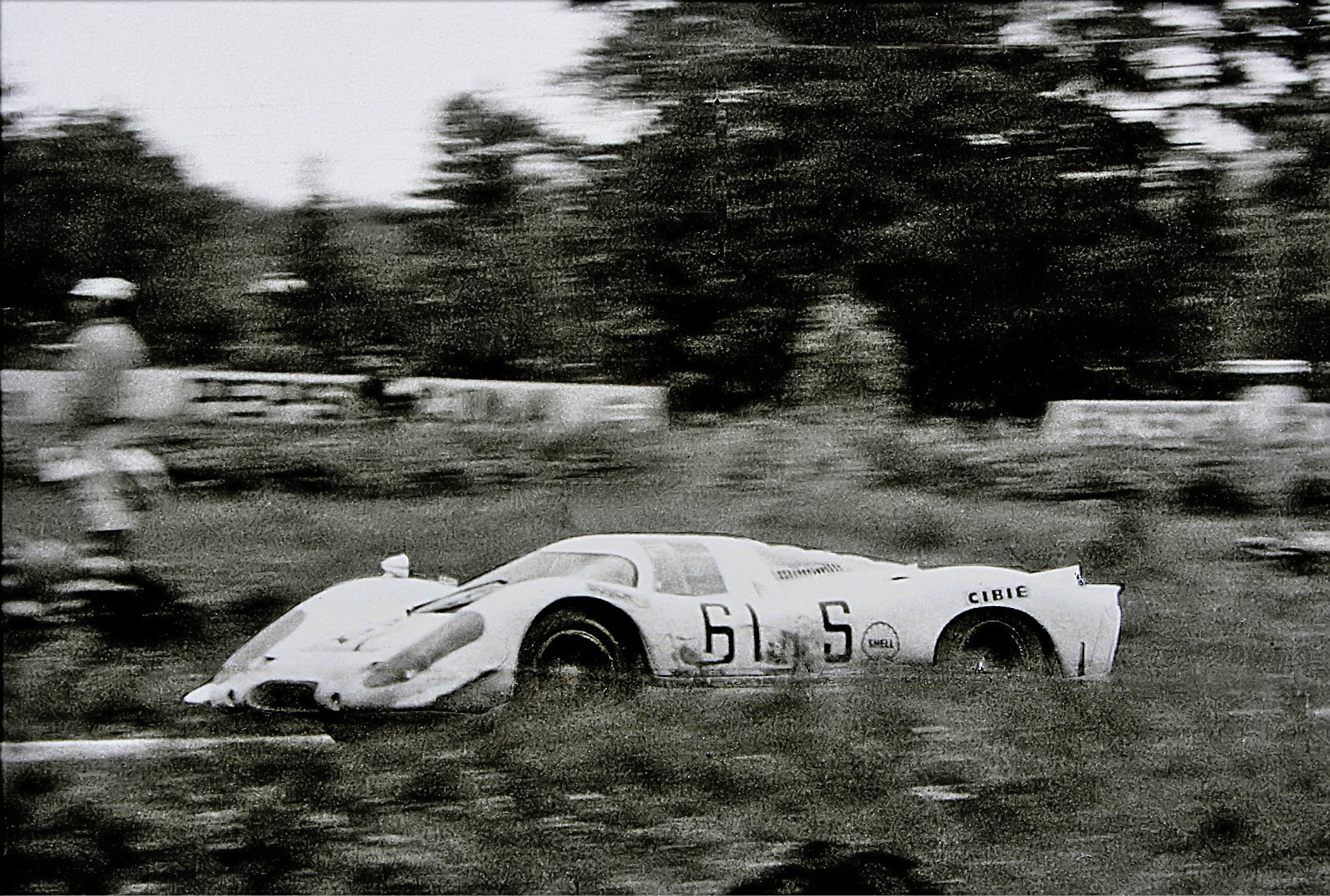
Porsche 917
"And you realize, I mean, here's a guy who drove both a Porsche 917 and a Ferrari 512 who could actually talk about the differences between those two cars."
The Porsche 917 is a famous old race car that competed in endurance races. It’s known for being extremely fast and historically important in racing. Comparing it to another car usually means comparing how different the driving and design are.
The Porsche 917 is a legendary endurance-racing prototype built for top-level events like Le Mans. It’s especially famous for its high-speed performance and for being one of the most dominant cars of its era. When someone compares it to another supercar/racer, they’re usually talking about how radically different the engineering and driving feel can be between race cars.

Ferrari 512
"And you realize, I mean, here's a guy who drove both a Porsche 917 and a Ferrari 512 who could actually talk about the differences between those two cars."
The Ferrari 512 is a famous old Ferrari race car from the 1970s. It’s known for a strong V12 engine and for racing at the highest level. In comparisons, people focus on how the car feels and behaves differently.
The Ferrari 512 refers to Ferrari’s big-displacement V12 endurance racers from the 1970s. It’s known for its powerful engine character and for being a serious competitor in sports car racing. In a comparison like this, the key point is that the 512’s personality and engineering approach differ a lot from the Porsche 917.
jump-starting
"Brian Redmond owned the McQueen one for a while and there was a story he told about pushing it down his gravel driveway and jump-starting."
Jump-starting means using another battery to get a dead car started. It’s a common way to revive a car when the battery doesn’t have enough power on its own.
Jump-starting is starting a car by using another battery (or a jump pack) to provide enough electrical power to crank the engine. Older race cars and classics can be sensitive to battery condition and wiring health, so jump-start stories often hint at how finicky the car could be when it sat for a while.
drive train
"trying to see if I can see some flexing in the drive train, you know, if it's popping, got it up on the rack."
The “drive train” is the set of parts that sends power from the engine to the wheels. They’re checking it because something seems to shift or make noise when the car accelerates or brakes.
“Drive train” is the drivetrain system that transfers engine power to the wheels. In this story, the speaker is checking for movement or popping noises under acceleration and braking, which can point to loose mounts, worn joints, or other drivetrain-related issues.
got it up on the rack
"trying to see if I can see some flexing in the drive train, you know, if it's popping, got it up on the rack. Finally, I call over one of our veteran guys..."
“Up on the rack” means the car is lifted so you can look underneath. Mechanics do this to spot problems in parts you can’t see from the ground.
“Getting it up on the rack” means lifting the car onto a vehicle service lift so mechanics can inspect the underside. It’s commonly used to observe suspension, drivetrain, and exhaust movement while the car is running or while the mechanic applies load.
blindfold feel the car test
"one of the coolest segments, I think, is the blindfold feel the car test because that was one of my favorites."
This is a game where people wear blindfolds and try to judge a car just by touching it. The goal is to notice things you can feel—like how solid or well-finished it seems—without looking.
A “blindfold feel the car” test is an auction-event challenge where participants evaluate a car’s characteristics by touch alone. The idea is to identify details like surface quality, panel fit, and overall build feel without seeing the car.

Cadillac El Dorado
"on the car and feel what it is. I mean, a 59 Cadillac El Dorado Brits, pretty easy on the tail fins. Everything e..."
The Cadillac Eldorado is a luxury car made by Cadillac. The podcast is talking about an older 1959 version, which is famous for its big tail fins. People bring it up because it looks distinctive and stands out.
The Cadillac Eldorado is a luxury personal car that’s especially known for its dramatic styling in certain model years. The podcast references a 1959 Eldorado and mentions its “tail fins,” which highlights why these cars are visually memorable. It’s the kind of classic that collectors and enthusiasts often discuss for design and presence.

Cadillac El
"on the car and feel what it is. I mean, a 59 Cadillac El Dorado Brits, pretty easy on the tail fins. Every..."
The Cadillac ELR is a luxury car that uses both electricity and a gasoline engine. The podcast mentions it while talking about different Cadillacs and how they feel. It’s included because it’s a specific model people can compare when looking at cars.
The Cadillac ELR is a luxury plug-in hybrid coupe that’s known for combining a distinctive design with electric-assist driving. In the podcast, it appears in the same kind of “feel the car” classic discussion as other Cadillacs, even though the ELR itself is a modern-era model. It’s mentioned as part of the lineup of cars the hosts are evaluating and talking about.
feel the steel
"Steve Mignante was the guy who came up with this, called it feel the steel."
“Feel the steel” is a game where you use your hands to figure out what car it is, without looking. The idea is that experts can recognize cars by their shapes and details.
"Feel the steel" refers to a hands-on identification game where people use touch (not sight) to determine what car they’re interacting with. In this segment, it’s used to highlight how experienced collectors can recognize cars by body contours and details.
A pillar
"we would put their hand on the A pillar of the car. And then it's like, all right, start feeling around"
The A pillar is the vertical metal support at the front of the car, near the windshield. It’s a good “starting point” for this blindfold game because different cars have different shapes there.
The A pillar is the front support structure of a car’s body that sits between the windshield and the side window area. In this game, blindfolded participants use touch on the A pillar to start identifying the car’s make/model by its shape and construction.
base price
"I mean, you're looking at a car that for, you know, with a base price of $70,000, it is just amazing."
Base price means what the car costs when you buy it with no extra options. Any add-ons usually increase the total price.
“Base price” is the starting manufacturer price for a car before adding optional equipment. The discussion contrasts the Corvette’s starting cost with how expensive options can become.
option stacking
"people will tell you all the time, you know, that if you're going to get a Corvette, oh, you got to get this option, this option. And it's over 120 grand."
They’re talking about how choosing lots of add-ons can make the final price jump a lot. The takeaway is that a simpler build can still be a great car.
The hosts are describing how adding multiple factory options can quickly raise the total transaction price. They’re arguing that you don’t necessarily need to buy every option to get a great Corvette.
Corvette Z06 Corvette
"...e here to buy a car, don't overlook a 10 year old Z06 Corvette, because it's a lot of car for them. I mean, you ..."
A Corvette is a sports car, and the Z06 is a higher-performance version of it. The podcast is saying that a relatively newer Z06 Corvette can be a strong deal because it offers a lot of performance. It’s being mentioned as something you shouldn’t ignore when shopping.
The podcast specifically calls out a “10 year old Z06 Corvette,” emphasizing that it’s a lot of car for the money. The Z06 is a performance-focused Corvette variant, so the discussion is likely about value and capability rather than just general Corvette history. That’s why it comes up in a buying-focused conversation.

Ford Gtd Mustang
"And it's so stupid. Look at the GTD Mustang. Oh my God."
The Ford Mustang GTD is a very high-performance version of the Mustang. The podcast is reacting to how extreme it is compared with a regular Mustang. It’s mentioned because it’s meant to be a serious performance car.
The Ford Mustang GTD is a high-performance, track-oriented Mustang variant discussed as an extreme example of what the model can be. The podcast reacts strongly to it, describing it as “stupid” in a way that signals how intense and over-the-top it feels. That kind of mention usually points to its power and special purpose nature.
Nürburgring
"And of course, the whole Nürburgring thing is everybody beating everybody's record."
The Nürburgring is a legendary race track in Germany. When people talk about cars beating records there, they mean the car is setting very fast lap times on a track everyone recognizes.
The Nürburgring is a famous German race track (often called “the Ring”) where manufacturers and media measure lap times. Because it’s so well-known, “beating records” there is a major marketing and engineering benchmark.

Volkswagen Bus
"I'm going to get out of my old VW bus and see what I could call. I'll never forget my, my dad's girlfriend's daughter. We had a Volkswagen bus and we drove from, from Salisbury, Maryland to Ocean City, Maryland..."
A Volkswagen bus is a classic van that many people use for road trips. In this story, the host is talking about driving one across the country and camping in it.
The Volkswagen bus (often called a VW bus or camper) is a classic van platform known for long-distance road trips and a strong enthusiast culture. Here, the host describes using a Volkswagen bus for cross-country travel, emphasizing how it drove and lived with it over long distances.
Barrett-Jackson Auctions
"So, you know, some of the moments that we've seen from Barrett Jackson over the years have been incredible moments. [1345.8s] I mean, you know, you could just say the Ferrari hat guy..."
Barrett-Jackson Auctions is a major collector-car auction company known for high-profile vehicles and dramatic bidding. The hosts describe how it can feel like “reality TV,” but with real cars and real money changing hands.

Shelby Cobra
"...about or the Bert Reynolds Trans Am or a Shelby's Cobra, the number one Batmobile or all the 0000001 Corv..."
The Shelby Cobra is a famous sports car known for being fast and exciting. People talk about it because it’s a well-known performance car with a strong reputation. In the podcast, it’s mentioned alongside other iconic cars that collectors want.
The Shelby Cobra is a legendary American sports car associated with lightweight performance and a strong racing heritage. The podcast groups it with other famous performance icons, indicating its status as a highly recognizable collector car. It’s often discussed because certain Cobra variants are extremely sought after.
auction bidding escalation
"You know, they have an idea as to what cars might sell for. [1384.2s] Sure. [1384.4s] At the end, you know, if you get two bidders going at each other, [1387.1s] next thing you know, it's off the charts."
Sometimes in auctions, two people get really competitive and the price can shoot up fast. It’s not just the car’s value—it’s also the excitement of winning.
The segment describes how auction pricing can jump beyond expectations when two bidders compete directly. That “bidding escalation” is driven by emotion and rivalry, not just the car’s baseline estimate.
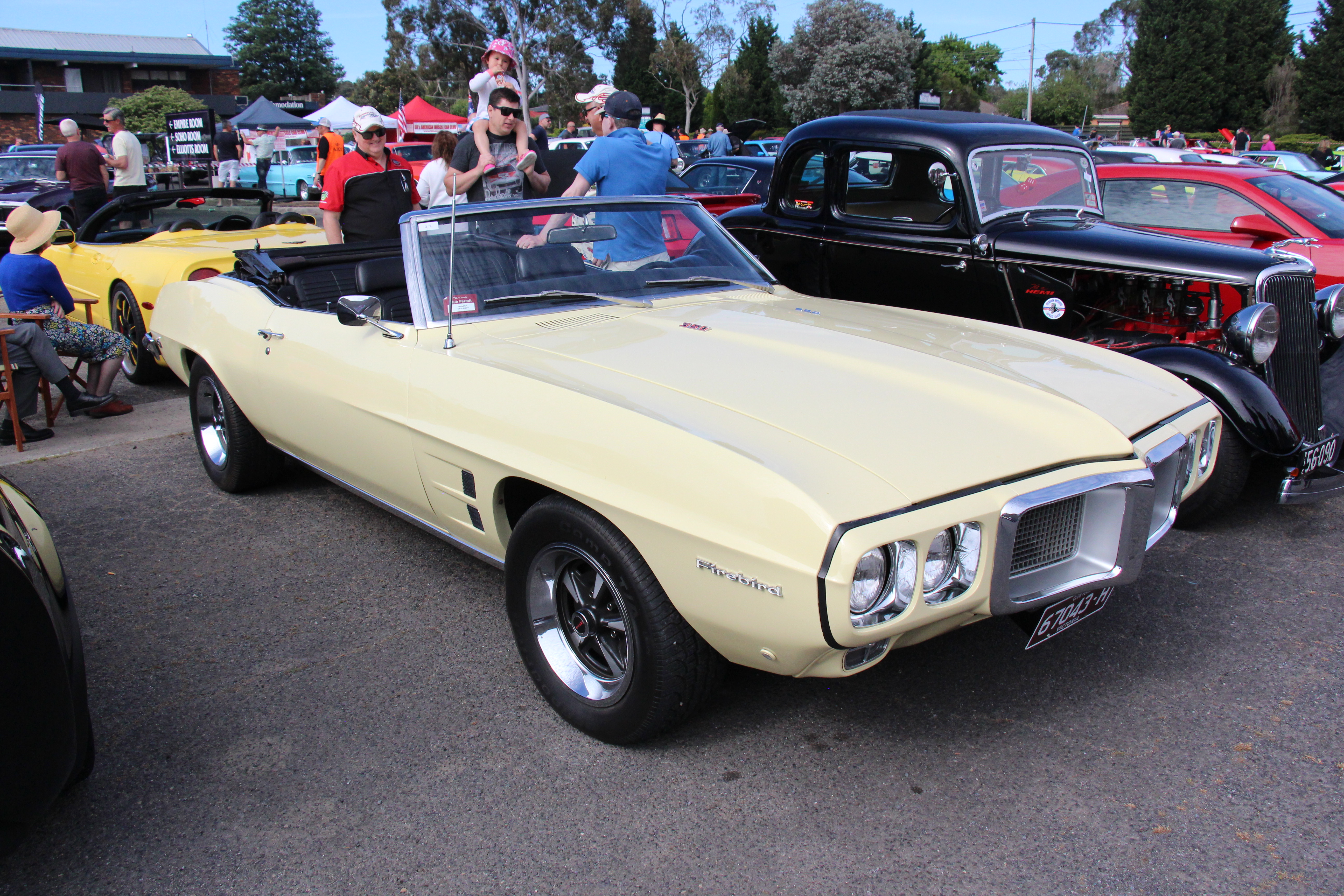
1979 Trans Am
"Because we've all made, I mean, I've bought the wrong 79 Trans Am, [1483.9s] they're both black, the one that I bought, [1486.0s] that I thought I was buying at 500 original miles on,"
The Pontiac Trans Am is a famous muscle car. This story is about how, at an auction, you can accidentally end up with a different (and worse) car than you thought you were bidding on.
The Pontiac Trans Am is a classic American muscle car, and the 1979 model is especially known for its late-’70s styling and collectability. In this segment, the host highlights how easy it is to buy the wrong car at auction even when it looks right on the surface.
bad car fax
"the one I bought had a caved in passenger side and a bad car fax. [1493.3s] And it happens. [1494.7s] You've got to be really careful."
Carfax is a history report for a car. If it’s “bad,” it usually means there are warning signs like accidents or title problems that can make the car riskier to buy.
A “Carfax” report compiles a vehicle’s reported history—such as title issues, accidents, and mileage events—based on data from various sources. A “bad” report is a red flag because it can indicate problems that reduce value or suggest the car isn’t as described.
car card
"Because there's what we call a car card, a description of the car. [1517.9s] And their job is to make sure that, you know, [1515.1s] because there's what we call a car card, a description of the car."
A car card is the auction’s information sheet for a specific car. It’s supposed to list the car’s details, and the experts check that those claims are accurate.
A car card is the auction listing sheet that summarizes a vehicle’s details—like condition, history, and claims about originality. In this segment, the auction’s internal experts verify that the statements on the car card are correct and can be backed up.
matching numbers
"If it says it's matching numbers, can you prove it? [1525.9s] You know, Jerry McNish will run his finger over this one location"
“Matching numbers” means key parts on the car have the same serial/ID numbers as the car’s records. It matters to collectors because it helps prove the car is original, not a mix-and-match build.
“Matching numbers” means the engine and/or other major components have the same identification numbers as documented for that specific car. Collectors care because it supports originality and helps prove the car is what the listing claims it is.

Chevrolet Chevelle LS6 convertible
"I watched Jerry McNish one time talk to me about a Chevelle LS6 convertible and running his fingers underneath the trim piece under the door. And if there was holes in there, that means it could have never been an LS6 because it had a trim piece down there."
The Chevrolet Chevelle LS6 is a special, high-performance version of the Chevelle. Here, the speaker is describing a way to spot whether a car really matches the LS6 details by looking closely under the door trim.
The Chevrolet Chevelle LS6 is a high-performance muscle car variant known for its big-block V8 and factory performance package. In this segment, the host uses a physical inspection trick—checking for holes under trim near the door—to help determine whether a car truly is an LS6 convertible.
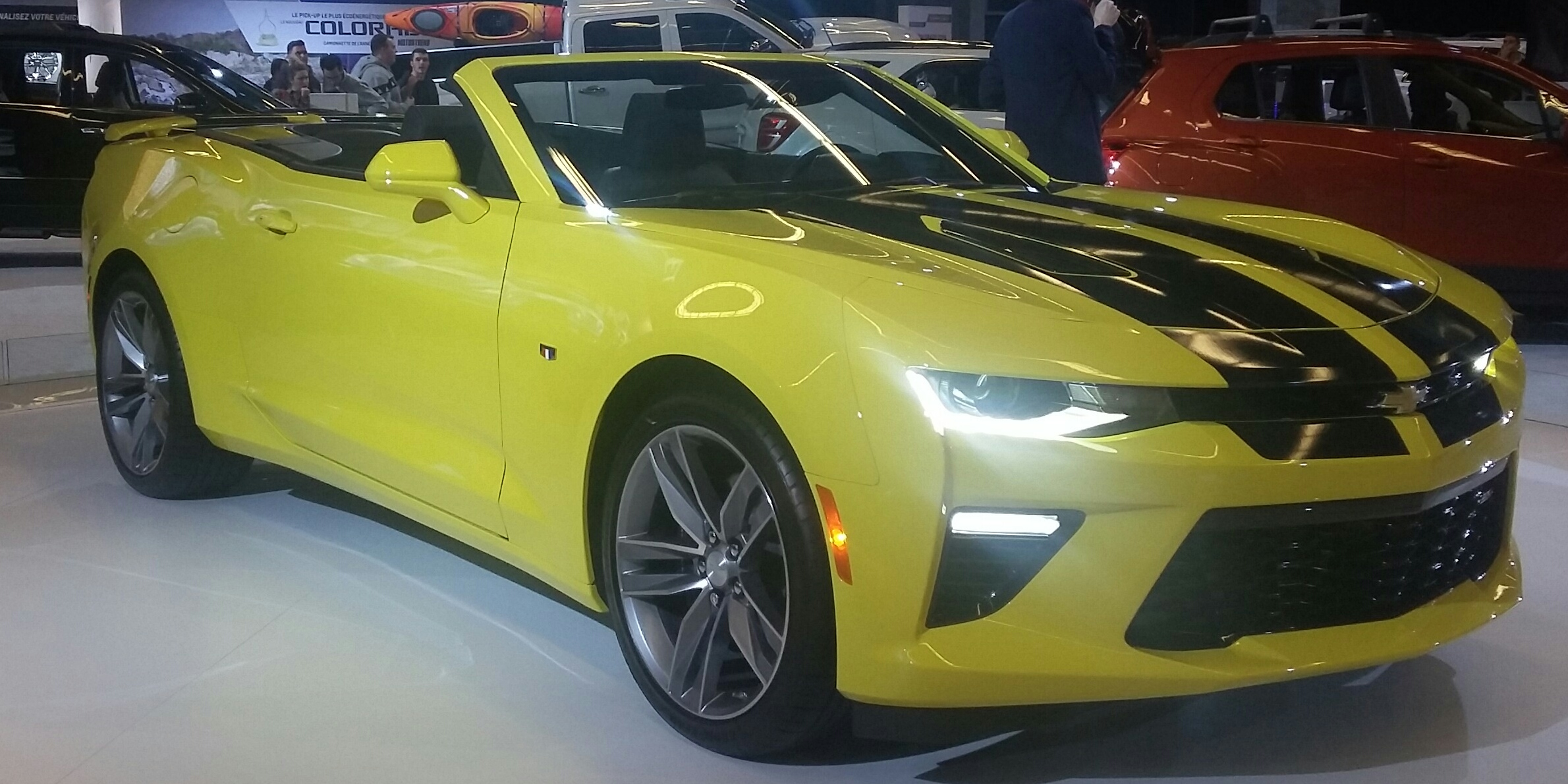
Chevrolet Camaro Z28
"I can talk to you about about 69, you know, Camaro Z28. And I can talk about 64 amphicars and, you know, 1929 Chevy straight six engines, you know, to a degree."
The Chevrolet Camaro Z28 is a performance version of the Camaro. The point here is that some experts know the exact details that make a car truly match that specific Z28 model.
The Chevrolet Camaro Z28 is a performance-focused Camaro trim that became a benchmark for American muscle-car handling and power in its era. The speaker mentions knowing specific details about a “69 Camaro Z28,” highlighting how auction experts can identify correctness down to model-specific features.

Chevrolet Caprice
"...ck and somebody says, hey, open that hood on that caprice and you go there and you're a car guy and you hav..."
The Chevrolet Caprice is a large, older-style car made by Chevrolet. The podcast is talking about checking the engine bay, which is something car enthusiasts like to do. It’s mentioned because it’s a recognizable classic.
The Chevrolet Caprice is a full-size car that’s often remembered for its classic styling and big, comfortable presence. The podcast mentions opening the hood on a Caprice and suggests that car people will recognize what they’re looking at, implying it’s a meaningful classic to enthusiasts. It’s brought up as part of the broader “what’s under the hood” culture at events.
auction block inspection timing
"And you remember a car at Bear Jackson will sell every two minutes. Right. So we have two minutes to talk about the car and we got two minutes to get that hood open and inspect the engine."
At auctions, each car gets only a short amount of time. If you can’t open the hood quickly, you don’t have much time to check the engine before the next car comes up.
Classic car auctions often run on very tight timing per lot, so bidders and staff need to inspect key areas quickly. This segment highlights that if you can’t open the hood fast, you lose the limited window to look at the engine compartment before bidding moves on.

Toyota Highlander
"I have an El Camino. I've got a Toyota Highlander. But but having said that, my my last three daily..."
The Toyota Highlander is a family SUV that’s built for everyday driving. It’s the kind of vehicle people choose when they want room and practicality. The podcast mentions it as part of someone’s recent daily car lineup.
The Toyota Highlander is a midsize family SUV known for practicality and everyday usability. The podcast mentions it in the context of someone’s recent daily-driving choices, which suggests it’s being used as a reliable, go-anywhere type of vehicle. That’s a common reason the Highlander comes up in car conversations.

Ford Mustang convertible
"But but having said that, my my last three daily drivers have been [2074.6s] Mustang convertible. Wow, that's that's interesting."
The Ford Mustang is a famous American car, and the convertible version lets you drive with the top down. The speaker is saying it’s a fun car you can still use every day.
The Ford Mustang is a long-running American sports coupe that’s especially popular in convertible form for open-air driving. In this segment, the host calls out the Mustang convertible as a “daily driver” choice, emphasizing how it balances fun with everyday usability.
EcoBoost
"you know, an inexpensive entry level Mustang, EcoBoost basic level,"
EcoBoost is Ford’s name for a turbocharged engine. The idea is to get better gas mileage while still having decent power.
EcoBoost is Ford’s branding for turbocharged engines designed to improve fuel economy without giving up all the power. In the transcript, it’s used to describe an “entry level” Mustang option.
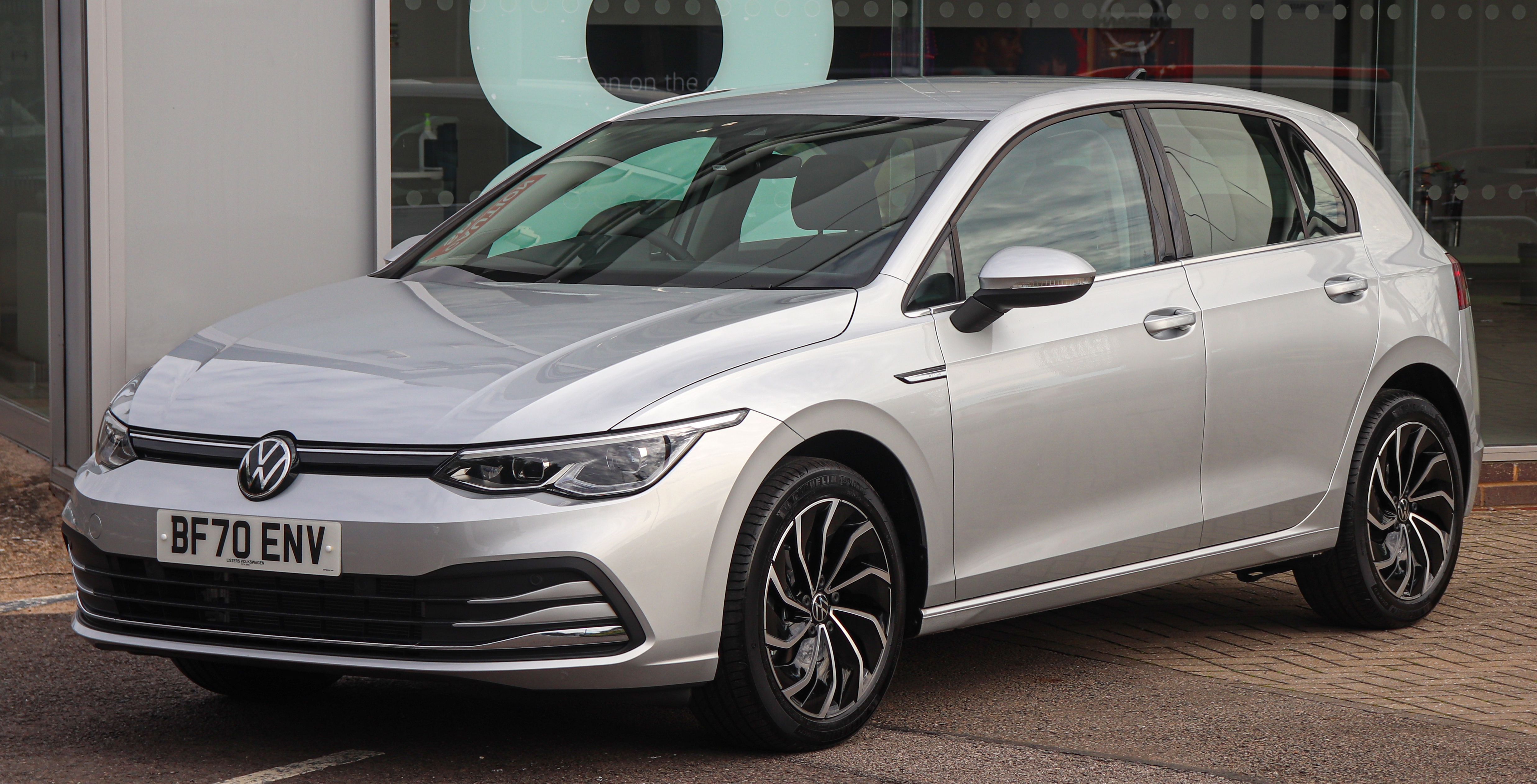
Golf Gtd
"... Mustang, EcoBoost basic level, or you can have a GTD that does 810 and 15 horsepower. And we all seem ..."
“Golf” here refers to a car model people talk about when comparing different versions. The podcast is comparing different performance levels and trims. It’s mentioned as one of the options in that shopping conversation.
In the podcast context, “Golf” is mentioned alongside other performance and trim options, indicating it’s being used as a shorthand for a specific car model people compare when shopping. The mention of “EcoBoost basic level” and “GTD” suggests the discussion is about different power levels and how buyers choose between them. It’s included as part of a broader comparison of what’s available.

Ferrari 288 GTO
"And some people might not know that it's like a 308 Ferrari and a 288 GTO, right?"
The Ferrari 288 GTO is a legendary older Ferrari that collectors really value. It’s known for being a serious, turbocharged supercar from the 1980s.
The Ferrari 288 GTO is a homologation-style supercar built around Ferrari’s turbocharged racing technology. It’s especially notable because it’s one of the most famous 1980s-era “GTO” Ferraris and a benchmark for collectible turbo performance.

Ferrari A308 Ferrari
"And some people might not know that it's like a 308 Ferrari and a 288 GTO, right?"
Ferrari 308 refers to a famous older Ferrari sports car. People mention it because it’s a well-known classic that collectors recognize.
The Ferrari 308 is a classic Italian V8 sports car line known for its mid-engine layout and distinctive styling. In collector talk, “308” is often used as shorthand for the specific 308-era models that became icons in the late 1960s/1970s.

BMW Isetta
"Who knows, right? But more importantly, that's an Isetta right there. I see the Isetta."
The BMW Isetta is a very small car with a unique look. The podcast is calling attention to it because it’s easy to recognize and not something you see every day. It’s a classic microcar that stands out at events.
The BMW Isetta is a tiny microcar that’s become famous for its unusual design and limited size. The podcast points it out directly (“that’s an Isetta right there”), which fits how rare and distinctive it is at classic events. It’s often discussed because it’s a conversation piece as much as a vehicle.
microcar
"But more importantly, that's an Isetta right there. I see the Isetta. You know, nothing cooler than real quick story."
A microcar is a very small car meant for getting around simply. It’s usually not built to be fast or powerful—more like practical, compact transportation.
A microcar is an extremely small, lightweight vehicle designed for basic transportation rather than speed or comfort. The Isetta is a famous example because its size and layout make it feel more like a novelty than a traditional sports car.

Isetta
"Bought an Isetta because bought it from the high school principal. Oh, how cool are that?"
The Isetta is a very small, quirky classic car. It’s famous for its unusual shape and the way you get in through a door that opens from the front.
The Isetta is a tiny microcar best known for its unusual “bubble” body and front-opening door that swings outward like a refrigerator door. It became an iconic oddball classic because it was built to be extremely small and efficient—so it stands out even decades later.

1982 Mercury Grand Marquis
"How about one that everybody's dying to get into is the 1982 Mercury, Grand Marquis, GS Eagle Coach, Hearst. ... It's a ghoulishly cool cruiser, a five liter EFI V8."
The 1982 Mercury Grand Marquis is a classic American “cruiser” car known for its big V8 engine and comfortable ride. Here they’re pointing out that this one has a five-liter fuel-injected V8, which is part of what makes it interesting to collectors.
The 1982 Mercury Grand Marquis is a classic American cruiser built around a large V8 engine and a comfortable, long-distance focus. In this segment, the hosts highlight it as a “ghoulishly cool cruiser” with a five-liter EFI V8, which is the key enthusiast detail about why this particular car draws attention at auction.
EFI V8
"It's a ghoulishly cool cruiser, a five liter EFI V8. That five liter was in everything."
EFI means the engine uses electronics to deliver fuel more accurately than older carburetors. An “EFI V8” just means it’s a big V8 engine that’s fuel-injected.
EFI (electronic fuel injection) is a fuel-delivery system that uses sensors and an electronic control unit to precisely meter fuel into the engine. Calling it an “EFI V8” emphasizes that this V8 is fuel-injected rather than carbureted, which typically improves drivability and consistency.
five liter
"It's a ghoulishly cool cruiser, a five liter EFI V8. That five liter was in everything."
“Five liter” is the engine’s size, based on how much space the pistons move inside the engine. Bigger displacement usually means the engine can make strong torque, which is why these big V8 cruisers feel effortless.
“Five liter” refers to engine displacement, meaning the total volume swept by the pistons in the engine. On a V8, a five-liter displacement is a common way enthusiasts quickly communicate how large the engine is and roughly what kind of power/torque character to expect.

1999 Mercedes-Benz SLK 230 compressor convertible
"Another new arrivals in 1999 Mercedes Benz SLK 230 compressor convertible. Bahama blue metallic over gray and black. That's a nice color on the little car. ...And it's got a supercharged 2.3 liter double ever overhead cam four cylinder..."
This is a 1999 Mercedes-Benz roadster (a convertible) called the SLK 230. The “compressor” means it has a factory supercharger, which helps the engine make more power, and it’s paired with a manual transmission.
The 1999 Mercedes-Benz SLK 230 is a compact roadster built around a supercharged 2.3-liter inline-four, giving it punchy acceleration for its size. In this listing, the “compressor” refers to Mercedes’ factory supercharger setup, and the car is described as a convertible with a manual gearbox.
supercharged
"And it's got a supercharged 2.3 liter double ever overhead cam four cylinder, which is not a slouch."
A supercharger is a device that forces extra air into the engine. That extra air helps the engine burn more fuel and make more power.
A supercharger is an engine-mounted forced-induction device that increases power by pushing more air into the cylinders. More air (and fuel) generally means more combustion and higher output than the same engine without boost.
double ever overhead cam
"And it's got a supercharged 2.3 liter double ever overhead cam four cylinder, which is not a slouch."
This describes how the engine controls its valves. “Double overhead cam” means there are two camshafts up top—one for intake valves and one for exhaust valves—which helps the engine manage airflow more precisely.
“Double overhead cam” (DOHC) means the engine uses two camshafts—one to operate the intake valves and one for the exhaust valves. DOHC setups are common because they can improve valve timing control and help the engine breathe better at higher RPM.
five speed manual
"And it's a get rag five speed manual. That's for you. Get rag."
A five-speed manual transmission requires the driver to select gears using a clutch and gear lever. Compared with automatics, manuals typically offer more direct driver control and can be more engaging in spirited driving.
2003 Chevrolet Corvette Z06 Coupe
"The new arrival is the 2003 Chevrolet Corvette Z06 Coupe, black over black and red, 525 horsepower. That's a lot of horsepower. It's got a LS V8, the Western sleeved LSA block."
This is a high-performance version of the Chevrolet Corvette from 2003. It uses a powerful V8 and is set up for speed, and the hosts are basically saying it’s a great deal compared to what you’d get elsewhere.
The 2003 Chevrolet Corvette Z06 Coupe is a performance-focused Corvette built around a supercharged V8, which is why it’s known for big power for its era. In this segment, they highlight its LS V8 with the LSA block and a manual gearbox, plus the idea that it’s “a lot of car” for the money.
LS V8
"It's got a LS V8, the Western sleeved LSA block. It's got every kind of speed part you can get on it."
“LS V8” is a type of Chevy V8 engine family. It’s known for being a solid, modern engine design that lots of performance parts can be built around.
“LS V8” refers to the GM LS-family of V8 engines, which became popular because they’re compact, efficient, and have strong aftermarket support. In this Corvette Z06 context, it’s the engine platform they’re using to deliver high output.
Western sleeved LSA block
"It's got a LS V8, the Western sleeved LSA block. It's got every kind of speed part you can get on it."
This is about the engine’s internal structure. “Sleeved” means the cylinder area is reinforced, usually to help the engine survive higher power.
The “LSA block” is the engine block used for the supercharged LSA variant of GM’s LS V8 family. “Sleeved” means the cylinder walls are reinforced with additional material, typically to improve durability for higher boost and power levels.
Tremac T 56 manual
"It's got every kind of speed part you can get on it. It's a little bit with a Tremac T 56 manual and a racy interior."
The Tremec T56 is a performance manual gearbox. It’s the kind of transmission enthusiasts like because it can handle hard driving and power.
The Tremec T56 is a well-known six-speed manual transmission used in many performance cars. Pairing a T56 with a high-power V8 is a common enthusiast setup because it’s built for spirited driving and aftermarket upgrades.

1931 Ford Model A sedan
"Other new arrivals, the 1931 Ford Model A sedan, Ford Maroon and black over black, just a solid model A here, 201 cubic inch four cylinder, three speed manual."
This is a classic Ford from 1931. It’s the kind of simple, old-school car enthusiasts like because it uses a small four-cylinder engine and a basic three-speed manual.
The 1931 Ford Model A sedan is an early-1930s Ford that represents the classic Model A era of simple, mechanical driving. Here, the hosts call out its basic specs—like the 201 cubic inch four-cylinder and a three-speed manual—emphasizing it as a straightforward, traditional example.
201 cubic inch four cylinder
"Other new arrivals, the 1931 Ford Model A sedan, Ford Maroon and black over black, just a solid model A here, 201 cubic inch four cylinder, three speed manual."
That “201 cubic inch” number is the engine’s size. It also tells you it’s a four-cylinder engine, which is a simple layout compared with bigger multi-cylinder designs.
“201 cubic inch” describes engine displacement, meaning the total volume swept by the pistons. A “four cylinder” engine uses four cylinders to produce power, and displacement is one of the key specs used to compare older engines.
entry level
"And it's and it's a great entry level. [2740.1s] Get into the hobby. [2741.3s] Understand if you need to work on it, it's not complicated."
They mean a classic car that’s a good starting point. It’s the kind of car where you can learn the hobby and still find parts and help without it being overwhelming.
“Entry level” here means a classic car that’s approachable for new hobbyists—typically easier to maintain, with lots of parts available and a straightforward restoration path. The hosts frame it as a way to “get into the hobby” without immediately needing advanced skills or rare components.
390
"Got all the restoration receipts, 390. [2763.3s] This bad boy, cruzomatic automatic. [2765.2s] This is solid cruiser."
“390” here is referring to the engine size—about 390 cubic inches. Bigger engines like this usually feel stronger and more “classic V8” than smaller ones.
In this context, “390” most likely refers to a 390 cubic-inch V8 engine displacement used in some Ford models. Engine displacement is a key spec for classic cars because it strongly influences how the car makes power and how it feels compared with smaller engines.
cruzomatic automatic
"Got all the restoration receipts, 390. [2763.3s] This bad boy, cruzomatic automatic. [2765.2s] This is solid cruiser."
“Cruzomatic automatic” means the car has an automatic transmission. That makes it simpler to drive because you don’t have to shift gears yourself.
“Cruzomatic automatic” refers to an automatic transmission setup used in some early-1960s Ford vehicles. Instead of a manual gearbox, it uses hydraulic controls and a torque converter to shift gears automatically, which makes the car easier to drive for beginners.

Cadillac Cts V
"..., the last on the list, but not least is the 2009 Cadillac CTS V sedan, black raven over black, 556 horsepower on ..."
The Cadillac CTS-V is a high-performance version of a Cadillac sedan. The podcast mentions the 2009 model and its very high horsepower number. It’s brought up because it’s meant to be fast and exciting, not just comfortable.
The Cadillac CTS-V is a performance sedan from Cadillac, built to deliver high horsepower and a more aggressive driving experience than a typical luxury CTS. The podcast specifically mentions a 2009 CTS-V with 556 horsepower, which is a key selling point for enthusiasts. It’s discussed because it represents a modern-era classic performance Cadillac.
6.2 liter LS
"556 horsepower on this 6.2 liter LS AV."
“LS” is GM’s V8 engine family. Saying “6.2 liter LS” means it’s a big 8-cylinder engine from that GM lineup, built for power.
“LS” refers to GM’s LS-series V8 engine family, known for strong aftermarket support and compact packaging. A 6.2-liter LS is a common displacement for high-output variants, and it’s the foundation for the CTS V’s performance character.
triple disc clutch kit
"And it's a Tremac six speed and it's a got a monster triple disc clutch kit. [2800.1s] I don't even know it sounds good."
A clutch connects the engine to the transmission. A “triple disc” clutch uses more friction surfaces, so it can handle more power and harder driving without slipping as easily.
A triple-disc clutch kit uses three friction surfaces instead of one, allowing higher torque capacity and better durability during aggressive launches and hard shifts. It’s a common upgrade on performance manuals because it can handle more heat and load than a single-plate clutch.
Tremac six speed
"And it's a Tremac six speed and it's a got a monster triple disc clutch kit."
A “six-speed” is the car’s manual transmission with six gear ratios. The host is also pointing out the specific transmission used, because that can change how the car drives and how well it handles spirited use.
A “six-speed” refers to a manual gearbox with six forward ratios, which helps keep the engine in its power band. The “Tremac” mention is describing the transmission brand/model used in this CTS V setup, which matters because transmission design affects shift feel and durability under hard driving.
3.73 limited slip axle
"Yep. [2801.7s] 3.73 limited slip axle and 101,000 actual miles. [2806.6s] Now you say, oh my God, you know what?"
The “3.73” part is a gearing setting that makes the car feel punchier when you accelerate. A “limited-slip” axle helps the car put power down more evenly when traction is uneven, like on wet roads or during hard cornering.
“3.73” is the axle (final drive) ratio, which multiplies torque to improve acceleration at the cost of higher engine RPM at highway speeds. A “limited-slip” differential helps both driven wheels provide traction when one starts to lose grip, improving launch and corner-exit behavior.
limited slip differential
"Yep. [2801.7s] 3.73 limited slip axle and 101,000 actual miles. [2806.6s] Now you say, oh my God, you know what?"
This is a differential that helps prevent one wheel from spinning uselessly. It sends more power to the wheel that has better grip, which helps the car accelerate more confidently.
A limited-slip differential is designed to reduce wheelspin by biasing torque toward the wheel with more grip. It’s especially useful in performance cars because it improves traction during acceleration and helps maintain control when road conditions change.

Alfa Romeo Spider
"...rs old, his exact age, I had a very similar alpha spider that I was going on tours on. Oh, full circle."
The Alfa Romeo Spider is a classic open-top sports car. The podcast mentions it because someone had one and used it for trips and tours. That’s the kind of car people choose when they want an enjoyable drive.
The Alfa Romeo Spider is a classic Italian roadster known for its open-top driving experience and distinctive styling. The podcast references having a similar Spider and going on tours, which points to its use as a fun, characterful car rather than a purely practical one. It’s often discussed in classic circles because it has a dedicated enthusiast following.
double clutching
"And then he said along the way, will you teach me how to double clutch? ... So for the layman, explain to him what double clutching is. But it's a way to match the engine speed to your gearbox speed when you're downshifting."
Double clutching is a way to downshift smoothly in a manual car. You do it by briefly going to neutral, revving a bit to “line up” the speeds, and then putting it into the lower gear so it doesn’t jerk or grind.
Double clutching is a manual-transmission technique used during downshifts to better match engine speed to the transmission’s input speed. The driver briefly shifts to neutral, revs to bring the gearbox internals up to the right speed, then selects the lower gear for a smoother, quieter engagement.
downshifting
"But it's a way to match the engine speed to your gearbox speed when you're downshifting. So because when you downshift from fourth to third, your gearbox, all the internals of that will spin up..."
Downshifting means switching to a lower gear. It makes the engine spin faster, and in a manual car you have to do it smoothly so the gears don’t clash or grind.
Downshifting is changing to a lower gear to increase engine speed, typically for acceleration or to keep the engine in a useful power band. In a manual gearbox, downshifts require careful speed matching to avoid harsh engagement and drivetrain noise.
PDKs
"It's just, it's an art form that really has become unnecessary with PDKs and things like, you know, it's so it's really, to me, it's like developing a taste in wines or something else"
PDK is Porsche’s type of automatic/manual hybrid gearbox with two clutches. It helps the car shift smoothly on its own, so you don’t have to double-clutch like you would in many older manual cars.
PDK refers to Porsche’s dual-clutch transmission. Because it uses clutches to pre-select gears and manage engine speed automatically, it can make downshifts smoother and reduces the need for driver techniques like double clutching.
heel towing
"So there's also heel towing as well, too. That's another little. We didn't get into that. I have never been much of a heel and toe person."
Heel-toe (heel towing) is a way of braking and blipping the gas at the same time when you downshift. It helps the engine speed match the lower gear so the car feels smoother.
Heel towing is a driving technique where you use your left foot to brake while your right foot blips the throttle (often while downshifting). The goal is to match engine speed to the lower gear so the car stays smooth and the drivetrain isn’t shocked by a big RPM drop.
double clutch blip
"So because it's just kind of your twist in your ankle and. Yeah, it's. So I'm to a fast double clutch blip. Yeah. So, you know, the heel towing is, you know, people say,"
When downshifting, a double-clutch blip means you use the clutch twice and quickly add a little gas to get the engine RPM closer to what the next gear needs. That makes the shift smoother.
A double-clutch blip is a downshifting method where you briefly disengage the transmission (clutch in/out) and then “blip” the throttle to raise engine RPM before engaging the next gear. It’s used to help synchronize engine speed with the gearbox so the shift is smoother and easier on the drivetrain.
left foot break
"I say BS because I'll tell you another thing that I do that everybody gets onto me about is I left foot break. And the reason I left foot break is because a lot of the cars I drive don't stay running very well."
Left-foot braking means using your left foot on the brake pedal instead of the right foot. Enthusiasts often pair it with heel-toe downshifts because it frees the right foot to manage throttle blips for smoother downshifts.
Formula One
"And that's where you watch that in Formula One. That's where a lot of the passing happens, not on the acceleration, but on the braking, the guy who can break the latest and still maintain control"
Formula One is a high-level racing series. The speaker is saying that in F1, drivers often try to pass by braking late into a corner and staying in control.
Formula One (F1) is a top-level open-wheel racing series where drivers and teams optimize braking and cornering. The speaker uses F1 as an example of where passing often happens: late braking into a turn while keeping the car stable.
flat spot his tire
"and still maintain control and not flat spot his tire, which when that happens, then it just it's like"
A “flat spot” means the tire gets a worn/uneven patch from skidding or locking up. It reduces traction and can make the car harder to control.
A “flat spot” on a tire happens when the tire stops rotating smoothly during braking (often due to excessive lock-up), creating a temporary or permanent uneven contact patch. That hurts grip and can make the car unstable, which is why the speaker emphasizes braking while maintaining control.
fettled
"do you think a scruffy BJ7 or BJ8 exists out there where it's already been fettled? I don't want to spend six months fixing little shit."
“Fettled” means the car has already been cleaned up and fixed so it’s ready to drive. The speaker wants one that doesn’t require lots of small repairs first.
“Fettled” means the car has been worked over and sorted—typically with repairs, adjustments, and upgrades to get it into good running condition. Here it’s contrasted with spending months “fixing little shit,” implying they want a car that’s already been gone through.
mechanicals
"I think you just worry about the mechanicals. And if you can get something that runs good and stops good and starts every time you get in it, then I think that's your goal."
They mean the important working parts of the car. The goal is a car that runs and brakes well, even if it’s not the prettiest.
In classic-car talk, “mechanicals” means the car’s functional systems—things like the engine, drivetrain, brakes, and suspension—rather than appearance. The idea here is to prioritize a car that starts, runs, and stops reliably over cosmetic perfection.

Alpine A106
"And don't worry about how pretty it looks. No, and I also think it doesn't really matter whether it's a 106 or a BJ7 or BJ, for, for our purposes, we don't have to have the best performing big heelie."
The Alpine A106 is a small sports car. The podcast is saying you don’t have to worry too much about how pretty it looks or about having the absolute best performance. It’s being mentioned as a classic you can appreciate for what it is.
The Alpine A106 is a small French sports car known for its lightweight character and classic rally-era appeal. The podcast downplays the need to focus on looks or “best performance,” suggesting they’re discussing it in terms of what it represents and how it fits their collecting or driving goals. It’s mentioned as part of the classic sports-car conversation.
convertible roof stowage (top disappears vs sits up behind you)
"And what's nice about those cars is the top disappeared completely into the car. With the BJ8, you've got that big thing that sits up behind you."
When a convertible top folds down, it can either hide away inside the car or leave something visible behind you. That changes how you see out the back and how the car looks.
Convertible roof stowage describes where the roof ends up when folded—either fully tucked away or leaving a visible structure behind the seats. This affects rearward visibility, trunk/boot usability, and the car’s silhouette.

Rolls-Royce Corniche
"It's kind of like those goofy Rolls Royce Cornishes with the thing that stands, you can barely even see out the back."
They’re comparing the Jaguar’s convertible roof to a Rolls-Royce Corniche. The point is that some convertible roof designs leave a big structure behind you that makes it harder to see out the back.
The Rolls-Royce Corniche is a luxury Rolls-Royce grand tourer known for its distinctive convertible/roof design. Here it’s used as a comparison for a convertible roof structure that can block rear visibility, making it “barely” possible to see out the back.
Request an Explanation
Heard something you'd like explained? We'll add it to this episode.
Sign in to request explanations for terms you heard.
Want to learn more?
Browse our glossary for plain-English explanations of automotive terms, jargon, and concepts.
Help improve this episode
See something that's not quite right? Our annotations are AI-generated and can sometimes miss the mark. Click the flag icon on any annotation to suggest a correction.