
Dealers Can't Sell 300,000 LEFT OVER NEW CARS | Episode 1040
About this episode
Edmunds data points to a slowing new-car market, with Q1 sales expected to dip 8.8% vs Q4 2025 and 6.3% year over year, driven by affordability pressure. Leigh and Zach dig into the fallout: roughly 330,000 leftover new cars (2025 model year or earlier) remain on lots, with over 10% of listings nationwide classified as leftovers. Ford gets special scrutiny—quarter-over-quarter sales down ~18% and dealers sitting on large leftover counts—yet incentives can be minimal. They also show how pricing can look “cheap” online but get padded with add-ons, using CarEdge dealer ratings and price-history examples.
Edmunds
"Dealers can't sell 300,000 leftover new cars. We have the latest data from Edmunds showing how the car market is slowing down before we jump into the latest and greatest car headlines and news."
Edmunds is a company that studies car prices and sales trends. They’re being used here as the data source for what’s happening in the car market.
Edmunds is an automotive research and pricing company that tracks sales trends, incentives, and market conditions. In this segment, they’re cited as the source for data showing the market slowing down and new-vehicle sales expectations.
affordability challenges
"...new vehicle sales expected to dip in Q1 amid ongoing affordability challenges. According to Edmunds, analysts forecast a seasonally adjusted sales rate of 15.9 million vehicles..."
Affordability challenges mean it’s harder for people to afford a car right now. That can be due to higher prices or higher monthly costs, so fewer cars get sold.
“Affordability challenges” generally refers to the gap between what buyers can afford and the total cost of owning a car (often influenced by vehicle prices, interest rates, and monthly payments). When affordability worsens, demand drops and dealers see more unsold inventory.
year over year
"...a first quarter decline in sales of 8.8% compared to the fourth quarter of 2025 and 6.3% year over year."
This compares this year to last year for the same time period. It’s a way to see if things are truly getting better or worse.
“Year over year” (YoY) compares sales or other metrics to the same period in the previous year. It helps separate seasonal effects from real changes in demand.
dealer inventory
"...that are still new sitting in dealer inventory? What do you think the incentive is from the manufacturer?"
Dealer inventory is the stock of vehicles a dealership has on hand for sale. The segment frames leftover inventory as a problem because it ties up capital and increases costs the longer vehicles remain unsold.
Ford Motor Credit
"And forgetting floor plan, because in many of the cases where you have a one or two-year-old leftover, Ford Motor Credit or whatever the floor plan bank was for that dealership might have demanded that those older new vehicles get paid off..."
Ford Motor Credit is Ford’s captive finance arm that provides dealership and customer financing. In this segment, it’s referenced as a likely lender behind floor-plan arrangements for dealer inventory.
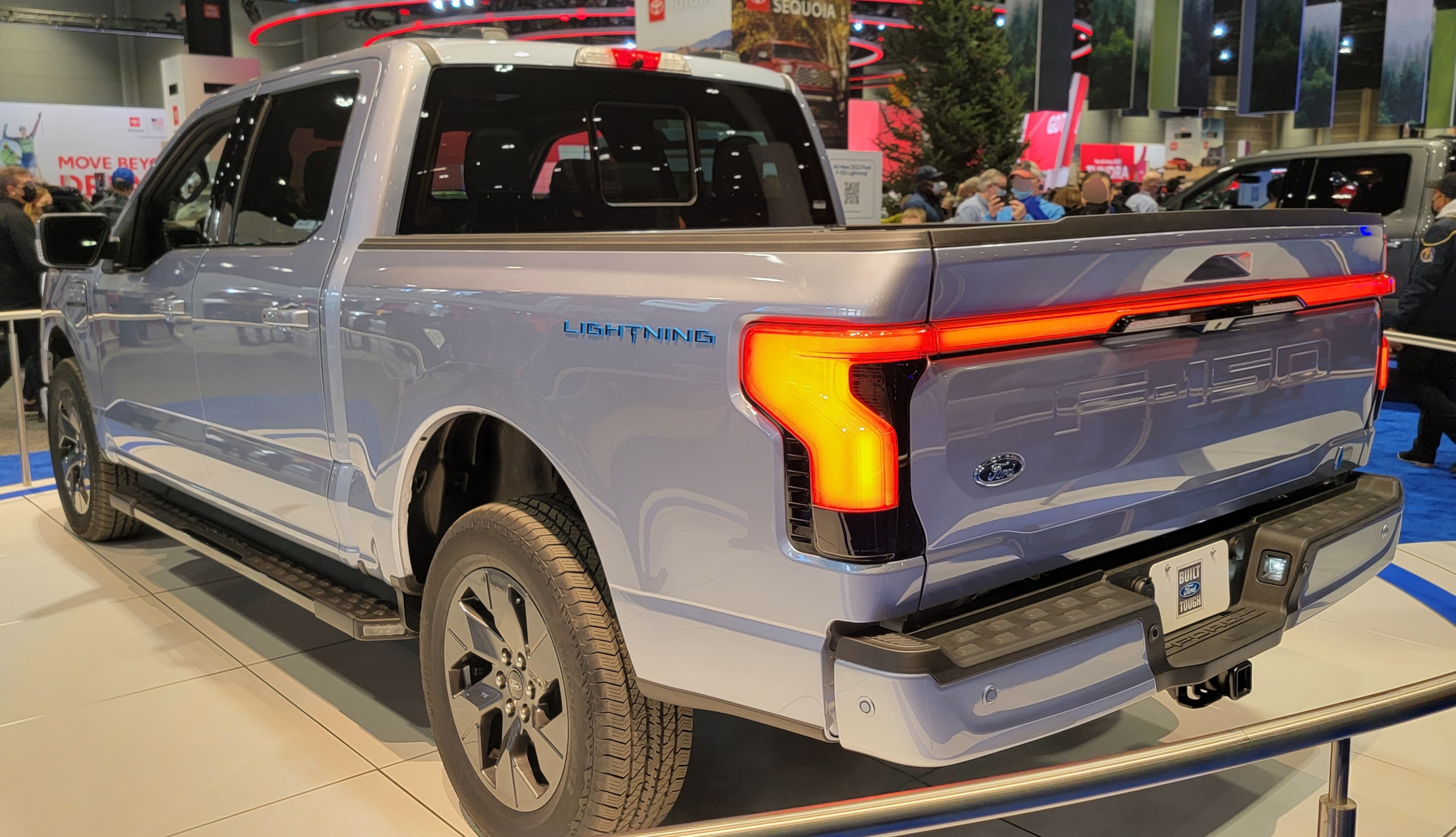
Ford F150
"just backed into that brand new 2020 Ford F-150. Oh my God, there's another $400 we have to spend. The customer took a vehicle out, drove it. They're flat spots in all four tires."
The Ford F-150 is a popular pickup truck. Here, they’re talking about a brand-new 2020 F-150 that sat on the lot long enough that it needed extra work before it could be sold.
The Ford F-150 is Ford’s best-selling full-size pickup, and the 2020 model is part of the 14th-generation F-150 lineup. In this segment, it’s used as an example of a “leftover” new truck that can rack up unexpected costs while sitting on a dealer lot.
rodent infestation
"And we haven't even mentioned rodent infestation yet, which is a real thing that happens that rodents, you know, I joke and I say rodents look at all those vehicles sitting there..."
Rodents sometimes get into parked cars and chew on things. When they chew wires, it can create costly electrical repairs.
Rodent infestation refers to animals getting into vehicles while they sit, often chewing on wiring and insulation. This can cause expensive electrical problems and may require replacing sections of the wiring harness rather than just a single damaged wire.
vehicles sit for hundreds upon hundreds of days
"So, there's no real incentive for a dealer to have vehicles sit for hundreds upon hundreds of days. Well, I'm interested in here, Dad. And let's get some zip codes."
When cars sit on a lot for a long time, problems can build up. Batteries can die, tires can get damaged, and sometimes animals can cause damage too.
This describes the business problem of “aging” inventory—new cars that remain unsold for very long periods. The longer vehicles sit, the more likely you are to see battery drain, tire deformation, and even damage like rodent chewing, all of which erode dealer margins.
price history charts
"I want to look at how dealers are pricing, what the price history charts are for these vehicles, because many of them, to your point, have been sitting for hundreds upon hundreds of days and are still not selling."
Price history charts track how a vehicle’s pricing changes over time across listings and dealer activity. In the context of leftover inventory, these charts help show whether dealers are discounting, holding prices, or struggling to move specific models.

Ford Mustang
"... they treat customers. 424 days they've had this Mustang Mach-E. 467 days they've had this F-150 Platinum...."
The Ford Mustang is a car made for driving enjoyment, usually with a sporty look and engine options meant for stronger performance. It’s often talked about because many people own one and have different experiences over time. In this episode, it’s mentioned alongside other vehicles to describe how customer service or ownership issues played out over a certain number of days.
The Ford Mustang is a long-running American sports coupe/convertible known for its performance-focused design and broad range of trims. In a podcast context, it may come up as a customer-owned example when discussing ownership experiences, service, or how a brand treats customers over time. The mention of “424 days” suggests the host is referencing a specific ownership period and what happened during it.

2025 Ford Mustang Mach-E GT
"[727.2s] Look at this for a second here. The invoice price [739.7s] on this 2025 Ford Mustang Mach-E GT is $59,172. It's currently advertised for sale at $51,113."
They’re looking at a 2025 Ford Mustang Mach-E GT. The point is to compare what the dealer likely paid (invoice) to what they’re asking now, to see how much discounting is happening.
This refers to a 2025 Ford Mustang Mach-E GT, a performance-oriented trim of the Mach-E. The discussion compares invoice price versus the dealer’s advertised price, showing how dealers discount to move leftover inventory.
0% financing for 36 months
"[767.6s] let's see, are there any incentives on this right now? And this is on a 2025. There's 0% [773.8s] financing for 36 months."
This means the lender charges 0% interest for three years. It can make the monthly payment easier to manage, but the overall deal may still depend on the car’s price and incentives.
“0% financing for 36 months” is a promotional auto loan rate where the borrower pays no interest for a set term. Even when the rate is 0%, the deal can still involve pricing adjustments, incentives, or trade-offs elsewhere.
leftover 2025s
"[779.5s] any leftover 2024s, I'm pretty sure there's no incentives. Not from the manufacturer. [786.4s] Yeah, you know what? Let's do a quick peek."
“Leftover 2025s” are cars from the 2025 model year that didn’t sell and are still on the lot. Dealers often need extra incentives to sell them.
“Leftover” refers to unsold inventory from a model year that’s still sitting on dealer lots after the next year is available. Dealers often rely on manufacturer incentives (like financing promos) to move leftover units, especially when demand cools.
commercial vehicles
"[801.2s] non-commercial vehicles. I'm actually grateful to see that. Commercial vehicles, very different [807.5s] world than retail vehicles."
Commercial vehicles are cars or trucks meant for work/business use. They can have different pricing and incentives than regular cars you’d buy for personal use.
Commercial vehicles are typically used for business purposes and are often priced and incentivized differently than retail passenger cars. The hosts mention that commercial inventory behaves differently in the market, so they try to filter for non-commercial units.
days on market
"a bunch of miles on them and they don't have that high of [921.4s] a days on market. That means the dealer is moving it around from one dealership to another, maybe [925.6s] listing it as new, sometimes used, things like that."
Days on market tells you how many days a car has been advertised for sale. If it’s low but the car has miles, it can mean the dealer is moving and relisting it.
Days on market (DOM) measures how long a vehicle has been listed for sale. Lower DOM combined with higher mileage can suggest the car is being moved between dealers or relisted rather than sitting unsold for a long time.
Prosper Ford
"[957.8s] Take a peek. So this is Prosper Ford. Have we done any negotiations with them? [964.0s] Let's take a peek. So that was Prosper Ford? Yes."
Prosper Ford is the dealership they’re looking at. The point is that even if the ad shows a big discount, the final price can change once the dealer adds extras.
Prosper Ford is the specific dealership being reviewed in the episode. The speaker discusses their pricing approach and notes that the dealer adds extra items, which affects the true out-the-door cost beyond the advertised discount.
new cars that sit
"if you spend as many years in retail automotive as I did, you cannot believe all the crap that happens to new cars that sit."
If a new car sits on the lot for a long time, problems can happen even though it’s “new.” The dealer may have to fix damage before selling it, which can add cost.
“New cars that sit” refers to vehicles staying on a lot for extended periods. The longer they sit, the more risk there is for damage, weather-related issues, and costly repairs before sale.
body shop repair
"And now you've got an $8,000 body shop repair that needs to be,"
A body shop repair is fixing the car’s body after damage. If something hits the car while it’s sitting on the lot, the dealer may need to pay for repairs before it can be sold.
A body shop repair is work done to restore a vehicle’s exterior after damage—like dents, broken panels, or structural issues. In inventory situations, unexpected damage can quickly turn into thousands of dollars in repair costs.
flood car
"And the next thing you know, that vehicle was a flood car that was totaled. I mean, that's another way to just, it's not dissimilar from when customers are negative in a negative equity position, totally upside down on their car."
A flood car is a car that got water inside—usually from a storm or standing water. Even if it seems to work again, water can damage wiring and cause rust later.
A flood car is a vehicle that has been submerged in water, often from heavy rain or rising water. Even if it runs after cleanup, flood damage can cause long-term electrical and corrosion problems, and insurers often total these cars.
Ford dealer
"But if you're a Ford dealer and you're sitting on some stuff that's 380 days, 450 days old, what are you waiting for?"
Ford is a major U.S. automaker, and “Ford dealer” refers to franchised retailers selling Ford vehicles. The speaker uses Ford as an example of how long-stored inventory can become financially problematic when demand or pricing shifts.
2300 miles
"...that's been sitting on the lot for 237 days and has 2300 miles on it."
Mileage on a “new” car can matter because it may indicate the vehicle was driven for transport, test drives, or dealer use. While it can still be sold as new depending on rules, higher miles can affect perceived value and negotiation leverage.
Toyota
"But look at that, Dad. Toyota sales off 13% quarter over quarter."
Toyota is included in the sales comparison. The point is that even big brands are selling fewer cars, which often leads to more discounting.
Toyota is cited as having a quarter-over-quarter sales decline. This supports the episode’s theme that the overall market is soft, which can influence pricing and inventory strategies across brands.
Stellantis
"Toyota sales off 13% quarter over quarter. Stellantis sales off 12.4% quarter over quarter."
Stellantis is the company behind several car brands. The host is saying their sales are also down, which can mean more incentives and better deals.
Stellantis is the automaker group behind brands like Jeep, Dodge, Chrysler, and others. The host cites Stellantis sales being down quarter over quarter, implying broader demand softness and potential incentive pressure.
quarterly sales reporting
"...many of the manufacturers only report sales quarterly. So this will be our first real glimpse at what we're going to see from some of these manufacturers."
Many automakers report sales on a quarterly basis, which can delay how quickly the market reacts to changes like gas prices or geopolitical events. That’s why the host calls April’s early-month stats the “first real glimpse” for some manufacturers.
market share
"...Edmunds has the data on market share by manufacturer. And look at that, Ford's market share year over year down 4.6%..."
Market share is a brand’s portion of total vehicle sales in a given period. Tracking year-over-year market share helps identify which automakers are gaining or losing momentum and often correlates with how aggressive they need to be with pricing and incentives.
Car Edge
"I have a local dealer that I grade an F minus and Car Edge has them at an A. How do I communicate that? So this is something I'm super proud of. We'll see how it plays out in the long term."
CarEdge is a website/platform that scores car dealers. The key point here is that they use pricing information they collect, not just opinions from reviews.
CarEdge is the platform being discussed that grades and rates dealerships. In this segment, they emphasize that their ratings come from pricing data rather than public reviews.
objective vs subjective
"I think that's a big game changer for the auto industry is. Yeah. This is not subjective. Yeah. This is objective."
“Objective” here means the ratings are derived from documented pricing inputs, while “subjective” would rely on personal opinions like reviews. The segment positions this as a way to reduce bias in how dealers are judged.
aliases (email and phone number created)
"These are paying car edge pro customers who have an alias, email and phone number created and the dealerships are responding to inquiries for pricing from that."
The segment describes how CarEdge “pro customers” use aliases—created email and phone numbers—to request pricing. This is central to how the platform collects comparable out-the-door quotes from dealers.
out the door price
"These are people who are going to buy cars. Yeah. For providing out the door price quotes to those people instead of you having to get your phone number hit up and phone calls and all of that to ask for the out the door price, we do it for you."
The “out the door price” is what you’d actually pay at the end of the deal. It includes the car price plus the extra costs like taxes and fees, so it’s the best way to compare two dealers.
“Out the door price” is the total amount you pay to buy the car, including the vehicle price plus taxes, registration, and dealer fees. It’s the most useful number for comparing deals because it reflects the real checkout total rather than just the advertised price.
minimum number of quotes needed
"We do have a question that came in here with regards to this from Dan. Is there a minimum number of quotes needed in order to get a score? Yes, three."
The episode states there’s a minimum of three quotes required to generate a dealer score. This is essentially a “data sufficiency” rule to avoid ratings based on too little information.
Request an Explanation
Heard something you'd like explained? We'll add it to this episode.
Sign in to request explanations for terms you heard.
Want to learn more?
Browse our glossary for plain-English explanations of automotive terms, jargon, and concepts.
Help improve this episode
See something that's not quite right? Our annotations are AI-generated and can sometimes miss the mark. Click the flag icon on any annotation to suggest a correction.