
Dealers Can't Sell NEW CARS | Ford & Mazda Dealer Joins the Show | Episode 1061
About this episode
A Ford and Mazda dealer walks through how leftover 2025 inventory is shaping pricing, especially on aged Ford units and oversupplied Mazda models. The conversation gets into floor-plan interest, why cars sitting for months have to be discounted, and how advertised deals can be offset by fees and add-ons. It also covers Mazda stock levels, the new CX-5 rollout, and how dealers think about invoice pricing and incentives.
unsold new cars
"[27.0s] Here's the deal. [27.9s] Yes. [28.2s] We're going to be talking about how dealers can't sell unsold new cars and got a great [33.9s] guest."
These are brand-new cars sitting at dealerships that customers aren’t buying. When that happens, dealers have to change how they price or market them.
This refers to new vehicles that dealerships have in inventory but can’t sell. The episode is framing a market problem: dealers are stuck with cars they’ve already purchased/received, which affects pricing, incentives, and cash flow.
JC Lewis Motor Company
"[60.3s] Glad to be a friend. [61.3s] Glad to be on the show. [65.9s] I'm the general manager and fourth generation Lewis at the JC Lewis Motor Company. [72.0s] We've got six stores."
That’s the dealership company Joe Lewis works for. Since the show is about dealer inventory problems, the specific dealership group matters.
This refers to the dealership group Joe Lewis represents. It’s a business entity with multiple store locations, relevant because the episode is about how dealers are handling unsold new inventory.

Mazda
"[72.0s] We've got six stores. [73.8s] I managed two of them, the Lincoln and the Mazda, Dabble and Ford a little bit, do whatever"
Mazda is a car brand. The host is saying Joe Lewis runs a Mazda dealership, which is relevant to the dealer inventory topic.
Mazda is a Japanese automaker. Mentioning that Joe Lewis manages a Mazda store helps frame the episode’s focus on how dealers across different brands are dealing with unsold new cars.

Lincoln
"[72.0s] We've got six stores. [73.8s] I managed two of them, the Lincoln and the Mazda, Dabble and Ford a little bit, do whatever"
Lincoln is a luxury car brand. Here it just tells you which kind of dealership Joe Lewis manages.
Lincoln is Ford’s luxury brand. In this context, it indicates Joe Lewis manages a Lincoln dealership store, which matters because the discussion is about how specific dealer networks are selling (or not selling) new cars.
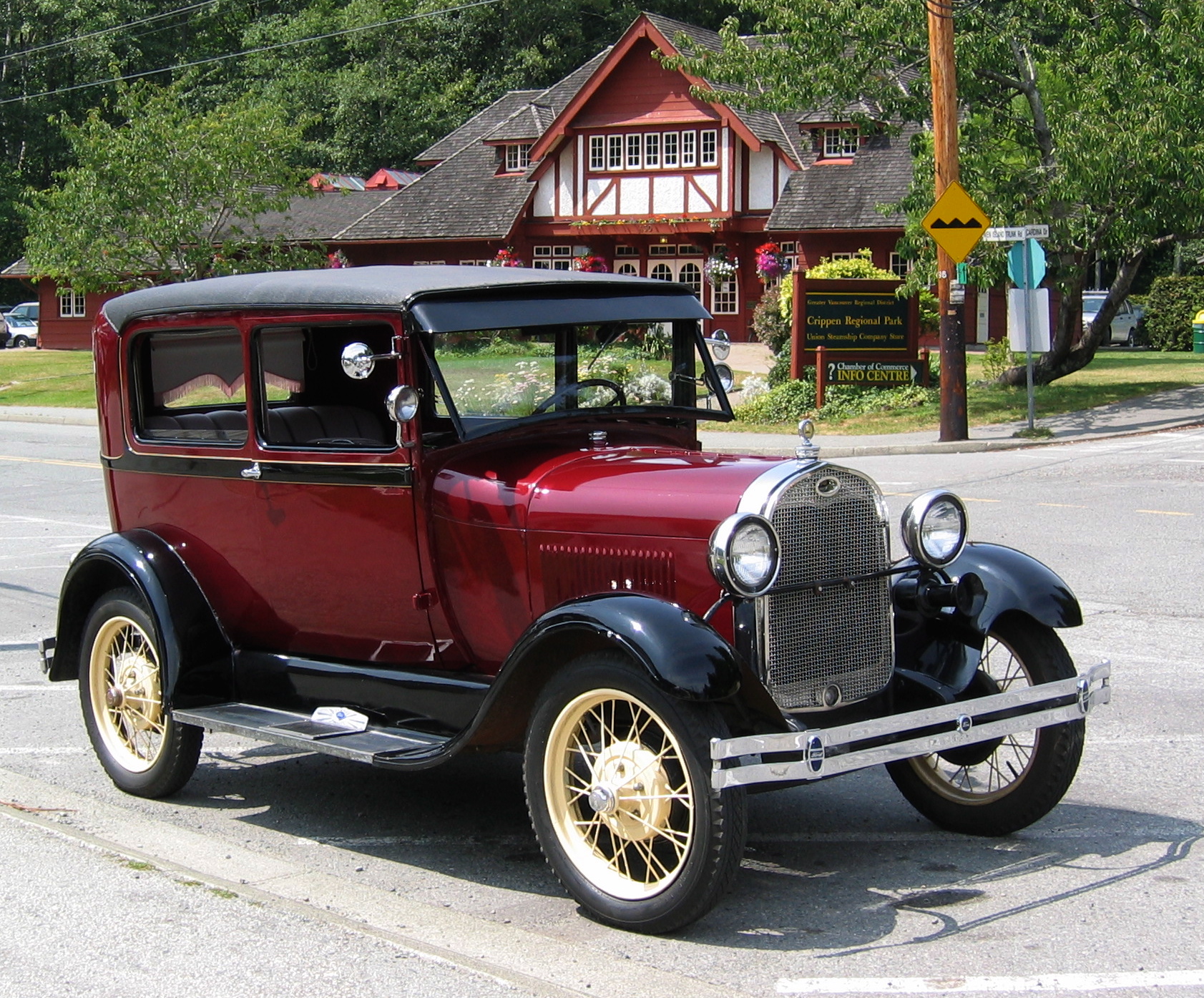
Ford
"[72.0s] We've got six stores. [73.8s] I managed two of them, the Lincoln and the Mazda, Dabble and Ford a little bit, do whatever"
Ford is a well-known car brand. This line suggests Joe Lewis is connected to a Ford dealership too.
Ford is a major American automaker. The mention indicates Joe Lewis also has involvement with a Ford dealership, which is especially relevant since the episode title references Ford dealer issues.
CarEdge car search
"Joe, what we do is we do this live experiment every time we talk about this topic, which is we go to the CarEdge car search and we toggle new cars for sale nationwide that are still 2025 or older."
They’re using a website search tool to look up cars dealers still have on the lot. They filter the results so they can compare how many older “new” cars are still unsold.
The hosts describe using the “CarEdge car search” tool as part of a recurring “live experiment” to quantify dealer inventory. They filter for new cars that are still 2025 or older and then compare counts by brand.
dealer inventory
"If you're a car shop and the best deal is to buy a car that's now a year and a half old, it's still got the rates, the incentives, all that fun stuff on it... you have zero 2025 Mazda's for sale right now."
Dealer inventory just means the cars a dealership currently has available to sell. If they don’t have the model you want (or only have a few), sales get harder.
“Dealer inventory” is the stock of new cars a dealership has on its lot (and in its pipeline). When inventory is low—like having “zero” of a certain model—dealers can’t sell what customers want, even if demand exists.
production constraints
"Yeah. No, I think it's a combination, but I think it mainly boils down to production and constraints and supply and things like that."
Production constraints are reasons factories can’t make as many cars as they planned. If cars can’t be built, dealerships end up with fewer vehicles to sell.
“Production constraints” are limits in manufacturing that keep automakers from building enough vehicles on time. These can come from parts shortages, labor capacity, or scheduling changes, and they directly affect how many cars dealers can get.
supply and demand
"...it mainly boils down to production and constraints and supply and things like that... obviously in a perfect world, they would like to be completely sold out of these and having just 26s on the lot..."
Supply and demand is the basic idea that people want cars, but the market only has as many cars as manufacturers can deliver. If there aren’t enough cars available, dealers can’t sell new ones easily.
The hosts connect sales issues to “supply and demand,” meaning demand for cars vs. how many cars are available. When supply is tight, dealers may have fewer cars on lots and customers may be pushed toward older model-year vehicles.
model-year rollover
"...having just 26s on the lot and starting to get the 27s and the funnel to come on the lots later this summer or fall..."
Model-year rollover is when carmakers switch from one model year to the next. If the new cars show up late, dealers can’t sell the newest year right away.
“Model-year rollover” is the period when automakers transition from one model year to the next, and dealerships receive the newer cars later than expected. If the new model-year cars arrive late, lots can be short on the newest inventory.
lingering 2025s
"But before we do, what does it mean for car shoppers if there are brands out there that have lingering 2025s, have lingering on sold, the inventory versus brands that don't?"
This means some brand-new cars from the 2025 model year are still unsold on lots. Because they’ve been sitting there, the dealer may lower the price to sell them.
“Lingering 2025s” refers to new cars from the 2025 model year that haven’t sold yet and are still sitting on dealer lots. When inventory ages, dealers often become more motivated to discount the cars to move them.
inventory versus brands
"But before we do, what does it mean for car shoppers if there are brands out there that have lingering 2025s, have lingering on sold, the inventory versus brands that don't? Like if I'm a Mazda shopper versus a Ford shopper right now, does the market look different?"
Different brands can have different amounts of unsold cars sitting on lots. If a brand has more leftover cars, it’s more likely you’ll find better deals.
The “inventory versus brands” idea is that different automakers can have different levels of unsold stock at any given time. More leftover inventory usually means more discounting and less negotiation pressure for shoppers.
incentives
"if you can find the 2025 Mazda in the lot, there's typically going to be better incentives, better rates on those cars."
Incentives are deals that help lower the price of a new car. They can show up as rebates or cheaper financing, especially when cars aren’t selling as fast.
Incentives are manufacturer- or dealer-funded offers that reduce the effective cost of a new car—often through cash rebates, special financing, or other promotions. They tend to increase when a model year is sitting longer on lots.
better rates
"if you can find the 2025 Mazda in the lot, there's typically going to be better incentives, better rates on those cars."
“Better rates” means the loan interest is lower, so the car costs less over time. Dealers often get more aggressive with financing offers when cars have been sitting.
“Better rates” refers to lower interest rates on auto loans or financing terms that make monthly payments cheaper. When inventory is aging, lenders and manufacturers may offer more attractive financing to stimulate sales.
leftover 25s
"So you're not going to have as big of a selection as you will if you want to go in and buy a brand new 26. But if you're hunting for the deal, find leftover 25s. And that's where the best deals are going to be."
“Leftover 25s” are 2025 cars that didn’t sell when they were new. Since they’re still sitting around, dealers often lower the price to get them sold.
“Leftover 25s” means remaining 2025 model-year cars that are still unsold into a later shopping season. These are often discounted because dealers want to clear space and reduce the time cars sit on the lot.
aged inventory
"I asked before the show if Joe would take a screenshot of his most aged inventory on the Ford side across the whole dealer group and the Lincoln side and also on the Mazda side. And here we go, Joe, we're on the Ford side first. And everyone can see here the column that says age, the column that says year, and the stock number. We've got, ah, that's this Ford Maverick. This Ford Maverick has been sitting on your lot for what did it say?"
“Aged inventory” just means cars that have been sitting at the dealership for a long time. The longer it sits, the more likely the dealer is to offer a better deal.
“Aged inventory” refers to vehicles that have been on a dealer’s lot for an extended period. Longer aging often leads to more aggressive pricing or incentives because dealers want to reduce carrying costs and make room for newer stock.
stock number
"And here we go, Joe, we're on the Ford side first. And everyone can see here the column that says age, the column that says year, and the stock number. So I've pulled up a few of these over on the J.C. Lewis website."
A “stock number” is the dealer’s internal identifier for a specific vehicle in their inventory system. It helps shoppers and sales staff quickly reference the exact car being discussed, especially when comparing multiple listings.

Ford Maverick
"We've got, ah, that's this Ford Maverick. This Ford Maverick has been sitting on your lot for what did it say? It was like 450 days or something like that, so 411 days. Too long."
The Ford Maverick is a small pickup truck. In this conversation, it’s an example of a truck that’s been sitting on the dealer lot for a very long time, so it’s likely priced to move.
The Ford Maverick is a compact pickup truck sold by Ford. In this segment it’s used as an example of “aged inventory” on a dealer lot—here, the truck has been sitting for roughly 411 days, which typically makes it more negotiable.
merchandising
"Too long. That's how long is that? Help us all understand this here. This is how you guys are merchandising it."
In automotive retail, “merchandising” is how a dealer presents and markets vehicles—pricing, photos, listing details, and how they’re positioned to attract buyers. The host is implying the dealer’s approach to presenting an aged unit affects how it sells.
courtesy vehicle
"It's a courtesy vehicle. You've got a $3,000 discount, $2,500 in incentives. Help us understand why this hasn't sold."
A courtesy vehicle is a temporary rental the dealer gives you. It’s often used while your car is in the shop, and that can mean the “new” car was driven or sat around longer than you’d expect.
A courtesy vehicle is a car the dealer provides to a customer temporarily, usually while their own vehicle is being serviced or repaired. In this context, it’s being used as a loaner, which can affect how long a new car sits on the lot before it’s sold.
recall
"my assumption not being involved in Ford as much is there was probably a recall that prevented it from being sold for a while."
A recall means the company found a problem and wants certain cars fixed. If a car is under recall, it may not be sold until it gets repaired.
A recall is when a manufacturer asks owners to bring vehicles in for a fix due to a safety or compliance issue. If a recall affects a specific vehicle, it can delay sales because the car may be held until the issue is corrected.
loaner program
"it could have been 100 days old when we put it in the loaner program and then it could have sat in there for a little while."
A loaner program is when the dealer lends you a car for a short time. If a “new” car was used as a loaner, it may have been driven or tied up for a while before it was sold.
A loaner program is when a dealer provides a vehicle to customers temporarily, typically while their car is being serviced. If a new vehicle is used as a loaner, it can end up sitting longer on the lot and may be treated differently by buyers.
days old
"it could have been 100 days old when we put it in the loaner program and then it could have sat in there for a little while. So maybe it didn't come out and was available for sale till it was 200 or 300 days old."
“Days old” here means how long the car has been sitting around since it was new. The longer it sits, the more likely the dealer will lower the price to sell it.
“Days old” refers to how long a vehicle has been in inventory since it was built or first put into service. Longer time on the lot often increases the likelihood of discounts and incentives to clear inventory.
XLP
"So that might be part of the reason, but can we hit on that just for a second? The Maverick is like the best selling, you know, new, new hot thing that Ford has, but it's because it's affordable. I didn't even know Mavericks to get up to $38,000 MSRP. That's an XLP."
XLP sounds like a trim or option level on the Maverick. The transcript doesn’t fully explain what it stands for, so it’s hard to be certain from this clip.
XLP appears to be a trim or package designation mentioned in the segment, used to discuss how expensive this Maverick is. However, the exact meaning of “XLP” isn’t clear from the provided transcript alone.
Lariat
"That's an XLP. You can, you can hit 40 with the Lariat. Holy cow. Yeah."
Lariat is a higher trim level, meaning the car usually comes with more features than the base model. They’re using it to show that some Mavericks get expensive.
Lariat is a trim level on Ford vehicles, typically indicating a higher equipment package than the base versions. In this segment, it’s used to illustrate that higher trims can push the Maverick’s price up toward $40,000.
411 days
"considering the fact that the vehicle has been there for 411 days, do you think your counterparts at the Ford store would probably maybe perhaps accept a slightly lower offer... So you've got 411 days on that Maverick."
“411 days” means the car has been sitting at the dealership for a little over a year. The longer a car sits, the more likely the dealer will be to accept a lower offer or add incentives to sell it.
“411 days” refers to how long a specific vehicle has been sitting in dealer inventory. Long lot times are a key signal in pricing discussions because the dealer may need to reduce the price to clear aging stock.

Ford Bronco Sport
"Here's that Bronco that's been sitting for 411 days as well. And then we've got another Bronco sport that's been sitting for 337 days."
The Bronco Sport is a Ford small SUV. They’re using it as an example of cars that have been sitting at the dealership for a long time, which changes how willing the dealer is to move on price.
The Ford Bronco Sport is a small SUV in the Bronco lineup. The hosts mention multiple Bronco Sports sitting on the lot for hundreds of days, using them to illustrate how dealer inventory aging influences negotiation and incentives.
turn inventory quickly
"There is not an incentive on your side to hold on to cars that long. Can you explain the financial incentive to actually turn inventory quickly? We'll look at the Lincoln next."
“Turn inventory quickly” means selling cars off the dealer lot faster rather than letting them sit for months. Dealers often have financial pressure to reduce aging inventory because holding cars ties up cash and can lead to bigger discounts later.
floor plan
"we don't write them a check for three, four hundred grand for all the cars on the truck. We floor plan it. It could be with Ford credit."
Dealers often borrow money to buy new cars for their lot. They pay interest while the cars are sitting there, so selling faster can reduce the cost.
A floor plan is a financing arrangement dealers use to pay for new vehicles while they sit on the lot. The lender provides the money up front, and the dealer pays interest (and sometimes fees) until the car is sold.
interest
"we're paying six or so percent interest in all these cars on these millions of dollars of cars we have in the lot. So every day that those cars sit there, we're paying interest."
Interest is the extra money you pay for borrowing. If the dealer keeps a car on the lot longer, the borrowing cost keeps adding up until the car sells.
Here, “interest” refers to the cost of borrowing money for inventory financing. When vehicles sit unsold, the dealer continues paying interest on the borrowed amount, which increases the effective cost of holding the car.
incentivized
"So every day that those cars sit there, we're paying interest. So we're incentivized to sell them as fast as possible. Sometimes there's programs like if you sell them within the first 30 days..."
They’re motivated to sell quickly because keeping cars sitting costs money. The longer the cars sit, the more it hurts financially.
In this dealer-finance context, “incentivized” means the dealer is financially motivated to sell vehicles quickly because holding inventory costs money. The interest and financing structure create pressure to move cars off the lot.
on your lot for 506 days
"We're going to talk about stock number LA 5006. It's been on your lot for 506 days. And you just said something that I think is so and you had a visceral reaction to it, too..."
If a car sits on the dealer lot for a long time, it can mean it’s not selling easily. That might be because of the price or because the specific options/configuration aren’t what most buyers want.
Time on dealer inventory (how long a car sits on the lot) can signal issues like an unpopular configuration, higher-than-expected pricing, or slower demand for that specific trim. Dealers often use this as a reason to discount or change strategy to move the unit.

2025 Aviator Black Label
"Here's your here's your 2025 aviator black label that's been sitting for, [739.9s] you know, a year and a half now with you talk us through this. [743.2s] So, you know, this one in particular,"
This is a Lincoln Aviator SUV in the highest “Black Label” trim. The “Black Label” version usually comes with nicer features and costs more than the regular versions.
The Lincoln Aviator is a luxury SUV, and the “Black Label” is Lincoln’s top-tier trim level. A “Black Label” model typically includes more premium features and options than lower Aviator trims, which is why this specific 2025 example is described as one of the most expensive builds.
Black Label special edition
"It's got the black label special edition. [766.7s] It's got the full rear console. [768.5s] It's got the Asher Gray metallic paint, which is a 750 ad."
Within the top “Black Label” version, this is a special edition with extra features or styling. Those added items can make the car more expensive and sometimes harder to sell.
“Black Label special edition” refers to a specific higher-content variant within the Black Label trim. In practice, it usually means additional unique styling and/or equipment beyond a standard Black Label build, which can affect both pricing and how quickly it sells.
full rear console
"It's got the black label special edition. [766.7s] It's got the full rear console. [768.5s] It's got the Asher Gray metallic paint, which is a 750 ad."
A “full rear console” is the big, feature-filled center area for the back seats. It often adds storage and convenience features, which is why it’s considered a luxury upgrade.
A “full rear console” is a center console area for rear-seat passengers, typically including storage and controls and sometimes rear climate/charging features. It’s a premium cabin feature that can make a luxury SUV more appealing for families and road trips.
Asher Gray metallic paint
"It's got the full rear console. [768.5s] It's got the Asher Gray metallic paint, which is a 750 ad. [772.8s] So, you know, when when a tip when you can buy a reserve aviator,"
This is a specific exterior color choice for the car. “Metallic” means the paint has a shimmering look, and it costs extra as an added option.
“Asher Gray metallic paint” is a specific exterior color option, and “metallic” indicates the paint contains metallic flakes that change how it reflects light. The speaker also notes it as a priced option (“a 750 ad”), meaning it adds cost to the vehicle.
reserve Aviator
"So, you know, when when a tip when you can buy a reserve aviator, [777.5s] which is the the nicer trim level aviator for high 70s, low 80s, [784.8s] you know, this one's ninety seven five."
“Reserve” is a mid-to-upper trim level for the Aviator. It’s positioned between the regular versions and the top Black Label trim in terms of features and price.
“Reserve” here is being used as a trim level above the base Aviator but below Black Label. The speaker contrasts it with Black Label pricing and describes it as the “nicer trim level” in a certain price band.
sticker
"And then also a good thing to note is that black labels were not allowed [804.3s] to advertise anything but sticker. [809.5s] So for probably a year that we had this car, [813.1s] we had to advertise it at sticker on our website per link in black label rules."
Here, “sticker” means the car’s official listed price (the price printed by the manufacturer). They’re saying the dealer had to advertise it at that exact listed price for a while.
In this context, “sticker” means the manufacturer’s suggested retail price (MSRP) shown on the vehicle’s pricing sheet. The speaker is saying the dealer was only allowed to advertise the car at that MSRP figure for about a year due to “Black Label rules.”
Black Label rules
"And then also a good thing to note is that black labels were not allowed [804.3s] to advertise anything but sticker. [809.5s] So for probably a year that we had this car, [813.1s] we had to advertise it at sticker on our website per link in black label rules."
These are special marketing rules for the Black Label cars. The dealer had to follow them, and for a while they could only show the official listed price online.
“Black Label rules” refers to dealer marketing restrictions tied to the Black Label program. The speaker explains that for a period, dealers couldn’t advertise discounts or other pricing and had to show only the sticker price on their website.
map pricing
"There's so much to dig into there because map pricing is literally what most people don't know what map pricing is. We should explain that to you."
MAP pricing means the manufacturer sets a minimum price that dealers are allowed to show in ads. Dealers might still be able to sell for different amounts, but they can’t advertise super-low prices right away. It’s meant to stop everyone from undercutting each other publicly.
MAP pricing stands for “minimum advertised price.” It’s a policy where an OEM (car manufacturer) sets the lowest price that dealers are allowed to advertise publicly, even if the dealer can sell for less. The goal is to prevent price wars and keep the brand’s pricing structure from collapsing.
OEM
"You contractually could not advertise an aggressive price until the OEM realized, oh, crap, we've only sold half of our inventory."
OEM is the car maker itself—the company that builds the vehicles. Here, the OEM sets the rules for how dealers can advertise prices. So dealers can’t always advertise big discounts immediately.
OEM means “original equipment manufacturer,” i.e., the company that builds the vehicles. In this context, the OEM controls dealer advertising rules like MAP pricing and can restrict aggressive pricing until certain sales/inventory targets are met. That’s why dealers may be contractually limited in how they market discounts.
minimum advertised pricing
"Like that's something that a lot of people in the college community, dad, you and I don't talk about map pricing, minimum advertised pricing all the time."
Minimum advertised pricing is the rule behind MAP pricing. It limits how low dealers can advertise a car for, so big discounts may not show up publicly until later. That can change what you see when you search online.
Minimum advertised pricing is the full phrase behind MAP pricing. It limits how low dealers can advertise a vehicle’s price, which can delay aggressive promotions until the manufacturer’s conditions are met. In practice, it affects how quickly shoppers see discounts online.
call for price
"Is it just the way to say, hey, call for price? ... you can you can say call for call for price, request more info, get personalized price like we have in our website."
“Call for price” means the dealer doesn’t list the exact price in the ad. Instead, you have to ask for a quote, which can help them follow the manufacturer’s advertising rules.
“Call for price” is a sales tactic where the dealer avoids publishing a specific advertised price. The segment suggests this can be used to comply with brand rules while still letting shoppers request a quote (sometimes via a website) rather than seeing a lower-than-MSRP price publicly.
new and used car inventory
"I did a little analysis of your new and used car inventory and let's see how close my numbers are to your numbers over at the Mazda store."
Inventory just means the cars the dealership has on hand. “New” are brand-new cars, and “used” are previously owned cars they’re selling.
“Inventory” is the stock of vehicles a dealership currently has available to sell. Splitting it into “new” and “used” matters because those categories have different pricing, demand, and turnover rates.
pressure test
"You'll you'll you'll pressure test me here in a second. And I'm seeing that most of them are moving pretty quickly again across new and use that seems like an awful lot of cars."
A “pressure test” means “let’s see if this holds up when we check it.” The dealer is basically verifying whether the host’s guess about car counts is accurate.
A “pressure test” is a way to challenge an assumption or estimate by putting it under scrutiny. Here, the host’s inventory numbers are being questioned against the dealer’s real data.
two month supply of inventory
"Yeah, you know, historically, I've been closer to a two month supply of inventory. So, you know, if I sell 60 new Mazdas a month, two months would put me at 120 cars."
Dealers often track how many cars they have compared to how fast they’re selling. A “two month supply” means they have enough cars to cover about two months of sales at the current pace.
“Two month supply” is a dealer inventory metric that estimates how long the current stock would last if sales continue at a steady pace. The speaker says they’ve historically kept closer to a two-month level, then tried to increase it.
three month supply
"So I'm sitting pretty close to a three month supply right now, which I'm which I'm happy about, you know, it's it's springtime."
This is another way of saying how many cars the dealer has relative to how quickly they’re selling them. “Three month supply” means they’re stocked enough for about three months of sales.
A “three month supply” means the dealer currently has enough inventory to cover roughly three months of sales at their current selling rate. The speaker is pleased with this level because it gives them more cars to sell.
rebates
"The rates are good. And the rebates are good."
Rebates are discounts from the car maker that lower what you pay for a new car. The dealer is saying the current discounts are strong right now.
Rebates are manufacturer-funded discounts offered to buyers, typically to reduce the effective price of a new vehicle. The speaker notes that rebates are “good,” implying stronger incentives that can help move inventory.

2026 CX-5
"How's the it has the has the new 2026 CX five arrived at the dealership yet? ...And how how have those been received in comparison to the previous generation?"
This is the 2026 Mazda CX-5, a compact SUV. The dealer is talking about how people are reacting to it, including a noticeable change to the gear shifter/knob.
The Mazda CX-5 is Mazda’s compact crossover SUV, and the speaker is discussing the 2026 model’s arrival and how customers are responding. They mention pricing relative to the MSRP and note a change to the interior shifter/knob that affects some buyers.
shifter, the knob
"Some people are, you know, sad about the the the shifter, the knob being gone. Yeah, I'm familiar with that knob."
That’s the part you use to choose gears (like Park, Drive, and Reverse). If Mazda changed or removed the familiar knob, some people don’t like the new feel or look.
The “shifter knob” refers to the physical gear-selection control in the center console. Some buyers prefer traditional shifter designs, so removing or changing it can be a point of emotional attachment even if the driving experience is similar.
unsold cars
"It seems like regardless of the scenario, unsold cars where I've got more inventory, the game for you doesn't change. You're trying to turn it over quickly."
Unsold cars are the ones sitting at the dealership that haven’t been bought yet. Dealers usually want to sell them quickly so they don’t keep piling up.
“Unsold cars” refers to vehicles that are sitting on a dealer’s lot without being sold yet. The longer cars remain unsold, the more pressure dealers feel to “turn it over quickly” through pricing, promotions, or incentives.
turn it over quickly
"You're trying to turn it over quickly. So I just I always like to come back to that, like, you know, use your analogy of a dog having an accident in the house."
“Turn it over quickly” means sell the cars faster. That way the dealership doesn’t have to keep lowering prices to move older cars.
“Turn it over quickly” is dealer-speak for selling cars fast and replacing them with new inventory. It helps reduce the time cars sit on the lot and limits how much the dealer has to discount later.
inventory gets real scarce
"Right. Right. You know, it's when when inventory gets real scarce like it did at one point during covid, dealers are incentivized to to, you know, hold on to prices, not discount as much."
That means there aren’t many cars available to buy. When cars are hard to find, dealers usually don’t have to discount as much to get sales.
“Inventory gets real scarce” means there are very few cars available for dealers to sell. When supply is tight, dealers can often keep prices higher because customers have fewer alternatives and wait times increase.
discount
"during covid, dealers are incentivized to to, you know, hold on to prices, not discount as much. Because, you know, if if I sell 60 cars a month and I've got 60 cars on the ground,"
Here, “discount” means lowering the price to get people to buy. Dealers do this more when they have too many cars that aren’t selling.
In this context, “discount” means reducing the sale price (or effectively lowering it with incentives) to move inventory. Dealers discount more when they have too many cars sitting on the lot.
factory rep coming in
"And I'm pretty sure you don't want your factory rep coming in going, OK, I got you the extra cars. Why aren't you selling them?"
A “factory rep” is someone from the car company checking on how the dealership is doing. The point is the automaker wants the dealer to sell the cars, not just keep receiving more.
A “factory rep” is a representative from the automaker who monitors dealer performance and inventory flow. The speaker is implying the automaker expects the dealer to sell cars rather than let them pile up.
oversupply of inventory
"All right, on the Mazda side, you've got the oversupply of inventory. Where are you going?"
It means the dealer has too many cars sitting around compared to how many people want to buy right now. That usually makes it harder to sell cars without lowering the price or adding deals.
“Oversupply of inventory” means dealers have more cars on hand than shoppers are buying. When that happens, dealers may struggle to sell new cars at full price and may rely more on incentives or discounts.
days supply
"So days supply, the ones that stand out for the longest. [1418.4s] Miata's up there, but, you know, it's only because I've got 10 of them, [1423.2s] which is way higher than normal."
“Days supply” is basically how long the dealership’s current stock would last if sales keep going at the same pace. If it’s high, the cars aren’t selling as fast, so discounts tend to increase.
“Days supply” is an inventory metric that estimates how long it would take to sell the current number of vehicles at the current sales rate. Higher days supply usually signals slower demand and often leads dealers to offer bigger discounts to move cars.
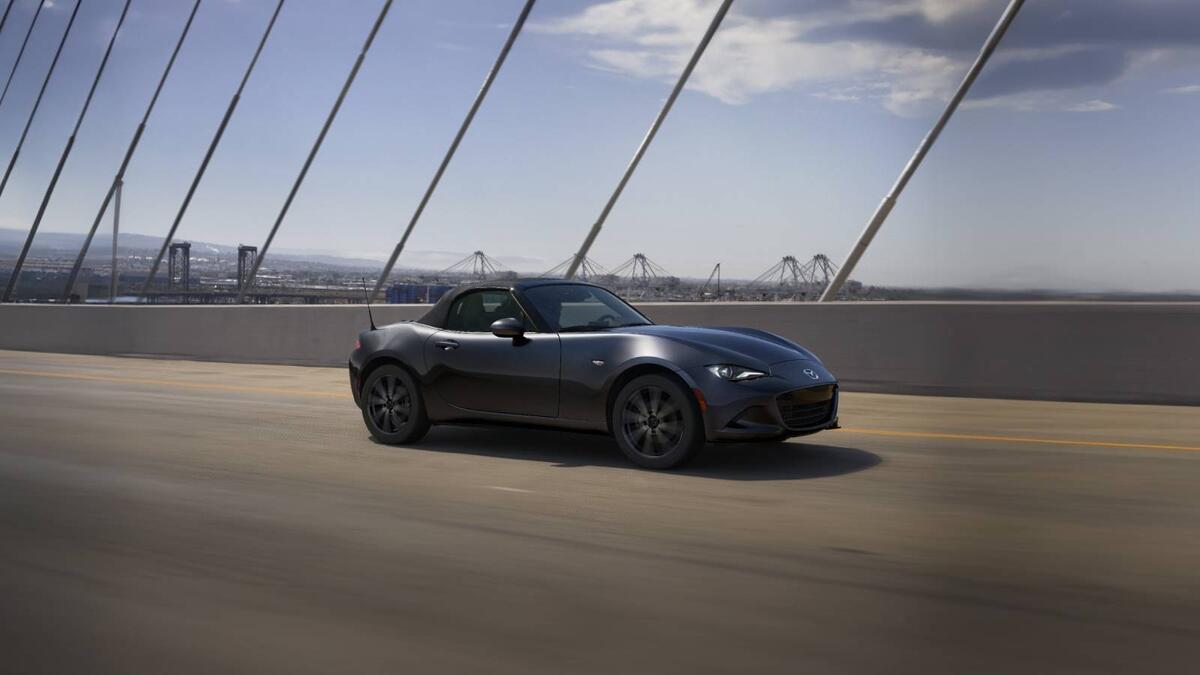
Miata's
"So days supply, the ones that stand out for the longest. [1418.4s] Miata's up there, but, you know, it's only because I've got 10 of them, [1423.2s] which is way higher than normal."
“Miata” is a Mazda roadster (a small two-seat sports car). Here, they’re saying there are more of them sitting at the dealership than normal, so discounts and deal-making get more aggressive.
“Miata” is a nickname for the Mazda MX-5 Miata, a small two-seat roadster. In this segment, it’s mentioned as one of the models sitting on dealer lots longer than usual due to high inventory.
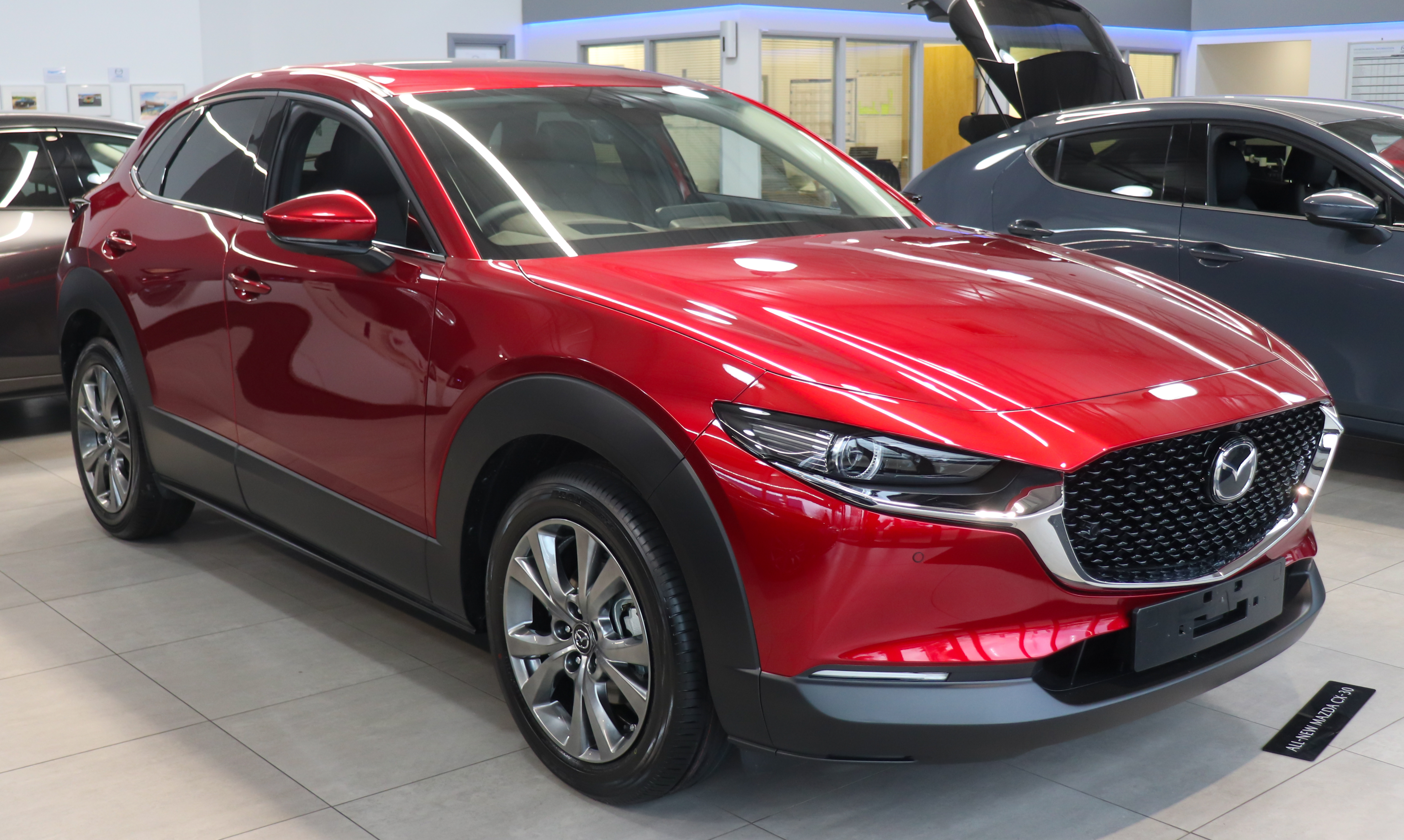
Mazda Cx30
"So let's take that one out. [1426.7s] CX 30, I've got a 200 day supply of 220. [1432.2s] And then an educated customer comes in on a CX 30."
The Mazda CX-30 is a small SUV. They’re using it as an example of a car that’s not selling quickly, so the dealership has a lot of them sitting around.
The Mazda CX-30 is a compact crossover SUV. The speaker uses it as an example of a model with a very high “days supply” figure, meaning the dealer has enough inventory to last far longer than typical sales pace.
authorized to do
"[1435.5s] Like what type of deal are your salespeople like authorized to do? [1438.6s] What are you approving? [1439.6s] Like, like let's get into some of the nitty gritty here."
Dealers often set rules for what salespeople are allowed to approve. This part is about how much discount or deal-making power the sales team actually has.
In dealer sales operations, “authorized” refers to the limits placed on salespeople for what they can approve—often including discount levels, incentives, or deal structure. The speaker is setting up how much flexibility sales staff have when inventory is high.
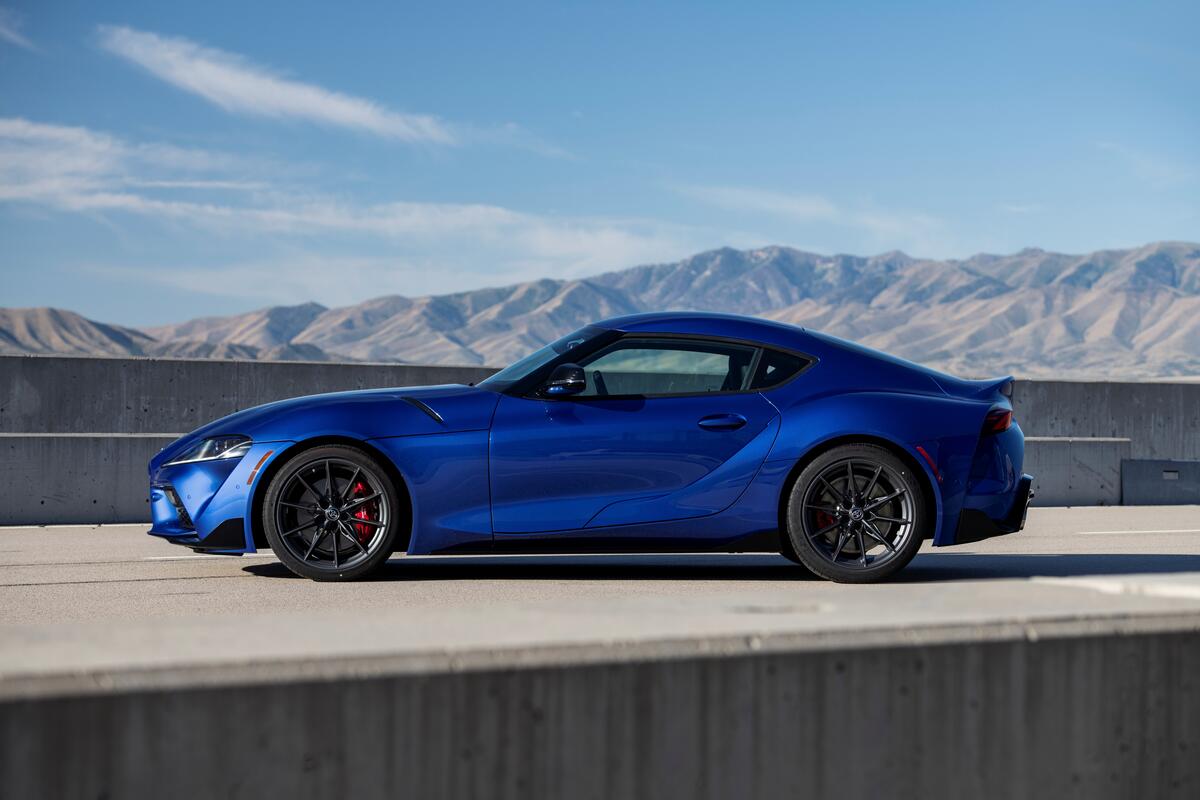
Toyota A90
"You know, if I've got an average of a three month supply, you know, anything, any car that's over a 90 day supply is higher than average. So, you know, my salespeople are probably going to work at the same."
The Supra is a sports car from Toyota with a focus on performance. The podcast is talking about how long cars like this sit in inventory, using “days supply” as a measure. If it’s over 90 days, it’s considered higher than average in that discussion.
The Toyota Supra is a performance sports coupe built for quick acceleration and a driver-focused experience. It’s significant in sales discussions because it can be a high-demand model, but its “days supply” can still vary based on trim and market conditions. In the podcast, it’s referenced in the context of what counts as above-average inventory time (over 90 days).
60 day supply
"...versus a 2026 CX5 that I have less than a 60 day supply on."
“Day supply” is a way to estimate how long the cars on the lot would last if sales keep going at the same rate. Less than 60 days means they don’t have many cars sitting around.
“Day supply” is a dealer inventory metric that estimates how long current stock would last at the current sales pace. A “less than a 60 day supply” implies relatively tight inventory, which usually supports more urgency to sell or more leverage in pricing.
hundred seventy six day supply
"...when when you have a hundred seventy six day supply of Mazda's?"
This is another “day supply” number, but much higher. It means the dealer has a lot of cars on hand compared to how fast they’re selling them.
A “hundred seventy six day supply” is an inventory metric indicating how many days of sales the current stock would cover. Compared with a short supply, a very high day-supply number suggests the dealer has more cars than it can sell quickly, which can lead to more aggressive sales pressure.

Lincoln Aviator
"...versations. You have to point out like that that Lincoln aviator, you know, you point that, you know, I need I ne..."
The Lincoln Navigator is a large luxury SUV. It’s built to be comfortable and roomy, especially for families or groups. The podcast mentions it as part of a discussion about how to explain Lincoln options to customers.
The Lincoln Navigator is a full-size luxury SUV designed for comfortable seating, a spacious interior, and a more upscale driving experience. It’s brought up in the podcast in the context of comparing Lincoln models and how salespeople should communicate product differences. The mention of the Navigator alongside the “Aviator” points to dealership conversations about which vehicle fits a customer’s needs.
inventory has grown
"So what what are those sales meetings sound like as your inventory has grown?"
This means the dealer has more cars than it used to. When that happens, they usually have to start pushing harder to sell them so they don’t pile up.
“Inventory has grown” refers to the dealer receiving more vehicles than before, which changes how the sales team is managed. When inventory builds, dealers often shift from waiting for demand to actively pushing sales to avoid cars sitting unsold.
internet lead
"Bring every deal to us. [1549.8s] Bring every every call to us, every internet lead, let us work everything. [1555.6s] The do do the salespeople understand when you have the amount of inventory"
An internet lead is someone who reaches out to the dealer online—like filling out a form or asking about a car. It’s basically a potential buyer the dealer can follow up with to try to make a sale.
An internet lead is a potential customer who contacts the dealership through online channels (like a website form, email, or online inquiry). Dealers track these leads because they often convert into sales, and the dealership wants sales teams to respond quickly and effectively.
average gross profit
"that you have that perhaps the average gross profit is going to drop a little bit. [1569.5s] And so the average commission might be down a little bit, but but they'll"
Gross profit is the money a dealer makes from selling a car, before paying the dealership’s other bills. If prices get cut to move cars, the gross profit per car usually goes down.
Average gross profit is the average profit a dealership makes from each car sale before operating expenses. When inventory is high and dealers discount, gross profit per vehicle can drop.
commission
"And so the average commission might be down a little bit, but but they'll [1575.0s] be able to make it up in volume. [1576.7s] Do they understand that?"
Commission is the part of a salesperson’s pay that depends on sales. If each car sale makes less money, their commission may shrink unless they sell more cars to compensate.
Commission is the salespeople’s pay tied to sales performance, often based on profit or units sold. If gross profit per car drops, commission can also drop unless the dealer sells enough additional volume to make up for it.
volume
"be able to make it up in volume. [1576.7s] Do they understand that?"
Volume just means selling more cars. Even if each car earns less profit, selling more of them can still add up to similar overall income.
In sales, volume means the number of vehicles sold over a period. Dealers may accept lower profit per car when volume increases, so total earnings can stay steady.
MSRP
"[1630.4s] Thirty one thousand three hundred thirty five dollar MSRP. [1632.8s] You've got it advertised, which now the FTC is mandating."
MSRP is the “sticker price” the manufacturer sets for the car. It’s used as a reference point, so when someone says “X% off MSRP,” they mean cheaper than that sticker price.
MSRP stands for Manufacturer’s Suggested Retail Price. It’s the price the automaker publishes as a baseline, before dealer fees and add-ons. Dealers often advertise discounts or markups relative to MSRP.
FTC
"[1632.8s] You've got it advertised, which now the FTC is mandating. [1635.4s] You have to have your dock fee."
The FTC is a U.S. government agency that protects consumers from misleading advertising. Here, they’re talking about rules that make dealers show pricing details more clearly.
FTC refers to the U.S. Federal Trade Commission, which enforces consumer protection and advertising rules. In this context, they’re saying the FTC is requiring certain pricing information to be advertised transparently. That’s why the hosts mention MSRP and fees being shown.
dock fee
"[1635.4s] You have to have your dock fee. [1636.5s] This is this is the average dock fee in the state of Georgia."
A dock fee is money the dealer charges to cover the car’s shipping/arrival costs before it reaches the dealership. It’s one of those extra fees that can raise the final price.
A dock fee is a charge a dealer adds to cover costs of getting the vehicle from the port (or rail yard) to the dealership. It varies by state and dealer, and it can significantly affect the out-the-door price shoppers pay. In the segment, they’re discussing the average dock fee in Georgia.
adjusts the price every thirty days
"[1645.6s] Yeah, you know, I've got all of my Mazda inventory set up where like every [1650.4s] thirty days it it adjusts the price. [1653.5s] So if from the looks of that one, it's probably over a 90 day mark,"
They’re saying the dealer changes the car’s advertised price periodically, not just once. The longer the car sits, the more likely they are to lower the price to attract buyers.
This describes a dynamic pricing strategy where a dealer changes advertised prices on a schedule based on inventory age and market conditions. In the segment, they tie it to how long a vehicle has been sitting (over a 90-day mark) and then apply a discount off MSRP. It’s meant to explain how dealers can move prices over time.
invoice
"[1671.4s] That's still a great price on that car. [1673.1s] That's still lower than invoice. [1675.2s] But I wouldn't mind at all going to, you know, seven percent or so off MSRP,"
Invoice is basically what the dealer pays to get the car from the manufacturer. People use it to judge whether a discount is truly a bargain—if the sale price is below invoice, the dealer may be making very little money.
“Invoice” refers to the price the dealer pays the manufacturer for the vehicle (often called the dealer invoice). It’s commonly used as a benchmark for whether a deal is “good,” because discounts below invoice can indicate the dealer is selling with little or no margin. The segment claims the car is already under invoice.
hold back
"[1784.4s] I can send you the invoice and we can we can break it down and we can break down hold back. [1788.2s] We can break it all down."
Holdback is money the manufacturer pays the dealer after the car is sold. It can make the dealer’s real profit higher than what you’d guess from the sale price alone.
Holdback is a manufacturer-to-dealer payment (often a percentage of the vehicle’s price) that the dealer receives after the sale. It’s part of how dealers can profit even if the sticker price looks low.
dealer fee
"[1830.9s] What you have to be on the lookout for is what's their dealer fee? [1834.7s] What's their tag title fee?"
A dealer fee is an extra charge the dealership adds to the deal. Even if the car looks discounted, this fee can reduce (or erase) the savings.
A dealer fee is an extra charge added by the dealership on top of the vehicle’s base price. It can be negotiable or fixed depending on the dealer and the state, and it’s often where “discounts” get offset.
tag title fee
"[1834.7s] What's their tag title fee? [1836.3s] Are they charging accessories, dealer installed options?"
These are fees for paperwork—getting the car registered and the title processed. They’re usually not optional, but you should know the exact amount before you agree to the deal.
Tag and title fees are charges related to registering the vehicle and transferring ownership paperwork. They’re often required, but the amount varies by dealer and location, so they should be itemized on the final quote.
dealer installed options
"[1836.3s] Are they charging accessories, dealer installed options? [1838.7s] You know, I can show you 10 percent off my CX 30, 31 grand."
Dealer installed options are extras the dealer adds to the car. Since the dealer is the one adding them, the cost can be higher than you’d expect—so make sure you see the price breakdown.
Dealer installed options are features added by the dealership after the vehicle arrives (or bundled as part of the deal) rather than being factory-installed. Because they’re added by the dealer, they can come with markup and should be itemized and priced separately.
accessories
"[1836.3s] Are they charging accessories, dealer installed options? [1838.7s] You know, I can show you 10 percent off my CX 30, 31 grand."
Accessories are extra add-ons for the car—like add-on equipment or packages. They can be legit, but they can also be used to raise the price, so check whether they’re truly optional.
Accessories are add-on items installed on the vehicle (or bundled with the sale) such as protection packages, electronics, or appearance items. Dealers may price these as optional, but they can be used to inflate the deal price.
out the door price
"But what's the out the door price these guys always done, Joe? Always throw in there."
“Out the door price” means what you’ll actually pay at the end of the deal. It includes the car price plus things like taxes and fees, so it’s easier to compare two dealers.
The “out the door price” is the total amount you pay to buy the car, including the vehicle price plus taxes, registration, and dealer fees. It’s a practical way to compare offers because it reflects the final checkout number rather than just the advertised price.
job one
"[1978.8s] All right, we've got here from Baron. [1980.5s] Thanks, Baron. [1981.1s] Walter is no longer job one. [1984.1s] Well, not at Ford. [1985.3s] No, it hasn't been for years."
In car manufacturing, “job one” means the top priority—what the factory is mainly focused on building. The comment suggests that priority has changed.
“Job one” is shorthand in the auto industry for the first priority production schedule—typically the main, highest-volume work a plant is set up to build. Saying “Walter is no longer job one” implies the company’s top production focus has shifted away from that item.
leftover inventory
"I imagine that Ford's going to increase their incentive significantly going into next month of all the leftover inventory they have. I would think they would."
Leftover inventory refers to unsold new vehicles sitting at dealerships or in the distribution pipeline. When inventory builds up, manufacturers and dealers are more likely to offer bigger incentives to move those cars.
Memorial Day weekend sales
"most of the manufacturers do up their incentives when it comes to May and especially for Memorial Day weekend sales. So I would think there should be some good deals out there at that time."
Memorial Day weekend is a big holiday time when lots of people shop for cars. Car companies and dealers often run stronger deals during that period to attract buyers.
Memorial Day weekend is a major U.S. shopping period for new cars, and manufacturers often time promotions to coincide with it. Dealers may increase advertising and incentives around the holiday to boost traffic and sales.
advertised price
"why I can't change my advertised price until they realize how much [2061.6s] they screwed up on price and the damn thing to begin with."
That’s the price the dealer puts out where shoppers can see it. If the dealer can’t change it, they may be stuck marketing the car at a number that isn’t working.
“Advertised price” is the price a dealer lists publicly (often online) to attract buyers. In dealer pricing discussions, it matters because changing it can affect how aggressively the dealer can market the vehicle.
pricing rules
"The other thing he's telling is I have pricing rules set up, [2068.7s] which is literally what we tell y'all, hey, every 30 days, every 30 days, [2072.9s] every 30 days, lower the price."
These are set rules for how the dealer changes the price. In this case, they lower it on a schedule (every 30 days) and can go lower if the car still isn’t selling.
“Pricing rules” are automated or policy-based guidelines that control how a dealer adjusts vehicle prices over time. Here, the host describes a recurring schedule that lowers price every 30 days and allows further reductions if needed.
Request an Explanation
Heard something you'd like explained? We'll add it to this episode.
Sign in to request explanations for terms you heard.
Want to learn more?
Browse our glossary for plain-English explanations of automotive terms, jargon, and concepts.
Help improve this episode
See something that's not quite right? Our annotations are AI-generated and can sometimes miss the mark. Click the flag icon on any annotation to suggest a correction.