Driven Radio Show #352: Kyle Smith and Chris Moyer at McPherson C.A.R.S. Show 2026
About this episode
McPherson C.A.R.S. Show 2026 blends a lively campus car-show walkaround with deep shop talk. The hosts admire rare metal like a Tucker, a blue Challenger, Corvairs, and early Corvettes, while also digging into McPherson College’s auto restoration program and its hands-on training in welding, body work, upholstery, and drivetrain work. From ice-racing studs and T56 gearing to power-antenna failures, LS swaps, and a bargain 1985 C4 Corvette, the conversation keeps bouncing between show-floor eye candy and practical garage problem-solving.
Hosted on Acast. See acast.com/privacy for more information.

Dodge Challenger
"...was very excited because there's a beautiful blue challenger. Um, I think it's, oh good Lord, I don't even kno..."
A Dodge Challenger is a performance car with a big, powerful engine and a sporty, classic design. People talk about it because it’s meant to be quick and fun to drive. The podcast mentions a blue one because it’s an eye-catching example.
The Dodge Challenger is a classic-style American muscle car built for strong straight-line performance and a bold, retro look. It often comes up in conversations about modern muscle because it blends everyday drivability with big-engine options. In the podcast, the speaker is clearly excited to see a blue Challenger, suggesting it’s a standout car in the lineup.
classic car restoration program
"The, um, the classic car restoration program is phenomenal. This isn't the type of program where you come in and you learn how to work on, uh, multiple, you know, ECU units and all the electronics that go into modern vehicles, uh, you learn"
A classic car restoration program focuses on returning older vehicles to a correct, functional, and often show-ready condition. Instead of training primarily on modern vehicle electronics, it emphasizes traditional mechanical skills and period-appropriate techniques.
ECU units
"This isn't the type of program where you come in and you learn how to work on, uh, multiple, you know, ECU units and all the electronics that go into modern vehicles, uh, you learn"
An ECU unit is a computer in a modern car that helps control how the engine runs. It’s one of the key electronics that makes today’s cars operate correctly.
ECU units are engine control units—computers that manage how the engine and other systems run. Modern cars use multiple ECUs to control things like fuel delivery, ignition timing, and emissions-related functions.
body work
"do you want to do welding, do you want to do body work, uh, upholstery work, interior [188.6s] work, you go through the whole program"
Body work is fixing the outside of the vehicle—like dents and damaged panels—and getting it ready for paint. It’s a key skill for restoration work.
Body work is the set of repairs and refinishing tasks that address a vehicle’s sheet metal and exterior surfaces. It often includes dent repair, panel alignment, and preparing surfaces for paint—skills that matter in restoration and collision repair.
welding
"do you want to do welding, do you want to do body work, uh, upholstery work, interior [188.6s] work, you go through the whole program"
Welding is a fabrication process that joins metal parts by heating and fusing them. In vehicle training programs, it’s commonly used for structural repairs, fabrication, and restoration work where new metal sections must be attached safely.
upholstery work
"do you want to do welding, do you want to do body work, uh, upholstery work, interior [188.6s] work, you go through the whole program"
Upholstery work means redoing the interior fabric and padding, like seats and trim. In restorations, it helps bring the car’s interior back to how it originally was.
Upholstery work is the craft of repairing or replacing interior seat and trim coverings. In classic restoration, it’s often about matching materials, foam, and stitching patterns to restore the original look and feel.
aftermarket speed shop
"parlay that into, uh, restores into garages that specialize into speed shops, [219.6s] into aftermarket speed shop, the, the amazing amount of jobs that are out there for people"
An aftermarket speed shop is a shop that upgrades or modifies cars using non-factory parts. The hosts are saying there are jobs like that for trained people.
An aftermarket speed shop is a business that modifies vehicles using parts and services not supplied by the original manufacturer. In this context, it’s part of the job ecosystem for people trained in classic vehicle restoration and related skills.
restores
"learning everything about vehicles [212.4s] and then you can parlay that into, uh, restores into garages that specialize into speed shops,"
“Restores” means restoring vehicles—fixing up an older car or bike so it looks and works the way it should. They’re saying training in that leads to real job opportunities.
“Restores” here refers to restoration work—bringing older vehicles back to a desired condition, often focusing on correct parts, fabrication, and finishing. The segment frames restoration training as a broad foundation that can lead to specialized shops.
Honda XR
"You, you turn Greg Engold into a dirt bike weenie. I at least got him on Honda XRs. [280.6s] I'll give you that."
Honda XR is a line of Honda dirt bikes/off-road motorcycles. They’re comparing which bikes are better for riding.
Honda XR refers to Honda’s XR line of off-road motorcycles, commonly used for trail riding and dirt-bike style riding. Here it’s mentioned as the host’s dirt-bike comparison point against another rider’s setup.

Mclaren 650S
"...ure, I'd probably be a liar. Do you have any 600, 650s? Did you get any big bikes? I've got a 600. Okay...."
The McLaren 650S is a very high-performance supercar. It’s built to be fast and exciting, not like a normal daily car. The podcast mentions it while discussing which versions someone has.
The McLaren 650S is a high-performance supercar known for its lightweight design and track-capable performance. It’s often discussed because it represents a modern era of McLaren’s engineering and is a frequent subject in enthusiast conversations. In the podcast, it’s referenced as part of a lineup question about “600, 650s,” indicating the speaker is talking about having or comparing specific supercar models.
compression
"Apparently self machined itself to no compression. Oh, yeah. Well, I know what causes that. I believe we just had an oiling problem or a machining problem on the piston rings."
Compression is how much pressure the engine builds inside the cylinder. If that pressure is too low, the engine can’t start or keep running.
Compression is the pressure the engine builds inside the cylinder before ignition. If an engine has “no compression,” it usually means the cylinder isn’t sealing correctly (often due to ring sealing issues, valve problems, or cylinder damage), so it can’t run once it cools.
piston rings
"I believe we just had an oiling problem or a machining problem on the piston rings. Abuse. So put it, put it together, got 500 miles on it, shut it off,"
Piston rings help seal the engine so the air/fuel mixture can build pressure. If they’re not sealing right, the engine can lose power or fail to run.
Piston rings are metal bands on the piston that seal the combustion chamber so compression stays high. If the rings don’t seal well (from wear, poor machining, or oiling issues), you can lose compression and the engine may not run properly.
oiling problem
"I believe we just had an oiling problem or a machining problem on the piston rings. Abuse. So put it, put it together, got 500 miles on it, shut it off,"
An oiling problem means the engine isn’t being lubricated properly. If parts don’t get enough oil, they can wear or not seal correctly.
An oiling problem means the engine isn’t getting the right amount of lubrication to the moving parts. In this context, poor lubrication can contribute to abnormal wear or damage that affects piston rings and sealing, leading to low compression.
inline 300
"but also had a white E 150 work van with the inline 300. I mean, you know, I'm a van guy."
They’re describing the van’s engine as an inline “300.” The main point they’re making is that it didn’t feel strong once it was overloaded.
“Inline 300” likely refers to an inline engine displacement/engine family (commonly used shorthand for an engine size or model). In this segment, it’s tied to how the van performed when heavily loaded, not to a deep technical explanation.
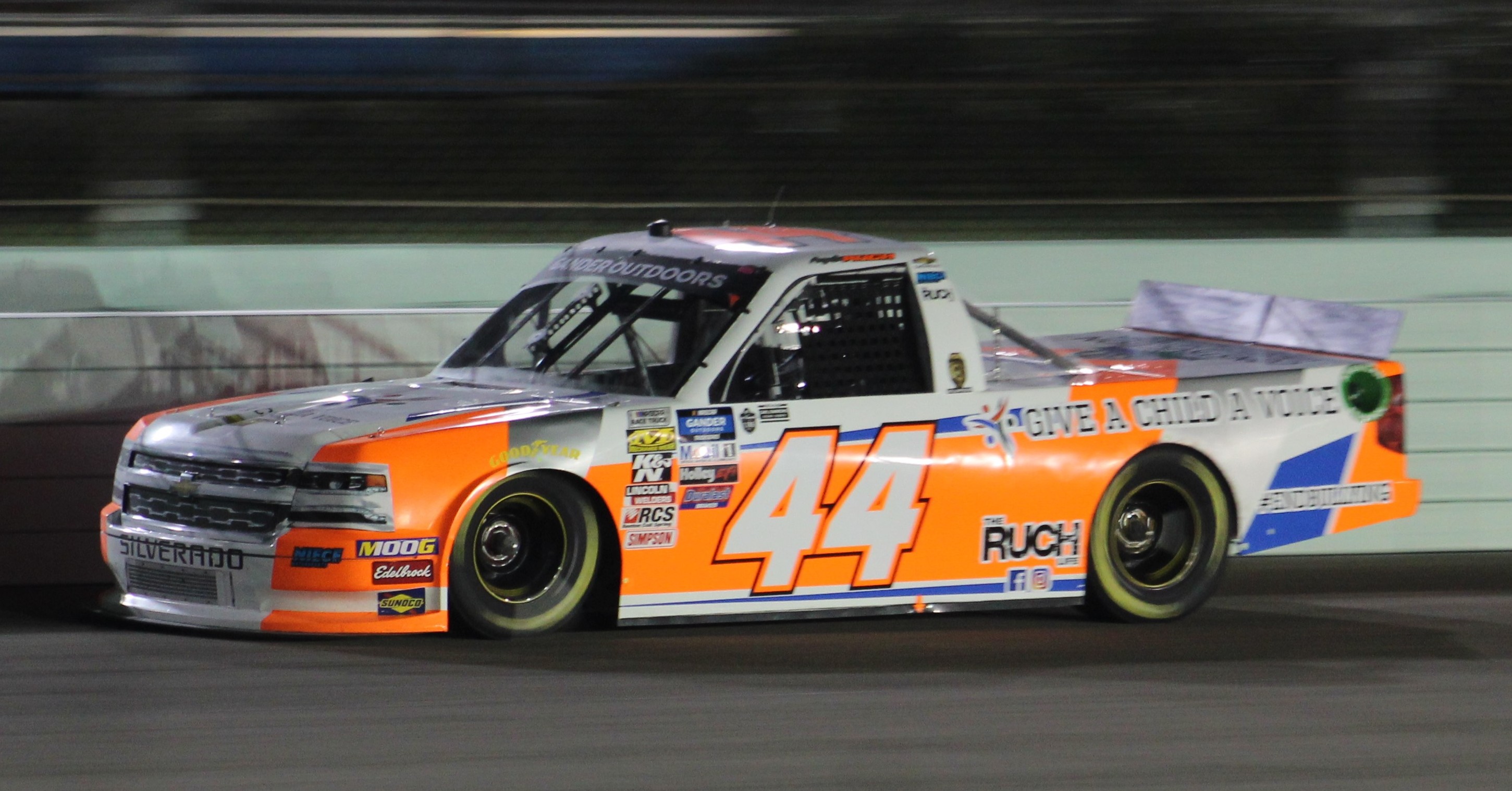
2008 Chevy Silverado 1500
"I brought it. I bought a 2008 Chevy Silverado 1500 off the showroom floor and drove it into the ground."
This is a Chevrolet pickup truck. The speaker is basically saying they bought a 2008 Silverado 1500 new and then used it a lot, and it didn’t turn out as well as they hoped.
The Chevrolet Silverado 1500 is a full-size pickup, and the 2008 model is known for being a common work truck platform. In this segment, the host talks about buying one new and then driving it hard, which highlights how real-world ownership can diverge from expectations.

Chevy C10
"We always had Chevy trucks. He was a surveyor. They all had the big, you know, what was it? C 10s."
A Chevy C10 is an older Chevrolet pickup truck. The speaker is using it to explain the family’s truck background and why they were drawn to Chevy trucks.
The Chevrolet C10 is a classic 1960s–1970s-era pickup line, often associated with big-displacement V8s and a strong enthusiast following. Here it’s mentioned as the kind of Chevy truck the speaker’s dad owned, setting the context for why they wanted a Chevy truck in the first place.
inline Chevy
"cause it had the six cylinder in it. I mean, could have had that eight and I'm like, no, the six cylinder is bulletproof... If it had been the old inline Chevy, probably would have been okay."
“Inline” refers to an engine layout where cylinders are arranged in a single straight line (an inline engine). The speaker contrasts an inline configuration with a different engine choice in their Silverado, implying the inline setup would have been more durable for their use.
six cylinder
"cause it had the six cylinder in it. I mean, could have had that eight and I'm like, no, the six cylinder is bulletproof."
A “six cylinder” engine has six combustion chambers. The speaker is talking about whether choosing a smaller engine (instead of an eight-cylinder) would make the truck last longer.
A “six cylinder” engine has six cylinders, which is a common configuration in trucks and SUVs. In this discussion, it’s part of the host’s reasoning about durability—whether the smaller engine would be “bulletproof” compared with an eight-cylinder option.
treks
"we made, are you familiar with the, with the decking material treks? We made a center console out of treks..."
“Treks” sounds like a type of decking board/material. The speaker is saying they used that material to build a center console inside the van.
“Treks” here appears to refer to decking material used for outdoor floors or surfaces, repurposed for an interior build. The speaker says they made a center console out of that decking material, emphasizing it was heavy and durable enough to fabricate with.
center console
"We made a center console out of treks that had a door twice the size of this notebook."
The center console is the part between the seats—often where you find storage or controls. In this story, they built one out of decking material.
A center console is the built-in structure between the front seats that can hold controls, storage, and sometimes cupholders. Here it’s specifically mentioned as being fabricated from decking material, which is unusual enough to be worth clarifying for listeners.
ice racing
"So explain ice racing to me because I don't know much of anything about it. I assume that you've got tube tires... Yeah, little spike things. Yep. So we stud them out..."
Ice racing is motorcycle racing on ice. Since tires don’t grip like normal pavement, riders use special studded tires and steering/body control to stay in control.
Ice racing is motorcycle racing on frozen surfaces (like ice), where traction is created by studded tires. Because grip is limited and unpredictable, riders rely on techniques like countersteering and careful body positioning to keep the bike pointed where they want it to go.
studs
"I assume that you've got tube tires and before you put the tube in, you run screws. Yeah, little spike things. Yep. So we stud them out... Quarter inch is AMA stuff."
Studs are tiny metal spikes added to the tires for ice racing. They help the tires grab the ice so the bike can accelerate, brake, and turn more safely.
In ice racing, studs are small metal spikes installed into the tire to bite into ice and create traction. The segment describes studding the tires with specific stud sizes (like quarter-inch) and how debris (“chaff”/chips) can reduce grip until you’re back on clean ice.
AMA runs
"Quarter inch is AMA stuff. So if you want to run American Motorcyclists Association runs, that's all quarter inch studs."
“AMA runs” means races run under the American Motorcyclist Association’s rules. In this case, the rules affect what kind of tire studs you’re allowed to use.
“AMA runs” refers to events sanctioned by the American Motorcyclist Association, which sets rules for equipment. Here, the host ties AMA rules to stud size (quarter-inch studs), meaning the tire setup must match the rulebook to compete.
countersteer
"It's like riding on Velcro. It's amazing. You can countersteer. It slides just like a flat track bike."
Countersteering is how you start a motorcycle turning—your hands steer the opposite way briefly to get the bike to lean. The host says it still works on ice, even though the bike slides.
Countersteering is the technique of steering opposite the direction you want to go to initiate a lean on a motorcycle. On ice, the host emphasizes that you can countersteer and the bike will slide in a predictable way, similar to flat-track riding.
flat track
"You can countersteer. It slides just like a flat track bike. Chuck your hips, baby."
Flat track is a type of motorcycle racing where the bike often slides while turning. The host is saying ice racing can feel similar in how the bike moves.
Flat track refers to motorcycle racing on oval dirt or similar surfaces, where controlled sliding is part of the technique. The host uses flat-track behavior as a comparison for how an ice-racing bike slides when it has studded traction.
glare ice
"glare ice, the strangest part about it is you got to go to clean ice. Okay. So if you run 250s on [708.0s] those, I've run 250s on ice."
Glare ice is a smooth, shiny sheet of ice. It’s extra slippery because it doesn’t give tires much traction, so cars or bikes can slide more easily.
Glare ice is a very smooth, glassy layer of ice that forms after freezing rain or melt-freeze cycles. Because it’s slick and uniform, tires can lose grip suddenly, making it especially dangerous for driving or riding.

1985 C4 Corvette
"Let's talk about that Corvette. That thing is uglier than sin. [800.8s] It is. It is. It's an $1,800 1985 C4 Corvette. It was an 85. So it did have a [806.8s] tune port."
A 1985 C4 Corvette is a specific generation of Corvette from Chevrolet. In this story, the car is an L98 “tune port” version, meaning it uses a particular fuel-injection setup designed for that engine.
The 1985 C4 Corvette is a fourth-generation Corvette (C4) from Chevrolet, known for its modernized body and, in this case, a specific emissions/engine setup. This example is described as an L98 “tune port” car, which refers to Chevrolet’s Tuned Port Injection system used on certain V8 Corvettes.
tune port
"It is. It is. It's an $1,800 1985 C4 Corvette. It was an 85. So it did have a [806.8s] tune port. [812.6s] Yes. So it's L 98 tune port car."
“Tune port” is a type of fuel-injection system. It helps the engine get the right amount of fuel at the right time, which can improve how the car runs.
“Tune port” refers to Chevrolet’s Tuned Port Injection (TPI) system, which uses individual intake runners and fuel injectors for more precise fuel delivery. In performance terms, it’s a key part of how certain late-1980s/1980s Corvettes made strong drivability and power despite emissions-era constraints.
L 98
"Yes. So it's L 98 tune port car. Okay. Right in the perfect pocket. And it was an entire impulse [812.6s] purchase. I was down in the office with a few friends who owned C4."
“L98” is a label for a specific Corvette engine. It tells you which exact V8 version the car has, not just that it’s a Corvette.
“L98” is an engine designation used on certain 1980s Chevrolet Corvettes, identifying a specific V8 configuration. In this context, the host ties it directly to the “tune port” setup, meaning the car’s engine choice is part of why it’s being discussed.
turnkey
"Facebook marketplace ad says turnkey nothing happens. You cannot [823.8s] do anything. It's bricked. Bring a trailer in the old school term."
“Turnkey” usually means “ready to go.” In a car listing, it’s the seller’s way of saying you shouldn’t need to fix much before driving it.
“Turnkey” is a sales term meaning the item is ready to use with little to no work required. In used-car listings, it’s often used to imply the car starts and runs normally without major repairs.
bricked
"Facebook marketplace ad says turnkey nothing happens. You cannot [823.8s] do anything. It's bricked. Bring a trailer in the old school term. Oh, wow. And they didn't."
“Bricked” is slang for “it’s basically dead.” Here it means the car was described as so broken it couldn’t be driven or fixed easily.
“Bricked” is slang for something that’s effectively unusable because it won’t operate correctly. In automotive contexts, it often describes a car that won’t start or seems permanently “dead,” usually due to a serious electrical or mechanical issue.

Porsche Cayenne
"... you drive anything out this year? Yeah, Rhonda's Cayenne. All right."
The Porsche Cayenne is a Porsche SUV, meaning it’s a bigger vehicle than a sports car but still built to drive sporty. People mention it because it can be comfortable for daily use while still feeling quick. The podcast brings it up as a personal car someone owns.
The Porsche Cayenne is Porsche’s performance-oriented SUV, combining everyday practicality with sports-car-like driving dynamics. It’s often mentioned alongside sports cars because it can deliver strong performance while still being usable year-round. In the podcast, it’s referenced as “Rhonda’s Cayenne,” indicating it’s part of someone’s regular garage.
digital readout
"The digital readout at the bottom keeps going. Yeah. But the bar graph just flashes and the tack only goes to like 6,500."
A digital readout is the screen on the dashboard that shows numbers or messages. Here, they’re talking about what the dash display keeps doing.
A digital readout is an electronic display (often on a gauge cluster) that shows numbers or status information instead of using only analog needles. In this context, it’s describing what the dash is showing while the car isn’t behaving normally.
tack
"But the bar graph just flashes and the tack only goes to like 6,500. Well, I've got a cam in it that's good to 73."
A “tack” is the RPM gauge on the dashboard. It shows how fast the engine is spinning, and in this case it’s not going as high as it should.
“Tack” is shorthand for the tachometer, the gauge that measures engine RPM (revolutions per minute). Here, they’re noting the tach only reaches about 6,500, which suggests the instrument cluster or engine/ECU signals aren’t reading correctly.
Piston sideways
"What did you discover that was the issue? Piston sideways. I still can't believe it."
“Piston sideways” describes a severe internal engine failure where a piston has shifted or damaged in a way that prevents normal operation. It typically points to catastrophic damage (for example, a mechanical interference or broken components) rather than a simple sensor or electrical issue.
voltmeter
"Put it on a battery charger just because put a voltmeter on it had like six and a half volts. Or I think it was in the eights."
A voltmeter is a tool that measures how much electrical “push” is coming from the battery. They used it to check the battery was too weak.
A voltmeter measures electrical voltage, letting you confirm whether a battery or charging system is producing the expected voltage. Here, they used it to diagnose the battery as having very low voltage before charging.
dead cell
"Or I think it was in the eights. So dead cell. Okay. Pretty lucky on that."
A “dead cell” means part of the battery has failed. That can make the battery unable to provide enough power, even if it’s brand new.
A “dead cell” refers to a battery cell that has failed, reducing the battery’s ability to hold charge and deliver proper voltage. Even if the battery is new, a dead cell can cause low voltage symptoms and prevent modules from booting correctly.

Dodge Charger
"... relatively new code on it. I'll just put it on a charger. Let's see what happens."
The Dodge Charger is a performance-focused car that looks like a sedan but is built for power. People often talk about it because it can be modified and tuned. In the podcast, it sounds like they’re dealing with some kind of car electronics or troubleshooting.
The Dodge Charger is a full-size performance sedan (or “muscle car” style sedan) known for powerful engines and a long model history. It’s discussed in enthusiast circles because it’s a popular platform for tuning and upgrades. The podcast reference to “code” and “put it on a charger” suggests a practical, hands-on conversation around diagnostics or electronics.
battery charger
"I'll just put it on a charger. Let's see what happens. Charge it overnight. Turn the key fired right up."
A battery charger powers up a weak battery so it can start the car and run the electronics. They charged it overnight to see if the problem was just low battery voltage.
A battery charger restores battery voltage by supplying controlled current over time. In automotive troubleshooting, charging a suspected weak battery can confirm whether the electronics issue is caused by low power rather than a deeper fault.
burnout
"Did you at least send him a video of you doing a burnout flipping off the camera?"
A burnout is when you spin the tires on purpose to heat them up. It’s usually done for fun or to get better grip, but it can chew up tires fast.
A burnout is when a driver spins the driven wheels while holding the car in place (or moving very slowly) to heat up the tires. People often do it for show or to improve traction for a launch, but it can also wear tires quickly.
power antenna
"It was the power antenna. The mast on those C4s. It's a plastic mast that goes up and down and they break. There's three things."
A power antenna is the kind of car antenna that moves up and down using a motor. On some Corvettes, the antenna mast can break and the motor may keep running, which can drain the battery.
A power antenna is an electrically driven mast that raises and lowers. On the Corvette C4, the plastic mast can break, and if the antenna motor keeps running after the car is shut off, it can drain the battery.
drivetrain swap
"I've done an entire drivetrain swap on the car. That antenna is still untouched."
A drivetrain swap is when someone replaces the car’s main moving parts that make it go. It’s a big job because the parts have to be made to fit and work together correctly.
A drivetrain swap means replacing major powertrain components—typically the engine, transmission, and related driveline parts—with another set. It’s a major project because it usually requires fitting parts, wiring/controls work, and sorting out mounts and driveshaft alignment.

Corvair
"You have probably one of the slickest Corvares I've ever seen. And I love the inky wheels that you got on it... How's the Corvair? It's got to have been out this spring already."
A Corvair is a classic Chevrolet that’s known for its unusual layout compared to most cars. Here, they’re admiring a specific Corvair and talking about the owner’s experience with it.
The Chevrolet Corvair is an early rear-engine, air-cooled American compact that’s become a cult classic. In this segment, the hosts talk about a particularly clean Corvair and the owner’s recent plans and storage situation.
finding a classic car in Texas
"So tell us a little bit about the Corvair. You said you found it in Texas. Found it in Texas. It was two hours north of Austin. Okay. See, it was a pretty good drive."
They’re talking about how they found a classic car in Texas and how far they had to drive to get it. It’s the kind of story car people love because it shows the effort behind the purchase.
The hosts discuss sourcing a classic car by locating it in Texas and driving to pick it up. This is a common enthusiast topic because the search and retrieval story often matters as much as the car itself.
valve seat
"And that included the original motor that had dropped a valve seat and he'd put it in the trunk, which was a really bad idea in hindsight."
A valve seat is the part inside the engine head that the valve seals against. If the seat fails, the engine can lose compression and run badly, and it can even lead to bigger damage.
A valve seat is the hardened surface in the cylinder head that the engine’s intake or exhaust valve seals against when closed. If a valve seat drops or fails, it can cause poor sealing, loss of compression, and serious engine damage.
air-cooled engine
"Yeah, because for the uninitiated Corvair air cooled engine in the back trunk is the front. It's up front."
An air-cooled engine uses airflow to keep the engine from overheating, instead of coolant flowing through the engine. It’s a different cooling method than most modern cars use.
An air-cooled engine relies on airflow over the engine’s fins to remove heat instead of using liquid coolant. That design choice affects how the engine is packaged and how heat management works compared with water-cooled engines.
cross member
"And the gas tank is right above that cross. So if you mount an electric fuel pump, you put it right on that cross member."
A cross member is a strong bar under the car that helps hold the body/frame together. People sometimes bolt parts to it because it’s sturdy.
A cross member is a structural bar that connects the left and right sides of a vehicle’s frame or unibody. Mounting hardware like a fuel pump to a cross member can be convenient because it’s solid, but it also affects clearance and vibration/noise.
electric fuel pump
"So if you mount an electric fuel pump, you put it right on that cross member."
An electric fuel pump is the part that pushes gas (or fuel) from the tank toward the engine. Where you mount it under the car can affect how safe and reliable it is.
An electric fuel pump is the component that pressurizes and moves fuel from the tank to the engine. In many conversions or builds, its mounting location matters because it can be exposed to road debris or interfere with suspension/underbody parts.
fuel pump failure during a drive
"Two hours in that thing. Rip the fuel pump off on a bridge."
They’re talking about a fuel pump problem that caused the car to stop working. If the fuel pump isn’t working, the engine can’t get fuel and the car can’t keep going.
The segment describes a scenario where the fuel pump was removed (“rip the fuel pump off”) after a breakdown while driving. This highlights how critical fuel delivery is—if the pump fails or is poorly mounted, the car can become stranded quickly.
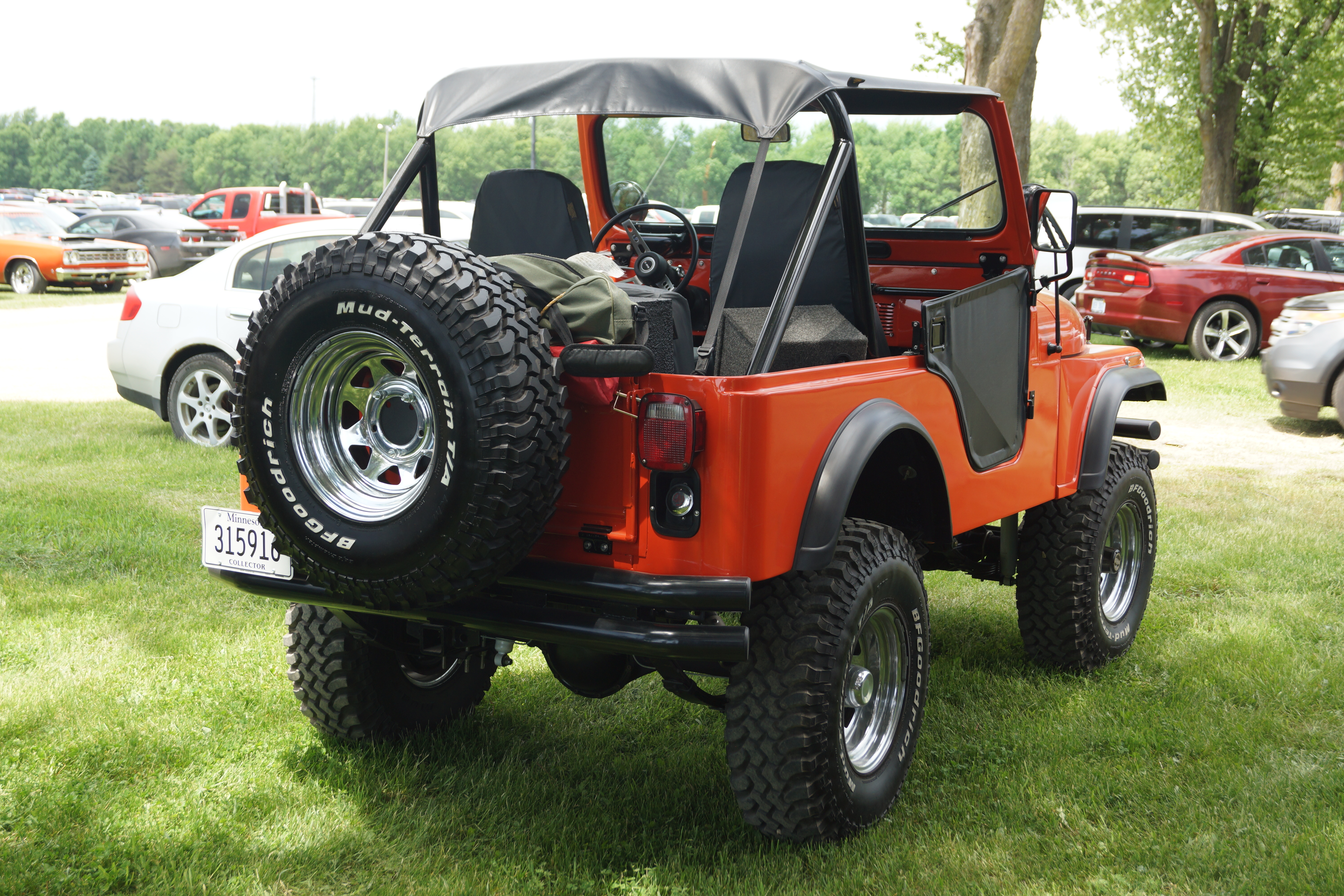
Jeep Cj5
"You stop right then. I learned that with a CJ5 a long time ago. And he sends me a picture right ..."
The Jeep CJ is an older off-road Jeep designed for rough terrain. The CJ5 is a specific version of that model line. The podcast mentions it because someone learned something from driving one and is sharing that lesson.
The Jeep CJ is a classic line of off-road vehicles built for rugged, trail-capable driving. The CJ5 is one of the best-known versions, and it’s often referenced because it’s a common platform for restoration and off-road use. The podcast context about learning “with a CJ5” suggests the conversation is about driving or operating lessons from experience.
mitigate the weight problem in the front
"How did you mitigate the weight problem in the front? Or did you just drive green on the floor?"
They’re talking about fixing a front-to-rear weight imbalance. If the front is overloaded, the car can handle worse and feel less stable.
“Mitigate the weight problem in the front” refers to correcting an imbalance that makes the front end too heavy. That can hurt steering feel, traction, and braking balance, especially when the car is loaded.
suspension
"But thankfully I rebuilt all of the suspension under that car. All of it was bad. I bet it works ish."
Suspension is what helps the wheels move smoothly and keeps the car stable over bumps. If it’s rebuilt, the car usually drives much better and feels more controlled.
Suspension is the system that connects the wheels to the car and controls ride height, wheel movement, and how the car grips the road. Rebuilding worn suspension parts can dramatically improve handling and stability, especially after a rough trip or when the car feels “off.”

2015 Chevrolet Express
"[1822.0s] So did you bring anything interesting with you? [1824.9s] Or did you just, would you drive down? [1826.8s] I drove a 2015 Chevrolet Express. [1828.9s] Oh, your van. [1830.3s] Extended. [1830.8s] Okay. [1831.3s] Red."
A Chevrolet Express is a big van. The 2015 version is the model year they drove to the show—more of a practical vehicle than a sports car.
The Chevrolet Express is a full-size van used for hauling people or cargo, and the 2015 model is part of the Express’s long-running generation. In a car-show context, it’s a practical “drive-in” vehicle rather than something built for performance.
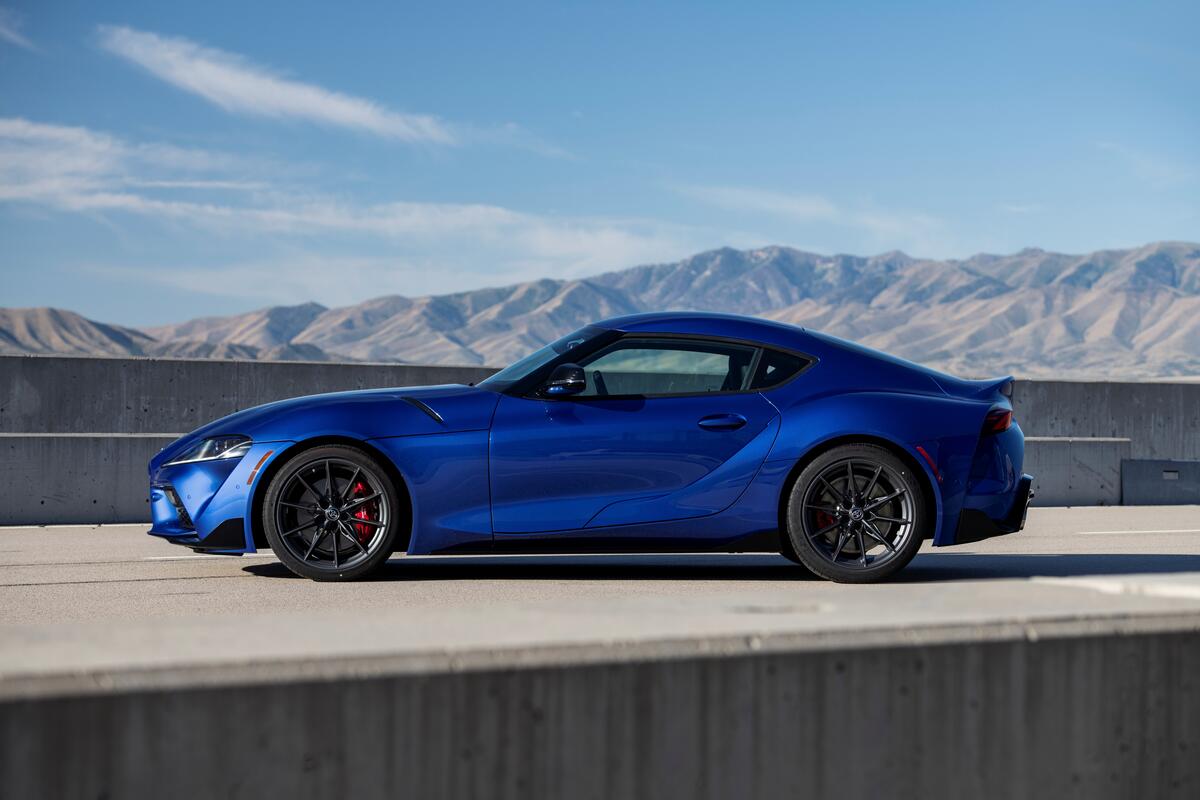
Toyota A90
"What's sitting in front of the Corvette? I've got a 90. I've got a 90 XR250R, but it's parts."
The Toyota Supra is a sports car that’s known for being fast and popular with car enthusiasts. The podcast mentions a “90” and “parts,” which usually means someone has an older one and is collecting parts to keep it going. It’s a common kind of project car for people who like to work on cars.
The Toyota Supra is a sports car best known for its performance heritage and strong enthusiast following. It’s often brought up when discussing parts, builds, or classic project cars because many owners keep older models running with aftermarket support. In the podcast, it’s mentioned in the context of having a “90” and “parts,” pointing to a parts or restoration situation.
service manual
"I hope my service manual collection is worth something to someone at some point in my life. You got an 85 Corvette in there. You might want that rascal back."
A service manual is a step-by-step repair book for a particular car. It tells you how to fix things and what to check, and here they’re saying one of the manuals wasn’t very helpful.
A service manual is a detailed repair guide for a specific vehicle—often organized by system (engine, brakes, electrical) and including diagnostic steps, torque specs, and procedures. In this segment, the hosts judge the quality of a service manual collection and specifically criticize the usefulness of an “85 Corvette” manual.
part it out
"If that car would have been truly dead, if it wouldn't have started when it did, my plan was to part it out."
“Part it out” means taking a car apart and selling the good pieces separately. People do it when the car isn’t worth fixing as a whole.
“Part it out” means dismantling a non-running or unwanted car and selling usable components individually (engine, transmission, interior pieces, etc.). It’s often the fallback when a project car is too far gone to restore, or when the owner wants to recoup money before moving on to a swap or build.
LS swap
"It was always going to be an LS swap or I was just going to part it out."
An “LS swap” is when someone takes a GM LS V8 engine and puts it into a different car. People do it because the LS engines are affordable, powerful, and there are lots of parts and guides to make the swap work.
An “LS swap” means replacing a car’s original engine with a GM LS-series V8 (like the 5.3L/6.0L/6.2L family). LS swaps are popular because the engines are compact, make strong power for the money, and have huge aftermarket and wiring support.
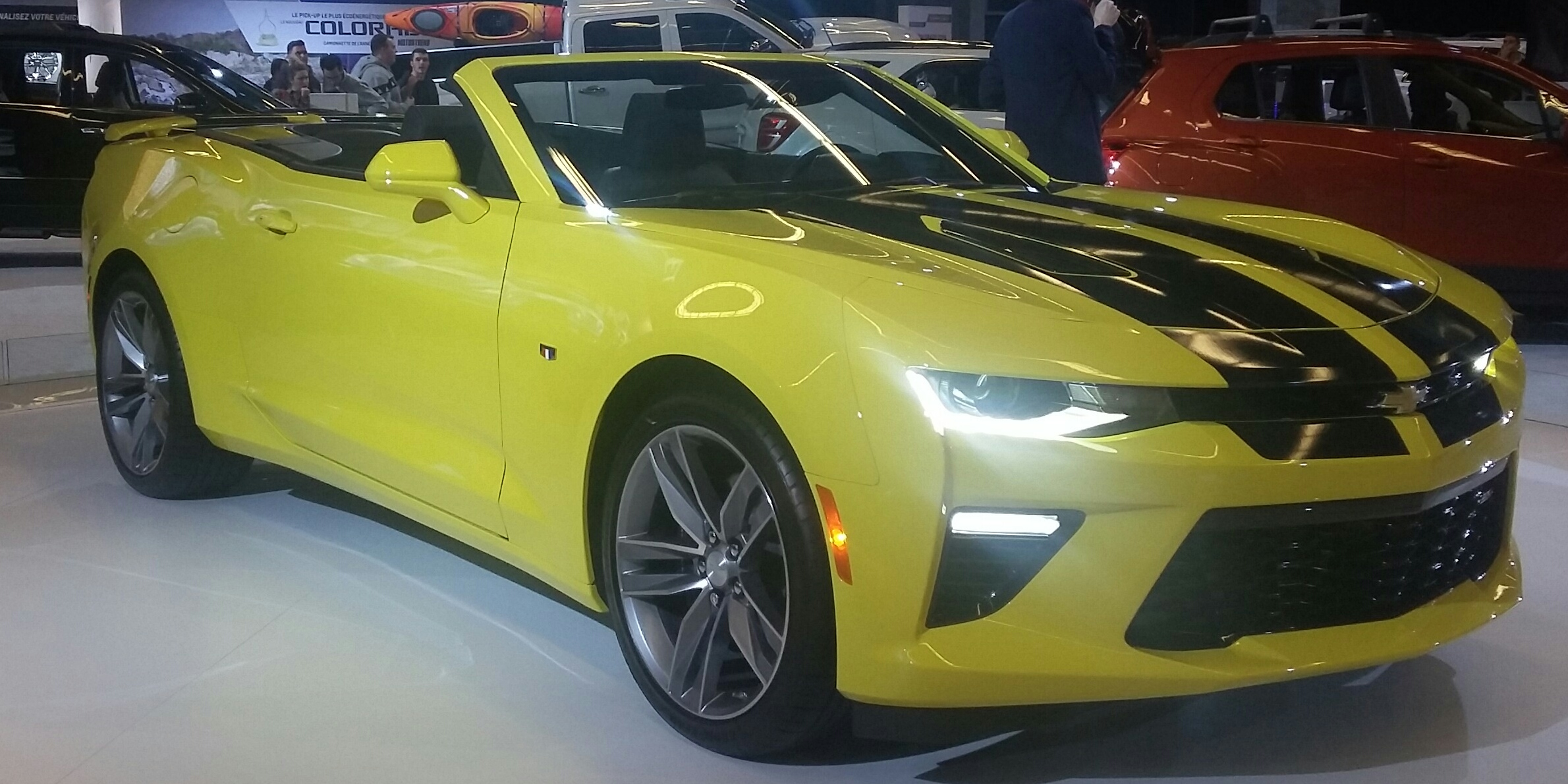
Chevrolet Camaro
"I sold it to a buddy who immediately dropped it in a third gen Camaro."
A “third gen Camaro” is a specific older Camaro generation from Chevrolet. The point here is that the person sold the engine and a friend put it into that Camaro.
A “third gen Camaro” refers to the Chevrolet Camaro generation that debuted in the late 1960s and is known for its classic muscle-car styling. In the segment, the host says the engine was installed into that Camaro, which is a common swap target because the engine bay and aftermarket support make conversions easier.
Roadkill vet kart
"In fact, you could have done a vet kart, chopped everything like they did on Roadkill."
A “vet kart” is a silly custom project where you make a go-kart out of a Corvette. The host is referencing the “Roadkill” style of cutting and rebuilding cars into something totally different.
A “vet kart” is a humorous, custom idea: turning a vehicle—here, a Corvette (“vet”)—into a go-kart-style build. The mention of “Roadkill” points to the TV/YouTube show’s DIY, chaotic fabrication vibe, where people chop and repurpose parts into wild one-off machines.

Morgan 4 Plus
"...ed in an OQ4. So I pulled the L98 and the Dugnash 4 plus 3, which... Oh, the 4 plus 3 is..."
The Morgan Plus 4 is an older-style sports car made in the UK. It’s known for having a distinctive look and a fun, old-school driving experience. The podcast mentions it while talking about parts from related Morgan models.
The Morgan Plus 4 is a classic British sports car known for its traditional design and driving feel. It’s often discussed among enthusiasts because it’s a niche, character-focused car rather than a mainstream performance machine. The podcast context about pulling parts from an “OQ4” and referencing “4 plus 3” suggests a conversation around specific Morgan models and their components.
T10 4-speed
"So yeah, you got a T... I believe it's a T10 4-speed. Yeah."
A T10 4-speed is a particular kind of manual gear box with four forward gears. The hosts are saying it’s paired with extra shifting hardware to change how the car behaves at speed.
The T10 is a specific manual transmission model (commonly associated with GM-era drivetrains) that’s built as a 4-speed gearbox. In this context, it’s being discussed as part of a more complex setup that also includes an overdrive unit.
overdrive
"So it's a 4-speed with an electric 3-speed overdrive. Yeah. Let's just make it more complicated."
Overdrive is an extra gearing mode that helps the car cruise with the engine spinning slower. They’re saying this overdrive is controlled electrically and can be a problem if the special parts wear out or aren’t available.
Overdrive is a gearing mode that lets the engine run at lower RPM for a given road speed, improving cruising efficiency. The hosts specifically describe an “electric 3-speed overdrive” paired with a 4-speed, and note a common failure: the overdrive not working due to unique, hard-to-service parts.
filters
"That's extremely common because they are unique parts. I think the filters stop being available in like 94. Because they're crap."
Transmission filters are parts inside the transmission that help keep the fluid clean. If the correct filters are hard to find, it can be difficult to keep that transmission working properly.
Transmission filters are service parts that help trap debris and contaminants in the transmission fluid. The hosts claim that these filters become unavailable after a certain model year, implying maintenance and repair become harder as the transmission ages.
clutch
"you need to talk to John Fakara about doing the clutch on a ZR1, on a 4th gen ZR1."
The clutch is what lets you smoothly connect and disconnect the engine from the gearbox. If it’s worn out, shifting gets worse and the car may not pull as strongly.
A clutch is the mechanical connection between the engine and the transmission in a manual (or manual-style) drivetrain. When the clutch wears out, the car can slip or be hard to shift, which is why clutch replacement can be a labor-heavy job on performance cars.
ZF6
"The L98 and the Trans. That's a big, long, heavy Trans. The ZF6 is not that much better."
“ZF6” is a name for a 6-speed manual gearbox made by ZF. They’re saying even with that transmission, the job is still difficult and not a big improvement.
“ZF6” refers to a ZF-supplied 6-speed manual transmission used in some performance applications. In the segment, they’re comparing it to another transmission setup and arguing it still isn’t “that much better,” implying the service difficulty and packaging remain challenging.
brake fluid so opaque
"I've never seen brake fluid so opaque. Is that milkshake? That's a milkshake."
Brake fluid is supposed to look clear. If it looks cloudy, it can mean water got into it or the fluid is breaking down, which can make the brakes less effective.
Brake fluid should be clear/amber, not cloudy or opaque. When it looks opaque, it often indicates moisture contamination or breakdown of the fluid, which can reduce braking performance and cause corrosion inside the hydraulic system.
milkshake
"Is that milkshake? That's a milkshake. The clutch had like a timed release."
“Milkshake” is what people call a creamy, mixed-looking fluid. It usually means water has gotten into something that shouldn’t have water in it.
“Milkshake” is a common enthusiast description for a creamy, emulsified fluid caused by water mixing with a fluid that should not contain much water. In automotive contexts like this, it usually points to contamination in a hydraulic system (here, brake fluid).
slave cylinder
"It's a slave cylinder. So naturally we took that autocrossing twice last year on the stock drive train."
The slave cylinder is a small hydraulic part that moves the clutch. If it’s not working right, the clutch can feel delayed or sluggish when you press or release the pedal.
A slave cylinder is the hydraulic actuator that pushes the clutch mechanism (or releases it) in a hydraulic clutch system. If it’s failing or not moving fluid correctly, you can get delayed pedal return, inconsistent clutch engagement, or a pedal that feels “slow” compared to your foot movement.
autocrossing
"It's a slave cylinder. So naturally we took that autocrossing twice last year on the stock drive train. And had an absolute riot."
Autocross is a timed driving event on a cone-marked course. It’s a good way to find problems because you’re turning and braking hard repeatedly.
Autocross is a motorsport where cars run timed laps on a closed course marked with cones, emphasizing handling and driver skill over straight-line speed. It’s a common way to stress-test brakes, clutch hydraulics, and drivetrain components in a short time.
Dana 44 diff
"I still got a Dana 44 diff. That's where it's like 900 bucks right now. That's half the car."
The differential (diff) is the part that sends power to the left and right wheels. The “Dana 44” is a specific, well-known differential model people talk about when they’re upgrading or swapping parts.
A “Dana 44 diff” refers to a Dana 44 differential assembly, which is the gear unit that splits torque to the left and right wheels. Differentials are key to traction and driveline behavior, and enthusiasts often swap or upgrade them for durability and gearing options.
T 56
"A six speed. Six speed T 56. Okay. T 56."
T56 is a popular six-speed manual transmission used in a lot of performance builds. People like it because it’s strong and there are lots of parts available to make it work with different engines.
T56 refers to the Tremec T56 six-speed manual transmission, commonly swapped into many performance cars. It’s known for handling higher torque than many stock gearboxes and for having a large aftermarket ecosystem for shifters, clutches, and gear ratios.

Dodge Viper
"So the whole concept of it was I really want a first gen viper and I can't afford a first gen viper."
The Dodge Viper is a loud, old-school sports car built for drivers who want a very direct, no-nonsense feel. The conversation here is about which Viper years and versions are the best to buy if you can’t get the earliest ones.
The Dodge Viper is a hardcore American sports car known for its big V10 engine and raw, analog driving feel. In this segment, the hosts talk about wanting a first-generation Viper and then discuss later early-’90s RT/10 variants as an affordable alternative.
nannies
"it is the closest thing to a modern day Cobra because there are no nannies. There's nothing to save you."
“Nannies” is slang for the car’s computer safety features that step in when you’re driving too aggressively. The point here is that the Viper doesn’t have as much of that, so it feels more raw and direct.
In car talk, “nannies” is slang for electronic driver-assist systems that intervene to prevent mistakes—like traction control and stability control. The speaker is saying the Viper feels closer to an older, less electronically managed car because there’s less of that intervention.
ABS
"There's no ABS. [2475.8s] There's no traction control. [2477.0s] It's a very raw car."
ABS is a safety system that stops your wheels from locking up when you brake hard. That way you can still steer instead of sliding.
ABS (anti-lock braking system) prevents the wheels from locking up during hard braking. That helps you keep steering control and reduces the chance of skidding.
traction control
"There's no ABS. [2475.8s] There's no traction control. [2477.0s] It's a very raw car."
Traction control helps prevent the tires from spinning when you hit the gas. It reduces power or brakes a wheel so the car can keep moving forward.
Traction control limits wheel spin when accelerating by reducing engine torque and/or applying brakes to the slipping wheel. It helps maintain grip on low-traction surfaces.
ESP
"[2477.0s] It's a very raw car. [2478.2s] Certainly no ESP. [2479.2s] There's none of that crap."
ESP is a stability control system. If the car starts to slide or rotate the wrong way, it uses brakes and engine control to help bring it back under control.
ESP (Electronic Stability Program) is an electronic stability system that detects loss of traction and helps correct the car’s direction. It typically uses sensors plus selective braking and engine torque reduction to keep the vehicle from spinning or sliding out.
swaps ends
"[2479.2s] There's none of that crap. [2480.8s] And if you screw up, it swaps ends on you. [2484.5s] You get to see where you've been."
“Swaps ends” means the car loses grip and spins around. The back end comes around so the car ends up facing the other direction.
“Swaps ends” describes a spin or oversteer event where the rear of the car breaks loose and the car rotates so the front points the other way. In cars without stability/traction aids, mistakes can more easily lead to this kind of loss of control.
"magical year" (1986) for option/system changes
"Oh, wow. Oh, it did 86 was the first year. 86 is the first year you're right. All of the VATS technology, all of the ANF stuff, all that's 86."
They’re saying 1986 is a special model year because it lines up with certain factory features. For car people, that can matter a lot because those features can change how the car starts, brakes, or what’s easier to modify.
The hosts are highlighting 1986 as a “magical year” because multiple factory technologies/features (including VATS and the “ANF stuff”) are associated with that year. In enthusiast circles, certain model years can be desirable because they combine specific equipment, wiring, or security/ECU behavior that affects ownership and modification.
VATS technology
"All of the VATS technology, all of the ANF stuff, all that's 86."
VATS is an anti-theft system that stops the car from starting unless the key has the right coded information. It’s basically an extra security check built into the ignition.
VATS (Vehicle Anti-Theft System) is an anti-theft feature that prevents starting unless the correct key/ignition resistor value is detected. In practice, it’s part of the car’s security/immobilizer logic, so “all of the VATS technology” being tied to a specific model year matters for how easily the car can be started or modified.
ANF stuff
"All of the VATS technology, all of the ANF stuff, all that's 86."
They’re talking about another factory system/feature that came with the car around the same time as the anti-theft setup. The transcript doesn’t fully spell out what ANF stands for, but it’s clearly tied to that model-year change.
“ANF” is referenced alongside VATS as part of the car’s systems that show up in the 1986 model year. Without the full spelled-out term in the transcript, it’s best treated as a specific factory system/feature code that enthusiasts recognize for that year.

Cadillac Escalade
"...f them right. Well, one of them is going to be an escalade. Ford or Cadillac,"
The Cadillac Escalade is a large luxury SUV. It’s made to be comfortable and roomy, especially for families or long trips. The podcast brings it up as one of the big luxury choices being considered.
The Cadillac Escalade is a large luxury SUV that’s known for comfort, space, and a high-end feel. It often comes up in discussions because it’s a flagship-style vehicle in its brand lineup. The podcast mentions it alongside “Ford or Cadillac,” suggesting a comparison of big, mainstream luxury options.
limited production
"Not, not tons, but, you know, first gen Viper is real limited production. Not a lot of them out there."
Limited production means only a small number of that car were made. If fewer exist, it can be harder to find replacement parts later.
Limited production means only a relatively small number of vehicles were built. When a car is limited-production—like the first-generation Viper discussed here—it usually means fewer cars exist today, which can make parts sourcing and availability more difficult.
door gank
"If you take it to dinner and you're not looking outside, trying to make sure it doesn't get a door gank or something."
“Door gank” is slang for someone swinging their door into your car. It’s basically the fear of getting a door dent while parked.
“Door gank” is enthusiast slang for getting your car’s door damaged by someone opening their door into yours (often called a “door ding”). The speaker is describing the kind of parking anxiety that comes with owning a car you care about.
16 inch wheel
"Because you can't get a good tire for the 16 inch wheel. The salad shooters are really cool, but there's not a good repop tire."
Tire sizes depend on the wheel size. If you use a less-common wheel size (like 16 inches), it can be harder to find decent replacement tires.
Wheel diameter (like 16-inch) strongly limits the tire sizes you can buy. If a wheel size is uncommon, it can be hard to find good replacement tires, which is what the speaker is complaining about.
repop tire
"The salad shooters are really cool, but there's not a good repop tire. 16s have gotten to be like 15s."
“Repop” is short for “reproduction,” meaning aftermarket tires made to mimic older, period-correct tire sizes or styles. The speaker is saying there aren’t good reproduction options for the wheel/tire size they want.
14s or 13s
"16s have gotten to be like 15s. They're just not out there. God forbid you got a car that runs 14s or 13s."
“14s” and “13s” are shorthand for how fast a car runs in the quarter-mile—like 14 seconds or 13 seconds. They’re bringing it up to explain what tire sizes people can realistically get.
“14s” and “13s” refer to quarter-mile elapsed times in seconds (e.g., 14.0s or 13.0s). The speaker is using it to talk about how certain tire sizes and availability tend to be tied to what people run in that performance range.
engine and trans
"And plus the 1800, I'm guessing you had two times that in the engine and trans. Easily."
They’re talking about the main power parts of the car: the engine and the transmission. Together, they determine how well the car can handle hard driving.
“Engine and trans” is shorthand for the powertrain: the engine plus the transmission that sends power to the wheels. In performance discussions, it often implies the car’s drivetrain durability and how much abuse it can take.
2002 Camaro SS
"Radically worth it because it's 2002 Camaro SS gearing as well. Oh, nice. With the T56, a lot of people don't realize that there's a lot of different gear ratios."
The 2002 Chevrolet Camaro SS is a performance Camaro that came with a manual transmission option. In this conversation, the big deal is the gear ratios—especially the overdrive gears that help the engine spin less on the highway.
The 2002 Chevrolet Camaro SS is known for its strong factory manual-transmission setup, and in this segment it’s specifically praised for its gearing. The hosts talk about how its T56 gearbox ratios create very tall overdrive gears, which can drop engine RPM at highway speeds.
gear ratios
"With the T56, a lot of people don't realize that there's a lot of different gear ratios. You can get a T56 and the 02 Camaro SS is a 0.5 overdrive."
Gear ratios are the “multipliers” between the engine and the wheels. They affect how hard the car pulls in each gear and how fast the engine spins when you’re cruising.
Gear ratios describe how many times the engine turns for each rotation of the wheels (via the transmission and final drive). Different gear ratios can make a car feel stronger in some gears while also changing cruising RPM and how quickly it reaches higher speeds.
final drive ratio
"So you're turning 1800 when you're doing 65. I'm turning 1800 doing 76. Are you really? With four 10 rears."
Final drive ratio is the gearing in the rear differential that helps determine how fast the wheels turn versus the engine RPM. A “4.10” style ratio usually makes the car feel punchier but can raise RPM at highway speeds unless you have tall overdrive gears.
Final drive ratio (often discussed as the ring-and-pinion ratio) is the gearing in the differential that multiplies torque to the wheels. The segment references “four 10 rears,” meaning a rear axle ratio around 4.10:1, which strongly affects RPM in every gear.
first gear
"Right. And a 266 first gear. So it still runs like a scalded dog through third."
First gear is the lowest gear used to get moving from a stop. The ratio of first gear affects how easily the car launches and how it feels when you’re accelerating from low speed.
First gear ratio determines how much mechanical advantage the car has when starting from a stop. Here, the hosts mention a “266 first gear,” implying a relatively tall/short ratio choice that still lets the car move out strongly through the lower gears.
building a combination
"It's a it's the example of building a combination. You don't have to electric overdrive. Drive into the next transmission."
They’re talking about putting together the right mix of parts and settings so the car drives the way you want. It’s about trade-offs—what you gain and what you give up.
“Building a combination” here means matching drivetrain and transmission features to achieve a specific balance—like shift feel, efficiency, and drivability. The hosts are discussing how different transmission/overdrive approaches were compromises rather than one-size-fits-all solutions.
load sensing
"It was really fun feeling it shift in because it had load sensing and whatnot. So you could put it in and if you afford it, it drop out of overdrive."
Load sensing is how the transmission “feels” how hard the engine is working. It uses that information to decide the best time to shift so the car doesn’t feel jerky.
“Load sensing” is a transmission control strategy where the gearbox uses engine load (how hard the engine is working) to decide when to shift or when to allow overdrive. That’s why the host mentions it alongside the shift feel—load sensing can make engagement smoother and more context-aware.
"does this one run?"
"And she's like, God, I think the exact question was, does this one run? And who knows?"
They’re basically asking if the car actually starts and works. It’s the simplest “can you drive it?” question.
The phrase “does this one run?” is a shorthand for a basic but crucial question in car buying and event prep: whether the vehicle is operational and can start and drive as expected. It highlights that, beyond looks or promises, the real test is whether the car actually runs reliably.
Transmission
"And you're talking about drive trains specifically? Transmission. Transmissions."
A transmission is the part that helps the engine’s power get to the wheels in the right way. It controls how the car speeds up and how smoothly it drives.
A transmission is the gearbox system that changes engine speed and torque so the car can accelerate smoothly and drive efficiently. In the context of this episode, they’re discussing transmission work as a common “worst project” category.

Pontiac Fiero
"And we had a group that brought in a Pontiac Fiero transmission. Oh, no. For all intents and purposes is obsolete."
The Pontiac Fiero is a small mid-engine sports car. Here, they’re talking about working on its transmission, and the point is that older, less-common cars can be tough to keep running because parts are harder to find.
The Pontiac Fiero is a mid-engine American sports car from Pontiac that’s known for being a relatively small, DIY-friendly platform. In this segment, the hosts mention a Pontiac Fiero transmission project, which highlights how sourcing parts can be difficult when a specific drivetrain component is hard to find.
trans axle
"So the setup for it, is it a trans axle or is it transverse? [3888.6s] It's a trans axle. [3889.5s] Okay. So the setup on a trans axle has to be similar to a front wheel drive car."
A transaxle is basically the transmission and the final drive put together in one unit. It’s common in cars where the wheels are driven from the front (or sometimes the middle), and it changes what parts can swap between cars.
A transaxle is a combined gearbox and differential unit used in some front-wheel-drive and mid-engine layouts. Because it packages the transmission with the final drive, it affects how power is routed and what parts are interchangeable across similar drivetrains.
transverse
"So the setup for it, is it a trans axle or is it transverse? [3888.6s] It's a trans axle."
Transverse means the engine and transmission are mounted sideways. That layout is common in front-wheel-drive cars, so it influences how the drivetrain parts are arranged and swapped.
Transverse describes an engine/transmission layout where the powertrain sits sideways in the engine bay. It’s often paired with front-wheel drive packaging, which is why the hosts compare it to transaxle setups and part compatibility.
synchronizers
"Sometimes, you know, some of the gears might have been used in another transmission [3906.2s] or some of the synchronizers. [3907.6s] Sure."
Synchronizers are the parts inside a manual transmission that help gears “line up” in speed before you shift. They’re important for smooth shifting and can be a compatibility issue when mixing parts from different cars.
Synchronizers (in a manual transmission) help match gear speeds so you can shift smoothly without grinding. When people rebuild or swap transmissions, synchronizers are key wear/fitment parts that may or may not be compatible between different transmissions.
bearings and races
"Some of those parts, bearings and races. [3910.7s] However, this was in a Suzu transmission."
Bearings and races are the precision components that allow rotating shafts to spin with low friction and controlled alignment. In transmission swaps or rebuilds, they’re often reused only if wear is within spec, because mismatched or worn bearings can cause noise, heat, and premature failure.
Request an Explanation
Heard something you'd like explained? We'll add it to this episode.
Sign in to request explanations for terms you heard.
Want to learn more?
Browse our glossary for plain-English explanations of automotive terms, jargon, and concepts.
Help improve this episode
See something that's not quite right? Our annotations are AI-generated and can sometimes miss the mark. Click the flag icon on any annotation to suggest a correction.