Driving School; Dodge Charger Review; 1981 Classifieds; Q&A
About this episode
Zach earns his Skip Barber Sonoma competition license (pass/fail open-book), sharing what it takes to push without crashing and how data-driven coaching differs from Spring Mountain’s Corvette setup. Matt reviews the new Dodge Charger 6-Pack after a 1,600-mile desert run, praising practicality and comfort but criticizing heavy-car feel, excessive ride/handling compromise, and especially the twin-turbo inline-six drone and “not-fun” character. The hosts also recap recent Driving School/Desert 600 events, Waymo highway oddities, and a 1981 Road & Track classifieds nostalgia segment with inflation math. Q&A covers watches, car-hobby burnout, and buying advice.
Matt Farah completed a Road & Track Experience of the Southwest and has things to say about the new Dodge Charger; Zack Klapman reviews Skip Barber's -day Advanced course AND now has a racing license; we look at classified ads from 1981; a Waymo was lane-hogging; and Patreon questions include:
- What happens when your hobby is your job?
- Will physical gauges return with the buttons?
- The 911 GT3 Cabrio
- Get a weird fun car and normal daily or vice versa?
- Favorite M2 generation/spec
- Ecoboost Mustang vs GR86
- The Ford vs Porsche vs Chevy 'Ring battle
- Elantra N: '22 or stretch for the '26?
- The search for tactile feel
- How to deal with gatekeepers
- GTS 4.0 vs GT350 vs Emira vs....?
- Your watch is cool, don't worry
Record 4/20/2026 mannnnn
Show Notes:
Mac tools
Go to https://mactools.org/tire to learn more and see if there’s an open route near you
Factor
Head to https://Factormeals.com/tire50off and use code tire50off to get 50 percent off and free daily greens per box, with new subscription only, while supplies last until 09/27/2026. (See website for more details).
Bluechew
Right now, when you buy two months of BlueChew Gold, you get the third for FREE with promo code TIRE. Visit https://BlueChew.com for more details and important safety information
Listen to Drive with Jim Farley Season 4 at
https://lnk.to/drivewithjimfarleyPS!thesmokingtire
Enter to WIN a 2025 Porsche 911 Turbo S!
Podcast Link: https://www.dreamgiveaway.com/tickets/porsche?promo=SMOKINGTIRE
Get 4X bonus tickets with any donation of $25 or more. With every donation you are helping benefit some wonderful veterans' and children's charities. Use Podcast Promo Code: SMOKINGTIRE
Promo Code Offer: Get 4X bonus tickets with any donation of $25 or more. With every donation you are helping benefit some wonderful veterans' and children's charities.
Want your question answered? To listen to the episode the day it's recorded? Want to watch the live stream, get ad-free podcasts, or exclusive podcasts? Join our Patreon: https://www.patreon.com/thesmokingtirepodcast
Use Off The Record! and ALWAYS fight your tickets! For a 10% discount on your first case go to https://www.offtherecord.com/TST
#cars #comedy #podcast
Instagram:
https://www.Instagram.com/thesmokingtire
https://www.Instagram.com/therealzackklapman
Click here for the most honest car reviews out there: https://www.youtube.com/thesmokingtire
Want your question answered? Want to watch the live stream, get ad-free podcasts, or exclusive podcasts? Join our Patreon: https://www.patreon.com/thesmokingtirepodcast
Use Off The Record! and ALWAYS fight your tickets! Enter code TST10 for a 10% discount on your first case on the Off The Record app, or go to http://www.offtherecord.com/TST.
Watch our car reviews: https://www.youtube.com/thesmokingtire
Tweet at us!
https://www.Twitter.com/thesmokingtire
https://www.Twitter.com/zackklapman
Instagram:
https://www.Instagram.com/thesmokingtire
https://www.Instagram.com/therealzackklapman
Skip Barber Sonoma
"Zach gets his competition racing license at Skip Barber Sonoma. I drive 1600 miles in the new Dodge Charger 6-Pack and give my review."
Skip Barber is a well-known racing school, and Sonoma refers to the Sonoma track in California. Getting a competition racing license there implies the host completed a structured track/racing curriculum and licensing process.
competition racing license
"Zach gets his competition racing license at Skip Barber Sonoma. I drive 1600 miles in the new Dodge Charger 6-Pack and give my review."
A competition racing license is permission to race in organized events. It usually means you’ve proven you can handle the car safely and follow track rules.
A competition racing license is the credential required to enter organized motorsport events. It typically involves passing classroom and on-track requirements, demonstrating control at speed, and meeting safety standards set by a sanctioning body.
Ssangyong Musso
"...e thing. I had this, I had last night, we were at Musso and Franks. Shout out to TST listener, Brian, wh..."
The Ssangyong Musso is a type of SUV that’s built for practical, everyday driving and tougher conditions. The podcast mentions it briefly in a conversation about what someone had or drove. It’s not a mainstream sports car, but it’s a real vehicle people use.
The Ssangyong Musso is a midsize SUV/pickup-based vehicle that’s typically associated with rugged, utilitarian use. The episode references it in a casual, listener-related mention, suggesting it came up as part of the show’s broader “what people drive” conversation. It’s relevant because it represents a more off-the-mainstream choice compared with the more commonly discussed performance cars.
Buick
"And Lynn drove her old Porsche. And Aaron drove like an old Buick."
They’re mentioning an older Buick. Buick is an American car brand that’s usually more about comfort than sharp sports-car handling.
The transcript says Aaron drove an old Buick. Buick is an American brand that’s often associated with comfortable, traditional styling and a softer ride than many European sports cars.
Heritage Invitational
"We got ahead because we were traveling. We did, we did the gig at the Heritage Invitational. I hope the people at home enjoyed that show."
They’re talking about an event called the Heritage Invitational. It’s a track day/race where different drivers compete, and the hosts got to take part in the Legends-car races.
The Heritage Invitational is described as a track event where the hosts got to drive “Legends cars.” It’s presented as a fun, driver-focused competition that also includes pro drivers and charity elements.
Legends cars
"That's a really fun event. We got to drive the Legends cars on the track. We saw a bunch of, a bunch of very, very, very famous and legendary racing drivers duke it out in similar cars."
Legends cars are a type of race car used in a spec racing series. Because the cars are similar, it’s easier to tell who’s driving the best.
“Legends cars” are a spec-style racing category designed to be affordable and competitive, often with standardized cars and rules. That’s why the hosts can compare drivers closely—small differences in driving and setup matter a lot.
Pro Am
"We saw like in the, in the Pro Am where they, they had a bunch of these pro drivers. I mean NASCAR Legends, they had Bill Elliott and Mark Martin."
Pro Am means pros and amateurs race together. In this case, the pros bring experience, and the amateurs get to compete too—often with different goals like learning, fundraising, or just racing.
“Pro Am” refers to a mixed field where professional drivers and amateur drivers compete together. The hosts describe pro drivers (including NASCAR figures) and wealthy amateurs buying seats to race, which changes the strategy and pacing.
NASCAR Legends
"I mean NASCAR Legends, they had Bill Elliott and Mark Martin. Jeff Gordon. Jeff Gordon."
They’re calling out that the pro drivers are NASCAR “legends,” meaning famous, accomplished NASCAR racers. It’s basically a way of saying the event has big-name talent.
“NASCAR Legends” is used here as a label for well-known NASCAR drivers participating in the event. It signals that the pro field includes major NASCAR names rather than anonymous racers.
podium
"So I drove his Legends car. Yeah, he's the track. He fucking got on the podium. He's third place."
“Podium” means you finished near the very front—usually top three. They’re highlighting that the guy they watched did really well.
The “podium” is shorthand for finishing in the top three positions of a race. The hosts use it to emphasize that the driver they’re talking about finished third and was competitive even in semifinals.
Sim stuff
"And Graham goes, no, he's like the facility's something, brother. So he just does Sim stuff and drives when he can. And he's really good."
“Sim stuff” means practicing in a racing video game simulator. They’re saying it can help you get better at real racing too.
“Sim stuff” refers to practicing in racing simulators (like PC/console racing sims). The hosts connect simulator practice to real-world performance, implying transferable skills like car control and racecraft.
competition license
"And then Zach went to get his competition license. [602.3s] I did. How'd that go? And I got it. You passed. I passed. I passed. It is past fail open book."
A competition license is basically a “you’re allowed to race” card. You usually have to show you can drive safely and follow rules, not just go fast.
A competition license is permission from a sanctioning body to race in organized events. The key idea is that passing isn’t just about speed—it’s also about demonstrating control and not causing incidents.
past fail open book
"I did. How'd that go? And I got it. You passed. I passed. I passed. It is past fail open book. [608.3s] It kind of is. Yeah. Yeah, it is."
“Pass/fail open book” describes an evaluation format where you can reference materials while completing the test. In racing schools, this often means the focus is on understanding procedures and safety rules, not memorizing everything under pressure.
sanctioning body
"And like, [619.7s] you'll, you know, they'll probably give you the license, but that's just like the actual race, [624.0s] by the way. That's the same rules, right? Like the sanctioning body gives no fucks. If you're fast or slow, they care if you're crashing into shit."
A sanctioning body is the group that officially runs the racing series. They care most about safety—like not crashing into people or barriers—more than just being fast.
A sanctioning body is the organization that governs racing events and sets the rules for licensing and competition. The transcript emphasizes that they prioritize incident-free driving over raw speed.
run short 11 / overshoot by eight feet
"I had, I had one off, but it was in it. [635.3s] I was just practicing like playing with deeper braking zones... [645.4s] And I overshot it by like eight feet. And they flag me anyway, because that's just protocol."
Even if you think you’ll be fine, going past the intended track area can still get you flagged. Track schools watch whether you’re staying in control and following the safety plan.
The transcript discusses track limits and how small deviations can still matter for safety and evaluation. Overshooting or “running short” a specific corner reference point can trigger flags even if the driver believes they had room to recover.
deeper braking zones
"I was just practicing like playing with deeper braking zones. [638.9s] And it was an area that was coned, not dirt. And I went, all right, if like, if I overshoot this, I have runway."
Braking later means you wait longer before slowing down for the turn. It can make you faster, but if you wait too long you can run wide.
“Deeper braking zones” means braking later than usual—closer to the corner—so you carry more speed into the turn. It’s a common track-learning technique, but it increases the risk of overshooting if you misjudge distance or grip.
corner seven / corner 11
"They were like, we like to do this in corner seven. [666.5s] And I was in 11. Oh yeah. But you, but it was short 11. They owned 11. If you run short 11, [672.6s] you've got, unless you're blowing that at 100 miles an hour, if you blow that by a few feet, that's a, so much room."
The transcript references specific track corners by number (corner seven and corner 11), which is how many circuits communicate locations for instruction and safety. It also highlights that some corners are bumpy or have limited margin, changing how you should approach them.
advanced two day skip barber class
"Yeah. [687.7s] Get out of here. Like he, he got on the gas too early coming out of it and 11's bumpy. Like you just, this [693.4s] class is, it was, so this was the advanced two day skip barber class. I had signed up for it months ago."
The Skip Barber Racing School offers structured driver training, and an “advanced two day” class implies higher-level instruction and on-track evaluation. The transcript also suggests the class can count toward SCCA licensing/requirements, making it more than just a casual track day.
advanced class
"competition license. If you get passed through in, in the advanced class. So they send a certification to SCCA..."
The “advanced class” refers to a higher-level training track that can qualify you for a competition license. The hosts are describing how the licensing process ties to completing specific training steps.
SCCA
"So they send a certification to SCCA and SCCA says, Oh, okay, here is your license. Spring Mountain also counts if you do the two day advanced class..."
SCCA is a big U.S. club that organizes amateur racing events. They also handle the paperwork side—like recognizing training so you can get a competition license.
SCCA is the Sports Car Club of America, which runs amateur road racing and autocross programs. In this segment, they’re involved in issuing or recognizing competition licenses after training.
Spring Mountain
"Spring Mountain also counts if you do the two day advanced class, which you've already done... But Spring Mountain took that off of their website..."
Spring Mountain is a driving school/training place for motorsports. The point here is that after you take their class, you still have to make sure the training counts for your racing license through SCCA.
Spring Mountain is a motorsports training facility that offers advanced driving classes. Here, the hosts discuss how Spring Mountain’s training used to be listed publicly and how you may need to verify it through SCCA.
2013 Mustangs
"So I did the skip bar for two day class. I was driving, you're doing a bad driving 2013 Mustangs at Sonoma. Weather was perfect..."
They’re using 2013 Ford Mustangs for the driving school. The idea is that you can learn track driving in a car that’s set up for the track without needing to worry about a super exotic machine.
The hosts say they were driving “2013 Mustangs” at Sonoma as part of a school/track program. These are typically track-prepped versions used for driver training, with simplified setups so the focus is on learning rather than performance heroics.
stop tech brakes
"The cars are pretty simple. They've got stop tech brakes, half cage harnesses. That's it."
StopTech brakes are upgraded brake parts from a company that makes track-focused braking systems. For a driving school, better brakes help the car stop reliably lap after lap.
StopTech is an aftermarket brake brand known for track-capable brake systems. In this context, the cars have StopTech brakes, which helps with consistent stopping power and heat management during repeated laps.
half cage harnesses
"The cars are pretty simple. They've got stop tech brakes, half cage harnesses. That's it."
A half cage is part of a roll-over safety frame, and harnesses are racing seat belts. They keep you securely in place and are safer than a normal seat belt on track.
“Half cage” usually means a partial roll cage for added safety, and “harnesses” are racing seat belts (often 4- or 5-point) used with the cage. Together, they reduce occupant movement during hard cornering and improve safety in track incidents.
Tremac six speed
"That's it. I mean, some of them have been swapped to the Tremac six speed. I think a few are still five speeds..."
They’re talking about the manual gearbox. Some of the school cars use a Tremec six-speed, which changes how you shift and how the car stays in the right power band.
“Tremac” is likely referring to a Tremec six-speed manual transmission used in some track-prepped Mustangs. The hosts mention some cars being swapped to a six-speed, while others remain on a five-speed.
Coyote motor
"And it's pretty much it. It's a real simple formula in square stance, I think. And you said it's a 13. So it's a coyote motor car, at least, right?"
“Coyote” is what people call Ford’s 5.0-liter V8 engine used in Mustangs. They’re saying the school cars use this kind of engine because it’s generally reliable and cost-effective.
“Coyote” refers to Ford’s 5.0L V8 engine family used in many Mustang models. The hosts are debating which specific displacement/engine variant the school car has, emphasizing that it’s intended to be reliable and inexpensive for a training fleet.
square stance
"It's pretty much it. It's a real simple formula in square stance, I think. And you said it's a 13..."
“Square stance” means the tires are set up the same front and rear. That can make the car feel more consistent and easier to manage during a school.
“Square stance” means the car runs the same tire size and overall setup front and rear, rather than staggered sizes. That can make the car’s handling more predictable for driver training and simplifies tire management.
90,000 miles
"Mine had 90,000 miles on it or something like that. Skippy is a skippy does. They're making it work..."
They mention their car had about 90,000 miles. The takeaway is that these track cars can be driven hard and still be fine if they’re kept in good shape.
The host notes their car had around 90,000 miles, highlighting that these training cars can rack up mileage yet still be used if they remain reliable. It’s a practical point about how “school cars” are maintained and operated.
Skippy
"Mine had 90,000 miles on it or something like that. Skippy is a skippy does. They're making it work. You know, that company went bankrupt a little bit and now they're back..."
“Skippy” sounds like the name of a company involved with these cars or the program. They’re saying it had financial trouble (bankruptcy) and later came back.
“Skippy” appears to be a company or program name tied to the school cars or parts supply, and the host mentions it went bankrupt and then returned. The context suggests it’s relevant to why some cars/parts may behave “weird.”
upshifting super early
"So I think one person was upshifting super early and they're like, the car bogs, you know, like, sure."
If you shift to a higher gear too soon, the engine can run at too low an RPM. Then it doesn’t have enough power and the car feels like it’s bogging down.
Upshifting super early can drop engine speed too low for the load, causing the engine to struggle and the car to feel like it “bogs.” On track, this can reduce acceleration out of corners and make the car less responsive.
car bogs
"So I think one person was upshifting super early and they're like, the car bogs, you know, like, sure."
“Bogs” means the car feels sluggish, like it’s not pulling. Usually it’s because the engine is spinning too slowly for the situation.
“Bogs” describes an engine that loses momentum because it’s operating below the RPM range where it can make enough torque. In a training context, it often happens when the driver upshifts too early or doesn’t keep enough throttle.
five speed
"sure oddities. Well, if it's that five speed. Yeah, I don't know which one. Mine was a Tremac. So it felt great."
“Five-speed” means the car has a stick shift with five forward gears. More gears can help the engine stay in the right power range, and the exact feel depends on the transmission.
A “five-speed” refers to a manual transmission with five forward gears. Gear ratios and shift feel can vary a lot between different five-speed designs, which is why it can noticeably change how a car drives.
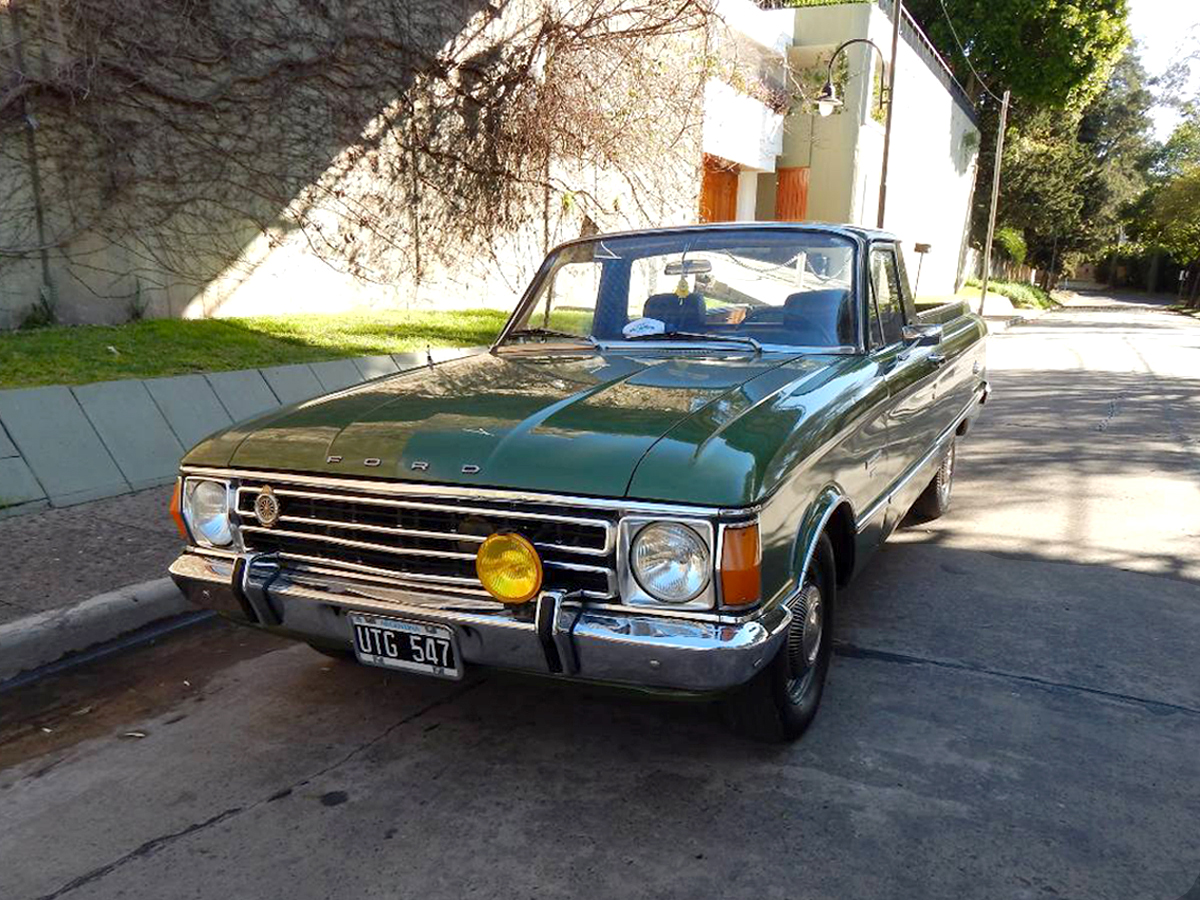
Ford Ranchero
"...ure. Funny enough, this car felt so much like the ranchero I race in lemons. I swear to God, that is a comp..."
The Ford Ranchero is a classic vehicle that mixes a car and a pickup truck. The podcast mentions it because the host feels another car they drive feels similar to the Ranchero. It’s a unique type of vehicle that people remember for its unusual design.
The Ford Ranchero is a classic vehicle that blends the look and practicality of a pickup with the driving feel of a passenger car. The episode mentions it in a comparison to a race car the host drives, implying the Ranchero’s layout and feel are similar enough to be a reference point. It’s discussed because it’s a memorable, niche classic that stands out for its hybrid concept.
Chevrolet Corvette
"I could go to Skippy at Sonoma or I could go to Spring Mountain and drive Corvettes. How do you compare those two experiences?"
They’re comparing driving-school options that let you drive Corvettes. A Corvette is a sports car from Chevrolet, and it’s a popular choice for learning because it’s designed to handle spirited driving.
The hosts mention driving “Corvettes” as part of a driving-school experience. Chevrolet’s Corvette is a common track-capable sports car, so it’s often used for driver training because it’s predictable and has strong performance.
Mac tools
"Folks taking a quick break for Mac tools. You know, Mac tools. You've seen the Mac tools truck at shops before."
They’re talking about Mac Tools, a company that sells tools to mechanics. The host explains how their franchisees sell tools to local shops and build ongoing customer relationships.
Mac Tools is discussed as a franchise model for selling professional tools directly to shops and technicians. The episode uses it as an example of how automotive businesses can create repeat customer relationships.
data logging system
"because the new Corvettes have the data logging system built into it. And what we would do between"
Data logging means the car can record what it’s doing while you drive. Afterward, you can look at the numbers to understand how your runs went and what to adjust.
A data logging system records vehicle and driving metrics (like speed, throttle/brake inputs, and sometimes temperatures) so you can review performance after a run. In a track-day context, it helps drivers and instructors diagnose issues and track improvements over time.
break trace
"between sessions at Spring Mountain, they would pull up your video with all your break trace, your GPS trace. They would show your route and show where I was breaking too late, too much."
A brake trace is basically a lap-by-lap graph of your braking. It shows where you started braking and how hard, so you can see if you’re coming in too late or braking too much.
A “break trace” is a recorded pattern of when and how hard you brake along a lap. In driver coaching, it helps pinpoint exactly where braking is happening too late or too aggressively, which affects corner entry speed and balance.
GPS trace
"between sessions at Spring Mountain, they would pull up your video with all your break trace, your GPS trace. They would show your route and show where I was breaking too late, too much."
A GPS trace is a recorded map of where the car went on the track. It helps coaches see if your line and timing are off, even if you feel like you drove “fine.”
A GPS trace overlays your car’s path and timing around the track. When paired with video, it lets instructors compare your line and speed changes to the ideal reference, showing where you’re arriving at corners incorrectly.
Cosworth Toolbox
"Exactly. So it's that with a Cosworth software. Yeah, it's Cosworth Toolbox."
Cosworth Toolbox is a computer program that helps coaches review your driving. It lines up your data with what happened on video so you can see exactly what to change.
Cosworth Toolbox is software used to analyze track driving data alongside video. In this context, it’s being used to overlay braking and acceleration behavior so instructors can point out specific mistakes and improvements.
one or two changes
"And in between each session, you only want to make one or two changes. You don't need to overwhelm yourself and go, here's where I'm fucking up every corner."
Instead of trying to fix everything at once, you pick one or two things to work on. That way your brain learns the change and you don’t get confused or worse at the basics.
The “one or two changes” approach is a coaching strategy to avoid overloading your brain during practice. By focusing on a small, measurable adjustment per session, you can make it automatic before moving on to the next improvement.
rest your brain
"Cause one, you can analyze what you're doing to you need to rest your brain and kind of calm yourself down a bit and process."
Driving fast is also mentally exhausting. Taking a break helps you calm down and think clearly, so you can actually learn from what you did wrong.
The speaker emphasizes that track sessions aren’t just physical—they’re mental. Taking breaks helps you reset, then analyze what happened with clearer focus before the next run, which improves learning and decision-making.
driving energy vs speed
"They never use the word speed. They never say you're carrying good speed there. They say energy. I think that, and they wouldn't give people breaking markers."
Instead of telling you to go faster, coaches sometimes talk about “energy.” That means how much momentum you’re carrying—how hard you’re moving and how that affects braking and cornering. It helps because different drivers may need different brake points to carry the right momentum.
The hosts discuss how some driving coaches avoid the word “speed” and instead talk about “energy.” In racing instruction, “energy” is a more general way to describe how much momentum you carry into and through a corner, which affects braking, turn-in, and exit. It’s often used to prevent students from chasing a single number that may not translate between drivers or cars.
braking markers
"they wouldn't give people breaking markers. Cause it's like, they wouldn't say, Hey, you should break at the, at the three and a half... which does make sense."
Braking markers are track reference points that tell you when to start slowing down for a turn. The point here is that one marker can mean different things for different drivers, because everyone brakes a little differently. So coaches may focus on learning your own braking behavior rather than copying a number.
“Braking markers” are reference points on track used to decide when to start braking for a corner. The discussion highlights why coaches may avoid giving a single fixed marker: different drivers brake differently and may not reach the same pedal position or braking threshold. That means the same physical marker can correspond to very different braking performance and results.
self-coaching
"I came away, I learned a lot that I had to self coach myself through. And they do say like self coaching is a big thing of driving..."
Self-coaching means you don’t just listen to the instructor—you also watch what you did and figure out what to change. You compare your laps and try small adjustments. It’s how you turn practice into real improvement.
The hosts emphasize “self coaching” as a key part of learning to drive faster. Rather than relying only on instructor notes, the driver observes what happened, compares laps, and adjusts technique independently. This approach is especially important when skill levels vary within a class.
data is important (lap data comparison)
"having the data is just like so important. Like when we go to road America... we'll have his law, his data... and then... it's here's your line. Here's Tato's line. He does this much more break pressure."
They’re saying the numbers matter—lap data helps you see what you’re doing differently from a faster driver. After qualifying and practice, you compare things like braking and the racing line. Then you try a few specific changes instead of guessing.
The segment stresses that lap data is crucial for improving performance. They describe a workflow: qualify to generate baseline data, then practice, then compare the driver’s line and braking behavior to a reference driver’s data. The goal is to identify actionable changes (like braking pressure and timing) to close the gap lap-by-lap.
Road America qualifying day workflow
"Like when we go to road America, like the by far, the most important thing we're going to do is on the Friday, which is qualifying day... we'll have his law, his data, and then we will go practice the car..."
They describe how they run a track day at Road America: first qualify to get a baseline, then practice, and later review what the faster driver did. The idea is to use that feedback to improve your next laps. It’s basically a repeatable learning plan.
This is a track-day/road-course routine centered on Road America: qualify first to establish baseline performance, then practice multiple sessions, and finally review data at dinner. The hosts use this structure to explain how they translate coaching feedback into on-track adjustments. It’s a useful “how to learn a track” segment.
racing line
"at home, at dinner, that night, it's here's your line. Here's Tato's line. He does this much more break pressure."
The “racing line” is the path you choose through a corner. A better line can help the car stay more stable and get back to full throttle sooner. They’re comparing their line to a faster driver to learn what to change.
The hosts reference “your line” and “Tato’s line,” meaning the racing line—the path the car takes through corners to maximize speed and minimize time. They also connect line differences to braking pressure and lap consistency. This is a core concept in road-course driving because line choice affects traction, cornering load, and exit speed.
brake pressure differences
"He does this much more break pressure. He does this much less... And then you can, you know, throughout the race, try to go..."
They’re talking about how hard you press the brakes compared to another driver. Braking harder or softer changes how the car sets up for the corner and how much grip you have. It can make your laps more consistent.
The discussion includes comparing braking pressure between drivers (e.g., “more break pressure” vs “less”). This matters because braking force and timing directly influence how much grip is available at turn-in and how stable the car feels. Small changes in braking pressure can improve lap consistency even if the best lap doesn’t jump immediately.
lap consistency vs best lap
"my very best lap only got a tiny little bit faster, but all the rest of my laps got closer to my best lap... So I think like all, like either my slop got less..."
They’re saying their top lap didn’t get dramatically faster, but their other laps improved a lot. That means they were driving more consistently. In racing, consistency is huge because it reduces mistakes and keeps you closer to your potential every lap.
The host notes that their “very best lap” improved only slightly, but the rest of their laps got closer to that best lap. This highlights the difference between chasing a single peak lap and improving consistency. Consistency often comes from reducing “slop” (variability) by making repeatable inputs—especially braking and line choices.
planning those moves three corners out
"stuck, but like planning those moves three corners out so that you don't get stuck on the third corner. You just go by is something that I just have to learn."
That’s about thinking ahead while you drive. Instead of only focusing on the next turn, you plan a few turns in advance so you don’t end up trapped behind someone.
This describes multi-corner planning: setting up a pass or avoiding being stuck by thinking several turns ahead. On track, your speed and position in one corner strongly affect what you can do in the next few corners, so “where you’ll be” matters as much as “how fast you go.”
racecraft
"That's, and that's, they did cover some racecraft in the class. They covered a lot of stuff. I don't want to harp on them entirely, but the one other fast guy in the class was an old man"
Racecraft just means “how to drive smart” in a race. It’s about picking the right moments to set up corners and pass, not just going as fast as possible all the time.
Racecraft is the set of driving skills used to gain position on track—things like choosing when to brake, where to place the car in a corner, and how to time passes. It’s less about raw speed and more about reading traffic and managing your line lap after lap.
rear view
"And then I'm just, I'm going up like turn three at Sonoma and I look at my rear view and someone is up my ass."
Using the rear view (mirrors) while driving is a key track skill for situational awareness—knowing where faster cars are and adjusting your line to avoid being surprised or boxed in. It’s especially important when passing is allowed or when you’re being pressured from behind.
open passing time
"I go, my ego, I go, some instructor put on a regular helmet and he's fucking with us. This is open passing time. That's what's happening."
Open passing time means passing is allowed during that part of the session. It’s basically when the rules say you can try to overtake other cars.
“Open passing time” means the session rules allow drivers to pass each other on track, typically without the restrictions used during drills or controlled periods. Instructors sometimes use this to test whether students can execute passes safely and predictably.
engine braking
"have to break going into turn two. I can just downshift. And you break with the hill with the [1561.2s] elevation. I was doing like a light tap, but I just went, well, if I'm going to catch Charles, [1565.0s] I'm just going to go for it."
Engine braking is when your car slows down because the engine is resisting the wheels. It happens when you lift off the gas or shift to a lower gear. It can help you slow smoothly without riding the brakes.
Engine braking is deceleration created by the engine when you lift off the throttle or downshift. It’s especially useful on track because it can help stabilize the car and reduce brake use. The amount of engine braking depends on gear selection and throttle position.
downshift
"have to break going into turn two. I can just downshift. And you break with the hill with the [1561.2s] elevation."
Downshifting means you put the car in a lower gear. That makes the engine spin faster and helps slow the car a bit without using the brake as much. It can also make the car feel more responsive when you accelerate out of the turn.
Downshifting is when you select a lower gear to increase engine RPM and help the car slow down using engine braking. On track, it can also improve throttle response for corner exit. Used correctly, it reduces how much you rely on the brakes mid-corner.
Lime Rock
"and you can drive tracks you've dreamt about, like they do Laguna Seca and Lime Rock and Coda. [1609.1s] Like, so if you don't want to fly to Vegas, you don't have to."
Lime Rock is a race track in Connecticut. It’s known for being a smaller, twisty track where you have to be precise. The hosts are listing it as another “dream track” you can drive through a school.
Lime Rock Park is a historic short road course in Connecticut known for being fast, technical, and unforgiving. Mentioning it alongside Laguna Seca and Coda highlights how driving schools can give students exposure to different track styles. Short tracks like Lime Rock often emphasize braking and corner precision.
Coda
"and you can drive tracks you've dreamt about, like they do Laguna Seca and Lime Rock and Coda. [1609.1s] Like, so if you don't want to fly to Vegas, you don't have to."
Coda is another race track the hosts mention as a place you can drive through a program. They’re basically saying you can get track time at famous circuits without traveling as far. If you’re curious, look up the track name to find the exact location.
Coda is a road course name referenced by the hosts as part of the set of tracks driving schools can take students to. It’s mentioned in the same breath as Laguna Seca and Lime Rock, implying a similar “bucket list” track experience. If you’re looking it up, confirm the exact venue name/spelling used in your region.
Laguna Seca
"and you can drive tracks you've dreamt about, like they do Laguna Seca and Lime Rock and Coda. [1609.1s] Like, so if you don't want to fly to Vegas, you don't have to."
Laguna Seca is a well-known race track in California. It’s famous for being tricky and fun to drive. The hosts are saying schools can help you get to tracks like this without having to plan a big trip.
Laguna Seca is a famous road course in California known for its challenging layout and iconic corners like the Corkscrew. The hosts mention it as one of the tracks driving schools can take you to, so you can experience “dream” circuits without traveling far. It’s a common reference point for track-day and racing culture.
lift a little bit / back get light / settles back
"And these cars, my car was really balanced. Like, it was a good teacher. You just lift a little bit. You feel [1623.8s] the back get light. You add the gas a little bit. It settles back. I mean, it was, it was really"
They’re describing how small changes in throttle can change how the car sits and grips in a turn. Lift a bit and the car shifts weight; then add gas and it settles back down. The key is doing it smoothly so the car stays stable.
This describes a common track technique for managing balance: lifting slightly to transfer weight and reduce front grip demand, then adding throttle to settle the car back as traction returns. The “back get light” moment is a warning that the rear is unloading, which can lead to oversteer if overdone. It’s essentially throttle/brake balance and weight transfer in action.
BMWs
"No steering feel, but we're used to driving BMWs. And also when you're in a racing seat and [1652.0s] everything else is so locked down, like you get enough information that like I knew when I was"
The hosts reference being “used to driving BMWs,” implying BMWs often have steering and chassis feedback that drivers learn to interpret. This is used as a comparison point for how much steering feel matters when learning track driving. It’s a brand-level driving-characteristic comment rather than a specific model review.
steering feel
"No steering feel, but we're used to driving BMWs. And also when you're in a racing seat and [1652.0s] everything else is so locked down, like you get enough information that like I knew when I was [1656.7s] understeering for easily."
Steering feel is how much the steering wheel tells you what the tires are doing. Some cars feel very communicative, others feel vague. The point here is that you can still drive well even if the steering isn’t super talkative.
Steering feel is how clearly the steering system communicates grip and tire behavior to the driver. Some cars are praised for feedback, while others feel numb but still drive well with good tires and predictable balance. The hosts argue you can manage without “super steering feel” if you understand the car’s behavior and have seat time.
understeering
"like you get enough information that like I knew when I was [1656.7s] understeering for easily. Yeah. And you've driven enough cars, you know, you don't need [1662.9s] super, super steering feel to get through that kind of stuff."
Understeering means the car doesn’t turn as much as you want. The front tires are losing grip first, so the car feels like it wants to go straight. Learning to notice it helps you drive smoother and adjust your inputs.
Understeering (often called “push”) happens when the front tires lose grip before the rear, so the car turns less than you expect. On track, it’s a key feedback signal that helps you adjust braking, steering input, and throttle. The hosts mention recognizing understeer even without “super steering feel,” because the driver can feel the car’s balance changing.
pit stop strategy
"...this is like, you know, what happened to this and this and can like see and just knows like everything about pit stop strategy and how to like mentally fuck with other teams..."
In racing, teams have to stop to change tires. Pit stop strategy is deciding the best time to do that so you come out ahead of other cars.
Pit stop strategy is how a race team plans when to change tires and make other service stops during a race. Small timing choices—like when to pit relative to traffic and tire wear—can swing track position and race outcome.
road and track desert 600
"So while you were doing that, I went on the road and track desert 600 folks, one more break because support is coming in..."
That phrase sounds like a specific race event. It’s basically a motorsport event in a desert setting, and the host is saying they were out there driving.
“Road and Track Desert 600” refers to a motorsport event/series associated with Road & Track, typically involving endurance-style racing in a desert setting. The mention here is used to set the context of where the host was driving or racing.
drive with Jim Farley
"Very easy to find drive with Jim Farley. Check it out across. You can you can play that if you want to see all the cars."
They mention a podcast called “Drive with Jim Farley.” It’s basically interviews about cars—what people drive and why they care.
“Drive with Jim Farley” is referenced as a podcast where Ford’s CEO interviews people about what they drive and what motivates them. The host uses it as a jumping-off point before getting into his own driving experience.
Charger Six Pack
"...ute muted play it. So I was driving the new Dodge Charger six pack scat pack coupe. And I actually like was like pr..."
Here, “Charger” means the Dodge Charger that the host drove. They talk about how it feels and what they liked about it. It’s mentioned because it’s part of their real driving review.
In this episode, “Charger” refers to the Dodge Charger being driven and reviewed, specifically described as a “new Dodge Charger” in a “6-Pack scat pack coupe” context. The discussion focuses on how it feels to drive and what the host likes about it after spending time behind the wheel. It’s included because it’s the main subject of that segment’s driving impressions.
Scat Pack
"So I was driving the new Dodge Charger six pack scat pack coupe. And I actually like was like pretty excited to drive that car."
“Scat Pack” is Dodge’s name for a sportier, higher-performance version of a car. Think of it as the “enthusiast” trim level with more power and more aggressive character.
“Scat Pack” is a Dodge performance trim name used on models like the Charger and Challenger. It generally indicates a more powerful engine and sportier equipment than base trims, aimed at enthusiasts rather than everyday commuting.
Dodge Challenger
"...our door now. And I always thought, you know, the Challenger sort of looked like the old Challenger just bigg..."
The Dodge Challenger is a muscle car, meaning it’s designed to be powerful and exciting to drive. It has a bold, old-school look that newer models try to keep. The podcast mentions it because the shape and styling remind people of earlier Challengers.
The Dodge Challenger is a classic American muscle car that focuses on big power, a dramatic look, and a comfortable ride. The podcast compares its styling to older Challengers, highlighting how the modern car keeps the same visual identity. That’s why it comes up in enthusiast conversations: it’s both recognizable and performance-oriented.
68 to 70 charger
"This looks like a modernized version of the 68 to 70 charger. Yeah, basically, right? Is that the right years?"
The host says the modern Charger looks like a modernized version of the 1968–1970 Dodge Charger. That’s a specific styling era of the classic muscle-car look, and it helps listeners understand what design cues the new car is borrowing.
American GT coupe
"I was like, Oh, this is it's going to be we're doing the desert 600... It's like 1600 miles. I was like, this this is a big American GT coupe."
They describe it as an “American GT coupe,” meaning a car meant for comfortable long-distance driving with some performance. The trip they describe is basically the kind of use case GT cars are built for.
Calling it an “American GT coupe” frames the Charger as a grand-touring-style car: comfortable for long distances while still delivering performance. The host’s 1600-mile trip description supports that idea—emphasizing highway cruising and sustained speed rather than just track driving.
twin turbo six
"so I was like, give me some relax shit. It's got the twin turbo six. I thought that would be an interesting thing to experience."
It means the car has a six-cylinder engine with two turbochargers. Turbos help the engine make more power by forcing extra air into the cylinders.
“Twin turbo six” refers to a turbocharged inline-six engine using two turbochargers. Using two turbos can help reduce turbo lag and improve power delivery across a wider range of engine speeds.
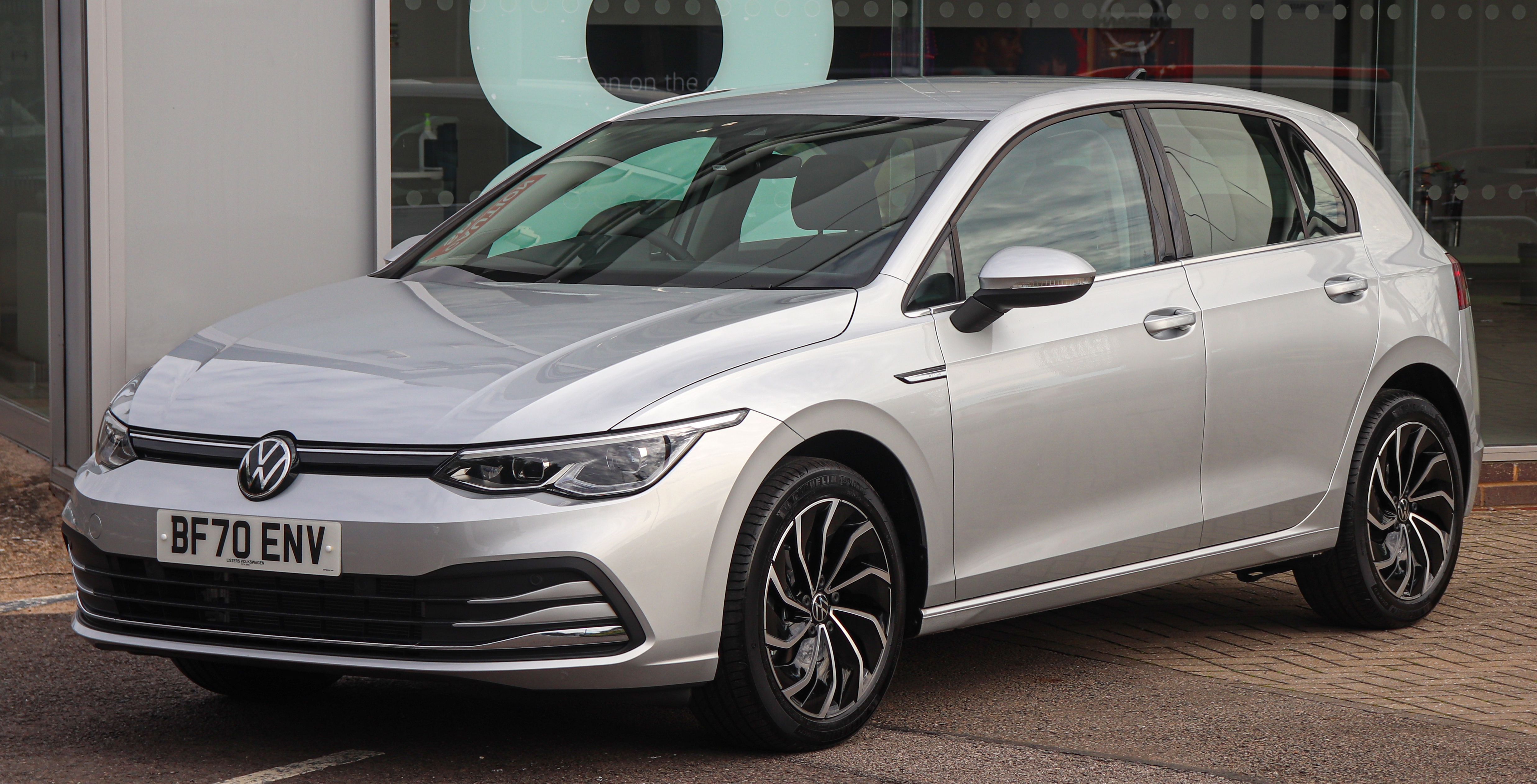
Volkswagen Golf
"...kend bags. No problem for people and four sets of golf clubs. No problem. Like that's pretty unique in ..."
The Volkswagen Golf is a small car that’s meant for everyday driving. The podcast mentions it because it can fit normal things like golf clubs without being a big vehicle. It’s popular because it’s practical but still fun to drive.
The Volkswagen Golf is a compact car known for being practical while still offering an enthusiast-friendly driving experience. In the episode it’s mentioned in a “golf clubs” practicality context, which points to its everyday usability. That combination—daily comfort plus driving feel—is why the Golf often shows up in car discussions.
hatchback
"it doesn't look like it, but it's a hatchback. The whole rear window opens... they hide the seam is like hidden on the glass."
A hatchback is a car where the back opens like a door that lifts up, so loading stuff is easier. They’re saying this one hides that hatch design really well.
A hatchback is a body style where the rear cargo area is accessed via a door that lifts upward, often including the rear window. In this case, the hosts say the whole rear window opens, and the hatch seam is hidden for a cleaner look.
practical long range car
"So I mean, it's it's actually like as a practical long range car, not back. Okay. And and over that entire entire drive, I average like 19 miles per gallon..."
They’re basically saying this car works for long trips. It’s not just a pretty coupe—it has enough space and convenience to be useful.
The hosts are framing the car as a “practical long range car,” meaning it balances comfort, usable rear space, and cargo access with real-world drivability over distance. This is a concept of using a coupe-like body for everyday utility rather than treating it as a pure style/track machine.
4,800 pound car
"I average like 19 miles per gallon, which for a 4,800 pound car, 4,800. Damn, not a hybrid."
They’re pointing out the car is pretty heavy. Heavier cars usually use more gas, so getting decent MPG in a heavy car is notable.
The hosts call out the car’s curb weight (about 4,800 pounds) to contextualize its fuel economy and performance expectations. Heavier vehicles typically require more energy to accelerate and maintain speed, which can hurt efficiency unless the powertrain is well-matched.
miles per gallon
"And over that entire entire drive, I average like 19 miles per gallon, which for a 4,800 pound car... Not a hybrid."
Miles per gallon (MPG) is a measure of fuel efficiency—how far the car can travel on one gallon of fuel. The hosts cite an average MPG figure to evaluate how reasonable the car is for long-distance driving despite its weight and lack of hybrid assistance.
front engine
"Gas powered. Yeah, front engine. It is all wheel drive."
Front engine just means the engine sits up front in the car. It’s a common layout and helps explain how the car is packaged and driven.
“Front engine” means the engine is mounted at the front of the vehicle, typically driving the front wheels or feeding a drivetrain for AWD. The hosts mention it to describe the car’s layout while discussing how it still manages efficiency and practicality.
all wheel drive
"Gas powered. Yeah, front engine. It is all wheel drive. It's all wheel drive."
All-wheel drive means power goes to all four tires. That can help the car grip better and feel more stable, especially when the road is slippery.
All-wheel drive (AWD) sends power to all four wheels to improve traction and stability, especially in low-grip conditions. The hosts mention it alongside fuel economy and engine layout to characterize how the car behaves as a long-range, practical option.
heated and cooled seats
"It also has comfortable seats. In general, it is it is a comfortable place to spend time in in any seat, you know, heated and cooled seats with a nicely adjustable lumbar and"
Some cars can warm your seat up and also cool it down. That means you’re comfortable whether it’s cold or hot outside, especially on longer trips.
The car has both heated and cooled seat functions, which use temperature-controlled heating elements and a ventilation system. This helps maintain comfort across seasons and can reduce fatigue on long drives.
adjustable lumbar
"...heated and cooled seats with a nicely adjustable lumbar and maybe not as substantial as Porsche, but like an extendable thigh bolster like"
Lumbar support is the part of the seat that supports your lower back. If it’s adjustable, you can set it so your back feels better and you don’t get sore as fast.
Adjustable lumbar support lets you change how much support the lower back gets. It’s meant to improve posture and comfort, especially during highway driving.
extendable thigh bolster
"...maybe not as substantial as Porsche, but like an extendable thigh bolster like not bad. Not bad. Body. Body does not hurt."
The thigh bolster is the part of the seat that supports your upper legs. If it extends, it can help you feel more held in and comfortable, especially when driving for a while.
An extendable thigh bolster is a seat feature that moves to better support the upper legs. It can improve comfort and reduce fatigue by keeping your body positioned during acceleration and cornering.
Porsche
"...maybe not as substantial as Porsche, but like an extendable thigh bolster like not bad."
They mention Porsche because Porsche seats are often praised for good support. The host is comparing how comfortable the seats feel versus what they associate with Porsche.
Porsche is referenced as a benchmark for seat support quality, specifically comparing the host’s perceived lumbar/bolster comfort. It’s a brand known for well-bolstered sports seats in many models.
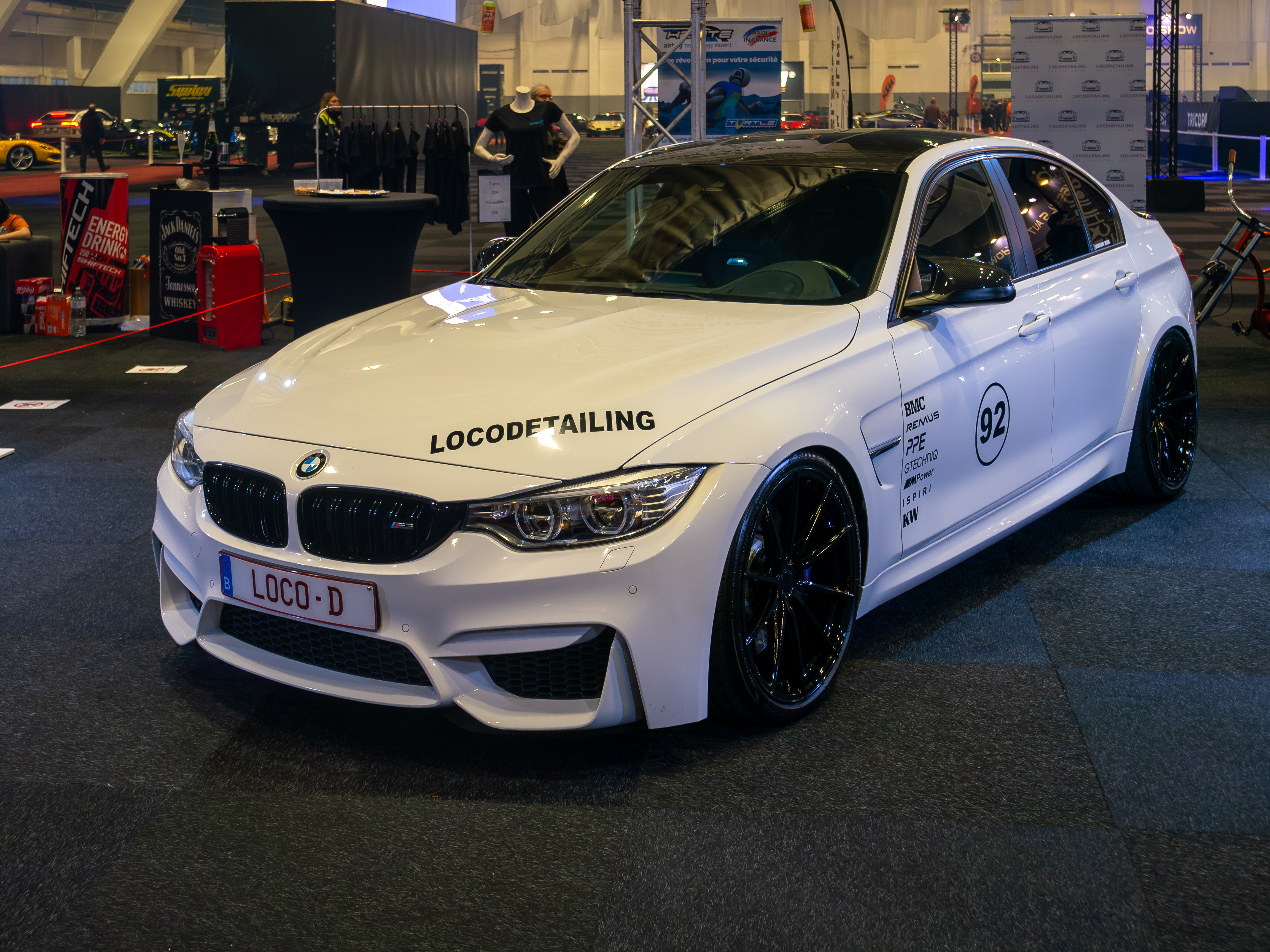
BMW M3
"I thought it sounded worse than an M3 competition until the very last fuel stop on the way home when an M3 competition pulled up next to me at the gas station."
The BMW M3 Competition is a high-performance BMW. The host is using it like a “sound benchmark” to judge whether the car he’s reviewing sounds good or not.
The BMW M3 Competition is a performance version of the M3, known for a strong engine and aggressive exhaust note. In this segment, it’s used as a reference point for how the other car’s sound compares.
dual exhaust
"...They are actually very similar sounding. Yeah, the whole time quite exhaust in the back as dual exhaust. Okay."
Dual exhaust means the car has two exhaust outlets instead of one. It can change the sound you hear from the engine and how the exhaust note “echoes” outside.
Dual exhaust means there are two exhaust outlets (typically one on each side) rather than a single system. The layout can affect how the engine note is tuned and how exhaust pulses reach the tailpipes.
inline six
"...I was trying to think of all the really good sounding in lines. I was like, why there's an inline six. It's not a V. It sounded like a fucking droney VQ. It droned."
An inline six is an engine with six cylinders in a straight line. People like them because they can run smoothly, but the exhaust setup can still make the sound annoying at certain speeds.
An inline six (I6) is an engine with six cylinders arranged in a single straight line. Inline-sixes are often praised for smoothness and character, but exhaust and intake tuning can still create drone or “droney” resonance.
drone
"...it droned. And I was like, what is wrong? Why does this drone and to their credit, it makes good power. It makes good torque. And if you keep it up high in the revs... But on the highway, drone, really?"
Drone is that annoying, steady “hum” or “buzz” you hear when you’re driving at a constant speed. It’s not usually the loudest part of the exhaust—just the most irritating.
Exhaust drone is a low-frequency, resonant sound that becomes especially noticeable at steady speeds, often on the highway. It can be caused by exhaust design, muffler tuning, and how sound reflects in the cabin.
Toyota Supra
"...the skylines, the RB, the Supras, the JZs and and and BMWs for the most part, right?"
They’re saying the Toyota Supra is one of the inline-six cars that sounds good. The point is that some engine/exhaust combinations just have a better note.
The host groups the Toyota Supra among the best-sounding inline-sixes, referencing its reputation for strong engine character. Depending on generation, the Supra’s engine family and exhaust tuning can strongly influence how it sounds.
Nissan Skylines
"The best sounding inline six is that you know, yeah, are going to be like this, the skylines, the RB, the Supras, the JZs and and and BMWs for the most part, right?"
They’re saying Skylines are some of the best-sounding inline-six cars. The idea is that the engine/exhaust setup can make the sound more pleasing instead of droning.
The host mentions Nissan Skylines as an example of a “best sounding” inline-six. Many Skyline variants (especially performance models) are known for distinctive exhaust character, often tied to their engine and exhaust tuning.
RB
"...are going to be like this, the skylines, the RB, the Supras, the JZs and and and BMWs for the most part, right?"
“RB” is Nissan’s engine family that a lot of Skyline fans talk about. The host is basically saying those engines tend to sound great compared to the car he’s reviewing.
“RB” refers to Nissan’s RB-series inline-six engines (commonly associated with models like the Skyline). The host is using RB engines as an example of inline-six sound quality, implying exhaust note and tuning play a big role.
JZs
"...the RB, the Supras, the JZs and and and BMWs for the most part, right?"
“JZ” is Toyota’s inline-six engine family. The host is saying these engines are known for a great-sounding exhaust note.
“JZ” refers to Toyota’s JZ-series inline-six engines (most famously the 2JZ/1JZ families). The host uses JZ engines as another example of inline-six sound that’s often considered more satisfying than what he’s hearing here.
one into two
"The ones that don't sound so great. Now, I haven't I don't know, does a new M3 have a one into two?"
“One into two” means the exhaust starts as one path and then splits into two. That split can change the exhaust sound and how it resonates while driving.
“One into two” describes an exhaust routing where a single pipe splits into two outlets. Exhaust split design can change pulse timing and how the sound travels, which may affect whether the car drones or sounds better at certain RPM.
headers
"Or is a new M3 a dual exhaust? I suspect you think the headers are two sets of three or is it one set?"
Headers are the exhaust manifolds that collect exhaust gases from the engine’s cylinders and route them into the exhaust system. The way headers are split (e.g., “two sets of three” on a six-cylinder) influences exhaust pulse timing and can change sound and performance.
overdamped / over sprung and over damped
"So it's probably overdamped. So it's over sprung and over damped to compensate. And it just it's got stiff springs."
If the suspension is “overdamped,” it’s like the shocks are too tight and don’t let the wheels move smoothly. That can make the ride feel stiff and can also hurt how well the car grips over uneven roads.
Overdamped suspension behavior happens when damping is too stiff relative to the spring rate, preventing the suspension from moving smoothly over bumps. The speaker argues the car is “over sprung and over damped” to compensate for its weight, which can lead to a harsh, less compliant ride and mediocre handling.
adaptive shocks
"...it probably has a very squishy ride, right for highway, the highway touring car. It rides like it's on cut springs. ... It does not have adaptive shocks."
Adaptive shocks are suspension parts that automatically get softer or firmer depending on the road. If a car doesn’t have them, it can feel either too bouncy or too stiff, depending on the situation.
Adaptive shocks (adaptive dampers) automatically change damping stiffness based on driving conditions. Without them, a car may struggle to balance ride comfort and handling—especially if it’s heavy—because the suspension can’t “tune itself” on the fly.
no man's land
"...without an adaptive shock, when your car is that heavy, you're going to end up in no man's land and it doesn't ride that well."
They mean the suspension can’t find the right balance. It ends up neither comfortable nor sporty, because the shocks can’t adjust to different road conditions.
“No man’s land” is a colloquial way to describe a suspension compromise where the car can’t simultaneously deliver good ride comfort and strong handling. In this context, the speaker suggests the setup falls into a middle ground because the car lacks adaptive damping.
control arms
"...You can have like crazy long control arms. Yeah, I think well, that's the answer."
Control arms are the parts that connect the wheels to the suspension. Longer or better-shaped control arms can help the wheels move in a more controlled way over bumps.
Control arms are suspension linkages that locate the wheels and control their motion through bumps and steering inputs. The speaker suggests Lucid can use “crazy long control arms,” which can improve suspension geometry and ride/handling without relying on adaptive shocks.
exhaust manifolds
"but so the BMW engine because it's twin turbo does have two exhaust manifolds. It looks like there's two sets of three that each one goes to a turbo that makes sense."
An exhaust manifold is the part that gathers exhaust gas from the engine cylinders and sends it onward. On turbo cars, manifold shape and routing can affect both performance and the way the car sounds.
Exhaust manifolds collect exhaust gases from the engine cylinders and route them to the turbochargers (or exhaust system). With twin-turbo engines, manifold design often determines how exhaust pulses reach each turbo, which can influence sound quality.
Charger 392
"Okay. Well, is this, is this replacing like the Charger 392? Is that what it's supposed to replace? Or is it just like the regular RT?"
The “392” is a performance Charger V8. The host is basically asking if the new model is supposed to take over for the Charger 392’s performance identity.
“Charger 392” refers to the Dodge Charger powered by a 392 cubic-inch V8 (commonly associated with the Scat Pack/392-era performance variants). The host is questioning whether a newer Charger model is meant to replace that more serious performance role.
GT car
"Because it may not be aimed at being a serious performance car. I mean, it's like, now, but the problem there is that if it's not a serious performance car, then it seems like it should be aimed directly at good GT car."
A “GT” is a car meant for comfortable long drives—more relaxing than track-focused. The host is saying the car feels like it’s trying to be something in-between, and that’s the problem.
A “GT car” (grand tourer) is typically designed for long-distance comfort and effortless cruising, often with strong performance but a focus on refinement. The host is arguing that if the car isn’t a serious performance car, it should target the GT audience instead.
Genesis GV60
"And I got the new Genesis GV60, which is the small electric crossover. Like it's about the same price as this."
The Genesis GV60 is an electric crossover. The host is saying that, for about the same money, it feels better in the ways that matter—comfort, interior feel, and how quickly it moves.
The Genesis GV60 is a compact electric crossover, and the host compares it directly to the car they rented earlier. They’re using the GV60 as a benchmark for interior quality, ride comfort, and acceleration at a similar price point.
Carplay
"the ride doesn't sound great. Carplay was glitchy that I send you the little video, the video, the flashing, I'm going to put it on my Instagram review, but it, carplay was glitchy a little bit."
CarPlay is a way to connect your iPhone to the car’s screen. If it’s glitchy, the connection or the display can act weird, like freezing or flashing.
CarPlay is Apple’s in-car interface that lets you use your iPhone through the car’s infotainment screen. When it’s described as “glitchy,” it usually means the connection or software display has lag, disconnects, or visual glitches.
wheel and tire fitment
"I actually think this thing had adaptive shocks, better sort of wheel and tire fitment. And the rear windows went down to make a pillarless coupe."
Fitment is basically whether the wheels and tires are the right size for the car and fit without rubbing. It can change how the car drives and how it looks.
Wheel and tire fitment refers to how the wheels and tires are sized and positioned relative to the car’s body and suspension. Proper fitment affects clearance, ride quality, steering feel, and whether the tires rub.
pillarless coupe
"And the rear windows went down to make a pillarless coupe. That would be extremely sick. That would be cool."
A pillarless coupe is a car where the side windows can open up without a vertical post in the middle. It looks cooler and feels more open, but the car still has to be strong and safe.
A pillarless coupe typically means the side window design removes the B-pillar, creating a more open look and easier access when the windows are down. It can also affect structural design and safety engineering, since the body still has to meet side-impact requirements.
curb people appeal
"It has, it had a great curb people appeal. People asked me about it. The valets at the hotels, almost all of whom recognize me."
Curb appeal means how good the car looks when you see it parked. If people are asking about it, that’s a sign it has strong curb appeal.
“Curb appeal” is how attractive a car looks from the outside, especially when parked. The host is emphasizing that people notice it and react to it in real-world settings.
farty exhaust
"they loved it. And I was like, do you like the sound? And they're like, yeah. So they, they didn't mind the farty, the farty exhaust."
“Farty exhaust” is a joking way to describe an exhaust sound that doesn’t sound as smooth or powerful as you’d want. It can be too raspy or hollow depending on the exhaust setup.
“Farty exhaust” is slang for an exhaust note that sounds buzzy, gassy, or overly raspy rather than clean and deep. It often points to muffler design, exhaust tuning, or resonance in the system.
hell-catted
"We know they're putting a V8 in this. It's going to be, it's going to be fucking hell-catted like next year, if then."
“Hellcat” is a nickname for a very powerful Dodge engine package. When they say “hell-catted,” they mean the car will probably get a super high-performance V8 setup.
“Hell-catted” is slang referencing Dodge’s Hellcat branding, which is associated with high-output supercharged V8 performance. The host is using it to predict the car will get a Hellcat-style powertrain.
V8
"We know they're putting a V8 in this. It's going to be, it's going to be fucking hell-catted like next year, if then."
A V8 is an engine with eight cylinders. People often expect a V8 to sound better and feel stronger, especially in terms of low-end pull.
A V8 is an engine with eight cylinders arranged in a “V” configuration. The host is discussing expectations around adding or using a V8, which typically changes sound, torque feel, and overall character compared to smaller engines.
glamping
"park or right next to Zion National Park. There's, there it is. And it was like a glamping type of deal. The tents were dope."
Glamping is camping, but nicer. Instead of roughing it, you usually get comfortable beds and real bathrooms, while still sleeping outside.
Glamping is a “glamorous camping” style where you get the outdoor experience but with more comfort—often things like proper beds, private bathrooms, and sometimes even hot showers. It’s popular for road trips because it reduces the roughness of traditional camping while still getting away from cities.
Las Vegas Motor Speedway event
"it was cool. Las Vegas Motor Speedway. Great event. And we did the Lake Mead Valley of Fire Drive."
They’re talking about a car event tied to Las Vegas Motor Speedway. It’s basically a big motorsports location where car enthusiasts gather.
This segment references an event connected to Las Vegas Motor Speedway, which is a major motorsports venue. For listeners, it signals the trip is car-focused and likely includes organized driving or meetups.
Lake Mead Valley of Fire Drive
"Las Vegas Motor Speedway. Great event. And we did the Lake Mead Valley of Fire Drive. And there's a, there's a drive from, if you, the drive from Zion to Sedona, the route that we did was fucking sick."
They’re describing a scenic road trip route near Lake Mead and the Valley of Fire. It’s the kind of drive people do because the scenery and roads are fun.
The “Lake Mead Valley of Fire Drive” refers to a scenic driving route in the Las Vegas area that combines desert landscapes and viewpoints. In car culture, these drives are often chosen for interesting roads and memorable scenery rather than track-style performance.
Ferrari 355
"Yeah. And you see that picture of the challenger next to the 355? That's his dude, Abbey, who rolls solo. He brought a Ferrari 355 on this event. Fucking"
The Ferrari 355 is a classic Ferrari supercar with a V8 engine in the middle. People like it because it’s fun to drive and it feels very “hands-on.”
The Ferrari 355 is a mid-engine V8 supercar from Ferrari, known for its sharp handling and high-revving character. It’s a popular “driver’s” Ferrari because it feels connected and mechanical compared with many later, more electronically assisted cars.
Lucid Air
"The first one was this, was the Smokies and it was a Lucid Air GT, long range. That gentleman who was very kind, he kind of hung back and drove slow."
The Lucid Air is an electric car, and the “long range” version is meant to travel farther on a full charge. The hosts are saying that if the route is fast and open, the battery runs down quicker than on slower, twistier roads.
The Lucid Air GT (long range) is Lucid’s high-end electric sedan, and the “long range” version is designed to go farther between charges. The hosts compare how average speeds and road type affect battery consumption—lower-speed technical roads versus faster desert stretches. That’s why the same EV can behave very differently depending on the route.
battery
"So this dude was ripping through his battery. And this guy has a heavy foot. This is a heavy foot."
In EV driving, “battery” consumption is strongly affected by speed, throttle use, and route conditions. Higher average speeds and frequent hard acceleration increase energy draw, which reduces the distance you can cover before the next charge. The host uses the driver’s “heavy foot” as the reason he was “going through batteries so much.”
charge plan
"Was he charging until breakfast ended and then he hops in the car? Dude, his charge plan, he had a plan. We told, he told us what we were doing."
An EV charge plan is basically your “when do I stop to plug in” plan. If you drive hard or faster than usual, the battery drains quicker, so you may need more charging stops than you expected.
A charge plan is the strategy for when and where to recharge an EV during a trip or event. It accounts for route, expected speed, elevation, weather, and how aggressively the driver will use power. In this segment, the host explains that the driver’s plan required extra stops because heavy driving consumed the battery faster than expected.
Dirtfish
"Next one has a stopover at Dirtfish, which is like one of the five places on earth. Oh yeah, the Pacific Northwest one has two track days."
Dirtfish is referenced as a stopover location for an upcoming event. In the rally/driving-school context, Dirtfish is known for motorsport training and driving experiences, which is why it fits naturally between track days and route planning. The host’s mention suggests the schedule blends instruction with active driving.
Waymo
"You know, Waymo's can go on the highway now. And so we're going... So I'm on the 405 going north. And there's a Waymo... it was going like 66 in the left lane."
Waymo is a company that makes self-driving cars. The point here is that their system is designed to be extra cautious, even if it means getting to your destination a bit slower.
Waymo is Google’s autonomous-driving company. In this segment, the host discusses how Waymo vehicles behave on public roads and why they may choose slower routes to prioritize safety.
Tesla
"But the difference between Waymo and Tesla's self driving... I don't necessarily mean Tesla FSD supervised. I mean their cyber cab."
Tesla is a car company that offers self-driving help through software. In this discussion, they’re saying Tesla’s system tends to focus on getting you there faster, while Waymo focuses more on safety.
Tesla is an automaker known for driver-assistance and autonomous-driving features. The host contrasts Tesla’s approach (optimizing for time) with Waymo’s (optimizing for safety) and references Tesla’s “FSD supervised” versus a fully autonomous “cyber cab.”
FSD supervised
"But the difference between Waymo and Tesla's self driving and when I say self driving, I don't necessarily mean Tesla FSD supervised. I mean their cyber cab."
“FSD supervised” means the car can do a lot of driving tasks, but you’re still expected to watch and be ready to take control. It’s not fully hands-off autonomy in the way the host is describing for the “cyber cab.”
“FSD supervised” refers to Tesla’s Full Self-Driving system where the car can assist with driving tasks, but a human remains responsible for monitoring and taking over if needed. The host uses it as a comparison point against Waymo’s behavior and routing choices.
optimizes for safety
"The difference in their algorithms, Tesla's optimizes for time. Waymo's optimizes for safety... it will take the safest route."
This means the self-driving system is programmed to make choices that reduce risk, even if it’s slower. So instead of taking the quickest path, it may choose the route that feels safer.
“Optimizes for safety” describes an autonomous-driving objective function that biases the vehicle toward the lowest-risk maneuvers and routes, even if that increases travel time. The host argues this is why Waymo may take longer than Tesla’s supervised system or time-focused autonomy.
optimizes for time
"The difference in their algorithms, Tesla's optimizes for time. Waymo's optimizes for safety."
This means the self-driving system is trying to get you there faster. It may accept slightly more risk or less conservative behavior compared with a system that focuses on safety above all else.
“Optimizes for time” refers to an autonomy strategy that prioritizes reaching the destination quickly. In the segment, the host contrasts this with Waymo’s safety-first approach to explain why Tesla’s system may choose faster routes.
self insured
"...because it will take the safest route. Because they have their own insurance, their self insured."
Self insured means the company pays for its own accidents and claims. The host is implying that how a company handles risk can influence how its self-driving system behaves.
“Self insured” means the company covers its own insurance risk rather than relying on a traditional insurer. The host suggests this affects how the autonomy company evaluates outcomes and routing decisions.
Elon Musk
"that's silly, but it's one of the less fucked up decisions I guess that Elon Musk has made recently. Oh, for sure. It's, I think it's one that got a lot of attention"
Elon Musk is a famous tech CEO who’s involved with electric cars and self-driving ideas. Here, they’re talking about how his choices affect how people think about whether cars need drivers.
Elon Musk is the high-profile CEO associated with Tesla and its broader push toward autonomous and driverless technology. In this segment, he’s referenced in connection with decisions about vehicle design and driverless assumptions.
autonomous driving route planning (avoid dangerous intersections)
"you know how the Waymo, the Waymo's take the long way from my house, like if they need to go east, they leave west and then go back east. And I told him about that. He said there are almost certainly a substantially higher number of accidents at the other intersection than at the one that it uses to leave your house."
The hosts discuss how Waymo’s autonomous system may choose a longer route to avoid intersections with higher accident rates. This is an example of route planning that uses real-world risk data rather than just the shortest path.
Durango Hellcat
"And every week forever. Yeah, we got this. We got a Durango Hellcat, which will be kind of fun to take to Road America. I hope they let us take it on the track."
The Dodge Durango Hellcat is a super-powerful version of the Durango SUV. They’re excited to drive it at Road America, which is a real race track, to see how it handles.
The Dodge Durango Hellcat is a high-performance version of the Dodge Durango SUV, powered by a Hellcat V8. The hosts plan to take it to Road America, implying they expect it to be track-capable despite being an SUV.
Challenger Hellcat
"...week forever. Yeah, we got this. We got a Durango Hellcat, which will be kind of fun to take to Road Ameri..."
Here, “Challenger” means the Dodge Challenger. The podcast is talking about what cars they plan to take on a trip or event. It’s mentioned because it’s a fun performance car choice.
In this episode, “Challenger” is used as shorthand for the Dodge Challenger, discussed alongside other vehicles the host plans to take on a trip. The mention of a Durango Hellcat suggests the conversation is about choosing fun, high-performance cars for an event or route. It’s relevant because it shows how the Challenger fits into a lineup of enthusiast-oriented drives.
Road America track rules for SUVs
"people have sent me a thing that Road America doesn't necessarily allow SUVs on track. But when an organization rents out the entire facility for a weekend, the rules may be different."
They’re talking about track-day rules at Road America. Sometimes SUVs aren’t allowed, but if the event has exclusive access, the rules can be different.
The hosts discuss how Road America may restrict SUVs on track, but that rules can change when an organization rents the whole facility. This is a practical track-day consideration for anyone planning to bring a higher-riding vehicle.
diesel gate
"Diesel's crazy. I mean, diesel's been nuts since basically, since diesel gate before that diesel was cheaper than gasoline. And then the market, the demand for it dried up."
“Diesel gate” is a big emissions scandal that changed how people and governments viewed diesel cars. After that, diesel demand shifted, and that affected diesel fuel prices.
“Diesel gate” refers to the Volkswagen emissions scandal, which triggered major regulatory and market changes for diesel vehicles. The hosts connect it to shifting diesel demand and pricing, explaining why diesel became cheaper and then more expensive later.
Porsche 911
"We've got the 911, all wheel drive convertible on the cover. This was a prototype that I've actually seen in person."
They’re talking about a Porsche 911 prototype that has all-wheel drive and a convertible (soft top). It’s a special early AWD experiment Porsche built and later showed in its collection.
The episode highlights a Porsche 911 all-wheel-drive convertible prototype from Porsche’s collection. The hosts connect it to Porsche’s development of early AWD hardware that later appeared on 911 generations.
inflation adjustment (value of a dollar over time)
"So just real quick, what is a dollar in December of 1981 with inflation, you know, worth today? What would a dollar be today from 44 years of inflation?"
They’re adjusting old prices for inflation to see what that money would be worth today. It’s a way to make a fair comparison between then and now.
The hosts convert 1981 prices into today’s dollars using inflation. This helps compare what a “deal” meant at the time versus what it would cost now, separating true bargain hunting from just normal price growth.
Ford GT 40 roadster
"you could have bought a Ford GT 40 roadster chassis number 108 original condition, complete documentation tested in October, 1965 sports car graphic magazine, $150,000."
They’re talking about a Ford GT40 roadster that was listed back in 1981. Collectors care a lot about the exact chassis number and paperwork because it helps prove what the car really is and what it’s worth.
The hosts are referencing a Ford GT40 roadster listing from Road & Track magazine. The GT40 is a legendary Ford race car lineage, and the “roadster chassis number” detail shows how collectors track specific cars by chassis identity and documentation.
chassis number
"you could have bought a Ford GT 40 roadster chassis number 108 original condition, complete documentation tested in October, 1965 sports car graphic magazine, $150,000."
A chassis number is like a car’s unique ID number. When you’re buying a rare car, matching the chassis number to the paperwork helps confirm you’re getting the real deal.
A chassis number is the unique identifier for a vehicle’s frame/chassis. In collector-car listings, it’s used to verify provenance (where the car came from) and to match documentation to the specific car being sold.
Ford GT40
"three and a half X. So, uh, so in December of 81 in the back of road and track magazine, you could have bought a Ford GT 40 roadster chassis number 108 original condition, complete documentation tested in October, 1965 sports car graphic magazine, $150,000."
The Ford GT40 is a famous race car from Ford. The podcast mentions a particular example because collectors care a lot about the car’s history and paperwork. It’s a well-known car because it’s tied to major racing achievements.
The Ford GT40 is a legendary race car associated with Ford’s pursuit of major endurance racing success in the 1960s. The episode mentions a specific roadster chassis and its documentation, which underscores how important provenance is for these cars. It’s discussed because the GT40 is both historically significant and highly collectible.
Ferrari 275 GTB
"How about Ferrari 275 GTB 4 cam serial number 93 restored to museum quality. This one's right here in Encino, California, $55,000."
The Ferrari 275 GTB 4 cam is a classic V12-era Ferrari known for its high collector demand and “4 cam” valvetrain. The transcript also mentions a serial number and “restored to museum quality,” which are key signals of provenance and condition in the vintage Ferrari market.
restored to museum quality
"How about Ferrari 275 GTB 4 cam serial number 93 restored to museum quality. This one's right here in Encino, California, $55,000."
“Museum quality” is a collector term meaning the car has been restored to a very high standard, typically with careful correctness and finishing. It implies the work is more than cosmetic—often including fitment, paint quality, and mechanical refurbishment—so the car commands a premium.
Ralph Lauren
"That would have been a, by the way, you know, it was buying cars at these prices, Ralph Lauren, Ralph Lauren in the late seventies and into the eighties was buying shit just like this for money, just like this."
They mention Ralph Lauren as someone who bought rare cars back in the day. When famous collectors buy cars, it can push prices up and make certain models more desirable.
Ralph Lauren is referenced as a collector who bought cars in the late 1970s and 1980s. His collecting is relevant because celebrity and institutional collecting can strongly influence the market for certain rare models.
Ferrari Dino
"...it would be a man Bruce Meyer. Yeah. How about a Ferrari Dino 246 GTS spider? Oh, this will be $8. California ..."
The Ferrari Dino 208 GT4 is an older Ferrari sports car. The podcast mentions it because people collect it and it can be expensive. It’s known for being a distinctive Ferrari model from its era.
The Ferrari Dino 208 GT4 is a classic mid-engine Ferrari-era model that’s known for its smaller-displacement V8 and its place in Ferrari’s history. The episode references it in a collector/price context, indicating it’s being discussed as a notable, desirable classic. It’s relevant because Dino models are often sought after for their combination of performance, rarity, and heritage.
Ferrari Dino 246 GTS spider
"How about a Ferrari Dino 246 GTS spider? Oh, this will be $8. California car, original mint condition, $30,000. So a hundred grand, a hundred grand, but today that car is, you know, three, 400 grand. Yeah. Wow."
This is a classic Ferrari sports car called the Dino 246 GTS. It’s a rare, mid-engine model, and the “spider” part means it’s the open-top version. They’re talking about how the price has risen a lot as it became more desirable.
The Ferrari Dino 246 GTS is a mid-engine sports car from Ferrari’s Dino line, with the “246” referring to 2.4 liters of displacement. The GTS “spider” body style is the open-top version, and it’s become a collector favorite. In the segment, they’re using it to illustrate how classic-car values can jump dramatically over time.
classic-car price appreciation vs inflation
"So a hundred grand, a hundred grand, but today that car is, you know, three, 400 grand. Yeah. Wow. That, and those went through a dip then that might have been, there might have been a dip coming after that... So again, there's your $60,000 in inflation, gets you about three to $500,000."
They’re talking about why old car prices don’t just rise because of inflation. Some classic cars become more desirable over time, so their values jump a lot more than you’d expect. Others stay relatively affordable, so it’s not the same story for every model.
The segment repeatedly compares old “classifieds” prices to modern values, using examples to show that classic-car appreciation often outpaces general inflation. They also point out that some models experienced dips (periods when prices were lower) before rising again. The takeaway is that collector demand, rarity, and condition can matter more than inflation alone.
Lamborghini 400
"All right. Here's a super banger, 1966 Lamborghini 400 GT, very, very rare. New two-tone silver paint, black leather seats, fresh service, new tires, $18,500."
This is a very early Lamborghini grand tourer from 1966. It’s rare, and in collector circles the details—like paint, interior, and whether it’s been serviced—matter a lot. They’re using it as an example of how a “cheap” old listing can turn into a much more expensive car later.
The Lamborghini 400 GT (1966) is an early, rare grand tourer that’s highly sought after today. The hosts mention specific listing-style details—two-tone paint, black leather, fresh service, and new tires—to show how condition and originality affect collector pricing. They also contrast a low “classifieds” price with modern values to highlight classic-car inflation and demand.
Porsche 911 Turbo
"Are there any old 911s in there for like two grand? Well, no, not really because interestingly, you know, like a 79 Porsche Turbo was like, only, it was only two years old. So, that was 52,000 bucks."
They’re talking about a 1979 Porsche 911 Turbo, which is the classic turbocharged 911 from that time period. The “Turbo” is the factory turbo model, and it’s a big deal for collectors. They’re using it to show that prices can look “cheap” only because you’re comparing to today’s much higher values.
A “Porsche 911 Turbo” from 1979 refers to the 930-generation 911 Turbo era. These cars are known for being early, air-cooled turbocharged 911s—often with strong collector demand. The segment uses the “only two years old” purchase price to show how even relatively new classic cars can be expensive in hindsight.
1979 Trans Am
"Like this, how about like, 1979 Trans Am, you know, custom built motor, blah, blah, blah, immaculate condition, 22,000 bucks. I mean, that's... Probably what that caused now."
This is a 1979 Pontiac Trans Am, a classic American muscle car. They’re saying the example was in great shape and had an engine build, which can raise its value. They’re using it to illustrate how prices change over time.
The Pontiac Trans Am is a performance muscle car line, and the 1979 model sits in the late-’70s era when these cars were still popular but not yet the modern collector “holy grail” they can be today. The segment references a “custom built motor” and immaculate condition to show how modifications and condition can affect value. They’re also comparing the old listing price to what it might be worth now.
Lotus Esprit
"you know, like, how about a 1979 Lotus Esprit S2, was like 6,000 miles, 23,500 bucks. I mean, that might be 40 now, but it won't be hundreds."
This is a 1979 Lotus Esprit S2, a British sports car. They mention it has low mileage and a decent original price, and they’re arguing it likely won’t become a super expensive collector car. It’s basically a comparison of which classics go up in value more than others.
The 1979 Lotus Esprit S2 is a mid-engine British sports car, and the “S2” denotes a specific Esprit series/trim. The hosts cite low mileage and a relatively modest original price to argue that some cars haven’t inflated into the “hundreds of thousands” range. It’s an example of how not every classic car appreciates at the same rate.
1979 Rolls-Royce Silver Shadow
"Like, oh dude, 1979 Rolls Royce Silver Shadow. So, this is like, these are six grand. You find one of these, this is the cheapest. These things are sub 10 Gs."
The 1979 Rolls-Royce Silver Shadow is a late-’70s luxury sedan/land yacht that’s typically expensive to maintain due to its complexity and parts costs. The hosts note “sub 10 Gs” pricing for a low-mileage example, using it to show how some cars were undervalued when they were still relatively new. They also share a personal anecdote about ownership and disposal, reinforcing how these cars can end up in unusual circumstances.
1953 Mercedes Benz 300 Galwing
"How about 1953 Mercedes Benz 300 Galwing? Oh boy. 21,000."
Mercedes made a legendary car called the 300 SL. It’s famous for doors that open upward like a gull’s wings, and that kind of uniqueness helps it stay valuable.
The “300 Galwing” is the famous Mercedes-Benz 300 SL, nicknamed “Gullwing” for its distinctive upward-opening doors. The speaker is using it as an example of how specific, iconic variants hold value.
Lamborghini Miura
"1971 Miura SV, red black. That's 5 million today. So, 55, if times three and a half, that's 275. Sure. Inflation."
The Miura SV is a famous Lamborghini from the early 1970s. It’s considered special and valuable, and the host uses it to show how prices change over time.
The Lamborghini Miura SV is one of the most celebrated versions of the Miura, known for being a higher-performance, more desirable variant. The speaker compares its modern value to older price tags to illustrate how inflation and market timing affect perceived “outperformance.”
330 GTC
"Wait. One, two, three. Three, two, seventy-fives. A 330 GTC. Okay, wait. What's the dopest shit he's got here?"
The Ferrari 330 GTC is an older Ferrari grand tourer. It’s the kind of car collectors chase, and here it’s mentioned as one of several expensive classics in the dealer’s inventory.
The Ferrari 330 GTC is a classic 1960s grand touring model, typically associated with the 4.0-liter V12 family. In this segment, it’s part of a dealer’s lineup of rare Ferraris and other exotics, which the host uses to rank relative “expensiveness.”
250 Ferrari TDF
"...is the 250 Ferrari TDF, 65,000. I understand that."
The Ferrari 250 TDF is a special, rare Ferrari. The host is saying it’s the priciest car in that collection because it’s highly sought after by collectors.
“250 TDF” refers to the Ferrari 250 TDF, a highly regarded limited-run Ferrari built for the Tour de France. The host calls it the most expensive car in the dealer’s lineup, using it to show how rarity and desirability can outweigh even other legendary models.
Ferrari 250 Ferrari
"..., more than the Miura, more than anything, is the 250 Ferrari TDF, 65,000. I understand that. The second most ..."
The Ferrari 250 GTO is an old Ferrari from the 1960s that’s famous and extremely rare. The podcast mentions it because it’s one of the most expensive and sought-after classic cars. People bring it up when discussing which Ferraris are truly special.
The Ferrari 250 GTO is a legendary limited-production Ferrari from the 1960s, widely regarded as one of the most valuable and desirable classic race cars. The episode discusses it in the context of auction/value comparisons, emphasizing its rarity and historical significance. It’s a frequent “top-tier” reference point when people talk about the most important Ferraris.
Ferrari 308
"The third most expensive is a one-year old Ferrari 308 with 3,900 miles on it. Yeah. I mean, so the car's... 43,000."
The Ferrari 308 is a classic Ferrari model people recognize. Here the host is pointing out that a nearly new one can still be cheaper than older collector favorites.
The Ferrari 308 is a well-known mid-engine V8-era Ferrari, and the speaker notes a “one-year old” example with very low mileage. The point is that even modern-feeling Ferraris can drop in value when they’re new, then become interesting again as they age.
depreciation
"...It's when they're 30 years old, no one cares about them. That was like, because it was 81... So, you need to wait for the depreciation to hit and then go back up. Wild, right?"
Depreciation is how a car loses value over time. The host’s point is that you usually want to buy after the initial drop, because later the market can start valuing the car more.
Depreciation is the drop in a car’s value over time, especially right after purchase. The host argues that collectors often need to “wait for the depreciation to hit” before prices become attractive, and then values can rise again as the car becomes older and rarer.
day trading
"...he had to buy those cars, he's sitting on them. He's just trying to make a couple grand on each trade or on each sale. Move it and shake. That's day trading. What he's doing is day trading compared to, you know, just sitting on it..."
The host is comparing car flipping to day trading—buying and selling relatively quickly to make small profits. Instead of waiting years for value to change, the dealer tries to profit from short-term moves.
“Day trading” is used metaphorically here to describe flipping cars quickly for profit rather than holding them as long-term investments. The host contrasts this with simply keeping cars for decades and letting value changes play out.
Tag Heuer Monaco
"Just Jay says, your thoughts on the other day of the Tag Heuer Monaco, caliber 11, like Steve McQueen's from the movie Le Mans. For my 50th birthday, my wife bought it for me."
Tag Heuer Monaco is a fancy wristwatch. It’s famous for looking different (a square case) and it’s tied to the movie Le Mans because Steve McQueen wore one.
Tag Heuer Monaco is a luxury chronograph watch known for its distinctive square case. In the segment, it’s referenced as a “Steve McQueen” connection via the movie Le Mans, which is part of its cultural appeal.
Citroën
"It looks French to me, even though it's not, but he's Citroën man. He likes things that are a little different."
Citroën is a French car brand. The host is basically saying Alex likes unusual, offbeat stuff—similar to how he views the watch.
Citroën is a French automaker known for quirky, distinctive designs and a reputation for being “different.” The speaker uses “Citroën man” to describe Alex Roy’s taste for unusual things, tying it to the watch discussion.
canyons and track stuff
"But I think we're very fortunate that we get to go for drives in the canyons and track stuff. And like, that's work. We get paid for that based on the things we make."
They’re basically comparing two kinds of driving. Canyon roads are twisty public roads with hills and curves, while a track is a closed course where you can drive the same route over and over. Cars feel and behave differently in each.
The hosts are talking about two different driving environments: canyon roads (twisty, elevation changes, lots of corners) and racetracks (controlled layout, consistent surface, repeatable laps). Each setting stresses the car and driver differently, so “track work” and “canyon drives” aren’t interchangeable experiences.
jaded
"But you will get a little jaded, like that will happen. Yeah. When you make cars your livelihood, it does ruin cars the hobby a little bit..."
“Jaded” here describes how repeated exposure to cars—especially when it’s tied to work—can dull the excitement that a hobbyist would normally feel. It’s a common phenomenon in enthusiast industries: the same activity that’s thrilling on weekends can feel less special when it’s your job.
good hotels
"And we usually respond with like, here's the things we need to make an event. And we need good hotels. We need a racetrack. Because there's a lot of places that have one or two of the things we need, but not three."
“Good hotels” is part of their checklist for organizing a car event, emphasizing that logistics matter as much as driving. For multi-day enthusiast trips, lodging quality affects comfort, schedule adherence, and overall attendee experience.
racetrack
"And we usually respond with like, here's the things we need to make an event. And we need good hotels. We need a racetrack. Because there's a lot of places that have one or two of the things we need, but not three."
A racetrack is a closed course designed for driving fast and safely. They’re saying a good car event needs more than just fun roads—it also needs a proper track.
A racetrack is a purpose-built venue that provides a consistent, safe environment for performance driving and testing. In the context of their event planning, it’s one of the key requirements alongside hotels and good roads.
Black Hills
"...the person was like, just this place, they were talking about the Black Hills, like where Sturgis is. And I was like, I don't know if they have racetracks up there..."
The Black Hills are brought up as a vacation/road-trip destination near Sturgis, and the hosts discuss whether it has the right mix of roads and facilities for an event. This is less about the geography itself and more about how event planning depends on having the right driving and lodging options.
haptic and screen controls
"Fartmeister says, with the shift from haptic and screen controls back towards physical buttons and knobs, will physical gauge clusters also make a comeback?"
Some cars use touchscreens for most controls, and they may add “haptic” feedback so it feels like you pressed a button. It’s convenient, but it can also be distracting compared to real knobs and buttons.
Haptic controls use touch feedback (vibration or resistance) to mimic physical buttons without actually having them. Screen controls rely on menus and touch interaction, which can reduce the number of physical switches in the cabin.
physical gauge clusters
"Fartmeister says, with the shift from haptic and screen controls back towards physical buttons and knobs, will physical gauge clusters also make a comeback? No, no, no, they're just too expensive."
Instead of everything being shown on a screen, a physical gauge cluster uses real dials and indicators. Some people prefer it because it’s easier to read at a glance while driving.
A physical gauge cluster is the traditional analog-style instrument panel (speedometer/tachometer) behind the steering wheel. The debate is whether manufacturers will bring them back as screens become the dominant way to display information.
Acura NSX
"... not coming back from it. Yeah. Front wheel drive NSX. My wedding was Saturday. Congratulations. And n..."
The Acura NSX is a sports car made by Acura that’s designed to be very fast and fun to drive. The podcast mentions it because there’s discussion about how it’s set up and how it drives. It’s the kind of car people talk about when they care about performance details.
The Acura NSX is a high-performance sports car built to deliver supercar-level performance with a more driver-focused layout. The episode references an NSX in a context that suggests a specific version and drivetrain discussion (including front-wheel-drive mention), which is why it’s relevant to enthusiasts comparing how it drives. It’s also a notable car because it’s designed as a technological flagship rather than just a straight-line bruiser.
Thunder Hill
"And now I'm looking for a car themed honeymoon activity in Northern California. They've done track days and Thunder Hill and Sonoma looking for something new."
Thunderhill is a race track in Northern California. People go there for track days, where you can drive more aggressively than on public roads.
Thunderhill Raceway Park is a well-known road course in Northern California used for track days and driving events. The hosts mention it as a place they’ve already done track days, implying a “what else can we do” planning conversation.
road trip planning (SF to Oregon / NorCal to Washington / PCH)
"[4512.2s] drive highway one from SF to like Oregon... [4565.5s] You could do the Russian River Valley loop down and then down PCH back down to Marin County."
They discuss specific route ideas for car trips—like driving from San Francisco toward Oregon, or doing NorCal to Washington—highlighting how landscape and scenery change by region. This is a practical way to think about planning a “car-themed” journey.
Land Rover Discovery
"...rent an SUV and do part of the beat back country discovery route. Yeah, or just take one of their Honda cor..."
The Land Rover Discovery is an SUV meant for road trips and everyday use. The podcast brings it up because it was used for a route that includes more challenging roads. It’s chosen for space and the ability to handle different driving conditions.
The Land Rover Discovery is a midsize SUV designed for family-friendly comfort with off-road capability. The episode mentions renting one for a back-country route, which highlights its role as a practical travel vehicle for mixed roads. It’s discussed because it’s suited to trips where you need space and confidence beyond paved highways.
car-themed events categories
"[4578.4s] is that the options for a car themed event are you can meet in a parking lot, you could build something, you could road trip something or you could race something right kind of it pretty much..."
They’re basically listing different kinds of car events. Some are just hangouts, some are road trips, and some are racing or off-road adventures.
They break “car-themed” activities into a few buckets: meetups, building projects, road trips, racing, and adventure/overlanding. This helps listeners understand the different ways people engage with cars beyond just driving one specific model.
overland adventure
"[4588.4s] or you could adventure, you can do overland adventure. So those are your categories of car themed thing."
Overlanding is like a road trip, but more rugged. You’re usually traveling farther and planning for rougher roads and more independence.
Overlanding is long-distance, self-reliant travel—often on rougher roads—using vehicles set up for durability and comfort rather than pure speed. It’s a common “car-themed” activity because it blends route planning, gear, and vehicle capability.
allocated
"[4653.0s] So it looks pretty cool. I'm sure it's nice. I think it will not be worth the amount of money that people have to pay to get them unless they're one of the allocated, right?"
“Allocated” means only certain people get the car. Instead of anyone being able to buy it, the manufacturer/dealer gives it out in limited numbers.
“Allocated” refers to limited-production supply where buyers are assigned cars through a dealer or distribution quota rather than buying freely off the lot. In high-demand Porsche models, allocation can strongly affect pricing and availability.
soft top cars
"[4665.3s] ...very rigid cabrio like as far as soft top cars go like that's a pretty tight, tight package."
Soft-top convertibles use a fabric roof. Because it’s not as rigid as a hard roof, the car usually needs extra reinforcement to feel solid.
A “soft top” convertible uses fabric instead of a hard roof, which can reduce structural stiffness compared with a coupe. Manufacturers compensate with added bracing and design choices to keep the chassis rigid.
convertible
"...rather than having to redesign a whole rear clip, they have the convertible, they have the lower bumper already, they already have the st doors, they already have the st fenders..."
A convertible uses a roof that can be removed or folded down, which typically requires different body structure and mounting points than a fixed-roof coupe. The hosts note Porsche already has convertible components (like doors and fenders), which can be reused when creating a Speedster.
rear clip
"...rather than having to redesign a whole rear clip, they have the convertible, they have the lower bumper already..."
“Rear clip” is shorthand for the rear section of the body—panels and structural parts that define the back of the car. The hosts’ point is that Porsche can avoid redesigning the entire rear clip by mixing existing convertible components with Speedster-specific parts.
parts bin car
"This is a extremely high margin parts bin car. I mean, which is like, I'm sure I'm not saying it's not developed..."
A “parts bin” car is built by reusing existing components from other models instead of engineering everything from scratch. The hosts argue the Speedster approach is cost-effective because Porsche can mix and match convertible and coupe parts rather than redesigning major sections.
Ford Taurus
"by selling my daily driver Taurus SHO and one of my fun cars. Two of those cars are a 944 Turbo and a VW Vanagon Camper."
The Taurus SHO is a sportier Ford Taurus used as a daily driver. In this conversation it’s basically the “normal car” they’re thinking about replacing.
The Ford Taurus SHO is a performance-oriented version of the Taurus sedan, typically chosen as a daily driver that still feels sporty. Here it’s mentioned as part of the current two-car setup being considered for replacement, highlighting the tradeoff between daily practicality and weekend fun.
Porsche 944 Turbo
"Two of those cars are a 944 Turbo and a VW Vanagon Camper. Do I replace the 944 Turbo and the SHO with a base 718 Cayman or Boxster?"
A Porsche 944 Turbo is an older Porsche sports car with a turbo engine. The hosts are using it as the example of a “fun weekend car” that’s more about driving feel than hauling stuff.
The Porsche 944 Turbo is a classic 1980s-era sports coupe from Porsche, known for its front-engine, rear-transaxle layout and turbocharged performance. In this segment it’s framed as a “fun car” choice for weekend driving and as a contrast to newer, more practical options.
Volkswagen Vanagon
"Two of those cars are a 944 Turbo and a VW Vanagon Camper. Do I replace the 944 Turbo and the SHO with a base 718 Cayman or Boxster?"
The VW Vanagon Camper is an older Volkswagen van that people convert into a place to sleep and camp. The hosts are debating whether to keep that kind of older camping setup versus switching to something newer and more convenient.
The Volkswagen Vanagon is a classic air-cooled-to-water-cooled era VW van platform that became popular as a camper (often with conversion interiors). In this segment it’s treated as a “vintage camping” lifestyle vehicle, contrasted with newer camping setups and with the idea that the speaker prefers vintage sports cars over vintage vans.
Porsche Boxster
"Do I replace the 944 Turbo and the SHO with a base 718 Cayman or Boxster? Or do I replace the SHO and the Vanagon with a PowerBoost F-150 with a pop-up bed camper?"
The Porsche Boxster is a Porsche sports car you can drive with the top down. They’re considering it as a fun weekend option that’s still practical enough for casual trips.
The Porsche Boxster is the convertible sibling to the Cayman, built around the same mid-engine sports-car concept. In this segment it’s mentioned as an alternative to the 718 Cayman for someone who wants a fun weekend car that can still handle back-road driving and light camping gear.
Porsche Cayman
"Do I replace the 944 Turbo and the SHO with a base 718 Cayman or Boxster? Or do I replace the SHO and the Vanagon with a PowerBoost F-150 with a pop-up bed camper?"
The Porsche 718 Cayman is a newer Porsche sports car. The point in the conversation is that it’s fun to drive on twisty roads, and you can still bring some gear for a weekend trip.
The Porsche 718 Cayman is a modern mid-engine sports car line that’s often chosen for its balance of handling and everyday usability. Here it’s discussed as a potential replacement for the 944 Turbo, with the idea that it would be fun on back roads while still being practical enough to bring some camping gear.
pop-up bed camper
"Or do I replace the SHO and the Vanagon with a PowerBoost F-150 with a pop-up bed camper? I mean, these are really different, Matt."
A pop-up bed camper is a camping setup that mounts in a truck bed and opens up when you arrive. It’s mentioned because it makes the truck practical for everyday driving and also for camping.
A pop-up bed camper is a truck bed camping system that typically folds out from the bed for sleeping space, then collapses for driving. The hosts mention it to explain why a pickup can be both a comfortable daily and a flexible camping platform.
Ford F150
"Or do I replace the SHO and the Vanagon with a PowerBoost F-150 with a pop-up bed camper? I mean, these are really different, Matt."
The PowerBoost F-150 is a Ford pickup that uses a hybrid system. In the discussion it’s the practical choice: it’s more comfortable for daily driving and easier to load up for camping with lots of gear.
The “PowerBoost” F-150 refers to Ford’s F-150 hybrid powertrain option, paired here with a camper setup. The hosts contrast it with sports cars by emphasizing comfort, cargo capacity, and flexibility for camping activities (including heavier gear and rooftop/bed tents).
rooftop tent
"And then if you're going camping and if your camping involves way more gear like the off-roading, plugged in a blender, you know, you could put a rooftop tent on it or a bed tent."
A rooftop tent is a tent that sits on the roof of your vehicle. It’s a way to camp without using a traditional ground setup, and the hosts mention it to show how versatile the truck-and-camper plan is.
A rooftop tent is a camping tent mounted on top of a vehicle, designed to provide a quick setup and a raised sleeping platform. In the segment, it’s used as an example of how a pickup with a camper can support more gear-intensive camping than a sports car.
Weekend fun vs daily practicality
"So like is your definition of a weekend fun? Is it driving quickly and, you know, packing light or are you bringing mountain bikes and a gun and, you know, bringing a deer home"
They’re talking about choosing between a car that’s fun to drive and a car that’s easier to live with every day. The “best” choice depends on whether your weekends are more about driving or more about hauling gear and camping.
The hosts frame the decision around how someone defines “weekend fun” versus what they need from a daily driver. It’s essentially a lifestyle tradeoff: a sports car can be more engaging on back roads, while a pickup/camper setup is better for comfort, cargo, and gear-heavy trips.
PVD gold
"“The awesome gold turtle that I gave Foley… he’s wearing all the time now… Yeah, PVD gold. That’s great.”"
PVD gold is a special coating that makes something look gold. It’s usually not real gold underneath, but it can still look great.
PVD gold refers to a gold-colored finish made by Physical Vapor Deposition. It’s a coating that looks like gold but isn’t the same as solid gold, which is common in fashion watches.
bareboat charter certification
"“I have the ASA bareboat charter certification… Usually, if you’re talking about chartering boats, you want to get bareboat charter…”"
A bareboat charter certification is training/qualification for renting a boat without a captain. It’s commonly used for people who want to operate the vessel themselves, and course requirements can vary by region and boat size.
manual gearbox
"“What is the best M2 generation and gearbox? First gen manual… I would say the last gen CS manual.”"
A manual gearbox is the kind of transmission where you choose gears yourself. You use a clutch pedal to change gears, and it often feels more connected to the driving.
A manual gearbox is a transmission controlled by the driver using a clutch and gear lever. The transcript is asking which generation has the best “gearbox,” and the answers lean toward manual versions, implying the manual’s shift feel and engagement are part of the car’s appeal.
facelifted
"“I would say the last gen CS manual. Oh, you like the facelifted one a little bit?”"
A facelift is a mid-cycle update to a car’s design and sometimes its equipment/engines, typically after the original model generation launches. In this context, it’s being used to describe a “last gen” manual versus an updated version, implying changes that affect driving feel.
Toyota GT86
"“Curious about your take on the GT86 compared to the EcoBoost Mustang…”"
The Toyota GT86 is a small, lightweight sports car meant to be fun to drive. In this discussion, it’s being compared to the Mustang for how sporty it feels.
The Toyota GT86 (also sold as the Subaru BRZ in some markets) is a lightweight, naturally aspirated sports coupe designed around balance and handling. The hosts are comparing it to the EcoBoost Mustang as an “entry-level” sports car, with a focus on fun driving characteristics like drift potential.
Cobb Tuning
"“the last one I drove, Cobb Tuning, did a full package on an EcoBoost Mustang that I just hated.”"
Cobb Tuning makes aftermarket upgrades, especially tuning the car’s computer. Changes like that can make the car feel very different—sometimes better, sometimes not.
Cobb Tuning is an aftermarket performance company known for ECU tuning and parts for many popular platforms. Here, it’s mentioned in connection with a full package on an EcoBoost Mustang, which is relevant because tuning can change drivability and reliability.
Golf Gtd
"...ight now, isn't it? I mean, the whole ZR1X versus GTD thing going on. There's Mantaise in there as wel..."
The podcast mentions the Volkswagen Golf as a car people use every day. Even when they talk about other performance cars, the Golf is still part of the conversation because it’s a familiar reference point. The key idea is that it’s practical and easy to live with.
The Golf is discussed again as a practical, everyday-capable car, with the episode referencing ongoing “ZR1X versus GTD” style comparisons in the broader conversation. Even when the topic shifts to other performance discussions, the Golf remains relevant because it’s a known baseline for usability and driving feel. It’s mentioned as part of the show’s wider look at what makes cars appealing beyond just raw power.
Eaton
"And then they wonder if the GTD competition has a Whipple Blower instead of the Eaton. I mean, it's probably like a thousand horsepower instead of the 838."
Eaton here is another company that makes superchargers. If a car uses an Eaton instead of a Whipple, it can change how much extra air/boost the engine gets and therefore how strong it feels.
Eaton is referenced as the alternative supercharger supplier to Whipple. The speaker’s point is that different supercharger hardware can change how much boost the engine makes, which then impacts horsepower and Nürburgring performance.
Whipple Blower
"And then they wonder if the GTD competition has a Whipple Blower instead of the Eaton. I mean, it's probably like a thousand horsepower instead of the 838."
A Whipple blower is a type of supercharger. It forces more air into the engine so it can make more power—so changing the blower can be a big deal for track performance.
A Whipple blower refers to a supercharger brand/model used for forced induction. In this context, the speaker is speculating whether the GTD uses a Whipple instead of an Eaton, which would strongly affect boost levels, power output, and ultimately lap times.
street legal
"but people are like, is this a cheater car? Yeah, I mean, it might not be street legal. Whatever this power unit is, may or may not be able to pass smog or anything like that."
They’re asking whether the faster car is actually legal to drive on public roads. If it isn’t, it might be set up for track use only, so the lap-time comparison to a normal street car isn’t apples-to-apples.
The speaker questions whether the faster Nürburgring car is street legal, which matters for how “fair” the comparison is and how the car can be used outside a track. If it’s not street legal, it may be configured differently (cooling, emissions, tires, or powertrain calibration) than a true road car.
cars and bids
"When WCCS is selling a car on behalf of an owner, how do you decide between listing it on BAT versus cars and bids? First way is if the owner personally has a preference."
Cars and Bids is another online auction-style marketplace for cars. They compare results from both sites so the owner’s car is listed where it’s most likely to sell well.
“Cars and Bids” is referenced as the alternative to BAT for listing a consignment vehicle. The speaker describes a process where they run comps on both platforms to determine which site tends to perform better for that type of car.
comps
"And then our head of concierge, Dave, will run comps on both sites and see if these type of cars perform notably better on one car versus... On one site versus another site."
“Comps” (comparables) refers to using past sales of similar cars to estimate pricing and expected auction outcomes. Here, the speaker says their concierge runs comps on both BAT and Cars and Bids to see which platform performs better for that category of vehicle.
Le Mans
"There was a time of... Yeah, I had to run Le Mans and they told me I couldn't drive and so I went to the bar and got shit-faced and they were like, Matt, you're back in."
Le Mans is a legendary long-distance race where drivers race for about a full day. It’s known for endurance and teamwork, not just quick sprints.
Le Mans is the famous 24-hour endurance race in France, known for long stints, driver changes, and high-speed reliability. The host’s story uses it as context for being told they couldn’t drive and then going to the bar.
Car and Driver
"Well, last week before Vaughn came on the show, when a car and driver tested the RTR and their instrument testing was not very flattering, he, I guess, had said, did AI write this review?"
Car and Driver is a car magazine that reviews cars using real testing. When they say the testing wasn’t flattering, it means the results didn’t match the hype.
Car and Driver is a major automotive publication that tests and reviews cars, including instrumented performance testing. The hosts discuss a prior review of the RTR and mention the instrument testing wasn’t flattering, which is a reference to how the magazine’s data can influence perceptions.
instrument testing
"when a car and driver tested the RTR and their instrument testing was not very flattering, he, I guess, had said, did AI write this review?"
Instrument testing means the car is tested with tools that measure things like speed and acceleration. It’s more objective than just driving it and saying how it feels.
“Instrument testing” refers to measured, repeatable performance tests using data equipment (like timing gear, sensors, and calibrated tools) rather than subjective impressions. The hosts are pointing out that the magazine’s numbers didn’t look great, which can be more persuasive than seat-of-the-pants driving impressions.
Alana Cher
"And I also, I learned after the show, I should have looked up before, but that article was written by Alana Cher. So like, Alana knows how to drag race."
Alana Cher is the person who wrote the article they’re talking about. The hosts are saying her background makes her reviews more informed, especially for muscle cars and older cars.
Alana Cher is identified as the author of the article being discussed. The hosts connect her authorship to her experience and preferences, implying she has the background to evaluate cars—especially muscle cars and older vehicles—more credibly than a generic writer.
drag race
"So like, Alana knows how to drag race. She knows how to run cars. She's also a huge fan of muscle cars and old cars. So"
Drag racing is racing in a straight line to see which car accelerates the fastest. It helps you understand how a car performs when you floor it from a stop.
Drag racing is a straight-line motorsport focused on acceleration over a short distance, typically measured by elapsed time and trap speed. When the host says Alana “knows how to drag race,” they’re implying she understands how cars behave under hard launches and power delivery.
quarter mile
"It was slower to 60 and a quarter mile, I believe, than a regular Mustang GT."
The quarter mile is a straight-line test where you measure how fast the car covers one-quarter mile. Tires and grip matter a lot, so two cars with similar power can run differently.
The quarter mile (1/4 mile) is a drag-racing distance used to evaluate acceleration and power delivery. Like 0–60, results depend heavily on traction and tire choice, not just horsepower.
0 to 60
"And it just didn't accelerate quickly? It was slower to 60 and a quarter mile, I believe, than a regular Mustang GT."
“0 to 60” means how fast a car gets from stopped to 60 mph. If the tires don’t grip well, or the test conditions aren’t ideal, the number can look worse even if the engine is strong.
“0 to 60” is a common performance metric that measures how quickly a car accelerates from a standstill to 60 mph. It’s useful for comparing cars’ real-world punch, but it can be influenced by traction, tires, and testing conditions.
Ford Mustang GTD
"...60 and a quarter mile, I believe, than a regular Mustang GT. Not good if the car has 200-300 more horsepower...."
The Ford Mustang GTD is a special, more performance-focused version of the Mustang. The podcast compares how quickly it can go to a regular Mustang GT and talks about how horsepower affects the outcome. It’s mentioned because it’s a track-oriented model people want to understand in practical terms.
The Ford Mustang GTD is a high-performance, track-focused Mustang variant discussed in terms of acceleration and how it compares to a regular Mustang GT. The episode specifically notes that it may not be good if the car has 200–300 more horsepower, which frames the conversation around real-world performance expectations. It’s relevant because it’s part of the ongoing discussion about what makes a performance car “worth it” versus simply having more power.
traction
"But if it did not have appropriate tires for that type of test or it got worse traction, I mean, you know."
Traction is tire grip. If the tires can’t grab the road, the car can spin or bog down, and it won’t accelerate as fast.
Traction is how well a car’s tires grip the road, especially during acceleration. If traction is poor, a car can feel slower and post worse 0–60 and quarter-mile times even with plenty of horsepower.
strip
"if they do drag race, like take them both to a strip and see what happens if you can get the RTR to hook up, I don't know, or highway racing."
A “strip” is the drag-racing track. It’s where you can test cars in a more controlled way so the results are easier to compare.
A “strip” is shorthand for a drag strip, where cars run in controlled conditions for repeatable acceleration comparisons. The host is arguing that testing on the strip can reveal real traction and performance differences.
Mazda 2
"Okay. Mr. Nailhead, I wanted a Lancia N to be my next car to replace my 2011 Mazda 2."
The Mazda 2 is the smaller, cheaper car the person currently drives. Mentioning it helps explain what kind of upgrade they’re looking for with the Elantra N.
The Mazda 2 is a small, budget-friendly subcompact used here as the owner’s current car. It provides context for why the listener is considering an Elantra N upgrade while staying mindful of cost.
Hyundai Elantra
"If I'm buying used, is there any real difference between a 2022 and a 2026 Elantra N to warrant spending more on a pretty tight budget?"
The Hyundai Elantra N is the sporty version of the Elantra. The discussion is basically: if you’re on a budget, is the newer model worth the extra cost, or should you buy the older one and keep the money for something else?
The Hyundai Elantra N is Hyundai’s performance trim, known for a sport-tuned chassis and enthusiast-focused driving feel. Here, the question is whether buying a newer model year (2026 vs 2022) is worth paying more on a tight budget, with the host arguing the main difference is a facelift and that the older one is still close enough to justify saving money.
factory warranty
"I know Hyundai has a great warranty. So maybe there's some math to be done on, well, it's $1,500 more or $2,000, but I get an extra three or four years of factory warranty."
A factory warranty is the official coverage from the car maker that helps pay for certain repairs for a limited time. The idea here is that the newer car could be worth the extra money mainly because it extends that coverage.
A factory warranty is coverage provided by the automaker for repairs during a set time and mileage period. The host suggests the only compelling reason to pay more for the newer Elantra N might be gaining additional years of Hyundai’s factory warranty.
ADAS
"Beeping ADAS hole. Bang for the buck, what items provide the most value in terms of quality and tactile feel,"
ADAS means “driver-assist tech.” It uses sensors and computers to help you avoid mistakes, like warning you or automatically braking if something looks dangerous.
ADAS stands for Advanced Driver-Assistance Systems. It’s the umbrella term for features like lane keeping, adaptive cruise control, and automatic emergency braking that use sensors to help the driver.
tactile feel
"Bang for the buck, what items provide the most value in terms of quality and tactile feel, certain cars or watches, etc.? There are a lot..."
“Tactile feel” is how something feels when you touch it—like how smooth or solid it feels. In cars, it’s about the quality you notice through your hands and fingers.
“Tactile feel” refers to how physical surfaces and controls respond—texture, resistance, and feedback you perceive through your hands. In cars, it often comes from materials (leather, plastics, metal), switchgear design, and how the shifter/controls communicate.
Genesis G90
"...for instance, a brand new Genesis G90 or whatever, and a brand new Bentley GT have actually some pretty similar, like the way the quilting and the touch and blah, blah, blah..."
The Genesis G90 is a top-end luxury car. They’re basically saying that even if two cars feel similar new, the one that holds up better over time will feel nicer later.
The Genesis G90 is a flagship luxury sedan from Genesis (Hyundai’s luxury brand). The hosts compare its interior “quilting” and touch/feel to a Bentley GT, then discuss how wear over years can change which one feels better.
materials wear over time
"...But like five years down the road, if you look at a five or 10-year-old or 50,000-mile Genesis G90 and a 50,000-mile Bentley GT, which will have worn in better and held up better."
They’re saying that what feels great brand-new might not feel as good later. The real test is how materials age after years of use.
The segment argues that two luxury products can feel similar when new, but long-term wear changes the experience. In cars, this is about how upholstery, coatings, and touch points age—how they “hold up” after years and mileage.
Mazda MX-5 / Miata
"I mean, I think the Miata at the cheaper end is the best example of like, has great tactile feel because it's focused on that."
The Mazda Miata is a small sports car known for being fun and easy to feel connected to. They’re saying it’s a great example of a car where the driving feel matters a lot.
The Mazda Miata is often praised for being “driver-focused,” with controls and feedback designed to feel direct and communicative. Here, the host uses it as the cheaper-end example of a car where tactile feel is a primary selling point.
shifter
"“...fads shifter in his E 36. Yeah. That's tactile as fuck. I mean, it's a giant motorsport shifter...”"
A shifter is what you move to change gears. Upgrading it can make it feel more precise and satisfying, like the car is responding more directly to you.
A shifter is the mechanism you use to select gears, and aftermarket shifters are often chosen to improve “feel.” When the speaker says it’s tactile and “motorsport,” they’re describing a more direct, firmer, and more confidence-inspiring action than a stock setup.
BMW E36
"“...fads shifter in his E 36. Yeah. That's tactile as fuck. I mean, it's a giant motorsport shifter...”"
“E36” is a BMW 3 Series from a specific era. They’re saying a shifter upgrade on that car can make the driving feel more solid and satisfying.
The speaker is referencing a BMW 3 Series generation known as the E36. In this context, they’re talking about a “fads shifter” (a shifter upgrade) and how it feels more tactile—similar to how enthusiasts upgrade car controls for better feel.
try before you buy
"“...they put it on and they go, it's not right. So if you can try before you buy, that's great...”"
Sometimes something looks perfect online, but when you try it in real life it feels different. The best move is to test it yourself before committing if you can.
The speaker’s point is that what looks good online doesn’t always feel right in person—fit and comfort can differ once you actually use it. In car terms, this maps to test-driving and checking how an upgrade (or even a car) feels under real conditions rather than relying only on photos or specs.
focus group
"...And Hannah ran a focus group with those people that the results of which were delivered to an OEM and helped, in my opinion, greatly improve what ultimately became the GR Corolla."
A focus group is when a small group of people talk about a product idea and share what they like or don’t like. Car companies use it to help decide what to build before the final design is locked in.
A focus group is a structured discussion where selected people give feedback on a product before it’s finalized. In automotive development, OEMs may use focus groups to validate design priorities like usability, driving feel, and target audience expectations.
OEM
"...Hannah was asked to put together a group of influential intellectual influencers... to consult on a new product for an OEM. ...Or do they approach them with blank canvas and say, what do you want to see?"
OEM stands for Original Equipment Manufacturer, meaning the company that builds the vehicle (and its major systems) rather than an aftermarket supplier. The transcript discusses how OEMs involve outside influencers or enthusiasts early in product development.
Toyota GR Corolla
"...helped, in my opinion, greatly improve what ultimately became the GR Corolla. And again, what is going to become the GR GT or whatever this new high performance GR SportsCoup is."
The GR Corolla is a sporty version of the Toyota Corolla made by Toyota’s performance team. It’s meant to feel more like a rally car than a normal commuter hatchback.
The GR Corolla is a performance hatchback from Toyota’s Gazoo Racing (GR) division. It’s known for rally-inspired engineering and a more aggressive driving feel than a typical Corolla.
Toyota GR GT
"...And again, what is going to become the GR GT or whatever this new high performance GR SportsCoup is. So, Hannah did help run a focus group..."
They’re talking about a future Toyota “GR” performance car called the GR GT. “GR” usually means Toyota’s performance division, so it’s expected to be more track- and rally-inspired than a regular model.
The GR GT is referenced as a future high-performance GR model. In Toyota’s naming, “GR” typically indicates a Gazoo Racing-developed performance car, usually with motorsport-derived tuning and hardware.
Porsche Carrera GT
"...your top, my top three, seven-figure cars into the three favorites of the Singer DLS, McLaren F1 and Carrera GT."
The Porsche Carrera GT is a rare, expensive supercar from Porsche. It’s known for a high-revving V10 engine and a very lightweight, exotic feel.
The Porsche Carrera GT (often shortened to Carrera GT) is a supercar built by Porsche in the early 2000s. It’s famous for its naturally aspirated V10 engine and lightweight, track-focused design.
McLaren F1
"...seven-figure cars into the three favorites of the Singer DLS, McLaren F1 and Carrera GT."
The McLaren F1 is a famous supercar from the 1990s. It’s known for being very special and rare, with a unique layout and a big reputation among car people.
The McLaren F1 is a legendary 1990s supercar known for its three-seat layout and naturally aspirated performance. It’s often cited as one of the most important modern supercars because of its engineering and rarity.
DLS Singer Dls
"...even-figure cars into the three favorites of the Singer DLS, McLaren F1 and Carrera GT. Can you think of one ..."
“DLS” is the name of a special, limited-run car built by Singer. The podcast groups it with other famous supercars, meaning it’s considered a high-end collector car. It’s brought up because it’s rare and built for performance and driving feel.
“DLS” refers to the Singer DLS, a modern, limited-production restomod based on the Porsche 964 platform. The episode lists it among other legendary cars, which is why it comes up: it’s treated as a serious collector and performance reference rather than a casual modification. It’s discussed because it represents a modern take on classic sports-car engineering and desirability.
rock chips
"...owners that just bubble them because they get afraid of getting hit or getting rock chips, and so then it's actually a merit to it."
Rock chips are tiny damage spots from small stones hitting the car while you drive. If the car is expensive, people worry that even small damage will cost a lot to fix.
“Rock chips” are small impacts to the paint or windshield caused by road debris. On expensive cars, owners may avoid driving hard because even minor chips can be costly to repair and can affect resale value.
gatekeeping
"The flexing nib, have you guys ever been gate kept and how did you deal with it? ... there are car clubs that require membership to attend..."
Gatekeeping means keeping certain people out of something by making it hard to join or participate. In cars, it can be things like expensive memberships or private events.
“Gatekeeping” is controlling access to a community, activity, or information—often through cost, membership requirements, or exclusive venues. In car culture, this can show up as private tracks, membership-only events, or clubs that limit who can participate.
autocross
"...there are private racetracks, public racetracks, then there's autocross, like the even cheaper version."
Autocross is a driving event where you follow a course made of cones. It’s usually less expensive and easier to get into than full track racing.
Autocross is a motorsport format where drivers navigate a course marked out with cones at relatively low speeds compared to track racing. It’s often used as a “cheaper option” to experience performance driving without the cost and access limits of private racetracks.
Porsche 718 Cayman GTS 4.0
"...pets looking for a sports car this winter to replace my NB Miata. I drove the GTS four oh and loved it... so don't bother with the Z four. You know, GTS is are a gold standard for kind of a reason."
This is a Porsche sports car that’s meant to feel special without being extreme. The host is basically saying it’s a really well-rounded choice if you want something fast and fun.
The Porsche 718 Cayman GTS 4.0 is a performance-focused Cayman variant with a 4.0-liter flat-six and a balance of everyday usability and track-ready feel. In this segment, it’s treated as a “gold standard,” meaning it hits a sweet spot of sound, power, and driving character compared with other sports cars.
Ford Mustang GT350
"...I drove the GTS four oh and loved it GT 350 and loved it. Amira liked it... I feel like if you merge the GT 350 and the Amira, you get C8 Corvette Z 51... sound and power like GT 350."
The GT350 is a special Mustang version built to be more exciting to drive than a normal one. The hosts are using it as a benchmark for how a car should sound and feel fast.
The Ford Mustang GT350 is a track-oriented Mustang with a high-revving V8 and a reputation for sharp handling. Here it’s used as a reference point for “sound and power,” and the host compares how other cars might satisfy similar desires.
Ford Gt350
"now it's the fucking pets looking for a sports car this winter to replace my NB Miata. I drove the GTS four oh and loved it GT 350 and loved it. Amira liked it. Manual 2024 Supra hated it. And a manual 2024 M two enjoyed it. Anything else I should drive before I buy a GTS or GT four."
The podcast is talking about Ford because the host drove a Ford sports car while shopping for a replacement. They compare it to other cars they tried and say they liked it. The point is to understand how the Ford felt to drive.
In this episode, “Ford” is referenced in the context of test-driving a sports car to replace a Mazda Miata, and comparing it with other performance cars. The host mentions loving the “GTS” and also references GT350, which indicates Ford’s performance lineup is part of the decision-making. It’s relevant because it shows how different sports cars stack up for real driver preferences like feel and usability.
Lotus Amira
"...he GTS four oh and loved it GT 350 and loved it. Amira liked it. Manual 2024 Supra hated it. And a manu..."
The Lotus Emira is a sports car made by Lotus. The podcast mentions it while comparing different sports cars to see which one feels the most fun to drive. It’s known for being built to feel agile and responsive.
The Lotus Emira is a modern Lotus sports car focused on lightweight, driver engagement, and a traditional sports-car feel. In the episode it’s mentioned alongside other sports-car test drives, which suggests the discussion is about comparing fun and driving character. It’s relevant because Lotus models are often chosen for their handling and “feel” rather than pure size or comfort.
BMW M2
"...Manual 2024 Supra hated it. Amira liked it. Anything else I should drive before I buy a GTS or GT four... And a manual 2024 M two enjoyed it."
The BMW M2 is a smaller, sporty BMW meant to feel fun and responsive. In this conversation, it’s one of the cars the host says they enjoyed driving.
The BMW M2 is a compact BMW performance coupe, typically praised for its balance and driver-focused feel. The host notes they enjoyed a manual 2024 M2, contrasting it with their dislike of the manual 2024 Supra.
Toyota GR Supra
"...Manual 2024 Supra hated it. Amira liked it. Anything else I should drive before I buy a GTS or GT four... The M two you like Supra, you hate it. Okay, so don't bother with the Z four."
The Supra is a sporty Toyota with a turbo engine. The host is saying they didn’t like the manual 2024 version, so you probably shouldn’t buy something similar if you have the same taste.
The Toyota GR Supra is a modern sports coupe known for its turbocharged performance and strong tuning potential. In this segment, the host says a manual 2024 Supra was disliked, and uses that to steer the listener away from other similar choices.
Chevrolet Camaro
"...if you can find a great Camaro ZL one, I might consider that... ZL ones are fucking fast. They got MagRide. Yeah, they're they're good at a lot."
The Camaro ZL1 is the really fast, high-performance version of the Camaro. The host says it’s quick and has adaptive suspension (MagRide), so it could scratch a similar itch to the GT350.
The Chevrolet Camaro ZL1 is the top-performance Camaro, known for very strong acceleration and track-capable hardware. The host specifically mentions the ZL1’s MagRide adaptive suspension and says it’s “fucking fast,” positioning it as a good match if you like the GT350’s character.
MagRide
"ZL ones are fucking fast. They got MagRide. Yeah, they're they're good at a lot."
MagRide is a suspension feature that changes how stiff or soft the ride feels. It helps the car feel smoother on rough roads but more controlled when you drive hard.
MagRide is GM’s adaptive suspension system that continuously adjusts damping to match road conditions and driving style. It can make a car feel more comfortable day-to-day while still supporting firmer, more controlled handling when you push it.
Dodge Viper
"...you could go older and your money you could go with something like you could try a Viper. You might like a Viper."
The Viper is a very aggressive, old-school American supercar. The host is suggesting it as a “wild card” you might enjoy if you’re open to older cars.
The Dodge Viper is an iconic American sports car known for its raw, high-performance V10 character. The host brings it up as a possible older alternative if the listener wants something different from the modern sports-car options.
Chevrolet Corvette Grand Sport
"...you could go with something like you could try a Viper. You might like a Viper. You might like a Corvette. Yeah, Grand Sport."
The Corvette Grand Sport is a sportier version of the Corvette. The host is listing it as another option if you want something more performance-oriented than a basic Corvette.
The Chevrolet Corvette Grand Sport is a performance-focused Corvette variant that typically emphasizes handling and track capability. In this segment, it’s mentioned as an alternative the listener might like, alongside other Corvette configurations.
Corvette Grand Sport
"...either a front engine Corvette of its higher equipment or a C8, you know, Z 51... if you've got 75, 80,000 bucks to spend, you're in you're deep into low mile C8 territory... I feel like if you merge the GT 350 and the Amira, you get C8 Corvette Z 51."
The Corvette C8 is a newer Corvette with the engine behind you (mid-engine). The Z51 version adds extra performance features, and the host is saying it could combine the best parts of other cars they like.
The Chevrolet Corvette C8 is the modern Corvette generation with a mid-engine layout, and the Z51 package adds performance-oriented upgrades. The host suggests the “merge” of a GT350’s sound/power with the mid-engine comfort of the Amira (likely an “Amira” reference to a mid-engine car) results in a C8 Corvette Z51-like experience.
Mustang Mach 1
"Sure. The 350. Sure. Oh, Mustang Mach 1, as an honorable mention, great ride, simpler engine, plenty powerful. And also a guy in my school, he runs it as a track car frequently and he's like, no problems."
The Mustang Mach 1 is a sportier version of the Ford Mustang. The hosts are saying it’s strong and easier to live with than some other options, and one person even drives it on a track a lot without problems.
The Ford Mustang Mach 1 is a performance-focused trim of the classic Mustang line, known for a more aggressive setup than the base models. In this segment, it’s discussed as having a simpler engine while still being plenty powerful, and even being used as a frequent track car without issues.
Mercedes-Benz 500 E
"But particularly around which engine we're using, why we're using the E 55 and not the M 119 from the 500 E. There's a very good reason. Mainly you have to modify the unibody to do the 119."
The Mercedes-Benz 500 E is a special, faster version of the E-Class. The hosts are comparing its engine to another Mercedes engine choice, and they’re saying the 500 E’s engine would require major work to make it fit.
The Mercedes-Benz 500 E is a high-performance E-Class variant associated with the M119 engine family. In the segment, it’s part of an engine-swap debate: they’re comparing using the M119 from the 500 E versus using the E 55 approach, and the key issue is how much modification the unibody would require for the M119.
Mercedes-Benz E 55
"There's a lot of debate, which is fine. But particularly around which engine we're using, why we're using the E 55 and not the M 119 from the 500 E. There's a very good reason. Mainly you have to modify the unibody to do the 119."
This is a Mercedes-Benz E-Class AMG-style engine choice. They’re saying they picked the E 55 setup because it’s easier to make fit and work with the car they’re building, compared with another Mercedes engine option.
The Mercedes-Benz E 55 refers to the AMG-tuned E-Class variant that uses the M119 engine family in many years. Here, the hosts debate swapping engines for a project “Benzito” and explain why they’re choosing the E 55’s powerplant instead of the M119 from the 500 E, largely due to bodywork and fitment constraints.
unibody
"There's a very good reason. Mainly you have to modify the unibody to do the 119. But but I want shot to take us through the whole process of it, as well as like his crazy story and all that wild shitties."
A unibody is how most modern cars are built: the body and frame are basically one structure. If you try to put a different engine in, you may have to cut or reshape parts of that structure so the engine and mounts fit.
A unibody is a vehicle structure where the body and frame are integrated into a single shell. Engine swaps often run into unibody clearance and mounting issues—here, the hosts say the M119 would require modifying the unibody to fit, which is a major fabrication and safety/structural consideration.
Mercedes-Benz E55 AMG
"a lot of debate, which is fine. But particularly around which engine we're using, why we're using the E 55 and not the M 119 from the 500 E. There's a very good reason. Mainly you have to modify the unibody to do the 119. But but I want shot to take us through the whole process of it,"
The Mercedes-Benz E55 AMG is a faster, performance version of the Mercedes E-Class. The podcast talks about which engine is better for a specific project and why one choice requires more work. It’s mentioned because engine selection can change how hard the car is to modify.
The Mercedes-Benz E55 AMG is a performance-oriented E-Class model known for its strong power and AMG tuning. The episode discusses debate around which engine to use (E55 versus the M119 from the 500 E) and notes that there’s a “very good reason” involving modifications. That makes it relevant because it’s a conversation about how engine choices affect fitment, work required, and overall build feasibility.
Porsche 911 Turbo S
"And last but certainly not least, don't forget, we are giving away a 9 11 Turbo S brand new tuned by us. You can go to the link in the video or podcast description to get over there."
This is a top-tier Porsche 911 model with a turbocharged engine. The show is saying they’re giving one away, and you’d also have to cover taxes on the prize value.
The Porsche 911 Turbo S is the high-performance, turbocharged flagship variant of the 911 lineup. The hosts mention a giveaway for a brand-new Porsche 911 Turbo S, including that winners would need to account for federal taxes as part of the prize.
Request an Explanation
Heard something you'd like explained? We'll add it to this episode.
Sign in to request explanations for terms you heard.
Want to learn more?
Browse our glossary for plain-English explanations of automotive terms, jargon, and concepts.
Help improve this episode
See something that's not quite right? Our annotations are AI-generated and can sometimes miss the mark. Click the flag icon on any annotation to suggest a correction.