
Episode 12: Finally, The Perfect Cop Truck For Hiding Inside While Watching A Mass Shooting
About this episode
Ram’s new police pursuit-rated 2500 sparks the episode’s biggest debate: why are American departments buying heavy, fast trucks for a world already saturated with violence headlines? The hosts riff on idling “command” vehicles, fleet sales, and the absurdity of 103 mph tire limits and repeated hard braking tests. They also cover Hyundai’s body-on-frame “Boulder” concept, used EV pricing, and a rumored Camaro return. Porsche 911 news (including a GT3 convertible) turns into a broader rant about pricing, variants, and aspirational myths.
Hello and welcome to the dozenth Tran Girlismo! In this episode, we discuss the fact that RAM will now sell any cop in the country a 6500-pound 103-mph-rated Pursuit Sledgehammer. Then we discuss the Hyundai body-on-frame Ford Bronco - I mean Toyota Land Cruiser - I mean Nissan Pathfinder - I mean Boulder Concept. (Shockingly, Victoria actually likes something for once.)
We round out the discussion with a talk about the rumored new Chevy Camaro/Buick sedan?? and Jordan fills in Victoria on how Porsche is running the money printer at full speed to take advantage of Rolex collectors who like to street park in LA.
As always, our intro theme is by Stella Spazzatura off horse tranquilizer simulator!
Referenced Stories:
RAM 2500 Cop Truck @MotorTrend
F-150 Lightning Discontinued @NPR
Tim Kuniskis Sucking Off The Cops @Road & Track
Hyundai Boulder Concept @Motor1.com
Chevy Camaro EV SUV Crossover Abomination Against God @MotorTrend
New Real Camaro @CarAndDriver
Victoria's Review of the Cadillac XT4 @Motor1.com
Sixth-Gen Small Block (LS6) Overview @CarAndDriver
Porsche 911 GT3 Cabrio Released @Autoblog
Stalantis
"Name one automotive podcast that respects Stalantis. Just, just, just throwin' it out there."
They’re talking about Stellantis, the big company that owns multiple car brands. It includes brands like Dodge and Ram.
“Stalantis” is a reference to Stellantis, the multinational automaker formed from the merger of Fiat Chrysler Automobiles (FCA) and PSA Group. The host is joking about an automotive podcast “respecting” the company, which matters because Stellantis owns brands like Dodge, Ram, and Alfa Romeo.
Hudson Hornet
"...opped on today. Um, I saw a Dodge, I saw a Dodge Hornet broken down. We still had the dealer plates on i..."
The Hudson Hornet is an older car model from the past. In the podcast, the speaker talks about seeing a car that looked like a “Hornet” and noticing it had issues. It’s mentioned because it stood out as a classic-looking vehicle.
The Hudson Hornet is a classic car model from Hudson’s earlier era, known among collectors for its distinctive place in automotive history. The podcast context describes spotting a “Dodge Hornet broken down” with dealer plates, which suggests a real-world sighting and confusion or comparison around the name. That kind of mention is often about classic-car spotting and identification.
Dodge Hornet
"Um, I saw a Dodge, I saw a Dodge Hornet broken down. We still had the dealer plates on it, but was pulled over flashing and lightly smoking."
The Dodge Hornet is a small Dodge crossover. The host is using it as an example of a car that looked like it had problems while driving.
The Dodge Hornet is a compact crossover from Dodge. In this segment, it’s mentioned as being broken down with dealer plates, which sets up a real-world example of a vehicle having trouble on the road.
badge engineer
"should we badge engineer an Alfa Romeo product for the American lower income market? What could go wrong?"
Badge engineering is when a car is basically the same, but sold under a different brand name. It’s usually more about marketing than redesigning the car.
Badge engineering is when the same vehicle (or largely the same platform) is sold under different brand names with cosmetic or minor changes. The host uses it as a satirical question about whether a product could be rebranded for a different market segment.
Dodge Ram
"...that specifically caught my eye this week is that Ram now sells a police pursuit-rated variant of the 2..."
The Ram is a large pickup truck made for tasks like hauling and towing. The podcast says Ram now offers a version that’s rated for police pursuit driving. That’s why it comes up in a conversation about police-spec vehicles.
The Dodge Ram (Ram pickup truck line) is a full-size truck commonly used for work and towing. The podcast notes that Ram sells a police pursuit-rated variant of the 2—implying a specialized configuration for law enforcement duties. That’s why it’s mentioned alongside other pursuit or operations vehicles.
police pursuit-rated
"Um, the thing that specifically caught my eye this week is that Ram now sells a police pursuit-rated variant of the 2,500. That's, I, I, the Dodge Ram."
“Police pursuit-rated” means the vehicle is set up to handle tough, high-stress driving. It’s designed to keep working reliably when it’s being driven hard for long periods.
“Police pursuit-rated” refers to vehicle configurations intended to survive and perform under the kinds of repeated, high-stress driving used by law enforcement. That typically means reinforced components and calibration aimed at durability, braking, cooling, and sustained operation.
three quarter ton
"That's a three quarter ton version. So like, you know, there's the half ton, then there's the three quarter ton, then like the one ton. Uh, this is the version that you buy for hauling your boat..."
Those “half-ton / three-quarter ton / one ton” labels are old-school ways to describe how heavy-duty a truck is. A “three-quarter ton” truck is meant for more hauling than a half-ton.
“Half-ton,” “three-quarter ton,” and “one ton” are traditional U.S. truck class labels that roughly correspond to payload and towing capability. The host uses this to explain where the Ram 2500 sits in the heavy-duty lineup (three-quarter ton class).
Ram
"Uh, in a society where no one really should be down low anymore, the last DL guys on earth are all Ram drivers. They're all Dodge Ram drivers."
“Ram” is a brand of pickup trucks. People talk about them a lot for work and fleet use because they’re built to handle daily driving and heavy use.
“Ram” refers to the Ram pickup truck brand (part of Stellantis). In the U.S., Ram trucks are commonly used as fleet vehicles and are often associated with durability and practicality.
Jeep Gladiator
"Statistic or Jeep Gladiator drivers if they're feeling a little extra fruity. Um, where's the Wagoneer rank on the, uh..."
The Jeep Gladiator is a pickup truck that’s made for off-road adventures. It’s like a Jeep, but with a truck bed.
The Jeep Gladiator is a midsize pickup truck built on a Jeep platform, combining truck utility with Jeep-style off-road capability. It’s often compared to other pickups when people want something more rugged than a typical work truck.
Jeep Wagoneer
"Um, where's the Wagoneer rank on the, uh... No one buy, no one press urges. No one has ever bought a Wagoneer with money."
The Wagoneer is a big, more luxurious Jeep SUV. In the segment, they’re joking that you mostly see it as a rental.
The Jeep Wagoneer is a large, upscale SUV positioned above many other Jeep models. The speaker’s point is about how it’s mostly seen as a rental rather than a commonly purchased vehicle.
Enterprise
"They take the keys, drop it in the enterprise box, enterprise picks up the keys, drops it in like the, whatever the local CVP field office, uh, vehicle rental, uh, offices."
Enterprise is a major vehicle rental company. The speaker describes a process where keys are dropped into a box and then picked up by the rental company’s local operations.
CVP field office
"They take the keys, drop it in the enterprise box, enterprise picks up the keys, drops it in like the, whatever the local CVP field office, uh, vehicle rental, uh, offices."
This sounds like an internal office location for managing fleets or rentals. The speaker is using it to explain where the car goes after it’s returned.
“CVP field office” appears to refer to a fleet or commercial vehicle program location within a company’s operations network. In this context, it’s part of the logistics chain for where rental vehicles are routed.
Ford Crown Victoria
"I really just think that, like, the last... We should've just kept the Crown Victoria in, uh, in service forever. Like, Ford should still have a plant in Detroit pumping out a thousand Crown Vicks a day."
The Ford Crown Victoria was a big, older sedan that many police departments used. The host is saying it worked so well for that job that Ford should have kept making it.
The Ford Crown Victoria was a full-size sedan that became a staple for police fleets in the U.S. The speaker argues it should have stayed in service longer, implying it was well-suited to fleet and law-enforcement needs.
Tesla
"Basically, the operational strategy for Tesla, which has been to build the insane car for the company's entire existence, should actually be what Ford does for fleet vehicles."
Tesla is the electric-car company. The speaker is basically saying Tesla stuck with its strategy for a long time, and Ford should do something similar for fleet cars.
Tesla is an EV manufacturer known for building a single “core” product strategy for years before expanding the lineup. The speaker compares Tesla’s approach to what Ford should do for fleet vehicles.
Chevrolet Express
"I mean, Chevy does it with the Express van. You can still go buy, like, a 2026 version of the U-Haul van you had in 1998."
The Chevy Express is a big work van that businesses use. They’re using it as an example of a vehicle that’s made for fleets.
The Chevrolet Express is a full-size van commonly used for commercial fleets and delivery work. The speaker cites it as an example of a manufacturer building a vehicle that fits fleet needs.
panel vans
"Did you have a shitty child at the back of a lot of panel vans? ... so you needed the panel van. For the entire family. Uh, they're the exact same inside."
A panel van is a boxy, enclosed van—usually built for carrying things. In this conversation, they’re using it as a mental picture of what the inside of a van is like.
“Panel vans” are enclosed cargo-style vans with minimal rear seating, often used by families or for work depending on the configuration. The hosts use the idea of a “panel van” as a reference point for how interior layouts (like cup holders and storage) tend to stay similar across generations.
cup holders
"Yeah, well, they're the exact same under the hood, too. More cup holders than God, though. That's true. Technology Volkswagen still hasn't learned what the ID buzz, apparently."
Cup holders are the built-in spots in a car where you can put drinks so they don’t spill. Here, they’re being used as a quick test of whether the van is comfortable and practical.
Cup holders are small interior storage features designed to secure drinks while driving. The hosts treat them as a real-world measure of how well a vehicle’s cabin is designed for everyday use, especially in vans where passengers spend more time seated.
Volkswagen ID Buzz
"Technology Volkswagen still hasn't learned what the ID buzz, apparently. I was in the back of a fucking ID for as it lift the other day. Did it have cup holders?"
The Volkswagen ID Buzz is an electric van from Volkswagen that’s meant to feel like the old VW buses. The conversation here is basically about whether it’s practical inside, like whether it has enough cup holders.
The Volkswagen ID Buzz is an electric reinterpretation of the classic VW microbus/panel-van vibe. In this segment, the hosts focus on practical interior usability—especially cup holders—while comparing it to older “panel van” layouts.
fully certified as a cop vehicle by Michigan State Police
"...and it's actually fully certified as a cop vehicle by Michigan State Police, [423.0s] which I guess does like a standardized battery of tests on like new pursuit vehicles."
The Michigan State Police are saying this vehicle is officially approved for police use. It has to pass a set of tests so it’s considered safe and capable for pursuit driving.
This refers to a formal certification process by the Michigan State Police for vehicles used in pursuit or police operations. The idea is that new pursuit vehicles must pass standardized tests to ensure they can handle the demands of law-enforcement driving.
standardized battery of tests
"...which I guess does like a standardized battery of tests on like new pursuit vehicles."
A “standardized battery of tests” means the vehicle is tested in a consistent way, using the same kinds of checks for each car. That helps agencies compare vehicles fairly.
A “standardized battery of tests” means the same evaluation procedure is used across vehicles to measure performance and durability consistently. For pursuit vehicles, these tests typically focus on things like acceleration, braking, handling, and reliability under repeated use.
tire limited
"So they did take this 6400 pound truck up to 103 miles an hour, which, where it is, tire limited. Not like, not like aero limited."
“Tire limited” means the tires are only rated to handle a certain top speed. So the truck may be able to go faster, but the tires aren’t approved for it.
“Tire limited” means the tires’ speed rating is the limiting factor, not the engine or aerodynamics. Even if a vehicle can physically reach higher speeds, tires are only certified to operate safely up to their rated maximum.
aero limited
"Not like, not like aero limited. It's just the tires are not rated to go faster than that."
“Aero limited” means wind resistance is what stops the car or truck from going faster. At higher speeds, the wind gets harder to push through.
“Aero limited” refers to aerodynamic drag becoming the dominant force at higher speeds. As speed rises, drag increases rapidly, so the vehicle may top out because the airflow resistance overwhelms available power.
Need for Speed: Most Wanted
"It's like, did you ever play Need for Speed? I'm thinking of Most Wanted, I think."
They mention a racing video game to make a comparison. It’s not about real car engineering—more about the vibe of fast chases.
The hosts reference the video game “Need for Speed: Most Wanted” to compare fictional high-speed behavior to real-world vehicle capability. It’s a pop-culture shorthand for arcade-style speed and pursuit scenarios rather than a technical reference.
anti-lock brake engaging stops
"They got up to 103 miles an hour and they performed 20 consecutive anti-lock brake engaging stops from 60 to zero miles an hour."
That phrase means the car is braking really hard without the wheels locking up. ABS helps keep steering control while you stop, and doing it many times checks that the brakes can handle repeated hard stops.
“Anti-lock brake engaging stops” refers to repeated hard braking events where the ABS (anti-lock braking system) activates to prevent wheel lockup. Doing it many times in a row is a way to stress-test brake performance and heat management under real-world panic-braking conditions.
anti-lock braking system
"They got up to 103 miles an hour and they performed 20 consecutive anti-lock brake engaging stops from 60 to zero miles an hour."
ABS is a safety feature that prevents your wheels from locking during hard braking. When wheels lock, you lose steering—ABS helps you keep control while stopping.
The anti-lock braking system (ABS) monitors wheel speed and modulates brake pressure when it detects a wheel is about to lock. This helps maintain traction and steering during hard braking, especially on wet, icy, or loose surfaces.
429 pound-feet of torque
"So it's got a 6.4 liter Hemi producing 405 horsepower and 429 pound-feet of torque, because we're back in V8, V8 Country Baby."
Torque is the engine’s pulling force. It’s what helps a heavy truck get moving and feel responsive, especially when you’re starting from a stop or towing.
Torque (measured here in pound-feet) is the twisting force the engine produces, which strongly affects how quickly a vehicle can move from a stop or pull under load. For trucks, torque is often more noticeable than horsepower in everyday driving.
6.4 liter Hemi
"So it's got a 6.4 liter Hemi producing 405 horsepower and 429 pound-feet of torque, because we're back in V8, V8 Country Baby."
A “6.4 liter Hemi” is a big V8 engine. “Hemi” is a nickname for the engine’s combustion-chamber shape, and bigger engines like this usually make strong power for quick acceleration.
A “6.4 liter Hemi” refers to a Chrysler/ Dodge V8 engine family commonly called the HEMI, known for its hemispherical combustion chambers. In this context, the hosts are describing a large-displacement police-focused V8 setup and tying it to performance claims.
405 horsepower
"So it's got a 6.4 liter Hemi producing 405 horsepower and 429 pound-feet of torque, because we're back in V8, V8 Country Baby."
Horsepower is basically how strong the engine is. More horsepower usually means the vehicle can accelerate harder, but it still depends on the truck’s weight and gearing.
Horsepower is a measure of an engine’s power output—how much work it can do over time. Higher horsepower generally supports stronger acceleration and sustained performance, though real-world results also depend on vehicle weight, gearing, and drivetrain.
zero to 60
"That is good for an eight and a half second zero to 60, which is like, yeah, I guess if you're moving a small apartment building, that is, that's pretty quick, but it just..."
Zero to 60 is how fast a car can go from stopped to 60 mph. It’s a simple way to compare acceleration, but it doesn’t tell you everything about how the car drives day to day.
“Zero to 60” is a performance metric measuring how quickly a vehicle accelerates from a standstill to 60 mph. It’s influenced by power, torque, traction, drivetrain gearing, and vehicle weight—so it’s a useful but not complete picture of real-world performance.
police departments adopting truck performance
"Now a truck brainworm has infected police departments... the smart take on this is like, rural departments need it because they can go off-roading for like, you know, search and rescue calls out in the middle of anywhere..."
They’re talking about police using trucks more often. Trucks can handle rough situations and carry gear, but they’re heavier, so driving and stopping behavior can be different than smaller cars.
The segment discusses a trend where police departments use high-performance trucks for duties like patrol, pursuit, and off-road-capable response. This is a tradeoff: trucks offer space and durability, but their weight and braking/handling characteristics can differ from traditional sedans or SUVs.
fleet sales
"They woke a guy up at his desk, and he's like, fleets sales? Oh, that's a, that's a name I've not heard in a long time."
Fleet sales are when businesses or agencies buy lots of cars at once. Police departments are one example, and they often want the same kind of vehicle for many drivers.
“Fleet sales” means selling vehicles in bulk to organizations—like police departments, utilities, or companies—rather than to individual retail customers. The host treats it as a key channel for automakers because fleets buy standardized vehicles and often repeat purchases over time.
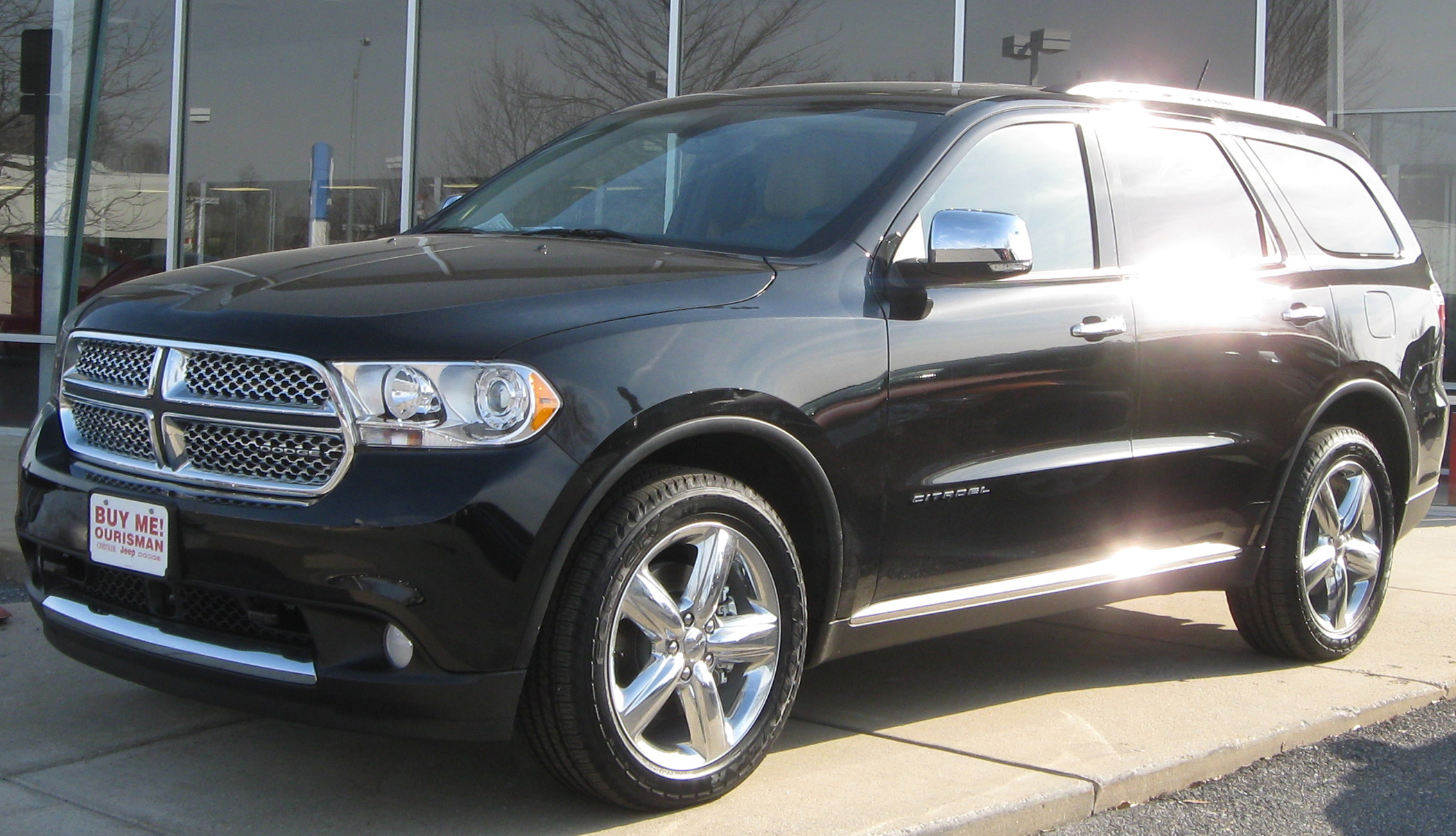
Dodge Durango Pursuit
"yeah, so this joins the Dodge Durango Pursuit and the Jeep Grand Wagoneer Command Operations Vehicle, uh, in the Stalantis lineup of cop cars."
This is a Dodge Durango version that’s marketed for police work. It’s meant for fleet buyers who need a reliable, ready-to-use setup.
“Durango Pursuit” refers to a police-focused configuration of the Dodge Durango. The host groups it with other Stellantis cop-vehicle names, implying it’s built/marketed for fleet use rather than typical civilian trim.
Jeep Grand Wagoneer
"so this joins the Dodge Durango Pursuit and the Jeep Grand Wagoneer Command Operations Vehicle, uh, in the Stalantis lineup of cop cars. Those are the actual names for them."
This is a Jeep Grand Wagoneer variant that’s being used for police or command purposes. The point being made is that it’s designed to sit and support operations.
The “Jeep Grand Wagoneer Command Operations Vehicle” is a police/fleet-oriented naming scheme the host says Stellantis uses. The segment frames it as a vehicle intended to be parked/idling for operations, not just for driving fast.
Jeep Grand
"..., so this joins the Dodge Durango Pursuit and the Jeep Grand Wagoneer Command Operations Vehicle, uh, in the ..."
The Jeep Grand Cherokee is an SUV made for both regular driving and tougher roads. Some versions can be used by organizations that need a reliable vehicle for specific driving tasks. That’s why it’s mentioned in a list of special-use vehicles.
The Jeep Grand Cherokee is a midsize-to-large SUV that’s often discussed for its mix of comfort, off-road ability, and mainstream usability. In the podcast, it’s grouped with other “pursuit” or operations vehicles, suggesting a focus on fleet and specialized use. That’s why it may be mentioned alongside other vehicles used for official driving roles.
abduction vehicles
"They are basically just abduction vehicles. In 20 years, people will look at the Jeep Grand Wagoneer and Wagoneer, as people in Argentina do about the Ford Falcon,"
The host is using a harsh phrase to argue that these vehicles are used for detaining people. It’s more about the social/political use than car mechanics.
This is a provocative framing the host uses to describe certain police/fleet SUVs as vehicles intended for detaining or transporting people. While not a technical automotive term, it’s central to the segment’s argument about how these vehicles are used.
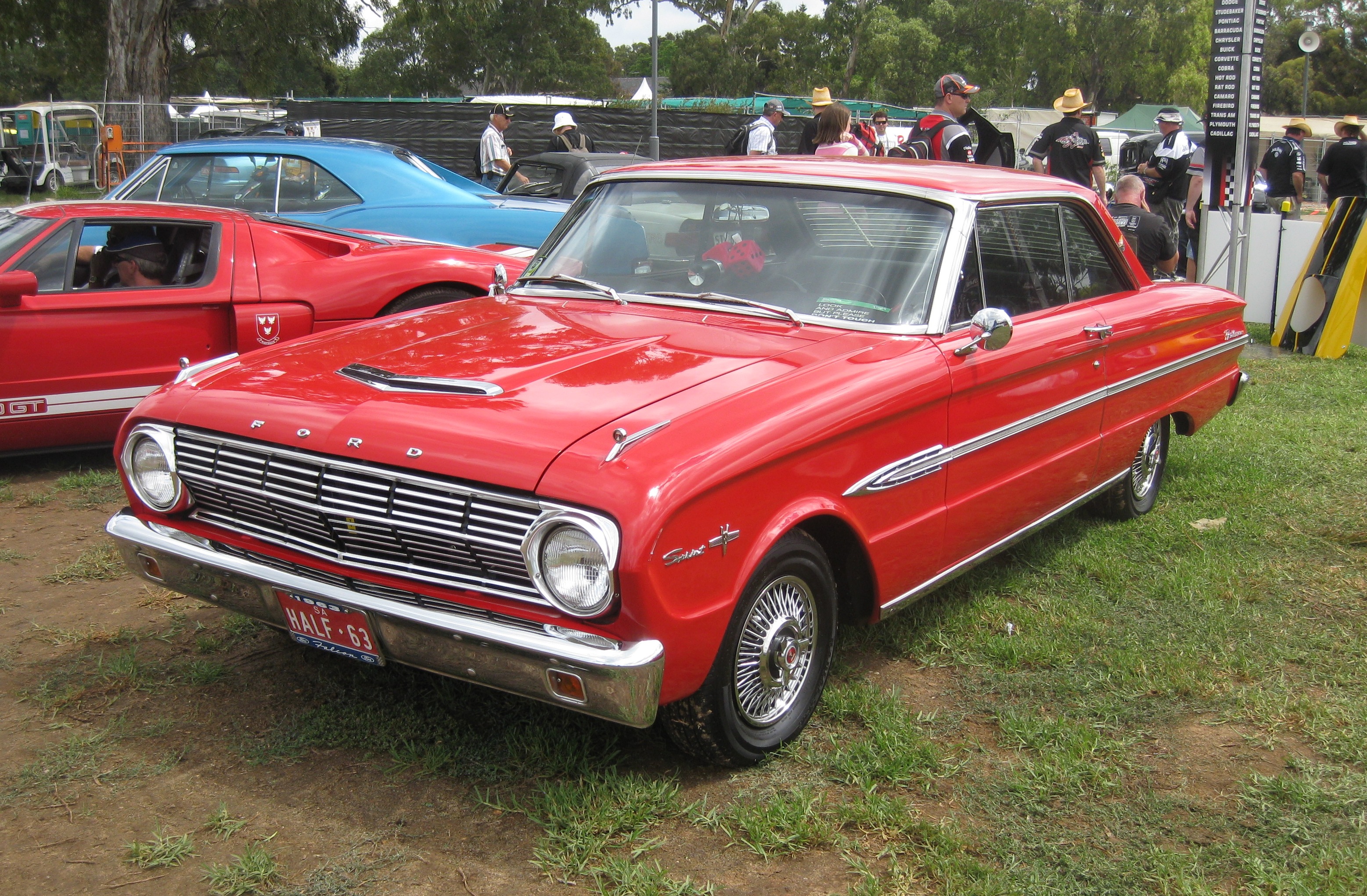
Ford Falcon
"In 20 years, people will look at the Jeep Grand Wagoneer and Wagoneer, uh, as people in Argentina do about the Ford Falcon, during their years of fascism,"
They bring up the Ford Falcon as an example from history. The idea is that people later may remember a car model for what it was used for.
The host invokes the Ford Falcon as a historical reference point, comparing how a vehicle model can become associated with political violence. It’s not a technical discussion of the Falcon here, but it’s a specific car reference used to make an analogy.
police SUVs
"Uh, Andrea W. K. Um, but anyways, I just, my going to South by Southwest or ACL or whatever back in Austin, I was just, you would always just see the nicest police SUVs just parked"
They’re mentioning police SUVs, which are the kinds of cars law enforcement agencies use. These vehicles are usually built to be tough and reliable for lots of daily driving and demanding situations.
The hosts are talking about police SUVs—special-purpose vehicles used by law enforcement. In the real world, these are often chosen for durability, visibility, and ability to handle frequent stop-and-go driving and rough conditions.
fleet version
"Cause they had one for like a year, they had them for like a year, uh, cause they had a fleet version. They're got them at SeaTac as like airport trucks, not the cop version, just like the regular fleet lightning."
A “fleet version” is a truck made for organizations that buy lots of vehicles. It’s often set up so it’s easier to add equipment and keep many trucks running.
A “fleet version” usually means a vehicle configured specifically for commercial or government fleets, often with provisions for upfitting and standardized equipment. Fleet programs can differ from retail models in wiring, cooling, and serviceability to support consistent maintenance across many vehicles.
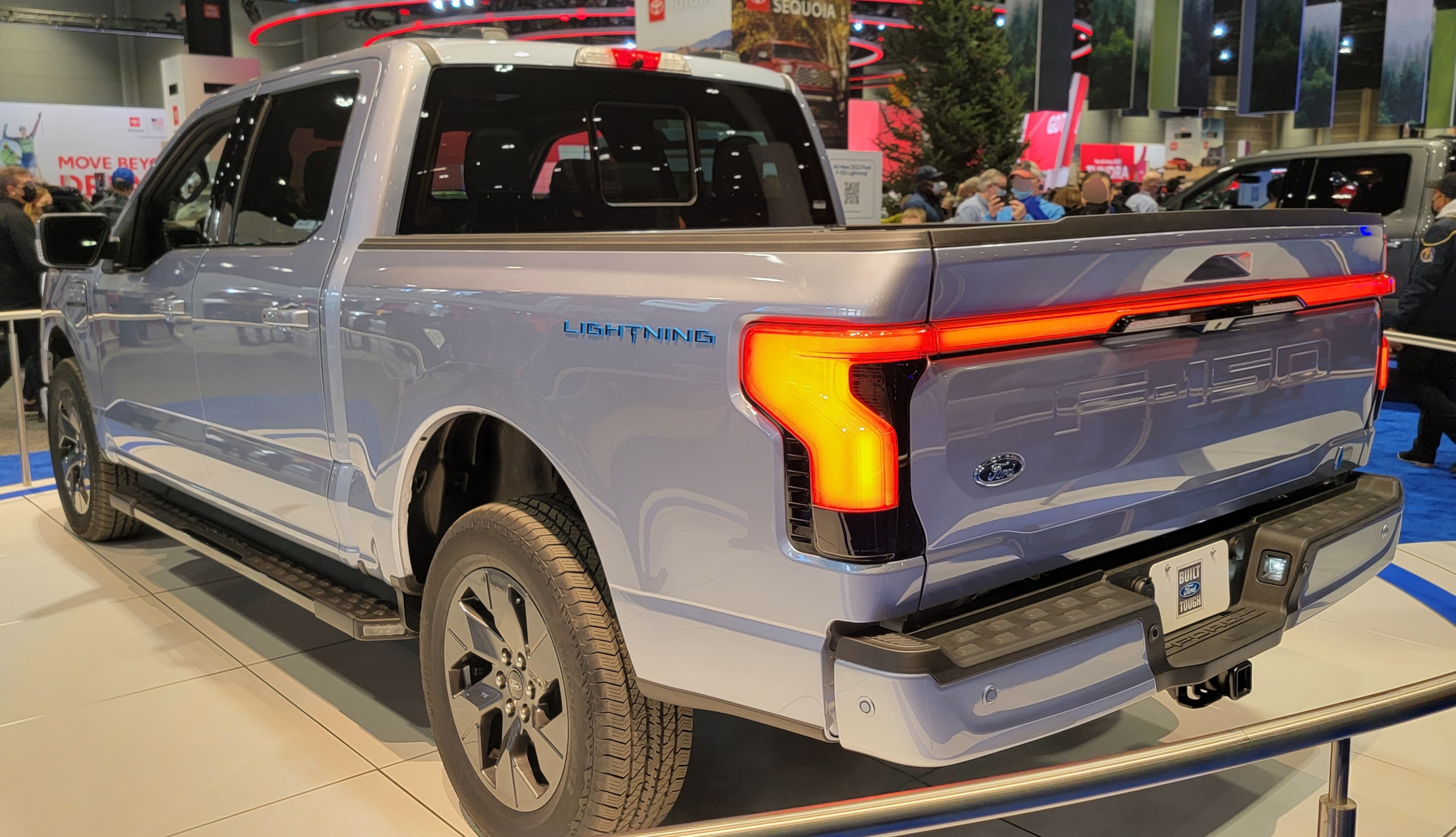
lightning
"Yeah, the lightning was too good for its own good because like none of the dealers wanted to sell it cause then they can't do like, you know, they can't sell a hundred thousand, uh, mile like warranty package for it, but like, you know."
They’re talking about the Ford electric pickup called the F-150 Lightning. The idea is that selling it didn’t fit how dealers made money, especially around warranty plans.
“Lightning” here refers to the Ford F-150 Lightning, Ford’s electric version of the F-150 pickup. The discussion centers on why dealers were reluctant to sell it—specifically because it affected their ability to profit from high-mileage warranty packages.
warranty package
"Yeah, the lightning was too good for its own good because like none of the dealers wanted to sell it cause then they can't do like, you know, they can't sell a hundred thousand, uh, mile like warranty package for it, but like, you know."
A warranty package is extra protection that covers expensive repairs for a certain number of miles or years. They’re saying the electric truck made it harder for dealers to offer (and profit from) those long warranty plans.
A warranty package is an extended coverage plan that pays for repairs for a set time and mileage. In this segment, the hosts argue that dealers couldn’t sell a long-mileage warranty alongside the electric truck, which hurt dealer incentives.
police pursuit variant
"Uh, RAM boss Tim Kineskis said in a statement about the new police pursuit variant of the RAM 2500 quote, when your job means running toward danger, not away from it, you don't have time to second guess your equipment."
A “police pursuit” version is a truck or car set up for police work. The goal is to make it handle hard driving for long periods and stay reliable under heavy use.
A “police pursuit variant” is a factory or dealer-prepped configuration of a vehicle intended for law-enforcement driving. It typically emphasizes durability, cooling, braking performance, and readiness for sustained high-load operation rather than just everyday comfort.
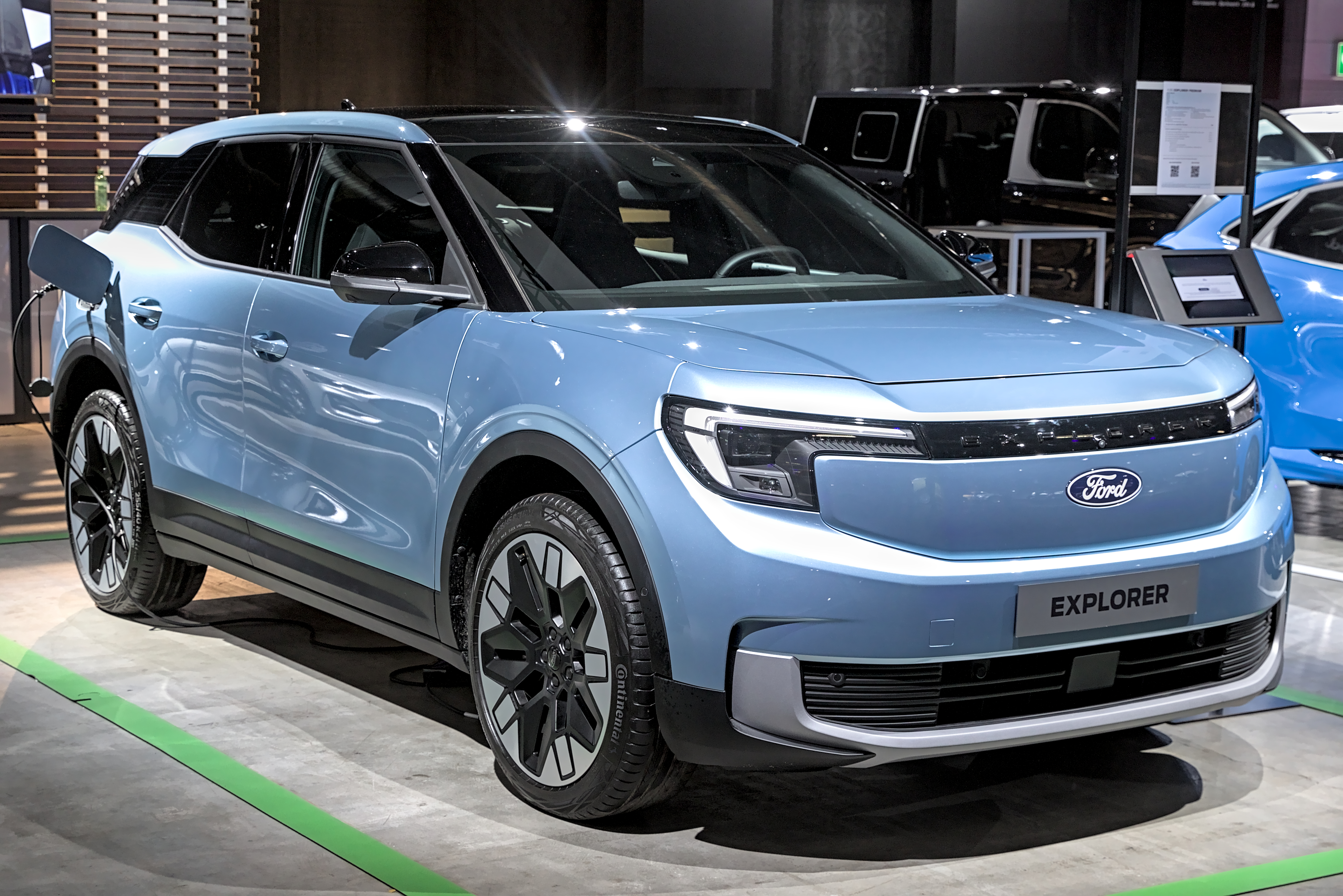
RAM 2500
"Uh, RAM boss Tim Kineskis said in a statement about the new police pursuit variant of the RAM 2500 quote, when your job means running toward danger, not away from it, you don't have time to second guess your equipment."
The RAM 2500 is a big, heavy-duty pickup truck. The episode is talking about a police-focused version of it—basically a truck meant to handle demanding driving and work conditions.
The RAM 2500 is a heavy-duty pickup truck (from Ram Trucks) built for towing, hauling, and tough-duty work. In this segment, the hosts are discussing a “police pursuit” variant, meaning it’s configured for law-enforcement use like high-speed driving and durability under constant stress.
Ford police explorer
"Like, yeah, at least you're sitting in a ram. [1064.4s] Do you ever in 2020, do you ever in 2020 when that team at Ford almost got them to discontinue the police explorer?"
The Ford Explorer is an SUV model. Police departments have used special versions of it, and the hosts mention that in 2020 there was talk about whether Ford might stop making the police version.
The Ford Explorer is a midsize SUV that has historically been offered in police service packages. The segment references 2020 discussions about whether Ford would discontinue the police Explorer, which would affect agencies that rely on that platform for patrol use.
blind spot demonstrator
"Um, you know, the Ram 2500 is kind of like the de facto news agency blind spot demonstrator. So think of like, you know, it, we're just equalizing the chance for every emergency department to get to vaporize like toddlers."
A blind spot is an area around your car you can’t see from the driver’s seat. Big trucks can have larger blind spots, so it’s easier to miss other cars or pedestrians.
A “blind spot demonstrator” refers to a vehicle being especially likely to hide other road users from the driver’s view. Large trucks and pickups tend to create bigger blind zones due to their height and shape, which can increase the risk during lane changes or turns. The host uses the phrase to imply heavy-duty trucks are problematic in traffic.
fleet vehicle
"Um, you know, the Ram 2500 is kind of like the de facto news agency blind spot demonstrator. ... replace all the NYPD Ford Mach-E's that they all seem to hate."
A fleet vehicle is a vehicle used by an organization, like a city or police department. They pick vehicles that can handle lots of driving and repairs more easily. The host is joking about what kinds of vehicles police should use.
A fleet vehicle is a car or truck used by an organization (like a police department) rather than a private individual. Fleet choices often prioritize durability, availability of parts, and predictable maintenance schedules. In this segment, the host frames heavy-duty trucks and EVs as tools for emergency/police use.
Ford Mach-E
"Um, I think about how maybe they could replace all the NYPD Ford Mach-E's that they all seem to hate."
The Ford Mach-E is an electric Ford SUV. The host is joking that police might want to swap out the electric vehicles they have for something else.
The Ford Mustang Mach-E is an all-electric crossover/SUV. Police departments have experimented with EVs for fleet use, but EVs can bring different operational considerations like charging access and route planning. The host mentions it as a fleet vehicle the NYPD might replace.
Ford Mustang
"... hate. Because they're, because even though it's Mustang shaped, it's gay. That's true."
The Ford Mustang is a sports car made by Ford. It’s known for its distinctive look and for being available as a coupe or convertible. In the podcast, it’s mentioned because people instantly recognize the Mustang shape and name.
The Ford Mustang is a long-running American sports coupe/convertible line known for its performance and strong cultural presence. The podcast references it as “Mustang shaped,” highlighting how the name and design are recognized even when discussing different versions or contexts. That makes it a natural topic in conversations about identity, styling, and performance expectations.
electric and it's a crossover
"Well, it's electric and it's a crossover. So, you know."
They’re describing a car that runs on electricity and has an SUV-like shape. “Crossover” basically means it’s built to feel roomy and easy to drive like an SUV, but not as big as a full SUV.
“Electric” means the vehicle uses an electric motor powered by a battery instead of a traditional gasoline engine. A “crossover” is a car body style that blends features of a sedan and an SUV, typically emphasizing higher ride height and a more upright cabin.
Mustang Fox Body
"... think, is that the 80s California Highway Patrol Fox body pursuit vehicles were pretty cool, actually. I m..."
The Mustang is a sports car made by Ford. The podcast mentions older Mustang models that were used by California Highway Patrol for pursuit driving. It’s brought up because those specific cars are part of a well-known history.
The Mustang is Ford’s iconic sports car line, and the podcast references “80s California Highway Patrol Fox body pursuit vehicles.” That points to a specific era and use case where Mustangs were used for high-speed pursuit driving. It’s discussed because those historical police-spec Mustangs are remembered for their performance and presence.
Lamborghini Huracan
"...ah. Well, the Italian one is like the high, that Huracan that they, uh, that they gave them like back when..."
The Lamborghini Huracán is a very high-performance sports car. The podcast mentions it in a story about when someone was given one. It’s included because it’s a recognizable supercar model.
The Lamborghini Huracán is a high-performance supercar known for its sharp styling and strong acceleration. The podcast mentions “the Huracan… they gave them like back when,” which suggests discussion about a Huracán being provided for a particular purpose or time period. That makes it relevant in a story about how the car was used or referenced.
quarter million miles
"Well, the Italian one is like the high, that Huracan that they, uh, that they gave them like back when the Huracan was new has like a quarter million miles on it."
They’re saying the car has been driven about 250,000 miles. That’s a lot, and it’s meant to show the supercar is being used constantly.
“Quarter million miles” (about 250,000 miles) is a very high odometer reading, especially for a supercar. Mentioning it emphasizes durability and how the vehicle is being used like a daily work tool rather than a weekend toy.
Huracan
"Well, the Italian one is like the high, that Huracan that they, uh, that they gave them like back when the Huracan was new has like a quarter million miles on it."
They’re talking about a Lamborghini Huracán, which is a very expensive, high-performance supercar. The joke is that some Italian police use one like a regular work vehicle and it’s racked up huge mileage.
The Lamborghini Huracán is a supercar known for its high-performance V10 engine and track-focused design. In this segment, it’s being described as a police vehicle used by Italian authorities, with the claim that one example has accumulated around a quarter million miles.
Autostrada
"Who's like, my job, my job, I drive Lamborghini real fast on Autostrada."
“Autostrada” means the Italian highways. It’s basically the setting for high-speed driving in Italy.
Autostrada is the Italian word for the country’s highways/expressways. The segment uses it to set the scene for fast driving in Italy, tying the supercar police fantasy to real road infrastructure.
Lamborghini Lam Lamborghini
"Lamborghini ambulance. Lam, Lamborghini ambulance. Uh-huh."
The Lamborghini LM 002 is a very unusual Lamborghini model. The podcast calls it the “ambulance” because it looks more boxy and utilitarian than typical sports cars. It’s brought up because it’s a rare and distinctive Lamborghini.
The Lamborghini LM 002 is a rare, off-road-capable Lamborghini that’s often nicknamed the “Lamborghini ambulance” in pop-culture because of its boxy, utilitarian shape. The podcast directly calls it “Lamborghini ambulance. Lam, Lamborghini ambulance,” pointing to that nickname and the vehicle’s unusual styling for the brand. It’s mentioned because it stands out as a distinctive, unexpected Lamborghini.
enormous trucks
"[1339.0s] here, is I was just going to go into the more detail about the insatiable American appetite [1344.1s] for enormous trucks. [1345.6s] Uh, because Hyundai debuted a body on frame for bra, um, sorry, Toyota Latin crew."
They’re talking about why people in America keep buying very large trucks. The point is about what the market wants and why those big vehicles stay popular.
The hosts pivot into a discussion about the “American appetite” for enormous trucks. This is a broader market concept—why large, body-on-frame, off-road-capable vehicles remain popular despite cost and size tradeoffs.
concept truck
"This is just like, it's a concept truck. It doesn't really mean anything. Who knows if it'll come to market."
A concept truck is basically a “preview” vehicle. Automakers show it to test ideas, but it might never be sold the way it looks in the pictures.
A concept truck is a show-car or prototype built to preview design ideas, tech, or future production directions. It often won’t be built exactly as shown, and the chances of it reaching the market can be uncertain.
inclinometer
"...you can change the like data readouts on it. Uh, so you can do like your inclinometer and like your, uh, your compass..."
An inclinometer tells you how tilted the vehicle is. On rough trails, it can help you judge if you’re leaning too far.
An inclinometer measures the vehicle’s tilt angle relative to gravity. Off-road, it can help drivers understand how steep a slope is and whether the vehicle is approaching a tipping point.
compass
"...you can do like your inclinometer and like your, uh, your compass, your, theoretically you could do like more mundane stuff..."
A compass shows which direction you’re going. It’s handy when you’re off-road and don’t have easy landmarks.
A compass provides heading information (which direction you’re facing). When paired with off-road screens, it can be useful for navigation and situational awareness in remote areas.
off-roading tilt sensor / tilt sensor dash pod
"...for off-roading that is actually kind of cool. Like all my favorite, like, like JDM versions of like the Land Cruiser or whatever have like that little, you know, dash mounted pod where it's got like your tilt sensor... So you can tell if you're like about to flip it off-roading."
A tilt sensor dash pod is an off-road-focused display that shows vehicle attitude (tilt) to help drivers gauge stability on uneven terrain. The hosts compare it to JDM Land Cruiser-style setups that warn you when you’re getting close to tipping.
Toyota Land Cruiser
"...Like all my favorite, like, like JDM versions of like the Land Cruiser or whatever have like that little, you know, dash mounted pod where it's got like your tilt sensor."
The Toyota Land Cruiser is a famous off-road Toyota. The hosts mention it because some versions are known for having extra gauges/displays that help you judge how the vehicle is leaning on trails.
The Toyota Land Cruiser is referenced as an example of a JDM off-road vehicle that often includes a dedicated dash-mounted display for off-road information. The hosts are using it to illustrate the appeal of tilt/attitude monitoring for stability awareness.
center console
"Um, and then it's just got like huge, like all across the center console, like all through [1455.6s] the center of the truck, it's just got these huge dials and they do kind of look like,"
The center console is the dashboard area between the seats. It’s where you usually find the radio and climate controls, and sometimes extra switches or knobs.
The center console is the area between the front seats that typically houses controls like the infotainment screen, climate controls, and sometimes switches or dials. In trucks, it can also include auxiliary controls for specialty equipment.
trim tabs
"[1455.6s] the center of the truck, it's just got these huge dials and they do kind of look like, [1459.7s] like trim tabs, honestly. [1461.2s] Yeah."
Trim tabs are small adjustable parts that help fine-tune how something moves or sits. Here, they’re just being used as a visual comparison for the big knobs/dials.
Trim tabs are adjustable small control surfaces used to fine-tune how a vehicle or craft sits and handles. In the transcript, the speaker compares the truck’s large dials to trim tabs, suggesting they look like adjustable control elements.
approaching minimums
"[1474.2s] Like, uh, uh, oh God, I, uh, no, I- [1481.6s] Doing a jump and it gives you approaching minimums. [1484.8s] Minimums. [1486.7s] Flaps three, flaps four."
“Approaching minimums” is an aviation term used during instrument approaches, referring to getting close to the lowest altitude/visibility where a landing can be attempted safely. It’s not a car concept, but it’s a specific technical phrase that benefits from context.
flaps three, flaps four
"[1484.8s] Minimums. [1486.7s] Flaps three, flaps four. [1489.0s] Uh, oh God, it's such a bad clip."
Flaps are parts on the wings that help the aircraft slow down and generate more lift. Different flap numbers/settings mean different positions for takeoff or landing.
Flaps are movable aerodynamic surfaces that increase lift at lower speeds, commonly used during takeoff and landing. “Flaps three” and “flaps four” indicate discrete flap settings, which change the amount of lift and drag the aircraft produces.
Ferrari Luce
"Like, remember the Ferrari luce that we talked about in like episode three or four or something? [1612.9s] Which, sorry to disappoint you and all of our listeners."
They mention a “Ferrari luce,” but in this clip they don’t clearly say which exact Ferrari car it is. It’s likely a concept or design name they talked about earlier, and they’re bringing it up because they’re comparing interior style. If you want, check episode 3 or 4 for the exact model details.
The hosts reference a “Ferrari luce,” which sounds like they’re talking about a Ferrari concept or model discussed earlier. Ferrari has used “Luce” as a name in concept/branding contexts, but the exact vehicle isn’t clearly identified in this excerpt. If you’re tracking the earlier episode, this annotation helps listeners connect the name to the specific Ferrari interior/design discussion.
Kia
"[1648.7s] No, it's Kia. [1650.0s] Kia does that thing where they have kind of like the split radio climate control tab [1654.7s] and a bunch of their more modern cars."
They say Kia does a particular dashboard layout where the radio and climate controls are split into a tab-like setup. It looks cool, but the problem is you have to look away from the road to use it. So it’s more about driver distraction than just style.
Kia is called out for a modern interior control layout: a split radio and climate-control “tab” arrangement. The hosts argue it looks close to great, but it’s still distracting because using it requires taking your eyes off the road. That’s a practical usability critique that matters for real-world driving.
split radio climate control tab
"Kia does that thing where they have kind of like the split radio climate control tab [1654.7s] and a bunch of their more modern cars. [1656.8s] And it's so close to being good, but it still requires you to take your eyes off the road to use it."
A “split radio climate control tab” refers to a dashboard UI/control design where audio and HVAC functions are grouped into separate, tab-like controls. The hosts’ point is that even if the layout looks modern, it can be ergonomically awkward—forcing the driver to glance away to operate it. This is essentially a human-factors and usability issue, not a performance spec.
detents
"And then you never have to look and you can feel the detents would be so cool. Like that's ideally what you want from touch points."
Detents are the little clicks you feel when you turn a knob or move a switch. They help you know you’re on the right setting without staring at the dash.
Detents are the small “click” positions you feel in a control (like a rotary knob or switch). They provide tactile feedback so you can find settings without looking, which is especially useful when controls are used while driving.
digitally integrated cabin
"Um, so the idea of making them like customizable is like, that's I think kind of the promise of a like digitally integrated cabin basically."
Instead of lots of separate buttons and knobs, the car’s interior functions are controlled through a digital system. That can let you customize what you see and how the controls work.
A digitally integrated cabin is an interior concept where many functions—like climate control, media, and vehicle settings—are managed through software and screens rather than mostly physical knobs and switches. The goal is usually customization and a more consistent user experience across different vehicles and trims.
useless during the day
"They are useless during the day. I was behind the wheel of a C seven Corvette in Texas in the middle of the day."
The point here is that projected screens (like a HUD) can be tough to see in bright daytime. Sun glare and reflections can wash out the image, so the feature may not help as much as you’d expect.
This is a practical visibility concept: HUDs and other projected displays can become hard to read in daylight due to glare and limited contrast. In real-world driving, the effectiveness of a HUD depends heavily on sun angle, brightness settings, and windshield reflections.
heads up display
"And the owner was like, ah, did you use the heads up display? And I was like, what heads up display?"
A heads-up display shows important info on the windshield instead of the dashboard. The idea is you can keep your eyes on the road, but in very bright sun it can be difficult to read.
A heads-up display (HUD) projects key information—like speed and navigation cues—onto the windshield or glass in front of the driver. It’s meant to reduce the need to look down at the instrument cluster, but visibility can suffer in harsh daylight or glare if the projection isn’t bright enough.
Hyundai Palisade
"They've never really been an off like they've got Hyundai has got whatever the, the palisade off road trim is, but like he has been largely the one that's gotten more of the off road stuff..."
The Hyundai Palisade is a big family SUV. The hosts are saying Hyundai has some rugged-looking versions, but it’s still basically an SUV, not a real truck.
The Hyundai Palisade is a midsize three-row SUV positioned as a family hauler. In this segment, it’s referenced as an example of Hyundai’s “off-road trim” approach rather than a true truck platform.
off-road trim on a crossover
"They're all kind of like ATs and some plastic cladding on a crossover. They're, they're like the most soft core you could get."
Some SUVs get off-road-looking upgrades, like tougher tires and protective plastic. But they’re still usually regular SUVs underneath, so they’re not the same as a real off-road truck.
Many crossovers get “off-road” appearance packages—like all-terrain tires and plastic cladding—without changing the underlying unibody platform or drivetrain for true heavy-duty off-roading. The result is usually more rugged styling and slightly better traction, but not the same capability as a body-on-frame truck.
ground clearance
"Um, and I maintain that like every time an inch of ground clearance is added to a family crossover, it only further vindicates that belief."
Ground clearance is how high the vehicle sits off the ground. Higher clearance can help you avoid scraping the bottom when roads get bumpy or uneven.
Ground clearance is the distance between the road and the lowest part of the vehicle. More ground clearance helps reduce the chance of scraping on uneven terrain and can make a crossover feel more capable off-road, even if it’s still not a true truck.
Ford Bronco Sport
"That includes the Bronco sport, right? Like the little one."
Ford makes two Bronco models: the bigger Bronco and the smaller Bronco Sport. They’re talking about sales totals and whether the smaller one is included in the bigger Bronco numbers.
The Ford Bronco Sport is the smaller, crossover-style member of Ford’s Bronco family, distinct from the full-size Bronco. The hosts mention it because sales numbers are being compared between Bronco and Bronco Sport.
waiting list
"Was there like a huge, did they like finally like catch up with their waiting list last year or something? Cause I also knew for the Bronco, they, there was a huge wait for one."
A “waiting list” in car buying usually refers to long order backlogs when demand exceeds production. When hosts say demand “caught up” or improved, they’re describing how supply constraints and production ramp-ups can affect sales.
generation
"The thing is, is they sold 30,000 more of them that last year than they have in any year prior, despite the fact they are four years into this generation and they have not had any like refreshes or anything."
“Generation” refers to a model’s major redesign cycle (new platform, body, powertrain updates, etc.). The hosts say the Bronco is “four years into this generation,” implying it’s been on the market long enough that sales changes are more about demand/supply than a brand-new redesign.
refreshes
"...despite the fact they are four years into this generation and they have not had any like refreshes or anything."
A refresh is a smaller update that happens after the car has been out for a while. It might add new features or styling, but it’s not a whole new model.
A “refresh” is a mid-cycle update—often new styling, tech, or minor mechanical changes—without replacing the whole generation. The hosts note there haven’t been major refreshes, suggesting sales growth is driven by other factors like demand and availability.
wind tunnel dynamic
"You're driving down the freeway with like no wind, wind tunnel dynamic. I don't like it when you call me that damn."
This is about how air flows around the car. If the car’s shape isn’t efficient, it can feel worse on the highway and burn more fuel.
“Wind tunnel dynamic” is a reference to aerodynamics—how airflow around the vehicle affects drag and stability. On the freeway, a vehicle’s shape and airflow management can strongly influence fuel economy and how “light” or “stable” it feels.
Ford Bronco
"Oh, I just, that should be the, that should be the title is the Ford Bronco, uh, a pass away."
The Ford Bronco is Ford’s off-road SUV. It’s built to handle rough terrain, but because it’s a big, boxy vehicle, it can use more gas on the highway.
The Ford Bronco is Ford’s modern off-road SUV line. It’s known for rugged styling and capability, but those big, bluff shapes can hurt aerodynamic efficiency and fuel economy.
Genesis G70
"Uh, the Genesis G 70 was not a car that knew what it wanted out of it. That came in real thought though."
The Genesis G70 is a luxury sedan made by Genesis, which is part of Hyundai. The speaker is saying it felt “in-between” styles—trying to be comfortable like some luxury cars, but also sporty like performance-focused brands.
The Genesis G70 is a compact luxury sedan from Genesis (Hyundai’s luxury brand). In this segment, the host is describing how the car’s identity felt inconsistent—trying to balance comfort like a Mercedes-Benz or Lexus with performance cues like BMW or Audi.
Mercedes Benz
"It was like positioned directly between the plushness of a Mercedes Benz or Lexus and the sportiness of a BMW or Audi and then satisfied neither constraint."
Mercedes-Benz is a luxury car brand known for comfort. The speaker is comparing how the Genesis G70 felt like it was trying to be comfortable like Mercedes-Benz, but not fully committing to that style.
Mercedes-Benz is a major German luxury automaker. The speaker uses it as a reference point for “plushness,” contrasting comfort-oriented luxury with the sportier feel associated with brands like BMW and Audi.
Lexus
"It was like positioned directly between the plushness of a Mercedes Benz or Lexus and the sportiness of a BMW or Audi and then satisfied neither constraint."
Lexus is Toyota’s luxury brand, usually known for comfort and refinement. The speaker is saying the Genesis G70 was trying to split the difference between comfort like Lexus and sportiness like other brands.
Lexus is Toyota’s luxury brand, often associated with a smooth, comfortable ride. In this segment, it’s part of the comparison set for the “plushness” side of the Genesis G70’s intended character.
BMW
"It was like positioned directly between the plushness of a Mercedes Benz or Lexus and the sportiness of a BMW or Audi and then satisfied neither constraint."
BMW is a brand many people associate with sporty, driver-focused cars. The speaker is using BMW as shorthand for the performance side of the comparison.
BMW is a German automaker strongly associated with sporty driving dynamics. The host contrasts BMW’s “sportiness” with Mercedes-Benz/Lexus comfort to argue the Genesis G70 didn’t fully satisfy either direction.
Audi
"It was like positioned directly between the plushness of a Mercedes Benz or Lexus and the sportiness of a BMW or Audi and then satisfied neither constraint."
Audi is a German luxury brand that’s often associated with sporty driving. The speaker is using Audi as another example of the “sportiness” side of the comparison.
Audi is a German automaker known for performance and handling, often with a more “sporty” feel than pure comfort brands. The speaker includes Audi in the comparison to explain why the Genesis G70 felt like it satisfied neither comfort nor sport.
traction control
"I did find out that you couldn't turn off the traction control so they wouldn't let me get the ass out, which made me really mad."
Traction control helps keep the tires from spinning when you accelerate or turn on slippery or low-grip surfaces. It can stop you from doing controlled slides because it intervenes to keep the car from losing grip too much.
Traction control is an electronic system that reduces wheel spin by applying braking and/or reducing engine power when the tires lose grip. On a track, it can prevent you from intentionally sliding, which is why the host says they couldn’t turn it off and “get the ass out.”
sliding around the skid pad
"Hyundai showing the, my YouTube super cut of my like sliding around the skid pad at pit race six years ago in my Supra to be like, no, I have the credentials."
A skid pad is a special flat area designed for testing tire grip and car handling. Drivers use it to practice what happens when the tires start to lose traction, like during a slide.
A skid pad is a controlled test surface used to practice and evaluate vehicle handling at the limit of traction. Sliding on it helps drivers understand how the car behaves when grip is reduced, but it’s also exactly where systems like traction control can interfere with intentional oversteer.
Toyota Supra
"Hyundai showing the, my YouTube super cut of my like sliding around the skid pad at pit race six years ago in my Supra to be like, no, I have the credentials."
The Toyota Supra is a well-known sports car from Toyota. The speaker is saying they’ve driven one on a track-style skid pad to show they can handle sliding.
The Toyota Supra is a performance sports car known for strong acceleration and a track-capable chassis. Here, the host references driving a Supra on a skid pad at “Pit Race,” using it to demonstrate their driving credentials.
Lucid Air
"They're designed like the lucid air, but that's like not a real car you could buy."
Lucid Air is a luxury electric car. The hosts are saying Hyundai’s design looks similar, but Lucid is a newer, less widely available brand—so it’s not as easy to buy.
The Lucid Air is a luxury electric sedan aimed at competing with top-tier EVs on comfort, range, and performance. Here, the hosts compare Hyundai’s design direction to the Lucid Air, then note that Lucid Air is harder to buy than mainstream brands.
World Endurance Championship
"…do you know Genesis is joining the World Endurance Championship this year?"
The World Endurance Championship is a racing series for cars that have to last a long time. Teams plan around endurance, not just one fast lap.
The World Endurance Championship (WEC) is a top-level endurance racing series focused on long races where teams manage speed, reliability, and driver stints. It’s a common platform for prototype sports cars and major manufacturer programs.
twin turbo V8
"…It's a, it's a prototype, but do you, it is a twin turbo V8."
A twin-turbo V8 is a big engine (V8) with two turbochargers. The turbos help the engine make more power by pushing extra air in.
A twin-turbo V8 uses two turbochargers to force more air into a V8 engine, improving power and throttle response. In racing, turbo setups are often tuned for boost control, heat management, and consistent performance over long stints.
prototype
"And do you know what they're competing with? It's a, it's a prototype, but do you, it is a twin turbo V8."
In endurance racing, a prototype is a purpose-built race car that isn’t based on a production model. Prototypes are designed around racing rules and can use advanced powertrains and aerodynamics.
mated two of their rally Hyundai four cylinder turbos
"They mated two of their rally Hyundai four cylinder turbos…"
The hosts describe an unusual engineering approach: combining two rally-spec turbo four-cylinder engines to create a larger V8-style power unit. This is essentially an experimental “parts-mashup” concept aimed at achieving a specific racing power/packaging goal.
Dakar
"They might take it to Dakar or something crazy too."
Dakar is a super tough off-road race that goes through extreme terrain. The hosts are saying they might take the car there too.
The Dakar Rally is a famous off-road endurance event known for extreme navigation and harsh terrain. Mentioning Dakar suggests the team might adapt the prototype concept for long-distance rally-style challenges.
aviation inspired design
"It's very, it's very aircraft inspired... It turns out that like, that's a good way to present information... anytime even the slightest hint of aviation inspired design gets me frothing."
They mean designing a car interior like an airplane cockpit. Airplanes use layouts that help you read important info quickly and find controls without fumbling, and the speaker thinks that same approach makes driving feel better.
“Aviation inspired design” refers to using aircraft cockpit principles—clear instrument grouping, high-contrast indicators, and intuitive control placement—to make a car’s interior easier to use. The speaker argues that aviation-style layouts help drivers interpret information at a glance and find controls quickly. This is essentially an ergonomics and human-factors concept applied to automotive interiors.
legibility and quick access
"It turns out that like, that's a good way to present information... anytime even the slightest hint of aviation inspired design gets me frothing."
The hosts discuss “legibility and quick access” as a design principle: information should be readable instantly and controls should be reachable without hunting. They connect this to aviation ergonomics, where instrument layouts are optimized for fast comprehension under stress. The takeaway is that good cockpit design improves usability and safety by reducing decision time.
kill switch
"If I do get a car again, I'm totally like going to put in a kill switch or something that is a cool, nice feeling machine toggle."
A kill switch is a switch you can add that prevents the car from starting. It cuts power to the car’s start/ignition system, so it’s harder for someone else to drive it away.
A kill switch is an aftermarket electrical switch that interrupts power to key systems (often ignition or fuel) so the car won’t start. People use them for anti-theft or as a personal safety/disable feature, but installation quality matters.
touch screen controls replacing physical controls
"No, I mean, what if, what if everything's replaced by a touch screen? So I've got a, I've got a hidden iPad before I could start up my car name silenced for surprise."
They’re wondering what happens if cars get rid of physical buttons and switches and use touch screens instead. Touch screens can be harder to use quickly because you don’t feel the buttons.
The segment discusses the idea that cars could replace physical buttons and switches with touch screens. This matters because touch interfaces can change usability (glance time, tactile feedback) and can affect how quickly drivers can operate functions while moving.
hidden iPad
"So I've got a, I've got a hidden iPad before I could start up my car name silenced for surprise."
They’re describing using a tablet (an iPad) in the car in a hidden way. It sounds like they used it to control or manage something in the vehicle.
A “hidden iPad” implies using a tablet as an in-car interface or control device, potentially for infotainment, diagnostics, or custom functions. In automotive contexts, this often overlaps with aftermarket tech integration rather than factory systems.
used EVs
"Used EVs are listeners. If you have any amount of disposable income and you were panicking about how expensive gases used EVs are probably going to start going up."
“Used EVs” refers to buying an electric vehicle that’s already been owned, typically at a lower price than a new one. The hosts connect this to rising gasoline prices and the idea that used EVs can be a more affordable entry point as fuel costs fluctuate.
dirt fish
"the only press event I ever missed out on that I really wanted to go to was they had the rally launch, the Machi rally at dirt fish, which is like 40 miles from where I live in Seattle."
“Dirt Fish” is mentioned as a rally-related venue/event the speaker wanted to attend, specifically “the Machi rally at dirt fish.” It’s used here to set the context for rally driving and co-driving plans rather than to discuss a specific vehicle spec.
motion sick
"Which one of us gets less motion sick when we're not driving? I don't really get motion sick, but I also, I like driving."
Motion sickness happens when your body gets mixed signals about movement. Your eyes and inner ear don’t agree, and that can make you feel nauseous, especially when you’re not driving.
Motion sickness is caused by a mismatch between what your eyes see and what your inner ear senses about motion. In cars, being a passenger—especially on highways or in certain seating positions—can increase the mismatch and trigger nausea or dizziness.
drift
"No one has ever let me drift all of Coda. Will you let me drift all of Coda with you in the passenger seat?"
Drifting is when a driver intentionally makes the car slide sideways while still steering it. It takes skill to keep the car under control while the tires aren’t gripping normally.
Drifting is a driving technique where the car is intentionally rotated so the tires lose grip while the driver maintains control and direction. It’s often associated with motorsport and requires a balance of throttle, steering angle, and vehicle stability systems.
Honda Ridgeline
"I, uh, I got to ride side seat, uh, in the Honda Ridgeline Baja truck, uh, as they just kind of like invented a course through the middle of the Salton Sea, more or less, the"
They rode in a special off-road version of the Honda Ridgeline pickup. It’s set up for rough-course driving, like what you’d see in Baja-style racing or off-road demos.
The “Honda Ridgeline Baja truck” refers to a special off-road-themed build based on the Honda Ridgeline pickup. Baja-style events emphasize rugged durability and suspension travel, so these builds are typically modified for course driving rather than normal highway use.
Chevrolet Camaro
"So automotive news, uh, cited an anonymous source at a major GM supplier that the Chevy Camaro [2748.4s] is going to be real again. [2750.9s] They're going to make a seventh generation one."
The Camaro is a classic Chevy sports car. They’re talking about a future new Camaro generation, and whether it will be a real gas-powered-style coupe or something different like an electric crossover.
The Chevrolet Camaro is a long-running American muscle/sports coupe. In this segment, the hosts discuss a rumored return to a new (seventh) generation Camaro, which would be a traditional sport-coupe direction rather than an EV crossover.
Mach E
"They had talked a couple of years ago about doing an EV SUV, [2758.1s] uh, crossover like the Mach E that was bearing the name Camaro and sort of wearing the skin [2764.1s] of the former Camaro nameplate"
The Ford Mustang Mach-E is an electric crossover that uses the “Mustang” name for branding. The hosts mention it as an example of how an EV crossover could have used the Camaro name, but they say the plan is instead to build the actual Camaro as a sport coupe.
alpha platform
"They're doing the actual Camaro, like a sport coupe built on a, what they're guessing is going [2777.1s] to be a modified version of the alpha platform. [2779.1s] So like a second alpha, which is what it was on before. ... [2833.8s] The, the original alpha program platform fucking rocked."
A platform is the shared “underbody” design a car company uses to build different cars. The hosts are saying the Camaro could use a GM platform that’s known for good driving feel, and they’re clarifying which Cadillac models that platform originally came from.
“Alpha platform” refers to GM’s vehicle architecture used for multiple models, especially in the Cadillac ATS/CTS era. The hosts connect it to handling and explain that the newer Camaro would use a modified Alpha-based setup, and they debate how Alpha relates to the ATS/CTS and later “CT” branding.
CTS
"Wasn't it also just the ATS and the CTS platform? [2807.4s] That's such a good question. ... [2820.6s] The alpha platform was the CTS and, um, ATS."
The CTS is a Cadillac sedan. In this segment, they’re using it to explain which Cadillac models originally shared the same GM platform that later cars (like the Camaro idea) might be based on.
The Cadillac CTS is a mid-size performance-oriented sedan that, in this discussion, is tied to GM’s Alpha platform. The hosts are clarifying that Alpha originally underpinned the CTS and ATS, and that later “CT” naming is part of the same platform lineage.
ATS V
"I very briefly drove an ATS V many years ago. [2830.5s] Oh, and the alpha two is the CT four and there we go."
The ATS-V is a high-performance Cadillac version of the ATS. They’re saying they drove one and it helped convince them the platform behind these cars handles well.
The Cadillac ATS-V is the performance version of the ATS, built on GM’s Alpha platform family. The host mentions they briefly drove an ATS-V, using it as personal evidence that the Alpha-based architecture can deliver strong handling.
black wing motor
"Other than if you blow your nothing but praise, if you blow your black wing motor, good fucking luck getting a replacement. That is the only thing I hear the CT six."
They’re talking about a special high-performance engine option (the “Blackwing”). The takeaway is that if something goes wrong with that engine, getting replacement parts isn’t easy.
“Black wing motor” is likely referring to Cadillac’s Blackwing performance engine package (used in certain CT models). The hosts are emphasizing that if you damage it, replacement parts can be difficult to source.
Hyundai Genesis
"...rd's talking about, or they're, they're moving to Genesis or BMW or Audi. Yeah, they're, they're going lik..."
Genesis is Hyundai’s brand for more upscale, higher-end cars. The podcast mentions it as a place people are moving toward. It comes up because it’s part of the premium car lineup discussion.
Hyundai Genesis refers to Hyundai’s premium brand, which focuses on higher-end vehicles and a more upscale positioning. The podcast mentions a shift “to Genesis,” implying discussion about where certain buyers or brands are moving within the premium market. That’s why Genesis is included in the conversation.
Ford Fusion
"They're going like, Oh, I used to buy a Ford fusion or whatever. And now I guess I'm buying like the base three series..."
They mention the Ford Fusion as a sedan people used to buy. The point is that when sedans started disappearing, those buyers had fewer choices.
The Ford Fusion is cited as an example of a sedan people used to buy in the early 2010s. The discussion uses it to illustrate how sedan buyers shifted away as Ford reduced sedan availability.
base three series
"And now I guess I'm buying like the base three series because that's the closest sedan I can buy because we fucked this market real royal."
They’re talking about the BMW 3 Series, likely the cheaper version. The idea is that if you still want a sedan, you may end up paying for a BMW because other options are gone.
“Base three series” refers to the BMW 3 Series, specifically the entry-level trim level. The speaker is arguing that some former sedan buyers are forced to move to BMW because domestic sedans are harder to find.
Buick Regal GS
"The last one, I almost bought a Regal GS when I was at my first job because they were like [2954.1s] 300 horsepower sleepers with massive Brembo brake packages"
A “GS” is a sportier version of a regular Buick Regal. It’s meant to be quicker than it looks—more performance without the flashy look of a dedicated sports car.
The Buick Regal GS is a performance-oriented trim of the Buick Regal, aimed at buyers who want a more aggressive, faster version of a mainstream sedan. In this segment, it’s described as a “sleeper,” meaning it looks relatively ordinary but has strong performance.
sleeper car
"because they were like [2954.1s] 300 horsepower sleepers with massive Brembo brake packages"
A sleeper car is a car that doesn’t look super fast, but it actually is. It’s the kind of car that can surprise you when you drive it.
A “sleeper car” is a vehicle that looks relatively normal or understated but has strong performance. Enthusiasts like them because they can surprise people without advertising it with obvious styling cues.
Brembo brake packages
"because they were like [2954.1s] 300 horsepower sleepers with massive Brembo brake packages and like they were, they were,"
Brembo makes performance brakes. If a car has a Brembo brake package, it usually stops better and holds up better when you drive hard.
Brembo is a well-known brake manufacturer, and a “Brembo brake package” typically means upgraded calipers and rotors compared with a standard setup. The point is better stopping power and more consistent brake performance under spirited driving.
automotive sales figures
"So I looked this up because I was like, maybe I, again, as with last week with [2977.4s] Infinity, perhaps I am just not familiar. [2984.7s] But GM sold 5,616 CT4s last year"
Sales figures are basically how many cars a company sold in a certain time period. The speaker is using those numbers to try to understand why GM is making the choices it is.
“Automotive sales figures” are the reported volume of vehicles sold over a given period, often used to judge how well a brand or model is resonating with buyers. In this segment, the speaker uses sales counts to question GM’s product strategy and lineup priorities.
Cadillac CT4
"But GM sold 5,616 CT4s last year and 16,561 CT5s in the US. [2994.9s] In comparison, they sold 24,702 XT5s"
The Cadillac CT4 is a small luxury sedan. The speaker mentions how many were sold to make a point about GM’s lineup.
The Cadillac CT4 is a compact luxury sedan, and the speaker cites GM sales numbers to argue that GM’s strategy seems inconsistent. Here it’s used purely as a data point in a discussion about which models are selling.
Cadillac CT5
"But GM sold 5,616 CT4s last year and 16,561 CT5s in the US. [2994.9s] In comparison, they sold 24,702 XT5s"
The Cadillac CT5 is a midsize luxury sedan. The speaker is using sales numbers to show how GM’s sedan lineup is performing compared with SUVs.
The Cadillac CT5 is a midsize luxury sedan, and the speaker uses its sales volume alongside other GM models. The broader point is that GM’s sedan sales don’t necessarily align with the popularity of its crossover SUVs.
Cadillac XT5
"In comparison, they sold 24,702 XT5s, which is just like the most generic, unremarkable [3004.3s] Cadillac midsize crossover that they make."
The Cadillac XT5 is a midsize SUV. Here it’s being used as an example of a very common, mainstream model in GM’s lineup.
The Cadillac XT5 is a midsize crossover SUV, positioned as a mainstream family-friendly option rather than a niche performance model. In the segment, it’s described as “generic” and “unremarkable,” used as a benchmark for GM’s sales mix.
Cadillac XT4
"They sold, I don't know, 15,000 XT4s, which is objectively like rancid vehicle. [3018.0s] I've driven one and it was just like, I can't believe a car can be this bad"
The Cadillac XT4 is a smaller SUV than the XT5. The speaker is basically saying they didn’t like it and thinks it’s a bad product choice.
The Cadillac XT4 is a smaller midsize crossover SUV in Cadillac’s lineup. The speaker calls it “rancid,” referencing their personal experience and using it to question GM’s product strategy.
GMC Hummer EV
"This is where you get things like the Blazer EV or the Hummer EV or the X-T4 or like Chevy Trax or the Malibu Mass."
The GMC Hummer EV is an electric truck from GMC. The host mentions it as part of a broader point that GM sometimes makes cars that don’t feel as thoughtfully engineered as they should.
The GMC Hummer EV is an electric super-truck from GMC. Here it’s brought up alongside other GM models as part of the speaker’s theory about GM producing vehicles they consider “quite bad,” driven by volume and cost-focused decisions.
Chevrolet Blazer EV
"This is where you get things like the Blazer EV or the Hummer EV or the X-T4 or like Chevy Trax or the Malibu Mass."
The Chevrolet Blazer EV is an electric SUV made by Chevrolet. The host is using it as an example of GM making a lot of cars that they feel aren’t as exciting or well-executed as they could be.
The Chevrolet Blazer EV is an all-electric SUV from Chevrolet. In this segment it’s mentioned as an example of General Motors’ more “bean counter” side producing vehicles that the speaker thinks are generally not great.
Chevrolet Trax
"This is where you get things like the Blazer EV or the Hummer EV or the X-T4 or like Chevy Trax or the Malibu Mass."
The Chevrolet Trax is a small crossover SUV. The host is just name-checking it as part of GM’s more mainstream, high-volume cars.
The Chevrolet Trax is a compact crossover positioned as a high-volume, value-oriented model. In the segment, it’s listed as another example of GM’s mass-market lineup.
Chevrolet Malibu
"This is where you get things like the Blazer EV or the Hummer EV or the X-T4 or like Chevy Trax or the Malibu Mass."
The Chevrolet Malibu is a regular midsize sedan. The host is using “Malibu Mass” as a joke to say it’s part of GM’s mass-produced lineup.
“Malibu Mass” appears to be a humorous phrasing for the Chevrolet Malibu, Chevrolet’s midsize sedan. The speaker uses it as a punchline to criticize GM’s volume-driven approach.
Colorado ZR2
"I drove the Colorado ZR2, which is, I think, my favorite pickup truck that's ever existed. It's the coolest, it's like 300 horsepower from a Turbo 4. But it has objectively insane suspension."
The Chevrolet Colorado ZR2 is a version of the Colorado pickup built for off-roading. The host really likes it because it feels powerful and has suspension that works well over bumps and rough roads.
The Chevrolet Colorado ZR2 is an off-road-focused trim of the Colorado pickup, known for upgraded suspension and durability for rough terrain. The host calls it their favorite pickup ever and highlights its strong performance and particularly impressive suspension engineering.
Turbo 4
"It's the coolest, it's like 300 horsepower from a Turbo 4. But it has objectively insane suspension."
A “Turbo 4” means a four-cylinder engine with a turbocharger. The turbo helps the engine make more power by pushing extra air into it.
“Turbo 4” refers to a turbocharged four-cylinder engine. Turbocharging forces more air into the engine, which can increase power output without needing a larger engine.
spool valve stuff
"But it's the spool valve stuff. It's from this, it's multi-matic."
“Spool valve” is a way of controlling how fluid moves inside a suspension shock. That control changes how the truck rides over bumps—smoother when you want it, firmer when you need it.
“Spool valve” typically refers to a valve design used in some shock/strut or suspension damping systems to control fluid flow. In performance suspension, valve behavior strongly affects ride comfort and how quickly the car responds to bumps.
multi-matic
"But it's the spool valve stuff. It's from this, it's multi-matic."
“Multi-matic” sounds like a suspension system name. The point is that it’s a special shock/strut setup designed to manage how the truck absorbs bumps.
“Multi-matic” is mentioned as the suspension technology used on the Colorado ZR2. The host is linking it to a specific supplier/brand approach to adaptive or controlled damping.
Aston Martin Vulcan
"It's from this, it's multi-matic. It's from the same brand that makes stuff for the Aston Martin Vulcan and the Ford GT."
The Aston Martin Vulcan is a very hardcore, track-oriented supercar. The host is saying the same kind of high-end tech behind that car also ends up in a more affordable truck.
The Aston Martin Vulcan is a track-focused supercar known for extreme performance and lightweight design. The host uses it to imply that the same suspension/technology supplier used on the Vulcan also shows up on the Colorado ZR2.
Ford Gt
"It's from the same brand that makes stuff for the Aston Martin Vulcan and the Ford GT."
The Ford GT is a supercar from Ford. The host is using it to make the point that top-tier performance tech can show up in unexpected places.
The Ford GT is a high-performance supercar built by Ford, with a reputation for advanced engineering. In this segment, it’s used as another example of the same brand supplying technology that the host believes is surprisingly present in the Colorado ZR2.
Ferrari for a tenth of the price
"It's like the C8 Corvette. Also apparently a fantastic, like would you like to own a Ferrari for a tenth of the price? They bought 10, 4, 5, 8s."
This is basically a “you get a lot of car for the money” argument. The host is saying it can feel like a much more expensive car experience without costing as much.
This is a value proposition concept: getting “supercar-like” experience or performance cues without paying supercar money. The host is framing the Colorado ZR2 (and its tech) as delivering an experience that feels premium relative to its cost.
Corvette
"And again, say what you will about Corvette owners and also just like anyone buying that. That is a world-beating supercar for less than $100,000 and we'll get to it later."
The Corvette is a famous American sports car from Chevrolet. People often like it because it can feel like a supercar without costing as much as many European rivals.
The Chevrolet Corvette is a long-running American sports car known for delivering high performance at relatively attainable prices. In this segment, the hosts frame it as a “world-beating supercar” and compare its consistency over decades to other performance icons.
GTR
"So, you know, it's, it is, it is very much like what the GTR tried to be in like 2006 is what the Corvette has consistently been since about 1963."
The GT-R is a Nissan super-fast sports car. They’re saying it was trying to be an all-around, everyday supercar—similar to how they view the Corvette’s role over time.
“GTR” refers to the Nissan GT-R, a performance car that became famous for combining supercar-level speed with everyday usability. The hosts compare what the GT-R aimed to be around 2006 to what the Corvette has represented since the early 1960s.
final Camaro
"...the most pertinent one here is apparently the final Camaro, especially like the ZL1, they just got everything right. Apparently it was like pure bliss to drive."
“Final Camaro” refers to the end of production for the Camaro line, which makes the last model years especially sought after. In this context, the hosts use it to frame the ZL1 as the best “send-off” version and to discuss why it’s being praised so highly.
LS6
"And that's kind of, you know, the, the scuttle butt is that this is probably going to get the new LS6, which is the 409 cubic inch motor developed for the Corvette, which in the specs they have shown so far makes 535 horsepower, which I know a rag about American car companies"
LS6 is the name of an engine. They’re saying the car may get an LS6-style V8, and they’re excited about the power it makes without using a turbo or supercharger.
LS6 is referenced as a new engine that’s “probably” going to be used, described as a 409 cubic inch motor developed for the Corvette. The hosts discuss its performance output and how it represents a naturally aspirated V8 approach rather than EV power.
naturally aspirated V8
"but I will say 535 horsepower from a naturally aspirated V8 kicks ass. That's awesome."
The segment contrasts a naturally aspirated V8 with forced-induction setups, emphasizing that it makes power without turbocharging or supercharging. They specifically say “535 horsepower from a naturally aspirated V8 kicks ass,” framing it as a traditional American performance feel.
Ford Mustang GTD
"I think 50 more horsepower than the current Mustang GT. So welcome back pony car."
The Mustang GT is a higher-performance version of the Ford Mustang. It’s the “enthusiast” trim that usually has more power than the regular Mustangs.
The Ford Mustang GT is the performance-focused trim of the Mustang, typically using a more powerful V8 than the base models. In pony-car talk, “GT” usually signals a higher-output, more enthusiast-oriented version aimed at straight-line performance and styling.
pony car
"So welcome back pony car. I would love it because it does feel like. Oh my God. It is the sixties."
A “pony car” is an American sports car style—usually affordable, good-looking, and made to feel fun to drive. It’s a category people use a lot when talking about Mustangs and similar cars.
“Pony car” is an American car category that emphasizes sporty styling, relatively affordable pricing, and performance aimed at enthusiasts. It’s closely associated with models like the Ford Mustang, Chevrolet Camaro, and Dodge Challenger/Charger, and it often overlaps with the broader “muscle car” conversation.
Dodge Challenger
"It does feel like dodge has dodge shot themselves in an alley at the charger and the challenger are no longer real cars that need to be thought of in the pony car muscle car segment at all."
The Dodge Challenger is a famous American performance car. Fans often talk about it in the same breath as the Mustang because they’re both meant to deliver that classic “muscle” vibe.
The Dodge Challenger is another iconic American performance nameplate, historically associated with V8 muscle-car power and retro styling. It’s frequently discussed alongside the Mustang and Camaro as part of the modern “pony car” and “muscle car” identity debate.
Dodge Charger
"It does feel like dodge has dodge shot themselves in an alley at the charger and the challenger are no longer real cars that need to be thought of in the pony car muscle car segment at all."
The Dodge Charger is a classic American performance car. People compare it to other popular sports cars like the Mustang because they’re all meant to be fun and powerful.
The Dodge Charger is one of the best-known “muscle/pony” era nameplates, historically offered with V8 power and a big, aggressive design. In modern discussions, it’s often compared directly to the Mustang and Camaro as part of the same enthusiast segment.
muscle car
"and the challenger are no longer real cars that need to be thought of in the pony car muscle car segment at all. Um, but like, holy shit."
A “muscle car” is an American car known for having a lot of power, usually from a big engine. The idea is quick acceleration and a performance-focused driving feel.
“Muscle car” refers to American cars—especially from the 1960s and 1970s—built around strong engine output, often V8s, and a focus on acceleration and power. The term is sometimes used loosely today, but it generally implies a more performance-first approach than purely styling-focused sports cars.
Golf Gtd
"...ss it's a divisive polarizing figure. I hear the GTD is very good, but also that's a GT3. It's a $400..."
The Golf is a compact car model line. The podcast talks about a “GTD,” which is a performance version name, and compares it to other performance labels. It’s mentioned because people are discussing what those trim names mean.
The Volkswagen Golf is a compact car line that’s offered in many performance-oriented trims. The podcast mentions “the GTD” and compares it to “a GT3,” which suggests they’re talking about different performance badges and how they’re perceived. That’s why the Golf comes up in a discussion about trim levels and performance expectations.
EcoBoost interior
"And it also still has a $40,000 EcoBoost interior in it. That's the that's the real thing where Jim, Jim."
EcoBoost is usually Ford’s turbo-engine name, but here they’re using it like a label for a higher-priced version. They’re saying that even if the car costs a lot, the inside shouldn’t be the same as the basic one.
“EcoBoost” is Ford’s branding for turbocharged engines, but in this transcript it’s being used as shorthand for an interior package or trim level. The important takeaway is that the hosts are criticizing the idea of paying for a premium “EcoBoost” version while still getting a lower-end interior.
piano black
"[3582.8s] Piano black. [3583.8s] Don't cut it at $500,000 with options."
Piano black is a shiny black surface that looks like a mirror. It can get dirty or scratched pretty easily, so it usually needs more careful cleaning.
“Piano black” is a glossy, mirror-like black finish often used on interior trim and some exterior accents. It looks upscale, but it can show fingerprints, smudges, and light scratches more easily than textured or matte finishes.
options
"[3583.8s] Don't cut it at $500,000 with options. [3589.3s] Sorry."
“Options” are extra features you can pay for when you buy a car. The host is basically saying don’t cut out the good extras just to save money.
In car buying, “options” are add-ons you choose beyond the base vehicle—like upgraded wheels, interior trims, audio systems, or performance packages. The speaker’s point is about not cheapening the build by skipping desirable option content.
rendering
"And that's just a rendering that. Yeah. I mean, I could, I will link it."
A “rendering” is a computer-made picture of a car. It might be based on real design ideas, but it’s not the same as a real car you can see in person.
A “rendering” in automotive context is a computer-generated image of a vehicle design. The hosts distinguish between AI-generated car renders and a Photoshop mockup, emphasizing that these visuals can be misleading if treated as real.
Photoshop
"And that's actually, that's a Photoshop. That's not an, uh, hey, if you are part of editorial at a car magazine or a website"
Photoshop is an app for editing pictures. They’re saying the car image is edited by hand, not a real photo of a production vehicle.
Photoshop is a digital editing tool used to create or alter images. The hosts specifically say the image is “actually…a Photoshop,” meaning it’s a manually edited composite rather than an authentic design reveal or official product photo.
Nürburgring
"I'm also just really excited for a Chevy Camaro to run like a 5.59 around the Nürburgring. ... That thing doing the Nürburgring time was beautiful."
The Nürburgring is a famous race track in Germany. People use it like a “test” for how fast and capable a car really is, because it’s challenging and covers lots of different driving situations.
The Nürburgring (often called “the Ring”) is a German circuit famous for its length and complexity, making it a widely recognized benchmark for performance. Lap times there are often used to compare cars because the track stresses power, braking, traction, and stability in many different conditions.
Le Mans
"They took a cup car to Le Mans a few years back and Jimmy Johnson was, ... barreling down on 488 speciales"
Le Mans is a famous long-distance race in France. It’s not just about one fast lap—cars have to keep working well for a long time while racing hard.
Le Mans is one of the world’s most famous endurance races, known for long stints, reliability, and multi-class competition. Mentioning Le Mans signals the hosts are talking about motorsport credibility—how cars perform when they’re pushed for hours rather than just for a single lap.
V8 powered vehicles
"I do remember America is a deeply cursed place, but we do occasionally make really cool V8 powered vehicles."
A V8 engine is a type of engine with eight cylinders. People like it because it often makes strong power and has a really recognizable sound.
A V8 engine is an engine configuration with eight cylinders arranged in a “V” shape, typically associated with strong low-end torque and a distinctive sound. The hosts use “V8 powered vehicles” to highlight the appeal of American performance cars and their ability to deliver big power with a traditional muscle-car character.
air cooling
"I just, uh, I'm thinking back to the Z28 and I was just like the level of innovation of the, [3847.8s] hey, it still has a bow tie, but it's just completely hollow for air cooling reasons."
Air cooling means the car uses moving air to pull heat away. More airflow usually helps the engine run cooler.
Air cooling refers to using airflow to remove heat from the engine or other components. When a car has openings or ducting, it’s usually to increase airflow and keep temperatures down, which can improve reliability and performance.
engine swap
"And we called it the Chevy flow tie. [3856.0s] Like I like that... [3889.1s] ...putting a, putting a Corvette motor into a Buick wagon is the coolest thing you could do."
An engine swap is when someone puts a different engine into a car. It’s how people turn a normal car into something faster, but it takes a lot of work to make everything fit and work.
An engine swap is when you replace a car’s original engine with a different engine, often from another model. It’s a common way enthusiasts create a custom performance setup, but it requires matching mounts, wiring, cooling, and drivetrain compatibility.
Buick Roadmaster
"...s that we achieve some sort of synthesis and get roadmaster wagon to a vehicle, which will be sold directly t..."
The Buick Roadmaster is a vehicle name from Buick. The podcast specifically mentions a wagon version, which is a larger family-style body with extra cargo space. It’s brought up because they’re discussing how that kind of vehicle might be sold.
The Buick Roadmaster is a nameplate historically associated with larger Buick vehicles, including wagon-style models. The podcast mentions a “roadmaster wagon” being sold directly, suggesting discussion about a specific vehicle type and how it might be offered. That makes it relevant when talking about product plans and naming.
Porsche Cayenne
"...s have been. That's how they survived in the pre Cayenne era. And now that the Cayenne and the McCann hav..."
The Porsche Cayenne is an SUV made by Porsche. The podcast is talking about how Porsche used to be different before the Cayenne existed, and how the Cayenne changed things. It’s mentioned because it’s a key part of Porsche’s modern lineup.
The Porsche Cayenne is Porsche’s SUV that helped bring the brand into the mainstream SUV market. The podcast mentions “pre Cayenne era” and then “now that the Cayenne…” which suggests discussion about how the model changed Porsche’s lineup and strategy. That’s why it comes up in conversations about the brand’s history and product direction.
Porsche 911 GT three
"They, for the first time ever... they're doing a GT three convertible... You know, the GT three, which is all about, you know, cornering speed, structural rigidity, et cetera..."
They’re using the Porsche 911 GT3 as the benchmark. A GT3 is built to feel sharp and stable, especially through corners, and it’s usually about track-style driving. The conversation is basically: what happens when you take that formula and make it a convertible?
The hosts reference the Porsche 911 GT3 as the performance baseline for this convertible idea. The GT3 is known for track-focused tuning—especially chassis balance and high-revving engine character—so the discussion is about how those traits translate when you add a convertible body. They also mention “cornering speed” and “structural rigidity,” which are central to why GT3s feel so composed.
stick shift convertible
"...is a stick shift convertible that will rev to 9,000 because it is basically a GT three touring..."
They’re talking about a convertible that still uses a manual transmission. That’s a rare combination because convertibles often get engineered around comfort and stiffness, and many modern performance cars use automatics. The hosts are highlighting that it’s meant to be fun and engaging to drive.
A “stick shift convertible” combines two enthusiast-focused traits: a manual transmission and an open-top body. Manuals are often preferred for direct driver engagement, while convertibles add weight and complexity to maintain stiffness. The discussion implies this pairing is unusual for modern GT3-style cars and therefore notable.
Porsche 911 GT three SC
"For the 2027 model year, the Porsche 911 GT three SC, which that's a kick in the teeth to the sport classic community, is a stick shift convertible that will rev to 9,000 because it is basically a GT three touring..."
They’re talking about a Porsche 911 GT3 “SC” that’s supposed to be a convertible for 2027. The big deal is that it’s still a manual and aims to keep the GT3’s driving feel, even with the roof removed. It’s basically a mash-up of two special 911 concepts.
This segment discusses a rumored/announced Porsche 911 GT3 SC for the 2027 model year. The key idea is that it combines GT3-level performance with a convertible (cabrio) body style and a manual (stick shift) layout. The “SC” is being framed as a nod to the Sport Classic concept, but with the GT3’s mechanicals.
structural rigidity
"You know, the GT three, which is all about, you know, cornering speed, structural rigidity, et cetera, et cetera."
Structural rigidity is how “stiff” the car’s body is when you’re driving hard. If the body flexes too much—like a convertible can—your tires may not stay pointed the way you expect. That can make the car feel less precise in corners.
Structural rigidity refers to how well the car’s body resists twisting and flexing under load. Convertibles typically require extra reinforcement to maintain rigidity compared with a coupe, because removing the roof can reduce the body’s natural stiffness. The hosts connect this directly to the GT3’s cornering performance, since flex can change alignment and steering feel.
cabrio body
"It's fine. It's just a cabrio body. It is a, that just seems silly."
“Cabrio” means convertible. A convertible usually needs extra structure to stay rigid, and that can change how the body panels and frame are built.
“Cabrio” is shorthand for a convertible body style. The hosts are discussing how the vehicle’s body is being treated as a convertible (“cabrio body”), which typically affects structure, weight, and how body panels are designed.
carbon fiber fenders
"It, they are replacing some of the body panels with, you know, carbon fiber fenders, other door panels."
Carbon fiber fenders are outer panels made from a lightweight, strong material. They can help the car be lighter, but they’re usually more expensive to make and fix.
Carbon fiber fenders are body panels made from carbon-fiber composite to reduce weight and sometimes improve stiffness. Replacing steel panels with carbon fiber is a common way to make a car feel more “special,” but it can also raise cost and complicate repair.
EV TT
"That was supposed to be the EV TT, EV TT. That one's going to be a weird thing. I just keep muttering to myself, EV TT."
“EV TT” means an electric TT. It’s not just about swapping the engine—electric cars often need different layouts, so the whole car can feel different.
“EV TT” is the idea of an electric version of the Audi TT. Listeners may not realize that EV nameplates can be more than a powertrain swap—automakers may redesign packaging, weight distribution, and performance targets to fit batteries and motors.
parts bin
"But, yeah, so they are basically going through the parts bin to try to ring more money out of"
“Going through the parts bin” means using existing components and designs from other models instead of developing everything from scratch. Automakers do this to cut development costs and speed up production, but it can also limit how unique or cohesive a new model feels.
LeMay Museum
"we went to the LeMay Museum in downtown Tacoma together, Uh, we went to the LeMay Museum in downtown Tacoma together, and we accidentally arrived during the first Porsche club of the Pacific Northwest Meetup of the Year."
This is a car museum where car clubs and enthusiasts often gather. Here, it’s where they ran into a Porsche club event.
The LeMay Museum is a car museum stop that hosts events and attracts enthusiast groups. In this segment, it’s the setting where the hosts encountered a Porsche club meetup.
Porsche 914
"And it was just like the Kill Bill Klaxon just kept going off in my ears every time I walked. Like, I went to the edges and I was like, ooh, nice 9-14, that's cool. Or like, there were a couple of the like, first-gen water-cooled GT3s, and I was like,"
The Porsche 914 is an older Porsche sports car. It’s a mid-engine design, meaning the engine is placed closer to the middle of the car. The podcast mentions it because the speaker spotted one and thought it was cool.
The Porsche 914 is a classic mid-engine sports car that’s known for being a distinctive, enthusiast-favorite model from Porsche’s earlier era. The podcast references “nice 9-14,” which is the car’s model number, indicating the speaker noticed one and reacted to it. That kind of mention usually points to the 914’s rarity and appeal.
PCA members
"...including when I'm like, I'm paying dues to you, you assholes."
They mention PCA, which is a Porsche enthusiast club. The host is saying some club members judged their Porsche 944 as not “real” compared to other models. It’s about how communities can be picky about car identity.
The host references “PCA members,” meaning the Porsche Club of America community, and claims that some members didn’t view their 944 as a “real Porsche.” This highlights how car clubs and enthusiast groups can create informal rules about what models “count.” It’s a concept about car culture and identity within marque communities.
Porsche model codes
"...99... can't call it the 993. Huh. Why not? Well, because there's already been a 993..."
They’re talking about how Porsche uses numbers to label different versions of the 911. Those codes can be confusing because they don’t always follow a simple pattern. The point is learning how to decode what “generation” someone means.
The host explicitly says they “don’t understand how Porsche model codes work” and jokes that it used to make more sense. Porsche’s numbering (like 911 generations and sub-updates such as 992.2) can be confusing because it mixes generation numbers with mid-cycle refresh labeling. This is a concept about how enthusiasts interpret Porsche’s internal naming system.
992
"[4336.5s] 992, sure. [4337.9s] And then immediately we were all like, oh, the 993 was from 20 years ago, 30 years ago?"
“992” is Porsche’s internal code for a specific generation of the 911. It helps enthusiasts talk about which version of the 911 they mean.
“992” refers to the Porsche 911’s generation code. In Porsche-speak, the 992 generation is the modern 911 era, and it’s often discussed alongside earlier generations like the 993.
push a button, and your top goes down
"[4369.7s] ah, it's the best of both worlds. [4371.1s] You don't have to fiddle with the speedster top. [4373.3s] You just get to like, push a button, and your top goes down, to which I say,"
They’re talking about an electric convertible top—where you lower the roof with a button. It’s being used as a practical, cheaper alternative to a more specialized open-top design.
This refers to an electrically operated convertible top. The hosts contrast that convenience with the idea of a traditional speedster top setup, implying the electric mechanism reduces complexity and cost.
develop a new speedster
"[4378.1s] we didn't want to spend the money to develop a new speedster, and this was far cheaper, [4382.9s] and we can sell it for..."
This is about product development tradeoffs: creating a dedicated speedster body style costs engineering time and money. The hosts suggest Porsche chose a more economical route (using the cabrio) instead of funding a full new speedster program.
Nissan Versa
"but not only am I wrong, I'm wrong by like a Nissan Versa. That's like two C8 Corvettes."
The Nissan Versa is being used as a comparison point for how expensive a “base” Porsche 911 has become. It’s a budget-oriented compact sedan, so the comparison highlights the price gap between entry-level mainstream cars and luxury sports cars.
flood the market
"Is it like, when you're, when your price range and your model range is like, we're going to flood the market with these and we're going to make as many as we can, and they range from $140,000, I guess, to, you know, a million or whatever."
They’re talking about how making more cars (and offering more versions) can make a car feel less rare or special. Even if the cars are still good, the hype can fade when everyone can get one.
This is the idea that increasing production and expanding the model lineup can make a brand feel less exclusive. When more cars exist across a wider price range, the ownership experience can feel less “special,” even if the cars are still high quality.
Rolex
"...every variant of Rolex, which at my understanding of like Rolex culture, is you buy a Rolex so you can buy more Rolexes..."
They use Rolex as an example of how some people buy luxury items for status and to fit in with a group. They’re comparing that mindset to how some people buy expensive cars.
Rolex is mentioned as an analogy for luxury ownership culture—buying one item to enable more purchases and to impress a specific peer group. While not an automotive brand, the hosts use it to explain how car buyers can chase status and access in enthusiast circles.
PCA meeting at the Peterson Museum
"...It is so you can like stunt at the PCA meeting at in front of the Peterson Museum. Yeah, it's um, or not Peterson..."
They’re talking about Porsche community events where people show off their cars. The point is that some buyers want their car to fit the vibe of those meetups.
The transcript references Porsche-related events and venues, specifically the PCA (Porsche Club of America) meeting and the Peterson Museum area. This is used to illustrate how certain car purchases are motivated by community status and show/track culture.
motorsports heritage
"...especially on the GT end of things, really leaning on like motorsports heritage and everything. But a big component of Porsche's story..."
They mean the brand’s racing background. The idea is that Porsche uses its track history to make its cars seem more legit and performance-focused.
“Motorsports heritage” refers to the idea that a brand’s racing history and track credibility shape how its road cars are marketed and perceived. The hosts suggest Porsche leans on that heritage—especially with GT models—to reinforce its identity and appeal.
buy a used, a used by two cars first to get the one you actually want
"...you used to be able to just go to Porsche and order whatever car you want. And now it's like, it's just the Ferrari game where you've got to like, buy a used, a used by two cars first to get the one you actually want..."
They’re describing a situation where you can’t just buy the exact car you want right away. Instead, you may have to buy other cars first to build a relationship and get the one you’re really after.
This describes an allocation/relationship-based buying practice where dealers require customers to purchase other cars first before granting access to a highly desired model. It’s common in limited-supply exotic segments and can turn the purchase process into a “queue” rather than a straightforward order.
paint to sample
"Well, you got to get the paint to sample, because like what are you going to do? Show up to the PCA meeting like an asshole with a standard."
“Paint to sample” means you can choose a custom exterior color for your Porsche instead of picking from the usual colors. It usually costs extra, and the hosts are joking about people who can’t afford it.
“Paint to sample” (often abbreviated PTS) is Porsche’s program that lets you order highly customized exterior colors beyond the standard palette. The hosts treat it as a costly but desirable way to get a unique look, and they connect it to Porsche community culture.
Guards red
"Guards red, you beat one of the most classic standard colors of all time. Yeah, I guess that's for poor dipshits who can't afford a PTS."
“Guards red” is a famous red paint color that Porsche offers. The hosts are basically saying it’s the classic default red, and they’re contrasting it with more custom choices.
“Guards red” is a well-known Porsche exterior color, often considered a classic “standard” choice. In the segment, it’s used as a reference point for how custom paint (like PTS) can be seen as more special at enthusiast events.
three pedals
"No, because I want three pedals, rear engine, flat six. Like, duh, I'm not, I'm not immune to wanting that."
“Three pedals” usually means a manual transmission, where you use a clutch pedal. The speaker is saying they prefer the more engaging, driver-focused feel of a manual.
“Three pedals” is shorthand for a manual transmission setup (clutch, brake, accelerator). The hosts connect it to the kind of driving experience they want from a Porsche 911 GT3, contrasting it with automatic transmissions.
rear engine, flat six
"No, because I want three pedals, rear engine, flat six. Like, duh, I'm not, I'm not immune to wanting that."
This is describing the classic Porsche 911 design: the engine sits in the back, and it’s a flat six-cylinder engine. That layout is part of what makes the car feel and sound special.
“Rear engine, flat six” describes the classic Porsche 911 architecture: an engine mounted at the rear and a horizontally opposed “boxer” six-cylinder layout. The hosts are using this as part of why the 911 (and GT3) is appealing—because it delivers a distinctive balance and sound.
rent one on Tura
"There's no way I'm already out of contention. Like, oh yeah, that's true. Well, you got to get the paint to sample, because like what are you going to do?"
They’re talking about renting a car through a service called “Tura.” The idea is that instead of buying a dream Porsche, you can rent one for a while.
“Tura” appears to be a car-rental or car-sharing service used for renting specific vehicles. The hosts are using it as a workaround for affordability—renting a dream car instead of buying it.
Porsche Cayman
"...in a different life, I would be the kind of person that you would target with the Boxster and the Cayman. Because again, next to the GTR on my bedroom wall, I had a poster of the Boxster, like driving on some winding Alpine road."
The Porsche Cayman is a sporty two-door Porsche. It’s similar to the Boxster but with a fixed roof, and it’s also known for being a fun, well-balanced car to drive.
The Porsche Cayman is Porsche’s mid-engine coupe sibling to the Boxster, sharing much of the same core layout and driving character. The speaker groups the Cayman with the Boxster as cars that would appeal to a certain kind of enthusiast and lifestyle aspiration.
Porsche Boxster
"Because again, next to the GTR on my bedroom wall, I had a poster of the Boxster, like driving on some winding Alpine road. And I was like, this is cool."
The Porsche Boxster is a sporty two-seat roadster. People like it because it’s fun to drive and feels more “realistic” as a dream car than super-expensive exotics.
The Porsche Boxster is a mid-engine roadster from Porsche, known for its balanced handling and driver-focused feel. In the transcript, it’s framed as an aspirational “dream car” that feels attainable compared with more expensive sports cars.
accessible sort of dream car
"And I was like, this is cool. This is like, it was an accessible sort of dream car. And everything I hear about the 718 was that it was amazing."
They’re describing the idea of a “dream car” that doesn’t feel completely out of reach. Some cars feel like you could actually work toward them, while others feel impossible.
The speaker is talking about “accessible” aspiration—how some cars feel like a realistic goal compared with unreachable supercars. In car culture, this often comes down to pricing, availability, and how “normal people” perceive ownership as possible.
718
"And everything I hear about the 718 was that it was amazing. It was. And now it's gone. And you can't get that anymore."
The “718” is Porsche’s name for a newer generation of Boxster and Cayman models. The speaker is basically saying people hear great things about it, but it’s not something you can easily get anymore.
“718” refers to the Porsche 718 line, which includes the 718 Boxster and 718 Cayman. The speaker says “everything I hear about the 718” is that it’s amazing, then laments that it’s “gone” and may not return—highlighting how model availability and pricing can affect what people can realistically aspire to.
used car shopping
"Like, it's, but even then, it's like, oh, what would be a really nice car for us? We're looking at used BRZs. Like, we're not, we're not even knocking on like, used 9-11s or whatever, even though, I guess."
They’re talking about how people pick a car when they’re shopping used—what they can realistically afford versus what they’d like. It’s basically narrowing down the shortlist based on money.
The hosts are discussing choosing between used sports cars based on budget—specifically looking at a more attainable model (BRZ) versus a much pricier one (Porsche 911). This is a common “consideration set” moment in car buying: you start with what you can afford, then compare it to the dream option.
Subaru BRZ
"Like, oh, what would be a really nice car for us? We're looking at used BRZs. Like, we're not, we're not even knocking on like, used 9-11s or whatever, even though, I guess."
A Subaru BRZ is a small sports car that’s meant to feel fun to drive. “Used BRZs” just means buying one that’s already been owned, usually to save money.
The Subaru BRZ is a compact, rear-wheel-drive sports coupe known for its balanced handling and driver-focused feel. When someone says “used BRZs,” they’re typically talking about shopping the pre-owned market for a relatively affordable entry into that style of car.
homologate
"Do you know what Porsche is having to test out and try to homologate right now for their racing efforts? ... A 9-11 that is being homologated down to GT4 spent by, by Porsche's factory racing partner Manty."
Homologation is basically “official approval” for a race car. It means the car has to be built and tested to match the rules for that racing class.
Homologation is the process of getting a car officially approved for a racing category by meeting the rules for that class. Porsche and its partners test and build specific variants so the race car can be eligible for series like GT4.
GT4 racing
"They don't have a platform to go GT4 racing anymore because that's what the Cayman GT4 was for... Not with like current racing exercises. Well, they were going to do a gas version too."
GT4 is a type of racing where cars are based on real production models. The hosts are talking about how Porsche has to plan what cars to use so they can compete under GT4 rules.
GT4 racing is a class of production-based race cars with rules that keep competition relatively close to street-car hardware. The segment focuses on Porsche’s shifting platform strategy for GT4 and how that affects what they must test, homologate, and build.
Cayman GT4
"They don't have a platform to go GT4 racing anymore because that's what the Cayman GT4 was for. Yes, also an amazing car."
The Cayman GT4 is Porsche’s more track-oriented Cayman. It matters here because it’s been used as the basis for GT4 racing, so it influences what Porsche needs to test and approve for competition.
The Porsche Cayman GT4 is a track-focused Cayman variant that has served as a key stepping stone for GT4 racing. The hosts are discussing how Porsche’s racing plans and homologation efforts relate to the Cayman GT4’s role as the GT4 platform.
Manty
"A 9-11 that is being homologated down to GT4 spent by, by Porsche's factory racing partner Manty. They're, they're building it."
Manthey is a Porsche racing team/partner that helps turn Porsche cars into serious race cars. Here they’re tied to the work of preparing a car for GT4 racing rules.
Manty (Manthey) is Porsche’s factory racing partner known for developing and running Porsche race programs. In this segment, they’re described as the group spending/building a GT4-homologation effort based on a Porsche 911.
EV situation where it had a gas motor and an electric drive
"“...it was supposed to be like kind of the charger EV situation where it had a gas motor and an electric drive.”"
That description sounds like a hybrid: the car uses both gasoline and electricity. The electric part can help the gas engine, and depending on the design, the battery may be charged in different ways.
A “gas motor and an electric drive” setup describes a hybrid powertrain, where an internal-combustion engine and electric motor work together. Listeners may want the distinction between a true hybrid (both power sources can contribute) versus a plug-in hybrid (battery can be charged externally) or a range-extender design.
GT3 racing
"“No, the 9 11 is for GT rate GT3 racing and our top class GT4.”"
GT3 is a type of racing category for sports cars. The rules are standardized enough that teams can buy a race car and compete without starting from zero.
GT3 is a popular global class of customer-based sports car racing. Cars are built to a common rule set so private teams can compete without developing a completely bespoke race car from scratch.
GT3
"We've got this new SC. We've got the GT3. We have the whatever the GT3 touring is."
The Porsche 911 GT3 is the “track” version of the 911. It’s tuned for fast driving and better grip, not just everyday comfort. Here, they’re counting it as one of the different 911 versions available.
The Porsche 911 GT3 is a track-focused 911 variant built around performance and driver engagement. It typically features a naturally aspirated engine, aggressive aerodynamics, and chassis tuning aimed at lap times rather than comfort. In this discussion, it’s one of the 992.2 variants they’re counting.
Porsche Carrera GT
"There's the Carrera 4S. There's the Carrera GTS. There's the Carrera 4 GTS."
The Porsche Carrera GT is a performance-focused Porsche model name. In the podcast, it’s mentioned alongside other Carrera versions, which suggests they’re talking about different performance trims. It’s brought up because it’s part of Porsche’s high-end lineup.
The Porsche Carrera GT is a high-performance Porsche model name used in the context of the podcast’s discussion of different Carrera variants. The speaker lists other Carrera models, implying they’re comparing trims or related performance-focused versions. That makes it relevant as part of a broader conversation about Porsche’s lineup and naming.
turbo charged
"Even though they are all turbo charged, it's stupid. Everything's stupid. We got the Cabrio."
A turbo helps the engine make more power by pushing extra air into it. More air can mean more power without needing a bigger engine.
“Turbocharged” means the engine uses a turbocharger to force more air into the cylinders, which can increase power and efficiency. When the hosts compare “GTS” to “full turbo,” they’re talking about how Porsche tiers its performance and hardware across trims.
dooring package
"Then you've got the 911 GT3. You've got the GT3 with dooring package. You got the Turbo S because there's no base turbo right now on the website."
This sounds like an optional “bundle” of features for the GT3. The exact contents aren’t clear from the transcript, but option packages can change how the car looks and what equipment it includes.
“Dooring package” likely refers to an option bundle for the GT3 that includes exterior/trim or aerodynamic items (the transcript’s phrasing is unclear). Option packages matter because they can change appearance and sometimes functional aero or comfort features.
Turbo S
"You got the GT3 with dooring package. You got the Turbo S because there's no base turbo right now on the website. Then you've got the Turbo S Cab and then you've got the SC."
“Turbo S” is the stronger, more extreme turbo version of the 911. It’s meant to be the fastest and most performance-packed option in that turbo lineup.
“Turbo S” is Porsche’s high-performance, top-tier turbocharged 911 variant. It’s positioned above other turbo models and typically includes more aggressive performance tuning and additional equipment.
tribute to Ferdinand
"They're also selling an FA Porsche GT3 Touring, which I do believe is a tribute to Ferdinand, which is a man whose Wikipedia page is like the Wehrmacht, completely clean, I guess."
They’re talking about a special edition being named or styled as a nod to Porsche history. These kinds of tributes are usually about honoring the brand’s past, not changing the car’s basic purpose.
The host mentions the “GT3 Touring” as a tribute to Ferdinand, referencing Ferdinand Porsche. In automotive culture, tributes and special editions often use design cues or naming to connect a modern car to a brand’s history and legacy.
911 Porsche Gt3
"...ome ugly gold wheels. They're also selling an FA Porsche GT3 Touring, which I do believe is a tribute to Ferdi..."
The 911 is Porsche’s famous sports car model. The podcast is talking about a specific version called “GT3 Touring” and mentioning details like wheels. It’s included because it’s a notable update within the 911 lineup.
The Porsche 911 is discussed again in the podcast in the context of specific wheel and trim news, including a “GT3 Touring” reference. The mention of “ugly gold wheels” and a special edition suggests the episode is covering details that enthusiasts track closely. That’s why the 911 is repeatedly referenced: it’s a platform with many variants and frequent updates.
930s
"The thing is, if like, 930s were still like, $15,000, that'd be awesome."
They’re talking about the older Porsche 911 Turbo (the “930” era). It’s a legendary version of the 911 that people really want. The joke is that it used to be much cheaper, but now it’s expensive.
“930” refers to the classic Porsche 911 Turbo generation (often called the 930). It’s famous for being an early, iconic turbocharged 911, and it’s become a collector favorite. The hosts’ comment about pricing highlights how much the market has changed for these older turbo models.
depreciate like blocks
"Like, come on, come on. Yeah, and they also, they depreciate like blocks."
“Depreciate like blocks” is a metaphor for very rapid, steady depreciation—like the value drops in big chunks rather than slowly. For car buyers, this matters because it affects total cost of ownership, resale value, and whether a purchase is likely to hold value. It’s often used when discussing luxury or niche performance cars that don’t retain value as expected.
depreciation
"Beep, Beep, Beep, Beep, special report, Jordan depreciation watch. Alfa Romeo 4Cs continue to plummet."
Depreciation is how quickly a car becomes worth less money after you buy it. The hosts are basically tracking which cars are losing value the fastest.
Depreciation is how much a vehicle’s value drops over time. The hosts’ “Jordan depreciation watch” comment frames the segment around which Italian performance cars are losing value faster.
Alfa Romeo 4Cs
"Alfa Romeo 4Cs continue to plummet. That's good news for moi and my brokenness."
The Alfa Romeo 4C is a small, sporty car made by Alfa Romeo. The hosts are saying its resale value has been dropping fast, which can make it cheaper to buy later.
The Alfa Romeo 4C is a lightweight, mid-engine sports car known for its sharp handling and distinctive Italian styling. When the hosts say it’s “plummeting,” they’re talking about depreciation—how quickly its value drops after purchase.
MC20
"Do you remember that Maserati launched a new supercar a couple years ago, the MC20? Yeah, I do. Those are dropping like fucking stones."
The Maserati MC20 is a newer high-performance supercar. They’re saying the price seems to be falling over time, which can affect what you’d pay if you buy one used.
The Maserati MC20 is a modern mid-engine supercar from Maserati, launched in the early 2020s. The discussion about it “dropping” again points to depreciation—how quickly the market price falls after launch.
Alfa Romeo Ferrari Maserati dealership
"I think they still have a new 2024 model in the showroom of the Alfa Romeo Ferrari Maserati dealership that is inexplicably still in Capitol Hill in Seattle."
The hosts mention an “Alfa Romeo Ferrari Maserati dealership,” which highlights how some dealers carry multiple luxury brands under one roof. For shoppers, that can affect inventory availability, pricing, and how easy it is to compare similar Italian performance cars.
IMS bearing problem
"...make it not have the IMS bearing problem so that I can get one used 20 years from now without worrying that the motor is going to grenade itself in a $10,000 fashion at random."
The IMS bearing is a small part inside the engine. If it wears out or fails, it can cause serious engine damage, so people buying used cars often want proof it’s been fixed or upgraded.
“IMS bearing” refers to the intermediate shaft bearing in certain Porsche flat-six engines. When it fails, it can lead to catastrophic engine damage, which is why owners and buyers treat it as a major risk item and look for evidence of an upgraded bearing or preventive repair.
inflation
"But again, like, outflation has outstripped my imagination. So I mean, that's the- It's just confusing to me... is I think all of them that would have died have died at this point... [later] ...is the economy actually that bad or do people just not understand numbers? And the answer is no one alive has ever been able to understand inflation..."
Inflation means prices go up over time. So the same things cost more later, and your brain may still be comparing today’s prices to what you remember from when you were younger.
Inflation is the general rise in prices over time, which reduces what your money can buy. The hosts discuss how people’s expectations about “normal” prices are shaped by their formative years, so later price changes can feel shocking or confusing.
outflation
"But again, like, outflation has outstripped my imagination. So I mean, that's the- It's just confusing to me."
“Outflation” here is basically the speaker saying prices are rising faster than they expected. It’s a way of expressing surprise that things cost way more than you thought they would.
“Outflation” appears to be a playful twist on “inflation,” used to describe how price increases have moved faster than the speaker’s expectations. It’s not a standard economic term, but it captures the idea that real-world costs can rise beyond what people mentally budget for.
jet A
"I refer you back to the chart I put in the show notes last episode, which is the price of jet A has doubled in two months."
Jet A is airplane fuel. If it gets more expensive, airlines and air cargo usually cost more too, which can affect everyday prices.
Jet A is a common type of aviation fuel used in many commercial aircraft. When the price of Jet A rises, it can quickly increase operating costs for airlines and ripple into ticket prices and shipping costs.
Pentax
"I, uh, unfortunately, I think I have been, uh, convinced due to hard data on the max resolution of Half Frame, that actually what I should do is I just need to- I have a real Pentax. Uh, I have an ME. I should just buy a K1000 and then just keep spending money in the Pentax lens, or, uh, it- Pentax lenses?"
Pentax is a company that makes cameras and camera lenses. The discussion is basically about whether to keep using Pentax lenses by buying a different Pentax camera body.
Pentax is a camera brand known for making both camera bodies and lenses. In this segment, the hosts are talking about choosing between Pentax camera models and continuing to buy Pentax lenses.
Request an Explanation
Heard something you'd like explained? We'll add it to this episode.
Sign in to request explanations for terms you heard.
Want to learn more?
Browse our glossary for plain-English explanations of automotive terms, jargon, and concepts.
Help improve this episode
See something that's not quite right? Our annotations are AI-generated and can sometimes miss the mark. Click the flag icon on any annotation to suggest a correction.