
Episode 18: First Ballot Can't Park There Hall Of Famer
About this episode
Pride Month frames the conversation as the hosts trade travel and photo-walk stories, spot special rail liveries, and swap DIY wins like a pizza-box squirrel stopper. The episode then turns to transit safety, recounting drivers ending up on light-rail tracks and arguing for grade separation along Rainier Avenue. From there, it dives into corporate “pride” and DEI backlash, merch and inventory realities, and Stellantis platform strategy—STLA One, modular powertrains, and badge engineering—before ending with more queer community reflection and shout-outs.
Hello! On this episode of Tran Girlismo, Jordan calls in from DA BIG APPLE BABY, which means our audio isn't quite as good as normal. Apologies in advance! We discuss the success of Jordan's art show and Victoria's photowalk; thank you to the incredible people of Pittsburgh and Seattle, the Transgender Paris and New York City of America, respectively (not to be confused with New York City, the Transgender Istanbul of America).
We then discuss one of the greatest Seattle Moments in recent memory, where someone drove their Mazda CX-5 so far down the Link light rail in Seattle they got stuck inside a station. If you're listening and that was you: Please stop driving! Forever! Next, we discuss Robby Starbuck's attempt to get Harley Davidson considered "woke" for the second time, and Victoria explains her disillusionment with pinkwashing after experiencing it up close. Finally, the girls discuss Stellantis, again. FaSTLAne2030, here we come. Christ.
Our intro theme as always is off of Stella Spazzatura's Horse Tranquilizer Simulator!
Referenced Stories:
Mazda CX-5 On Da Light Rail @Road&Track (hey look ma my city made R&T!!!)
The incredible investigation of Brightline's death toll @Miami Herald
Harley Davidson Is Woke Again @USAToday
Toyota Drops "DEI" @Fox Business
Nissan Drops "DEI" @Fox Business
Will Sommer's Analysis Of Harley War @TheBulwark (groan)
FaSTLAne2030 @Autocar
Emanuele Cappellano Interview @Autocar
The Actual Correct Platform Segments (B, C, and D) For STLA One @CarBuzz
Chrysler Airflow Spotted @TopSpeed
Original Airflow Concept @MotorTrend
AI-Generated RAM Shirt @Motor1's X Account
air-cooled
"…so far I have seen a slammed, air-cooled beetle and a Millennium Jade R34 Skyline with our sticker on it, which is insane."
“Air-cooled” means the engine is cooled by air flowing over it, not by coolant in a radiator. Some older cars—like classic Beetles—are known for this type of setup.
“Air-cooled” describes an engine cooling system that relies on airflow over the engine rather than a liquid coolant system. Classic Volkswagen Beetles are especially associated with air-cooled engines, which is why the phrase is a meaningful enthusiast identifier here.

air-cooled beetle
"…so far I have seen a slammed, air-cooled beetle and a Millennium Jade R34 Skyline with our sticker on it, which is insane."
This is talking about a classic Volkswagen Beetle. The key detail is that it uses an air-cooled engine, meaning it’s cooled by air instead of liquid coolant.
The “air-cooled Beetle” refers to the classic Volkswagen Beetle’s air-cooled engine design, which uses airflow to manage engine temperatures. In enthusiast circles, the Beetle’s air-cooled layout is part of what makes it so popular for customization and “stance” builds.
slammed
"…so far I have seen a slammed, air-cooled beetle and a Millennium Jade R34 Skyline with our sticker on it, which is insane."
“Slammed” means the car is lowered a lot so it sits very close to the ground. People usually do it to change the look of the car.
“Slammed” is car-culture slang for lowering a car’s ride height so the body sits very close to the ground. It’s usually achieved with suspension changes like lowering springs or coilovers, and it’s often done for aesthetics and stance rather than ride comfort.

Nissan R34
"…so far I have seen a slammed, air-cooled beetle and a Millennium Jade R34 Skyline with our sticker on it, which is insane."
A Nissan Skyline R34 is a well-known Japanese performance car. “Millennium Jade” is a particular paint color, so it’s basically describing the car’s exact color and model.
The Nissan Skyline R34 is a famous Japanese sports coupe/sedan from the late 1990s and early 2000s, best known in enthusiast circles for its performance potential and motorsport heritage. “Millennium Jade” refers to a specific factory paint color associated with the R34 Skyline, so it’s a detail that helps identify the exact look of the car.
driver aid
"Like how many how many driver aid did she ignore when it's vibrating the wheel going like, hey, dog, are you sure?"
A driver aid is a safety feature that helps the driver, like warnings or assist systems. The speaker is saying the driver didn’t pay attention to those helps, and the alerts were hard to feel because the car was bouncing and shaking.
A driver aid is an electronic safety or assistance feature that helps the driver—often by warning, braking, or steering assistance. In the segment, the host implies the driver ignored multiple driver aids, and the car’s alerts weren’t effective because the steering wheel was already shaking heavily.
haptic feedback
"Well, no, see, she couldn't get the haptic feedback through the wheel because it was a violently shaking side to side from the ties."
Haptic feedback means the car alerts you by vibrating or “tapping” something you can feel. In this story, the steering wheel was already shaking a lot, so the alert couldn’t be felt clearly.
Haptic feedback is a type of touch-based alert where a system communicates through vibrations or other physical sensations. Here, the host says the driver aid couldn’t provide haptic feedback through the wheel because the wheel was violently shaking side to side from the road surface.

CX five
"I don't think you should go to jail. But I also think we should crush your CX five and you live somewhere where it's completely walkable."
The Mazda CX-5 is a small SUV made by Mazda. The speaker is talking about how someone drove it up a steep area without crashing or flipping it.
The Mazda CX-5 is a compact crossover SUV built by Mazda, known for being relatively capable for its class. In this segment, the host is reacting to someone driving a CX-5 up an incline without tipping it over, which highlights the vehicle’s real-world stability and traction in rougher conditions.


Ford F150
"We, we, it was cool. Honestly, everybody, it was, it was so cool because it was like we had an older lesbian lady who had a beat to shit 2006 Ford F-150 with a handmade banner on it. And then they brought an old Mars rover concept out of storage and like this, this sweetest oldest gay man I've ever met in my life just did donuts down the street with it for like the whole length of the parade because it was like four wheel independent steering."
The Ford F-150 is a large truck made for hauling and towing, but many people also use it for regular driving. It’s a very common model, so it’s easy to recognize. The podcast is pointing to a specific older F-150 as a standout example.
The Ford F-150 is a full-size pickup truck known for being widely used for work and everyday driving. It often comes up in conversations because it’s a common, recognizable truck model with lots of body styles and trim levels. In the podcast, it’s mentioned as a memorable, lived-in example from the mid-2000s era.

Jeep Wrangler
"...o have a soft spot for Jeeps. Not like I like the Wrangler. I wish the Wrangler were like from a different b..."
The Jeep Wrangler is an SUV made for off-road driving. Many Wranglers can have the roof and doors removed for open-air driving. The podcast is talking about liking Jeeps in general, with a particular focus on the Wrangler.
The Jeep Wrangler is a rugged off-road SUV built around a removable roof and doors on many versions. It’s significant because it’s designed for trail use while still being a daily-driver for many owners. The podcast mentions a soft spot for Jeeps and specifically calls out the Wrangler as something they wish were different.

Suzuki Jimny
"... urban assault vehicles. You want a Suzuki Suzuki Jimny or whatever. I do."
The Suzuki Jimny is a small SUV built to handle rough roads and off-road trails. It’s compact, so it can be easier to drive in tight spaces than bigger SUVs. The podcast is describing it as a tough little vehicle.
The Suzuki Jimny is a small, body-on-frame off-road SUV designed for rugged terrain and compact maneuverability. It’s often discussed because it’s simple, durable, and capable despite its size. The podcast calls it an “urban assault vehicle,” pointing to its playful, tough-for-its-size character.
fast lane 2030 plans
"In the next three and a half years as part of the fast lane 2030 plans."
This is a company’s long-term plan for what kinds of cars it wants to build by 2030. In this discussion, it’s tied to launching and updating a lot of vehicles over the next few years.
“Fast Lane 2030” refers to a long-term corporate roadmap for vehicle development and electrification through 2030. The segment frames it as a multi-year plan to refresh or launch a large number of vehicles.
Stellantis
"someone pointed out that it is almost Stellantis is stock ticker, which might be where they got it."
Stellantis is a major car company that makes lots of different brands. Here, they’re talking about how Stellantis is organizing its future car plans using a platform called STLA.
Stellantis is the large automaker formed from the merger of Fiat Chrysler Automobiles and PSA Group. In this segment, the hosts connect the “STLA” name to Stellantis’ internal branding and product planning.
STLA platform
"but the platform that they are debuting to get like 30 cars around to is called the STLA platform."
A platform is the shared engineering foundation a car is built on. Stellantis’ STLA platform is their plan to use the same core design ideas across many different models so they can build new cars faster and cheaper.
The STLA platform is Stellantis’ modular vehicle platform strategy. Instead of designing every model from scratch, Stellantis uses shared engineering “building blocks” so it can produce many different cars (including EVs and hybrids) more efficiently.
EVs
"So they're going to build the plan currently sits at 29 EVs, 15 plug-in hybrid vehicles, 24 hybrids and 39 gasoline cars."
EVs are cars that run mainly on electricity from a battery. The segment is talking about how many of the company’s future cars are planned to be electric versus other types.
EVs means electric vehicles—cars powered primarily by electric motors and a battery. In the segment, the host breaks down the planned mix of EVs, plug-in hybrids, hybrids, and gasoline cars.
plug-in hybrid vehicles
"So they're going to build the plan currently sits at 29 EVs, 15 plug-in hybrid vehicles, 24 hybrids and 39 gasoline cars."
A plug-in hybrid vehicle (PHEV) combines a gasoline engine with an electric motor and a battery that can be charged from an external power source. That lets it drive some trips on electricity alone before the gasoline engine takes over.
hybrids
"So they're going to build the plan currently sits at 29 EVs, 15 plug-in hybrid vehicles, 24 hybrids and 39 gasoline cars."
A hybrid uses both gas and electricity. Usually you don’t plug it in—its battery gets charged while you drive, like when you slow down.
In this context, “hybrids” means non-plug-in hybrid vehicles that use both an internal combustion engine and an electric motor. Unlike plug-in hybrids, their battery is typically charged through regenerative braking and the engine.

Lamborghini Urus
"... that even all the way up to like the Lamborghini Urus? Isn't that also like kind of a golf still or wha..."
The Lamborghini Urus is a luxury SUV made by Lamborghini. It’s designed to be fast and powerful, not just comfortable. The podcast is mentioning it as a Lamborghini model people recognize.
The Lamborghini Urus is a high-performance luxury SUV that blends everyday practicality with supercar-level performance. It’s significant because it brought Lamborghini’s brand identity into the SUV market. The podcast mentions it as a recognizable “Lamborghini” model in the lineup of cars being discussed.
STLA one platform
"So they're going to, they're going to put, you know, BC and D platform. [4902.1s] They're going to underpin 30 cars with this new STLA one platform by 2035."
A platform is the shared “base” that many cars are built on. Stellantis’ STLA One is meant to let them build lots of different cars using the same core design, which can make new-car development faster and cheaper.
STLA One is Stellantis’ planned modular vehicle platform intended to underpin many different models. The idea is to share major hard points (like mounting locations and core architecture) across multiple vehicles to speed development and reduce cost.
dev cycle
"The real story of this is that they're the scientists is currently [4910.5s] chasing every Chinese OEM because the goal is to get new car development down [4915.7s] to 24 months rather than spending their current 40 months on a dev cycle for a new car."
A dev cycle is the time it takes a company to go from “new car idea” to “ready to build and sell.” The point here is they’re trying to shorten that timeline to keep up with competitors.
A development cycle (dev cycle) is the end-to-end timeline to design, engineer, test, and prepare a new vehicle for production. The host contrasts Stellantis’ current pace (~40 months) with a target of ~24 months to compete with faster-moving competitors.
OEM
"The real story of this is that they're the scientists is currently [4910.5s] chasing every Chinese OEM because the goal is to get new car development down [4915.7s] to 24 months rather than spending their current 40 months on a dev cycle for a new car."
OEM means the company that actually makes the cars (or big parts) that get sold under a brand name. Here, the host is saying Stellantis is paying attention to Chinese car makers that move quickly.
OEM stands for Original Equipment Manufacturer—companies that design and build vehicles or major components sold under their own brand. In this context, the host says Stellantis is chasing Chinese OEMs to speed up development and catch up competitively.

Peugeot On Peugeot
"...they will be doing is they're just going to focus on Peugeot, Fiat, Ram, Jeep and their pro one line, which is..."
The Peugeot iOn is a small electric car meant for city driving. It runs on electricity instead of using gasoline. The podcast mentions it while talking about what Peugeot will focus on.
The Peugeot iOn is a small electric city car designed for short-distance driving and easy parking. It’s significant because it represents Peugeot’s entry into compact electric mobility. In the podcast, it’s mentioned in the context of what the company will focus on, suggesting it’s part of a broader discussion about brands and product direction.
pro one line
"they're just going to focus on Peugeot, Fiat, Ram, Jeep and their pro one line, [4959.1s] which is just all the work trucks and vans."
“Pro One” here means a lineup aimed at work vehicles—things like trucks and vans used for business. The host is saying Stellantis will focus on that category as part of their plan.
“Pro One” (as used here) refers to a Stellantis work-vehicle line focused on commercial trucks and vans. The host frames it as a dedicated segment within their broader platform and brand strategy.
Fiat
"what they will be doing is [4954.6s] they're just going to focus on Peugeot, Fiat, Ram, Jeep and their pro one line, [4959.1s] which is just all the work trucks and vans."
Fiat is a car brand under Stellantis. In this segment, it’s mentioned as part of the set of brands they’re planning to focus on.
Fiat is a Stellantis brand, and it’s referenced here as one of the brand families the company plans to prioritize. The surrounding context is about focusing on work-focused vehicles like trucks and vans.
Ram
"what they will be doing is [4954.6s] they're just going to focus on Peugeot, Fiat, Ram, Jeep and their pro one line, [4959.1s] which is just all the work trucks and vans."
Ram is a truck-focused brand within Stellantis. The host is saying they’ll concentrate on brands like Ram, especially for work vehicles like trucks and vans.
Ram is a Stellantis brand known for trucks, and the host groups it with Peugeot, Fiat, and Jeep as part of a planned focus. The mention is tied to “Pro One,” described as work trucks and vans.
badges
"they're just going to focus on Peugeot, Fiat, Ram, Jeep and their pro one line, [4959.1s] which is just all the work trucks and vans. [4962.6s] Cause the vans get sold under like 85 badges."
A “badge” is the nameplate on a car—like the brand or model label. The host is saying the same kind of van can be sold under different brand names.
In automotive marketing, “badges” are the brand/model nameplates applied to a vehicle. The host says the vans are sold under many different badges, meaning similar vehicles may be marketed under multiple brand identities.

Ram Pro Master
"You could buy a Ram pro master as every French car company has ever existed. Like, and it's still the exact same thing."
The Ram ProMaster is a work van made by Ram. It’s the kind of vehicle businesses use a lot, and the speaker is talking about how the Ram name shows up on vans in different countries.
The Ram ProMaster is a light commercial van from Ram (Stellantis) built around a practical, work-focused layout. In the U.S. it’s commonly seen as a fleet van, and the speaker is comparing how its “Ram” branding shows up on vans abroad (like in Paris).
badge engineering
"They're really, they are bringing badge engineering back in the like everything old as do again."
Badge engineering is when a company sells the same basic car or van under a different brand name. Usually it’s mostly changed with logos and small styling tweaks, not a whole new vehicle.
Badge engineering is when automakers sell essentially the same vehicle under different brand names, usually with mostly cosmetic changes like badges and minor styling. The speaker is saying this practice is coming back across many manufacturers, even for older platforms.

Dodge Ram
"...neglecting all of the brands that are Pujo, Fiat, Ram and Jeep, which sounds like what they were doing ..."
The Ram is a pickup truck made for tasks like hauling and towing. Many people also use them for everyday driving because they’re versatile. The podcast brings it up as one of the brands being considered.
The Dodge Ram (often just called Ram) is a pickup truck brand focused on full-size truck utility like towing and hauling. It’s frequently discussed because Ram trucks are a major part of the modern truck market and have a wide range of configurations. In the podcast, Ram is mentioned alongside other brands in a broader lineup conversation.

Chrysler Pacifica
"...current Chrysler lineup of products. You mean the Pacifica and then the Voyager, which is just. The Voyager ..."
The Chrysler Pacifica is a minivan, which is a vehicle built to carry families and lots of people. It’s designed for comfort and practicality, like easier access and more interior space. The podcast mentions it as part of Chrysler’s lineup.
The Chrysler Pacifica is a family-oriented minivan, known for practical space and comfort. It’s often discussed because minivans are a key segment for people who need room for passengers and cargo. The podcast groups it with other Chrysler products, implying it’s part of the current lineup being discussed.
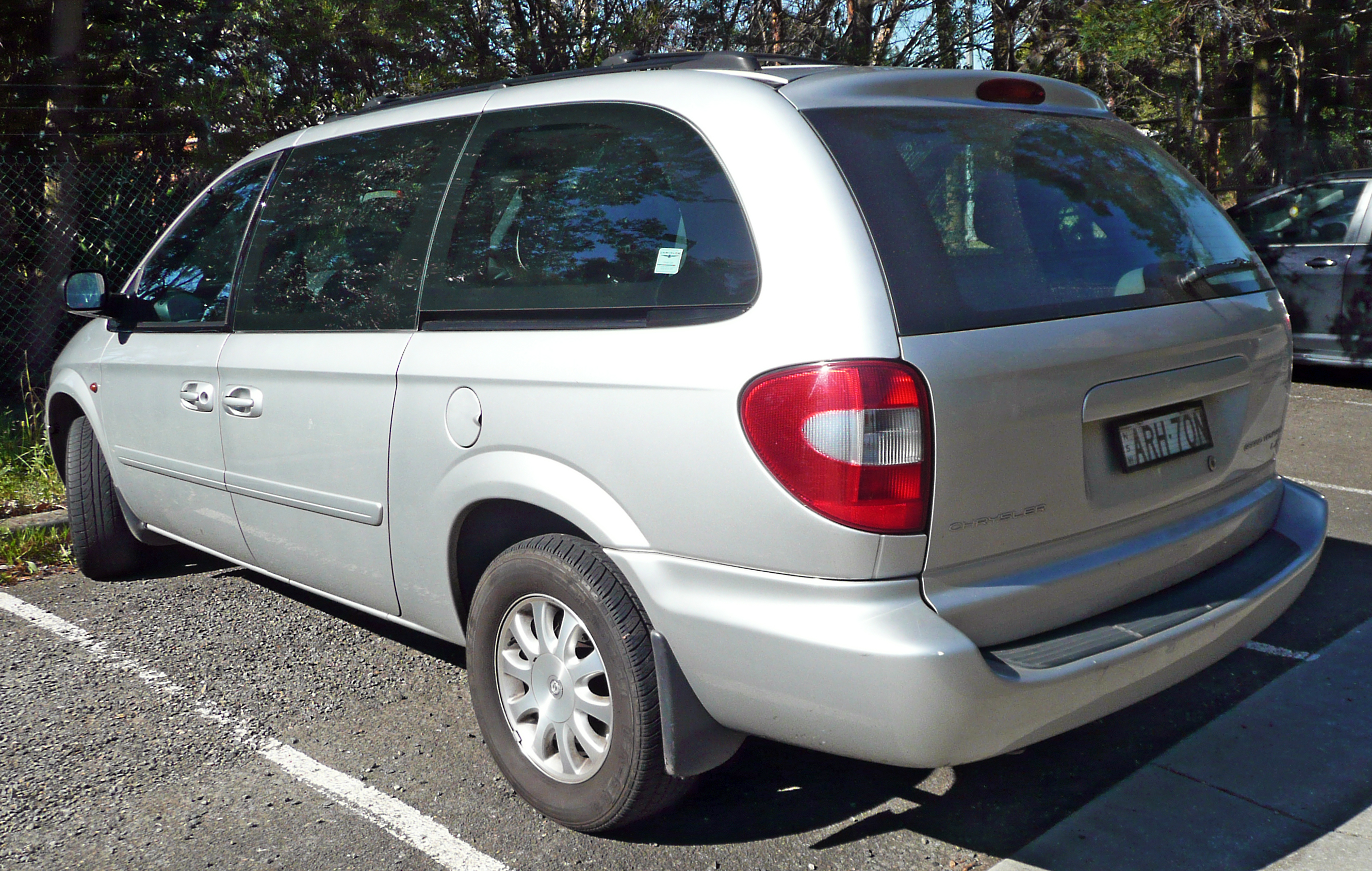
Chrysler Voyager
"...p of products. You mean the Pacifica and then the Voyager, which is just. The Voyager got dropped."
The Chrysler Voyager is a minivan, which is a vehicle made to carry families and lots of people. The podcast is talking about it as part of Chrysler’s lineup and mentions that it was removed or discontinued. It’s referenced as a model name that changed over time.
The Chrysler Voyager is a minivan model name used in Chrysler’s lineup, focused on family transportation and practical interior space. The podcast mentions it in the context of product lineup changes, noting that the Voyager “got dropped.” That kind of reference usually points to how Chrysler reorganized its minivan offerings.

Chrysler 300
"...hey could have just kept the most recent Chrysler 300 in production forever."
The Chrysler 300 is a large sedan, meaning it’s a bigger car built for comfortable driving. It’s known for a distinctive, classic style. The podcast is talking about whether Chrysler should have kept that model going.
The Chrysler 300 is a full-size sedan known for a bold, traditional “big car” look and comfortable highway driving. It’s significant because it has been one of Chrysler’s most recognizable nameplates. The podcast references the idea of keeping the most recent 300 in production longer, highlighting its importance to the lineup.

Ford Edge
"...ast year as like this incredibly gorgeous cutting edge EV. And instead during the investor day conferenc..."
The Ford Edge is a mid-size SUV that’s meant for everyday driving. It’s a crossover, so it’s built more like a car than a truck. The podcast is mentioning it while talking about plans for electric versions.
The Ford Edge is a mid-size crossover SUV positioned between smaller crossovers and larger SUVs. It’s often discussed because it has been offered with different powertrains over the years, including electrified options depending on model year. The podcast references it in the context of an “EV” and investor-day announcements, implying changes to the lineup were being discussed.

Dodge Hornet
"“Hey, do you know what this entire thing stinks of? … This entire thing stinks of Dodge Hornet. It does.”"
The Dodge Hornet is a small SUV made by Dodge. Here, the hosts are basically saying that the situation they’re talking about feels like it’s connected to the Hornet—like it’s part of what’s going on with Dodge right now.
The Dodge Hornet is a compact crossover SUV from Dodge, positioned as a smaller, more mainstream alternative to the brand’s larger muscle-era models. In this segment, it’s mentioned as the source of the “stink,” tying it to dealer inventory and the broader discussion around Dodge’s leadership and branding.

Chevrolet Uplander
"Jordan, do you remember the Chevrolet uplander? Are you trying to updog me right now? What's an uplander?"
The Chevrolet Uplander is a minivan. The conversation is using it as an example of how car models can be connected to the same overall design family, even when the brand name changes.
The Chevrolet Uplander is a minivan from Chevrolet’s lineup that was built as a practical family hauler. In this segment, the host uses it as a reference point for how one model name can be tied to a broader platform lineage, including related variants from other GM brands.

Holden Commodore
"... to be more distance between a Chevrolet SS and a Holden Commodore or Holden, whatever the hell those were. Monero."
The Holden Commodore is a car that was made as a large sedan, with versions that leaned toward sportier driving. It’s the kind of car people talk about when comparing different performance sedans. The podcast mentions it as a comparison point.
The Holden Commodore is an Australian-built sedan that was known for being a mainstream performance-oriented car in its lineup. It comes up in discussions because it represents a local variant of the “sporty large sedan” idea. In the podcast, it’s mentioned in relation to distance between other performance models, suggesting it’s being used as a reference point.

Chrysler New Yorker
"...e next game is tonight. Does anybody like he is a New Yorker? He's a Floridian."
The Chrysler New Yorker is the name of a large, comfortable car model from Chrysler. People bring it up because it’s a recognizable classic nameplate. In the podcast, it’s used as a preference question.
The Chrysler New Yorker is a nameplate historically associated with large, comfortable Chrysler sedans. It’s mentioned in the podcast as a point of interest, tied to a person’s preference and identity rather than technical details. The reference suggests the New Yorker carries enough recognition to stand out in conversation.

Chrysler Fifth Avenue
"...y broke too many windows throwing themselves onto Fifth Avenue. They needed just a handy little push door."
The Chrysler Fifth Avenue is a car model name from Chrysler that was known for being a larger, more upscale sedan. The podcast brings it up as a recognizable name, not as a detailed technical topic. It’s used for a quick reference in the conversation.
The Chrysler Fifth Avenue is a historic Chrysler sedan nameplate known for a more upscale, full-size approach. It’s referenced in the podcast with a playful image, suggesting it’s being used as a cultural or visual reference point. The mention implies the name carries enough recognition to be memorable even without technical specifics.
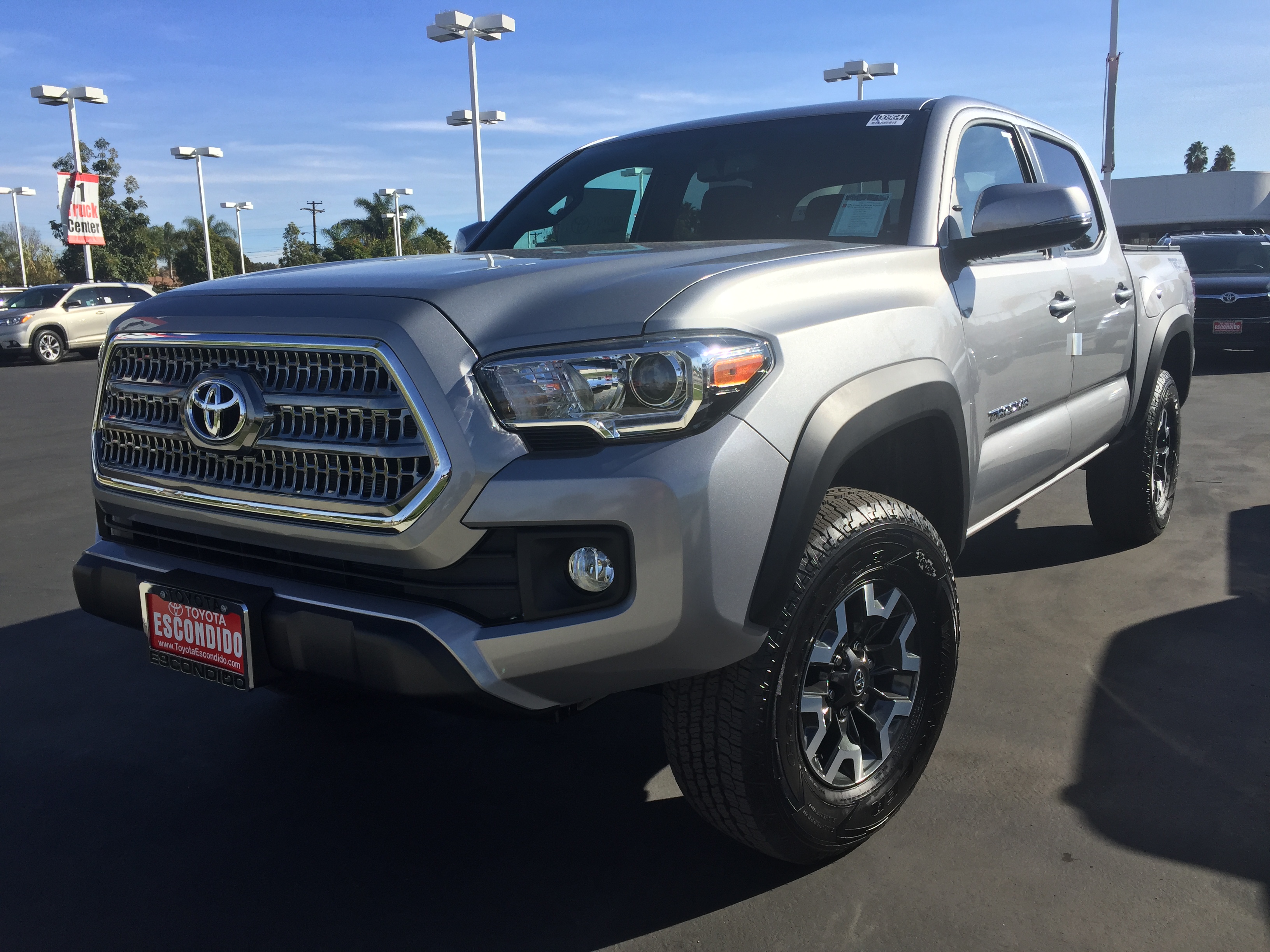
Toyota Tacoma
"...tars and a silhouette of what is clearly a Toyota Tacoma. Motor one found this and posted about it on Twit..."
The Toyota Tacoma is a pickup truck that’s smaller than the biggest trucks. People choose it for driving on rough roads and for everyday use. The podcast mentions it because it’s easy to identify as a Tacoma.
The Toyota Tacoma is a mid-size pickup truck known for off-road capability and strong resale value. It’s often discussed because it’s popular with people who want a truck that can handle rough roads without being as large as a full-size pickup. In the podcast, it’s referenced by silhouette, suggesting the model is recognizable even at a glance.
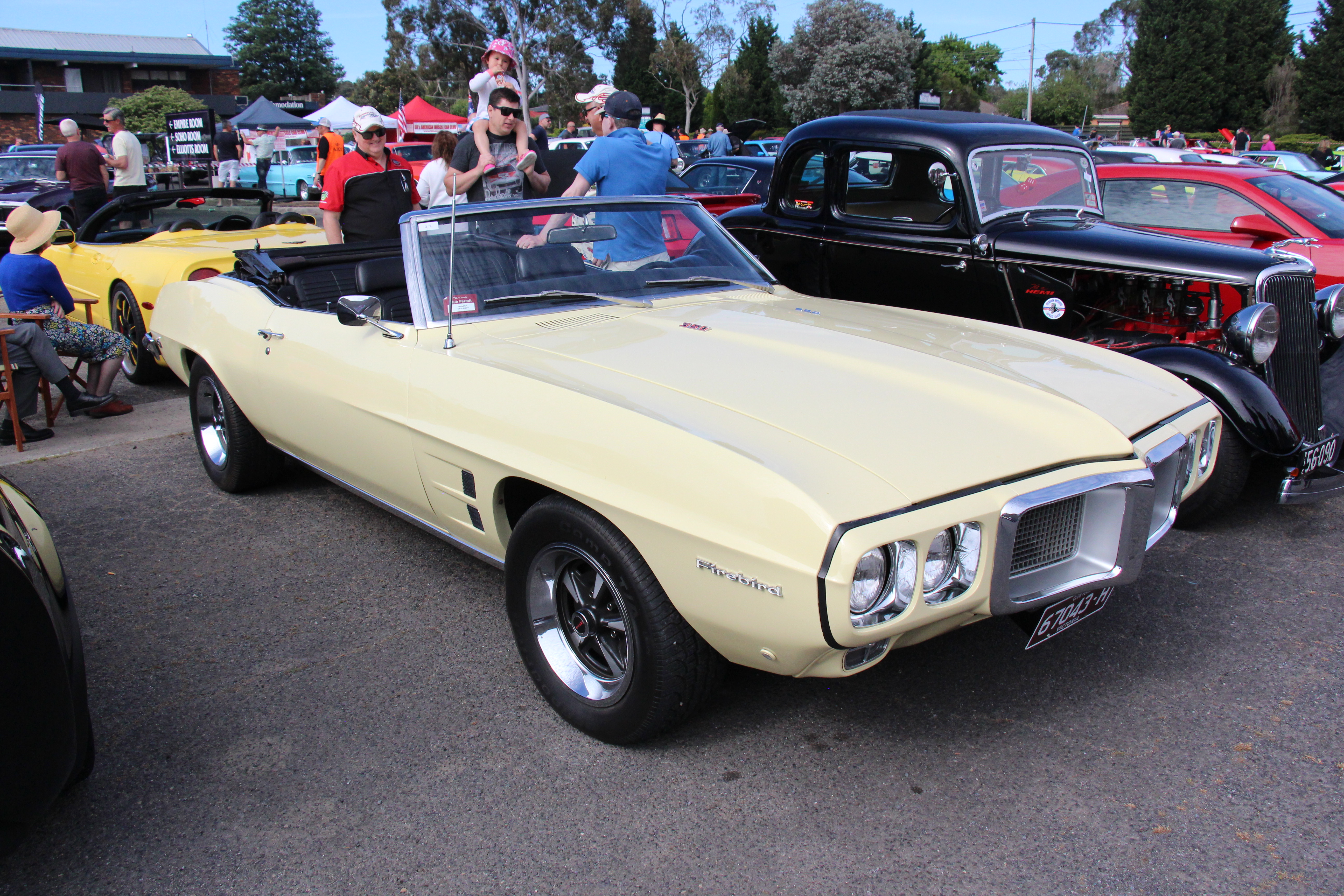
Pontiac Am Trans
"That's fun. Yeah, I am trans, but I am also lesbian. I highly recommend."
The Pontiac Trans Am is a sporty performance car model. It’s known for being fun to drive and for its classic, aggressive look. The podcast is recommending it as a fun car.
The Pontiac Trans Am is a performance car nameplate associated with sporty driving and muscle-era styling. It’s often discussed because it’s an iconic American performance model with a strong enthusiast following. The podcast mentions it in a personal, supportive way, recommending it as something fun.

Toyota Prius
"...nk you to Penile Sparing Vaginoplasty. The Toyota Prius GT 300. Now that's a fucking car to stand around."
The Toyota Prius is a car that uses a gas engine and an electric motor together. That combination helps it use less fuel than many regular gas cars. The podcast is referencing a special “GT 300” version as something notable.
The Toyota Prius is a hybrid car designed to improve fuel economy by using both a gasoline engine and an electric motor. It’s significant because it helped popularize mainstream hybrid technology. The podcast mentions a “Prius GT 300,” treating it as a standout car to be around.
Request an Explanation
Heard something you'd like explained? We'll add it to this episode.
Sign in to request explanations for terms you heard.
Want to learn more?
Browse our glossary for plain-English explanations of automotive terms, jargon, and concepts.
Help improve this episode
See something that's not quite right? Our annotations are AI-generated and can sometimes miss the mark. Click the flag icon on any annotation to suggest a correction.