Episode 446: Monster Trucks, 2026 Toyota BZ
About this episode
Monster Jam sparks a surprisingly emotional parent-and-kid story, with the hosts comparing how the show’s format (short timed racing, freestyle tricks, and dirt-bike segments) differs from their childhood memories of car crushing and Bigfoot-style spectacle. They also trade nostalgia about monster-truck toys and an old Radio Shack RC “Dash 49” project. The episode then shifts to a review of the 2026 Toyota BZ: improved power, charging, and range versus the BZ4X, but still bland, with a fussy driver-monitor system and range estimate concerns. They close with broader EV market talk and Toyota’s late-but-steady EV pivot.
How do you create a toddlers core memory? The Unnamed Automotive Podcast discusses Sami taking his son to see Monster Jam when it crashes and bashes into town. Hear how a child—who believes all trucks are monster trucks—can still enjoy the spectacle of jumbo-sized motorsports.
Then Benjamin reviews the significantly redesigned and upgraded 2026 Toyota bZ, and has many things to say about it, both positive and negative! Is the bump in power and range really noticable? What about all of the bZs rivals? Benjamin shares his thoughts and more. Thanks for listening!
Monster Jam
"In town, Monster Jam came rolling into town, and I had some time to kill with my son, and we went... I have questions about Monster Jam, so this happened at Hamilton's giant new arena..."
Monster Jam is a big live show where giant trucks do jumps and tricks. It usually happens in an arena with a dirt track, and the trucks perform stunts for the crowd.
Monster Jam is a live motorsport event built around monster trucks—large, heavily modified trucks designed to jump, spin, and perform stunts on a dirt track. It’s typically a full arena show with multiple trucks and drivers, and sometimes includes other action depending on the specific event lineup.
dirt bikes
"...Was there dirt bikes and stuff beforehand or after, or was it straight up just monster trucks?"
Dirt bikes are off-road motorcycles made for dirt tracks. The host is basically asking whether the event also included motorcycle action or if it was only monster trucks.
Dirt bikes are lightweight off-road motorcycles commonly used in events as additional entertainment or support racing. In arena shows, they may appear as separate segments depending on the promoter’s schedule and track setup.
Freestyle Series Championship
"Yes, I think it's called the Freestyle Series Championship, or Freestyle Mania Championship, and it comes with a motorcross or dirt bike show as well."
Freestyle is basically the “show off” part of monster-truck events. Drivers try big jumps and cool moves, and judges score how well they do it. This championship is also paired with dirt-bike/motocross events.
This refers to a monster-truck competition format focused on freestyle driving—usually judged on creativity, control, and how well the truck performs jumps and maneuvers. In this segment, it’s described as part of a broader event that also includes motocross/dirt-bike action.
TNN, the Nashville Network
"There used to be this channel called TNN, the Nashville Network. Did you ever watch that? I think it eventually became... What is it called? Spike TV?"
TNN was a TV channel that showed a lot of country and outdoors-type programming. The host is saying they remember watching these kinds of events on that channel.
TNN (The Nashville Network) was a cable TV channel known for country-focused programming and outdoor/motorsports content. In this segment, it’s used as a reference point for where the speaker remembers seeing off-road events like mud bogs and monster trucks.
Spike TV
"What is it called? Spike TV? Spike? Yeah. No, it's Spike. It evolved into Spike, I believe."
Spike TV is another cable channel name the host connects to TNN. They’re basically recalling how the TV network changed names but the kind of content they watched stayed in the same general world.
Spike TV was a cable network that TNN evolved into, according to the speaker. The mention matters here because it explains how the off-road/entertainment programming the host remembers may have shifted channels over time.
Mud Bog Racing
"Then there was Mud Bog Racing, which I never see anymore, but was a lot of fun. Also, there's four things. Mud Bog Racing is the second thing."
Mud bog racing is a motorsport where vehicles accelerate into deep mud and try to go the farthest or fastest without getting stuck. It’s a different discipline than monster-truck freestyle, but it’s often part of the same “off-road chaos” entertainment ecosystem.
tractor pulls
"The third thing is tractor pulls, with the giant tractors. This is also a whole bunch of memory fog has been lifted, and I know exactly what's going on for sure."
In tractor pulls, a tractor drags a heavy sled and tries to make it move as far as possible. The tractors are built to have a lot of pulling power, not to race fast.
Tractor pulls are a competition where a tractor tries to pull a heavy sled over a set distance or until it can’t move the sled. The “giant tractors” mentioned are typically highly modified for maximum torque and traction rather than speed.
monster trucks
"Yeah, exactly. There would be monster trucks all the time. The reason I'm bringing this up, my own child's part of it, is because you're talking about"
Monster trucks are big, specially built trucks made for doing crazy stunts. They can jump, spin, and smash cars, and the shows are usually a mix of races and trick competitions.
Monster trucks are purpose-built vehicles with oversized tires and high ground clearance designed to perform stunts like jumps, crushes, and obstacle runs. The appeal is the combination of heavy-duty power and spectacle, often staged in timed races and freestyle-style events.
freestyle mania championship
"The reason I'm bringing this up, my own child's part of it, is because you're talking about how it's like a freestyle mania championship. When I was young, mostly what I would see on TV, and I guess when I went in person, although"
Freestyle monster truck events are more about showing off skills than racing to a finish line. Drivers do jumps and tricks, and they’re judged on how impressive and controlled the performance is.
A freestyle-style monster truck competition focuses on creative driving and stunt execution rather than just straight-line speed. Drivers are judged on how well they perform tricks, jumps, and control during runs, which is why it can feel like a “mania” event compared to a traditional race.
drag race with a U-turn at the end
"It was like a drag race with a U-turn at the end, and then they would come back again. Yeah, that's what I remember. They would crush cars or jump cars."
It’s like a short sprint where the truck goes fast, then has to make a tight turn and come back. That turn is hard because the truck is heavy and the tires need traction to pivot and speed up again.
This describes a timed monster-truck course format where the vehicle accelerates like a drag race, then must execute a sharp U-turn and return. The U-turn adds a handling and traction challenge, since the truck has to rotate and re-accelerate without losing control.
10-second long race
"First, they had a very short race. It was basically a 10-second long race. It's nothing. Hey, hey."
Some monster truck races are super short—around ten seconds. In that kind of race, getting off the line quickly and keeping traction is everything.
Monster truck events often use very short, timed runs where performance is measured over seconds rather than minutes. In a “10-second” format, acceleration, traction, and launch technique matter more than sustained speed or endurance.
racing a clock
"Are they racing head to head? No, they're racing a clock, basically. Then they would do a two-wheel tricks showcase or competition."
Instead of racing another truck at the same time, you’re timed. Your goal is to set the best time, so you need a clean, repeatable run.
“Racing a clock” means competitors are timed individually rather than directly side-by-side. That format emphasizes consistent runs and repeatable acceleration/handling, because you’re trying to beat a target time rather than just outpace another truck in the moment.
two-wheel tricks showcase or competition
"Then they would do a two-wheel tricks showcase or competition. Then the dirtbites would come on."
Two-wheel tricks are when the truck lifts up so it’s balancing on just two wheels. The driver has to control the throttle and keep the truck stable so it doesn’t tip over and can land safely.
Two-wheel monster truck tricks are stunts where the truck performs maneuvers while lifting onto only two wheels, requiring precise throttle control and suspension management. It’s a high-skill display because the driver must balance momentum, traction, and stability to land cleanly.
massive ramp
"[365.1s] They would launch off this massive ramp and onto a pad, like a bouncy pad for landing, [371.9s] which is something I was not expecting because in my childhood, when you jumped off a massive ramp, there was no soft landing at the end of it."
A big ramp is basically a launch platform. It helps you get higher into the air so you can do something in the air and then land more safely.
In stunt driving and monster-truck events, a “massive ramp” is used to convert speed into vertical lift, giving the vehicle time to perform tricks mid-air. The ramp shape and angle strongly affect how high and how stable the landing will be.
bouncy pad for landing
"[365.1s] They would launch off this massive ramp and onto a pad, like a bouncy pad for landing, [371.9s] which is something I was not expecting because in my childhood, when you jumped off a massive ramp, there was no soft landing at the end of it."
It’s a landing surface meant to soften the hit. Instead of slamming hard into the ground, it helps the vehicle slow down more gradually.
A “bouncy pad” landing surface is designed to absorb impact and reduce peak forces on the vehicle and driver. In motorsports and monster-truck-style stunts, landing cushioning helps protect suspension components and improves the chance of a controlled touchdown.
aerial 180
"[407.6s] But have you ever done an aerial 180 on a toboggan? [410.9s] I don't think that's a thing. [414.5s] We used to have those wicked GT snow racers."
It’s a jump where you spin halfway (about 180 degrees) while you’re in the air, then land facing the other way. The whole point is having enough height and time to complete the spin before you hit the ground.
An “aerial 180” is a freestyle trick where the rider launches off a ramp and rotates about 180 degrees in the air before landing. In monster-truck-style stunts, the idea is similar—use a ramp to get enough airtime to complete a rotation safely.
back flip
"And then the monster trucks came out, and they did I think a minute of as many tricks as they can do. I saw a truck do a back flip, which was super cool."
A backflip is a stunt where the vehicle rotates backward in the air. In monster truck shows, it’s typically achieved with careful ramp design, throttle control, and suspension setup to generate the right launch angle and rotation.
truck roll over
"I saw a truck roll over and have to get rescued by a construction truck, which my child thought was really important."
A rollover is when a truck tips over and ends up on its side or roof. In these shows, there are safety and recovery teams ready in case it happens.
A rollover is when a vehicle tips beyond its stability and lands on its side or roof. Monster truck events include safety crews and recovery plans because rollovers can happen even during planned stunts, requiring quick extraction and vehicle recovery.
vehicle fire during a stunt
"And then I saw a truck catch fire, and the driver stood out on top of it cheering. So it was really cool."
Sometimes a truck can catch fire during a stunt, usually because something gets damaged or a fluid ignites. Shows have safety crews and equipment to respond fast.
A vehicle fire during a show can occur from fuel, oil, or electrical issues—sometimes triggered by damage from impacts or rollovers. Stunt events rely on fire suppression and safety protocols so the driver can exit quickly and the truck can be handled safely.
monster truck component
"I went to a four wheel jamboree as well, which is like something similar to monster trucks in that there's like a monster truck component, but there's also like truck poles and more..."
They’re saying the event includes parts that feel like a monster-truck show—like big obstacles and stunt driving. That kind of driving needs special trucks with lots of suspension travel and grip.
The phrase “monster truck component” suggests that the event includes elements typical of monster-truck shows—like obstacle courses, stunt-style driving, and possibly racing segments. These components require vehicles built for traction, suspension travel, and controlled landings.
four wheel jamboree
"I went to a four wheel jamboree as well, which is like something similar to monster trucks in that there's like a monster truck component, but there's also like truck poles and more, I guess you would call them realistic pickups doing things."
A four wheel jamboree is basically an off-road show where trucks do driving demos and sometimes competitions. It’s not always the same as monster trucks, but it has a similar vibe.
A “four wheel jamboree” is an off-road event format where multiple trucks/vehicles do demonstrations and competitions. In this segment, it’s described as similar to monster trucks but with more “realistic pickups” doing off-road-style actions.
venue size requirements for racing
"...what I want to say is I think that maybe the racing happened less at your event because of the size of the venue... Probably an outdoor space, too."
To race monster trucks safely, you need a big track with room to speed up and space to land after jumps. That’s why these events often happen outdoors or in very large stadiums.
Monster-truck racing and obstacle courses need a lot of space for acceleration, safe turns, and landing zones. Larger outdoor venues also help manage noise, crowd control, and the scale of the track.
Olympic Stadium
"Was that the one that was that was built or used for the Olympics? The Olympic Stadium?"
They’re talking about a big stadium in Montreal and whether it was used for the Olympics. Big venues can change how the monster-truck track is built and how the show runs.
The segment references the Olympic Stadium in Montreal as the venue for monster-truck racing. Stadium design and scale can affect how events are laid out—especially for large jumps and track geometry.
horsepower
"they're like what, eight or nine? I don't know how a thousand horsepower. How much horsepower do these vehicles have? I think they have like 1500, if not more."
Horsepower is basically how much “pull” the engine can produce. Monster trucks are famous for having huge horsepower so they can launch, climb, and keep moving through rough terrain.
Horsepower is a measure of an engine’s power output, and it’s a key spec for monster trucks because it determines how aggressively they can accelerate and climb over obstacles. The hosts discuss extremely high horsepower figures to convey how intense these vehicles are.
nitromethy
"They burn nitromethy, right? That's insane. It's so cool. Obviously, maybe not nitro. Maybe it's alcohol."
Nitromethane (often shortened to “nitro”) is a fuel used in some high-performance racing because it can produce very high power. The host’s uncertainty (“nitromethy… maybe it’s alcohol”) highlights that monster-truck fuel can vary by series and engine setup, but the key idea is that these trucks run specialized fuels to make extreme power.
ear protections
"I did have ear protections from my child and he was really well prepped for that comfort... Like I talked to him about this thoroughly during the day. I'm like, you're going to have to keep these things on because these trucks are loud."
Monster trucks are loud enough to damage hearing if you’re not careful. The host is saying they planned ahead and made sure their child wore ear protection the whole time.
Monster trucks are extremely loud, so hearing protection is important for spectators—especially children. The host emphasizes preparation and wearing ear protection even with headphones, reinforcing that sound levels at these events can be hazardous.
sensory overload
"Like it's just amazing. It's just this whole sensory overload. They're huge. They're loud. They go really fast."
Sensory overload just means there’s so much happening at once that your senses feel “maxed out.” With monster trucks, the noise and size can make it feel like an instant, unforgettable experience.
“Sensory overload” describes when multiple intense stimuli hit at once—like loud noise, rapid motion, and visual scale. In the context of monster trucks, the sheer size and sound can overwhelm attention and make the experience feel especially exciting and memorable.
stunt driving (jumping, rolling, balancing)
"Like normally, like, does he understand that trucks normally stay generally on the road, don't have wheels the size of like human beings, don't jump over things, don't roll or flip or balance on their rear wheels or front wheels or whatever, right?"
These trucks are built to do tricks like big jumps and wild balance moves. Regular trucks aren’t set up for that kind of movement, so monster trucks can handle it better.
Monster trucks are engineered to do stunt maneuvers that regular trucks can’t safely attempt—like jumping obstacles, rolling/bouncing through impacts, and balancing on different wheel positions. The key is the combination of suspension travel, tire sidewall compliance, and drivetrain control to keep the truck stable through chaotic motion.
X games for auto sports
"And they're basically, like you said, it's like X games for, for, for, for auto sports."
That phrase is basically saying it’s like the X Games, but for cars and trucks. Instead of just going fast in a normal race, it’s more about stunts, big action, and entertainment.
When people compare an event to “X Games for auto sports,” they’re usually talking about a competition format focused on spectacle—big jumps, aggressive driving, and showmanship—rather than traditional racing alone. It frames monster-truck-style events as action-sports entertainment with automotive vehicles as the platform.
Truck hood coming off
"...he got really anxious when I, when a truck lost its hood, he really pointed that out and he looked, he sounded like he was like about to cry. I had to explain to him that there are truck doctors, truck mechanics, we'll fix it up and it'll be okay."
If a truck’s hood comes off, it usually means it wasn’t secured properly or got shaken loose. The important part is that there are mechanics who can fix it so the truck can keep going safely.
When a truck’s hood comes off during a show or run, it’s typically a sign of a loose latch/fastener or a failure under vibration and stress. In monster-truck-style events, parts can come loose due to impacts, so teams rely on quick repairs and safety checks between runs.

Toyota Tacoma
"...which I assume is a suit. He's talking about the Tacoma and then later on he revised it to say smaller th..."
The Toyota Tacoma is a pickup truck that’s smaller than the biggest trucks. It’s designed for hauling and for driving on rougher roads. The podcast brings it up because it’s a common example of a “smaller” truck choice.
The Toyota Tacoma is a midsize pickup truck known for being durable and capable for work and off-road use. It often comes up in discussions because it’s a popular “smaller than full-size” truck option, and people compare how it fits different lifestyles and budgets. In your podcast context, it’s mentioned as part of a conversation about what “smaller” means in the truck world.

Bigfoot
"And they would always have those like static Bigfoot displays, I think at the X or something. Yeah. And Bigfoot was my jam."
Bigfoot is a legendary monster truck—basically a huge off-road truck built for stunts and big shows. People remember it for its recognizable theme and history, not just for how it drives.
Bigfoot is one of the most famous monster trucks in the world, known for its distinctive look and long-running presence in the sport. In monster-truck culture, trucks like Bigfoot are as much about showmanship and branding as they are about off-road capability.
livery
"It's the most basic looking truck. There's no like livery of any kind. No, so compared to what you see now, there's like one is like a shark theme."
A livery is the design on the outside of the truck—paint and graphics that give it a theme. Monster trucks use it so the truck looks like a “character” at the show.
A livery is the themed paint, graphics, and branding applied to a vehicle. In monster trucks, livery helps create a character for the truck—like shark, bull, or zombie themes—so fans can instantly recognize it.

Byd Shark 6
"...d to what you see now, there's like one is like a shark theme. One is a bull theme."
The BYD Shark 6 is a BYD vehicle, and the podcast is talking about different versions of it. The speaker mentions different themes—like a shark theme versus a bull theme—so the differences are mainly about styling or branding. It’s brought up to explain what those variants mean.
The BYD Shark 6 is a model from BYD that’s being discussed in the context of different themed versions or styling packages. In your podcast excerpt, the speaker contrasts a “shark theme” with a “bull theme,” suggesting there are distinct visual or branding variants. That makes it relevant to conversations about how BYD differentiates trims or editions.
motif
"I don't, I have two minds on that because I really think that the classic monster truck thing is a very cool motif. Like I really think that like the original, it's his name, Bob Chandler."
A motif is basically the main theme or style that keeps showing up. In this context, it’s the classic monster-truck look and branding that makes the truck feel recognizable.
A motif is a recurring theme or design idea that gives something a consistent identity. Here, the host is talking about the classic monster-truck “theme” as a recognizable visual concept that ties the truck’s branding together over time.
Bob Chandler
"Like I really think that like the original, it's his name, Bob Chandler."
Bob Chandler is mentioned as a key early figure behind the classic monster-truck idea. The point is that some of today’s monster-truck traditions started with early builders and promoters.
Bob Chandler is credited in the transcript as being tied to the “original” classic monster-truck concept. In monster-truck history, early pioneers helped shape the modern format—truck branding, showmanship, and stunt culture.
Grave Digger (early monster-truck era)
"There's Grave Digger, which was, I think one of the first trucks to push past the standard pickup truck with big tires thing."
Grave Digger is a famous monster truck. They’re saying it helped mark an early turning point where monster trucks became more than just modified pickups with bigger tires.
Grave Digger is a legendary monster truck associated with the early era of the sport, when monster trucks were pushing beyond the “big-tires on a pickup” look. The transcript frames it as a milestone in how monster trucks evolved into a more distinct, purpose-built category.
monster truck tires (oversized, non-standard sizes)
"And they were like in, they're like unusable car, like trucks. I don't know if they are. There were some with like giant, gigantic, like I say giant tires, but I mean like not standard monster truck tires, like tires that were, I don't know, 20 feet tall."
Monster trucks run huge tires so they can climb over things and still grip the ground. They’re talking about some Bigfoot versions that had tires so enormous they weren’t even normal “monster truck” sizes.
Monster trucks use extremely large tires to clear obstacles and keep traction at low speeds. In this segment, they’re describing versions with tires far larger than typical monster-truck sizes—so big they’re essentially custom, purpose-built wheels/tires rather than standard monster-truck hardware.
Monster truck driver competition as entertainment
"And also just the idea of like the competition between the drivers, it seems so loose and arbitrary. Yes. Like I'm so surprised that they like, I'm so surprised at that. ...Gravedigger won the overall event,"
They’re describing monster truck events as part competition, part show. Even if the judging or outcomes feel unpredictable, the drivers are still highly skilled performers putting on a big entertainment act.
The hosts discuss monster trucks as a competitive spectacle where driver skill and showmanship matter, even if the competition can feel “loose and arbitrary.” This frames monster-truck events as both sport and performance, similar to staged entertainment.
WWE-style performance vs sports competition analogy
"I don't know if it's like Harlem Globetrotters, so much as it is WWE. Where you have like very, very skilled athletes and performers who are doing something that's extremely entertaining to a large audience. You know what I mean?"
They compare monster trucks to WWE, meaning it’s not only about winning—it’s also about putting on an exciting performance. The drivers are like performers who do impressive, crowd-pleasing moves.
The hosts compare monster-truck entertainment to WWE: skilled athletes/performers delivering highly entertaining, audience-focused action. The analogy emphasizes that monster trucks are judged and consumed like a show, not just a pure mechanical contest.
resale tickets
"I should have gotten the maybe before they were on resale the tickets because I think I paid through the roof for that. But it was so worth it."
They’re saying they should’ve bought tickets earlier, because later they became much more expensive on resale. That’s common with big, in-demand events.
The host mentions buying tickets “before they were on resale,” which highlights how event pricing can change after initial sales. For popular motorsport-style events, resale markets can push prices far above face value.
motorsport enthusiast
"And I think I inadvertently create this sort of like motorsport enthusiast in a way or something like that. But or or he just loves trucks, right?"
They’re basically saying that watching racing or truck events can spark a lifelong interest in cars and driving. Even if the details change later, the excitement can stick.
The hosts are talking about how exposure to motorsport can shape a child’s interests. In practice, early “spectator” experiences can influence what hobbies they pursue later, even if the specific vehicles and tech change over time.
truck that lost its hood
"[1302.9s] OK, one only thing that caught me out like he pointed at the truck that lost its hood. [1307.7s] And that was like, OK, so he's actually like he's like seeing things that are happening."
If a truck loses its hood, it means the front cover falls off—often because of a hit or because it wasn’t fastened tightly enough for the event. It’s a safety and mechanical issue people notice right away.
When a truck “loses its hood,” it usually means the hood detaches or comes unlatched during a stunt or impact. In motorsports and stunt events, body panels can fly off if fasteners fail or the panel isn’t secured for the stresses involved.
warplane museum
"Yes, we have a we have something called the it's called the warplane museum. And I haven't quite explained the logistics of war..."
They’re talking about a museum that displays military planes. They’re using that as a comparison to explain that monster trucks are also something you don’t see every day.
The hosts mention a “warplane museum,” which is a specific kind of aviation museum focused on military aircraft. While not an automotive company, it’s relevant because they connect the museum experience to understanding monster trucks as a “not everyday” spectacle.
World War Two
"...I haven't quite explained the logistics of war or what happened in World War Two, where these airplanes were around."
They mention World War Two because the museum is showing planes from that era. The idea is that learning the background makes the whole experience more interesting and easier to understand.
The segment references World War Two to explain the context of warplanes at a museum. That historical framing helps listeners understand why the aircraft are there and why they may differ from visit to visit.
four by four
"Like the plan is this four by four off road magazine still exists."
“Four by four” (4x4) means the vehicle has four-wheel drive, sending power to all four wheels for better traction on loose or uneven surfaces. In off-road contexts, 4x4 helps reduce wheel slip and improves control when climbing, descending, or driving through mud and sand.
Radio Shack
"When I was a kid, I had there was this very popular toy that was from Radio Shack. Sometimes it was marketed as a Tandy, which was the Radio Shack parent corporation."
Radio Shack was a store that sold electronics and lots of kid-friendly gadgets. In this story, it’s where the remote-control monster-truck toy came from.
Radio Shack was a consumer electronics retailer that also sold hobby and toy electronics, including remote-control vehicles. The mention here is about the brand’s role in popularizing DIY and toy tech for kids.
Tandy
"Sometimes it was marketed as a Tandy, which was the Radio Shack parent corporation."
Tandy was the company that owned Radio Shack. So the same kind of toy might show up with either name on the packaging.
Tandy refers to the parent company behind Radio Shack. In the transcript, it’s used to explain why the toy was sometimes marketed under the Tandy name instead of Radio Shack.
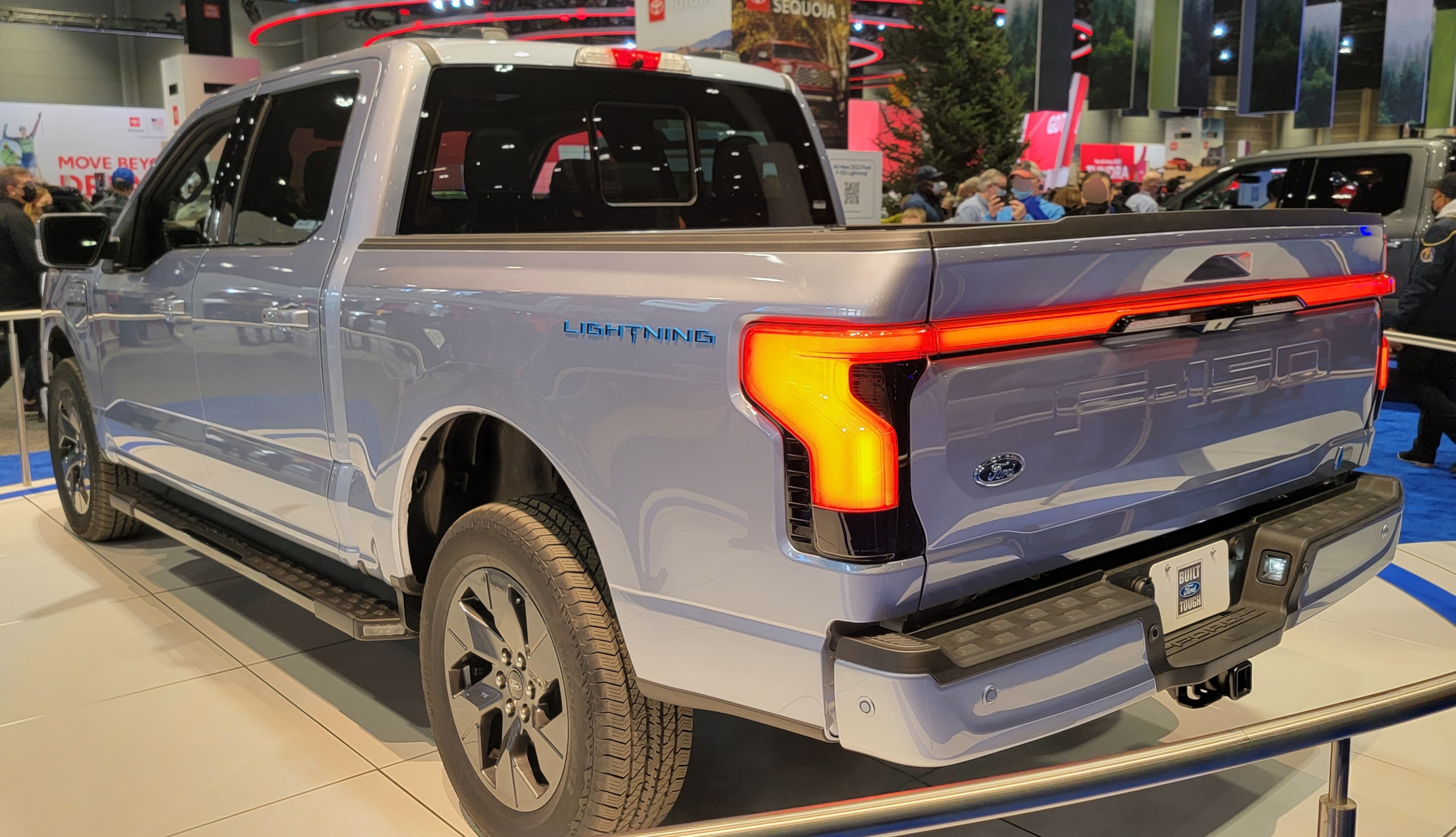
Ford F150
"And it was a based on the Ford F-150 of the late 70s."
The Ford F-150 is a popular full-size pickup truck. Monster trucks often use a pickup as the starting point, then heavily modify it so it can handle huge tires and jumps.
The Ford F-150 is a full-size pickup truck line from Ford. In monster-truck builds, builders often start with an F-150 platform because it provides a strong, familiar base for custom suspension, drivetrain, and bodywork.
high and low gearing
"It has the big foot monster truck tires and it has high and low gearing in it. Actually different gearing. So like you can if you wanted to crawl up like a steep incline, you could."
High/low gearing refers to using different gear ratios to trade speed for torque. Monster trucks (and off-road vehicles) use this so they can crawl up steep inclines at low speed, while still having a higher ratio for faster driving on flatter ground.
crawl up like a steep incline
"So like you can if you wanted to crawl up like a steep incline, you could. Or if you just wanted to drive fast on flat, you could and it was called like the dash 49."
Crawling up a hill means going very slowly but with enough pulling power to keep moving. It’s all about torque and tire grip, not just speed.
“Crawling” up a steep incline is low-speed, high-control driving where the vehicle relies on torque and traction rather than momentum. This is why off-road gearing and tire grip matter so much for monster trucks and other extreme off-road builds.
CRT
"So I had this toy and I was at my parents a couple of weeks ago, picking up a CRT because I'm still trying to come up with the ultimate laserdisc setup for you."
CRT is an older type of TV or screen technology. It’s mentioned here because the host is talking about powering and setting up equipment, not about cars.
CRT stands for cathode-ray tube, a type of older television/monitor technology. It’s not automotive, but it’s mentioned in the segment as part of the host’s electronics setup.
laserdisc
"picking up a CRT because I'm still trying to come up with the ultimate laserdisc setup for you."
LaserDisc is an older way of watching movies using a disc. The hosts bring it up as a hobby topic, not a car-related one.
LaserDisc is an optical video format that predates DVDs and uses a laser to read data from a disc. The hosts mention it as a side topic while discussing powering a toy.
nine volt battery
"It requires four C batteries in the truck and a nine volt battery in the truck. Like that's a combination. Yeah. And in the controller, there's a nine volt battery."
A nine-volt battery is a small battery type you might see in smoke detectors or small gadgets. In this segment, it’s just powering a toy/controller.
A nine-volt battery is a common household battery size often used in small electronics. Here it’s mentioned as part of the power requirements for the toy truck/controller, not as an automotive system.
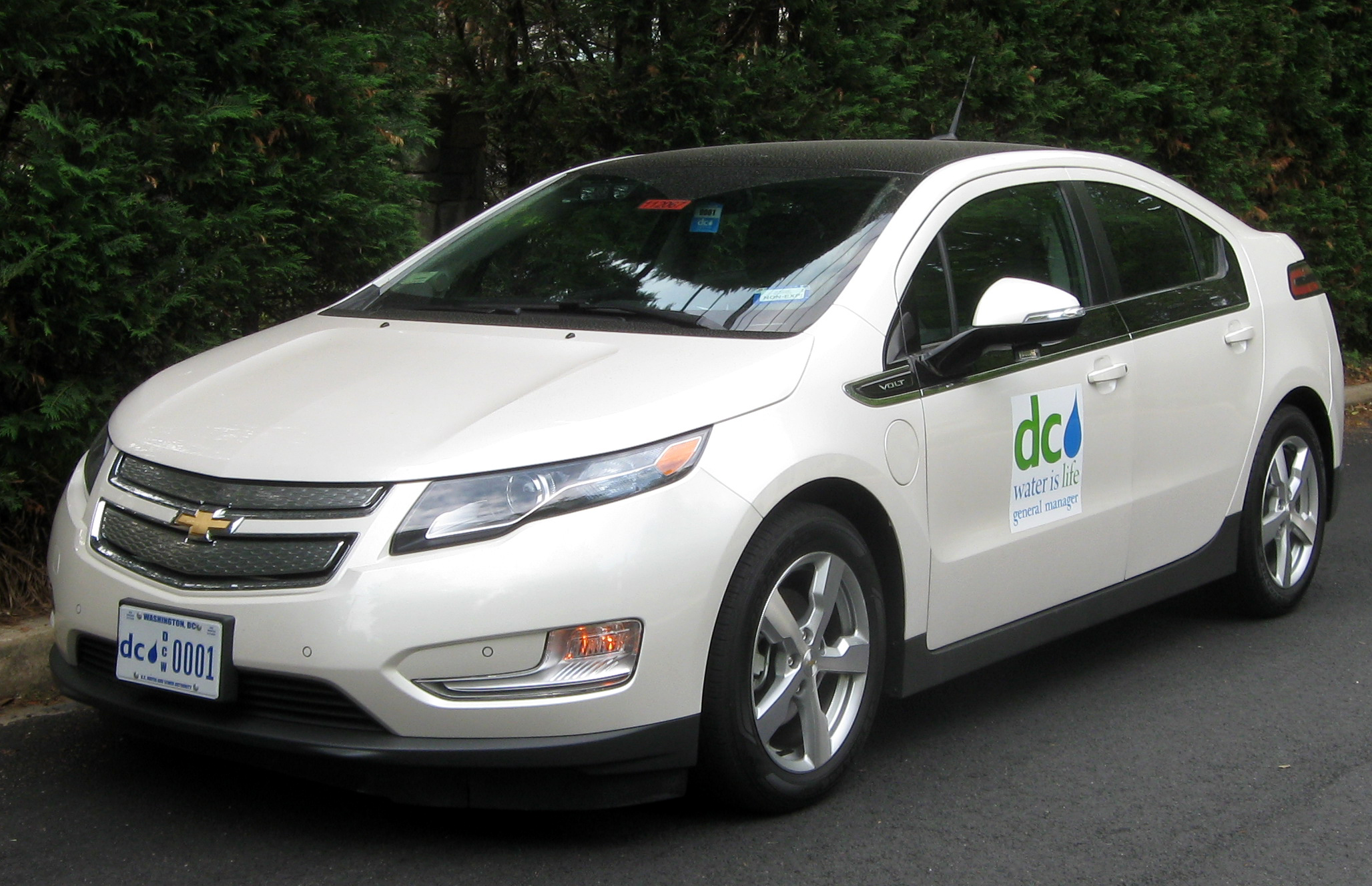
Chevrolet Volt
"...equires four C batteries in the truck and a nine volt battery in the truck. Like that's a combination."
The Chevrolet Volt is a car that can run on electricity, but it also has a gasoline engine for extra range. You can charge it like an EV, and when the battery runs low, the gas engine helps keep you going. The podcast mentions it because it has a specific battery arrangement that supports this system.
The Chevrolet Volt is a plug-in hybrid that uses an electric drive system for everyday driving and a gasoline engine to extend range when needed. In the podcast context, it’s mentioned alongside battery details, highlighting how the Volt’s battery setup supports its hybrid strategy. That makes it a common reference point when discussing older plug-in technology and how it’s engineered.
RC car
"Like it's clearly an electric in that case, an electric RC car. And the big thing lately, what else would it be?"
RC car means “radio-controlled car.” Someone uses a controller to drive it, like a toy version of a real car. Here they’re talking about electric RC cars versus gas-powered ones.
An RC car is a radio-controlled vehicle—typically driven by a handheld transmitter. In this context, they’re comparing electric vs gas-powered RC cars, which affects how they run, maintain, and recharge/refuel.
toy grade one
"No, so this is this is not a hobby grade RC car. This is like a toy grade one, but I've done some research and it turns out it's well regarded."
They’re basically saying there are different “levels” of RC cars. Toy-grade ones are simpler and cheaper, while hobby-grade ones are built tougher and are meant for more serious use.
“Toy grade” vs “hobby grade” RC generally refers to build quality, performance, and adjustability. Hobby-grade RC cars typically have stronger drivetrains, better tuning options, and more durable components.
multiple drive shafts
"It has like multiple drive shafts and locking differentials kind of. And it was just a fun toy."
A drive shaft is the part that sends power from the “engine” area to the wheels. If there are multiple drive shafts, it usually means the power is being sent to more than one axle/wheel set.
Drive shafts transfer torque from the drivetrain to the wheels. Multiple drive shafts usually indicate a more complex RC drivetrain layout (often used to send power to more than one axle), which can improve traction and durability.
locking differentials
"It has like multiple drive shafts and locking differentials kind of. And it was just a fun toy."
A differential is what lets wheels turn at different speeds. A locking differential “locks” that behavior so both sides spin together, which helps when one side loses grip.
A locking differential forces the left and right wheels on an axle to rotate at the same speed. That helps when traction is uneven (like off-road), because it prevents one wheel from spinning freely.
steer in one direction
"Turns out it still runs in drives, but it will only steer in one direction."
If it only turns one way, something in the steering system isn’t working correctly. That could be a broken part, a stuck linkage, or an electronics/calibration problem.
If an RC car “will only steer in one direction,” it usually points to an issue in the steering linkage, servo calibration, or the transmitter/receiver signal. It can also be caused by a mechanical binding or a damaged steering component.
steering gear
"And the gearbox for the steering, the steering gear looks OK. [1662.3s] And it doesn't feel like there's any."
Your steering gear is the part that takes your steering wheel turn and turns the wheels. If it feels like it’s “binding,” something inside may be sticking or not moving smoothly.
The steering gear is the mechanical/electromechanical assembly that converts the steering wheel’s input into the movement of the front wheels. If it’s binding or moving unevenly, the steering gear can be worn, contaminated, or have internal alignment/gear issues.
gearbox for the steering
"So I took it all apart and those are the photos that I sent you. [1658.6s] And the gearbox for the steering, the steering gear looks OK."
Think of the steering gearbox as the “gearbox” that helps your steering wheel move the wheels. If it’s not moving evenly, the gears inside may be damaged or out of sync.
A steering gearbox is the reduction/gear mechanism inside the steering system that helps translate steering wheel motion into wheel movement. When the steering only moves well one way and poorly the other, internal gear wear, backlash, or a skipped tooth can be the cause.
skipped a tooth
"So it's like the motor itself, I don't know if it has a gearing inside of it [1684.2s] and it skipped a tooth or something like that."
Gears have teeth that mesh together. If one tooth slips out of place, the mechanism can feel like it’s not catching properly, so steering won’t work smoothly.
“Skipped a tooth” usually means a gear tooth has slipped out of engagement, often due to shock loads, wear, or insufficient holding force. In steering mechanisms, that can create a dead spot or uneven turning—like full turns one way but only partial turns the other.
larger battery packs
"...replaced parts of it with hobby grade things like specifically faster motors [1702.9s] or larger battery packs is a popular one."
A bigger battery can give the motors more energy to run harder for longer. But if the gears or electronics aren’t built for it, they may break or overheat.
Larger battery packs (more capacity and/or higher discharge capability) can provide more sustained power to motors. In RC-style drivetrains, that can increase stress on gears, electronics, and wiring if the rest of the system isn’t designed for the added load.
slippery slope
"I don't want to do that because the slippery slope. [1711.6s] For one, it's a slippery slope."
A slippery slope means “one change leads to more changes.” If you add more power, you may quickly run into other weak spots that weren’t designed for it.
A “slippery slope” describes how one modification can lead to more changes because the new setup exposes new limits (power, heat, drivetrain strength, battery capacity). In RC and similar systems, upgrading motors or batteries often forces upgrades elsewhere to keep things reliable.
overheat the motors
"But the other thing is the truck was not designed to have a huge amount of power, [1716.8s] right? So you can easily overheat the motors."
Motors can overheat when they’re asked to produce more power than their design allows, especially under heavy load or aggressive acceleration. Overheating can damage motor windings, reduce efficiency, and shorten service life.
plastic gearing
"It's also a plastic gearing. [1731.5s] So if you get on it too hard from a start, you can crack things."
Plastic gears are lighter and cheaper, but they can wear faster and are more prone to cracking under high torque or sudden starts. If the truck is “on it too hard from a start,” the shock load can exceed the plastic gear’s strength.
steering unit
"I need to reconnect one of the wires that came off when I was removing the steering unit. But other than that, I don't know if this is like a new project for me, like how involved I'm going to get in this truck,"
The steering unit is the main steering assembly. If you take it out and something comes loose—like a wire—you may need to reconnect it so the steering works correctly again.
A “steering unit” is the assembly that contains the steering mechanism (and related linkages) used to control the direction of the vehicle. When wires or connections come off during removal, it can indicate the unit also includes electronics or sensors (common in RC setups).
RC trucks
"So if anyone out there, I'm very curious if you're into RC trucks, if you can help or if you have a memory of either the blue or the yellow Ford monster trucks that that radio shack sold, I'd love to hear from you."
RC trucks are toy trucks you drive with a remote control. People often fix them like real vehicles—if something breaks, you may need to repair parts or electronics to get it running again.
RC trucks are radio-controlled vehicles that mimic real trucks but are powered and controlled remotely. Repairing and upgrading them often involves sourcing discontinued parts, soldering electronics, and doing mechanical work similar in spirit to real vehicle maintenance.
replacement parts availability
"But anyways, the other thing that was cool about this particular monster truck is that radio shack sold replacement parts throughout its whole run. So if something broke, you could fix it and just keep going... I love how I mean, I hate that as a community now... getting replacement pieces or parts for toys or even expensive toys is really difficult"
They’re basically saying that if you can still buy replacement parts, you can fix things and keep using them. If parts are hard to find, even a cool toy or vehicle eventually gets stuck or thrown away.
The hosts highlight that Radio Shack sold replacement parts for the monster truck line, so broken components could be repaired instead of replacing the whole vehicle. This is a key concept in long-term ownership: parts support determines whether a product remains serviceable or becomes disposable.

BZ4X
"So the BZ is the previous aka BZ4X, which is the one of the worst modern names for a vehicle ever to exist. BZ is still bad, but so much better."
The Toyota BZ4X is the earlier-generation BZ electric crossover that the hosts say had a weak reputation for both performance and range. They frame the BZ name as a reworked/improved version of that original model.
power and the size of the vehicle and the body style
"except in China, they use like power and the size of the vehicle and the body style and all these numbers mean something."
They’re saying that in some countries, car names are more “informational,” like telling you what kind of car it is or how powerful it is. They’re comparing that to Toyota’s earlier naming approach.
The hosts describe how some markets (specifically China) use naming conventions that encode information like power level, vehicle size, and body style. They contrast this with how Toyota initially tried to use similar logic with the “4X” portion of the BZ4X name.
4X
"And that's why they had 4X because they think 4X meant like all wheel drive or something. They're giving up on that, right?"
The “4X” part of BZ4X is talked about as a naming choice that was probably meant to hint at drivetrain (like all-wheel drive). The hosts say Toyota is giving up on that naming idea.
The “4X” in BZ4X is discussed as a naming idea Toyota thought might indicate something like all-wheel drive. The hosts suggest Toyota is moving away from that naming logic as the lineup gets reorganized.

Toyota Chr
"...a baby BZ that's not even called the BZ anymore. CHR, right? CHR, yeah. They're just renaming our old ..."
The Toyota C-HR is a small crossover, meaning it’s higher than a typical sedan and made for everyday driving. The podcast mentions it because the speaker is talking about name changes and what the C-HR corresponds to. It’s essentially a compact Toyota crossover that’s being discussed in the context of branding.
The Toyota C-HR is a compact crossover that’s positioned as a smaller, more urban-friendly alternative within Toyota’s lineup. In your podcast, it’s discussed as a “renaming” or rebranding of an earlier model name, tying into how Toyota is updating its lineup and labels. That’s why it comes up—people are clarifying what the C-HR refers to and how it fits into the brand’s current naming.
range
"The range is way better... 314 miles of range... That's the highest you can get for the front wheel drive models."
Range is how many miles (or kilometers) the electric car can go before it needs charging. They’re saying the newer BZ can go much farther than the older one.
“Range” is how far an EV can drive on a full charge, typically measured under standardized testing. The hosts emphasize that the newer BZ improves range substantially over the original BZ4X, and they discuss best-case range for front-wheel-drive models.
11 kilowatt
"They went from 6.6 kilowatt to 11 kilowatt on level two."
11 kilowatts is how fast the car can take power when you’re charging with a Level 2 charger. More kilowatts usually means you can charge faster.
“11 kilowatt” refers to the charging power the vehicle can accept on Level 2 AC charging. Higher kilowatts generally means the car can add energy faster during charging sessions, assuming the charger and vehicle support it.
level two
"They went from 6.6 kilowatt to 11 kilowatt on level two. 314 miles of range..."
Level 2 is a faster way to charge an electric car than a basic household outlet. It’s the kind of charging you’d use at home with the right charger or at many public stations.
“Level 2” charging is the common home/garage and public AC charging standard that’s faster than basic Level 1 charging. The hosts use it to compare charging power (kilowatts) between the older and newer BZ models.
6.6 kilowatt
"They went from 6.6 kilowatt to 11 kilowatt on level two."
6.6 kilowatts is the earlier car’s charging speed on Level 2. The newer model can accept more power, so it should charge faster.
“6.6 kilowatt” is the earlier BZ’s Level 2 charging power limit mentioned in the segment. The hosts contrast it with the newer model’s 11 kilowatt capability to highlight improved charging performance.
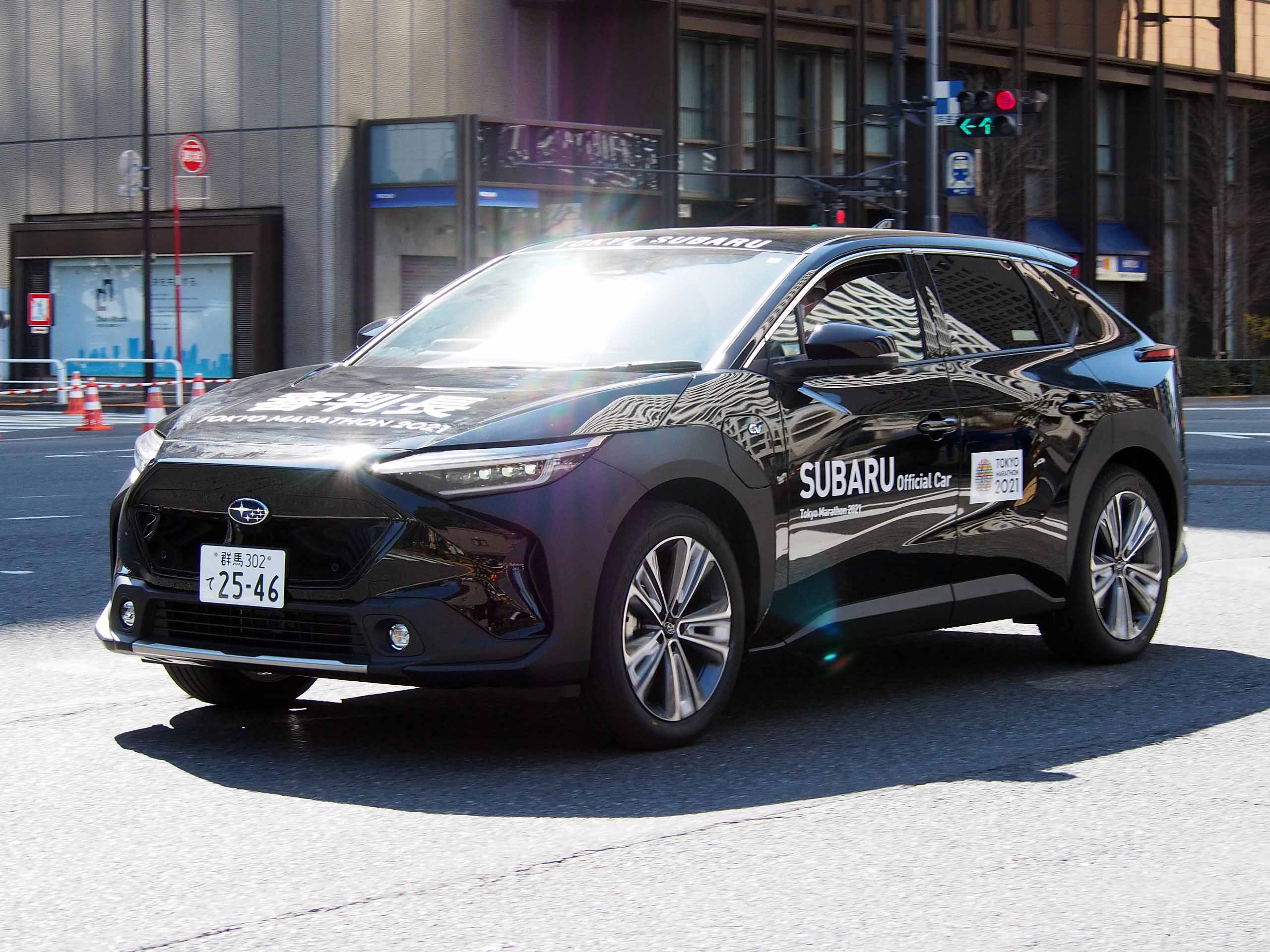
Subaru Solterra
"This is still a platform that is shared with Toyota, with a Subaru. The Soltera is the BZ version, is the Subaru version of the BZ."
The Subaru Soltera is basically Subaru’s version of Toyota’s BZ EV. It’s a “twin” car, meaning it shares a lot of the same basic design and engineering, but it may feel different in details.
The Subaru Soltera is described as the Subaru-branded EV that corresponds to Toyota’s BZ platform. The key point is that these models are “twin” vehicles—shared underpinnings and packaging—so buyers are really choosing between Toyota vs Subaru tuning, styling, and feature sets.
platform that is shared
"Better late than never on that. This is still a platform that is shared with Toyota, with a Subaru."
A shared platform means Toyota and Subaru are using the same underlying architecture (hard points like the battery layout, chassis structure, and major systems). This can reduce development cost and speed up production, but it also means the cars may have similar driving dynamics and packaging constraints.
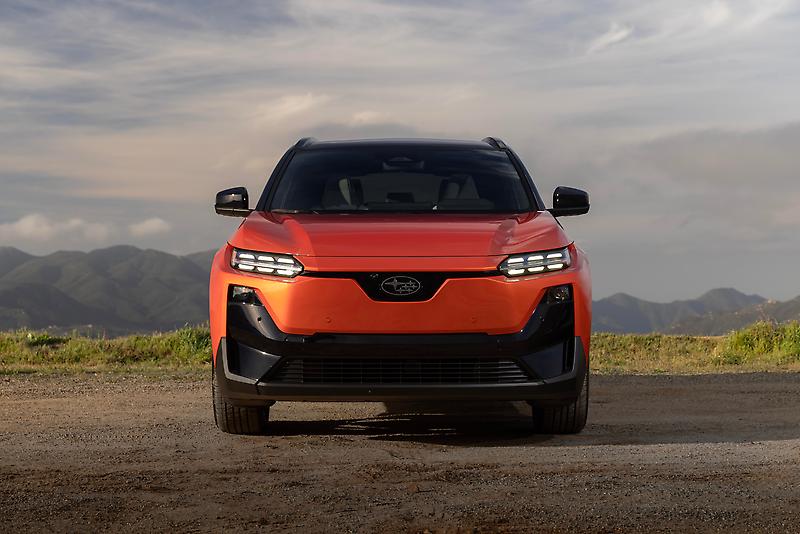
Subaru Uncharted
"...baru version of the BZ. The BZ, there's also the Uncharted. Uncharted is the entry level CHR model. No, no, ..."
The Subaru Uncharted is a specific trim level (a particular version) of a Subaru model. In the podcast, it’s described as the entry-level option compared to other versions. The point is to explain what “Uncharted” refers to within Subaru’s lineup.
The Subaru Uncharted is referenced as an entry-level trim within a Subaru model range that’s being compared to the BZ and the C-HR. In the podcast context, it’s described as the “entry level” Uncharted version, tied to how Subaru is positioning different trims. That’s why it’s mentioned—people are clarifying what Uncharted means and where it sits in the lineup.

Subaru Trailseeker
"Trailseeker is the larger Woodland version, right? ... Trailseeker is closer to the BZ Woodland."
Trailseeker is one of the Subaru EV variants, described as the bigger “Woodland” style version. It’s part of a lineup strategy where the models are meant to line up with similar Toyota BZ versions.
Trailseeker is discussed as the larger “Woodland” version in the lineup, positioned as a step up in size/trim concept compared with the entry-level model. The hosts emphasize how Toyota and Subaru are using overlapping naming and positioning to create similar product tiers.
X mode button
"it actually has an X mode button, which is totally a Subaru thing. ... I saw on Reddit that somebody put the dual mode X mode feature onto a Subaru legacy..."
X-Mode is Subaru’s driver-assist/off-road traction feature that adjusts engine response and traction control behavior to help the car maintain grip on loose or slippery surfaces. The hosts find it notable that Toyota’s EV twins include an X-Mode button, highlighting how Subaru’s software/feature identity is being carried over.

Subaru Outback
"...ave it in my new one. We've never used it in our Outback. And I've gone on events. Obviously, I've gone o..."
The Subaru Outback is a car that looks like a station wagon but is built with higher ground clearance. It’s meant to handle everyday roads and also tougher weather. The podcast mentions it because the speaker talks about their own Outback and how they use it.
The Subaru Outback is a wagon-like crossover built for everyday driving with added capability, especially in bad weather. It’s frequently discussed because it blends comfort with features that help on trips and outdoor use. In the podcast, it’s referenced in the context of personal ownership and how the owner uses (or doesn’t use) certain equipment.
dual mode X mode feature
"...vehicles that have the X mode and the dual mode X mode, where they showed their functionality. ... somebody put the dual mode X mode feature onto a Subaru legacy..."
The hosts refer to a “dual mode” version of Subaru’s X-Mode, implying there are multiple operating modes within the traction/off-road system. They also mention a Reddit modification where someone tried adding dual-mode behavior to a different Subaru model, raising questions about compatibility and effectiveness.
Outback Wilderness
"...y the one from the, from the wilderness, like an Outback wilderness onto a legacy sedan. And I don't know if that wo..."
“Outback” refers to the Subaru Outback, a car that’s built for everyday driving but also handles rougher weather better. The podcast mentions it while comparing different versions and how they fit different types of cars. The key idea is that Outback can come in different trims or styles.
“Outback” here refers to the Subaru Outback, a wagon-like crossover known for higher ride height and practical all-weather capability. In the podcast excerpt, it’s mentioned in a comparison involving a “Wilderness” style Outback and a “legacy sedan,” suggesting a discussion about how the Outback name is used across different trims or categories. It’s relevant because it highlights how Subaru positions the Outback for different buyers and uses.
CVT
"that can just manipulate the way that the, basically the CVT operates. Well, I mean, holding that thought, that's pretty much all electric cars going forward, right?"
CVT means the car doesn’t use traditional gears. It smoothly changes the “gear ratio” all the time to help the engine stay in the best range for power and efficiency.
CVT stands for continuously variable transmission. Instead of fixed gear ratios, it uses a belt/chain and pulleys to keep the engine in a favorable RPM range, which can make acceleration feel smooth and efficient.
software-defined driving (EVs as "a piece of software")
"It's just like a piece of software. Would that mean we can get like the Han Zimmer soundtrack from a BMW?"
A lot of how an EV drives comes from software. That means settings and updates can change how it accelerates and behaves, even if the car’s hardware stays the same.
The hosts are describing how modern EVs rely heavily on software for driving feel, power delivery, and features. As a result, updates and configuration changes can alter behavior without changing hardware.
jailbreaking
"Imagine you can get that much hacking going on, or our jail breaking going on and make that kind of thing happen."
Jailbreaking means trying to get around the car’s software locks. On a car, that can be risky because it might interfere with important systems.
Jailbreaking is the act of bypassing a car’s software protections to change functionality outside the manufacturer’s intended controls. In vehicles, this can create serious risks because critical systems may not behave as expected.
bricking
"Yeah, my warranty instantly on my $100,000 car. The real risk is like bricking on the highway. That's what you don't want to happen."
Bricking is when a device gets stuck in a broken state and won’t work anymore. The scary part here is doing it to a car while you’re driving.
Bricking means rendering an electronic device unusable—often due to a failed software update or incompatible modification. In a car context, “bricking on the highway” highlights the danger of losing control or disabling essential systems.
150 kilowatt (max charging)
"It can still only charge at 150 kilowatt, like that's the max. That's again, nothing wrong with that, but right in the middle of the pack."
They’re talking about the fastest charging speed the car can take—150 kW. Faster charging usually means less time at the charger, though it can vary in real life.
150 kW is the maximum DC fast-charging power the hosts say the Toyota BZ can accept. Higher kW generally means faster charging, but real-world results also depend on battery temperature, state of charge, and charger behavior.
Naxport
"Yeah, the BZ also has a Naxport now, so I'm not happy about that."
They mention “Naxport” as a charging port/connector on the Toyota BZ. The concern is that it may affect compatibility or convenience with chargers.
“Naxport” is mentioned as a charging-related feature/port, but the transcript doesn’t provide enough detail to confirm what standard it refers to. Listeners should treat this as a specific connector/charging ecosystem Toyota is using on the BZ.
charging "in the middle of the pack"
"That's again, nothing wrong with that, but right in the middle of the pack. Yeah, that's like closer to the end of the back of the pack."
They’re basically saying the charging speed isn’t the best, but it’s not terrible either. For road trips, how fast you can charge can make a big difference.
The hosts are comparing the BZ’s charging capability to other EVs, using “middle of the pack” as a shorthand for competitiveness. This matters because charging speed affects road-trip convenience more than many other specs.
all-wheel drive (AWD)
"the one I drove was a Midtrim XLE all-wheel drive model. It starts at, this is so weird, because on the Toyota website, it starts at $56,390."
AWD means power goes to more than just the front or rear wheels. It helps the car grip better on rain, snow, or loose roads.
All-wheel drive (AWD) sends power to more than one axle, improving traction in slippery conditions. It can also affect efficiency and weight compared with a two-wheel-drive setup.
dual wireless phone charger
"is that the dual wireless phone charger? Did you have that? It has. Yeah, I had the dual wireless phone charger."
This is a built-in charging pad that can charge two phones at the same time without cables. It’s handy, but the speed depends on your phone.
A dual wireless phone charger can charge two phones simultaneously without plugging in. It’s a convenience feature, but charging speed can vary depending on phone models and how the phones are positioned.
X mode with grip control
"This has X mode with grip control,"
“X mode with grip control” refers to a driver-selectable traction/handling mode that adjusts throttle and traction management to improve grip on different surfaces. It’s designed to help the car maintain control when road conditions are poor.
14-inch multimedia
"if that means anything to anybody. It has a 14-inch multimedia. What does that mean?"
They’re talking about the car’s main screen for things like music and navigation. The “14-inch” part is just the screen size, which can affect how easy it is to use.
“14-inch multimedia” refers to the size of the infotainment touchscreen used for navigation, media, and vehicle settings. A larger screen can make interfaces easier to read and use, but it doesn’t automatically mean the system is better.
aero spoiler
"...I think it's coming down to an aero spoiler, a panoramic sunroof with power shade."
An aero spoiler is an aerodynamic add-on (often on the trunk or rear) designed to improve airflow and reduce drag or manage lift. On many modern cars, it’s also part of the styling package tied to specific trims.
panoramic sunroof with power shade
"...an aero spoiler, a panoramic sunroof with power shade. I didn't have a, I don't think it had a roof at all. You're driving a convertible."
A panoramic sunroof is a big glass section in the roof so more light gets in. The power shade is an electrically operated cover that you can open or close.
A panoramic sunroof is a large glass roof section that lets more light into the cabin. A “power shade” means the cover opens/closes electrically, which is a comfort and convenience feature that can vary by trim.
heated and ventilated seats
"Heated and ventilated seats. I know mine had heated. It didn't have ventilated."
Heated seats warm you up, and ventilated seats blow air through the seat to help keep you cool. Some versions of the car include both, and others only include heat.
Heated seats warm the occupant using electric heating elements, while ventilated seats use fans to pull air through the seat cushions for cooling. Having both is a higher-comfort package and is often used to differentiate trims.
Request an Explanation
Heard something you'd like explained? We'll add it to this episode.
Sign in to request explanations for terms you heard.
Want to learn more?
Browse our glossary for plain-English explanations of automotive terms, jargon, and concepts.
Help improve this episode
See something that's not quite right? Our annotations are AI-generated and can sometimes miss the mark. Click the flag icon on any annotation to suggest a correction.
1 community members have helped improve this episode.