
About this episode
Arranca el programa con teas de BMW y Lamborghini, y enseguida el foco se va a Ferrari: reacción fuerte al “Ferrari Luce”, su estética, y sus cifras de potencia, precio y autonomía. Pasan a detalles técnicos y de diseño, incluyendo LoveFrom, rejillas aerodinámicas activas y un sistema de “interior sound” con acelerómetro. Luego el ritmo cambia a F1: confiabilidad de motores Mercedes, duelos, estrategias y márgenes de pole. Cierran con más segmentos promocionales (Infiniti) y comentarios sueltos de autos y hábitos.
En esta emisión de Autos y Más, arrancamos con las noticias más relevantes del mundo del motor, platicamos del Ferrari Luce el primer automóvil eléctrico de la firma, un modelo para 5 plazas.
No dejes de escuchar la transmisión en vivo porque tendremos muchos regalos, recuerda sintonizar de lunes a viernes de 8 a 9 pm y sábados de 10 am a 12 pm por tu estación favorita MVS Noticias en el 102.5 de tu FM.
See omnystudio.com/listener for privacy information.

Nissan Maxima
"Lamborghini lanza nuevo color de edición limitada. Hoy con nosotros, Chacho López con todos los detalles de este fin de semana en la máxima categoría. Mantente en contacto con nosotros y síguenos en todas nuestras redes sociales a RobAutoCima."
El Nissan Maxima es un sedán pensado para ir cómodo y con buen equipamiento. En el episodio lo mencionan como parte de la categoría alta y con detalles de novedades. Se habla de él porque es un modelo importante dentro de la gama.
El Nissan Maxima es un sedán de gama alta que suele destacarse por su enfoque en comodidad y equipamiento. En el podcast lo mencionan dentro de una sección de “máxima categoría”, conectándolo con novedades de la marca para el fin de semana. Se usa como ejemplo de un modelo relevante cuando se habla de versiones y detalles especiales.
vehículo eléctrico
"Señoras y señores, ¿cómo están? Buenas noches, Ferrari presenta su primer vehículo eléctrico en Maranello, [181.7s] promete 1.050 caballos de fuerza, 650.000 dólares y está bastante piñata, déjeseme, se lo digo,"
“Vehículo eléctrico” just means an electric car. Instead of burning gas, it runs on electricity from a battery.
“Vehículo eléctrico” means a battery-electric car (an EV) that uses electric motors instead of a traditional gasoline engine. In this segment it’s used to set up Ferrari’s first EV and the expectations around its power output.
Maranello
"Buenas noches, Ferrari presenta su primer vehículo eléctrico en Maranello, [181.7s] promete 1.050 caballos de fuerza, 650.000 dólares y está bastante piñata, déjeseme, se lo digo,"
Maranello is the Italian town where Ferrari is based. When they say “in Maranello,” it usually means it’s a Ferrari event at the heart of the brand.
Maranello is Ferrari’s home base in Italy and is strongly associated with the brand’s engineering and car production culture. Mentioning Maranello signals the launch is tied directly to Ferrari’s core identity.
caballos de fuerza
"Ferrari presenta su primer vehículo eléctrico en Maranello, [181.7s] promete 1.050 caballos de fuerza, 650.000 dólares y está bastante piñata, déjeseme, se lo digo,"
“Caballos de fuerza” means horsepower, which is a way to describe how strong the car’s power is. Higher horsepower usually suggests faster acceleration potential.
“Caballos de fuerza” (horsepower) is a measure of engine or motor power—how much work the powertrain can do. The host cites a very high figure for the Ferrari Luce to emphasize its performance claims.
650.000 dólares
"Ferrari presenta su primer vehículo eléctrico en Maranello, [181.7s] promete 1.050 caballos de fuerza, 650.000 dólares y está bastante piñata, déjeseme, se lo digo,"
“650.000 dólares” is the price number being mentioned for the car. The host is using it to show it’s an extremely expensive vehicle.
“650.000 dólares” is the price figure the host associates with the Ferrari Luce. In car talk, this kind of number is used to frame how exclusive or expensive the model is expected to be.
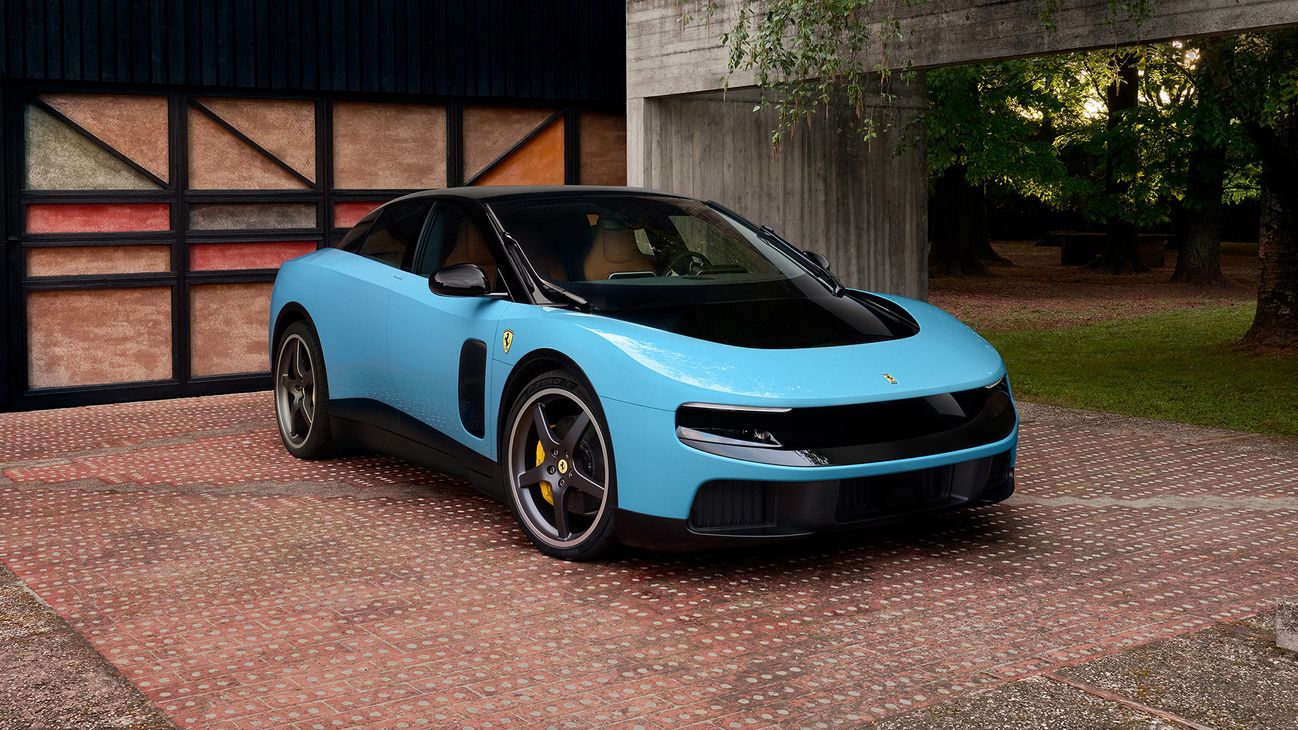
Ferrari Luce
"Pero bueno, oye, ¿cómo viste el Ferrari Luce? ¿Verdad que el Luce bien feo? [277.8s] El Luche, es que lo tienes que decir así. El Ferrari Luce. [281.7s] Luche, con peluche en el estuche. Pues sabes que está raro, ¿no? Sí, está como medio extraño."
Ferrari Luce is Ferrari’s first electric car, and the host is basically saying it looks really weird. They’re surprised because it doesn’t feel like the usual Ferrari design style.
Ferrari Luce is presented here as Ferrari’s first electric vehicle, with the host reacting to its styling. The segment frames it as a new, unusual design direction for the brand, implying it doesn’t match Ferrari’s usual look and character.
coche eléctrico
"Oye, pues les cuento de el Ferrari Luce, Luce. [426.4s] Este vehículo que se ha presentado el día de hoy, [432.3s] luce como el primer coche eléctrico diseñado por Johnny,"
“Coche eléctrico” just means an electric car. Instead of using gasoline, it runs on electricity stored in a battery and you charge it.
“Coche eléctrico” means an electric car, powered primarily by an electric motor and a battery rather than a gasoline engine. In practice, that usually changes how the car delivers power (instant torque) and how it’s fueled (charging instead of refueling).
autonomía
"“Tiene una velocidad máxima de 311 kilómetros por hora y una autonomía de 530, 100% eléctrico…”"
Autonomía is how far an electric car can drive on a full battery. Higher autonomy usually means fewer charging stops on a trip.
In EV context, autonomía means the estimated driving range on a full charge, typically expressed in kilometers. It’s one of the most important specs because it determines how far you can go before needing to recharge.
LoveFrom
"“Ferrari encargó el diseño interior e exterior a LoveFrom, el estudio fundado por Johnny…”"
LoveFrom is a design studio linked to Apple’s design team. In this segment, they’re credited with designing the Ferrari Luce’s look and interior.
LoveFrom is the design studio founded by Jony Ive (the transcript references Johnny) and is associated with Apple’s design culture. The episode says Ferrari commissioned LoveFrom for the Luce’s interior and exterior design.
puertas... en modo suicida
"“las puertas abren en modo contrapuesto, es decir, en modo suicida…”"
“Puertas suicida” are doors that open in a more unusual way than normal doors—often swinging from a rear hinge. They look cool and can make entry/exit easier, but the car has to be designed carefully for safety.
“Suicide doors” are doors that hinge at the rear (or open in a way that makes them swing opposite the usual direction), rather than the standard front-hinged layout. They’re often used for dramatic styling and easier access, but they require careful design for safety and sealing.
coeficiente de resistencia
"“de acuerdo a Ferrari tiene el coeficiente de resistencia más bajo que cualquier otro coche de producción…”"
El coeficiente de resistencia es una medida de qué tan “fácil” le resulta al aire pasar alrededor del coche. Cuanto más bajo, menos frena el aire y normalmente más eficiente es el auto.
The drag coefficient (coeficiente de resistencia) measures how easily air flows around a car; lower numbers mean less aerodynamic drag. It directly affects efficiency and top speed, especially for EVs where range matters a lot.
rejillas aerodinámicas activas
"“tiene rejillas aerodinámicas activas como la Fórmula 1…”"
Son “rejillas” que se ajustan solas para controlar el aire que pasa por el coche. Ayudan a que el coche gaste menos energía cuando no hace falta refrigerar tanto, y a enfriar cuando sí lo necesita.
Active aerodynamic grilles (rejillas aerodinámicas activas) adjust their opening/shape to manage airflow. They can reduce drag when you don’t need cooling and open more when you do, improving efficiency and performance.
Gorilla Glass
"“tiene los vidrios… de Gorilla Glass, que es el mismo que utiliza el teléfono…”"
Gorilla Glass is a tough glass material used in many phones. Here it’s mentioned because the car uses similar glass for durability and a premium feel.
Gorilla Glass is a brand of chemically strengthened glass known for improved scratch and impact resistance compared with standard glass. The hosts mention it because the Luce uses Gorilla Glass for its windows/details, tying the material to smartphone durability.
Samsung
"“la pantalla de central OLED con multifunción desarrollada por Samsung…”"
Samsung is mentioned as the maker of the car’s main screen. The display type is OLED, which is known for vivid colors and good contrast.
Samsung is referenced as the company behind the central OLED multi-function screen in the Ferrari Luce. OLED displays use organic light-emitting pixels, which can enable deep blacks and strong contrast for a modern dashboard look.
OLED
"“la pantalla de central OLED con multifunción desarrollada por Samsung…”"
OLED is a type of screen where each pixel lights up on its own. It often looks great because it can show very dark blacks and high contrast.
OLED stands for organic light-emitting diode, a display technology where each pixel emits its own light. Compared with many LCDs, OLED can offer better contrast and more “true black” because pixels can turn fully off.

Toyota Paseo
"...aconsejan mantener agua fresca disponible, evitar paseos en horas extremas y procurar espacios ventilados ..."
El Toyota Paseo es un auto compacto para el uso diario. En el episodio lo mencionan con consejos para días muy calurosos, como llevar agua y evitar salir en las horas más extremas. La idea es cuidar a las personas durante el manejo.
El Toyota Paseo es un modelo compacto enfocado en el uso diario, y en el podcast lo mencionan junto con consejos de manejo y cuidado en condiciones de calor. El contexto habla de mantener agua fresca, evitar paseos en horas extremas y buscar espacios ventilados. Se menciona como parte de recomendaciones prácticas para el conductor y los ocupantes.

Infiniti QX50
"...mplo, si quieres disfrutar el presente al máximo, QX50 es perfecto para ti. Si quieres un estilo más de ..."
El Infiniti QX50 es un SUV de Infiniti que busca que el manejo se sienta más agradable. En el episodio lo mencionan como una opción para disfrutar el día a día y con un estilo más definido. Es para quien quiere un SUV con más personalidad.
El Infiniti QX50 es un SUV enfocado en una experiencia de manejo más agradable y un estilo más marcado. En el podcast lo describen como ideal para “disfrutar el presente al máximo” y lo comparan en enfoque con otras opciones de la marca por su estilo. Se menciona para quienes quieren un SUV con un carácter más personal.

Infiniti QX55
"Si quieres un estilo más de profundo, el Infinity QX 55 te espera. Para quienes buscan sofisticación, ahí está QX60"
The Infiniti QX55 is a luxury SUV. The point of mentioning it here is that it’s a step up in style compared with the QX50.
Infiniti QX55 is a luxury SUV known for its upscale interior and crossover-style practicality. Here it’s mentioned as the option if you want a “deeper” or more distinctive style.

Infiniti QX60
"...pera. Para quienes buscan sofisticación, ahí está QX60 con precio especial en sus últimas unidades de 20..."
El Infiniti QX60 es un SUV pensado para llevar personas con comodidad. En el episodio lo presentan como una opción más “elegante” y con ofertas en unidades disponibles. Es un vehículo para quienes priorizan el confort.
El Infiniti QX60 es un SUV de enfoque familiar que combina comodidad y un nivel de equipamiento más “sofisticado”. En el podcast lo mencionan como la opción para quienes buscan esa sensación de lujo, con un precio especial en sus últimas unidades. Se habla de él como una alternativa cuando el objetivo es confort y presentación.

Infiniti QX80
"con precio especial en sus últimas unidades de 2025 y la joya de la corona, un SUV extraordinario, el Infinity QX80. ¿Qué esperas para elegir el lujo de ser Infinity?"
The Infiniti QX80 is the biggest luxury SUV in Infiniti’s lineup. The host is saying it’s the top, most impressive option.
Infiniti QX80 is Infiniti’s large luxury SUV, typically associated with a roomy cabin and a more commanding presence than the smaller QX models. In this segment it’s called the “joya de la corona,” meaning the top pick.

Mercedes-Benz De Mercedesbenz
"102.5. Oigan, les quiero contar de la GLS 580 de Mercedes-Benz. No, solo es un lujo."
El Mercedes-Benz E 500 (W124) es un sedán de Mercedes pensado para ir muy cómodo y con buena potencia. En el episodio lo describen como un auto enfocado en el lujo. Se menciona por su perfil premium dentro de esa generación.
El Mercedes-Benz E 500 (W124) es una versión de alto desempeño del sedán Clase E de la generación W124, conocida por su enfoque en lujo y potencia. En el podcast lo mencionan dentro de una conversación de “solo lujo”, reforzando su carácter premium. Se discute porque representa una combinación clásica de confort y prestaciones en un modelo icónico.

GLS 580
"Oigan, les quiero contar de la GLS 580 de Mercedes-Benz. "
Mercedes-Benz GLS 580 is a full-size luxury SUV with a higher-output “580” variant meant to deliver stronger performance than lower-number trims. The host is introducing it as the next topic in the Mercedes-Benz lineup.
Motor V8 Viturbo
"Motor V8 Viturbo con un sistema Mine Hybrid que responde suave, pero cuando le pides más, ahí está."
A “Viturbo” V8 means a V8 engine that uses turbochargers. Turbos help the engine make more power and feel quicker when you press harder.
“Viturbo” here refers to a V8 engine using turbocharging to make more power than a naturally aspirated V8 of the same size. Turbocharging forces extra air into the engine, which helps it respond strongly when you ask for more.
sistema Mine Hybrid
"Motor V8 Viturbo con un sistema Mine Hybrid que responde suave, pero cuando le pides más, ahí está."
“Hybrid system” means the car uses both a gas engine and an electric system. The idea is smoother driving day-to-day, and extra help when you want more power.
“Mine Hybrid” is described as a hybrid system paired with the V8 Viturbo, implying the car can blend electric assistance with the combustion engine. The host’s point is that it delivers smooth response in normal driving, then adds more when you demand it.
nivel de suspensión que se adapta
"Se maneja ligera, siempre bajo control y en confort. Se nota el nivel, el nivel de suspensión que se adapta, cientos con masaje, climatización independiente."
Adaptive suspension is a suspension setup that adjusts itself as the road changes. It helps the car stay comfortable without feeling sloppy or out of control.
Adaptive suspension changes how the shocks/struts behave to match driving conditions, helping keep the ride controlled over bumps and during maneuvers. The host frames it as a “level” of suspension that maintains comfort while keeping the car composed.
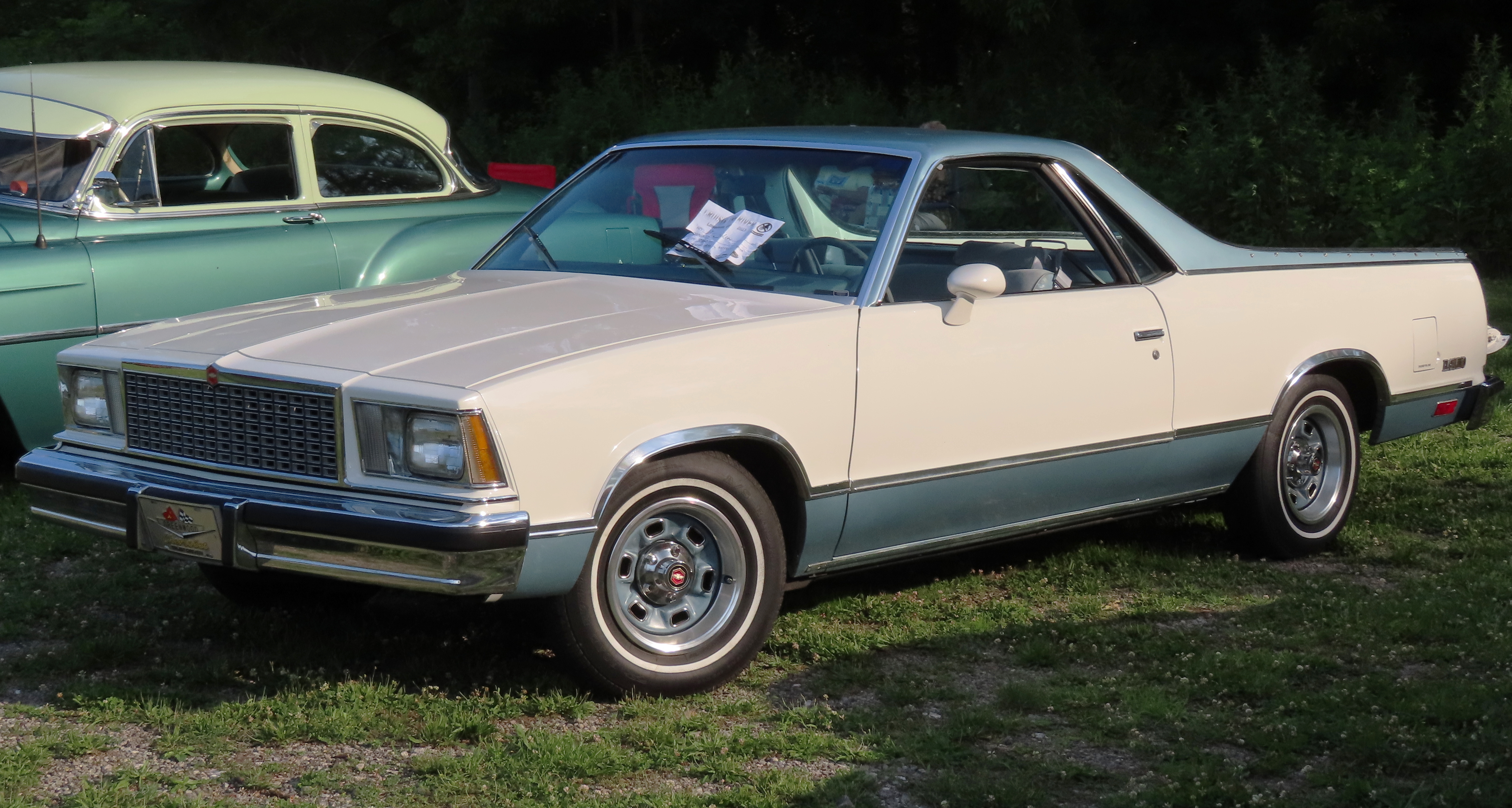
Chevrolet El Camino
"...dad. Sumasistencias que prácticamente van leyendo el camino contigo. Y además, hoy las puedes encontrar con c..."
El Chevrolet El Camino es un vehículo que combina la apariencia de un auto con una parte trasera tipo caja para cargar cosas. En el episodio dicen que puede venir con ayudas para el conductor. La idea es que sea práctico sin perder el estilo.
El Chevrolet El Camino es un vehículo tipo “carro con caja”, una mezcla entre un auto y una pickup, pensado para quienes quieren estilo y algo de capacidad de carga. En el podcast lo mencionan destacando asistencias que “prácticamente van leyendo el camino contigo”, es decir, tecnologías de apoyo al conductor. Se trae a la conversación por su propuesta única y por cómo puede equiparse con funciones modernas.
Sumasistencias
"Todo pensado para que disfrutes el trayecto y en seguridad. Sumasistencias que prácticamente van leyendo el camino contigo. Y además, hoy las puedes encontrar con condiciones especiales,"
This sounds like the car’s safety/driver-help features. The host is saying the car can assist you by sensing what’s happening around you.
“Sumasistencias” appears to refer to driver-assistance technologies (ADAS) that help with safety and control. The host says they “practically read the road with you,” suggesting features that monitor the environment and assist the driver.

Lamborghini Miura
"y surge como inspiración del Lame Sky Blue, [1259.9s] del Miura, [1261.3s] y destaca por combinar tonos profundos"
The Lamborghini Miura is an old, famous Lamborghini from the 1960s. It’s known for being a supercar with the engine in the middle, and the hosts are saying the new paint color is inspired by that classic car.
The Lamborghini Miura is a landmark 1960s supercar known for its mid-engine layout and early “grand touring” supercar formula. In this segment, the host says the paint color takes inspiration from the Miura, tying the modern color to Lamborghini’s classic design heritage.
producción limitada
"Esta pintura especial estará disponible únicamente [1278.2s] en una producción limitada, [1279.9s] aumentando todavía más su exclusividad"
“Producción limitada” means it’s only available for a small number of cars. That’s done to make it more exclusive and more valuable to collectors.
“Producción limitada” means the paint (or the specific configuration) is offered in a restricted quantity rather than as a standard option. Limited production is used to increase exclusivity and desirability among collectors.

Lamborghini Urus
"A ver, me imagino yo un cliente [1313.8s] que está pensando en comprarse ahorita un, [1317.2s] no sé, un Urus, ¿no?"
The Lamborghini Urus is Lamborghini’s high-performance SUV, built to bring supercar-style power and handling into a more practical package. The host mentions it as an example of the kind of buyer who might be considering one right now, in the context of how much people pay for exclusive paint.
modo configuración
"Y si ya está en el modo configuración, obviamente le van a decir, hoy acabamos de sacar este color, "
“Modo configuración” refers to the car configurator flow, where a buyer selects options like paint and packages. The host is describing how the system nudges you toward add-ons by showing incremental pricing for specific choices.
configurando
"pero pues ya estaba configurando mi Urus, está bien, dale. Échale 20 mil euros más y con eso, ¿no?"
They’re talking about customizing the car order. In this case, it sounds like choosing a particular new color can cost extra.
“Configurando” here is about building a specific customer specification—especially paint/color—during the ordering process. The discussion implies that certain colors are treated as limited or newly released, which can trigger extra cost.
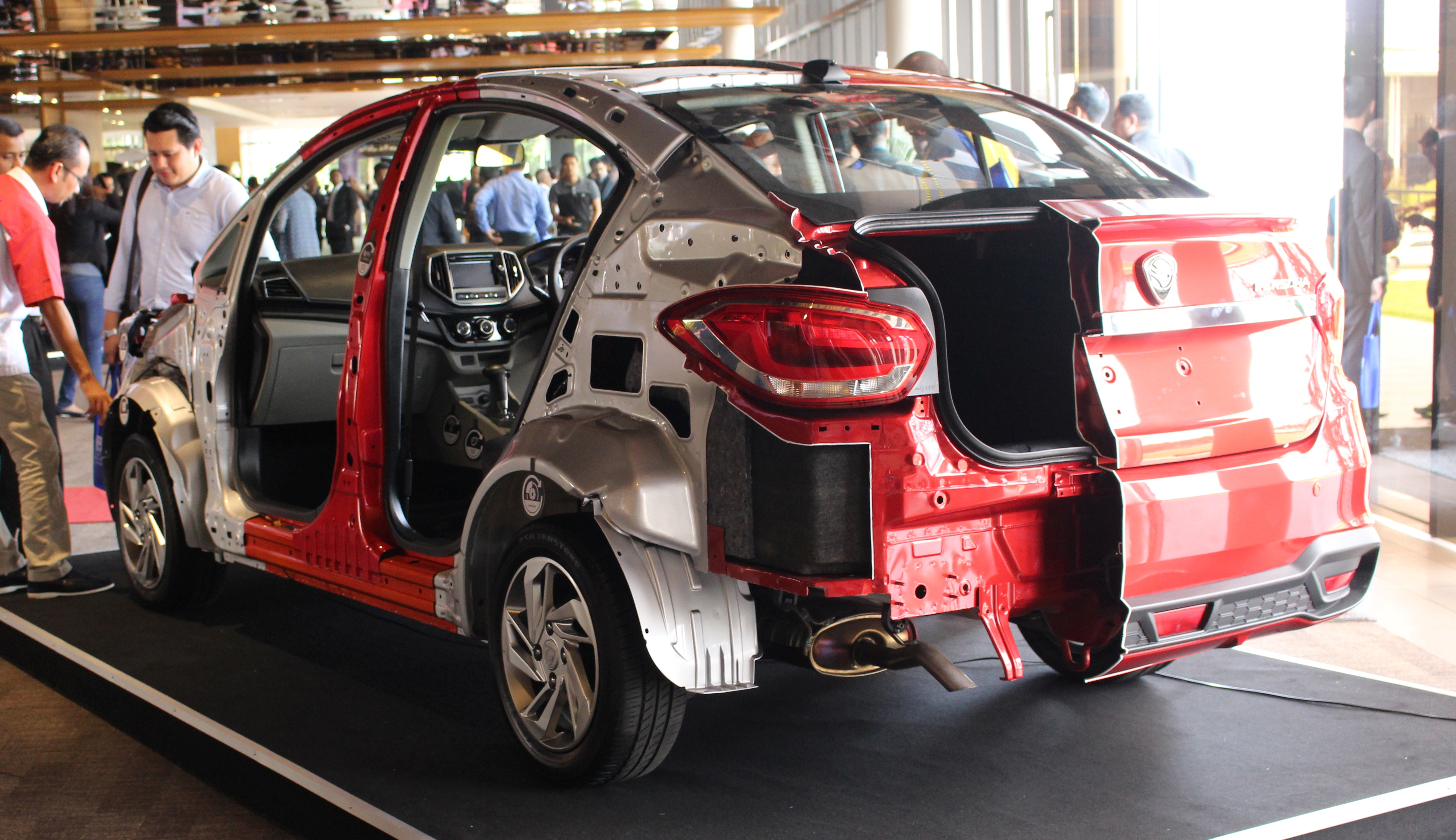
Proton Persona
"Sí, te van a decir, eres la persona número cinco de veinte de doscientos"
El Proton Persona es un sedán, o sea, un auto de cuatro puertas pensado para transportar personas. En el episodio lo mencionan como parte de una dinámica o sorteo, usando un número para identificarlo. No se entra en detalles técnicos en ese fragmento.
El Proton Persona es un sedán de la marca Proton, y en el podcast lo mencionan en un contexto de numeración/participación (“persona número cinco de veinte de doscientos”). Eso sugiere que el auto aparece como parte de una dinámica o promoción más que como una ficha técnica. Se menciona para identificar el modelo dentro de esa actividad.
acelerómetro
"que captura las vibraciones mecánicas del interior del eje mediante un acelerómetro de precisión"
An accelerometer is a sensor that detects how something is moving and vibrating. In this case, it’s used to pick up vibrations inside the car so they can be processed into a sound/feel.
An acelerómetro (accelerometer) is a sensor that measures acceleration forces, which can be used to detect vibration patterns. Here, it’s used to capture mechanical vibrations from inside the car’s axle area.
filtrando, ecualizando y amplificando
"procesa de forma similar a una guitarra eléctrica filtrando, ecualizando y amplificando la señal"
This is how you take a raw vibration/sound signal and adjust it—clean it up, balance the frequencies, and make it louder. The host compares it to the way guitar effects shape the sound.
Filtering, equalizing, and amplifying are signal-processing steps used to shape how a raw vibration signal becomes an audible output. The host compares the process to how an electric guitar signal is treated to produce a desired tone.
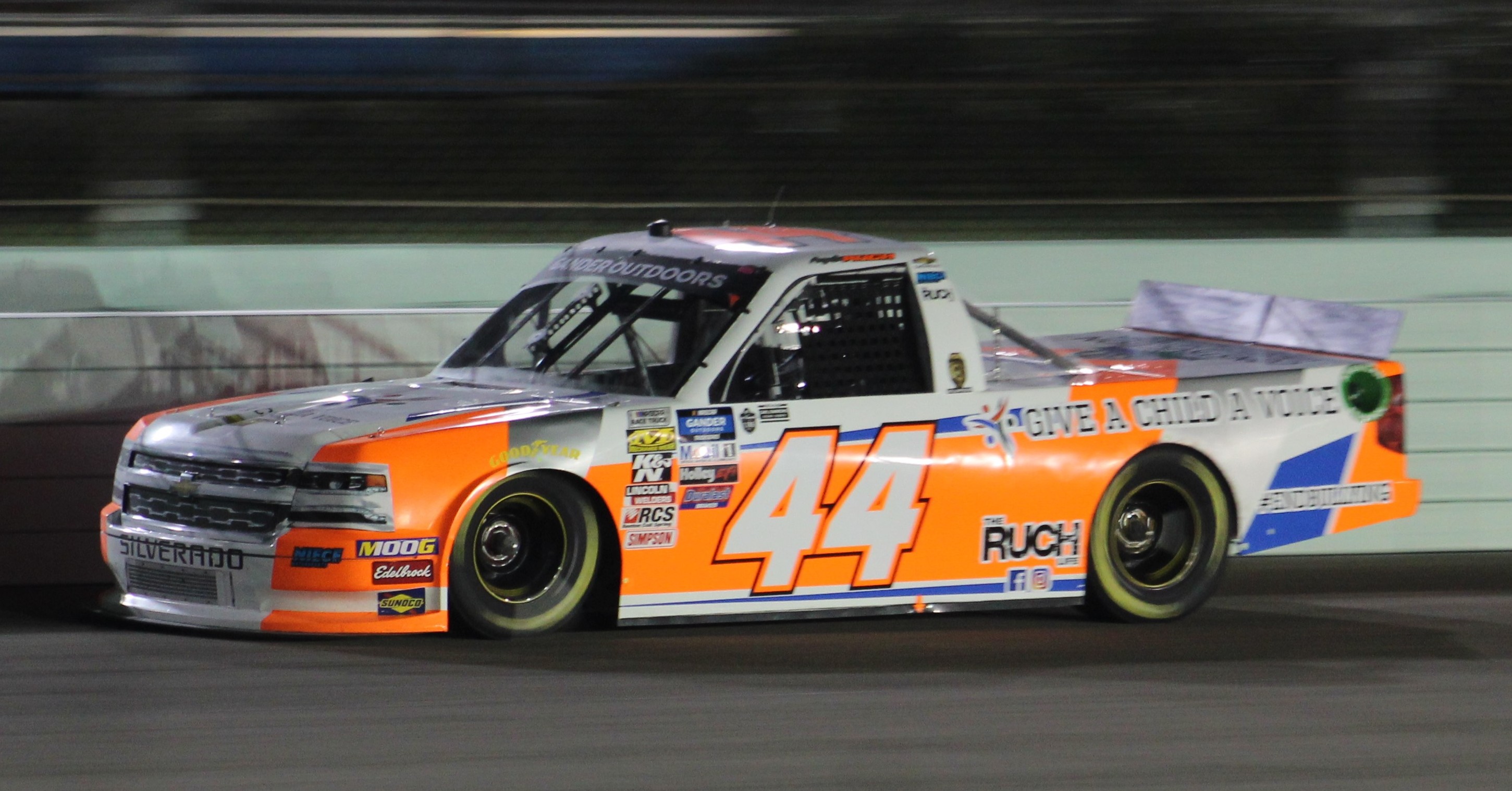
Chevrolet Silverado
"si buscas algo implacable la silverado la Cheyenne, lo tiene todo."
La Silverado es una camioneta grande de Chevrolet, hecha para cargar cosas y manejar en el día a día. En el episodio la presentan como una opción muy resistente y completa. Se menciona porque es un vehículo pensado para aguantar trabajo.
La Chevrolet Silverado es una camioneta pickup de tamaño completo enfocada en trabajo pesado y uso diario. En el podcast la mencionan como una opción “implacable” dentro de la gama Cheyenne, destacando que ofrece muchas funciones para quien necesita capacidad y presencia. Es un modelo típico cuando se habla de durabilidad y de camionetas pensadas para aguantar el uso constante.
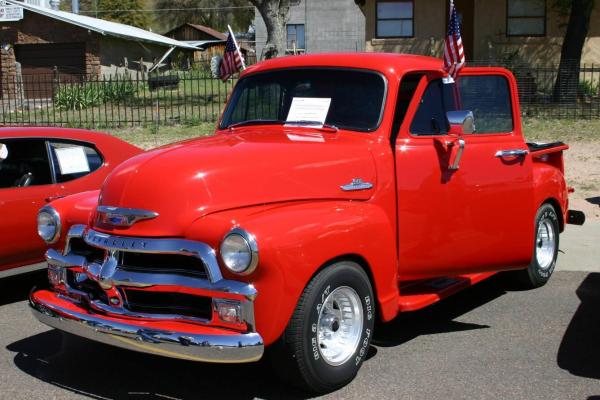
Chevrolet Pickups
"y pregúnten por la suya porque Chevrolet pick-ups duran trabajando duro. Y ya está Chacho López"
Una pickup de Chevrolet es una camioneta diseñada para transportar carga y hacer trabajos. En el podcast la describen como una opción que aguanta mucho uso. La idea es que sea confiable para trabajar.
El término “Chevrolet Pickup Truck” se refiere a las camionetas pickup de Chevrolet, normalmente orientadas a uso laboral y a tareas que requieren capacidad de carga. El podcast enfatiza que “duran trabajando duro”, es decir, que están pensadas para resistir el uso intensivo. Se menciona como una alternativa práctica para quien busca una camioneta para trabajo constante.
NASCAR
"todavía mucho pero mucho más difícil es ganar en nascar. Y lo que hizo ayer Daniel Suárez hace cuenta es como que ganó el gran premio de Mónaco de nascar..."
NASCAR is a popular type of car racing in the U.S. where cars race on big oval tracks. In this segment, they’re talking about how tough it is to win major NASCAR races.
NASCAR is a major American stock-car racing series known for oval tracks and close, door-to-door racing. The episode segment compares different NASCAR events to explain why Daniel Suárez’s results were so hard to achieve.
Mónaco
"es como que ganó el gran premio de Mónaco de nascar, ganó las 24 horas de Le Mans de nascar..."
Mónaco is famous for high-profile racing. Here, the host uses it as a comparison to say the NASCAR win was extremely prestigious.
Mónaco is referenced here as a comparison point for prestige, but the host is specifically talking about a NASCAR “gran premio” held in Monaco. The key idea is that winning that event is treated like winning Monaco in terms of status.
Le Mans
"ganó las 24 horas de Le Mans de nascar, ganó la Indy 500 de nascar..."
Le Mans is one of the most famous endurance races in the world. The host is using it to emphasize that Suárez’s win involved a long, tough 24-hour-style challenge.
Le Mans is a world-famous endurance racing venue, best known for the 24 Hours of Le Mans. In this segment, the host says Suárez won the NASCAR version of a “24 hours of Le Mans,” using it as an endurance prestige comparison.
Indy 500
"ganó las 24 horas de Le Mans de nascar, ganó la Indy 500 de nascar"
The Indy 500 is a huge, famous race in the U.S. that’s 500 miles long. The host mentions it to show how big and difficult Suárez’s overall wins were.
The Indy 500 is a marquee American open-wheel race known for its 500-mile distance and oval-track racing. The host lists it alongside other major NASCAR wins to argue Suárez achieved a rare “crown jewel” level of success.
Charlotte
"y por qué es la joya de la corona porque son 600 millas en charlotte en un super speedway..."
Charlotte is a famous racing location in the U.S. NASCAR races there on a big oval track. The host mentions it because the race is long and challenging.
Charlotte refers to the Charlotte Motor Speedway area, a key NASCAR venue in the U.S. The segment highlights a 600-mile race there, emphasizing the endurance and track-specific difficulty.
super speedway
"porque son 600 millas en charlotte en un super speedway además muy difícil con uno de los peraltes..."
A super speedway is a huge oval race track where cars go very fast. Because it’s so big and fast, racing strategy matters a lot over a long distance.
A super speedway is a very large NASCAR oval track designed for high speeds, typically requiring drafting and careful fuel/tires management. The segment uses it to explain why a 600-mile Charlotte race is especially difficult.
peraltes
"además muy difícil con uno de los peraltes también más pronunciados."
Peraltes are banked turns, meaning the track is tilted in the corners. That tilt helps cars go faster through the turn, but it can make the race harder to drive well.
Peraltes are banked turns—curves where the track surface is angled upward. More pronounced banking lets cars maintain higher cornering speeds, but it also makes the car setup and driving line more demanding.
fórmula 2
"[1900.0s] José Ra se mete [1901.6s] entre los cinco mejores de la fórmula 2 [1903.9s] vamos a tener un gran gran duelo"
Fórmula 2 is a racing league where drivers compete in open-wheel cars. It’s considered a stepping stone toward Formula 1, so strong results can help a driver move up.
Fórmula 2 is a high-level single-seater racing series that sits just below Formula 1 in the motorsport ladder. Drivers often use it to prove they can handle faster cars, tougher competition, and race strategy at a professional level.
campeonato
"[1906.3s] por el campeonato de esta competencia [1908.2s] y lo mejor es que ya entró el mexicano [1910.0s] no lo mejor es que ahí está no el león"
A campeonato is the overall championship for the whole season. Drivers earn points race by race, and the one with the most points wins.
In racing, a campeonato is the season-long points battle that determines the overall champion. When the hosts say “por el campeonato,” they mean the standings and points implications across multiple races, not just a single finish.
fórmula 3
"[1919.2s] de no poder ganar [1921.4s] porque desde el año pasado había batallado muchísimo [1923.6s] en la fórmula 3 pero ahorita está"
Fórmula 3 is a junior open-wheel racing series. Drivers use it to learn and improve before stepping up to higher series like Fórmula 2.
Fórmula 3 is another open-wheel feeder series, typically positioned below Fórmula 2. It’s where many drivers develop racecraft and car control before moving up to the more competitive Fórmula 2 level.
DRS
"con la aerodinámica activa, con el DRS [2185.5s] con muchas cosas"
DRS is a Formula 1 system that briefly reduces air resistance. It helps the car go faster on straight sections, making it easier to pass another car when you’re close.
DRS (Drag Reduction System) is a Formula 1 feature that temporarily reduces aerodynamic drag by opening a rear wing flap. That lets the car build more speed on straights, which often makes overtaking easier when the driver is close enough to the car ahead.
aerodinámica activa
"con la aerodinámica activa, con el DRS [2185.5s] con muchas cosas"
Active aerodynamics means the car’s wing/air-shaping parts can adjust while driving. The goal is to help the car stick better to the road or go faster depending on the situation.
Active aerodynamics refers to aerodynamic devices that can change their behavior while the car is driving to improve grip, stability, or reduce drag. In F1, it’s closely tied to systems like adjustable wings and other driver- or speed-controlled aero elements.
Luis Hamilton
"y detrás el duelo final [2200.4s] que carga de Luis Hamilton [2202.4s] sobre Max Verstappen y lo mismo"
This is Lewis Hamilton, one of the most successful Formula 1 drivers. In this part of the conversation, they’re talking about his race effort and how it affects the fight on track.
The speaker is referring to Lewis Hamilton, a top Formula 1 driver known for aggressive racecraft and strong qualifying/strategy execution. Here, he’s described as making a “great effort” and influencing the outcome of a multi-car battle involving other drivers and teams.
Max Verstappen
"[2202.4s] sobre Max Verstappen y lo mismo [2204.4s] iban pegados, iban pegados"
This is Max Verstappen, a Formula 1 driver famous for pushing hard in races. Here, he’s described as the one Hamilton is challenging in a close fight.
Max Verstappen (Max Verstappen) is a Formula 1 driver known for high-speed car control and intense on-track battles. The transcript frames him as the driver being pressured by Hamilton in a close duel.
Red Bull
"ya con un Red Bull [2243.3s] que está trabajando mejor [2244.8s] el mejor indicio de que Red Bull"
Red Bull is the racing team in Formula 1 that Max drives for. The host is saying Red Bull’s car seems to be improving and has potential to keep getting better.
Red Bull is the Formula 1 team/brand behind the car Verstappen drives. The host argues that Red Bull’s recent performance is evidence they have a car that can be developed further, based on how well it’s working in race conditions.
McLaren
"cuando los McLaren arrancan [2260.2s] con las llantas de lluvia [2261.5s] cuando todavía no estaba lloviendo [2274.4s] es un grave error de McLaren"
McLaren is a Formula 1 racing team. The host is saying they made a bad call during the race, and that mistake had a big impact.
McLaren is a Formula 1 team/brand known for competing at the front of the grid. In this segment, the host and Juan Pablo Montoya criticize McLaren’s decision-making, specifically calling it a serious error when the race conditions changed.
llantas de lluvia
"cuando los McLaren arrancan [2260.2s] con las llantas de lluvia [2261.5s] cuando todavía no estaba lloviendo"
“Llantas de lluvia” are tires made for wet weather. They help the car grip when the road is wet, but if you put them on too early (before it’s really raining), the car can lose performance.
“Llantas de lluvia” means rain tires—special tires with tread designed to channel water and maintain grip when the track is wet. The host notes McLaren used them before it was actually raining, which is a key strategic mistake because rain tires can be slower and wear differently on a dry or drying track.
Juan Pablo Montoya
"Montoya lo comentó [2273.5s] Juan Pablo Montoya dijo [2274.4s] es un grave error de McLaren"
Juan Pablo Montoya is a well-known former F1 driver who now gives analysis. In this clip, he’s saying McLaren made a major mistake with their race strategy.
Juan Pablo Montoya is a former Formula 1 driver and later a commentator/analyst. Here, he’s quoted judging McLaren’s tire choice as a serious error, reflecting how critical tire strategy is in F1.
Request an Explanation
Heard something you'd like explained? We'll add it to this episode.
Sign in to request explanations for terms you heard.
Want to learn more?
Browse our glossary for plain-English explanations of automotive terms, jargon, and concepts.
Help improve this episode
See something that's not quite right? Our annotations are AI-generated and can sometimes miss the mark. Click the flag icon on any annotation to suggest a correction.