
Ferrari's controversial EV, Arnold Clark sells car for £1, and when is the 2CV coming back? – with David Gott, episode 260
About this episode
AutoTrader’s AI is used to gauge “the level of buying intent” behind online enquiries, and the hosts dig into how that data and dealer marketing funnels affect turnover. The guest explains growing from sub-£3k cars to “about 50 cars in stock,” while Tesla-focused dealers talk EV reliability, battery health, and what to check like heat pumps and infotainment chips. Elsewhere: used-car pricing is shifting, Arnold Clark’s “sell a car for £1” stunt, and Citroën’s rumoured 2CV EV return.
Ferrari unveils Luce grand tourer as Prancing Horse goes electric for the first time
Used coupe prices increase more than other body styles as number of new models fall
Citroen brings back 2CV as Stellantis targets affordable EV market
Weekly Briefing: Why legacy car makers are jumping into bed with the Chinese

Audi A6
"from the back of an Audi A6, comfortable as that would have been."
The Audi A6 is a mid-to-large Audi car that’s built for comfort, especially on longer trips. Here, they’re just saying it would have been comfortable to do the podcast from that car.
The Audi A6 is a German executive sedan (or wagon) known for its comfortable ride and long-distance usability. In this segment, it’s used as an example of a car that would be comfortable to record a podcast from.
Teslas
"Am I right in thinking you guys mainly do Teslas now? ... That's all we're doing now."
Tesla is a company that makes electric cars. Here, the dealer explains they decided to focus on selling Teslas and it’s worked out well for them.
Tesla is an EV brand known for mass-market electric cars and a strong dealer/consumer presence in many markets. In this segment, the dealer says they shifted their inventory to selling Teslas almost exclusively, implying Tesla’s product mix and demand made it a good business move.
electric cars
"We already had about 50% of our stock with Teslas or electric cars. ... because it is, everyone's got to have an electric car, sooner or later."
An electric car runs on electricity stored in a battery instead of gasoline. The dealer is saying that electric cars are becoming the norm, so they kept focusing on them.
An electric car is a vehicle powered primarily by one or more electric motors drawing energy from a battery pack. The dealer frames electric cars as an inevitability (“everyone’s got to have an electric car”), which is why they kept selling them through a period of policy change.
new car tax
"However, last year, when that car tax ... the new car tax, whatever you call it, I didn't get to it at the same time..."
New car tax is a change in the rules for how new cars are taxed by the government. The dealer is saying they were concerned it could affect electric-car sales, but they kept going anyway.
New car tax refers to a government policy change affecting how newly purchased vehicles are taxed, often based on emissions or other criteria. The dealer says they didn’t react immediately because their sales mix had shifted less than usual, and they worried it might be a turning point for electric-car demand.
part exchange vehicle
"You know, when I get in a part exchange vehicle with an engine in it, I'm like, oh, what's that noise?"
A part exchange is when you trade your current car in to help pay for the next one. They’re saying that after driving Teslas a lot, older cars feel noisier.
A part exchange (part-ex) vehicle is a used car a customer trades in as credit toward buying another car. The dealer mentions getting into a part-ex vehicle with an engine and noticing unfamiliar noises, contrasting that with the smoother feel of Teslas.
gearbox
"I'm like, oh, what's that noise? Is that the gearbox or the clutch going?"
The gearbox is the set of gears that helps the car move smoothly at different speeds. They’re saying older cars can sound like something in that system is making noise.
A gearbox is the transmission system that changes gear ratios so the engine can deliver power efficiently across different speeds. The dealer associates certain noises in normal cars with the gearbox (or clutch), which they don’t experience the same way in Teslas.
clutch
"Is that the gearbox or the clutch going?"
The clutch is a part that helps transfer power from the engine to the rest of the drivetrain. They’re guessing the noise could be coming from the clutch area in older cars.
A clutch is a mechanical device used to connect and disconnect the engine’s power from the transmission, typically in manual-transmission cars. The dealer mentions clutch noise as a possible source of the “rickety” sounds they notice when switching from Teslas back to conventional cars.

Mercedes E-Class
"we've had this Mercedes part exchange coming, an E-Class, [574.0s] and we've bought it back once, and then we've sold it again, and then the customers complain again about something stupid."
The Mercedes E-Class is a popular Mercedes model you’ll see a lot on UK roads. Here, the hosts are talking about how a high-mileage used one can still cause problems, and they compare that to Tesla ownership.
The Mercedes E-Class is a mainstream executive sedan/estate line from Mercedes-Benz, often used as a benchmark for everyday luxury-car ownership. In this segment, it’s discussed in the context of used-car complaints after high mileage, contrasting it with Tesla’s perceived low-hassle ownership.
battery life
"They're all above 90% of the battery life. [674.2s] Most of our cars are not more than five year old."
Battery life is how much charge capacity your electric car’s battery still has after years of use. If it’s still above about 90%, the car should keep most of its range and feel like it’s not “worn out.”
Battery life here means how much usable capacity remains in a Tesla’s traction battery over time. The host claims their cars test above 90% of battery life, which is a key metric because it affects range and long-term ownership costs.
suspension arms and bushes
"And then it's just changing tires, [682.0s] suspension arms and bushes, but it's more bushes than anything."
These are parts that help the car’s wheels move smoothly over bumps. Even with an EV, the rubber parts (bushes) can wear out and may need replacing.
Suspension arms and bushes are rubber-and-metal components that locate the wheels and help absorb bumps. The host says EVs still need wear items like these—especially bushes—suggesting that even if the battery is healthy, normal chassis wear can drive maintenance.
window switch
"And then you get the occasional window switch that'll break, [694.6s] steering wheels, the older ones with higher mileage"
A window switch is the button you press to open and close the power windows. They’re saying it can occasionally break, even if the car is otherwise reliable.
A window switch is the control button/module used to operate power windows. The host mentions an occasional window switch failure as one of the few non-battery-related issues they see on higher-mileage Teslas.
heated steering wheel
"the older ones with higher mileage, you know, because it's a heated steering wheel [700.6s] that'll start to open up and it'll start to peel away."
A heated steering wheel is a steering wheel that warms up in winter. The host is saying that on older, higher-mileage cars, the wheel covering can wear and peel, so they may need to replace the whole steering wheel.
A heated steering wheel uses an internal heating element to warm the wheel for cold-weather driving. The host specifically notes older, higher-mileage cars where the heated steering wheel’s covering can degrade—leading them to replace the steering wheel.
stone chips
"And but that's it. And the stuff was black ones, especially stuff with [713.9s] stone chips. Bonnet on them are terrible for getting stone chips."
Stone chips are little bits of gravel or debris that hit the car and leave marks in the paint. They’re saying the front of these cars gets hit a lot, especially the bonnet.
Stone chips are small impacts from road debris that can damage paint and the front bodywork. The host says the bonnet is especially bad at getting stone chips, implying higher paint-protection needs for certain Tesla colors.
model year
"But they're not really are they because there's quite a lot of subtle differences between each. It's not even modeled. Well, it suppose it is model year of, let's say a model three, but they've been making them for what 10 years now nearly."
Model year is basically the car’s “year version.” Even if two cars look the same, the newer model year can have updates or changes inside.
Model year is the production/marketing year a vehicle is assigned, and it often corresponds to running changes in hardware and software. In this segment, the host uses model year to explain why “identical” cars can still differ in features.
heat pump
"I mean, what do you look for? Like there's things like heat pumps and there's things like, has he got the new chip in it for the infotainment and all that sort of stuff? Not to give you trade secrets away, but what do you look out for?"
A heat pump is a system that helps an electric car stay warm without wasting as much energy. In cold weather, it can help the car go farther because it uses electricity more efficiently.
A heat pump is an HVAC system component that can move heat around instead of only generating heat. On electric cars, it’s used to warm the cabin and battery more efficiently, which can help range in cold weather.
infotainment
"I mean, what do you look for? Like there's things like heat pumps and there's things like, has he got the new chip in it for the infotainment and all that sort of stuff?"
Infotainment is the car’s screen and electronics for things like music, navigation, and phone connections. If the car has a newer infotainment computer, it can feel faster and get newer software features.
Infotainment is the car’s in-dash electronics that combine functions like navigation, media, phone connectivity, and vehicle settings. When the host mentions a “new chip” for infotainment, they’re referring to updated computing hardware that can improve responsiveness and software features.
range
"But I mean, me personally, I would get an eight year old one just for the range, even the range on the older ones is still really good on the long range ones."
Range is how far the electric car can drive on one charge. The host is saying that even older long-range versions can still go a lot of miles.
Range is the distance an electric vehicle can travel on a full charge under specified conditions. The host contrasts range on older versus newer cars, implying that newer hardware/software may improve efficiency, but older long-range versions can still be competitive.
customization
"Well, that leads me nicely on to customization. Because I noticed you're quite good at jazzing them up and wrapping them, I'm guessing, and putting a kind of body kit on the front and all that kind of stuff."
Customization just means making the car your own—like adding styling changes or choosing options. The dealer is saying some buyers want it, and some don’t.
In car retail, customization refers to tailoring a vehicle’s appearance or options to match a buyer’s preferences rather than selling a one-size-fits-all spec. This segment describes how Tesla buyers split between wanting and rejecting cosmetic changes, and how dealers use that demand to decide whether to add parts to cars already in stock.
body kit
"Because I noticed you're quite good at jazzing them up and wrapping them, I'm guessing, and putting a kind of body kit on the front and all that kind of stuff. How many customers are coming to you wanting something a little bit different from the average Model 3 or Model Y?"
A body kit is a set of extra parts you add to a car to change how it looks. Think of it as styling upgrades like different bumpers and skirts.
A body kit is a set of exterior styling parts—like front bumpers, side skirts, and rear add-ons—installed to change a car’s look. In this segment, the dealer describes how some Tesla buyers want body kits and others actively dislike them, and how they sometimes pre-install kits on cars sitting in inventory.
wrapping
"Because I noticed you're quite good at jazzing them up and wrapping them, I'm guessing, and putting a kind of body kit on the front and all that kind of stuff."
Wrapping means covering the car with a vinyl film to change its color or add designs. It’s like a makeover you can remove later.
Vehicle wrapping is applying a vinyl film over a car’s paint to change color or add graphics, often as a reversible alternative to repainting. Here, the host links wrapping to the same customer-driven customization trend as body kits on Tesla inventory.

Model 3
"How many customers are coming to you wanting something a little bit different from the average Model 3 or Model Y? I'd say it's 50-50 at the minute. So we get a lot of people that absolutely hate the body kit."
The Tesla Model 3 is an electric car. Here, they’re talking about body kits—extra styling parts—that some buyers want and others hate.
Tesla Model 3 is Tesla’s mass-market electric sedan, and it’s become a common base car for dealer-installed cosmetic mods. In this segment, the host discusses how customers request (or reject) body kits on Model 3s, showing how EVs are being personalized like traditional cars.

Model Y
"How many customers are coming to you wanting something a little bit different from the average Model 3 or Model Y? I'd say it's 50-50 at the minute."
The Tesla Model Y is an electric SUV. The dealer is talking about optional styling upgrades (body kits) and whether customers still want them.
Tesla Model Y is Tesla’s compact electric SUV, and it’s also a popular platform for aftermarket-style styling. The discussion here centers on body kits and how customer demand for them has changed over time, especially on Model 3s and by extension similar Tesla models.

Tesla Model 3S
"...s now, I think the plateaued, especially with the Model 3s, I think it's been overdone a little bit now. So ..."
auction prices
"you can tell by looking at the auction as well, you know, auction prices Tesla's are now two grand [1096.2s] into book BMW one series."
Auction prices are what cars end up selling for at auction. The host is using those real sale numbers to show that EVs are being priced differently now than they were before.
“Auction prices” refers to what cars actually sell for at dealer auctions, which can differ from list prices or dealer “book” values. In this segment, the host uses auction pricing to argue that EV demand and resale expectations are changing rapidly.

BMW one series
"auction prices Tesla's are now two grand [1096.2s] into book BMW one series. I was watching one last week, it was grade two, and that went a thousand [1104.8s] pound behind the book."
BMW’s 1 Series is a small car model line from BMW. Here it’s mentioned just to compare pricing/values versus Tesla cars at auction.
The BMW 1 Series is BMW’s compact-car line, and it’s being used here as a comparison point against Tesla EV pricing. The host’s broader point is that EV values and auction behavior are shifting quickly as fuel costs and consumer sentiment change.
manufacturer's warranty
"you need to, if you don't [1189.3s] do it, the manufacturer's warranty isn't valid and all this."
A manufacturer’s warranty is the official guarantee from the car maker that covers certain repairs. The host is saying that if you don’t service the car the “right” way, the warranty might not apply.
A manufacturer’s warranty is the coverage the automaker provides for repairs, and it often has conditions. Here, the host says warranty validity can depend on following the required service/maintenance process, which affects how EVs are handled by dealers.
HEPA filter
"If it needs anything on the dash, like it needs a [1217.2s] HEPA filter, you book it in, get it changed and that's it."
A HEPA filter is a special air filter that cleans the air inside the car. The host is saying that some EV maintenance is more like replacing filters than doing lots of traditional service work.
A HEPA filter is a high-efficiency cabin air filter designed to trap very fine particles. The host uses it as an example of the kind of infrequent, simple maintenance item an EV might need, rather than frequent mechanical servicing.
service history
"you've wasted like two hours of your day just trying to get some service history. So all that time, we're getting back."
Service history is the log of what work has been done on a car—like oil changes and repairs. It’s useful because it shows whether the car was looked after properly.
A car’s service history is the record of scheduled maintenance and repairs done over its life. It helps buyers judge how well the vehicle has been cared for and whether important items were addressed on time.
DPF
"And after two days, they ran up and they said, oh, look, the DPF. It's the DPF. There's something wrong with it."
DPF means diesel particulate filter. It’s a part on diesel cars that catches soot from the exhaust, and if it gets blocked the car can run badly and repairs can get pricey.
DPF stands for diesel particulate filter, a component on many diesel cars that traps soot from exhaust. When it clogs, the car may need regeneration (burning off the soot) or, in some cases, replacement—both can be expensive, and warranty coverage can hinge on whether the issue was properly handled before the warranty ended.
re-genin
"I was like, I had a problem with the DPF. Like maybe it needed re-genin, but then they thought, oh, do you know what? We'll like drill it all in and we'll try and map it out."
This refers to “regenerating” the DPF. The car tries to clean out the soot by heating the filter, instead of replacing it right away.
“Re-genin” is shorthand for DPF regeneration, the process where the car heats the filter to burn off the trapped soot. If regeneration isn’t done correctly (or the filter is too far gone), the car can still end up needing more invasive fixes or replacement.
lease deals
"How are you finding coming up against all these really cheap lease deals on electric cars?"
A lease deal is when you pay to drive a car for a fixed time, then give it back. It usually costs less per month than buying, but you don’t own the car at the end.
A lease deal is an arrangement where you pay to use a car for a set period, then return it (or sometimes buy it later). The monthly cost is often lower than buying, but the total cost and restrictions can be different depending on the contract terms.

Land Rover Range Rover
"...f. I mean, we're like... It's like a cool team of Range Rover, don't they? Yeah, like it's all image, isn't it?..."
The Range Rover is a large, luxury SUV from Land Rover. It’s designed to feel premium and look impressive, and it’s often associated with status. Dealers may talk about it because it attracts buyers and shows up in trade-ins.
The Land Rover Range Rover is a luxury SUV positioned at the top end of the brand, known for its image, comfort, and capability. In dealer discussions, it often comes up because it can be a high-profile part exchange and because buyers may be drawn to the brand and styling as much as the driving experience. That “image” factor is exactly the kind of reason it gets mentioned in sales-focused conversations.

Ford Transit
"And even I drove past a brand new transit the other day and I thought like, you can see how [1769.5s] something, you know how they like carve them out of clay, like you can see the design work that's"
The Ford Transit is a popular van used for work—delivery, trades, and fleets. Here, the speaker is basically saying the newest ones don’t look as thoughtfully designed as you’d expect.
The Ford Transit is a widely sold commercial van known for being a practical workhorse. In this segment, the host is commenting on how its design looks like it was rapidly “carved out” rather than carefully styled, which is a common critique of some newer van designs.

Ford Mustang
"That Mustang, I just think is a bit. [1828.4s] Because we found that they were really popular, the ones that we had."
The Ford Mustang is a famous performance car from Ford. The speaker is saying it’s not meant to be liked by everyone, and that sometimes people suddenly want one later when they’re harder to find.
The Ford Mustang is a long-running American muscle/pony car line that’s known for its strong identity and enthusiast following. The host argues that it’s not designed to appeal to everyone, and later describes a “demand spike” pattern where interest rises after the initial sales window.

Ford Capri
"... think like, who's actually, I have seen like one Capri since they've come out, but we just don't get man..."
The Ford Capri is a car name that’s been brought back. The podcast suggests they don’t see many of them, which means it’s not very common where they are. That can make it harder for dealers to find and sell quickly.
The Ford Capri is a classic nameplate that has been revived, and the podcast notes that they rarely see one in their area. That scarcity can make it harder for dealers to source, trade, or sell quickly compared with more common models. It’s mentioned to highlight how availability affects what dealers can realistically move.
niche of cars
"So yeah, you find yourself looking at these weird [1907.9s] little niches of cars that you'd forgot existed, but suddenly everyone's searching for it's really"
They’re talking about how some car types don’t get much attention at first, but then interest suddenly jumps. Often it happens because there aren’t many available, so more people start searching.
The host is describing a market dynamic where certain car models form small, overlooked “niches” that suddenly become popular. The key idea is that limited availability can drive demand, so cars that were rare or forgotten can quickly become sought-after.
Apple mouse
"Some people have said it looks like an Apple mouse because of course, Johnny Ivers had some, some involvement in the design."
“Apple mouse” is a design comparison used to criticize the EV’s exterior shape, suggesting it resembles the rounded, minimal profile of Apple’s iconic computer mouse. It’s not a technical automotive term, but it’s a specific, listener-relevant metaphor for the styling critique.
V12
"If it had a V12 under the bonnet, I think people would still hate it. And I can sort of understand why because it's very, I think proportionally, it's all over the place personally, but I'm not really a Ferrari person."
A V12 is a type of engine with 12 cylinders. The host is saying that if this Ferrari had a traditional V12 engine instead of being electric, people might be less upset about how it looks.
A V12 is an engine with 12 cylinders arranged in a “V” shape. In this discussion, the host argues that if the controversial Ferrari EV had a V12 under the bonnet, people might react less negatively—highlighting how much traditional Ferrari identity is tied to big internal-combustion engines.

Porsche 911
"The Porsche 911 is up 14% and the Audi TT is up 4%, suggesting demand for performance-led vehicles is going up because they're becoming harder to source."
The Porsche 911 is a famous sports car from Porsche. In this discussion, it’s used as an example of a car whose used prices have risen a lot over the past year.
The Porsche 911 is Porsche’s iconic rear-engine sports car, famous for its handling balance and long-running design evolution. Here it’s cited with a 14% year-over-year used price increase, as part of a broader trend toward harder-to-find performance cars.
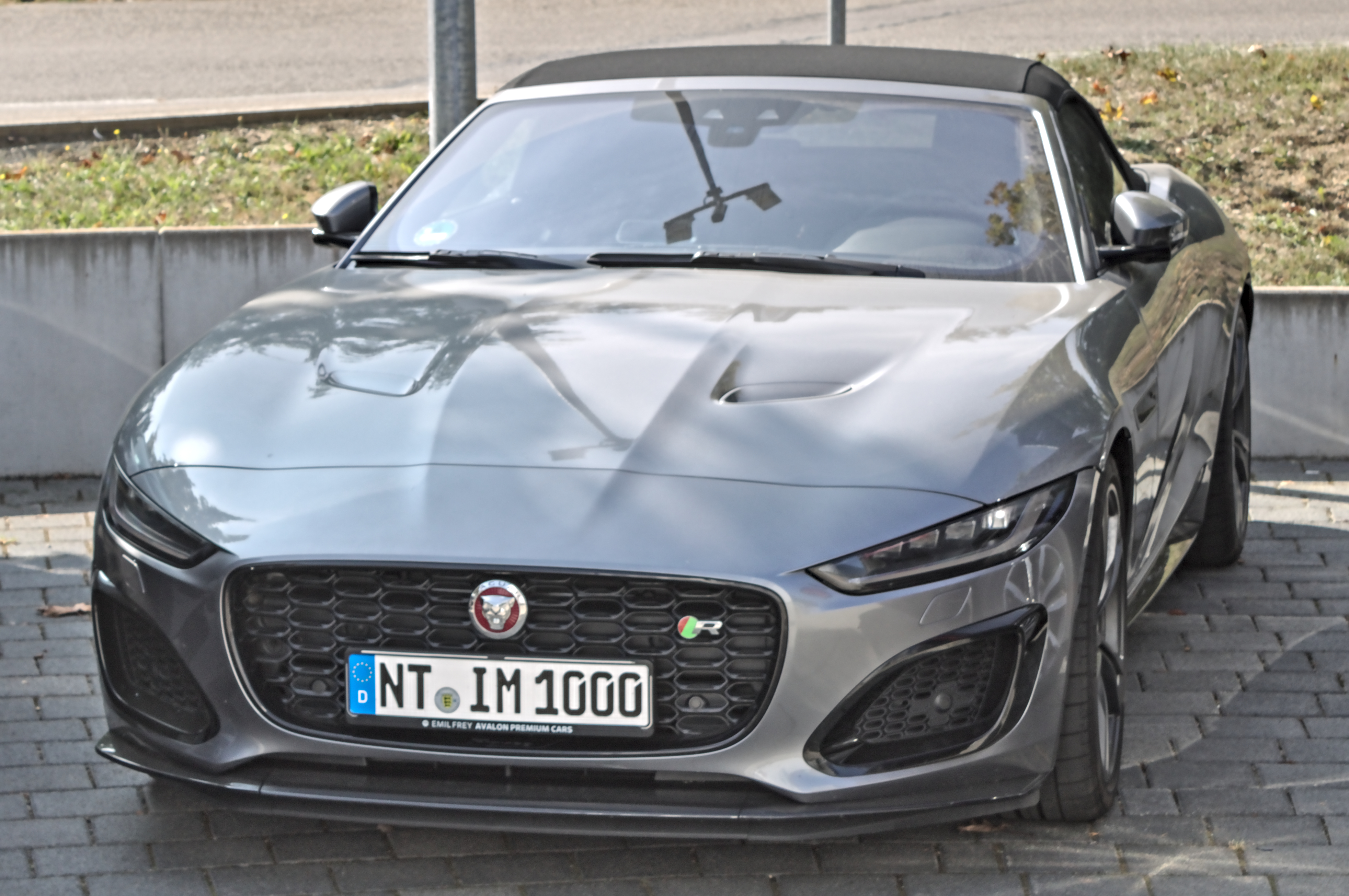
Jaguar Ftype
"This is according to CarGurus, who said the Jaguar F-Type was up 16% year on year. The Porsche 911 is up 14% and the Audi TT is up 4%, suggesting demand for performance-led vehicles is going up..."
The Jaguar F-Type is a sporty Jaguar sports car. Here it’s mentioned because its used-car price has gone up compared to last year.
The Jaguar F-Type is Jaguar’s performance sports car, known for its sporty handling and range of engines. In this segment, it’s used as an example of how used coupe prices are rising year over year.
year on year
"This is according to CarGurus, who said the Jaguar F-Type was up 16% year on year."
“Year on year” just means “compared to last year.” In this case, it’s how much the used price has gone up versus the same time last year.
“Year on year” means comparing a metric to the same period one year earlier. Here, it’s used to describe how much used-car prices for specific models have risen compared with last year.

Audi Tt
"The Porsche 911 is up 14% and the Audi TT is up 4%, suggesting demand for performance-led vehicles is going up because they're becoming harder to source."
The Audi TT is a compact sports coupe from Audi, typically associated with a sporty driving feel and distinctive styling. In this segment, it’s included in a list of used-car price changes to illustrate that performance coupes are generally getting more expensive.
harder to source
"The Porsche 911 is up 14% and the Audi TT is up 4%, suggesting demand for performance-led vehicles is going up because they're becoming harder to source. I don't know if it's sort of potentially"
“Harder to source” means there aren’t as many of these cars available to buy. When fewer cars are available, prices often rise.
“Harder to source” describes supply becoming tighter—fewer cars available for buyers to find and purchase. In used-car pricing, that kind of scarcity can push prices higher because demand is still there.

Renault Megane E-Tech
"Do you think, like, the 1990s Renault and Megane coupe in bright yellow, you know, does that count?"
The Renault Megane is a popular Renault model. A “Megane coupe” is a version with a more sloped, sporty shape, and those older 1990s versions can be harder to find today.
The Renault Megane is a compact car line that has been offered in many body styles, including coupe variants in the 1990s. When someone mentions a “Megane coupe,” they’re usually talking about a specific styling/market segment that’s now rare compared with modern hatchbacks and crossovers.

Ford Cougar
"...know, does that count? I don't know. The original Cougar, whatever it was, all the Puma. Yeah, I don't kno..."
The Ford Cougar is an older Ford model name. The podcast brings it up because it’s part of the history behind names like Puma. It’s mentioned more for context than because it’s a current, common car on dealer lots.
The Ford Cougar is a former model name that the podcast references in the context of Ford’s older naming history, linking it to the Puma name. Even if it isn’t commonly seen today, these name discussions matter because they influence how buyers recognize brands and how dealers talk about model lineages. That’s why it appears alongside Puma in the conversation.

Ford Puma
"...ow. The original Cougar, whatever it was, all the Puma. Yeah, I don't know because they only really talk..."
The Ford Puma is a small SUV-style car. It’s meant to be practical for everyday driving while still being compact. People bring it up because it’s a well-known nameplate and fairly common on the roads.
The Ford Puma is a small crossover SUV that became popular as a practical, modern alternative to traditional small hatchbacks. In the podcast context, it’s mentioned as part of a naming history (Puma/Cougar) and as something people recognize. That makes it relevant when discussing what models dealers actually see and what customers ask for.
Audi Tts
"... a four-series coupe. If we ever get a four-event Audi TTs, I would struggle to sell an Audi TT. Oh, really?..."
The Audi TTS Coupe Competition Plus is a sporty version of the Audi TTS. It’s meant to feel more performance-oriented and comes with extra equipment compared to a basic model. Dealers may talk about it because certain trims attract different buyers.
The Audi TTS Coupe Competition Plus is a performance-focused version of the TTS, aimed at buyers who want a sportier look and higher-spec equipment. In the podcast, it’s referenced in a comparison about selling an Audi TT, suggesting it’s a more desirable or specific trim that can be harder or easier to move depending on what’s available. That makes it relevant to dealer discussions about inventory and customer appeal.
coupe
"No. No, I can't think of many. No. I mean, the coupe thing, do you know what? I'm not a big fan of coupes, I'll be honest, because I just think they look a bit posory."
A coupe is a car shape with a fixed roof and usually two doors. People sometimes don’t like them because they can feel tighter inside than other body styles.
A coupe is a car body style with a fixed roof and typically two doors, often with a more sloped roofline than a sedan. In enthusiast and buying discussions, coupes are sometimes criticized for giving up rear-seat and trunk space versus hatchbacks or sedans.
Arnold Clark
"So, I'm going to talk about Arnold Clark, who have opened their first Welsh dealership, which is surprising."
Arnold Clark is a big car dealership company in the UK. They’re being talked about here because they opened their first dealership in Wales and celebrated with a “sell it for £1” promotion.
Arnold Clark is a major UK car dealer group. In this segment, they’re highlighted for opening their first Welsh dealership and using a promotional stunt—selling a car for just £1—to draw attention.
£1
"But what I thought was quite interesting and why I'm talking about it is how they've celebrated the opening of this dealership by selling a car for just £1."
£1 for a car is basically a publicity stunt. The real cost is usually hidden in the fine print or the overall deal, not the headline price.
Selling a car for £1 is an extreme promotional price that’s almost certainly not the real “market” value of the vehicle. In dealer marketing, these stunts are usually designed to generate publicity and drive traffic, with the actual deal structure handled through other terms.

DS4
"...very long time has secretly priced it as a pound. DS4 Crossback or something that's in the corner that'..."
The DS4 is a small premium car from DS. The podcast mentions it in the context of how it’s priced and how it shows up in their inventory. It’s not necessarily a car they see every day.
The DS4 is a compact premium hatchback/crossover-style car from DS Automobiles, positioned as a more stylish alternative within the premium segment. In the podcast, it’s mentioned alongside pricing and availability, implying it’s not a high-volume model they see often. That makes it a useful example when discussing what dealers can realistically source and sell.
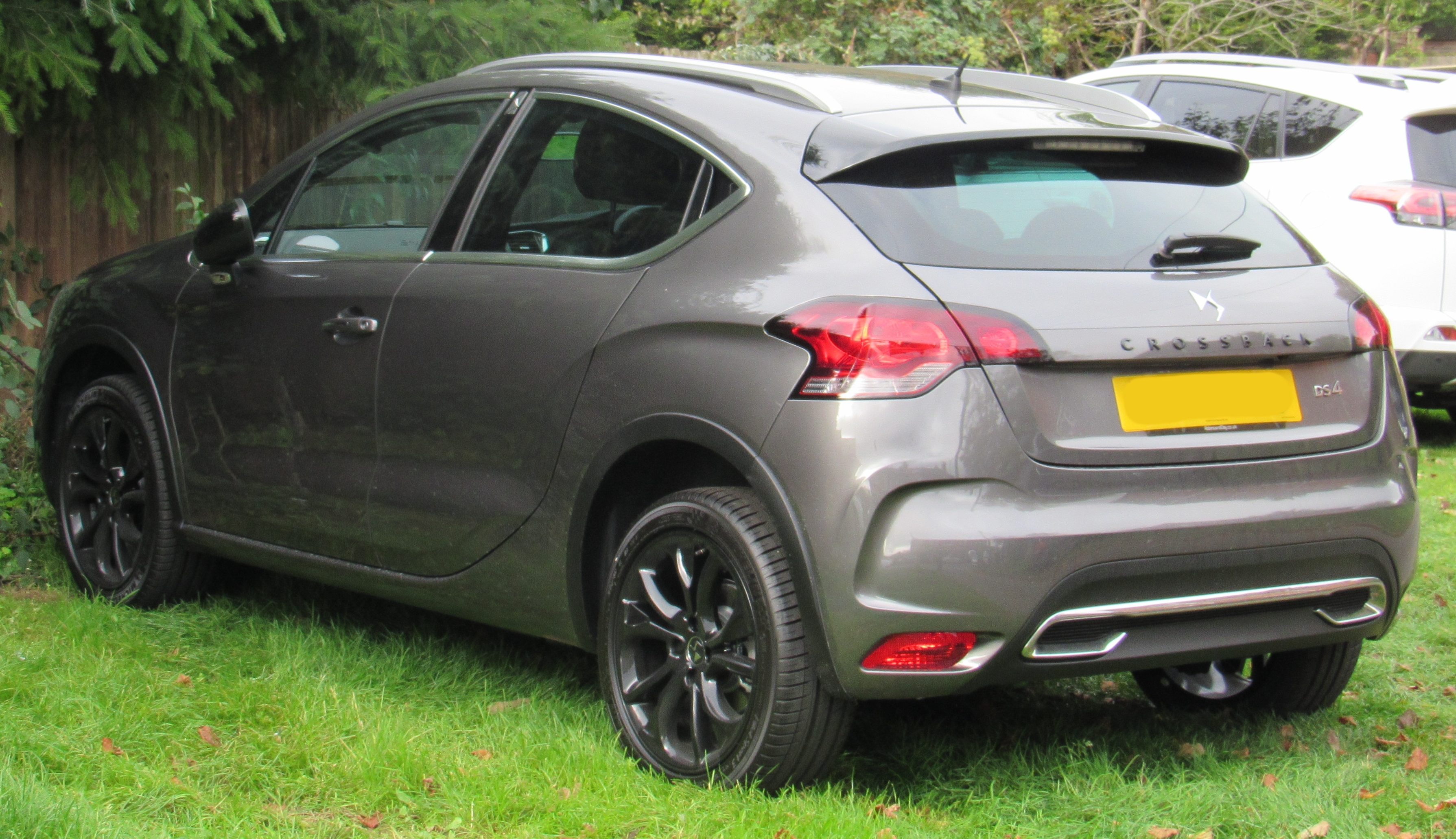
DS4 Crossback
"[2900.1s] DS4 Crossback or something that's in the corner that's been there for nine weeks. Like, yeah, [2906.7s] advertise that you're selling one car in your stock for a pound and wait until someone buys it."
The DS 4 Crossback is a small crossover from DS (a premium brand). Here it’s just an example of a car that’s been sitting on the lot for a while while the dealer uses a surprising pricing trick.
The DS 4 Crossback is a compact crossover/hatch from DS Automobiles (a premium brand within Stellantis). In this segment it’s used as an example of a specific car sitting in stock for weeks, with a “mystery” super-low price tag.

Citroen 2CV
"Yeah, I love this. So Citroen have decided they're going to bring about two CV."
The Citroën 2CV is an old, famous Citroën that was known for being simple and affordable. Here, they’re talking about Citroën reviving the 2CV name for an electric version.
The Citroën 2CV is a legendary, long-running French small car that became famous for being simple, cheap, and built to handle rough roads. In this segment, the hosts discuss Citroën bringing back the 2CV name as a modern, affordable EV concept.

Citroen AMI
"But obviously they've already got the AMI. So this is they're supposed to be their like really accessible affordable EV car."
The Citroën AMI is a very small electric car meant for city driving. It’s designed to be inexpensive and easy to use, especially for short trips.
The Citroën AMI is a tiny, ultra-affordable electric microcar designed for short urban trips. It’s known for being simple and cheap to run, which is why it’s often positioned as a gateway to electric mobility.
Citroen e-Méhari
"Citroen a couple of years ago launched like the e-mahari which was basically like a rebadged plastic quadricycle that somebody else made."
The Citroën e-Méhari is an electric version of a retro, open-top style car. It’s more of a fun, basic vehicle than a normal car you’d use for everyday commuting.
The Citroën e-Méhari is an electric reinterpretation of the classic Méhari, built around a lightweight, open-top, plastic-bodied concept. In the discussion, it’s used as an example of a quirky, limited-purpose EV that’s more about novelty and simplicity than being a “proper” car.
quadricycle
"Citroen a couple of years ago launched like the e-mahari which was basically like a rebadged plastic quadricycle that somebody else made."
A quadricycle is a smaller, simpler kind of vehicle that’s usually less powerful and has different rules than a normal car. It’s often used for cheap, basic mobility.
A quadricycle is a light vehicle category (smaller and lower-powered than a full car) that’s regulated differently in many European markets. The host uses “plastic quadricycle” to emphasize that the e-Méhari is more like a lightweight micro-vehicle than a conventional car.

Citroen C4 Cactus
"Not really. No, it looked like a C4 cactus. Yeah, that's what I was going to say."
The Citroën C4 Cactus is a small car with a very recognizable, rugged-looking design. In this segment, they’re using it as a quick way to describe the e-Méhari’s shape.
The Citroën C4 Cactus is a compact hatchback known for its distinctive “Airbump” style body cladding and crossover-like look. Here, it’s used as a visual reference for how the e-Méhari was perceived to resemble a C4 Cactus with an open-top plastic body.
super credits
"these things called super credits where to count against your EV threshold basically a teeny ...electric whatever kind of car is going [3153.6s] to count more against the EV quota than a big EV"
“Super credits” are a government rule that makes some EVs count more toward a company’s EV goal. The idea is to encourage makers to sell smaller, cheaper EVs by giving them extra “points.”
“Super credits” are a regulatory mechanism that gives extra credit toward an automaker’s EV requirements. In practice, smaller EVs can count more than larger ones, making it easier for manufacturers to meet fleet targets by selling certain types of EVs.

Toyota Yaris
"a small I say small I think it means under four meters which is not actually that small because [3147.6s] a Toyota Yaris is under four meters"
The Toyota Yaris is a small car, and the host uses it to show what “under four meters” really looks like. It’s basically saying the policy’s definition of “small” includes common compact cars.
The Toyota Yaris is a sub-4-meter small car, which the host uses as a real-world example of what “small” means in the EV policy context. The point is that a compact size can still be considered “small” for regulatory counting, even though it’s not tiny.

5 Renault 5
"...t oh this is Stalantis thinking how can we make a Renault 5 rival. Of course like the Renault 5 is a slightly..."
The 5 E-Tech Electric is an electric car based on the Renault 5 name. The podcast is saying it’s meant to compete with other small electric cars by bringing back the idea of the Renault 5. It’s an attempt to make a new EV that feels recognizable.
The “5 E-Tech Electric” refers to an electric version of the Renault 5 nameplate, discussed as a direct attempt to create a modern rival to the original concept and appeal. In the podcast, it’s brought up as part of a strategy to make a new electric car that feels familiar to people who liked the Renault 5. That’s why it’s relevant: it’s about positioning and market fit rather than just specs.
Stalantis
"When I first saw it I thought oh this is Stalantis thinking how can we make a Renault 5 rival."
“Stalantis” means Stellantis, a big car company that owns multiple brands. The host is saying Stellantis is thinking about how to build smaller, cheaper electric cars.
“Stalantis” is the host’s pronunciation of Stellantis, the major European automaker formed from a merger of FCA and PSA. In this segment, they’re talking about Stellantis’ strategy for making smaller, cheaper EVs and how regulation could influence that.
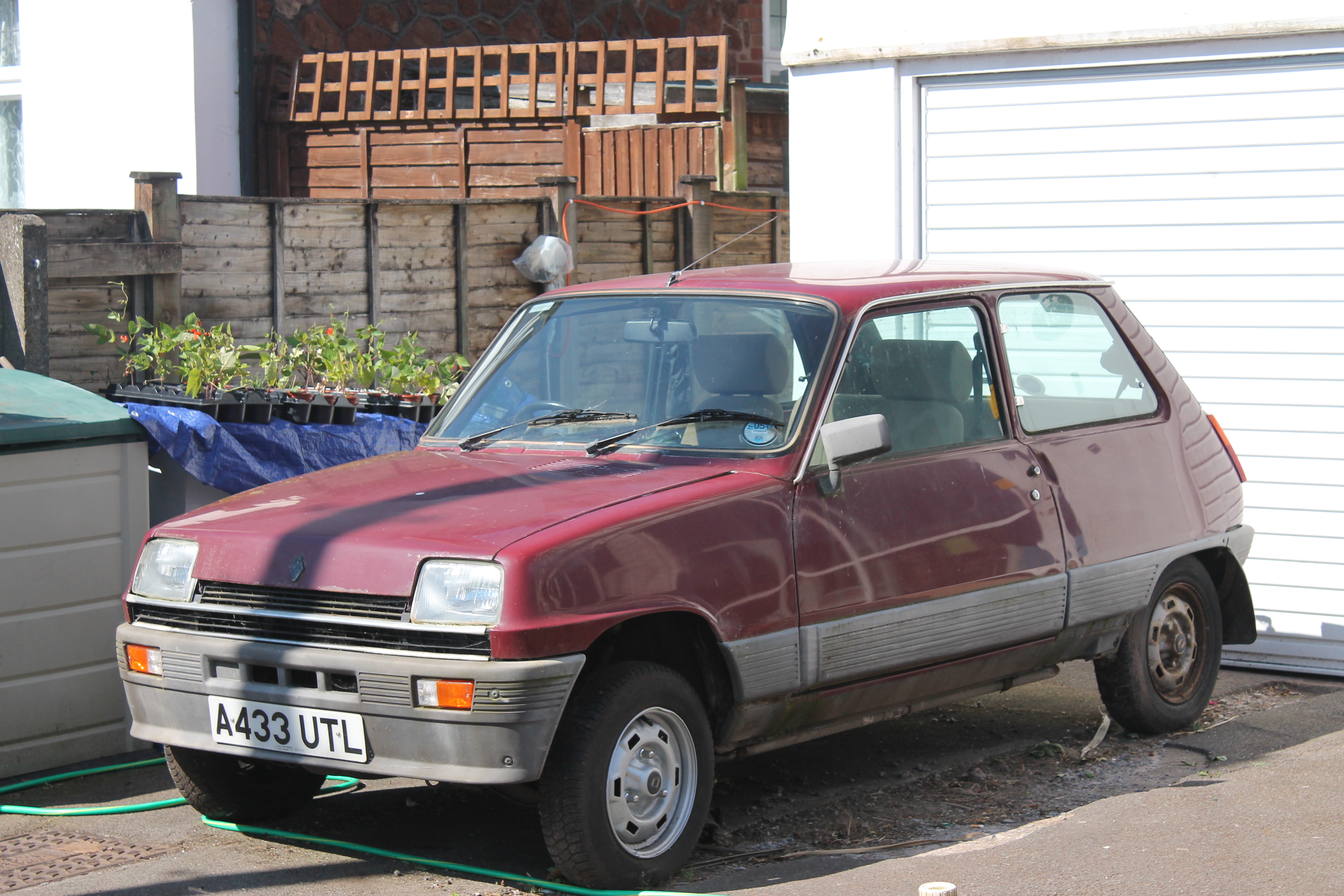
Renault 5
"...t oh this is Stalantis thinking how can we make a Renault 5 rival. Of course like the Renault 5 is a slightly..."
The Renault 5 is a well-known older car name. The podcast is using it as a reference because a new electric car is being designed to feel like a rival to that original idea. It’s mentioned because the name still matters to buyers.
The Renault 5 is a classic small car name that still has recognition, which is why it’s used as a reference point in modern product discussions. In the podcast, it’s mentioned as the benchmark that a new electric model is trying to rival in spirit and appeal. That makes it a key part of understanding why certain EVs are being launched.
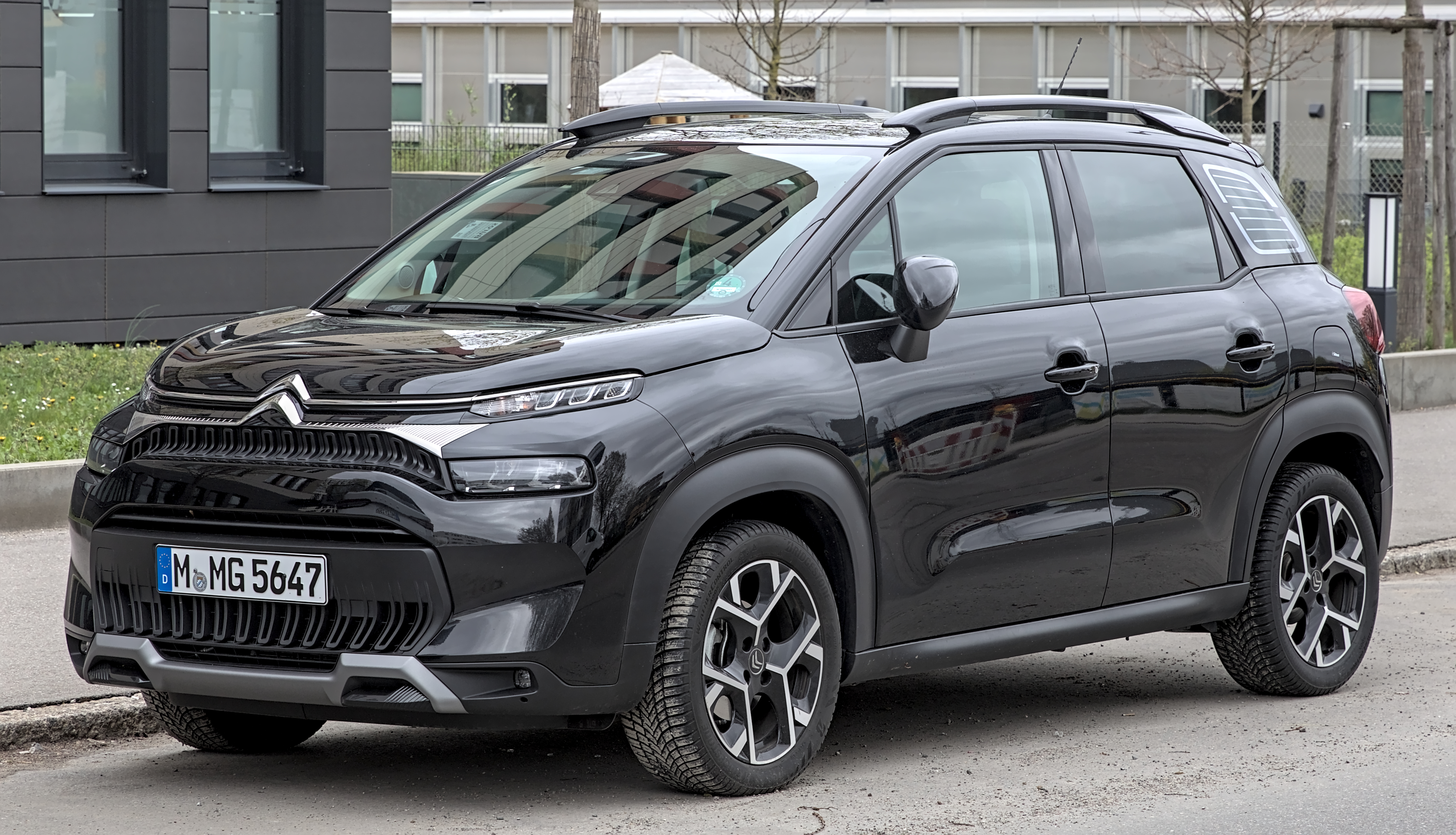
Citroen C3
"I think they like if you remember the first generation of C3 that was supposed to be a [3193.7s] slight reinterpretation to two CV"
The Citroën C3 is a small hatchback, and the host is talking about how one version tried to look like a modern take on the old 2CV. They’re saying that styling choice didn’t attract the broader audience they expected.
The Citroën C3 is a compact hatchback, and the host references its early styling as a “reinterpretation” of the 2CV. Their point is that when Citroën tried to carry over that round, quirky vibe, it ended up appealing mainly to older buyers (“grandma’s”).
Leap Motor
"they've obviously got the [3246.3s] what tie-up have they got Leap Motor. Oh yeah Leap Motor over something else but [3251.8s] they've sort of got a Chinese tie-up"
Leapmotor is a Chinese electric-car company. The host is suggesting that if Stellantis works with them, it could make it easier to build a cheaper small EV.
Leapmotor is a Chinese EV brand, and the host is discussing a potential partnership tie-in. The idea is that if Stellantis leverages buying power with Leapmotor, it could help produce a cheaper small EV for Europe.

Land Rover Freelander
"...ow like there's been cherry and JLR launching the Freelander name as a entirely Chinese developed product I th..."
The Land Rover Freelander is a type of Land Rover SUV. The podcast is talking about where the model name came from and how it was developed. It’s mentioned because it’s a specific model line with a particular backstory.
The Land Rover Freelander is a compact SUV that has been discussed in terms of its development origins and branding history. In the podcast context, it’s brought up as a name that JLR has “launched,” with a specific note about it being developed outside the usual internal process. That kind of background can matter to dealers when explaining how certain model lines came to market.
tariff
"it has to be not to get a tariff and so on [3587.8s] for the UK there's barely any tariffs at all on Chinese stuff so"
A tariff is a tax on things brought into a country from elsewhere. If cars are taxed when they’re imported, they can cost more, so companies may try to build them locally instead.
A tariff is a tax a country charges on imported goods. In the car context, tariffs can make imported vehicles more expensive, which affects whether automakers choose to build cars locally or ship them in.
subsidised
"I do think that you just can't really quantify how much it is costing them when things are being [3685.7s] subsidised by a government that doesn't like to necessarily tell the truth"
Subsidised means a government helps pay part of the cost, lowering the effective price or improving financial results for a company or industry. In EV markets, subsidies can distort comparisons because the true cost to taxpayers may not be obvious from the product’s price or performance claims.
Request an Explanation
Heard something you'd like explained? We'll add it to this episode.
Sign in to request explanations for terms you heard.
Want to learn more?
Browse our glossary for plain-English explanations of automotive terms, jargon, and concepts.
Help improve this episode
See something that's not quite right? Our annotations are AI-generated and can sometimes miss the mark. Click the flag icon on any annotation to suggest a correction.