
Ferrari’s EV Problem, Lotus Gets Wilder, and Jay Leno Garage Stories
About this episode
A Puerto Rico listener describes a brand-themed open house where the kitchen is Ferrari, the suite is Porsche, the garage is Corvette, and the Lotus room is “significantly smaller.” The hosts then debate Lotus vs Porsche for everyday fun, and swap stories about trading a 992 GT3 for a Lotus Amira. Garage talk turns technical—clutch parts, Baja Designs wiring, ECU reflash—and even into drag-race prep with Borla weight savings. The Ferrari EV debate gets heated via Luca de Montezemolo’s “destroy a legend” warning, before Jay Leno Garage stories bring in BAC Mono and Burbank workshop details.
real estate update from Puerto Rico
"Okay. From Tim Harris, real estate update from Puerto Rico, hosted my first automotive themed open house this weekend."
They’re sharing a quick update from Puerto Rico about a real-estate open house. The fun part is that each room is decorated around a different car brand.
This segment is a “dispatch” from Puerto Rico describing a themed real-estate open house. The hosts use the story to set up a car-themed event that includes multiple major performance brands.

Corvette
"The primary suite was Porsche. The garage was dedicated Corvette. The Lotus room, of course, was significantly smaller than the others."
Corvette is Chevrolet’s famous sports car. Here it’s just being used as a theme for the garage area—like the room is styled around that car’s identity.
The Corvette is Chevrolet’s performance sports car line, famous for its V8 power and long-running role as an American track-and-street benchmark. In the segment, “Corvette” is mentioned as the garage theme, highlighting the event’s mix of major performance brands.
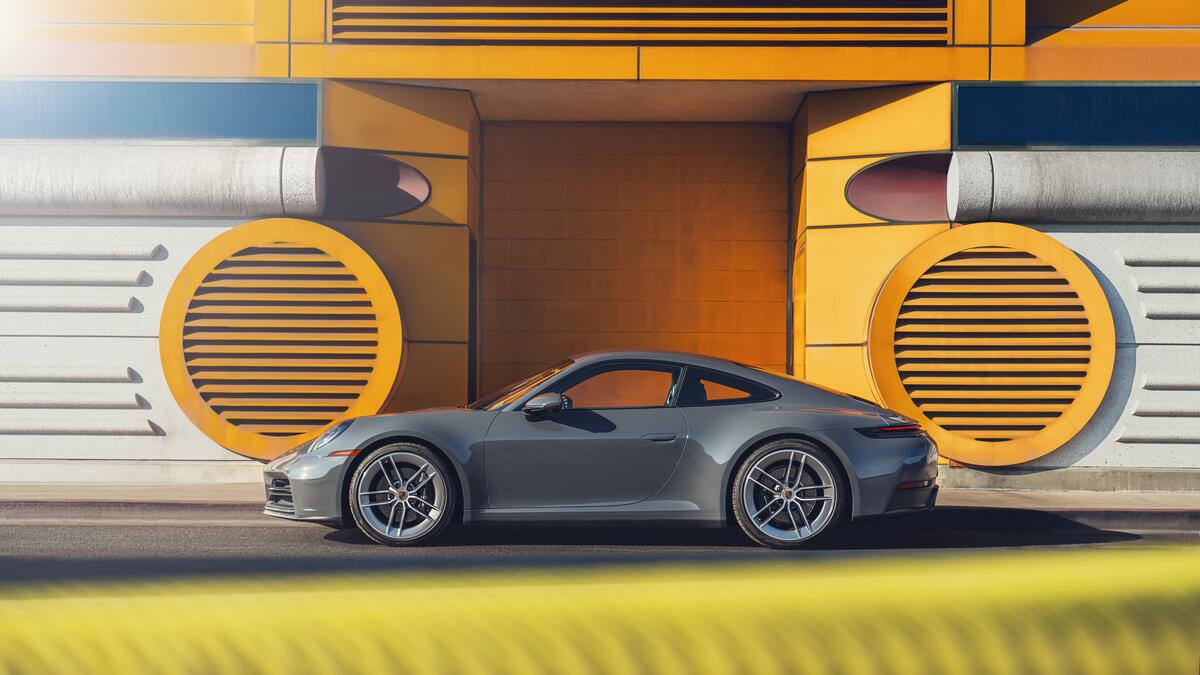
Porsche 964 RS
"This guy's had a lot of cars, 964 RS, 992.2 manual GT3. So, Cheney, you know this friend, because I introduced you guys, because after driving the Elise 111 RS that I have, and then jumping back in his 964 RS, he was done."
A Porsche 964 is an older generation of the 911. “RS” usually means a more track-oriented, lighter version meant to feel more direct and less “luxury.”
The Porsche 964 is the 911 generation from the late 1980s/early 1990s, and the “RS” refers to a lighter, more track-focused 911 variant. In enthusiast circles, a 964 RS is known for a more raw, analog driving feel compared with later, more comfort-oriented 911s.
air cool Porsche experience
"He decided he had had enough of the air cool Porsche experience. And he's already sold the 964 RS and he currently has a car either in route to your shop or in your shop."
“Air-cooled” means the engine is cooled by air flowing over it, not by liquid coolant. Some older Porsches are known for this, and it can make the car feel and sound a bit different than water-cooled engines.
“Air-cooled” refers to an engine cooling system that relies on airflow over the engine rather than liquid coolant circulating through a radiator. Many classic Porsche 911s (especially older generations) are famous for this setup, and it changes how the engine feels and sounds compared with water-cooled designs.
fun Canyon track car
"If they're both designed to be the fun Canyon track car, and I may have had a hand in kind of steering his mind this way, thinking you're going to grab the keys of this Lotus. It's just more fun, more of the time."
This means a car that feels great on twisty roads in the mountains, not just on a racetrack. The goal is a car that’s fun and easy to drive fast through corners in real-world conditions.
A “canyon track car” is a car chosen for spirited driving on twisty mountain roads (canyons) that also translates to track-day fun. The idea is that the car should be easy to place on the road, responsive at everyday-to-moderate speeds, and still engaging when you push it.
Lotus Amira
"So he is just traded his 992 GT3 for a Lotus Amira. [333.1s] He's going all Lotus garage at the moment. ... once you've tasted the Lotus fruit, you're kind of like screwed for life,"
The Lotus Amira is a small, light sports car that’s meant to feel fun and easy to drive. The host is saying that once someone experiences that kind of lightweight, balanced driving, it can be hard to go back to heavier, more serious cars.
The Lotus Amira is a lightweight, driver-focused sports car from Lotus, known for prioritizing balance and feel over outright comfort. In this segment, the host frames it as a practical, well-balanced alternative that can “ruin you for life” if you’re used to heavier, more serious-feeling cars.
992 GT3
"So he is just traded his 992 GT3 for a Lotus Amira. ... And you know, he texted me and said, you know, the GT three is such a serious car. And I said, well, we were talking on the phone and I said, but that's part of what makes it great, but it's also what makes it not the most fun around town"
This is a Porsche 911 GT3, specifically the 992 generation. It’s designed to be very serious and track-capable, and the host is saying that can make it feel less fun for normal city driving than a lighter, more playful car.
The Porsche 911 GT3 (992 generation) is a track-oriented version of the 911, built around serious performance and a focused driving experience. Here, the host contrasts it with the Lotus Amira, arguing the GT3’s “seriousness” can make it less fun for everyday driving around town.
lightweight
"It's for all of us who have come from the BMW Porsche, you know, world, you drive a lightweight car and it's just hard to get it out of your system."
“Lightweight” means the car is relatively light. Lighter cars tend to feel more nimble and fun to drive because they change speed and direction more easily.
In enthusiast driving, “lightweight” refers to keeping vehicle mass low so the car responds more quickly to steering and throttle inputs. The host uses it to explain why a lightweight Lotus can feel more engaging than heavier German performance cars.
drive line rattle
"We finally got the 996, you know, our, our back on the road. So that, that power, you know, a drive line rattle is gone now."
A “drive line rattle” is a rattling sound from the car’s power-transfer parts (the parts that send engine power to the wheels). It usually means something in that system isn’t tight or isn’t in good shape.
A “drive line rattle” is a noise coming from the drivetrain components—typically parts like the driveshaft, couplings, or related mounts. It often shows up under load or during acceleration/deceleration and can indicate something loose, worn, or misaligned.
throw out bearing
"Yeah. So the throw out bearing that we sourced, which came in this complete package from a particular parts vendor... they put in their own throw out bearing... made in Germany, but not an OEM throw out bearing."
The throw-out bearing is a small part that helps your clutch separate when you press the pedal. If it’s not the right one, the clutch can feel wrong or act up. Here, they think the non-OEM bearing was the problem and they swapped it out.
A throw-out bearing (also called a release bearing) sits in the clutch system and moves to disengage the clutch when you press the pedal. If it’s the wrong part or not built to the same spec as the OEM part, it can cause clutch engagement/disengagement issues and noise. In this segment, they’re troubleshooting a non-OEM throw-out bearing sourced as part of a clutch package.
OEM clutch and flywheel
"which included OEM clutch and flywheel, but then they put in their own throw out bearing..."
OEM parts are the ones made to match the car’s original design. The clutch and flywheel work together to smoothly transfer power from the engine to the transmission. They’re saying the package had OEM clutch and flywheel, but the throw-out bearing wasn’t OEM.
OEM means the original equipment manufacturer—the parts built to the car maker’s specifications. A clutch and flywheel are key rotating components: the flywheel stores rotational energy, and the clutch connects/disconnects engine power to the transmission. The host contrasts OEM clutch/flywheel with a non-OEM throw-out bearing inside the same package.
Baja design DOT street legal
"We've got that changed out now... We wired up these Baja design DOT street legal lights... when you turn on the marker lights... the marker lights come on with the Baja design light... and it's all managed through the factory switch."
“Street legal” means the light is approved to be used on public roads. Baja Designs makes aftermarket lights, and in this case they’re using a version that’s DOT-approved. They also wired them so they turn on with the car’s normal light controls.
DOT street legal refers to U.S. Department of Transportation lighting compliance, meaning the lamp is approved for road use. Baja Designs is known for off-road lighting that can be configured to meet street-legal requirements. Here, they wire the Baja Designs lights so they integrate with the factory marker lights and low beams via the factory switch.
Callaway kit
"That e-ray, we told you we were super charging the e-ray with a Callaway kit. That is nearly finished."
Callaway makes aftermarket performance upgrades. A “Callaway kit” is a set of parts that boosts power, usually by adding forced induction like a supercharger. They’re using one to supercharge the car.
Callaway is an aftermarket performance brand known for supercharger and power-up packages. A “Callaway kit” typically includes the hardware and supporting components needed to increase engine output beyond stock. Here, they say they’re supercharging an e-ray using a Callaway kit that’s nearly finished.
Borla muffler
"This particular client, he sourced a Borla muffler for the car and it's got like this crossover tube, which on these LS motors really makes them sound much more exotic."
Borla makes aftermarket exhaust parts. Swapping the muffler can change how the car sounds. Here they’re saying the Borla muffler plus the crossover tube makes the LS engine sound more interesting.
Borla is an exhaust brand known for performance mufflers and cat-back systems. A different muffler can change exhaust flow and the sound character, often making the engine note louder or more “exotic.” The host specifically mentions a Borla muffler with a crossover tube that alters the LS engine’s sound.
LS motors
"...it's got like this crossover tube, which on these LS motors really makes them sound much more exotic."
“LS motors” means a type of GM V8 engine family that a lot of people swap into cars. It’s popular because there are lots of parts and it responds well to upgrades. They’re saying the exhaust setup makes this kind of engine sound better.
“LS motors” refers to General Motors’ LS-series V8 engines (a family of modern small-block designs used in many GM vehicles). Enthusiasts often talk about “LS” swaps and builds because the engines are popular, compact, and have strong aftermarket support. The host is using “LS motors” to describe the engine family in this car and how the exhaust crossover affects its sound.
reflash the ECU
"Now we haven't fired the car up yet, but we've got to reflash the ECU, get, you know, change the calibration on it."
The ECU is the car’s computer for the engine. “Reflash” means updating that computer’s settings so the engine runs correctly with new modifications. They’re planning to do this calibration change before starting the car.
ECU reflash means updating the car’s engine control unit software so it can properly manage fueling, ignition, and other parameters. When you add performance hardware (like a supercharger kit), the factory calibration may no longer match what the engine is doing. In this segment, they plan to reflash the ECU to change the calibration before firing the car up.
ZR1
"a drag race with a ZR1. So. Oh, really? Yeah. And so I actually did say, remember we were talking about light wheels?"
The “ZR1” is a very fast, high-performance version of the Corvette. They’re talking about racing a modified car against it to judge how much the upgrades help.
“ZR1” refers to the high-performance Corvette ZR1, a top-tier trim known for very strong straight-line speed. In this segment, they’re planning a drag race against a ZR1 to see how modifications affect acceleration.
three piece wheels
"remember we were talking about light wheels? Yeah. These three piece wheels on his car, he, he, he was told that they're lighter."
Three-piece wheels are made from multiple parts instead of one solid wheel. If they’re lighter than stock, they can help the car accelerate better because the wheels don’t have to “drag” as much weight.
Three-piece wheels are built from separate sections (typically a rim, inner barrel, and outer rim) that can be assembled and sometimes tuned for strength and weight. Because they can be made lighter than one-piece wheels, they reduce unsprung mass, which can improve acceleration and ride response.
unsprung weight
"because they'll be, I think they're going to be lighter. And that's the one thing is that when you have more, you know, lighter unsprung weight, it helps with acceleration as well."
Unsprung weight is the weight of parts like the wheels that aren’t supported by the suspension. Lighter unsprung weight can make the car feel quicker because there’s less mass to control as the car moves.
Unsprung weight is the mass of components not supported by the suspension (like wheels and brakes). Reducing unsprung weight helps acceleration because the drivetrain doesn’t have to “move” as much rotating mass, and it can also improve how the car responds over bumps.
stock muffler
"I mean, the stock muffler on that car is freaking heavy. It weighs as much as a lotus, I think, and we were trying to lift that, you know, so he replaced it with a Borla system"
The muffler is the part of the exhaust that makes the car quieter. Replacing a heavy factory muffler with a lighter one can help the car feel quicker and usually makes the sound more aggressive.
A muffler is part of the exhaust system that reduces noise by controlling exhaust flow. In performance builds, swapping a heavy stock muffler for a lighter aftermarket one can reduce weight and change exhaust sound, which they’re tying to quicker acceleration and a better-sounding car.

Lotus
"Corvette Porsche, not too big a change from the Lotus work that you normally do. I mean, how's that been so far? ... The shop's full of Lotus's"
Lotus is a car brand known for making lightweight, fun-to-drive sports cars. They’re saying most of their shop work is still on Lotus cars.
Lotus is a sports-car brand famous for lightweight construction and handling-focused engineering. In this segment, they say their shop is still predominantly doing Lotus work, implying the same weight-and-performance mindset applies across brands.
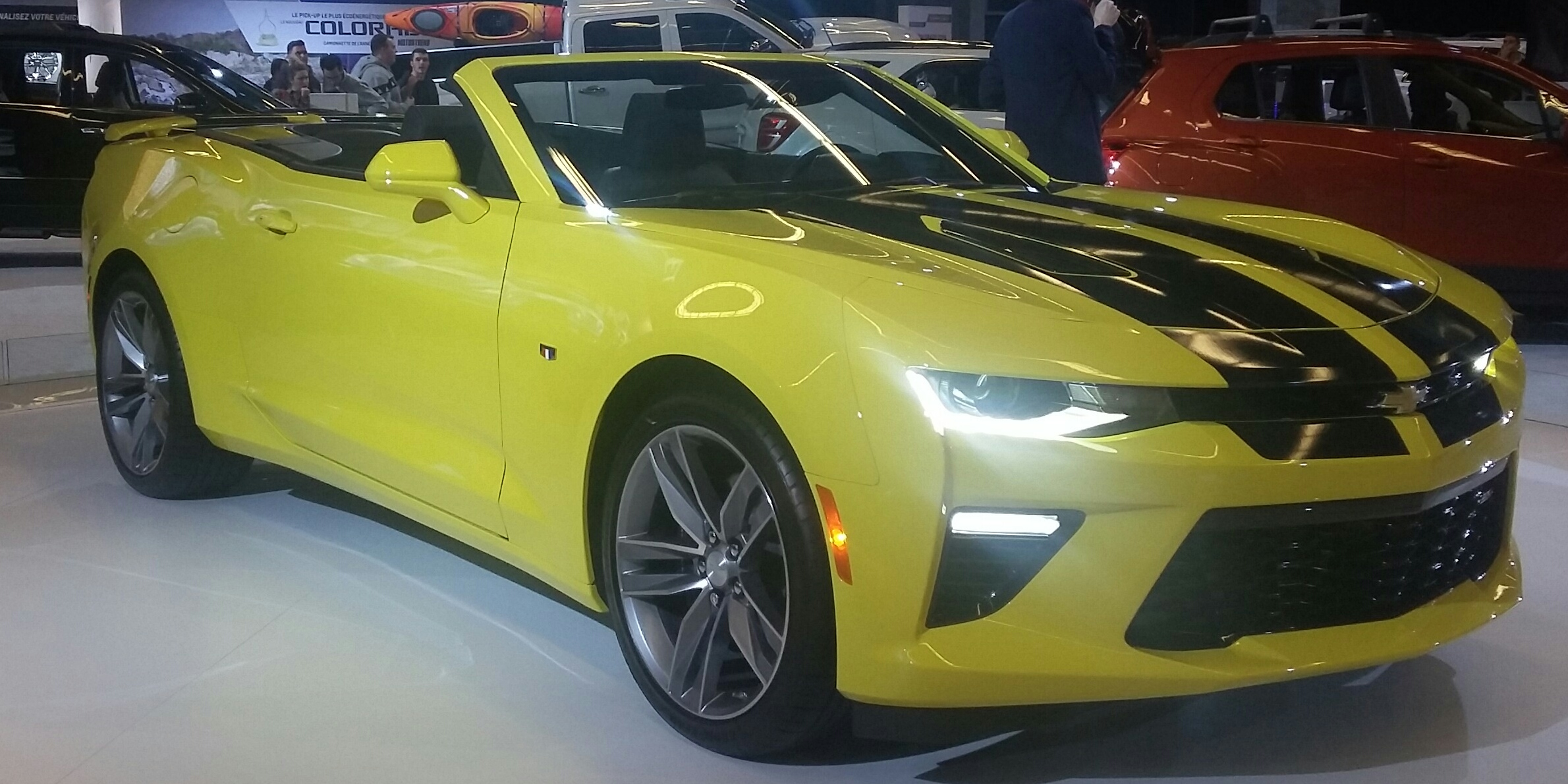
Chevrolet Camaro
"we, you know, we've got a number of, of Corvettes and Camaros and other miscellaneous GM vehicles that are queuing up for service, for installation"
They’re also expecting Chevrolet Camaros to come in for service. The exact model year isn’t specified in this part of the conversation.
“Camaros” refers to the Chevrolet Camaro muscle/sports-car lineup that the host says is also coming in for service and installations. No specific generation is mentioned, so this is a general Camaro reference.
111 RS Spider
"we built this car that we call the 111 RS Spider. It was really the car that got us all started with the whole, you know, RS program."
This “111 RS Spider” is a special open-top Lotus project the host says kicked off their RS program. The key idea is that it’s a true “spider” with no roof, so it feels more like an open-air car than a normal convertible.
The “111 RS Spider” is a Lotus-based custom project described as the origin of the speaker’s “RS program.” It’s called a true spider because it’s an open-top configuration with no roof, and the windshields are shortened to match the open layout.
center seat
"we're planning converting it to a center seat. Really? Yeah. Yeah. So we're going to take out the passenger seat and put it in the center of the car or take out the passenger and put the driver seat in the center of the car, which means, you know, obviously we got to move the shifter"
A “center seat” conversion puts the driver in the middle instead of the usual left or right position. To make it work, the car’s controls—like the shifter, pedals, and steering—have to be moved and reworked.
A “center seat” conversion moves the driver (or passenger) to the middle of the car, changing the cockpit layout from a conventional left/right seating arrangement. Doing this requires relocating major controls and interfaces like the shifter, pedals, and steering wheel.
shifter
"which means, you know, obviously we got to move the shifter and, you know, moving the pedal box and the steering wheel and a handful of other things."
Here, “shifter” means the part you use to change gears. If the driver’s seat moves to the center, the shifter has to move too so it’s reachable and works correctly.
In this context, the “shifter” is the gear selector mechanism that must be repositioned when the cockpit layout is changed to a center-seat configuration. Moving the shifter isn’t just cosmetic—it affects linkage/controls routing and driver reach.
pedal box
"moving the pedal box and the steering wheel and a handful of other things. But we've got a few schemes there, you know, of pulling additional weight out of that."
The “pedal box” is the mounting area where the gas/brake/clutch pedals are attached. If the driver moves to the center, the pedal box usually has to move or be rebuilt so the pedals line up properly.
The “pedal box” is the structural and mounting area that holds the pedals (and their linkages) and ties them into the car’s chassis. When the seat and driver position move, the pedal box often has to be relocated or redesigned for correct geometry and safe packaging.
tubular rear subframe
"We've been working on a tubular rear subframe for the car and, you know, to get some additional weight out."
A “tubular rear subframe” is a strong metal frame at the back of the car. Making it with tubes can save weight while still keeping the rear end rigid enough to handle well.
A “tubular rear subframe” is a reinforced structural frame at the rear made from tubes rather than heavier stamped components. Using a tubular design is a common weight-saving approach while maintaining stiffness for handling and mounting points.
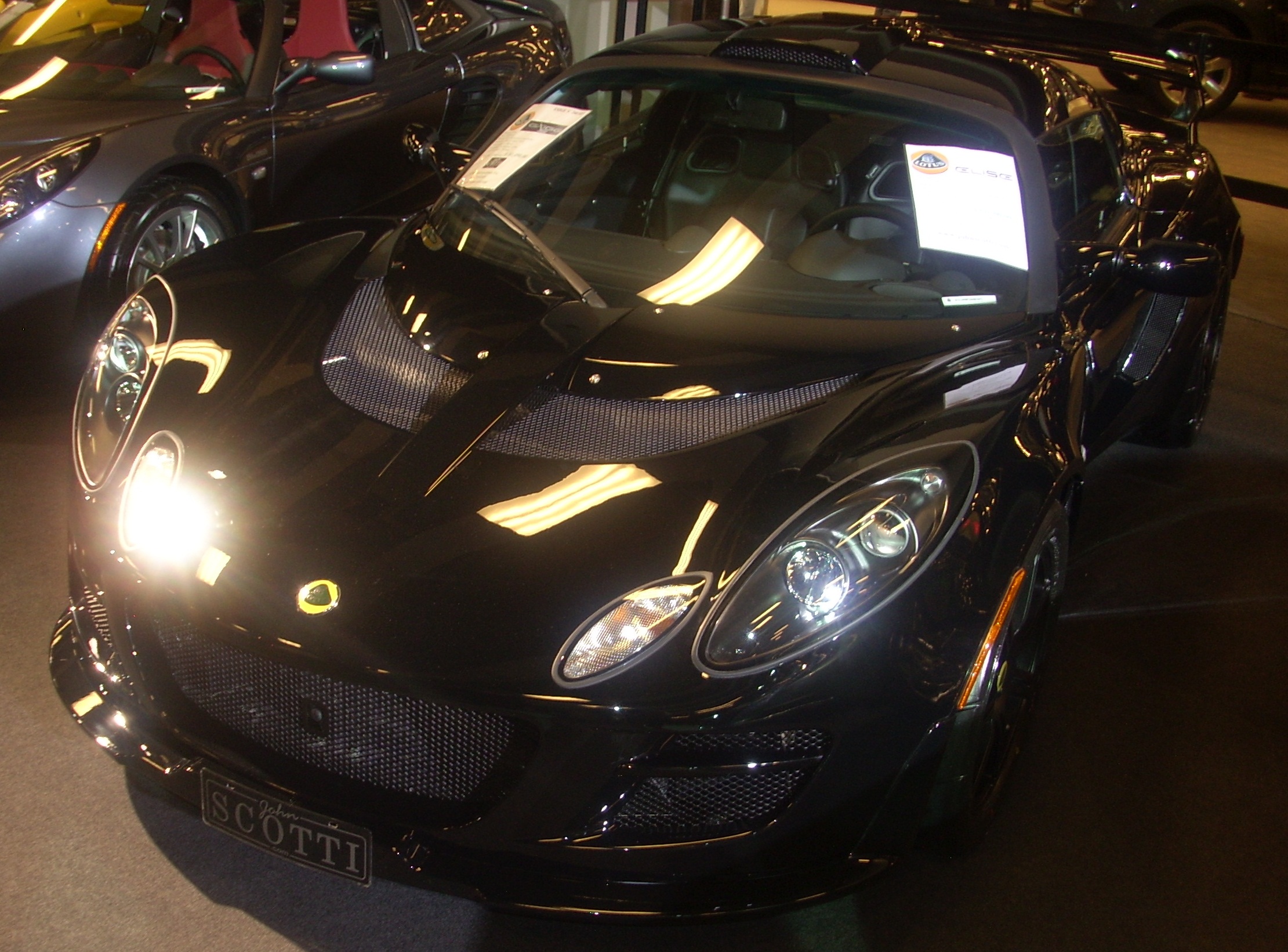
Lotus Elise
"You're talking about center seating, you know, a Lotus Elise with no windshield and moving pedal box, moving shifter."
The Lotus Elise is a small, lightweight sports car built to feel nimble and fun to drive. Here it’s mentioned as an example of a very unusual, track-style interior/controls setup.
The Lotus Elise is a lightweight, handling-first sports car known for its simple, driver-focused design. The host mentions an Elise setup with no windshield and a moving pedal box/moving shifter, highlighting how the platform can be adapted for extreme ergonomics or track use.
seracoding
"one of the things we actually did on that 996RR is we seracoded the exhaust system... Tell me more about seracoding... We're experimenting now with this seracote."
Seracoding (seracote/seracoding in the transcript) refers to a specialized coating process used to protect metal parts—here, an exhaust system and other components. The host contrasts it with nickel plating, emphasizing that seracote is chosen for temperature resistance and improved corrosion resistance in harsh environments like Florida’s humidity and salt air.
wishbone seracoded
"we, we, we've actually got an RS build, a one of an RS build that we've serac, we're having the wishbone seracoded."
A wishbone is a suspension arm that helps control how the wheel moves. Here, they’re coating that arm with the same protective treatment to see if it resists corrosion better in harsh conditions.
A wishbone (control arm) is a suspension component that locates and guides wheel movement. The host is describing seracoding being applied to a wishbone, implying they’re testing coating durability not just on exhaust parts but also on suspension hardware exposed to road corrosion.
nickel plating
"We're talking something very different on my exhaust... Yeah. So yours has nickel plating... But what we've seen is people that live in in corrosive environments, it's not holding up as well."
Nickel plating is a thin nickel coating applied to metal parts to help prevent rust. The host is saying it doesn’t always last as long in very salty, humid places, which is why they’re trying a different coating.
Nickel plating is an electroplated metal finish used to improve corrosion resistance on parts. The host says nickel plating works for many people, but in corrosive environments it can fail sooner—so they’re experimenting with seracote instead for better long-term durability.
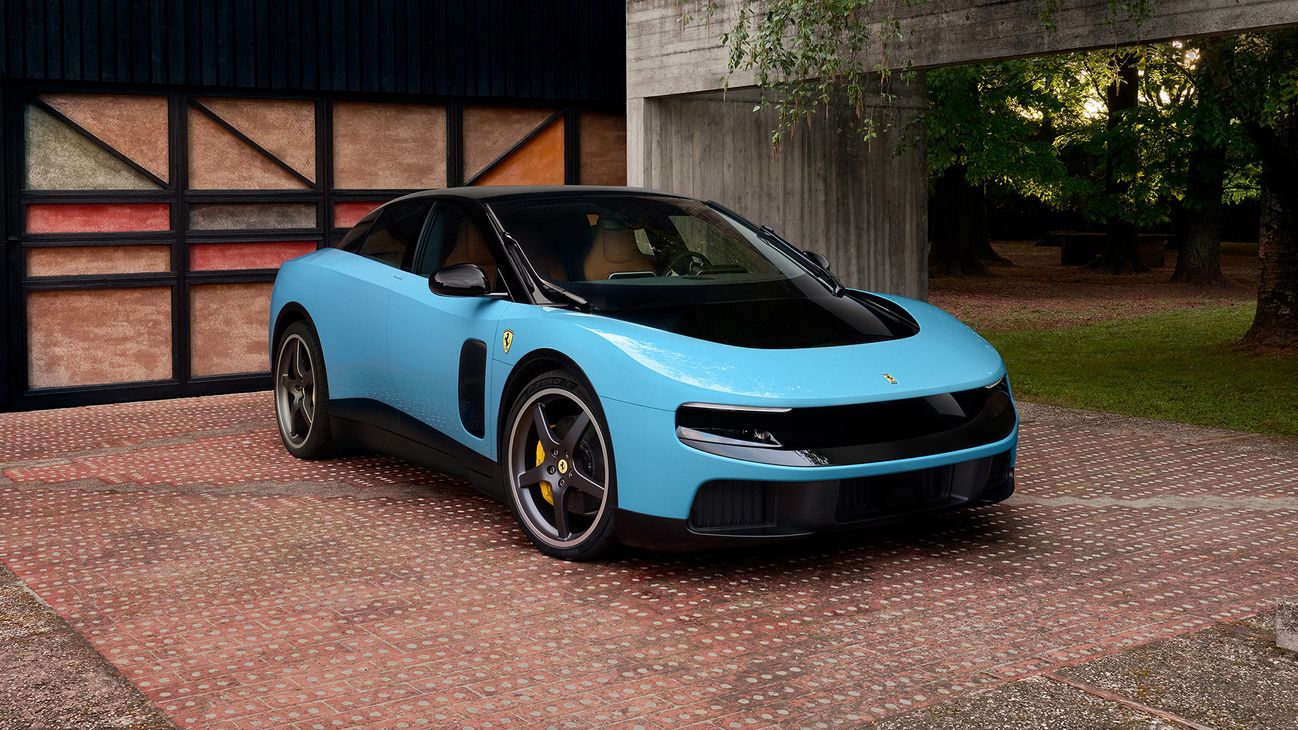
Ferrari Luce
"...ecause I guarantee it would have been the Ferrari Luce dominates the headlines. And we're talking more f..."
“Ferrari Luce” is a name mentioned in the podcast as a Ferrari that would likely get a lot of attention. The discussion doesn’t go into how it drives or what it’s like, but it’s treated as a big, headline-worthy idea. It’s mainly brought up because it sounds like a major new Ferrari.
“Ferrari Luce” is mentioned in the podcast as a hypothetical or expected headline-dominating Ferrari. Since the conversation frames it as something that would “dominate the headlines,” it’s being used as a concept of a future or notable Ferrari model rather than a detailed technical discussion. The car’s significance here is mainly about attention and anticipation.
affects the market
"...like theorize how this affects the market, what's happening with the market, what is Ferrari doing?"
They’re talking about how a big new car decision can change how the market reacts—what people want to buy and how the brand is viewed. In other words, it’s not just about the car itself, but the ripple effects.
“Affects the market” here refers to how a major model decision (like an EV-focused direction) can change buyer perception, demand, and competitive positioning. The hosts are discussing second-order effects: how headlines and executive commentary can influence what consumers and investors expect from Ferrari.
Luca de Montezemolo
"It's, I mean, you've got Luca de Montezemolo chiming in about this thing and he had nothing nice to say about it... he said, we risk destroying a legend."
Luca de Montezemolo is a major Ferrari leader from the brand’s recent history. Here, he’s described as being very critical of the new Luce idea, saying it could damage Ferrari’s reputation.
Luca de Montezemolo is a key Ferrari executive figure associated with the brand’s rise in the modern era. In this segment, he’s quoted as criticizing the idea of the Luce and warning that it could “destroy a legend,” reflecting how leadership views can shape Ferrari’s public narrative.
prancing horse
"I hope they at least remove the prancing horse from that car."
The “prancing horse” is Ferrari’s famous logo. It’s basically the brand’s identity, and the comment implies the new car might not feel like a true Ferrari.
The “prancing horse” is Ferrari’s iconic logo—the rearing horse badge that represents the brand. The host relays de Montezemolo’s hope that Ferrari removes it from the Luce, using the logo as a shorthand for “this shouldn’t be a real Ferrari.”
EV
"It seemed like people were all over this. And, you know, I think Ferrari, just like all the other car manufacturers needed to make an EV, because it looked like 2035, they were not going to be able to sell any ICE vehicles..."
EV means electric car. Instead of using a gas engine, it uses an electric motor to move the car.
EV stands for electric vehicle, meaning the car is powered primarily by one or more electric motors instead of an internal-combustion engine. In this context, the host is talking about Ferrari and other automakers shifting their product plans toward electric powertrains.
ICE vehicles
"...because it looked like 2035, they were not going to be able to sell any ICE vehicles in California and Europe and some of the first world countries, right?"
ICE vehicles are gas or diesel cars that use an engine that burns fuel. The host is saying rules in some regions would make those cars harder to sell.
ICE stands for internal combustion engine, referring to traditional gasoline or diesel powertrains. The host is claiming that regulations and market pressure in places like California and Europe would reduce or eliminate sales of ICE vehicles, pushing brands toward EVs.
celebrity designer nonsense
"I think they kind of fell for some of this, you know, celebrity designer nonsense, right? Like we, like the general public and frankly, I think even a lot of, you know, big time executives..."
The host is basically saying the car’s design feels influenced by famous people and hype, not by what would make the car look right to enthusiasts.
This is the host criticizing the influence of celebrity designers and high-profile creative partnerships on car design decisions. In automotive terms, it points to how branding and design authorship can affect styling choices and marketing narratives.
Johnny Ive and Mark Newsom
"And so they made a decision to move towards EV... I think they kind of fell for some of this... And so I think that Johnny Ive and Mark Newsom combo in their design studio is called Love From."
The host is naming famous designers and saying their involvement may have shaped the car’s look. The point is that celebrity design influence might not match what a Ferrari should feel like.
Johnny Ive and Mark Newsom are design figures associated with Apple’s design leadership and later design ventures. The host is referencing them as part of a design-studio collaboration (“Love From”) that they believe influenced Ferrari’s EV styling direction.
Love From
"I think that Johnny Ive and Mark Newsom combo in their design studio is called Love From. You know, somehow the Ferrari folks and management must have been in a cast under some sort of celebrity spell..."
Love From is a design studio run by well-known designers. The host is saying Ferrari let that studio heavily influence the car’s exterior design.
Love From is the design studio associated with Johnny Ive and Mark Newsom. The host claims Ferrari management gave it “free reign” to shape an exterior design direction, framing it as a key factor in why the EV styling doesn’t feel “Ferrari” to them.

Chevrolet Impala
"I hate the rear, you know, those tail lights remind me of the Chevy Impala from, you know, 20 years ago..."
The Chevrolet Impala is a popular older American sedan. The host is saying the Ferrari’s rear lights remind them of the Impala’s look from about 20 years ago.
The Chevrolet Impala is a long-running full-size sedan known for mainstream styling across multiple generations. The host uses it as a visual comparison, saying the Ferrari EV’s rear tail lights look like those from an older Impala era.
EV sports cars
"I think there's been plenty of EV sports cars that have been shown from Remac to Pininfarina"
An EV sports car is a sports car that runs on electricity instead of gasoline. They’re debating whether electric cars can still feel exciting like traditional sports cars.
“EV sports cars” are sports cars powered primarily by electric motors instead of an internal-combustion engine. The segment is about whether an electric powertrain can still deliver the sports-car experience and styling that enthusiasts associate with brands like Ferrari.

Lotus Evia
"I think there's been plenty of EV sports cars that have been shown from Remac to Pininfarina and I think, you know, even the Lotus Evia and,"
The Lotus Evija is an electric hypercar idea from Lotus. The point here is that even exciting EV concepts don’t always sell well in the real market.
The Lotus Evija is a high-profile electric hypercar concept from Lotus, built to show what the brand can do with battery-electric power. In the discussion, it’s used as an example of an EV that hasn’t proven commercially successful.
sedan
"they decided to take a chance with a sedan. I just think that the sedan is boring"
A sedan is a common car shape with a separate trunk in the back. Here, the speaker thinks choosing a sedan instead of a sports-car style EV was the wrong move.
A sedan is a passenger car body style with a separate trunk, typically with two rows of seats and a three-box layout (engine bay, cabin, trunk). The speaker argues Ferrari “missed the opportunity” by choosing a sedan instead of an EV sports car.
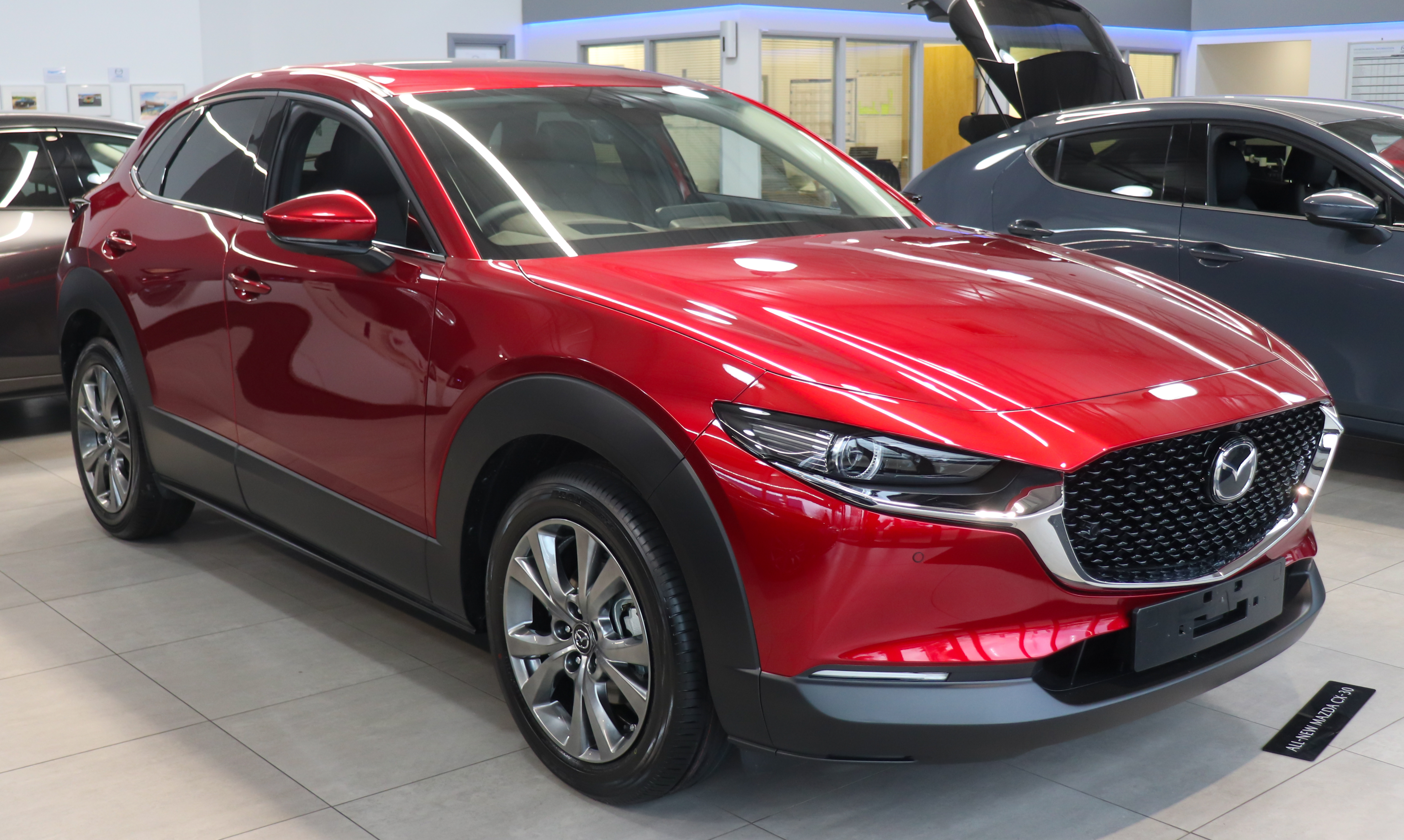
Mazda CX-30
"even though people made fun of that car for looking just like a Mazda CX-30."
The Mazda CX-30 is a small SUV from Mazda. The speaker is saying a Ferrari EV got mocked because it looked too much like this Mazda.
The Mazda CX-30 is a compact crossover SUV known for its upscale interior and distinctive “Kodo” design language. In this segment, it’s used as a visual comparison point for how one Ferrari EV was criticized for looking too similar.
Puro song wave
"I would never look at that and say Ferrari, at least with the Puro song wave, even though people made fun of that car for looking just like a Mazda CX-30."
This phrase sounds like a transcription error for a Ferrari EV name or slogan. The speaker is basically saying one EV looked more like a Ferrari than the one they saw.
“Puro song wave” appears to be a mis-transcription of a Ferrari EV’s name or a related design/marketing phrase. The speaker is comparing how recognizable the EV looks as a Ferrari versus the car they saw at the barbecue.
skateboard platform
"not having to fit all the traditional powertrain motor, trans, you know, you've got the skateboard [1535.6s] or whatever, wherever you put the batteries. Yeah, that's exactly one reason why this design"
It’s an EV design where the battery is built into the bottom of the car, kind of like a flat base. That helps designers shape the rest of the car more easily because they don’t have to fit a big engine in the front.
A “skateboard platform” is an EV architecture where the battery pack and electric drive components are packaged low in the floor, like a flat “deck.” That layout frees up space and design flexibility compared with traditional cars that must fit a separate engine and transmission tunnel.
belt line
"So when you look at the belt line, [1546.5s] how high it is and how thick the midsection is, you know, again, it's a function of having to"
The belt line is the main horizontal line you see running along the side of the car. Changing its height or shape can make the car look slimmer or bulkier from the side.
The “belt line” is the horizontal body crease line that runs along the car’s sides, typically around the height of the doors and windows. Designers use it to influence how tall or wide the car appears in profile—especially important on EVs with thicker battery-pack packaging.

Ford Mustang
"that's to visually make the side of the car look [1564.1s] more skinny than it actually is. Yeah, it was like the Mustang Mach-E did the same thing. Correct."
The Ford Mustang Mach-E is an electric Ford crossover. The host mentions it as another EV that uses styling tricks to make the car look less bulky than it really is.
The Ford Mustang Mach-E is a mainstream EV crossover that helped popularize the “EV skateboard” packaging look. In the segment, it’s referenced as using a visual design trick to make the body appear slimmer despite EV packaging thickness.
turbo turbine style wheels
"Like I think part of my issue that I have is these turbo turbine style wheels. [1630.6s] When you see them with a five spoke wheel that they put on these cars and it changes the car"
That phrase is about a wheel design that looks like a turbine—usually lots of spokes and a sporty shape. The host is saying the wheel style changes how the whole car looks.
“Turbo turbine style wheels” refers to a wheel design with a multi-spoke, turbine-like shape intended to look dynamic and high-performance. The host is using the term to explain how wheel design can dramatically change the perceived character of a car.
options
"And C, this thing when it's options, the way they're [1683.4s] going to be optioned is 200 or sorry, it's going to be about 750 grand. So if this was a"
“Options” are the extra features you choose when ordering a car from the factory. The host is saying that when you add the popular add-ons, the price jumps a lot.
In car buying, “options” are factory-installed add-ons (like trim, wheels, interior packages, and performance features) that change the vehicle’s final price. The host is emphasizing that the EV’s “optioned” configuration is what drives the total cost to around the stated figure.
buying it for the badge
"they have plenty of clients that, frankly, don't have good taste, and they're just buying it for the badge. You know, they're buying it so they have an EV because they live in the city center of London or someplace where, you know, you're supposed to have only EVs."
This means some people buy a car mostly because of the brand name on it. The host is saying some buyers want the status of a Ferrari EV more than they care whether it looks right or fits their personal taste.
“Buying it for the badge” is a shorthand for paying primarily for the brand name and status rather than for the product’s technical merits or design. In this segment, the host claims some buyers want an EV Ferrari mainly because it carries Ferrari branding, not because they care about EV-specific aesthetics.

Tesla Model Y
"I mean, look, that Tesla Model Y looks like a blob, okay? It just looks like a jellybean driving down the road and not a good looking jellybean, you know what I'm saying? And yet they sell those things like hotcakes."
They bring up the Tesla Model Y as an example of an EV that doesn’t look “pretty” to them, but still sells extremely well. The point is that lots of people buy EVs even when the design isn’t what enthusiasts expect.
The Tesla Model Y is used as a comparison point for EV design and mass-market appeal. The host argues that even if it looks “blob-like,” Tesla sells a lot of them, implying that buyers may prioritize brand/tech convenience over traditional styling.
gated manual
"I've heard the other rumor is that Ferrari 12 cilindry, they may be making a limited run of those things in a in a gated manual."
It means a normal stick shift where the lever moves through a shaped “gate” so you can feel which gear you’re selecting. It’s the classic way manuals are built in many performance cars.
A “gated manual” is a traditional manual transmission where the shifter moves through a physical gate pattern for each gear. That gate helps guide the driver into the correct gear positions and is distinct from some other shifter layouts used on certain performance or racing setups.
lift off roof panel
"there was going to be an open top or a Targa style kind of lift off roof panel and it's coming on this 420."
It’s a roof piece you can remove by lifting it off, rather than a soft top that folds away. The car is still designed to stay stiff because the side roof structure remains.
A “lift off roof panel” is a removable roof section that the driver can take off, rather than a fully retracting soft top. The key point is that the car’s rigidity is preserved by remaining roof structure (like roof rails), even with the panel removed.
Targa style
"there was going to be an open top or a Targa style kind of lift off roof panel and it's coming on this 420."
A “Targa style” car is like a convertible, but it keeps part of the roof structure for stiffness and safety. Usually a roof panel comes off, while the sides/rails stay in place.
“Targa style” refers to a body style where the car has an open-air driving option but retains structural strength via fixed elements like roof rails. Instead of a full convertible, it typically uses a removable roof section or panel.
paddle shift
"So yeah, I mean, lighter, more powerful, but paddle shift. Listen, I actually spent time driving the turbo as well as the V6 manual last year..."
Paddle shift means you change gears using little levers on the steering wheel. It’s like driving a manual, but you don’t move a gear stick.
“Paddle shift” refers to gear selection using buttons or paddles behind the steering wheel, typically controlling an automated manual or dual-clutch transmission. It lets the driver command gears without using a traditional gear lever.
electric assist
"So there's an electric assist on the turbo cars. ... Versus hydraulic on the V6."
Electric assist means the steering is helped by an electric motor. That can change how heavy or light the steering feels compared with cars that use fluid pressure.
“Electric assist” refers to power steering where an electric motor helps turn the wheels. It changes how steering effort and feel are delivered compared with older hydraulic systems, which can make the car feel more direct or differently weighted.
hydraulic
"So there's an electric assist on the turbo cars. ... Versus hydraulic on the V6."
Hydraulic steering uses fluid pressure to help you turn the wheel. It can feel different from electric power steering, especially in how the steering “talks back.”
“Hydraulic” here means hydraulic power steering, where fluid pressure helps move the steering rack. Compared with electric assist, hydraulic systems can feel different in terms of feedback and how the steering weight changes with speed.
take rate
"I think 80% is the V6 manuals are at 80% of the take rate of Amira's in the US."
Take rate means “how many people choose this option.” In this case, it’s comparing how many buyers pick the V6 manual compared with the other Amira version.
“Take rate” is the percentage of buyers who choose a specific option or configuration. Here, it’s used to compare how many customers pick the V6 manual versus the other Amira powertrain in the US.
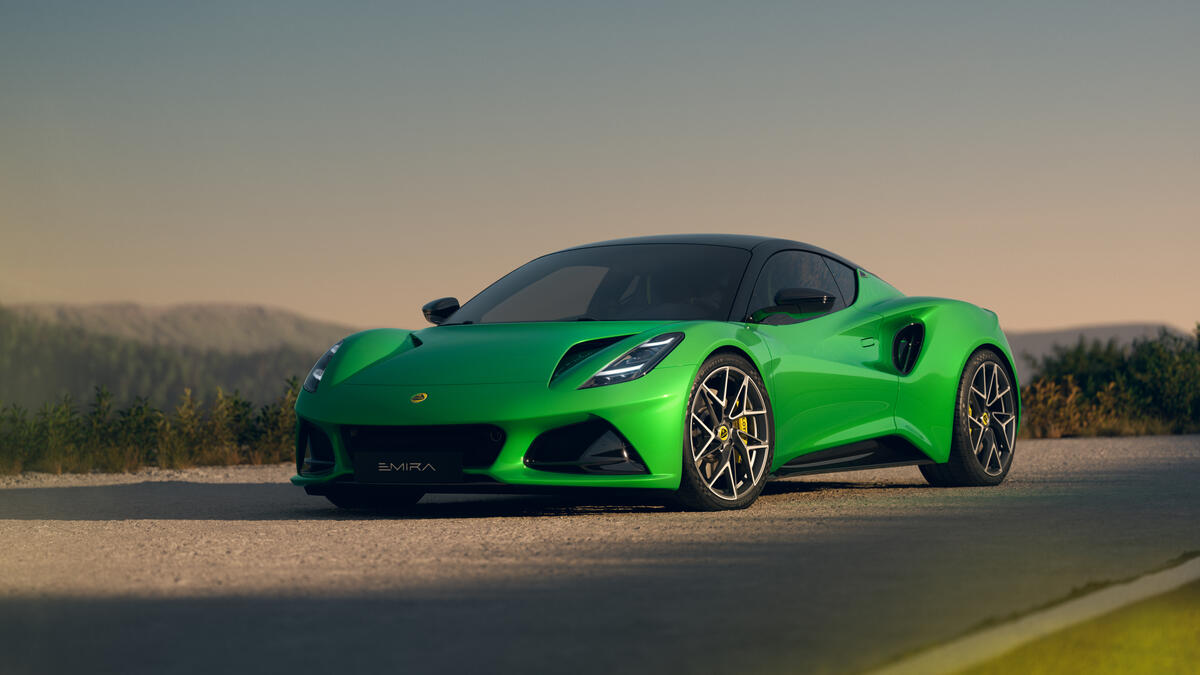
Lotus Emira
"Where's the V6 manual that's been hoted up over the standard Amira like they did with the Avora ... So come on, Lotus, don't let us down. I might even be a buyer for a car like that."
The Lotus Emira is a newer Lotus sports car with a mid-mounted engine. Here they’re talking about whether Lotus will make a stronger, more exciting version—especially with a manual transmission—because that’s what many buyers want.
The Lotus Emira is Lotus’s modern mid-engine sports car, offered with a V6 engine and (in some markets) a manual gearbox. In this segment, the hosts are discussing whether Lotus will offer a hotter V6 manual version beyond the standard Emira, and how that could affect sales.
V6 manual
"Where's the V6 manual that's been hoted up over the standard Amira like they did with the Avora ... I'm going to continue to cross my fingers that we're going to see more out of that V6 manual Amira."
A “V6 manual” means the car has a V6 engine and you shift gears yourself with a clutch. The hosts are saying they want a stronger version of that setup, not just the standard car.
“V6 manual” refers to a car that uses a V6 engine paired with a manual transmission. In this discussion, the hosts are specifically hoping Lotus will offer a more powerful “hotter” V6 with a manual gearbox, because they believe many buyers want that exact combination.
cosmetic versions
"Yeah, I think the V6, they haven't done a hotter version of it, but they've done some cosmetic versions of it. There was a Jimmy Clark edition."
“Cosmetic versions” are mostly about looks—like paint and interior/exterior styling—rather than making the car faster in a mechanical way. The host is basically saying Lotus is doing the look upgrades first, before the performance upgrades.
“Cosmetic versions” means changes focused on appearance—like colors, trims, and special styling—rather than major mechanical upgrades. The host contrasts these with the “hotter” performance version they want, implying Lotus is prioritizing styling editions first.

Lotus Scura
"So I think they've gone down that route first, it seems. There's a Scura version. That's like a matte black version that's out."
The Lotus Scura is a special-edition version of the Emira. Here they describe it as a matte-black style package, and they think Lotus may be using editions like this to build interest while they work on a more exciting manual V6.
The Lotus Scura is a special-edition Emira variant positioned around a more aggressive, styling-forward look. In this segment, it’s described as a matte black version, and the host suggests Lotus is using cosmetic/edition releases as a first step before developing a hotter V6 manual.
Volvo
"And this might actually be how the Chinese get into this, you know, into this market, you know, producing cars here in the States, which, okay, look, we can say that the Volvo is owned by a Chinese company and they are producing cars here in the States."
Volvo is a car brand from Sweden. The point here is that it’s been owned by a Chinese company, which can affect where cars get built.
Volvo is a Swedish automaker that’s been part of Chinese ownership through Geely. The host uses Volvo as an example of how Chinese companies can influence where cars are built and how brands operate in the U.S.
Polestar
"You know, the pole stars are produced in China. I believe, you know, some of them."
Polestar is an electric car brand. The host is using it as an example of how Chinese-backed EV brands can start in China and then expand their presence.
Polestar is a performance-oriented electric vehicle brand associated with Volvo/Geely’s ecosystem. The host mentions it to illustrate that some EVs are produced in China and then sold into other markets, shaping how Chinese automakers expand.
Lucid
"And until the products, there's a few out there that are compelling enough. We talked about a couple 20. I know you're itching to get your hands on a luce."
Lucid is an electric vehicle brand known for high-efficiency EVs and long-range claims. The host says they’re “itching” to get their hands on a Lucid, implying it’s one of the few compelling new EV products in a market where many new cars feel too expensive.

BAC Mono
"At the time, we, this was back in 2011, we struck a deal with BAC to become an importer and frankly, build the car from a bare chassis. ... So it made sense for us to do that. ... it's a single seat car that is like an F3 spec car."
The BAC Mono is a very small, very light, single-seat car meant mainly for track driving. It’s built more like a race car than a normal street car, and it uses an engine supplied by Cosworth.
The BAC Mono is a lightweight, single-seat, track-focused sports car built around a Formula-style layout. In this segment, the host describes it as being assembled from a bare chassis and using engines sourced from Cosworth, which is part of why it feels more like a real race car than a typical road car.
bare chassis
"we struck a deal with BAC to become an importer and frankly, build the car from a bare chassis. At the time, the bodywork was being produced in Canada, and the engines were coming from Cosworth in LA."
A bare chassis is basically the car’s skeleton/frame without the finished body and parts. It’s like building the rest of the car on top of that frame.
A bare chassis means the car’s structural frame is delivered without the body panels and many finished components. That lets an importer or builder complete the car by adding bodywork, interior, and other systems to the underlying platform.
Cosworth
"At the time, the bodywork was being produced in Canada, and the engines were coming from Cosworth in LA."
Cosworth is a company that makes high-performance engines, especially for racing. In this story, they supplied the engines used in the BAC Mono.
Cosworth is an engine and motorsport engineering company known for supplying performance engines to racing programs. Here, the host says the BAC Mono’s engines were coming from Cosworth in Los Angeles, tying the car’s race-car character to its powerplant supplier.

Jeep Wrangler
"..., for the Monos. And so, you know, Leno has a car wrangler, you know, a guy whose job is to go find interest..."
The Jeep Wrangler is a rugged SUV made for off-road driving. Many versions are known for having removable roof and doors. The podcast brings it up because it’s a distinctive car that people choose for adventure and interest.
The Jeep Wrangler is a rugged off-road SUV known for its capability and removable roof and doors on many models. In the podcast context, it’s referenced as a “Wrangler” that someone owns, tied to the idea of finding interesting vehicles and stories. It’s often discussed because it’s a recognizable, outdoors-focused platform.
Monterey during car week
"Okay. It was up in Monterey during car week. I forget where the hell it was. I think I was in, there's one show where they sell all sorts of memorabilia and signage and, you know, chachkies for car guys, right?"
Monterey during car week is a big annual car event time in Monterey, California. Lots of car people and famous collectors show up there.
Monterey during car week refers to the annual cluster of automotive events in Monterey, California, often centered on the Monterey Car Week schedule. It’s a common place for high-end collectors and manufacturers to show up, which is why the host saw Jay Leno there.

Aerial Atom
"you know? And he turns and he looks over at me and he goes, you know what the aerial atom he's pointing at me? And I'm like, yes, I have one. And he goes, you have one?"
The Ariel Atom is a very light, simple sports car that’s meant to feel quick and handle well. People like it because it’s not heavy or complicated—so it feels exciting to drive.
The Ariel Atom is a lightweight, track-focused sports car known for its minimal bodywork and very high power-to-weight feel. It’s often discussed as a “driver’s car” because it’s built to be agile and fun rather than comfortable or luxurious.
industrial building
"at the time that I was there, I mean, he's expanded it since it's in Burbank and it's in an industrial building. And so from the outside, you know, it just looks like a non-descript, industrial, you know, building"
They’re saying the garage is in a regular industrial-type building, not a fancy showroom. The point is that it still has the space and setup to work on and maintain cars.
The speaker is describing a garage housed in an industrial building rather than a traditional showroom or custom facility. That matters because it highlights how a serious car collection can be supported with real workshop space and service infrastructure.

Mclaren F1
"I mean, he's got a McLaren F1, you know, he's got one of Gordon Murray's rockets, you know, sitting there."
The McLaren F1 is one of the most famous supercars ever made. It’s known for being extremely fast and for having a distinctive seating setup with three seats.
The McLaren F1 is a legendary supercar famous for its unusual three-seat layout and a strong focus on high-speed performance. It’s also known for being engineered by top-tier motorsport talent, which is why it shows up in many “greatest cars ever” conversations.
Gordon Murray
"I mean, he's got a McLaren F1, you know, he's got one of Gordon Murray's rockets, you know, sitting there."
Gordon Murray is a famous car designer/engineer. He’s known for making supercars that are lightweight and cleverly designed to feel special to drive.
Gordon Murray is a renowned automotive engineer and designer known for creating cars with an emphasis on lightweight construction and clever packaging. He’s especially associated with the McLaren F1 era and later supercar projects.
Burbank
"And that particular day, it was like 110 degrees out in Burbank. Hot as hell."
Burbank is a city near Los Angeles. They mention it to explain how hot it was during the drive.
Burbank is a city in the Los Angeles area, California. Mentioning it sets the scene for the extreme heat (“110 degrees”) during the garage/drive story.
bucket hats
"Okay. So in that picture, you can see, I got my, you know, I, I like wearing bucket hats. Okay. That's, that's the normal hat that I typically wear if I'm outside in the sun."
A bucket hat is a hat with a floppy brim all the way around. Here it’s just what he wore in very hot weather.
A bucket hat is a soft, brimmed hat style that’s often used for sun protection. In car contexts, it’s mentioned here as part of the practical “110 degrees” driving/garage outfit rather than any vehicle-specific feature.
Clarkson
"I don't think Leno wants it to be perceived in that manner. ... And, you know, let me just name one Clarkson, Jeremy Clarkson, who will act like a buffoon in the car."
“Clarkson” here refers to Jeremy Clarkson, a famous car TV host known for being loud and comedic on camera. The speaker is saying some hosts act like that to entertain viewers, while Jay Leno is more reserved. It’s about how the host shows excitement, not a car spec.
Jeremy Clarkson is referenced as an example of a car host who performs a more exaggerated, comedic on-camera persona while driving. The speaker contrasts that style with Jay Leno’s more reserved approach, implying that presentation style affects how “real” the excitement feels to viewers.
Leno
"I don't think Leno wants it to be perceived in that manner. So I think he his approach is a little bit more, you know, reserved, if you will. ... And that's not Leno style."
“Leno” refers to Jay Leno, the well-known car host. The speaker is talking about how Leno acts in his videos—more calm and reserved than some other hosts—while still clearly having fun. It’s about the personality style in car videos.
Jay Leno is referenced as the video host whose driving reactions and on-camera style are being discussed. The speaker argues Leno’s approach is more reserved than some other car-content creators, while still showing that he’s enjoying the cars. This is relevant to how enthusiast content is perceived rather than to a specific vehicle technology.

Porsche Taycan Cross Turismo
"Okay. I have to take my dragon. Okay. As one of the three cars. Okay. Because I want something that's completely different from the, the other two that I've selected. ... And because I thought, all right, we got to choose at least a, an EV of some sort, right? That I would use daily. I chose the Taycan cross-trismo."
This is Porsche’s electric “wagon” version of the Taycan. The host likes it for everyday driving and talks about whether it has enough battery range for trips.
The Porsche Taycan Cross Turismo is an electric wagon-style (cross-over wagon) version of Porsche’s Taycan, built for daily usability with a more upright, outdoorsy stance. In this segment, it’s chosen as the practical daily EV, with the host discussing real-world range concerns and color/trim preferences.
range
"Exactly. That, that to me, I wish it just had a little bit longer range, but I could make this work. ... yesterday I went up to the valley in my, my Tesla and I was able to get there and back and I had 30 mile range when I was done"
For an electric car, “range” is how many miles you can drive before the battery runs low. The host is basically saying they want enough range to comfortably do everyday trips.
In EV talk, “range” means how far the car can drive on a full battery charge under real driving conditions. The host says they wish the Taycan Cross Turismo had more range, then compares it to a Tesla trip where they arrived back with about 30 miles remaining.

Tesla
"Okay. You know, like yesterday I went up to the valley in my, my Tesla and I was able to get there and back and I had 30 mile range when I was done"
Tesla is a company that makes electric cars. The host uses their Tesla trip as an example of how much battery range they can realistically get.
Tesla is the electric-car brand the host uses as a reference point for real-world EV range. They mention taking a Tesla up to the valley and returning with about 30 miles of range left, using it to judge whether the Porsche Taycan Cross Turismo would be practical.

Ferrari 296 GTB
"Okay. But then my last car, okay. And Tim is probably going to like this, but it is the car that's in Ferrari's lineup. ... I think the 296 GTB, you know, and then you, you know, you get, you know, I would get the stripe with the, you know, like I chose a yellow here, but with the white offset stripe"
The Ferrari 296 GTB is a newer Ferrari that’s known for its mid-engine design and hybrid setup. In this segment, the host picks it mainly because they love how it looks, especially with the optional stripe styling.
The Ferrari 296 GTB is a modern Ferrari built around a mid-engine layout and a plug-in hybrid powertrain, which is why it’s a key “Ferrari in the lineup” choice in an EV-focused conversation. Here, the host focuses on styling and mentions a special package with a stripe/paint scheme, contrasting it with other Ferraris they didn’t like as much.
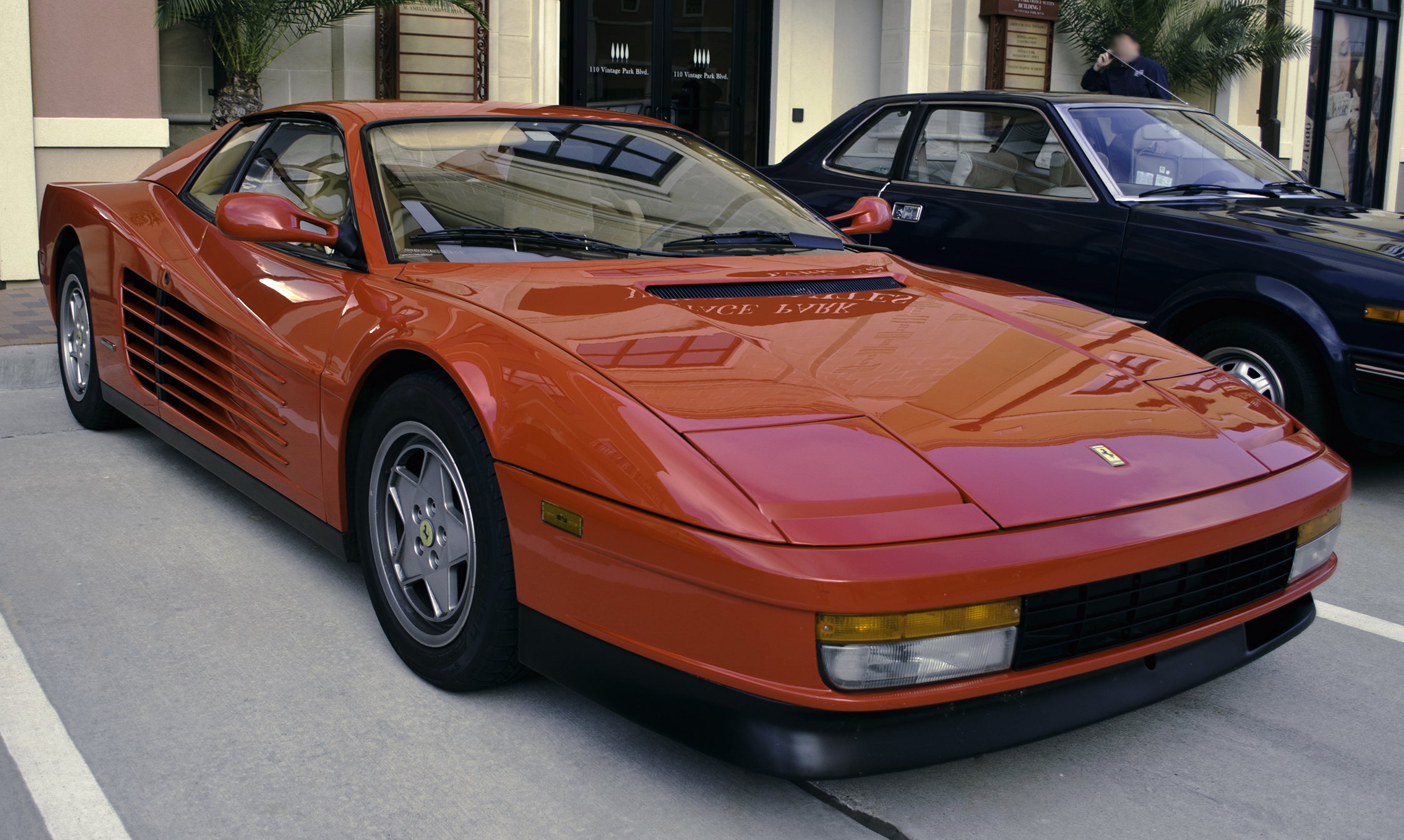
Testarossa Testarosas
"styling of that car. You know, I wasn't terribly enamored with the SF 90 and some of these other ones like the Testarosa's. And, and so this is the car that I kind of feel has the voluptuous shape that I am looking for in a Ferrari, right? I want to see the curves. I want,"
The Testarossa is a famous older Ferrari. People remember it for its bold, distinctive design. In the podcast, it’s mentioned because the speaker likes the way it looks.
The Testarossa is a classic Ferrari model known for its distinctive styling and strong presence in automotive history. In the podcast, it’s referenced when discussing which designs feel “voluptuous,” tying the car to a particular look and visual identity. That’s why it comes up in style-focused conversations.

Tesla Model X
"Instead, buy a Tesla Model X, please. The tech will be, the test, the tech will be better. You will like autopilot."
The Tesla Model X is an electric SUV. The speaker likes it because it has advanced tech and features (including its signature doors), and they think it’s a better EV SUV pick than the other option.
The Tesla Model X is an electric SUV known for its distinctive gullwing-style doors and tech-forward driving features. In this segment, the host argues that if someone wants an EV SUV, the Model X is the better choice than the alternative being discussed because of its software and driver-assist features.
autopilot
"The tech will be, the test, the tech will be better. You will like autopilot."
Autopilot is Tesla’s system that helps the car drive in some situations, like assisting with steering and speed. The speaker is saying they think you’ll enjoy using it.
Autopilot is Tesla’s driver-assistance system that can help with tasks like steering and maintaining speed in certain conditions. In this segment, it’s brought up as a major reason to choose a Tesla EV over the alternative.

Ford Falcon
"...ppealing to me about that car. Yeah, it's got the Falcon doors or what do they call it? Like kind of the G..."
The Ford Falcon is a car model name that has been used for different versions over the years. In the podcast, it’s mentioned because it has a distinctive door design that people notice. The conversation is focusing on what makes that specific car look or feel different.
The Ford Falcon is a model name used for different generations of cars, commonly associated with a classic, performance-leaning lineup in some markets. In the podcast context, it’s mentioned for its “Falcon doors,” suggesting a distinctive door design or feature that stands out visually. That kind of detail makes it a memorable topic in car-enthusiast discussions.
Falcon doors
"it's got the Falcon doors or what do they call it? Like kind of the Galwing doors, which is cool."
“Falcon doors” are the special doors on the Tesla Model X that open upward. The speaker thinks that part is neat, even if they don’t like the car’s overall look.
“Falcon doors” is the nickname for the Tesla Model X’s distinctive upward-opening door design. The host mentions them as a cool feature, even while criticizing the overall shape of the vehicle.
Galwing doors
"it's got the Falcon doors or what do they call it? Like kind of the Galwing doors, which is cool."
“Galwing doors” is another way to describe upward-opening doors, like the gullwing style. Here, the speaker is saying the Model X’s doors have that kind of look.
“Galwing doors” refers to a gullwing-style door concept where doors open upward, similar to the classic gullwing look. In this segment, it’s used as an alternate name for the Tesla Model X’s upward-opening doors.
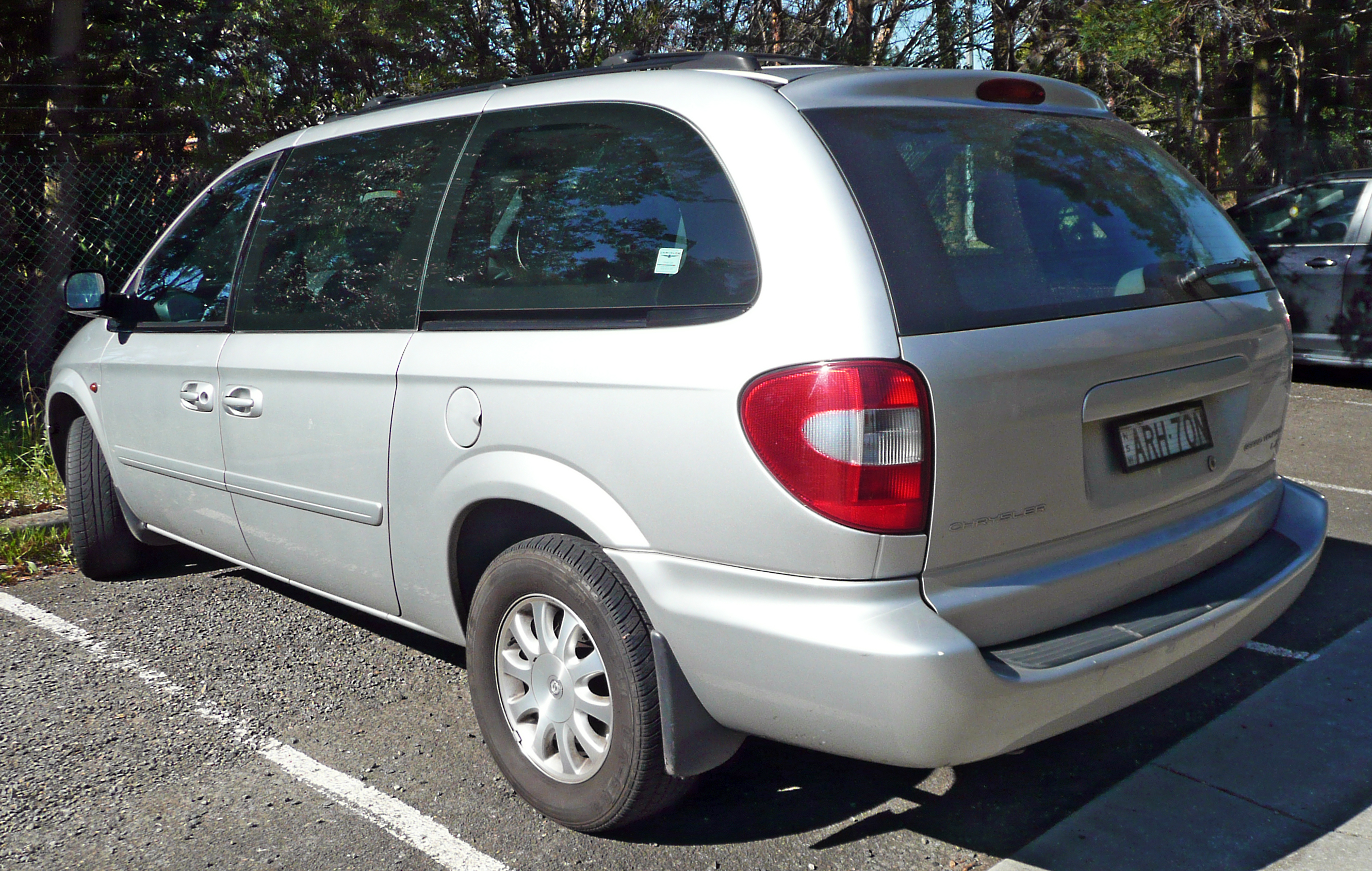
Chrysler Voyager
"But a standard minivan, like, come on, man, Chrysler Voyager, whatever, Plymouth Voyager, whatever the hell these things are called, you know, like, no, no, not me."
The Chrysler Voyager is a minivan. The speaker is comparing the Tesla’s look to a typical minivan and saying they don’t find that style appealing.
The Chrysler Voyager is a minivan model used here as a comparison point for the speaker’s opinion that the Tesla SUV shapes look like a minivan. The host is using it to argue that the Tesla’s styling doesn’t feel “cool” to them.
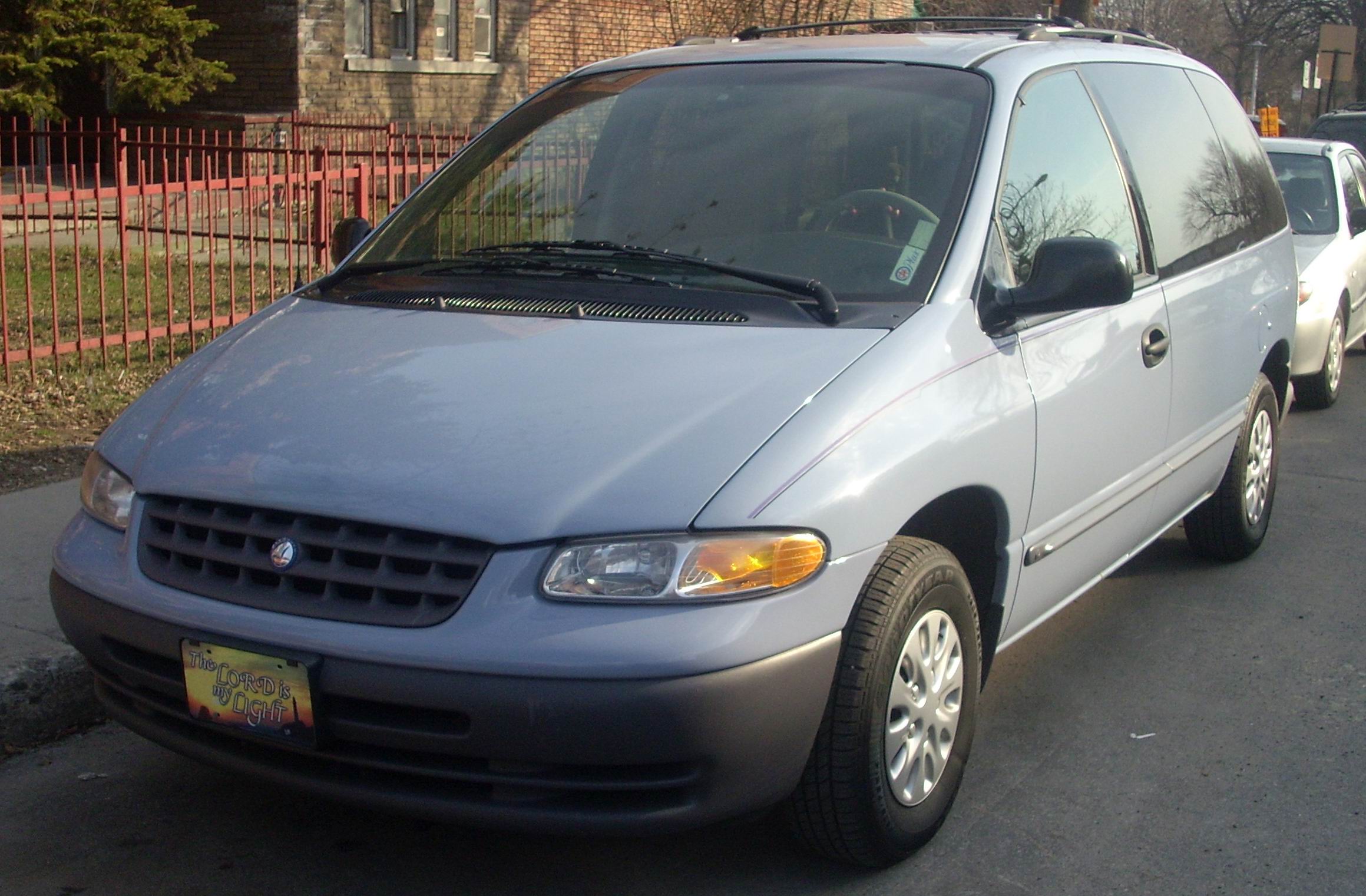
Plymouth Voyager
"..., like, come on, man, Chrysler Voyager, whatever, Plymouth Voyager, whatever the hell these things are called, you k..."
The Plymouth Voyager is a minivan, meaning it’s built to carry people and gear in a practical way. In the podcast, it’s mentioned as part of the broader “Voyager” minivan idea. The point is usually about the car being a typical family vehicle.
The Plymouth Voyager is a minivan name associated with practical, family-oriented transportation. In the podcast, it’s brought up alongside the Chrysler Voyager as part of a general reference to “Voyager” minivans. That context suggests the speaker is contrasting minivan practicality with other kinds of cars.
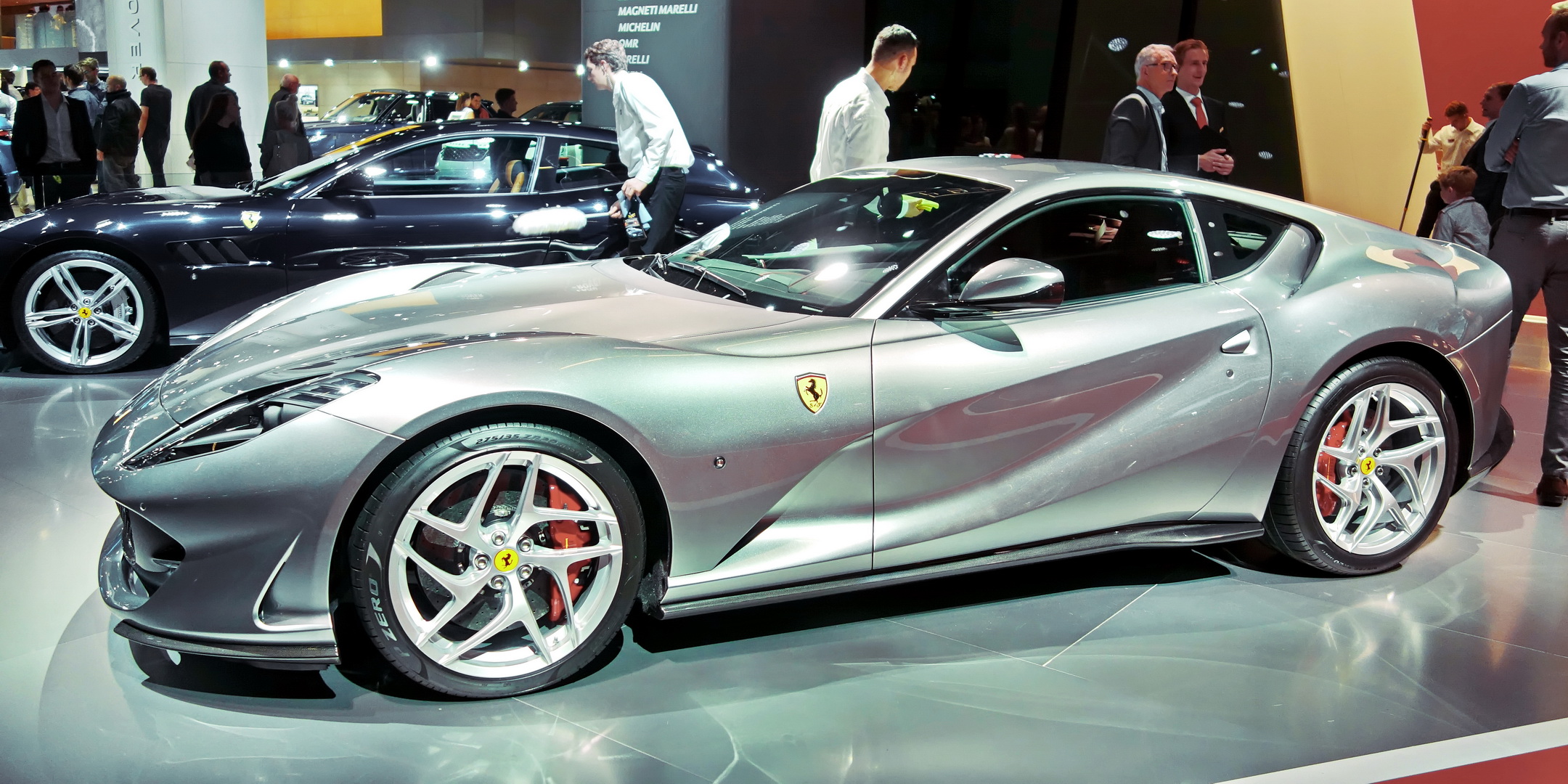
Ferrari 812 Superfast
"the car behind me that is always the most exciting when I think of modern Ferrari. Yes. Is the front engine V12 V12 812 Superfast."
The Ferrari 812 Superfast is a high-end Ferrari with a big V12 engine in the front. It’s famous for being a thrilling, old-school-feeling supercar even though it’s modern.
The Ferrari 812 Superfast is a flagship grand tourer built around a naturally aspirated front-engine V12 layout. The host calls it the most exciting modern Ferrari, emphasizing the appeal of that big V12 character.
Ferrari 812 GTS
"No, 812 GTS. We both love M coupes, shooting brake style cars. And I'm like, go, go get one"
Ferrari 812 GTS is the open-top version of the 812 Superfast. It keeps the same kind of big V12 excitement, just with the roof down.
The Ferrari 812 GTS is the convertible/roof-open variant of the 812 Superfast, still centered on the same front-engine V12 formula. The host groups it with other “modern Ferrari” choices, highlighting the appeal of open-top V12 driving.
shooting brake
"We both love M coupes, shooting brake style cars. And I'm like, go, go get one"
A shooting brake is a car body style that looks like a sporty coupe but has more of a wagon shape for cargo. It’s basically “sporty coupe looks” with “some practicality.”
Shooting brake is a body style that blends the look of a coupe with the practicality of a wagon—typically a two-door (or coupe-like) rear with a longer roofline and cargo access. The host uses it as a style preference when recommending certain Ferrari-adjacent choices.

Ferrari 458
"Go, go get the 458. One of the most beautiful, not try hard. I agree. Ferrari's ever, which is the 458."
The Ferrari 458 is a mid-engine Ferrari with a naturally aspirated V8. The hosts are saying it’s one of the most beautiful Ferraris and likely an amazing drive.
The Ferrari 458 is a mid-engine V8 supercar that’s widely loved for its naturally aspirated character and driver-focused balance. Here, the host frames it as one of the most beautiful Ferraris and contrasts it with a guest’s lukewarm opinion.

Ferrari F430
"design because the F430, I just thought it was so derivative and boring, you know, and then they"
The Ferrari F430 is an older Ferrari supercar with a mid-mounted engine. The speaker is basically saying they didn’t love its styling as much as the newer cars that followed.
The Ferrari F430 is a mid-engine V8 supercar (from the late 2000s) that sits in the lineage before the 458. Here, the speaker calls it “derivative and boring” compared to later Ferrari styling, especially the way the next car’s lights and intake details look.
Ferrari 296
"the dragon spider, which is the driver's car manual and a Ferrari 296. This or that, what are you"
The Ferrari 296 is a newer Ferrari sports car. It’s being mentioned as one of the options in a “which car would you pick?” EV vs gas comparison.
The Ferrari 296 is a modern Ferrari sports car known for its hybridized, high-performance layout and for being part of Ferrari’s newer era of powertrains. In the segment, it’s included as one of the “driver’s car” choices alongside the manual-transmission-focused pick.
Taycan Crosstourismo
"Model X, which, you know, you've made clear, you really like an 812 Superfaz and a 458 or are you taking a Taycan cross-tourismo, whatever wagon EV, you get the EV fix, the dragon spider, which is the driver's car manual and a Ferrari 296. This or that, what are you"
The Taycan is an electric Porsche, meaning it runs on batteries. It’s designed to feel like a performance car, not just an appliance for commuting. The podcast mentions it as an EV choice that still gives a sporty driving experience.
The Taycan is Porsche’s all-electric performance car line, known for delivering EV acceleration with a sports-car driving feel. In the podcast context, it’s mentioned as a “wagon EV” option (referring to the Cross Turismo idea) as part of a discussion about getting an EV “fix.” It’s brought up because it blends electric power with a performance brand’s approach to handling.

Tesla Model 3
"those who don't know you might think, oh, this guy just hates Tesla. Do you have a Model 3 or a Model S? I do. Yeah, I have a Model 3."
The Tesla Model 3 is an all-electric sedan. The speaker mentions it to explain they don’t hate Tesla overall—they just don’t like the Model X.
The Tesla Model 3 is Tesla’s mainstream electric sedan, positioned as a more accessible alternative to the Model X. The speaker brings it up to clarify that their criticism is aimed at the Model X specifically, not Tesla in general.
Request an Explanation
Heard something you'd like explained? We'll add it to this episode.
Sign in to request explanations for terms you heard.
Want to learn more?
Browse our glossary for plain-English explanations of automotive terms, jargon, and concepts.
Help improve this episode
See something that's not quite right? Our annotations are AI-generated and can sometimes miss the mark. Click the flag icon on any annotation to suggest a correction.
2 community members have helped improve this episode.