
Ferrari’s New Fake Gated Manual, Fiat Topolino & Why Doug Won't Buy a Supercar!
About this episode
Ferrari’s back with a “gated manual” that’s really a dual-clutch with a clutch pedal and shift gate—by-wire, but reportedly able to mimic real manual behavior (including bucking/stalling) while still offering an automatic mode for traffic. The hosts debate whether it’s “fake” or simply the next step, and how it could spread to other DCT cars and even dodge some regulatory hurdles. They also cover Ferrari’s limited Tailor-Made allocation, pricing, and what it means for future enthusiast demand. Then it’s Fiat Topolino arriving in the US as a low-speed microcar, plus jokes and safety talk about its door options.
DCT
"In theory, this technology, if it works, they could put in any car with a DCT."
DCT means a dual-clutch automatic transmission. It can change gears very fast because it’s readying the next gear ahead of time. The point here is that this “fake manual” idea could work on cars that use that type of gearbox.
DCT stands for dual-clutch transmission, a gearbox that uses two clutches to pre-select the next gear. That lets it shift quickly with less interruption than a traditional automatic, and it’s common in performance cars. In this segment, the host suggests the “simulated manual” tech could be used in any car that already has a DCT.
simulated manuals
"So it could open up a lot of doors to have simulated manuals and across the range from Perl song ways to what have you."
A simulated manual is when an automatic car tries to feel like a stick-shift. It may let you “shift” with paddles and change the engine response to match. The host is saying this could be offered in more cars if the system works well.
A simulated manual is a driving mode that mimics the feel and interaction of a traditional manual gearbox—often including paddle/shift behavior and engine response—while the car is still using an automatic transmission. The goal is to give drivers the “manual” experience without requiring a real clutch and gear lever. Here, it’s discussed as something that could be enabled across many cars if the underlying tech works.
by wire
"And I do think like the fact that like everything's moving to by wire, you break have steering by wire."
“By wire” means the car uses electronic signals and computers to control things that used to be connected by cables or fluid. Instead of direct mechanical movement, sensors and actuators do the work. The host is connecting that trend to steering-by-wire and other features.
“By wire” refers to replacing mechanical or hydraulic linkages with electronic control systems. In modern cars, this can apply to multiple functions (like throttle, braking, and steering), where sensors and computers manage actuation. The segment uses it to frame why steering by wire—and related “feel” technologies—are becoming more feasible.
dual clutch
"My feeling is that likely this is just the same dual clutch, but there's like a different little lever. And so as opposed to any sort of regulatory rules they have to go through with a manual or an automatic, whatever, for fuel economy, I bet they don't have to do that for this because it is still just the DCT."
A dual-clutch gearbox uses two clutches so it can switch gears quickly. While one gear is being used, the next one is already “ready,” so the shift feels fast.
A dual-clutch transmission (DCT) uses two separate clutches—one for odd gears and one for even gears. That lets it pre-select the next gear so shifts can be very quick and smooth, which is why DCTs are common in performance cars.
money shift
"You can stall it. You can blip the throttle. You can do all that, but you can't money shift it. They put in technology so you can downshift it and do a lot of fun things, but if you've ever had a problem with money shifting, no worries."
A money shift is a bad downshift where you end up in the wrong gear and the engine revs too high. It can cause expensive engine damage, so people worry about it a lot.
A money shift is when a driver downshifts incorrectly—typically selecting the wrong gear—causing the engine to over-rev. That can lead to serious damage (like valve float, broken parts, or catastrophic internal failure), which is why enthusiasts treat it as a major risk.
piston rings
"I merely dispute the story. One particular money shift. It was the piston rings flying due to knocking on the engine and tunes and all that. However, this is..."
Piston rings are small metal rings on the piston that help seal the engine so compression stays where it belongs. If they get damaged, the engine can start losing power and can become very expensive to fix.
Piston rings are the metal rings on the piston that seal the combustion chamber and control oil consumption. If they fail—often after extreme detonation/overheating—they can break or get damaged, which can lead to loss of compression and major engine problems.
knocking on the engine
"One particular money shift. It was the piston rings flying due to knocking on the engine and tunes and all that. However, this is..."
Knocking is when the engine’s fuel burns in a rough, uncontrolled way. It can be harmful, and it’s often linked to bad tuning or the wrong conditions for combustion.
Engine knocking is abnormal combustion where the air-fuel mixture detonates in an uncontrolled way instead of burning smoothly. It can damage internal components over time, especially if it’s severe or caused by aggressive tuning or incorrect fuel/air conditions.
2-1 upshift
"Thanks to a high speed 2-1 upshift. Let's change the subject to something factual and correct that actually happened..."
It means the car’s gearbox changes from 2nd gear to 1st gear. Normally that would be called a downshift, so the host is probably talking about a special kind of shift behavior.
A “2-1 upshift” means the transmission goes from 2nd gear to 1st gear. That’s not a normal upshift pattern—going to a lower gear is typically a downshift—so the phrase likely refers to a special shift strategy (like a fast, high-speed gear change) being discussed.
tailor-made program
"The other important news bits is this first one is sort of through their tailor-made program. 1,499 units are expected."
Ferrari’s Tailor-Made program is their way of letting buyers customize a car. It’s more than just picking colors—it’s about ordering the car with specific options and equipment.
Ferrari’s “Tailor-Made” program is a personalization workflow where customers specify options and configuration details beyond standard trim. The key point here is that it’s not just about the car’s parts—it’s also about how Ferrari builds and equips the vehicle to match the customer’s choices.
transmission
"But basically what the tailor-made thing means is they're not just sending the transmission through tailor-made. You have to equip the car through tailor-made."
A transmission is the gearbox that chooses which gear the car is in. It’s what connects the engine’s power to the wheels, and it’s central to how the car shifts.
In this context, “transmission” refers to the gearbox and shift mechanism that selects gears and transfers engine power to the drivetrain. The host is saying Ferrari isn’t only customizing the transmission—customers must also equip the rest of the car through the Tailor-Made process.
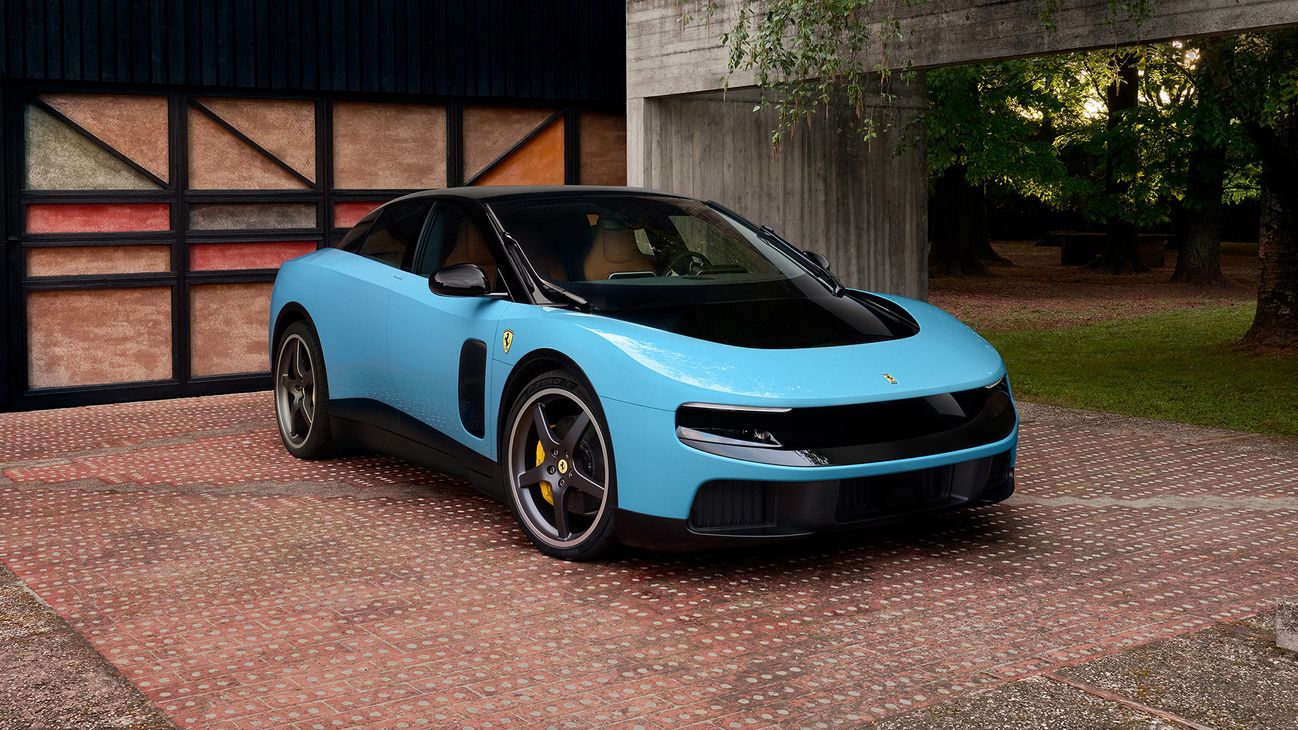
Ferrari Luce
"...nstagram, is that they're going to make you buy a luce to qualify for this. They may. I mean, it's going..."
The Ferrari Luce is mentioned as something you might have to buy to be eligible for another purchase. The podcast is talking about how Ferrari could be controlling who gets access to certain cars. That’s why the Luce comes up in the conversation.
The Ferrari Luce is referenced in the podcast as a potential requirement to buy in order to qualify for something, implying a limited or structured purchase process. The discussion suggests the brand may be using a specific model or allocation strategy to manage demand. It’s brought up because Ferrari buying rules and product access can be a big part of the story.
gated manual
"The sky's the limit if this sells, which of course it will. The hybrid gives them an opportunity to move 12 cylindries, which have not been strong sellers. One more interesting thing is it's been 20 years since the 355 debuted with the F1 transmission."
A “gated manual” is when the gear shifter feels like a normal manual car, with the lever moving into defined gear slots. Even if the car isn’t a true manual, the goal is to make it feel familiar and engaging.
A “gated manual” refers to a shifter with a traditional H-pattern gate that physically guides the lever into specific gear positions. The point is to recreate the tactile feel of a real manual, even if the actual drivetrain control may be automated or electronically assisted.

Ferrari 355
"One more interesting thing is it's been 20 years since the 355 debuted with the F1 transmission. So we've really come full circle to, okay, we had a manual that was actually an automatic, and now we have an automatic that's actually a manual."
The Ferrari 355 is a classic 1990s Ferrari with a V8 engine in the middle. It’s famous for a transmission that behaves like a manual, but uses electronics to do the shifting.
The Ferrari 355 is a mid-engine V8 Ferrari from the 1990s that’s especially known for its F1-style automated manual transmission. In this segment, the hosts connect its “F1 transmission” era to today’s idea of a gated manual feel coming back.
come full circle
"So we've really come full circle to, okay, we had a manual that was actually an automatic, and now we have an automatic that's actually a manual. It's like kind of a funny how what's old is new again and what's new is old again."
They’re basically saying the industry is repeating itself. First, cars made “manual” shifting happen automatically, and now they’re trying to make automatic cars feel more like a manual again.
“Come full circle” is the idea that automotive tech trends repeat over time. Here, the hosts are describing a loop where manual-like behavior first became automated, and now automation is being packaged to feel more like a manual again.
Porsche
"And then that came out in 97, 98. And within 10 years, the manual was gone completely. And Ferrari had this sort of arrogant attitude about it, but they must have seen Porsche sit here and make all this money and realized there are enthusiasts who will do it."
They’re bringing up Porsche as an example of a brand that understands what enthusiasts want. The idea is that Ferrari saw Porsche make money with driver-focused choices and followed a similar logic.
Porsche is referenced as a benchmark for how a company can profit from enthusiast-focused features. In context, the hosts suggest Ferrari noticed Porsche’s success and realized there’s a market for drivers who care about the “feel” of the car.
CodeExec
"They're going to be, I suspect that they're the first, but not the only player. I mean, CodeExec has one, but it doesn't really count."
They mention CodeExec as another company that has something similar. The hosts are saying it’s not really the same thing they’re talking about, so it doesn’t fully count in their comparison.
CodeExec is mentioned as another player that has a similar system or product, though the hosts imply it “doesn’t really count” for their comparison. This is likely a reference to a company offering an alternative approach to the same general idea.
electric sports car
"That are thinking about how to do a manual transmission, electric sports car where it's all simulated anyway."
An electric sports car is a performance-focused car that runs on electricity. Instead of a gas engine, it uses electric motors for power.
An electric sports car uses electric motors instead of a traditional internal-combustion engine. The “sports car” part usually means it’s tuned for quick response and handling, even though the powertrain is electric.
limited
"Like if you're able to buy this for anywhere near a reasonable price, like at it being a limited the first one back, like this has got to be one that holds its own."
A “limited” car usually means only a certain number will be built. Because it’s scarce, it can hold value better and be harder to get.
When a car is described as “limited,” it usually means production is capped and availability is restricted. That scarcity can affect pricing, resale demand, and how “special” the ownership experience feels.
holds its value
"It's got to be one that holds its value pretty darn well. You know, there's a lot of us who would be thinking about buying it for enjoyment, but you take your investment angle."
“Holds its value” means the car doesn’t lose much money when you sell it later. Cars that are rare or very in-demand tend to keep their price better.
“Holds its value” means the car’s resale price stays relatively high over time compared with typical depreciation. Limited production, strong demand, and desirability can all help a car retain value.
non-buy wire clutch
"If I were going to buy it for enjoyment, I would buy an F1 599, swap it with a non-buy wire clutch and be in it for a tenth of the price."
A “by-wire” clutch means the pedal’s input is sent electronically rather than moving parts directly. A “non-by-wire” clutch would feel more mechanical and direct.
A “by-wire” clutch uses electronic signals instead of a purely mechanical connection to control clutch engagement. A “non-by-wire” clutch would use a more direct mechanical linkage, which can change pedal feel and how the system responds.
special allocated
"That I had to be special allocated. You would be like, I'm a little afraid to drive it other than the flex on young children at cars and coffee."
“Special allocated” means the car isn’t easy to just buy off the shelf. The brand gives limited slots to dealers, and dealers offer them to certain customers.
“Special allocated” refers to a manufacturer’s allocation system, where only certain buyers are offered a car. Instead of anyone being able to order one normally, dealers receive limited quantities and distribute them to selected customers.
cars and coffee
"You would be like, I'm a little afraid to drive it other than the flex on young children at cars and coffee."
“Cars and coffee” is a casual car meet where people show their cars and hang out. It’s a common place for car owners to show off their rides.
“Cars and coffee” is a casual car meet-up format where enthusiasts gather in the morning to show cars and talk. It’s often where owners “flex” their cars publicly because it’s low-pressure and social.
low speed vehicle legal
"By the way, it starts out not being street legal, but they will have a kit that makes it low speed vehicle legal."
This means the car wouldn’t initially be allowed like a normal street car, but with a kit it can qualify for a special category of road use. That category limits how fast it’s allowed to go.
“Low speed vehicle legal” refers to a regulatory category that allows certain small vehicles to be driven at limited speeds on public roads. Doug says the vehicle starts out not being street legal, but a kit would make it qualify as a low-speed vehicle.
street legal
"By the way, it starts out not being street legal, but they will have a kit that makes it low speed vehicle legal."
“Street legal” just means the vehicle is allowed to be driven on regular public roads. Doug is saying it won’t be street legal at first, but it can be made legal for limited-speed use.
“Street legal” means a vehicle meets the rules required to be driven on public roads (like lighting, safety equipment, and emissions/inspection requirements depending on the jurisdiction). Doug contrasts that with the initial status of the vehicle before the low-speed kit is added.

Fiat Topolino
"Apparently there are two versions. There's a topolino, which by the way, little mouse that has actual doors and a glass sunroof."
The Fiat Topolino is a very small Fiat “microcar.” Here, they’re talking about the US version coming in 2026, and specifically that this version has real doors and a glass sunroof.
The Fiat Topolino is a tiny, microcar-style vehicle that Fiat has offered in Europe for years. In this segment, Doug notes the US version for 2026 and highlights that it has real doors and a glass sunroof, which is a big part of what differentiates it from the rope-door variant.
side airbags
"They're not like in some cars, the side airbags are contained within the doors, but I don't think very many. And other than that, they're not structural."
Side airbags are safety cushions that deploy in a crash from the side. They can be placed near the doors, but the door is not what’s doing the protecting.
Side airbags are airbags designed to deploy during a side-impact crash to protect the head and torso. Some vehicles package them in the door area, but they’re still not the same thing as the door itself being a “safety feature.”
structural
"And other than that, they're not structural. Like you could take doors off."
In crash-safety talk, “structural” refers to parts of the body that carry loads and help maintain the passenger cell during a collision. If doors aren’t structural, removing them doesn’t necessarily mean the car’s main crash structure is gone—but it can still reduce protection and safety systems’ effectiveness.

Honda Civic
"...ke doors off. You could take doors off your Honda Civic and drive around like a Wrangler if you wanted to..."
The Honda Civic is a common, everyday compact car. It’s not designed for off-roading or removable doors like some SUVs are. The podcast is basically saying you could technically remove Civic doors, but it wouldn’t be the same kind of setup.
The Honda Civic is a mainstream compact car focused on everyday driving, efficiency, and practicality. It’s mentioned in the context of removing doors, which highlights how unusual that idea is for a Civic compared with vehicles designed for open-air use. The podcast uses it as a comparison to the Wrangler’s removable-door concept.
roofless car
"I've been hit with rocks on my forehead when driving a roofless car. Yeah."
A roofless car means there’s no roof overhead. That leaves you more exposed to things on the road, like rocks or debris, especially on rough roads.
A roofless car (or open-top vehicle) exposes occupants to the elements and to road debris because there’s no roof to deflect projectiles. The hosts connect this to the risk of “projectiles” like rocks hitting the driver’s head.
side impact
"What about a side impact? Like anything is better than nothing or a piece of broken."
A side impact is when something hits the car from the side. It’s especially dangerous because the side of the car has to protect you, so safety features like side airbags come into play.
A side impact is a collision where another vehicle or object strikes the car from the side. It’s a key crash scenario because it stresses side structures and side-intrusion protection, which is why side airbags and door/side structures matter.
top speed
"Given that the top speed is 25, first off, I have a suspicion you're not going to be behind many GT3 RSs. Hey, the top speed is actually 19."
Top speed is the highest speed the vehicle can go. They mention it to explain why you probably won’t be stuck behind fast cars very often.
Top speed is the maximum speed a vehicle can reach under its own power. In this segment it’s discussed as a limiting factor for how often you’d realistically be “behind” a much faster performance car.
miles of range
"It has 46 miles of range. It takes five hours to charge to those 46 miles of range."
Miles of range is how far the car can drive before it needs charging again. The hosts are pointing out that the number is pretty small.
Miles of range is how far a vehicle can travel on a full charge (for EVs) before the battery needs recharging. Here it’s used to frame the practicality of the vehicle’s limited real-world usefulness.
limiter
"So I bet it's electronically limited to that. If you've removed the limiter, you probably got 30 miles an hour, something there about."
A limiter is an electronic “speed cap” that prevents the car from going faster than a set limit. It’s usually there for safety or rules. If someone removes it, the car can go faster than the factory setting.
A speed limiter is an electronic restriction that caps a vehicle’s maximum speed. Automakers use it for safety, regulatory compliance, or to protect components. If the limiter is removed, the car can exceed the factory top speed cap.

RSX Type-S
"It is about $15,000. Would you rather have this or an RSX Type-S Filippo? ... But I'm giving you the choice between this and an RSX Type-S."
The Acura RSX Type-S is a sporty Honda-based coupe that enthusiasts like for its driving feel. Here, they’re comparing it to a tiny beach-cruiser-style car to see which you’d rather own.
The Acura RSX Type-S is a front-wheel-drive performance coupe known for its sporty handling and enthusiast-focused tuning. In this segment, it’s used as the comparison point against a much smaller, slower “cute” vehicle.
hubcaps
"Filippo, did you know that in Canada there was a base model RSX with hubcaps? Fun fact, steelies. Yes, steel wheels and hubcaps."
Hubcaps are the covers on the outside of a wheel. They help the wheel look nicer and protect it a bit. In this story, they’re part of the “base model” wheel setup.
Hubcaps are wheel covers that snap onto a wheel’s hub area to improve appearance and protect parts from dirt and debris. They’re common on lower-cost trims where the car may not include full alloy wheels. Here, they’re paired with “steelies” as a Canada-specific base-model detail.
steelies
"Filippo, did you know that in Canada there was a base model RSX with hubcaps? Fun fact, steelies. Yes, steel wheels and hubcaps."
“Steelies” just means steel wheels. They’re usually cheaper than fancy alloy wheels and can hold up well, especially in bad weather. They’re being mentioned as a fun detail about a basic RSX setup.
“Steelies” is slang for steel wheels (as opposed to lighter alloy wheels). They’re often used on base trims because they’re cheaper and can be more durable, especially in harsh weather. In the segment, it’s mentioned as part of a “base model RSX” detail.
Think Neighbor
"I struggle to say automobile. Yeah, like the Think Neighbor that you guys had. Yeah, it's cute."
The Think Neighbor is a very small electric car made for short trips, like getting around town. They mention it because it’s another example of a “cute” microcar people enjoy. It’s not really about being fast.
The Think Neighbor is a tiny electric microcar associated with the Think brand, designed for short urban trips. In this segment, it’s referenced as an example of the “cute small vehicles” people are into. The comparison supports the idea that these cars are more about convenience and charm than speed.

Smart Crossblade
"Weren't you really into the smart crossblade for a while? I mean, couldn't you argue that this is effectively no different?"
The smart crossblade is a very small, weird-looking two-seat vehicle made by smart. It’s more about being different and stylish than about being practical for daily driving.
The smart crossblade is a quirky, ultra-compact two-seater from smart (a Daimler brand) built around a motorcycle-like concept: it’s narrow, lightweight, and designed more for novelty and style than practicality. It’s often discussed as a “why would you buy this?” vehicle because it doesn’t offer the everyday usability of a normal car.

golf cart
"Yeah, but I can get a golf cart, six seats for the same money. And by the way, Flipple, you're like, oh, people want style, go to carsandvids.com,"
A golf cart is a small, slow vehicle usually used on golf courses. They’re bringing it up as a cheaper option that can still carry multiple people.
A golf cart is a low-speed, short-range vehicle typically used on golf courses, usually powered by an electric motor. In this discussion it’s used as a baseline “cheap alternative” to compare value-per-seat against tiny cars like the smart crossblade and Fiat Topolino.
kilowatt electric motor
"Three kilowatt electric motor doesn't actually say a range."
The motor’s kilowatt rating tells you how much power it can make, not how many miles it can drive. How far you can go depends on the battery and how efficiently the car uses energy.
A kilowatt electric motor rating describes power output, not how far the car can go. Range depends more on battery capacity, vehicle efficiency, and how much energy the car uses at your speed and conditions.
Mothers
"Here's something I appreciate about mothers, the official car care provider of cars and bits. ... Mothers makes it simple. Spray it, wipe it, done."
Mothers is a company that makes products for cleaning and protecting cars. They’re talking about it as a sponsor and showing how simple their coating products are to use.
Mothers is an automotive detailing brand best known for car-care products like cleaners, polishes, and coatings. In this segment, they’re positioned as the “official car care provider,” and the host highlights their ease-of-use approach.
ceramic coatings
"Ceramic coatings always felt like this intimidating leave it to the pros thing. ... Mothers makes it simple."
Ceramic coatings are a protective product you put on your car’s paint. It helps the car stay cleaner longer and can make washing easier.
Ceramic coatings are protective layers applied to a car’s paint to improve resistance to dirt, water spotting, and light chemical contamination. They’re popular because they can make washing easier and help preserve the paint’s appearance.
California Gold Ceramic line
"The one I'd point to is their California Gold Ceramic line. Ceramic coatings always felt like this intimidating leave it to the pros thing."
This is a specific Mothers product line for ceramic coatings. They’re using it as an example of a coating that’s supposed to be easy to use at home.
The “California Gold Ceramic line” is Mothers’ specific line of ceramic coating products. It’s mentioned as the example of a coating that’s meant to be simpler for enthusiasts to apply.

1973 Ford F-250
"we have spent the last couple weeks working to rescue a really awesome 1973 Ford F-250 [1094.0s] with the help of AutoZone. ... [1111.0s] This week, the truck's been having trouble starting, [1114.0s] and we think that the battery needs to be replaced."
This is a classic Ford pickup truck from 1973. The hosts are working on it because it’s having trouble starting, and they’re replacing the battery and alternator so the truck can run normally again.
The 1973 Ford F-250 is a classic heavy-duty pickup from Ford’s Super Duty-era roots, known for its simple, serviceable mechanical layout compared with modern trucks. In this segment, Doug’s crew is troubleshooting a no-start issue and replacing key electrical components to get it running reliably again.
AutoZone
"we have spent the last couple weeks working to rescue a really awesome 1973 Ford F-250 [1094.0s] with the help of AutoZone. ... [1119.0s] Luckily, AutoZone makes it easy by testing my battery and alternator for free."
AutoZone is a store that sells car parts. In this case, they also help test your battery and alternator so you can figure out what’s actually failing.
AutoZone is an automotive parts retailer that also offers in-store diagnostic services. Here, they’re used to test the battery and alternator for free, helping confirm what’s causing the truck’s starting problem.
battery
"[1111.0s] This week, the truck's been having trouble starting, [1114.0s] and we think that the battery needs to be replaced. ... [1130.0s] So it does turn out that the F-250 needed both a battery and an alternator."
The battery is what gives your truck the initial electrical power to start the engine. If it’s old or failing, the truck may not start or may crank very slowly.
A car battery stores electrical energy so the starter can crank the engine and so electronics can run when the engine isn’t producing power. If a battery is weak or failing, the most common symptom is slow cranking or the engine not starting at all.
alternator
"[1117.0s] And we're also a little worried about the alternator. [1119.0s] Luckily, AutoZone makes it easy by testing my battery and alternator for free. ... [1130.0s] So it does turn out that the F-250 needed both a battery and an alternator."
The alternator is what keeps your battery charged while the engine is running. If it’s not working right, the battery can run out and the truck won’t keep running or won’t start reliably.
An alternator is the engine-driven generator that powers the vehicle’s electrical system and recharges the battery while you drive. If the alternator is failing, the battery can drain quickly and the car may start poorly or die after running briefly.

Bentley Bentayga
"This is a Bentayga replacement, I believe, right? ... It's going to be an all EV, their first only electric vehicle."
The Bentley Bentayga is Bentley’s luxury SUV. It’s the brand’s big, premium SUV, and the hosts are saying a new electric SUV may be replacing it.
The Bentley Bentayga is Bentley’s flagship luxury SUV, known for combining a big, upscale cabin with serious performance and off-road-capable styling. In this segment, the hosts mention a “Bentayga replacement” as the likely context for Bentley’s upcoming all-electric SUV.
all EV
"It's going to be an all EV, their first only electric vehicle. It will be a two row, five-seater SUV."
“All EV” means the car runs only on electricity. You charge it by plugging it in—there’s no gas engine involved.
“All EV” means the vehicle is fully electric, using an electric powertrain rather than a gasoline or diesel engine. That implies the car is powered by a battery that’s charged externally.
two row, five-seater SUV
"It will be a two row, five-seater SUV. So their first full EV is going to be an SUV."
This describes the seating: two rows of seats and room for five people. It’s the typical layout for many luxury SUVs, without the extra third row.
A “two-row, five-seater SUV” describes seating layout: two rows of seats and space for five passengers total. This is a common configuration for mainstream luxury SUVs, balancing interior room with a shorter overall length than three-row models.

Porsche Cayenne
"“Same basic architecture as the other Volkswagen Group EVs, the Cayenne especially.”"
The Cayenne is Porsche’s big luxury SUV. Here it’s mentioned as a clue that the next electric SUV might be built using similar underlying engineering.
The Porsche Cayenne is a luxury SUV that’s become a key reference point for how Porsche (and the wider Volkswagen Group) packages powertrains and platforms. In this segment, the hosts use it as an example of the “architecture” the next EV SUV could share.
Volkswagen Group EVs
"“Same basic architecture as the other Volkswagen Group EVs, the Cayenne especially.”"
This means electric cars from the big Volkswagen company family that share the same basic “design underneath.” So parts of the car—like where the battery goes and how the drivetrain is laid out—are likely similar across different brands.
“Volkswagen Group EVs” refers to battery-electric vehicles built on shared engineering platforms and component families across Volkswagen Group brands. When the hosts say the next model has the “same basic architecture,” they mean it will likely share key EV underpinnings like battery placement and drive layout with other VW Group electric cars.
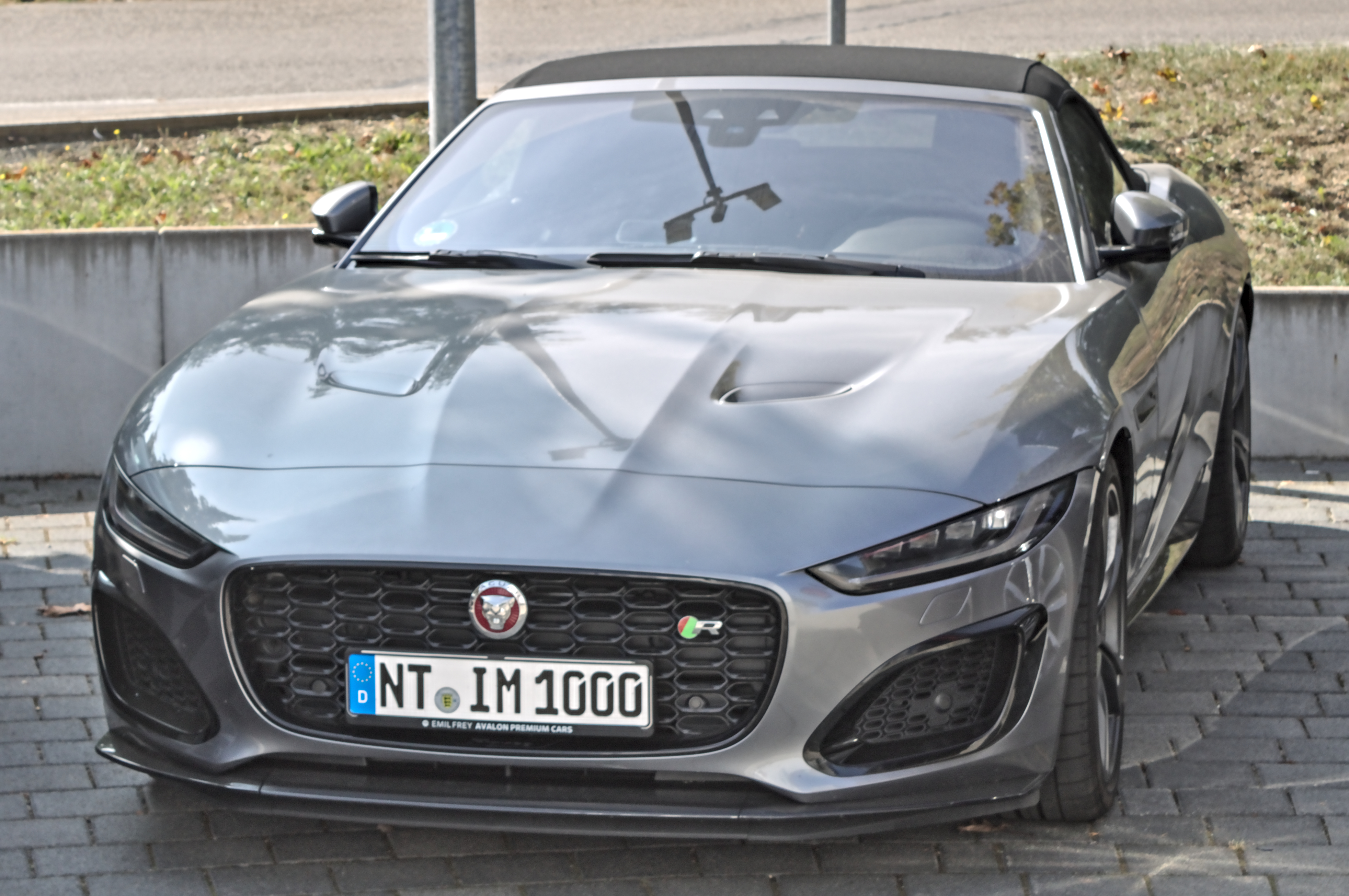
Jaguar Type
"... initially had a concept that was like a two door Jaguar Type 00-ish thing. I don't think that the demand is th..."
The Jaguar F-Type is a two-door sports car. The podcast is talking about an early idea for a Jaguar sports car and how the real demand didn’t turn out the way people hoped. That’s why it comes up in a discussion about what gets made.
The Jaguar F-Type is a two-door sports car known for its performance and classic sports-car styling. The podcast references an early concept that was “two door Jaguar Type 00-ish,” and then discusses demand not matching expectations. It’s discussed because concept-to-production decisions and market demand can shape which sports cars actually get built.
Tesla strategy
"“They didn't do the Tesla strategy of going like a Model S or Lucid, like a sedan first.”"
They’re talking about how Tesla chose to introduce electric cars first in one body style (a sedan) and then later broaden the lineup. The point is that other brands might choose a different starting point, like SUVs.
“Tesla strategy” here means launching EVs in a particular order—starting with a sedan (like a Model S) before expanding into other body styles. The hosts contrast that with the idea that an SUV-first approach may better match demand and market expectations.

Tesla Model S
"“...the Tesla strategy of going like a Model S or Lucid, like a sedan first.”"
The Model S is Tesla’s electric sedan. They mention it as an example of starting with a sedan body style before moving to other types like SUVs.
The Tesla Model S is a full-size electric sedan that’s often used as a benchmark for early EV mainstreaming. In this segment, it’s referenced as the example of a “sedan first” rollout approach.

Rolls did the Spectre
"“Rolls did the Spectre.”"
The Rolls-Royce Spectre is a fully electric Rolls-Royce. They bring it up because it’s an example of an electric car that wasn’t an SUV first, and it still did well.
The Rolls-Royce Spectre is the brand’s all-electric grand tourer, and it’s used here as an example of an EV strategy that started with a sedan-style luxury car. The hosts point to its success to argue that starting with an SUV platform can still be the “right” approach for the next EV.
EV SUV
"It needs to be like, I think the EV SUV makes a lot more sense than the Continental GT or anything else in their lineup"
An EV SUV is an electric car in the SUV body style. It’s being discussed as a luxury option that may appeal to more buyers than some traditional luxury models.
An EV SUV is a sport-utility vehicle powered by an electric motor instead of a gasoline engine. In this discussion, it’s positioned as a more broadly appealing luxury direction than traditional grand tourers like the Continental GT.

Continental GT
"It needs to be like, I think the EV SUV makes a lot more sense than the Continental GT or anything else in their lineup"
The Bentley Continental GT is a luxury “grand tourer,” meaning it’s built for comfortable long drives. Here, it’s being used as an example of a traditional luxury model that an EV SUV could be compared against.
The Bentley Continental GT is Bentley’s grand tourer (a luxury long-distance cruiser) known for its upscale interior and powerful engines. In this segment, it’s mentioned as a benchmark for what buyers might want versus an EV SUV approach.
VW platform sharing
"So they already do have to our point, it's like the VW platform sharing and all that technology. You might as well do the Bentley version."
Platform sharing means different car brands build cars using the same basic “bones.” The host is saying Bentley could use Volkswagen Group’s shared EV platform to make the EV SUV more feasible.
“Platform sharing” means multiple car brands use the same underlying vehicle architecture (the chassis and major structural components) to reduce development cost and speed up production. “VW platform sharing” here points to Volkswagen Group’s shared engineering base being used to build related luxury EVs.
world markets
"Roven Moore, had a budget interviews where he basically said, we can't keep designing cars, especially interiors, for world markets."
“World markets” just means different countries and regions. The point is that car makers have to make choices that work for customers in many places, not just one market.
“World markets” here refers to selling and supporting vehicles across multiple regions with different regulations, customer preferences, and product expectations. The speaker argues that designing one set of interiors for every region is harder than it sounds.
all screens
"The Chinese market is so focused on technology and going all screens and having the latest, greatest technology in their cars."
“All screens” means the car’s dashboard is mostly digital displays. The hosts are saying some buyers prefer physical buttons instead of relying on touchscreens for everything.
“All screens” describes an interior design philosophy where most controls and information are handled by large digital displays rather than physical buttons and knobs. The segment contrasts this with European and North American preferences for tactile controls.
buttons
"But what we're hearing from our European and North American consumers is we want buttons. We want less screens."
Here, “buttons” means real physical controls you can press without looking. The point is that some drivers prefer that over touchscreen-only controls.
In this context, “buttons” refers to physical, tactile controls for functions like climate, driving modes, and infotainment. The speaker claims that some buyers in Europe and North America want these instead of relying on touchscreens.
Audi
"And so they have spun off and created a side project, Audi in all caps, different than Audi. Interesting."
Audi is a car company. Here, they’re talking about a separate Audi-branded effort that’s meant to serve a particular market differently.
Audi is an automaker brand under the Volkswagen Group. In this segment, the hosts mention a separate “Audi” side project/brand structure, implying a distinct effort for a specific market strategy.
global development
"For a long time, we've been going towards a world car and global development. And now I think some automakers, Audi specifically right now, have realized people around the world want slightly different things."
Global development means building a car design that can be used in many countries. The discussion here is about whether automakers should instead make different versions for different markets.
Global development is the strategy of designing and engineering one vehicle platform to serve many countries and markets. The hosts contrast it with splitting development so different regions can get different design and feature choices.
market-specific design
"There's different markets. They need to make different design and functionality decisions. And this is probably a good split to actually do that."
Market-specific design means adjusting a car for what people in a certain country or region want. In this case, it’s about feature choices like screens and buttons.
Market-specific design is tailoring a car’s features, layout, and functionality to what buyers in a particular region prefer. The hosts argue that different markets may want different levels of screens vs buttons, and that automakers may need to split development to match those preferences.
learning curve
"Screens actually make sense. You just have to get over that initial like 30-day learning curve of finding where things are."
A learning curve is how long it takes to get used to something new. They’re saying touchscreen controls feel confusing at first, but you adapt after a few weeks.
A learning curve is the period of adjustment required to become comfortable using a new interface or system. Here, the hosts say screens “make sense” once drivers get past the initial time needed to learn where controls are.

Porsche Panamera
"I don't think they're suggesting going back to the Panamera, which is all both. [1442.0s] Sure. [1443.0s] But to be clear, what they make clear is that they will use the same platforms, engine designs, everything."
The Porsche Panamera is a luxury Porsche you’d think of as a “grand tourer.” Here it’s just being used as a reference point for what the speaker thinks they won’t go back to.
The Porsche Panamera is Porsche’s luxury sedan/hatchback-style grand tourer, known for being a tech-forward, driver-focused car. In this segment, it’s mentioned as an example of a previous design direction the speaker doesn’t think they’re returning to.
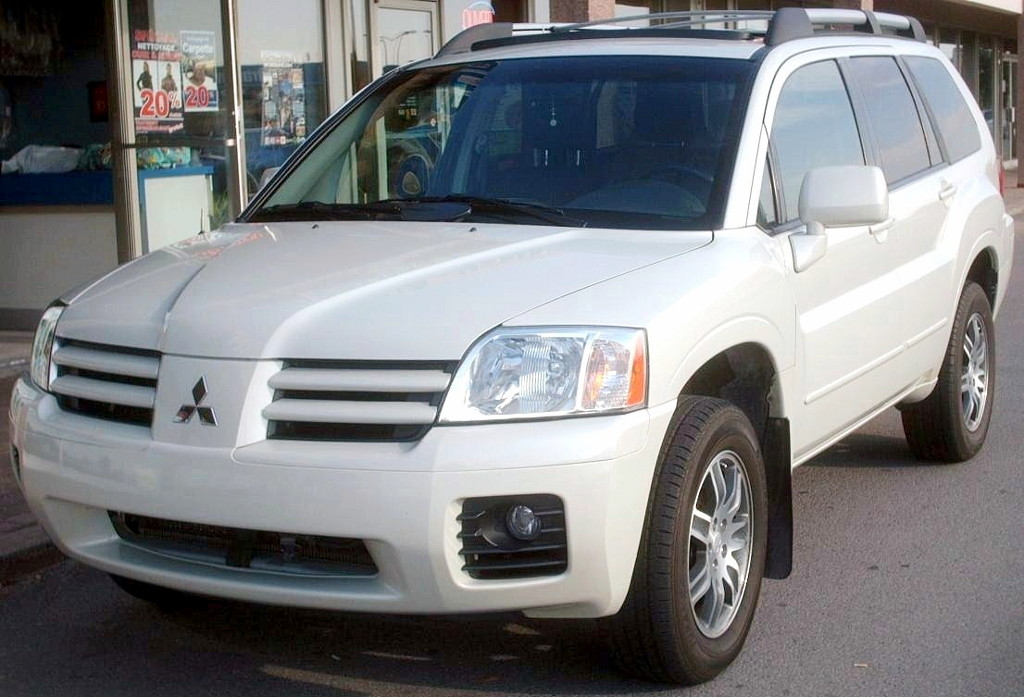
Mitsubishi Endeavour
"...what was on sale at the time. Do you remember the Mitsubishi Endeavour? Of course."
The Mitsubishi Endeavor is an SUV model that was sold some years ago. The podcast is just reminding people that it existed and was available at the time. It’s being used as a memory reference for older SUV choices.
The Mitsubishi Endeavor is a midsize SUV that was sold in certain markets as a family-oriented option. The podcast’s context is a quick recall of the model’s existence and availability “at the time,” which suggests it’s being used as a reference point for older SUV lineups. It’s discussed because it represents a less-remembered SUV from that era.
San Antonio
"Tacoma production was split between San Antonio and two different factories in Mexico. But the current generation Tacoma has been only built in Mexico."
San Antonio is a city in Texas where Toyota makes vehicles. In this story, it’s the plant Toyota wants to grow so more Tacoma trucks are built there.
San Antonio, Texas is referenced here as a Toyota manufacturing site that has produced Tacoma pickups. The segment says Toyota plans to expand the San Antonio plant so more Tacoma production can return to Texas.
Toyota
"Toyota's investing about $3.6 billion to double the size of their San Antonio plant and move all most of the Tacoma production back to Texas."
Toyota is the automaker behind this plan. They’re investing money to make more Tacomas in Texas instead of mostly building them in Mexico.
Toyota is the company making an investment decision that affects Tacoma production locations. The host cites Toyota’s plan to spend about $3.6 billion to expand the San Antonio plant and shift most Tacoma output back to Texas.
US capacity
"Toyota is near US capacity. Toyota used the highest factory capacity of any automaker that builds the United States."
“US capacity” means how many cars Toyota can build for the U.S. market. They’re saying Toyota is already running close to its U.S. production limits, so it may need to add more manufacturing.
“US capacity” here refers to how much manufacturing output automakers can produce for the U.S. market. The hosts claim Toyota is near U.S. production capacity and had the highest factory capacity among automakers building in the U.S., which is why they’re considering adding more.
tariff play
"There's a tariff play here. Toyota got smashed on tariffs last year, like almost more than any other automaker from a revenue standpoint."
A “tariff play” means a plan to deal with taxes on imported goods. The idea is that if tariffs are likely to stick around, Toyota can save money by building more locally.
A “tariff play” is a strategy companies use to reduce the impact of tariffs—often by changing where they manufacture or source parts. Here, the discussion is that Toyota’s production decisions could be influenced by tariff costs and the likelihood they’ll persist.
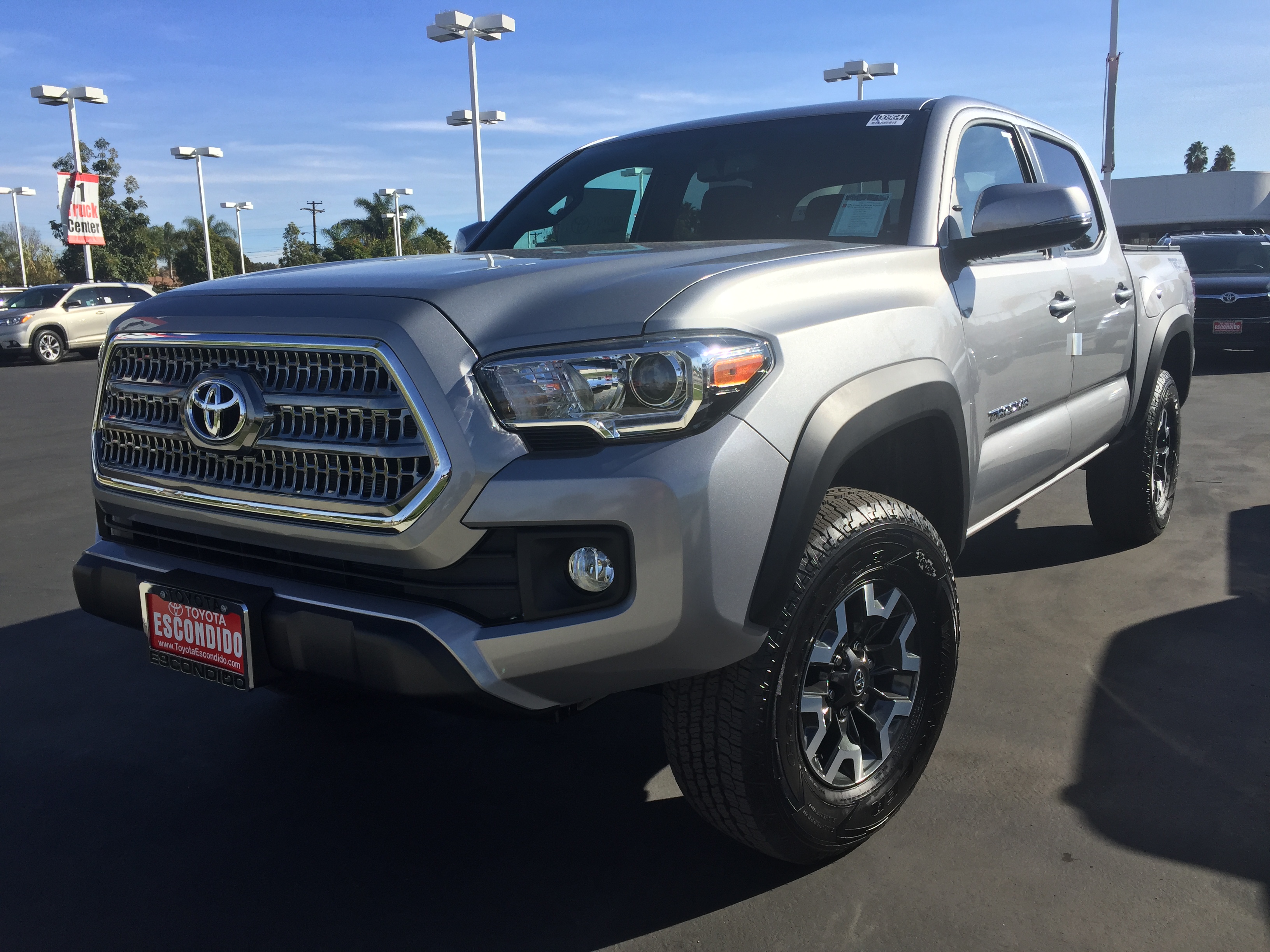
Toyota Tacoma
"they can get the Tacoma built here. There's probably a bit of a pride thing there too."
The Toyota Tacoma is a popular pickup truck. Here, they’re talking about building it in the U.S. instead of importing it, mainly because tariffs and trade agreements could change the cost.
The Toyota Tacoma is a midsize pickup truck, and it’s a key model for Toyota’s North American strategy. In this segment, they’re discussing plans to build it in the U.S. (San Antonio) as a response to tariffs and trade rules.
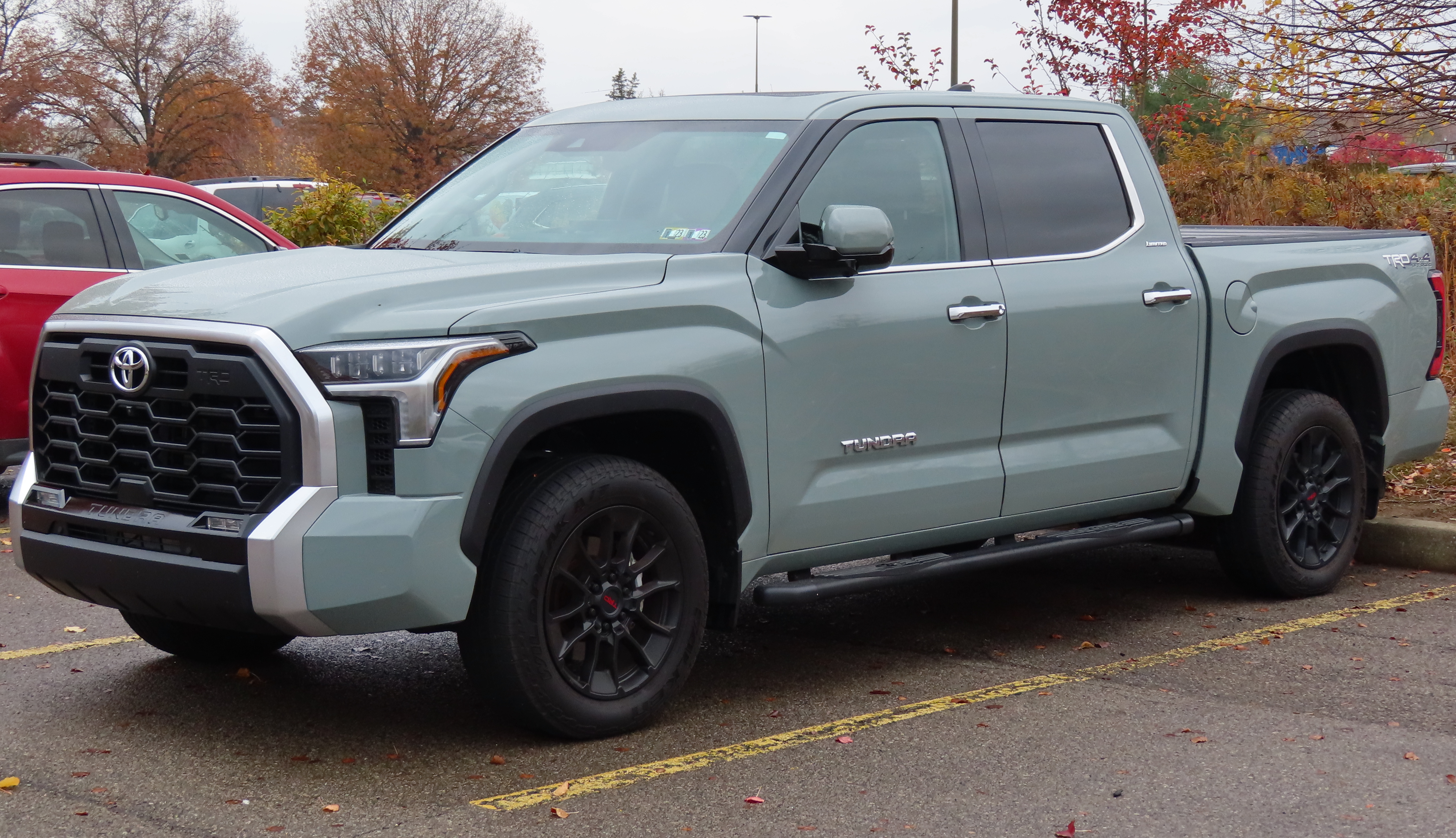
Toyota Tundra
"The Sequoia and Tundra. The engines only blow up sometimes."
The Toyota Tundra is Toyota’s big pickup truck. They mention it to show that the San Antonio factory builds major trucks for the U.S. market.
The Toyota Tundra is Toyota’s full-size pickup truck, and it’s cited alongside the Sequoia as a product coming out of the San Antonio plant. This matters because it ties Toyota’s U.S. capacity and model mix to trade/tariff pressures.
USMCA
"we're at the point, the renegotiation for the USMCA, which is the agreement between the US, Mexico, and Canada, restarted last week, two weeks ago,"
USMCA is a trade deal between the U.S., Mexico, and Canada. If it changes, it can affect how much it costs for car companies to build and ship vehicles across those countries.
USMCA is the trade agreement between the United States, Mexico, and Canada. The hosts say its renegotiation restarted recently after the U.S. indicated it wouldn’t renew it “as is,” which could affect automakers’ cross-border production and pricing.
Moza
"Many thanks to Moza for providing those parts. They were instrumental to helping make this track day safe, first of all, and fun,"
Moza makes racing simulator gear, like steering wheels and pedals. Here, they’re supplying the equipment that helps the host feel prepared before going to the real track.
Moza is a company that makes sim-racing hardware (like steering wheels, pedals, and motion/sim setups). In this segment, they’re providing parts that help the host practice for a real track day.
Polestar
"Alright, Polestar. Polestar, as we talked about last week, no longer allowed to sell cars in the US, starting in 27, 27 model year."
Polestar is an electric-car brand. The host is saying Polestar won’t be able to sell new cars in the US starting with the 2027 model year, so deals on existing inventory become the main chance to buy.
Polestar is an EV brand known for performance-oriented electric cars and a more direct-to-consumer sales model. Here, the host discusses a US sales restriction starting with the 2027 model year, which affects whether new Polestar cars can be sold in the US.

Buick 27 Model
"...r allowed to sell cars in the US, starting in 27, 27 model year. That means we're not getting any new Polest..."
The Buick Model 27 refers to a car from the 1927 model year. The podcast is talking about a time when Buick could sell cars in the US again. That kind of history affects which cars were available to buyers back then.
The Buick Model 27 is referenced in the context of the 1927 model year, when Buick was allowed to sell cars in the US again. The podcast uses it to connect historical availability to what buyers could or couldn’t get at the time. It’s discussed because early market access and model-year rules can shape what survives and what’s collectible today.
dealers
"So Polestar doesn't have dealers. So this isn't you go to a dealer and you negotiate."
Dealers are the car lots where you normally go to negotiate with a salesperson. The host is saying Polestar doesn’t use that traditional dealer setup, so the purchase process is different.
Dealers are the traditional retail middlemen that sell cars on behalf of manufacturers and typically handle negotiation and inventory. The host says Polestar doesn’t have dealers, so the buying process isn’t “go negotiate at a dealership” in the usual way.

Polestar 3
"They're advertising 23 grand off of 1, 20 grand off the Polestar 3, an additional loyalty or conquest bonus, and pretty generous lease terms."
The Polestar 3 is Polestar’s bigger electric SUV. The host brings it up because the advertised deals include discounts on the 3 too, not just the 4.
The Polestar 3 is Polestar’s larger electric SUV, positioned above the 4 in the brand’s lineup. The host mentions it because Polestar is advertising discounts on the 3 as well, along with additional bonuses and lease terms.
lease terms
"an additional loyalty or conquest bonus, and pretty generous lease terms. So if you want a Polestar 4, go get it now."
Lease terms are the details of how a lease works, like how long you lease the car and what the deal allows. The host is saying Polestar’s lease deal is comparatively favorable.
Lease terms are the rules of a car lease—things like the monthly payment structure, length of the lease, and mileage/conditions. The host notes Polestar is offering “pretty generous lease terms,” implying the deal is easier to fit into a budget than a typical lease.
loyalty or conquest bonus
"an additional loyalty or conquest bonus, and pretty generous lease terms. So if you want a Polestar 4, go get it now."
These are extra discounts: loyalty is for current Polestar owners, and conquest is for people switching from another brand. The host is saying you may be able to combine them with the main sale discount.
A loyalty bonus is an incentive offered to people who already own the brand, while a conquest bonus is offered to customers switching from a competitor. The host says Polestar is stacking these incentives on top of advertised discounts.

Polestar 4
"I will say, by the way, Polestar 4 MSRP for a base one is something like 55 grand. So you're taking 45% off the MSRP, except that you may not have any service saying you'll never be able to trade into a different one if you've done it."
The Polestar 4 is an electric Polestar SUV/crossover. Here, they’re talking about how much it costs at list price (MSRP) and what kind of discount you might actually get, plus what that means for owning it later.
The Polestar 4 is Polestar’s electric crossover-coupe, built on a modern EV platform and positioned as a more premium alternative to mainstream EVs. In this segment, Doug discusses its base pricing using the MSRP as a reference point, then contrasts that with the effective discount and the practical downsides for buyers.
MSRP
"I will say, by the way, Polestar 4 MSRP for a base one is something like 55 grand. So you're taking 45% off the MSRP, except that you may not have any service saying you'll never be able to trade into a different one if you've done it."
MSRP is the official list price on the car’s window sticker. It’s the number people use to talk about discounts, but the actual deal and what it’s like to own the car can be different.
MSRP (Manufacturer’s Suggested Retail Price) is the sticker price automakers publish as the baseline for negotiations and discounts. Doug uses MSRP to frame how big the advertised discount is on the Polestar 4, then points out that the real-world ownership tradeoffs (like service and resale) may not match the headline deal.

Fisker
"Well, I mean, everyone's comparing it to Fisker and being like, oh, it's the same as getting the fire sale in the Fisker. I think it's different in that Polestar's will still be made internationally."
Fisker is an electric-car brand that had a rough time staying in business, so people worry about support after you buy one. Here, they’re comparing that risk to Polestar’s situation, especially around getting repairs and parts in the U.S.
Fisker is an EV brand that became known for financial trouble and limited long-term support, which is why buyers compare other EV deals to “Fisker fire sales.” In this segment, the comparison is about serviceability and parts availability—specifically whether owners can realistically get repairs and keep the car supported after purchase.
fire sale
"Well, I mean, everyone's comparing it to Fisker and being like, oh, it's the same as getting the fire sale in the Fisker. I think it's different in that Polestar's will still be made internationally."
A “fire sale” means a company is selling things very cheaply, usually because they need to move inventory fast. In car terms, people worry that the brand might not be around to support the cars later.
A “fire sale” is a rapid, heavily discounted selling strategy—usually because a company is under pressure. In the EV context, it often signals that buyers are getting aggressive pricing while also worrying about long-term support, parts availability, and service.
Volvo
"They announced if Volvo is willing to service orphan Polestar. They've committed to maintaining service availability."
Volvo is a car company. In this part, they’re saying Volvo might step in to keep servicing Polestar cars so owners aren’t left without help.
Volvo is the automaker that’s being discussed as the party that could provide ongoing service support for Polestar vehicles. The key point is service availability—whether owners can still get repairs and maintenance after the brand’s sales situation changes.
service availability
"They've committed to maintaining service availability. And I don't know whether they're going to do that through their own service centers,"
Service availability means whether you can still get your car fixed and maintained. Here, it’s about whether Polestar owners can use Volvo/authorized locations for repairs.
Service availability refers to whether qualified repair work is realistically accessible—through company service centers or authorized dealers. In this context, it’s about ensuring Polestar owners can still get their cars serviced even if Polestar’s retail footprint changes.
service centers
"And I don't know whether they're going to do that through their own service centers, which I think there are a few Polestar service centers or through Volvo dealers."
Service centers are places that specialize in repairing a particular brand’s cars. The point here is whether repairs will happen at dedicated Polestar/Volvo locations or at regular dealer shops.
Service centers are dedicated facilities that handle repairs and maintenance, typically with brand-specific tools, training, and parts logistics. The speaker contrasts using Polestar/Volvo service centers versus using Volvo dealers to keep service available.
test drive
"And you're like, yeah, that looks pretty nice. Let me take a test drive. Next thing you know, you're buying."
A test drive is when you get to drive a car before buying it. The host is saying that when the service shop is nearby, people are more likely to get pulled into buying.
A test drive is a short driving session offered by a seller so a buyer can evaluate how the car feels in real conditions. The speaker uses it as part of a sales funnel example: if service and sales are close together, customers are more likely to end up buying.

GMC Typhoon
"...g from the food court to true food kitchen to din typhoon. You got it all."
The GMC Typhoon is an older SUV that was built to be faster than most SUVs of its time. The podcast is using the name in a playful way, but the car itself is known for performance. It’s the kind of vehicle people bring up when discussing surprising fast cars.
The GMC Typhoon is a performance-oriented SUV from the 1990s, known for being unusually quick for its class. The podcast’s context appears to be wordplay, but the Typhoon is typically discussed because it’s a standout “fast SUV” from that era. It comes up when people talk about unusual performance vehicles.
Lucid
"Yeah. Lucid is offering 0% on the gravity for some long amount of time too."
Lucid is an electric-car brand. Here they’re advertising a deal where you can borrow money with 0% interest for a while, so the car costs less to finance.
Lucid is an EV brand known for luxury electric sedans and SUVs. In this segment, the host mentions Lucid offering a promotional financing deal (0% interest) on the Gravity model, which is meant to make the purchase easier and cheaper.
0% on the gravity
"Lucid is offering 0% on the gravity for some long amount of time too."
“0%” means the financing has no interest for the promotional time. So you’re mainly paying back the car’s price, not extra interest charges.
“0%” refers to a promotional auto-loan interest rate of zero percent, meaning the lender charges no interest during the promo period. That effectively lowers the total amount you pay compared with typical dealer financing.
5.99%
"And their advertised deals are 5.99%. Yeah."
5.99% is the interest rate on the loan used to buy the car. A higher rate usually means you pay more overall than a 0% deal.
5.99% is an advertised financing interest rate (APR) used for calculating how much extra you pay when borrowing to buy a car. The host contrasts this typical dealer rate with Lucid’s 0% promo.
72 months
"And they were over at the Toyota 4Runner place and they were like, oh, we can get you 5.99 for 72 months. And I'm like, what a bargain."
“72 months” means the loan is spread out over six years. That can lower the monthly payment, but you may end up paying more overall because of interest.
“72 months” is the loan term length—how long you have to repay the car loan. Longer terms can reduce the monthly payment, but they often increase total interest paid.
0% financing
"By the way, it's 0% financing and $10,000 in cash. Yeah."
0% financing means you borrow the money without paying extra interest. That can make the deal feel cheaper because you’re not paying more on top of the car’s price.
0% financing means the lender charges no interest on the loan, so the buyer pays back only the principal. It can make the monthly payment look much cheaper and can be used as a sales incentive even if the car’s sticker price is unchanged.
cash
"By the way, it's 0% financing and $10,000 in cash. Yeah. I mean, we sold a 26 gravity with only 316 miles on it for $81,500 United States dollars."
Here, “cash” means the seller is giving you a direct money incentive (like $10,000 off). It lowers what you actually pay, rather than just changing loan terms.
In this context, “cash” refers to a direct incentive amount offered to the buyer (e.g., $10,000 off in cash). That’s different from financing incentives because it reduces the effective purchase cost immediately.
depreciation
"It's actually not horrible depreciation given what actual sale prices are. It's an expensive minivan."
Depreciation means how quickly a car loses value after you buy it. If depreciation is “not horrible,” the car tends to keep its value better than expected.
Depreciation is how much a vehicle’s value drops over time after purchase. In car-shopping discussions, it’s often used to judge whether a model is likely to hold its value relative to others.
minivan
"It's an expensive minivan. Nick, you thought about getting in gravity?"
A minivan is a roomy family vehicle designed for lots of seats and easy access. The host is basically saying the vehicle feels like a minivan but costs a lot.
A minivan is a passenger vehicle built for maximum interior space and easy family use, typically with sliding doors and a high seating position. The host uses it as a category comparison for the vehicle being discussed, implying it’s more practical than sporty.
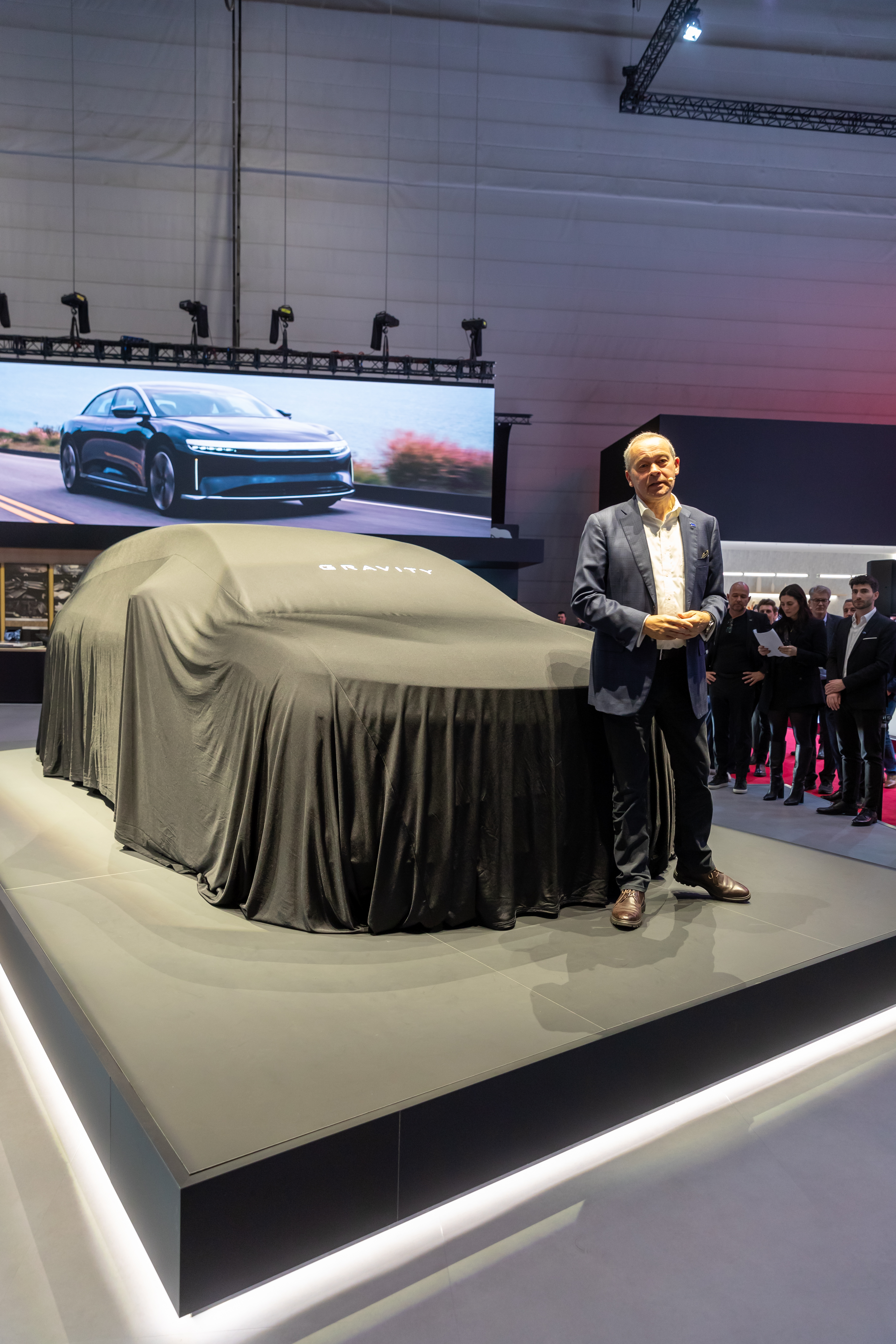
Lucid Gravity
"Their headline was 2026 Lucid Gravity Available with No Interest Due to No Interest. And they just slammed the Lucid that no one wants to buy it..."
Lucid Gravity is Lucid’s electric SUV. They’re talking about how much it costs and whether people actually want to buy it, plus how magazines are writing about it.
Lucid Gravity is Lucid’s electric SUV, positioned as a family hauler with EV range and comfort as the main selling points. In this segment, the hosts debate its pricing and how the press frames its sales momentum.
Request an Explanation
Heard something you'd like explained? We'll add it to this episode.
Sign in to request explanations for terms you heard.
Want to learn more?
Browse our glossary for plain-English explanations of automotive terms, jargon, and concepts.
Help improve this episode
See something that's not quite right? Our annotations are AI-generated and can sometimes miss the mark. Click the flag icon on any annotation to suggest a correction.
2 community members have helped improve this episode.