
Field Report: Will This Turbo 2JZ-GE Blow Up? (Probably Not).
About this episode
Exploring the intricacies of tuning a turbocharged 2JZ-GE engine, Mitch from Haltech discusses the balance between power and reliability. The conversation dives into managing torque, the importance of rod bolt strength, and the challenges of optimizing ignition timing. With a focus on a specific Supra setup, they detail how boost control is used to maintain a flat torque curve while ensuring the engine remains within safe limits. The episode highlights the technical nuances of tuning for performance without compromising engine longevity.
Turbocharging N/A engines is nothing new, and has some known downsides...
Use ‘PODCAST75’ for $75 off your first HPA course here: https://hpcdmy.co/hpa-tuned-in
But like anything, if you know the weaknesses to watch out for it is easier to manage and avoid them as Haltech's Mitch Smith explains in relation to this 780whp 2JZ-GE being used in a time attack applications.
Using modern aftermarket ECU systems one tool tuners have on hand is torque management, and Mitch explains how vis boost and ignition control, he can maintain a flat torque curve with the goal of mechanical sympathy on this stock 2jz bottom end.
With a stock bottom end, build cylinder head, Precision 6870 turbo pushing 25 PSI at max boost this Supra is limited to around 7,500 rpm in order to help keep the stock rod bolts intact and the car doing laps.
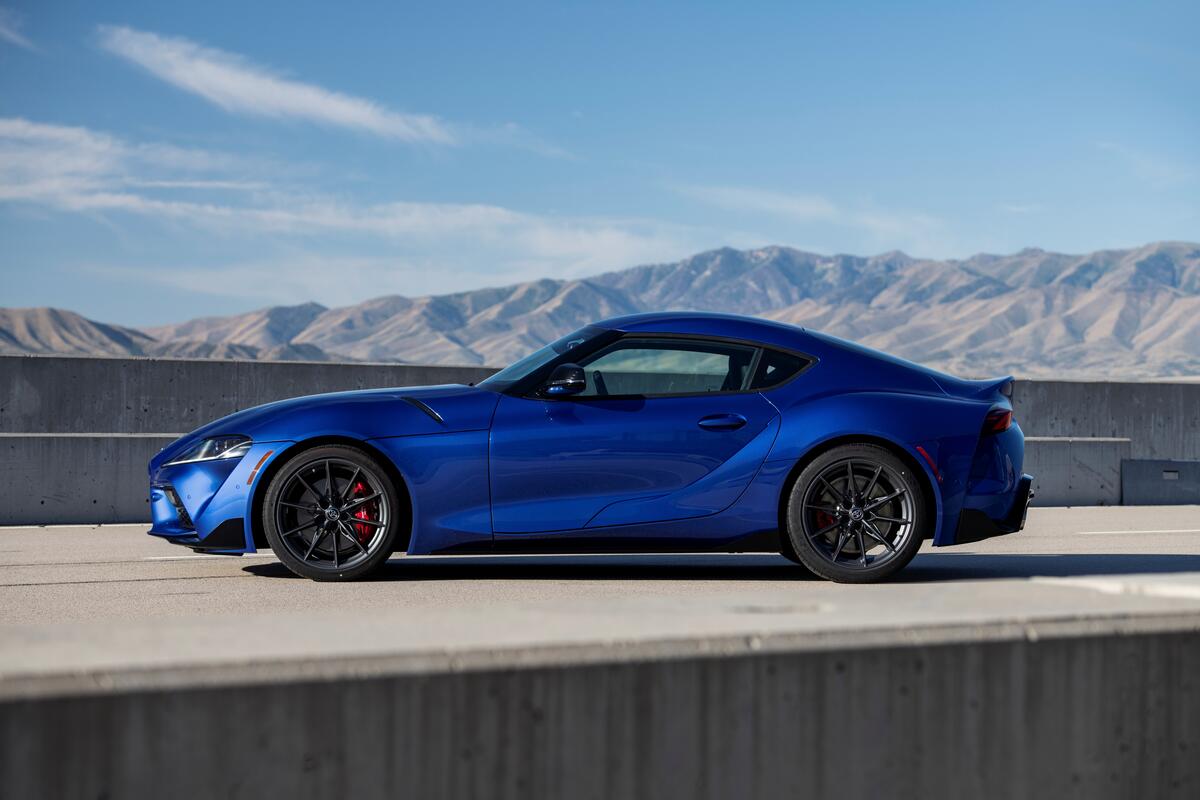
Toyota Supra
"...nd us has a stock bottom end out of a very old NA Supra, so it's a 2JZ GE bottom end in this, probably go..."
Request an Explanation
Heard something you'd like explained? We'll add it to this episode.
Sign in to request explanations for terms you heard.
Want to learn more?
Browse our glossary for plain-English explanations of automotive terms, jargon, and concepts.
Help improve this episode
See something that's not quite right? Our annotations are AI-generated and can sometimes miss the mark. Click the flag icon on any annotation to suggest a correction.