This is a US government rule made during the Biden administration. The hosts say it already makes it much harder for certain Chinese cars to be sold in the US, and the bill would lock in and broaden that rule.
Vehicle software is the computer code inside the car that runs features and services. Here, they’re saying the law would also apply to software, not just the physical cars and parts.
This means cars that can connect to the internet or share data, and that are tied to Chinese companies. The worry is that the data could be insecure, so lawmakers want stricter rules.
Supply chains are the routes and companies that make and deliver car parts. “Reorganized” means companies may redesign those routes to rely less on certain suppliers or countries.
A joint venture is a partnership between two companies. Here, they mean partnerships involving Chinese partners, and the hosts are saying new rules could change how those deals work.
They’re talking about a big car company that makes lots of different brands. The host is saying the rules could affect how that company works with Chinese partners.
Mercedes-Benz is a well-known luxury car brand. In this episode, it’s brought up because government rules could change how companies partner with China.
Used vehicle inventory just means how many used cars are available to buy. If there aren’t many, prices and availability tend to get worse for shoppers.
Cox Automotive is a company that tracks car-market data and makes forecasts. Here, they’re being quoted about how many used cars should be available and how auctions are performing.
“Right to repair” is the idea that owners and independent mechanics should be able to fix things without being blocked by the manufacturer. It usually means getting access to the same diagnostic info and repair documents that dealer shops use.
The FTC is a U.S. government agency that helps enforce rules meant to protect consumers. Here, it’s involved in a settlement about whether repair shops can access the same diagnostic information as dealers.
John Deere makes farm equipment that has computers and sensors. The episode mentions it because a settlement required the company to share diagnostic and repair information with independent repair shops.
Fault codes are error messages your car’s computer stores when it detects a problem. A mechanic can read them with a scanner to help figure out what’s wrong.
“Repair access” means whether regular auto repair shops can get the information they need to fix cars. It’s about things like diagnostic data and repair instructions, not just parts.
The “Vehicle Modernization Act” is a U.S. law being discussed in Congress. In this episode, it’s connected to making sure independent shops can access the information they need to repair cars.
“Repair data access” is whether independent mechanics can get the car’s service information. That can include what the warning lights mean and the steps needed to fix the problem.
“Post-warranty repairs” are fixes that happen after the warranty coverage is over. After that, the owner usually pays, so it’s important that repair shops can still get the right information.
Company
ADA
“ADA” is an organization mentioned as pushing for broader rules around repairs. The episode doesn’t define the acronym, but it’s clearly connected to independent repair access after the warranty ends.
“Dealer network” is the chain of official car dealerships for a brand. They’re often the main places that do warranty work and have brand-specific service tools.
“Global deliveries” means how many cars were actually delivered to customers around the world in that quarter. It’s a common way companies report sales.
“BEV deliveries” means how many fully electric cars (battery-electric vehicles) were delivered. Those are the cars that run only on electricity, not gasoline.
“Technology ties” means companies working together on technology. The concern is that those partnerships can create problems if new laws or regulations change.
Geely is a car company from China. The hosts are saying Mercedes-Benz’s relationship with Geely might be affected by new laws being considered in the U.S.
This means the dealership’s repeatable routine for getting cars serviced. It covers what happens from the moment a car arrives until it’s ready to pick up again.
A sales summary is a report that shows how well the dealership is doing at turning interest into actual sales. It tracks things like how many people show up for appointments and how many end up buying.
This measures how many customers buy on their first visit. It’s a quick way to tell whether the dealership is converting appointments into sales right away.
Fixed Ops reporting is the dealership’s tracking of how its service and parts departments are doing. It helps them see whether cars are being serviced efficiently and whether parts sales are keeping up.
The affordability gap is when the cars people want cost more than what they can comfortably pay. Dealers try to find used cars that are priced so more buyers can afford them.
Leasing means you pay to use the car for a few years instead of owning it. At the end, you typically give it back, and the price is based on what the car is expected to be worth later.
Speed to execution means how fast you can put a plan into action. In a dealership, acting quickly on new ideas can help you stay ahead and improve results.
An annual convention is a yearly industry meeting. The point here is that waiting for those events can slow down how quickly dealers can apply new ideas.
Residual value is what the car is expected to be worth when the lease ends. If the manufacturer helps protect that number, leasing can be cheaper or easier to manage for customers.
Fixed Ops Friday is a recurring part of the show about the service and parts side of a dealership. That’s the area that keeps many dealerships profitable between new-car sales.
Hague Partners is a company that helps dealership owners sell their businesses. They’re being mentioned here as a specialist that focuses on maximizing the sale outcome.
Chevrolet is the car brand mentioned as part of the dealership’s lineup. Dealerships often handle service and parts differently depending on the brand.
A “franchise store” is a dealership that’s officially tied to a specific car brand. They’re allowed to sell that brand’s cars and usually have to follow the brand’s guidelines.
General Motors is a big car company that makes many different brands. The speaker is talking about GM’s changes and how that affected the vehicles and technology they were selling.
A “trade” is when you bring your current car to the dealer and use it as part of the payment for a new one. The dealer gives you a value for your old car.
The Cadillac XT6 is a luxury SUV with extra seating (it’s designed for families). In the story, the speaker says a customer chose the XT6 over a Mercedes-Benz because she preferred it.
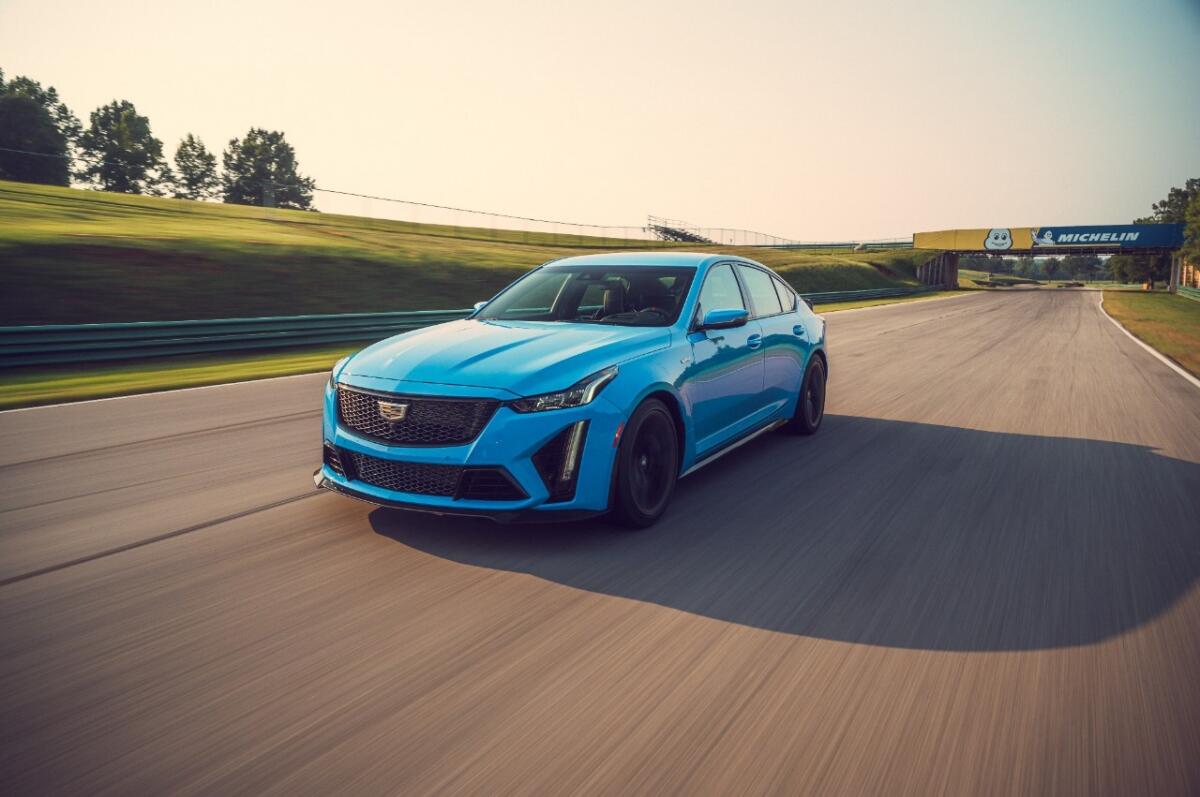
The Cadillac CT5 is a luxury sedan (a car, not an SUV) from Cadillac. The hosts are talking about newer Cadillac models and how they were updated with more modern tech and features.
The Cadillac XT4 is a compact luxury SUV. In this segment, it’s mentioned alongside other Cadillac models as part of the brand’s newer lineup aimed at improving quality and adding more modern technology for daily use.
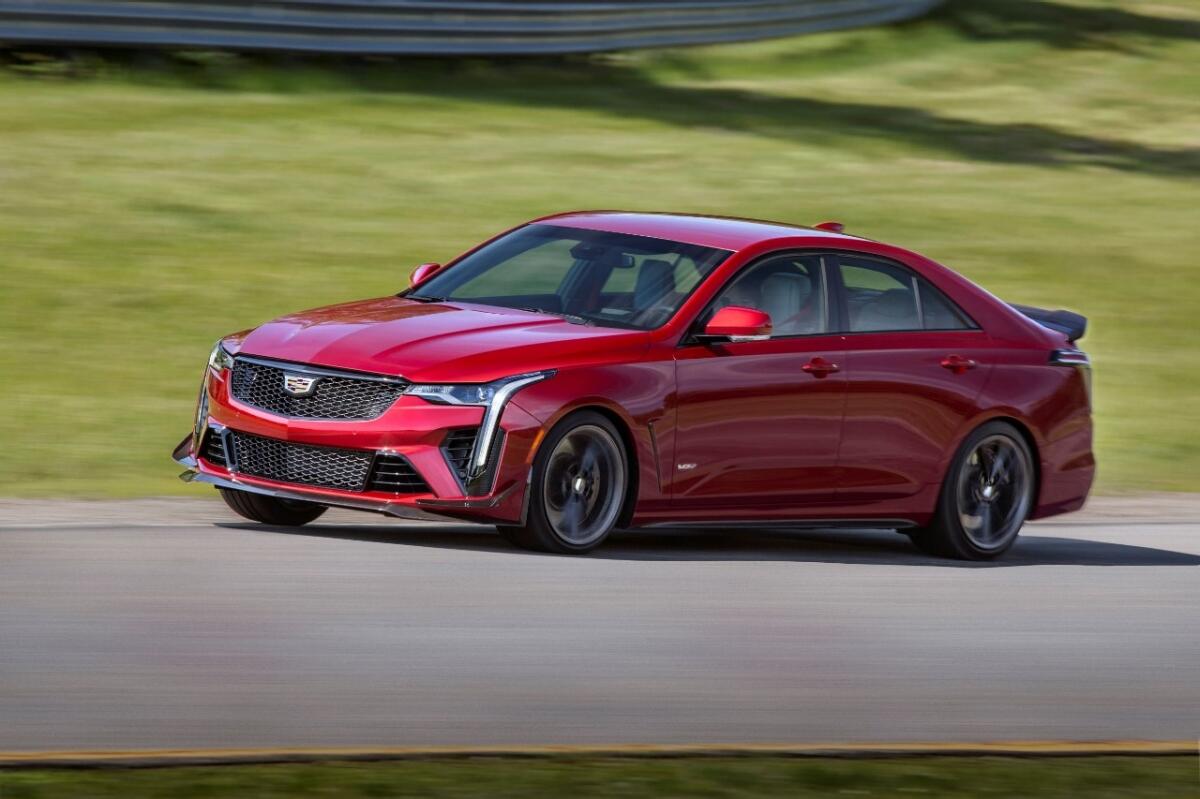
The Cadillac CT4 is a smaller luxury sedan from Cadillac. The discussion is about how Cadillac refreshed its lineup with newer tech and a more modern feel.
An MPI is a checklist-style inspection of multiple areas on the car. A “video MPI” means the shop records quick videos of what they’re checking so the customer can see the condition for themselves.
The alignment tool can print out a report of the measurements. Here, the speaker says it uses colors so customers can quickly see what’s good or needs attention.
Concept
customer-facing inspection video
It’s the strategy of showing customers what the shop found using a short video. The point is to make it easy to understand and not overwhelm people with a long, complicated presentation.
Dominion is the current system the speaker says they’re using for their video MPI program. They’re planning to switch away from it, which implies Dominion is part of their dealership workflow or inspection process tooling.
CDK is software that dealerships use to manage parts of their operations. The speaker is saying they’re switching to CDK because of the reporting and how it fits their service process.
An E-lead is a customer who reached out to the dealership online. The dealership then follows up to try to turn that message into a test drive or purchase.
RCS messaging is a newer type of texting that can handle richer content than basic SMS. Here, it’s being used so the customer gets a clear video instead of a lower-quality message.
Utilization here means how much of the shop’s capacity is actually being used. If it’s underutilized, it’s like having empty time that could have been booked with service work.
Service advisors are the people you talk to at a dealership’s service department. They figure out what’s going on with your car and set up the work with the technicians.
The service manager runs the dealership’s service department. They help make sure the advisors and technicians are working smoothly and that repairs get done right.
Term
vehicle may be pulling left or right
If a car “pulls” left or right, it means it doesn’t go straight and tends to drift to one side. That can be caused by alignment or other issues, and it’s important to point out so it gets checked.
Dealers track “gross” as the money they make from selling and servicing cars. If “gross” is being masked, it means the dealer’s profit isn’t showing the way it normally would.
A franchise dealer is a dealership that’s officially tied to a specific automaker. Their service department is run under that franchise structure, which can differ from independent shops.
Concept
independence
“Independence” means the shop isn’t operating as a franchise tied to a specific automaker. It’s run more like an independent business, which can change how things are measured and managed.
“Accountability” here means making sure the right people are responsible for the results. If the information or process is bad, the outcomes will be bad too.
Term
data goes in, the data comes out
The idea is simple: if you start with bad information, you’ll end up with bad results. In a dealership, that means the shop’s reporting and inspection data has to be correct.
Here, “vendor” means an outside company that provides something the dealership uses—like software or a service. The point is that both the outside provider and the dealer have to do their part.
The F-150 Lightning is a pickup truck that runs on electricity instead of gasoline. It’s built to do the same kind of everyday truck jobs, but with an electric motor. People talk about it because it shows what an electric truck can be like in daily use.
This means recall repairs that are already set up for the dealership. If you have a good system to find the customers and schedule the work, recalls can be a straightforward way to earn money.
Concept
process lack of process
They’re saying that if the dealership doesn’t have a clear system for recalls, it’s easy to miss steps. That can mean customers don’t get contacted, parts aren’t ready, and the repair doesn’t get scheduled.
A recall kit is the set of parts (and instructions) the car maker provides to fix that specific recall. If the kit isn’t available, the dealer can’t complete the repair even if the customer is ready.
These are software tools that use AI to help the dealership do recall work faster. Instead of people manually figuring out what to schedule and who to contact, the tool helps automate parts of that process.
“Busy car” sounds like a software tool the dealership uses to help manage recall-related service work. It helps figure out what the car needs and where it should go on the schedule.
The “texting rule” is about the laws that control when a business is allowed to text customers. For recall outreach, the dealership needs to follow those rules so the messages are allowed and compliant.
LIVE
We're doing better as a result of social media presence.
It doesn't do those three things then it's on the chopping block.
It's in return on investment discussion.
Hey everybody, welcome back to another episode of the Daily Dealer Live.
Thanks for choosing to be here this Friday, July 10th today.
Well, it's Fixed Ops Friday and we've got two dealer principles, two very different stages of growth.
Same obsession, the right people in the right seats, running processes that they actually trust.
Instead of hoping the month-end number just simply works out.
Who is that?
Well, first up, Ryan Downing, dealer principle and owner of Ross Downing Auto Group.
Four stores in Louisiana, one in Alabama, three GM stores and two CDJR.
Ryan's been pruning and promoting his way to a stronger culture
and he's got hard-earned lessons on what multi-state multi-brand expansion really teaches you.
Brian will be an interesting interview because he and I will be in Colorado next Friday,
high on a mountain top somewhere broadcasting this show live, but not at 1pm Eastern next Friday.
It'll be 1pm Mountain.
So plan on checking us out a couple hours later than normal.
So I'm excited to catch up with Ryan about that today.
Then up, we've got Jay Trevetti, dealer principle and owner of Jay Chevrolet GMC in Wasian, Ohio,
who just officially closed on his first franchise store.
Jay's building an operation that runs on daily activity, not month-end hope.
But first, let's hit today's automotive industry headlines.
All right, a lighter story to kick things off, but I see cars data shows more than 80% of vehicles
on the market today are white, black, gray or silver.
Nearly double the 47% gray scale share from 1996.
White leads at 25% followed by black at 23.4 and gray at 22.9.
And among trucks, it's even more pronounced at 83.5% gray scale,
with white making up more than a third, largely because the blank canvas works well for fleet branding.
As for resell, yellow and orange vehicles depreciate only around 24%,
while white and black both depreciate above the 31% industry average.
Wait, so does this mean orange is the new black?
The new, that's interesting.
I've not heard this before.
We got to check that out.
In other news today, a Senate committee is set to vote July 18th on bipartisan legislation
that would make it significantly harder for Chinese automakers to enter the US market.
Think Polestar, interesting.
The bill sponsored by Republican Senator Bernie Moreno of Ohio and Democrat Elisa Slotkin of Michigan
would codify the Biden-era Commerce Department rule that effectively bars Chinese vehicles
from US sale and expand it to cover automobiles, parts and vehicle software developed in partnership
with China or other adversarial nations.
Slotkin has described Chinese connected vehicles as quote,
tick-tock on wheels over data security concerns.
The vote falls months of industry pressure.
In March, major automaker and dealer groups sent a letter urging the administration to block Chinese
brands and 70 House Democrats separately urged the same.
If the bill advances, it would give automakers and dealers more regulatory clarity on the
competitive landscape and accelerate the broader shift toward reorganized supply chains.
The bigger policy question of what happens with Chinese joint ventures at brands like
Stellanus and Mercedes-Benz remain unresolved.
We've got a new program driving our news read today and I can't scroll down.
I have to actually bottom arrow down.
That's something we'll have to work on.
Also happening this week's Cox Automotive's mid-year wholesale forecast projects used
vehicle inventory will top 12 million units in 2027.
For the first time since 2019, a meaningful milestone coming off the 8.4 million bottom hit
in 22. This year's forecast sits at 11.9 million with second half growth being driven by more
rental returns, repos and off lease units entering the lanes while dealer and factory
units remain scarce.
Auction conversion rates are running at 57.5 percent.
That's nearly a full point above last year, which Cox's team says signaled as dealers
are still competing hard for inventory even as tax season fades.
Three-year-old models are selling 4 percent above their long-term averages at 28,235.
And older units, nine and 10 years, are running 5 to 6 percent above normal as budget constrained
buyers stretch down the age ladder.
What's the bottom line here?
Well, the overall used market picture for the year is down less than 1 percent.
But the inventory gap from the pandemic era, well, it's not closing as quickly as most
had hoped.
Up next, the right to repair debate picked up significant momentum this week when the FTC
announced a settlement with who?
John Deere, requiring the company to give farmers and independent repair shops
fair and reasonable access to the same
DAG tools, fault codes and technical manuals.
It provides its authorized dealers under agency supervision for 10 years.
The settlement directly follows President Trump's public comments last month,
criticizing automakers for restricting repair access.
Also worth noting, the Vehicle Modernization Act already passed the House Energy and Commerce
Committee earlier this year, codifying a 2014 auto industry MOU on repair data access.
But independent repair advocates say it doesn't go far enough.
And ADA also proposes broadening the current framework, noting 75 percent of post-warranty
repairs already happen outside the dealer network.
And today we close out with some news from Mercedes Benz,
the German automakers global deliveries fell to 417,000 in Q2.
That's down from 464K a year earlier with China, most of the damage doing it.
But they're down 30 percent as local competition from Chinese EV brands intensifies.
The bright spots were the US top 10 percent in the quarter, Europe up 4 percent in global
Bev deliveries, surging 50 percent to 63,000 units.
For US Mercedes dealers, the regional strength is good news.
But there are still plenty of global pressures.
Tariffs, for example, cut the company's profit roughly in half last year at a cost of about
1.2 billion.
And its deepening technology ties with Geely could become a regulatory complication.
As that Chinese vehicle legislation we just covered moves through Congress.
So some very interesting stories out of automotive today,
but that is a wrap on today's auto industry headlines.
So I love it.
Happy fixed stops Friday, everybody.
Yeah, we've got a new program here.
So thanks for bearing with me.
You know, I was used to using the scrolling wheel to scroll all the way down.
And now I have to do the down arrow.
So we'll, we'll have to innovate past that.
So, but we've got a heck of a great show.
We've got a ton of chat going on in the community already.
If you're watching today's dealer daily dealer fixed stops show,
post your comments in and we'll bring your comments into the conversation today.
Got a lot of interesting stuff already.
Igor Kay comes in says busy Mannheim auction.
David values are high and all over the place.
Dale in progress says, I want more orange, yellow, red and green cars.
Also yellow cars will give you a lower insurance rate.
They're in the least amount of accidents.
I'm fascinated by orange depreciating less than everything else.
Like I would, if you had given me a pinwheel of colors,
orange would not have been on the list.
And Jacob M21 says, what the heck is fixed stops?
Good question.
Stick around.
We'll share.
So let's dive into our guest today.
First up today, Ross Downing, our first up today,
Ryan Downing, dealer principal owner at Ross Downing Auto Group.
Brian, welcome to the show.
How's it going, Sam?
It's fantastic.
Look, you were, you and I were on a prep call yesterday for this adventure going on in
Boulder, Colorado next Friday.
We're going to broadcast this show live from the mountain
after we do some sort of a climbing experiment.
What the heck are we doing next week?
And what made you say, Hey, I want to be part of this?
Man, you know, I guess, I guess we'll be finding out more when we get there.
Yesterday's call, I realized it's going to be,
might be a little more than what I was anticipating up front.
But yeah, yeah, I'm looking forward to meeting a great group of people,
looking forward to spending some time in Boulder and, you know,
going through some, some different adventures and different networking with everyone.
There's a great, great group of people.
So, you know, you asked what led me to join?
I mean, just the job that CDG is doing, you know, you guys are doing a great job
and creating a great network for dealers to kind of build on,
go back and improve operations.
Yeah. You know, there's something about getting together without,
you know, a lot of structure and without a lot,
although there's a lot of structure to this,
but just giving people an opportunity to have a conversation one with each other.
We'll talk more about that on Friday.
But the thing that surprised me was this climbing guide that's like,
Hey, we're going to go out and together,
we're going to do something that's really tough.
And you know, it reminded me of a couple of movies where you go out on a shark adventure
or something like that, where he basically said,
Hey, you know what? Nobody's really going to finish this.
You're going to all struggle in your own version of hard and we'll grow as we do it.
So he said, Hey, we're going to focus on, you know, physical health and we're going to
mental health and there's some conversations around financial health as well.
So what is it about doing tough things, Ryan, and automotive that appeals to you
as a dealer principal as an owner?
Yeah. Going back to the climbing deal, man,
I signed up for a hike and found out yesterday I was climbing.
So I'm excited about that. It'll be fun. It'll be, it'll be good.
Man, I think tough things are just, you know,
I think it's good to go through tough things.
You know, things that maybe I thought was difficult 23 years ago,
you look at today and you go through and it's now considered a norm for me.
It doesn't really throw you off maybe like some adversity may have in the past.
And yeah, I think going through difficult things or adventurous things,
you know, it just helped build character and create growth opportunities.
And I think it helps build the people around you as well.
Yeah. All right. Let's dive into the business side.
So we'll, we'll huddle back up Friday.
Again, we're going to do the live.
We're getting our Elon Musk star link and we're going to broadcast off the tailgate of a truck.
And the goal is we actually have to be down from the mountain by one Eastern
to be able to do the show. So excited for that.
But look, you've got stores that are spread across Louisiana and Alabama
and both GM and Stellanus under one roof.
What actually, what's actually consistent about how you run things at Rust Downing right now?
Yeah. You know, I think, I think what's consistent is, you know,
the core processes that we follow, you know, you want each store to have the identity of
the leader. You want each store to have the identity of the community that it's in.
But the core processes for us have to have to be very well aligned across the group,
whether that's a sales process, a service drive process, or whether that's reporting.
We look to have those core processes aligned regardless of,
of manufacturer, regardless of location.
What would you say are in July of 2026, two or three of the most important core processes
to ensure repeat each other continually, Ryan?
Yeah. So for us, we have a few reports that we monitor every day.
One of them is a sales summary. It tracks our leads, our appointment set, our show rate,
our initial visit sold, and then how many customers are we getting back in the show room
and then selling after that. You know, I think right now, you know, you can't control,
you know, to some extent how many swings at the plate you get, you know, you can spend more
money marketing, but in doing those things, but you're going to get a finite amount of
opportunities. But making sure that you maximize those opportunities and execute on those daily
is, is a, is a key report for us. When we see something that that's off,
or that's off, we, we know where to go to fix it. We know how we're going to address it.
And that makes it, makes it good for us as well. We also have our, our fixed ops reporting,
primarily on the service drive, our part sales are driven by, you know, what we do in the service
lane. So, you know, watching those reports is to look at our accounts, to look at customer pay
primarily, you know, we don't want to make a living off of internal that needs to be land. Yeah.
So watching those CPR accounts and making sure that we're maximizing the hours per hour as well.
So you, you're laser focused on metrics and process, and you've talked about having the
right person in the right seat at the right time. And you called this kind of,
you're continuously evaluating your team on a continuous cycle. And you've said you can't take
days off as a leader. What happens, Ryan, when a, when a lead to an organization, when a leader
does take that break even briefly from monitoring, watching. Yeah, you might have interpreted that
slightly different. You know, look, I think, I think everyone needs a breather here and there to
sit back and evaluate, but we can't take days off when we're at work, when we're present, you know,
as a leadership team, we have to be evaluating our workforce and looking to make sure that
the best talent is in the right seat. And that, you know, people are playing to their strengths,
you know, we can't force somebody to be in a role that might be beneficial for a period of time,
but at some point we have to get people playing to their strengths, maximizing the opportunities
and doing things that way. So every day we're coming in to evaluate how our department structured,
who's getting the most touches on deals, you know, our own accounts, things like that,
and just trying to make sure that our highest performers are getting the most touches on
opportunities. Yeah, yeah, very, very, very good. So you're Stilanus and GM, tell us one thing that
each manufacturer is getting right in 2026. And then I'm going to ask you the opposite,
but let's start with good. Yeah, I should have known this was coming. Look, I think,
I think both brands are doing well, you know, GM, the one thing that I'll say about GM is they're
strong and steady, not a whole lot of changes, you know, what you're getting, you come in,
you come in and go to work, you know, the programs that they're going to give you.
And, you know, you kind of have that to fall back on for consistency. You know, it's Stilanus,
the things they're getting right, they're making a lot of positive changes as far as,
the future planning is, is very optimistic. You know, I feel like dealers are able to be
more vocal and more involved. And so I think we're seeing a lot of things go in the right
direction on the Stilanus side as well. So one of the big topics in automotive today,
as we see oil prices rising and inflation and all the other things is affordability for the
consumer. We reported recently on a show, the percent of 84 month loans out there is just
through the roof. It's an all-time record in an attempt to help customers with affordability.
Ryan, your group is affordability a concern, something that you're working on. And if so,
what are you doing to help consumers with that affordability issue?
Yeah, you know, affordability is definitely a concern. I mean, look, if you look at the
brands we carry, I mean, a lot of our vehicles are expensive. You know, we have a Chevy store,
a GMC Cadillac store, a standalone GMC store and two CDGR stores. So, you know, when you look at that,
that's a lot of expensive product. You know, Chevy having the tracks, you know, that definitely helps.
But affordability, gas prices, those are things that we can't control. So, you know,
there's not a time that we can do to really help our consumers. I think where we can try to
adjust and offset some of the affordabilities on the used car side, and really trying to make
sure that we're, you know, acquiring inventory and trading for inventory, that is what our
customers want, what they can afford. And when it comes to the new car side, look, we've been
fortunate sales have been gone well, even with some of these concerns that we have. But there's no
doubt that we're seeing the consumer kind of flinch whenever they see some of these prices
and payments with the interest rates and gas prices where they don't, no doubt about it.
Yeah. Are you finding a need to educate your consumers more through your teams and do
additional training there? And where are you getting your best used cars that kind of fill
that affordability gap in 2026? Yeah. So, you know, I won't say that we've done more training
to educate customers or things on affordability. I think that can sometimes ring a little negative
throughout the company and maybe create objections that are unnecessary. I don't need to be there.
Yeah. Yeah, they don't need to be there. And look, business has still been strong. So, we're
just trying to focus on the positives and focus on the things we can't control. And when things come
up that are unexpected or maybe a customer does have an objection, you know, at that point in
time, we'll address it then. But, you know, what we don't want to do is take some of these
negative things that are going on in the world and, you know, just drop it into our workforce
and let it kind of scatter throughout. Look, there's a time and place within the company to
have those conversations. But it's not to spread that throughout the workplace and have every sales
person, every service advisor and everybody concerned with those things. So, we're trying
to stay positive and just move things forward. Is leasing a big deal in your markets? Or are
still mostly financing? You know what? Financing is very big in our markets. Leasing is not very
strong in Louisiana, particularly with the brands that we carry. Same thing kind of in
in Alabama as well. We don't see a whole lot of leasing. It's probably 3% of our business.
It's not much at all. So, a lot of it is customers purchasing vehicles and
definitely seeing those terms reach out there to a point where it's definitely concerning at times.
So, Jacob M21 comes into the chat says, hey, Ryan, smart. Don't educate about affordability. It
can turn the customer off and it can talk about something they don't need to be, you know, focused
on. But, Jacob, I would respond back. It is an issue and by finding the right way to talk about
it, we can help the customer down a path that will ultimately benefit them. I do think leasing,
Ryan, could be a part of that solution long term as OEMs figure out how to keep residuals higher
and make leasing more affordable. But it varies by market, Ryan, fair? And maybe your market's
not a big leasing market. Yeah, the taxes on leases for us are not very favorable,
you know, where some of our stores are, you know, they're away from where a lot of our customers
would work. So, you know, sometimes the miles, the taxes, the different things that go into that
don't make it as favorable in the states we operate. And look, some of the leasing options
with some of the manufacturers aren't always favorable. So, look, we definitely have discussed it
and are going to continue to look for the best ways to provide our customers with the best
options available to purchase vehicles. But a lot of our customers still see purchasing as a way to
move forward. All right, last topic up today. Then we're going to have you back as part of the
round table. You're in two states. You've got two brand families. Talk to us about a lesson
about expansion you've learned the hard way that a single store operator watching wouldn't have any
reason to think about Ryan. Yeah, you know, look, I think expanding has been great for us. It's
worked out really, really well. You know, the last acquisition we did was earlier this year in January
and we acquired a CDGR store in Mobile, Alabama. It was an open point, you know, probably about
six or seven years ago. And, you know, it had some previous owners that were absentee and, you know,
didn't have the best customer base, things weren't really built up. And, you know, we went into that
knowing that there were going to be some bumps and bruises with different things, but crossing
two state lines for us and going to a different market where the store, you know, honestly just
never really got off the ground. Yeah, it was a little bit of a challenge. We have a lot of people
that know our name even though it's two states away that want to come work for us. But they want
to see the store gaining momentum and moving forward before they jump on board. And, quite
honestly, we want that as well. You know, look, we don't want to bring people in when it's not
the right fit. So we're watching the store grow. We're watching it take off and
move in the right direction. But, you know, the lessons learned are, you know, look, I think you
just have to look at it and you can't be overly optimistic about what you think you can do with
the store. You have to look at the cold hard facts about the condition the store is in,
the reality of, you know, the reputation, the inventory position. You know, how is it viewed
in the community? What is the brand strength in the community? And for us, you know, that was a
little different back in Louisiana. Great name recognition. We just jump into a store and and
flip it around quickly. We do this one different and it is proven we've proven to be right on that.
So it's going the right direction, but not not quite as quick of a turnaround as what we were
what we were thinking it would be. So Ryan, in a turnaround situation, as you have a team that
you're committed to, they're committed to you as well. How do you how do you moderate expectation
mid turnaround where the end of each month there's a scorecard at the end of every 30 days on the
financial statement on the different KPIs and metrics? How do you keep keep people calm as
you're reaching toward a longer term goal? Yeah, you know, Sam, that's a great question. Look, we
we have two stores in Louisiana that that last year were number ones, number one in the state
for the brands that they represent our Chevy store and our GMT store. They're not in markets that
they should be number one. And we didn't strive to be number one. That's not what we do. We just try
to work the process every day to the best of our ability and just let the results fall where they
fall. Going into a new location, it's the same way. You know, we look at our daily scorecards or
reports, and we ask ourselves a question. Hey, look, don't look at the results. Did we work the
process to the best of our ability? We know that the results are going to be there, and we know
that things are going to work out well at the end. We're confident in what we do. Because of the
results that we've had, though, we do have some high performers that tend to get frustrated.
When we don't get the results that we're accustomed to achieving sometimes. And I think that that
has to be something that's talked about and discussed. But what we've really gotten back to
in 2026 is we can't grade ourselves off of the results at the end of the month. It's the daily
reports that we have to ask ourselves, are we working the process to the best of our ability?
And the answer to that is yes, trust the process, continue forward, and build momentum. And that's
what we're doing. Well, Ryan, we appreciate coming on, sharing your perspectives today.
You've got, next to your name, the hard-earned. It's not so hard-earned. Like, it's you join it,
you're there. CDG circles badge. Why'd you join circles? And what's something you've gotten out
of it that's helped you operationally, Ryan? You know, like, I think circles has been great. I'm
more than some of the things that I contribute, which, you know, I could probably do a better
job contributing more. But seeing what everybody else is saying about different things, you know,
it's really, really opens your mind up to what other people are going through. The questions
they're asking, it helps me to go back to our teams and ask some of the same questions. So,
circles has been a good networking deal. And I appreciate you guys putting that together.
Well, we've talked often in automotive today, it's about speed to execution.
And it's tough to wait for an annual convention or a quarterly best 20 group,
being able to have those conversations live in real time, sometimes late at night. I sometimes
have to turn it off. It can get a little bit much. But, you know, the topics and the automotive is
so innovative right now in 2026. It's interesting to watch and then figure things to act on. So,
Ryan Downing, dealer principle owner at Ross Downing Auto Group. Thank you for being on the
show. We'll have you back as part of the round table shortly. Thanks for being here.
Sounds great. Thanks.
Igor Kay comes into the chat says always scale up. Extension is how you will stay profitable.
The automotive retired guy says leasing is the only way to go for me and to get the customer
back in the dealership every 36 months. I do think there's something to the leasing idea
with OEMs that protect residual values and resell. So long as you're in a place where it
makes sense. Let's talk Hague Partners. Today's episode is brought to you by Hague Partners when
it comes to selling your life's work, reputation, and experience matter. Hague Partners has built
a reputation for helping family owned dealerships maximize value. And it's the only team to achieve
record setting results across multiple major franchises. Learn more at HaguePartners.com.
You can follow the QR code there and props to Hague Partners for supporting today's content,
including that fantastic conversation with Ryan Downing. And I look forward to catching up with
him more next Friday in Boulder. Let's continue with today's fixed ops Friday, Jay Trevetti, Jay
Chevrolet, GMC, Wossian, Ohio. Welcome to the show. Hey, welcome to the show. How's business July
2026, Jay? July has started very strong. We implemented a few things in back in June. When I
were extremely new to me, I'm Canadian. So I would say 95% business is the way we used to do in Canada
as well. So it's not too much of an adjustment. But at 5%, you know, sometimes you get a different
link move that you hear, but the process is the wording is a little bit different, you know.
So what brought you from Canada to the US? And you just picked up your first franchise store.
What made you go after that brand, Jay? So General Motors is a little bit of story.
So back in 2017, 2018, I used to work for Mercedes-Benz. I love the brand. And I would drive by
this GM store every single day. And my colleague and I, we were talking about it, say, hey, you
know what? I could see myself driving every single brand except GM, because I, you know,
when I took the trucks, when I was working for Chrysler and I took the trucks on trade,
the Denali, the best of the best, right? Had a little buttons, great truck, you know,
boring vehicle, kind of outdated interior. Sure enough, I ended up working for the brand
in General Motors back in 2019. And at that time, they were going through the transformation.
And what a transformation, Sam, I can tell you, I have seen the older vehicles, I have driven
the older vehicles, I have taken them on trade, versus the Cadillac, the Stapleton of the luxury
that you and I, I don't know, like sometimes you say, hey, this is a Cadillac of pencil, for example.
Yeah, it's a definition of excellence, yeah. Exactly. And at that time, it was coming back
from an older generation models, they brought the CT5, CT4, XT4, XT6, Escalade, and you know,
those new engineers, designers, they really focused on not only the quality, they already had it,
but brought that people like me, a general folk who would use this vehicle every day,
to bring the technology into the 21st century standard, the software behind it, you know,
they're called My Wife Who Loves the Brand. She had a Mercedes Benz before, and when we got her
XT6, she prefers XT6 over Mercedes Benz because... Nice. Mercedes Benz is the best or nothing,
Jay. So that's high praise. Dale in process comes into the chat here, Jay, and says, Jay,
don't try the Cincinnati chili. I don't care what they say, it's not chili. Is that some inside
thing? I didn't... I don't know about Cincinnati chili, so it sounds good, but we'll have to see
that. Igor Kay says, my three dealership I ever worked out was Mercedes Benz of Harlington,
Virginia, and from that store, I learned everything I needed to go independent, start my own dealer
group, ultimately ended up owning two Mercedes Benz stores, so he took the reverse road there.
So Jay, you've talked about replacing hope with process. What does that actually look like
on a random day? So every dealership that I've been to, there's always something
that people think that, hey, I would hope my month and this, my month's gonna shape up pretty good,
but they don't focus on the processes. They don't focus on what happened to that moment of last
week, everybody's getting up and going, say, oh, my numbers are not there, my budget's not there,
then everybody's fighting on all cylinders to try and make that month, to make that little bonus,
or chase the CSI scores, chase the alignment penetration on the fix-up side, or the parts
you're aging and stuff like that. So these are the things that I have noticed that sometimes,
you know, are really good operators, a really good parts manager, a really good service manager,
right people in the right chair matters every single time, every single day, every single month,
and every single year. Based on that, my learnings, I have noticed that, you know, if you chase
the numbers from day one, day two, day three, you may go somewhere, but if you have the processes,
I strongly believe, you know, sometime people may fail you, process will never. If you stick to it,
you know, and you adapt, something changes, you gotta adapt.
Processes will never fail you so long as the people who are executing the processes don't
fail the process, right? They gotta keep that, yeah, exactly. It's a two-way street, you know.
Jay, Dale and Process came back into the chat, says Cincinnati chili is chili over pasta that
lived local to Ohio, and by the way, Dale in progress, I loved as a kid growing up on spaghetti
with chili on top instead of your traditional sauce. So I don't know if you've had that yet,
Jay, but it's fantastic. You get chili, or you get spaghetti chili, and then cheese on top of that,
and then you've got to sleep for about six hours. It's so heavy, Jay. So Yossi, the
cartilership guy pops into the chat himself, says, I remember when Jay texted me about the idea of
acquiring this dealership almost a year and a half ago, very excited for Jay in that acquisition.
So props from cartilership guy himself. Well, let's talk on this fixed ops Friday,
let's talk process. So you've got a lot of processes and fixed that have helped you achieve
and accomplish success early. You've built the video MPIs and alignment checks on every vehicle.
How did you implement that process? What tool do you use, and how do you validate it that it's
happening? So when I notice, you know, we have a beautiful Hunter machine, right? They're the
best in the world in my humble opinion, right? Okay, yeah. And you have the report prints,
such a sleek system that it prints the report, and you can set it every single time it prints in
color. So you have a greens and reds, and it's easy for customer to see. Was it being used? No.
You have the video MPI, yes, that the capability is there, and the texts are doing it. And I
looked at the video and I showed it to them and asked them a simple question. If I send this to
your family member, versus let's do the quick video now, talk while you say, Hey,
doesn't have to recommend this in every single time. Your vehicle looks great. You took really
good care of it. Look, here's the underneath of the vehicle, how you see, you see what we
those little things, it doesn't have to be a, you know, elaborate video, it just five, 10 seconds,
15 seconds tops, versus a fast walk around with mute, that you're not saying anything,
which one would your family member prefer? And you have to, you know, you have to explain them
into the ground level that, Hey, see what customer sees basically.
I like that idea. Make it like mom is watching. And if mom wouldn't be interested in watching,
don't make the video, right? So go down, get detailed. I like that. Who's your video MPI
program? Who does your MPIs? Right now, we are with Dominion. We're in the process of switching it.
Who are you going to switch to? CDK. Why? I love CDK. You know, with a little bit of
hiccup in a couple of years or a few years ago, I managed my business with the numbers.
The reporting capacity of CDK is, I think next to the top, like the Techion is there.
But I think Techion has a long time for many years to catch up to CDK when it comes to the
reporting side of things. Yeah. So you're making the switch to CDK on. So you'll do
CDK service and you'll do the video through service. Do you do the video and sales as
well through CDK? Do you have E-leads? No. So what we do is when the E-lead comes,
we take a video and send it to customer directly either on a messaging. Now it's RCS messaging,
so it doesn't kill the quality or refer to send it via WhatsApp in an HD. Many people will not
do that. So if the E-lead comes in, hey, this is a car you inquired on. Here you go. Yeah. Yeah.
Well, Jay, Dan C comes into the chat and says, sounds like Aaron Ziggler or Ziggler on a group
needs to expand into SINC so Sam can go experience the local chili firsthand. Dan, I'm going to tell
you, I love chili on top of spaghetti. So I've experienced it. I can make it, but you can't
eat too much because, you know. Yeah, sleep after. As you get older, everything slows down.
So take us back to the Hunter machine, Jay. How did you get better utilization on that Hunter
machine that you saw as being underutilized when you first started in the store? So I just said
in the shop and I said in the service advisors, like, you know, in a plain polo and khaki,
a pant, and they don't know who I am like customers wise, right? And I just noticed
the processes. I just wanted to see, and I'm a trainer, sorry, I'm being trained kind of thing.
Yeah. And I just started noticing how they do it. What is their daily
habits, their daily process? I noticed that for almost two weeks, I made my notes,
then I had a meeting with my service manager, my service advisors, and explain them, hey,
this is what we do. How about we try this way? Listen, I think this is my two cents,
implement it when the customer comes in, ask them simple questions. We don't want to sell things
that they don't need. But imagine you have customers here, and we didn't address it,
or we didn't bring it to their attention that your vehicle may be pulling left or right.
They go somewhere else and somebody else notices it, and they bring it to their attention. They're
like, wait, I was in a franchise dealer. Why did they not tell me? Yeah, why didn't they tell me?
Yeah. It's a two-edged sword, like either you do it, and you may get declined, that's okay.
But if you don't do it, they can come back to us and say, hey, you are the professionals.
Why did you not keep me safe? So Cox and CDK both have recently reported on an exit in
automotive from franchise dealers of RO Count. And it's masked, Jay, by an increase in gross
driven and fueled by inflation. Do you think processes like what you're describing with the
Hunter machine, with your video MPIs, and some of the other focus on delivering value and service
will help bring that RO Count back from independence? Or what do you think is the source of this
departure from franchise dealer service departments into independence, Jay?
It's a very tough question. And in all honesty, it comes down to the accountability,
first and foremost, as a dealer owner on you. Accountability comes on the service manager,
accountability comes on the service advisors. What do you put in? The data goes in, the data
comes out. I'm trying to be a little bit polished, but garbage goes in, garbage comes out.
I know the word you are going to say, and by the way, we have no FTC bands around here.
You can say whatever you want. So yeah, and when you're feeding all those data,
and then they present you a picture to an operator, or a general manager, or a dealer principle,
or an owner, and they were like, wait a second, I have this many ROs, but my revenue is not
relating to this many ROs. And then you hold the vendor accountable, but somewhere down the line,
you have to look in the mirror too, that what are you doing, why is it not talking to each other
properly? Yeah. Well, Jay, it's been a heck of a lot of fun catching up with you as we wrap up here
before we go into the roundtable. Let's have you look a year down the road. What does success look
like for the GM store specifically that you acquired? And how will you know that this acquisition
actually paid off, Jay? Paying off, it's a long-term question, but a yearly success.
I have surpassed in my very first month. My first month with GM and Chevrolet brand, we finished
400% of the target. So we're making some noise. I'm acquiring cars from all the sources.
It's a long-term game. The growth that I'm projecting with my team is about two to three
percent month over month. Nothing too over the top, nothing too under, something that is achievable.
Empowering people, empowering managers, giving them visibility,
having the transparency across the department and having this mentality that we are one,
it's not service parts, you know, body shop or sales. We are 11 cohesive unit.
Those are the minor things, little by little is going to bring us the growth that I'm projecting.
Yeah, that's awesome. We saw some pictures there. Tell us what we saw in the pictures.
Is that of the new facility? Yeah, yeah. So that's the dealership and I strongly believe in
celebrating people and it was what a better occasion was there to have America's 250th.
So we decked out the dealership with the barbecue off front of the dealership and this was open
for everybody, customers. You know, we have enterprise, we have a grocery store and a lot of
good food traffic. So say, you know, thank you for being you. Thank you for being doing business
with us and thank you for making us number one. Here's a little treat and when you celebrate
your people, they'll take care of your business for you. I love it. All right, Jay Trevetti,
dealer, principal, owner at Jay Chevrolet GMC. Thanks for joining the show. We'll have you back
in a moment. Back for the roundtable. Thanks, Jay. Thank you. By the way, I love it when dealers
celebrate team successes and I love a good barbecue. Happy birthday, America. So Paul
Salisman comes into the chat says it's the franchise dealer who's perceived as expert,
not selling service, is actually doing a disservice to the client and it erodes trust.
And I do think some fixed ops departments in July of 26 get so bombarded with tasks
that we can forget to execute on some of those most basic things such as checking out the
Hunter equipment, video, MPI, all the other things. But that's what fixed ops Friday is about.
It's reminding us about those basic steps that take us back. All right, let's head
into this fixed ops Friday roundtable. Welcome back, Ryan Downing, dealer, principal,
owner at Ross Downing Auto Group and Jay Trevetti, dealer, principal, owner at Jay Chevrolet.
Welcome back to you both. Thank you. All right, let's do this. We're going to go through,
do some lightning round questions. We'll start out with you, Ryan. And then Jay,
is your dealership right now running on process? No, actually, that's a bad question. I'm going
to go this one. What's a faster fix? Fixing a bad hire you kept too long or fixing a good
process that you rolled out too slow? So is it fixing a bad hire or doubling down on a good
process, Ryan? I think it's probably, when you say fixing a bad hire, if that means replacing
with a good hire, then I would say that that could take a while. But if it's just fixing the
bad hire, that's probably the fastest. Working a good process sometimes has to be retaught,
retrained. So that could take a little bit longer. It's just getting a bad apple out.
That could be done pretty quickly. Yes, that can. Jay, your thoughts? I liked your piece
about process. You can lean in on process as long as the people don't fail the process, Jay.
Thank you. I think doubling down on what Ryan said, replacing a hire, people don't realize how
costly it can be to replace someone. I rather work with the person and fix the processes
and doubling down on the processes and explaining why this is important. Because you already invested
in that person, you already trained them. You're paying somebody else to train like a service manager,
for example, you're paying them to train the person, then you're paying the person who's being
trained and so on and it trickles down. So the unrealized cost that you see to replace a person
versus fix the process. Yeah. A lot of you coming into the chat. Thanks for joining the roundtable,
by the way. Automotive retired guy says bad hire. Eager case says getting rid of cancer
can make a big difference on the dealership and its culture. And then Angelica surprise
hits the tag into that conversation. Transparency, it's so important. So Ryan Jay is expanding,
adding additional stores. Give him a word of advice. What advice would you give to Jay as he
expands his dealer group? Yeah, I mean, I would say two things. Get a good group of people around you
and make sure that you can trust them and just understand too the second thing would be know
that there's things that you don't know. There's things you think you know today that once you
take on that acquisition that you don't know, and you will have to figure those things out.
And being open minded to that is the key to success. A lot of times once we recognize it,
we can fix it. It's just how quickly do we recognize it. Yeah. All right. Oh, go ahead, Jay.
I would just say thank you, Ryan. Yeah. All right. Which is most important? Scoreboard?
Or which is the one thing you would check first thing in the morning? The scoreboard or
that processes are secure? Ryan and then Jay. Yeah. So due to the timing of an automated report,
I do check the scorecard first for the results. Yeah. But a lot of times, you know, I'm pretty
eager to see the reporting so that I can check the processes and tie it back to the scorecard.
So it starts with process. Those reports are just not quite as automated as our scorecard.
Yeah. Jay, scoreboard or process? What's the first thing you check in the morning?
I think they work hand in hand. Your process is not right. Your scorecard would be right. If your
scorecard isn't right, you know you need to fix something in the process. So first thing in the
morning, yes, I do check the scorecard. And based on the numbers that I see, I got to fix the process
and then it changes every day. Yeah. All right. Final question. Maybe we'll have a little bit
of a discussion on this one. Fixed Ops or Variables? So fixed or variable, which one makes you more
money in 2026? Jay. I would say hands down, fix off. All right. Very good. Ryan. Fixed Ops,
fueled by used cars. Fixed Ops, followed by used cars. And that's changed over the past
five, 10 years, Ryan. Has it not? Yeah. And I said fueled by used cars. So yeah, I mean,
that internal business, the more used cars you're pumping through, really helps that fixed Ops piece.
So yeah, you know, fixed Ops is the key to everything. It's the backbone. And it's the one
thing that I think we can control when we walk into work every day. So make sure we're staffed
properly, processes are followed, and make sure that we're managing our appointments well in the
process. That's one process in 2026 that you're wanting to implement in fixed Ops,
which is the leading generator of profit in fueling used cars, fueled by used cars.
What's one process you're looking to implement into fixed Ops to up your game,
Ryan? And then Jay. Yeah, I think we need to be more consistent with video MPI.
You know, we say that we do it at some of our locations, but we don't do it well enough
or consistently enough. So getting some buy-in, really creating that buy-in and really pushing
the video MPI, that's going to be critical. Yeah, very good. Who do you use for your video MPI,
Ryan? We asked Jay that, but didn't get to you. Yeah, we're with it next time right now.
Okay. Yeah. Yeah, very good. You say right now, are you looking at making a change?
No, but we have to make sure that it's efficient for our employees as well. So as we go to
implement it, you know, there's always something you find out. So hopefully it works as smooth as
possible. Okay. So you're implementing it right now. It's not up and running currently. It's
running, but we're not using it to the best of our ability. Got it. Got it. Yeah. So I have a
question. I've been thinking about this a lot lately, and then we'll come to you, Jay, on the
one process. In this rapidly evolving environment of AI technology, I mean, things are just evolving
astonishingly quick. How do you make sure you have the best, most updated tools that people will use?
And how do you think about the balance of good tool, but consistent enough that, you know,
people know how to use it and they do execute on it, Ryan? How do you stay current?
Yeah, you know, you said a key thing that people will use. I think when you find a tool that people
will use, sometimes that's the best tool out there, regardless of how current and up to date it is.
You know, sometimes trying to chase the newest thing, especially at the rate that things are
evolving is just a pain for everyone. It really creates a bad culture. So, you know, an antiquated
tool that's used 100% of the time is better than the newest tool used 50% of the time.
Yeah. How do you decide when to challenge your team with a new tool? Grant Cardone on the July
4th episode said, look, in automotive, we sometimes do chase that shiny toy. Don't chase it,
but you got to go after something that glitters a little bit to stay current and make progress,
Jake or Ryan? You do. I think, you know, you have to experiment with things from time to time,
but, you know, when it comes to a core process or something that we've done for a long time,
there's usually a clear sign that maybe it's gotten a little too outdated or maybe it's become
unreliable or people aren't using it. You know, and look, a lot of it's led by our vendors and how
fast they evolve too. You know, one day you're with somebody and they don't offer something and
then six months later, their tool is the hottest thing out there, right? So, you can just flip that
on, save some money on the other side and it just makes more sense because it integrates with
everything else. So, I think there's usually a clear sign on when to switch, but I think, again,
it comes back to the best tool is the one that you can get your people to use, you know, most
consistently. Yeah. And I'll tell you one of the biggest values of CDG circles and then events
like we're going to in Boulder is being able to have conversations like this and challenge each
other on when is the right time? What are the right tools? How do we implement things without
changing culture? Because culture is important, but also performance is important as well. All right,
Jay, what's one tool in fixed ops you're looking to bring in and stand up to help increase productivity
in fixed ops 2026? The number one that I have seen in my own experience is leaving the money on
the table, which is the easy money recalls. Everybody knows it's preloaded, yet we have,
again, I'm going back to the process lack of process will, you know, that adds up 74, 80,
90, 100 grand that you can pick up. And by just inventing in something, you don't have to reinvent
the wheel, you just have to fix the process. When do you do it? So do you have a great process for
recalls? Because that is out there. When I took over the store, I did not. It's work in progress.
First, we have to make sure the parts are reliable because some of the remedies
will send it, say, hey, you recall and customer calls and then we have no parts.
So we want to make sure the kits are available. Then we have an in-house person who reaches out
to the customer, making sure we have the part in hand in the service and that opens up for
more opportunities for you. Small manufacturers supported campaigns. There's some pretty cool
AI driven tools out there as well. We've had a busy car is one of them on the show and, you know,
uses some AI tech to identify the car, the part, the slot on the schedule, lines them all up and
then uses texting and an exception on the texting rule made by the Supreme Court. Thank you, Supreme
Court, to reach out to the customer and bring that customer in, which is pretty cool tech.
Well, Ryan and Jay, thank you both for being here on this daily dealer live,
Fixedops Friday roundtable. Ryan, look forward to seeing you next Friday and thanks for being
part of the roundtable. And to our listening audience, thanks for staying in the chat.
Lauren Klein says hello. Angelica Surprise, focus on what you can control. Paul Salisman
comes back in, says management needs to use the tool in a real situation to discover its usability.
That is operational golden automotive today. Too many leaders, too many managers say,
well, hey, do this, do this, but they themselves don't do it. They don't even understand how to do
it. Igor Kay says, if you fill your left money on the table, when it means you didn't sell the
value of the product or service you have provided. So, but I love the transparent, vulnerable
conversations. And just as a reminder, a week from today, we'll be broadcasting live high on a
mountaintop Boulder, Colorado by a Starlink satellites promises to be one of our more exciting
episodes. And to you, our loyal listening audience, thanks for watching daily dealer live. We break
down the biggest moves in the car business as they happen. Don't forget, we're here live every Monday,
Wednesday, Friday, 1pm Eastern, except next Friday, 1pm mountain we switched to. So, if this is your
world, hit like, hit subscribe, turn on those notifications so you never ever miss a beat.
And we'll see you next episode. Thanks for being here, everybody.
About this episode
Dealer principles Ryan Downing and Jay Trivedi compare how to run fixed operations without relying on month-end hope. Ryan shares lessons from building a multi-state, multi-brand group (GM and CDJR), emphasizing consistent core processes, trusted reporting, and culture built through pruning and promotion. Jay discusses launching his first franchise store and designing daily activity systems that drive results. Between guest talk, the show recaps industry headlines: used inventory forecasts, right-to-repair momentum, shifting vehicle color/resale data, and rising pressure from Chinese automaker policy and competition.
Today's show features:
- Ryan Downing, Dealer Principal / Owner at Ross Downing Auto Group
- Jay Trivedi, Dealer Principal/Owner at Jay's Chevrolet GMC
This episode is brought to you by:
Haig – Haig Partners – When it comes to selling your life’s work, trust the only advisors who have built a reputation for maximizing value for family-owned dealerships. The team at Haig Partners has achieved record-setting values across multiple franchises and has represented more owners in the sale of their Toyota dealerships than any other firm. If you are considering a sale, divestiture or looking to grow, begin a confidential conversation at http://haigpartners.com/
Check out Car Dealership Guy’s stuff:
CDG Circles ➤ https://cdgcircles.com/
CDG News ➤ https://news.dealershipguy.com/
CDG Jobs ➤ https://jobs.dealershipguy.com/
CDG Recruiting ➤ https://www.cdgrecruiting.com/
My Socials:
X ➤ https://www.twitter.com/GuyDealership
Instagram ➤ https://www.instagram.com/cardealershipguy/
TikTok ➤ https://www.tiktok.com/@guydealership
LinkedIn ➤ https://www.linkedin.com/company/cardealershipguy/
Threads ➤ https://www.threads.net/@cardealershipguy
Facebook ➤ https://www.facebook.com/profile.php?id=100077402857683
Everything else ➤ dealershipguy.com