
Fixed Ops Friday w/ Scott Morrison, Dave Thomas, & Richard Lupo | Daily Dealer Live
About this episode
Fixed Ops Friday brings Scott Morrison, Dave Thomas, and Richard Lupo to break down service-lane operations and dealer performance. The roundtable covers pay-plan tie-ins, mobile service, and “AI in the service lane,” plus how video MPIs and technician/advisor workflows drive customer-pay results. Outside fixed ops, the show also touches dealer finance and used-car demand, MAP compliance disputes, and wholesale auction trends. The pricing and affordability conversation includes CPI timing and a tracker built around ATP.
FNI stack review
"Jeremy Hale from Engine 1 Dealer Consultants will walk through a full FNI stack review, specifically looking at fee structures, exit penalties, proclaimed charges, and hidden costs many stores don't catch until it's too late."
“FNI stack” is a dealership’s finance-and-add-ons game plan—things like warranties and other extras sold with the car. A review is basically checking whether the pricing and fees are clear and fair, and whether the store is doing it the right way.
An “FNI stack” is the dealership’s finance-and-insurance setup—how the store structures products like vehicle service contracts, add-ons, and other finance-related items layered on top of the sale. A “review” typically means auditing that stack for profitability, compliance, and whether customers are being hit with fees or charges that weren’t clearly disclosed.
exit penalties
"Jeremy Hale from Engine 1 Dealer Consultants will walk through a full FNI stack review, specifically looking at fee structures, exit penalties, proclaimed charges, and hidden costs many stores don't catch until it's too late."
An exit penalty is a fee you might have to pay if you end a financing or add-on agreement early. It matters because it can make the deal more expensive than you expected.
Exit penalties are fees charged when a customer cancels or pays off certain finance or insurance products early. In dealership finance, they can show up in the fine print and materially change the total cost if the buyer’s plans change.
proclaimed charges
"Jeremy Hale from Engine 1 Dealer Consultants will walk through a full FNI stack review, specifically looking at fee structures, exit penalties, proclaimed charges, and hidden costs many stores don't catch until it's too late."
“Proclaimed charges” are fees the dealership says are part of the deal. The discussion here is about making sure buyers understand them clearly and aren’t surprised later.
“Proclaimed charges” refers to fees that are stated or advertised as part of the deal, but may still be confusing, incomplete, or not fully understood by the buyer. The point in this context is to scrutinize how those charges are presented versus what the customer ultimately pays.
hidden costs
"Jeremy Hale from Engine 1 Dealer Consultants will walk through a full FNI stack review, specifically looking at fee structures, exit penalties, proclaimed charges, and hidden costs many stores don't catch until it's too late."
Hidden costs are additional charges that aren’t obvious at first glance—often buried in paperwork, add-on selections, or finance/insurance terms. In dealership discussions, they usually refer to fees that increase the total out-the-door cost beyond what the buyer expected.
Santander
"But today we're in this forum and next up Santander's Q1 Paths to Prosperity Study is out. And the affordability story continues to define how buyers are approaching the market."
Santander is a financial company. In this segment, they’re sharing a study about how car buyers are thinking about affordability and financing.
Santander is referenced here as the source of an auto-lending study (“Santander's Q1 Paths to Prosperity Study”) and as a lender perspective on how buyers are changing. In dealership terms, lender research can influence how stores think about affordability, credit, and finance competitiveness.
used vehicle vs stripped down new one
"69% said they felt priced out of the new market. And 76% they'd rather buy a used vehicle with more features than a stripped down new one."
They’re saying many shoppers can’t justify the price of a new car, so they’re choosing used cars that already have more features. Instead of a basic new model, people want more stuff for the money.
This segment contrasts buying a used vehicle (often with more equipment/features) against buying a new car that’s “stripped down” to hit a lower price. The underlying dealership takeaway is that affordability pressures are pushing shoppers toward higher-content used inventory rather than base-spec new models.
AI to research vehicles
"The other notable finding is how buyers are showing up. 52% are now using AI to research vehicles before visiting a dealership."
Some shoppers are using AI tools to look up cars before they ever go to a dealership. That can make them more prepared and harder to upsell with vague pricing.
Using AI for vehicle research means shoppers rely on AI tools to compare models, features, and pricing before visiting a dealership. The dealership impact is that buyers arrive more informed and can challenge offers based on what they already found online.
financing rates
"And that research increasingly includes financing rates. Santander's auto lending president even told cdg that buyers aren't just asking dealers what financing is available anymore."
Financing rates are the interest rates on the car loan. The trend described is that buyers are coming in already knowing what rate they want, so dealers have to compete with that number.
Financing rates are the interest rates (and related pricing) applied to an auto loan. The key point here is that shoppers are arriving with a specific rate in mind and expecting the dealer to match or beat it, which changes how dealerships structure and negotiate finance offers.
compliance concern about brokers interacting with OEM MAP pricing policies
"who raises a point of compliance concern about how brokers interact with OEM map pricing policies. ... Wright's argument is that brokers are effectively creating a loophole, advertising vehicles below MAP on their own websites and platforms without facing the same scrutiny that dealers would if they did the same on cars.com or their own site."
They’re talking about a rule-following problem: brokers might advertise cars cheaper than the automaker allows, but dealers get punished more than brokers do. The hosts argue the rules should apply equally to brokers.
The segment is about dealer compliance—specifically how third-party brokers may advertise vehicles in ways that can bypass OEM MAP rules. The concern is that brokers can undercut MAP on their own sites without facing the same enforcement dealers would.
MAP (minimum accepted advertising price)
"For those unfamiliar, MAP, M-A-A-P, that's minimum accepted advertising price, governs what franchise dealers can advertise publicly. With penalties, including loss of co-op dollars or performance bonuses, sometimes worth hundreds of thousands of dollars per store."
MAP is the lowest price an automaker allows dealers to advertise publicly. If someone advertises below that number, the dealer can lose money incentives or other benefits.
MAP (minimum accepted advertising price) is a pricing floor set by an OEM that limits how low franchise dealers can advertise vehicles publicly. It’s meant to prevent dealers (and related parties) from undercutting brand pricing rules, and violations can trigger financial penalties like losing co-op funds or bonuses.
co-op dollars
"With penalties, including loss of co-op dollars or performance bonuses, sometimes worth hundreds of thousands of dollars per store."
Co-op dollars are marketing funds an OEM shares with dealers to help pay for approved advertising. When dealers violate OEM rules (like MAP), those co-op contributions can be reduced or removed.
wholesale auction sales
"Also, up this week, wholesale auction sales hit a new record in April, using rising 2% month over month after a already strong March."
Wholesale auction sales are when cars are sold at auction to dealers and other buyers, not to the public. If auction sales are rising, it often means dealers are moving more inventory.
Wholesale auction sales are vehicle transactions where inventory is sold through auction channels rather than directly to retail customers. Dealers and other industry participants use these auctions to source inventory, and auction volume trends can signal broader market strength.
off-rental units
"Off-rental units are leading the charge with commercial consignor volumes of 20% year over year."
Off-rental units are cars that come out of rental fleets when the rental period is over. They’re then sold—often through auctions—and they can affect what kinds of cars show up in the market.
Off-rental units are vehicles being sold after their rental service life ends, typically from rental fleets. These cars often enter the wholesale market in batches and can strongly influence auction mix and pricing.
commercial consignor volumes
"Off-rental units are leading the charge with commercial consignor volumes of 20% year over year. The mix shift is notable."
Commercial consignor volumes means how many cars businesses are sending to auction. It helps show where the auction inventory is coming from.
Commercial consignor volumes refer to how many vehicles are being consigned to auctions by commercial sellers (like fleets or companies) rather than individual owners. Tracking this helps gauge which sources are feeding the auction pipeline.
OEMs
"it's tough for some of these OEMs to put real teeth in, because a lot of this brokering gets done through dealers."
OEMs are the companies that actually make the cars. In this conversation, they’re saying OEMs often have to work through car dealers to get cars sold.
OEMs are original equipment manufacturers—the companies that build the vehicles (and often major components) sold under their brand names. In dealership discussions, OEMs rely on dealer networks to sell and distribute cars, so if dealers control the transaction, OEMs may have less direct influence.
brokering
"it's tough for some of these OEMs to put real teeth in, because a lot of this brokering gets done through dealers."
In the automotive context, brokering is arranging vehicle sales between parties—often without the broker being the actual dealer of record. That matters because if the transaction is brokered through dealers, the OEM’s ability to control or influence the deal can be limited.

2023 RX350s
"Eager K says, just got back from auction, Northeast Mannheim, and watch today. 2023 RX350s sell for as much as it was selling when it was new, crazy."
The Lexus RX 350 is a popular luxury SUV/crossover. Here, they’re talking about how a 2023 model can sell at auction for close to what it cost new.
The Lexus RX 350 is a mainstream luxury crossover built around a comfortable, family-friendly layout rather than a performance-focused one. In this segment, the hosts use 2023 RX 350 pricing at auction to illustrate how some used vehicles can retain near-new value.
Fixed Ops Friday
"Lauren Klein says, it's why they're brokers and not legitimate dealers. First up today is Fixed Ops Friday. Welcome to the show, Scott Morrison, Fixed Ops director at Mercedes-Benz of Hampton."
“Fixed Ops Friday” is the show’s segment about the service and parts side of a dealership. That’s the part that keeps cars running after the sale.
“Fixed Ops Friday” is a recurring segment focused on the dealership’s fixed operations—typically service, parts, and related customer retention activities. It’s positioned here as the start of the main discussion.

Mercedes-Benz Mercedesbenz Teams
"And the best or nothing is a focus we connect to each and every day. And it's a privilege to be able to lead Mercedes-Benz teams. Wait, Scott, so are you saying you've been in Mercedes-Benz in service for almost 40 years?"
The Mercedes-Benz AMG GT is a sports car made by Mercedes-AMG for performance driving. The podcast mentions it in connection with Mercedes-AMG’s branding and leadership/service topics. It’s brought up because it’s a special, higher-performance model compared with everyday cars.
The Mercedes-Benz AMG GT is a performance-focused sports car from Mercedes-AMG, built for driving feel and high power. In the podcast context, it’s referenced as part of Mercedes-Benz’s “best or nothing” branding and as something tied to leadership and service discussions. It may come up because performance models often have different ownership and maintenance considerations than regular sedans.
chassis
"I can go back to when the 140 chassis came out in 1998. Mercedes-Benz ended up, that was our S-Class. That was the new chassis."
A chassis is the car’s main frame/structure. It’s the foundation that other parts like the suspension and body are built onto.
In automotive terms, a chassis is the vehicle’s main structural foundation—where the suspension, drivetrain components, and body attach. When the speaker says the “140 chassis came out,” they’re referring to a new underlying platform for that Mercedes-Benz model line.

Mercedes-Benz S-Class
"I can go back to when the 140 chassis came out in 1998. Mercedes-Benz ended up, that was our S-Class. That was the new chassis."
The Mercedes-Benz S-Class is Mercedes’ top luxury car. In this conversation, the host connects it to a specific “chassis” that was introduced around 1998.
The Mercedes-Benz S-Class is the brand’s flagship luxury sedan, known for top-tier comfort, refinement, and technology. In this segment, it’s specifically tied to the “140 chassis,” which the speaker says debuted in 1998 and became the S-Class’s new platform.
acquisition
"I'm at that stage of my career where the organization had purchased this one. It was struggling after the acquisition with owner retention, et cetera, et cetera. And me, I like broke stuff."
An acquisition is when one business buys another business. The speaker is saying the dealership group struggled after that buyout.
An acquisition is when one company buys another company (or controlling interest) and takes over its operations. Here, the speaker says the organization purchased a dealership group and that it struggled afterward, implying operational disruption during the transition.
owner retention
"It was struggling after the acquisition with owner retention, et cetera, et cetera. And me, I like broke stuff. I wanted to dive in and to see what magic we could make of it."
Owner retention refers to keeping dealership owners (or franchise owners) from leaving after a corporate change like an acquisition. In dealership operations, retention is often tied to incentives, support, and how stable the business feels to the owner.
volume brand
"What's the biggest difference between the service experience at a Mercedes-Benz store and a volume brand in 2026? ... You get some of your mainstream lines, your high volume lines..."
A “volume brand” is a car brand that sells a lot of cars. Their dealerships often run service with more standardized, cost-controlled setups than luxury brands.
A “volume brand” is a manufacturer that sells high numbers of cars, typically with standardized processes and fewer bespoke resources at the dealer level. In dealership service, that often means less staffing and fewer luxury-style amenities compared with premium brands.
customer experience
"Well, we have the resources at our fingertips in order to provide the ultimate customer experience. ... but the resources aren't provided from them..."
Here, “customer experience” means how the dealership treats you from start to finish—how easy it is to get help and how well they communicate. They’re saying luxury brands may support that more than some mainstream brands.
In dealership terms, “customer experience” refers to the end-to-end process of how a customer is handled—communication, scheduling, service workflow, and responsiveness. The discussion contrasts how luxury brands may provide more resources to support that experience versus volume brands that rely more on the dealer to fill gaps.
amenities
"But when you're dealing with luxury levels, you have to have the amenities to provide. So you're getting a lot of attention online..."
In this conversation, “amenities” means the extra comforts a dealership offers while you wait or get service. They’re saying luxury brands need more of that to meet expectations.
“Amenities” in a dealership context means the extra comfort and convenience features that support a premium service environment (for example, waiting-area perks and other customer-facing comforts). The hosts argue luxury stores must have these to match customer expectations.
entry level for the market
"That's when they came out to compete at an entry level for the market. And it didn't start too well for the first couple of years..."
They mean the cheaper, more affordable part of the market. The idea is Mercedes-Benz tried to compete with smaller, lower-cost cars to bring in buyers who were new to the brand.
“Entry level for the market” refers to the lowest-priced segment a brand targets to attract first-time or budget-conscious buyers. The hosts use it to describe how Mercedes-Benz introduced a smaller model line to compete in that segment.
Video MPI
"Video MPI, that's something we in our group are really working on. We're not to 100%... such a correlation in video MPI quality video MPI with customer pay."
Video MPI is a “check everything” inspection that gets recorded on video. Instead of just telling you what’s wrong, the shop shows you the issues so you can decide on repairs more confidently.
Video MPI (multi-point inspection) is a dealership process where technicians walk through a vehicle’s inspection points on video. It’s used to document condition and help customers understand recommended repairs, often tied to customer pay work (repairs the customer chooses to authorize).
multi-point inspection
"Video MPI, that's something we in our group are really working on... What is your video MPI strategy?"
A multi-point inspection is a checklist-style car inspection. It helps the shop look at lots of different areas and report back in a consistent way.
A multi-point inspection is a structured checklist-based review of a vehicle’s condition across many areas (often including safety, wear items, and fluid/underbody checks). In the dealership context, it provides a standardized way to capture findings and communicate them to customers.
customer pay
"it's frustrating not to be at 100% when there's such a correlation in video MPI quality video MPI with customer pay. And the better you do, it just strengthens the relationship, the retention."
“Customer pay” means the customer is paying for the repairs. Dealerships watch it because it shows whether people agree to the recommended work.
“Customer pay” refers to repairs billed to the vehicle owner, rather than covered by warranty or other programs. Dealerships track customer-pay results because it reflects how well recommendations convert into authorized work.
spiff payouts
"Well, they are ineligible for spiff payouts, which we've got the Collins program in the group"
A spiff payout is a bonus the dealership pays for hitting a specific sales goal. It’s meant to motivate advisors to do the extra steps that help the store make money.
A spiff payout is a short-term sales incentive—usually a small bonus paid for completing a specific action or selling a particular item. In dealerships, it’s often used to encourage advisors to push certain add-ons or processes.
Collins program
"Well, they are ineligible for spiff payouts, which we've got the Collins program in the group"
The Collins program sounds like the store’s internal bonus/incentive plan. It determines when advisors can earn spiff money.
The Collins program is referenced as the dealership group’s structured incentive program that governs spiff payouts. It’s mentioned in the context of eligibility rules for advisors tied to selling actions.
scoreboarding
"And I put that, speaking of scoreboarding, the techs get their numbers."
Scoreboarding means tracking people’s performance with visible numbers or targets. The idea is to motivate the team by showing how they’re doing versus the goal.
Scoreboarding is a performance-tracking approach where advisors and technicians are measured against targets and shown results. In fixed operations, it’s commonly used to drive behaviors tied to metrics like job completion, upsell participation, or RO volume.
90% or greater
"but they don't get paid off of it if they're not at 90% or greater."
The “90% or greater” threshold is a qualification rule tied to incentives—here, it determines whether advisors earn spiff payouts. It implies advisors must meet a minimum performance rate (likely around presenting/selling actions) to be eligible for the bonus.
repair order
"when you tell them to get 22 and a half hours more of repair order by presenting the video, they're all in."
A repair order is the paperwork that starts a service job. It lists what needs to be fixed and helps the shop track and bill the work.
A repair order (RO) is the dealership’s work authorization document for a vehicle service visit. It records what the customer needs, what the technician will do, and it’s the basis for tracking labor time and billing.
my karma
"but they don't get paid off of it if they're not at 90% or greater... there's some mental gap in connecting it to the my karma and sending it"
“My karma” is likely the app or system advisors use to send the video. The point is that some advisors don’t immediately connect the video step to the right place in the system.
“My karma” appears to be the name of a digital workflow/tool the advisors use to send or submit the video. In this context, the “mental gap” is that advisors must connect the technician-video step to the specific system action required to send it.
shop efficiency
"I thought he had a very interesting and unique take on how to increase shop efficiency by combining three technicians with an advisor and then his strategy on video MPIs."
“Shop efficiency” means how smoothly and quickly the service department can get work done. It depends on how the team is organized and how information (like inspection results) moves through the process.
In a dealership context, “shop efficiency” is how effectively the service department turns technician time into completed, billable work. It’s often influenced by workflow design—like how technicians and advisors are organized and how inspection information is delivered and reviewed.
service advisor
"combining three technicians with an advisor and then his strategy on video MPIs. ... So is it an overloaded service advisor that's stopping it because they can't review it?"
A service advisor is the person at the dealership who talks to you about your car’s service. They take the technician’s findings and explain what should be done next.
A service advisor is the dealership employee who acts as the customer-facing liaison for the service department. They review technician findings, communicate recommendations, and coordinate approvals and work scheduling.
CDK Global
"Dave Thomas, director of content marketing at CDK Global and repeat return guest on Daily Deal Live."
CDK Global makes software that car dealerships use to run day-to-day operations. Here, it’s mentioned because it connects to how dealerships handle service and marketing workflows.
CDK Global is a dealership software and services company that provides tools used in car retail operations. In the context of this episode, it’s tied to how dealerships manage content and processes that support fixed-ops (service) work.
affordability tracker
"So what does that mean for auto dealers in May of 2026, [1919.5s] the CDK of affordability tracker? ... [1941.9s] and the affordability tracker"
An affordability tracker is a way to watch whether cars are getting too expensive for typical buyers. Here, they’re using it to see how prices are changing on the most-sold vehicles.
An affordability tracker is a dataset dealers use to monitor how expensive vehicles are becoming relative to what buyers can realistically pay. In this segment, it’s tied to pricing changes on popular models and how those changes affect dealer strategy.
K shape economy
"You talk a lot about the K shape economy as, [1927.4s] as we see these prices increase as a dealer. [1931.1s] How do I think about this?"
A “K-shaped” economy means the economy isn’t moving in one direction for everyone. Some people or businesses do better, while others get squeezed—so car buying and pricing can split too.
A “K-shaped” economy describes a split where some parts of the economy improve while others fall behind, creating two diverging paths. In auto retail, that framing is used to explain why vehicle pricing and demand can behave differently across buyer segments and vehicle types.

Chevrolet Tracker
"... selling passenger vehicles and the affordability tracker and the four best selling pickup trucks."
The Chevrolet Tracker is a smaller SUV made for everyday driving. The podcast is mentioning it in the context of affordability and what kinds of vehicles sell well. It’s included because it’s the kind of car people look at when they want something reasonably priced.
The Chevrolet Tracker is a compact SUV that’s typically positioned as an affordable, practical option in the lineup. In the podcast context, it’s mentioned alongside “affordability” and top-selling pickups, suggesting it’s part of the broader conversation about what buyers can afford and what moves volume. It comes up because compact SUVs often play a key role when budgets tighten.

Toyota RAV4
"And a lot of that just comes down to one vehicle, [1972.7s] the RAV4 going from a gas car, [1975.7s] gas and hybrid to hybrid only, right?"
The Toyota RAV4 is a very popular compact SUV. Here, they’re saying it’s one of the main reasons average prices are moving, because the lineup is shifting toward hybrid-only versions.
The Toyota RAV4 is a mass-market compact SUV, and this segment highlights it as a key driver of overall “affordability” pricing changes. They specifically note a shift from gas and hybrid availability to hybrid-only, which can change pricing and mix across the models people buy most often.
mass market vehicles
"Not only that, Sam, if you compare most of the mass market vehicles, [1988.4s] compare them to what they were 20 years ago,"
“Mass market vehicles” refers to high-volume, mainstream models that sell in large numbers to everyday buyers. Comparing them to what they cost 20 years ago helps illustrate whether affordability pressure is broad-based or concentrated in specific segments.
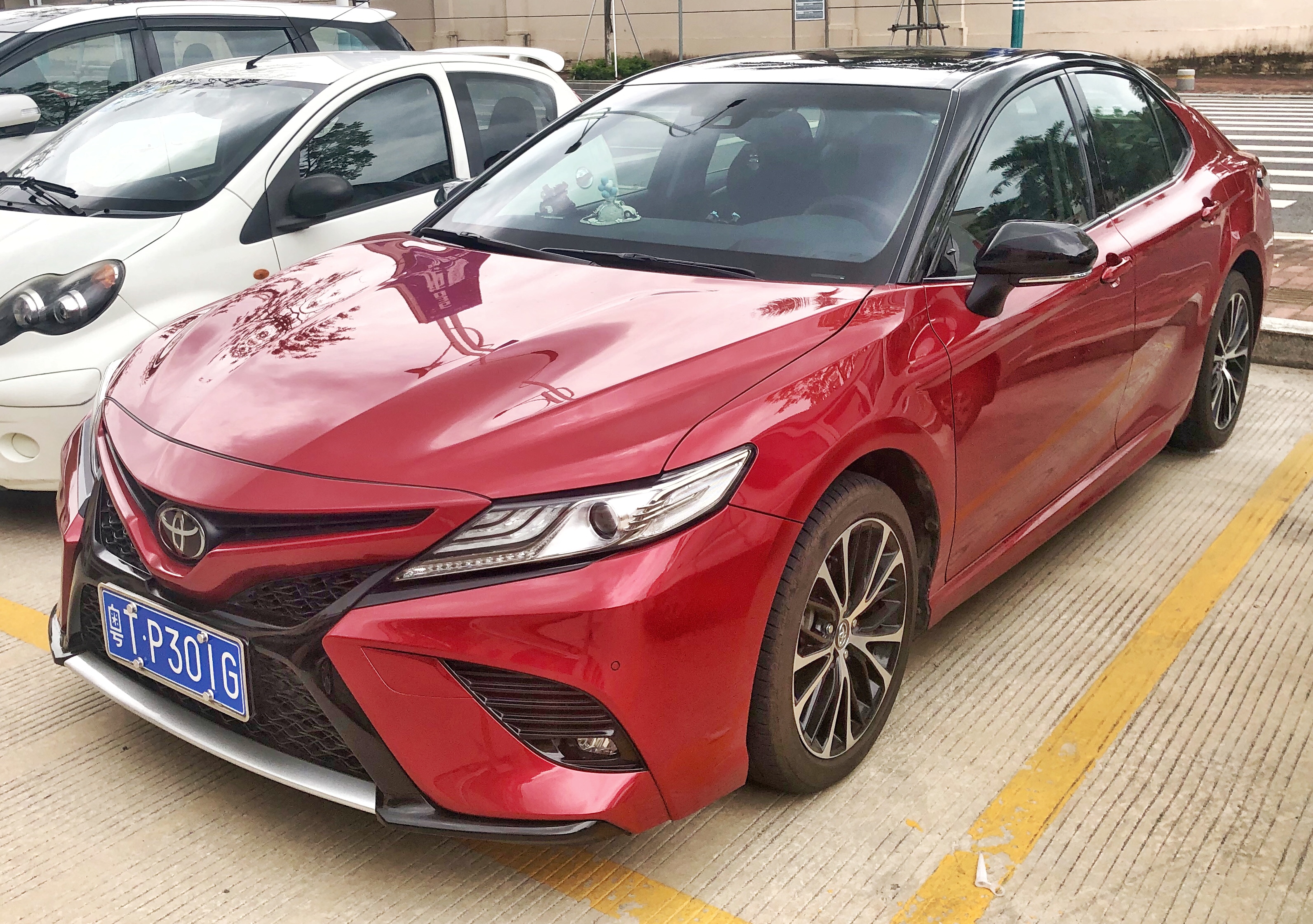
Toyota Camry
"... what they were 20 years ago, almost all of them, Camry Accord, you name it, are less today than they wer..."
The Toyota Camry is a common, practical sedan that many people buy for daily driving. The podcast is pointing out that compared to about 20 years ago, today’s versions and pricing/availability can be different. It’s mentioned because it’s one of the most widely recognized cars in its category.
The Toyota Camry is a mainstream midsize sedan that’s often used as a benchmark for everyday reliability and value. In the podcast context, it’s mentioned alongside other long-running models to highlight how pricing and availability have changed compared with “20 years ago.” It’s discussed because it’s a high-volume car that reflects broader market trends.

Porsche 911
"...? So, now what has gone up in price are a Porsche 911. Now, I was just going to say, because average pr..."
The Porsche 911 is a sports car made by Porsche that’s known for its performance and unique look. The podcast is saying that 911 prices have increased. It’s brought up because it’s a popular car where market pricing changes are easy to see.
The Porsche 911 is a long-running sports car known for its distinctive design and rear-engine layout. The podcast notes that prices for a Porsche 911 have gone up, making it a standout example of what’s appreciating in the market. It’s discussed because it’s a recognizable, high-demand model where pricing trends can be especially noticeable.
ATP
"The ATP is being influenced by the Porsche 911s, [2024.4s] the Mercedes G-Wagons, those are up with inflation, [2029.1s] 15%, above inflation."
ATP stands for Average Transaction Price. It’s basically the average “final sale price” people pay for cars, not the sticker price.
ATP (Average Transaction Price) is the average price actually paid for vehicles in sales, after discounts and incentives. When the hosts say ATP is being influenced by certain models, they mean those higher-priced vehicles are pulling the overall average up.
inflation
"the Mercedes G-Wagons, those are up with inflation, [2029.1s] 15%, above inflation. And, you know, that's the group that's not having to trouble buying cars right now."
Inflation means prices in general go up over time. The hosts are saying some cars got more expensive than inflation alone would predict.
Inflation is a general rise in prices over time, which can increase the cost of materials, labor, and financing—pushing vehicle prices higher. The hosts are using inflation as a benchmark to argue that some cars (like the Porsche 911 and Mercedes G-Wagon) have risen even faster than overall inflation.

G-Class Gwagons
"The ATP is being influenced by the Porsche 911s, the Mercedes G-Wagons, those are up with inflation, 15%, above inflation."
The Mercedes-Benz G-Class is a luxury SUV that’s designed to handle rough roads while still feeling upscale. The podcast says its price has increased more than inflation. It’s mentioned because it’s one of the luxury models people are paying more for.
The Mercedes-Benz G-Class (often called the G-Wagon) is a rugged luxury SUV known for its distinctive styling and off-road capability. The podcast notes that G-Wagons are up with inflation by about 15% above inflation, and it groups them with other high-end models like the Porsche 911. It’s discussed because it’s an example of a luxury vehicle whose market value can rise strongly over time.
base model tech content
"When you talk about what's in a base center or base Civic... even the base models, they've got a ton of stuff in it, right?... And the type of screens they have... those are the things that kind of trigger a consumer today, is that technology."
This is about what you actually get in the cheapest version of a car. The hosts’ point is that even the “base” trims often include modern tech, so dealers can market them as more than just a stripped-down option.
“Base model tech content” refers to the features included even on the lowest trim levels—especially modern connectivity and driver convenience tech. The segment argues that many mass-market cars have kept or increased these features over time, so dealers can message that lower trims still feel current.

Honda Civic
"I don't think if you take a compact car... When you talk about what's in a base center or base Civic, or, you know, even the base models, they've got a ton of stuff in it, right?"
The Honda Civic is a popular compact car that many people buy new or used. The point here is that even the basic Civic comes with modern features, not just bare-bones equipment.
The Honda Civic is a mainstream compact car that’s often used as a benchmark for what “value” looks like in a modern, affordable package. In this segment, it’s referenced specifically as an example of a base model that still includes a lot of modern convenience and tech.
Apple CarPlay
"For most people coming off a car five or six years old... even into a compact, it's loaded in a way... the tech, it's all of them have Apple CarPlay, all that kind of stuff."
Apple CarPlay lets you connect your iPhone to the car so you can use apps on the car’s screen. It’s a big reason people feel today’s cars are more “tech-forward,” even in lower-priced trims.
Apple CarPlay is a smartphone-integration system that mirrors compatible iPhone apps onto the car’s infotainment screen. It’s commonly used for navigation, calls, messages, and music, and it’s become a major “must-have” feature for many buyers.
infotainment screen
"You know, the tech... it's all of them have Apple CarPlay... And the type of screens they have, that's... those are the things that kind of trigger a consumer today."
The infotainment screen is the main touchscreen in the dashboard. The host is saying that the screens and tech features are what grab buyers’ attention today.
An infotainment screen is the central display in a car used to control media, navigation, phone features, and vehicle settings. In modern cars, the size and responsiveness of these screens can strongly influence buyer perception of “value” and tech content.
CPI
"[2247.2s] So, you know, we think it's the right way to look at the market, [2252.0s] and to see the CPI kind of validate that is really good to see."
CPI is a government statistic that tracks how much prices are rising in general. They’re using it as a clue to confirm whether car pricing trends make sense compared to the overall economy.
CPI (Consumer Price Index) is a widely used measure of inflation that tracks how prices for everyday goods and services change over time. In the segment, they’re using CPI as a macroeconomic check to see whether pricing trends in vehicle sales match broader economic conditions.
average sales price minus incentives
"[2255.6s] So, part of the formula that goes into your tracker [2257.9s] is its average sales price minus incentives dealer and automaker, [2263.8s] which is interesting, because how do you measure dealer incentives?"
This is a way to measure what people really pay for cars after discounts and incentives. It helps compare pricing trends more fairly than just looking at the advertised price.
“Average sales price minus incentives” is a way to estimate the net price buyers effectively pay after subtracting manufacturer or dealer incentives (rebates, discounts, etc.). The hosts are describing a pricing tracker formula that tries to reflect real transaction economics rather than sticker pricing.
point of sale
"[2263.8s] which is interesting, because how do you measure dealer incentives? [2267.4s] Because those are typically at point of sale."
Point of sale is when the deal is finalized and the customer signs. That’s when discounts and incentives usually get applied to the final price.
“Point of sale” refers to the moment a purchase is finalized—when incentives like rebates or discounts are applied to the deal. The hosts note that dealer incentives are typically measured at this stage, which makes them harder to track accurately in broader pricing models.

Ford F-150
"[2307.8s] Yeah, I mean, if you want to look at the truck side, [2309.6s] I think this is a pretty big deal to Ford dealers. [2313.0s] You know, the price of the F-150 is going up."
The Ford F-150 is a very popular big pickup truck. The discussion here is about its prices going up, which can change how dealers price cars and how quickly they sell them.
The Ford F-150 is a full-size pickup truck and one of the best-selling vehicles in the U.S. In this segment, the hosts discuss how its average transaction pricing is rising year over year, which matters to Ford dealers because it affects inventory turnover and gross margin.
Hemi
"[2319.1s] Ram also up quite a bit, 8% because they got that new Hemi,"
“Hemi” is an engine design name that’s often used for powerful V8 engines. Here, they’re saying Ram’s prices are up partly because it has a newer Hemi engine option.
“Hemi” refers to Chrysler’s hemispherical combustion-chamber engine design, commonly associated with higher-performance V8s. In this segment, the hosts connect Ram’s year-over-year pricing increase to having a “new Hemi,” implying the updated engine is supporting demand and pricing.

Dodge Ram
"It's, you know, I think it was 4% year over year. Ram also up quite a bit, 8% because they got that new..."
Ram is a brand of full-size pickup trucks. The podcast says Ram truck prices have increased, and it links that to a newer update. It’s mentioned because changes like that can affect how much trucks cost and how people buy them.
The Dodge Ram (often referred to as Ram trucks) is a full-size pickup line that competes strongly in the truck market. The podcast mentions Ram prices rising more than the F-150, attributing part of that to a “new” update or refresh. It’s discussed because new-generation trucks can shift pricing and demand quickly.
service consultants
"one of the main drivers of it is just an efficiency productivity driver for our service consultants... to be the most productive face of our dealer are service consultants."
Service consultants are the customer-facing advisors in a dealership’s service department. They translate diagnostic findings into recommended work, coordinate approvals, and manage the service process—so their efficiency directly impacts throughput and customer experience.
Reynolds
"If they're not having to go 13 different screens open, 27 different passwords, and you've got to go over here to send a text and over here to get a payment and over here to do video MPI, all those kinds of things, it all goes right into Reynolds."
“Reynolds” here appears to be the dealer software platform the service team uses to centralize workflows. The speaker describes integrating inspections, payments, messaging, and live equipment feeds so service consultants can work from one screen.
alignment machines
"We've got all of our hunter equipment connected and live feeds from alignment machines and brake lathes and wheel balancers."
Alignment machines are tools shops use to check and adjust how the wheels point. Getting it right helps the car drive straight and can prevent uneven tire wear.
Alignment machines are the equipment used to measure and adjust wheel alignment angles (like camber, caster, and toe). Proper alignment affects tire wear, steering feel, and how straight the car tracks after a repair.
brake lathes
"We've got all of our hunter equipment connected and live feeds from alignment machines and brake lathes and wheel balancers."
A brake lathe is a shop machine that “shaves” the brake rotor surface to make it smooth again. That helps the brake pads contact evenly for better braking.
A brake lathe is a machine that resurfaces brake rotors by machining their friction surface. This can restore a smooth, even surface for the pads to clamp against, improving braking consistency—especially when rotors have uneven wear or minor warping.
wheel balancers
"We've got all of our hunter equipment connected and live feeds from alignment machines and brake lathes and wheel balancers."
Wheel balancers are machines that check if a tire and wheel are “out of balance.” Balancing helps prevent shaking and can improve tire wear.
Wheel balancers measure how much weight is unevenly distributed around a wheel/tire assembly. The shop then adds weights to balance it, reducing vibration at speed and helping tires wear more evenly.
effective labor rate
"we have seen a lift in the average hours per repair order [3128.8s] and with no drop in the effective labor rate. [3132.2s] So there's a measurable lift there."
This is the actual hourly price the shop effectively gets for labor work, not just the posted rate. Dealers watch it to make sure they’re not “selling more” while quietly earning less per hour.
Effective labor rate is the realized hourly rate the dealership earns for labor after accounting for discounts, mix of work, and how jobs are billed. It’s tracked alongside average hours per repair order to see whether the shop is increasing volume without lowering what it actually makes per labor hour.
fixed absorption
"Fixed stops absorption, where'd you land? [3153.3s] And what's the target for 26? [3155.1s] Where'd you wrap up 25 and where's 26 headed? [3158.9s] Sam, you're catching one of my favorite topics."
This is a profitability metric. It looks at whether the shop is generating enough billable work to cover its “fixed” overhead costs, like salaries and building expenses.
Fixed absorption is a dealership service/parts accounting metric that measures how much of the department’s fixed costs are covered (“absorbed”) by the labor hours and/or revenue the store generates. When fixed absorption improves, it generally means the shop is spreading overhead across more billable work, improving profitability.
sublet markup
"We're not charging in sublets at 150% sublet markup. [3218.7s] We're not service packing the cars and we could easily,"
“Sublet markup” means the dealer sends some work out to another company and then charges the customer a higher amount for that outsourced job. It’s basically the dealer’s added profit on pass-through work.
“Sublet markup” refers to profit added when a dealer passes through work to an outside provider (sublet) and then charges the customer more than the dealer pays. It’s a way dealers can increase service revenue, but it can also affect customer perception and pricing competitiveness.
service packing
"[3218.7s] We're not service packing the cars and we could easily, [3222.1s] if we employed some of those strategies, we'd probably be at 120%."
“Service packing” here means grouping or arranging service work in a way that makes the service department look busier or more profitable than it would be otherwise. They’re saying they don’t do that kind of number-inflating strategy.
“Service packing” is a dealer practice of bundling or structuring service work to inflate reported service activity or revenue (e.g., stacking items to increase counts). The speaker contrasts it with their approach, implying they prefer cleaner, more organic numbers rather than inflated volume.
North Star metric
"is there another metric that you're guiding North Star and fixed ops today in May of 26, [3249.0s] is that retention?"
A “North Star metric” is the main score a company focuses on to decide if it’s winning. They’re saying they have one top number they steer everything toward.
A “North Star metric” is the single most important number a business uses to guide strategy and measure progress. In this context, they’re talking about the key fixed-ops growth indicator they manage toward, rather than many competing KPIs.
Acura
"We consistently, our Acura store is crazy retention. [3259.0s] I mean in the 80s, going 78 model years deeper, they're in the 80% retention."
Acura is Honda’s luxury brand. They’re talking about their Acura dealership and how many customers keep coming back for service over time.
Acura is Honda’s luxury brand, and the speaker is using their Acura store as an example of unusually strong service-customer “retention.” The point is that the dealer’s fixed-ops performance is being measured through repeat service behavior for Acura customers.
RO count
"actual new unique vins to grow RO count."
“RO count” is the number of repair jobs the service department creates/opens. More repair orders generally means the shop is busier and selling more labor and parts.
“RO count” typically means the number of repair orders (service work authorizations) generated by the service department. It’s a core fixed-ops volume metric because more repair orders usually means more labor hours and parts usage.
unique vins
"actual new unique vins to grow RO count."
A “VIN” is the car’s unique ID number. “Unique VINs” here means they’re trying to bring in more different vehicles to the dealer’s service customer base, not just more visits from the same cars.
“VINs” are vehicle identification numbers, and “unique VINs” means counting distinct vehicles rather than repeat visits from the same car. For service growth, adding new unique VINs increases the pool of vehicles likely to come in for maintenance and repairs.
Spiffy
"with the Spiffy scheduler and their logistics software. [3485.1s] And it has made the transition to mobile service seamless. ... [3511.8s] So Spiffy does a great job with the vans and their logistics software is fantastic."
Spiffy is a software service that helps set up car service appointments. The hosts say it helps make mobile service easier by coordinating scheduling and logistics so customers can get service at home.
Spiffy is a mobile service scheduling and logistics platform used by automotive service providers. In this segment, it’s described as helping connect customers to service “driveway-to-driveway” and coordinating service using vans and software.
mobile service
"[3485.1s] And it has made the transition to mobile service seamless. [3490.0s] Did that integration exist before you or did they have that pre-boxed, pre-figured out?"
Mobile service means car service that happens outside the traditional shop. Instead of you going to the dealership, the service is coordinated to come to you.
Mobile service is an automotive service delivery model where technicians and/or service operations come to the customer’s location. In this segment, it’s discussed as becoming “seamless” through scheduling and logistics software integration.
driveway-to-driveway
"No, it was a conversation like, in trying to figure out how to get driveway-to-driveway [3503.5s] customer-to-customer on a retail basis, the one thing that we, you know,"
“Driveway-to-driveway” means the car service comes to you. Instead of driving to a shop, the process is set up so the car is handled at your home and you don’t have to manage the trip.
“Driveway-to-driveway” describes a mobile service model where the vehicle is serviced at the customer’s location rather than requiring a trip to a dealership or shop. The idea is to reduce friction by handling scheduling and logistics so the customer experience feels seamless.
Blink
"So I got the two of them together and they knocked out of the park. [3533.7s] I'll tell you what, I love, and then we'll go into the round table. ... [3521.0s] We were customers of Blink and they made a huge impact on our online scheduling."
Blink is referenced as an existing online scheduling provider the speakers used before Spiffy. The segment claims Blink improved online scheduling and that combining Blink and Spiffy produced a large increase in online appointments.
APIs
"but asking them to innovate and create connections and APIs and ways of working that [3551.5s] help to contribute to reducing friction, delivering better to our customers."
APIs are the “connections” between different software systems. The point is that they help scheduling and service tools talk to each other so customers have a smoother experience.
APIs (Application Programming Interfaces) are software interfaces that let different systems communicate and share data. Here, the speaker frames APIs and “ways of working” as a way to reduce friction in automotive customer scheduling and service workflows.
Apple Tree
"So Richard Lupo, Fixed Operations Director, Apple Tree, Honda, and Acura. [3571.8s] Thank you so much for returning to the show to give us an update on"
Apple Tree is the name of the organization Richard Lupo works for. In this part of the show, it’s mainly used to introduce his background.
Apple Tree is mentioned as the employer/affiliation of Richard Lupo in his role tied to fixed operations. The segment uses it to identify who is speaking about dealership service operations and projects.
express
"We're above 80, I think, and we focus in mainly on our express, our mainline text do it, but we're almost 100% in express."
“Express” is the fast lane for common service work that doesn’t take long. It’s designed to get cars in and out quickly, so the shop can handle more vehicles each day.
In fixed-ops (service) operations, “express” usually refers to a streamlined service lane for common, quick-turn jobs like oil changes, tire rotations, and basic maintenance. The goal is to reduce appointment friction and keep throughput high, which is why dealers track express penetration and completion rates.
metaglasses
"We're doing metaglasses so that the text can do point of view videos instead of holding their phones. ... we're beta testing those metaglasses right now"
Metaglasses are wearable glasses that help a technician record videos hands-free. Instead of holding a phone, they can show customers what they’re seeing while working on the car.
“Metaglasses” here appears to be a wearable, hands-free video/AR-style device used to capture first-person “point of view” service videos. The idea is to let technicians record what they see without holding a phone, improving consistency and making customer explanations easier.
point of view videos
"We're doing metaglasses so that the text can do point of view videos instead of holding their phones."
POV videos are recorded from the technician’s perspective. That way, the customer can see the exact problem areas instead of relying only on descriptions.
Point-of-view (POV) videos are first-person recordings that show what the technician sees while inspecting or working. In a dealership context, this can make it easier for customers to understand issues and approve repairs because the evidence is visual and directly tied to the inspection steps.
Fixed Ops director
"What's one piece of advice you'd give to a new Fixed Ops director starting this month in automotive? I will start with you Richard and round out with you, Scott."
A Fixed Ops director is the person responsible for the dealership’s service and parts side. They help make sure the shop runs smoothly and customers get taken care of.
A Fixed Ops director runs the dealership’s “fixed operations” side—typically service, parts, and related customer support. This role focuses on shop throughput, technician productivity, parts availability, and process discipline rather than selling new vehicles.
ELR
"Yep. Become a master, you know, kill ELR because nobody's educated enough to understand the metric. That's why I would kill it."
ELR is a number dealers track to judge how well their service department is doing. The speaker is basically saying it’s not helping because most people don’t really understand what it means.
ELR is an automotive service/operations metric that some dealer groups track to measure how effectively the service department is converting opportunities into actual work. In this context, the speaker says to “kill” ELR because they believe it isn’t well understood by enough people to be useful.
master technician
"Well, I started life in this business as a technician and I was a master technician. And I took the time to really fully understand what I was working on, how it worked."
A master technician is an expert mechanic. The point here is that real mastery comes from understanding what’s happening in the car, not just doing the steps.
A “master technician” is a highly skilled shop role—usually meaning the person has advanced training and demonstrates expert-level diagnostic and repair ability. The speaker emphasizes that becoming one involves understanding how the systems work, not just following procedures.
Request an Explanation
Heard something you'd like explained? We'll add it to this episode.
Sign in to request explanations for terms you heard.
Want to learn more?
Browse our glossary for plain-English explanations of automotive terms, jargon, and concepts.
Help improve this episode
See something that's not quite right? Our annotations are AI-generated and can sometimes miss the mark. Click the flag icon on any annotation to suggest a correction.