Gumball’s founder traces the rally’s origin to a failed bid to buy a Tyrrell Formula One team, then explains why the event isn’t just about top speed—it's about curated chaos, legal “bursts,” and celebrity crossover. From eclectic grids (A-Team van beside a Bugatti) to route logistics like flying cars on Antonov planes, the conversation covers safety, media influence, and even near-disaster financial scrambles. Along the way, Lewis Hamilton, Tony Hawk, and David Hasselhoff pop up, plus stories of breakdowns, accidents, and international diplomacy.
Check for FREE if you are due a refund in 60 seconds at https://refundclub.co.uk/cars
Gumball 3000 founder Maximillion Cooper reveals the wild origins of the world's most famous supercar rally. From clandestine late-night negotiations with stressed Russian cargo plane operators to moving hundreds of thousands of dollars in a shopping bag through London streets, Maximillion breaks down the exact moments Gumball transformed from a rebellious road trip with Johnny Knoxville and the Jackass crew into a globally recognised billion-dollar lifestyle empire.
BEST MOMENTS
"There was never ever an idea to even do a car rally. It sort of happened organically because I got a bunch of sort of friends together to support my ambition and dream to have a Formula One team”
"We do have a still of 242 mph on the clock in Texas. Back then that's decent."
"I owed nearer to 200 grand for these planes."
Sponsors:
➤ Money.School - To Make, Manage & Multiply More Money, join us at https://money.school/goldcars
➤ Tom Hartley Cars - http://www.tomhartleycars.com/
For More Cars & Money Content:
➤ Shorts: https://www.youtube.com/channel/UCYS-7tYpRkJmrVIUq8-WV_A
➤ Facebook: https://www.facebook.com/people/Cars-Money/61579331221620/
➤ Tiktok: https://www.tiktok.com/@carsandmoneyofficial
➤ Instagram: https://www.instagram.com/carsandmoneyofficial/
Connect with Carl & Rob:
➤ Rob’s Facebook: https://www.facebook.com/robmooreprogressive/?locale=en_GB
➤ Rob’s Instagram: https://www.instagram.com/robmooreprogressive/
➤Carl’s Instagram: https://www.instagram.com/carlhartley1/
Learn more: https://gumball3000.com
"Welcome to the world's most expensive super car rally... Highest recorded speed anyone's ever done at Gumball... Again, it's obviously only in Germany."
The Gumball rally is a big, flashy road trip event for supercars. People with famous cars and celebrities drive long routes, and it gets a lot of attention.
The Gumball rally is a high-profile, celebrity-heavy supercar road rally where participants drive exotic cars across long distances on public roads. It’s known for unusual routes and for attracting wealthy entrants and media attention, which is why the speaker frames it as “the world’s most expensive super car rally.”
"Highest recorded speed anyone's ever done at Gumball. 242. No way."
They’re talking about the fastest speed anyone has managed during the rally. The number they mention is meant to be the record.
“Highest recorded speed” here means the top speed achieved during the Gumball event, treated like an official or at least trackable benchmark. The speaker then cites a specific number (242), emphasizing it as a standout performance metric for the rally.
Term
ice cream van
"But yeah, the highest recorded speed.
[76.7s] I mean, and people aren't really shooting for that on Gumball.
[78.9s] I mean, it's literally because of that sort of, let's say the quota of, you know,
[83.1s] your hypercars to your someone doing an ice cream van sort of thing.
[88.0s] Then, you know, the ice cream van is not gunning for, you know, 200 plus miles an hour."
They’re using an ice cream van as an example of a vehicle that isn’t built to go extremely fast. The point is that Gumball is more about the road trip and the mix of people and cars than about racing for maximum speed.
The “ice cream van” comparison is a way to contrast vehicle intent and typical use. In this context, it’s used to explain why Gumball isn’t primarily about chasing top speed—different vehicles have different goals, like everyday cruising versus high-speed runs.
"And way back in 2003, we did San Francisco to Miami and that had a Koenigsegg CC8 take part.
[119.2s] I think that's right, isn't it?
[119.9s] Yeah, that's the first Koenigsegg."
Koenigsegg is a Swedish supercar brand, and the CC8 was one of their early cars. Here, it’s brought up because it joined a famous long road trip route, showing how rare supercars can end up doing “normal” road-trip miles.
The Koenigsegg CC8 is an early Koenigsegg supercar, known for being part of the brand’s rise into the hypercar world. In this segment, it’s mentioned as the car that took part in the 2003 San Francisco to Miami Gumball route, highlighting how exotic cars get used for these long-distance celebrity road trips.
"[134.7s] 242.
[135.1s] That's decent.
[136.0s] Yeah.
[136.8s] Miles an hour, I take it, not kilometers.
[138.4s] Yeah."
Miles per hour (mph) is a way to measure speed—how far you go in an hour. They’re clarifying it’s mph, not kilometers per hour, so the speed number is the right one.
“Miles an hour” (mph) is a speed unit used in the U.S. and some other countries, measuring how many miles a vehicle travels in one hour. The speaker clarifies they mean mph rather than kilometers per hour, which matters because the numbers would be different.
"So it's still kind of like, you know, a lot of, a lot of moving parts, but we've got better
at them."
They mean there are lots of different things that all have to work together to make the rally happen. Even if it’s fun and edgy, it still takes careful coordination.
“Moving parts” is a metaphor for the many interdependent elements required to run a rally—planning, logistics, safety, participants, and event operations. The speaker uses it to emphasize that making the rally safe and exciting still requires coordinating lots of different pieces.
"The rally is the backbone to it.
But you know, as a company, I mean, we have, you know, from products, products that we
do and license deals and whatever we sell products in about 40,000 stores right now"
Gumball 3000 is a famous rally event where people drive on public roads and it’s often tied to big personalities and lots of attention. The speaker is saying the event is important to the wider brand around it.
Gumball 3000 is a branded rally event known for celebrity participation and highly public, stunt-heavy road runs. In this segment, the host frames it as a “backbone” for the brand and an ecosystem that depends on the rally’s success.
"...a car the day before the right started an old Jag XJS. I knew it was a Jag XJS like 300 pounds or somet..."
The Jaguar XJ-S is a classic-style Jaguar coupe made for comfortable highway driving. It’s older, so it can be fun to own, but it may need more attention than newer cars. People mention it because finding a good one and keeping it running can be tricky.
The Jaguar XJ-S (often written XJS) is a grand touring coupe from Jaguar, built for long-distance comfort and style. It’s frequently discussed as an older classic because it has a distinctive look and a reputation that varies widely depending on model year and condition. In a podcast, it can come up as an example of a “cool” car that still requires real ownership knowledge.
"this is sort of like, this is basically around that time of the, you know, like the second Gumball 2000 or something like that... So when the Gumball one came out in 2000, you know, mid 2001, it in the U.S."
Gumball 2000 is a big car rally where drivers travel long distances and it gets filmed and covered in the media. This part of the conversation is about the early years when it was getting really popular.
Gumball 2000 is a real-world cross-country car rally/road trip that mixes driving with celebrity participation and media coverage. The segment references its early seasons and how the event’s popularity grew around the early 2000s.
"I remember driving the recce, you know, the first sort of planning trip of that 2002 rally, landing in New York, Porsche, Lentmere, a car that I probably wanted to hide around every corner, bright yellow box stuff."
“Recce” means a scouting trip. It’s when you drive the route ahead of time to check what the roads are like and plan around any problems.
“Recce” is short for reconnaissance: a planning drive where organizers scout the route to understand road conditions, timing, and hazards. In rally events, it helps reduce surprises and improves safety and logistics.
"to kind of create a sort of a sexy rock and roll Formula One team... And I sort of wanted to create a Formula One team that had a bit of a global sort of a cool appeal"
Formula One is the top level of open-wheel racing. A “team” is the whole operation—cars, engineers, strategy, and drivers—working together to race in F1 events.
A Formula One (F1) team is a professional racing organization that builds and runs cars for the FIA Formula One World Championship. It’s not just drivers—teams manage engineering, car development, strategy, and sponsorship to compete at the highest level of open-wheel racing.
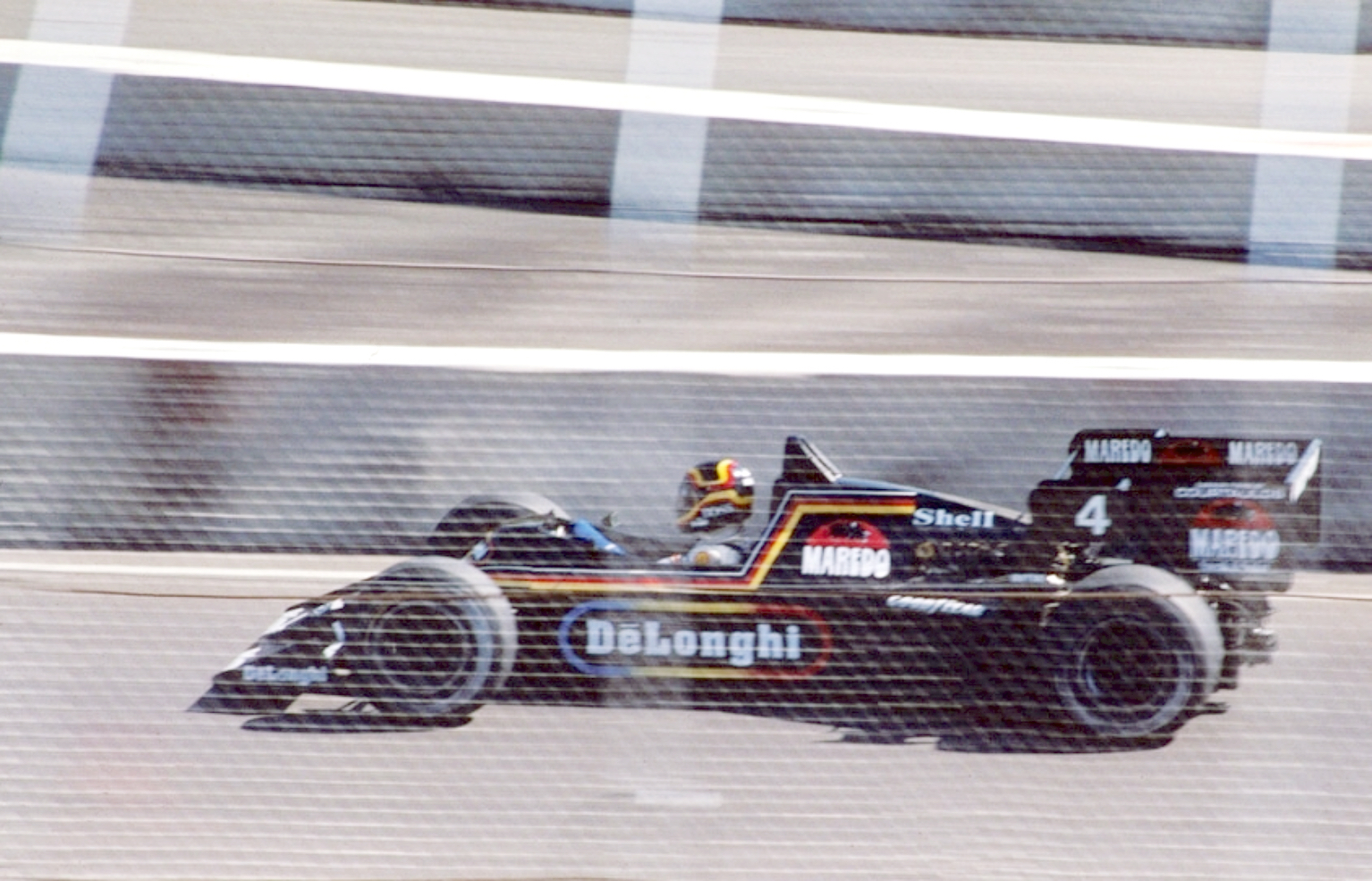
"I got outbid by British American Tobacco to buy a Tyrrell Formula One team"
Tyrrell was a real Formula One racing team. Owning or buying a team like that means funding the whole racing operation—car development, staff, and race logistics.
Tyrrell was a historic Formula One team, known for competing in F1 across multiple decades and for its engineering reputation. In the late 1990s, Tyrrell was one of the smaller teams, and buying one would mean taking on the costs and technical challenge of running an F1 constructor.
"I got outbid by British American Tobacco to buy a Tyrrell Formula One team"
British American Tobacco is a big corporation. Here, they’re mentioned as outbidding the speaker to buy a Formula One team, which highlights how large companies can get involved in racing.
British American Tobacco (BAT) is a tobacco company that has historically been involved in motorsport sponsorship and team ownership. In this story, BAT outbid the speaker to buy a Tyrrell Formula One team, showing how major corporations can influence who controls racing operations.
"So late 90s, I'd had a struggling attempt at being a racing driver... I started like Formula Ford and did a few sort of GT races"
Formula Ford is a stepping-stone racing series for up-and-coming drivers. People often race there to learn race technique before moving to bigger, faster categories.
Formula Ford is a junior open-wheel racing series used to develop drivers before they move up to higher categories. It’s known for being relatively simple mechanically, which helps emphasize driver skill and racecraft.
"I started like Formula Ford and did a few sort of GT races and so on."
GT races are competitions for sports cars that are related to models you could buy, but set up for racing. The goal is to race different sports cars against each other on track.
GT racing refers to competitions for “grand touring” cars, typically based on production sports cars but modified for racing. In many series, GT classes are grouped by performance and balance rules to keep different cars competitive.
"Ferrari were and always have been a brand. You know, people are passionate about it. It's a dream."
Ferrari is a famous racing brand from Italy. In Formula One, it’s not just about winning races—people also strongly connect the brand to the sport.
Ferrari is an Italian racing and road-car brand that has been a dominant cultural symbol in motorsport for decades. In Formula One specifically, Ferrari’s identity and fanbase are so strong that the brand itself is often discussed alongside on-track results.
"particularly in the 90s, you know, Williams were probably the most winning team of most of the 90s, but they never became a brand."
Williams is a Formula One team historically known for strong results, especially across parts of the 1990s. The host’s point is about how a team can be successful on track yet not build the same level of mainstream “brand” recognition as Ferrari.
"But I think I'd also was looking at it from the sort of perspective that James Hunt was my sort of poster hero as a kid."
James Hunt was a famous Formula One driver. People remember him not only for racing success, but also for his bold personality.
James Hunt was a British Formula One driver known for a flamboyant, celebrity-style persona and for winning the 1976 World Championship with McLaren. The host references him as a “poster hero,” contrasting Hunt’s character with the more corporate, professional tone of later eras.
"I loved hearing the stories of Bentley boys, you know, having a glass of champagne in the pit lane or a cigarette pulling in to have a cigarette and carrying on going kind of thing."
"Bentley boys" is a nickname for the famous early Bentley racing crowd and drivers. The host is using it to describe a more stylish, character-filled time in racing.
"Bentley boys" refers to the famous early-20th-century group of wealthy British drivers associated with Bentley racing, especially in endurance events. The host uses it as shorthand for a more glamorous, personality-driven era of motorsport.
"I loved hearing the stories of Bentley boys, you know, having a glass of champagne in the pit lane or a cigarette pulling in to have a cigarette and carrying on going kind of thing."
The pit lane is the trackside area where the team works on the race car during a race. It’s where you’d see things like tire changes and team activity up close.
The pit lane is the area beside the track where teams service the car during a race, including refueling (where applicable), tire changes, and driver/crew operations. It’s also where the sport’s culture is most visible—like the host’s “champagne in the pit lane” story.
"Jackie Stewart was World Champion. My brother's got Jackie Stewart's..."
“World Champion” means the person won the biggest championship for that racing series. It’s decided by results over the whole season, not just one race.
“World Champion” refers to winning the top championship in a global motorsport series, typically based on points across a season. In Formula 1, it’s the driver’s title awarded for the best overall results.
"So I ended up sort of being loosely part of a team, a privateer race team back in that era called Parabolica Motorsport, which raced McLaren's and Porsche Super Cup."
A privateer team is basically a smaller, independent racing team. They’re not the manufacturer’s official team, but they still race and try to compete at a high level.
A privateer race team is an independently run team that isn’t directly backed as a factory effort by a major manufacturer. In that era, privateers often bought or ran customer cars and competed against better-funded works teams.
"We just bought a new Aston Martin Valhalla. Okay. And it's the first used car on the used car market."
The Aston Martin Valhalla is a very special, high-end supercar from Aston Martin. The host is basically saying they bought one and were surprised that it drives as good as it looks.
The Aston Martin Valhalla is a modern, track-focused supercar from Aston Martin, built around a lightweight, high-performance driving experience. It’s notable because it’s a rare, exotic model that people often evaluate by how it feels to drive—not just how it looks.
"And so I think having so many children as well, I think I've sort of been more in the era of having sort of a Range Rover and a Defender or something as my everyday car."
The Defender is a tough, off-road-capable SUV from Land Rover. It’s known for being built to handle rough roads and bad weather, not just city driving.
The Defender is Land Rover’s classic, rugged off-road SUV, famous for its simple, durable design and ability to handle tough terrain. Here it’s paired with the Range Rover as another “everyday car,” showing the host’s preference for vehicles that can do more than just commute.
"... sort of been more in the era of having sort of a Range Rover and a Defender or something as my everyday car. A..."
The Range Rover is a large, luxury SUV made by Land Rover. It’s designed to be comfortable for daily driving but still capable on rough roads. People talk about it because it’s expensive and represents the “premium SUV” category.
The Land Rover Range Rover is a luxury SUV known for combining off-road capability with a high-end, comfortable cabin. It often comes up in conversations about everyday “status” vehicles because it’s a long-running flagship model for the brand. In a podcast context, it’s a common example of how premium vehicles can fit into real-life ownership plans and budgets.
"and they've seen everything already, you know, and you sort of forget that, you know, most
[2280.3s] people have not seen one, you know, a Pagani driving on the road, you know, and I was in"
Pagani is a rare, very expensive Italian supercar brand. If you see one driving around, it’s a big deal because most people have never seen one in real life.
Pagani is an Italian supercar brand known for extremely high-end, low-volume cars built with a focus on exotic materials and craftsmanship. When someone says “a Pagani driving on the road,” they’re pointing to a rare, attention-grabbing car that many people may never have seen in person.
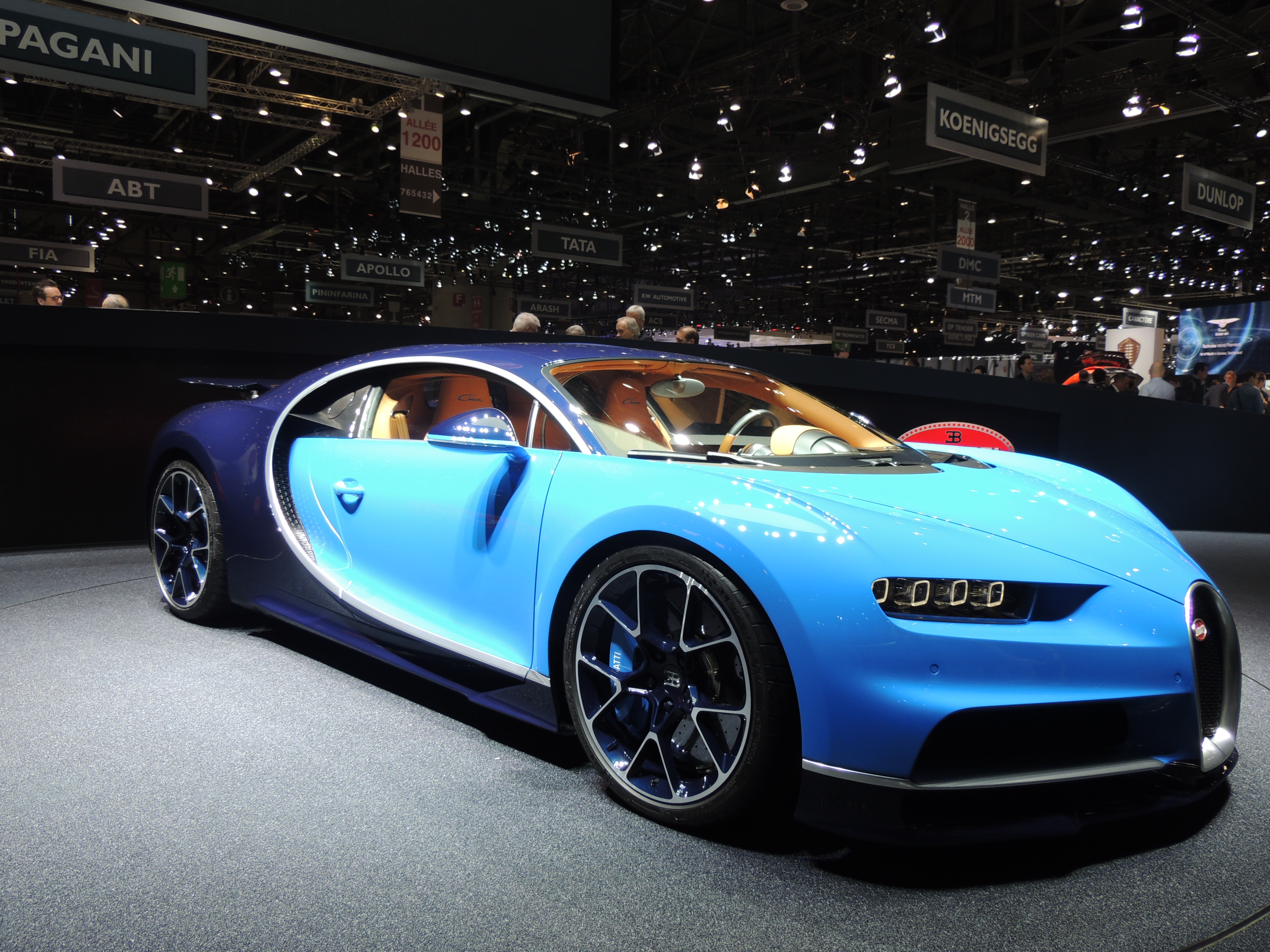
"and they've seen everything already, you know, and you sort of forget that, you know, most
[2286.2s] a Bugatti Chiron Super Sport the weekend and just seeing the reaction on kids faces was"
The Bugatti Chiron Super Sport is one of the most extreme, rare super/hypercars Bugatti makes. The point here is that seeing something like that in person gets a huge reaction because it’s not something most people ever encounter.
The Bugatti Chiron Super Sport is a flagship hypercar from Bugatti, built around the idea of extreme high-speed capability. It’s a special variant of the Chiron line, and the speaker is using it to illustrate how even “normal” people react when they see a top-tier hypercar in the real world.
"So the other thing about Gumball is or any road trip is your experience of the event
[2372.0s] is dictated by what you're in, you know, because it could be comfortable or it could be very uncomfortable.
[2378.7s] But even the uncomfortable ones are still contenders for me because it's part of that sort of, you know,
[2384.7s] that was part of that years experience, let's say."
They’re talking about how the car you choose for a road trip affects how the whole event feels. Even if the car is uncomfortable, it can still be part of the adventure.
This portion explains how the Gumball rally experience changes depending on which car is used. It frames comfort versus discomfort as part of the overall “years experience” of the event.
"...say. I mean, last year I did a Rolls Royce Brabus Cullinan. Great car."
The Rolls-Royce Cullinan is a very expensive luxury SUV made by Rolls-Royce. It’s built to be extremely comfortable, with a focus on a smooth, quiet ride. People bring it up because it’s a top-tier luxury vehicle and ownership can be costly.
The Rolls-Royce Cullinan is a luxury SUV that brings the brand’s signature comfort and craftsmanship into a full-size, high-end package. It’s significant because it’s designed to feel effortless and quiet while still being capable of long-distance travel. In a money-focused podcast, it’s a clear example of how extreme luxury pricing changes ownership costs and expectations.
"I don't know, 1963 Shelby Cobra.
You've done the whole rally in the Cobra.
Yeah."
A 1963 Shelby Cobra is a famous old-school sports car with a big V8 engine and a very simple, lightweight design. Using one for a multi-day rally is a big deal because it’s exciting—but also harder to keep running every day.
The Shelby Cobra (here, the 1963 model) is a classic American roadster built around a powerful V8 and known for its lightweight, raw feel. In a rally context like Gumball, it’s notable because it’s both iconic and mechanically demanding over long, multi-day routes.
"But I was referencing her on the Cobra because she doesn't drive manual.
Well, no American was allowed to drive manual.
No, no, no."
Here, “manual” means the car has a stick shift. You have to use a clutch and change gears yourself, which can be tough if you’re not used to it—especially during a long rally.
In this context, “manual” means a manual transmission, where the driver uses a clutch pedal and gear lever to change gears. It’s a practical issue for rallying because it adds driver workload and can be a barrier for someone who isn’t comfortable with shifting for hours.
"Break callipers or whatever fall off. And to tighten them up with my hand every few miles and whatever."
Brake calipers are the parts that squeeze the brake pads to stop the car. The speaker is saying their brake calipers loosened and they had to tighten them during the rally.
“Callipers” refers to brake calipers, the clamping mechanism that squeezes brake pads against the rotors to slow the car. In rally use, loose or failing brake hardware is a serious issue, and the speaker describes having to tighten them by hand during the event.
Car
Pagani Fyra
"Did you do a rally in a Pagani Fyra? ... That's a great car to do because it's comfortable. It's very comfortable. It's easy to drive."
The Pagani Fyra is a super-rare, very expensive exotic car. The speaker says it was actually comfortable and easy to drive even on a rally, which is surprising for a car like that.
The Pagani Fyra is a rare, track-focused supercar known for its exotic design and high-end engineering. In this segment, the host highlights it as an unusually usable rally car—comfortable and easy to drive—despite its extreme performance reputation.
Term
V12 by turbo AMG engine
"Yeah, because it's got the it's got it's got that V12 by turbo AMG engine."
A V12 is a type of engine with 12 cylinders, usually known for smooth power and a special sound. The speaker is saying this car uses a turbocharged AMG-style V12, which helps it make big power.
A V12 is an engine with 12 cylinders arranged in a “V” shape, typically producing smooth power and a distinctive sound. The speaker also mentions an AMG turbo setup, pointing to a forced-induction V12 configuration where turbochargers help deliver strong output.
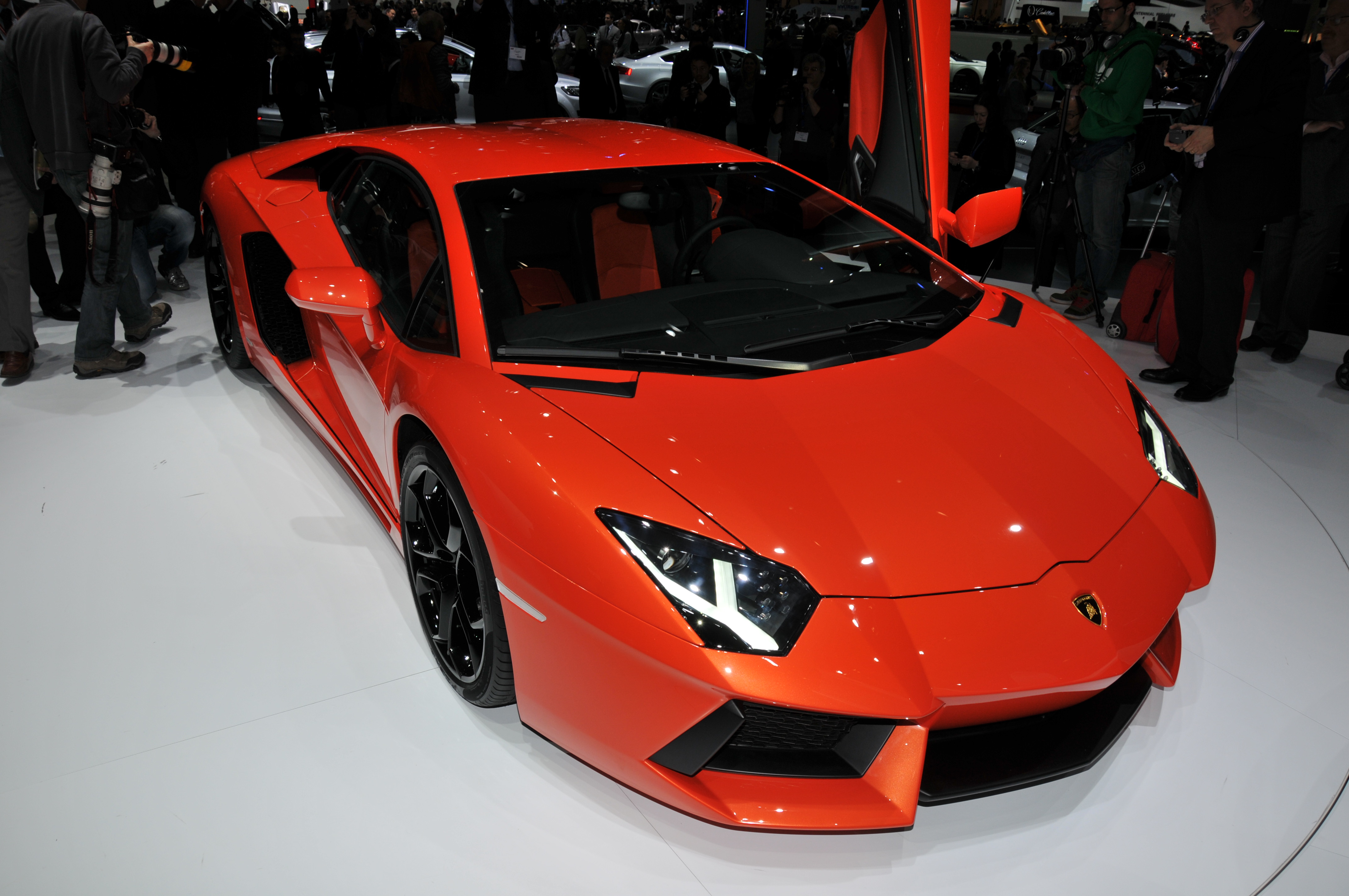
"...V12 by turbo AMG engine. It doesn't, you know, an Aventador screams and bang, bang. And then you can't do tha..."
The Lamborghini Aventador is a very fast, high-end sports car. It uses a strong V12 engine and is designed to feel exciting when you drive it. People mention it because it’s a serious performance car, not just a stylish one.
The Lamborghini Aventador is a high-performance supercar known for its powerful V12 engine and dramatic driving character. It’s often discussed because it delivers big acceleration and an intense sound/feel that stands out even among other fast cars. In a podcast, it’s a good example of how performance engineering affects ownership—especially around fuel use, maintenance, and driving costs.
"I did Lotus Esprit.
Yeah, and you had Lotus.
Yeah, do you hate Lotus?
Lots of trouble, usually serious.
It didn't make you round the rally without breaking down."
The Lotus Esprit is a famous British sports car. People remember it for its distinctive look and also for sometimes having reliability problems. In this chat, it’s treated like an iconic “Bond-style” car that the speaker later owned.
The Lotus Esprit is a British sports car best known for its wedge-shaped styling and, in many versions, a mid-engine layout. In this segment, the hosts connect it to the “James Bond car” reputation and also mention that early examples could be troublesome and prone to breakdowns. That combination—iconic looks plus real-world reliability drama—is why the Esprit comes up in a rally/celebrity-driver conversation.
"Those Esprit's are lovely.
What year was it?
That was a brand new one from their press office.
That was like a VHGT."
A press office is the part of a company that deals with the media. They may provide brand-new cars to journalists or for publicity, which is what the speaker is suggesting happened here.
A “press office” is the media-facing team at a company that provides information and often supplies cars for journalists or events. Here, the speaker implies the Esprit they had was a brand-new car provided through Lotus’s press channels, rather than a normal customer purchase.
Term
VHGT
"That was a brand new one from their press office.
That was like a VHGT.
Right, lovely looking cars."
“VHGT” sounds like a shorthand for a specific version of the car. But in this clip, there isn’t enough detail to say exactly which official Esprit variant it refers to.
“VHGT” appears to be a model/trim or internal shorthand the speaker used to describe the Esprit’s specific era or variant. Without more context in the transcript, it’s not possible to confidently map it to a known official Lotus Esprit designation.
"And it would have been that sort of Lotus Esprit,
the James Bond car at the time, you know.
So which I then bought years later when I was at university"
A “James Bond car” is a car that became famous because it appeared in the James Bond movies. The speaker is saying the Lotus Esprit had that kind of pop-culture fame at the time.
“James Bond car” refers to vehicles made famous by the James Bond films, which often become cultural icons beyond their original role as movie props. The Lotus Esprit’s association with Bond helps explain why it’s remembered as a desirable, recognizable sports car even years after its debut.
"…there weren't those characters anymore. And after sort of Senna sort of was not part of it."
Senna is Ayrton Senna, a legendary Formula One driver. The speaker is saying that when Senna wasn’t part of the scene anymore, they lost some interest.
Senna refers to Ayrton Senna, one of Formula One’s most influential drivers. The speaker implies that after Senna was “not part of it,” their interest in that era of F1 culture faded and they wanted to bring the excitement back.
A “historic Grand Prix” is an event that brings classic race cars and their eras back to life, often with period-correct machinery and drivers. In this segment, it’s the speaker’s next step to “bring some magic back” after losing interest in the modern F1 cultural vibe.
"Yeah, I mean, talking about iconic sort of liveries and branding, you know, Marlborough and JPS was the hard to beat, weren't they?"
JPS stands for John Player Special, a cigarette brand. It was used as a sponsor on some famous Formula 1 cars, and the branding/livery became part of the car’s look.
JPS refers to John Player Special, another tobacco brand that sponsored Formula 1 teams in the 1970s. In this context, it’s mentioned alongside Marlborough because both brands were strongly associated with iconic racing liveries.
"Yeah, I mean, talking about iconic sort of liveries and branding, you know, Marlborough and JPS was the hard to beat, weren't they?"
Marlborough was a cigarette brand that showed up on famous Formula 1 race car paint jobs. Those designs were so distinctive that people still remember them today.
“Marlborough” is a tobacco brand whose name and colors were famously used on Formula 1 cars in the 1970s. The point of mentioning it here is that the livery (paint scheme) became part of the team’s identity and made the cars instantly recognizable.
"Yeah, yeah, yeah, definitely.
[2735.5s] Camel as well."
Camel is a cigarette brand that was used on some historic race car designs. The host is pointing out that those old sponsor graphics were part of what made the cars memorable.
Camel is a tobacco brand that also appeared on historic motorsport liveries. The host is using it as another example of how 1970s-era sponsorship made race cars visually stand out.
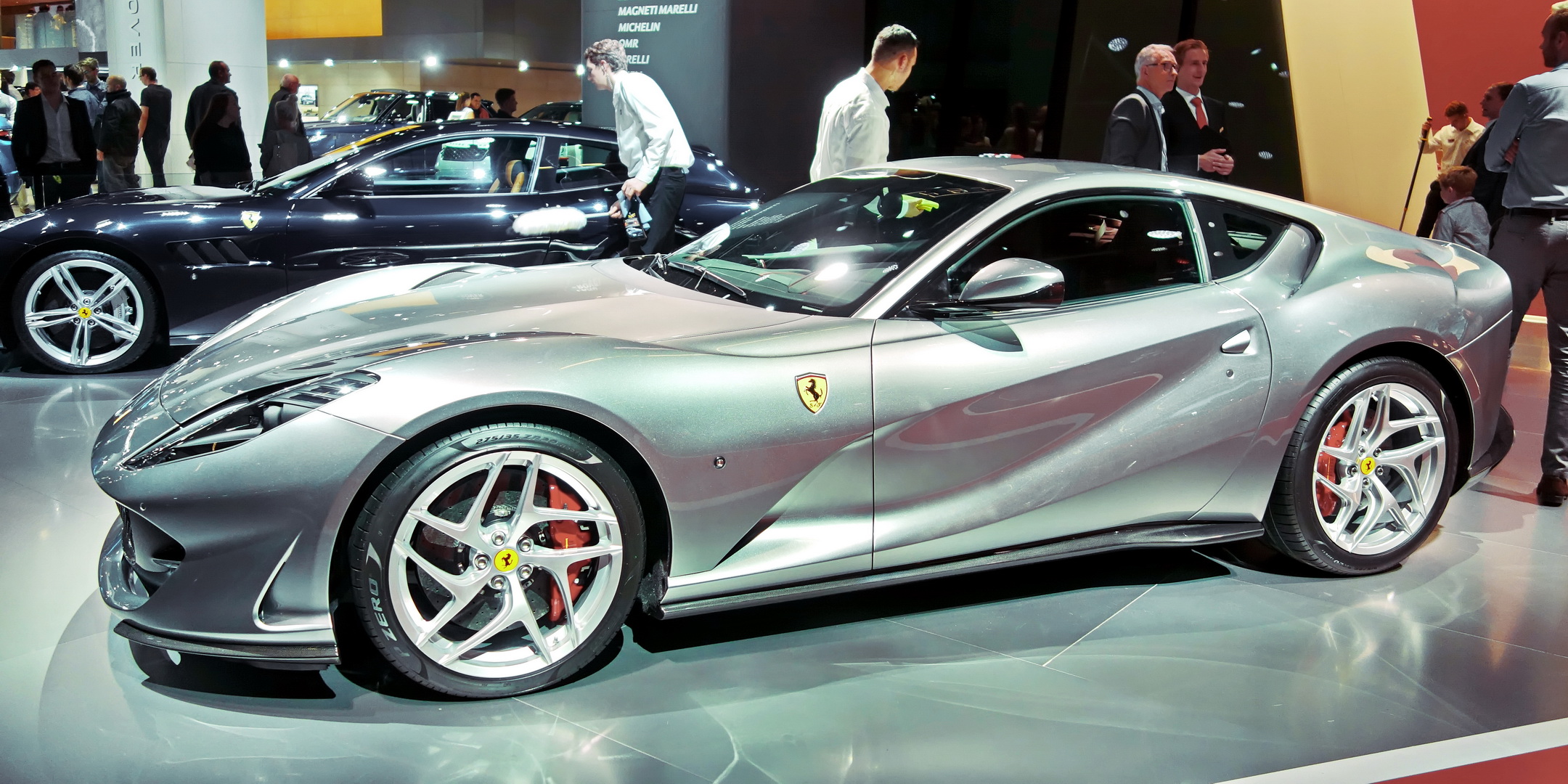
"which is my sort of pound for pound best car on the rally that I've taken.
[2746.8s] Perfect Gumball cars are sort of 812 Ferrari.
[2751.3s] Just great grand tourers, stealthy in a way."
The Ferrari 812 is a high-end Ferrari built for comfortable, fast long drives. In this segment, the host compares it to the best car experience they’ve had on the rally.
The Ferrari 812 is a grand touring (GT) Ferrari known for its high-revving V12 and effortless long-distance pace. Here it’s referenced as the “pound for pound best car” on the rally, highlighting how its GT character and stealthy presence fit a Gumball-style road trip.
"Perfect Gumball cars are sort of 812 Ferrari.
[2751.3s] Just great grand tourers, stealthy in a way."
A grand tourer (GT) is a type of car designed for fast, comfortable long-distance driving rather than just short-track performance. The host uses it to describe why the Ferrari 812 works so well for a rally: it’s built to cover distance while still feeling special.
"where I'd give people a route card and that's the destination for sort of the lunch stop and then get another route card for the, you know, for the evening stop sort of thing."
A route card is like a printed set of directions for the next stop. In this rally, they hand it out so everyone knows where to drive for lunch and then where to go later.
A route card is an event-issued document that tells participants where to go next (often including turn-by-turn or checkpoint instructions). Here, the host describes handing out route cards for the lunch stop and then another for the evening stop.
"And there I have two Antonov cargo planes and a passenger plane waiting for everyone to sort of drive the cars on to and."
Antonov makes big cargo airplanes. In the story, the rally had Antonov planes ready to help move all the cars to the next part of the trip.
Antonov is a major aircraft manufacturer known for large cargo aircraft, often used for heavy or oversized freight. The host mentions “two Antonov cargo planes” waiting at the airport, signaling the rally’s use of very large airlift capacity to transport the cars.
"this first time I driven one is Bentley's, uh, the fuel gauge is on zero. And instead of thinking like, and the cars had to be on less than a quarter tank to load onto the plane."
The fuel gauge is the dashboard light/reading that tells you how much gas is in the tank. If it says zero, you’re very close to running out.
A fuel gauge is the dashboard indicator that estimates how much fuel is in the tank. When it reads “on zero,” the car may still have a small reserve, but you’re effectively at the point where you can run out if you don’t refuel soon.
"And instead of thinking like, and the cars had to be on less than a quarter tank to load onto the plane. So you didn't want to stop and fill it up sort of thing."
They had to make sure the cars didn’t have much gas before shipping them by plane. Less fuel makes the transport safer and easier because the cars weigh less and there’s less fuel to worry about.
The speaker explains that the cars had to be kept under a certain fuel level (e.g., “less than a quarter tank”) before being loaded onto an aircraft. This is a safety/logistics constraint: less fuel reduces weight and lowers risk during transport.
"seeing that on the grid next to or seeing, you know, the 18 van on the grid [4171.6s] next to a, you know, Bugatti Super Sport or something, you know, [4206.3s] Yeah. And when you break it down like that, [4208.3s] it means that filling the grid is really makes it really exclusive"
In racing, the “grid” is the list/lineup of cars for the event. The host is saying the rally carefully limits who gets placed on that lineup.
In motorsport, the “grid” is the organized lineup of cars for an event—often arranged by entry order or qualifying results. The host uses it to describe how the rally’s starting lineup is curated and limited, which makes getting on the grid feel exclusive.
"that's what Gumball is. It's like wacky race. [4178.9s] I was just thinking about it. [4181.0s] It really is."
A “wacky race” is basically a fun, chaotic-style race where the cars can be really unusual. The host is using it to describe the vibe of Gumball.
“Wacky race” is a shorthand for an event that embraces unusual, unpredictable entries rather than a traditional, strictly competitive motorsport format. In this segment, it frames Gumball as a rally where the variety of cars and drivers is part of the appeal.
Select text to request an explanation
I got an outbid to buy a Tyrrell Formula One team and when I failed at that, the result was Gumball.
Welcome to the world's most expensive super car rally.
Essentially what we've become for the Weeklong Festival.
We're seeing the A-Team van on the grid next to a Bugatti Super Sports. That's what Gumball is.
Highest recorded speed anyone's ever done at Gumball.
242.
No way.
Yeah.
Perfect Gumball cars are sort of...
I'd buy one of them.
Had over 300 billionaires.
It's 10% of the world's richest list that have done the Gumball.
Would you ever sell it?
The funny thing is...
What's been the hardest time?
We took it to North Korea.
You and Kim doing karaoke.
A few big men arrived and said come to collect whatever you have. All I had was that.
What was the worst car you've done it in?
I...
What's the highest recorded speed anyone's ever done at Gumball?
People must be shooting for that.
No, you know what?
Again, it's obviously only in Germany.
No, Germany is the worst place for us.
Right.
The Germany is the place that I actually don't want to take Gumball to.
But yeah, the highest recorded speed.
The highest recorded speed.
I mean, and people aren't really shooting for that on Gumball.
I mean, it's literally because of that sort of, let's say the quota of, you know,
your hypercars to your someone doing an ice cream van sort of thing.
Then, you know, the ice cream van is not gunning for, you know, 200 plus miles an hour.
And I think that's equally encouraged that it isn't about the speed.
It is about a road trip that is shared by sort of, you know, an interesting sort of mix of people.
But of course, there are some fast cars that do go fast.
And way back in 2003, we did San Francisco to Miami and that had a Koenigsegg CC8 take part.
I think that's right, isn't it?
Yeah, that's the first Koenigsegg.
And we do have a still of 242 on the clock.
No way.
Yeah.
Back then.
Yeah.
Yeah.
242.
That's decent.
Yeah.
Miles an hour, I take it, not kilometers.
Yeah.
Back then.
In Texas.
That must have felt scary.
Yeah.
I mean, in America, you get pulled for that.
You're going to shoot you.
Do you know what?
I think they did get pulled for it.
And I don't think it was as bad as you think.
They got pulled.
I don't think they got pulled for that speed, but they got pulled every day that car.
You know.
But what it was at that time in the US, particularly, I think this was in Texas.
You know, it was a, it was a follow the police car to the local sort of, you know, courthouse
and, and, and pay a fine.
$500 fine.
You know, 10 minutes later, you're back on the road.
And, and honestly, I think the fine was, you know, $500 or something like that.
You know, so in a way, people like.
Code, did you do it?
That's your honor.
How many did you get?
Exactly.
Yeah.
Yeah.
Have you ever read anybody on the rally that say attended once and then maybe attended
twice and then want to attend again?
You're like, you know what?
No.
Like I can't, I can't deal with that.
You're too much.
I mean, I'm assuming there's a lot of people like that.
It could be a celebrity or.
Yeah.
You know what?
There's a handful of people that are kind of, you know, the only thing I don't want.
And obviously kind of almost, I don't mean to contradict your previous sort of question,
but I don't want people that are driving dangerously or silly.
No, of course not.
You know, it's, it's not about that.
And, and then we do have on every year's rally, we do have, especially these days because
now every country city, whatever that we take it to, we're working with the government in
a, in a huge way, quite often sponsored by them now.
So we have every year, we do have days where we've closed off roads and, you know, people
can drive fast if they want to.
And every year's rally, we've got at least one race track on route as well.
So it allows people to kind of have a, a proper legal burst.
Get out of the system.
So, so I don't want any crazy drivers.
And I think in the early years of Gumball, sort of talking like the first five years of
it, by the third year we got, it was televised channel four and MTV and multiple sort of
networks around the world sort of covered it.
And of course, as they would, they want to cover the, the extremities of it, the highlights
of it.
So they're going to promote the dangerous driving.
If there's any footage of anything, you know, anyone doing anything slight dangerous or,
you know, wheel spins or whatever it might be.
So it sort of perpetuated this sort of notion that it is like crazy driving.
And then I think for a couple of years after that, sort of, you know, these shows were
sort of first on.
When people, when a hand, you know, not everyone, of course, but you know, when new entries
came to it, new entrants came to it.
Some thought they'd got to behave like that.
Some sort of had this mentality that I've got to drive crazy.
So I sort of had about sort of a five year period of making sure it's about calming everything
down.
Yeah.
And, and, and definitely this last decade has been an in an era of it's a road trip that
you share with your, your husband, your wife, your son, your daughter, your best friend.
It's a road trip, you know, and yeah, you can race on the racetrack as fast as you want.
And there's a couple of days where you can drive fast on the roads, but it's not that
silly driving.
And in those early years, there were some clips of, you know, undertaken on hard shoulders
and things like that that just got a sort of notoriety for being crazy.
And in a way,
Good for the brand though initially.
I was going to say in a way without that early notoriety, we probably wouldn't be where we
are now.
But you do have to keep refining things and grow things.
And, you know, now we've, we've sort of, you know, become, you know, become a brand.
The rally is the backbone to it.
But you know, as a company, I mean, we have, you know, from products, products that we
do and license deals and whatever we sell products in about 40,000 stores right now
around the world.
So, you know, there's a lot of relationships and a big ecosystem that relies upon the rally
being successful.
Yeah.
You know, which, which means that we want to make that rally really safe and just exciting
and cool and edgy at the same time.
So it's still kind of like, you know, a lot of, a lot of moving parts, but we've got better
at them.
The first time Gumball 3000 was ever brought to my attention.
You'll tell me the year.
I'm, you know, in my bedroom watching MTV or whatever it was and this thing come on.
It was like the jackass lads, Steve Oh and Johnny Knoxfield and all those, they were
doing this rally Gumball 3000 and they were just, they were filming for themselves.
But doing crazy stuff in a car, not driving crazy, but like, yeah, mooning people out
the window or someone would try to chuck someone out the car or whatever it was, whatever it
was.
And that was where you were gymnastics.
I remember they bought a car the day before the right started an old Jag XJS.
I knew it was a Jag XJS like 300 pounds or something like that was MTV's budget at
the time for a car for them.
And, you know, yeah, they had a lot of fun in it.
And I mean, we, that must have been good for the brand.
I was brilliant.
That was, that was actually probably the, the tipping point.
Yeah, sort of thing.
So that was what year would have that been in 2001?
2001.
Yeah.
You thought it was a good idea to have the boys from jackass got a driving tour to Russia
beat people down by humor.
I send in Johnny Knoxfield.
I'd actually got to know them several years before Gumball through having a sort of a
background in skateboarding and BMX riding prior to that.
I was sort of, you know, even growing up in Middlingland, I sort of was into those sort
of sports and I got a bit of sponsorship and competed in different championships and
stuff.
And so all the jackass guys came from sort of BMX and skateboarding as well.
So we had a couple of mutual friends and, and we've been in touch through those industry
really, you know, many years before starting Gumball.
And then when I, when they started jackass, we were sort of backing communication through
through sort of mutual friends at the time.
And their first season of jackass, they went MTV sort of commissioned it when the first
stunts that they sort of did, they filmed in LA, they got sort of blacklisted or banned
or whatever from filming in LA at that time.
So they had to come and shoot the rest of the first season in the UK.
So I basically hung out with them for a few months.
And this is sort of like, this is basically around that time of the, you know, like the
second Gumball 2000 or something like that.
So we were just all hanging out.
And then it's obviously when 2001 rally came about, it was an obvious thing for me.
It wasn't about like getting these jackass guys, it was actually just friends.
You wanted to come.
Yeah.
And, and their show was sort of blowing up at the time.
So when the Gumball one came out in 2000, you know, mid 2001, it in the U.S.
it was that jackass is sort of peak of fame.
And they got every episode was like 30 minutes long and the Gumball one was now long special.
So we got the highest rating rated show on MTV of that year for the Gumball special,
which was like, that was the tipping point for us, you know, and buy that kind of.
Yeah.
And so that next year, you know, 2002 was like, let's go to America, you know,
so we did New York to Los Angeles.
And I remember driving the recce, you know, the first sort of planning trip of that 2002 rally,
landing in New York, Porsche, Lentmere, a car that I probably wanted to hide around
every corner, bright yellow box stuff.
Oh, God.
I think I'd like to give it back.
But it was, it was a press office car, right?
It was better than going to budget or Avis or something.
But we slapped a Gumball sticker on the bonnet.
And I just remember driving that over the next sort of 10 days,
let's say driving to Los Angeles and everywhere we went, people like everywhere we went,
people like Gumball, Gumball, you know, and it was like, oh my God, people know,
people have heard of Gumball and it was all from this jackass show.
You know, and I'm in that show for sort of, you know, background type stuff,
but on camera occasionally and people knew me and I was just like, oh my God.
So that was a real tipping point because up until that point,
even though the first two rallies, the first three rallies have been successful
and they'd got into magazines and stuff, there was no, I didn't feel like there was a general public awareness
in terms of I wouldn't walk down the street and people would over here would say anything, you know.
But they started to in America that year and then it was absolutely the sort of tipping point
and then, you know, following a couple of years, by the time we brought the rally back to start in London in 2005,
that was the sort of the next realization for me of, oh my God, this is crazy.
So we started the rally in Palmao and we were sort of expecting because now we'd had, it's 2005,
it was a route all around Europe again where we were driving.
I think we were driving like Belgium, Hungary, Croatia, crossing the water to Italy, down to Sicily
and then actually then crossing the finish line in Monaco F1, that was the route that year.
And the start in London, we were probably expecting,
I was probably expecting sort of 5,000 to 10,000 people to turn up, which would have been a huge number.
And, you know, expecting that because we've now had this sort of MTV and other series, like I mentioned,
it was on Extreme Sports Channel over here and Channel 4 covered it and whatever.
So that was what we were expecting and we, you know, that day of the rally start,
it was about 150,000 people turned up. So it was just crazy.
And it was crazy in a crazy, amazing way in the sense that I had, I think I had one police officer on duty that was there for our event.
I think stewards and marshals and that kind of stuff, we probably had like, you know, 20 people.
They'll remember that day then.
And it was so kind of, you know, overwhelming in the sense that the cars were parked on Palmao,
on display before they were driving off on a place called Waterloo Place,
actually where the New Banksy sculpture is, if you've seen the New Banksy.
I went to see it.
Yeah. So just in that area there was where there's sort of the, whatever it would have been at this point,
I think that rally had been about 105, 110 cars or something.
So we're all part there and, you know, looking down Palmao and then turn right up St James and left on to Piccadilly,
it looked like outside of a football match, you know, when the crowd are going into the thing, you know,
a sea of people, as far as you can see in the middle of the road, completely non-sidewalk,
just a full building to building sea of people.
And so when the rally set off, we have to like wade through these sort of crowd.
We'd blocked off sort of, you know, a small section where there's sort of crowd barriers
and that's where the start flag would have been waved, which is probably been about sort of a 50 meter stretch.
But then beyond that, it was just a sea of people.
And that was something that we'd not had before, you know, and really from that point onwards,
it sort of took shape as being a recognized event, a recognized brand.
That, you know, that was a tipping point year for those numbers of people coming,
which was just built on and built on over the years now.
And I think that era as well, that sort of, you know, from day one to kind of 2005,
we then started signing multi-year license deals, sponsorship deals have increased.
It just sort of took on the shape of being a business.
We've partnered with Refund Club, who following the recent announcement by the FCA
are helping thousands of people like you and our cars and money audience
to check if you're owed any refund on your car finance agreement in the UK between 2007 and 2021.
Over 8.2 billion pounds is owed to 14 million drivers in the UK.
And it only takes about 60 seconds for you to find out if you're one of them.
After you've entered a few simple details to run your check,
Refund Club takes care of the technical work, background checks and agreement research behind the scenes.
If your claim looks like it could be valid, it's passed straight through to their specialist,
an in-house law firm who handles all the legal process from there.
Make sure you claim your cuts of the 8.2 billion pounds through the free online check
by scanning the QR code on the screen or simply clicking the link below in the episode.
It literally takes 60 seconds.
And with your refund, you can come to us, buy a car and we will not sell you sole finance.
Was there a moment that the Gumball rally was born? Was there an idea?
No, absolutely not. It kind of happened, I wouldn't say by chance,
but it happened as a result of things that I was trying to do at the time,
namely trying to buy a Formula One team.
As you do, but when I failed at that, the result was Gumball.
So it wasn't ever an idea to even do a car rally.
It sort of happened organically because I got a bunch of friends together
to support my ambition and dream to have a Formula One team
and got this close to making that reality.
And then British American Tobacco came along and bought the team I was trying to buy.
Sounds very grand and sane team I was trying to buy.
I had no money, but I had a few wealthy people that were sort of supporting my dream.
I was the ideas and the vision and the one that was had this sort of idea
to kind of create a sort of a sexy rock and roll Formula One team.
This is back in like 1998 when I'd been around that world for close to a decade at that point,
but I'd also been around the fashion world for a decade at that point.
And I kind of loved the fashion world, the sort of the parties, the ecosystem of that,
the creative nature of it, more than the car world.
And the car world was very much sort of the race teams that I was involved with at the time.
They were amazing race teams, but they didn't branch out beyond that.
They were sort of engineers doing what they do really well,
not realizing, certainly a Formula One I felt,
they didn't realize that they were potentially sort of global brands.
And I sort of wanted to create a Formula One team that had a bit of a global sort of a cool appeal, let's say.
So, yeah, that's how it sort of all started.
I got outbid by British American Tobacco to buy a Tyrrell Formula One team
and I needed something to do with all my sort of mates that I got involved
to try and support my vision and I thought I'll put them on a road trip to sort of show them.
Firstly, to get everyone together in the same room, because when I say this group of sort of mates,
it was sort of my circle of friends by that point was probably my strongest sort of asset.
So late 90s, I'd had a struggling attempt at being a racing driver.
I was never very good, but I started like Formula Ford and did a few sort of GT races and so on.
But I'd become friends with that people in that world and some very wealthy people in that world.
And then I started a fashion design in London and also got, you know, had a 56 year period
of sort of modeling for different brands that had flown me around the world.
And again, I've met really interesting people and really wealthy people and some very famous people.
And I sort of thought, you know what, if I put them all in the same room together, it's amazing.
What a powerful group of people they are.
And so that I was trying to get them to support the sort of Formula One idea
and getting everyone from, you know, McQueen or whoever to make the race suits for our race team.
And obviously when that didn't happen, I just thought, you know, I can't sort of let that drop.
Keep everyone's energy up and excitement up.
And so the rally came about and that was the, you know, that's where Gumball first, you know, formulated.
I mean, if you, when you attend a Formula One race now, and you sort of, I'm lucky enough to sort of be behind the scenes,
you see that actually it is a traveling circus.
Completely.
So it's not necessarily about who's winning, who's going to win, who's in first, someone's overtook.
It's not about that. It's right. Let's just get a reason to get everybody here.
Yeah.
The money that's flying around with sponsorships and whatever, it's a circus.
It's not, you go to Monaco and you're in Jimmy's afterwards and you go, who won the race today?
I don't know.
Yeah.
That's what it's like. But you were, you've seen that vision.
Yeah.
It's not always been like that.
No, I think back then, you know, I, I mean, what I would say back then of the sort of being a, you know,
fanatic or sort of Formula One or car fan, let's say my entire life and sort of having this dream as a,
as a child to be a Formula One driver and getting lucky enough to have a go at racing in the 90s,
albeit in the lowest sort of categories, I still kind of got to have a go at that sort of thing.
And, but then this, given this other side to me, the sort of the more creative worlds that I've sort of been involved with,
I just sort of saw this sort of, I wouldn't say, you know, I wasn't looking for like a gap in the market,
but I just sort of saw how things weren't being maximized in Formula One, aside from Ferrari.
Ferrari were and always have been a brand.
You know, people are passionate about it.
It's a dream.
You wanted Ferrari as a, as a child, you know, just because of everything it sort of represents.
But back then, sort of growing up, going to Formula One races, particularly in the 90s,
you know, Williams were probably the most winning team of most of the 90s, but they never became a brand.
No.
You know, you never had kids that were dreaming of racing.
They were a race team, an amazing race, race team.
But I sort of felt like I wanted to add a bit of, you know, just another few ingredients to it, basically,
on the mindset that if we were cool, we might attract sponsorship,
and if we attract sponsorship, we might go faster, you know.
So there was an ambition to sort of, you know, do well.
It wasn't just about sort of, you know, just being a bit, sort of, you know, disruptive to the sport.
But I think I'd also was looking at it from the sort of perspective that James Hunt was my sort of poster hero as a kid.
And, you know, following the history of motorsport,
I loved hearing the stories of Bentley boys, you know, having a glass of champagne in the pit lane
or a cigarette pulling in to have a cigarette and carrying on going kind of thing.
I liked the attitude of it that I felt, you know, as things became more professional increasingly every sort of decade,
you obviously lose a bit of personality and character.
And I guess that late 90s period was obviously far different from today.
Today, it's fully sort of professional. Every team is professional.
I wouldn't say every team is still a brand.
I still, I think, but there's a lot more money involved.
And that's sort of the whole Formula One circus has just reached a level that I don't think people foresaw when Liberty came on board.
You know, it's definitely kind of up the ante.
Oh, 100% these, you know, with the show on Netflix now.
These drivers who, OK, everyone's always known the top two or three or four drivers in Formula One,
but everyone sort of forgets the other 18 drivers.
I mean, I can sort of this puts into perspective for me that I've spent a lot of the last sort of two decades in the U.S.
Both obviously years of organizing the rally when it's gone through the U.S.
It's gone through the U.S. sort of probably six or seven times in our history.
So spend a lot of time for that.
But I also have an American wife and when we first got together, we were living in LA.
And I can remember sort of call it 2010-ish onwards, going into meetings about sponsorship for Gumball
and referencing trying to find some common language to kind of explain what we do and who we are.
And we had a better recognition and profile than Formula One did.
People had not heard of Formula One.
Sometimes I'd find it so hilarious that I'd tell them about Formula One like I'd created Formula One.
They'd never heard of Formula One.
I've got a great idea.
And you know, cut to 2015, Lewis Hamilton, Formula One World Champion, drove in Gumball that year.
And that used to rally from Stockholm to Las Vegas, flying the cars mid-rally.
And I just remember on the U.S. portion of it was we flew to sort of Reno and drove to San Francisco, Los Angeles and crossed the finish line in Vegas.
The day that we're in LA, there's Lewis, stood leaning against a Koenigsegg, amazing car, Formula One World Champion.
And we're in downtown Los Angeles, the Staples Center where the Lakers play.
And there's thousands of fans everywhere, like behind the barriers sort of thing.
We're inside the barriers waiting to set off that morning.
And there's sort of fan frenzy around the DJs we have on the rally and the, I don't know, I can't even think who it would have been,
deadmau5 or Tommy Lee or someone that was on the rally.
Lewis just stood there like twiddling his thumbs, like leaning against his car and nobody knew who it was.
Biggest name in motorsport.
Biggest name in motorsport, Formula One World Champion at the time, leaning against an incredible car as well.
And it was just like, you know, no one knew who Lewis was.
Fast forward now, because of Netflix, I don't think Lewis could walk down the street in Los Angeles as a normal person anymore.
No, definitely not.
He'd be completely mobbed again.
But back then, 10 years ago, Formula One was not known in the US.
You know, which is interesting.
I'd love to come back to Gumball in a moment and how you got Lewis Hamilton.
But it must be one of the hardest things to do to try and launch a Formula One team.
There can't be maybe parents who use just as hard, but this show is called Cars and Money.
So I'd like to go there if you don't mind.
I mean, that is a hard thing to do.
And you must, even back then, you must have needed maybe hundreds of millions, I don't know.
Just how hard is it?
It was tens of millions, really, the sort of figures that were involved back then.
But I think...
But with inflation now, that's a lot of money.
Yeah, yeah, no, absolutely.
I think, I mean, to look back on it and what sort of figures were we sort of talking about.
So the team I was trying to buy was a team called Tyrrell, which you're a motorcycle fan.
Then you'll know Tyrrell.
Jackie Stewart was World Champion.
My brother's got Jackie Stewart's...
Tyrrell.
There you go.
On my first show.
Jackie Stewart.
Oh, really?
Yeah, right back in the day.
Yeah.
So I ended up sort of being loosely part of a team, a privateer race team back in that era
called Parabolica Motorsport, which raced McLaren's and Porsche Super Cup.
And I just was friends with the owner, with the team principal, with the whole lot.
And I think I had, became friends with a guy called Bubbles Horsley.
Have you heard of Bubbles Horsley?
He ran the James Hunt's Hesketh team.
Right.
You remember Hesketh racing?
Oh, yeah, yeah, of course.
Yeah, I know who you mean now.
And James Hunt's engineer or chief mechanic was a guy called Beaky Sims, Dave Sims.
So anyway, Beaky Sims ran Parabolica Motorsport and I got to know them through...
I can't even remember how, but through sort of being in the circles of sort of probably
a few years before that, I kind of amazingly got to know James Hunt and sort of, you know,
think I was, again, in that early stage of trying to be a driver and sort of in the same
circles at some point, at some events, and I got to know them basically sort of socially.
And through Beaky Sims and Bubbles Horsley, I sort of, you know, started to assemble a
kind of a cast of characters to kind of help me.
I was sort of in my mid-twenties at the time having sort of no idea what it would take to
run a Formula One team.
But like I said, I've been around that sort of the circus of it for a little while.
I was friends with drivers at the time and other team owners.
And I think I just, I don't even, I don't think I thought about it.
I just thought I could do it.
We had all the pieces to the puzzle, didn't you?
Yeah.
And I kept on doing that.
You know, I sort of felt like I've got a few wealthy friends.
Let's get them involved.
You know, I've got a very few sort of rock star friends, get them involved sort of thing.
And I mean, on the actual, you know, the mechanical side to it, the engineering side to it, you
know, that was going to maintain as it was.
You know, it wasn't kind of going to get rid of all that lot.
You know, that was sort of in place already.
But when I look back on even like Tyrell's headquarters at the time and it was, it was
sort of a, you know, nothing like anything that exists today.
It was still a shed of a former one headquarters kind of thing.
Not quite, but, but again, think of McLaren today or whatever.
They're enormous kind of operations.
Like NASA.
Yeah.
And I think it's probably small enough that I could probably get my head around it at
the time thinking I can probably run this.
And what I was confident with was the commercial side to things.
That was my sort of strength, you know, there's a sort of the, the branding of it.
The kind of creating a, what I would hope would have been the kind of appealing to a
fan base and getting some cool brands behind it because I've been very lucky to kind of
through the fashion world have really good sort of friendships and contacts in, in that
industry.
And I sort of felt like I could bring in some really kind of, wasn't a word that was used
back then, but I could bring in the sort of the, the taste makers of the era and get them
involved, which would kind of get us a bit of attention.
Which would be who?
Back then.
Tell me your team.
Who's your team?
Who you had in your mind you were?
Brands and everyone.
Brands and people that were involved in it.
I mean, people like J.K.
Yeah.
Jamiroquai.
You know, late nineties, he was top of his game, you know, Renzo Rosso, the owner of
Diesel, clothing brand Diesel.
I'd, I'd been in ad campaigns for them and got to know him as a friend and, and then the
musicians, apart from Jay, I think, I mean, no one you'd necessarily put Turn 2 with a
car racing team, but sort of the likes of Massive Attack and Happy Mondays and, and
those sort of guys that were sort of heads, you know, really sort of, you know, headline
artists at the time.
They were the nineties, weren't they?
Yeah.
Yeah.
So somehow I think, you know, my, again, my sort of asset was to be able to kind of
bring people together and sort of share this vision that's obviously excited people.
And so, yeah, I sort of, you know, assembled this.
Would have happened now.
Yeah.
Yeah.
Yeah.
I think, you know, a couple of years later, sort of Red Bull got on, on the scene and
sort of did as close to probably as what I was sort of trying to do at the time in
terms of at least kind of appealing to a new younger audience.
You know, and I mean, I even feel sort of Red Bull don't do that anymore.
Red Bull becomes sort of a corporate in many ways.
Well, I remember going to the British Grand Prix.
God, I can't remember what year it was now, but it was when Red Bull were becoming, you
know, a leading force in winning Formula One races.
Yeah.
And you sort of mooch from one pit garage to another one,
one.
And a lot of garages do this now, but Red Bull were definitely the first.
It was until the car was coming in to have tires changed or be hit.
It was a club.
The garage was a nightclub.
They had their strobe lights.
They had loud music.
They had canapes, champagne.
Yeah.
It was amazing.
And then you'd walk into, well, Ferrari was always very hard to get into, so you couldn't
really walk into Ferrari.
But then if you walked into St. McLaren, it would just be pure business.
It's just, you know, it's like a laboratory.
Yeah, which is what McLaren is, you know.
But now, you know, I agree that it's not quite as wild as it was, but now a lot of manufacturers
are sort of going towards that Red Bull where it's a bit more relaxed, you know, and it's
a bit more like let's cater to the stars, to the movie stars that attend and that kind
of stuff.
Well, like you said, I mean, a Formula One weekend these days, you know, especially if
it's in one of the city sort of circuits, then, you know, Monaco, Miami, Singapore,
you know, it's the whole buzz of the weekend, isn't it?
You know, and every team has got events, parties, whatever going on.
Back in the 90s, it wasn't so much like that, you know.
So, yeah.
And how many rallies have you done now for a Gumball?
This should be the 27th year, 27th rally.
That is a lot.
Yeah.
And do you still love cars as much as you started?
Or is it a bit like you're a prostitute, so you just don't really enjoy sex much anymore?
Because he doesn't use...
That's a way of putting it wrong, isn't it?
You don't really have the same love for driving cars in.
No, I don't like driving, if I'm honest with you.
The only car, actually, this week, I'm going to jump in here that I looked at and I thought,
I'm going to take that for a drive.
I want to know how that drives.
We just bought a new Aston Martin Valhalla.
Okay.
And it's the first used car on the used car market.
Yeah.
And this thing is beautiful.
I mean, it's amazing.
Yeah.
And, like, it really took me back because everything else that comes out, I'm like,
yeah, this is what it is.
Yeah.
And I thought, I want to drive that.
I want to see if that drives as good as it looks.
And it does, actually.
It's an amazing car.
And that was the first time in forever, even my salesman said to me, I was like,
I'm going to go out in that now.
And he was like, he's never seen me do that before.
Really?
Yeah.
Yeah.
I want to see that.
You're going to get jaded, aren't you?
You had every car under the sun.
But that was the first one for a long time.
Yeah.
That really turned me on.
I thought, wow.
Yeah.
I'd buy one of them.
Yeah.
Yeah.
So this is my question to you.
Yeah.
I think I wouldn't like to say I'm sort of jaded by cars because I still love cars.
Love them.
But I think, you know, when you are surrounded by sort of everything that is incredible and
you go to events all the time and car shows and whatever, it does sort of take away the
sort of the, wow, because you've seen it all before something.
But I think, you know, you go through waves of it.
I think I, in the early years of Gumbel, when I started making money, I sort of bought
lots of cars because it was the sort of thing to, I could afford them.
I'm going to go and buy one sort of thing.
You know, and I think I never assembled a massive collection, but it was about sort
of 11 or 12, which is quite a lot when you, especially when you live in sort of a city
and you try to find where to park.
But I sort of, obviously, that was an era that I think, you know, life changes anyway
and you evolve and you have children and so on.
And so I think having so many children as well, I think I've sort of been more in the
era of having sort of a Range Rover and a Defender or something as my everyday car.
And so that's almost quite nice because it means that when I do bring out a special car,
it's sort of still quite, quite special.
I mean, I think, you know, mentioned one off camera earlier, but I've got the Sex J220.
And I sort of occasionally think, oh, I'm going to sell that because it's sort of in
storage somewhere.
And every time I bring it out to sort of think, you know, let's give it a service and put
it up for sale or something.
And then I see it and I drive it.
I'm like, I can't sell this.
You know, I don't want to sell this.
I got to keep this.
It's a really special sort of thing, you know.
And so I still, I still have a passion for cars and there's still certain cars that I
think I'm, you know, we're working on, working on buying a country house escape that's got
enough space where I can keep cars and art, which are my two sort of passions.
And, and I think what I do in my, certainly in my head is that car collection that is
the sort of going to go into that sort of space.
It keeps on getting, you know, these cars that I don't own yet.
These are kind of, these are my...
I can fix that problem.
Yeah.
I'm sure you can.
I'm sure you can.
But it kind of, the list keeps on sort of getting refined and refined, you know, sort
of what would be my dream car, sort of, you know, can I reduce it down to sort of a top
10 sort of thing?
And I think that's what I sort of do because also it's sort of rationalizing.
Because the other thing as well is, and not that I would be this person, but you know,
fly around the world doing what I do and meeting incredible people and people that got these
incredible car collections at like two, 300, 400 cars in their collection.
And I just think, well, I would, some of them, I mean, they're all amazing.
I'm not putting them down, but some of them I would like, I would sell 190 of those cars
and have my top 10 instead, you know, partly because you can't even use most of them if
you got that many anyway.
But, but also they're not so special when there's sort of a, you know, one in every color and
sort of...
You can't see the wood through the trees.
Yeah.
Yeah.
And it commoditizes them all.
It's just another car, even though that's like a one of three or something like that.
You lose touch.
Yeah.
But I have to say, I do try or sort of get reminded quite frequently when we do our events of
even when we did an event this weekend in Miami, we did a sort of a car meet, a supercar
Saturday Gumbel takeover we called it in Miami.
And we had about 300 cars on display.
And then we sort of branded some 20 or 30 cars, Gumbel livery.
And so paraded those in.
And I mean, we got sort of tens of thousands of people came out for this little kind of,
you know, what should have been a casual Saturday morning car meet to sort of, you know, 20 plus
thousand people or something crazy like that came to it.
Football stadium attended.
Yeah.
It was quite crazy.
But, you know, what was nice, what I was going to say is that because these sort of events
that we're doing and even the rally actually something that's really sort of become important
to it.
And for me as well is that it's free for public to attend.
So you get people attending that have not seen these kind of cars before, you know,
where as if you go to Goodwood or you go to, you know, Monterey car week or something,
then most people attending are pretty wealthy and they've been to these events many times
and they've seen everything already, you know, and you sort of forget that, you know, most
people have not seen one, you know, a Pagani driving on the road, you know, and I was in
a Bugatti Chiron Super Sport the weekend and just seeing the reaction on kids faces was
magical.
And in a way, it takes me about, I grew up in sort of middle England and, you know, I
think you're slightly different.
I think we grew up in fairly similar regions, but you were probably surrounded by cars.
I didn't, I don't think I saw a, you know, if we ever spotted driving through the local
village, a Porsche, maybe like what's going on, you know, that was sort of, you know,
I don't think I'd seen anything exotic sort of thing, you know, until I was, I felt like
until I was 20 or more, you know, so I think there's a little bit of me when I see sort
of the reaction of kids sort of coming out to see Gumball and being able to sort of,
maybe close to the cars and feel like they're achievable.
Then I hope, I'm hoping it's sort of, you know, it's inevitably going to be quite inspiring
and people feel like I'm going to get that one day.
I'm going to do Gumball one day.
So I like that, you know.
So let's talk about some of those cars you might curate in your 10 car car.
But I wasn't jumping with one quick one before.
Yeah.
The best car pound for pound you've ever taken on one of your rallies.
Well, let me talk you through probably a couple of contenders for it.
So the other thing about Gumball is or any road trip is your experience of the event
is dictated by what you're in, you know, because it could be comfortable or it could be very uncomfortable.
But even the uncomfortable ones are still contenders for me because it's part of that sort of, you know,
that was part of that years experience, let's say.
I mean, last year I did a Rolls Royce Brabus Cullinan.
Great car.
Blue Sky, I think it's called.
Yeah.
Obviously, you know, it's the most comfortable car you can probably do Gumball in.
It's definitely not the one, a standout one for me in terms of sort of, you know, the most extreme or unique or anything.
I don't know, 1963 Shelby Cobra.
You've done the whole rally in the Cobra.
Yeah.
And that was one where what year was that?
That was 2012.
My wife and I have been together for sort of two years at that point.
And we'd met on Gumball.
She'd driven, she'd entered the rally sort of, you know, back in 2007.
I see your strategy there.
One of my friends is a landlord and he married one of his tenants.
You've married someone by going to Gumball.
I did.
I did.
But I was referencing her on the Cobra because she doesn't drive manual.
Well, no American was allowed to drive manual.
No, no, no.
And I don't think, and I think the idea of seeing this beautiful car and thinking, oh, this is going to be amazing.
And then the reality of being in that car for seven days and not really being able to talk.
After five minutes.
And her hair and everything is obviously, you know, got to be tied in scarves and whatever and stuff.
And, you know, and it broke down every day.
Yeah, yeah, yeah.
Break callipers or whatever fall off.
Yeah, yeah.
And to tighten them up with my hand every few miles and whatever.
That's probably like one of the most special cars I've driven on the rally.
But did you do what?
Did you do a rally in a Pagani Fyra?
Yes, I did.
I mean, that's having one.
Yeah.
Yeah.
That's a great car to do because it's comfortable.
It's very comfortable.
It's easy to drive.
Easy to drive.
You know, my wife took the piss out of me and that won the whole time.
Every time we're sort of, you know, on the rally that every time you're in a arriving into a city and the kids are saying, you know, Rev it.
And he goes.
Yeah, because it's got the it's got it's got that V12 by turbo AMG engine.
It doesn't, you know, an Aventador screams and bang, bang.
And then you can't do that again.
It sounds like a kitten or something.
No, it's incredibly special car that is.
It's a work of art.
And the thing is, was that in America?
It was, yeah.
I mean, did they know what it even was?
No, not really, you know, I mean, that's obviously standouts of the hypercar that I've done it.
I've actually done it in the actual 220 as well.
That's that's a pretty kind of cool.
Did that get all the way around?
It did.
Yeah.
Wow.
Yeah.
Yeah.
Funny enough.
I did kind of an easy one in that a coast to coast, the Los Angeles to Miami.
Occasionately do these kind of really kind of, you know, adventurous routes, flying cars around the world and everything, but
And this one, whenever that was, what was that?
2009, across the finish line in Miami on Ocean Drive in South Beach.
And the cars will park up.
That's it. Next day, car won't start.
It was like, it was done.
Yeah, it got you there and then died.
It'd been put seamless every single day throughout the week.
And then that's it.
It had to be trailered away off Ocean Drive, something.
It was like, I've had enough, you know.
But yeah, that was a good car.
And the one I was thinking of before, sorry, was the very first rally.
I did Lotus Esprit.
Yeah, and you had Lotus.
Yeah, do you hate Lotus?
Lots of trouble, usually serious.
It didn't make you round the rally without breaking down.
I guarantee that. It did.
It did, it did.
Those Esprit's are lovely.
What year was it?
That was a brand new one from their press office.
That was like a VHGT.
Right, lovely looking cars.
Yeah. And they were super fast when they came out, weren't they?
They were great fun, you know.
So somebody asked me this question the other day
about sort of, you know, post-cars as a kid.
And I was slightly, you know, born in 72.
So really that 70s was that sort of era.
And I actually, you know, got the cogs going in my mind what it was.
And it would have been that sort of Lotus Esprit,
the James Bond car at the time, you know.
So which I then bought years later when I was at university
to kind of have beers my uni car, you know.
Yeah, wow.
I sense a British theme going on with your cars.
Well, and again, talking, mentioning briefly Lotus,
my first daughter is called Lotus.
Oh, there you go.
Yeah. Lots of trouble.
Lots of trouble, usually serious.
Is that her personality?
Did you name her well?
She's no trouble.
Oh, yes, that's perfect.
She's good.
But I think also, again, again, I missed them out as a brand.
They were probably a massive inspiration for me in the Formula One
sort of dream, Colin Chapman and what Lotus represented,
especially the JPS.
And I think what it was was like, you know,
growing up with that hunt and JPS, you know,
Lotus John player special kind of era,
it's sort of to seem to be lacking by the 90s came around,
you know, there weren't those characters anymore.
And after sort of Senna sort of was not part of it.
I sort of think I lost a bit of interest
and thought I'm going to bring some some magic back to it.
That was the sort of thing.
So I went to the historic Grand Prix.
My brother was racing it last week.
And there's just something about them.
John player cars, when you see them go past
and it's the 70s, mid 70s, they're like, wow, that I mean,
you look, you think that's the era that I want to be in Formula One.
Yeah, I mean, talking about iconic sort of liveries and branding,
you know, Marlborough and JPS was the hard to beat, weren't they?
Yeah, yeah, I mean, they stand out from from anywhere for me.
Yeah, yeah, yeah, definitely.
Camel as well.
Yeah, yeah, yeah, yeah.
Yeah, yeah, yeah, it's amazing, amazing.
So going back to your question of that,
which is my sort of pound for pound best car on the rally that I've taken.
Perfect Gumball cars are sort of 812 Ferrari.
Just great grand tourers, stealthy in a way.
No, I'm really going to turn too much and think, wow, but it's beautiful.
Yeah, you know, what was the worst car you've done it?
Going back to the Shelby Cobra.
So that was the worst, the worst, probably, like an ex-girlfriend.
Yeah, probably so.
On the note of Lotus, isn't there a good story behind this one?
There's probably a few good stories behind this one.
This one was, you know, that story, I mean, yeah, yeah.
Yeah, early years of Gumball or sort of literally first,
second years of Gumball, second year of Gumball.
I once I decided that, you know,
my vision in life was going to be sort of, you know,
put this Gumball together and that first one was really sort of successful
in terms of people enjoyed it and everyone that took part in it
wanted me to do it again.
And times are different back then where media sort of came out
sort of three or four months after the event in magazines, whatever.
And media on the first rally kind of hit in sort of September of that year.
And we got we got sort of the covers and big features and everything
from GQ and the squire and all the things that were important
back then in media terms.
And so I thought, you know what, I'm going to do this rally again.
I'm going to make it bigger and better.
And I never wanted to be organizing rallies.
So it's got to be sort of something that works for me.
So the second year's rally, I decided to fly the cars mid rally.
I don't quite know why looking back on it.
I have no idea where that came from.
But I think it was partly of just sort of thinking, you know,
what's a bit different?
Why haven't you know, if we start here, if we can fly the cars,
we can finish anywhere sort of thing.
So the second one, I thought, I start in London and they'll drive off.
And the funny thing was back then there's no fans and no public watching it.
It was more of like a magical mystery tour
where I'd give people a route card and that's the destination for sort of
the lunch stop and then get another route card for the, you know,
for the evening stop sort of thing.
So we all gathered on at Marble Arch.
We got permission from Westminster and parked all the cars up
and sort of about 75, 76 cars, something like that.
And they got a route card and it said stands to the airport.
And everyone was a bit kind of baffled because they just assumed
that they were driving to France.
So it gets down to the airport.
And there I have two Antonov cargo planes and a passenger plane
waiting for everyone to sort of drive the cars on to and.
And this was how long ago?
2000. And they didn't even know.
They didn't know.
No, they had a clue. Epic.
Yeah, yeah.
Yeah. It's a big cargo planes.
Yeah, yeah, yeah.
And so you've got 75 cars on the thing that I found amusing was
then this was just sort of my, I don't know why I found it.
But after this first very first rally, where I charged three grand
of car to enter 3000, Gumball 3000, 3000 miles, 3000, everything,
sort of thing, there was no calculation about the budget.
It didn't, it wasn't calculated on 3000 people, you know,
3000 pounds times 50 odd cars, which was the first rally.
It was none of that.
It was just put on what I can and what I want to do.
And I'll find the money to do it sort of thing.
So what I found amusing was that when I decided to do the second
one, I up the price, I think it was double that.
I think it was 6000, 3000 per head then for the second one.
People wanted to pay to do it without asking where it was going,
which I found really kind of like, this is pretty cool.
People like don't even care what I'm doing.
They just want to give me some money sort of thing and they'll be part of it.
So I thought on that sort of magical mystery tour sort of element,
I felt I'm not going to tell them where it's going to go.
We're just going to take them on a journey.
So hence this sort of, you know, what would be the most incredible journey?
Well, drive your cars onto a cargo plane and fly you off somewhere.
And where did you fly to?
Southern Spain, right?
Yeah. So it wasn't too far.
It was like mid Spain, actually.
It was sort of mid Spain and sort of a little airport
north of Madrid, actually, so mid Spain, really.
And there's a long, long story that relates to this lotus of those,
those aeroplanes.
So basically, going back to the the budgeting and the the maths behind it,
I wasn't too good at that at the time and I couldn't afford to pay for the planes.
But I didn't let that sort of stop me.
We just had to make it sort of happen.
So I mean, a long story short was the these were two Russian cargo
Antonov planes owned by Russian airline companies or the thing.
And and obviously, I hired them and they were flying in from somewhere
around the world to land at Stansted.
And and I, you know, as it got closer, I'd probably I must have I think about it.
I must have paid like a small deposit just to kind of secure them.
But then as it got closer and I was supposed to pay the balance of the thing,
I just couldn't afford it.
So I kind of had to keep on coming up with stories as to as to, you know,
when the money's coming kind of thing and and pushed it right out to kind of,
you know, the extent of, you know, these cars are not going to I'm getting
increasing amount of pressure and calls sort of saying where's the money
and the planes are not going to fly to Stansted for your event
unless we've paid sort of thing.
And these calls were from Russians?
Yes. OK, so looking forward to the finishing of the story.
So, you know, I kind of just had to keep it going.
I mean, there was no the rally would not happen without it.
And even like started to calculate, you know, do we sack them off
and then just drive to Bilbao this first night?
But it was it just wasn't going to work.
And it was too far at that time.
So I just thought, you know, we just got to make it happen.
So as it got closer and closer, I kind of sort of came up with some sort of story
that, you know, it's too late now to wire it.
I'll give you cash when when when the planes are here.
So we're brushing a little bit of cash.
Yeah. And but I didn't have that.
I didn't have that cash.
Yeah, they didn't have that.
So I mean, again, I'm cutting out some bits here.
But don't cut out the best bits.
Well, no, I mean, I managed to what do was to,
you know, convince them to fly the planes to Stanstead.
And without having paid them them.
Right. So the planes are now there.
And and obviously they've been pushing you at this point.
I mean, I'm going to call every every hour at least at this point.
Every hour. Yeah, like threatening.
I mean, at this time, not threatening at all.
This time, more sort of stressed, more stressed money when they lend.
So yeah, yeah.
I mean, I'm feeling the stress for sure.
And they're just putting pressure on that, you know, these planes
don't fly halfway around the world without being paid kind of thing, obviously,
you know, so as it got sort of closer,
I the day before the event is when everyone's arrived and they've sort of
we've had a party that night and, you know, in the middle of the night,
I'm still back in my office after the party, sort of printing out bits of
paperwork and last minute sort of things, you know, and very unorganized
event back then compared to what it's become.
But I got to make it sort of happen.
And so the rally sets off that morning, you know,
I'm waving a start flag, giving the root cards to all these cars
are sending being on their way to Stanstead.
I'm getting calls now, like probably every sort of, you know, 15 or 20
minutes sort of thing, you know, the planes are here, like what's going on,
where are you sort of thing?
And I'm like, well, I'm setting all the cars off and I'll be I'll be
along at the end sort of thing because they'll arrive ahead of me.
And have you got the money and everything?
And I'm sort of loosely saying yes.
Well, that day before I'd taken some cash payments as entry fees from
some last minute people that are or, you know, people that still owed
a bit their entry fee sort of thing.
So I'd got kind of like a sort of probably a whole door and a sort
of a shopping bag full of cash with me, which probably equated to sort of,
I'm guessing now, but probably like 30, 40 grand, something like that.
And I think I owed a couple of, well, I owed nearer to 200 grand for these planes.
So it wasn't going to cover it, but it was some cash at least.
So anyway, so I set them all off.
The calls are now sort of the call is now coming in every few minutes
from from the airplane company, like, where are you?
I'm on my way there.
But of course, people have started arriving already.
And so they're asking what to do.
And I'm like, just load them on, you know, put them on.
I'll be there soon sort of thing.
So by the time I get there and there's a, you know, even a hiccup
in me getting there, that I run out of petrol.
I'm sure you did.
Are they on yet?
No, well, I've run out of petrol.
Let me know when they're on and I'll get some petrol.
You're going to make it, you know, they would have thought I'm making
every single thing up.
But actually what happened was I was in a, I had a Bentley
Arnaj red label.
It wasn't my car.
It was a Bentley's press car.
And I was driving with one of my best mates, Geico Carter.
And because we had a four seater for that stage or that little drive,
I'd got a photographer in the car from, I think it was from like
either the Sunday times or telegraph or something like that.
And some sort of supermodel girl in the car as well.
And we were just sort of, that was our little convoy to Stanstad.
And, um, and to add to it, the back seats have got all this cash, right?
That the photographer and the girl thought it was really great to be
throwing this around and, you know, and taking photos and then literally
probably like five miles out of Stanstad and this first time I
driven one is Bentley's, uh, the fuel gauge is on zero.
And instead of thinking like, and the cars had to be on less than a
quarter tank to load onto the plane.
So you didn't want to stop and fill it up sort of thing.
But I thought it will make it.
And when those cars are on zero, there's zero, you've got no mileage.
They're on zero and one and a quarter.
Yeah.
Yeah.
So I, I ran out.
Anyway, I get there.
Um, of course, cause I'm even delayed because of this.
By the time I get there, every car is loaded onto the planes already.
They're ready to kind of go.
Um, apart from mine sort of thing being the last one.
And I get sort of soon as I arrive, I sort of get whisked off to a room.
And it's, you know, not a scary room.
It's more room full of sort of, uh, uh, you know, people from that
company, just sort of panicking really, like, you know, what's happening,
where's the money sort of thing?
And, um, at the same time as that, I actually owed some money to the passenger
plane, separate company.
Um, I think the passenger plane, I can't remember now how much that was off
top of my head.
It must have been probably like 50 grand in total or something like that then.
And I think from this cash, I get that I had a vague recollection.
I think I probably owed him about 10 grand or something or I don't know.
But I gave him what he was owed.
So the passenger plane could take off sort of.
And again, all the, all the drives and gumball, they're on this passenger
plane now, drinking, partying, you know, no one knows what's going on behind
the scenes with me.
So it's all sort of, you know, they're having an incredible time, you know,
and what an experience just sort of set off.
And here I am on a private plane heading somewhere, you know.
So I then sat in this sort of room for about half an hour with being
interrogated, essentially, as to, you know, how we get paid, where's our
money kind of thing?
I would have given whatever bits I had left, but still would have owed, you
know, 150 or something like that.
And I've got, you know, people on speakerphone at the other end in Russia,
sort of, you know, wanting their money.
And I, I didn't really know what to do.
I mean, what I actually give them bent these aren't ours.
Well, do you know what the thing was, and this was the sort of the smoke
mirrors that sort of, you know, the, what Gumbel bubble of that event was
outside of that room, you got rock stars and supermodels and, you know,
McLaren's and Bugatti's and, well, I don't think Bugatti's on that one, but
you know what I mean, the whole array of sort of amazing cars and super
wealthy people and famous people.
And I think it was even at the airport, if I remember correctly, there was
even like, you know, news crews from Channel four and whatever there.
And it's a whole amazing, exciting frenzy going on outside that everyone is
excited by.
And, you know, even these guys, I mean, and I've just turned up in a
Bentley, they don't know it's not my Bentley as well.
They just assume, you know, I'm some young guy that's got a lot of money and
this is my event and whatever.
So there was an assumption there that I must have the money.
Um, but I didn't have anything at all.
And, um, I blagged it basically that day.
I mean, the one thing I did do, which I kind of will always sort of think,
how did that even vaguely pull off?
And they probably didn't even believe me at all anyway.
But I sort of made some story up that I was owed some money from some
sponsors and as soon as that hits, then that money will, will go straight
to them sort of thing.
And they're like, who's the sponsor?
Who is this?
We won't speak to them.
And I sort of said it was diesel, which were a sponsor and did owe me some
money, but they probably owed me too grand or something like that.
Um, and they made me call them in that room to kind of on speakerphone to kind
of say, is this money for real?
You know, sort of thing, are we going to get our money?
And so I called and, and I remember speaking to the guy who I still know
today, a guy called, uh, Jacomo, who ran everything for Renzo Rosso at
diesel and sort of in his very strong sort of Italian English accent.
I sort of say, Hey, Jacomo, I'm can't go into detail.
I'm on, we're on, he's actually, you know, they're on the rally sort of thing,
but he's actually the hosting party for us in Cannes, which we'd be at the
Cannes Film Festival on the rally like three days later or two days later.
So he's already there and excited and whatever.
And I thought, I thought I'm just calling to say, how's things?
So the thing, and obviously in that opening dialogue, I'm sort of saying,
well, you know, can you guys make sure you're sending me the money sort of
thing that you owe?
And he's sort of like, no problem.
Yeah.
Well, you know, that's all fine.
It's on its way sort of stuff.
The two grand.
And, but they've never referenced how much money it's sort of did enough to
kind of locate the situation to feel like, you know, these guys are going to
get paid or there was, there was money coming in sort of stuff.
And I think what sort of pushed the situation on that day was that that
room got a phone call through sort of saying that the slot for the passenger
plane was sort of now and can it take off?
And, you know, then we left this scenario of like, well, if I'm sending
200 odd people off to Spain and the cars are not going, you know, that's a
pretty bad situation.
And I'm sort of saying to these guys, well, you know, the media's outside,
you know, this will be the worst thing ever.
You know, then you won't get paid anything.
And this is not, you know, the bad news and all this sort of cause, you
know, was sort of disastrous for everyone sort of thing.
And so we sort of had to green light the passenger plane to take off, which
pushed the, you know, the situation saying, well, what do we do with the cargo
plane?
You're doing and that was that could have been very close to the end of
gumball, well, it was only a year old at the time.
That's what I'm saying before it started.
Yeah, exactly.
Imagine the headlines.
But yeah, how did you find the remaining money to pay them?
So after the rally, I got back from the rally and sort of had a basic
clear, you know, very loud, damaging knock to our little muse house front
door in London, which was my flat and office at the time.
And and this was taken away.
It was the only asset that I had at the time.
The retail Lotus, they came and picked it up.
They just a few big men arrived and said, we've come to collect whatever
you have. And all I had was that basic.
Well, you didn't tell them about your hundreds of pieces of art at the time?
No, I mean, I didn't get that one a secret, didn't you, Max?
No, I don't think that the art that I had at that time would
have probably I don't even think at that time I would have known the value
of some of those early pieces that I had.
And it was right at the start of sort of probably like, you know,
before I started just collecting myself.
So there were genuinely no sort of assets around the place that
anybody would have cared for other than a car.
You know, that's the only thing that looked shiny and sort of, you know,
vaguely expensive at the time sort of thing.
But I guess the car didn't cover the full bill, did it?
No, so they they took it away.
I thought I was never going to see it again.
And over the following, probably not that long.
I think over the following six months, I paid it off.
Right. But what I did was I decided what would be a way of sort of
not burying my head in the sand over sort of owing these Russians.
I decided that I'd take the third rally to Russia.
And I asked them for their help on me organising it.
So it was like taking it to you, you know?
How big is this ball?
Like talk about most brazen thing you can do.
I know you owe me this money.
Can you help me with by touring Russia as well, please?
I'm going to need two cargo planes.
Yeah. Well, you know, it's what I did.
Fair plan.
And so 2001's rally ended up going to Russia
and they were sort of instrumental in sort of helping me get, you know,
permissions and meetings with, you know, Russian ministries and whatever and stuff.
And then I said, I sort of probably paid off that debt from that second rally
sort of about six months after that rally.
I didn't get my car back.
I don't think for about another two years after that.
I was chasing it sort of thing, you know?
You were calling them then every time I was calling them.
But I got it back, you know, bottom line was I got it back eventually.
And and there it sits, sort of, you know, there is a few sort of stories to tell.
I mean, that's going nowhere, is it?
Yeah. And it's, you know, so my daughter that was born in 2002 is called Lotus.
And, you know, partly because of the flower, of course.
Yeah, partly because of, you know, the race team or the, you know,
the car company and then partly because of that sort of thing.
You know, so it was obviously a word that was on my in my mind at the time,
if you know quite a lot.
Yeah. Yeah, wow.
But yeah, and the Russian company obviously, you know, got to know people
behind that and I actually used them again a few times more over the following
sort of decade, same company and always pay them in advance.
People see the supercars, but they don't see the money and investing
decisions behind owning them because traditional education is broken.
And school taught you how to be a slave, not a money master.
And that's why over two decades, I built a brand new money school.
Money.school Gold is my global financial education platform
to help you make, manage and multiply more money.
The gold level is for people who want to hit seven, then eight, then nine
figures in income and invest for the greatest return and build generational wealth.
There are literally dozens of hours of more advanced courses, resources
and masterclasses to help you scale your business, invest in property
stocks, gold, silver assets and watches, and of course, cars.
So join this exclusive community and global school of other entrepreneurs
at money.school forward slash gold cars.
And you can cancel any time, no ongoing contract.
And at just over a pound a day, it's 99.9 percent less than traditional
education and your kids get free membership.
Money.school forward slash gold cars.
And how much is Gumball to attend now?
It started at three and then at six.
And what is it? It's a hundred grand a car now.
For a new entrance.
And there's a sort of a little discount for alumni.
Yeah. And alumni is someone who's been once or more before.
Yeah. Anyone has taken part in it.
So now in the sort of 27 years, we've got six and a half thousand
individuals have taken part in it, which is a kind of a crazy members club, really.
You know, and I feel like if people have done it once, even if they did it,
you know, once back in 2000, they're still part of that club.
And actually, you know, it's it's something like it's it's it's kind of
created something akin to kind of if you climbed a mountain with a bunch of
strangers, you know, 20 years ago, if you climbed Everest together,
you're always going to have a bond with those people.
Yeah. You're always going to know them, you know.
And if you see them, you know, don't see them for 10 years, but then you connect
somewhere, you're going to have a bond, you know, and gumballs become very much
like that. It's almost someone described to me the other day as a bit
like a sort of, you know, fraternity or something like that, you know, that it's
sort of, you know, it's got this this members club element of feeling part of a community.
I've I've got a lot of friends and customers who have attended the gumball
way more than once. Yeah.
And, you know, I've never done it.
And they've said to me before, you know, you should do it, it.
And half the time is the time to do it.
The other half is the price to do it.
But they've all said the same thing.
They've said the people you meet, the connections you make
is like life changing.
You know, you meet people that you would never meet anywhere else
because your businesses are completely separate, completely opposite.
You live completely separate lives from different countries.
Yeah. And you get together and all of a sudden you click
and then all of a sudden you have a friend for life.
Yeah. I think what I what I did really from that that very first one,
but it's still really part of the the makeup every year now,
it's really just curating that sort of ultimate kind of dinner party almost.
You know, if you're inviting a bunch of people for dinner
and you're trying to like curate who sits next to who and who would whatever.
We're trying to do that on the scale of the rally really across everything.
So even the makeup of cars on the rally is sort of,
you know, break it up in, let's say very loose numbers here,
but let's say 20 percent supercar, hypercar kind of a hypercar element,
20 percent supercar, 20 percent sort of luxury and, you know,
everything from your roles and Bentley's to Range Rover's kind of element.
Then where are we at?
Another 20 percent would be sort of classic, classic Americana,
classic British, just sort of, I guess, anything sort of for me,
being classic, probably anything sort of.
Creates. Yeah.
And then the last sort of quota is a bit sort of eccentric.
So, you know, we've had David Hasselhoff in the Night Rider car.
We've had Tony Hawk drive the the 18 van.
We've had kind of all those sort of film cars and just sort of, you know,
one off custom builds, basically, that you wouldn't sort of expect.
I think we've got a six wheel Tester Rosser on this rally, you know,
so things that are just like out there, you know, and for me,
seeing that on the grid next to or seeing, you know, the 18 van on the grid
next to a, you know, Bugatti Super Sport or something, you know,
that's what Gumball is. It's like wacky race.
I was just thinking about it.
It really is. Yeah.
And the people are the same.
So every year we sort of,
I think certainly for the last decade, every year,
we've had no less than 40 different nationalities on every rally.
So, you know, and that is a strategically sort of saying
very similar numbers sort of thing, you know, let's say 20% from Europe
and 20% from Asia South America and so on.
And trying to make sure that the world is sort of, you know, represented.
Yeah. And when you break it down like that,
it means that filling the grid is really makes it really exclusive
to be on it because it means that you've only allocated sort of, you know,
five cars from the UK maximum to be on it.
Yeah. And you think, well, that's our quota.
You know, we're only looking for five people from the UK to drive in it.
It means that whoever's on it from the UK, it's pretty one of pretty special,
you know, number on it really.
And but I think over the years, what I didn't sort of
I did have the sort of vision to kind of create a sort of a brand
always fascinated by sort of
by by liveries, by branding, by kind of, you know, touching on sort of,
you know, Marlboro and JPS, but also having this sort of fashion background
is fascinated by how everyone advertises, you know, you buy Ralph Lauren
because you buy into that lifestyle or you buy another brand
because of their lifestyle sort of thing.
So I like sort of playing with that.
And I think so, you know, that was always very much part of what Gumball was
to try and create a brand that could appeal to these different walks of life.
But what I didn't sort of plan, I guess, in the early years
was sort of a to be probably doing it two decades later.
But in doing it two decades later, realizing what a network we'd created,
that's probably one of our biggest assets now, you know,
and I think one stat that we we put out in recent sort of
you know, presentation decks and whatever is that we've had over 300 billionaires
take part that billionaires listed in the, you know, the Forbes lists
or the thing global list.
And that's 10 percent of the world's rich list that done the Gumball,
which is pretty crazy.
And they all sort of feel like friends
because they've sort of done it as their escape.
And and it's they can call them up when you've got a problem with the Russians.
I certainly can.
It's a bit easy to find the money.
I certainly can. Yeah. Yeah.
And then you get to the point where, as I assume, when you're starting
this brand, yeah, you want recognition from celebrities
and you want people to attend it. Yeah.
And I suppose it wasn't very much longer where they're asking you, you know,
is there room for me on the rally? Can I come this year?
Yeah. No. So I went from I wonder if they'll come.
Will we pay for them to come?
And then all of a sudden it's like, now they want to come.
Yeah. Yeah. Yeah.
Well, we've never, you know, we've never paid for any talent to take part in it ever.
In fact, you know, it's almost a
almost it's a sort of gray area, but most talent celebrities just pay to enter.
Yeah, that's what I'm saying. Yeah. Yeah.
The only ways I will comp someone is if they're a musician and they'll perform at our parties.
So it's a real kind of like for like kind of thing, sort of thing.
And we still do that now.
So I feel like it's hugely weighted, beneficial to me, really,
because I get them on the rally as well.
And of course, you know, they don't pay the entry fee.
So in that term, they're thinking, I've just got to do a set this show.
Exactly. So they're thinking to win
because they can do that set with their eyes closed, you know, so.
But it does mean that now we have these sort of, you know,
what's grown is over the years is that public side to it enormously.
So now when I look back on that 2005 event,
100 and 50000 people still an amazing number that we'll still be happy
with today getting places.
But what we have today is sort of fanzones and hospitality areas.
And, you know, you know, the whole kind of infrastructure of an event
with giant screens and the main stage and everything.
So essentially what we've become is a sort of weeklong festival.
So when you arrive into a city now,
so the six or seven nights of that anyone rally,
it's we've essentially closed down the city centre,
built a stage the size of Glastonbury's main stage
and everything that surrounds that, you know, VIP areas
and areas for the entrance to watch sponsor areas.
Merchandise, merchandise, everything, you know, and added to it as well.
Sometimes with skate ramps or we've put on
celebrity football demos, exhibition things.
We just we have a space to fill
and the cars become sort of the focal point of that
in the sense of the cars on the rally when they arrive there, the show.
And the cars might arrive over a sort of a three hour,
three or four hour window from sort of, let's say, five till nine that evening
in whichever day it is sort of thing on the rally.
And they obviously, of course, don't all arrive together arriving
in two or three cars at a time, whoever's sort of driving in little packs
or whatever it might be.
So when they arrive, they'll now sort of drive up on stage and get announced
and whatever and there might be 100 plus thousand people there cheering
cheering for them, you know, but it's very organised and structured now.
And and then obviously as DJ is playing and announces and all of that.
And then really when the sort of ideally the last cars arrived
and then the following sort of two hours or a main sort of headline set
of whichever our big artists are on the rally.
So like this year's rally, we've got some people that have done the rally
many times before, so they've become good friends like like DJs like
Deadmau5, Afrojack, they're regulars.
Yeah, I know Nick.
Yeah. And I remember speaking to him before he done
the Gumball rally. OK, yeah.
I think he'd done it in an event or SV.
That's right. Yeah. And yeah, he's done it several times now.
Yeah, no, I know. I know.
I don't know how he fit in an event or SV.
He's not the most massive.
Yeah, but he's lovely guys, become a really close friend of mine.
And, you know, again, he, you know, and, you know, numerous other artists
that are on the rally, they just love to be part of it and will play every night.
And so we obviously have the public concerts.
I mean, if it was going on in your local city, you'd have a look.
You'd have a look. Yeah, you wouldn't just look out the window.
Which is really important because it's taken out, you know, it's it's meant
that we've sort of, you know, I've always sort of, even from day one,
as you can sort of hear and tell, whilst we're a car event,
I like to be a bit wider scope than that, a bigger appeal than just a car audience.
And so that's sort of really important to us that it is, I always describe it
as sort of, you know, more kind of, you know, it's more pop culture now.
It's cars, music, sport, you know, everything together.
And now, yeah, according to Forbes, you know this, you're the information.
I do the research. You just turn up at a good time.
Apparently, the Gumball Brown is worth $500 million, according to Forbes.
Pretty credible as it's an amazing number.
Is that close? Do you think that?
I mean, the funny thing is, in more recent than that, probably,
the numbers doubled.
Billion dollars. Yes. Billion dollar company.
Yes. Well, kind of crazy.
I don't, you know, it's all fantasy numbers, really.
Well, they can't pick it out the sky.
No, but I, you know, so what's where those numbers sort of started come from
is in recent years, in fact, you know, even, even the first decade,
you can imagine when we first started having a bit of success,
you get some interested people wanting to kind of buy into it or, you know, buy it, let's say.
You still got 100%, don't you?
Yeah. Yeah. I never had any investors or investment or.
We nearly had some Russians.
Nearly had some Russians, but I never actually borrowed money either.
Oh, wow. In the whole, you know, ever sort of thing.
Never had an overdraft, ever in life sort of thing, you know.
So, so it's all grown.
Yes, there's been some times where it's taken me a few months to maybe pay something.
But, but yeah, how does it feel to have a billion dollar brand?
Well, I mean, I'm not really kind of, unless I do something with that,
then it doesn't mean it's much to me, but maybe I will do something with that.
But is it not at least a measure of score and size and impact?
I mean, it undoubtedly is.
I think, you know, you know, really,
when you've been doing something for sort of two and a half decades
and the pace of what we do in the sense of there's not much downtime,
you know, there's always, even though the rally is only once a year,
each rally now takes two and a half years to organize.
So we're already working on the next one and sort of already.
We have now about 40 sponsors.
So again, life revolves around
hosting and entertaining them all year round and doing events with them all year round.
And we also have an events calendar and events schedule
of about sort of 30 to 40 events throughout the year outside of Gumball.
You know, like I mentioned, just came back from one at the weekend in Miami.
So it's just like nonstop.
And it's juggling that with family life and everything because it is a real challenge
that I don't have much time to stop and reflect.
And absorb what maybe has been created.
I think two years ago, we did a 25th anniversary rally.
Saigon, Singapore was the route.
And just because it was that number 25, it seemed to be that milestone
that I for a second I did.
For a second, I was like, wow, we're actually 25 years.
I guess that's kind of a where's the time gone, you know,
how have I really been doing this for 25 years?
But it was also a nice time to kind of almost reflect on a bit of the history
and sort of, you know, what we are sort of trying to do now.
I mean, we put out a big coffee table book, which I'll leave with you guys.
But that actually wasn't for the 25th.
We did that for the 20th.
Working another one now already, sort of towards the 30th,
which is going to come around pretty soon.
I mean, that I mean, that's going to be big because Gumball 3000 and thirty.
I know, I know, you make it three grand a ticket.
Got to be loyal to your cousin.
Yeah, probably, probably.
Yeah, and so we're working on sort of things already.
I've got my mind into that kind of almost, you know, slightly legacy mode as well.
Like, probably having adult children now and all of that.
You start thinking about, would you ever sell it?
Well, that's that's kind of where these figures have started to come from.
So in the mid two thousands, I had some very serious offers from two different companies.
One was one of retail company and one was an events company that offered some at the time.
Amazing number that was sort of very attractive.
But then it was around the sort of 50 to 70 million pounds or cash.
Yeah, it would have been.
Yeah, but I I wasn't interested.
I didn't even entertain it.
I was like, I was I was flattered by it.
But I didn't really have any desire.
I was sort of, you know, guns blazing, sort of excited about what I was doing.
And then every year, the summer approach, you know, whether they're serious or not,
they don't necessarily go down that route with them all.
And then around 2019, I got approached by a Swiss family
office that was really kind of interested and they threw some city number at me
around that time, around 150 mark.
And that was interesting, you know, you always say,
everyone's got a price for something, don't you?
Yeah, you got my attention.
It was interesting.
And we actually went down the road.
I went down the road of exploring that due diligence took place.
You know, we sort of, you know, met many times and so on.
And I got a bit of cold feet.
I had a few panic moments as well, where I suddenly thought.
Wow, what do I do?
What the fuck am I going to do with my life?
You know, and I shouldn't have had that moment at all, because I actually am too
busy nonstop, you know, with not just gumball stuff, I collect art.
I'm love traveling.
I've got five kids, you know, there's no time anyway, even if I didn't do gumball.
You've got time for gumballs.
Yeah, time for gumball, you know.
But so I shouldn't have had that moment.
But I think what it was was I had more of a panic, not panic,
it was the wrong word for it, probably, but hesitancy because
it wasn't something I was looking for at the time and it had just been come to me.
And I was sort of taken on back foot.
I wasn't sort of mentally prepared for sort of, you know, selling anything.
And and this particular family office was sort of talking about either,
you know, certainly majority share is what they were talking.
So it would have taken me sort of away from, let's say, the day to day.
And I just wasn't ready for it.
And then I said, so that sort of, you know, quietly sort of fizzled out.
And then 2020 hits and covid hits.
I think, what did I do?
Yeah, you know, the world is now collapsing.
I could have been sat here with 100 and 50000000 in my account
and and life would have been fine, you know, but we postponed the rally
twice during covid and, you know, but actually covid wasn't so bad.
You know, merchandise did really well and the brand lived, you know,
very well online and everything.
So but came out of that.
And then the following sort of three rallies up to up to 2020
fifth anniversary were actually probably our strongest ones ever
in terms of just we up the ante of everything, you know, and like I talked
about the production now of sort of the scale of it in a location that we,
you know, we've reached levels year on year that are better every time.
Tom Hartley Cars is the UK's leading supercar dealer with over fifty
five years in the business.
Not only is our available stock second to none in the UK,
but we make buying or selling your supercar a seamless transaction
with instant decisions and payment when selling your supercar to us.
When buying a super classic or a hypercar from us, our service is totally unmatched.
Please call us today or visit the website TomHartley.com.
So I still want to figure out how you managed to get Lewis on your rally.
Loved to hear that.
We've talked a lot about the success and the growth.
Yeah. What's been the hardest time?
What's been the lowest time?
Was there a time when you nearly wanted to give it all in?
What's been the hardest time?
I mean, the second rally wasn't a fantastic time.
Well, I mean, she is a survivor.
I never actually told you how I got the rooms in Cannes, did I?
But, you know,
but there must have been a time when the whole existence to the rally was under
threat and it must have been.
I mean, we had an accident on the rally in 2007.
Touch wood, we don't again, you know, sort of.
Is it the only one?
Yeah, I mean, we've had sort of minor sort of things, you know,
and it was pretty much a genuine accident.
You know, people couldn't they weren't it's all been investigated afterwards,
whatever. So I don't want to kind of get dove into that.
But, you know, an elderly couple passed away a few days later
that were in their 80s from the result of the shock of the accident.
And so horrendous situation, you know, that you you can't prepare yourself for.
And, you know, you do take some responsibility for it.
Of course you do. And sadly, it happened even kind of in a in a country
where we had sort of U.N.
Land Rover's escorting Gumbel cars through.
It was in Macedonia time of sort of trouble in that sort of region.
So even in a way, we'd kind of, you know, implemented a certain amount
of sort of, you know, protocol because we're on these minor roads
in in a back and beyond sort of countryside sort of area.
But, you know, when that happened, I.
You know, you really had to sort of stop and think about,
you know, is this the right thing that we're doing?
You know, I know, you know, never wanted the event to be dangerous.
That's not what it's about at all.
It's about celebrating celebrating life and having great experiences
and bringing amazing people together and having, you know, a really exciting
fun time sponsors and and friends and participants.
Thankfully, everyone sort of stood by and sort of when I probably did have
my own sort of momentary sort of question, do we do this again?
I mean, at that point as well, you've got to also remember that we're
it's not just me saying it's not just me, you know, we've got a whole
ecosystem of employing lots of people at that time, too.
You can't just sort of stop tracks kind of thing.
So it's not a case of just saying, let's stop this, you know, and then
you're you're stopping employing at that point with the events
and stuff, thousands of people.
So but it's also not something to kind of it's something to kind
of make you question everything.
So I think the following year in particular, you know, we implemented
kind of a level of sort of.
Organizational structure that we hadn't got prior to that.
And I think, you know, when I referenced you, 2005, and that sort
of sea of people and all of that, we probably were in this sort of bubble
of sort of, let's say that was 2007.
So we're in this sort of bubble of success.
2005, 2007, where tens of thousands of people are coming out.
Everyone's loving it.
It's the best thing, most exciting thing ever.
But we hadn't kind of increased our own production element and
organizational element to kind of maybe keep up with it.
And so that accident probably just sort of was a kind of a slap in the
face to kind of say, we've got to wake up and sort of build this
better and stronger and, you know, be more responsible sort of thing.
So the following year, the Israeli in particular, and we still do now, you
know, like not saying this is how to do with that accident whatsoever.
But, you know, even just making sure, because we do parties to make sure
the next morning that everyone gets breathalyzed, if they're going to drive,
you know, and if they have been drinking, then they can't drive, you know,
and just closing roads off in throughout countries or, you know, just an element
of sort of whatever you can do to make this event safe for everyone.
Yeah.
And we've just increased that sort of year on year since then, really.
But I have to say at the time, you know, you just, don't know
what to do, you never experienced something like that before.
And, and whilst, you know, directly responsible, if someone is driving
on an event that you've organized, then theory you are, you know, so.
But yeah, it sort of took, it took, it took a few years to kind of for me
to kind of take in that and what had sort of happened.
And, and, you know, but I think overall, I'm just sort of, again, go back
to sort of, Gumball is out there to kind of bring joy to people and not
to be dangerous and not to cause trouble in a bad way.
And, you know, so I think if we can kind of just keep on our, on our mission
and our good mission with a good vision, then we do that, you know.
Yeah, so how did you get Lewis Hamilton on Gumball 3000?
That's the question to that.
I, 2000, what would it have been, 2010 to 2015, Puma was one of my biggest sponsors.
And, you know, we have a whole, during that period there, sort of, you know,
let's say title sponsor, really, all the cars get the Puma form stripe,
the stripe on the side of the cars.
Every car looks like a shoe on the rally, essentially.
And we design whole product range.
I get a role at Puma during that time as a sort of creative director to kind
of design and do a collection of everything that's sort of non-sport.
That's more sort of lifestyle.
And I think that must have been the time when Puma came in to sponsor Mercedes.
And so we were just at similar events, you know, Puma and Mercedes events at the time.
And I think that when we actually kind of connected and just sort of got time
to chill out was, was that absolutely the worst environment ever for me?
We got, I got invited to an Arsenal match and I'm a Chelsea fan.
So we were, he was your own Arsenal fan now.
No, no.
Um, but anyways, so yeah, Lewis and I were invited to, um, to an Arsenal match,
hosted by sort of Puma and we hung out and talked gumball and, you know,
no one wants to match, just sat in the back.
And then, you know, we talked about the next rally,
whichever one that was coming up at that point was Stockholm to Vegas.
And Lewis was like checking the F1 calendar and was like, oh, it's in between F1 races.
I think I can probably do that one.
You know, like, wow, if you want to do it, amazing, you know, so it just came
back like that really, just sort of, and I hadn't seen him for a couple of years,
but we saw each other at an event the other day and, you know, again,
he's part of Gumball now.
Yeah. Did he pay?
He didn't pay.
No, that was a kind of a guest of mine.
It's a fair.
I've got to have a free, you know, I've got to have a, you know,
you've got to have a couple of free places.
You've got to have a couple of free places.
Well, it was 2027 guest, aren't we?
Yeah, that's fair enough.
Yeah.
Yeah.
But yeah, great to have him involved.
And actually, over the years, we've had, we've had other Formula One drivers.
We had Damon Hill on the 2001 rally.
Yeah.
We had Jean-Elise.
Was he the life of the party, Damon Hill?
He was certainly a crazy driver.
He was.
He was the one that was burning out and doughnuts everywhere.
I was like, calm down.
Do you think you are?
I'm like a shoemaker.
Exactly.
We had Jean-Elise on it.
We had David Coulthard on it.
We had David on our show.
Yeah, we had David on our show.
Was he good?
Yeah, he was great.
Yeah.
And we become friends, you know, we started the Gumball Foundation in 2013
and we support underprivileged youth programs around the world,
like building sports and educational facilities.
We built football pitches and basketball courts and skate parks and whatever.
And we have a few project partners.
So, Laureus Sport For Good is one of those.
And he's been an ambassador for them for many years.
So, from sort of about, you know, a couple of decades really,
we've been at the same events, you know.
And so, yeah, he came on it as a sort of a Laureus ambassador one year.
Yeah.
So, that was kind of cool.
Yeah.
So, yeah, I had quite a few Formula One drivers.
I had a lot of rally drivers, drift car drivers, Ken Block did it, you know.
Oh, wow, yeah.
He sadly passed away.
But, you know, we had a lot of great traditional motorsport people take part in it,
which, you know, is also a nice sort of, you know, to hear, you know,
to be in those circles too, where you get ex Formula One drivers
that want to do Gumball, which is kind of fun, Jensen Buffen as well.
So, yeah, quite a few people, part of it.
That's pretty much all of them.
All the Brakes.
Pretty much everyone you'd want on there.
Yeah, yeah, yeah, yeah, wow.
So, can we get any low down on the next rally?
Yes.
So, we're soon to announce it.
Obviously, this one's coming up very, very soon.
Miami to Mexico City.
And then we'll be full on deep dive into next year's, which is back in Asia
and going from Seoul to Tokyo.
Right.
Which the last time we did the sort of Korean Peninsula was 2008,
where we took it to North Korea.
Which was kind of crazy.
And what happened there?
Well, you know, hanging out with Kim Jong-il, as you do.
As you do.
And, yeah.
Were you scared?
I wasn't, no.
I mean, I had a whole sort of, I didn't wake up one day and think,
let's take the ride to North Korea.
I sort of, it happened through a series of sort of social events, really.
I got invited to some dinner that had a lot of sort of entrepreneurs
and, I guess, key figureheads from China and Asia in general.
And I happen to sit, this is in Beijing.
And I happen to sit next to the North Korean ambassador to London at this dinner.
This is sort of talking about probably 2005.
And, of course, he lives in London.
I live in London.
So we talk and we connect numbers.
And sort of back in London a few weeks later, he invites me for lunch.
And I'm like, you know, why not?
You don't go for dinner for lunch with the North Korean ambassador very often.
And so, you know, did that.
I invited him down to the Gumball that year, the 2005 one that we talked about,
the one that had silly numbers of people attending.
And he came down with his family and said, thought this was like mind blowing
and, you know, cut to a few weeks after the rally, asked if we can sort of meet up again.
So we go for dinner.
And he tells me that he's reported back to his dear leader, which was Kim Jong-il,
about Gumball, about what he saw and experienced and everything.
And apparently Kim Jong-il was really interested by it.
So I had a he'd come to sort of report that I've got an invitation
that Kim Jong-il would like to host me as his guest in North Korea.
So I'm like, well, why not?
You don't get that invite very often.
So that was back in 2005.
And then obviously, 2008, we went there.
And so from 2005 to 2008, I probably went there sort of every three or four months.
And then it's sort of after that first sort of encounter,
conversation led to kind of could you bring Gumball here kind of thing.
And I sort of dismissed it really at first.
And then they were kind of quite serious about it.
And I sort of said, well, we've got to do a week long route
and can't just do it around North Korea.
And so I kind of like mapped out a sort of potential route, let's say,
that started in Beijing and would have driven up to the northern Chinese
North Korean border where you can drive into North Korea.
And then the route that I did was crossing the military zone from North Korea
to South Korea, there's no one's crossed since 1950s, which you can't cross, of course.
And then you drive down to the southern tip of South Korea
and then take a boat to Japan and then cross the finish line in Tokyo.
This sort of Beijing to Tokyo sounded like a great route.
And I presented it to him and he said, let's do it.
I was like, but we can't cross the military zone.
He's like, I'll give you a permission.
So I literally kind of I had this one trip to
everyone was so careful how they drove in North Korea.
But they were like, this is a 20. We're all doing 20.
No. So, you know, so what happened in those sort of couple of years?
Again, a brief story of it.
But I got on this one trip to to Pyongyang.
I got given this sort of document, which was sort of North Korean seal,
like a like a peace treaty kind of document, really.
That's a Korean version and an English version of it.
And it basically allowed me,
invited me to bring Gumball to North Korea and invited members of all nationalities,
specifically mentioned North Japanese and Americans
that would be welcomed into North Korea,
which were the two nations that they don't get on very well with
for the purpose of Gumball and would allow all of us to exit North Korea
by the demilitarized zone into South Korea,
which is again known as Cross since 1950s. Right.
So I sort of felt like, you know, I've sort of created sort of,
you know, a unified career, you know,
instead of flying back to London after that trip, I instead fly to
have to fly to Beijing and then fly back to Seoul.
No meetings arranged in Seoul.
I don't know anyone in Seoul.
I've never been to Seoul before and I get off the plane
and I take a taxi to the to the Blue House, which is their their version of the White House.
And I get to the front gates and I sort of explain who I am and where I've just been
and what I've got in this letter and get people sort of looking at me,
thinking who the hell is this English guy with, you know, some crazy story.
And within sort of probably four hours of sort of getting past one person to the next,
I get to meet someone.
I didn't meet the Prime Minister that day, but I met someone really high up in government
and they sort of, you know, I mean, it's a very surreal day because they look at me sort of,
you know, almost a cartoon like Scratch in their head.
Looking at me, scratch in their head, thinking, what, you know, who are you?
What have you done?
And of course, I've got, you know, not only have I got sort of
I've got all the evidence footage. I've got video footage.
I've got document. I've got passport.
There's got North Korean, you know, visas in it sort of thing.
And you and Kim doing karaoke together.
So I tried to do that route.
I tried to pull that route off.
And I spent sort of two years dealing with South and North Korean governments
to try and allow that crossing in the demilitarized zone.
And whilst the North gave the permission, the South didn't,
you know, sort of understandably.
And, you know, why would some guy from England come in
and sort of be able to kind of open up a country that you've got halfway there?
Yeah, I got halfway there with it.
And I at that point, you know, we're always working on the next rallies
coming up sort of thing. And I'd been in that region quite a lot.
So I wanted to take the rally to that region definitely.
So I had to make a sort of a call on where the rally is going to be.
So I was also dealing with I was in the US all the time.
The gumball was really popular in the US.
So I had this idea to use the aeroplanes again in 2008.
And the rally started that year.
It ended up what the rally ended up being was one that started in America
and finished in Beijing with 24 hours in North Korea as part of that route.
So I sort of had to make the call in about sort of 2007 to say, well,
we're not going to cross the demilitarized zone.
Let's still do North Korea because it's still mind blowing.
It's still kind of like an amazing thing to sort of do.
And it was the one country in the world that everyone thought you can't go to.
And I'm like, well, that's just like I want to go there, you know, take everyone there.
So, you know, that's what we ended up doing.
San Francisco to Los Angeles, San Diego to Vegas.
Parties, concerts every night.
And then from Vegas flew everyone to North Korea.
And then following day flew everyone back to China.
And over two days crossed Shanghai and cross
the finish line in Beijing at the Olympics of that year.
So that was like one of the biggest logistic efforts ever.
Anyway, around the world, around the world and flying from Vegas to Pyongyang,
you know, the kind of absolute, you know, cultural contrast that you could
ever compare together, sort of thing.
And yeah, an amazing sort of three years organising that one, going to North Korea
and hanging out with, you know, the leader at the time and, you know,
surreal times, really. So yeah.
So going back next year to South Korea, sold to Tokyo,
maybe we'll do Pyongyang to Tokyo and cross the nefri zone.
I'm not sure. So we'll surprise.
Yeah. And not that not that you're not known.
But if anyone is interested in maybe coming on a gumball
or following you, where should they go?
Gumball 3000.com, you know, Gumball 3000.
Same on all the socials, everything sort of thing, you know,
it's broadcast in different countries around the world, too.
And live streamed by some of the biggest streaming partners in the world now.
And so hopefully you'll be able to find it.
Yeah, I've really enjoyed this.
The fact that you've given us two hours of your time when you're busy doing all
these events, you've brought us to your HQ, which is unbelievable, by the way.
Thank you. I mean, I know you can't just let the public in.
But if anyone ever does get a chance to come here, it is
there's soul and character.
And yeah, it's great.
And I'm really grateful you let us come.
Thank you for inviting me.
I've been watching you grill Shmi and various others, you know, so hopefully
this one comes across.
All right, it's great.
It's customary after the interview that you sell me a car, actually.
Yes, so that you did.
You did a good job that I'd buy a car from you.
Either one. I'm not not fast at this point.
You either buy a car or you can sell it.
You actually need more cars.
I need a lot more cars.
The last podcast we've done, I actually bought three cars off the off the guest,
which he relieved me for quite a lot of money that day.
But yeah, it was it was good.
That's the main reason he does.
Yeah, I can imagine. He's sitting in, not really doing much, as you can say.
I don't even watch. And then just like, right, can actually do some.
Well, I've got a good Gumball ecosystem of people that have got cars for sale.
I'm sure. I'm sure.
I'd be to the WhatsApp group.
Yeah, I'll cut you in.
Brilliant. Thank you, guys.
I'm you. Don't forget me.
Thank you. Good luck for the year at all.
Thank you. Brilliant.
Request an explanation for:
11 cars
Scroll for more
11 cars featured
Request an Explanation
Heard something you'd like explained? We'll add it to this episode.
Sign in to request explanations for terms you heard.
Want to learn more?
Browse our glossary for plain-English explanations of automotive terms, jargon, and concepts.
See something that's not quite right? Our annotations are AI-generated and can sometimes miss the mark.
Click the flag icon on any annotation to suggest a correction.