
Lenny Howlett: Fake Urban Kits, £490k Cullinans & Why Land Rover Wants to Shut Us Down
About this episode
Urban “kits” and luxury tuning collide with authenticity, legality, and resale-value math. The hosts and guest contrast late-90s/early-2000s mods with today’s Mansory/Brabus-style luxury conversions, then zero in on “urban” Defender and G-Wagon builds that dealers may misrepresent using replica parts. They explain why their carbon kits are controlled via authorized fitters, break down kit pricing (including a Cullinan example), and argue Land Rover wants to shut down third-party tuners. The chat also detours into car-finance refunds and financing logic.
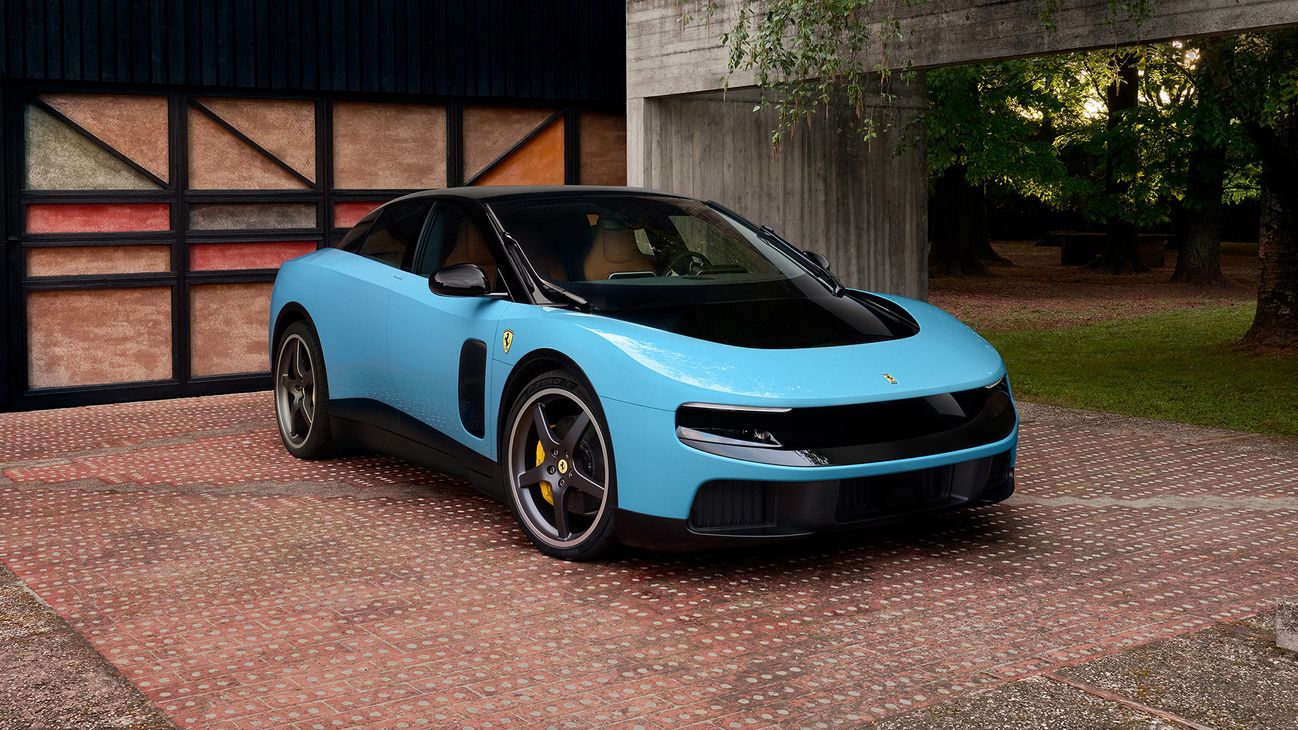
Ferrari Luce
"Yeah. Could Urban make the Ferrari luce look good? We can make anything look good."
The podcast mentions the Ferrari Luce as a name in a discussion about looks. They’re basically asking whether it could be made to look good. There aren’t details here about how it drives or what it’s like to own.
The Ferrari Luce is referenced in the podcast as a hypothetical or playful subject—talking about whether someone could make it look good. The way it’s mentioned suggests it’s not being discussed with technical detail, but rather as a styling or branding challenge. In this episode, it functions more like a creative prompt than a deep car review.
Bailey Dump Valves
"I mean, I grew up in the era of late 90s, early 2000s, where it was Nova Dose body kits and Bailey Dump Valves and Iris Turbos."
A dump valve is a part used on turbo cars that releases pressure when you lift off the gas. People often add them for the distinctive sound and the “turbo” feel.
A dump valve (often called a blow-off valve) is a turbo-related pressure-release device that vents air when the throttle closes. “Bailey Dump Valves” here refers to an aftermarket brand of that type of modification, which was popular in the early 2000s for both sound and perceived performance.
Nova Dose body kits
"I mean, I grew up in the era of late 90s, early 2000s, where it was Nova Dose body kits and Bailey Dump Valves and Iris Turbos."
A body kit is aftermarket bodywork that changes how a car looks. Nova Dose is one of the brands people used back then for that kind of styling.
Nova Dose is referenced as a brand of aftermarket body kits—bolt-on or fitted exterior parts used to change a car’s look. Body kits were a big part of the late-90s/early-2000s “urban” modification scene.
Iris Turbos
"I mean, I grew up in the era of late 90s, early 2000s, where it was Nova Dose body kits and Bailey Dump Valves and Iris Turbos."
This refers to a turbo-related brand people used for upgrades. A turbo upgrade is one of the classic ways to try to make a car feel faster.
“Iris Turbos” is mentioned as a brand associated with turbocharger upgrades. In that late-90s/early-2000s scene, turbo kits and turbo replacements were a common way to chase more boost and a more aggressive character.

Chevrolet Nova
"...in the era of late 90s, early 2000s, where it was Nova Dose body kits and Bailey Dump Valves and Iris Tu..."
The Nova is a car model from Chevrolet that people often modify. In the podcast, they mention it in the context of customizing it with aftermarket parts like body kits and exhaust changes. It’s basically talking about a modified Nova culture.
The Chevrolet Nova is an American muscle-era car that became a popular base for aftermarket styling and performance modifications. The podcast references late-1990s/early-2000s customization trends like body kits and exhaust-related parts, which shows how the Nova name can connect to tuning culture. It’s mentioned as part of that broader “Nova” modification scene.
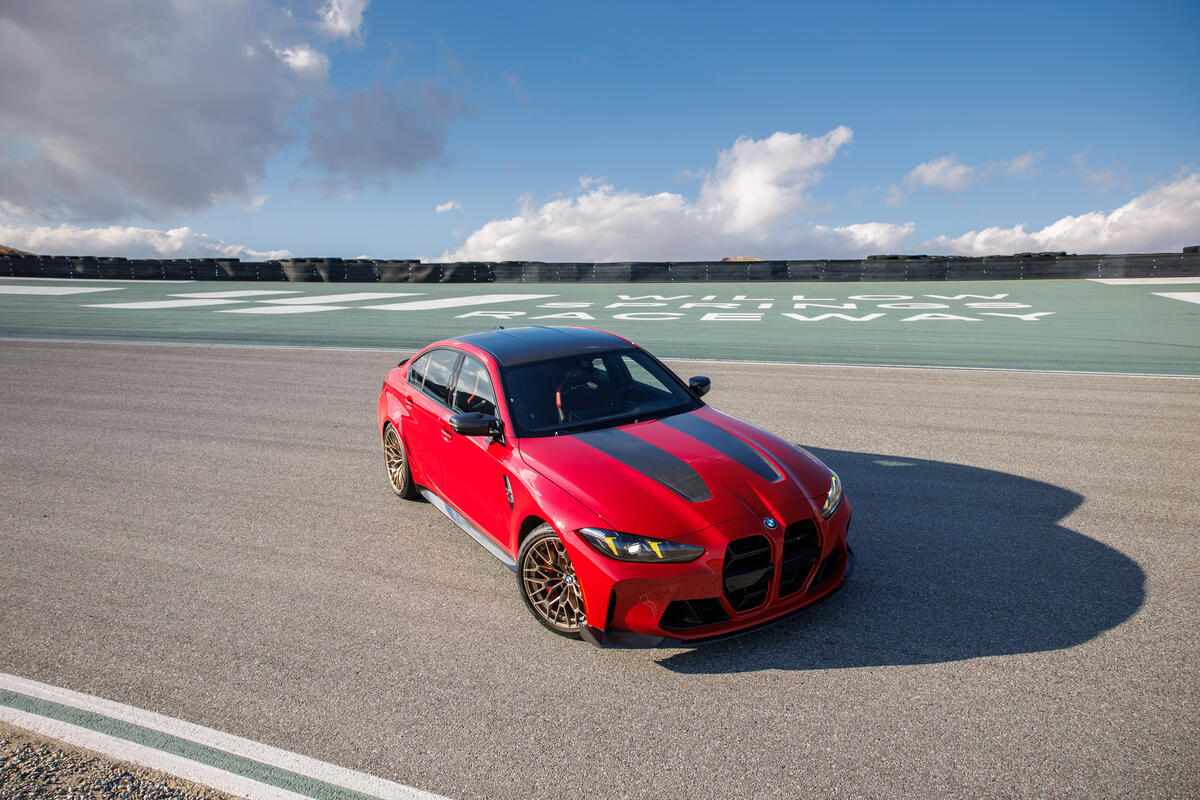
BMW M3
"And Cole never lived through this because I think I remember him saying his first car at 15 was a BMW M3."
The BMW M3 is BMW’s high-performance version of the 3 Series. It’s a well-known enthusiast car, and people often see it as a big step up from normal cars.
The BMW M3 is BMW’s performance model from the M division, known for being a driver-focused “everyday track” car. In the late 1990s/early 2000s era the M3 was especially popular with enthusiasts and became a common first “proper” performance car.
Max Power Fast Car days
"But nowadays, with us and Mansory and Brabus, we're bringing modifications into the luxury sector rather than the old Max Power Fast Car days."
He’s talking about the earlier era when car magazines and fans focused on flashy, budget-style modifications. He’s saying today’s mods are more aimed at expensive luxury cars.
This phrase refers to the late-90s/early-2000s UK magazine-and-scene culture around loud, visual car modifications. The host uses it as a contrast to today’s luxury-sector tuning.
modified cars
"But now that corner has completely turned. [147.6s] I mean, you've got modified cars. [148.9s] Yeah, or my cars."
A “modified car” is a car that’s been changed from how it left the factory. People do it for looks or to make it feel different to drive. Here, they’re saying the luxury market is paying attention to mods more than it used to.
“Modified cars” are vehicles that have been altered from factory specification—often for appearance, comfort, or off-road capability. In this segment, the hosts are discussing how the luxury/supercar market used to ignore modifications, but now buyers are actively seeking them.
urban
"You're a big urban customer. [152.1s] Yeah, big urban customer. [153.1s] So how many urbans have you had? ... What is the difference then between an urban and imitation urban quality, quality and the brand?"
Here, “urban” isn’t a normal car category—it sounds like a specific custom look or kit brand. They’re saying real “urban” builds are better made than cheaper knockoffs, even if they look similar.
In this context, “urban” appears to be a branded customization/style package for the Defender—something that buyers recognize and pay a premium for. The speaker contrasts “urban” with “imitation urban,” implying differences in fitment quality and finish, even if the vehicles look similar at a glance.
knockoff kits
"Like there is a massive market for these knockoff kits. Huge. I mean, Brabus especially, I mean, I think if you were to drive around LA..."
Knockoff kits are fake add-on parts that copy the look of a more expensive upgrade. The goal is usually to make the car look premium without paying for the real thing.
“Knockoff kits” are imitation aftermarket body/styling packages meant to replicate the appearance of a more expensive or branded modification. In this context, they’re used to create an “urban” look on a vehicle without the original, legitimate parts or provenance.

G-Class Gwagons
"Like there is a massive market for these knockoff kits. Huge. I mean, Brabus especially, I mean, I think if you were to drive around LA and you saw 10 Brabus G-wagons, I'd say easily six or seven of them were."
The G-Class is a luxury off-road vehicle with a very recognizable boxy shape. The podcast talks about people buying kits and making copies or look-alikes of the popular modified G-wagon style. It’s mainly about how big the market is for those custom appearances.
The G-Class (often called the G-Wagen) is a rugged luxury off-road vehicle known for its distinctive boxy design and strong aftermarket support. The podcast discusses a “massive market” for knockoff kit builds and specifically mentions Brabus-style G-wagons, emphasizing how common modified versions are. It’s brought up as an example of demand for a certain look and identity.

Saab 900
"... look at the Brabus, is it the Brabus Rocket, the 900s? You know, I think they only made 10 of those. Th..."
The Saab 900 is an older Saab model that car fans still talk about. In the podcast, they mention it in connection with rare or limited versions. The main point is that some 900 variants are uncommon.
The Saab 900 is a classic compact car from Saab that has a dedicated enthusiast following. The podcast mentions “Brabus Rocket” and then specifically the “900s,” including a claim that only a very small number were made, which highlights how rare or special certain variants can be. It’s brought up as part of a conversation about limited-production, high-interest builds.
wheel cover
"It's not. It's got an urban set of wheels and an urban wheel cover, but the arches, the roof light bar, the spoiler, the vents, everything else is non-urban."
A wheel cover is an exterior trim piece that sits over the wheel to change its appearance. In the segment, the hosts list wheel-related cosmetic parts (like wheel covers) as examples of “urban” styling that can be added without changing the Defender’s true spec.
spoiler
"It's got an urban set of wheels and an urban wheel cover, but the arches, the roof light bar, the spoiler, the vents, everything else is non-urban."
A spoiler is a raised piece on the back of a car. It can be for looks and airflow, and here it’s being used as an example of styling that can be added to mislead buyers.
A spoiler is an aerodynamic body element mounted on the rear (or sometimes integrated into the tailgate) to alter airflow and add a sportier appearance. The hosts use it as another example of cosmetic “urban” parts that can be installed to sell a different trim identity.
carbon kits
"And touch wood, no one's got hold of our Cullinan kit, OOSSE kit yet, [397.9s] both the Range Rover carbon kits. [400.4s] So they haven't been copied just yet, but we know it's coming. [403.3s] But that's how you have to evolve."
A “carbon kit” is a set of custom parts for a car that uses carbon fiber to change the look. Here, they’re talking about carbon-fiber upgrades for luxury SUVs and trying to stop knockoffs.
A “carbon kit” is an aftermarket set of exterior parts made from carbon fiber (or carbon-fiber-style materials) used to change the car’s appearance and sometimes reduce weight. In this segment, the host is describing carbon kits for the Cullinan and Range Rover and how they control distribution to authorized installers to prevent copying.

Defender 90
"But what's the most extreme upgrade you've ever done on a car? [417.9s] I don't know if you've seen recently, we chopped the roof off of Defender 90. [421.5s] We built a convertible with help from a company in Holland called Heritage Customs. [427.5s] Chopping the roof off an 80 grand car is pretty extreme. [431.2s] We took that to Monaco and we were driving around and that got a lot of attention."
The Defender 90 is a compact Land Rover known for its tough, boxy style. Here, they’re describing a very extreme custom job: turning it into a convertible by removing the roof.
The Land Rover Defender 90 is the shorter-wheelbase version of the Defender, prized for its rugged, classic off-road look. The host describes an extreme modification—chopping the roof off to create a convertible—highlighting how far custom “urban kit” style projects can go.
convertible
"[421.5s] We built a convertible with help from a company in Holland called Heritage Customs. [427.5s] Chopping the roof off an 80 grand car is pretty extreme. [431.2s] We took that to Monaco and we were driving around and that got a lot of attention."
A convertible is a car where the roof can be taken off or folded down. In this case, they’re making a convertible out of a Defender 90, which is a big modification.
A convertible is a car with a roof that can be removed or folded down, turning it into an open-air vehicle. Converting a fixed-roof SUV like the Defender 90 into a convertible is an extreme structural and fabrication job, not just a cosmetic change.
Heritage Customs
"[421.5s] We built a convertible with help from a company in Holland called Heritage Customs. [427.5s] Chopping the roof off an 80 grand car is pretty extreme. [431.2s] We took that to Monaco and we were driving around and that got a lot of attention."
Heritage Customs is a specialist company that helped with the custom conversion. For projects like turning a hardtop into a convertible, you usually need a shop that can do the fabrication work.
Heritage Customs is referenced as the company in Holland that helped build the Defender 90 convertible. In custom-vehicle work, such specialist coachbuilders/fitters are often responsible for the fabrication and integration details that go beyond simple bolt-on parts.
Monaco
"We built a convertible with help from a company in Holland called Heritage Customs. [427.5s] Chopping the roof off an 80 grand car is pretty extreme. [431.2s] We took that to Monaco and we were driving around and that got a lot of attention. [435.0s] I mean, in Monaco, when you see Bigatti, Chiron's and Koenig's eggs and Pagani's and stuff,"
Monaco is a famous luxury place where a lot of wealthy people and celebrities gather. The host is saying their unusual convertible got a lot of attention there because it’s rare compared with the usual supercars.
Monaco is a high-profile luxury destination where car culture and celebrity attention often intersect. The host mentions taking the Defender convertible there, emphasizing how unusual builds stand out in a place known for exotic supercars.

Rolls Royce Cullinan
"400 grand Rolls Royce Cullinan and put the 90 grand carbon kit on it with 24 inch forged wheels."
The Rolls-Royce Cullinan is a very expensive luxury SUV. Here, they’re discussing how someone can make it look more “street/urban” by adding carbon-fiber styling and bigger wheels.
The Rolls-Royce Cullinan is the brand’s luxury SUV, built around a big, comfort-focused grand-tourer feel rather than off-road toughness alone. In this segment, the hosts talk about turning a Cullinan into an “urban” style car using aftermarket carbon styling and large wheels.
24 inch forged wheels
"400 grand Rolls Royce Cullinan and put the 90 grand carbon kit on it with 24 inch forged wheels."
Forged wheels are wheels made in a way that can make them tougher and sometimes lighter than cheaper wheel types. “24 inch” just means the wheel is very large, which changes the car’s stance and look.
“Forged wheels” are wheels made by compressing metal under high pressure, which can produce a stronger, lighter wheel than many cast designs. The “24 inch” part refers to the wheel diameter, which typically goes along with lower-profile tires for a more filled-in, show-car look.
one of one
"That kit's supposed to be a one of one. I think it's got extra carbon on it."
“One of one” means it’s a unique custom—there isn’t another car exactly like it. It’s usually used when the styling or parts are made specifically for that vehicle.
“One of one” means a build that’s effectively unique—no identical version exists. In custom car circles, it’s often used to claim special fitment, extra materials, or a bespoke design that can’t be replicated from a standard kit.
Northampton
"They're manufactured 20 miles down the road in Northampton."
Northampton is a place in the UK. The speaker is saying the carbon parts are made there, close to where they’re designed.
Northampton is a UK city referenced here as the location where the carbon kit is manufactured. For listeners, it signals that the kit maker claims local UK production rather than offshore sourcing.
visible carbon
"You've got extra visible carbon. So we can we can do all that."
“Visible carbon” means carbon-fiber parts where you can actually see the carbon weave. It’s often used to make the car look more high-end and sporty.
“Visible carbon” refers to carbon-fiber components where the weave and finish are intentionally shown rather than hidden under paint or trim. It’s a common cue in high-end tuning because it signals lightweight materials and a more exotic, premium look.
Brabham
"And look, we're still, you know, we're still probably cheaper than Brabham's and cheaper than Mansory Mansory do a lot more."
Brabham is mentioned as another company doing expensive car customization. The host is basically saying their pricing is lower than Brabham’s for the kind of upgrade being discussed.
Brabham is referenced here as a competitor in the luxury modification/customization space, with the host claiming their kits are cheaper than Brabham’s. The key point for listeners is that the discussion is about aftermarket pricing tiers among specialist builders, not about a stock production model.
Mansory
"And look, we're still, you know, we're still probably cheaper than Brabham's and cheaper than Mansory Mansory do a lot more."
Mansory is a company that modifies cars for a very flashy, expensive look. They’re known for big visual changes, and the host is comparing how much their upgrades cost versus others.
Mansory is a well-known German tuner that specializes in high-end, highly visible modifications—often including carbon-fiber bodywork and bespoke interior/exterior upgrades. In the segment, the host compares pricing and capability versus other competitors, positioning Mansory as a benchmark for extreme customization.
OEM plus
"Our styling is very much OEM plus, which means that it looks like it's modified, but it's not it's not too over the top. I'd like to think you could put it in a Rolls Royce showroom"
“OEM plus” means you modify a car in a way that still looks factory-like. It’s meant to look slightly upgraded, not like a wild, over-the-top custom build.
“OEM plus” is an enthusiast term for modifications that keep the car looking like it could have come from the factory—typically with tasteful bodywork, wheels, and styling tweaks. The idea is to look upgraded without going fully aftermarket or “over the top,” which is exactly how the speaker frames their approach for Rolls-Royce kits.
replica kits
"They put replica kits on. [647.4s] Well, there you go."
A “replica kit” is an add-on set that copies the look of a different car styling brand. It’s usually about appearance—like body panels and wheels—rather than making the car faster.
“Replica kits” are aftermarket styling packages meant to copy the appearance of another brand’s or company’s look. In car terms, this usually involves bodywork and wheel/trim changes that recreate a specific aesthetic rather than adding performance hardware.
full conversions
"[722.1s] And that's full conversions with lever interiors and just wheel size, step spoiler. [726.6s] You know, it does, it does depend on how far someone wants to go with."
“Full conversions” means they’re not just doing small tweaks—they’re turning the car into a fully customized version. In this case, it’s about converting Defenders with chosen interior and exterior upgrades.
“Full conversions” refers to a comprehensive transformation of a base vehicle into a highly customized end product, usually involving both interior and exterior changes. Here it’s tied to Defender builds with customer-chosen details like interior style and exterior components.
bespoke
"[730.0s] Do you do bespoke ones then? [731.4s] Yeah. [731.6s] Customs can come in at whatever they want."
“Bespoke” means made to order for a specific person. Here, it means the shop can build a Defender to the customer’s exact preferences.
“Bespoke” in car building means tailoring a vehicle to a specific customer’s requirements rather than using a fixed factory option list. In this segment, it’s used to describe custom Defender builds where customers can request their own specification.
side steps
"“[763.5s] And I, I came to have a set of wheels, some side steps and a rear spoiler. [770.2s] That was it.”"
Side steps are the bars you step on to get into the car more easily. They’re a common add-on on taller SUVs, and they also change the vehicle’s style.
Side steps (often called running boards) are exterior bars or platforms mounted along the rocker panels to make it easier to get in and out of a vehicle. On a Defender, they’re also a common “urban kit” style add-on because they change the look and provide practical access.
light bar
"“[782.4s] I didn't want the light bar because I'm going to affect your cell of light bars now. [786.9s] But you can't use the light bar on the road because you can.”"
A light bar is an extra strip of bright lights added to the front of a vehicle. People use them for better visibility, but rules can be strict about using them on public roads.
A light bar is a row of auxiliary LEDs mounted on the front (or sometimes roof) to provide extra illumination beyond the headlights. The host is specifically discussing road-legal use—aux lights are often restricted or require proper aiming/approval—so they’re framed here as an off-road/visibility accessory that can be controversial when used on public roads.
road rage
"“[789.5s] They're great for road rage. [790.7s] Yeah.”"
Road rage means getting angry and driving aggressively toward other people. Here it’s used as a joke about how flashy lights can make other drivers react badly.
“Road rage” refers to aggressive, hostile driving behavior that escalates beyond normal traffic frustration. In this context, the host jokes that bright auxiliary lighting (like a light bar) can contribute to confrontational behavior by drawing attention or irritating other drivers.
laser lights
"“Turn them down.” [799.6s] They're laser lights. [801.5s] Make this thing is like, it's like a prison light."
“Laser lights” are headlights that use a laser to make the light. They can be very bright, so some setups aren’t allowed on public roads.
“Laser lights” refers to headlight technology where a laser source is used to generate light for the projector optics. They can be extremely bright and have a sharp, long-reaching beam, which is why they can be controversial or regulated for road use.
mud flaps
"[835.1s] I need some mud flaps and some, some side steps. [839.4s] And he's like, okay, well, what do you think of the new wide body kit that we've got?"
“Mud flaps” are the rubber/plastic flaps behind the wheels. They help stop mud and spray from being kicked up onto the road and other cars.
“Mud flaps” are flexible panels mounted behind the wheels to reduce how much road spray and debris the tires throw backward. They’re common on off-road and towing setups because they help keep the vehicle and other road users cleaner.
wide body kit
"“I need some mud flaps and some, some side steps.” [839.4s] And he's like, okay, well, what do you think of the new wide body kit that we've got?"
A “wide body kit” is aftermarket body panels that make the car look wider. People do it for style and sometimes to fit bigger wheels, but it can also create fitment and legal issues.
A “wide body kit” is an aftermarket bodywork package that widens the car’s fenders and often adds matching aero pieces. It’s used to change the car’s stance and can allow wider wheels/tires, but it also affects legality, fitment, and aerodynamics.
wide track
"you can't have the wider wheels if you don't have the wide track arches, you can't have the wide track arches without those lower canals."
“Wide track” means increasing the distance between the left and right wheels on an axle. When you widen the track, you typically need matching fender/arch modifications so the tires don’t rub and the look stays cohesive.
lower canals
"you can't have the wide track arches without those lower canals."
“Lower canals” sounds like the lower trim/side channels that connect the wide-arch look to the rest of the body kit. The point is that the parts are designed to work together visually.
“Lower canals” appears to refer to lower body/side intake channels or trim pieces that visually and functionally tie into the widened wheel-arch area. In wide-body builds, these parts help complete the intended proportions and can be part of the kit’s required set of components.
DRLs
"And then it would look a little bit silly if you don't have the square DRLs."
DRLs are the lights that turn on in the daytime to help other drivers see you. Here, the speaker is saying the front-end styling needs to match the rest of the kit.
DRLs are “daytime running lights,” the lights designed to improve visibility during daylight. In custom bodywork, the shape/placement of DRLs can be part of the intended front-end design, so square DRLs can be a styling requirement for the full kit look.
side vents
"And then with that, you probably do need the top vents and the side vents."
“Side vents” are vent-shaped openings on the car’s sides. They’re often added as part of a body kit so the whole look matches.
“Side vents” are vent openings or vent-style panels on the sides of the vehicle, typically part of an aftermarket body kit. They’re used to match the intended design language of the front/arch/vent package in wide-body conversions.
top vents
"And then with that, you probably do need the top vents and the side vents."
“Top vents” are openings or vent-shaped panels on the upper part of the body. In a kit, they’re often added to make the styling look complete.
“Top vents” are vent openings or vent-style bodywork features used in custom kits to create a specific look (and sometimes airflow management). In this transcript, they’re described as likely necessary to complete the wide-body/urban styling package.
full specs
"So that full specs, about the 20 grand. He pretty much went for the full spec again."
“Full specs” means the car has all the options or all the parts included, not just a basic version. The speaker is saying it costs extra but makes the finished look right.
“Full specs” here means the car is built/configured with the complete set of options or the full aftermarket kit package. The speaker ties it to cost (“about the 20 grand”) and to achieving the intended final appearance.
sold a cut
"when he's dropping off cars and they see an urban defender, we must have sold a cut. Like 100%."
“Sold a cut” sounds like they’re talking about getting a share of the money when a customer buys something. The next line suggests it’s about commission from referrals.
“Sold a cut” appears to mean the speaker’s business made sales/earned a commission-like share from the customer’s purchase. The transcript immediately clarifies commission mechanics (“he’s going to claim commission from me”), suggesting a referral/commission arrangement rather than a direct sale.
22 inch wheels
"And a set of 22 inch wheels that are standard on a Cullinan, they are not big enough. They're so small."
That means the wheels are 22 inches across. Bigger wheels can make the car look more aggressive, but they can also make the ride feel a bit firmer.
“22 inch wheels” refers to the wheel diameter measured in inches. Wheel size affects the car’s look and ride feel: larger wheels usually mean shorter sidewall tires, which can change comfort and how the SUV absorbs bumps.

2014 Range Rover Sport
"What kind of? 2014 Range Rover Sport. No way."
They mention a 2014 Range Rover Sport, which is a luxury SUV from Land Rover. They’re using it to say they were an early customer of a program related to customizing or selling these cars.
A 2014 Range Rover Sport is a mid-size luxury performance SUV from Land Rover, known for its blend of comfort and more driver-focused handling than a typical family SUV. In this segment it’s used as a reference point for the speaker’s early customer history with Land Rover’s “Urban” program.
Vossen wheels
"So of course Simon is like, look, Carl, you know, we don't make the wheels. [1030.8s] The wheels are Vossen wheels."
Vossen makes aftermarket wheels—fancy rims you put on a car instead of the factory ones. The point here is that these wheels are expensive and part of the car’s style.
Vossen is an aftermarket wheel brand known for premium, custom-style rims. In this segment, the host is talking about fitting Vossen wheels to a car that gets photographed in London, which is a common “urban kit” look.
off the shelf kits
"Yeah, because when Urban first started, we were using off the shelf kits from AC Schnitzel."
“Off the shelf kits” are ready-made car parts you buy as a package. They’re not custom-built for one specific vehicle, unlike the custom parts Urban started designing.
“Off the shelf kits” are pre-made aftermarket packages you can buy without custom engineering for a specific car. The speaker contrasts these with Urban’s later custom-designed splitter and their first kit in 2017.
AC Schnitzel
"Yeah, because when Urban first started, we were using off the shelf kits from AC Schnitzel."
AC Schnitzer is a company that makes aftermarket car parts. Here, they’re referenced as a supplier of ready-made kits that were used before Urban started designing its own pieces.
AC Schnitzer is a German aftermarket tuning company known for developing performance and styling parts for BMWs and other European cars. In this segment, it’s mentioned as a source of “off the shelf” kits Urban used early on.
Cosworth
"Remember the Khan Cosworth Range Rover Sports? You know, these trailblazers of the industry."
Cosworth is a well-known performance brand in motorsport and engines. Mentioning “Cosworth” here suggests the Range Rover Sport build had serious performance engineering behind it.
Cosworth is an engine and motorsport engineering brand best known for high-performance racing and performance powertrains. In the phrase “Khan Cosworth Range Rover Sports,” it’s used to signal a performance-focused build associated with Cosworth engineering.
aero kit
"[1392.96s] No, that's an aero kit. [1394.2s] So that's not even replacement bumpers."
An aero kit is a set of add-on body parts meant to change how air flows around a car. People use them to make the car look more aggressive and, sometimes, to help it stick better at speed.
An aero kit is an aftermarket set of bodywork pieces designed to change a car’s aerodynamics. It often includes parts like side skirts, splitters, and diffusers to help manage airflow and improve downforce or stability.
rear diffus
"[1396.3s] That's just split our side skirts, rear diffus, [1398.6s] our two spoilers and a nice set of wheels."
A rear diffuser is a shape under the back of the car. It’s designed to help air leave the underside in a way that can make the car feel more planted at speed.
A rear diffuser (the transcript truncates it as “diffus”) is an aerodynamic panel at the back underside of the car. It accelerates and manages airflow exiting under the car, which can increase downforce and improve high-speed stability.
side skirts
"[1396.3s] That's just split our side skirts, rear diffus, [1398.6s] our two spoilers and a nice set of wheels."
Side skirts are the long panels along the bottom of the car’s doors. They can help air flow better underneath the car, which can improve stability.
Side skirts are panels mounted along the lower sides of a car. In an aero kit, they help control airflow under the car by reducing the amount of air that can escape from the underbody area.
finance
"[1417.5s] But when you look at that kit price, [1418.7s] and you're buying a car over four years on finance, [1422.9s] that extra 12 grand, it's only an extra 250, 300 quid a month. [1434.9s] Are you against finance?"
“Finance” means you pay for the car in monthly payments instead of all at once. Even if the monthly payment seems reasonable, interest can add a lot to what you end up paying overall.
“Finance” here refers to buying the car via a loan/instalment plan rather than paying the full price upfront. The discussion highlights how the monthly payment can look small, but interest can make the total cost much higher.
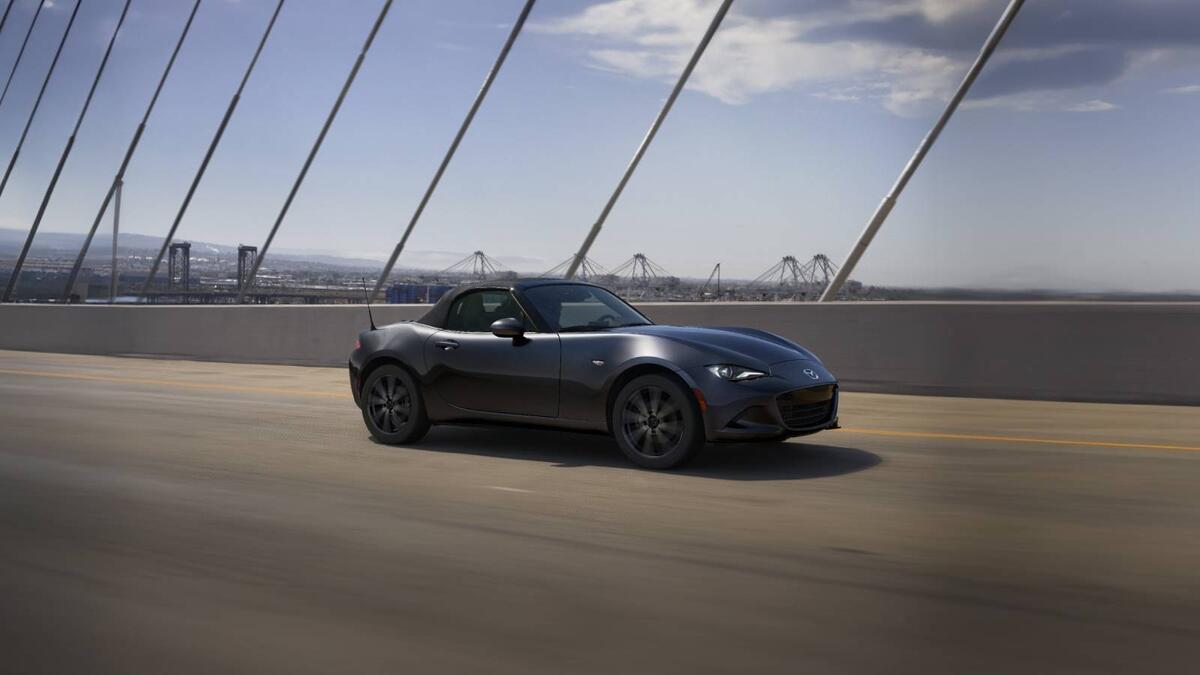
Mazda Mx5
"Mazda MX-5, like, well, I've bought my car outright, [1488.6s] you know, blah, blah."
The Mazda MX-5 is a small, fun roadster that’s built to feel nimble and easy to drive. Here, the host brings it up to compare paying cash versus paying monthly.
The Mazda MX-5 (Miata) is a lightweight, rear-wheel-drive roadster known for its simple, driver-focused handling. In this segment, it’s used as an example of someone who bought a car outright versus financing it.

Ford Flex
"okay, it's maybe not a flex, but it's not not a flex either because you've st..."
The Ford Flex is a crossover vehicle with a very unusual, boxy shape. It’s known for having a roomy interior. The podcast mentions it as a car that stands out visually.
The Ford Flex is a distinctive, boxy-looking crossover-style vehicle known for its unusual styling and roomy interior. The podcast frames it as “not a flex, but it’s not not a flex either,” which points to its quirky, attention-getting personality rather than pure performance. It’s mentioned as a conversation about what counts as a “statement” car.
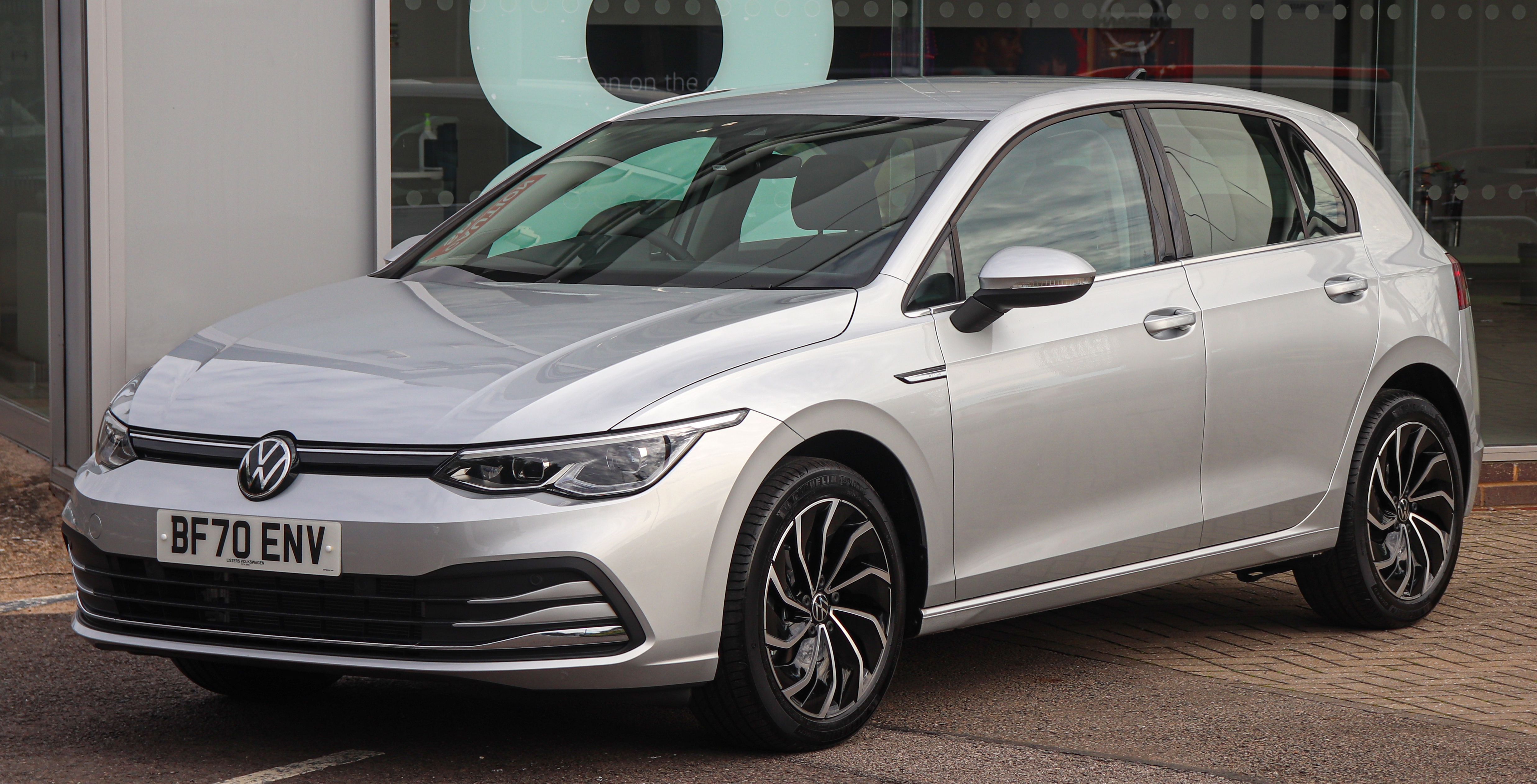
Volkswagen Golf Gti
"And for me, so I've just bought my wife, [1514.5s] well, last year I bought a Marquette Golf GTI [1517.2s] and I bought that on finance,"
The Golf GTI is a sporty version of the Volkswagen Golf—more power and a more performance-oriented setup than a regular Golf. The host is using it as an example of a car bought with monthly payments.
The Volkswagen Golf GTI is a hot hatch built around a punchy turbocharged engine and a sporty front-wheel-drive chassis. In the segment, the speaker mentions buying one on finance with a small down payment to frame the “financial sense” argument.
interest rate
"But it depends on the interest rate is. [1524.5s] It doesn't make financial sense at 12% interest."
The interest rate is the extra cost you pay for borrowing money. The host is saying that if the interest rate is high (like 12%), financing can stop being a good deal.
The interest rate is the percentage cost of borrowing money over time. Here, the speaker argues that financing only “makes financial sense” at lower rates, and that 12% interest makes it much less attractive.
PCP
"[1526.6s] It's 300 quid a month. [1527.4s] It's PCP and you just give it back after three or four years. [1530.4s] It depends on the interest rate."
PCP is a way to finance a car with monthly payments for a few years. After that, you can usually hand the car back, trade it in, or pay a final big payment to keep it. The interest rate affects how expensive it ends up.
PCP stands for “Personal Contract Purchase,” a car finance plan where you pay monthly installments for a set term (often 3–4 years) and then have options at the end. Typically you can return the car, part-exchange it, or pay a final “balloon” payment to keep it. The monthly cost depends heavily on the interest rate and the car’s predicted future value.
depreciation curve
"[1654.0s] Porsche, no finance. [1657.0s] Three years old, minimum on the depreciation curve. [1659.8s] I also, I disagree with that mentality."
A “depreciation curve” is how much a car’s value goes down over time. The point is that after a few years, the biggest drop is often already happened, so the car may cost less than when it was new.
A “depreciation curve” is how a car’s value typically drops over time after purchase. The idea here is that a 3-year-old car is often near the flatter part of that curve, so the price may be closer to its “post-new-car” level than a brand-new one.
monthly payment in a fixed cost
"[1692.6s] Well, it's not an overhead. [1693.9s] But like if I get... [1694.6s] It's a monthly payment in a fixed cost. [1696.4s] If I go on holiday and it gets a bit out of hand."
They’re saying that if you finance a car, you get a set monthly payment. That payment is predictable like rent or a bill, but it can feel stressful if your spending gets higher in other areas.
This is a personal-finance framing applied to car ownership: financing turns the car into a recurring “fixed cost” via a monthly payment. The speaker contrasts that with more flexible spending, implying that debt payments can feel harder to manage if other expenses spike.

BMW 140i
"If a kid is still living at home and they're 21 and they're not going to move out until they're 25, but they want that gold file, they want that BMW 140i, and they don't want to be driving about in a two or three grand car."
The BMW 140i is a specific BMW model in the 1 Series lineup. It’s known for being a fun, quick, turbocharged car that’s still practical enough for daily driving.
The “BMW 140i” is a BMW 1 Series variant powered by BMW’s 3.0-liter turbocharged inline-six (the B58 engine in most later years). It’s popular with enthusiasts because it combines everyday usability with strong performance and a relatively “grown-up” rear-drive feel compared with many smaller turbo cars.
two or three grand car
"but they want that gold file, they want that BMW 140i, and they don't want to be driving about in a two or three grand car. Just let them do it."
They mean a really cheap used car—something you might pay only a couple thousand pounds for. The point is that the person wants something nicer than that kind of budget car.
“Two or three grand car” is a colloquial way to describe a very low-budget used car—typically older, higher-mileage, and more likely to have cosmetic wear or mechanical compromises. In this context, it’s contrasted with buying a newer, more desirable BMW 140i.
high depreciating car
"I just don't want to do a really high interest rate on a high depreciating car."
Depreciation means the car’s value drops over time. If it drops fast, the car can be worth less than what you still owe on the finance.
“High depreciating” describes a car that loses value quickly after purchase. That’s important in financing because if the car’s market value falls faster than the loan balance, you can end up owing more than the car is worth.

Fiesta XR2i
"I mean, look, my first car, my Fiesta XR2i when I was 17, I worked three summers for that."
The Ford Fiesta XR2i is a sporty version of the regular Fiesta. The host is talking about how exciting it felt to earn and buy their first car back in the late 1990s.
The Ford Fiesta XR2i is a hot-hatch variant of the Fiesta, known for being a fun, affordable performance car in the late 1990s. Here it’s used as a personal example of how the speaker’s first car purchase felt meaningful compared with today’s financing environment.

Lamborghini Huracan
"...own deposit and 1500 a month from the Lamborghini Huracan. 100%."
The Huracán is a Lamborghini supercar. The podcast talks about putting money down and paying monthly for one, showing it’s a serious financial commitment. It’s mentioned in the context of how the purchase was financed.
The Lamborghini Huracán is a high-performance Lamborghini supercar, positioned as one of the brand’s more accessible (though still extremely expensive) options. The podcast mentions a deposit and monthly payment for a Huracán, emphasizing the financial commitment involved. It’s used to talk about how people structure payments for exotic cars.

Lamborghini Diablo
"And if I seen a Lamborghini Diablo back in the day when I was 10, 11, 12, [2062.5s] the only place I seen it was in my head or in a magazine."
The Lamborghini Diablo is an older Lamborghini supercar that became famous in the 1990s. A lot of people remember it as a “poster car” because it was so rare you mostly saw it in pictures, not on the street.
The Lamborghini Diablo is a late-20th-century V12 supercar known for its dramatic styling and for helping define the “poster car” era of Lamborghini fame. It’s especially remembered because it was a mainstream celebrity supercar in the 1990s—something many people only saw in magazines or at car shows.
social media has made things so normal
"But this is the problem with social media... Because social media has made things so normal."
They’re basically saying that social media makes expensive stuff look common. When everyone posts the same kind of luxury, it feels less special and less exciting.
The host is describing a “normalization” effect: when social media repeatedly displays luxury goods and supercars, they can lose their perceived rarity and emotional impact. That changes how enthusiasts interpret purchases—less as a unique achievement, more as a predictable trend.
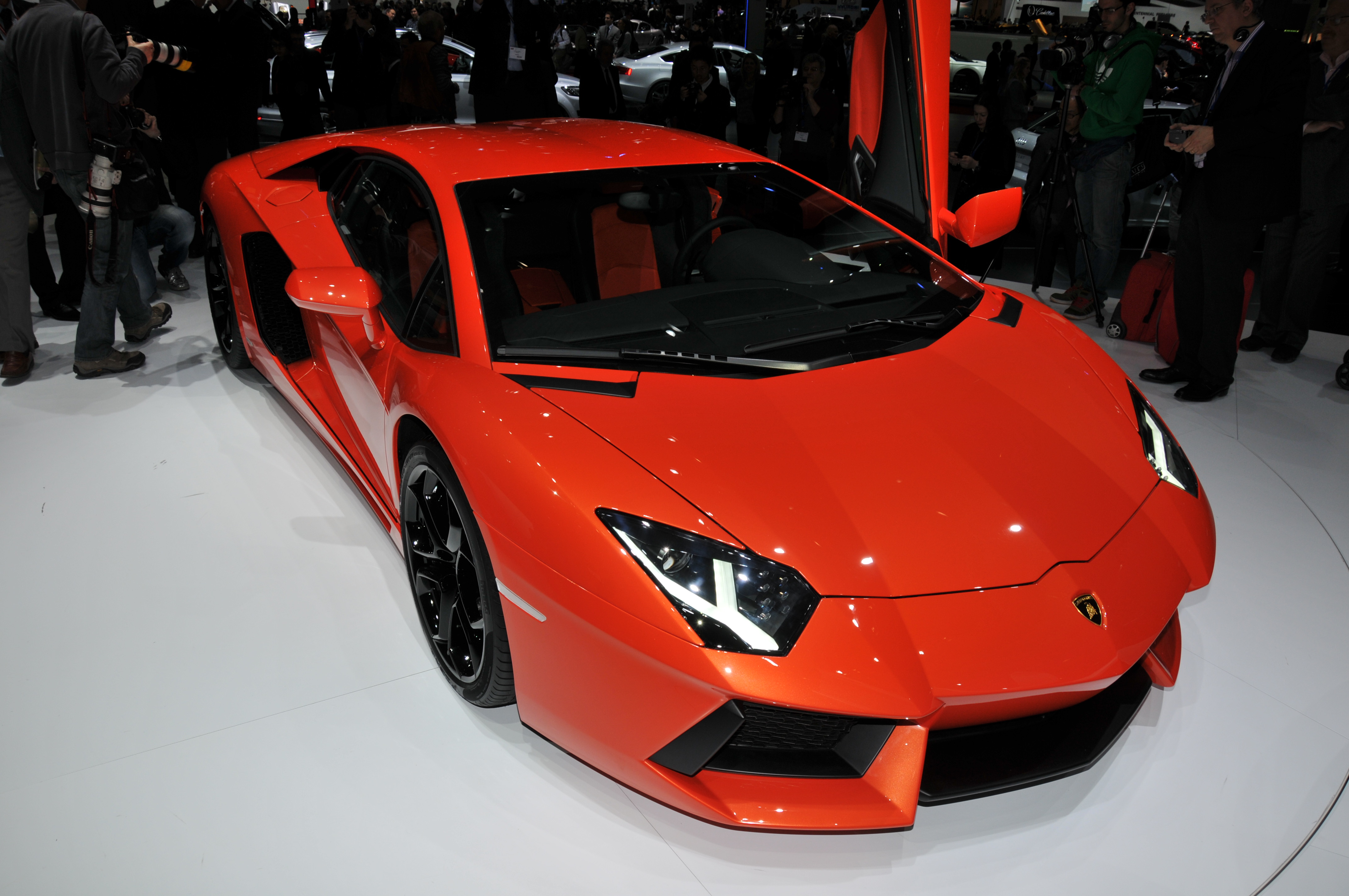
Lamborghini Aventador SV
"Do you remember when Yanni bought that Aventador SV, the blue one? ... And then he bought an Aventador SV as like a third car or an investment or whatever."
The Lamborghini Aventador SV is a very expensive, very fast supercar with a big V12 engine. It’s the kind of car people notice, so it can turn into a “look at my car” thing online.
The Lamborghini Aventador SV is a high-performance version of the Aventador, known for its naturally aspirated V12 and track-focused tuning. In enthusiast culture it’s a “halo” supercar, so it often becomes a social-media status symbol when people buy multiple exotics.
Rolex
"If you had told me 10, 15 years ago I'd have a Rolex on my wrist, so I'd have been like, oh, did I win the lottery? But now everyone's got a Rolex."
Rolex is a famous luxury watch brand. The speaker is saying that when everyone shows off expensive items online, they stop feeling rare or impressive.
Rolex is a luxury watch brand often used as a shorthand for high-end status. In this segment, the host uses it to argue that social media can make expensive items feel less “special” because they’re seen constantly.
carbon bonnet
"But you can spec up a Defender to £65,000, 70 grand with a carbon bonnet, [2223.0s] Vossen wheels, I mean, full interior retuance, about £25,000."
A carbon bonnet is a hood made from carbon fiber. People choose it because it can look high-end and may be lighter than a regular metal hood.
A carbon bonnet is a hood made from carbon fiber composite. It’s popular in custom builds because carbon fiber can reduce weight compared with steel and is also chosen for its distinctive look.
car row seat conversions
"We do the car row seat conversions. [2228.4s] I mean, my one has got a starlight roof lining like a Rolls Royce Cullinan."
“Row seat conversions” refers to custom reconfiguration of a vehicle’s seating layout—often changing how many seats there are, how they fold, or how they’re arranged. In luxury SUV builds, this is typically done to create a more limousine-like cabin or better access to rear seating.
starlight roof lining
"We do the car row seat conversions. [2228.4s] I mean, my one has got a starlight roof lining like a Rolls Royce Cullinan."
A starlight roof lining is an interior feature that makes the roof look like it has tiny lights, like stars in the night sky. It’s a luxury upgrade meant to look and feel special.
A starlight roof lining uses fiber-optic or LED “stars” embedded in the headliner to create a night-sky effect. It’s a luxury interior feature often associated with high-end customizations and flagship models.
Mansoury
"Yeah, but that's the price of a Mansoury kit. [2254.2s] Yeah, I mean, the Mansoury kits. [2259.8s] And the kit was £420,000."
Mansory is a company that customizes luxury cars with very expensive upgrades. Here they’re saying the kit alone can cost around half a million pounds.
Mansory (spoken here as “Mansoury”) is a well-known German tuner that builds bespoke, high-cost modifications for luxury cars. The segment emphasizes that a Mansory-style kit for a Cullinan can cost hundreds of thousands of pounds by itself.
G800
"I'm trying to buy a G800 G-Wagon Brabus. [2265.8s] And the kit was £420,000."
“G800” is a name Brabus uses for a very extreme version of the G-Wagon. It generally means it’s been tuned to be much more powerful than a normal one.
“G800” is a Brabus model designation used for an ultra-high-output G-Class build. It signals a top-tier performance package rather than a standard G-Class trim.
brand tax
"There is a bit of brand tax. That's like your analogy. ... But again, there is a bit of brand tax in that."
“Brand tax” means paying extra just because a well-known name is attached to the product. The host is saying the Brabus name makes the kit cost more.
“Brand tax” is the extra money people pay for a product because it carries a famous brand name, rather than only for the underlying materials or workmanship. Here, the host argues that Brabus-branded styling costs more than their own kit, even when the look is similar.
carbon bumpers
"The replacement carbon bumpers, the replacement carbon arches. So we don't really do too much in the interiors..."
Carbon bumpers are aftermarket front or rear bumper components made from carbon fiber. They’re often used in appearance-focused kits because carbon fiber can look distinctive and “premium,” even if the main goal is styling rather than performance.
carbon arches
"The replacement carbon bumpers, the replacement carbon arches. So we don't really do too much in the interiors in these G-Wagas..."
Carbon arches are carbon-fiber pieces around the wheel area. They’re used to change the shape and look of the fenders, often as part of a body kit.
Carbon arches are aftermarket fender/over-fender pieces made from carbon fiber, typically used to widen or reshape the wheel-arch area. In the context of a G-Wagon kit, they’re part of the visual transformation that mimics high-end tuner styling.
fake Brabus cars
"but that's why they have become so popular in LA because there's so many fake Brabus cars out there."
“Fake Brabus cars” means cars that look like they have Brabus upgrades, but don’t actually use the real Brabus parts or official work. The host says this look is popular in LA because people want the style.
“Fake Brabus cars” refers to vehicles styled to resemble Brabus upgrades without being genuine Brabus kits or official work. In this segment, it’s used to explain why certain aftermarket G-Wagon kits gain popularity in Los Angeles—because buyers want the look, sometimes at lower cost.
suicide doors
"They do four interior retriums. And they do stuff like suicide doors. And it's insane."
Suicide doors are doors that open in a different way than normal doors, usually hinged at the back. They’re often used for a flashy, custom look on modified cars.
“Suicide doors” are doors that hinge at the rear (so they open opposite the usual front-hinged layout), often used on custom builds for dramatic styling. The host mentions them as an example of the kind of interior/exterior modification work Brabus does beyond simple appearance changes.
VAT
"Oh, no, that's fucking... Fucking 100 grand VAT."
VAT is a tax the government adds to the price of goods and services. The host is basically saying the tax portion can be huge—so the final bill can jump a lot.
VAT (Value-Added Tax) is a consumption tax added to goods and services at each stage of production and sale. In the segment, the host reacts to a “100 grand VAT” figure, highlighting how taxes can dramatically inflate the total cost of a custom vehicle invoice.
warranty
"Does it affect the warranty with your kits? With cars?"
A warranty is a guarantee that if something breaks for a certain time, the manufacturer may pay to fix it. The host is asking whether custom body work could cause the dealer to deny or limit coverage.
A warranty is the manufacturer’s promise to cover certain repairs for a set period under specified conditions. Here, the host is discussing whether fitting body kits and exterior components could affect whether a warranty issue is approved, especially when the work is done by a third party rather than the dealer.
23 inch wheels
"I mean, you know what it's like with dealers. I mean, you put a set of 23 inch wheels on a defender and your DAB radio stops working."
“23 inch wheels” means the wheel is pretty large. Changing wheel size can sometimes cause problems with how the car’s systems work, and the host claims it can even affect the radio signal.
“23 inch wheels” refers to very large wheel diameter compared with typical factory sizes. Bigger wheels often come with different tire sidewall heights and can affect vehicle electronics and signal reception, which is why the host links them to a DAB radio issue.
DAB radio
"I mean, you put a set of 23 inch wheels on a defender and your DAB radio stops working. They'll blame the wheels."
DAB radio is the digital version of radio broadcasting. The host is saying that after fitting big wheels, the car’s DAB radio stopped working, and dealers blamed the wheel change.
DAB radio stands for Digital Audio Broadcasting, a digital radio standard used in the UK and other countries. The host is describing a real-world symptom—DAB reception stopping—after wheel changes, which dealers may try to attribute to the aftermarket wheels.
JLR
"But the thing is, this is the other thing, again, with social media is that the JLR product has got quite a bad reputation for being unreliable."
JLR is short for Jaguar Land Rover, the maker of Land Rover and Jaguar cars. The host is talking about how people online judge JLR cars as unreliable based on stories they see on social media.
JLR is the industry abbreviation for Jaguar Land Rover, the company behind brands like Jaguar and Land Rover. Here it’s used in the context of reputation for reliability, specifically tied to the host’s discussion of Defender issues.
Google reviews
"But it's like Google reviews. You're only going to hear the negative or look at the negative ones."
“Google reviews” is used here as an example of how online feedback can be biased. If something goes wrong, people are more likely to complain publicly, so the negative stories can dominate.
The host is using “Google reviews” as an analogy for selection bias: people who have a bad experience are more likely to leave reviews, so online ratings skew negative. This explains why reliability perceptions can look worse than real-world failure rates.
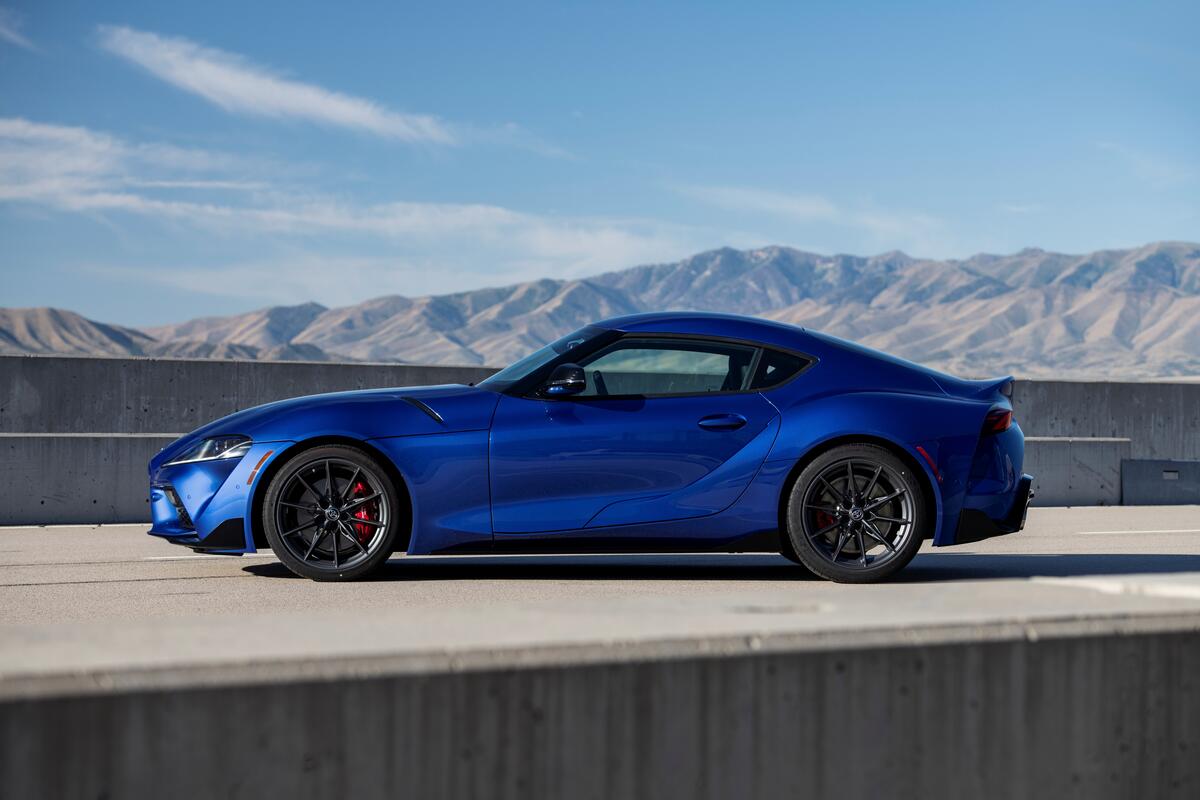
Toyota A90
"There's a viral clip of me leaving a couple of years ago, a supercar driver event, a 90 VA XRS. And all the comments were like,"
The Supra is a sports car made by Toyota. It’s built for fast driving and is popular with car enthusiasts. In the podcast, it’s mentioned because of a viral moment at a driving event.
The Toyota Supra is a performance sports car known for strong acceleration and a reputation in motorsports and car culture. It’s discussed in the context of a viral clip and a supercar-driver event, which highlights how the Supra can stand out even among higher-end exotics. The mention also ties it to a specific generation and trim (the “90 VA XRS” reference).
courtesy car
"And it's there a fucking month. Yeah. If they haven't got parts and stuff like that, but they don't give you a courtesy car. They give you a piece of shit car"
A courtesy car is a loaner vehicle the garage gives you while your car is in for repairs. The speaker is complaining that they didn’t get one.
A courtesy car is a temporary replacement vehicle a dealer provides while your car is being repaired under warranty or service. The host criticizes Land Rover’s process by saying they didn’t provide one, which worsens the day-to-day ownership experience.
ownership experience
"If they haven't got parts and stuff like that, but they don't give you a courtesy car. They give you a piece of shit car or the around service of it. Really shit, which makes the ownership experience fucking annoying."
“Ownership experience” means what it’s like to actually live with the car over time. The speaker is saying the repair process and lack of good help made it frustrating.
“Ownership experience” refers to the total day-to-day reality of living with a car—repairs, downtime, dealer responsiveness, and how painless (or painful) it is to keep the vehicle running. Here, the host argues that long repair waits and poor loaner support make ownership “fucking annoying.”
steel brakes
"And they are steel brakes. I'll pay 1600 quid now for a new set."
They mean the car’s brakes are made with steel parts. Steel brakes are common and usually cheaper than high-end brake materials.
“Steel brakes” means the braking hardware uses steel components (typically steel rotors/discs and steel pads). This matters because brake feel, dust, heat resistance, and cost can differ from other setups like carbon-ceramic brakes.
Audi
"This is from Audi. Audi directs."
Audi is the car brand mentioned here. They’re being used to point to which manufacturer the parts/service is tied to.
Audi is the German car brand being referenced as the source of the parts/service being discussed. In this context, it frames the cost and responsibility around brake replacement and the service provider’s actions.

G8 BMW 3 Series
"I had one of the first G8 BMW 3 Series in the country back in 2019. Went to go and open it. Like, one of the door wing mirrors didn't come out."
This is a BMW 3 Series—BMW’s popular mid-size car line. The host is saying they had an early version of that generation and a mirror part didn’t work, so they had to wait a long time for a replacement.
The BMW 3 Series is BMW’s compact executive sedan platform, and the “G8” label here is being used to refer to a specific generation of the 3 Series. The key point in this segment is the ownership experience: a door wing mirror issue required waiting for a replacement part, highlighting how even new cars can have supply/parts delays.

E-class coup
"You know, and I had a E-class coup. Clash coup. I can't go wrong."
This is a Mercedes E-Class, and “coupé” means a two-door version. They’re just mentioning it as another car they’ve had, not really going into what’s special about it here.
The Mercedes-Benz E-Class is a mainstream executive car line, and a “coupé” refers to a two-door body style (as opposed to the sedan/wagon variants). In this segment it’s mentioned as another car the speaker has owned, but the focus is more on comparing ownership experiences than on technical details.
D250
"He probably got a real good deal at Landrover on a D250. [2690.6s] That's not why you're trying to sell me, is it? [2692.2s] It's towing a two and a half tonne, three tonne trailer"
D250 is a name Land Rover uses for a particular diesel engine/trim level. It generally tells you which power version you’re getting, and the speaker is comparing it to other diesel options.
D250 is a model/engine power designation used on some Land Rover diesels, indicating a specific output level in the Defender lineup. In this conversation, it’s part of the host’s explanation of which diesel variant they bought and why it was suitable for towing.
brake horsepower
"It's towing a two and a half tonne, three tonne trailer [2697.0s] with a 250 brake horsepower diesel. [2699.3s] I'm wondering why it's breaking."
Brake horsepower is a way of measuring how much power an engine makes. It’s measured in a test and it helps explain how strong the vehicle is for tasks like towing.
Brake horsepower (bhp) is an engine’s power measured at the crankshaft using a test stand (before drivetrain losses). It’s commonly used in the UK to describe how strong the engine is, and the speaker ties it to the diesel’s towing capability.
towing a two and a half tonne, three tonne trailer
"That's not why you're trying to sell me, is it? [2692.2s] It's towing a two and a half tonne, three tonne trailer [2697.0s] with a 250 brake horsepower diesel."
Towing weight is how heavy a trailer a vehicle can pull. The speaker says they were towing something around 2.5 to 3 tonnes, which is a big load and helps explain the stress on the vehicle.
Towing capacity is the maximum weight a vehicle can safely pull behind it, often expressed in tonnes. The speaker mentions towing a 2.5–3.0 tonne trailer to set context for why the diesel Defender was being used and why they later question what went wrong.
D300
"They've done the D250 and the D300. [2736.0s] Bear in mind, these are all the same, just for a little bit. [2738.5s] It's a three-liter engine."
D300 is a different diesel version name from Land Rover. It usually means a higher-power 3.0-liter diesel than the lower-number option, and the speaker is comparing the two.
D300 is another Land Rover diesel power designation, typically referring to a higher-output 3.0-liter diesel variant than the D250. The speaker groups D250 and D300 together as being closely related engine families, differing mainly in output.
three-liter engine
"Bear in mind, these are all the same, just for a little bit. [2738.5s] It's a three-liter engine. [2739.4s] It's all the same engine, three-liter diesel."
A three-liter engine means the engine is around 3.0 liters in size. The speaker is saying the different Defender diesel versions are basically the same engine family, just tuned to different power levels.
A three-liter engine refers to the engine’s displacement—about 3.0 liters total volume of the cylinders. Here, the host is emphasizing that the Defender diesel variants they discussed are essentially the same 3.0-liter engine family, with different power ratings.
satin up screen
"So then I'm like, right, I want the XS dynamic, [2753.7s] which is because I want the big satin up screen,"
This sounds like the car’s center touchscreen—the display you use for things like music and navigation.
This appears to be a mishearing of a dashboard infotainment screen option. In Land Rover/Defender trims, “screen” usually refers to the center touchscreen used for navigation, media, and vehicle settings.
commercial
"the leather seats, and these were commercial. [2757.2s] They weren't all the visual things."
“Commercial” here means a version/spec meant more for business use. It may focus less on fancy extras and more on practical stuff.
In UK car-buying, “commercial” often refers to a vehicle spec aimed at business use, which can mean different trim priorities (e.g., fewer “visual” features) compared with private-owner models. The speaker contrasts commercial-focused choices with wanting certain comfort/tech items.
built to tow
"I assumed these cars were built to tow. And they was like, well, they are built to tow."
“Built to tow” means the car is designed to pull trailers safely and repeatedly. In this discussion, they’re saying if you pick the wrong engine, the car may tow at first but can wear out or fail when you keep using it hard.
“Built to tow” refers to a vehicle being engineered and rated for towing—typically involving cooling capacity, drivetrain durability, and transmission/engine calibration. The speaker is arguing that the wrong engine choice can make a vehicle’s towing capability unreliable over time.
Request an Explanation
Heard something you'd like explained? We'll add it to this episode.
Sign in to request explanations for terms you heard.
Want to learn more?
Browse our glossary for plain-English explanations of automotive terms, jargon, and concepts.
Help improve this episode
See something that's not quite right? Our annotations are AI-generated and can sometimes miss the mark. Click the flag icon on any annotation to suggest a correction.
1 community members have helped improve this episode.