
Mark McCann: Fixing His BROKEN Bugatti & The Shocking Repair Bill Revealed
About this episode
Mark McCann’s Bugatti Veyron saga kicks off with an ownership reveal—“I can't believe I'm saying it, but I own a Mansouri Veyron.”—then quickly turns into a gearbox hunt, shop silence, and a repair bill that lands at “£39,000.” The hosts dig into why Veyron fixes spiral: major disassembly (“They've split the car in half.”), parts scarcity, and even a “full-on scam” involving a “second-hand gearbox.” Along the way, they compare hypercar parts pricing, warranty logic, and how service history affects resale value.
second-hand gearbox
"but one guy said he'd got a second-hand gearbox. Did he deal? Sent him a deposit?"
A second-hand gearbox is a used transmission component sourced from another vehicle rather than new. For rare, high-end cars, used parts can be the only practical option, but they also carry unknown wear and may require verification before installation.
ran out of fuel
"In 12 minutes it runs out of fuel, but in 15 minutes the tyres would explode from the heat anyway."
“Runs out of fuel” means the car’s tank (or fuel system) isn’t supplying enough fuel to keep going. The speaker is saying the car would run out before another problem gets worse.
“Runs out of fuel” refers to the car’s fuel supply being depleted, which can happen due to range limits, a fuel system fault, or incorrect fueling/usage. In this context, the speaker is contrasting fuel range with other heat-related issues.
tyres would explode from the heat
"but in 15 minutes the tyres would explode from the heat anyway. How helpful were Bugatti?"
They’re saying the tires would overheat and fail if you pushed the car long enough. Tires have limits, and when they’re exceeded they can blow out.
This describes catastrophic tire failure caused by excessive heat buildup, often from sustained high-speed driving, hard braking, or inadequate cooling. It’s a vivid way to talk about thermal limits—tires can overheat and fail if conditions exceed what the rubber and structure can handle.
out of warranty
"But we know in today's world, these cars are out of warranty now, they're older cars."
“Out of warranty” means the car is no longer covered by the free/covered repair agreement. After that, you usually have to pay for fixes yourself, so repair choices can change.
Being "out of warranty" means the manufacturer’s coverage period has ended, so repairs typically aren’t paid for under warranty terms. The speaker uses this to explain why, for older cars like the Veyron, owners may choose repair strategies that don’t involve replacing everything with new parts.
red flags
"So you've got a car that's got absolutely what we call no red flags against it. Your gearbox wasn't working."
“No red flags” means there aren’t any obvious warning signs with the car. In this case, the speaker is saying the car doesn’t have other big problems beyond the gearbox.
"No red flags" is a shorthand for a car that doesn’t show obvious warning signs—like major damage history, incorrect parts, or other deal-breaking problems. Here, it’s used to argue the Veyron has a clean baseline despite the gearbox fault.
clutch plates
"But yeah, like it wasn't like I said, I just want four gears and one clutch plate. I wanted them to fix my car."
The clutch plate is a wear part that helps connect and disconnect the engine’s power to the gearbox. If it’s damaged, the car can feel like it won’t shift smoothly or may not transfer power correctly.
A clutch plate is the friction disc inside a manual or automated-clutch system that engages and disengages power between the engine and gearbox. If the clutch plate is worn or damaged, it can cause slipping, harsh engagement, or inability to properly transfer power.
brake discs
"when we went to have the brakes, we were talking about brake discs and [350.4s] they said to us it's £60,000 for some brakes."
Brake discs are the spinning metal parts your brake pads squeeze to slow the car. On expensive supercars, these parts can cost a lot because they’re built to handle very hard, repeated braking.
Brake discs (rotors) are the metal discs clamped by the brake pads to slow the car down. On high-end hypercars, the discs can be very expensive due to materials, size, and the need for consistent performance under extreme temperatures and repeated hard braking.
mileage manipulated
"There's a lot of mileage manipulated Lamborghini Uruses, Hurricanes, it was a big car that was a big model that was rented through rental car companies."
Mileage manipulation is when someone changes the odometer so the car looks like it has fewer miles. That matters because buyers and service departments use mileage to judge the car’s condition and value.
Mileage manipulation means altering a car’s recorded odometer reading so it appears to have fewer miles than it really does. For expensive cars, this can strongly affect value and can also trigger brand refusal to service if the history looks suspicious.
rental car companies
"it was a big car that was a big model that was rented through rental car companies. Everyone wanted a Urus for the weekend."
Rental car companies are businesses that lease vehicles to customers for short periods, which can lead to high annual mileage and frequent use. The speaker uses this to explain how certain supercars can rack up miles quickly while still being financially attractive to rent out.

Lamborghini Urus
"rental car companies. Everyone wanted a Urus for the weekend. They do 150,000 miles, but they'..."
The Lamborghini Urus is a Lamborghini SUV, meaning it’s a luxury vehicle with more space and higher seating. It’s built to be fast and powerful, not just comfortable. The podcast mentions that rental companies used them a lot, showing they can rack up miles like a regular car.
The Lamborghini Urus is a high-performance luxury SUV that blends everyday usability with supercar-level power. The podcast notes that rental companies wanted them and mentions high mileage, which points to how it’s used like a normal vehicle despite its exotic badge. It’s discussed because it’s one of the most “mainstream” ways to get Lamborghini performance in an SUV form.
Bugatti service history
"Now, this is what I'm saying at the beginning of this interview. There is nothing wrong with that car. There's been no past history of anybody messing around with the car. The car's been totally, I mean, it's got Bugatti service history."
Service history is the paperwork trail showing what maintenance and repairs were done on the car. Here, the speaker says the Bugatti has a proper service record, meaning it hasn’t been messed around with.
A service history is a record of maintenance and repairs performed on a car, typically documented by the manufacturer or a dealer. The speaker contrasts a clean service history with cars that have questionable pasts, implying that a proper record can make a car more acceptable to the brand.
gearbox issue
"You're not the only person in the world that's going to have a gearbox issue on their Veyron."
The gearbox is what helps the car shift gears. If there’s a gearbox issue, it can affect how the car drives, and fixing it can be expensive because it’s hard to access.
A gearbox is the transmission system that changes gear ratios so the engine can deliver power efficiently across different speeds. A gearbox issue means a fault in that shifting/power-transfer system, which is often one of the most expensive repairs on a high-performance car because it can require major disassembly.
split the car in half
"Within two weeks, it was here. They've split the car in half. Look at what detail they have to go through to change the gearbox."
They’re describing a very extreme repair where the car has to be taken apart in a big way to reach the transmission. That kind of work takes a lot of time, which is why the bill can be so high.
“Split the car in half” describes a major disassembly procedure where the body/chassis sections are separated to access components that are otherwise difficult to reach. The host uses it to emphasize how involved the gearbox replacement can be, which directly drives labor time and repair cost.
service histories
"“So it's got great McLaren, all McLaren service histories.” ... “You've got great service histories.”"
A service history is the paper trail of what work has been done on a car—like scheduled maintenance and repairs. If it’s complete and consistent, it usually means the car was cared for.
Service history is the documented record of maintenance and repairs a car has had over its life. A strong service history can increase buyer confidence because it shows the car was looked after and inspected at regular intervals.
McLaren
"“So it's got great McLaren, all McLaren service histories.” ... “oh yeah, send it to McLaren. They're going to do a full health check.”"
McLaren is a car brand known for fast, track-focused cars. They’re saying the car’s maintenance records are with McLaren, and McLaren would do a thorough inspection.
McLaren is a performance car brand with its own dealer and service network. The segment mentions “McLaren service histories” and sending the car to McLaren for a “full health check,” which implies factory-level inspection and documentation.
health check
"“They're going to do a full health check.” ... “And they're going to inspect the brakes, the hybrid battery.”"
A health check is a thorough inspection to make sure a car is in good shape. They look for problems early—like brake wear or battery issues—before they turn into bigger repairs.
A health check is a comprehensive inspection meant to catch issues before they become failures. In this context, it includes checking components like brakes and the hybrid battery to confirm the car is operating correctly.
hybrid battery
"“They're going to inspect the brakes, the hybrid battery.”"
A hybrid battery is the battery that helps power a hybrid car’s electric system. If it’s not healthy, the car can behave oddly and repairs can get very expensive.
A hybrid battery is the high-voltage battery pack used in a hybrid vehicle to store electrical energy for electric drive and to support the engine. Inspecting it is important because hybrid systems can be expensive to repair if the battery degrades or fails.
brakes
"“They're going to inspect the brakes, the hybrid battery.” ... “telling me that they've said, you know, the brakes, the left disc is slightly worn.”"
Brakes are what help the car slow down and stop. They can wear out over time, so mechanics check them to make sure they’re still safe.
Brakes are the components that slow and stop the car, and they’re typically inspected for wear and proper operation. Here, the discussion focuses on brake condition as part of a preemptive inspection and later notes a “slightly worn” disc.
left disc
"“...telling me that they've said, you know, the brakes, the left disc is slightly worn.”"
The brake disc is the round metal part the pads squeeze to slow the car down. If the left one is “slightly worn,” it means that side has used up a bit more of its material than the other side.
A brake disc (rotor) is the metal surface the brake pads clamp onto to create stopping force. Saying the “left disc is slightly worn” points to uneven or early wear on one side, which can affect braking feel and may require monitoring or replacement depending on thickness and condition.
25 year old car
"“...the left disc is slightly worn.” ... “You know, it's, it's, it's a 15 year old car, you know, or 10 year old car.”"
They mention the car’s age to explain why you might expect some wear. An older car can have more used-up parts, so the inspection results matter in context.
The hosts reference the car’s age to frame expectations for wear and condition. Older cars often have more accumulated brake wear and other component aging, so “slightly worn” parts can be interpreted differently depending on age.
labor
"The money of 300 and odd thousand doesn't come from the part. The part's expensive, but it's nowhere near that expensive. It's the labor."
“Labor” is the cost of the mechanic’s time to do the repair. Even if the part isn’t the cheapest, the total bill can be huge because the job takes a lot of hours.
In car repair pricing, “labor” is the mechanic’s time and shop work required to diagnose and fix the problem. For complex cars, labor can dominate the cost because tasks like drivetrain removal and reassembly take many hours.
Pagani
"That does separate Lamborghini, Ferrari, Pagani. [727.8s] That separates the men from the boys."
Pagani makes extremely rare, high-end supercars. Here it’s mentioned alongside other exotic brands for comparison.
Pagani is an Italian supercar brand known for ultra-low-volume, high-expertise engineering. In this segment it’s grouped with Lamborghini and Ferrari to contrast brand “tiers” or status.
Ferrari
"That does separate Lamborghini, Ferrari, Pagani. [727.8s] That separates the men from the boys."
Ferrari is a famous Italian supercar brand. It’s mentioned here as part of a comparison with other exotic makers.
Ferrari is an Italian performance brand famous for race-bred engineering and iconic supercars. The host uses it as a reference point in a lineup of exotic brands.
cross-referenced
"And we've now shown that all those parts are fixable, and all those parts can be cross-referenced."
In a parts-repair context, “cross-referencing” means matching components to the correct equivalents or compatible parts across catalogs, suppliers, or part numbers. The host is using it to argue that repairs are more feasible than people assume because parts can be identified and sourced correctly.
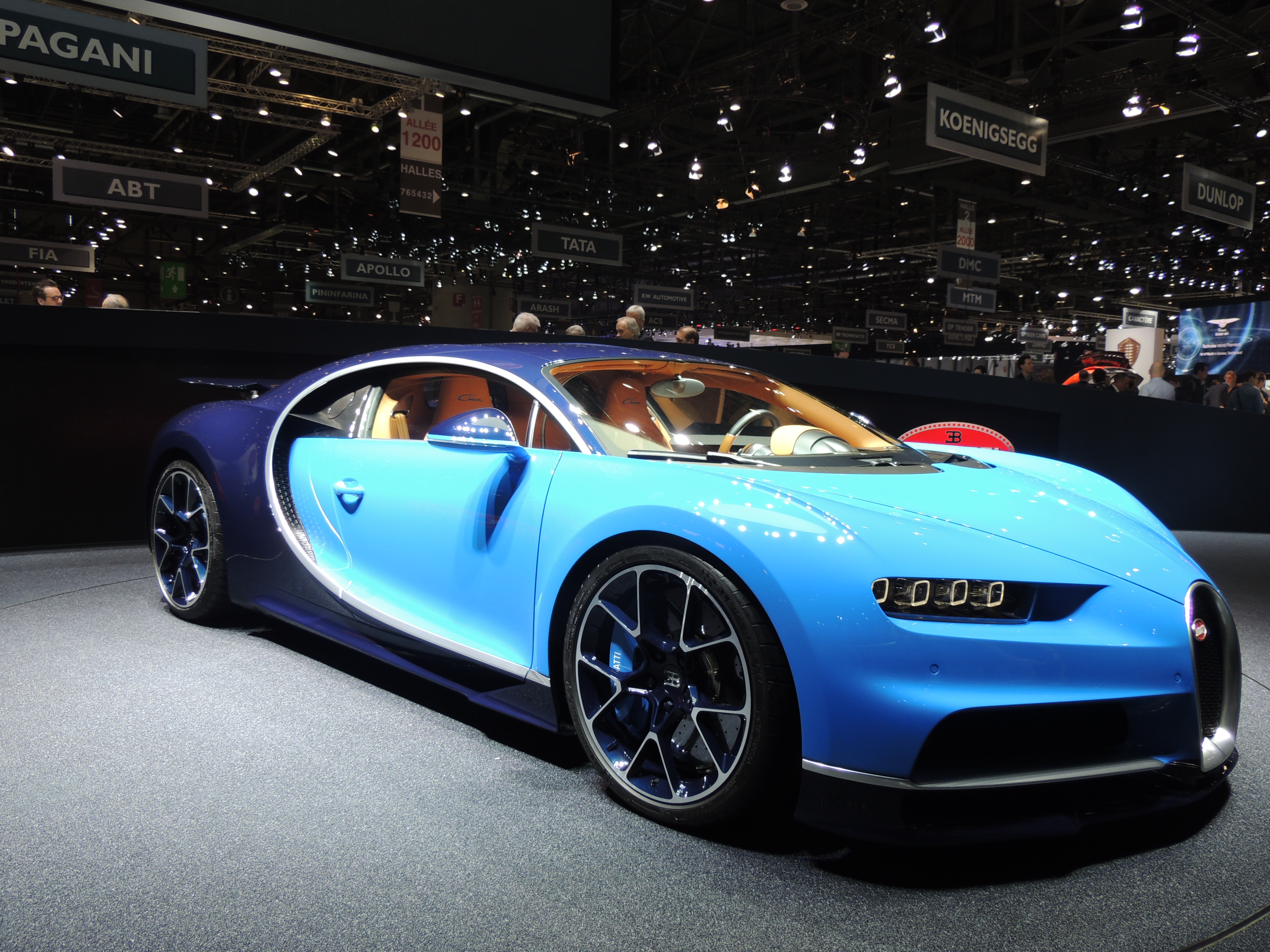
Chirons
"But do you know what it's going to do in the market for Chirons? Chirons, I always said this from day one, they've been underpriced, they've been underpriced from day one, even when they were new."
The Bugatti Chiron is one of the most expensive hypercars Bugatti makes. The host is saying that if running costs (like repairs) feel less scary, more people will want to buy them—so the market price can rise.
The Bugatti Chiron is the brand’s flagship hypercar, famous for massive power and extreme performance. The host argues that Chiron pricing has been “underpriced” and ties market value to ownership risk—specifically repair costs and how scary those costs feel to buyers.
VAT
"The price was £875,000 plus VAT for an early order of a car that's not been revealed yet."
VAT is a tax added to the price of a product. When the host says “plus VAT,” they mean the buyer pays extra on top of the listed price.
VAT (Value-Added Tax) is a consumption tax added to the price of goods and services. The host quotes Bugatti pricing “plus VAT,” meaning the final cost to the buyer is higher than the base figure.
Geneva Motor Show
"If you placed the order then, before it was launched at the Geneva Motor Show, it was 875 plus VAT. Once it was launched at the Geneva Motor Show, it was a million plus VAT."
The Geneva Motor Show is a big car event where companies reveal new models. In this story, it’s the point when the car officially launched and the price went up.
The Geneva Motor Show is a major international auto show where manufacturers unveil new cars to the public and press. The host uses it as the moment when the Chiron’s pricing changed—from an early-order price to a higher post-launch price.
risk and reward
"So, it's risk and reward, isn't it? Why do you want to play risk and reward with a million pound car? Because it's £125,000."
“Risk and reward” just means you’re taking a chance that something could go wrong, but you expect a payoff if it goes right. Here, the host is saying people won’t pay top money if they think repairs could be a nightmare.
“Risk and reward” is the idea that a buyer accepts uncertainty (risk) in exchange for potential upside (reward). The host applies it to supercar ownership, arguing that paying around a million pounds is hard to justify if the repair/ownership risk feels too high.
Furlonga
"There's some great companies out there that, obviously, you've used Simon Furlonga, great company. I use them for other cars... And they've done a couple of jobs on Veyrons for me."
Furlonga is the independent shop the host trusts for repairs on expensive cars. The host is arguing that work done by a specialist can matter a lot when you later sell the car.
Furlonga is referenced as an independent specialist the host uses for repairs on high-end cars, including Bugatti Veyrons. The key point here is that specialist work (and the bills that come with it) can influence how a car is valued versus work done strictly through the manufacturer.
factory support
"A technician learns his trade as a technician. He's got a handbook. The only thing they do have is they have support from the factories... Normally, he'd call the factory and go, hey, how does this lock work?"
Factory support is help from the car maker—like instructions or technical answers—given to dealership mechanics. The host is saying the specialist didn’t have that safety net and had to figure things out directly.
Factory support refers to technical assistance and guidance provided by the automaker to its dealership technicians, such as diagnostic procedures or component-specific instructions. The host contrasts this with the independent specialist’s lack of factory guidance, which forced a deeper, hands-on learning approach.
reverse engineered
"So that's where Furlonga's were amazing, where they reverse engineered and figured out why this, was it age? Was it a problem? Was it dry?"
Reverse engineering means figuring out how a problem part works by taking it apart and studying it. The host says the specialist did that instead of just swapping parts, so they could stop the same issue from happening again.
Reverse engineering is the process of taking something apart and studying it to understand how it works, often to replicate or improve it. The host credits Furlonga with reverse engineering a Veyron issue so the cause could be identified and prevented in the future.
replace
"And that's what, I don't think Bugatti, when you take that into a dealership, they're probably just going to sell replace, aren't they?"
Here, “replace” means the shop just swaps the broken part for a new one. The host is implying dealerships may do that rather than figuring out the underlying reason the part failed.
In dealership repair context, “replace” means swapping out a component rather than diagnosing and repairing it down to the root cause. The host suggests that when a Veyron issue goes to a dealership, the likely approach is part replacement instead of deeper troubleshooting.

Bugatti Veyron
"that Bugatti let out when they released the Veyron. The average owner of a Veyron had 64 cars, ... But the Veyron was one which we looked at."
The Bugatti Veyron is a famous, ultra-expensive supercar/hypercar. The point here is that owning one can come with huge bills, and that affects how people talk about it and brag about it.
The Bugatti Veyron is a landmark hypercar known for its extreme performance and high ownership costs. In this segment, the host uses the Veyron as an example of how Bugatti markets the car to wealthy buyers and how expensive repairs can be.
test drive
"it kind of went out the window because you went to see one at a dealership and they wouldn't let you drive the car. We weren't allowed to test drive it."
A test drive is when you’re allowed to drive the car yourself before buying it. The host is saying that if the dealer won’t let you drive it, it makes the car a lot harder to justify.
A test drive is a dealer-permitted drive of a car before purchase, used to evaluate feel, visibility, and drivability. This segment highlights how being denied a test drive can kill a deal for an enthusiast buyer.
Pax tyre
"So the tyres, they've got a special Pax tyre it's called. So it's got like strips of almost like plastic in them to withstand the heat of the car going fast."
A “Pax tyre” is a special tire that can keep rolling for a short distance even if it gets punctured. That’s because it’s built to support the car without relying on normal air pressure. The host is saying these tires are designed for hard/high-speed use, which is why they cost a lot.
“Pax tyre” refers to a run-flat tire system (commonly associated with Michelin) that can keep you moving even after a puncture. The design uses special internal support so the tire can withstand heat and load during high-speed driving. In the segment, they’re described as having heat-resistant strips and being extremely expensive.
run flat
"So the tyres, they've got a special Pax tyre it's called. So it's got like strips of almost like plastic in them to withstand the heat of the car going fast."
Run-flat tires are made so you can still drive for a bit even after a puncture. They’re built to stay supportive even when the tire isn’t properly inflated. That helps you get to a safe place instead of immediately being stranded.
A run-flat tire is designed to keep supporting the vehicle after a puncture, allowing limited continued driving. This is achieved through reinforced sidewalls or internal support structures. The segment’s “Pax tyre” description is essentially an example of this technology.
glued onto the wheels
"And every three or four sets, every three sets, you've got to have new wheels because they're glued onto the wheels."
The host is saying the tires are attached to the wheels in a way that makes them hard to remove and reuse. If the tires are effectively bonded in place, you may end up replacing the wheels as well, which makes the whole job much more expensive.
Some high-performance wheel-and-tire setups use adhesive or special mounting methods that can make tire removal and re-use difficult. The host claims the tires are “glued onto the wheels,” implying that after a few sets the wheels may need to be replaced too. This drives the total cost of ownership higher.
tread
"They come not very, were not very much tread on them either. I think they come with seven mil of tread."
Tread is the part of the tire that actually contacts the road—the grooves that help with grip. If the tread is low, the tire won’t grip as well and can be unsafe, especially in wet conditions. The host is saying these tires didn’t have much tread left.
Tread refers to the rubber pattern on the tire’s surface that provides grip and channels water. The segment emphasizes that these expensive tires had very little tread remaining (about 7 mm), which affects how long they can be safely used. For high-performance tires, tread depth is a key wear metric.
tire expiration
"I've replaced tyres on a Bugatti that have done a thousand kilometres because they've told me my tyres have expired."
Tire expiration means tires can go bad just from getting old, not only from driving. Rubber can harden over time, which reduces grip. The host is saying the car’s tires were replaced because they were considered too old, even though they hadn’t been driven much.
Tire expiration is the idea that tires can degrade with age (rubber aging) even if they haven’t worn out by mileage. Some manufacturers specify replacement based on date codes or service life. The host describes being told the tires “have expired” and having to replace them despite low kilometers.
Wilmania
"No, because we've teamed up with Wilmania and they've made us we're going to we're making a wheel"
Wilmania is the company the host credits with making parts (a wheel) that let the car use different tires. The idea is to keep the look while reducing tire costs.
Wilmania is referenced as the partner that makes the wheel solution enabling the use of a more standard tire size. In this context, it’s a vendor supplying a specific fitment workaround for the Bugatti Veyron’s tire constraints.
tire rating
"it won't have a 250 mile an hour rating on it. It'll be an event at all tire. So it'll still do 186 mile an hour."
A tire rating tells you the maximum speed the tire is designed to handle safely. The host is saying the replacement tires won’t be rated for the very highest speeds, but they can still be used for everyday driving.
A tire rating (often including speed rating) indicates the maximum speed the tire is engineered to handle safely. The host contrasts a tire that lacks the Veyron’s “250 mile an hour” rating with a setup that still supports lower speeds.
top speed run
"But you know, you won't be able to do I wouldn't do a top speed run on that tire."
A top speed run is when someone tries to see how fast the car can go at its absolute limit. The point here is that the tire choice might not be meant for that kind of testing.
A top speed run is a controlled attempt to measure a vehicle’s maximum speed, usually on a track or a carefully managed test environment. The host is saying the tire setup may not be intended for repeated maximum-speed testing.
two year warranty
"They do they do these packages now, where they say, right, you've got your car, we'll put a two year warranty."
A two-year warranty is a promise that if certain problems happen within two years, the cost of repairs is covered. The host is arguing it can make a huge repair bill less scary.
A two-year warranty is a manufacturer-backed (or dealer-backed) coverage period where certain repairs and service items are paid for under contract terms. Here, it’s used as a cost-control strategy for a very expensive car by spreading risk over time.
oil and filter
"We'll do two minor services. So literally oil and filter and one set of tires."
Oil and filter service is basic upkeep: you replace the old engine oil and swap the filter so the engine stays clean. In this story, it’s part of what the warranty package covers.
Oil and filter service is routine maintenance where the engine oil is replaced and the oil filter is changed to remove contaminants. The host is counting this as one of the included “minor services” under the warranty package.
warranty claim
"they're going to find every pipe and every nut and every bolt and everything to claim through the warranty to go back to the factory"
A warranty claim is when you ask the warranty to pay for repairs. The host is describing how the shop may try to get as much covered work approved as possible.
A warranty claim is the process of requesting payment or reimbursement for covered repairs under the warranty terms. The host describes the service provider using the warranty to justify extensive inspection and replacement work to recover costs.
tires
"So how much does the tires cost now for you with the event at all rated tires on? They're about two and a half grand for a set."
Tires are what actually grip the road. At very high speeds, they get extremely hot and can wear out or fail, so the cost of replacing them can be a big part of running a hypercar.
Tires are the consumable contact patch between the car and the road, and at extreme speeds they experience major heat and pressure. The host estimates the cost of a set and explains why tires can be expected to wear or fail after repeated high-speed runs.
full tank of fuel
"Well, they reckon that for fuel, full tank of fuel, in 12 minutes, it runs out of fuel."
A full tank of fuel is the maximum usable fuel capacity in the tank. The host uses it to estimate how quickly fuel is consumed during short, high-speed sessions, highlighting how operating costs can be extreme.
fuel light
"Is it cost to fill the tank? Well, so the light came on. Yes, it was the first time I used it. Light comes on every day."
The fuel light is the warning on the dashboard that tells you the car has low fuel. When it came on, the speaker started thinking about what fuel to put in.
The fuel light is the dashboard warning indicator that alerts the driver the fuel level is low. The speaker says the light came on for the first time, then discusses what fuel grade they planned to use next.
95, 98
"So the light came on. Yes... And I'm thinking 95, 98. I'm thinking I'm going to have to go 98."
“95” and “98” are different grades of gasoline. Higher numbers generally mean the fuel resists engine knocking better, which matters more on high-performance cars.
“95” and “98” refer to gasoline octane ratings (fuel quality). Higher-octane fuel can be required or recommended for high-performance engines to help prevent knock under load.

Mitzi's Cullinan
"Yeah. Yeah. Mitzi's Cullinan is great on fuel. I reckon it's better on fuel than my Defender."
The Rolls-Royce Cullinan is a very heavy, very luxurious SUV. Here they’re saying it can use less fuel than you’d expect, depending on how it’s driven.
The Rolls-Royce Cullinan is a luxury SUV known for its big, smooth power delivery and heavy curb weight. In this segment, it’s brought up specifically in the context of fuel economy, implying it can be relatively efficient for its size when driven a certain way.
V12
"I mean, this is nearly a seven-litre V12 and it weighs three and a half tonne."
A V12 is a type of engine with 12 cylinders. More cylinders usually means more power, but it can also mean higher fuel use.
A V12 is an engine with 12 cylinders arranged in a “V” shape. It’s typically associated with smooth power and strong performance, but it often uses more fuel than smaller engines—especially in heavy vehicles.
three and a half tonne
"I mean, this is nearly a seven-litre V12 and it weighs three and a half tonne."
“Tonnes” here is vehicle mass (weight). In automotive terms, higher mass generally increases fuel consumption because the engine has to do more work to accelerate and maintain speed.

G-Class Gwagon
"I mean, this is nearly a seven-litre V12 and it weighs three and a half tonne. James G-Wagon. Horrific. That's the worst car on the road."
A G-Wagon is the Mercedes-Benz G-Class, a very heavy, boxy luxury SUV. They’re saying it’s a big, thirsty vehicle—so it costs more to run and isn’t great for emissions.
The Mercedes-Benz G-Class (often called a “G-Wagon”) is a boxy, heavy luxury off-roader famous for its durability and distinctive styling. In this segment, the host calls it “nearly a seven-litre V12” and “three and a half tonne,” using those traits to argue it’s inefficient and environmentally unfriendly.
carbon footprint
"No, no, I sort of do stuff to sort of level out my carbon footprint. Like what? I plant a tree tonight."
Your carbon footprint is basically how much pollution you cause that affects the climate. They’re talking about it as a reason to feel guilty about driving a big, heavy car.
A carbon footprint is a measure of how much greenhouse-gas pollution a person or activity produces, usually expressed in CO₂-equivalent. The segment uses it to frame driving a heavy luxury SUV as having environmental impact, then contrasts it with personal “offset” actions like planting trees.
worst case scenario
"I was hoping that they repair it or find some parts which wasn't like worst case scenario was going to be replace the full gearbox."
A “worst case scenario” is planning for the most expensive outcome. In this context, it means assuming the car needs the biggest repair, so you’re not shocked if it’s worse than expected.
“Worst case scenario” is a risk-planning concept where you assume the most expensive or damaging outcome. In car buying, it often means budgeting for the largest likely repair (like replacing a major component) rather than hoping for the cheapest fix.
engine misfire
"And the rest of it, you know, I knew there was an engine misfire. The spoiler didn't work."
An engine misfire is when part of the engine doesn’t burn fuel correctly. That can make the car run rough and may point to problems like spark, fuel, or sensors.
An engine misfire happens when one or more cylinders fail to ignite properly. It can be caused by issues like ignition components, fuel delivery, or sensors, and it often triggers rough running and warning lights.
spoiler
"I knew there was an engine misfire. The spoiler didn't work. The nose lift didn't work."
A spoiler is an aerodynamic device mounted to the rear (or sometimes front) of a car to help manage airflow. On performance cars, spoilers can be active—moving or deploying—and failures can indicate problems with the mechanism, wiring, or control system.
nose lift
"The spoiler didn't work. The nose lift didn't work. And I was told the clock didn't work as well."
A nose lift raises the front of the car when you need extra clearance. If it doesn’t work, you may have trouble with driveways and speed bumps, and it usually means the lift system has a problem.
A nose lift is an active suspension feature that raises the front of the car to reduce the chance of scraping the bumper over speed bumps or steep driveways. If it fails, the car may sit too low for certain roads and can also indicate a fault in the lift system’s sensors, valves, or actuators.
speedometer
"The speedometer? No, the Breitling or whatever it is there. Oh, battery. But it worked."
The speedometer shows how fast the car is going. If it’s not working, it could be a sensor or wiring problem that tells the dashboard the speed.
The speedometer is the instrument that displays vehicle speed to the driver. If it’s not working correctly, it can point to issues with the speed sensor, instrument cluster electronics, or related wiring.
rear wing
"So the misfire was true and the rear wing was a problem."
The rear wing is the aerodynamic part at the back of the car. If there’s a problem with it, it may not move or function correctly, which can be both a performance and a reliability issue.
A rear wing is a rear aerodynamic surface, often designed to generate downforce at speed. In some cars it’s part of an active aero system, so a “rear wing problem” can mean the wing mechanism, control electronics, or sensors are malfunctioning.
Bugatti gearbox sourcing and repair delays
"I was told the car had no working gearbox... We didn't even know if it was going to start."
They explain that the Bugatti didn’t have a working gearbox when it was bought, and the gearbox was somewhere else. Because of that, they had to wait and then hope the car would run after putting everything back together.
This segment focuses on how the Bugatti’s gearbox situation was misrepresented at purchase and how the gearbox being stored in Holland delayed the repair. It also covers the uncertainty around the car’s condition and whether it would even start after reassembly.
Holland
"but the gearbox was in Holland... I didn't see the gearbox for the first six weeks... Looking for a Bugatti gearbox in..."
Holland is where the missing gearbox supposedly was. The repair took longer because the key part was not with the car at the start.
Holland is referenced as the location where the Bugatti gearbox was stored or sourced. The speaker emphasizes how far away the part was, which delayed seeing the gearbox and slowed the repair timeline.
electronics
"And also, if you imagine the mileage, the electronics..."
Electronics are the car’s computers and sensors that help it run and coordinate systems. If you don’t know the car’s history, you can’t be sure how healthy those systems are.
In modern cars, electronics include the computer systems and sensors that control functions like engine management, transmission behavior, and diagnostics. The speaker mentions electronics in the context of not knowing the car’s full condition and history.
car-valued
"Well, you can imagine. Two-valued at 2000000 and car-valued at 1.75."
They’re talking about different ways to estimate what the car is worth. One number is more about value as an asset, and another is about what the car could realistically sell for.
“Car-valued” here means the market value estimate specifically for the vehicle itself, as opposed to a different valuation framing. The hosts contrast it with a “two-valued” figure, implying different valuation methods or assumptions.
hard offer
"And you gave him a hard offer, 1.2 million. And what are you all in on the spend then?"
A “hard offer” is a firm purchase price the buyer proposes, rather than a tentative or negotiable number. In this context, it highlights the gap between what the seller might accept versus what the car is priced at for sale.
All In
"And what are you all in on the spend then? So you paid nine odd, and then what are you all in?"
“All in” means the total cost of owning the car so far. It includes what you paid for it plus what you spent fixing or improving it.
“All in” refers to the total amount of money invested in the car, including purchase price plus subsequent costs. Here, they’re discussing how much the owner has spent overall after doing work and buying parts.
parts
"There was a lot of work done. A lot of man hours, a lot of parts."
“Parts” are the pieces that get replaced during a repair. They’re saying the car needed a lot of replacement items, not just minor work.
In this context, “parts” means replacement components used to repair or restore the hypercar. They’re emphasizing that the car required significant work involving many components.
Bugatti network
"A few people saying that they could get one through the Bugatti network on the quiet, all that sort of stuff."
The “Bugatti network” means the official channels connected to the Bugatti brand. It’s usually where you’d expect to get genuine parts instead of random used ones.
The “Bugatti network” refers to the brand’s authorized supply and service ecosystem—typically dealers and approved parts channels. When someone claims they can source parts “through the Bugatti network,” they’re implying the parts are legitimate and traceable.
control module
"So there was a very, very precious control module which are impossible to find. That was included some other parts around the gearbox."
A control module is like the car’s computer for a specific job. If the wrong one is used—or it can’t be matched to the car’s systems—the car may not work correctly.
A control module is an electronic unit that manages specific functions of the car, such as coordinating sensors and actuators for the drivetrain. In modern cars, the right control module (often with the correct software/compatibility) can be difficult to source, which is why it’s described as “precious” and hard to find.
the first rodeo
"You've done this Roy strikes again. So, it was a full-on scam. Full-on scam, but the interesting thing is... Why would someone do that if you know who they are? The first rodeo."
“The first rodeo” is an idiom meaning “I’ve been through this before.” It suggests the scam or hassle isn’t the first time.
This phrase is used to suggest the situation isn’t new—implying the host has dealt with similar scams or problems before. It frames the episode’s theme of repeated trouble around sourcing parts.
deposit
"And is that what you sent him, deposit of seven grand? ... No, I sent him a deposit of three and a half grand."
A deposit is money you pay upfront to start a deal. It’s often used to reserve something or confirm you’re serious before paying the rest later.
A deposit is an upfront payment made to secure a deal or reserve work before the full amount is paid. In car transactions, deposits are commonly used to lock in parts, scheduling, or a purchase agreement.
timeline was the minimum amount of time it could have possibly been
"Like the timeline was the minimum amount of time it could have possibly been. And that's about six months. About six months."
This describes how the repair schedule was constrained by real-world dependencies—parts availability, diagnostics, and specialist work—so the car couldn’t be finished sooner. It’s an example of how complex, high-end repairs often take months even when everyone is trying to move fast.
crossover bits
"yes, there are some parts on there which are Volkswagen, without a doubt, are some crossover bits. But that there is one epic piece of automotive machinery, which is worth a million quid for a reason because it's a million pounds worth of car."
“Crossover bits” means parts that are used in more than one kind of car. Here, it suggests the Bugatti uses some shared Volkswagen-style components alongside its much more unique, expensive parts.
“Crossover bits” refers to components that are shared across different vehicle brands or model lines. In this context, it means some parts on the Bugatti are sourced from Volkswagen (like the Passat), even though the overall car is still extremely specialized.

Volkswagen Passat
"...vable. Yes, there's bits on there which are off a Passat. But trust me, there's like the stuff on there wh..."
The Volkswagen Passat is a regular, everyday car in the mid-size sedan category. It’s known for being practical and common. In the podcast, it’s mentioned because some parts from a Passat can be used in other builds.
The Volkswagen Passat is a mainstream mid-size sedan known for being practical and widely used. In the podcast context, it’s referenced as a source of parts or components—“bits on there which are off a Passat”—suggesting the car being discussed shares some underlying hardware. It comes up because it highlights how some expensive builds can use familiar, mass-market foundations.
chassis number
"I told him the chassis number of this car before he told me, you know, the chassis number of this car, I knew."
A chassis number is like a car’s unique ID. It helps identify the exact vehicle and is used for paperwork, service records, and parts matching.
A chassis number (VIN) is the unique identification code for a vehicle. It’s used for verifying the exact car, tracking ownership/history, and matching records for service, parts, and authenticity.
furlongers
"We go to furlongers. Furlongers, they've been amazing."
Furlongers is the shop the host is praising for helping fix the car. They’re being described as a company that knows what they’re doing and did great work.
Furlongers is the repair shop/company the host credits for doing excellent work. In this context, it’s presented as a specialist shop that handled the car’s mechanical issues and delivered strong results.
clutch started slipping
"And then they were getting involved... And then our clutch started slipping."
The clutch is supposed to grab and send power to the wheels. If it “slips,” it doesn’t fully grab, so the car loses power and can get hot.
A clutch slipping means the clutch is not fully transferring engine power to the drivetrain. Instead of locking up cleanly, it allows some rotation to “slip,” which usually shows up as loss of acceleration and heat buildup.
gearboxes
"We've built this gearbox... But before we put it into the car, we've got to make sure we run the gearboxes."
The gearbox is the part that changes gears so the engine can work efficiently. If it’s being rebuilt, it usually means the car isn’t shifting or transferring power correctly.
A gearbox is the transmission unit that changes gear ratios so the engine can stay in its best power/torque range. In a repair context, rebuilding or testing a gearbox is often necessary when shifting feel, durability, or torque transfer is failing.
test rig
"So we made a test rig. A test rig was half a million quid. We managed to make our own test rig for 10 grand."
A test rig is a special setup for trying out a part in a controlled way. It helps confirm the gearbox/clutch will work before it’s put back into the car.
A test rig is a purpose-built setup used to run and evaluate components under controlled conditions. Here, they used it to validate the gearbox/clutch behavior before installing it in the car.
clutch material
"But this very clever man has decided on this clutch material. Fuck, I can't get emotional. This very clever man had decided on this clutch material and it didn't work."
The clutch material is the surface inside the clutch that actually grips. If the material isn’t right for the car’s setup, the clutch can feel wrong or fail to work properly.
Clutch material refers to the friction lining/compound used on the clutch surfaces. Different materials can change how the clutch engages (bite point, smoothness, heat tolerance), which is why choosing the right material matters for drivability and durability.
self adjusts its clutch
"they've programmed that this car adjusts its own clutch. It adjusts its clutch. So every time a Bugatti driver who needs the perfect car gets a perfect car."
This means the car can automatically change how the clutch engages to keep the driving feel consistent. As the clutch wears, the system compensates so it doesn’t suddenly feel different.
“Self adjusts its clutch” describes an electronically controlled clutch system that learns or compensates for changes. By adapting engagement behavior, the car tries to keep the feel consistent despite wear, temperature, or component variation.
clutch is wearing out
"it feels the same as it did yesterday. Even when his clutch is wearing out, it feels the same as the day he bought his car."
Clutches wear down with use. When they wear, the clutch can start to grab differently, so the car’s system tries to compensate.
“Clutch is wearing out” refers to gradual degradation of the clutch friction surfaces over time. As wear increases, the clutch can engage differently, which is why an adaptive system is described as maintaining the same feel.
teach itself to work
"They've told us what we have to do to make that car teach itself to work with that clutch. [3554.8s] So we've been driving it at 30 second intervals at certain speeds and revs. [3562.1s] And the clutch has found itself to work."
This describes an adaptation or learning routine where the car’s electronics adjust to a changed component (here, the clutch). The driver follows a specific pattern of speeds and revs so the control system can recalibrate how the clutch engages.
aftermarket clutch
"It's taught itself to live with that aftermarket clutch. [3570.9s] So that would that be the high point for you? [3577.4s] Coming after such a low."
An aftermarket clutch is a non-factory replacement part. The car sometimes has to “learn” how that new clutch bites and engages so it drives smoothly instead of acting weird.
An aftermarket clutch is a replacement clutch made by a supplier other than the car’s original manufacturer. Because the control software and calibration are often tuned for OEM parts, the car may need an adaptation/learning process to match the new clutch’s behavior.
hypercar
"The luxury, the, you know, the word hypercar to me is carbon fiber, stripped out, Alcantara, too hot..."
A “hypercar” is basically a super-rare, ultra-expensive performance car. The host is saying he thinks hypercars are supposed to feel extreme and lightweight, not comfortable like a normal luxury car.
“Hypercar” is an enthusiast term for a top-tier, very limited, extremely expensive performance car—often built with lightweight materials and designed to feel dramatic and dangerous at the limit. The host argues that, to him, the “hypercar” idea is tied to carbon fiber, being stripped out, and the riskier, more extreme character.
carbon fiber
"The luxury, the, you know, the word hypercar to me is carbon fiber, stripped out, Alcantara..."
Carbon fiber is a strong, lightweight material used in some high-end cars. The host is saying it’s part of what people associate with “hypercars.”
Carbon fiber is a lightweight composite material used in performance cars to reduce weight and improve stiffness. The host links it to the “hypercar” stereotype—stripped-out construction and an extreme, race-inspired feel.
Alcantara
"The luxury, the, you know, the word hypercar to me is carbon fiber, stripped out, Alcantara, too hot..."
Alcantara is a suede-like material used inside some luxury and performance cars. It’s often chosen because it feels premium and sporty.
Alcantara is a soft, suede-like synthetic material commonly used on car interiors for seats, headliners, and trim. The host mentions it as part of the “hypercar” look and feel, implying a more performance-oriented, specialty interior environment.
publicity exercise
"It wasn't about, it wasn't a business exercise. It was a publicity exercise. Probably a bit of a tax write off as well."
A “publicity exercise” means spending money mainly to get attention and build a reputation, not to make money right away. The host is saying the goal was to show they could build an incredible car.
A “publicity exercise” is an effort primarily aimed at attention and reputation rather than immediate profit. The host frames Bugatti’s spending as being about proving capability and generating brand impact.
tax write off
"It was a publicity exercise. Probably a bit of a tax write off as well. Yeah."
A “tax write-off” is a way to reduce taxes by lowering the amount of income you’re taxed on. The host is implying the spending might have had tax advantages too.
A “tax write-off” is a tax deduction or accounting treatment that reduces taxable income. The host suggests some of the spending could be offset through tax benefits rather than being purely about profit.

Bugatti EB 110
"This car came after an EB 110, which was a flop. Let's be totally honest with you. I mean, they're only, they're only valuable now because of a Veyron, you know."
The Bugatti EB 110 is an older Bugatti supercar. The host is saying it didn’t go well commercially, and it came before Bugatti’s later, more successful hypercar push.
The Bugatti EB 110 was a late-1980s/early-1990s supercar project that the host calls a “flop,” framing it as a failed chapter in Bugatti’s history. It’s mentioned as the predecessor to the later long-term plan that culminated in the Veyron era.
research and development
"and then invested however many hundreds of millions into the research and development and making the Veyron. I believe that a Veyron, I've said this for years."
Research and development is the work and spending companies do to create something new—like designing and engineering a car. Here, it’s about what it took to build the Veyron.
Research and development (R&D) is the process of designing and engineering new technology and products before they can be manufactured. In this context, it refers to the engineering work and spending required to create the Bugatti Veyron.
DCT gearbox
"they got this brief of Volkswagen to make a DCT gearbox to withstand a thousand horsepower. Well, the cars then were 500 horsepower."
A DCT gearbox is a type of automatic transmission that shifts very quickly. It uses two clutches so the next gear is ready ahead of time, which helps the car accelerate smoothly and fast.
A DCT gearbox (dual-clutch transmission) uses two separate clutches to pre-select the next gear, allowing faster shifts than a traditional automatic. Here, the host says Volkswagen was tasked with making a DCT that could handle extreme power levels for a hypercar application.
Robin Andrew
"when we were talking to Robin Andrew and all the guys from Ricardo, they got this brief of Volkswagen to make a DCT gearbox to withstand a thousand horsepower."
Robin Andrew is a person mentioned as being involved in the technical discussion the host had. The segment uses his name to point to the engineering background behind the story.
Robin Andrew is named as someone the host spoke with during the discussion about the hypercar engineering brief. In this segment, he’s presented as part of the technical conversation around the gearbox development.
Ricardo
"So they gave a British engineering company, Ricardo, [4377.1s] not an open checkbook, but this is what we need."
Ricardo is a technical engineering company. The hosts are saying Bugatti used them for expert help on the car’s mechanical design work.
Ricardo is a British engineering company that provides technical development services for automotive projects. In this segment, they’re referenced as the engineering firm Bugatti brought in to help with parts of the car’s drivetrain development and documentation.

Bugatti Tourbillon
"That's the instruction manual for the Chiron, the Tourbillon and whatever else comes after it. [4403.1s] That is the instruction manual for it."
The Bugatti Tourbillon is a later Bugatti hypercar model mentioned as sharing the same “instruction manual” concept as the Chiron. The hosts are using it to illustrate how core engineering documentation and drivetrain architecture can be reused across multiple Bugatti models.
W16
"The 16.4 stands for W16 and the .4 is for turbos. [4436.2s] So basically mine's the bottom of the range."
W16 is the engine’s cylinder layout—16 cylinders arranged in a special compact shape. In this naming explanation, it’s the “16” part of “16.4,” and it’s paired with turbocharging.
W16 refers to an engine layout with 16 cylinders arranged in a “W” configuration—essentially four-cylinder banks arranged to fit tightly in a compact, high-performance package. The hosts say the “16.4” naming includes W16, and the “.4” portion refers to the turbocharging.
turbo
"The 16.4 stands for W16 and the .4 is for turbos. [4436.2s] So basically mine's the bottom of the range."
Turbos are turbochargers that cram more air into the engine. More air usually means more power, and the hosts are saying the “.4” in the name points to that turbo setup.
Turbos (turbochargers) are forced-induction devices that use exhaust gases to spin a turbine, compressing incoming air so more oxygen can enter the engine. In the “16.4” naming explanation, the “.4” is said to indicate turbocharging.
Bugatti Veyron 16.4 Grand Sport
"Yeah, then you get the 16.4 Grand Sport, which is the convertible version of that. [4447.2s] Same car, same engine, roof comes off."
The Bugatti Veyron 16.4 Grand Sport is the open-top version of the Veyron. It’s basically the same idea as the coupe, but with the roof coming off.
The Bugatti Veyron 16.4 Grand Sport is the convertible (roof-off) variant of the Veyron. The hosts explicitly describe it as the “convertible version” of the 16.4, while keeping the same underlying car and engine concept.

Corvette Grand Sport
"Poverty. Yeah, then you get the 16.4 Grand Sport, which is the convertible version of that. Same c..."
The Corvette is a sports car designed for performance. The podcast mentions the Grand Sport and notes that there’s a convertible version. It’s brought up because it’s a well-known way to get a fast, fun car.
The Corvette is a performance sports car known for delivering strong speed and handling at a relatively accessible price compared with many high-end sports cars. The podcast specifically mentions the “16.4 Grand Sport” and calls it the convertible version of that, pointing to the lineup’s different body styles. It’s discussed because it’s a popular choice for people who want performance without stepping into the most extreme price tiers.
carbon fibre
"[4457.8s] which was one of five cars that Bugatti made in that configuration, [4462.6s] the chrome with the carbon fibre. [4465.1s] And then they made the Supersport, which was 1200 horsepower instead of 1000 horsepower."
Carbon fibre is a lightweight material often used on high-end cars. Here it’s part of the special look/configuration the host is describing.
Carbon fibre is a lightweight composite material used in performance cars to reduce weight while maintaining stiffness. In this segment, it’s paired with chrome to describe a specific exterior/trim configuration on the rare Bugatti setup.
Request an Explanation
Heard something you'd like explained? We'll add it to this episode.
Sign in to request explanations for terms you heard.
Want to learn more?
Browse our glossary for plain-English explanations of automotive terms, jargon, and concepts.
Help improve this episode
See something that's not quite right? Our annotations are AI-generated and can sometimes miss the mark. Click the flag icon on any annotation to suggest a correction.