
Funding The World's Greatest Supercars & The Secrets Rich Collectors Never Share - Andy King
About this episode
Andy King of Apollo Capital talks luxury and supercar finance at the top end, including a wild month of signing five Pagani deals plus a Huayra, Utopia, and Zonda—totaling around £30m in financed value. He argues rich buyers often finance to manage opportunity cost, comparing loan rates to returns from hedge funds and bridging investments. King also calls out dishonesty in paperwork, shares a story about refinancing a McLaren F1 after spotting it at an event, and discusses how “affordability” (declared income) matters more than net worth.
finance deal
"Which finance deal that you've done tells the greatest story. We did five Pagani's in the month."
A finance deal is the agreement that lets someone pay for a car over time. The host is using it to talk about how the financing itself can reflect who the buyer is.
A finance deal is the structured agreement used to fund a purchase—typically involving lending terms, repayment schedules, and documentation. In this segment, it’s used to frame how specific supercar financing arrangements can tell a “story” about the client and the car.

Porsche 918 Spyder
"And I said, what? So he was by the 918 Spider. It's from your brother, actually."
The Porsche 918 Spyder is a supercar that uses both electricity and gasoline to drive. It’s built for very fast performance, not everyday commuting. The podcast brings it up because it’s a notable, rare car someone had access to or saw.
The Porsche 918 Spyder is a high-end hybrid supercar known for combining electric assistance with a powerful gasoline engine. It’s discussed because it represents advanced technology in a very limited, performance-focused package. The podcast mentions it as a specific car someone saw, reinforcing its rarity and standout presence.
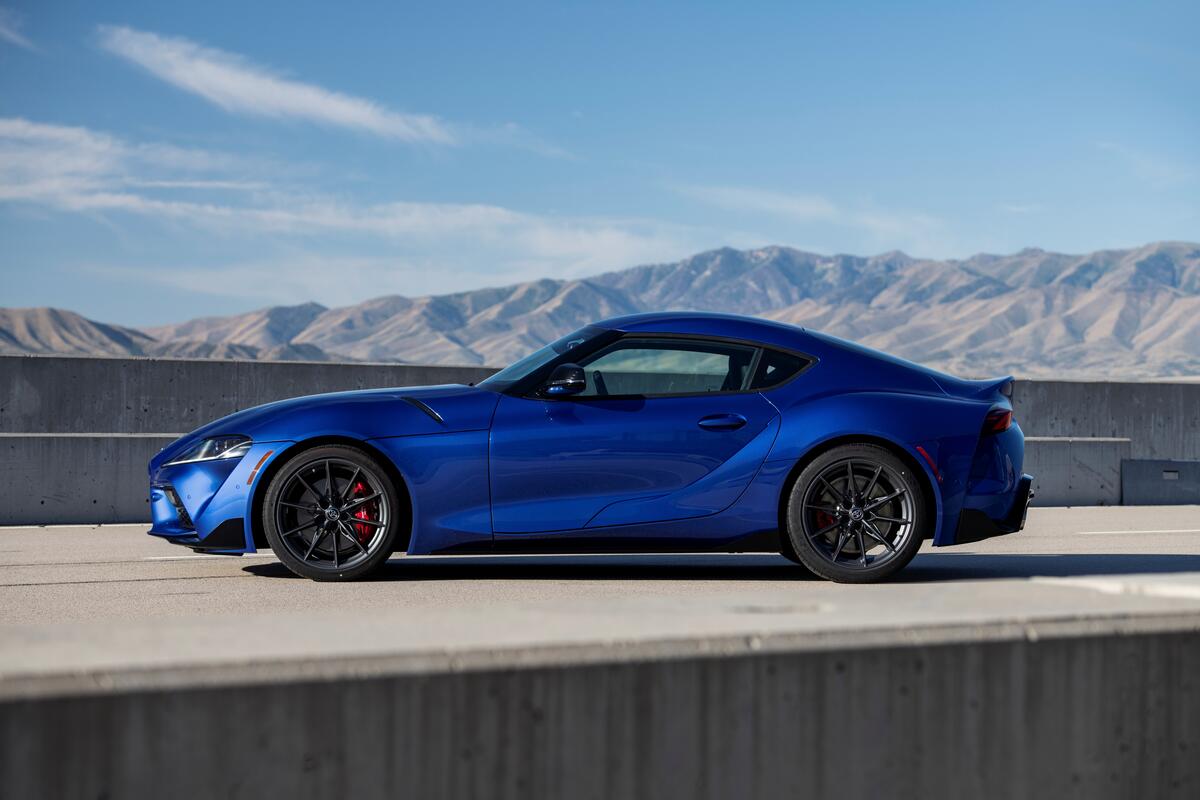
Toyota A90
"And I said, just out of interest, do you take any bonuses? Or he said, yeah, take a 90 bonus on top. So I'm thinking even better."
The Toyota Supra is a sports car made for fast driving and fun. People talk about it a lot because it’s a well-known performance model. In the podcast, it’s mentioned in a money/bonus context, likely because someone is thinking about buying or upgrading.
The Toyota Supra is a performance sports car known for its strong acceleration and driver-focused design. It often comes up in conversations about high-value “emotional” purchases and enthusiast culture. In this podcast context, it’s mentioned alongside bonus/compensation talk, suggesting it’s part of a broader discussion about what people choose to buy and why.

Ferrari 360
"In a Ferrari. In a Ferrari. 360. Yeah, yeah, yeah, 360."
The Ferrari 360 is a Ferrari supercar with the engine in the middle of the car. It’s famous for being a real Ferrari you can drive and enjoy, not just something rare and untouchable.
The Ferrari 360 is a mid-engine supercar from Ferrari, known for its V8 layout and for being one of the more approachable “modern” Ferraris of its era. It’s often discussed as an entry point into the Ferrari experience because it combines everyday usability with real supercar performance and handling.

Nissan Micra
"I actually I actually done my test and passed my test in a Nissan Micra. Right. 1.2."
A Nissan Micra is a small car that’s made for everyday city driving. Here, the host says they learned and passed their driving test using a Micra before moving on to more expensive cars.
The Nissan Micra is a small, city-focused hatchback known for being practical and easy to drive. In this segment, it’s mentioned as the car the speaker used to pass their driving test, highlighting how even everyday cars can be part of a supercar collector’s story.
driving instructor
"Well, because if you drive an instructor, I don't know what you pay him now. It includes the car. You drive in their car."
A driving instructor is a person you pay to teach you how to drive. They may teach you using their own car or your car, and the cost can change depending on which one is used.
A driving instructor is a professional who teaches someone how to drive and helps them prepare for a driving test. The segment discusses whether the instructor’s fee includes the car, and whether the learner drives in the instructor’s car or their own.

Pagani Utopia
"Brie Hawaer is a Utopia and Azonda in one month."
The Pagani Utopia is one of Pagani’s top supercars. In this story, it’s used to show how many rare Pagani cars they managed to arrange financing for at once.
The Pagani Utopia is a flagship Pagani supercar built around extreme performance and bespoke, collector-grade craftsmanship. The host mentions it alongside an Azonda delivery, highlighting that they financed multiple different Pagani models for different clients in the same month.
Barkley Hotel
"So I was in London. I rented an office down at the Barkley Hotel."
They say they rented an office at a hotel in London. It’s just background on where the deals were being handled.
The Barkley Hotel is mentioned as the location where the host rented an office in London. It’s not an automotive landmark, but it provides context for where the financing work was being coordinated.
HPI checked
"And I said, seen your car. I'd HPI checked it. So it was on finance."
An “HPI check” is a vehicle history/finance lookup. It can tell you things like whether the car is still being paid off through a loan, so you know what you’re dealing with.
“HPI” refers to HPI (often used in the UK as shorthand for vehicle history/finance checks). An HPI check can reveal whether a car is subject to outstanding finance or has been recorded in certain databases, which helps someone understand ownership/encumbrances before contacting the buyer.

McLaren F1
"And I said, seen your car. I'd HPI checked it. So it was on finance. McLaren F1, you know, mega car."
The McLaren F1 is one of the most famous supercars ever made by McLaren. It’s so valuable that people often buy it using financing instead of paying all at once.
The McLaren F1 is a legendary supercar from McLaren, famous for its extreme performance focus and unusual engineering choices. In this segment, the host mentions it was on finance, which is a common way high-value cars change hands without paying the full price upfront.
joint venture
"So he's kind of that's probably why he's good at it. [923.0s] You're doing a joint venture. [923.9s] There you go."
A joint venture is a business arrangement where two parties team up to pursue a specific project or investment, sharing responsibilities and risk. In the context of the conversation, it’s being used to describe how the parties structured their collaboration.
refinancing
"And we ended up refinancing his SP3. [952.4s] Since then he's bought an F40."
Refinancing means you swap your current car loan for a new loan. The goal is often to get a better interest rate or a payment plan that costs less over time.
Refinancing is replacing an existing loan or financing arrangement with a new one, usually to change the interest rate, term, or monthly payment. In car finance, it can be used to lower costs or restructure payments after the original deal.

Ferrari F40
"Since then he's bought an F40. [954.4s] He's bought two Enzo's."
The Ferrari F40 is one of Ferrari’s most iconic supercars. It’s known for being very raw and fast, with a turbocharged V8 and a lightweight, driver-focused design.
The Ferrari F40 is a mid-engined supercar built to be a no-compromises, track-focused machine. It’s famous for its lightweight construction and the turbocharged V8 that made it a benchmark for 1980s/early-1990s supercar performance.

Ferrari Enzo
"He's bought an F40. [954.4s] He's bought two Enzo's. [957.1s] He's bought car off you."
The Ferrari Enzo is Ferrari’s famous high-end supercar from the early 2000s. It’s known for a powerful V12 engine and an F1-inspired approach to making it fast and special.
The Ferrari Enzo (often called the Enzo Ferrari) is a flagship, mid-engined supercar built around Formula 1–style engineering. Its naturally aspirated V12 and advanced aerodynamics helped define what “modern” Ferrari supercars would look like in the early 2000s.

Ferrari SP2
"He would do. SP2. Unbelievable cars."
The Ferrari SP2 is a special, limited Ferrari supercar. It’s made to be rare and exciting, not a normal everyday model. The podcast mentions it as a standout car that impressed the speaker.
The Ferrari SP2 is a limited-production Ferrari model known for its distinctive design and performance focus. It’s discussed because it’s part of Ferrari’s special “SP” line, which tends to emphasize exclusivity and character. The podcast describes it as “unbelievable,” reflecting how it stands out to enthusiasts.

512 TR
"[983.3s] I sold him a 512. [987.1s] A 512 TR. [989.0s] That's right. [989.3s] Yeah."
The Ferrari 512 TR is a famous older Ferrari supercar. “TR” is the specific updated version, and it’s the kind of car that can cost hundreds of thousands of dollars—especially when collectors are comparing it to even more expensive cars.
The Ferrari 512 TR is a V12 supercar from Ferrari’s 512 line, and the “TR” denotes the updated “Testarossa” evolution used in the late run of that model. In collector circles, it’s a highly recognizable, high-demand classic Ferrari, which is why the host frames it as a “300 grand” car even compared to even rarer, higher-priced supercars.
eight digits
"[996.6s] but it is by it's not, you know, exciting compared to what he's [999.8s] got cars worth, you know, eight digits. [1003.4s] So that's it's neither here nor there."
“Eight digits” means the price is in the tens of millions. The speaker is saying some collectors’ cars are worth way more than the Ferrari 512 TR.
“Eight digits” is shorthand for a price in the 10,000,000 range (tens of millions). In car collecting talk, it’s a quick way to say the cars being discussed are worth far more than typical supercar pricing.
financed their cars rather than buying them cash
"It surprised me that many of these rich car collectors actually financed their cars rather than buying them cash."
Instead of paying for the car all at once, collectors sometimes borrow the money and pay it back over time. That way they can get the car sooner without tying up all their cash.
The hosts are describing how many high-end car collectors use financing (loans/leases) instead of paying the full purchase price upfront. For supercars, hypercars, and classic cars, financing can help preserve cash and spread the cost over time while still getting the car now.
Apollo Capital
"So if you're looking to finance your next luxury supercar, hypercar, or classic car, then we've teamed up with Apollo Capital and Andy, who's guest on this episode."
Apollo Capital is a company that helps people get financing for expensive cars. They work with banks/lenders and sellers to help arrange the loan for buying the car.
Apollo Capital is presented as a UK finance broker focused on arranging loans for high-value vehicles like luxury supercars, hypercars, and collectible cars. The episode frames them as working with lenders and dealers to structure financing for purchases from dealers, auctions, and private sales.
high value vehicles
"Apollo are the UK's leading independent finance broker for high value vehicles."
“High value vehicles” just means very expensive cars. Because they cost so much, getting a loan for them often needs more specialized approval than a normal car loan.
“High value vehicles” refers to expensive cars that typically require specialized underwriting and financing arrangements. In this context, it means supercars, hypercars, and collectible classics that are outside the scope of standard auto loans.

Proton Preve
"...op marks. They're also official partner for Salon Preve, Supercar Fest, London Concourse, and Andy's been..."
The Proton Preve is a compact car model made by Proton. In the podcast, it’s mentioned because it’s connected to events and partnerships. The discussion is more about where the car/brand shows up than about how it drives.
The Proton Preve is a compact car model associated with Proton’s lineup, and it’s mentioned here in connection with events and sponsorships. In this podcast context, it’s likely being referenced as part of a brand partnership or motorsport/automotive show presence rather than as a performance headline. The key point is its role in the conversation around automotive events and official partnerships.
investment piece
"I think at the minute it's the investment piece, isn't it? You know, we're doing... Every Ferrari is a fucking investment piece at the minute."
An “investment piece” is something people buy hoping it will be worth more later. In this conversation, the host is saying Ferraris are often treated that way.
An “investment piece” is a collectible item expected to appreciate in value over time, rather than being bought primarily for use. Here, the host argues that many Ferraris are being treated like financial assets.
Limson number cars
"So, Limson number cars, you know, 812, competitor Shioneys, 458, Speciale, Speciale Aperters."
The host is talking about cars that were made in small numbers. When fewer exist, collectors usually want them more, and prices can rise.
“Limited number cars” (as implied by the phrase) refers to cars produced in small quantities. In collector markets, low production numbers often increase scarcity, which can push prices higher.
trade cost
"This is a trade cost. One and a quarter million for their 458 Speciale Aperter."
In collector-car dealing, a “trade cost” is the effective price impact of swapping one car for another. It’s the difference between what the dealer offers for your car and what they charge for the one you want, including the margin they make on the deal.

Pistas Spiders
"OK. You'll get back to yours in a minute. Pistas Spiders. They'll give you 300 for it. Pistas Spiders at 750 grand."
“Pistas Spiders” means the open-top Ferrari 488 Pista Spider. Since it’s a rarer version than the coupe, collectors often pay a premium for it.
“Pistas Spiders” refers to the Ferrari 488 Pista Spider, the open-top version of the 488 Pista. Spider variants typically command a different (often higher) collector value than coupes because they’re rarer and offer a distinct driving experience with the roof down.
488 Pista
"But I bought a car off Andy of 488 Pista. Tailor-made. I've never had a tailor-made Pista before."
The Ferrari 488 Pista is a high-performance Ferrari supercar with a powerful mid-mounted engine. Here, they’re talking about buying one and then selling it for more not long after.
The Ferrari 488 Pista is a mid-engine supercar known for its track-focused tuning and high-revving performance. In this segment, the host discusses buying one and how its value changed quickly after purchase and sale.
tailor-made
"Tailor-made. I've never had a tailor-made Pista before. Tailor-made meaning..."
“Tailor-made” means the car was built to the buyer’s exact preferences. Instead of ordering a standard version, you choose special options and the factory makes it that way.
“Tailor-made” here refers to a bespoke build: the buyer specifies options, and the manufacturer produces a car to that exact configuration. For a Ferrari, this usually means paying for custom “bespoke options” so the car matches the buyer’s personal spec.
bespoke options
"You've gone to Ferrari, you've put over 100,000 pounds with bespoke options on the car. And they've made it specifically for you."
Bespoke options are special add-ons or choices you pick when ordering a new car. They help make the car feel unique, because it’s built with your selected details.
Bespoke options are custom factory choices—trim, materials, exterior/interior details, and other configuration items—selected by the buyer. The key point in this segment is that these options create a unique car spec rather than a mass-produced configuration.
tailored to your spec
"And they've made it specifically for you. There's not another one in the world that's like, it's tailored to your spec."
“Tailored to your spec” means the car was set up exactly how you asked for it. Because the options are so specific, it can be rarer than a typical car.
“Tailored to your spec” describes the idea that the car’s configuration is matched to the buyer’s exact requirements. In the supercar world, this often means a one-off or extremely rare combination of options, which can affect desirability and resale pricing.
auto-trader
"Someone could say, oh, I know the value of that car [1389.7s] because it's on auto-trader at 700 grand, [1391.5s] so that must be worth 700 grand."
Auto Trader is a website where people list cars for sale. When someone quotes a price from a listing, it might not reflect what the car actually sells for.
Auto Trader is a used-car listing marketplace where sellers post advertisements and buyers can browse current asking prices. In collector-car discussions, the number of listings and their prices can be misleading if ads are fake, unsold, or quickly changing.
fake advert
"Well, you know, we don't know if that's a real advert, [1395.3s] if it's a fake advert, we don't know if that's sold, [1398.2s] if it's not going to be sold."
A “fake advert” is a car listing that isn’t really a genuine car-for-sale situation. So the price shown might not be what the car would actually sell for.
A “fake advert” is a car listing that may not represent a real sale—e.g., it’s not actually available, it’s a placeholder, or it’s used to test pricing. The point here is that asking prices on listings aren’t proof of market value.

Pista Spider
"And some cars, like I've just said, this Pista Spider. [1407.3s] Now, don't get me wrong, a Pista Spider is a great car, [1409.3s] it's a lovely car, but you couldn't sell them at 400 grand."
The Ferrari Pista Spider is a high-end Ferrari supercar with the roof removed (a convertible). It’s meant to feel more exciting and dramatic to drive, while still being very fast.
The Ferrari Pista Spider is a convertible version of the Ferrari 488-based Pista supercar, built for open-top driving. It’s notable because the “Spider” body style trades roof rigidity for the thrill of wind-in-the-hair motoring, while still targeting track-level performance.
investment cars
"that are buying these investment cars,"
An “investment car” is a car someone buys mainly to hold value or make money later. The host is saying the serious buyers understand the market, while others can get burned.
“Investment cars” are vehicles bought primarily to preserve or grow value rather than for everyday use. The host contrasts these buyers with “dreamers” who buy without understanding the market, implying that pricing can be driven by scarcity and collector demand.
limited number Ferraris
"and all these limited number Ferraris,"
They’re talking about Ferraris that are made in small numbers. When something is rare, it often costs more and can attract buyers who want to hold value.
“Limited number” here means Ferrari models produced in small quantities, which tends to create scarcity. In collector markets, scarcity can support higher prices and makes these cars more “investment-like” than mass-produced models.
skinny deposit
"We haven't got people stretching up to borrow [1445.2s] and putting in a skinny deposit."
A “skinny deposit” means paying a small amount upfront. That usually makes the rest of the purchase more expensive and riskier if things don’t go as planned.
A “skinny deposit” means putting down a very small down payment relative to the car’s price. In car-finance terms, that increases monthly payments and risk if the buyer’s finances or the car’s value don’t work out.

Pista
"I'm going to go and buy a Pista for 525 grand"
Ferrari Pista is a special, faster Ferrari model. The host is warning that people who don’t really know cars may buy it hoping to make money quickly.
Ferrari Pista is a high-performance, track-oriented Ferrari model (the name is associated with the 488 Pista). The segment uses it as an example of a rare Ferrari that some inexperienced buyers chase for quick profit.
limited production
"But it's not a limited number car. It's a limited production. Sorry, not Pista, but some of the other..."
It means the car is made in a small number, not mass-produced. Because fewer exist, people often treat them as more exclusive and collectible.
“Limited production” means the manufacturer builds only a capped number of cars, rather than producing them in large, ongoing volumes. For supercars, that scarcity is often tied to exclusivity, resale demand, and collectible value.
488 Spider
"Do you remember the... I bought a 488 Spider off you. A couple of years back. Yeah, black one, yeah."
The 488 Spider is a Ferrari supercar with a roof that can open and close. Here it’s mentioned because it’s the kind of car collectors buy and trade.
The Ferrari 488 Spider is a mid-engine Ferrari with a retractable hardtop, combining supercar performance with open-air driving. In this segment, it’s used as an example of a specific collectible purchase/sale between dealers and collectors.

Rolls-Royce Phantom
"Oh no, hang on a minute. I bought a Phantom off you. That was black?"
The Rolls-Royce Phantom is a very luxurious car made for comfort and prestige. It’s designed to feel smooth and quiet when you drive. The podcast mentions it because someone bought one and remembers it as a specific color.
The Rolls-Royce Phantom is the brand’s flagship luxury sedan, built for maximum comfort, quietness, and presence. It’s often discussed because it’s a top-tier status car and a common choice for buyers who prioritize luxury above all else. The podcast mentions buying a Phantom and describes it by color, showing how personal and specific these purchases can be.
sixth series two
"Yeah, it was black. It was in the sixth series two. Yeah, 2007."
Rolls-Royce uses “series” to describe different big update versions of the same model. “Series Two” means it’s not the exact same car as the earlier version—there are changes in details and equipment.
“Series” is Rolls-Royce’s internal way of labeling major Phantom updates across production eras. “Series Two” indicates a specific revision level, which can affect exterior details, interior equipment, and mechanical refinements.
limited number cars
"but what it's done is these limited number cars have obviously shot up, [1603.5s] but what it's done is it's brought the rest of the market up behind it."
This means cars that were made in small numbers. When fewer exist, more people want them, and that can make prices rise.
“Limited number cars” refers to production runs with relatively low quantities. In collector markets, scarcity can drive demand and push prices up, which the hosts connect to how Ferrari pricing can lift the rest of the supercar market.
inflation
"I think it's inflation. [1619.8s] I think it's what you get for your money today."
Inflation means prices in general go up over time. The host is saying that could be part of why expensive cars cost more later than they did when they were bought.
Inflation is a general rise in prices over time, which reduces purchasing power. The host suggests inflation is one reason supercar prices (like the Ferrari 488 Spider) can climb so much after a few years.

458 Spider
"458 Spider. [1632.2s] I was offered your 458 Spider the other day."
The Ferrari 458 Spider is a Ferrari supercar with a convertible roof. It’s famous for its strong V8 engine and for feeling very fast and exciting to drive, especially with the top down.
The Ferrari 458 Spider is a mid-engine supercar from Ferrari, notable for being a convertible “Spider” version of the 458. It uses a naturally aspirated V8 and is known for sharp steering and high-revving performance, with the top down for open-air driving.

BMW M5
"You've got to go buy, well, last week we sold an M5. And this one had done 4,000 and that one's done 6,000."
The BMW M5 is a fast, performance-focused version of the BMW 5 Series. People like it because it’s powerful but still practical enough to live with.
The BMW M5 is a high-performance version of the 5 Series, built by BMW’s M division. It’s known for combining everyday usability with strong performance, which is why it often shows up in collector and dealer discussions.
monthly payment
"We used to put a finance advert in. Back in the day, we used to put an advert in. It was always just a monthly payment."
A monthly payment is what you pay each month to finance a car. They’re saying their ads were built around that monthly number.
A monthly payment is the fixed amount a buyer pays each month under a car finance plan. The speaker is describing how their ads focused on the monthly figure rather than the car’s total price.

Range Rover Sport
"[2517.8s] I'd have a couple of cars, might have a, [2519.2s] like I said, a 996 turbo. [2520.6s] I'd always have the time, a Range Rover Sport,"
The Range Rover Sport is a Land Rover SUV that’s meant to feel more athletic than a typical family SUV. Here, the speaker mentions it as one of the cars they owned.
The Range Rover Sport is Land Rover’s performance-leaning SUV, positioned between the standard Range Rover and the smaller Discovery line. In this segment, it’s used as an example of a second vehicle alongside a Porsche 911 Turbo.

Land Rover Range Rover
"... I said, a 996 turbo. I'd always have the time, a Range Rover Sport, and it'll be, you know, remember there wer..."
overfinch kit
"remember there were, [2524.6s] there were 45 grand, a brand new sport. [2527.4s] I used to get an overfinch kit on it, wheels, [2529.9s] this out on the other, overfinch was a big thing"
Overfinch is a company that customizes Land Rovers. An “Overfinch kit” usually means the car was upgraded with their styling and parts, often to make it look more distinctive.
Overfinch is a British aftermarket tuner and coachbuilder known for upgrading Land Rover vehicles with styling and equipment packages. When someone says they “got an Overfinch kit,” it usually means the SUV was modified with Overfinch’s wheels, body/trim changes, and other appearance upgrades.
numerical limit
"[2532.3s] And I used to, and that was, that was Britain. [2534.0s] I always had this kind of like numerical limit of 50K."
They’re talking about a personal budget number they wouldn’t go over when buying cars. It’s basically a spending limit that shaped what they drove.
This refers to the speaker’s self-imposed spending cap for cars, expressed as a specific dollar amount. It’s a budgeting concept rather than a technical automotive term, but it frames how they chose vehicles.
seven Ferraris
"And I thought, you know what, fuck it. [2558.9s] And I went out and bought seven Ferraris in a week."
They’re saying they bought seven Ferraris very quickly. Ferraris are expensive Italian supercars, and collectors sometimes buy them in big bursts when the deal and the market feel right.
The speaker says they bought seven Ferraris in a week, which is an extreme example of how wealthy collectors can treat supercars as both a passion and a financial strategy. Ferrari is known for high-performance, collectible Italian grand touring cars and modern-day values that can be influenced by timing and market conditions.
GTS
"So a Berlinetto, a GTS and a Spyder. [2574.3s] Wow."
GTS is a Ferrari name for a roof style that’s more open than a normal coupe. It’s the “in-between” option compared with a fixed-roof coupe and a full convertible.
GTS is a Ferrari body-style designation typically used for open-top or partially open-top variants (often a targa-style roof). It’s being used here to differentiate from the fixed-roof Berlinetta and the fully open Spyder.
Berlinetto
"So a Berlinetto, a GTS and a Spyder. [2574.3s] Wow."
Berlinetta is an Italian term for a coupe—basically a fixed-roof version of the car. Here it’s just one of the different body styles they bought.
Berlinetta is a named Ferrari body style meaning a compact, fixed-roof coupe. In this context, the speaker is distinguishing it from other 355 body variants like GTS and Spyder.

430 manual
"All manuals, a 360 manual, a 430 manual, and a 458. [2579.2s] Why did you go by seven Ferraris?"
They’re also talking about a Ferrari 430 with a manual gearbox. The 430 is another famous mid-engine Ferrari, and the manual version is the more old-school, hands-on way to drive it.
The speaker also mentions a Ferrari 430 with a manual transmission. The 430 is a mid-engine Ferrari known for its naturally aspirated V8 and for being a key step in Ferrari’s modern supercar era.
458
"All manuals, a 360 manual, a 430 manual, and a 458. [2579.2s] Why did you go by seven Ferraris?"
They mention a Ferrari 458. It’s a very famous mid-engine Ferrari, and people love it for the way it drives and the V8 sound.
The speaker lists a Ferrari 458 as part of their manual lineup. The 458 is a mid-engine Ferrari celebrated for its naturally aspirated V8 sound and response, and it’s one of the most recognizable modern Ferraris for enthusiasts.
maintenance
"And you said to me, Andy, you need to get two, or one big car, or a couple of nice cars. And not have the maintenance, you know, the..."
Here, “maintenance” means the regular work and repairs needed to keep a car in good shape. With supercars, that upkeep can cost more and require specialists.
In this context, “maintenance” refers to the ongoing upkeep costs and labor required to keep exotic cars running and in good condition. Supercars and older Ferraris can have maintenance that’s more expensive and more specialized than mainstream cars.

Bugatti Veyron
"Oh, instead, get a Bugatti Veyron with 75 grand of maintenance a year."
The Bugatti Veyron is one of the most famous super/hypercars ever made. It’s known not just for speed, but also for being extremely expensive to keep running—so maintenance costs can be huge.
The Bugatti Veyron is a landmark hypercar from Bugatti, famous for its extreme performance and high-end engineering. It’s also notorious for very expensive ownership costs, including maintenance that can run into tens of thousands of dollars per year.
undervalued
"if you've studied the market long enough and you see what goes in trends and you see what's undervalued, and you see what's a good car to buy."
When someone says a car is “undervalued,” they mean it’s priced lower than it should be compared to how much people want it later. Investors try to buy before the price rises.
In car investing, “undervalued” means the market price doesn’t fully reflect the car’s long-term desirability—like demand, rarity, and historical significance. Collectors look for these gaps so they can buy before prices catch up.
timing
"And, you know, you bought a great timing when you bought this. When you bought the Senna."
“Timing” here means buying the car at the right moment. If you buy before other people start wanting it more, the value can increase later.
“Timing” in this context means buying a collectible car at a point in the market cycle—before demand and prices rise. It’s a core idea in classic and supercar collecting, where values can move with trends and liquidity.
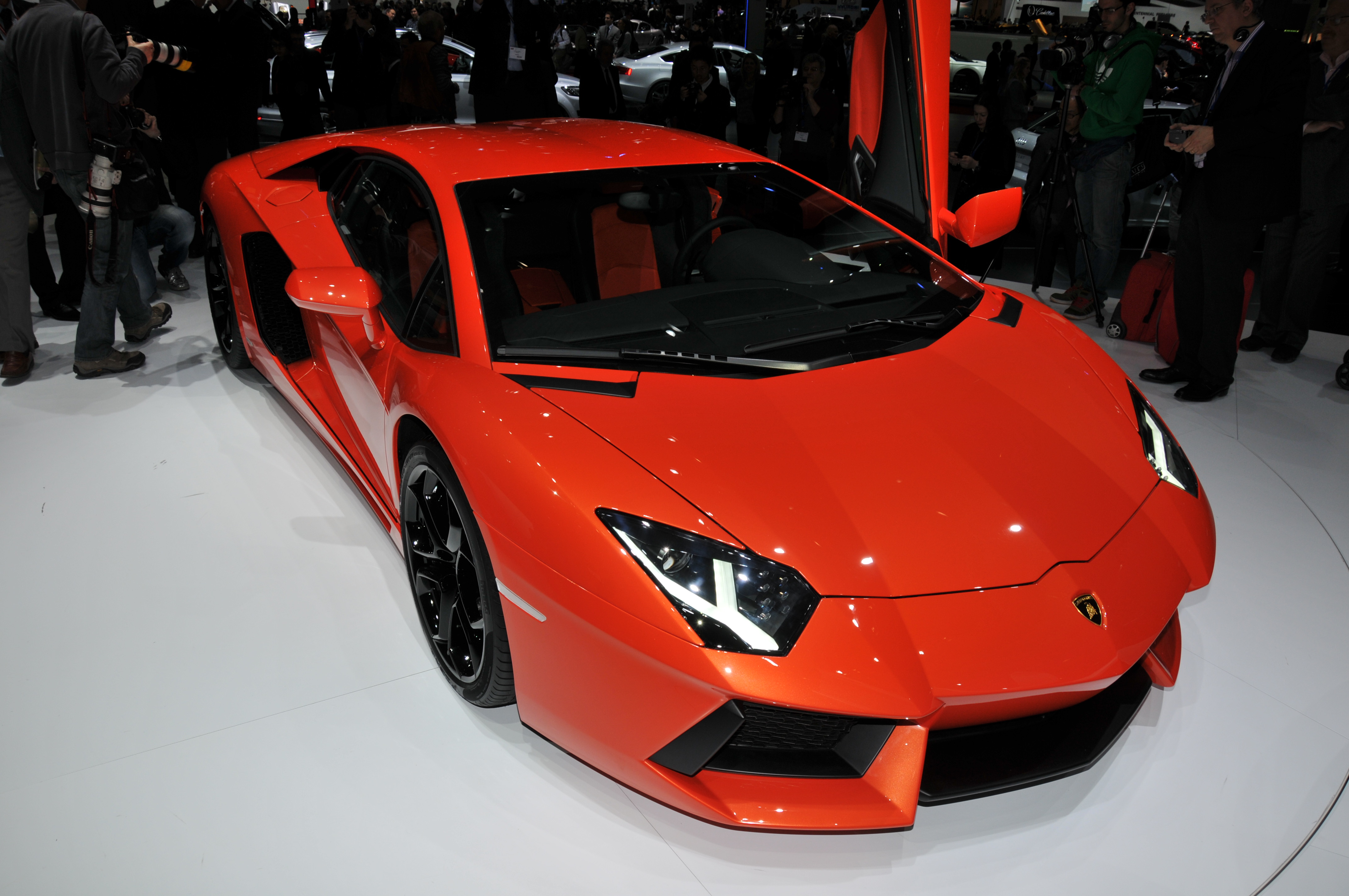
SVJ
"And I'm like, but your SVJ's gone up more than what the Pista's gone up. So it was never an opportunity for you to keep both."
“SVJ” is Lamborghini’s high-performance Aventador. It’s the more extreme, track-ready version, with special aero and tuning meant to keep it stable at speed.
“SVJ” refers to the Lamborghini Aventador SVJ, a halo supercar famous for its extreme aerodynamics and high-speed stability. It’s also known for being a modern “track weapon” version of the Aventador line.
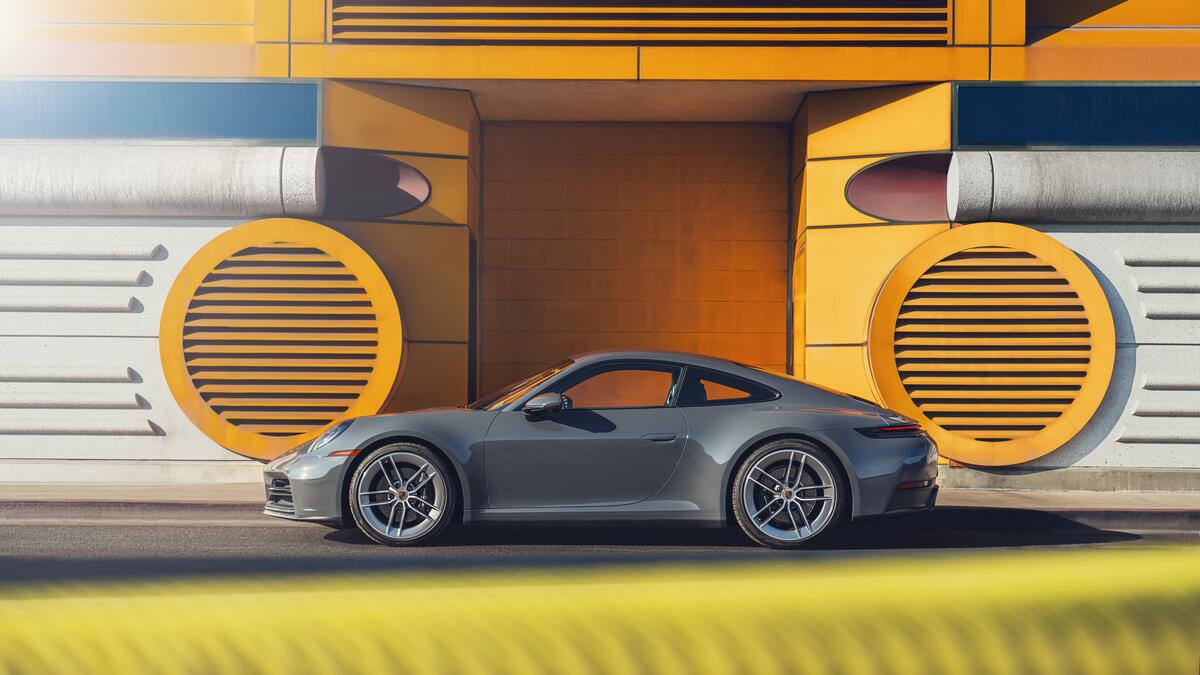
GT3 RS
"Do you remember the GT3 RS I bought? Yeah. That was a beautiful car. But at the time, obviously they were the latest thing out, weren't they? This was like 2022, 23."
“GT3 RS” is Porsche’s track-special 911. It’s designed to be lighter and more aggressive so it handles and grips better on a circuit than a normal 911.
“GT3 RS” refers to the Porsche 911 GT3 RS, a lightweight, track-focused variant of the 911. It’s built for maximum driver feel and lap-time performance, typically with more aggressive aero and reduced weight than standard 911 models.
furlongers
"So in terms of servicing, it goes to furlongers. ... and servicing-wise, furlongers look after it."
Furlongers is the shop the owner uses to service the Bugatti. With cars this expensive, owners often rely on specialists who know that brand well.
Furlongers is presented here as the specialist service provider that handles servicing for the speaker’s Bugatti. For supercar owners, using a dedicated marque specialist is often about access to the right technicians, tools, and parts.
Veyrons
"What do you think this is worth in our car? I mean, you know, there's no Veyrons for sale in the UK for less than sort of, you know, one..."
The Bugatti Veyron is one of the most famous hypercars ever made. They’re mentioning it to explain what similar cars cost and why the market price stays high.
The Bugatti Veyron is a landmark hypercar model known for its very high top speed and complex engineering. The speaker uses it as a pricing reference point, saying there aren’t many for sale in the UK below a certain range.
mileage
"depending on the spec of the car and the mileage."
Mileage means how far the car has been driven. More miles usually makes the car worth less and can change how people price it.
Mileage is the total distance a car has been driven, typically measured in miles or kilometers. In used-car pricing and ownership decisions, higher mileage usually reduces value and can affect what buyers are willing to pay.
ownership experience
"But in terms of ownership experience, like Carl says, this has opened doors."
“Ownership experience” means what it’s like to have the car as part of your life. Here, they’re saying it can help you meet people and get into special events.
“Ownership experience” refers to what it’s like to live with a car beyond just driving—how it fits into your lifestyle, access, and day-to-day interactions. In this segment, it’s framed as how owning a car can lead to networking and event invitations.
list price
"it's the list price, you know, 180 grand. [3052.2s] Yeah. So it's triple."
List price is the “sticker” price shown on the car. It’s usually not the final price you end up paying after deals and options.
List price is the manufacturer’s sticker price before discounts, dealer negotiations, or add-ons. In car shopping, it’s often higher than what the buyer actually pays out-the-door.
electric cars
"We won't do them now, but it's electric cars. [3062.5s] Good man. That's why I deal with this company."
Electric cars run on electricity from a battery instead of gasoline. The speaker is saying they can lose value quickly, which can make financing them a bad deal.
“Electric cars” refers to battery-electric vehicles (EVs) that use an electric motor powered by a rechargeable battery. The speaker is discussing how EVs can depreciate quickly, which can make financing terms less favorable.
take-hand
"Because they drop so much in value, I guess. [3071.4s] I bought a take-hand. [3072.7s] And I, wait a minute, I bought a take-hand."
“Take-hand” here means a used car. The speaker is saying used cars can drop in value fast, so financing them can be risky.
“Take-hand” appears to be the speaker’s way of saying “used car” (i.e., a pre-owned vehicle). The point being made is that these can lose value quickly, which affects how risky they are to finance.
fetching overs
"They were all the rage weren't they? They're fetching overs. Yeah. I think I paid overs for mine."
“Fetching overs” means the car is selling for more than the normal advertised price. It usually happens when the car is hard to get and many people want it.
“Fetching overs” is slang for a car selling for more than its listed price. In collector and high-demand markets, “overs” often reflects scarcity and strong buyer competition.
paid 10K over list
"Yeah. I think I paid overs for mine. I think I paid 10K over list. That's disgusting."
“Over list” means you paid more than the sticker price the car was advertised at. This can happen when lots of people want the car and there aren’t enough available.
“Over list” means paying more than the manufacturer’s listed price (often called MSRP) for a car. It usually happens when demand is high and supply is limited, so buyers end up paying a premium.

Rolls-Royce Spectre
"I mean, you will have Spectre, Rolls-Royce Spectre. Yeah, yeah. Yeah. But for an existing client, of course, that's slightly different. That's a different car. Because that's forming part of a, you know, that might be their daily. That forms part of a bigger collection. Yeah, that's a different car. Rolls-Royce Spectre is a different type of electric vehicle."
The Rolls-Royce Spectre is a Rolls-Royce that runs on electricity. It’s meant to feel like a normal, high-end Rolls-Royce to drive every day, just without a gas engine.
The Rolls-Royce Spectre is Rolls-Royce’s fully electric grand tourer. It’s notable because it’s positioned as a flagship “daily-able” Rolls-Royce, but with an electric powertrain instead of a traditional combustion engine.
electric vehicle
"Yeah, that's a different car. Rolls-Royce Spectre is a different type of electric vehicle."
An electric vehicle is a car that runs on electricity from a battery. Instead of using gas, it uses electric motors to move the car.
An electric vehicle (EV) is a car that uses one or more electric motors powered by a battery pack. Instead of burning fuel in an engine, it drives using stored electrical energy.
tax piece
"Well, it was all the tax piece initially, wasn't it? Yeah. It was the thrill of that, of the new design. It was the tax piece that you could offset 100% of the value of the car you want."
They’re talking about tax rules that can make a new car cheaper. At first, there was a tax benefit that let people reduce the cost a lot, but that benefit later changed.
“Tax piece” refers to tax incentives that can reduce the effective cost of buying a new car. The speaker specifically mentions being able to “offset 100% of the value” of the car they want, which is a policy-driven reason the vehicle was “great value” earlier.
electric piece
"Again, I still think, you know, they look amazing, but yeah, it's just the electric piece, isn't it?"
They mean the car is electric—powered by a battery and electric motors. The “electric” part is what’s affecting how people feel about it and what it costs.
“Electric piece” is shorthand for the car’s electric powertrain—meaning the vehicle is driven by electric motors and a high-voltage battery rather than a gasoline engine. In this context, the speaker is saying the electric aspect is the main reason the car’s appeal and value are changing.

Porsche Taycan Turbo S
"What about electric hypercars? [3198.6s] No. [3199.9s] It's the same thing. [3201.3s] All electric cars are fucking hypercars. [3203.6s] A Taycan Turbo S is basically hypercar performance."
The Porsche Taycan Turbo S is Porsche’s very high-performance electric car. It’s used here as an example of an electric car that can be almost as quick as a hypercar.
The Porsche Taycan Turbo S is an all-electric performance sedan from Porsche, known for very high power and fast acceleration. In the segment, it’s used as an example of how some electric cars can feel “hypercar fast,” even though it’s not a traditional supercar.
sweet spot
"Back to what you said, Rob, about that sweet spot. [3213.5s] I do think, you know, Aventadors now, 488 Spiders, F8s, you know, McLaren, McLaren's in that bracket, 765s. [3225.1s] You know, there's some unbelievable supercars in that bracket."
A “sweet spot” means the best zone where people want the cars most. In this conversation, it’s the group of supercars they think are most likely to hold or grow in value.
In collector terms, a “sweet spot” is the range of models and price/performance positioning where demand is strongest and values tend to be more resilient. Here, the hosts use it to describe the specific supercar bracket they focus on most.

Ferrari F8
"Back to what you said, Rob, about that sweet spot. [3213.5s] I do think, you know, Aventadors now, 488 Spiders, F8s, you know, McLaren, McLaren's in that bracket, 765s."
The Ferrari F8 is a Ferrari supercar with a mid-mounted engine and a very sporty character. The hosts mention it as part of the group of cars they pay attention to for value.
The Ferrari F8 is a mid-engine supercar in Ferrari’s lineup, known for its turbocharged V8 and track-focused feel. It’s included in the same “sweet spot” list as other models the hosts think are strong in the collector market.

McLaren 765
"Back to what you said, Rob, about that sweet spot. [3213.5s] I do think, you know, Aventadors now, 488 Spiders, F8s, you know, McLaren, McLaren's in that bracket, 765s."
The McLaren 765 is one of McLaren’s top supercars, built for very high performance. The hosts list it among the cars they think are especially interesting for collectors.
The McLaren 765 is a high-performance McLaren supercar model known for its extreme output and lightweight, track-oriented engineering. It’s mentioned as part of the “sweet spot” bracket of supercars the hosts focus on for value.
sleepers
"I think you've got to tap into, when you say sleepers, you've got to tap into unloved cars."
A “sleeper” car is one that most people overlook. Because it’s not trendy, it can cost less than it “should,” and then prices can rise when more collectors notice it.
In car collecting, “sleepers” are cars that don’t get the hype they deserve, so they can be undervalued compared to their performance, rarity, or long-term desirability. The hosts connect this to “unloved cars,” implying the market often ignores certain models until later.
unloved cars
"Yeah, but unloved cars are sleepers."
“Unloved cars” are cars that people didn’t really want for a long time. If the market later decides they’re cool or important, their prices can jump.
“Unloved cars” are models that enthusiasts and buyers historically didn’t chase, often due to styling, reputation, or simply not being the “default” choice. The idea here is that these cars can become sleeper investments once tastes shift and the supply of good examples tightens.

SLR
"You know, an SLR. Yeah, that's... It's always been an unloved car."
“SLR” here means the Mercedes-Benz SLR McLaren, a rare, high-end supercar. They’re saying it used to be overlooked, but now it’s worth a lot more than it used to be.
The “SLR” refers to the Mercedes-Benz SLR McLaren, a halo supercar known for its distinctive styling and expensive, exotic engineering. In this segment, the hosts discuss how the SLR was long considered “unloved,” but has since risen sharply in market value as demand increased.
coupe
"What's that, a coupe or a... That's a coupe."
A “coupe” is a car with a roof and usually two doors. They’re just confirming which body style the SLR is.
A “coupe” is a body style with a fixed roof and typically two doors, and it’s often used by collectors to distinguish between different variants of the same model line. The speaker is clarifying that the SLR they’re discussing is a coupe, not a different body style.
Silverstone
"So we were at Secret Meat last week, which was an unbelievable event, obviously, down at Silverstone. And we were doing the, obviously, hypercar parade."
Silverstone is a famous race track in the UK. Car events like supercar parades often happen there because it’s designed for fast driving and big events.
Silverstone is a major motorsport circuit in the UK, famous for hosting Formula 1 and other high-profile racing events. It’s also a common venue for supercar and hypercar track days/parades because it has long straights and fast corners.
hypercar parade
"And we were doing the, obviously, hypercar parade. And someone cut me up, you know, we were supposed to be doing a fortnight hour, weren't we, on the track."
A “hypercar parade” is a group track session where owners drive their exotic cars together in a controlled, parade-like format rather than a competitive race. It’s typically organized to let cars circulate on track while keeping speeds and spacing manageable.
cut me up
"And someone cut me up, you know, we were supposed to be doing a fortnight hour, weren't we, on the track. And I mean, I was doing about 100 and someone cut me up about 140."
“Cut me up” means someone moved in front of them in a way that felt unsafe or abrupt. It’s basically an aggressive, risky pass or lane change.
“Cut me up” is track slang for an unsafe lane change or overtaking move that forces another driver to react suddenly. In this context it describes a car moving into the speaker’s path during the parade.

Porsche 944
"[3371.4s] 996 is an ugly car. [3373.5s] The most unloved Porsche next to the 944, really. [3377.9s] And a 944 is worth about 300 pounds. [3382.3s] So a GT2 996 at 150, 180, 200 is still an expensive car."
The Porsche 944 is a classic Porsche from the 1980s/early 1990s. It’s known for being a bit different from the more famous 911s. Here, the host mentions it as another Porsche people don’t always like at first glance.
The Porsche 944 is a front-engine, rear-transaxle sports car that became a cult classic in the 1980s and early 1990s. In this segment, it’s used as a comparison point for “unloved” Porsche models, highlighting how some models can be undervalued relative to their rarity or enthusiast appeal.
996.2
"And I sold recently was a, not many people know, [3395.0s] they're done a Gen 2. [3396.8s] So they're done a 996.2 in a GT2. [3400.4s] One of 16 UK cars."
“996.2” is a nickname for the updated version of the Porsche 911 from the 996 generation. It helps collectors tell the later cars apart from the earlier ones. It’s basically “the facelifted 996.”
“996.2” is shorthand for the mid-cycle refresh of the Porsche 911 996 generation. Enthusiasts use it to distinguish later 996-era cars (often with updated lighting/interior and other changes) from earlier 996s.
manual car
"[3400.4s] One of 16 UK cars. [3402.0s] The manual car. [3403.2s] Manual car. [3404.0s] The Widowmaker."
“Manual car” means it has a stick shift. Some collectors prefer stick-shift versions because they’re less common and more fun for driving. In this case, it’s part of what makes the car special.
A “manual car” here means the specific Porsche GT2 being discussed is equipped with a manual transmission rather than an automatic. In collector markets, manual versions are often treated as more desirable because they’re rarer and more engaging to drive.
Widowmaker
"[3402.0s] The manual car. [3403.2s] Manual car. [3404.0s] The Widowmaker. [3404.7s] That was the original Widowmaker. [3406.0s] Yeah, yeah."
“Widowmaker” is a nickname for a very dangerous-to-misdrive supercar. The idea is that if you push it too hard, it can lose traction suddenly. It’s basically a warning label in nickname form.
“Widowmaker” is a nickname collectors use for certain Porsche GT models—most famously the rear-engine, high-power GT2—because they can be extremely difficult to drive at the limit. The name reflects the idea that sudden traction loss can happen quickly, especially if you’re not experienced with that kind of power and balance.

Lamborghini Diablos
"You've seen recently, obviously, the growth in the older kind of Lamborghinis, haven't you? The Diablos, the Countache."
The Lamborghini Diablo is a classic Lamborghini supercar from the 1990s. Here, the host is saying it’s been overlooked and is now being treated like a serious collectible.
The Lamborghini Diablo is a late-1980s/1990s supercar that became famous for its sharp styling and V12 performance. The host calls Diablos “sleepers,” suggesting they’re being re-valued as collectible cars rather than just flashy exotics.

Lamborghini Countache
"The Diablos, the Countache. They were sleepers."
The Lamborghini Countach is one of the most famous classic Lamborghinis ever made. In this discussion, they’re saying cars like it are becoming more valuable as collectors start paying attention.
The Lamborghini Countach (often misspelled as “Countache”) is an iconic 1970s–1980s wedge-shaped supercar that helped define the look of the era. The host groups it with other older Lamborghinis and frames them as “sleepers,” meaning their market values are rising as collectors rediscover them.
warning lights
"If you panic over lights, like warning lights, like don't buy an Aventador because they just light up like a Christmas tree."
“Warning lights” are dashboard indicators that alert the driver to potential faults or system issues. The host’s point is that the Aventador’s dashboard can show many alerts, and they claim the car can be fine even if the lights appear.
sensors
"Just too many? What? Too many sensors. Too many sensors."
Sensors are the car’s electronic “checkers” that monitor things. The more sensors a car has, the more likely it is to detect something and show a warning light.
In modern cars, sensors are electronic devices that measure conditions (like fuel system status, engine parameters, and more) and feed data to the vehicle’s control computers. The speaker’s point is that having “too many sensors” can lead to frequent warnings—even for small issues.
engine lights
"Everything, your fuel cap wasn't put on tight enough. So now your engine lights on. Warning, do not drive."
“Engine lights” are the warning lights on the dashboard. If they come on and the car says not to drive, it usually means the car detected a problem and you should take it seriously.
“Engine lights” refers to dashboard warning indicators that alert you to a fault detected by the car’s onboard diagnostics. When the speaker says the engine lights come on and the car warns “do not drive,” they’re describing a serious sensor or system issue that can trigger protective behavior.

Lamborghini Huracan
"But I've never owned an Aventador. I've had a Huracan. Yeah."
The Lamborghini Huracán is a supercar made by Lamborghini. It’s designed to be fast and exciting, but still practical enough to live with. The podcast mentions it because someone has owned one and is comparing it to another Lamborghini model.
The Lamborghini Huracán is a modern Lamborghini supercar known for balancing everyday usability with serious performance. It’s often discussed as a more approachable entry point into Lamborghini ownership compared with the brand’s most extreme models. In the podcast, it’s mentioned because the speaker has owned a Huracán, contrasting with not having owned an Aventador.
financing their car
"And what you do is you let people stay cash rich [3695.6s] by financing their car. [3697.3s] Keep it working."
This means they borrow money to buy the car and then pay it back over time. The idea is to keep more cash available while still getting to own the car.
“Financing their car” refers to using a loan or lease structure to pay for a vehicle over time instead of paying the full purchase price upfront. The speaker frames it as a way to stay “cash rich” while still owning expensive cars, which is a common collector strategy for liquidity management.
Capristo exhaust
"Sam, Meg, Capristo exhaust. [3738.2s] They're so slow though."
Capristo exhaust means a performance exhaust system from the brand Capristo. People upgrade exhausts like this mainly for a better sound and sometimes for improved driving feel.
Capristo exhaust refers to an aftermarket exhaust system made by Capristo, a German performance exhaust brand. Exhaust upgrades like this are often chosen for sound, throttle response, and sometimes weight savings, depending on the exact system.
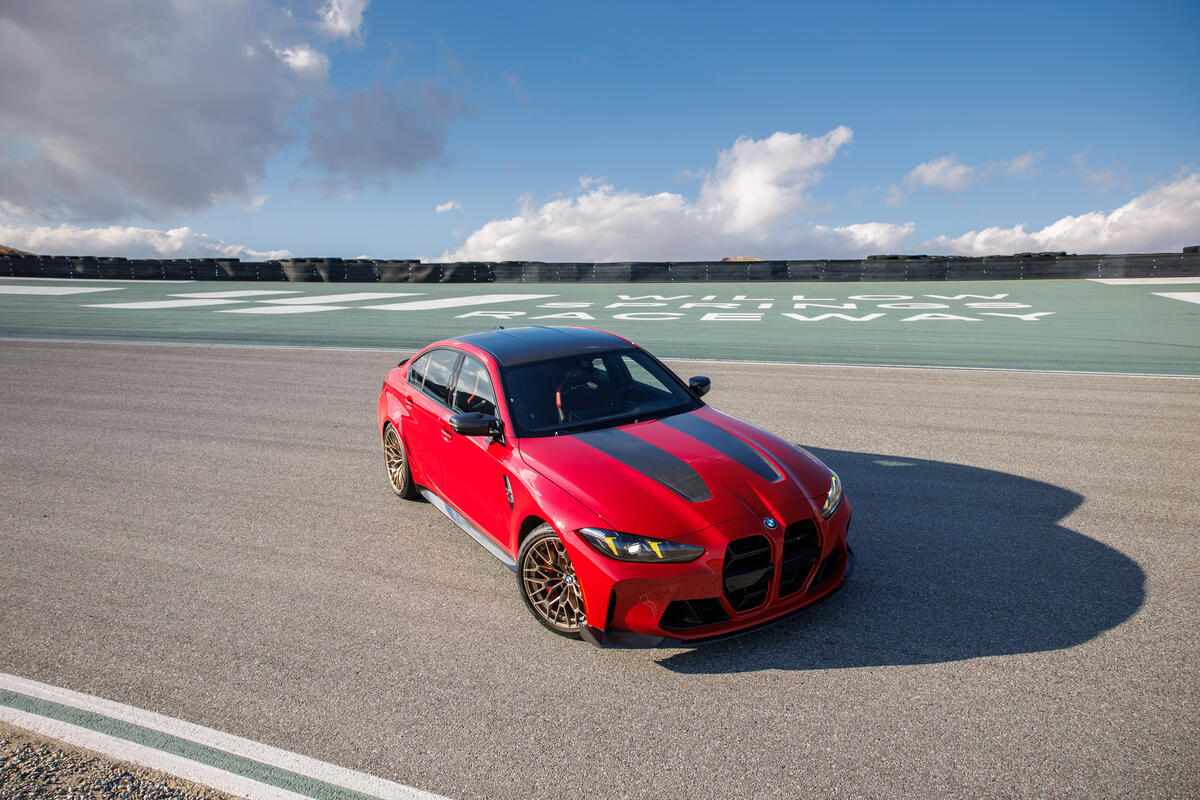
BMW M3
"I mean, you get into a BMW M3 today, just a standard M3 [3750.6s] and this is fast as any 90s supercar there is."
The BMW M3 is BMW’s high-performance version of the 3 Series. The host is saying that today’s M3 is so quick that it can feel as fast as older supercars from the 1990s.
The BMW M3 is BMW’s performance “M” model, and the speaker is using it as a modern baseline for speed. In this context, they’re arguing that even a standard M3 today can match the performance feel of many 1990s supercars.
Porsche 993 Turbo
"One of my favorite cars is a Porsche 993 Turbo. [3770.4s] That's a proper car."
This is a Porsche 911 Turbo from the 993 generation (mid-to-late 1990s). It’s famous because it’s a fast, high-performance 911 that helped define what “supercar speed” felt like back then.
The Porsche 993 Turbo is the 911 Turbo built on the 993-generation platform (produced roughly 1995–1999). It’s notable because it pairs the classic rear-engine 911 layout with forced induction, making it a benchmark “modern classic” for how fast a 1990s supercar could feel.
fastest production car
"You have a look on today's standards, how long a car stays at the top of that ladder as the fastest production car in the world?"
It means the quickest car that regular people can actually buy, not a custom race car. Usually the claim is based on a measurable test like top speed.
“Fastest production car” refers to the quickest car that’s built for sale to the public, not a one-off prototype or race-only special. When people talk about it, they usually mean top speed or a published performance metric under standardized testing.
noughties and nineties
"And people now are going back to the noughties and nineties and buying the cars that they used to have on the wall."
This means the 1990s and 2000s. The speaker is saying collectors are going back to cars from that time period—cars they used to want or have on display.
“Noughties and nineties” is a shorthand for the 2000s and 1990s, and in car collecting it often signals a specific era of styling and engineering. The speaker’s point is that buyers are returning to cars from those decades that they previously admired or owned.
Request an Explanation
Heard something you'd like explained? We'll add it to this episode.
Sign in to request explanations for terms you heard.
Want to learn more?
Browse our glossary for plain-English explanations of automotive terms, jargon, and concepts.
Help improve this episode
See something that's not quite right? Our annotations are AI-generated and can sometimes miss the mark. Click the flag icon on any annotation to suggest a correction.
3 community members have helped improve this episode.