
Paul Wallace On The Shocking Inside Truth of Car YouTube!
About this episode
Paul Wallace and the hosts pull back the curtain on car YouTube: how brands shape access, how social media desensitizes audiences, and how London supercar spotting escalated into filming-fueled disruption. They also dig into creator incentives—press trips, exclusivity deals, and the credibility cost of overly promotional coverage. Along the way, they trade real ownership stories (noise enforcement, breakdowns, sensor headaches) and connect it all to the business side: monetization, market pricing, and why authenticity is hard to keep when money and algorithms steer the narrative.
tyre narrative
"but Ferrari wanted to control tyre narrative. Paul Wallace, one of the UK's leading supercar creators."
“Tyre narrative” basically means the story people tell about tires—how grippy they are and how the car feels because of them. Tires can make a big difference in how fast and how stable a car feels.
“Tyre narrative” refers to how tires are discussed as a key part of a car’s performance story—grip, noise, wear, and how well the car behaves. Because tires can strongly influence lap times and feel, brands may try to steer the conversation around which tires were used and what results they produced.

Ferrari LaFerrari
"...ed before my eyes. Punched a seven-iron through a LaFerrari. There are some of the creators just going around..."
The Ferrari LaFerrari is a very high-end Ferrari supercar. It uses both a gas engine and an electric system. People mention it because it’s a special, limited car that’s known for advanced performance.
The Ferrari LaFerrari is a hybrid supercar that combines a high-revving V12 with an electric system for added performance. It’s significant because it was designed to be a modern, limited-run halo car and is often mentioned as a key Ferrari milestone. It comes up in podcasts when people reference memorable driving or “once-in-a-lifetime” car moments.
monetization
"There are some of the creators just going around giving really nice reviews, just to get the monetization. 100% when they launched G-Series M4."
“Monetization” here means making money from videos. The host is suggesting some creators might say nice things about cars to keep earning and stay in good standing with brands.
In car YouTube, “monetization” is the incentive to keep content performing well enough to earn ad revenue, sponsorships, or platform payouts. The speaker frames it as a reason some creators may give overly positive reviews to maintain relationships and opportunities.
supercar culture changed
"How has supercar culture changed since 20 years ago when you got into the game? I would say the most interesting shift is accessibility and model variation."
They’re talking about how supercar culture has changed over time. The big idea is that it’s become easier to get involved and there are more different models people can talk about.
This is the segment’s discussion topic: how supercar culture has evolved over roughly two decades. The speaker points to shifts like accessibility and more model variety, which changes who can participate and what kinds of cars get attention.
hypercars
"And then take hypercars for example. Back then you had Ferrari F50 is probably the halo Ferrari into the Enzo."
Hypercars are the most extreme, rare, and expensive performance cars. The host is saying they used to be much harder to see and talk about, but now there are more of them.
Hypercars are the very top tier of performance cars—typically extremely rare, technologically advanced, and priced far beyond normal supercars. In this segment, “hypercars” is used to contrast how few existed (and were visible) in the past versus how many are now produced and discussed.

Ferrari F50
"Back then you had Ferrari F50 is probably the halo Ferrari into the Enzo."
The Ferrari F50 is a super-rare, very expensive Ferrari from the 1990s. The host is using it as an example of the kind of “big deal” Ferrari people only saw when they were already very wealthy.
The Ferrari F50 is a mid-1990s halo supercar from Ferrari, built to represent the brand at its most exclusive. In this segment it’s used as an example of a “top” Ferrari that people associated with the era’s hypercar status.

Ferrari Enzo
"Back then you had Ferrari F50 is probably the halo Ferrari into the Enzo."
The Ferrari Enzo is one of Ferrari’s most famous supercars. It’s mentioned here as a benchmark for the most exclusive, top-tier Ferrari era.
The Ferrari Enzo (often called the Enzo Ferrari) is a landmark early-2000s supercar that helped define modern “hypercar” culture. The host mentions it as the next step in Ferrari’s halo lineup after the F50.

Maserati MC12
"Maserati then MC12. Now look at it."
The Maserati MC12 is a very rare, high-end Maserati supercar. The host is using it to illustrate how uncommon these cars were to spot back then.
The Maserati MC12 is a limited-production supercar from Maserati, known for being a rare, track-focused halo model. In this segment it’s grouped with Ferrari examples to show how few hypercars you’d typically see in the past.

Ferrari SP1
"Now look at it. Ferrari have got SP1, SP2, SP3."
The Ferrari SP1 is a modern, extremely rare Ferrari supercar. The point is that Ferrari is releasing more of these kinds of cars now, so they don’t feel as rare.
The Ferrari SP1 is a modern Ferrari “Special Project” one-off-style supercar, built in very small numbers. The host brings it up to argue that Ferrari now has many more hypercar-style releases than in the past, which changes how special each one feels.

Ferrari SP2
"Now look at it. Ferrari have got SP1, SP2, SP3. They've launched the F80 and everyone's gon..."

Ferrari F80
"They've launched the F80 and everyone's gone... Is that it?"
The Ferrari F80 is a new Ferrari supercar model. The host is saying that because Ferrari is launching so many extreme cars, people may not be as impressed as they used to be.
The Ferrari F80 is a modern Ferrari hypercar model name used here to represent the brand’s current wave of high-end releases. The host suggests that even when Ferrari launches something new, the audience may not react as strongly because there are so many hypercars coming from one manufacturer.
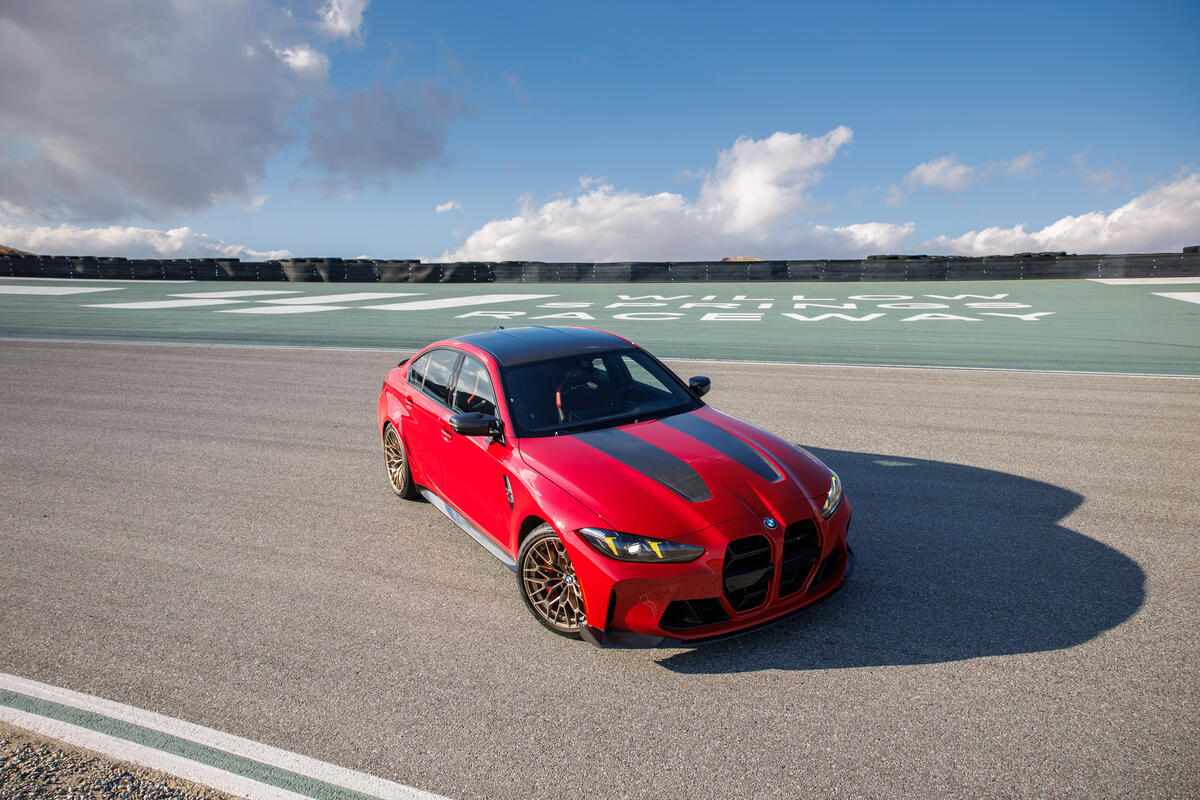
BMW M3
"...rari have got SP1, SP2, SP3. They've launched the F80 and everyone's gone... Is that it?"
The BMW M3 is a sporty BMW made for fast driving. The F80 is one specific generation of the M3 that many enthusiasts remember. People mention it when they’re comparing what performance cars were like in that timeframe.
The BMW M3 is a high-performance version of the 3 Series, built for fast driving with a focus on handling and driver feel. The F80 generation is often discussed because it’s a modern, track-capable M car that became a benchmark in its era. It comes up in podcasts when people talk about which performance models defined a particular time period.
desensitised
"Because we've become desensitised with how many hypercars one manufacturer has. All of a sudden their LaFerrari replacement isn't hitting the mark."
“Desensitised” means people stop being as impressed because they see the same kind of amazing thing all the time. The host thinks that’s happening with hypercars because there are more of them now.
“Desensitised” here means people get used to seeing new, extreme cars so often that each new release feels less shocking. The host ties it to the modern reality that one manufacturer can offer many hypercar-level models over a short period.
V6
"So also there's probably something to do with the fact that it's a V6."
A V6 is an engine with six cylinders arranged in a V shape. The host is suggesting that if a hypercar uses a V6, some people might not feel as wowed as they would with a more traditional “big” engine choice.
A V6 is an engine with six cylinders arranged in a “V” shape. The host points to the V6 as a possible reason some people feel less excited about a hypercar replacement, since many buyers associate hypercars with larger or more exotic engine setups.
viral opportunities
"I think it would be easier to get into and potentially access viral opportunities. But I would say it would be harder from a longevity point of view."
“Viral opportunities” means chances to make a video that spreads quickly online. The host is saying it’s easier now because there are more cars and more people posting about them.
“Viral opportunities” refers to moments or content formats that are likely to spread rapidly online. The host contrasts the modern era—where more cars and more sightings exist—with the past, when there was no social media to amplify those moments.
social media
"In some instances you get access to the owners and the collectors. Back in the day there was no such thing as social media."
Social media is where people post and share things online. The host is saying that back then, there wasn’t a platform that made it easy to find out where rare cars were and who had them.
Social media is the online ecosystem where people share content and interact in real time, which dramatically changes how car sightings and releases get discovered. The host uses it to highlight that in the past, you couldn’t easily track where rare cars were going or who owned them.
London
"Where they become desensitized to seeing the likes of a Kernegsegg regera driving through London. The moment they see it three or four times,"
London is the city the host is talking about. They’re saying that when rare cars keep appearing there and being posted online, it becomes less exciting.
London is used here as the real-world stage where exotic cars are increasingly visible and repeatable. The speaker argues that when rare cars show up in the same places and get filmed repeatedly, the emotional impact of seeing them drops.
Monaco
"and those dopamine hits of being in Monaco, seeing a Bugatti Veyron getting driven around. Now you see four of them driving down one road in London."
Monaco is a glamorous place in Europe. The host is saying that seeing expensive cars there used to feel like a special moment.
Monaco is a famous Mediterranean principality known for wealth, glamour, and high-profile events—so it’s a natural backdrop for spotting exotic cars. The host uses it to describe earlier “dopamine hits” from seeing hypercars in real life.

Bugatti Veyron
"...opamine hits of being in Monaco, seeing a Bugatti Veyron getting driven around. Now you see four of them d..."
The Bugatti Veyron is an ultra-rare, extremely fast supercar. It’s known for being a top-tier performance car and a luxury status symbol. People bring it up because seeing one in real life is a big event.
The Bugatti Veyron is a landmark hypercar famous for pushing performance boundaries and becoming a global status symbol. It’s discussed because it represents an era when top-end speed and luxury engineering were taken to extremes. In stories like this, it often shows up as a “you don’t see these every day” moment.
convoys
"Who convoys to Harrods with 11 fucking Laferraris, which is what happens now in London?"
A convoy is a group of cars driving together. The host is saying people now organize big groups of supercars to go somewhere like Harrods, which makes it feel less rare.
A convoy is a coordinated group of vehicles traveling together, often to create a spectacle or to move as a unit. In this segment, “convoys to Harrods” is used to show how modern car culture can be staged and repeated, not just spontaneous.
paparazzi culture
"Who convoys to Harrods with 11 fucking Laferraris, which is what happens now in London? But you just described paparazzi culture in LA."
“Paparazzi culture” means people constantly filming or photographing something/someone to get attention. The host is saying that when rare cars become part of that constant attention cycle, they feel less exciting.
“Paparazzi culture” refers to the media ecosystem where celebrities (and, in this case, car owners) are repeatedly photographed or filmed for attention. The host contrasts that with earlier car-spotting culture, arguing that constant visibility changes how people emotionally react to seeing rare cars.
car spotters
"because the car spotters and that culture became so big [328.5s] that the owners and business owners attached to the automotive world [333.8s] started to see the opportunity of gaining attention and traction."
Car spotters are people who go out looking for cool cars and film or photograph them. In this story, their filming encouraged owners to act more “for the camera,” which caused problems for residents.
Car spotters are enthusiasts who actively look for interesting cars in public and capture them—often with photos or video—for online sharing. The host argues that this attention loop drove owners to behave more theatrically, which eventually contributed to local crackdowns.
Night's Bridge
"And that's fundamentally why Night's Bridge got shut down [341.1s] because the residents started to complain about the supercar owners [343.7s] constantly doing laps and"
They’re talking about a specific spot in London where supercars were constantly driving around. Local residents complained, especially because people were filming and posting the cars online.
“Night's Bridge” is a London location referenced here as a hotspot where supercar owners were repeatedly doing laps. The discussion frames it as a flashpoint between car-spotter/YouTube culture and local residents who complained about the activity.
convoying
"then that spread across the entire UK and you had people convoying from Manchester, [356.8s] from Scotland, from Birmingham, from the South Coast coming up"
Convoying means driving in a group together. Here it’s describing people coordinating from different cities to get to the same place so their cars could be seen online.
Convoying is traveling together in a group—here, multiple cars coordinating from different UK regions to reach the same car-spotting/social-media location. The segment uses it to describe how social-media incentives turned into organized meetups.
burnouts
"because they wanted to see their cars on social media, then you started to see the burnouts, [364.9s] then you started to see the people acting up to the cameras."
A burnout is when a driver forces the tires to spin while the car is mostly in place, often making smoke. Here, it’s mentioned as part of the showy behavior people did for cameras.
Burnouts are a driving maneuver where the driver spins the tires to generate smoke and heat, usually to show off or create a dramatic moment for filming. In this segment, they’re described as part of the escalating “spotter” culture that spread across the UK.
Top Gear
"I've only ever seen these cars on Top Gear or in a magazine."
Top Gear is a famous car TV show. The host is saying they only knew these cars from TV or magazines before seeing them in person.
Top Gear is a TV show that became a major mainstream reference point for car culture in the UK. In this segment, the host uses it to contrast seeing supercars in media versus seeing them in real life.
de-cat Caprizo exhaust
"And he had a full de-cat Caprizo exhaust and he treated those streets like they were a racetrack."
A “de-cat” exhaust means the car’s emissions catalyst is removed. That usually makes the car louder and changes how it sounds, and “Caprizo” is the aftermarket exhaust brand being used.
A “de-cat” exhaust setup removes the catalytic converter(s), which typically increases exhaust flow and makes the car louder. A “Caprizo exhaust” refers to an aftermarket exhaust system brand/model, and pairing it with a de-catalyst setup is a common way people chase a more aggressive sound and response.
first gear
"at the top of first gear? ... Which we all know what top of first gear is."
First gear is the lowest gear in the car. It’s meant for very slow driving, so the host is surprised to hear about someone using it at a crawl in a neighborhood.
“First gear” is the lowest gear ratio in a manual or automatic transmission, used for the slowest speeds and the strongest torque multiplication. The host is emphasizing how unusual it is to be in first gear on a low-speed residential road.
straight pipe
"I think I titled it cyclist sabotages straight pipe Lamborghini or something like that, hoping that the word sabotage is going to entice people to watch a video."
A “straight pipe” is an exhaust change that makes the car louder by removing parts that normally quiet it down. People do it for sound, but it can also make the car annoyingly loud for neighbors.
A “straight pipe” is an exhaust modification that removes or bypasses restrictive components (like mufflers/resonators), allowing exhaust gases to flow more freely. The result is usually a louder, harsher sound and often different backpressure characteristics.
sound cameras
"I think the residents kind of got... to implement sound cameras. So they run off a decibel reader."
“Sound cameras” are tools that measure how loud a vehicle is and can record proof of who was driving. They’re used to catch cars that break noise rules.
“Sound cameras” are enforcement systems that use microphones/sensors to measure noise levels and then capture evidence (often photos/video) tied to a vehicle. They’re used to identify cars that exceed local noise limits.
decibel reader
"So they run off a decibel reader. They can take photos of supercars driving and making noise through the streets of Knightsbridge and then find everyone."
A “decibel reader” is a device that measures how loud something is. Here it’s used to check whether car noise is above the legal limit.
A “decibel reader” measures sound intensity in decibels (dB), a logarithmic unit used to quantify loudness. In enforcement contexts, it helps determine whether a vehicle’s noise exceeds a set threshold.
remote control the valves
"And they got the knowledge that there were cars that you could remote control the valves. So I saw cars getting pulled over and police literally saying, now are the valves open or are they shut?"
Some cars have exhaust valves that can open or close to make the exhaust louder or quieter. The speaker is saying police learned drivers could control that sound remotely.
Many performance cars use electronically controlled exhaust valves to switch between quieter and louder modes. “Remote control the valves” implies the driver can open/close those valves to change sound on demand, which can trigger noise enforcement.
Mayfair
"And they won but they fundamentally moved everyone up into Mayfair. The culture still exists."
Mayfair is another central London district, adjacent to Knightsbridge. The speaker claims enforcement effectively pushed the loud-car culture from Knightsbridge into Mayfair.
Harrod's
"Me and my wife's going from Bugatti London to Harrod's. [623.2s] He wasn't pulled over for sound."
Harrods is a very famous luxury store in London. They’re mentioning it to show how visible and “headline-worthy” the trip was.
Harrods (often misspoken as “Harrod’s”) is a famous luxury department store in London. The segment uses the route “Bugatti London to Harrod’s” to set the scene of high-profile, high-visibility driving in central London.
Peninsula hotel
"And when they stopped me which was where the peninsula hotel is now. [634.5s] Yeah but in Lanesborough isn't it?"
The Peninsula Hotel is a luxury hotel in London. They’re using it as a landmark for where the police stopped them.
The Peninsula Hotel is a well-known luxury hotel in London. The speaker references it as a specific location where they were pulled over, emphasizing the real-world, street-level context of the story.
Lanesborough
"[634.5s] Yeah but in Lanesborough isn't it? [635.5s] Yeah. [637.8s] And pulled over there and within my god within one minute of being pulled over there was"
The Lanesborough is a luxury hotel in London. They’re debating which nearby hotel is the correct landmark for where the stop happened.
The Lanesborough is a luxury hotel in London. In the segment, it’s mentioned as an alternate landmark for where the pull-over happened, reinforcing the “central London, high-profile” setting.
Alderley Edge
"So you know it was um yeah it's um last week I was in um Alderley Edge last [715.3s] I saw the video."
Alderley Edge is a place in England (in Cheshire) where people in the area often spot and talk about cars. Here it’s basically the backdrop for a supercar meetup.
Alderley Edge is a town in Cheshire, England, known for affluent neighborhoods and a strong local car culture. In the segment, it’s used as the setting for a supercar sighting and social meet-up.
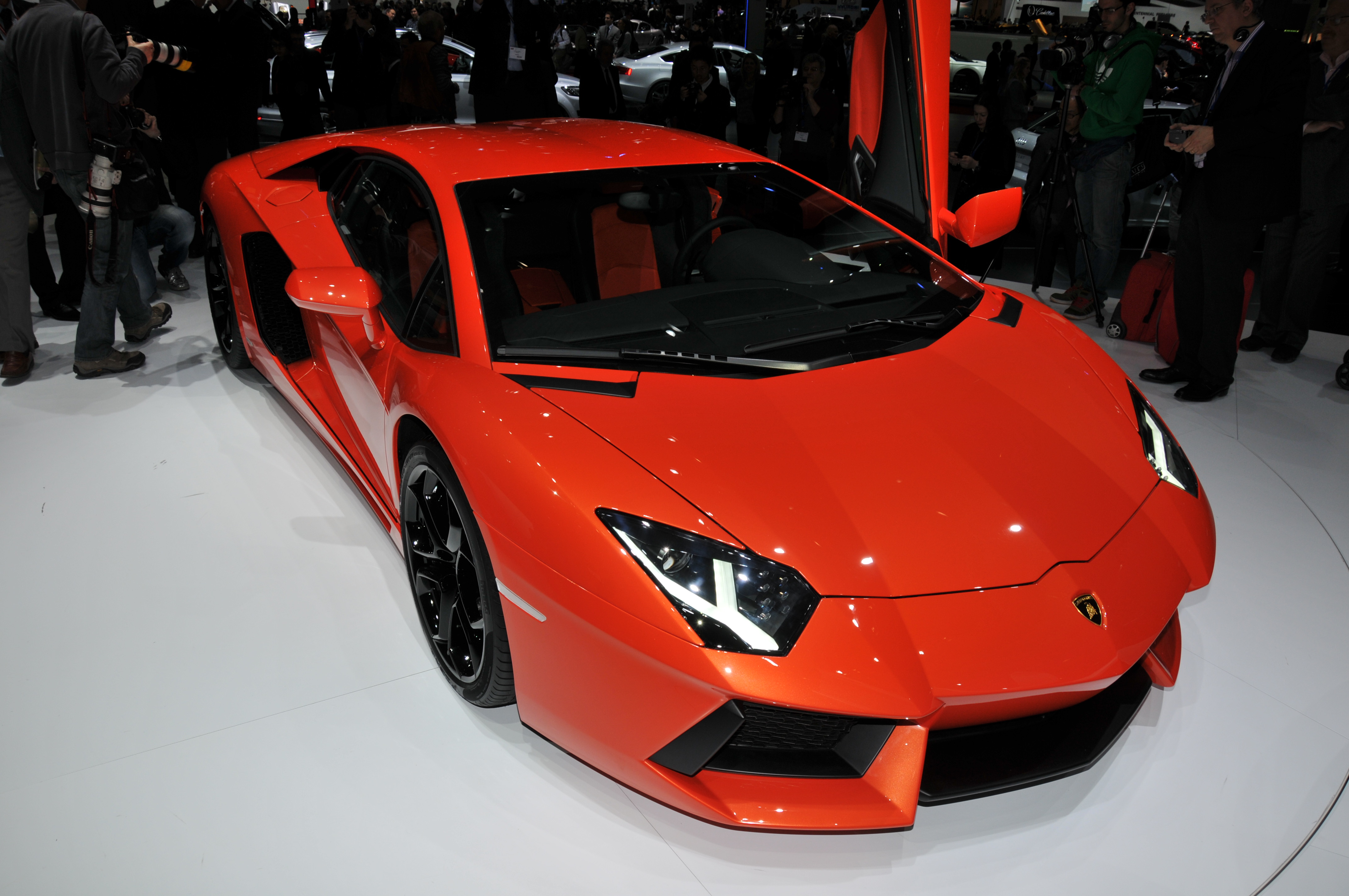
Lamborghini Aventador
"And I bought an Aventador SV Roadster. [722.8s] It was a nice day."
This is a Lamborghini supercar with the top removed. The “SV” version is the more aggressive, higher-performance take on the Aventador, meant to feel sharper and faster than the base model.
The Lamborghini Aventador SV Roadster is a high-performance open-top version of Lamborghini’s Aventador supercar line. “SV” denotes a more track-focused, higher-output setup than the standard Aventador, and the Roadster means it’s a convertible with the top down.

Ford Edge
"It was a nice day. I met a friend at Alderley Edge. We had some food in San Carlo."
The Ford Edge is a mid-size SUV meant for everyday use. It’s designed to be comfortable and practical for regular driving. People bring it up when talking about normal, real-life car experiences.
The Ford Edge is a mid-size crossover SUV designed for everyday driving with a comfortable ride and practical space. It’s the kind of vehicle that fits into normal life—commuting, family use, and road trips—rather than being a performance icon. It may be mentioned in a podcast as part of a personal story about meeting up and driving in real-world settings.
air of politics
"I think there will always no matter what industry be an air of politics around working with manufacturers working with brands"
Paul Wallace is saying there’s often a behind-the-scenes power game between car companies and the media. It can affect what journalists are allowed to do and how they talk about cars. He’s describing that as something that never really goes away.
“An air of politics” here refers to the influence and negotiation that can exist between journalists and automakers—especially around access, expectations, and what gets emphasized in coverage. Paul Wallace frames this as a persistent dynamic in the car world, regardless of industry changes.
press drives
"i think when I first started to get invited to press drives so international media launches or opportunities to drive manufacturers latest cars"
A press drive is an organized media event where journalists are invited to drive a manufacturer’s new car before it’s widely available. It’s part of how automakers generate coverage, and Paul Wallace uses it to explain how his career started and how the industry has changed.

Audi RS3
"the first one I ever did was with Audi and it was the 2015 RS3. [909.6s] Now at the time I would have been 24."
The Audi RS3 is a high-performance Audi based on the A3. It’s the “sporty” version, and it’s known for being fast and fun to drive. Here, it’s the specific car Paul Wallace was invited to drive on his first big media trip.
The Audi RS3 is a performance version of Audi’s compact A3 platform, known for its turbocharged five-cylinder engine and quick, track-capable handling. In this segment, Paul Wallace mentions the 2015 RS3 as the first press-drive he ever did with Audi.

Opel Astra
"...RS3 and at the time I think I had driven my Voxel Astra a BMW i3 and maybe a BMW i8. So I said yes unbeli..."
The Opel Astra is a regular compact car meant for daily driving. It’s not a special supercar, but it’s practical and common. People mention it when they’re talking about their own past cars or comparisons.
The Opel Astra is a compact car that’s typically positioned for everyday practicality, with different trims and engines across generations. In a podcast context, it’s often mentioned when someone is comparing what they’ve driven before moving to something else. It represents the “normal car” side of the driving experience rather than a niche supercar world.

BMW i3
"and at the time I think I had driven my Voxel Astra a BMW i3 and maybe a BMW i8. [925.7s] So I said yes unbelievable."
The BMW i3 is BMW’s electric car from the earlier EV era. It’s designed to be efficient and easy to drive around town. Paul Wallace brings it up to explain what he’d already experienced before getting invited to drive the RS3.
The BMW i3 is BMW’s early mass-market electric car, notable for its lightweight construction and city-friendly EV design. Paul Wallace mentions it as one of the cars he’d driven before being invited to drive the Audi RS3.
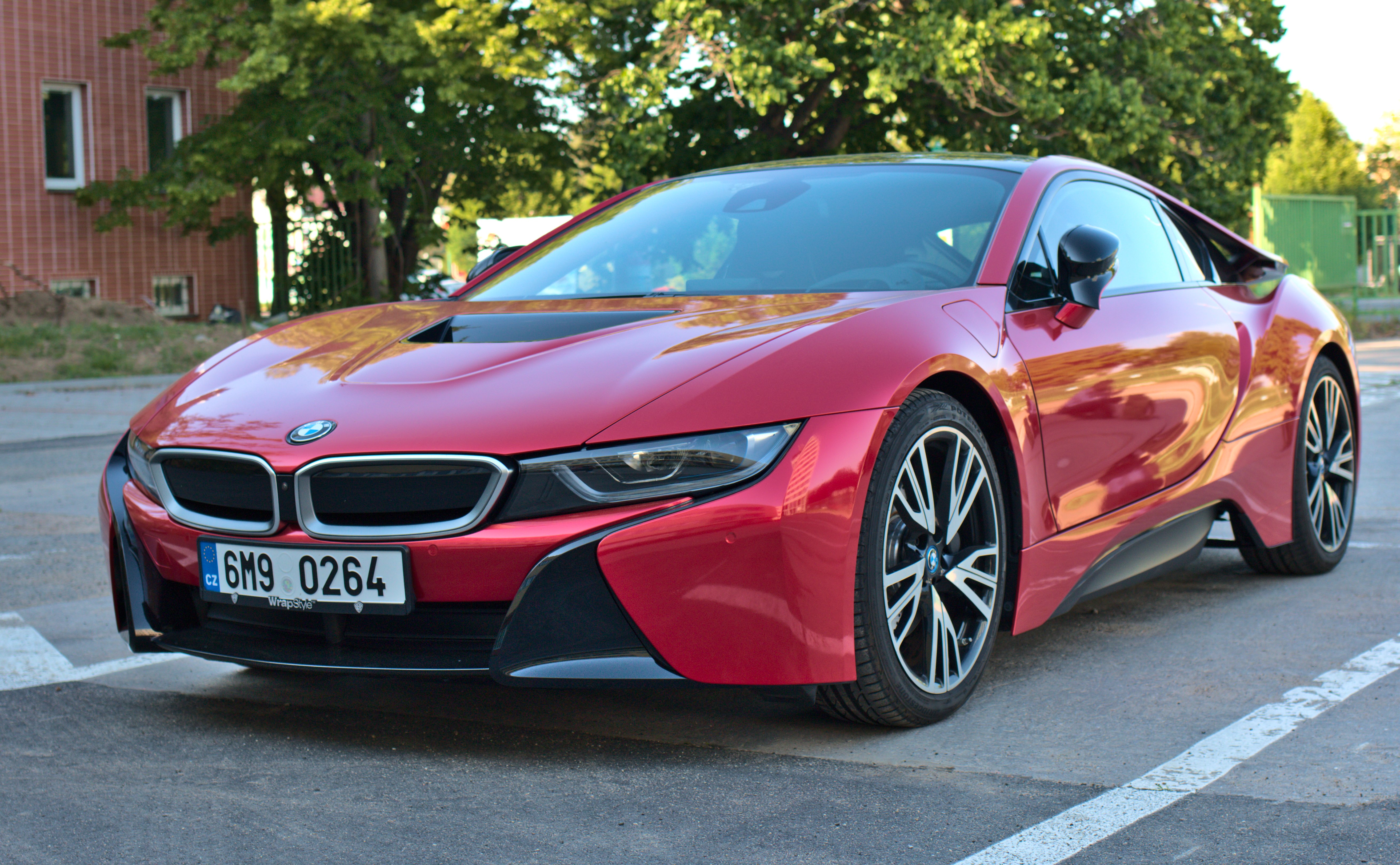
Bmw I8
"and at the time I think I had driven my Voxel Astra a BMW i3 and maybe a BMW i8. [925.7s] So I said yes unbelievable."
The BMW i8 is a plug-in hybrid sports car—meaning it can run on electricity and also uses a gasoline engine. Paul Wallace mentions it as another car he’d driven before getting invited to drive the Audi RS3.
The BMW i8 is BMW’s plug-in hybrid “halo” sports car, known for its distinctive styling and mid-engine layout. Paul Wallace mentions it alongside the i3 to contextualize his prior driving experience before the Audi RS3 press invitation.
Patek
"“So obviously that whole wine and dye exactly yeah so I was coming would you take a patek for a good review?” “Yeah.”"
“Patek” is a luxury watch brand. In this conversation it’s used like a stand-in for something very expensive or exclusive.
“Patek” is almost certainly shorthand for Patek Philippe, a luxury watch brand used here as a metaphor for high-end access or incentives. The speaker is comparing the idea of receiving something prestigious in exchange for a favorable review.
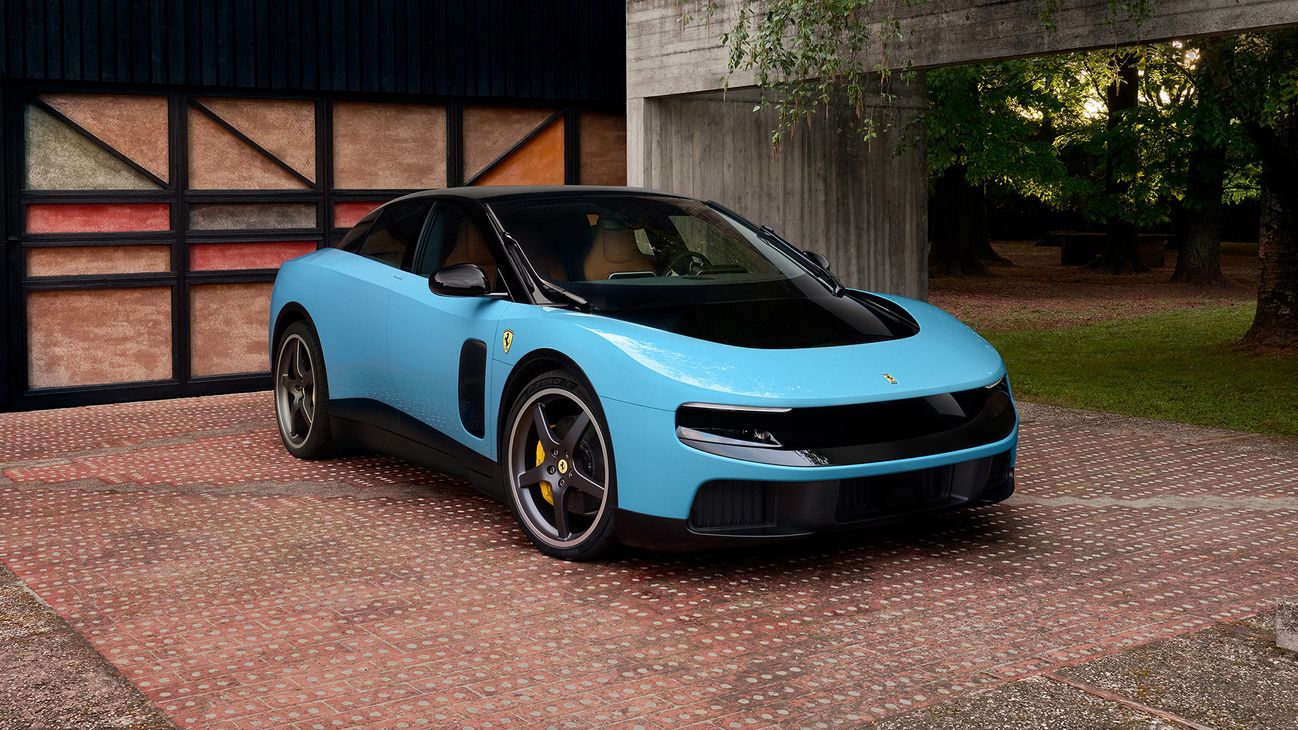
Ferrari Luce
"Unlike on the record. This new Ferrari Luce is unbelievable. It's the most beautiful car I've..."
The Ferrari Luce is a new Ferrari model mentioned as being extremely beautiful. It’s being talked about mainly for its looks. The podcast is highlighting it as a standout car.
The Ferrari Luce is referenced as a new Ferrari model in the podcast, described as exceptionally beautiful. As mentioned there, it’s being discussed for its design impact and the excitement it creates. In this context, it’s less about technical details and more about how it stands out visually and emotionally.
Tesla
"“but I would look at it as the other side Tesla being one of them I drove a car I had a very bad experience driving the Tesla”"
They’re talking about Tesla and how the company handled a negative review. The claim is that after a bad experience and a critical video, the brand didn’t want to work with them anymore.
Tesla is discussed in the context of how a brand reacts to negative creator coverage. The speaker claims Tesla provided data and was upset about the resulting video, then allegedly stopped offering access afterward.
blacklisted
"“Okay so let's flip it to the creators now so the brands are a bit like hmm if you're going to give us a bad review blacklisted”"
They’re describing a situation where a brand might stop working with a reviewer if the review is negative. The idea is that bad coverage could cost you future access to cars.
“Blacklisted” here describes an alleged creator-access penalty: brands supposedly stop inviting or supplying cars to reviewers who publish unfavorable reviews. It’s being framed as a gatekeeping mechanism that influences what gets shown and said in car media.
control the entire narrative
"I don't have to go to Ferrari to ask them for a car because they'll control the entire narrative where I drive it what car I compare it to"
This means the car brand tries to control what the video focuses on. They may also limit comparisons so the content doesn’t say or imply things they don’t want.
“Control the entire narrative” refers to brand management of how a car is presented—what you can film, what comparisons you can make, and how the story is framed. In car media, this can limit independent reviews and steer content toward brand-preferred messaging.
press car
"in my personally owned Huracan Sam seen through glass had a Ferrari press car 488 and was in the middle of France"
A press car is a car a company lends to media so they can make content about it. Sometimes the company sets conditions on what you can show or compare in your video.
A “press car” is a vehicle provided by a manufacturer for media coverage—often with specific rules about filming, timing, and comparisons. The segment highlights how press-car access can come with restrictions that affect what a creator can publish.
integrity of the industry
"but doesn't that make you just be sceptical about the integrity of the industry"
This is about whether car reviews and videos feel honest and independent. The worry is that if brands control what you can say or compare, the content may not feel real.
“Integrity of the industry” here is about whether car media content is genuinely independent or subtly influenced by manufacturer control. The host frames the concern as potentially “inauthentic” when creators’ output is shaped by brand-imposed limits.
scratch my back / scratch theirs
"but if they don't scratch my back I'm not going to scratch theirs even in your world walk into a Ferrari main dealer"
This is an idiom meaning “help me and I’ll help you.” The host is using it to say that if Ferrari supports him (or pays/backs the relationship), he’ll respond in kind—otherwise he won’t.
“Scratch my back / scratch theirs” is a metaphor for mutual benefit: if one side helps the other, the other reciprocates. The host uses it to argue that brand relationships (and incentives) affect how dealers and customers behave, compared to his independent stance.
main dealer
"even in your world walk into a Ferrari main dealer and everyone in that building whether they believe what they're saying or not will speak very differently about every model of Ferrari compared to you"
A “main dealer” is an official dealership that sells and supports a specific brand, typically following the brand’s sales and service messaging. The host argues that dealer staff may present each Ferrari model in the most favorable light to customers, even if their personal views differ.
boycotting Ferrari
"I've heard it from customers that are now boycotting Ferrari they don't want to"
“Boycotting” means people decide not to buy from a company. In this segment, the host claims some customers are refusing to buy Ferrari because they feel the brand’s influence is shaping what they’re being told.
“Boycotting” refers to customers choosing not to buy or support a brand as a form of protest or dissatisfaction. Here it’s presented as a reaction to how Ferrari-related incentives and messaging influence what customers are told and how they feel about the brand.
gearbox malfunction limited performance
"so gearbox malfunction limited performance ... that means nothing"
That message means the car thinks something isn’t right with the transmission. To protect itself, it may reduce power or limit how the car behaves until the issue is checked.
“Gearbox malfunction limited performance” is a protective message from the car’s electronics. It typically means the transmission control system has detected a fault and the car restricts power or behavior to prevent further damage.
launch control
"you can still launch control it ... that doesn't mean anything"
Launch control is a feature that helps the car accelerate as hard as possible from a stop. It’s designed to make starts consistent, and if the car detects a problem, it may turn this feature off.
Launch control is a driver-assist feature that manages engine and drivetrain behavior to produce the hardest, most repeatable standing starts. It usually requires specific conditions (temperature, traction, and no active faults) and is often disabled when the car detects transmission or stability issues.
suspension lift inhibited
"you get a suspension lift inhibited ... that also means nothing it works it's fine"
This message means the car won’t raise its suspension when you try to. That lift is usually used to clear obstacles, and the car blocks it if it thinks something could be wrong.
“Suspension lift inhibited” means the car is preventing its ride-height lift feature from operating. Many performance cars use lift systems to clear speed bumps or steep driveways, and the car may disable it if it detects a fault or if conditions aren’t safe.
car's mental breakdown
"but it's just what I call it the car's mental breakdown ... it's not a physical breakdown that car physically doesn't break down"
The host is using a metaphor to say the car is acting “confused” because of electronics or warning logic. It’s not necessarily broken in a physical way—it may just be limiting features because it detected something.
This is the host’s metaphor for a software/electronics fault state rather than a mechanical failure. The idea is that the car may throw warnings or temporarily limit features due to sensors or control logic, while the underlying hardware still functions.
sensors
"and I'm like honestly [1416.4s] the car's got too many sensors for its own good [1420.1s] that's the problem"
Cars have lots of electronic sensors that constantly “check” what’s happening. If one sensor is faulty, the car may not start right, or it can trigger warnings and weird behavior.
Modern cars use many sensors to monitor things like engine operation, wheel speed, and driver inputs. When sensors fail or act up, the car can become harder to start or may behave unpredictably, even if the underlying mechanical parts are fine.
start button
"the amount of times to start it [1423.9s] foot on a brake press the start button [1425.6s] foot on doesn't start"
A start button is the modern way to start the car without turning a key. If the car’s electronics aren’t getting the right signals (like from sensors), the car may not start the first time.
A start button is part of a keyless ignition system where the car starts electronically when you press the button. If sensors or related control modules aren’t reading correctly, the start sequence can fail or require repeated attempts.
six litre V12
"he's going to tell you [1440.0s] ah it's some six litre V12 [1443.2s] naturally aspirated"
A “six litre V12” is a big engine with 12 cylinders arranged in a V shape. It’s known for a dramatic sound and strong power, but the host is saying that engine specs don’t answer the real question: what happens when the car’s electronics/sensors fail.
A “six litre V12” describes an engine with 12 cylinders arranged in a V shape, with a total displacement of about 6.0 liters. Displacement and cylinder layout strongly influence how the engine makes power and how it sounds, but they don’t guarantee easy ownership if sensors or other electronics cause starting problems.
naturally aspirated
"ah it's some six litre V12 [1443.2s] naturally aspirated [1444.0s] does this, does that, does something else"
Naturally aspirated means the engine doesn’t use a turbo or supercharger to force air in. It’s about how the engine breathes, not about whether the car’s sensors might cause starting or repair problems.
Naturally aspirated means the engine draws air in without a turbocharger or supercharger. That can affect throttle response and how the engine delivers power, but it’s separate from the electronics/sensor issues the host is discussing.
Yellowstone
"I got an email from Bentley to go out to Yellowstone"
Yellowstone is a famous national park in the United States. It’s known for dramatic scenery, so filming there suggests the content is built around the landscape and travel experience.
Yellowstone is a major U.S. national park and one of the most recognizable landscapes in North America. Mentioning it here matters because it frames the Bentley media trip as a location-based shoot, not just a studio or track event.

Bentley Bentagas
"to go out to Yellowstone... filming the new Bentley Bentagas S"
The Bentley Bentayga S is a sportier, more driver-focused version of Bentley’s big luxury SUV. The “S” usually means it’s been tuned to feel quicker and more responsive than the regular one.
The Bentley Bentayga S is a performance-focused version of Bentley’s Bentayga luxury SUV, tuned to feel more athletic than the standard model. In this segment, the host mentions filming it as part of a manufacturer trip, which signals it as the specific vehicle being showcased.
McLaren
"so I was saying yes to McLaren I was saying yes to Rolls Royce"
McLaren is a famous car brand that makes high-performance supercars. Mentioning McLaren here is about partnering with a top-tier performance name.
McLaren is a British supercar brand known for mid-engine cars and race-bred engineering. In a car-enthusiast context, “saying yes to McLaren” implies working with a brand that’s heavily associated with performance and track technology.
Rolls Royce
"I was saying yes to McLaren I was saying yes to Rolls Royce I was saying yes to BMW"
Rolls-Royce is a luxury car brand known for very high-end, comfortable cars. Here it’s mentioned as part of the speaker’s list of big-name brands they were working with.
Rolls-Royce is a luxury car brand best known for ultra-premium comfort and high-end craftsmanship. In this context, it highlights the speaker’s brand-building strategy by aligning with very different tiers of automotive identity.
go against the grain
"I could probably go against the grain a little bit was the G Series M4 when they launched that"
It means doing something different from what everyone expects. In this case, it’s about making car videos in a more honest or opinionated way instead of just agreeing with the crowd.
“Go against the grain” here means taking a contrarian approach to what viewers or sponsors expect. In car YouTube terms, it’s about challenging the usual script—like focusing on what’s interesting or honest rather than only “safe” praise.
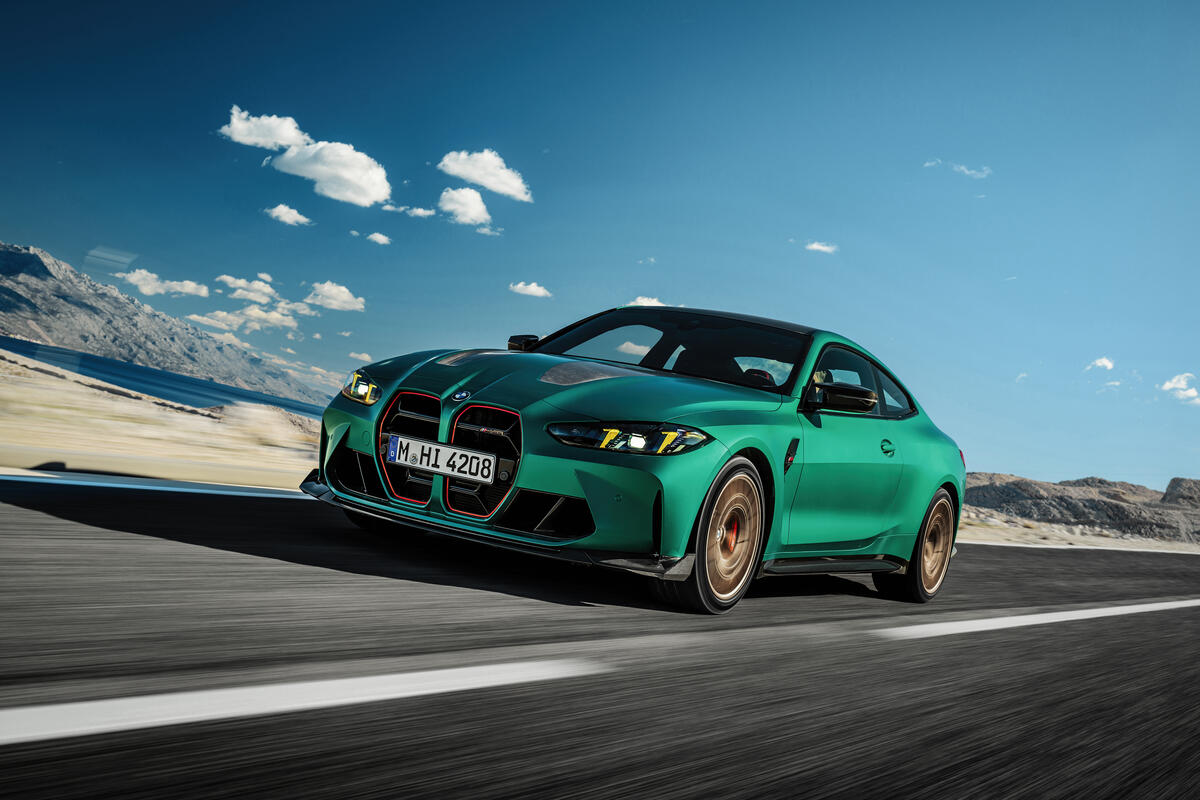
G Series M4
"one of the first times actually that I realized I could probably go against the grain a little bit was the G Series M4 when they launched that I'd had a previous generation M3 absolutely loved that car"
This is the newer-generation BMW M4. It’s the “M” version of the 4 Series, built to be a more serious, track-capable sports coupe/convertible than a normal 4 Series.
The BMW G Series M4 refers to the BMW 4 Series M4 generation that uses BMW’s newer “G” chassis platform. It’s a big deal because it’s the modern M4 era where BMW refined the turbocharged inline-six and chassis balance compared with earlier M cars.
lost all credibility as a journalist
" [1858.0s] this is the new Ferrari [1859.0s] and look how amazing it is [1861.2s] you've lost all credibility as a journalist [1863.2s] like you've lost all credibility [1865.1s] so you've got to be careful with"
They’re talking about trust. If a reviewer sounds like they’re just repeating hype—especially for a big-name brand—viewers may think the review isn’t honest or independent.
The host is describing a credibility problem in automotive journalism: when a reviewer praises a car too enthusiastically—especially a high-profile brand like Ferrari—without balanced critique, audiences may doubt the reviewer’s objectivity. It’s essentially about perceived bias and whether the review reads like advertising rather than independent reporting.
being paid well
" [1875.0s] but how do you turn that right into a house [1876.7s] this is my question [1878.5s] my question is you're being [1879.5s] you're being paid well [1881.1s] it's Ferrari"
They’re raising a fairness issue: if someone is paid to talk about a car, viewers may wonder whether the person is being fully honest or just saying nice things because of the money.
This points to incentive-driven bias in car content: if a reviewer is paid (or otherwise compensated) and the car is from a major brand, viewers may suspect the review is influenced by sponsorship, access, or compensation rather than independent evaluation. In enthusiast media, this is often discussed as “who benefits” from the coverage.
Ferrari lineup
"but they basically said that right now that is such an unpopular car within the Ferrari lineup that you will have to think not many people are going to order one"
“Ferrari lineup” just means all the different Ferrari models being sold. If a car is unpopular in that lineup, it means fewer people buy that particular model than other Ferraris.
“Ferrari lineup” means the full set of models Ferrari sells in a given era. When someone says a car is unpopular within the Ferrari lineup, they’re talking about how rarely that specific model is chosen compared with other Ferrari models.
rare Ferrari in history
"in 10-15 years time that will be the rarest ever Ferrari that someone with a collection is going to go oh I need one of them because it adds into the and it's also the rarest Ferrari in history"
“Rarest Ferrari in history” is basically saying that model is extremely uncommon. Uncommon cars tend to attract collectors, especially if the number made was very low.
The phrase “rarest Ferrari in history” is a rarity claim based on how few examples exist. In practice, rarity is usually tied to production volume and how many cars survive in the real world, which can influence collector interest.
production numbers
"so if you're talking about production numbers and things like that this is the only way that you can go well if I bought one now yes it's going to drop a lot"
“Production numbers” means how many of that car were made. If only a small number were built, the car is rarer, and that can make it more valuable to collectors later.
“Production numbers” are how many units of a specific car were built. In collector-car talk, lower production numbers often correlate with higher rarity, which can affect future demand and pricing.

Lamborghini LM002
"[1936.3s] when Lamborghini brought out the [1939.1s] LM002 [1939.6s] the Lamborghini SUV [1941.6s] the tank"
The Lamborghini LM002 is a very unusual Lamborghini: it’s basically an off-road SUV built by Lamborghini. The host is pointing out that it’s like a “tank” compared to their normal supercars.
The Lamborghini LM002 is a rare, factory-built Lamborghini SUV/pickup-style off-roader from the early 1980s. It’s notable because it’s a Lamborghini that doesn’t follow the usual supercar formula—hence the host calling it a “tank.”

Lamborghini Countach
"[1959.4s] they win [1961.5s] so there's a Countach, there's a Miura [1963.6s] there's a Diablo"
The Lamborghini Countach is a legendary Lamborghini supercar that many people associate with classic 1970s–80s supercar design. The host is using it as an example of the kind of Lamborghini people want.
The Lamborghini Countach is one of the most iconic wedge-shaped supercars ever made, famous for its sharp styling and dramatic presence. In this segment, it’s used as an example of a “roots” Lamborghini model that collectors recognize.

Lamborghini Miura
"[1961.5s] so there's a Countach, there's a Miura [1963.6s] there's a Diablo"
The Lamborghini Miura is a classic Lamborghini supercar from the 1960s. The host is listing it as one of the famous, desirable Lamborghinis people think of first.
The Lamborghini Miura is a landmark mid-engine supercar from the 1960s that helped define the modern supercar formula. Here, it’s mentioned alongside other classic Lamborghinis to illustrate the brand’s “roots” and collector appeal.

Lamborghini Diablo
"[1963.6s] there's a Diablo [1965.5s] and oh there's another tractor [1966.6s] but forget that"
The Lamborghini Diablo is a famous Lamborghini supercar from the 1990s. The host is using it as another example of a “real” Lamborghini that collectors chase.
The Lamborghini Diablo is a 1990s-era supercar known for its aggressive styling and V12 performance reputation. The host name-drops it as part of the lineup of classic Lamborghinis that collectors will still want.
six speed manual gearbox
"it was a no cost option to have a six speed manual gearbox seven customers"
This is a manual transmission with six gears. You shift by using a clutch and moving the gear lever yourself, and in some high-end cars it’s a rarer option than the automatic.
A “six speed manual gearbox” means the driver selects gears using a clutch and a gear lever, with six forward ratios. On some supercars, offering a manual is a big deal because it’s rarer than the automated option and can change how the car feels and how it’s specified.
no cost option
"it was a no cost option to have a six speed manual gearbox seven customers"
A “no cost option” is a factory option that doesn’t add to the purchase price, even though it changes the car’s specification. In enthusiast terms, these can still be rare because not many buyers choose them, even when they’re free.
e-gear
"absolutely ridiculed for not getting e-gear so I think it's the same concept"
E-gear is a Ferrari system that lets the car shift without you using a clutch pedal. It’s kind of like a manual, but the car does the clutch and shifting for you.
E-gear is a brand-specific name for an automated manual transmission system (a semi-automatic setup) used on some Ferraris. Instead of a traditional automatic, it uses actuators to operate the clutch and shift gears, aiming to keep the feel of a manual while reducing pedal/shift workload.
same concept
"so I think it's the same concept I think you're fucking clutching really"
They mean the idea is similar: people’s expectations change as new tech shows up. What used to be fine can start getting criticized once a newer option becomes available.
“Same concept” here is about how the market’s expectations shift over time—what was once considered acceptable (manual-only) becomes criticized when newer tech (like e-gear) becomes the norm. It’s a commentary on how technology adoption changes what buyers and reviewers consider “proper.”
clutching
"I think you're fucking clutching really but now the Superleggera sold for"
Clutching means using the clutch pedal to connect or disconnect the engine from the transmission. In a manual car, it helps you start smoothly and shift gears without jerking.
Clutching refers to using the clutch to engage or disengage the engine from the gearbox. In a manual car, clutching is essential for smooth starts, gear changes, and preventing drivetrain shock.
Chinese brand
" [2233.5s] paycheck there [2234.4s] promoting this Chinese brand [2235.6s] promoting that Chinese brand [2236.7s] this that and the other"
They’re talking about car companies from China. The point is that some creators may be paid to promote them, so the promotion might not be fully independent.
“Chinese brand” is a broad label for automakers based in China. In car media and influencer marketing, it often comes up in discussions about sponsorships, exclusivity deals, and whether reviews are independent or influenced by payment.
exclusivity agreement
"[2243.3s] in promoting these cars [2245.1s] then you need an exclusivity agreement [2248.0s] so you need to"
An exclusivity agreement is a deal where someone agrees to only promote certain brands. If you’re locked into one brand, your reviews may be less independent than they seem.
An exclusivity agreement is a contract where a creator agrees to promote only certain brands (or not promote competing brands) for a set period. In car YouTube, it can directly affect perceived authenticity because the creator’s content may be constrained by sponsorship terms.
Goodwood
"[2249.4s] I wanted to position myself with my favourite one [2251.7s] the first [2252.4s] a mode was the first ever Chinese brand [2254.3s] that I ever worked with [2255.0s] at Goodwood"
Goodwood is a famous UK car/motorsport event area. When someone says they worked there, it usually means a big, high-visibility car show or test environment.
Goodwood is a well-known UK motorsport and automotive events venue, strongly associated with car culture and media access. Being “at Goodwood” often implies a high-profile setting where manufacturers and media teams can showcase new cars.
a mode of 9
"[2262.2s] and then the a mode of 9 [2264.4s] still to this day is the best Chinese car [2266.2s] that I've driven"
They’re talking about a specific Chinese electric car model. The host is saying it feels especially “premium” compared with other Chinese cars they’ve driven.
“A mode of 9” appears to be the speaker’s reference to the AION Y9 (an electric vehicle from the Chinese automaker GAC Aion). The discussion frames it as the best Chinese car the speaker has driven, focusing on perceived “premium” feel.

Porsche Cayenne
"no no no it's [2271.8s] it looks a little bit like a cayenne coupe [2274.0s] okay"
They’re describing a Porsche Cayenne with a coupe-style shape. It’s still an SUV, but the roofline is more sloped for a sportier look.
“Cayenne coupe” is referring to the Porsche Cayenne in a coupe-like body style. The Cayenne is Porsche’s SUV line, and the “coupe” look typically means a sloping roofline that changes the silhouette compared with a standard SUV.
brake horsepower
"and it's got [2276.8s] 450, 480 brake horsepower [2278.1s] it's a hybrid"
Brake horsepower is a number that tells you how much power the engine makes. It’s measured at the engine, not after the power has been “used up” by the drivetrain.
Brake horsepower (bhp) is a measure of engine power taken at the engine’s output shaft, before drivetrain losses. It’s a common way UK/European sources quote power, and it’s broadly comparable to horsepower figures used elsewhere.
hybrid
"[2278.1s] it's a hybrid [2279.2s] it's got like 750 range [2280.7s] it's a very very very"
A hybrid uses two power sources: a gas engine and an electric motor. It can use electricity part of the time and also recharge while slowing down.
A hybrid vehicle uses both an internal-combustion engine and an electric motor/battery. The point is to improve efficiency by letting the car use electricity for some driving and recover energy during deceleration.
range
"[2279.2s] it's got like 750 range [2280.7s] it's a very very very [2282.2s] probably like 30 grand"
“Range” is how far the car thinks it can go before you have to stop for fuel or charging. With a hybrid, that estimate changes based on your driving style.
In this context, “range” means the estimated distance the car can travel before it needs to be refueled or recharged. For hybrids, the number depends heavily on how much you drive on electric power versus the gas engine.
most efficient driver
"[2288.7s] I put a lot of miles in it [2289.9s] I was the most efficient driver [2291.1s] against a bunch of other"
They’re talking about driving in a way that uses the least fuel or electricity over a long trip. It’s like a contest for who can stretch the car’s energy the farthest.
“Most efficient driver” here is about maximizing fuel/energy economy over a long route, usually by managing throttle, speed, and when the hybrid system uses electricity. It’s essentially a competition against other drivers to see who can get the best real-world consumption.
Cherry
"so a mode of Jku are owned by Cherry [2296.7s] and they've got another few brands [2298.8s] sub brands"
They’re mentioning a car company that owns multiple brands. That’s why you might see different model names coming from the same parent group.
“Cherry” appears to refer to a Chinese automaker with multiple brands/sub-brands. In car talk, this usually means a parent group that sells different models under different brand names.
pro rata reward
"but the risk pro rata reward it was not worth it"
“Pro rata reward” means you get paid a share that matches your portion of the situation. If you contributed less (or for less time), you get a smaller share.
“Pro rata reward” means a payout or benefit is calculated proportionally—based on the fraction of time, effort, or contribution involved. In car-YouTube discussions, it often comes up in the context of how earnings are split relative to performance or exposure.
seven iron
"he took a seven iron closed the face and punched it"
A “seven iron” is a specific kind of golf club. It’s used to hit the ball a certain distance with a particular angle.
A “seven iron” is a golf club type used for mid-range shots, typically with a specific loft angle that helps control distance and trajectory. The host uses it as part of a stunt description, so it’s a niche detail that may confuse non-golf listeners.
Clarkson
"look at Clarkson's farm [3535.5s] it's a prime example where"
Clarkson is a well-known TV presenter, and “Clarkson’s farm” is his show about trying to run a farm. The point here is that the show gets attention partly because it doesn’t always go smoothly.
“Clarkson’s farm” refers to Jeremy Clarkson’s TV show about running a farm. The host uses it as an example of content that draws attention even when things go wrong, tying the idea to how car YouTube channels get views.
Mark McCann
"trying [3544.7s] you get it with Mark McCann and Matt Armstrong [3548.8s] when do they"
Mark McCann is a car creator on YouTube. Here, the host is using him as an example of someone whose videos focus on a car problem—like a gearbox issue—to keep viewers interested.
Mark McCann is referenced as a car YouTuber whose content includes discussion of mechanical issues. In this segment, he’s specifically associated with a Bugatti and a gearbox that “didn’t work,” which the host argues is more likely to generate views than a trouble-free story.
Matt Armstrong
"you get it with Mark McCann and Matt Armstrong [3548.8s] when do they [3550.5s] like Mark with his gearbox"
Matt Armstrong is another car YouTube creator being compared in this segment. The host is basically saying his videos can go viral fast, while other creators’ content depends more on whether there’s a big problem to show.
Matt Armstrong is mentioned as another car YouTuber in the same comparison. The host contrasts his high-view viral video style with Mark’s gearbox-focused content, arguing that dramatic mechanical outcomes tend to perform better online.
unreliable
"everyone's talking about how unreliable these cars are I broke down in Scotland"
“Unreliable” here means the car tends to have problems and may need repairs more often than you’d expect. The speaker is basically saying they want to show the real experience, not just rumors.
In car talk, “unreliable” usually means the vehicle has a higher-than-expected chance of breaking down or needing repairs. In this segment, the speaker is responding to claims that “these cars” are unreliable by documenting what actually happens.
Scotland
"I broke down in Scotland Sam was like can't film it"
They say the car broke down in Scotland. That matters because breakdowns far from home are harder to deal with and can cost more.
Scotland is where the speaker says they broke down, turning the trip into a real-world reliability test. For listeners, the key point is that the failure happened away from home, which makes breakdowns more disruptive and expensive.
Request an Explanation
Heard something you'd like explained? We'll add it to this episode.
Sign in to request explanations for terms you heard.
Want to learn more?
Browse our glossary for plain-English explanations of automotive terms, jargon, and concepts.
Help improve this episode
See something that's not quite right? Our annotations are AI-generated and can sometimes miss the mark. Click the flag icon on any annotation to suggest a correction.