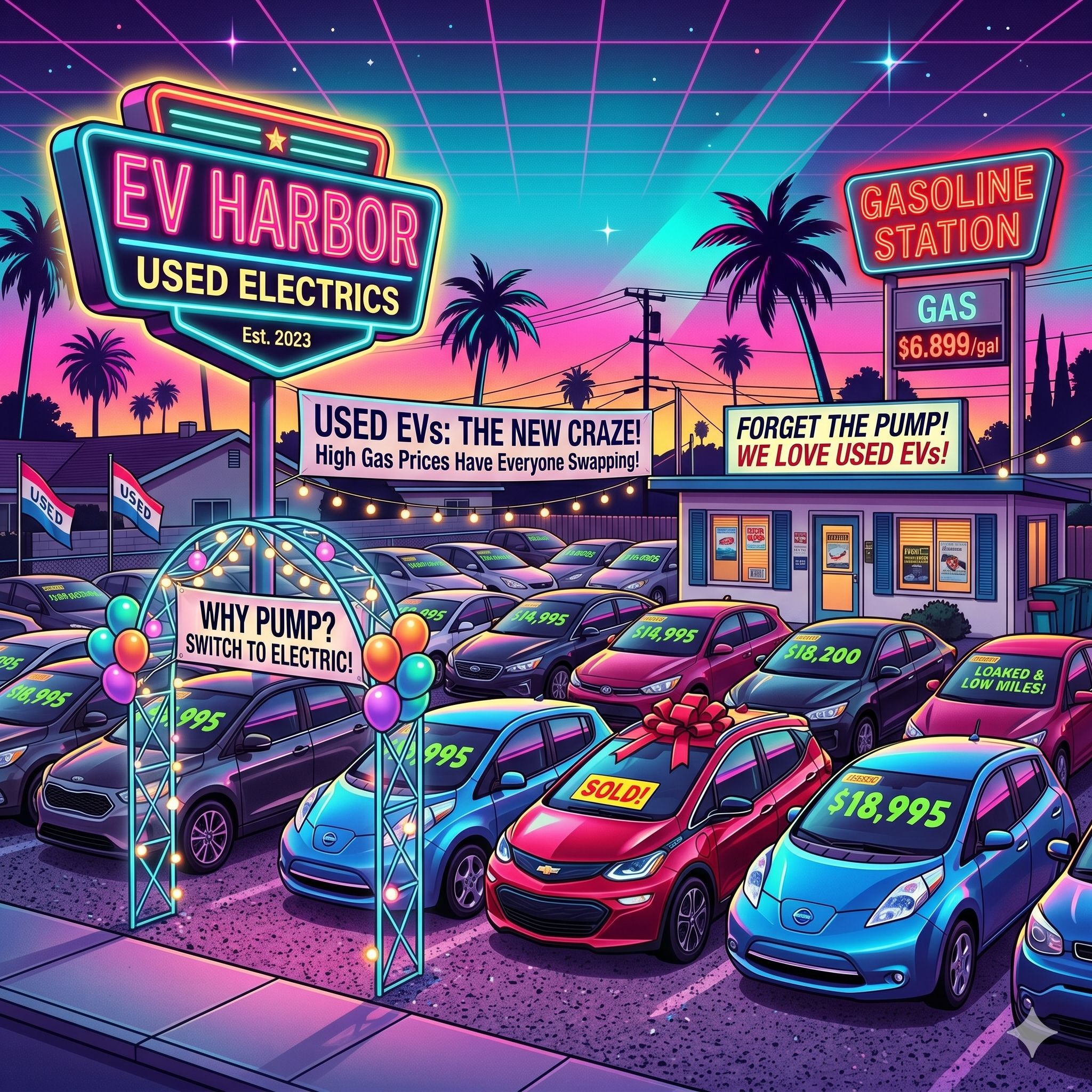
High Gas Prices are Giving Used EVs a Glow-Up
About this episode
Used EVs are getting a “glow-up” as higher gas and diesel prices push buyers toward electrics, and the market is moving fast—used EV supply dropped to 41 days in the UK and EV sales are outpacing charging build-out. The hosts connect that demand to real-world charging and battery details, from Tesla Superchargers and Waymo rides to Tesla Semi megacharger specs and the 4680 vs 2170 battery debate. They also highlight Brazil’s Chevy Spark EUV success and used pricing ranges.
Description:
In this episode of Kilowatt, we chat about Volkswagen significantly increasing its stake in Rivian. We also take a global look at adoption, from the historic rise of electric vehicles in Australia to the growing demand for used EVs in the UK. The discussion highlights innovation and market strategy, covering Slate Auto’s vision for a $20,000 electric pickup and the Chevy Bolt EUV’s surprising performance in Brazil. Additionally, we break down critical tech updates, including leaks regarding the Tesla Semi’s battery capacity and the safety milestones achieved by the Tesla Model Y. Join us for an in-depth analysis of the trends and technology driving the future of transportation.
Support the Show https://www.supportkilowatt.com/
Other Podcasts:
News Links:
- Pump price increase fuelling rise in demand for used electric vehicles
- Australian EV adoption jumps from 1.9% to 27.5% in four years
- New Chevy Spark EUV is the best selling electric SUV in Brazil
- Tesla's 4680 battery cells are underperforming frustrating buyers
- Tesla crushes NHTSA's brand-new ADAS safety tests
- Tesla Semi battery sizes confirmed: 822 kWh and 548 kWh officially revealed
- Tesla 4680 Battery Falls Short On Range And Charging After Years Of Hype
- Slate Auto Gets One Step Closer To Building Its Affordable EV Truck
- Tesla Semi's official battery capacity leaked by California regulators
- Tesla Model Y Becomes the First Car to Pass NHTSA’s New ADAS Test
- Volkswagen Group Just Overtook Amazon as Rivian’s Biggest Investor
- Volkswagen Says Its EVs Won't Make Gas-Car Money Until 2030
- Tesla gets a massive order for the Semi: 370 units and $100M
*Show Art Created By Gemini
Hosted by Simplecast, an AdsWizz company. See pcm.adswizz.com for information about our collection and use of personal data for advertising.
Tesla supercharger
"So there was a Tesla supercharger there. I did not rent a Tesla, so I didn't get a chance to try it out, but I assumed that it would work like every other supercharger."
Tesla Superchargers are Tesla’s fast charging stations. If your EV can use them, you can add a lot of charge quickly—especially when traveling.
Tesla Superchargers are Tesla’s fast-charging network for compatible electric vehicles. They’re designed for quick top-ups on road trips, and the experience depends on whether your EV supports Tesla’s charging standard and access method.
Waymo
"And I ordered a Waymo and I've taken a Waymo to the airport before. The Waymo, though, did not take me on the freeway... But this last time I did it, it did take me on the freeway, which was interesting."
Waymo is a company that runs driverless robotaxi rides. The host is describing how the robotaxi behaved on the freeway and how it felt to ride in it.
Waymo is Alphabet’s self-driving taxi service. In this segment, the host discusses how a Waymo ride handled freeway driving, including a period when it was newly approved to operate on freeways.
Amazon
"Up until recently, Amazon was the largest investor in Rivian. They owned 11.8%, but we now have a new leader."
Amazon is mentioned as an investor in Rivian. The host is talking about how much of Rivian Amazon owned before the ownership shifted to someone else.
Amazon is described here as a major financial backer of Rivian, previously holding a minority stake. The segment uses that ownership percentage to set up a shift in who is the biggest investor.
Rivian
"Up until recently, Amazon was the largest investor in Rivian... This all comes down to the joint venture between Rivian and Volkswagen, which is, you know, Rivian's developing software and stuff like that for the cars..."
Rivian is an electric-vehicle company. Here, the host talks about who’s investing in it and how Rivian is involved in the software side of a partnership.
Rivian is the EV company being discussed as the recipient of investment and as a partner in a joint venture. The host specifically links Rivian’s role to developing software for its cars within the partnership.
joint venture
"This all comes down to the joint venture between Rivian and Volkswagen, which is, you know, Rivian's developing software and stuff like that for the cars, and Volkswagen is investing in Rivian while they're doing this."
A joint venture is when two companies team up to work on something together. Here, Rivian and Volkswagen are partnering so Rivian can build software, while Volkswagen puts money into Rivian.
A joint venture is a formal partnership where two companies collaborate on a specific project or business activity. In this segment, the joint venture is between Rivian and Volkswagen, with Rivian focusing on software development while Volkswagen invests.
VW Group
"It's possible that VW Group could own as much as 20% of Rivian by 2027... And then kind of in a similar but different story, Volkswagen Group says that its EVs won't make the same margin that their gas cars make until at least 2030"
VW Group is the big parent company that owns Volkswagen and other car brands. Here, they’re talking about how much of Rivian they might own and how their EV profits will compare to gas cars.
VW Group is the parent company behind Volkswagen and several other brands. In this segment, it’s discussed as potentially taking a large ownership stake in Rivian and as setting EV profitability expectations for the group.
EVs won't make the same margin as gas cars until at least 2030
"Volkswagen Group says that its EVs won't make the same margin that their gas cars make until at least 2030, and that's at least, not by, but at least 2030."
“Margin” is basically how much money a company keeps as profit after costs. They’re saying Volkswagen thinks EVs won’t be as profitable as gas cars for a while—at least until 2030.
“Margin” here means profit margin—how much profit a company makes relative to revenue. The speaker is saying Volkswagen expects EVs to be less profitable than gas cars for several years, until at least 2030.
SSP platform (Scalable Systems Platform)
"So right now, Volkswagen is working on the SSP platform, which is Scalable Systems Platform. This is a new platform that Volkswagen is developing for all of the VW Group brands."
An “EV platform” is the shared design and engineering base a car company uses for multiple models. SSP is Volkswagen’s plan to use one common EV foundation across its brands to help cut costs.
Volkswagen’s SSP platform (Scalable Systems Platform) is a shared vehicle architecture intended to underpin multiple EVs across the VW Group brands. Using one scalable platform helps reduce engineering and production complexity, which can lower costs.
MEV Plus platform
"So right now, Volkswagen, the car company has the MEV Plus platform, and then, you know, I can't remember what the other platform is, but the hiring cars use a different platform."
MEV Plus is an earlier electric-car “platform” Volkswagen is using. The idea is that Volkswagen is moving from its current EV base to a newer one (SSP) that can be used across more brands.
MEV Plus is another EV platform mentioned as what Volkswagen uses “right now” before moving toward SSP. In platform strategy, newer architectures are often introduced to improve cost, manufacturing flexibility, and scalability across brands.
EUV (Electric Utility Vehicle)
"Moving on, the Chevy Spark EUV, which stands for Electric Utility Vehicle, was the best-selling electric car in Brazil in April."
EUV stands for “Electric Utility Vehicle.” It’s basically a way to describe the car’s style and purpose as a small electric utility-type vehicle.
EUV is a model suffix used to indicate an “Electric Utility Vehicle,” a marketing term for a compact electric crossover/utility-style vehicle. It’s not a technical drivetrain specification by itself—more about the vehicle’s intended body style and positioning.
digital instrument cluster
"It's got a very modern-looking interior, 8.8-inch digital instrument cluster behind the steering wheel, 10.1-inch infotainment screen, which is more than big enough."
A digital instrument cluster is the screen behind the steering wheel that shows your driving info. On an EV, it can show things like battery level and estimated range.
A digital instrument cluster replaces traditional analog gauges with screens that can display speed, battery state of charge, range, and driver alerts. It’s especially useful in EVs because it can show energy flow and battery information clearly.
Android Auto
"Interestingly, the Chevy Spark does support Apple CarPlay and Android Auto. This is interesting because GM got rid of these services in favor of their own flavor of the Google built-in software."
Android Auto lets you connect an Android phone to the car’s screen. It brings useful apps like maps and music into the dashboard display.
Android Auto is Google’s smartphone integration system for Android phones, displayed through the car’s infotainment. It’s commonly used for navigation, media, calls, and messaging with a simplified, safer interface.
Apple CarPlay
"Interestingly, the Chevy Spark does support Apple CarPlay and Android Auto. This is interesting because GM got rid of these services in favor of their own flavor of the Google built-in software."
Apple CarPlay lets you connect your iPhone to the car’s screen. Then you can use apps like maps and music while driving.
Apple CarPlay is a smartphone integration system that lets you use certain iPhone apps through the car’s infotainment screen. It typically provides navigation, music, calls, and messages in a more “car-friendly” interface.
42 kilowatt-hour battery
"And in terms of specs, we're looking at a 42 kilowatt-hour battery. And the chemistry is lithium-iron phosphate."
The 42 kWh battery is how much electricity the EV can store. Bigger usually means more driving range, but it also depends on efficiency.
A 42 kWh battery refers to the battery capacity measured in kilowatt-hours, which strongly influences how much energy the EV can store. In practice, it sets an upper bound on how far the car can go before needing to recharge.
lithium-iron phosphate
"And in terms of specs, we're looking at a 42 kilowatt-hour battery. And the chemistry is lithium-iron phosphate. Range 360 kilometers or 220 miles."
Lithium-iron phosphate is the type of battery inside the EV. It’s generally considered a durable and safer chemistry, and it can help keep costs down.
Lithium-iron phosphate (LFP) is a battery chemistry known for good thermal stability and typically lower cost than some other lithium chemistries. It’s often chosen for EVs where durability and safety are priorities, though it can have different energy density characteristics.
range 360 kilometers or 220 miles
"Range 360 kilometers or 220 miles. We should all always remember that range isn't calculated the same way in every region."
Range is how far the EV is expected to go on one full charge. Your actual range can be different depending on weather and how you drive.
The stated range (360 km / 220 miles) is the estimated distance the EV can travel on a full charge under a specific test method. Real-world range varies with speed, temperature, driving style, and how the test is standardized.
50 kilowatts charging speed
"Very slow charging, but probably enough for the size of battery pack that this is. A 50 kilowatts charging speed that gives you 20 to 80 percent in about 30 minutes."
50 kW is how fast the car can charge at the charger. Faster charging usually means you get more battery back in less time.
A 50 kW charging speed describes how quickly the EV can accept power from a charger, which affects how fast you can add usable energy. The episode also ties it to a practical charging window: reaching 20% to 80% in about 30 minutes (under the stated conditions).
20 to 80 percent charging window
"A 50 kilowatts charging speed that gives you 20 to 80 percent in about 30 minutes. The starting price is 145,000 Brazilian real."
Charging from 20% to 80% is often used because that’s where EVs typically charge quickest. Charging closer to empty or full can slow down to protect the battery.
The “20% to 80%” charging window is a common EV metric because charging is usually fastest in the middle of the battery’s state of charge. Near 0% and near 100%, the car often limits charging power to protect the battery, so the time can be longer than the middle-range estimate.
EV pickup truck
"Auto Slate is making progress towards releasing their affordable EV pickup truck. So if you didn't know, the factory is in Warsaw, Indiana..."
An EV pickup truck is a truck that runs on electricity. Instead of using gasoline, it uses an electric motor.
An EV pickup truck is a pickup-style vehicle powered by an electric drivetrain instead of a gasoline engine. In this episode, it’s the specific product Auto Slate is preparing to manufacture.
Auto Slate
"Auto Slate is making progress towards releasing their affordable EV pickup truck. So if you didn't know, the factory is in Warsaw, Indiana..."
Auto Slate is the company working on an affordable electric pickup. In this segment, they talk about how the factory is being set up to build the truck.
Auto Slate is the company building an affordable electric pickup truck. The hosts describe its manufacturing progress, including installing robots and production workstations for body, frame, and interior components.
wiring harnesses
"they're working on installing currently the line, the trim line, which installs items like wiring, harnesses, seats, windows. That's currently being installed."
Wiring harnesses are like the car’s electrical “wire bundles.” They help connect all the electronics so the car can function reliably.
Wiring harnesses are bundled sets of wires that route power and signals to the vehicle’s electronics. They’re installed on the production line because they connect components like sensors, infotainment, lighting, and other electrical systems in a consistent, serviceable way.
quality inspection equipment
"Also, they're currently working on quality inspection equipment, getting that installed. Like they have this big machine that they put the car on and it vibrates it..."
Quality inspection equipment is testing gear used to make sure the vehicle is built right. In this case, it vibrates the car to mimic driving over bumpy roads.
Quality inspection equipment is used to verify that parts and the finished vehicle meet manufacturing tolerances and durability expectations. Here, the host describes a machine that vibrates the vehicle to simulate rough roads as part of quality control.
quality control
"Again, for quality control. Right now we don't have the final price for the Slate..."
Quality control means checking the car during production to make sure everything is correct. It helps prevent defects from slipping through.
Quality control (QC) is the process of checking products during and after manufacturing to catch defects early. In automotive production, QC steps like vibration testing help confirm the vehicle can withstand real-world conditions.
Indakata
"So yeah, we got like a 2.4% bump. So the company that put this information out is called Indakata."
Indakata is the data provider the hosts are using for the UK used-EV sales numbers. They cite it to show EVs are taking a bigger share of used-car sales.
Indakata is the company the hosts cite as the source for UK used-EV sales figures. The segment uses Indakata’s data to argue that used EVs are gaining share as gas and diesel prices rise.

Chevy Spark
"Like if you have a Chevy Spark, for instance, sitting on your lot and it's used, they'll tell you what other car companies are able to get out of that, how much they're able to sell it for."
The Chevy Spark is a small, inexpensive car. They mention it just as an example of a used car that dealers can track to see how fast it sells.
The Chevrolet Spark is a small, budget-friendly city car. In this segment, it’s used as an example of how quickly a specific used model moves on dealer lots and what dealers can realistically sell it for.
market day supply
"And what they did was they looked at market day supply, which is how long the car has been sitting on the lot. And that market day supply actually fell to 41 days for EVs."
Market day supply is basically how many days a car stays listed at a dealership before it gets sold. In this episode, they use it to show EVs are selling faster than before.
Market day supply is a metric for how long vehicles sit on dealer lots before they sell, expressed in days. Lower market day supply means faster sales velocity, which this episode uses to compare used EVs versus used gas cars.
DC fast charging infrastructure
"One issue or kind of issue that, you know, Australian EV owners are facing, though, is, you know, the vehicle sales are kind of outrunning the DC fast charging infrastructure."
DC fast charging infrastructure is the network of quick EV chargers. The hosts are saying EV adoption can grow faster than the number of fast chargers available.
DC fast charging infrastructure refers to the network of high-power chargers that can recharge an EV quickly compared with standard home or slower public charging. The episode’s point is that EV sales growth can outpace the build-out of these fast chargers, creating a potential “charging availability” bottleneck.

Tesla Semi
"We have battery information on the Tesla Semi... So, just basically we're going to start off with some information just on the Tesla Semi itself."
The Tesla Semi is an electric big-rig truck made by Tesla. It’s built to haul heavy loads and recharge using very high-power chargers, and the episode compares the standard and long-range versions.
The Tesla Semi is Tesla’s all-electric Class 8 semi truck, designed for long-haul freight with very high battery capacity and megawatt-class charging. In this segment, the hosts focus on its different configurations (standard vs long range) and how weight and battery size affect range estimates.
tri-motor drive train
"The standard range truck is going to be powered by a 520 kilowatt tri-motor drive train... Whereas the long range will be 800 kilowatt tri-motor drive train."
A tri-motor setup means the truck uses three electric motors to move it. More motors can help the truck put power down better, especially when it’s carrying a heavy load.
A tri-motor drive train uses three electric motors to propel the vehicle. Using multiple motors can improve traction control and allow more flexible torque delivery, which matters for heavy vehicles like a semi truck.
megacharger
"It will be capable of charging on a 1.2 megawatt megacharger."
A megacharger is an extremely powerful EV charger. It’s designed for big electric vehicles with huge batteries so they can recharge fast enough to keep working.
A megacharger refers to a very high-power charging system intended for heavy EVs, capable of charging at megawatt (MW) levels. That kind of power is needed to recharge large battery packs quickly enough for commercial trucking schedules.
MCS 3.2 connector
"And this requires a new MCS 3.2 connector. It's a big old connector."
The MCS 3.2 connector is the special plug used for very high-power EV charging. Higher-power charging needs a different, more robust connector than the ones you’d see at normal fast chargers.
The MCS 3.2 connector is a standardized high-power charging plug/interface used for megawatt-class EV charging. The “3.2” indicates a specific connector revision/spec, which is important because higher power requires different electrical and safety design than typical fast-charging plugs.
nickel cobalt manganese aluminum battery chemistry
"As far as battery chemistry, this is going to be a nickel cobalt manganese aluminum battery chemistry."
This is the battery’s chemical recipe—what materials are inside the cells. Different recipes can change how much energy the battery can store and how well it handles demanding use.
Nickel cobalt manganese aluminum (often abbreviated as NCM with an aluminum-related variant) describes the cathode material mix used in the battery. Different chemistries balance energy density, cost, and durability, and they can affect how the battery performs under heavy-duty use and fast charging.
4680
"The self form factor is going to be 4680, which we're going to talk about there in a few minutes."
“4680” is a battery cell size/type used by Tesla. It describes the cell’s shape and dimensions, and that matters for how much energy the battery can hold and how it’s built into the vehicle.
“4680” refers to Tesla’s cylindrical battery cell format, named for its approximate dimensions: 46 mm diameter and 80 mm height. Cell format affects manufacturing, energy density, thermal behavior, and how easily the pack can be scaled for vehicles like the Semi.
range estimates based on gross weight
"For my understanding, these range estimates are based on 82,000 pounds of weight... Now in terms of how the gross vehicle weight is calculated in the US, that's the semi, the trailer, the fuel, the cargo."
Range numbers depend on how heavy the vehicle is when it’s driving. If the truck is carrying more weight, it usually uses more energy, so the real range can be different than the headline estimate.
EV range estimates for heavy vehicles are often calculated using a specific gross weight scenario, because heavier loads increase energy consumption. In this segment, the hosts discuss how the stated range numbers assume a particular weight (82,000 pounds) and how real-world estimates may differ.
CDL
"Well, when I got qualified to be a driver in Nevada, there was a lot of CDL stuff that I had to learn, but just because, you know, you have a semi truck does not mean you can just haul whatever weight you want."
CDL means Commercial Driver’s License. It’s the special license you need to drive big commercial trucks legally, and you have to learn the rules for that vehicle type.
CDL stands for Commercial Driver’s License. It’s the license category required to legally operate many types of commercial vehicles, including large trucks like semis, and it comes with specific training and rules.
dryage
"And what these EVs are going to do or what these Tesla semis are going to do is they're going to support the port of Oakland and they're going to do a little bit of dryage and what dryage is, and I didn't know this until David told me."
Dryage is short-distance hauling of shipping containers. Think of it as moving a container from one place at the port/nearby area to another so it can be loaded onto the next transport step.
Dryage (often spelled “drayage”) is the short-distance trucking move of shipping containers between ports, rail yards, and nearby facilities. It’s typically done to reposition containers so they can be loaded onto the next leg by truck, rail, or ship.

Toyota 4Runner
"Jump in campers. We're going off-roading in a forerunner."
The Toyota 4Runner is a rugged SUV that’s built for rough roads. They mention it as the vehicle for the off-road part of the bit.
The Toyota 4Runner is a body-on-frame SUV known for off-road capability and rugged use. In this playful segment, it’s used as the example vehicle for going “off-roading.”

Toyota RAV4
"Next, we're heading to the hot springs in a RAV4."
The Toyota RAV4 is a popular compact SUV/crossover. They’re just using it as the next stop in the playful camping/outdoors scenario.
The Toyota RAV4 is a compact crossover SUV that’s common as an everyday “do-it-all” vehicle. Here it’s referenced as the vehicle for the “hot springs” portion of the joke.
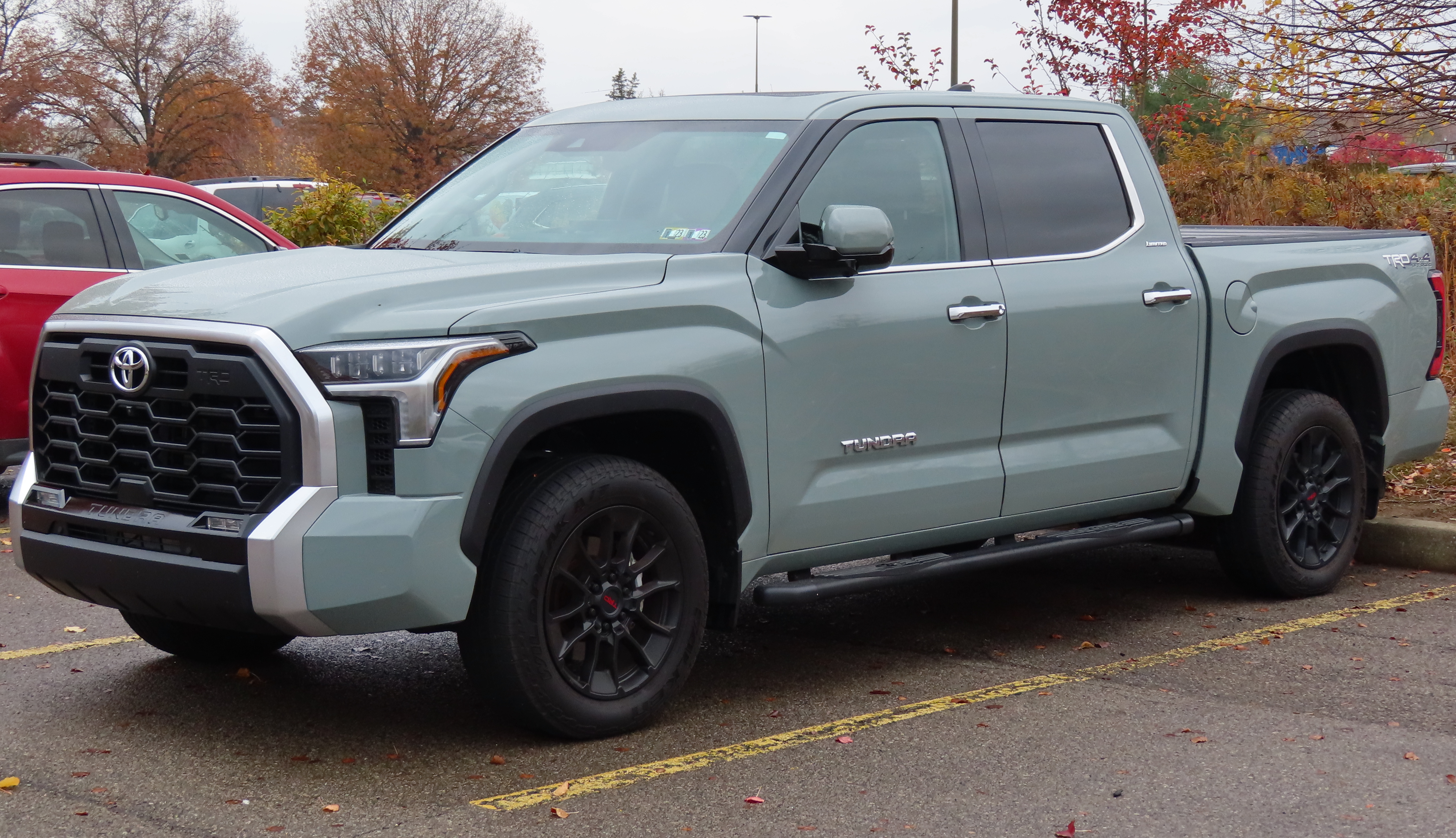
Toyota Tundra
"And finally, park your Tundras and Tacomas around the campfire because we're roasting marshmallows."
The Toyota Tundra is Toyota’s full-size pickup truck. They mention it as part of the joke about which trucks to park for the campfire.
The Toyota Tundra is a full-size pickup truck built for heavier-duty everyday work and towing. In this segment it’s name-dropped as a “park it around the campfire” punchline.
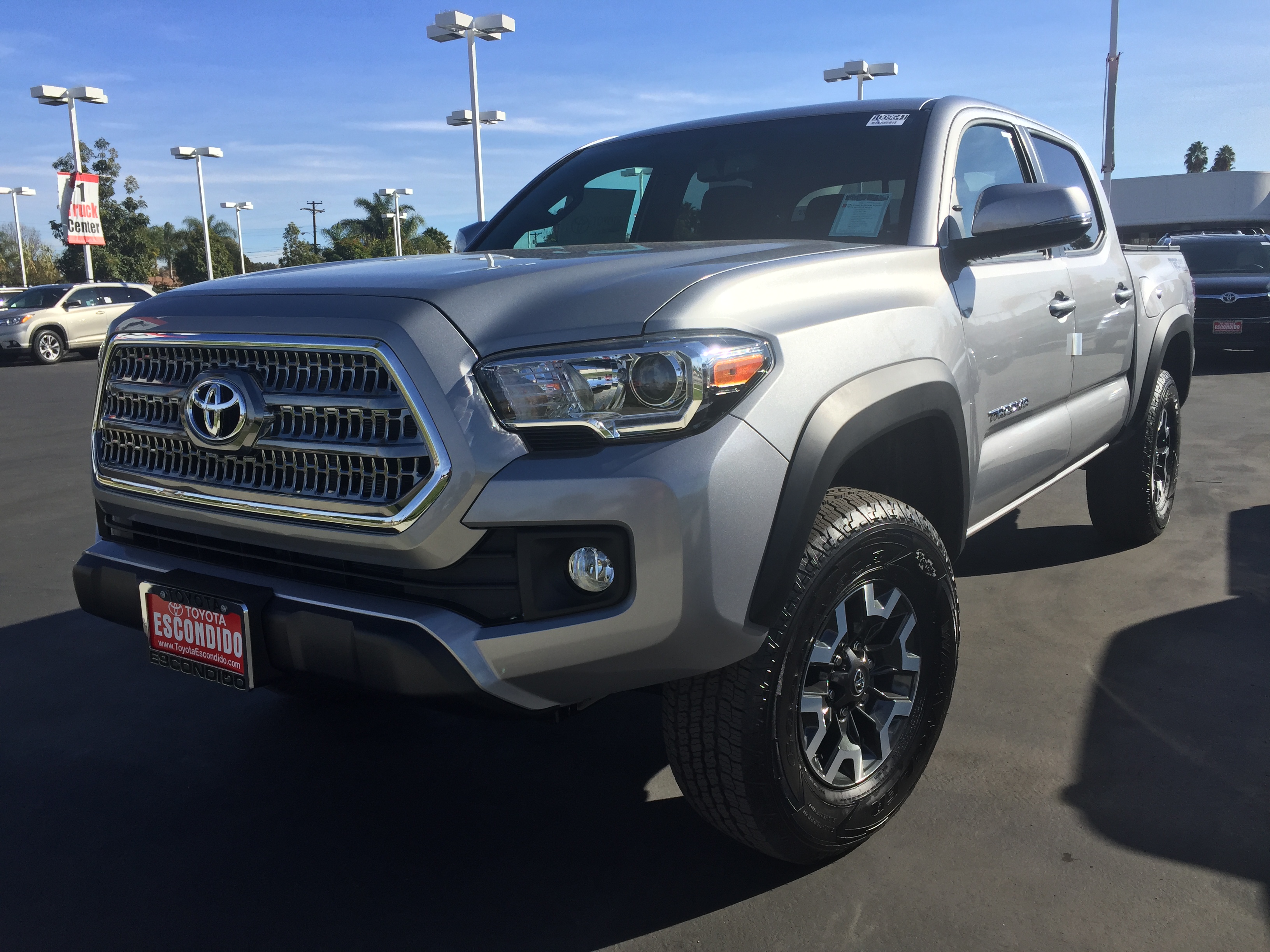
Toyota Tacoma
"And finally, park your Tundras and Tacomas around the campfire because we're roasting marshmallows."
The Toyota Tacoma is a midsize pickup truck. They’re just listing it as another truck to park around the campfire in the bit.
The Toyota Tacoma is a midsize pickup truck known for off-road trims and everyday versatility. It’s referenced here alongside the Tundra as part of the humorous “campfire” lineup.
dry cathode
"So one of the promises they made was a dry cathode, which is not to be confused with a solid state electrolyte. This is different."
A dry cathode is a different way to make the battery’s positive electrode. The “dry” part means fewer wet, chemical-heavy steps, but it can be tough to get working reliably at scale.
A dry cathode is a battery manufacturing approach where the cathode materials are processed without the “wet” solvent-based steps used in conventional cathode production. Tesla promoted it as a way to simplify manufacturing and reduce handling of certain chemicals, but the segment says it proved harder than expected.
solid state electrolyte
"So one of the promises they made was a dry cathode, which is not to be confused with a solid state electrolyte. This is different."
A solid state electrolyte means the battery uses a solid material for the part that helps ions move inside the battery. In this episode, they’re saying don’t mix that up with the “dry cathode” manufacturing idea.
A solid state electrolyte is a battery design where the electrolyte is a solid material rather than a liquid. The segment explicitly distinguishes it from “dry cathode,” clarifying that these are different concepts even though both relate to battery materials.
wet cathodes
"It was supposed to clean up some of the chemicals, the nasty chemicals that go into the wet cathodes. And Tesla found that this was way harder than they thought it was."
“Wet cathodes” are the traditional way of making the battery’s positive electrode, using liquid chemicals during production. The dry cathode approach is meant to avoid some of that chemical handling.
“Wet cathodes” refers to conventional cathode manufacturing that uses solvent-based (“wet”) processing steps. The segment contrasts wet cathodes with dry cathode processing, saying the dry approach was intended to reduce the “nasty chemicals” involved in wet cathode production.
2170 cells
"And then the 4680 cells were supposed to be more energy dense... than the 2170 cells... the 2170 cell... has 269 watt hours per kilogram."
“2170” is another Tesla battery cell size/type that’s been used for years. Here, they’re comparing how much energy it can store versus the newer 4680 cells.
“2170” is Tesla’s earlier cylindrical battery cell format (21 mm diameter, 70 mm height). In this segment, the hosts compare its real-world energy density and pack capacity against 4680 cells.
energy density
"And then the 4680 cells were supposed to be more energy dense... The energy density of a 4680 cell currently... is 244 watt hours per kilogram. Whereas... the 2170 cell... has 269 watt hours per kilogram."
Energy density tells you how much energy a battery can pack into its weight. If a battery has higher energy density, it can usually go farther without adding as much weight.
Energy density is how much electrical energy a battery can store for a given weight (here, watt-hours per kilogram). Higher energy density generally means more range for the same battery mass, or a lighter battery for the same range.
battery capacity
"And then that leads us to battery capacity. So if we're comparing the batteries on the European Model Y..."
Battery capacity is how much energy the whole battery pack can hold, measured in kWh. More capacity often means you can drive farther, all else equal.
Battery capacity is the total amount of energy a battery pack can store, typically measured in kilowatt-hours (kWh). In EVs, higher pack capacity usually translates to more potential range, though real range also depends on efficiency and charging behavior.
charging curve
"And then the charging curve out of spec Kyle Connors outfit found that the 4680 cell in Europe charged slower than the 2170 cell."
A charging curve is how charging speed changes during a charging session. Even if two batteries have similar size, one might charge slower or faster depending on how full it is.
A charging curve describes how fast an EV battery accepts power over time during charging (often changing as the battery fills up). This matters because two battery types can have similar capacity but different charging behavior at the same state of charge.
battery day
"there also is some signs that the supply chain is... changing the way that they're looking at the 4680 cells compared to 2020, September of 2020 when they had battery day."
“Battery Day” is a Tesla event where the company talked about future battery technology. The hosts are using it as a reference point to see whether the 4680 plan is meeting expectations.
“Battery Day” refers to Tesla’s major battery-focused event where it outlined plans for new cell formats and manufacturing improvements. In this segment, the hosts compare those 2020-era expectations to what’s happening with 4680 cells now.
cathode materials
"Electric points to a supplier that had a $2.9 billion contract for cathode materials... supposed to go directly to 4680 cell production."
Cathode materials are part of the battery’s chemistry that helps store and release energy. If the supply chain for these materials changes, it can impact how batteries get made.
Cathode materials are the active chemical components in a lithium-ion battery’s cathode, which strongly influence performance and cost. Changes in cathode supply or contracts can affect how quickly battery cell production scales.
battery chemistries
"I think they're going to have to continue iterating on this form factor and with different battery chemistries and all that stuff."
Battery chemistry is what the battery is made of inside. Changing it can affect things like how much energy it stores and how well it lasts, so the speaker thinks Tesla may need to try different chemistry options.
“Battery chemistries” refers to the specific materials and electrochemical formulation inside a lithium-ion cell (for example, different cathode/anode combinations). The host suggests Tesla may need to keep iterating not just the physical cell design, but also the chemistry to improve performance and solve problems.
form factor
"I think they're going to have to continue iterating on this form factor and with different battery chemistries and all that stuff."
Form factor is the “shape and size” of a part and how it’s built to fit. In this case, it’s about how the battery cell is designed and packaged inside the car.
“Form factor” means the physical design and packaging of a component—here, the shape and size of the battery cell and how it fits into the pack. The host argues the 4680’s design may need further iteration, implying that packaging and integration matter as much as raw cell performance.
hardware three
"Still got hardware three though."
“Hardware three” is a label for a particular generation of the computer/electronics in a Tesla. The speaker is noting what tech generation their car has while talking about battery changes.
“Hardware three” refers to a specific generation of Tesla’s in-car electronics for driver-assistance/autonomy computing. The host mentions it alongside battery-cell discussion, implying their vehicle’s tech stack is tied to the timing of production changes.

2026 Tesla Model Y
"The 2026 Tesla Model Y has become the first vehicle to pass the US National Highway Traffic Safety Administration's Advanced Driver Assistance System test."
This is a Tesla Model Y (an electric SUV). The hosts are saying the 2026 version did well on a government test for driver-assist features, like helping you stay in your lane and avoid crashes.
The 2026 Tesla Model Y is an electric crossover that’s being highlighted for its driver-assistance capabilities. In this segment, it’s described as the first vehicle to pass the US NHTSA Advanced Driver Assistance System (ADAS) test under the agency’s new car assessment program.
Advanced Driver Assistance System test
"The 2026 Tesla Model Y has become the first vehicle to pass the US National Highway Traffic Safety Administration's Advanced Driver Assistance System test."
This is a safety test for a car’s “helping you drive” features. The idea is to see if the car can meet the required minimum performance in crash-avoidance situations.
An Advanced Driver Assistance System (ADAS) test evaluates how well a car’s driver-assist features perform in specific safety scenarios. Here, the discussion is about pass/fail benchmarks used by NHTSA to assess whether the vehicle meets minimum requirements.
US National Highway Traffic Safety Administration
"The 2026 Tesla Model Y has become the first vehicle to pass the US National Highway Traffic Safety Administration's Advanced Driver Assistance System test."
NHTSA is a US government safety agency for cars. They set the rules and run the tests that decide whether a car’s safety tech passes.
The US National Highway Traffic Safety Administration (NHTSA) is the US government agency that oversees vehicle safety. In this segment, it’s the organization running the ADAS assessment program and setting the benchmarks used for pass/fail results.
pedestrian automatic emergency braking
"So the tests were pedestrian automatic emergency braking."
This feature watches for pedestrians and can brake by itself if it thinks a crash is about to happen. The test checks whether it can do that successfully.
Pedestrian automatic emergency braking is a safety system that detects pedestrians and automatically applies the brakes to reduce the chance or severity of a collision. The segment frames it as one of the benchmark scenarios the vehicle must handle to pass.
lane keep assist
"So successfully, you know, detecting and stopping for pedestrians on the roadway. Lane keep assist, you know, keeping you between the lanes."
Lane keep assist helps stop you from drifting out of your lane. It either nudges you back or alerts you if you start to cross the lane lines.
Lane keep assist helps keep the car centered in its lane by using steering and/or warnings when the vehicle drifts. In the segment, it’s listed as a benchmark the car must satisfy under the ADAS test.
blind spot warning
"Blind spot warning, alerting the driver that the vehicles, their vehicles and adjacent lanes."
This warns you when there’s a car in your blind spot—so you’re less likely to change lanes into it.
Blind spot warning alerts the driver when another vehicle is detected in the area that’s hard to see (the blind spot). The segment treats it as one of the required ADAS capabilities in the NHTSA benchmarks.
blind spot intervention
"Blind spot intervention, actively taking control, not letting you crash into somebody that's in your blind spot."
This is like blind spot warning, but stronger: if you’re about to make a move that could cause a crash, the car may step in to help stop it.
Blind spot intervention is an active safety feature that can take control actions—such as steering or braking—to help prevent a crash when a vehicle is detected in the blind spot. The segment emphasizes that it “actively” prevents you from hitting someone.
crash imminent braking
"Forward collision warnings, crash imminent braking, dynamic brake support, lane departure warnings, and yeah, I think that's, I think that's all of them."
If the car thinks a crash is about to happen, it can brake automatically to try to reduce impact or avoid the collision.
Crash imminent braking is an emergency braking mode that triggers when the system believes a collision is very likely. The segment groups it with other active safety actions as part of the NHTSA ADAS benchmarks.
forward collision warnings
"Forward collision warnings, crash imminent braking, dynamic brake support, lane departure warnings, and yeah, I think that's, I think that's all of them."
This feature watches the road ahead and alerts you if it thinks you might crash into something in front of you.
Forward collision warnings alert the driver when the car detects an imminent risk of hitting something in front. In this segment, they’re part of the ADAS benchmark list used for NHTSA’s pass/fail evaluation.
dynamic brake support
"Forward collision warnings, crash imminent braking, dynamic brake support, lane departure warnings, and yeah, I think that's, I think that's all of them."
This helps the brakes work harder or faster in an emergency. The car tries to make sure braking is strong enough when it senses you need it.
Dynamic brake support is a system that boosts braking force when the driver applies the brakes in a way that suggests an emergency. The segment lists it alongside other collision-avoidance features as part of the tested ADAS functions.
lane departure warnings
"Forward collision warnings, crash imminent braking, dynamic brake support, lane departure warnings, and yeah, I think that's, I think that's all of them."
If you start to leave your lane, the car can warn you—especially if you didn’t use your turn signal.
Lane departure warnings alert the driver when the vehicle begins to drift out of its lane without signaling. In the segment, they’re included in the set of ADAS benchmark capabilities evaluated by NHTSA.
full self-driving
"This does not negate the fact that the National Highway Traffic Safety Administration has still got a lot of investigations in terms of Tesla's autopilot and full self-driving."
“Full self-driving” is Tesla’s name for a more advanced set of driving-assist features. Even with it, the car usually still expects you to supervise and take over when needed.
“Full self-driving” is Tesla’s branding for a higher-level driver-assistance package aimed at more automated driving behaviors. In practice, it’s still regulated as driver-assistance rather than true, hands-off autonomy in all conditions.
autopilot
"This does not negate the fact that the National Highway Traffic Safety Administration has still got a lot of investigations in terms of Tesla's autopilot and full self-driving."
Autopilot is a Tesla feature that helps the car drive in some situations, like staying in the lane. It doesn’t mean the car is fully driving by itself—you still have to watch and be ready to take control.
Autopilot is Tesla’s driver-assistance system that can automate certain driving tasks (like steering and lane keeping) under specific conditions. It’s not the same as fully autonomous driving, so the driver typically must remain attentive and ready to take over.
driver-assistance vs full autonomy
"However, it wasn't, I don't think necessarily a hard test... This does not negate the fact that the National Highway Traffic Safety Administration has still got a lot of investigations in terms of Tesla's autopilot and full self-driving."
The segment contrasts “passed the test” with ongoing investigations into Tesla’s autopilot and full self-driving, highlighting the difference between driver-assistance and true full autonomy. Even when systems perform well in certain evaluations, regulators may still scrutinize real-world behavior and safety outcomes.
Request an Explanation
Heard something you'd like explained? We'll add it to this episode.
Sign in to request explanations for terms you heard.
Want to learn more?
Browse our glossary for plain-English explanations of automotive terms, jargon, and concepts.
Help improve this episode
See something that's not quite right? Our annotations are AI-generated and can sometimes miss the mark. Click the flag icon on any annotation to suggest a correction.