
Huge Updates for the Toyota RAV4 & Kia Telluride, & Subaru’s new EV Wagon…the Trailseeker
About this episode
MotorWeek covers a busy slate of new utility vehicles and EV strategy shifts, starting with Kia’s redesigned Telluride and its move to a turbo-four and hybrid setup, plus a more serious X-Pro off-road trim. The panel then turns to the 2026 Toyota RAV4, now hybrid-only and entering its sixth generation, before broadening into GM’s EV pullback and the rise of EREVs. Subaru’s new Trailseeker rounds things out with battery, range, pricing, and charging details.
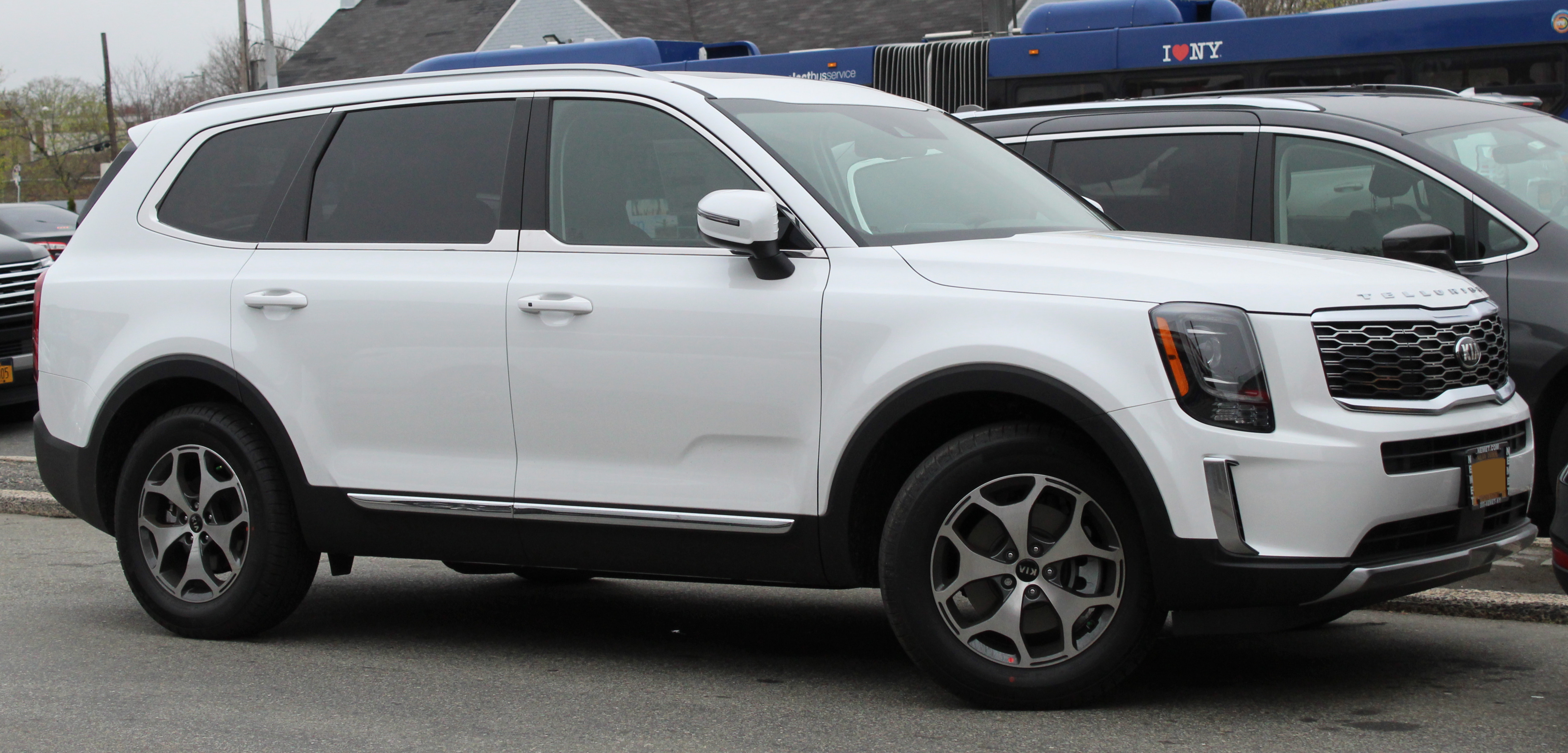
Kia Telluride
"On today's podcast, we're going to start off with Kia's revamped flagship, the Telluride, which enters its second generation."
The Kia Telluride is a family-sized SUV with three rows of seats. This episode is talking about a big redesign for the next generation, not just small updates.
The Kia Telluride is Kia’s midsize three-row SUV. In this episode, the host says it’s been revamped and is entering its second generation, meaning a major redesign rather than a minor refresh.

Toyota RAV4
"Then we'll stick with another very popular SUV, the Toyota RAV4, and how America's best-selling SUV stays on top of its game."
The Toyota RAV4 is a popular compact SUV. The hosts are discussing how it continues to compete by improving over time.
The Toyota RAV4 is Toyota’s compact SUV and one of the best-selling vehicles in the U.S. The segment frames it as staying competitive through ongoing updates and improvements.

Subaru Trailseeker
"Finally, it's the Subaru Trailseeker, a new all-electric model from Subaru that's ready for adventure, and speaking of EVs, our lightning round will explore why so many brands are cancelling planned models."
The Subaru Trailseeker is a new electric Subaru. Instead of using gasoline, it runs on batteries and an electric motor.
The Subaru Trailseeker is described here as a new all-electric model from Subaru. “All-electric” means it’s powered by batteries and electric motors rather than a gasoline engine.
all-electric
"Finally, it's the Subaru Trailseeker, a new all-electric model from Subaru that's ready for adventure, and speaking of EVs, our lightning round will explore why so many brands are cancelling planned models."
“All-electric” means the car runs only on electricity stored in a battery. There’s no gas engine involved.
“All-electric” means the vehicle uses only electric power from a battery pack, with no gasoline engine. It’s the key distinction between a full EV and hybrids or plug-in hybrids.

Ford F-150 Lightning
"...'s ready for adventure, and speaking of EVs, our lightning round will explore why so many brands are cancel..."
The Ford F-150 Lightning is an electric pickup truck. Instead of using gasoline, it runs on a battery and an electric motor. The podcast brings it up because it’s one of the prominent electric-truck examples.
The Ford F-150 Lightning is an all-electric version of the F-150 pickup, built to bring EV technology to a truck platform. It’s mentioned in the context of an “EV lightning round,” highlighting why electric trucks are drawing attention. The key point is that it’s a modern, battery-electric take on a vehicle type people already associate with the F-150.
three-row SUV
"So let's start off with the Kia Telluride. So Kia launched this three-row SUV in late 2019, and it quickly became one of the most popular models in the segment."
A three-row SUV is a bigger vehicle with seats in three rows, so it can carry more people—usually families. The Telluride is described this way because it’s built to fit lots of passengers.
A three-row SUV is designed with seating for up to seven or eight passengers, using a second and third row behind the front seats. In this episode, it’s used to describe the Kia Telluride’s family-focused layout and why it competes in the “large SUV” segment.
markups
"I mean, I remember during COVID, actually, it was so hard to get a Telluride, and the markups on that were some of the highest I think I had seen for just a regular passenger vehicle."
“Markups” refers to dealers charging more than the vehicle’s base price (often above MSRP) due to high demand and limited supply. The hosts mention Telluride markups during COVID as an example of how scarce inventory drove prices up.
second generation
"So for 2026, the Telluride enters its second generation with quite a few updates to try to and keep it on top, but also separates itself from its cousin, the Hyundai Palisade, a little bit."
“Second generation” means the model has moved to its next major redesign cycle, typically bringing changes to styling, interior, technology, and powertrain options. The hosts say the 2026 Telluride enters its second generation with updates aimed at staying competitive.

Hyundai Palisade
"For 2026, the Telluride enters its second generation with quite a few updates to try and keep it on top, but also separates itself from its cousin, the Hyundai Palisade, a little bit."
The Hyundai Palisade is another family SUV with three rows. The hosts bring it up because it’s closely related to the Telluride, and the new Telluride changes are meant to make it feel more distinct.
The Hyundai Palisade is a three-row SUV that shares a close platform relationship with the Kia Telluride. In this segment, the hosts mention the Palisade as the Telluride’s “cousin,” highlighting that the 2026 Telluride updates are meant to differentiate it rather than just feel like a twin.
higher trim levels
"So it is their flagship, and almost a large percentage of buyers opted for higher trim levels, so much so that they, since this vehicle came out in 2019, the average transaction price for a Kia went from $22,000 to $35,000."
A “trim level” is basically the equipment package you choose on a car—like whether it has more tech, nicer interior materials, or extra convenience features. “Higher trim levels” means more people bought the more expensive, better-equipped versions.
“Trim levels” are different versions of the same model that add or remove features, equipment, and sometimes powertrain options. “Higher trim levels” means buyers chose more feature-rich versions, which can raise the average transaction price.
average transaction price
"...since this vehicle came out in 2019, the average transaction price for a Kia went from $22,000 to $35,000."
Average transaction price is the average amount people actually pay when they buy the car. If it goes up, it usually means more buyers are choosing pricier versions or options.
Average transaction price is the typical selling price actually paid by customers, averaged across sales. It’s often used to show whether a brand is selling more base models or more expensive configurations (like higher trims).

EV9
"They wanted to do a complete rethink, and part of that was taking the styling from the EV9, very modern-looking smooth sides, and kind of bringing that over to the Telluride."
The EV9 is Kia’s electric SUV. They’re saying the Telluride’s new look takes inspiration from the EV9’s modern styling.
The Kia EV9 is Kia’s electric three-row SUV, and the hosts say the Telluride’s next-gen styling borrows from the EV9’s design language. That includes the modern, smooth body shape that helps the Telluride look more contemporary.
Range Rover-esque vibe
"So many people did compare it when we first saw pictures of it, too... It has, like, a Range Rover-esque vibe to it."
They’re comparing the Telluride’s style to the Range Rover’s look. It’s basically saying it has a similar “premium, rugged” design vibe.
“Range Rover-esque” is a comparison to the look and styling cues associated with Land Rover’s Range Rover—often a tall, upscale, rugged design with distinctive exterior proportions. Here it’s used to describe the Telluride’s visual impression.
flush door handles
"Absolutely. The flush door handles that everyone's doing these days."
Flush door handles are door handles that sit flat with the car’s body instead of protruding. They’re common on newer cars and can help the car look sleeker.
Flush door handles sit nearly even with the door skin instead of sticking out. This modern design can improve aerodynamics and is a common styling feature on newer vehicles.
fender on the fenders
"The one weird thing about it is it's got these fender on the fenders, and you guys can look it up if you want. Fenders on the fender?"
They’re talking about a weird-looking shape around the wheel area—like a special fender design. It’s the kind of detail you’d want to see in pictures to understand what they mean.
This appears to refer to a distinctive bodywork feature around the wheel area—likely an over-fender or flared/stacked fender design. The hosts seem to be pointing out an unusual styling detail viewers can look up.
toe hooks
"Oh, so you're going to put, like, toe straps, too?... On the X-Pro, it does have real toe hooks."
Toe hooks are strong metal points on the front of a car where you can attach a tow strap or recovery rope. They’re meant for real pulling—not just decoration.
Toe hooks (often called tow hooks) are metal attachment points mounted to the front or rear of a vehicle so a tow strap or recovery rope can be connected for pulling. They’re typically functional on off-road trims, even if the vehicle also has styling meant to suggest ruggedness.
toe straps
"Oh, so you're going to put, like, toe straps, too?... Wait, I'm confused. Can you actually do those things?"
Toe straps are heavy straps used to pull a car out of trouble. They connect to the tow hooks so the pulling force goes through the right, reinforced points.
Toe straps are recovery/towing straps used with tow hooks to pull a vehicle. They’re part of the practical “recovery” setup: the strap connects to the hook so another vehicle or a winch can pull you out.
hybrid
"So, hybrid is a big part of Kia's philosophy going forward... And so, that's the case here in... Especially since... So, no more V6 engine in the Telluride."
A hybrid uses both a gas engine and an electric motor. The electric part can help the car save fuel, especially in city driving.
A hybrid powertrain combines an internal-combustion engine with an electric motor and battery. The goal is to improve fuel economy and reduce emissions, especially during stop-and-go driving and low-speed operation.

Toyota Grand Highlander
"one of its biggest competitors has to be the Grand Highlander, which has been incredibly successful, especially in its hybrid form."
The Grand Highlander is a Toyota family SUV with three rows. They’re bringing it up because it’s one of the Telluride’s main rivals, and the hybrid version has been doing well.
The Grand Highlander is a Toyota three-row SUV that competes in the same family-hauler segment as the Kia Telluride. In this segment, it’s mentioned as a key competitor, particularly in its hybrid configuration.
V6 engine
"So, no more V6 engine in the Telluride. The standard engine is a 2.5-liter turbo four with 274 horsepower."
A V6 is a type of gas engine with six cylinders. It’s typically used when a vehicle needs strong power, but it can use more fuel than newer smaller turbo or hybrid engines.
A V6 engine is a gasoline engine with six cylinders arranged in a “V” shape. It’s often used in larger SUVs for smooth power, but it can be less efficient than smaller turbo or hybrid setups.
2.5-liter turbo four
"The standard engine is a 2.5-liter turbo four with 274 horsepower. And then you can get a hybrid version of that same engine, 329 horsepower."
This is a smaller 4-cylinder gas engine with a turbo that helps it make more power. The idea is to get good acceleration without using as much fuel as bigger engines.
A “turbo four” is a four-cylinder engine that uses a turbocharger to increase air intake and boost power. Using a smaller displacement engine with turbocharging can deliver strong performance while improving efficiency versus larger naturally aspirated engines.
all-wheel drive
"And then you can get it all-wheel drive in either one. The all-wheel drive system remains fully mechanical, so there's no rear motors or anything back there on the rear axle."
All-wheel drive means the car can send power to all four wheels. That usually helps it grip better on slippery roads, but it can cost a bit more fuel.
All-wheel drive (AWD) sends power to both the front and rear axles to improve traction. It’s especially helpful in rain, snow, and low-grip conditions, but it can reduce fuel economy compared with front-wheel drive.
fully mechanical
"The all-wheel drive system remains fully mechanical, so there's no rear motors or anything back there on the rear axle."
“Fully mechanical” here means the car sends power to the back wheels using mechanical parts, not a separate electric motor on the rear axle. That can be simpler, but it may not be as efficient as systems that use rear electric motors.
Saying the AWD system is “fully mechanical” means the power transfer to the rear axle is handled by mechanical components (like a driveshaft and transfer case) rather than electric motors at the rear. This can simplify packaging, but it may limit efficiency gains compared with e-AWD systems that use rear electric motors.
rear motors
"The all-wheel drive system remains fully mechanical, so there's no rear motors or anything back there on the rear axle."
Rear motors are electric motors that help drive the back wheels. Some AWD hybrid systems use them to improve how efficiently the car can move.
“Rear motors” refers to electric motors mounted to drive the rear axle in some AWD hybrid/electric setups. When rear drive is electric, the system can sometimes improve efficiency by using electric torque when it’s most effective.
wheelbases longer by two inches
"they wanted to increase the second-row legroom, which they did with the wheelbases longer by two inches. All that went right into rear-seat legroom, and they improved the access to the third row as well."
Wheelbase is the spacing between the front and back wheels. Making it longer usually creates more interior space, especially for the middle and back seats.
Wheelbase is the distance between the front and rear axles. Increasing it by two inches typically gives more room for passengers, which is why they connect it to improved second-row legroom and easier third-row access.
regen braking
"but you got the regen braking to kind of torque vector your way around corners, which helps. But they can also trigger that to settle the vehicle."
Regen braking is when the car slows down using the electric motor instead of just the regular brakes. It also “recharges” the battery a little while you slow down.
Regen braking (short for regenerative braking) uses the electric motor to slow the vehicle while turning that motion back into electricity. That recovered energy can then be stored in the battery, reducing how often the friction brakes are needed.
torque vector
"but you got the regen braking to kind of torque vector your way around corners, which helps."
Torque vectoring means the car can change how much pulling force it sends to different wheels. That can help the car turn more predictably, especially during braking or cornering.
Torque vectoring is when the vehicle actively varies how much drive force is sent to different wheels (or axles) to help the car rotate and follow the driver’s intended path. In this context, regenerative braking torque is used to help the car rotate around corners.
pitching forward
"Like if you're going over bumps, or if it's pitching forward, they can kind of trigger some regen to counteract that."
Pitching forward is when the car’s nose dips down (and the back lifts) as it slows down or hits bumps. The car can use braking control to reduce that “lurch.”
Pitching forward is the vehicle’s front end dipping and rear end lifting during braking or over bumps due to weight transfer. The system described uses regenerative braking to help counteract that motion and keep the car more settled.
Turbo 4
"The standard engine is now that Turbo 4. Thoughts on it compared to the outgoing 3.8 V6?"
A “Turbo 4” is a 4-cylinder engine with a turbocharger. The turbo helps the engine make more pulling power, especially at lower speeds.
“Turbo 4” refers to a turbocharged four-cylinder engine. Turbocharging uses exhaust energy (via a turbocharger) to force more air into the engine, which typically improves low-end torque and helps a smaller engine feel stronger in a heavier vehicle.
3.8 V6
"Thoughts on it compared to the outgoing 3.8 V6? Yeah, it's torqueier like a lot of Turbo 4s, but it works hard, obviously, for a vehicle that size, and you know it's working, but it doesn't feel underpowered at all."
A “3.8 V6” is an engine with six cylinders arranged in a V shape, with 3.8 liters of displacement. They’re comparing how the new engine feels versus the older one.
“3.8 V6” describes a 3.8-liter V6-cylinder gasoline engine. The comparison is about how the new turbocharged four-cylinder’s torque delivery stacks up against the outgoing V6’s character and power feel.
ground clearance
"It's got 9.1 inches of ground clearance, all-terrain tires, functional tow hooks, as Greg pointed out, limited slip rear, electronic longer suspension stroke, and more kind of off-road specific displays in the gauge package"
Ground clearance is how much space the car has between the ground and its lowest parts. More clearance helps when driving off-road over bumps and rough terrain.
Ground clearance is the distance between the lowest part of the vehicle and the road. More ground clearance helps reduce the chance of scraping the underbody on rocks, ruts, or uneven trails.
all-terrain tires
"It's got 9.1 inches of ground clearance, all-terrain tires, functional tow hooks, as Greg pointed out, limited slip rear, electronic longer suspension stroke, and more kind of off-road specific displays in the gauge package"
All-terrain tires are made for mixed driving—pavement and rougher surfaces. They usually have tread and sidewalls that grip better off-road than regular tires.
All-terrain tires are designed to balance on-road comfort with improved grip on dirt, gravel, and light mud. They typically use tougher sidewalls and tread patterns that can handle mixed surfaces better than standard highway tires.
functional tow hooks
"It's got 9.1 inches of ground clearance, all-terrain tires, functional tow hooks, as Greg pointed out, limited slip rear, electronic longer suspension stroke, and more kind of off-road specific displays in the gauge package"
Tow hooks are strong attachment points on the car meant for towing or recovery. If you get stuck off-road, you can use them to pull the vehicle out safely.
Functional tow hooks are built-in points on the vehicle’s body intended for recovery or towing. They’re typically used with a tow strap or recovery rope to pull the vehicle out of mud, snow, or a ditch.
limited slip rear
"as Greg pointed out, limited slip rear, electronic longer suspension stroke, and more kind of off-road specific displays in the gauge package"
Limited-slip means the car tries to prevent one rear wheel from spinning uselessly. It helps send power to the wheel that has more grip, which is especially helpful off-road or in bad weather.
A limited-slip differential (here, the “rear” version) helps manage wheel spin by allowing the axle to send more torque to the wheel with better traction. This improves control on slippery surfaces like gravel, mud, or snow.
electronic longer suspension stroke
"limited slip rear, electronic longer suspension stroke, and more kind of off-road specific displays in the gauge package"
Suspension stroke is how far the suspension can move when the wheels hit bumps. If it’s “longer” and controlled electronically, the car can better absorb rough ground and keep the tires planted.
Suspension stroke is the amount of travel the suspension components can move up and down. “Electronic longer” implies the system can adjust suspension behavior (often via electronically controlled dampers/actuation) to allow more movement for better wheel contact over rough terrain.
off-road specific displays
"and more kind of off-road specific displays in the gauge package"
Off-road specific displays are screens in the dashboard that show information meant for trail driving. They’re designed to help you monitor what the car is doing when the terrain gets rough.
Off-road specific displays refer to gauge/infotainment screens tailored to trail driving, such as showing traction-related info, vehicle angles, or other helpful status data. The goal is to give the driver more relevant information when navigating uneven terrain.
infotainment screen
"and the infotainment screen. As far as that, it's got like a 30-inch wide, I think, I probably haven't written down here... The infotainment screen is still just 12 inches, so that's not that much bigger, but kind of blends in with the gauges."
The infotainment screen is the big display in the dashboard for things like music, maps, and phone features. They’re talking about how big it is and how it looks next to the gauges.
An infotainment screen is the main display used for the vehicle’s media, navigation, phone integration, and many vehicle settings. This segment compares screen sizes and how the display visually blends with the instrument cluster.
V6
"...she liked the look of the Telluride, but then driving it, it felt a little bit too big for her, and the fuel economy was a problem with that V6. And driving something like that every day..."
A V6 is a type of engine with six cylinders. The point here is that the V6 in the SUV they drove didn’t get great gas mileage, so better efficiency would make it easier to live with.
A V6 is an engine with six cylinders arranged in a “V” shape. In this segment, the V6 is blamed for weaker fuel economy, which is why the speaker thinks improvements in efficiency could sway buyers.
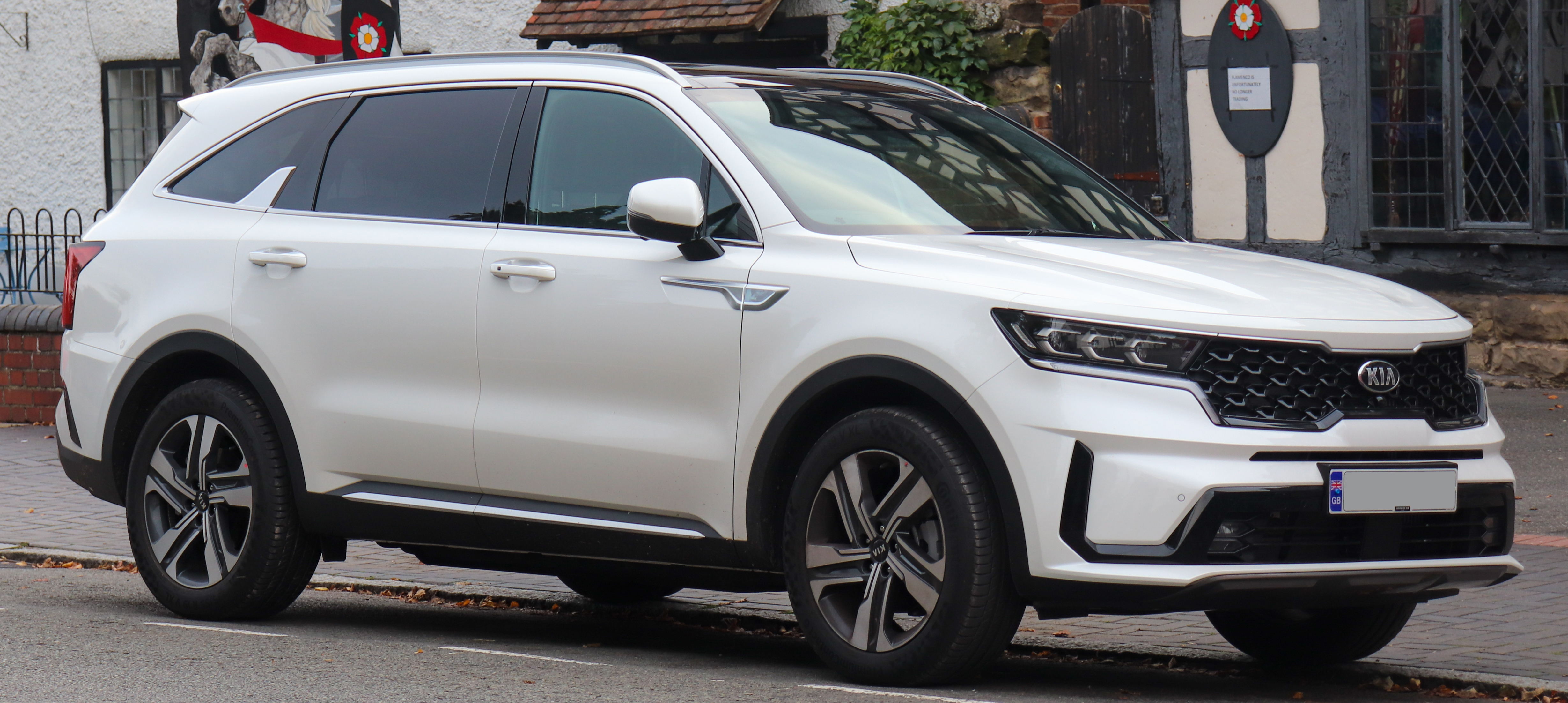
Sorrento
"They have it in the, like the Sorrento that we have, they had it in the Carnival we had recently. And I think it's 35 miles per gallon across the board in the Sorrento, and maybe 35 as well,"
The Kia Sorento is a family-sized SUV. They’re talking about how its hybrid system is supposed to be efficient and how it compares to other Kia hybrids.
The Kia Sorento is a midsize SUV. In this segment, the hosts discuss Kia’s hybrid powertrain strategy and fuel economy figures for the Sorento.

Carnival
"They have it in the, like the Sorrento that we have, they had it in the Carnival we had recently. And I think it's 35 miles per gallon across the board in the Sorrento, and maybe 35 as well,"
The Kia Carnival is a minivan, not an SUV. They’re saying Kia is using a similar hybrid setup in it too, and that affects fuel economy.
The Kia Carnival is a minivan. Here, it’s mentioned as another vehicle that uses the same (or similar) hybrid powertrain approach as the Sorento.
floating roof kind of thing
"But I'm also looking at it, and I see they did the kind of like floating roof kind of thing, where the D pillar or the rearmost pillar has like a blacked out section to sort of make it look like the roof is floating."
A “floating roof” look is when the roof appears to visually separate from the rest of the car. They’re describing a dark trim area that makes the side of the vehicle look more broken up and modern.
A “floating roof” design is a styling trick that uses contrasting trim or window/D-pillar treatment to make the roof look like it’s separated from the body. In this segment, it’s described as a blacked-out section near the rear pillar to break up the side profile.
D pillar
"But I'm also looking at it, and I see they did the kind of like floating roof kind of thing, where the D pillar or the rearmost pillar has like a blacked out section to sort of make it look like the roof is floating."
The D-pillar is the vertical support post near the back side of the car, behind the rear door area. They’re pointing out that it’s styled with dark trim to change how the roofline looks.
The D-pillar is the structural post at the rear of a vehicle’s cabin, typically between the rear side window and the trunk/hatch area. Here it’s referenced as being treated with a blacked-out section to create the “floating roof” visual effect.
tie downs
"Well, I thought like actually putting something to have like tie downs or something would have been smart. Like that's a cool way to make it functional."
Tie-downs are the points where you attach straps to hold luggage or gear in place. They help keep cargo from sliding around while you drive.
Tie-downs are anchor points or hardware used to secure cargo with straps, preventing items from shifting during driving. When tied to a vehicle’s exterior or cargo area, they add practical utility beyond styling.

Land Rover Range Rover
"But shout out Range Rover, right? Like they're the ones who kind of, they started the whole like floating roof trend and that silhouette that everybody recognizes instantly as Range Rover."
Range Rover is a luxury SUV brand/model line from Land Rover. It’s famous for a signature look where the roof seems to “float” above the body, and other SUVs have tried to copy that style.
Range Rover is Land Rover’s flagship SUV line known for its distinctive “floating roof” design and recognizable side profile. In this segment, the hosts credit Range Rover with popularizing that roofline styling that other SUVs later tried to copy.
floating roof trend
"they started the whole like floating roof trend and that silhouette that everybody recognizes instantly as Range Rover... Now, so I Googled this. Who started the floating roof trend?"
A “floating roof” is a design trick that makes the roof look like it’s sitting on top of the car instead of blending into the body. Designers use visual contrast (like darker trim) to create that effect.
The “floating roof” design is a styling technique where the roofline appears to be separated from the body, often using darker trim, blacked-out pillars, or contrasting roof-to-body surfaces. It creates a visually lighter, more upscale silhouette and has become a common SUV design cue.
F-Series
"Like, they're saying, oh, yeah, F-Series sales are this. Well, that doesn't break it down between light duty and heavy duty."
“F-Series” is Ford’s way of grouping sales for its pickup trucks in the F lineup. It can make the numbers look bigger overall without showing which trucks are light-duty versus heavy-duty.
“F-Series” is Ford’s sales umbrella for the F-150 and other related F-series pickups. The hosts point out that using F-Series totals can hide differences between light-duty and heavy-duty trucks.
light duty and heavy duty
"Well, that doesn't break it down between light duty and heavy duty. Respond with ONLY a JSON object containing an "annotations" array."
“Light-duty” and “heavy-duty” are categories for trucks. Light-duty is for normal driving and lighter work; heavy-duty is for bigger towing and tougher jobs.
“Light-duty” and “heavy-duty” describe truck classes based on weight rating and intended use. Light-duty trucks are typically for everyday driving and lighter hauling, while heavy-duty trucks are built for heavier towing and commercial work.

F-150
"Yeah, it's still the F-150. Okay. It's still the number one."
They mention the Ford F-150 because it’s Ford’s best-known truck. The hosts are using it as a comparison point for how people think about “light duty” versus “heavy duty.”
The Ford F-150 is referenced as the “still the F-150” example when discussing light-duty vs heavy-duty categories and award context. It’s used to frame how Ford’s truck line is perceived versus the SUV segment.
sixth generation
"For 2026, the RAV4 enters its sixth generation. Greg, do these refinements keep the RAV4 the benchmark for the segment?"
A “generation” is the big redesign of a car model. Saying it’s the sixth generation means Toyota has refreshed the RAV4 with a major new version, not just small tweaks.
“Sixth generation” refers to the RAV4’s model redesign cycle. Each generation typically brings a new platform or major updates to the body, interior, and powertrain strategy.
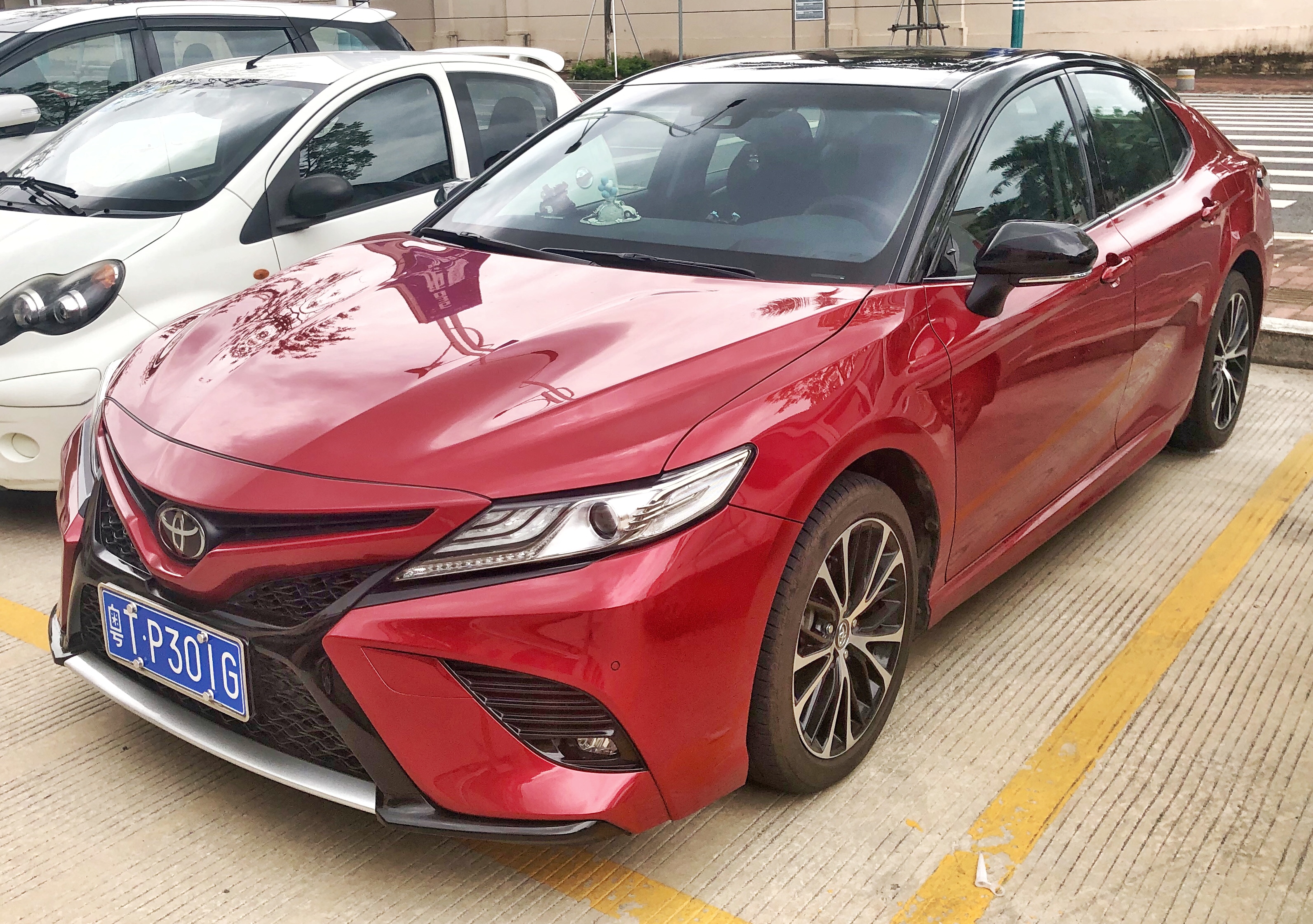
Toyota Camry
"I mean, they did it with the Camry. I mean, it's just, and they did it with the Sienna before that."
They mention the Toyota Camry because Toyota has already offered hybrids there and it worked out well. It’s used as evidence that making the RAV4 a hybrid is a logical move.
The Toyota Camry is referenced as an example of Toyota successfully moving toward hybrid powertrains. The point is that Toyota has already proven the hybrid approach in other high-volume models.

Sienna
"I mean, they did it with the Camry. I mean, it's just, and they did it with the Sienna before that. That's true."
They bring up the Toyota Sienna to show Toyota has already gone hybrid in a different kind of vehicle. The takeaway is that Toyota’s hybrid approach has worked before, so it makes sense for the RAV4.
The Toyota Sienna is mentioned as another Toyota model that adopted hybrid powertrains before the RAV4. It supports the argument that Toyota’s hybrid strategy has been successful across different vehicle types.
mesh
"[1020.4s] into the body. [1021.8s] It's just that whole front piece. [1027.2s] But it looks almost like a blunt EV style with a kind of cool-looking mesh."
Here, “mesh” is the patterned material you see in the front of the car. It’s mainly a styling detail, but it also fits into the front area where air has to flow for cooling.
In this context, “mesh” refers to the grille/upper front fascia pattern that’s used to create an EV-like, modern look. Even though the hosts call it “not even really a grill,” the mesh still signals airflow management and styling.
SE family
"Well, they just have the SE family, which is more sport oriented. That comes with its own styling and the LE family, which is more the core models..."
“SE family” is a way of grouping trim levels that are meant to feel sportier. It typically changes things like styling and included equipment so you get a different “flavor” of the same model.
“SE family” refers to a trim lineup grouping that’s positioned as more sport-oriented. In practice, that usually means different exterior styling details and a different set of standard features compared with the more mainstream trim families.
LE family
"Well, they just have the SE family, which is more sport oriented. That comes with its own styling and the LE family, which is more the core models..."
“LE family” is the more basic, everyday-focused trim group. It’s usually aimed at buyers who want the essentials without the sportier styling.
“LE family” is a trim grouping aimed at being the core, more mainstream version of the model. It’s typically less focused on sport styling and more about practical, widely appealing equipment.
woodland family
"and then the woodland family. And woodland is just on its own. Like that's the, and if you didn't, you couldn't tell from the name. Woodland is like, it's off-roading, kind of rugged style."
“Woodland family” is a trim version meant to look more rugged and outdoorsy. In this segment they describe it as an off-roading, rugged-style package.
“Woodland family” is a trim grouping that signals a rugged/off-road-inspired theme. The hosts describe it as off-roading, rugged style—meaning the package is designed to look and feel more outdoorsy than the standard trims.
Tesla style
"It's very much modern. Like the, you know, we say it all the time, the Tesla style, even though they don't really have a gauge screen, just a screen in front of you..."
“Tesla style” here is a shorthand for a minimalist, screen-forward cockpit layout—often with fewer physical buttons and a more tablet-like driver display. The hosts use it as a reference point for how modern the RAV4/Telluride interior screens feel.
digital cluster
"I think it's like 12.3 or at least 10 inches for the digital cluster. And like, I think the limited we had was like 14."
A digital cluster is the screen that shows your speed, RPM, and other driving info behind the steering wheel. They’re pointing out that it’s a big, modern screen now.
A digital cluster is the fully electronic instrument panel behind the steering wheel, often shown as a screen instead of traditional analog gauges. Here, the hosts mention screen sizes (around 10–12.3 inches for the cluster) to emphasize how prominent the display is.
wireless charging
"It has the wireless charging. He have two of them and they're right dead center below the screen, which is nice. So you, the driver puts their phone right there in front of them."
Wireless charging means you can charge your phone without plugging in a cable. You just set the phone on a charging pad in the car.
Wireless charging lets you power a phone without plugging in a cable, usually using an inductive charging pad. The host notes the charging location is centered below the screen so both driver and passenger can reach it.
electronic shifter
"So below the, the second thing that I liked is the shifter area. So I thought that this was standard on all of them, but it's not. So that electronic shifter, the shift by wires, like a little tab, actually it looks a lot like the Porsche shifter."
An electronic shifter is a gear selector that uses electronics instead of a big mechanical linkage. You move the shifter, and the car electronically changes gears.
An electronic shifter replaces a traditional mechanical gear selector with electronic controls. The vehicle interprets your input and commands the transmission/gear system accordingly, which can free up space and enable different shifter designs.
shift by wires
"So that electronic shifter, the shift by wires, like a little tab, actually it looks a lot like the Porsche shifter."
Shift-by-wire means moving the shifter sends signals to the car to change gears, instead of using a direct mechanical linkage. It can help the interior feel more open and modern.
“Shift-by-wire” means the shifter sends electronic signals to control gear changes rather than using a direct mechanical connection. This can allow more flexible packaging, such as a smaller shifter footprint and a more open center console.
Porsche shifter
"actually it looks a lot like the Porsche shifter. It's just like a little tab that sits up and you go forward and backward on it."
They’re comparing the Toyota’s shifter shape and feel to Porsche’s. It’s basically saying the design looks similar and that helps it feel more space-efficient.
The host compares the Toyota’s electronic shifter design to a Porsche shifter. This is a reference to Porsche’s typically compact, modern shifter feel and packaging rather than a claim that the Toyota uses Porsche hardware.
plug-in
"We didn't have the plug-in. We just had the regular hybrid."
A plug-in hybrid can be charged at home or at a charger like an EV. The hosts are saying they tested a version that wasn’t the plug-in type, so it relied on hybrid operation instead.
A plug-in hybrid (PHEV) can be charged from an external power source, allowing it to run on electricity for a while before the engine takes over. The hosts note they didn’t have the plug-in version during their test, so they were driving the regular hybrid setup.
ECVT
"But off the line, that thing moves quick. ECVT, so it's not the old school style CVT and fuel efficient."
ECVT is a transmission used in hybrid cars. It helps the car switch between electric power and gas power smoothly, without you feeling like it’s shifting gears.
ECVT stands for electronically controlled continuously variable transmission. It’s a type of transmission used in many modern hybrids that can blend electric-motor drive and engine drive smoothly without traditional gear steps.
miles per gallon
"I mean, I wasn't even trying and I was getting like 42 miles a gallon, or miles per gallon, sorry, to get all country on y'all. That's based off what the screen was telling me."
Miles per gallon (MPG) tells you how efficiently a car uses fuel. They’re quoting what the dashboard showed to explain how good the car felt on fuel.
Miles per gallon (MPG) is a fuel-economy measure that indicates how far the car can travel on one gallon of fuel. The hosts reference the screen’s MPG reading to describe how efficient the hybrid felt during their drive.
EV and gas power
"And just seamless transitions between EV and gas power. I mean, it's still like the Kleenex of hybrids, right?"
In a hybrid, the car can run on electricity sometimes and gasoline other times. They’re saying the switch between the two feels smooth, not jerky.
This refers to how a hybrid system blends electric-motor drive (EV mode) with engine drive (gas power). The hosts emphasize “seamless transitions,” meaning the switch between power sources is designed to feel smooth rather than abrupt.

Toyota Prius
"...hybrids, right? Like you call a hybrid or like a Prius is what it was. So it's just like, it's just the..."
The Toyota Prius is a hybrid car, meaning it uses a gas engine and an electric motor together. It’s known for trying to use less fuel than a typical gas-only car. The podcast mentions it because “Prius” is often used as a general reference for hybrids.
The Toyota Prius is a hybrid car that helped popularize the idea of using both a gasoline engine and an electric motor for better fuel economy. It’s significant because “Prius” became shorthand for hybrid technology in general. That’s why it comes up when the podcast is discussing hybrids and how people refer to them.
center console
"And they have this new center console thing [1263.3s] that you can open from either side. [1265.4s] So you can, it flips open from the driver's side,"
The center console is the box/area between the seats. Some cars make it openable from both sides and flip up like a little tray for using or storing things.
A center console is the storage and control area between the driver and passenger seats. In this segment, the hosts are discussing a new design that can open from either side and flip up into a work-surface style tray.
powertrain
"We don't really need to talk right now about the plug-in hybrid, which does actually see the most updates to the powertrain."
The powertrain is the car’s “go” system—what makes it move. It includes the engine and the parts that send that power to the wheels.
A powertrain is the set of components that generate and deliver power to move the vehicle—typically the engine (or motors), transmission, and related drivetrain parts. When the hosts say the plug-in hybrid sees the most updates to the powertrain, they mean the core mechanical/electrical system changes.
faux tie-down
"Alex, did you have any thoughts to add? I'm looking at a picture of the Woodland now and I don't see any faux tie-down. So how am I supposed to know it's more rugged?"
“Faux tie-down” refers to fake or non-functional tie-down points in the cargo area—often molded to look like they can secure items, but not intended for real load securing. The host is using it as a clue about whether the vehicle is truly “rugged” or just styled that way.

Chevrolet Ev Silverado
"The Sierra EV, Silverado EV and Escalade IQ were set to see major updates in 2028. But automotive news recently reported that General Motors is indefinitely suspending their next-gen electric trucks, instead focusing back on gas and hybrid powertrains."
The “Silverado EV” is Chevrolet’s electric pickup version of the Silverado. It’s mentioned because GM is putting its next electric-truck plans on hold.
“Silverado EV” refers to an electric version of the Chevrolet Silverado pickup. The segment uses it as an example of GM electric-truck plans being delayed or paused.

Cadillac Escalade
"The Sierra EV, Silverado EV and Escalade IQ were set to see major updates in 2028. But automotive news recently reported that General Motors is indefinitely suspending their next-gen electric trucks, instead focusing back on gas and hybrid powertrains."
The “Escalade IQ” is Cadillac’s electric take on the Escalade SUV. The hosts bring it up as part of GM’s changing EV plans.
“Escalade IQ” is an electric Escalade variant associated with Cadillac’s large SUV. Here it’s mentioned alongside GM’s electric trucks to illustrate that GM’s broader EV roadmap is being reconsidered.

GMC Sierra EV
"The Sierra EV, Silverado EV and Escalade IQ were set to see major updates in 2028. But automotive news recently reported that General Motors is indefinitely suspending their next-gen electric trucks, instead focusing back on gas and hybrid powertrains."
The “Sierra EV” is an electric pickup truck based on the GMC Sierra. The hosts mention it because GM is changing plans for its next electric trucks.
“Sierra EV” refers to an electric version of the GMC Sierra pickup. In this lightning-round context, it’s grouped with other GM electric trucks to discuss planned updates and schedule changes.
General Motors
"But automotive news recently reported that General Motors is indefinitely suspending their next-gen electric trucks, instead focusing back on gas and hybrid powertrains."
General Motors is the company behind brands like Chevrolet, GMC, and Cadillac. In this segment, GM is said to be pausing its next electric-truck plans and focusing more on gas and hybrid vehicles.
General Motors (GM) is the automaker making the decision described in this segment: indefinitely suspending its next-generation electric trucks. The hosts connect this to shifting strategy toward gas and hybrid powertrains.
pulling back on their EV plans
"This follows a trend across the industry where many automakers are pulling back on their EV plans due to either waning sales or increased costs due to tear-ups."
“Pulling back” means automakers are scaling down or delaying their electric-vehicle plans. In this segment, the reason given is waning sales and higher costs, which changes how aggressively companies invest in EV development and production.
tear-ups
"This follows a trend across the industry where many automakers are pulling back on their EV plans due to either waning sales or increased costs due to tear-ups. I think some that I can think of up the top of my head."
Here, “tear-ups” means companies having to undo or redo big EV plans that already cost money. It’s basically the expensive fallout when a project gets changed or canceled.
In an automotive investment context, “tear-ups” refers to expensive program resets—like canceling or reworking EV platforms, factories, or supply-chain plans. The idea is that when plans change, companies can lose money on work already done and must spend again to restart.

Hyundai Ioniq 6
"Ioniq 6 was one of them. The ID4 from Volkswagen, another one of them."
The Hyundai Ioniq 6 is a fully electric car. People talk about it because it’s designed to be efficient, so it can go farther on a charge.
The Hyundai Ioniq 6 is an all-electric sedan built around efficiency and long-range driving. In EV discussions, it often comes up as an example of how automakers are designing for aerodynamics and battery efficiency.

Volkswagen Id4
"The ID4 from Volkswagen, another one of them. So what do we think this regression is going to mean for the future of EVs?"
The Volkswagen ID.4 is an all-electric SUV. It’s one of the more common EVs in the SUV category, so it’s often referenced when comparing EV trends.
The Volkswagen ID.4 is a battery-electric SUV in Volkswagen’s ID family. It’s frequently used as a benchmark for how EVs are being scaled into mainstream SUV sizes.
regression
"So what do we think this regression is going to mean for the future of EVs? And maybe what trends do we think we might see in that larger vehicle,"
In this context, “regression” means EV progress might slow down or go backward. The hosts are saying car companies will change their plans when the market or rules change.
Here, “regression” is being used to mean a pullback or reversal in EV momentum—like slower growth, reduced incentives, or changing market conditions. The hosts are tying it to how automakers may adjust future EV plans based on shifting demand and policy.
tariffs
"like pickup trucks, SUVs in that segment? Anybody want to start? And this really loaded question? Yeah, you asked like 28 questions. I kind of lost track of what was going on. Well, at the end of the day, you have to remember, we all know this, like automakers, they're businesses and they'll do whatever behooves them. And if they see trends going one way or another or tariffs here or regulations relaxing there, they're going to shift to whatever they perceive"
Tariffs are taxes a government adds to imported goods, which can raise costs for automakers and parts sourced from other countries. In EV planning, tariffs can influence pricing, supply chains, and which models companies decide to build.
regulations relaxing
"And if they see trends going one way or another or tariffs here or regulations relaxing there, they're going to shift to whatever they perceive the customer demand to be."
“Regulations relaxing” means the government rules get less strict. If that happens, car companies might change how quickly they push EVs versus other types of cars.
“Regulations relaxing” refers to easing government rules that can affect vehicle design, emissions requirements, safety standards, or EV-related mandates. If rules become less strict, automakers may adjust their timelines and investment priorities between EVs, hybrids, and gas models.

Subaru
"So yeah, but there are some like Subaru, we're going to talk about. I mean, they've kind of gone all in on the whole EV thing, it seems like."
Subaru is a car brand that sells different kinds of vehicles, including gas, hybrids, and electric cars. The hosts are using Subaru as an example of a company that’s investing heavily in EVs while still selling other powertrains.
Subaru is a Japanese automaker known for offering a mix of gas, hybrid, and battery-electric vehicles. In this segment, the hosts say Subaru has “gone all in” on EVs while still rolling out gas and hybrid models, making it a key example for how brands balance electrification with existing demand.

Hyundai i30
"How long they'll stick around, as anyone's guess. But man, am I 30 seconds up? Probably."
The Hyundai i30 is a compact car model. The podcast is talking about whether it will stay on sale for a long time. That matters because it affects availability and ongoing support.
The Hyundai i30 is a compact car that’s typically discussed in terms of how long a model stays in the lineup and how it fits into Hyundai’s broader product planning. In the podcast context, it’s mentioned alongside uncertainty about how long it will remain available. That makes it relevant to buyers who are trying to understand whether a model will be supported long-term.
range extended models
"And they've decided, okay, let's shift our efforts somewhere else, like more range extended models and things like that."
Range-extended cars are electric cars with an extra way to keep going longer. Instead of relying only on charging, they can use a built-in system to generate power when the battery gets low.
“Range-extended” models are vehicles that use an electric drive system but also include an onboard power source (often a small engine/generator) to help extend driving range. They’re typically positioned between a pure EV and a conventional hybrid, aiming to reduce “range anxiety.”
federal credits
"I think it tells us exactly what we thought was going to happen when the federal credits went away. People are buying EVs and especially large ones."
Federal credits are government discounts for buying certain cars. If the discount goes away, fewer people may buy those cars right then, and sales can move to other types of vehicles.
“Federal credits” refers to government tax credits or incentives that can lower the effective cost of buying certain vehicles, especially EVs. When those credits end or change, demand can shift because buyers lose a key financial reason to purchase now.
EV trends
"You know, gas prices, you know, EV trends, stuff like that. So yeah, I mean, don't nothing really surprises me anymore."
“EV trends” just means what’s happening in the market for electric cars—how popular they’re becoming and how companies are responding.
“EV trends” refers to the market movement toward electric vehicles—things like consumer demand, charging infrastructure growth, and automaker product plans. The hosts connect these trends to how companies react to changing conditions.
EREVs
"But I guess, Alex mentioned the EREVs, which are something that it does seem like people are interested in the EREVs, right? Which, if you don't know what EREV is, it's extended range electric vehicle."
EREV means an electric car with a built-in gas generator. You drive mostly like an EV, and the gas engine kicks in to make electricity when the battery needs help.
EREV stands for “extended range electric vehicle.” It’s an electrified vehicle that primarily runs on an electric drivetrain, but includes a gasoline engine that generates electricity to extend range rather than directly driving the wheels.

BMW i3
"Yeah, like the first one was the, we're going to go back in time again, Robinson. All right. The I3. Yeah, I3, remember, had the little motorcycle engine in it and it would just run."
They’re talking about the BMW i3 as an earlier example of an electric car concept. The idea was that it could use a small engine to help keep the car going by generating power.
The hosts reference the BMW i3 as an example of an EV concept that used a small onboard engine/generator approach. The point is that the vehicle could keep operating by generating electricity rather than relying solely on battery power.

Volt
"And the Volt, I mean, GM was the Volt and EREV as well? You could, there were scenarios where it could run as a hybrid, but it wanted to operate like that."
The Chevrolet Volt was a plug-in car that could run on electricity like an EV, but it also had a gas engine to help it go farther. Some people found it confusing to tell which mode it was in.
The Chevrolet Volt was GM’s plug-in hybrid/EREV-style car that could drive like an EV for a while, then use a gasoline engine to extend range. The hosts mention that many people were confused about whether it was “really” an EV or a gas car.
non-flashy EV
"people are starting to figure out the non-flashy EV. It's exactly what Subaru and Toyota are doing. It's like, it's a car that just happens to be an EV."
A “non-flashy EV” is basically an EV that’s meant to be practical, not flashy or gimmicky. The idea is: it’s just a normal car that happens to be electric.
“Non-flashy EV” is a way of describing an electric vehicle that focuses on practicality and everyday usability rather than dramatic styling or hype. The hosts connect it to what Subaru and Toyota are doing: making EVs that fit normal driving needs and budgets.
car reviews
"So, they ask, why are most car reviews done on perfectly paved country roads in the middle of nowhere when most drivers will be in suburban stop and go..."
They’re talking about how car reviewers choose roads for testing and filming. The question is whether those roads match what most people actually drive every day.
This segment discusses why many car reviews are filmed on ideal roads and whether that matches real-world driving conditions. It’s a viewer-question topic about review methodology rather than a technical automotive term.
stop and go traffic
"...when most drivers will be in suburban stop and go less than perfect traffic? Are they talking about just our car reviews?"
Stop-and-go traffic is city driving where you keep stopping and starting. It can change how efficiently a car uses energy compared to smooth highway driving.
“Stop and go traffic” describes heavy urban driving where speeds constantly change and the car frequently accelerates and brakes. It matters for EVs and hybrids because energy use and efficiency can differ a lot versus steady highway cruising.
first drives
"if I was like driving a car, like I'm thinking of like when I do first drives and we probably all experienced this where we're doing our sound bites in the car."
A “first drive” is when reviewers get to drive a new car for the first time and share their early impressions. It’s usually about how the car feels to drive right away.
“First drives” are early, hands-on driving impressions of a new or updated vehicle. They’re often used to capture initial impressions of ride, steering, power delivery, and overall usability.
sound bites
"we probably all experienced this where we're doing our sound bites in the car. And that's how a lot of people do their reviews as they drive and they talk."
“Sound bites” are short audio clips people record so they can use the best lines in the video. In car reviews, they’re often recorded while driving.
“Sound bites” refers to short, quotable audio clips recorded during a drive for use in the review video. Reviewers often plan these moments to clearly communicate impressions.
city settings
"you do see, and even some of it now, like we do have shots like in, I guess, what we would call city settings, and it can certainly add to it, especially if you're going to talk about something involving that."
“City settings” means filming in town or downtown areas with lots going on. It can be harder to film because of people walking by and traffic.
“City settings” means filming and driving in urban environments with pedestrians, intersections, and frequent traffic flow changes. These conditions can affect both the vehicle experience and the logistics of capturing clean video/audio.
logistically
"The problem is logistically, it sucks shooting a car in a city setting because our videographers are out on this on the sidewalk, and then they have people walking by, they want to talk, and then you're in the car, you're trying to get your you're communicating with the radios."
“Logistically” means the practical, behind-the-scenes planning needed to make the filming work. In this case, it’s about coordinating the crew and dealing with people around.
“Logistically” here refers to the practical coordination required to film a car review—crew placement, managing passersby, and coordinating communication while driving. It’s a production constraint that can shape how and where reviews are shot.

E-Outback
"And Alex, I think the Trailseeker can be best described by its name outside the U.S. E-Outback?"
E-Outback is the name the hosts say this electric Subaru is called outside the U.S. It’s basically the same idea as the Trailseeker, but with a different name for other markets.
E-Outback is the name the hosts say the Trailseeker uses outside the U.S. The “E-” prefix signals an electrified version of the Outback identity for markets where Subaru uses that branding.
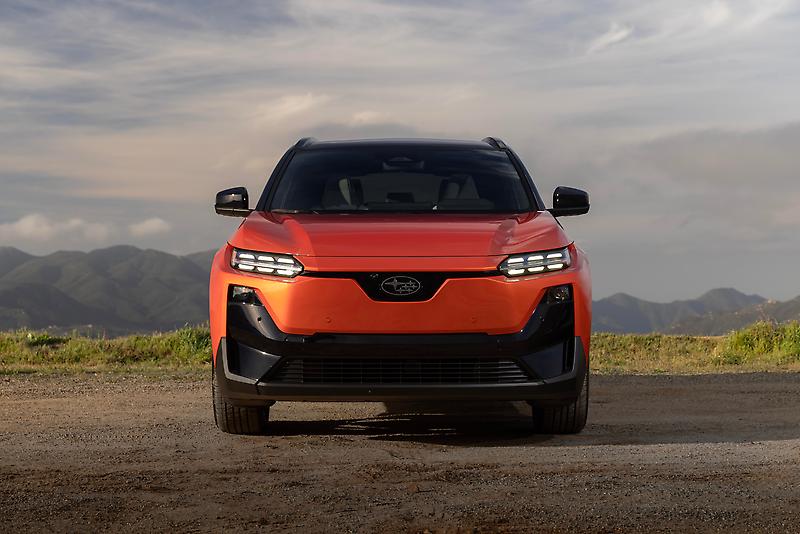
Subaru Uncharted
"..., I mean the sizes. So at the smallest is the new Uncharted. Then you go a size up to the Solterra recently ..."
The Subaru Uncharted is a new Subaru model name. The podcast is saying it will be the smallest in a group of similar vehicles, with bigger ones above it. The main takeaway is where it sits in size compared to other Subaru models.
The Subaru Uncharted is referenced as a new model in the lineup, with the podcast discussing how it fits by size. The conversation suggests it’s the smallest option in a set of related vehicles, positioned below larger models mentioned alongside it. That’s why it comes up—buyers often want to know where a new nameplate lands in terms of dimensions and intended use.
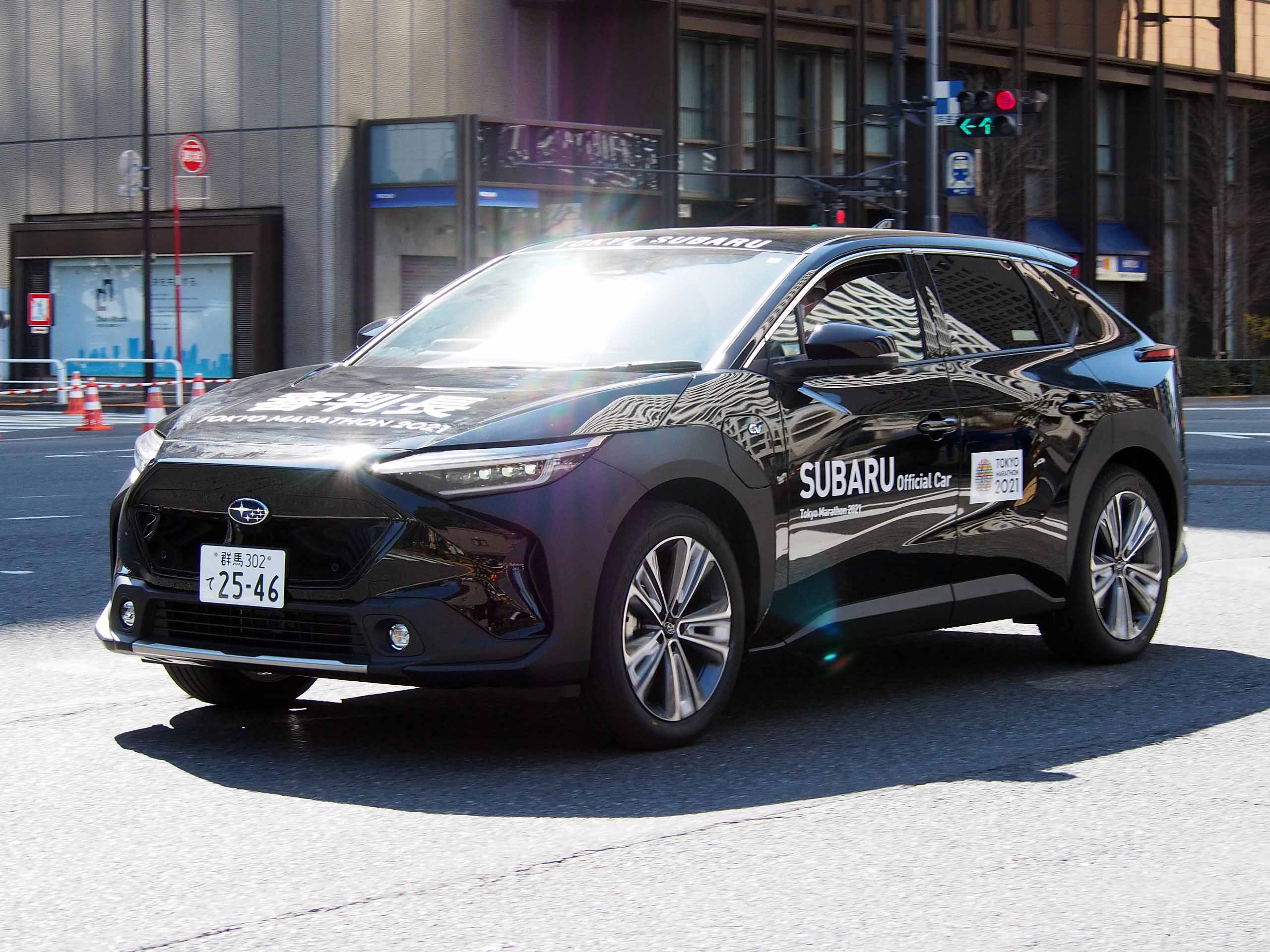
Subaru Solterra
"Then you go a size up to the Solterra recently updated, but that's been around for a few years. The Trailseeker or the E-Outback..."
The Subaru Solterra is Subaru’s electric crossover. The hosts mention it’s been around for a few years and has been updated, and they tie it to the Subaru–Toyota EV partnership.
The Subaru Solterra is Subaru’s electric crossover that the hosts call “recently updated” and note has been on the market for a few years. They also connect it to the Toyota/Subaru EV collaboration by referencing its earlier naming relationship.

Subaru Getaway
"And now there's another one called the Getaway... But like you mentioned, the Solterra, the BZ, the Trailseeker... And then you also mentioned the Subaru Getaway. That is the equivalent of the Toyota Highlander..."
The Subaru Getaway is another new Subaru EV model in their lineup. The hosts say it’s in a higher size tier and compare it to the Toyota Highlander.
The Subaru Getaway is discussed as another step in Subaru’s EV lineup hierarchy, positioned as a size category above the Trailseeker. The hosts also map it to the Toyota Highlander as its equivalent.

Toyota BZ4X
"This is a byproduct of a Toyota Subaru partnership that has existed for a while. That's what we saw with the Solterra, which when that came out was with the then the artist formerly known as the BZ4X. Now it's just the BZ."
Toyota’s BZ4X is an electric SUV that the hosts say later got shortened to “BZ.” They’re using it to explain how Toyota and Subaru share EV development and naming.
Toyota’s BZ4X is referenced as the earlier name for the vehicle that later became the “BZ” in the Toyota/Subaru EV partnership context. The hosts are pointing out branding/naming evolution tied to the same underlying EV program.
Request an Explanation
Heard something you'd like explained? We'll add it to this episode.
Sign in to request explanations for terms you heard.
Want to learn more?
Browse our glossary for plain-English explanations of automotive terms, jargon, and concepts.
Help improve this episode
See something that's not quite right? Our annotations are AI-generated and can sometimes miss the mark. Click the flag icon on any annotation to suggest a correction.