I Bought a New GR86 AND REGRET IT!
About this episode
Lars and the MartiniWorks crew kick off with their upcoming trip to Alt Race in Germany, debating how European car culture differs from USDM—especially the stricter TUV rules and the more “OEM+” mindset. The main rant follows: Lars regrets buying a new GR86, blaming a finicky clutch feel, annoying squeaky windows, and a power delivery that feels “dangerously slow” for the money. They also cover Lars’ E46 M3 brake/ABS delete issues, plus market talk about why new cars cost so much and why used bargains are harder to find. Sponsors and a featured Civic build thread round it out.
Like having the Pod every Friday? Keep it going by modding your car at https://martiniworks.com/
Lars and his wife picked up a new Toyota GR86 and with all the hype around these cars, they were excited. However, it seems Lars has felt a lot of regret buying this car and believes theres quite a bit of options in a similar price range that would make more sense. What do you think? Do you love your GR86? Let us know! #cars #podcast #automotive
Pick up our Coffee here! https://martiniworks.com/products/other/show-merch
A HUGE thank you to Continental, Motegi, and Fortune Auto for being the official tire, wheel, and suspension of the MartiniWorks Podcast! Let us know if you need a set of tires or coilovers.
Shop Continental tires here https://martiniworks.com/products/wheels-tires/tires?brands=continental
Shop Motegi wheels here https://martiniworks.com/aftermarket-car-parts-brands/wheels/motegi
Shop Fortune Auto suspension here https://martiniworks.com/products/suspension/coilovers?brands=fortune-auto
Check out the main channel! @MartiniWorksOfficial
We also have an unboxing channel @MartiniWorksUnboxed
Follow Lars @Lars Vogler.martiniworks
Follow Dakota @dakotastonee
Follow Gels @akagels
Toyota Gazoo Racing (GR)
"We're going to be diving into some topics, kind of like why Lars and Fam picked up a GR86 and maybe hates it."
“GR” is Toyota’s performance brand. If a car has “GR” in the name, it usually means Toyota aimed it to be more fun and sporty to drive.
“GR” stands for Toyota Gazoo Racing, Toyota’s performance and motorsport branding. When a model is labeled GR (like the GR86), it typically signals Toyota tuned the car for driving feel, often with sport-oriented engineering and styling.
Alt Race
"We're heading to Alt Race. Lars, do you want to tell the people what Alt Race is if they don't know? ... I'm sure you've seen... people drifting around a stadium."
Alt Race is a big car event in Europe. It’s known for lots of cars showing up—often including drifting and famous older racing-style vehicles—usually in a stadium setting.
Alt Race is described as a major auto show/car-club event based out of Poland, known for hosting large gatherings around stadium settings. The hosts mention drifting and classic European motorsport cars being displayed, which helps listeners understand the vibe and why it’s a destination event.
drifting around a stadium
"I'm sure you've seen, everybody who's listening to this has seen their clip somewhere of people drifting around a stadium or some of these old European icons of motorsports just being displayed at a show."
Drifting is when a driver makes the car’s back end slide on purpose while still steering through the turn. Stadium events are popular for it because it’s easy for crowds to see the action.
Drifting is a driving technique where the car is intentionally steered so the rear end slides while the driver maintains control and angle through a turn. Doing it around a stadium setting is common for big show events because it creates a dramatic, spectator-friendly spectacle.
European car culture
"and to just see European car culture is going to be sick. It's so different, it's something new. Yeah, it's exciting because we don't talk about it much."
They’re talking about how car fans in Europe do things differently than they’re used to. It’s not just about the cars—it’s about the whole scene and community.
“European car culture” here is about the differences in how enthusiasts in Europe gather, modify, and celebrate cars compared with the hosts’ usual Japanese-car-focused conversations. It’s a cultural contrast that helps explain why the trip and event attendance matter beyond just the cars themselves.
Japanese cars
"We have a big affinity for Japanese cars, generally speaking. Obviously, a bunch of us have European cars and we love that culture just as much, but we don't get to talk about it much"
They’re saying they really like Japanese cars. That usually means they enjoy how they drive and how easy it is to find parts and support for them.
The hosts mention a “big affinity for Japanese cars,” which frames their perspective and why the GR86 purchase and their usual interests are relevant. Japanese-car enthusiasm often emphasizes reliability, driving feel, and a large aftermarket ecosystem.
Le Mans
"Alex went for Le Mans a couple of times and some of his stuff, but yeah, I'm very excited to share that culture and to go back where I came from and explore some of that."
Le Mans is a super famous long-distance race where cars have to keep going for a full day. It’s a big deal in racing, especially for European car fans.
Le Mans refers to the famous 24-hour endurance race held in France, known for testing cars and drivers over long durations. Mentioning it signals the host’s exposure to top-tier European motorsport culture.
JDM
"that that would be like bringing some crazy JDM car to America? That's what I thought about a little bit."
JDM means “Japanese cars sold in Japan.” People use it to describe cars that are especially interesting or hard to find outside Japan.
JDM stands for Japanese Domestic Market, meaning cars and trims that were originally sold in Japan. In enthusiast talk, it often implies rarity outside Japan and a strong connection to Japanese tuning culture.
USDM
"USDM, Golf Harlequin, that's crazy."
USDM just means a car version made for the U.S. market. Enthusiasts use it to talk about what’s “normal” in America versus what’s common elsewhere.
USDM stands for U.S. Domestic Market—cars and versions that were originally sold in the United States. It’s used by enthusiasts to distinguish U.S.-spec cars from Japanese (JDM) or European (often Euro-spec) variants.
Polo
"Or they'd be like, get that out of my country. I hate this. Bring me a Polo."
The Polo is a small Volkswagen hatchback that’s popular in Europe. They’re saying Europeans might react by wanting something familiar instead of a rare North-American-only car.
The Volkswagen Polo is a small European-market hatchback that’s common across Europe. The speaker contrasts it with the Gulf-livery car to illustrate how different regions have different “normal” models.
car shipped there for the show
"And there's people have their car shipped there for the show. I've seen Hawaii plates and all that out there."
Moving a car for an event usually means paying for transport and dealing with paperwork, not just driving it somewhere. It can get really expensive and complicated when it’s across oceans. The host is highlighting how far people will go to get their car to the right place for a show.
Shipping a car internationally for a show (or filming) is a major logistics and cost factor, especially for performance cars. It typically involves transport booking, customs paperwork, insurance, and timing the move around the event schedule. The host’s point is that some people go to extreme lengths—like moving cars from Hawaii to Europe—to make content happen.
Hawaii to Europe is an insane trip for a car
"So Hawaii to Europe is an insane trip for a car. That's about as far as it gets."
Shipping a car from Hawaii to Europe is a huge trip, not a simple “send it” situation. It usually means ocean transport and lots of paperwork. The host is basically saying it’s one of the most extreme shipping routes you can do.
International car transport from Hawaii to Europe is unusually complex because it involves long-distance ocean shipping plus customs clearance in the destination country. The farther and more cross-border the route, the more you’re exposed to delays, insurance costs, and import/export rules. The host is using this as a reality check for how intense car shipping can be.
NSX
"I think it was like an NSX. But yeah, so I wonder if there's a story behind that."
The Honda NSX is a famous Honda supercar. The host is basically saying that even cars like an NSX can end up being shipped to places like Europe for events or filming. It’s an example of how big and expensive international car transport can be.
The Honda NSX is a mid-engine supercar known for its advanced engineering and, in modern form, hybrid assistance. In this segment it’s used as an example of a car that could be shipped to a far-away location for a show or shoot. The key takeaway is the logistics and cost of moving high-value cars internationally.
Life hack for importing cars
"So kind of a pro tip. Life hack for importing cars. Join the military and go move somewhere"
The host is talking about a way some military families can bring a car back from overseas more easily than regular people. It’s like a “hack” because the move is part of their assignment, and the shipping can be covered or discounted. It’s not something everyone can do, but it’s why some cars end up back in the U.S.
The segment describes a common “military move” import strategy: when service members are stationed overseas, they may be able to ship a personal vehicle back to the U.S. under military relocation benefits. This can reduce or eliminate some costs compared with normal civilian import routes. It’s not a universal loophole, but it’s a real reason some people end up importing cars this way.
OEM plus type things
"And to say that it's more OEM plus type things. It's less of the slanty wheels."
“OEM plus” means you don’t completely change the car. You keep the factory vibe, but add upgrades that make it a little better—like wheels, suspension, or small performance parts.
“OEM plus” describes a build philosophy where you keep the car’s factory character but improve it with tasteful, mostly bolt-on upgrades. The goal is to enhance drivability, stance, or comfort without turning the car into a full custom project.
slanty wheels
"It's less of the slanty wheels. It's less of the dumped on frames type of cars."
This sounds like a description of very aggressive wheel fitment—where the tires and wheels sit at a dramatic angle. It’s mostly about the look, and it can make the car less comfortable or less practical.
“Slanty wheels” is a casual way to describe an aggressive wheel/tire stance—often associated with heavy camber, stretched tires, or extreme fitment. In car-culture terms, it’s usually about visual style more than everyday usability.
dumped on frames type of cars
"It's less of the slanty wheels. It's less of the dumped on frames type of cars. With some exceptions, of course,"
This is basically describing cars that are lowered extremely. That can look cool, but it often makes the ride harsher and can cause problems like scraping and faster tire wear.
“Dumped on frames” refers to extreme lowering that can involve modifying suspension geometry and sometimes body/chassis clearance. The phrase implies a style that prioritizes stance, which can negatively affect ride quality, tire wear, and ground clearance.
owning a car in Europe
"I don't think we'll see much blending of that because people are more, owning a car in Europe, and I know in Germany specifically, is expensive."
They’re saying that in Europe—especially in Germany—having a car can be harder and more expensive. That affects what people do with their cars and how much they’re willing to modify them.
The segment contrasts American and European car culture by pointing out that car ownership costs and constraints can differ significantly across regions. In places like Germany, higher expenses and practical limitations can shape what kinds of modifications people choose.
Storage is really difficult there
"and I know in Germany specifically, is expensive. Storage is really difficult there. Insurance is difficult there."
If it’s hard to park or store a car, it changes how people live with cars. It can make it tougher to own multiple cars or work on them for long periods.
Limited storage (garages, driveway space, or parking availability) can strongly influence car culture and modification habits. If you can’t store a car easily, it’s harder to keep multiple vehicles, do long projects, or maintain a “project car” lifestyle.
Insurance is difficult there
"Storage is really difficult there. Insurance is difficult there. In Germany especially."
Insurance can be more expensive or complicated in some places. When that happens, people may choose cars and upgrades that are easier (and cheaper) to insure.
Insurance costs and underwriting rules can vary widely by country and can affect what cars people buy and how they modify them. Higher insurance friction often discourages risky or expensive-to-insure setups.
Getting your license isn't that hard
"Insurance is difficult there. In Germany especially. Getting your license isn't that hard"
How easy it is to get a driver’s license affects who’s driving. If more people can get licensed, you often see more cars on the road and different driving habits.
Driver licensing requirements influence the size and demographics of the driving population. If licensing is relatively accessible, you typically see more new drivers on the road, which can affect car culture, insurance risk pools, and what cars are common.
Autobahn license (different license for the Autobahn)
"And Germany has two different licenses, but you have to get a different one for the Autobahn from my understanding at least."
Germany can have different driving rules depending on where you’re driving. The Autobahn is special, so you may need the right kind of license or qualification to use it legally.
The Autobahn in Germany is famous for sections without a universal speed limit, but access and rules still depend on the type of driver licensing and local requirements. The hosts are describing how Germany may require a different license category/qualification to legally drive on the Autobahn at certain speeds or under certain conditions.
Mighty Car Mods
"I remember I watched a series by Mighty Car Mods where they went over there and they bought a Golf and they modified it."
Mighty Car Mods is a car show/channel that makes videos about modifying cars. The host is using it as an example of how people approach building and changing cars.
Mighty Car Mods is an automotive media channel known for entertaining, DIY-style car builds and modification projects. The host references their series as an example of a modifying perspective—especially relevant when discussing how rules like TÜV affect what can be changed.
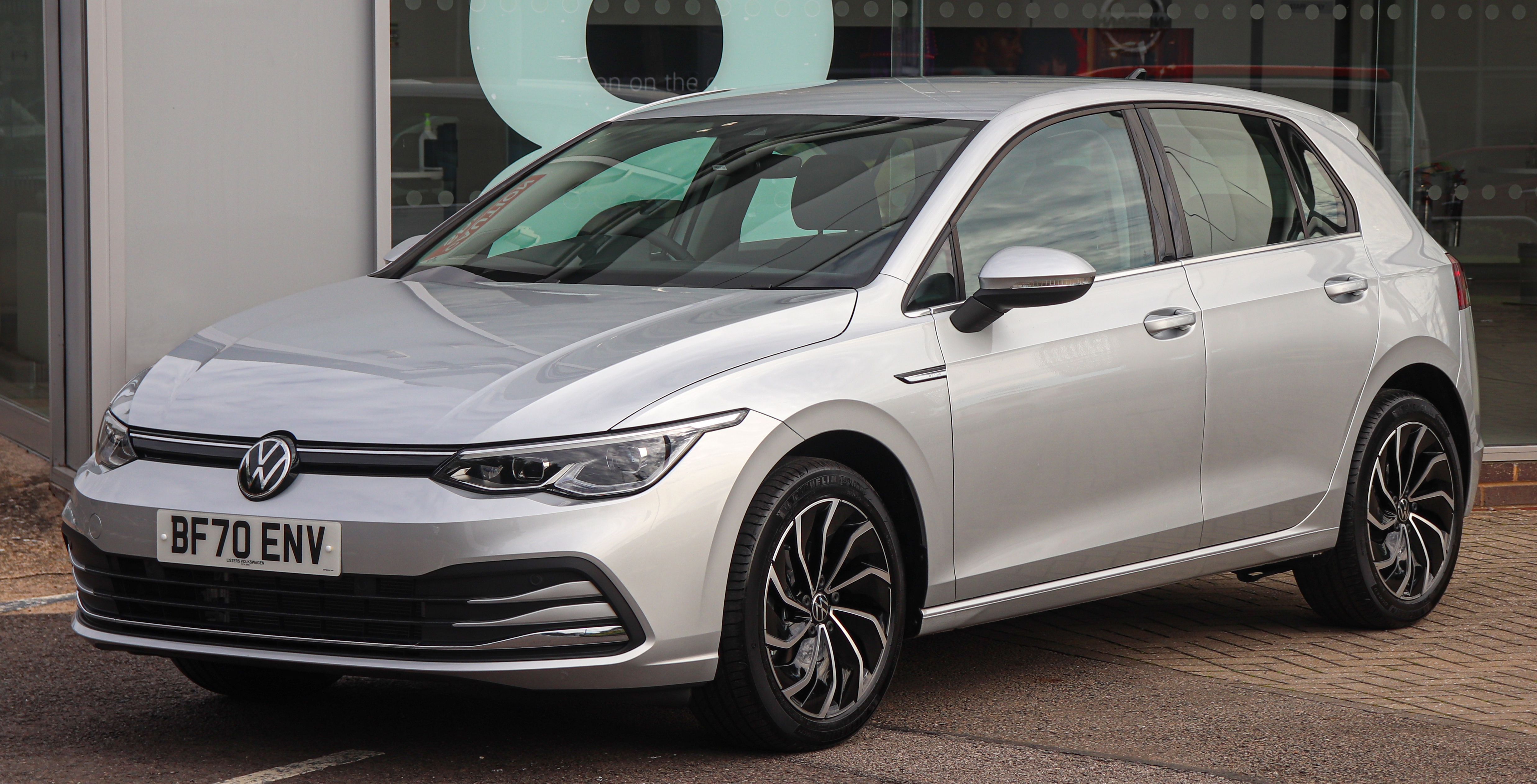
Volkswagen Golf
"I remember I watched a series by Mighty Car Mods where they went over there and they bought a Golf and they modified it."
The Volkswagen Golf is a common small car that a lot of people modify. The point here is that the hosts are comparing how modifications work in different countries.
The Volkswagen Golf is a popular compact hatchback with a huge global enthusiast and modification community. The host cites Mighty Car Mods buying and modifying a Golf, using it as an example of how strict rules and inspection culture can shape what modifications are practical.
TÜV inspections
"Because there's the TUV, the TUV, where like when your car gets registered and you have to pass all these inspections and they're pretty strict about it."
TÜV is a German vehicle inspection. It’s where your car has to pass safety and emissions checks, and that can limit what kinds of mods you can legally run.
TÜV is Germany’s well-known inspection system that checks vehicles for roadworthiness and compliance with safety and emissions rules. When a car is registered or re-registered, it may need to pass TÜV inspections, which can strongly affect what modifications are legal and how strict the process is.
certification
"So even when you look at like aftermarket parts over there, a lot of times they're a lot more expensive because they have to have that certification so that way you can put it on your vehicle."
Some aftermarket parts have to be “approved” before you can legally put them on your car. That approval usually means they meet rules for safety and emissions.
Aftermarket parts often need certification to be legally installed and to meet emissions/safety requirements. That certification is what allows the part to be approved for use on a specific vehicle in a given market.
exhaust
"Yeah, yeah, definitely wheels exhausts. I know they're really rough on exhaust there."
The exhaust is the system that carries gases out of the engine. Changing it can affect emissions, so laws and regulations often limit what you can do.
Exhaust systems are frequently modified, but they’re also heavily regulated due to emissions. The speaker notes that some setups can be “rough” on exhaust, and that emissions requirements can drive restrictive factory packaging.
European spec cars
"And it's because of the emissions stuff that they have to cram up there in the European spec cars."
European versions of cars sometimes have to meet different pollution rules than cars sold in the U.S. That can change where parts like the exhaust can fit.
“European spec” refers to vehicles built to meet European regulations, which can differ from U.S. rules—especially for emissions. Those differences can affect how exhaust components are routed and packaged.
underground scene
"I really wanna know what kind of stuff there is and also the underground scene. And by that I mean, you know, like for example, in California or even Milwaukee, like here in Wisconsin, there are emissions rules."
The “underground scene” is basically people who do car mods that don’t follow local rules. The question is whether those mods will become more common when parts come from countries with looser regulations.
An “underground scene” refers to communities that develop and share modifications that may not be legal or may violate local emissions rules. The speaker is asking how much of that culture will show up when parts are imported from places with fewer restrictions.
emissions rules
"in California or even Milwaukee, like here in Wisconsin, there are emissions rules. You're not supposed to do a lot of the stuff that people do."
Different places have laws about pollution. Those laws can restrict changes like exhaust modifications, depending on where you live.
Emissions rules limit what modifications you can legally do, especially to exhaust and engine-related components. Different regions enforce these rules differently, which affects how common certain “underground” setups are.
LMP1
"So one of the icons, for example, is the LMP1 car that BMW made back in the day. I keep seeing it all over their website and every time I see it, I was like, God, I hope it's there."
LMP1 is a type of race car used in long-distance endurance races. Think “top-level prototype” built to run fast for hours at a time.
LMP1 is a prototype racing class (Le Mans Prototype) that historically represented the highest-performance, manufacturer-backed endurance cars. Cars in this class are designed for long stints, high-speed stability, and efficiency rather than short sprint racing.
DTM cars
"Any of the DTM cars, one of the Mercedes Evo would be sick. Any of the DTM cars, one of the Mercedes Evo would be sick."
DTM is a German racing series for cars that are based on production models. The race cars are heavily modified, but the series is a big part of German motorsport history.
DTM (Deutsche Tourenwagen Masters) is a German touring-car racing series known for highly developed race versions of production-based cars. Mentioning DTM cars signals the host is hoping to see iconic German racing machinery beyond just endurance prototypes and F1.
stanced out
"And the stuff that we don't get here, like one series wagons or like hatchbacks, I guess technically. There could be lots of wagons. Yeah, that's what I'm excited for too, is to see basically any car that was made there and we didn't get is what, especially like a Shirako, like a newer one, a Shirako art. Oh my God, if I see one stanced out, I'm gonna do a full photo shoot of that thing."
“Stanced out” usually means the car is lowered a lot and the wheels are fitted to look extra aggressive. People do it for the look, and it often takes suspension and wheel changes to pull off.
“Stanced out” refers to a modified car stance—typically very low ride height and often with wheels tucked or pushed for a specific look. It’s common in Japanese car culture and can involve suspension changes and wheel/tire fitment work. The host is excited to see one because it signals a particular style and level of modification.
pull inspiration from there
"But yeah, what I'm really gonna be eyeing up and looking for is I want to see how people modify their cars and maybe pull inspiration from there and just notes. I think it's really cool like getting to go to Japan"
They’re basically saying they want to copy ideas from other countries’ car scenes. By seeing real modified cars, they can figure out what kinds of changes look good and work well.
This is about using other markets’ car culture as a blueprint—seeing how people modify cars in Japan and then applying those ideas back home. It’s a common pattern in enthusiast scenes: local rules, parts availability, and tastes shape what modifications become popular. The host frames it as “notes” and perspective gained from seeing real builds.
Euro shows
"So I mean, I've always been a big fan of like Euro shows and stuff like that. And I feel like we get a little bit of that vibe here"
“Euro shows” refers to European car events and media that often emphasize different aesthetics and engineering priorities than US scenes. The host says they’ve liked that vibe, which suggests their taste in modifications is influenced by European styling and build culture. This helps listeners understand why Japanese and European car culture are both part of their inspiration pipeline.
brakes
"So we talked about the brakes for a long time, and we finally had a shop kind of help us finish that up. So that's all installed, ready to go."
They’re talking about brake work that got finished, and then how the brake pedal feels afterward. The pedal feels stiffer and higher than expected, so they want someone to adjust or check it.
The discussion centers on brake work being completed by a shop and then evaluating pedal feel afterward. The host describes the pedal as unusually stiff and positioned higher than before, which can indicate changes in brake hydraulics, pedal linkage, or system bleeding/adjustment.
ECU
"...the wheel speed sensor runs through the ABS module and then to like the ECU, is my understanding of it."
The ECU is the car’s main computer. It uses sensor information (like speed) to run different systems, so if the signal doesn’t reach it after removing ABS, some things (like the speedometer) won’t work.
ECU (engine control unit) is the car’s main computer that controls many functions beyond the engine, including using vehicle speed data for various systems. The host is describing how the wheel-speed signal is routed to the ECU through the ABS module, so removing ABS can break that data flow.
speedo
"With the ABS completely removed, that plug goes nowhere right now. And as a result, I noticed the speedo wasn't working,"
“Speedo” means the speedometer. They’re saying it stopped working after removing ABS, likely because the car lost the speed signal it normally uses.
“Speedo” is shorthand for the speedometer, which displays vehicle speed to the driver. The host notes the speedometer wasn’t working after ABS removal, consistent with the idea that the speed signal was dependent on the ABS module’s wiring path.
RPM
"So I can't rev past, I think it's 6,000 RPM. And it definitely feels like it's low on power."
RPM tells you how fast the engine is spinning. If the car won’t let it go past a certain RPM, it can feel like the engine is being “held back.”
RPM (revolutions per minute) is how fast the engine is spinning. When the host says they can’t rev past about 6,000 RPM, it implies an engine limiter or protective strategy that reduces power to prevent damage or to handle a sensor/fitment issue.
master cylinder
"it seems like most people that upgrade the brakes don't touch that system, like the actual master cylinder, the booster and all that stuff."
The master cylinder is the part that creates the brake pressure when you press the pedal. If you change other brake parts but not this, the brakes can feel wrong or behave oddly.
The master cylinder is the hydraulic “pump” that converts brake pedal force into pressurized brake fluid for the rest of the brake system. If you upgrade only calipers/rotors/pads but not the master cylinder/booster, you can end up with mismatched pedal feel, pressure ratios, or ABS behavior—especially in cars with advanced brake control.
booster
"like the actual master cylinder, the booster and all that stuff. They upgrade the calipers, rotors, pads, obviously."
The booster helps you push the brakes with less effort. If you only upgrade some brake parts, the pedal feel and braking behavior can still be off.
A brake booster amplifies the force from the brake pedal (often using vacuum or another assist method) so the driver can generate enough hydraulic pressure. Changing brake components without considering the booster can alter pedal effort and how the ABS/traction systems interpret braking events.
drift guys
"And I guess this is a freak thing that only like really drift guys are doing for the most part,"
Drifters are drivers who intentionally slide the car while keeping it controlled. The host is saying this problem is more common with drift-focused modifications than with normal street brake upgrades.
Drifting is a driving style where the car is intentionally rotated with slip angle while maintaining control, often requiring specialized brake and stability behavior. The host suggests the issue is mostly seen in drift setups, implying that certain brake-system configurations or control interactions are more common in that community.
ABS
"I've heard of people deleting ABS or keeping it vice versa. What are the benefits of not having ABS versus having it? ... I would never recommend anybody get rid of ABS."
ABS is a safety system that stops your wheels from locking up when you brake hard. That helps you keep control of the car and steer while you slow down.
ABS (anti-lock braking system) prevents the wheels from locking up during hard braking. When it senses wheel slip, it rapidly modulates brake pressure so you can keep steering control while stopping more effectively on many surfaces.
outbreak a car
"You're not going to outbreak a car with a good ABS system, again, if it's functioning properly."
They mean braking so aggressively that the car starts to lose control. ABS helps prevent the wheels from locking up, which makes it easier to stay stable.
“Outbreak” here means braking so hard that the car loses stability—typically by locking wheels or exceeding tire grip—before you can keep the vehicle controlled. A properly functioning ABS system helps reduce the chance of that by managing wheel slip during heavy braking.
bias adjuster
"Yeah, the other one is now I have a bias adjuster, so I'll be able to dial in front and rear brake bias between sessions."
A bias adjuster is a knob or device that changes how hard the front brakes and rear brakes work relative to each other. People use it to make the car brake the way they want on a track.
A brake bias adjuster lets you fine-tune the front-to-rear braking balance, usually by changing hydraulic pressure distribution. Track drivers use it to tailor braking feel and stability for different tires, brake temperatures, and track conditions.
front and rear brake bias
"Yeah, the other one is now I have a bias adjuster, so I'll be able to dial in front and rear brake bias between sessions."
Brake bias is how much of the braking happens in the front versus the back. Changing it can make the car feel more stable or more “twitchy” when you brake, depending on the setup.
Brake bias is the split of braking force between the front and rear axles. Adjusting it changes how the car behaves under braking—too much rear bias can promote instability, while too much front bias can reduce rear traction and overall braking balance.
load cell pedal (sim racing)
"[948.5s] ...is a Simrig. [949.8s] If you have a Simrig at home with a load cell pedal..."
A load cell pedal uses a sensor that measures force directly, producing a more realistic and consistent pedal feel compared with simpler potentiometer-style pedals. The host compares the GR86’s brake pedal behavior under ABS to the sensation of a load-cell sim rig, implying the pedal resistance changes in a way that feels “sim-like.”
wheel lockup
"[955.1s] ...the whole point of ABS... [976.9s] ...as you're locking up."
Wheel lockup happens when the tires stop rotating while braking, which dramatically reduces traction and steering ability. ABS reduces the chance of lockup by modulating brake pressure so the wheels keep turning near the limit of traction.
modulating
"[969.6s] Not really. [976.9s] ...It's just modulating that as you're locking up."
Modulating means the car keeps adjusting how hard the brakes are applied. ABS doesn’t just clamp the brakes and leave it—it changes pressure to keep the wheels from locking.
Modulating in this context means ABS continuously adjusts brake pressure during a stop. Instead of holding the brakes fully applied, it “pulses” pressure to keep the wheels from locking while still slowing the car.
caliper
"[970.6s] The ABS just kind of discot this... [974.7s] ...lets go of the caliper a little bit."
The caliper is the part that squeezes the brake pads onto the spinning brake disc. With ABS, the car can reduce that squeeze and then bring it back to help prevent wheel lock.
A brake caliper is the component that squeezes the brake pads against the rotor to create stopping force. In ABS operation, the system can relieve pressure so the caliper clamps less tightly, then reapplies pressure as needed to prevent lockup.
rotor
"[982.3s] ...measures rotation of the wheel relative to the rotor..."
The rotor is the spinning brake disc. ABS uses sensor data about wheel movement to decide when to ease off and reapply braking so the wheel doesn’t lock up.
A rotor (brake disc) is the spinning metal surface the brake pads clamp onto. ABS uses wheel-speed information (often from sensors) to infer when the wheel is approaching lockup relative to vehicle motion and braking demands.
wheel speed sensor
"The wheel speed sensor. Yeah, thank you. So it's just when those don't match, it just lets go a little bit."
A wheel speed sensor is a small sensor that tells the car how fast each wheel is spinning. If the readings don’t agree, the car may not know which wheel is slipping, so it can back off or change its safety help. That can make braking feel different, especially on slippery surfaces.
A wheel speed sensor measures how fast each wheel is rotating. ABS and traction control use those readings to detect slip; if the signals don’t match, the system may reduce or change braking/traction intervention. This is why sensor-related issues can affect how confidently you can brake and accelerate.
locking up
"So I think I'm more at risk of locking up for obvious reasons. So flat spotting tires is a big deal now."
Locking up is when a wheel stops spinning and starts sliding. Sliding tires don’t grip the road as well, and it can also damage the tire. Cars with ABS try to prevent this by pumping or modulating the brakes.
“Locking up” means a wheel stops rotating while the car is still moving, usually during hard braking. When that happens, the tire stops providing optimal grip and can skid, increasing stopping distance and risk of flat spotting. ABS is designed to prevent lockup by modulating brake pressure.
flat spotting tires
"So flat spotting tires is a big deal now. So I'm going to have to completely rely on how to drive the car."
Flat spotting is when a tire locks and slides instead of rolling. The tire gets a worn “flat” patch, which can make the car shake and feel less stable. It’s a big deal because it can also hurt the tire’s grip and lifespan.
Flat spotting happens when a tire locks up and skids on the road, leaving a temporary “flat” area. That can cause vibration, reduced grip, and longer-term tire damage if it’s severe or repeated. It’s especially relevant when braking systems or traction control behavior changes, because lockup becomes more likely.
Continental Tires
"OK, well, we'll hop into our first sponsor, which is Continental Tires. Head on over to Martina Works. Use the filter. See what tires are for your car."
Continental Tires is a well-known tire brand. The sponsor is basically saying: use their website to pick tires that fit your car. The right tires can make a big difference in how well the car stops and sticks to the road.
Continental is a major tire manufacturer, and they produce performance and touring tires for many car models. In this segment, the sponsor is pointing listeners to a tire-selection tool to find tires matched to their specific vehicle. Tire choice matters because tire compound and tread design strongly affect grip, braking, and heat behavior.
Extreme Contact Sport 02 DWS06 plus
"They have the Extreme Contact Sport 02 DWS06 plus. And then if you want to get way, way, way, way ahead of the game... But the ECSO2, another one of my absolute favorite tires, very universal... it's the perfect car enthusiast tire..."
This is a type of tire made by Continental. It’s meant to work well in a lot of conditions—dry roads, rainy weather, and even light winter snow—so you don’t have to swap tires as often. The host likes it because it feels confident for everyday driving and for more aggressive driving too.
The “Extreme Contact Sport 02” (DWS06 Plus) is a performance all-season tire from Continental. It’s designed to balance dry grip, wet traction, and winter capability, which is why the host calls it a “universal” enthusiast tire. The “plus” version typically indicates an updated tread compound/structure for improved performance and longevity.
Viking Contact 8s
"...get some Viking Contact 8s, the new winter tire that they dropped not too long ago. That's thinking ahead. But man, dude, those are some of my favorite tires I've ever used. They're unbelievable in the snow."
This is a winter tire model made by Continental. Winter tires are built to grip better when it’s cold and when roads are covered with snow or slush. The host is saying it performs really well in snow.
“Viking Contact 8” is a winter tire model from Continental, positioned as a newer release in the host’s pitch. Winter tires use softer rubber and tread designs that stay effective in cold temperatures, improving traction on snow and slush. The host emphasizes that it’s especially strong in snow compared with typical all-season tires.
autocross event
"If you're going to go do some spirited driving, you're good. Got an autocross event for the weekend. Guess what? Still good. It's just universal for car enthusiasts."
Autocross is a timed driving event where you drive a course made with cones. You’re turning and accelerating a lot, so the tires really affect how well you can control the car. The host is saying their tire choice still works for that kind of driving.
Autocross is a motorsport where drivers complete timed laps on a closed course marked out with cones, usually on a parking lot or similar surface. Tires matter a lot because repeated hard cornering and quick direction changes demand strong grip and predictable behavior. That’s why the host is arguing that the tire choice works for both daily driving and autocross.
ownership context (switching vehicles because it "didn't really make any sense anymore")
"Like, the four-runner didn't really make any sense anymore. And frankly, the four-runner was really expensive for what it was."
They’re talking about how a car can stop making sense once your life changes. Even if it was a good choice before, it might not match what you need now.
This is a classic “vehicle fit” decision: people buy a car based on how it matches their lifestyle, not just specs. When circumstances change (group needs, usage patterns, cost), a previously sensible choice can become impractical, even if the vehicle itself is well-regarded.
four-runner
"So M had a four-runner. I was like her car. Nice. And being around the whole group and everything, right? Like, the four-runner didn't really make any sense anymore."
The 4Runner is Toyota’s rugged SUV. Here they’re saying they had one before, but it no longer fit their needs and it felt too pricey.
The Toyota 4Runner is a body-on-frame SUV that’s popular for durability and off-road capability. In this discussion, it’s used as the prior vehicle context—switching away from the 4Runner because it “didn’t really make any sense anymore,” and because it was expensive for what it offered.
automatic
"[1186.5s] And I'm like, OK, we can look at them, [1188.8s] but we're not getting an automatic. [1190.4s] Because I will not be that person who shows up at a car [1192.6s] thing with an automatic GRD6 and be laughed out of the area."
They’re talking about whether the car has an automatic transmission or a manual. They’re saying they’d rather have the manual, because they don’t want to be judged for choosing the automatic.
“Automatic” refers to a transmission that shifts for you, as opposed to a manual gearbox where the driver selects gears. The speaker is emphasizing a preference for manual driving identity with the GR86, implying they don’t want to be seen as choosing the less “enthusiast” option.
manual car
"So she's like, that's fine. We can learn, right? She's never owned a manual car before."
A manual car is one where you shift gears yourself using a clutch. If you’ve never driven one before, it can take practice—especially when it’s cold.
A “manual car” uses a clutch pedal and a gearbox where the driver selects gears. The host’s story is that the person buying/learning had never owned a manual before, which matters because learning can be harder in cold weather and can affect confidence and driving habits.
winter tire thing
"And you love it so much. The winter tire thing was a struggle for a while there. And we talked about ice racing the M5."
Winter tires are made to grip better when it’s cold, snowy, or icy. The host is saying dealing with them was difficult for a while.
“Winter tires” are specialized tires designed for cold temperatures, with rubber compounds and tread patterns that provide better grip in snow and ice than all-season tires. The host says this was a struggle, which is common when switching tires seasonally or when traction is limited.
ice racing
"The winter tire thing was a struggle for a while there. And we talked about ice racing the M5. And I broke that."
Ice racing means driving on frozen ground where the tires can’t grip well. It’s easy to lose control, so it’s something that needs a lot of caution and preparation.
Ice racing is driving on frozen surfaces where traction is extremely limited, requiring careful throttle/brake inputs and often specialized tires and setups. In this segment, it’s brought up as something they discussed doing with the BMW M5, emphasizing how winter conditions can lead to risky driving.
clutch release
"There's something about that manual, the clutch release, or the way it's geared. I don't know. It is impossible to drive that car at a normal speed without lurching it around or riding the clutch."
Clutch release is the feel and timing of how the clutch engages as you let the pedal out. Small differences in clutch bite point and pedal/actuator calibration can make a car easy or difficult to drive smoothly without jerking or riding the clutch.
riding the clutch
"It is impossible to drive that car at a normal speed without lurching it around or riding the clutch. There's something about it. Weird."
Riding the clutch is when you don’t fully let the clutch go while you’re moving. It can make the car feel smoother, but it can also wear out the clutch faster.
Riding the clutch means keeping the clutch partially engaged while driving, instead of fully releasing it. It can cause extra wear and heat, and it often shows up when a driver is trying to smooth out poor low-speed engagement.
clutch needs to be worn in
"[1292.5s] Brand new car. [1293.1s] So I thought maybe the clutch needs to be worn in. [1295.1s] In fairness, it has gotten better."
A clutch is the part that lets you smoothly start moving and shift gears. Some people think a brand-new clutch needs time to “settle in,” so it feels smoother after a while.
“Clutch break-in” is the idea that a new clutch can feel different at first and may improve as friction material beds in. In practice, some drivability changes can happen early, but persistent issues after break-in can also point to technique, adjustment, or a mechanical problem.
first to second
"[1297.1s] But there's still something about leaving this parking lot [1300.2s] at the shop here. [1301.5s] Going from first to second, it just feels like, oh my god."
Going from first to second is the first shift most people make when they start driving. If that shift feels rough or weird, it can make the whole car feel harder to drive smoothly.
Shifting from first to second is one of the most common “feel” points in a manual car because it involves low-speed torque and careful clutch engagement. If it feels jerky, notchy, or inconsistent, it can indicate clutch/engagement characteristics, drivetrain behavior, or simply the driver’s technique at low speeds.
torque
"[1323.6s] like north of 300 horsepower. [1325.4s] So maybe it's just a complete lack of torque [1327.2s] that I'm experiencing. [1329.0s] And they do lack that a bit."
Torque is what makes a car pull and move without needing to rev super high. If a car has less torque where you’re shifting, it can feel like you have to be more precise with the clutch and gas.
Torque is the twisting force an engine produces, and it strongly affects how easily a car accelerates at low speeds and how forgiving it feels in a manual transmission. The host suggests their experience may be due to “a complete lack of torque,” meaning the engine might not pull as strongly at the RPM where they’re shifting.
GR86
"It got to the point where I actually joined some of the GR86 pages on Facebook and stuff and started browsing. And it's reported often. Like people talk about it a lot."
The GR86 is a small sports car that’s meant to be fun to drive, especially with a manual transmission. Here, the speaker is saying the clutch behavior felt “off,” and other owners talk about it online.
The GR86 is the Toyota/Subaru joint sports coupe (Toyota calls it GR86) built around a manual-transmission driving experience. In this segment, the host is discussing a perceived clutch feel issue that people commonly discuss in GR86 communities and how it might be addressed.
clutch delay valve
"And the fix, apparently, is like a clutch delay valve that every modern manual car has. But the M2 had that. And it never bothered me there."
Some manual cars use a small valve in the clutch system to make the clutch engage more smoothly. If that valve’s behavior doesn’t match what you expect, the clutch can feel weird or delayed.
A clutch delay valve is a hydraulic component used on many modern manual cars to soften or slow clutch engagement. It can change the feel of the clutch pedal and how quickly the clutch grabs, which may contribute to “funky” or inconsistent engagement for some drivers.
all weather tires
"As it's getting, I'm driving in winter, right? Obviously, we put all weather tires, the new secure contact tires on there. And I'm having fun with the car."
All-weather tires are tires meant to work in more seasons, including cold and some snow. The speaker says these tires helped the car feel better when driving in winter.
All-weather tires are designed to provide usable traction across a wider range of temperatures and conditions than traditional summer tires, often including light snow capability. In this segment, the host credits switching to all-weather tires for making winter driving more fun and predictable.
drifting every corner
"I'm just drifting every corner. I'm in a blast. And then suddenly, everything starts to squeak."
Drifting is when the car’s rear slides while you’re turning. On ice, grip is low, so it’s easier to lose traction and the car can feel like it’s working harder.
“Drifting every corner” is a driving technique where the car is intentionally rotated so the rear slips while you maintain control through the turn. Doing it on icy or low-traction surfaces can make noises and vibrations more noticeable because the chassis and suspension are working harder.
windows squeak
"This is a legit issue with this car. The windows squeak. The windows just squeak. And it's not like. These windows are atrocious."
They’re describing a squeaky sound from the car’s windows. It’s usually related to how the window slides in its track, and cold weather or dirt can make it worse.
“Windows squeak” refers to an audible squealing noise coming from the side windows as they move or as the car flexes in motion. These noises are often caused by window channel/guide friction, weather-related changes, or debris/contamination on the glass and seals.
mechanism itself
"And apparently, it's it's something with the actual like rail themselves or like the mechanism itself. Moisture, they said extra like cold temperatures really affects it too."
If they think it’s the mechanism, they mean the actual moving parts inside the system. That’s different from a loose panel—because the noise is coming from how the parts move.
When a noise is traced to “the mechanism itself,” it usually means the sound isn’t just from a loose cover or trim piece, but from a moving assembly. That can include things like latch/hinge systems, guides, or other internal hardware that can chirp or rattle when conditions change.
moisture
"Moisture, they said extra like cold temperatures really affects it too. So that that that's a thing. And I know that not most people like a lot of people, you know,"
Moisture and cold weather can make car parts act differently. That can lead to extra squeaks or chirping noises that you don’t notice in warm, dry conditions.
Moisture can contribute to noises and rattles by affecting how components behave—especially in cold conditions. When parts expand/contract or when surfaces don’t stay properly lubricated, moisture can worsen squeaks, chirps, or other intermittent sounds.
cold temperatures affecting noises
"Moisture, they said extra like cold temperatures really affects it too. So that that that's a thing. And I know that not most people like a lot of people, you know,"
When it’s cold, some car parts shrink or move differently. That can make annoying noises show up—especially if something is already slightly loose or sensitive.
Cold weather can change clearances, stiffness, and lubrication behavior, which can make squeaks, rattles, and chirps more likely. Many “mystery noises” show up or get worse in winter because materials contract and mechanisms don’t move the same way as they do when warm.
dangerously slow
"It is like in some cases, it feels dangerously slow... No, like it's dangerously slow. There might be actually something fucked with your car..."
“Dangerously slow” is a driver’s perception that the car can’t accelerate quickly enough for safe merging or passing. In this context, it’s tied to the host’s experience of pressing the gas and getting little response until they downshift and rev higher.
on ramp
"I have to put like to get on an on ramp, to get on the highway, for example... I put my foot down that nothing happens."
An on-ramp is where you speed up to join the highway. The speaker is saying the car struggles to accelerate when they need it most.
An on-ramp is the merging lane where you accelerate to match highway traffic speed. The speaker uses it as an example of how the car feels dangerously slow when they need quick acceleration.
second gear
"So like, I have to go to second gear and flog it. Now it's out of break in finally."
Second gear is a lower gear that helps the car pull harder. The speaker is saying they can’t get moving normally unless they shift down.
Second gear is a lower gear that typically provides more torque multiplication than higher gears. The speaker says they have to drop to second and “flog it” to get the car moving, suggesting the car isn’t building speed as expected in higher gears.
break-in
"So like, I have to go to second gear and flog it. Now it's out of break in finally. I can rev the thing out to like 7000 RPM or something..."
Break-in is the early period after buying a new car where components are expected to seat and wear in. The speaker implies the car feels weak until break-in is complete, which can happen if the engine management is limiting performance or if the driver is still learning how the car responds.
Scion Frs
"...etting like, I don't know. I because so I had my FRS for many years and obviously did a few mods and ..."
The FR-S is a small sports car designed to be fun and easy to drive. It’s known for being a good base for upgrades and modifications. The podcast mentions it because the speaker had one for a long time and changed it over time.
The Scion FR-S is a compact sports coupe known for being lightweight and fun, with a focus on driver engagement. It’s often discussed by owners because it’s a popular platform for modifications and personal tuning. In the podcast, it’s referenced as something the speaker owned for many years and modified.
tune
"...got like the tune for it with like the header and all that kind of stuff to balance out the torque dip..."
A tune is software changes for the car’s computer. It can help the engine run better with modifications so the power feels smoother and more usable.
A tune is an ECU calibration change that adjusts fuel, ignition, and other parameters to match modifications and desired drivability. Here, the host ties the tune to supporting changes like a header to improve how the engine delivers torque.
Subaru BRZ
"So the the first gen like the FRS is BRZ and then the Toyota 86 is before it was a GR 86..."
The Subaru BRZ is a sporty Subaru coupe that’s closely related to the FRS/86. The speaker brings it up because the earlier cars had a torque delivery that didn’t feel as strong low down.
The Subaru BRZ is the sibling car to the Scion FRS/ Toyota 86 platform, built around a similar boxer-engine layout and lightweight balance. Here, it’s mentioned as part of the “first gen” comparison that the host says had a problematic torque curve.
FA 20
"...a GR 86 had the FA 20, which was a two liter four cylinder boxer. The new ones have the FA 24..."
FA 20 is the name of the older 2.0-liter engine used in the earlier BRZ/FRS/86. The speaker is saying it didn’t feel strong where you want it most, especially at lower revs.
FA 20 refers to Toyota/Subaru’s 2.0-liter flat-four boxer engine used in the first-gen FRS/BRZ/86. The host says it had an “atrocious torque curve,” meaning the engine didn’t make usable torque in the low end the way drivers expect.
boxer
"...the FA 20, which was a two liter four cylinder boxer. The new ones have the FA 24, which is a 2.4 liter four cylinder boxer."
A boxer engine is an engine layout where the cylinders sit opposite each other like a flat shape. The speaker mentions it because the GR 86 and earlier twins use this same basic engine style.
A boxer engine is a horizontally opposed “flat” engine where the pistons move in opposite directions. In this context, the host is using it to describe the FA 20/FA 24 family, which helps explain why these cars have a distinct feel and packaging.
FA 24
"The new ones have the FA 24, which is a 2.4 liter four cylinder boxer. And it did essentially get rid of the atrocious torque curve..."
FA 24 is the newer 2.4-liter flat-four boxer engine used in the GR 86. In this segment, the host credits the FA 24 with smoothing out the earlier car’s torque curve so the car feels stronger and more immediate, even stock.
fun economy car
"I started thinking about this car more as like a fun economy car than like a slow sports car... Looks really good... comfortable to drive in like daily... complete lack of power and really good fuel efficiency..."
It means the car is enjoyable even though it’s not very fast. You’re focusing on things like comfort and how easy it is to live with, not just speed.
“Fun economy car” is a mindset shift: instead of judging a car by acceleration or horsepower, you judge it by how enjoyable it is to drive day-to-day. The host is framing the GR86 as something you enjoy for comfort, usability, and driving feel, even if it lacks strong power.
Toyota Corolla
"...ike I think of it more like a real drive Camry or Corolla, whatever the smaller one is."
The Corolla is a small, everyday car from Toyota. It’s designed to be easy to live with and efficient for daily driving. People bring it up when they mean a normal, practical driving experience.
The Toyota Corolla is a compact car known for being practical, efficient, and widely available. It’s commonly discussed as a “sensible” choice and as a baseline for everyday driving characteristics. In the podcast, it’s referenced alongside the Camry to describe the kind of normal, real-world driving feel someone is comparing against.
Toyota Camry
"... Sure, like I think of it more like a real drive Camry or Corolla, whatever the smaller one is."
The Camry is a regular, everyday Toyota sedan. It’s built to be comfortable and practical for commuting and errands. People mention it when they’re talking about a straightforward, normal driving feel.
The Toyota Camry is a mainstream midsize sedan focused on comfort, practicality, and reliable daily driving. It’s often used as a benchmark for what “real driving” feels like in a sensible, comfortable package. In the podcast, it’s mentioned as a reference point for the kind of driving experience someone expects from another car.
stock
"Like and I think the other part of that is there's two more. Number one, stock, again, my car is completely stock. It's a brand new car."
“Stock” means the car is still set up the way the factory built it. That matters because changing things like the exhaust can change how loud and how “alive” the car feels.
“Stock” means the car is in factory configuration, with no aftermarket modifications. Here, the host emphasizes that their GR86 is completely stock and brand new, which matters because exhaust and intake changes can strongly affect sound and perceived character.
Subaru engine
"I hear nothing like for a car that's built around a Subaru engine, especially, right, and they sound incredible with the right with the right exhaust setups."
The GR86’s engine is related to Subaru’s boxer-engine design. That layout can affect how the engine runs and how it sounds compared with more common engine shapes.
The GR86 uses a boxer engine design developed with Subaru, which is why the host refers to it as “built around a Subaru engine.” Boxer engines have a distinctive layout that can influence balance, packaging, and how the engine sounds and feels.
sound symposer
"Which is crazy, too, because they have like that sound symposer and stuff in it to like feed intake noise into the cabin. So it's like, again, I know I'm used to a specific brand."
A sound symposer is a system that helps make the engine sound louder or more noticeable inside the cabin. The host is saying their car doesn’t seem to be doing that the way they expected.
A “sound symposer” (often called an active sound system) uses speakers and engine/road noise signals to add or shape what you hear inside the cabin. The host is surprised there’s “no noise at all,” especially because these systems are designed to feed intake/engine character into the car.
BMW
"Yeah, and maybe maybe it's literally just a case of I'm used to how BMW builds their cars and especially how M builds their cars nowadays."
The host is comparing the GR86 to BMW because they’re used to how BMW makes the car feel and sound. They’re saying the GR86 doesn’t match that expectation.
BMW is referenced as a brand whose cars the host is used to, particularly how they deliver sound and overall driving feel. The implication is that BMW’s “engine character” and cabin experience set expectations that the GR86 doesn’t match for this listener.
M
"...I'm used to how BMW builds their cars and especially how M builds their cars nowadays."
“M” is BMW’s performance brand. The host is saying they’re used to how BMW M cars feel and sound, and that makes the GR86 feel different in comparison.
“M” refers to BMW M, the brand’s performance division known for tuning, chassis feel, and how the car communicates through sound and response. The host suggests BMW M’s modern approach to driving feel is part of why they’re noticing the GR86’s different power delivery and cabin noise.
sports car vibes
"I just it doesn't give me sports car vibes when I drive that car."
“Sports car vibes” is a subjective way enthusiasts describe the overall driving experience—how responsive, engaging, and confidence-inspiring the car feels. In this discussion, it’s used to contrast the GR86’s stock character versus what the hosts expect from a sports car.
modifications
"OK, I do think that the modifications are required to enjoy it. I do. I do think that I agree with you."
“Modifications” are changes you make to a car after you buy it—like parts you swap or tune. The point here is that they think the GR86 might feel better with upgrades.
In car enthusiast context, “modifications” means aftermarket changes to improve how the car drives, sounds, or performs. The hosts are arguing that the GR86 may require modifications to deliver the kind of engagement they expect from a sports car.
one owner lease car
"It was a one owner car was a lease car had like sixteen thousand miles or thirteen thousand miles on it when I picked it up."
A “one owner lease car” typically means the vehicle was owned by a single person (often a company) and used under a lease agreement, then returned and sold. Low-mileage lease returns can be attractive because they may have been maintained consistently, but you still want to verify service history and condition.
Out-the-door price
"I paid sixteen thousand dollars out the door with it. See, it's that made sense."
Out-the-door price is what you actually hand over at the end—after taxes and fees. It helps you compare deals fairly.
“Out-the-door” (OTD) price is the total you pay to take the car home, including the sticker price plus taxes, registration, and dealer fees. It’s a better comparison than MSRP because it reflects the real cost.
Entry-level budget base sports car
"They're like, here is an entry level budget base sports car that comes in at a really good price point and get a new platform... It's got the newer features in it, but it's it's it's simple and here it is."
They’re talking about the idea of a cheap sports car that’s still fun to drive. The goal is to make it affordable by keeping it simple, not by loading it with expensive extras.
The speaker is describing the strategy behind entry-level “base” sports cars: keep the car simple, affordable, and fun, while adding enough modern features to feel current. This often means fewer expensive options and a lighter, more straightforward ownership experience.
Aftermarket support
"Ton of aftermarket support to it. It was real drive. It was manual. It was fun."
Aftermarket support means other companies make upgrades for that car. If a car has a lot of aftermarket parts, it’s easier to modify it or fix things with options.
Aftermarket support means there are lots of third-party parts and accessories available—like wheels, suspension, exhaust, and tuning options—for that specific car platform. Strong aftermarket ecosystems make it easier (and often cheaper) to personalize and maintain performance.
oil overs
"[1908.3s] ...probably five or six grand in parts [1908.3s] to make you talking about I want getting a nice set of wheels and tires for it. [1911.5s] You know, that's that's like two grand. [1913.7s] Oil Overs is like another twelve hundred, fifteen hundred bucks."
Oil overs are aftermarket suspension parts that let you change how stiff the ride feels and often lower the car. People upgrade them to make the car handle better and look more aggressive.
“Oil overs” is shorthand for coilover suspension setups, which use an adjustable shock/strut with a spring. They’re commonly upgraded on cars like the GR86 to improve ride/handling and to lower the stance.
header
"[1921.1s] Doing a header on those cars like is pretty much a must. [1925.0s] Like and then getting some sort of tune to get rid of any like check engine [1927.6s] light or anything like that."
A header is part of the exhaust system that helps the engine get rid of exhaust gases more easily. The speaker says it’s basically required for the kind of improvement they want.
A header is an aftermarket exhaust manifold that helps exhaust gases exit more efficiently than the stock manifold. On many cars, headers are paired with a tune because they can change emissions/engine calibration and affect check-engine light behavior.
Chevrolet Corvette
"...ou can buy, dude, you can damn nearby a brand new Corvette for that much. So like anyway, so like all this ..."
The Corvette is a sports car made by Chevrolet. It’s designed to be fast and fun to drive. People talk about it because it can offer a lot of performance for the price.
The Chevrolet Corvette is a sports car known for its performance and for being relatively attainable compared with many other high-end sports cars. It’s often discussed in terms of value—how much speed and capability you can get for the money. In the podcast, it’s brought up as an example of what you can buy for a certain budget.
voting with my wallet
"So part of the reason I bought the car... was, you know, voting with my wallet, right? Like I bought the M two in manual, not automatic..."
“Voting with your wallet” means your purchases send a message to companies about what you want. If enough people buy a certain type of car (like manuals), manufacturers are more likely to keep making them. The host is saying they bought what they wanted to see more of.
“Voting with my wallet” is the idea that consumer purchasing choices influence what companies continue to build and offer. In automotive terms, buying a manual-equipped performance car signals demand for manual transmissions, which can affect future availability and pricing. The host uses this framing to explain why they chose a manual M2 even if they weren’t great at driving it.
manual transmission
"I bought the M two in manual, not automatic, even though I wasn't good at driving manual back then, because I just I wanted the manual transmission to keep existing and that's that's important to me."
A manual transmission means you shift gears yourself using a clutch and gear stick. It’s usually more involved than an automatic, but some drivers love the control and feel. The host chose it because they wanted manuals to stay available.
A manual transmission uses a clutch pedal and gear lever, requiring the driver to select gears and manage engine speed. Enthusiasts often prefer manuals because they feel more connected to the car and can be more engaging on twisty roads. In this segment, the host treats choosing a manual as a way to influence what manufacturers keep offering.
post-covid versus pre-covid prices
"But I mean, obviously, everything has gone up in price... post covid versus pre covid prices are fucking insanely different."
They’re talking about how car prices changed after COVID compared to before COVID. The market got more expensive, so the same kind of car can cost way more than it used to. That helps explain why the host feels the GR86 was too expensive.
The host contrasts “post-covid” and “pre-covid” pricing to highlight how the automotive market changed after the pandemic. Supply disruptions, demand shifts, and inflation contributed to higher vehicle prices and different “off the lot” values. This matters because it reframes regret: the GR86 may have been priced differently than what the host expected based on earlier market conditions.
depreciation
"[2045.4s] And I think, you know, it's harder to justify that when you're talking [2048.1s] thirty six thousand dollars for a car. [2101.7s] are going for twenty eight to thirty six thousand dollars. [2103.8s] So they're not even dropping in value."
They’re talking about how much a car loses value over time. If used cars are still expensive, it means your car isn’t depreciating much, so the “deal” you thought you got may not be as good.
The speaker is describing how hard it is to justify the purchase price when the car doesn’t depreciate much. They compare what they paid/traded for versus what used cars are selling for, concluding that the market price hasn’t dropped as expected.
trade-in value
"[2048.1s] thirty six thousand dollars for a car. [2050.8s] I traded my M two in for thirty five thousand dollars. God damn. [2053.9s] I'm like, why the hell did I see my car back now?"
They’re talking about what the dealer gave them for their old car when they traded it in. That number changes how much you really paid for the new car.
They mention trading their M2 in for a specific amount, which is the trade-in value offered by the dealer. Trade-in numbers strongly affect the effective cost of the new purchase, and a low trade-in (or a later regret) can make the deal feel worse.
hold their value
"They kind of just hold their value and sit at what they're at. But I was expecting to find them for twenty or that low twenty."
“Hold their value” means the car doesn’t get cheap as fast as other cars. If it holds value, you’re less likely to lose a lot of money when you sell it.
“Hold their value” means a car’s resale price stays relatively high over time compared to other vehicles. This matters for buyers because it reduces the financial hit when you sell later, and it can also affect how realistic certain purchase price targets are.
blank slate
"because I do think it is a phenomenal car that you start with a blank slate. Yes, you modify, make it your own, put your own parts in it..."
A “blank slate” means the car is a good starting point. You can add upgrades and it’ll still make sense, instead of fighting the car’s original setup.
A “blank slate” platform is one that’s well-suited to customization because it has a solid base and lots of aftermarket support. In this context, the hosts are saying the GR86 starts from a good foundation, making it easier to build the car you want.
modify, make it your own
"Yes, you modify, make it your own, put your own parts in it and then you get to actually see those and feel those improvements right away, too."
This describes the common enthusiast approach of personalizing a car with aftermarket parts to improve drivability, aesthetics, or performance. The hosts emphasize that with a “blank slate” platform like the GR86, you can feel the improvements quickly as you add parts.
preparing money saved aside / have a plan
"it's so hard to jump into that platform at a price like that, knowing oh, I want to spend a ton of money on it as soon as I get it. You almost have to... have have some money saved aside or have a plan..."
They’re basically saying don’t buy the car and then figure out upgrades later. Save some money and plan what you want to change so you can do it properly.
The hosts are recommending budgeting for modifications before purchase, rather than treating upgrades as an afterthought. This is a practical ownership concept: planned spending helps avoid financial strain and ensures the car gets the right parts at the right time.
fallen builds
"we talked earlier about my taste in cars and the kind of philosophy of fallen builds. It's like I left the M2 basically stock for the entire lifetime."
“Fallen builds” refers to a style of car ownership where the car is gradually transformed through modifications over time, often reflecting the owner’s taste and priorities. In this segment, it’s contrasted with leaving a car mostly stock, and it ties into the idea of saving money and planning upgrades.
priced aggressively
"And I think we all unanimously it's it's a good car. It's just priced aggressively and you come with a really unique perspective..."
“Priced aggressively” usually means the car costs more than you’d expect. It can make you feel like you’re paying extra, even if the car itself is good.
“Priced aggressively” means the car’s asking price is set higher than you might expect for its category, features, or typical market discounts. In practice, it often shows up as less room for negotiation and can make buyers feel like they’re paying a premium.
used market
"for whatever reason, my head, I just expected that the used market was a lot lower than what it was to. And it's not to just I mean, hey, that's kind of good at least..."
The “used market” is what the car sells for after it’s been owned before. The point they’re making is they expected used prices to be cheaper, but they weren’t, so the deal didn’t feel as good.
The “used market” refers to what people are paying for the same model when it’s pre-owned, including how supply and demand affect prices. Here, the speaker expected used GR86 pricing to be lower, but found it closer to new pricing, which impacts regret and overall value.
holding its value
"And it's not to just I mean, hey, that's kind of good at least. I mean, at least it's kind of holding its value."
“Holding its value” means the car doesn’t lose money as fast as other cars. Even if you overpay a bit, you may get more back when you sell it later.
“Holding its value” means a car retains a higher percentage of its purchase price over time compared to other vehicles. Strong resale value can be a positive for owners, even if the initial purchase feels expensive.
first gen
"Honestly, then, you know, if you do like that platform, you've ever thought of getting one, I'd try to go scoop like a lower mileage first gen. Yeah, absolutely. Go scoop an FRS, go scoop a BRZ."
“First gen” just means the earliest version of that car model. They’re suggesting you can often find a cheaper used one with fewer miles.
“First gen” refers to the initial production generation of a model line. Here, the hosts recommend buying a lower-mileage first-generation FRS/BRZ/86 to get the same driving feel for less money than a newer GR86.
Toyota FRS
"Yeah, absolutely. Go scoop an FRS, go scoop a BRZ. Shit, even like the later, like I said before, they killed off SIA or was after they killed off SIA and they had the Toyota 86 again."
The Toyota FRS is an older version of the same basic sports-car idea. The hosts are saying it can be a smart, cheaper way to get into this platform.
The Toyota FRS is the earlier Toyota-badged version of this platform, sold before the name shifted to the Toyota 86. In the segment, it’s mentioned as a target for a lower-mileage first-generation purchase.
updated tech
"Like that was a really cool like car too, because it was newer, had some updated tech inside. Wait, so did we get that in the US?"
“Updated tech” means the car got newer electronics or features inside. Think of things like a better screen, newer controls, or added convenience features.
“Updated tech” refers to newer infotainment, driver-assistance, or interior electronics added during a refresh or newer generation. In this context, the hosts are saying the later Toyota 86 brought improvements that made it more appealing than the older versions.
face lifted version
"Yep. So then they brought it here. Yeah. They brought it here. It was like a face lifted version."
A facelift is when a car gets a refresh partway through its life. Usually it means updated looks and sometimes newer features, not a totally new car.
A “face-lift” (facelift) is a mid-cycle refresh where manufacturers update styling and sometimes add technology without changing the whole platform. The hosts use it to describe how the car came to the US with updates compared to what was sold in Japan.
premium
"[2318.9s] So the other thing that I was really looking forward to, because again, I went [2322.1s] down this like economy car phase and I was like, maybe I can save a bunch of money [2325.7s] on gas. [2326.5s] Yeah. [2327.4s] The thing takes premium. [2328.5s] Yep."
Premium is a more expensive type of gas with a higher octane rating. If the car asks for it, using the right fuel helps the engine run as designed and can prevent rough running.
“Premium” refers to higher-octane gasoline (commonly 91+ in the U.S.). Some performance-oriented engines specify premium to prevent knocking and to let the engine run its intended ignition timing.
regular gas
"We just put regular gas in the Hakone edition. That one."
They’re saying they used regular (cheaper) gasoline. That’s important because some cars need premium fuel, and some don’t. If it can take regular, it can save you money at the pump.
They mention using “regular gas,” which implies the car can run on lower-octane fuel without requiring premium. For performance-oriented cars, this matters because fuel cost and availability can affect ownership. It also helps listeners understand whether the engine is tuned for premium or not.
El Quintar interior
"So I had a hot lava orange FRS with a black like suede El Quintar interior. And then it was red stitching everywhere."
“El Quintar” is a type of fabric/upholstery material used in some car interiors. They’re describing their interior as black and suede-like. It’s basically about what the seats look and feel like.
“El Quintar” is a suede-like upholstery material used on some Toyota/Subaru sports car trims. In this segment, it’s mentioned as part of a black interior that they paired with Hot Lava Orange exterior paint. The key point is that upholstery choice (cloth/suede-like vs leather) changes both look and perceived quality.
Apple CarPlay
"But even then, we have a what's the car play? Just just get spend the two grand and get car play."
Apple CarPlay lets you connect your iPhone to the car and use certain apps on the car’s screen. Things like maps and music show up in the dashboard. Some cars make you pay extra to get it.
Apple CarPlay is a smartphone-integration system that mirrors compatible iPhone apps onto the car’s infotainment screen. It lets you use navigation, music, calls, and messages through the car’s interface. Many trims charge extra for it, so the feature can strongly affect perceived value.
E46 M3
"like I literally I could buy another minty clean E46 M3 and just like unmolested and just daily drive that. I think that's a better car for for 30 grand."
The BMW M3 (E46) is a classic performance BMW from the early 2000s. People like it because it’s fun to drive and there are lots of parts and knowledge available for it. The host is saying they’d rather buy one than their newer GR86 for the money.
The BMW M3 (E46) is the 4th-generation M3, produced in the late 1990s and early 2000s. It’s widely considered an enthusiast favorite because of its driving feel and strong aftermarket support. In the segment, it’s brought up as a potentially better daily-driver alternative for a similar budget.
unmolested
"like I literally I could buy another minty clean E46 M3 and just like unmolested and just daily drive that."
“Unmolested” means the car is basically untouched—no big modifications or hack jobs. People like it because it’s more original and usually easier to trust. The host is saying they’d want a clean, stock-feeling M3.
“Unmolested” means a car has not been modified or messed with—typically referring to an original, stock configuration. In enthusiast circles, an unmolested example is often valued higher because it’s easier to verify condition and maintain originality. The speaker uses it to describe a clean E46 M3 they’d daily drive.
bucket list car
"I could buy a relatively low mile E92 M3, which is my bucket list car still, I will own one."
A “bucket list car” is a vehicle someone dreams of owning at some point, usually because it’s rare, iconic, or personally meaningful. It’s not about practicality—it’s more about desire and long-term ownership goals. The speaker calls the E92 M3 their bucket list car.
two owner car
"It's meticulously maintains a two owner car. Like it's perfect. Twenty eight grand."
“Two owner” is a shorthand for how many times the car has been titled/owned. Fewer owners can mean simpler maintenance history and fewer handoffs, which many buyers view as a positive when shopping for a used enthusiast car.
Corvette C6 Corvette
"I would buy a C6 Corvette because those are easily had for 30 grand. Easily, not not a zero six, not a zero one, just a basic Corvette."
A C6 Corvette is a specific generation of the Corvette (the mid-2000s to early-2010s). The speaker is saying it’s a good deal for the power and driving experience you get.
The C6 Corvette is the 2005–2013 generation of Chevrolet’s Corvette sports car, known for strong performance and relatively accessible pricing compared with newer supercars. The host mentions it as an alternative because they believe you can find one around the same money.
E36
"Also, sure, I want an old car. And I mean, like E 36, E 30. I want my I keep screwing this up."
E36 is a BMW 3 Series from the 1990s. People like it because it’s an older BMW that’s fun to drive and has lots of parts and support.
E36 refers to the BMW 3 Series generation produced in the 1990s into the early 2000s. Enthusiasts often seek E36 models because they’re relatively simple, have a strong aftermarket, and are considered a classic “driver’s car” platform.
E24
"I want my I keep screwing this up. E 24, the sharknose, the six year. Oh, yeah, yeah."
E24 is an older BMW 6 Series. It’s known for its unique styling—people call it the “sharknose”—and it’s the kind of car enthusiasts look for when they want something classic.
E24 refers to the BMW 6 Series generation (the classic 1980s-era grand tourer). The host’s “sharknose” comment points to the distinctive front-end styling that makes the E24 a recognizable, enthusiast-favorite older BMW.
Dodge Viper
"I was looking at Vipers for a while, but obviously those are more like if I got rid of the M five type of car."
The Dodge Viper is a very aggressive sports car from Dodge. People like it because it’s powerful and feels very “old-school” to drive. In this segment, it’s mentioned as something the host considered before moving on to other options.
The Dodge Viper is a hardcore American sports car known for big V10 power and a raw, analog driving feel. In a shopping conversation, it’s often compared against newer “value” sports cars because it can be tempting on price, especially if you’re considering older examples.
BMW M5
"I was looking at Vipers for a while, but obviously those are more like if I got rid of the M five type of car."
The BMW M5 is a very fast BMW sedan built by BMW’s performance division. It’s the kind of car people buy when they want something quick but still practical. Here, it’s used as a reference point for what the buyer is trying to replace or downgrade from.
The BMW M5 is BMW’s high-performance version of the 5 Series, typically offering strong acceleration, a comfortable daily-driver layout, and advanced chassis/brake tech. In budget comparisons, it often represents a “big leap” in performance and prestige versus cheaper sports sedans or coupes.
Ford Mustang
"You know, there's any number of Mustangs. My God, Mustangs are great value when you start looking at them at thirty grand."
The Ford Mustang is a popular American sports car. The reason it comes up here is that it can be a great deal at around the $30k range, depending on the version you choose. The hosts are basically saying it’s a smart option for the money.
The Ford Mustang is a long-running American pony car with a wide range of trims and power levels. It’s often praised for value because you can find multiple Mustang configurations around common budget tiers, especially when shopping used or entry-level new.
Audi TTRS
"There's a bunch of Audi's that would be cool. Like TTRS is I think you can buy the first and TTRS is now for somewhere in that budget."
The Audi TTRS is a sporty, higher-performance TT from Audi. It’s the kind of car that feels quick and fun without being as big or expensive as some larger performance cars. Here, it’s mentioned as something you might be able to buy for around the same money.
The Audi TTRS is a performance-focused version of the TT, known for its punchy turbocharged engine and track-capable feel in a compact package. In this segment, it’s brought up as a realistic option within the stated budget range, showing how performance cars can sometimes be found without going all the way up to more expensive “dream” cars.
new car factor
"Yes, at this point, where this is a brand new, you know, car. So you get that new car factor. But sometimes, you know, if you can find a well maintained"
The “new car factor” is the feeling and benefits you get from buying a brand-new car—like knowing it’s in perfect condition and has the newest features. The point here is that a well-kept used car can sometimes be just as good for your day-to-day experience.
“New car factor” refers to the intangible benefits of buying something brand-new: the latest tech, fresh condition, and the peace of mind that comes from not inheriting previous wear. The hosts contrast this with the value of older cars that are well maintained, which can deliver similar day-to-day ownership satisfaction for less money.
well maintained, somewhat low mileage used car
"But sometimes, you know, if you can find a well maintained somewhat low mileage, it don't matter."
The hosts are saying that a used car can still be a great choice if it was cared for and doesn’t have too many miles. If the previous owner kept up with maintenance, the car can feel and behave like a much newer one.
This idea is that a used car can be a better deal when it has been maintained properly and has relatively low mileage for its age. In practice, maintenance quality (service history, wear items addressed) can matter as much as the odometer reading when predicting how a car will feel and how expensive it will be to own.
value proposition
"It just becomes back to a value proposition. You know, as as my other car, I would rather I'd literally rather have a Prius, I would rather have an electric car because all I'm doing is driving to the shop and back and that's a mile."
A “value proposition” is basically whether the car is worth it for what you actually need. It’s not just about being cool—it’s about whether it fits your life and budget.
“Value proposition” is the idea that a purchase makes sense only if it delivers the benefits you care about for the cost you’re paying. In car talk, it often comes down to whether the car’s fun factor, practicality, and running costs match your lifestyle.
Prius
"You know, as as my other car, I would rather I'd literally rather have a Prius, I would rather have an electric car because all I'm doing is driving to the shop and back and that's a mile."
The Toyota Prius is a fuel-sipping hybrid. The point here is that if you’re mostly doing short errands, a Prius makes more sense than a fun sports car.
The Toyota Prius is a mass-market hybrid known for fuel efficiency and low running costs. The host brings it up as an example of a practical choice if the car’s job is mostly short trips, contrasting with a more enthusiast-oriented sports car.
handling
"is like the handling of it, right, which is one of the main aspects of it."
Handling is how the car feels when you drive it—how well it turns and stays stable in corners. The host is saying handling is one of the biggest reasons the car is enjoyable.
Handling is how a car behaves when you steer, brake, and accelerate—especially through corners. It’s a core part of why sports cars feel “fun,” and the host frames it as one of the main aspects they want to discuss about the GR86 experience.
settled mid corner
"...it feels like it's hooked up and the car like settled mid corner and they just like, let's go."
When a car “settles” in the middle of a turn, it means the suspension and tires start working in a stable way once you’re loaded up. It can feel smoother and more predictable, but it depends on tires and suspension tuning.
“Settled mid corner” describes how a car’s chassis compresses and stabilizes as lateral load builds, often after initial turn-in. If a car feels like it settles quickly, it can indicate suspension damping and spring rates are controlling body motion well—or that the tires are reaching a stable grip window mid-corner.
Toyota Supra
"...because when I went from my stock set up on my Mark V Supra to the Fortunato's, I absolutely loved it."
The “Mark V Supra” refers to the fifth-generation Toyota GR Supra (commonly associated with the A90 chassis). The host says they went from a stock setup to Fortunato coilovers on their Mark V Supra and loved the results, implying the suspension change improved how the car felt under real driving conditions.
drag strip
"...take it to the drag strip on Fortunato's. I also drove it from Wisconsin to Tennessee and back multiple times."
A drag strip is where cars race straight down a track to see who accelerates fastest. Even though it’s straight-line, suspension can affect how well the tires hook up at launch.
A drag strip is where cars accelerate in a straight line over a measured distance, focusing on traction, drivetrain response, and tire grip. Suspension upgrades like coilovers can still matter because they influence weight transfer and how consistently the car launches.
Fortunato
"And it did phenomenal in all of those categories, which is one of the major reasons that I love Fortunato. They're so universal and set up the way you want them to be set up."
Fortunato makes aftermarket suspension parts, like coilovers. The point here is that you can tune the car’s ride height and how firm it feels, depending on whether you’re driving normally or pushing it on track.
Fortunato is an aftermarket suspension brand known for coilovers and track-oriented setups. In this segment, the host highlights Fortunato’s adjustability and build approach, implying you can tailor ride height and damping for street or track use.
Swift Springs
"You can get upgraded Swift Springs. You can have the coilovers completely rebuilt when it's time for that."
Swift Springs makes performance coil springs. In this context, it means the suspension can be upgraded with higher-quality springs for better control and ride feel.
Swift Springs is a performance spring manufacturer commonly used in aftermarket suspension systems. Here, the host mentions upgraded Swift Springs as part of a coilover setup, implying better spring performance and tuning options.
CV boots
"They weren't tearing up my CV boots, nothing like that. So they have great adjustability and they have damping to which you can customize and make it more adjustable."
CV boots are rubber covers that protect the joints that transfer power to your wheels. If they tear, the joint can wear out faster, so the host is saying these coilovers didn’t cause that problem.
CV boots are protective rubber covers over the constant-velocity joints in the drivetrain. If suspension travel is too limited or the car is lowered too aggressively, boots can tear from stress and movement, leading to grease loss and joint wear.
adjustability
"So they have great adjustability and they have damping to which you can customize and make it more adjustable."
Adjustability means you can fine-tune the suspension settings instead of leaving them fixed. That helps you get the ride height you want and a ride feel that matches how you drive.
Adjustability in coilovers usually refers to changing ride height and tuning damping settings to match your driving style. More adjustability helps you dial in comfort for daily driving while still supporting firmer control when driving hard.
damping
"So they have great adjustability and they have damping to which you can customize and make it more adjustable. But the digressive piston and it makes it just fantastic for daily driving or driving hard."
Damping is what controls how the suspension moves over bumps and during cornering. Better damping tuning can make the car feel smoother on the street but still feel stable when you drive aggressively.
Damping is how the shock absorber controls suspension movement—essentially how quickly it compresses and rebounds. The host connects damping tuning to making the car comfortable for daily driving while still performing well when driven hard.
digressive piston
"But the digressive piston and it makes it just fantastic for daily driving or driving hard."
A digressive piston is a shock design that helps the car feel comfortable over everyday road imperfections. It also helps keep the ride controlled when you hit bigger bumps or drive harder.
A digressive piston is a shock-valve design where damping force increases quickly at low piston speeds and then rises more slowly at higher speeds. This can improve ride comfort over small bumps while still providing strong control when the suspension moves more aggressively.
Honda Civic Cx
"Oh, no, it is a nineteen ninety six Honda Civic CX. ... This is a nineteen ninety six Honda Civic CX. So, E.K. Hatch, Mike, this is his car."
This is a 1996 Honda Civic CX—basically a specific version of the Civic from the late 1990s. The “CX” part means it’s a particular trim level, and the hatchback style is a favorite among car people because it’s small and fun to work on.
This is a 1996 Honda Civic CX, a late-90s Civic trim from Honda’s EK-generation Civic lineup. The “CX” is a specific equipment/trim level, and the EK hatch is a popular platform for enthusiasts because it’s compact, light, and easy to modify.
build thread of the week
"Welcome to our training works build thread of the week. ... If you guys didn't know, we have build threads on our website. Essentially, that is a place where you can upload your car and all the specs of your car"
This is a weekly segment where the hosts pick one person’s car build to feature. They talk about the car’s details and share it with the audience so other people can see what’s cool about it.
“Build thread of the week” is a recurring segment where the hosts highlight a member’s car build posted on their website. Listeners get to see the car’s specs and learn what makes that build stand out, similar to how forums and social media build posts work.
Midori Green
"Midori Green, absolutely beautiful. Midori Green is one of the greatest colors ever put on a Honda. It is so good. What brand?"
Midori Green is a special factory-style green paint color for some Honda Civics. People like it because it looks really vibrant and different from typical green colors.
Midori Green is a distinctive Honda paint color associated with certain EK-era Civics. It’s often praised because it has a vivid, slightly unique green tone that really stands out compared with more common factory greens.
B series type R swap
"So the story about this car is he bought it with a B series type R swap. It had a gold engine bay at the time over the years."
They’re describing an engine swap. Basically, they put a Type R–style Honda engine into a different Honda so the car drives differently.
A “B series type R swap” refers to installing a B-series Honda engine from a Type R into a different Honda chassis. Engine swaps are common in the Honda scene because they can change power, feel, and parts availability.
gold engine bay
"It had a gold engine bay at the time over the years. Owned in the car, swapped it out with a K twenty four LSE transmission and then threw Jackson racing supercharger on it."
They’re describing the engine compartment being painted or finished gold. It’s mainly a style choice that also hints the car has been heavily worked on.
A “gold engine bay” is a visual customization where the engine compartment is finished in a gold color. It’s not a performance part, but it often signals a highly built, attention-to-detail swap/restoration project.
K twenty four LSE transmission
"Owned in the car, swapped it out with a K twenty four LSE transmission and then threw Jackson racing supercharger on it."
This mentions a K24 engine paired with an LSE transmission, which is a specific drivetrain combination used to match torque and gearing. In swap builds, choosing the right transmission matters for drivability and how well the car handles added power.
Jackson racing
"and then threw Jackson racing supercharger on it. So not a turbo Honda, but a super charge."
Jackson Racing makes aftermarket performance parts, especially supercharger kits. In this story, they used one of those kits to add boost.
Jackson Racing is an aftermarket performance company known for supercharger kits for certain Honda platforms. Their kits are popular because they’re designed to fit and make power without the complexity of a full custom turbo setup.
supercharger
"So not a turbo Honda, but a super charge. Some a little bit different, which is kind of cool to see. I respect the super charge setup."
A supercharger forces extra air into the engine so it can make more power. They’re saying most people choose turbo setups, but this one chose a supercharger for a different feel.
A supercharger is a forced-induction system that increases engine air intake pressure using a belt-driven compressor. The hosts contrast it with turbocharging, noting that many people “go the turbo route,” while this build uses a supercharger instead.
turbo route
"Yeah. And you always see everyone always goes the turbo route. So to mix it up and do a supercharger is a bit different."
They mean most people usually add a turbocharger when they want more power. The hosts are pointing out this build chose a supercharger instead, which can change how the car feels.
“Turbo route” refers to choosing a turbocharger instead of a supercharger for forced induction. Turbos and superchargers tend to feel different (spool/response characteristics and how the power builds), which is why builders often debate which approach suits their goals.
Workmeister wheels
"The workmeister wheels on it. Sixteen by eight plus 15 Nido Neo Gentires."
Work Meister wheels are aftermarket rims. The size and offset change how the tires sit in the wheel wells, which affects both look and handling.
Work Meister wheels are aftermarket wheels chosen for fitment, style, and sometimes weight savings. Wheel width and offset (mentioned next) strongly affect stance, tire clearance, and how the car turns and rides.
Sixteen by eight plus 15
"Sixteen by eight plus 15 Nido Neo Gentires. A whole bunch of other stuff going on."
That number is wheel size and how far the wheel sticks in or out. It matters because it affects tire clearance and how the car looks and fits.
“Sixteen by eight” describes wheel diameter and width (16-inch diameter, 8-inch wide). “Plus 15” is wheel offset, which determines how far the wheel sits toward the outside or inside of the car—critical for clearance and fitment.
engine swap
"It's supercharged with a nice engine swap. Like, where do you want to have your seven?"
An engine swap is when someone removes the original engine and installs a different one. It can make the car faster or more fun, but it usually takes a lot of work to make everything work together.
An engine swap replaces the factory engine with a different engine, often to change power output, character, or fitment. Swaps can be straightforward or complex depending on wiring, mounts, cooling, and tuning requirements.
supercharged
"It's supercharged with a nice engine swap. Like, where do you want to have your seven?"
Supercharging means adding a device that pushes extra air into the engine. More air usually means more power, so the car feels faster.
A supercharger forces more air into the engine, which can significantly increase power compared to naturally aspirated setups. It’s a common upgrade for enthusiasts because it can deliver strong performance without switching to a completely different engine.
Blackworks racing lower control arms and subframe bracing
"Blackworks racing lower control arms and subframe bracing. So I bet it like rides really great too."
Blackworks Racing sells suspension and chassis upgrades. Lower control arms can make the wheels track better, and bracing helps the car feel more solid when you corner or accelerate.
Blackworks Racing makes aftermarket chassis components. Lower control arms can improve geometry and response, while subframe bracing helps reduce flex, which can sharpen steering feel and stability under load.
US built vehicles priced below $30,000
"Okay. There are only seven US built vehicles priced below $30,000 now. I'm not surprised."
They’re talking about how few cars made in the U.S. are still cheap enough (under $30,000). It’s basically a quick way to show that “affordable” options are getting harder to find.
This is a market-price snapshot: how many vehicles made in the U.S. are still under a specific price threshold ($30,000). It’s useful because it highlights how pricing pressure and supply/demand changes can shrink the “affordable” segment over time.
MSRP
"Here's the MSRP offline less than $30,000."
MSRP is the “official” price on the car’s window sticker. Your final deal price can change because of discounts, taxes, and dealer add-ons.
MSRP (Manufacturer’s Suggested Retail Price) is the sticker price a manufacturer sets for a vehicle. It’s useful for comparing models, but the actual price you pay can be higher or lower after discounts, taxes, and dealer fees.
Honda Accord
"What the Nissan Ultima $28,800 Honda Accord $29,000."
The Honda Accord is a regular, popular family sedan. They’re using its price to show that other new cars can be close in cost to the car being discussed.
The Honda Accord is a mainstream midsize sedan, and the speaker cites its new pricing as another reference point. This helps frame the discussion around whether a “premium” sports car is truly far more expensive than everyday alternatives.
phases of it
"I mean, like, right, because you go through the phases of it, right? Everybody has the old car, right? And you kind of like work your way up..."
They’re talking about how most people don’t start with a brand-new car. Usually you begin with something used, then later you upgrade when you’re making more money.
The hosts describe a common ownership progression: starting with an older used car, then moving up as income increases, and eventually buying a newer car once life circumstances change. This “car progression” affects what models people choose and why new sports cars often aren’t the first purchase.
prices have gone boo boo
"I feel like, man, prices have gone boo boo... It's like the bottom has come up. I don't feel like the middle ground has really moved that much."
They’re saying car prices have gotten worse for buyers—like the cheapest prices aren’t as low as they used to be. So even if you wait, you might not get the deal you hoped for.
The hosts are describing a market shift where used and/or new-car pricing has risen, often meaning the “bottom” of pricing has moved upward. In practice, this can make it harder to find deals and can reduce the value of waiting for prices to drop.
bottom has come up
"It's like the bottom has come up. I don't feel like the middle ground has really moved that much."
They mean the lowest prices you can find are higher than before. So the “cheap” options aren’t as cheap anymore.
“Bottom has come up” is a shorthand for how the lowest available prices in a market have increased. For car shoppers, this often means fewer true bargains and a narrower gap between “good deals” and typical pricing.
manual super final edition
"The Toyota suit, I just got, I just got a text from somebody... that a manual super final edition is coming up for sale... that's 62,000."
“Super Final Edition” is a limited-run trim concept used on some Toyota GR86/86 variants, typically marking the end of a generation with special styling and equipment. The mention of “manual” highlights that enthusiasts often pay a premium for stick-shift cars, especially in limited editions.
brand new cars
"Well, vice two is generally, unless you're getting a car, you're keeping for the rest of your life. I don't know if I'd buy any more brand new cars. Yeah. It gets weird out there with the brand new stuff."
They’re talking about how buying a brand-new car can be unpredictable. Their point is that the pricing situation for new cars feels strange compared to used cars.
Buying brand-new cars can feel “weird” when pricing, incentives, and availability change quickly—especially for popular models. In this segment, the host is implying that new-car pricing may be less predictable than the used market, which affects what they’d personally choose to buy going forward.
2020 GR Supra
"Yeah. The 2020 GR Supra original MSRP was between 49 and 55,000. So those, those have gone up about 10%."
They’re talking about the original sticker price (MSRP) for a 2020 Toyota GR Supra. Then they compare it to today’s prices and point out that the car costs more now than it did when it was new.
The 2020 Toyota GR Supra is a modern sports coupe whose original MSRP (manufacturer’s suggested retail price) is being used as a baseline for today’s pricing. The hosts note that these cars have increased in value by roughly 10%, which helps explain why buying new or used can feel expensive compared to what it cost at launch.
buying 2 to 5 year old cars for the same price
"Think about the, think about the amount of cars you could buy that are like two to five years old that just mop the floor with something like that for the same price."
The idea is to avoid paying full new-car prices. Cars lose value fastest early on, so buying one that’s a couple years old can get you a better deal for the same budget.
This is a value strategy: instead of paying new-car pricing, buy a car that’s a few years old (often after the biggest depreciation hits). The hosts argue that 2–5 year-old cars can offer much more performance, comfort, and features for the same money as a brand-new entry model.
top trim
"Like it's, you know, you're getting years old top trim that's offered and platform and so it's like a renowned car."
“Top trim” means the most fully equipped version of that car. The idea is that you can often get that better-equipped version for less money by buying it used.
“Top trim” means the highest equipment level of a model, usually including more features, better interior materials, and sometimes performance-related options. The hosts use it to argue that buying a used car in a higher trim can be a better value than buying a new base model.
don't buy new cars
"[3447.3s] I mean, the big lesson here is don't buy new cars. [3450.2s] It is just, and if you do just expect to, to kind of lose your ass on it a little bit."
Buying a brand-new car usually costs you money right away because the car is worth less the moment you drive it off the lot. The host is saying that unless you plan to keep it for a long time, you’ll likely lose a lot of that money.
This is a discussion about depreciation: new cars typically lose value quickly after purchase. The host’s point is that buying new usually means you “lose your ass” financially unless you keep it long-term or order exactly what you want.
cost of ownership
"[3472.2s] I mean, obviously there's cost of ownership. [3473.8s] If you look at from the time I bought it to the time I sold it,"
“Cost of ownership” means what it really costs to keep and use the car over time—not just the purchase price. The host is saying that after adding up the money they spent and got back when selling, it didn’t end up being unusually expensive.
“Cost of ownership” is the total expense of having a vehicle over time, including depreciation, insurance, fuel, maintenance, and repairs. Here, the host argues that even though the car was new, their overall cost of ownership wasn’t worse than a typical car because they sold it after a period.
electric cars
"But I wonder, you guys think this is part of the impact? ... do you think this is part of the impact of electric cars? Because the cheapest electric cars are in that price range, like the mid 30s to 40s, right?"
They’re talking about electric cars and how their prices are affecting what other companies do. If EVs become “good enough” for daily life—reliable and reasonably priced—more people will buy them.
The hosts discuss electric cars in the context of pricing and market “floor” levels—how EVs are moving closer to mainstream affordability. They also connect EV adoption to buyer expectations like everyday reliability, which can heavily influence whether people regret purchases.
Tesla Model Y
"Like you can't buy a Model Y for less than 38, I think, same as the threes. And people are buying that stuff up and over a fist."
The Model Y is Tesla’s best-selling electric SUV/crossover. The hosts bring it up because it helps show what EVs cost and how that affects what other automakers decide to build.
The Tesla Model Y is one of the most popular mass-market electric crossovers, and it’s often used as a benchmark for EV pricing. In this segment, it’s referenced to discuss how EVs are competing in the same price bands as other new cars.
everyday reliability
"And then there's so many factors that go into it. You're looking for everyday reliability."
This just means how well the car works day after day without annoying problems. If an EV is reliable in everyday life, it’s much easier to recommend and less likely to cause buyer regret.
“Everyday reliability” refers to how consistently a vehicle performs with minimal issues during normal daily use—commuting, errands, and long-term ownership. In the EV discussion, it’s a key factor because buyers may tolerate trade-offs (like charging logistics) only if the car is dependable.
zero to 60 time
"and everyone's like, dude, they're so fast. They do zero to 60 in like two seconds."
“Zero to 60 time” is how fast a car can go from stopped to 60 mph. It’s a useful number for speed, but it doesn’t automatically mean the car is fun or satisfying in real life.
“Zero to 60 time” measures how quickly a car accelerates from a standstill to 60 mph. It’s a simple performance metric that highlights straight-line acceleration, but it doesn’t tell you how the car feels day-to-day (ride comfort, steering feel, braking, or usability).
hybrid car
"And I mean, they're their original hybrid car that we all think of. They were supposed to be like the economy, like car replacement of like, you can get so much fucking gas mileage out of this car"
A hybrid car uses a gas engine and an electric motor together. The goal is usually better fuel economy—using electricity to help the car waste less gas.
A hybrid car uses both an internal combustion engine and an electric motor/battery to improve efficiency. The Prius is often cited as an “original” hybrid because it popularized the idea of using electric assistance to reduce fuel consumption, especially in stop-and-go driving.
M2 competition
"The M2, the competition specifically, the M2 competition is such a parts bin car that grabbed so many things from all the different platforms and put it together into this original, unique, special package."
The BMW M2 Competition is a smaller BMW M car meant to feel sporty and fun. They’re saying it uses a mix of parts from other BMWs, but the final result still feels like its own special car.
The BMW M2 Competition is a track-focused compact from BMW’s M division, positioned below the M3/M4 but still built with performance hardware. The speaker calls it a “parts bin” car—meaning it borrows components and engineering from other BMW platforms—yet argues it still feels special because the overall package is unique.
parts bin car
"The M2 competition is such a parts bin car that grabbed so many things from all the different platforms and put it together into this original, unique, special package."
“Parts bin car” is a slang way to describe a vehicle that reuses existing components from other models or platforms rather than being engineered entirely from scratch. In BMW’s case, it often means shared engines, transmissions, chassis pieces, and electronics across multiple M models.
BMW M4
"The new M2 feels just like a slightly different version of the M4."
The BMW M4 is BMW’s sporty performance car that’s closely related to the M3. They’re saying the M2 feels very similar to the M4, just with a slightly different personality.
The BMW M4 is the M division’s performance coupe/convertible variant of the 4 Series, closely related to the M3. The speaker notes that the “new M2” feels like a slightly different version of the M4, highlighting how similar the driving character and engineering philosophy can be across BMW’s M lineup.
driving multiple cars back to back
"And when I drove all of them back to back to back, I walked away, I fell in love with the M3, not the M2... And they do start to blend a little bit."
Test-driving cars back-to-back helps you compare them more fairly. But if the cars are very similar, you can start to feel like they all blur together.
Driving several cars back-to-back is a common enthusiast method for comparing feel, balance, and steering/throttle response because it reduces memory bias. The speaker says after driving the M4, M3, and M2 in sequence, the differences start to “blend,” implying the cars share enough DNA that the distinctions become harder to separate.
BMW X3M
"but still it was fun as hell was the X3M. That shit fucking ripped. That was a surprise. Holy cow."
The BMW X3M is a fast, performance-focused version of a regular BMW X3 SUV. The big idea is that it’s not just big and comfortable—it’s tuned to accelerate hard and handle better than most SUVs.
The BMW X3M is the high-performance version of the X3 SUV, built for quick acceleration and strong grip. It uses BMW’s M-tuned hardware (engine calibration, suspension, and brakes) to make an SUV feel much more “sporty” than you’d expect.
tunnel vision
"It's just like tunnel vision, like holy, it just pulls and then keeps pulling it. But to get that out of an SUV."
“Tunnel vision” is just a way to describe how fast acceleration can make you feel locked onto the road ahead. It’s not a technical feature—more like what it feels like when the car is pulling strongly.
“Tunnel vision” is a common enthusiast description for the way strong acceleration and traction can narrow your focus to the road ahead. When a car pulls hard, your body and attention get “locked in,” which can make the experience feel intense and effortless at the same time.
hucking it around turns
"And then we were so unsuspecting. We were hucking it around turns too. And like it didn't necessarily feel like an SUV around the turns."
“Hucking it around turns” means driving the car hard through corners instead of taking them gently. They’re saying the SUV felt surprisingly good when they pushed it.
“Hucking it around turns” describes aggressive cornering—braking late, turning in decisively, and carrying speed through corners. The speaker is emphasizing that the BMW X3M felt capable enough that it didn’t behave like a typical SUV in corners.
miles per gallon average
"They're usually really comfortable. And the sticker says like 22 miles per gallon average. Bullshit. You're getting like 30 with those engines."
MPG is how many miles you can drive on one gallon of gas. The sticker number is a target estimate, and real driving can be higher or lower depending on how you drive and conditions.
“Miles per gallon average” (MPG) is a measure of how far a car can travel on one gallon of fuel, often reported as a combined or averaged figure. The hosts are calling out the difference between the advertised sticker MPG and what they believe owners actually see.
Civic Type R
"Anything above 40 for a civic type are. It's like, here's how they're depreciating."
The Civic Type R is a sporty Honda hatchback with extra performance. They’re basically saying the value tends to stay higher than you might expect, but it depends a lot on how many miles are on it.
The Honda Civic Type R is a high-performance hot hatch known for its turbocharged engine and track-focused setup. In this segment, they’re discussing how pricing and depreciation behave for the Civic Type R, especially as mileage changes.
depreciating
"It's like, here's how they're depreciating. They really don't."
Depreciation is how much your car loses value as time goes on. Some cars keep their value better than others, especially if they’re popular and have low mileage.
Depreciation is how much a vehicle’s value drops over time. Performance trims like the Civic Type R (and other enthusiast cars) often depreciate more slowly when demand stays strong and the cars aren’t heavily worn.
hold value
"They really don't depreciate. They're kind of in that same boat too of like, like Dakota was saying with the Toyota, they kind of hold. As long as they don't have a fuck ton of miles on them."
“Hold value” means the car doesn’t get cheaper very fast when you go to sell it. Low mileage helps a lot; lots of miles usually makes it drop more.
“Holding value” means a car’s resale price stays relatively high compared to other vehicles. Enthusiast cars and certain trims can hold value especially well when supply is limited and buyers still want them, but high mileage can accelerate depreciation.
special trim
"there's only, I don't want to say like so many of them, but it's like the special trim, like they're kind of held to like a higher thing."
A “special trim” is a nicer or more unique version of the same car. Because fewer people have it (or it’s more desirable), it can keep its value better.
A “special trim” refers to a higher-demand version of a model—often with performance upgrades, unique styling, or limited availability. The hosts are saying these trims can command a premium and may depreciate more slowly because buyers perceive them as more desirable.
post-COVID used cars shopping
"I think this is a phenomenon of post COVID used cars shopping though, because the craziest realization when I started shopping was, the E46 M3, the E90 M3, and the F80 M3 are all the same price now."
“Post-COVID used cars shopping” refers to the market shift after the pandemic, when supply constraints and demand changes pushed used-car prices up and kept them elevated. The hosts connect this to why older enthusiast cars are holding value unusually well.
Acura Integra
"Yeah, I will say it is happening with like older Hondas and stuff though. Dude, like Integra's, like the Integra generation that we really like, with like the round eyes and stuff like that."
The Acura Integra is a compact car made by Acura. Some older versions are especially liked because of their look and driving character. In the podcast, they’re talking about a particular Integra generation they find appealing.
The Acura Integra is a compact performance-oriented car that has multiple generations, with some eras especially popular among enthusiasts. In the podcast, the “Integra generation” they like is described as having distinctive styling cues (the “round eyes”), showing how specific model years can become favorites. It’s discussed here as part of a broader conversation about older cars and what people consider desirable.
Integra
"Yeah, I will say it is happening with like older Hondas and stuff though. Dude, like Integra's, like the Integra generation that we really like, with like the round eyes and stuff like that. Dude, a clean one of those, they're fetching like 20K still."
The Honda Integra (the generation the hosts describe as “round eyes”) is a popular enthusiast model whose clean, well-kept examples can command strong prices. The segment points to the Integra’s appreciation as part of a broader post-COVID used-car value trend.
value appreciation
"That's fucking insane. Yeah. Like they're appreciating the value. That's nuts."
Value appreciation means the car is worth more now than it was before. In this case, the hosts are saying some older enthusiast Hondas are going up in price.
Value appreciation is when a car’s resale price rises over time rather than depreciating. The hosts use examples like the Integra to argue that certain enthusiast models are appreciating because buyers want them and supply is limited.
resale value jump
"[3965.1s] You gotta, where are the old ladies that bought these things that want 3K? [3968.6s] They're selling them for 20 grand because they're realizing they can make fucking bank. [3972.0s] Everyone has access to the internet now and they know the price of everything. [3986.2s] All right. [3986.9s] But back in the day, you just drove past."
Resale value jump means the used price of a car goes up a lot. In this story, people realize they can sell for way more than expected because they can quickly look up what similar cars cost.
A resale value jump happens when demand rises or supply tightens, causing used-car prices to climb faster than expected. The hosts describe older buyers realizing they can sell for much more than they paid because everyone can check current prices online.
Facebook Marketplace
"[3975.6s] They're on Facebook. [3976.6s] They're on Facebook. [3977.5s] Yeah, they know. [3979.2s] They're scouring Facebook Marketplace. [3980.6s] Yeah."
Facebook Marketplace is where people list cars for sale online. The point here is that it makes it easier for sellers to see what other cars are going for, so prices can jump.
Facebook Marketplace is an online classifieds platform where buyers and sellers can quickly see local listings and prices. In the segment, the hosts use it to explain how information spreads—especially resale pricing—so sellers realize they can ask more money.
BMW 335i
"The car I sold to buy the M2, I sold for $10,000, like the 335i. Damn. And they're still that much."
The BMW 335i is a BMW 3 Series with a turbo engine. It’s popular because it’s quick and there are lots of parts and upgrades available.
The BMW 335i is a 3 Series model with a turbocharged inline-six engine (in most generations). It’s a popular enthusiast car because it offers strong performance for the money, and it has a large aftermarket support ecosystem.
nothing depreciates
"You can't buy a 335. Everything just stays the same price now. Nothing fucking depreciates."
They mean used cars aren’t getting cheaper like they normally do. If prices stay high, it’s harder to buy a deal.
When someone says “nothing depreciates,” they’re talking about used-car prices staying high instead of dropping over time. This usually happens when demand is strong and supply is limited, making it harder to find bargains.
cheap barn finds
"I want the cheap barn fines. Dude, you're talking to Al. He came by."
They’re talking about hoping to find an old car that’s been sitting around for cheap. But those deals can disappear once more people start looking for them.
“Cheap barn finds” refers to the idea of finding older, neglected cars in storage for relatively low prices. In practice, the market has often pushed these cars upward in value as more people chase the “hidden gem” story.
Volkswagen GTI
"He was telling us because he had a mark for GTI and I'm like, damn. This is clean. It's clean."
The Volkswagen GTI is a sporty Volkswagen hatchback. It’s popular because it’s fun to drive but still works as a normal car.
The Volkswagen GTI is a hot hatch known for balancing everyday usability with sporty performance. It’s a long-running model with strong enthusiast demand, so clean examples can attract attention and hold value.
fluid change
"And yeah, it needed minimal. So obviously like fluid change and stuff like that. And yeah, he's up and driving it."
A fluid change means draining and refilling the car’s liquids. If a car has been sitting, those fluids can get old, so replacing them is one of the first things you do before driving.
A “fluid change” is the basic service step of replacing old fluids (like engine oil and other lubricants) that have degraded while the car sat. After long storage, fresh fluids help reduce wear and improve reliability before you drive the car regularly.
storage wars
"You know, like it was like storage wars. It could be like barn wars. Oh my God."
It’s like a TV show where people bid on storage units they haven’t fully seen. You’re gambling a bit because you don’t know exactly what you’ll find until you open it.
“Storage Wars” refers to the TV format where bidders buy storage units based on limited information, then discover what’s inside. In this segment, it’s used as an analogy for buying a car from a barn without knowing its condition or value.
barn wars
"You know, like it was like storage wars. It could be like barn wars. Oh my God. Do you know how good of a show that would be?"
It’s basically a game where you go find a car someone has stored away, buy it for a set price, and then you have to live with whatever you got. The fun part is that you don’t really know what the car will be until after you buy it.
“Barn wars” is a playful scenario where people search for cars stored in barns and buy them sight-unseen for a fixed amount. It highlights the uncertainty of buying an unknown car and dealing with whatever condition it’s in afterward.
muscle car
"That would be the whole range of anything from like the old like muscle car to like an R7. Honestly, at this point, yeah, yeah, that's crazy."
A muscle car is an older style of American performance car that’s built to be fast, especially in a straight line. Here it’s just an example of one end of the spectrum of what you could find.
A “muscle car” is typically an American performance car concept from the late 1960s to early 1970s, known for strong engines and straight-line speed. In this segment, it’s used to emphasize how wildly different the possible barn finds could be.
buy and flipped instantly
"If there is a good deal on literally anything, it will be bought and flipped instantly. Like it is crazy. Did like the generation before us go through the same thing"
“Buy and flip” refers to purchasing a car (or parts) quickly—often because it’s priced below market—and reselling it for profit. When the internet makes listings and pricing instantly searchable, flipping becomes easier and can reduce the number of genuinely good deals for real enthusiasts.
internet ruined a lot of it
"Just don't think anything. I think the internet ruined a lot of it, just in the sense of everything is so accessible now. And you can find the prices for anything."
They’re saying the internet changed how car deals work. Because everyone can check prices and listings instantly, it’s harder to find a bargain before someone else does.
This is a reference to how online access changes the used-car market: more transparency in pricing, faster search across states, and quicker decision-making. The result is often more competition for desirable cars and fewer “unknown value” deals.
rust free one
"It's like, dude, I can sit in Wisconsin and in two seconds go look in Texas for RX-7s or DSMs to find a rust free one."
“Rust-free” is a major buying criterion for many enthusiast cars because corrosion can be expensive to repair and can affect structural integrity. Buyers often search warmer or drier regions (like parts of Texas) to reduce the chance of hidden rust.
Mazda Rx7S
"It's like, dude, I can sit in Wisconsin and in two seconds go look in Texas for RX-7s or DSMs to find a rust free one."
The RX-7 is a Mazda sports car. It uses a special engine design (rotary) that’s different from most cars. People often hunt for good-condition ones because rust and wear can be an issue on older cars.
The Mazda RX-7 is a sports car famous for its rotary engine design, which gives it a distinctive driving character. It’s often discussed among enthusiasts because finding clean, rust-free examples can be difficult depending on where you live. In the podcast context, it’s mentioned as something you can quickly search for across states to locate a better-condition car.
averaging out listings
"[4194.7s] And you can look at the whole state and find every listing [4197.9s] and the price and average it out and then talk to someone. [4200.6s] Make a decision."
This is basically comparing multiple ads to figure out what the car is probably worth. One listing might be too high or too low, so averaging helps you judge the “normal” price.
Averaging out multiple listings is a quick way to estimate a fair market price. Instead of trusting a single listing, you compare several similar cars to reduce the impact of outliers.
buying a car without seeing it until it arrives
"[4219.2s] Right. [4219.4s] Didn't ever saw it until it got here. [4220.9s] Yep. [4221.6s] Yes. [4222.1s] That was a little bit more of those."
Buying sight-unseen (or not seeing the car until it arrives) is common when shopping outside your local area. It increases the importance of photos, seller communication, and verifying details like condition and options before committing.
Motegi
"Motegi, another partner of the Martini Works podcast... They've been making moves... with a lot of their wheels... They've come out with a ton of flow form option... They do forge stuff as well."
Motegi makes aftermarket wheels you can put on your car. The hosts are saying Motegi’s wheels look great and are priced well, with different styles and finishes.
Motegi is an aftermarket wheel brand known for performance-oriented wheel designs. In this segment, the hosts highlight Motegi’s wheel lineup and finishes, including “flow form” and “forge” styles.
flow form
"...they've been making moves... with a lot of their wheels. They've come out with a ton of flow form option... the best part is like their flow form stuff honestly comes in at a really good price point."
“Flow form” is a way of making wheels that can make them lighter and stronger than some older manufacturing methods. In the episode, they’re praising Motegi’s flow-formed wheels for both performance and price.
Flow forming is a wheel manufacturing process where a wheel blank is formed by applying pressure while it spins, improving strength and reducing weight compared with some traditional methods. The hosts mention Motegi’s “flow form” options as a standout product line, especially for value.
forge stuff
"They do forge stuff as well. Their forge stuff is freaking nuts. Like some really, really good stuff coming from Motegi."
Forged wheels are made by pressing metal into shape under high force. That process usually makes the wheel tougher, and the hosts are saying Motegi’s forged wheels are especially impressive.
Forged wheels are made by shaping metal under high pressure, which typically yields excellent strength and durability. The hosts contrast Motegi’s forged products with their flow-formed offerings, calling the forged line “freaking nuts.”
candy red
"And the finishes like Dakota was talking about are absolutely killer. You can't see all of them. There's like this candy red that's up there on the battle six."
“Candy red” is a flashy red paint style that looks deeper and shinier than a flat red. They’re pointing out that Motegi offers finishes like this, even if you can’t see every detail.
“Candy red” refers to a vivid, layered paint finish often used on wheels to create depth and a glossy, reflective look. The hosts mention a candy red finish as an example of Motegi’s available aesthetics.
matte gunmetal
"every single wheel brain on the market right now has just cornered themselves with a matte gunmetal, matte black and like a bronze"
Matte gunmetal is a dark gray wheel color with a non-shiny (flat) look. It’s mainly about appearance, but it can also affect how the wheel looks when it gets dirty.
Gunmetal is a dark gray metallic color, and “matte gunmetal” means it’s finished without gloss. Matte finishes can look more subtle and “stealth,” but they can also show brake dust and dirt differently than glossy wheels.
matte black
"has just cornered themselves with a matte gunmetal, matte black and like a bronze and maybe a silver"
Matte black is black paint that doesn’t shine. In this conversation, it’s mentioned as one of the common, safe wheel color choices.
Matte black is a non-gloss black wheel finish that tends to look more understated than gloss black. The hosts group it with other “neutral” finishes, implying many brands are converging on similar aesthetics.
bronze
"matte black and like a bronze and maybe a silver if they're feeling frisky."
Bronze is a brownish metallic color for wheels. It’s a popular “custom” look compared to plain black or gray.
Bronze is a warm metallic wheel color that contrasts with darker car colors and can make wheels look more “custom.” The hosts mention bronze as one of the limited set of popular finishes dominating the market.
Martini Works
"So if you want to check out Motegi wheels, we do have all of them over on Martini Works. We'd really highly recommend checking them out."
Martini Works is where the hosts point people to look up wheel options for different cars. It’s basically their place to shop or browse fitment options.
Martini Works appears to be the hosts’ shop/site where they list wheel options and inventory for different cars. They’re directing listeners to check what’s available for their specific vehicle.
drift set
"even chrome stuff we're putting the three spokes on the S15 for our drift set. Really excited to see that."
A “drift set” is the parts setup they use for drifting practice or events. It usually means wheels and tires chosen to help the car slide and handle predictably.
A “drift set” is a dedicated wheel/tire setup built for drifting, where grip and predictable slide behavior matter. Wheel choice (including finish and style) often goes along with selecting the right tire and fitment for consistent track performance.
Request an Explanation
Heard something you'd like explained? We'll add it to this episode.
Sign in to request explanations for terms you heard.
Want to learn more?
Browse our glossary for plain-English explanations of automotive terms, jargon, and concepts.
Help improve this episode
See something that's not quite right? Our annotations are AI-generated and can sometimes miss the mark. Click the flag icon on any annotation to suggest a correction.