
Japan vs China, who will win?
About this episode
Japan vs China turns into a broader debate about why Japanese brands are losing momentum in Australia while Chinese brands surge. Matty J argues Japanese makers may be under-delivering via official supply and marketing, even as models like the Prius still sell. The hosts point to aggressive pricing, tech, and long warranties from Chinese players, plus the real-world friction of parts and service support. The conversation is peppered with ownership stories—insurance decisions, DCTs, and repairs—before landing on who can actually sustain long-term trust.
On this episode of Car Torque, Matty is joined by Ed, David, Scotty, Rob and Jim as they discuss their latest updates and discuss what the hell is happening with Japanese car Manufactures loosing market share, what they can do to gain it back and why the Chinese are here to stay!
Scotty makes the boys battle it out in the quiz!
Don't forget to subscribe, rate and review!
Please follow this show on Spotify. It really helps!
Support us and become a Patreon! https://www.patreon.com/cartorquepodcast
Check out our merch here!
https://cartorquepodcast.secure-decoration.com/
Check us out on YouTube: https://www.youtube.com/channel/UCybzrcsj4nhADsyfYKtXPzwhttps://
carloop.com.au
David and Eds Podcast Autoretro
https://open.spotify.com/show/5aOi9R8WfqOccEfnm2vslQ
#Carupdates
#CarQuiz
#2026
#japan
#China
#Japanesecars
#Chinesecars
#honda
#toyota
#subaru
#mazda
#suzuki
#nissan
#byd
#gwm
#haval

Honda Integra
"I've got my red Integra back out of storage. We've got a 40th anniversary of the Integra event coming up in June. I wanted to make sure it's there for that."
The Honda Integra is a Honda that enthusiasts like because it’s fun to drive and has a sporty reputation. Here, the host is talking about bringing their Integra back out and getting it ready for a big anniversary event.
The Honda Integra is a compact, driver-focused Honda that became especially popular with enthusiasts for its sporty handling and strong engine character. In this segment, the host specifically mentions getting their Integra back out of storage and preparing for a “40th anniversary” event, which signals a notable, long-running model legacy.

Acura Integra
"...e weekend, which was really good. I've got my red Integra back out of storage. We've got a 40th anniversary..."
The Acura Integra is a compact car that’s known for being enjoyable to drive. The podcast is talking about a red one that’s been stored and is now back in use, and it mentions a 40th anniversary. It’s brought up because Integra owners often care a lot about their cars and milestones.
The Acura Integra is a compact performance-oriented car known for being fun to drive and for its enthusiast following. The podcast mentions bringing a red Integra back out of storage and references a 40th anniversary, which ties it to a milestone and likely a specific generation. It’s discussed because Integra models are often kept and celebrated by owners over long periods.
1,000K free inspection
"[861.7s] It's an inspection. [863.1s] It's up to about... [863.8s] Yeah, it's 1,000K free inspection. [865.9s] Oh, that one, the 1,000K. [867.3s] Yeah, yeah, yeah, yeah."
“1,000K free inspection” means the car gets a free check at an early mileage point measured in kilometers. It’s usually done soon after you buy the car.
“1,000K free inspection” refers to a scheduled service/inspection interval measured in kilometers (K). It’s typically an early check done shortly after purchase to catch issues while the car is still under warranty or service coverage.
DCT
"[893.2s] Yeah, DCT, yeah. [894.9s] Oh, double clutch, is it? [896.4s] Yeah."
DCT means dual-clutch transmission. It shifts gears quickly because it’s ready with the next gear before you need it.
DCT stands for dual-clutch transmission. It uses two separate clutches for odd/even gear sets, allowing fast gear changes with minimal interruption to power delivery.
double clutch
"[894.9s] Oh, double clutch, is it? [896.4s] Yeah. [900.4s] but that wasn't a hybrid."
“Double clutch” describes a transmission that uses two clutches to make shifting smoother and faster. It helps the car switch gears with less delay.
A double-clutch setup is the core idea behind a DCT: two clutches manage different gear ranges so the next gear can be engaged smoothly. The result is quicker, more seamless shifts than a traditional single-clutch automatic.
all-wheel drive
"[901.4s] That was a 1.6 all-wheel drive double clutch, I think. [908.7s] This is all-wheel drive too, actually. [914.7s] Which is another point of difference to the key is,"
All-wheel drive means the car can send power to all four wheels. That usually helps it grip better on wet or icy roads.
All-wheel drive (AWD) sends power to all four wheels, improving traction and stability—especially on slippery roads. Some cars can be configured as either two-wheel drive or AWD depending on conditions.
two-wheel drive
"[914.7s] Which is another point of difference to the key is, [917.3s] you can have two-wheel drive or four-wheel drive. [920.3s] Out?"
Two-wheel drive means power goes to just two wheels instead of all four. It’s often simpler and can be more efficient than AWD.
Two-wheel drive (2WD) sends power to only one axle (typically front or rear). The transcript contrasts this with AWD, noting that some vehicles can be configured for either 2WD or 4WD/AWD.
four-wheel drive
"[917.3s] you can have two-wheel drive or four-wheel drive. [920.3s] Out? [921.1s] Yeah."
Four-wheel drive means the car can drive all four wheels. It helps when roads are slippery or when you need extra traction.
Four-wheel drive (4WD) is a drivetrain that can send power to all four wheels, commonly used to improve traction in low-grip conditions. In many modern cars, the system may be selectable or automatically engage depending on conditions.
VW
"[932.5s] Out of warranty now? [934.0s] Oh, yes, yes. [937.5s] Just VW things."
VW is short for Volkswagen. The speaker is basically saying their experience sounds like something you’d expect from that brand.
VW refers to Volkswagen, a brand known for using DCTs and AWD/4WD systems across many models. The speaker’s “Just VW things” implies a recurring ownership experience or reputation tied to Volkswagen vehicles.

Honda CR-V (2010 third gen)
"So that's the Vienta gone. I purchased a CR-V during the week, which is a 2010 third gen with that sort of roundy rear window on it. Really nice car."
The Honda CR-V is a popular SUV that’s built to be practical for everyday driving. The speaker is talking about the 2010 model, which is the third generation—basically a specific version of the CR-V with its own design details.
The Honda CR-V is a compact SUV known for being practical and easy to live with. In 2010, the CR-V is in its third generation, which is recognizable by styling details like the rear window shape the speaker mentions.
one owner
"Really nice car. That's a one owner done 78K in a manual."
“One owner” means the car was only owned by one person before you. People often like that because it can mean the car’s history is simpler and the maintenance may have been more consistent.
“One owner” means the vehicle was owned by a single person (or household) since it was new, rather than changing hands multiple times. In used-car shopping, it’s often treated as a positive sign because it can imply more consistent care and documentation.
manual
"That's a one owner done 78K in a manual. Six manual, those are."
A “manual” is a car where you change gears yourself using a clutch and a stick. Some people like it because it feels more connected to driving, but it can be more work in stop-and-go traffic.
A “manual” transmission means the driver shifts gears themselves using a clutch pedal and gear lever, rather than relying on an automatic gearbox. Enthusiasts often prefer manuals for the direct control and engagement, though they can be less convenient in heavy traffic.
limited edition
"So it's a limited edition, which gets alloys and beepers"
A “limited edition” is a special version of a car that’s made in smaller numbers. It usually comes with extra features or styling that you don’t get on the regular versions.
A “limited edition” is a special trim or production run with a restricted quantity and/or unique equipment. In used listings, it often matters because it can include specific features not found on standard versions of the same model.
LPG
"I've been roosting around in that on cheap LPG now for a month or so and loving myself sick."
LPG is a fuel alternative to petrol. It’s often cheaper, which is why people use it in cars—especially for lots of driving or work.
LPG (liquefied petroleum gas) is an alternative fuel that’s stored as a liquid under pressure and vaporizes before entering the engine. Many owners choose it because it can be cheaper than petrol, and it can be a good fit for high-mileage or work vehicles.
oxygen sensors
"So we're doing the oxy sensors front and back. We're doing a new thermostat because it would,"
Oxygen sensors help the car figure out whether the engine is burning fuel efficiently. If they’re worn out, the car may run worse and can trigger emissions-related issues.
Oxygen sensors (often called O2 sensors) measure how much oxygen is in the exhaust so the engine can adjust the air-fuel mixture for efficient combustion and emissions control. Replacing “front and back” sensors usually means the vehicle has multiple sensors before and after the catalytic converter.
thermostat
"We're doing a new thermostat because it would, "
The thermostat helps control engine temperature by deciding when coolant should flow. If it’s not working right, the engine can run at the wrong temperature.
A thermostat controls engine coolant flow by regulating when the engine reaches and maintains operating temperature. If it sticks or fails, the engine can run too hot or too cool, which affects drivability and can increase wear.
driver's door handle
"He's free fitted a new driver's door handle thing on the inside. They all snap because they're built like crap, those plastic thing."
The door handle is what you pull to open the door. If the internal parts or plastic break, the handle can snap and you’ll need to replace it.
A door handle is a mechanical/actuated latch interface that can fail due to broken internal linkages, worn springs, or brittle plastic components. Replacing it is common on cars where the handle mechanism is prone to snapping or cracking.
sump gasket
"Might be a sump gasket, but I'm not going to worry about it."
The sump gasket is the seal between the engine and the oil pan. If it leaks, oil can slowly drip out, and you’ll want to fix it so you don’t lose oil over time.
The sump gasket seals the oil pan (sump) to the engine block so oil stays inside the lubrication system. If the sump gasket leaks, you’ll often see small oil drips and may need to address it before it turns into a bigger oil-loss or mess problem.
front timing seal
"He said, yeah, tiny to loyal leak from the front might be the front timing seal."
The timing seal is a gasket/seal at the front of the engine that helps prevent oil leaks around the timing components (like the timing chain/belt area). A leak here can be annoying because it may require front-end disassembly to fix, and it can worsen if oil gets onto belts or other components.
rear tires
"Look over the car and it needs two rear tires,"
Tires are what actually grip the road. If the rear tires are worn out, the car can lose traction and feel less stable, so replacing them helps safety and handling.
Tires are the only contact patch between the car and the road, and worn rear tires can affect grip, braking stability, and traction—especially in wet or cornering situations. Replacing tires when they’re worn is a safety and handling maintenance item, not just a cosmetic one.
front control arm
"and the front control arm things."
The front control arm is part of the suspension that holds the wheel in the right position. If it’s worn out, the car can feel loose or vague, and tires may wear unevenly.
A front control arm is a suspension link that locates the wheel and helps control ride and handling. Worn control-arm bushings or ball joints can cause looseness, uneven tire wear, and less predictable steering feel—so replacing them can noticeably improve how the car drives.
burning oil
"One interesting thing was that car, the first owner who I bought it from said, oh, it had a motor in it at 45,000 K because it was burning oil. You know, it was it was billowing smoke sort of almost from you."
Burning oil means the engine is using oil as if it were fuel. When that happens, you can often see smoke and the oil level may drop faster than normal.
“Burning oil” means the engine is consuming engine oil instead of keeping it inside the lubrication system. That often shows up as blue-ish smoke and can be caused by worn piston rings, valve seals, or other internal wear.
dipstick
"And because he pulled the dipstick after he noticed this smoke was his car and there was a bug of all oil in it. And he thought, gosh, it's too true. You know, all the oil on the dipstick."
A dipstick is the tool you pull out to check how much oil is in the engine. If the oil level looks wrong, it can hint at problems like leaks or the engine using oil.
A dipstick is a removable rod used to check the oil level in the engine. Pulling it and seeing “all oil” (or unusually low/high oil) helps confirm whether the engine is consuming oil or leaking it.
engine number
"Anyway, the guy today, I said, can you just check the engine number? Because I was wondering if the engine number on VicRoads was the one in the car. I had it changed if it had a motor in it, you know,"
The engine number is like an ID for the engine. If the car had an engine swap, the paperwork and the actual engine number should line up.
An engine number is an identification code stamped on the engine block. It’s used for registration and verification, so if an engine was replaced, the recorded engine number (e.g., on paperwork) should match the one in the car.
matching numbers
"And the engine number matches the tag on the body of the car. [1322.8s] It's a matching numbers. [1323.9s] That's the original engine then."
“Matching numbers” means the car’s engine is the same one that originally belonged to it, based on the stamped/recorded numbers. Collectors like it because it suggests the car hasn’t had major parts swapped.
“Matching numbers” means the engine number (and sometimes other major components) corresponds to the vehicle’s identification records. In practice, it’s used as a credibility marker for originality—especially on older cars where parts can be swapped or replaced.
top end rebuild
"So whether it's just had a top end rebuild, [1354.8s] which I wouldn't think you paint the block, [1356.7s] it sounds like it's had a full bottom end rebuild because it was faulty done by Ford."
A “top end rebuild” is a repair that concentrates on the upper parts of the engine, like the head and valves. The host is saying that kind of repair usually wouldn’t require painting the engine block.
A “top end rebuild” focuses on the upper portion of the engine—typically the cylinder head and related components like valves and valve seals—rather than the crank/rotating assembly. The host is reasoning that a top-end-only repair usually wouldn’t involve repainting the block.
bottom end rebuild
"which I wouldn't think you paint the block, [1356.7s] it sounds like it's had a full bottom end rebuild because it was faulty done by Ford."
A “bottom end rebuild” is a deeper engine repair that targets the lower internal parts, like the crank and bearings. The host is implying that this level of work is more consistent with the block being repainted.
A “bottom end rebuild” means work on the lower rotating components—commonly the crankshaft, bearings, and related internals. Compared with a top-end rebuild, it’s more invasive and often indicates deeper issues, which the host connects to the block being repainted.
remanufactured
"I might actually ask him about did they paint the blocks black for some reason [1372.5s] to deny that it's been remanufactured or I don't know."
“Remanufactured” means the engine was rebuilt and restored, usually with worn parts replaced. The idea here is that paint could be hiding clues that it’s not the original engine.
“Remanufactured” refers to an engine that has been rebuilt to like-new specifications, typically using a combination of refurbished and replaced internal parts. The host is suggesting that black paint on the block might be used to obscure visual evidence that the engine was rebuilt or replaced.
VIN number
"What's interesting with Falcons especially is the VIN number of the actual car. [1389.9s] The last few digits for the engine number are exactly the same as the VIN number. [1394.3s] So you can definitely tell if it's not."
The VIN is the car’s unique ID number, like a fingerprint. Here, they’re saying the engine’s number lines up with part of that VIN, which helps verify originality.
The VIN (Vehicle Identification Number) is a standardized 17-character code that uniquely identifies a specific vehicle. In this segment, the host notes that on Falcons, the last digits of the engine number align with the VIN, which helps confirm whether the engine is the one associated with that car.
alternator
"Anyway, yeah, it dropped it. Oh, alternator. That's right. And the bracket, the belt, the metal thing that the alternator slides on."
The alternator charges the battery and powers the car’s electrical system while you drive. If it’s bad, the battery can drain and the car may not run right.
An alternator generates electrical power and recharges the battery while the engine is running. If it’s being replaced or rebuilt, it usually means the car’s charging system wasn’t performing correctly.
belt
"And the bracket, the belt, the metal thing that the alternator slides on. I took him that."
The belt is a rubber drive belt that helps run things like the alternator. If it’s loose or worn, those systems can stop working properly.
In this context, the belt refers to the accessory drive belt that transfers engine rotation to components like the alternator. If the belt is worn, it can cause charging or other accessory issues.
V6
"I mean, you can see it, but it's just to get to it and then pull it out. It's very tight, as you can imagine, a V6 packed into a hatchback."
A V6 is an engine with six cylinders arranged in a V shape. It can be harder to work on if the engine bay is tight, because there’s less space to reach parts.
A V6 is an engine with six cylinders arranged in a “V” shape. In tight engine bays, a V6’s packaging can make service work harder—like removing an alternator—because there’s less room to access components.
bearings were shot
"And it was, the bearings were shot. So you try and spin it by hand and it just doesn't really spin at all compared to the new one."
Bearings are small parts that let rotating components spin smoothly. If they’re worn out, the part can get noisy and may not spin freely by hand.
“Shot” bearings means the bearing surfaces have worn out or failed, causing rough running and often loud noise. In an alternator, worn bearings can make the unit feel like it won’t spin freely and can lead to additional electrical charging problems.

Chevrolet Spin
"...nd it was, the bearings were shot. So you try and spin it by hand and it just doesn't really spin at all..."
The Chevrolet Spin is a family-style vehicle meant to carry people and luggage. The podcast talks about bearings, which are parts that help wheels spin smoothly, and says they were worn out. When bearings fail, the car can feel rough and may not roll freely.
The Chevrolet Spin is a compact multi-purpose vehicle (MPV) designed to carry people and cargo efficiently. The podcast mentions bearings being “shot” and that the wheel won’t spin freely by hand, which points to a likely wheel bearing or related hub issue. It’s discussed because bearing problems are a common mechanical fault that affects smoothness and safety.
battery test
"He did a battery test. It's still okay. But he said, you know, just to be sure, get that done in a couple of months."
A battery test checks whether your battery is still healthy and can hold a charge. It helps you avoid surprises later when the battery gets weak.
A battery test checks the battery’s health—typically its voltage and ability to hold charge—so you can predict whether it will fail soon. Even if a battery “passes,” testing helps avoid getting stranded with a weak battery.
suspension
"even if it was suspension stuff, I'm happy to do that. Maybe the upgrade suspension..."
Suspension is what helps the tires stay in contact with the road and controls how the car rides. Upgrading it can make the car handle better and feel more controlled.
Suspension is the system that connects the wheels to the car and controls ride quality, grip, and how the car behaves over bumps and during cornering. When someone says they might do “suspension stuff” or “upgrade suspension,” they’re usually talking about changing components to improve handling or adjust ride/stance.
turbo
"The only next step if I wanted to go extreme and spend a lot of money is turbo or if I want to upgrade brakes, it becomes five stud conversions..."
A turbo is a device that helps the engine make more power by pushing extra air into it. It’s a common upgrade when someone wants a big jump in performance.
A turbocharger (“turbo”) forces more air into the engine, allowing it to make more power without increasing engine size. When people say they’d go “turbo,” they usually mean adding or upgrading forced-induction hardware and associated supporting parts.
upgrade brakes
"The only next step if I wanted to go extreme and spend a lot of money is turbo or if I want to upgrade brakes, it becomes five stud conversions..."
Upgrading brakes usually means installing better brake parts so the car stops more strongly and holds up better during hard driving. It can help when you’re driving faster or doing repeated stops.
“Upgrade brakes” typically means fitting higher-performance brake components (like larger rotors and better pads) to improve stopping power and heat resistance. Enthusiasts do this when they’re pushing the car harder or after other upgrades, because stock brakes can fade under repeated use.
five stud conversions
"...it becomes five stud conversions and then I'd have to go and find new rims because I can't use the ones that I've got."
“Five stud conversions” means changing the way the wheels bolt onto the car so a different set of wheels will fit. It usually costs more because you may need new rims that match the new wheel pattern.
“Five stud conversions” refers to changing the wheel-bolt pattern to a five-lug setup so different wheels can fit. It often requires hub/adapter changes, and it can force additional purchases like new wheels/rims because the original wheels won’t match the new bolt pattern.
adjustable coil overs
"like adjustable coil overs and stuff in it. That's, you know, you're looking at $1,500 and then because the fronts are different"
Coilovers are suspension parts that control how the car rides and grips the road. If they’re adjustable, you can change things like how high the car sits and how stiff the shocks feel.
Adjustable coilovers are suspension units that combine a coil spring with a shock absorber, and let you change settings like ride height and damping. Enthusiasts use them to tailor handling and ride comfort for a specific car and driving style.

Falcon FG
"That's the thing. Or Falcon FG. I think I get in the mindset where I like to try new cars all the time."
The Ford Falcon FG is a model of Ford Falcon sold in Australia. The host brings it up as a car that might be cheaper or easier to work on than what he’s currently dealing with.
The Ford Falcon FG is an Australian-market Falcon generation known for being a popular platform for enthusiasts and aftermarket upgrades. In this conversation, it’s mentioned as an alternative car to tinker with, implying parts and setup options are more accessible than the other car he’s dealing with.
Rego
"So I don't remember the last time I really paid Rego because I just kept buying another car and it was 12 months Rego"
Rego is the Australian registration fee that lets you legally drive your car. The speaker is saying they haven’t really tracked it because they keep buying new cars.
Rego is the Australian term for vehicle registration—what you pay to legally register and operate a car on public roads. The speaker is describing how frequently they’ve been paying it while constantly switching cars.
chassis is so twisted
"But because underneath it, the chassis is so twisted. To hold the car up, it's not there because it's completely mounted."
If the car’s frame is twisted, the metal structure isn’t straight anymore. That can make lifting and taking parts off much harder because everything no longer lines up the way it should.
When a chassis is “twisted,” the frame rails and mounting points are no longer aligned in the correct geometry. That misalignment makes lifting and removal harder because components don’t sit where the hoist and lifting points expect them to, often forcing more invasive disassembly.
K-frame
"So he said to me, what we're going to do is we're going to just drop the whole K-frame and just drop everything out in one piece and I'll put it on."
A K-frame is like a strong metal base in the front of the car that holds the engine and suspension parts. If the front area is damaged, mechanics sometimes remove that whole base to make the job possible.
A K-frame is a structural subframe that supports major front-end components like the engine mounts and suspension links. Dropping the K-frame is a common repair strategy when the chassis or front structure is damaged, because it lets the mechanic remove a larger assembly as one unit instead of fighting for clearance.
front support panel
"He's like, look, we can't really do it where it is because the front, I mean, you saw it at the front support panel and the left leg, also the right leg of the chassis, it's actually bent that way."
The front support panel is a strong metal part at the front that helps the car stay rigid. If it’s bent, it can get in the way of getting tools in and removing the engine.
A front support panel is a structural sheet-metal section that contributes to the front-end rigidity and provides mounting/attachment points. If it’s bent, it can block access from the top and interfere with lifting and engine removal.
engine mount
"So right where the engine mount and stuff is, he's like, I'm going to have to cut all that out."
Engine mounts are the parts that hold the engine to the car’s frame. If the front structure is damaged, those mounting points can be hard to reach, so the mechanic may have to remove more around them.
Engine mounts are the brackets and rubber/metal isolators that hold the engine to the chassis or subframe. If the surrounding structure is bent or blocked, the mounts can become difficult to access and may require cutting or removing adjacent panels/parts to free the engine safely.
front struts
"The only parts after all the other parts I've got to take off are the front struts and front brakes from my, from the black car."
Struts are part of the suspension that help the car absorb bumps. If the front struts are worn, the car can feel bouncy or less stable when you steer or brake.
Front struts are suspension components that combine a shock absorber with a structural mounting point. Replacing struts can restore ride quality and steering feel because they control how the front wheels absorb bumps.
front brakes
"The only parts after all the other parts I've got to take off are the front struts and front brakes from my, from the black car. Um, which will go on, but I'll do that once we drop the K frame and everything."
Front brakes are the brakes on the front wheels. They usually handle more of the stopping because the car’s weight moves forward when you slow down.
Front brakes do most of the braking work because weight shifts forward under deceleration. When front brakes are replaced, it typically improves stopping power and pedal feel, especially if the old pads/rotors were worn.
front shocks
"The only things that won't be done with a, will be the front shocks and front brakes."
Shocks are what control the car’s up-and-down motion. Worn shocks can make the ride feel bouncy and reduce traction on rough roads.
Front shocks (shock absorbers) damp suspension movement so the tires stay in contact with the road. If shocks are worn, the car can bounce more and lose grip over bumps.
water pump
"So I'm into getting a new time about water pump, uh, all the, the bushes and the few things that needs rear brakes."
The water pump moves coolant around the engine to prevent overheating. If it stops working, the engine can get too hot and cause serious damage.
The water pump circulates coolant through the engine to keep temperatures in a safe range. If it fails, the engine can overheat quickly, so it’s a high-priority cooling-system component.
bushes
"So I'm into getting a new time about water pump, uh, all the, the bushes and the few things that needs rear brakes."
Bushes are soft mounts that help suspension parts move smoothly. When they wear out, you may hear knocking and the car can feel less precise when turning.
Bushes are rubber (or elastomer) mounts that isolate vibration and allow controlled movement between suspension/steering components. Worn bushes can cause clunks, vague steering, and uneven tire wear because the suspension geometry changes under load.
rear brakes
"So I'm into getting a new time about water pump, uh, all the, the bushes and the few things that needs rear brakes. Um, I did the rear brakes on my, on, on the black card, not too long ago."
Rear brakes are the brakes on the back wheels. They’re part of the overall stopping system, and worn rear brakes can make braking feel uneven or noisy.
Rear brakes help slow the car and work with the front brakes to provide balanced stopping. If rear brakes are due, replacing pads/rotors can restore braking consistency and reduce noise or fade.
panel beaters
"And then that's going into the panel beaters on Friday for it to,"
Panel beaters are body shop specialists. They fix bent or damaged metal parts of the car so the panels fit correctly again.
Panel beaters are body shops that repair and reshape damaged sheet metal (the “body panels”) and often handle alignment-related work after an accident. Work like this can be necessary before paint and after suspension/subframe-related repairs to ensure everything lines up correctly.
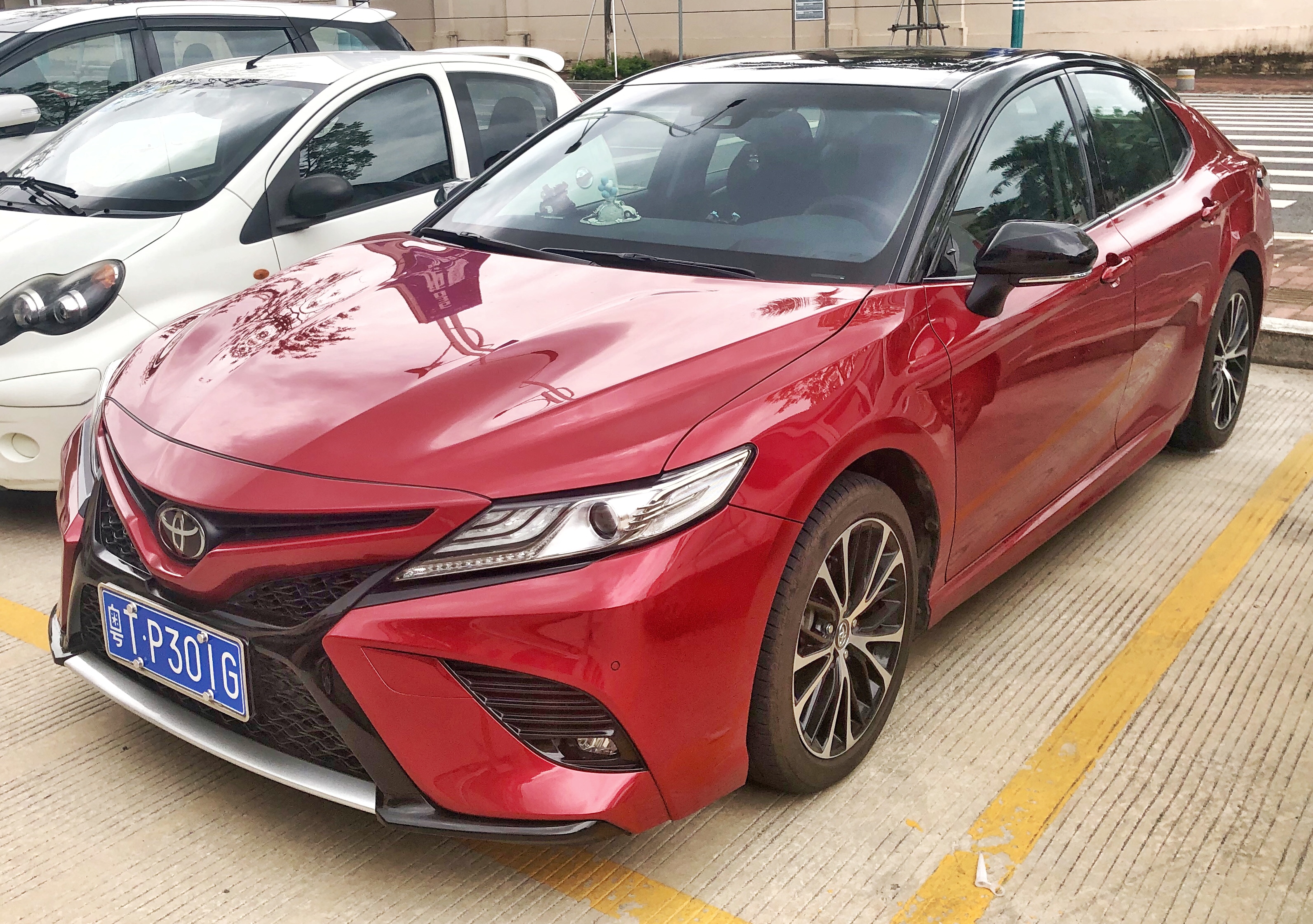
Toyota Camry
"... a genuine, um, genuine lip spoiler for the SV 21 Camry or VZ V 21s. Like you could tick the, tick the bo..."
The Toyota Camry is a regular family-style car (a sedan) made for everyday driving. The podcast mentions adding a small spoiler at the front or lip, which changes the car’s appearance and sometimes how it looks on the road. It’s discussed because people like to customize these older Camry models.
The Toyota Camry is a midsize sedan known for comfort, practicality, and broad appeal. In the podcast context, the discussion is about fitting a lip spoiler to specific Camry generations (SV21/VZV21), which is a common way owners personalize the look and stance. It comes up because enthusiasts often focus on the right period-correct accessories for these older Camrys.
urethane spoiler
"And then I, because it's like a, it's like a urethane kind of kind of spoiler, like, like the old ticks threes. I had those like famous urethane things."
A urethane spoiler is a spoiler made from a flexible plastic. Flexible parts can move a little, so the paint has to be prepped and coated correctly to stick and not peel.
A urethane spoiler is a spoiler made from polyurethane/urethane, a flexible plastic material. Because it can flex, it can be more forgiving than rigid parts, but it also needs the right surface prep and coatings so paint adheres properly.
plastic primer
"I gave it a plastic primer. So it was so it's got a bit of flex on it here."
A plastic primer is a base coat that helps paint stick to plastic. It’s especially important on flexible plastic parts so the paint doesn’t lift later.
A plastic primer is a coating designed to bond paint to plastic surfaces. It helps prevent paint from peeling or failing adhesion, especially on flexible urethane parts.
base coat
"And I've done a few, few layers of base coat, send it back, did more layers of base coat."
Base coat is the paint layer that provides the color. In multi-step refinishing, it’s applied in multiple coats to build even coverage before the clear coat is added.
clear coat
"So I got it as good as I could and I've cleared it. I'm just going to, I'm going to de-nib it tomorrow and give it a, you know,"
Clear coat is the transparent shiny layer on top of the color paint. It helps protect the paint and gives that glossy finish.
Clear coat is the transparent top layer applied over the base coat. It provides gloss and protection from UV rays and minor chemical/road-surface damage.
de-nib
"I'm just going to de-nib it tomorrow and give it a, you know, a 1500 wet and dry back and then polish it."
De-nibbing is a finishing step where you smooth out tiny bumps in the fresh paint. It helps the surface look smooth and shiny after polishing.
De-nibbing is a sanding/polishing step used to remove tiny surface imperfections (“nibs”) after painting. It smooths out small texture so the final polish can produce a uniform, glossy finish.
1500 wet and dry
"a 1500 wet and dry back and then polish it. A friend of mine who I work with, I painted it at work."
“1500 wet and dry” is very fine sandpaper used with water. It smooths the paint carefully so it’s ready for polishing.
“1500 wet and dry” refers to 1500-grit sandpaper used with water (“wet”) for paint finishing. The fine grit levels the surface gently without cutting too aggressively before polishing.
polish
"and then polish it. It should come up okay."
Polishing is the last step to make the paint look extra glossy. It removes tiny sanding marks so the surface looks smooth and shiny.
Polishing is the final refinement step after sanding to restore or enhance gloss. It helps remove micro-scratches left by wet sanding and brings the clear coat to a smooth, reflective finish.
front spoiler
"So, you know, and it's got a front spoiler. So you need to have the, you need to even it out with the lip."
A front spoiler is a piece on the front bumper that helps the car “slice” through the air. It can make the car feel more stable, especially when you’re going faster.
A front spoiler is an aerodynamic add-on at the front of the car, usually low to the ground. Its job is to help manage airflow under and around the car to improve stability and reduce lift at speed.
louvre
"And to be having the louvre and the spoiler does work with the old puncture Margaret ad too."
A louvre is like a vent with slats. It helps air move where the car needs it—often for cooling or airflow control.
A louvre (in automotive bodywork) is a slatted opening or vent that helps direct airflow. It’s often used to improve cooling or manage airflow around the engine bay or aerodynamic surfaces.
double side tape
"It's a two second job. I'm just going to double side tape it on. It's a nightmare."
Double-sided tape is a quick way to stick a part onto the car without screws. Whether it stays on depends on how clean the surface is and the weather/heat.
Double-sided tape is an adhesive method used to mount cosmetic or aero pieces without drilling. It can be quick, but long-term adhesion depends heavily on surface prep, temperature cycles, and whether the part sees high-speed airflow.
decline of Japanese cars in Australia
"So obviously we've seen the decline of Japanese cars in Australia with the, with the uptake of Chinese cars and other brands, you know, coming to fruition here in the Australian landscape of vehicles."
They’re talking about how, in Australia, people have been buying fewer Japanese cars and more Chinese cars. It’s basically a change in what brands are popular and why.
The speaker is describing a market shift in Australia: fewer Japanese cars being bought as Chinese cars and other brands gain share. This kind of change often reflects differences in pricing, product variety, and perceived value rather than any single technical factor.
ADRs are quite stringent
"one ADRs are quite stringent and they're hard to, to make a [2870.0s] car for."
ADRs are safety and emissions rules that cars have to meet to be sold legally in Australia. The host is saying these rules can make it harder for some cars to be brought in.
ADRs (Australian Design Rules) are government regulations that vehicles must meet to be legally sold in Australia. Matty J says these rules can make it harder to bring cars to the market, which affects what Japanese brands officially offer.
grey market imports
"But for example, car companies are still bringing them here [2875.1s] like, like through grain imports and they're selling."
Grey market imports are cars sold in a country through unofficial channels, not the brand’s standard dealer network. The host is saying some Japanese cars still show up this way, even if official offerings are limited.
Grey market imports are vehicles brought into a country through channels that aren’t the manufacturer’s official distribution. Matty J contrasts this with Japanese manufacturers not offering cars through normal routes, arguing that grey imports still let some models reach buyers.

Toyota Prius
"So for example, the, the, the new Prius looks really good. [2882.4s] The first of my prices looked actually help decent and it [2884.7s] actually looks awesome."
The Toyota Prius is a hybrid car, meaning it uses both a gas engine and an electric motor. Here, it’s mentioned as a newer Prius that looks appealing and is still finding its way to buyers.
The Toyota Prius is a hybrid car that became a mainstream symbol of fuel-efficient everyday driving. In this segment, Matty J points to the new Prius as an example of a Japanese model that looks good and is still being offered in the market.
hybrid vehicles
"and especially with, you know, I think it was 200,000 [2895.6s] hybrid vehicles sold here last year, you know, and that's [2900.0s] virtually all of Toyota's, you know, lineup, you know, that"
A hybrid car uses a gas engine and an electric motor together. The idea is to use less fuel than a normal gas-only car, and the host is citing hybrid sales to show Toyota’s market impact.
A hybrid vehicle uses two power sources—typically a gasoline engine plus an electric motor—to improve efficiency and reduce fuel use. Matty J uses the sales figure for hybrid vehicles to argue Toyota’s lineup strength in the market.

Honda Civic
"Now, I know Honda and Civic is 47 grand to get into it."
The Honda Civic is a popular compact car that many people buy because it’s a good everyday car. Here, the host is talking about how much it costs and how Honda positions it compared to other cars.
The Honda Civic is a long-running compact car line known for being practical and efficient, with trims that can feel more upscale than many competitors. In this segment, the host uses the Civic as an example of how Japanese brands price and position their cars in the U.S. market.

Mazda3
"Corolla and I30 and Mazda3."
The Mazda3 is Mazda’s compact car. The host is grouping it with other Japanese compact models to argue they’re better than some European cars at similar prices.
The Mazda3 is Mazda’s compact car, often praised for its driving feel and interior quality compared with other cars in its class. Here, it’s included in the host’s comparison set of Japanese compact cars that he believes offer more “car” for the money than some European alternatives.

Hyundai i30
"...t's competitors in, in the, you know, Corolla and I30 and Mazda3. It's the far better car."
The Hyundai i30 is a compact car, usually chosen for everyday driving and reasonable size. The podcast is comparing it to other similar cars and saying it’s the better option. People talk about it because it’s meant to be a good all-rounder.
The Hyundai i30 is a compact car that competes in the same general space as other popular hatchbacks and compact sedans. The podcast groups it with models like the Corolla and Mazda3 and calls it the “far better car,” indicating it’s being evaluated on overall quality or value. It’s discussed because i30s are often compared on features, comfort, and day-to-day drivability.

3 Mazda3
"...etitors in, in the, you know, Corolla and I30 and Mazda3. It's the far better car."
The Mazda3 (Axela) is a compact car made for everyday driving. The podcast is comparing it to other similar-sized cars and saying it’s the better choice. It’s discussed because people often pick this class of car based on how good it feels to drive and what you get for the money.
The Mazda3 (also known as the Axela in some markets) is a compact car that’s often compared directly with other mainstream compact models. The podcast groups it with the Corolla and i30 and says it’s the “far better car,” implying it’s being evaluated on overall quality or driving feel. It comes up because the Mazda3 is a common benchmark in the compact segment.
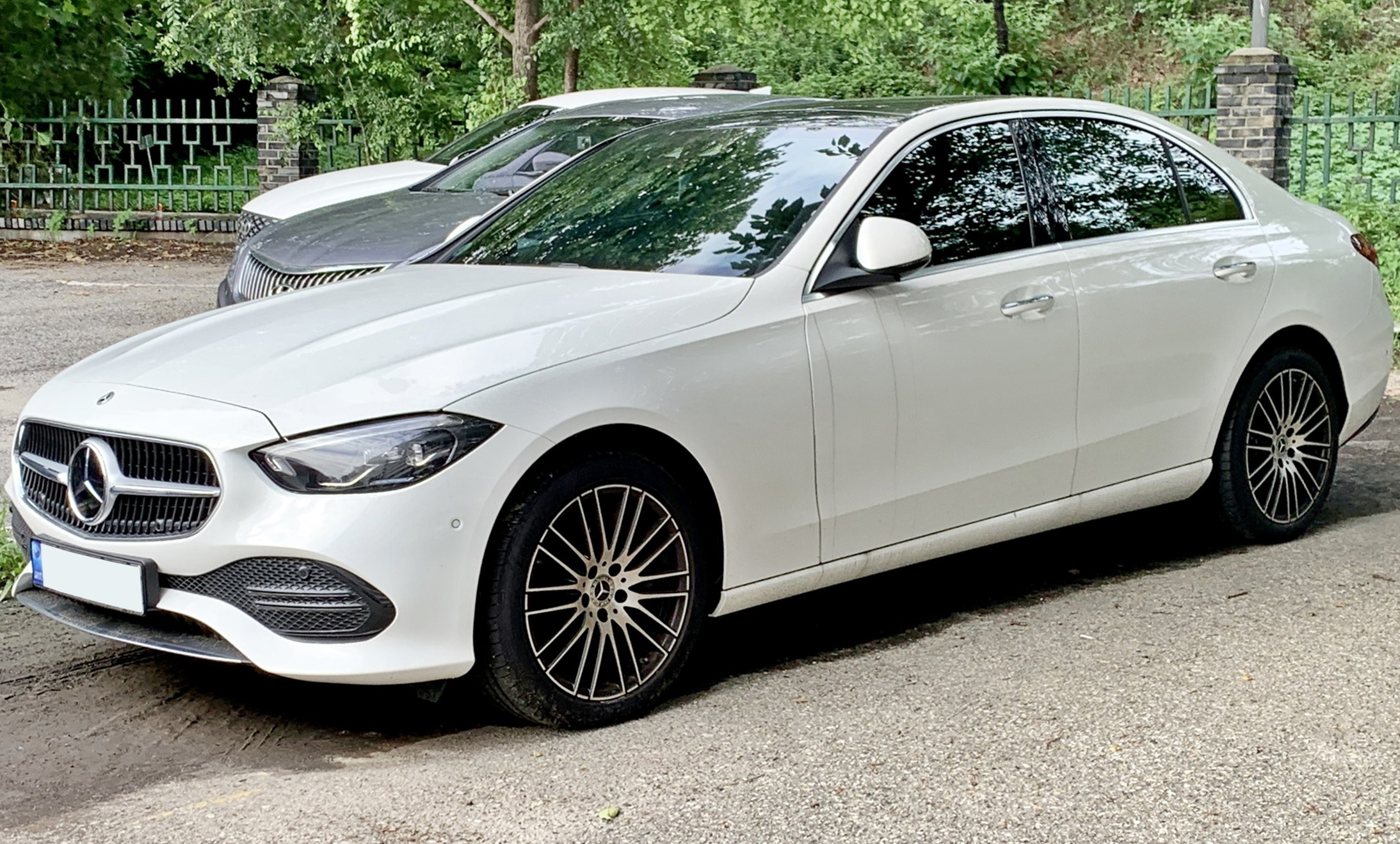
Mercedes-Benz C-Class
"It's actually a better car than a three series or a, you know, or a C-class that, you know, and that's, and it's cheaper."
The Mercedes-Benz C-Class is a luxury compact sedan. In this discussion, it’s mentioned as another expensive benchmark that the host thinks Japanese cars can beat on value.
The Mercedes-Benz C-Class is a compact executive sedan known for comfort, refinement, and a luxury-brand feel. The host brings it up to argue that certain Japanese cars can be “better” and cheaper than this European luxury benchmark.

BMW 3 Series
"It's a more premium car. It's actually a better car than a three series or a, you know, or a C-class that, you know, and that's, and it's cheaper."
The BMW 3 Series is a popular “premium” compact sedan. The host is using it as a comparison point to argue that Japanese cars can cost less while feeling like a better deal.
The BMW 3 Series is a compact executive sedan line that’s known for sporty handling and a premium driving experience. In this segment, the host compares the perceived value of Japanese compact cars against the 3 Series, claiming the Japanese options are cheaper while still feeling more premium.
sales nose dive
"because if you look at all the car facts and and you would see this, you know, through, through your, through your company, they've, you know, the nose dive that, that their sales of having has just been nuts."
A “nose dive” just means sales dropped really fast. The host is saying Japanese car makers are struggling in the market even if he thinks their cars are good.
A “nose dive” describes a rapid, steep drop in sales performance over a relatively short period. The host is using it to argue that Japanese brands are losing momentum in the market despite making good cars.

Honda Ridgeline
"...cause when you've got, for example, Honda's got a Ridgeline overseas, which is a big seller and it looks real..."
The Honda Ridgeline is a pickup truck, meaning it has space for carrying things in the back. The podcast is saying it sells well in other markets and that it looks appealing. It’s discussed because it’s a pickup that’s designed to feel more like a normal car to drive.
The Honda Ridgeline is a pickup-style vehicle built around car-like comfort and practicality. The podcast mentions it as a big seller overseas and notes how it looks, which ties to why it might appeal to buyers. It comes up because it represents a different approach to the ute/pickup formula—more comfort-focused than purely work-focused.
market share
"What is it? What are the Japanese car manufacturers doing wrong as, and to, and why are they losing their, their market share?"
Market share means how much of the total car sales a brand gets. If a brand is losing market share, it’s selling fewer cars than rivals in that same market.
Market share is the percentage of total sales in a market that a brand or manufacturer captures. The episode frames Japan’s problem as losing market share, meaning fewer buyers are choosing Japanese brands compared with competitors.
sales decline
"Why do you think that they are all, you know, in a, in a sales decline?"
Sales decline just means a company is selling fewer cars than before. The hosts are asking why Japanese brands are seeing that drop and what could reverse it.
Sales decline refers to a downward trend in how many vehicles a manufacturer sells over time. In the segment, it’s used to describe why Japanese brands are struggling commercially and to set up the question of how they might recover.

Honda Jazz
"Like, you know, the, the Honda, you know, the fact that they're not selling a jazz, you know, just to get more traffic in your door... I certainly know in the case of the jazz that, you know, every car has to, um, have a, a workable business case."
The Honda Jazz is a small hatchback that’s popular because it’s roomy and easy to live with. Here, the host is saying Honda isn’t selling the Jazz in that market, and that decision affects how well Honda can compete.
The Honda Jazz (also known as the Fit in some markets) is a small, practical hatchback known for packaging—lots of interior space for its size. In this segment, the host is using the Jazz as an example of Honda not offering a specific model in a market, which they argue hurts sales and brand positioning.
workable business case
"I certainly know in the case of the jazz that, you know, every car has to, um, have a, a workable business case."
A “workable business case” just means the company has to expect the car will make enough money to be worth selling. The host is saying Honda won’t bring a model unless it’s profitable enough in that market.
A “workable business case” means a car model has to make financial sense for the brand in a specific market—typically factoring in expected sales volume, pricing, marketing costs, and distribution. The host argues that if a model can’t justify those costs, the brand won’t sell it locally, even if enthusiasts want it.
comply
"Because they've got to comply all these cars. They've got to provide the spare parts back up for seven years."
They have to follow the rules to sell cars there. Those rules can be about safety and pollution, and they’re legally required.
In this context, “comply” means meeting legal and regulatory requirements for selling cars in a specific country. That can include emissions rules, safety standards, and other obligations tied to vehicle approvals.
spare parts
"They've got to provide the spare parts back up for seven years. Japanese manufacturers, a lot of them are more conservative, I think, with their cars and the models they release."
Spare parts are the replacement pieces used to fix a car. If a country requires parts to be available for years, that can be expensive for the brand.
“Spare parts” are replacement components used to repair and maintain vehicles after purchase. The key point here is that manufacturers may be required to stock or supply parts for a set period, which affects cost and long-term viability in a market.
Subaru
"I think that I feel like, that's what I kind of feel like Subaru and all that. They're just kind of hanging on."
Subaru is a Japanese car brand. The point being made is that it’s still around, but the host thinks it isn’t doing much to push forward in that market.
Subaru is a Japanese automaker that’s often discussed as a “survivor” brand in smaller or more challenging markets. Here, it’s framed as a company that stays present but may not be making aggressive moves to grow or refresh its lineup.

Honda Prelude
"The prelude one's really good... and then the guy opens the one and there's a prelude in there... So his dream back when he was younger was to have a prelude and now he can."
The Honda Prelude is a classic Honda sports coupe. Here, it’s mentioned as a “dream car” that someone finally gets after waiting a long time.
The Honda Prelude is a Japanese coupe known for its sporty handling and driver-focused feel, especially in the 1980s–1990s era. In this segment, Matty J uses it as an example of a long-held “dream car” that someone finally gets.
Chinese brands
"Also, I'm interested to see with these Chinese brands how... anyone can put up a tin shed, bring in a car, put up a flag and flog it... The hard bit is the back end, the warranty, the parts, the support, the service..."
“Chinese brands” means car companies from China. The point here is whether they’ll still be good to own after a few years—like having parts and support when something goes wrong.
“Chinese brands” refers to automakers based in China that are selling vehicles in other markets. Matty J is focusing on whether these brands can earn long-term trust through warranty coverage, parts availability, and after-sales support—not just initial sales.
warranty support and parts availability
"anyone can put up a tin shed, bring in a car, put up a flag and flog it, you know, if it's a long warranty... The hard bit is the back end, the warranty, the parts, the support, the service... I'm fascinated to see how these cars last after five years and a 100000 K, and... servicing issues and warranty issues and just, just ownership experience"
Matty J is arguing that the real test for a car brand is “the back end”: warranty support, parts supply, and service infrastructure. Even if a car is easy to sell initially, long-term ownership depends on whether repairs are practical and covered when issues show up after years and high mileage.
throwaway cars
"You mentioned it earlier. You said they're like, they're going to be throwaway cars."
“Throwaway cars” means cars people don’t expect to keep for a long time. Here, it’s about whether these cars will still be good after a few years, or if they’ll feel like temporary buys.
“Throwaway cars” is a dismissive way to describe vehicles that aren’t expected to be worth keeping long-term. In this context, Matty J is questioning whether certain newer entrants (including Chinese brands) will hold up after several years, or whether they’ll be treated as short-term purchases.
BYD
"But like I rang a BYD dealer the other day to check on a VIN. [3921.4s] I just wanted to verify the spec of it through work. [3924.1s] And I said, could I talk to your parts department, please?"
BYD is a car brand from China that sells cars in other countries too. In this story, the host tried to get help from a BYD dealer for a specific part and found the parts process confusing or hard to reach, which could mean delays for repairs.
BYD is a Chinese automaker known for electric vehicles and for expanding its dealer and service network internationally. The host’s experience calling a BYD dealer to check a VIN and buy a BYD part highlights a potential weakness: limited access to a dedicated parts department, which can affect how quickly owners can get parts.
LDV
"And it scares me like another guy. [3967.6s] I know he's in the industry had an LDV van like he's a dealer."
LDV makes commercial vans. In this story it’s used as an example of a vehicle that couldn’t be repaired quickly because a key steering part was hard to get.
LDV is a commercial-vehicle brand (vans and light trucks) that appears here as an example of a dealer-owned vehicle waiting on a steering rack. The brand mention supports the broader point about parts availability and repair downtime.
steering rack
"And he said it sat there for six months waiting on a steering rack. [3974.6s] It needed a new steering rack for ride worthy or whatever."
A steering rack is the component that converts the steering wheel’s rotation into left/right movement to steer the wheels. If a steering rack is unavailable, the car can be immobilized for a long time, as described here with a dealer waiting months for the part.

Mitsubishi Pajero
"family friends rang me recently and said, oh, we want to sell our Pajero of all things. I mean, can you imagine? Oh, right. They have had it since new since 2009 or something."
The Mitsubishi Pajero is a rugged SUV that’s built for tougher roads. Here, the hosts mention it because the family has owned one for years and is thinking about what to replace it with.
The Mitsubishi Pajero is a body-on-frame SUV known for off-road ability and durability. In this segment, it’s mentioned as a long-owned family vehicle (since around 2009), which frames the discussion around real-world ownership and replacement decisions.

Land Rover Discovery
"And they, they were going to buy a discovery. And I said, don't do that. Buy a page."
The Land Rover Discovery is a bigger, more comfort-focused SUV that can also handle rougher terrain. In the story, it’s the SUV the family was thinking about buying instead of keeping their current one.
The Land Rover Discovery is a midsize luxury SUV built around comfort plus off-road capability. The speaker uses it as an alternative the family was considering, then steers them away from it in favor of a different option.

Kia Sportage
"but a Kia. So the Kia Sportage. Yes."
The Kia Sportage is an SUV, which is a car with a higher seating position and more room. The podcast is just naming it as the car being talked about. It’s typically considered for practical everyday driving.
The Kia Sportage is a compact SUV known for offering a mix of practicality and modern features. The podcast briefly confirms the model being discussed, suggesting it’s part of a comparison or shopping conversation. It comes up because Sportage buyers often look at value and day-to-day usability in the SUV segment.
luxury car tax
"We still got the stupid car tax, the luxury car tax that [4108.3s] we're looking after nothing. [4126.6s] When they talking about getting rid of the luxury car tax."
A luxury car tax is an extra tax the government charges on certain expensive cars. If it applies to imported cars, it can push the price up a lot for normal buyers.
A luxury car tax is a government tax applied to certain higher-priced vehicles (often based on price, emissions, or other criteria). In the context of imports, it can make cars from overseas significantly more expensive for buyers, which affects what brands and models get sold.
import tariffs / car tax
"We still got the stupid car tax, the luxury car tax that [4108.3s] we're looking after nothing. [4136.1s] So while they get rid of it, they just sweep that under the [4139.1s] rug."
An import tax is money the government charges on cars brought into the country. It makes imported cars cost more, which can change what people buy and which cars show up in showrooms.
When a country adds a tax on imported cars (often via tariffs or import duties), it raises the landed cost of those vehicles. That can shift consumer demand toward cheaper models, change which brands can profitably sell locally, and influence the overall mix of cars on the market.
hybrid SUV
"Like a lot of the cars that are coming in are blobs. [4143.5s] You know, they're hybrid SUV blobs. [4146.7s] They're not exciting cars out of China."
A hybrid SUV uses a gas engine plus an electric system. That usually helps it use less fuel than a regular gas SUV, depending on the car and driving.
A hybrid SUV uses both an internal-combustion engine and an electric system to move the vehicle. The electric portion can improve efficiency and reduce fuel use, but the exact benefit depends on the specific hybrid type and how it’s driven.

Mazda 6
"... cars, each model like you got your Mazda 3, your Mazda 6, whatever they had and you can go shop in that ca..."
The Mazda 6 MPS is a stronger, sportier version of the Mazda6. The podcast is talking about Mazda models and includes the MPS as part of that performance lineup. It’s mentioned because it’s meant to be more exciting than the regular version.
The Mazda 6 MPS is a performance version of the Mazda6, built to deliver stronger acceleration and a sportier driving setup than a standard model. The podcast mentions Mazda models in general and references the Mazda6 MPS as part of that lineup discussion. It’s discussed because the MPS name is associated with a more enthusiast-focused Mazda6.

Mazda 3
"...d one of their cars, each model like you got your Mazda 3, your Mazda 6, whatever they had and you can go s..."
The Mazda RX-3 is an older Mazda sports car. It’s known for having a rotary engine, which is different from the usual engine type most cars use. The podcast brings it up because it’s a notable part of Mazda history.
The Mazda RX-3 is a classic Mazda model known for using a rotary engine, which is a distinctive alternative to traditional piston engines. The podcast mentions it in the context of Mazda model lineups, suggesting it’s part of a historical discussion about Mazda’s cars. It’s discussed because rotary-powered Mazdas are especially memorable to enthusiasts.
Honda Civic Hybrid
"The Honda Civic Hybrid last year was a wheels car of the year? It won a decent award. It won more again this year."
The Honda Civic Hybrid is a Civic that uses a hybrid system to help it use less fuel than a regular gas-only Civic. Here, the hosts are saying Honda uses awards and reviews to convince people it’s a good buy.
The Honda Civic Hybrid is a Civic variant that uses a hybrid powertrain to improve fuel economy versus a conventional Civic. In this segment, the hosts cite it as an award-winning, widely tested “marketing tool,” implying it’s positioned as a value-focused choice.
Request an Explanation
Heard something you'd like explained? We'll add it to this episode.
Sign in to request explanations for terms you heard.
Want to learn more?
Browse our glossary for plain-English explanations of automotive terms, jargon, and concepts.
Help improve this episode
See something that's not quite right? Our annotations are AI-generated and can sometimes miss the mark. Click the flag icon on any annotation to suggest a correction.