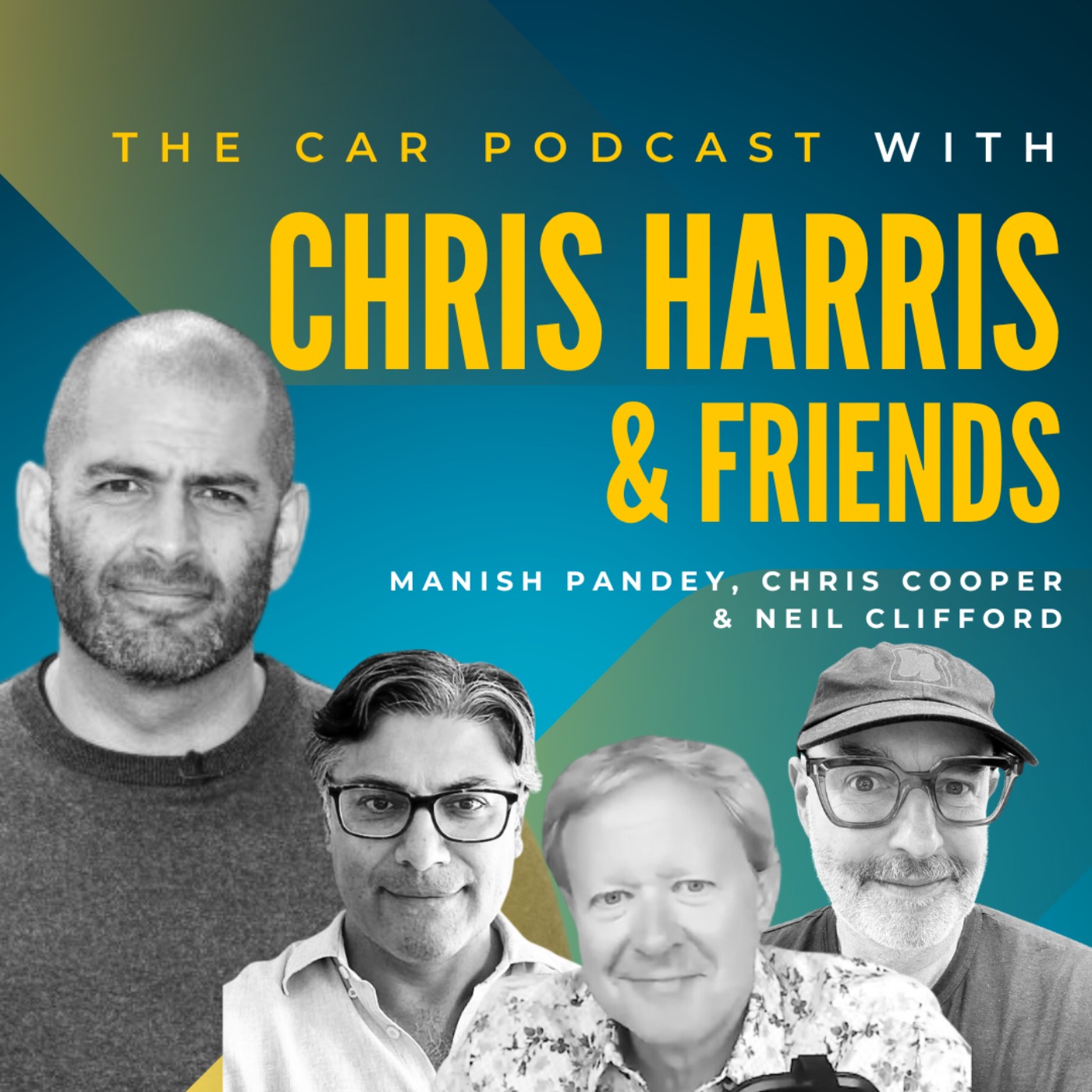
Max Verstappen at the Nurburgring 24 Hours! | The Car Podcast #88
About this episode
Number 88 kicks things off with DeLorean time-travel speed and a bit of motorsport numerology, before the conversation turns philosophical: “Is a driverless car still a car?” They weigh driverless design, driver aids, and how much interaction defines the experience. The show then snaps back to racing—Max Verstappen’s Nürburgring 24 Hours impact, the race’s density and incidents, and how a broken drive shaft ended his run. They also look ahead to a live Nürburgring podcast next year.
Get your tickets to the Great British Jaguar Day at Bicester Motion below!
https://bicestermotion.com/calendar/great-british-jaguar-day
Get your tickets to HOWL below!
https://thruxtonracing.co.uk/event/howl
https://thruxtonracing.co.uk/event/chris-harris-live-podcast
Download Car & Classic’s app today to see our 2CG’s, and our weekly pick of our favourite listings:
https://candc.li/App_Download_
(00:00) Intro
(00:06) Is a driverless car still a car?
(08:39) Max at the N24!
(21:44) What did we do in cars or good news !
(36:52) Car errands day - a day of joy
(48:05) Ugly duckling cars that have become swans
(51:56) 2CG with Car & Classic
(1:05:14) Music
Instagrams:
@alexpenfold
@itsbexxybex
@bennyandthev12
@jamiroquaihq
Tour De Four:
Hosted on Acast. See acast.com/privacy for more information.

Delorean DMC-12
"... significant? Because it's the speed at which the DeLorean becomes a time machine, isn't it? Why was 88 chos..."
The DeLorean DMC-12 is a sports car that became famous through movies. In Back to the Future, it’s connected to a speed of 88 mph. That’s why people talk about why the number 88 matters.
The DeLorean DMC-12 is a distinctive sports car best known for its role in the Back to the Future films. Its cultural significance is tied to the “88 mph” reference, which is why that number comes up in discussions about the car. The podcast references why 88 was chosen, linking the car to its time-travel story.
driverless car
"A driverless car is specifically designed not to have a driver."
A driverless car is a car that can drive itself. Instead of a person steering and controlling it, the car’s computer does the driving.
A driverless car is designed to operate without a human driver controlling it. The key idea is that the vehicle’s systems handle driving tasks end-to-end, rather than the driver only assisting or supervising.

Jaguar Ipace
"It could be a modified version like the Jaguar I-Pace thing, which is a bit weird."
The Jaguar I-Pace is an all-electric Jaguar SUV. Here it’s mentioned as an example of a car that could be changed to work without a human driver.
The Jaguar I-Pace is Jaguar’s electric SUV, known for being an early mainstream EV from a major luxury brand. In this discussion it’s referenced as an example of a modified vehicle that could be adapted for driverless operation.
driver aids
"I think this is quite a profound question and there's a little continuum that we should think about, which is driver aids."
Driver aids are features that help the driver. They can make driving easier or reduce how much the person has to do.
Driver aids are systems that help the driver perform driving tasks, ranging from basic assistance to more advanced automation. The episode frames them as a spectrum: the more a car handles, the less the driver is doing directly.
power steering
"And then just think about driver aids, but even think about sort of little subtle driver aids like power steering."
Power steering makes the steering wheel easier to turn. In this discussion, it’s used to show that even older helper systems don’t remove the driver’s role.
Power steering uses a mechanical or hydraulic/electric assist to reduce the effort needed to turn the steering wheel. In the conversation, it’s used as an example of an early “driver aid” that still leaves the driver in control.
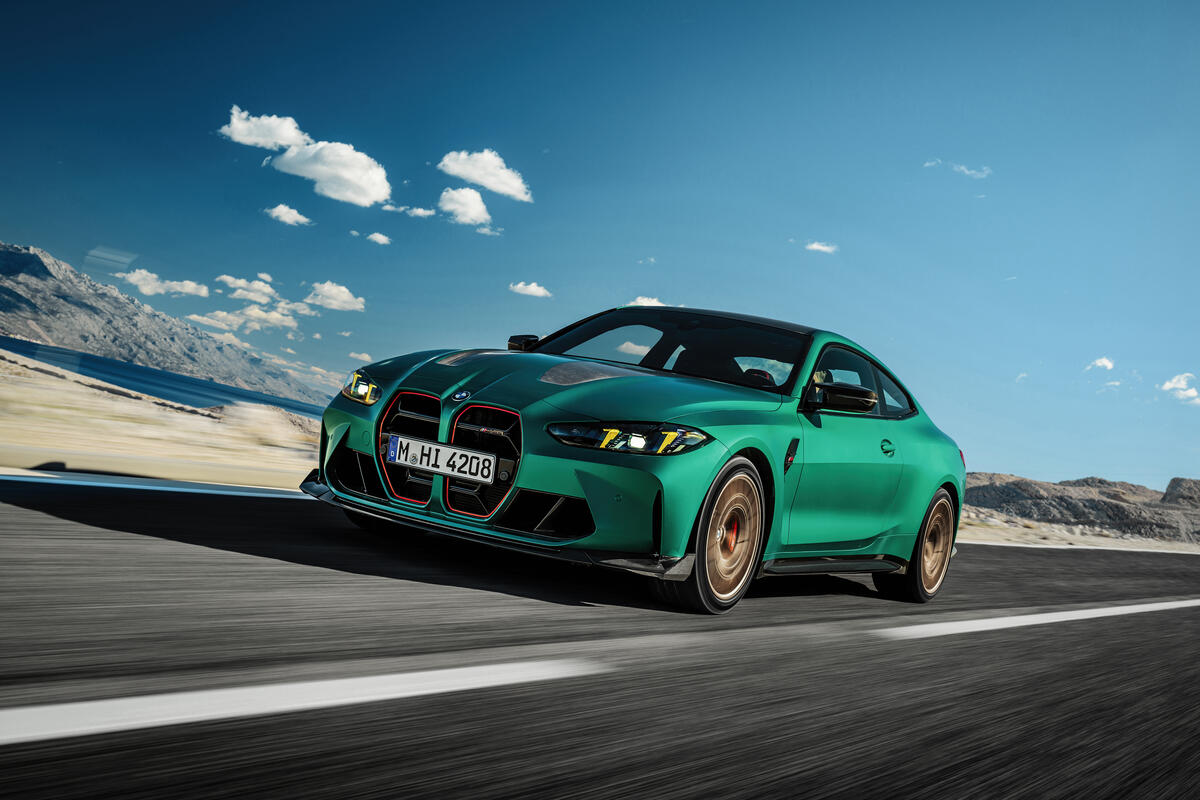
BMW M4
"... thing, which apparently isn't a touring. It's an M4 coupe with bodywork stuff. It's not a touring cha..."
The BMW M4 is a high-performance BMW coupe. It’s built to be faster and handle more aggressively than a regular BMW 4 Series. The podcast is pointing out that it’s a coupe, not a wagon/touring type.
The BMW M4 is a performance version of the 4 Series, typically offered as a coupe, with a focus on sharper handling and stronger acceleration than standard models. In the podcast, it’s described as an M4 coupe with bodywork changes rather than a touring-style car. That distinction matters because it affects practicality and how the car is configured.
broken drive shaft
"[819.5s] Did he win? [821.7s] No, sadly. [827.7s] Technical problem. [829.6s] Broken drive shaft. [831.0s] I think it's a really good point."
The drive shaft is like a power-transmission rod that sends engine power to the wheels. If it breaks, the car usually can’t drive properly anymore.
A drive shaft transfers rotational power from the transmission to the wheels. If it breaks, the car can’t transmit torque to the drivetrain, so it may retire or limp with severely reduced propulsion.
balance of performance
"either he's not as great as he thinks he is or his balance of performance was out compared to what else is."
Balance of performance is how race organizers try to level the playing field between different cars. They may add weight or limit power so one car doesn’t dominate just because of its design.
Balance of performance (BoP) is a rule-set used in GT racing to make different cars compete more evenly. Organizers adjust things like weight, engine output, or restrictors so no single model has an overwhelming advantage.
drive shaft failure
"If it hadn't been for a drive shaft failure, they would have won. They were ahead."
The drive shaft is the part that sends power from the gearbox to the wheels. If it fails, the car can’t put power down reliably, and in a race it can cost you the win.
A drive shaft failure means the rotating shaft that transmits power from the transmission to the differential/axles breaks or loses integrity. In endurance racing, that kind of mechanical failure can instantly end a strong run, even if the car is otherwise fast.
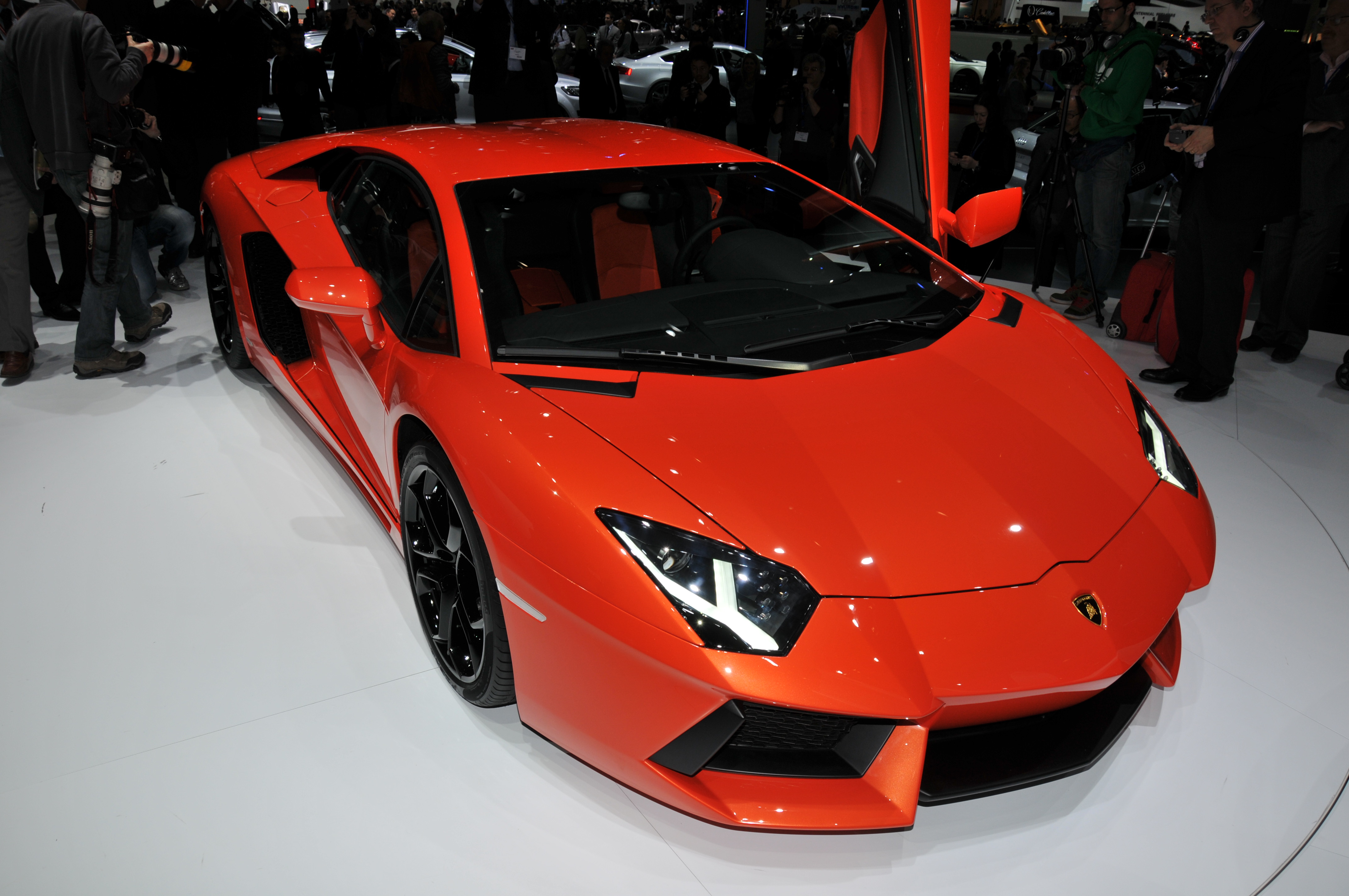
Lamborghini Aventador
"Max, basically, as far as I could see, [1054.5s] he basically almost re-rented an Aventador, didn't he? [1059.5s] He rubbed against the back of a Lamborghini."
The Lamborghini Aventador is a very loud, very fast supercar with a big V12 engine. Here it’s brought up because the racing action was so intense that cars were getting very close—so close that it sounds like they were rubbing.
The Lamborghini Aventador is a high-performance supercar known for its naturally aspirated V12 engine and aggressive, track-focused styling. In this segment, it’s mentioned in the context of Max Verstappen “almost re-renting” one, implying close-quarters on-track contact or bodywork rubbing.
gradient change
"The other thing that I wasn't aware of is the gradient change. [1080.9s] It's massive. [1082.0s] You can see it from the outside,"
A gradient change just means the track goes noticeably up or down. That can change how the car grips the road and how hard it feels to brake or accelerate, especially at a track like the Nürburgring.
A “gradient change” is a noticeable shift in road slope—uphill or downhill—that affects braking, acceleration, and how the car loads its tires. At the Nürburgring, these elevation changes can make the car feel very different from corner to corner, which is why the hosts call it “massive.”
Nürburgring
"I'd say your knowledge of the corners, [1089.0s] how many corners are there at this Nürburgring? [1092.4s] I count them, 150, 170."
The Nürburgring is a very challenging race track with lots of turns and big ups-and-downs. The hosts are basically saying it’s so busy and twisty that the racing feels almost unreal.
The Nürburgring is famous for its long, complex layout with many corners and significant elevation changes, which makes it physically and mentally demanding. In this segment, the hosts emphasize the sheer number of corners and the density of cars, explaining why the racing feels so intense and close.
Marshall boards
"They're 186 Marshall boards or something. [1100.7s] Unbelievable. [1101.8s] The density of cars, the number of corners, the gradient,"
Marshall boards are signs around the track that mark where safety marshals are stationed. Bringing them up is a way of saying the Nürburgring is broken into a huge number of sections.
“Marshall boards” refers to the numbered boards used around circuits to identify marshal posts and trackside locations. Mentioning them in the context of counting corners highlights how many distinct track sections and marshal points exist on the Nürburgring.
GT3
"Occasionally, we've seen incidents of GT3 drivers, the front competitive class, ending up quite unpleasant and avoidable accidents for slow cars."
GT3 is a category of race cars used in many endurance events. They’re race-prepped versions of normal cars, and because they’re fast, they often have to deal with slower traffic on track.
GT3 is a class of race cars built to a standardized rule set for customer teams. The cars are based on production models but are heavily modified for racing, and GT3 drivers often share the track with slower classes in endurance events.

Dacia Logan
"...got to get through this, the slow cars, the Dacia Logan finished, had a bit off track, a bit at the end t..."
The Dacia Logan is a low-cost, practical car meant to get you from place to place without spending a lot. In a driving event, it can be surprising because it may still finish even if it goes off track. The podcast points out that the Logan kept going and ended up finishing.
The Dacia Logan is a budget-focused compact sedan designed to be affordable and practical. In motorsport or driving challenges, it can stand out because it’s not typically expected to keep up with faster cars, yet it may still finish due to durability and consistency. The podcast mentions a Logan finishing after being off track, emphasizing its ability to continue despite issues.
Timo Glock
"Did you see that Timo Glock got a ban? No. So Timo Glock XF1 driver, which is a very talented driver, was quite outspoken about inexperienced drivers at the Nurburgring and how they can get things wrong."
Timo Glock is a real professional race car driver. In this segment, they mention him because he’s been vocal about how less-experienced drivers can make mistakes on track.
Timo Glock is a professional racing driver known for competing in top international series and endurance events. Here, he’s referenced as an XF1 driver who commented on how inexperienced drivers can cause problems at the Nürburgring.
XF1
"So Timo Glock XF1 driver, which is a very talented driver, was quite outspoken about inexperienced drivers at the Nurburgring and how they can get things wrong."
XF1 sounds like a specific racing class or label tied to the event/series being discussed. The hosts don’t explain it here, so it’s likely just the name of the category he was driving in.
XF1 appears to be a racing category or team designation associated with Timo Glock in this context. Without more surrounding detail in the transcript, it’s best treated as a specific series/class label rather than a general automotive term.

Bentley Bentayga
"And parked outside was this absolutely glorious Bentayga. Actually, we could almost expect this."
The Bentley Bentayga is a luxury SUV made by Bentley. It’s designed to be comfortable and upscale, not just rugged. The podcast mentions it because it was parked outside and stood out.
The Bentley Bentayga is a luxury SUV from Bentley, combining high-end comfort with strong performance. It’s significant because it brings Bentley’s craftsmanship into a large, capable vehicle format. The podcast calls it “absolutely glorious,” noting it was parked outside and almost expected to be there.
Tour de Four charity event
"Can I talk about the Tour de Four charity event that you and I did at Donington last week? ... He's raising money for four or five cancer charities under the Tour de Four banner."
Tour de Four is a charity bike event. It’s organized to raise money for several cancer charities.
“Tour de Four” is a charity cycling event organized under a specific banner to raise money for multiple cancer charities. The name frames the effort as a multi-organization fundraising campaign rather than a single-lane event.

Ferrari LaFerrari
"... the back going, oh, canal. Marino was there in a LaFerrari. Siri, tell me what imposter syndrome is."
The Ferrari LaFerrari is a very expensive, extremely fast sports car made by Ferrari. It uses both an electric system and a gas engine. It’s a special, limited car that people talk about because it’s at the top end of Ferrari’s lineup.
The Ferrari LaFerrari is a limited-production, high-performance hybrid supercar from Ferrari. It’s significant because it represents Ferrari’s top-tier technology and performance focus, combining an electric system with a powerful gasoline engine. The podcast mentions it in a conversation that includes the car’s presence and the way it’s discussed among enthusiasts.
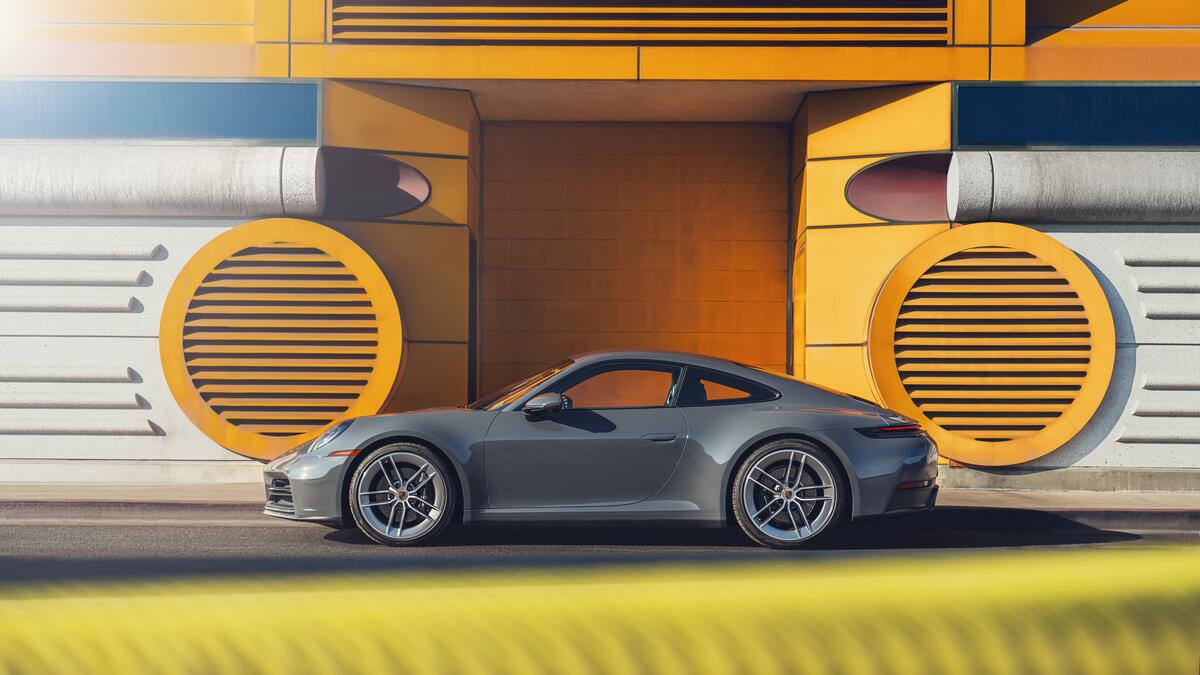
911 GT4
"There's going to be a 911 GT4. Have you heard that?"
The Porsche 911 GT4 is a version of the 911 made for track driving. Here, they’re talking about a rumor that the GT4 racing class might move toward using a 911 body shape.
The Porsche 911 GT4 is a track-focused 911 variant that’s built around a naturally aspirated, driver-focused setup. In this segment, the hosts are discussing a rumored shift toward putting GT4 racing rules into a Porsche 911 shell, which would be a big change in how the GT4 category is packaged.
GT4 racing category
"Well, a GT4 racing category has been a caiman until now. It hasn't really, I think GT4 racing is getting bigger and they'd rather it was in a 911 shell."
GT4 is a racing class for sports cars that’s meant to be cheaper and easier to run than the top GT categories. They’re saying GT4 has usually used certain kinds of cars, but it might be changing as the class gets bigger.
GT4 is a sports-car racing class designed to be more affordable and accessible than higher tiers like GT3. The hosts suggest that GT4 has traditionally used smaller, non-911-based cars, and that the category may be growing enough to justify a Porsche 911-based homologation.
homologate the car
"So it means they probably do need to homologate the car and make one. I've not got my ears to the ground on it."
Homologation is basically race-approval. It means the car has to be built (and meet the rules) so it can legally compete in that racing class.
Homologation is the process of getting a car officially approved for a racing category by meeting specific rules—often including requirements for a production version. The hosts imply that if GT4 moves into a Porsche 911 shell, the car would likely need to be homologated and built for the class.
GT2
"And then the GT3 is the big one and the GT2 is the turbo and we get programmed into, is how it's got to be forever."
GT2 is a different racing class in the GT family. In this conversation, they’re just using it as part of the usual hierarchy of GT categories.
GT2 is another GT racing tier that’s often associated with turbocharged performance, sitting differently from GT3 and GT4 in terms of rules and typical car characteristics. Here, the hosts summarize the traditional “GT4 small / GT3 big / GT2 turbo” mental model.

Porsche Cayman
"Porsche decided it made sense whenever 10 years ago when they started doing this that its GT4 contender would be based on the Cayman."
The Porsche Cayman is a Porsche sports car with its engine mounted in the middle. Here, they’re talking about Porsche using the Cayman as the starting point for a race car meant for the GT4 class.
The Porsche Cayman is a mid-engine Porsche sports car (a sibling to the 911) that Porsche has used as a base for GT4-spec racing cars. In this segment, Chris Harris is explaining that Porsche’s GT4 “contender” was based on the Cayman, even though it didn’t end up being a dominant GT4 race choice.
VLN
"Most of them ended up doing VLN or NLS,"
VLN is a race series held at the Nürburgring that runs endurance-style events. It’s a place where lots of sports and GT cars compete, including cars that might not be used much in their original GT4 plans.
VLN refers to a long-running Nürburgring endurance racing series (often called the Nürburgring Endurance Series) that features production-based sports cars and GT entries. The hosts mention that many GT4 cars ended up being used there instead of being heavily used in GT4 racing.
NLS
"Most of them ended up doing VLN or NLS,"
NLS is another endurance racing series at the Nürburgring. The hosts are saying that many cars intended for GT4 ended up racing in these Nürburgring endurance events instead.
NLS refers to the Nürburgring Langstrecken Serie, another Nürburgring endurance racing series. In the segment, it’s used as an example of where GT4-based cars often ended up competing when they weren’t widely used in GT4 class racing.
one make series
"[2074.1s] or they did their own one make series, sprint series. [2077.2s] And the other manufacturers in GT3"
A one-make series is racing where everyone uses the same brand/model of car. It helps make the racing about driving and tuning, not about which car is inherently faster.
A one-make series is a racing format where competitors use the same model (or tightly specified variants) from a single manufacturer. That reduces performance differences from car choice and shifts competition toward driver skill and setup within the rules.
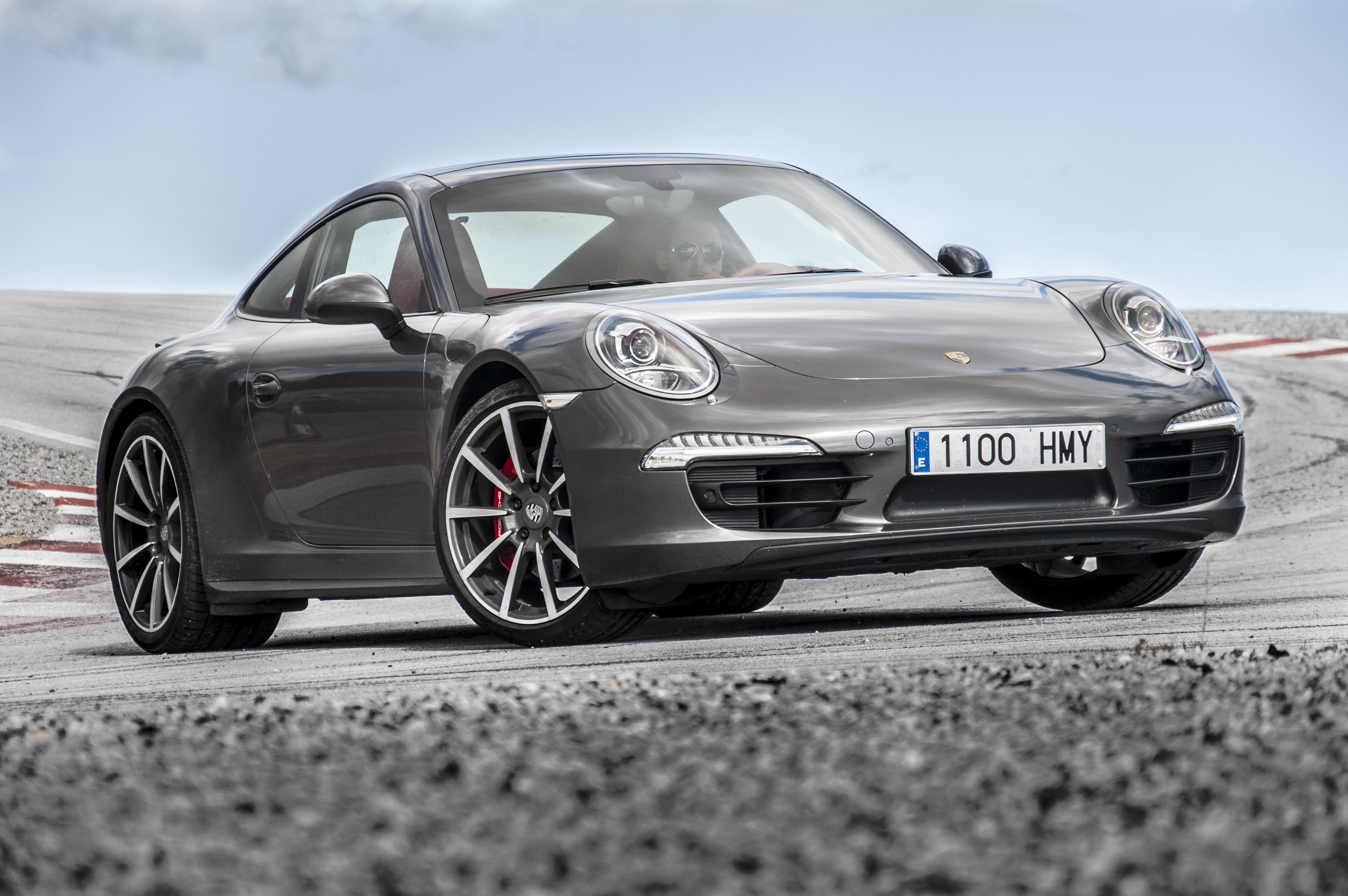
Porsche
"[2095.2s] You can do some commonality of parts. [2097.1s] Aston Martin as well. [2098.6s] I think it could really help Porsche [2099.9s] because it means they can push the GT3 northwards a bit,"
Porsche is being mentioned as a brand that could benefit from sharing parts between different race-car versions. The hosts are basically saying it could make their racing program cheaper and easier to expand.
Porsche is discussed here in the context of GT3/GT4 racing strategy—specifically how shared base-car development could help them expand the GT3 program. The idea is that using common shells and parts can lower costs and make it easier to grow the lineup.

F-150 Raptor
"which could only be built in Texas. This is a Raptor R taken out to 1,000 horsepower, and I hate to sa..."
The Ford F-150 is a large pickup truck. In the podcast, they’re talking about a very modified version that makes around 1,000 horsepower. That’s far more power than a normal F-150 would have.
The Ford F-150 is a full-size pickup truck known for being widely used and highly configurable. In the podcast, it’s specifically described as a Raptor R setup taken to an extreme 1,000 horsepower, highlighting how far performance can be pushed beyond stock. That kind of modification is notable because it turns a work-focused truck into a high-power machine.
1,000 horsepower
"This is a Raptor R taken out to 1,000 horsepower, [2166.1s] and I hate to say it, people think I'm a purist,"
Horsepower is a way to describe how strong the engine is. “1,000 horsepower” means the truck has been modified to make an enormous amount of power compared to stock.
Horsepower is a measure of engine power—how much work the engine can do over time. When someone says a truck is “taken out to 1,000 horsepower,” they mean it’s been tuned and upgraded to produce that level of output, typically requiring significant engine and supporting modifications.

Ford Bronco
"...he sign saying La Grange. I also drove his little Bronco. He's got a Bronco, he does."
The Ford Bronco is an SUV designed to handle rough roads and off-road trails. It’s meant for people who want a capable vehicle beyond normal city driving. The podcast brings it up because someone owns one and the host got to drive it.
The Ford Bronco is a rugged, off-road-capable SUV built for trail use and everyday driving. It’s often discussed because it blends practical size with serious off-road hardware, making it a popular choice for enthusiasts. In the podcast, it’s mentioned because the person being discussed has one and the host drove it.
Hennessey
"I also drove his little Bronco. [2204.8s] He's got a Bronco, he does. [2206.5s] A Hennessey Bronco with 500 horsepower."
Hennessey is a company that modifies cars after they’re built. If a Bronco is a “Hennessey” one, it usually means it’s been tuned for extra power.
Hennessey Performance is an aftermarket tuning and modification company known for taking production cars and upgrading them for more power and performance. When they’re attached to a Bronco, it usually signals a heavily modified, enthusiast-focused build rather than a factory spec vehicle.

Ferrari 456
"...ven't you, in the last year? I mean, try owning a Ferrari 456 and see how many errands you run a day."
The Ferrari 456 M GT is a Ferrari meant for longer trips, not just short drives. It’s built to be more comfortable and practical than many other Ferraris. The podcast mentions it in the context of how owning one changes your day-to-day routine.
The Ferrari 456 M GT is a grand touring Ferrari designed for comfortable long-distance driving while still delivering Ferrari performance. It’s significant because it’s a more practical, four-seat style Ferrari compared with many more focused sports models. The podcast mentions the idea of trying to own a Ferrari 456 and how it affects daily errands, highlighting its “GT” usability.

Ferrari Dinos
"...d materials and things. When I learned there that Ferrari Dinos, these so-called leather interiors were actually ..."
The Ferrari Dino 208 GT4 is a sports car made by Ferrari’s Dino division. It has the engine in the middle, which helps it handle well. The podcast brings it up because of something interesting about the materials used inside the car.
The Ferrari Dino 208 GT4 is a mid-engine sports car from Ferrari’s Dino line, built to deliver high performance in a more compact package. It’s often discussed for its design and materials, including interior details. The podcast specifically mentions learning about the car’s “leather interiors,” tying the discussion to how the cabin materials are actually made.

BMW M6
"...ic Circle North. He's bloody, you know, where the M6 gets very open. He's up that way."
The BMW M6 is a faster, sportier BMW made by BMW’s performance team. It’s designed to feel exciting when you drive it, especially on open roads. The podcast mentions it while talking about a drive route.
The BMW M6 is a high-performance BMW model from the M division, typically offered as a coupe or convertible depending on generation. It’s known for strong power and a more open, performance-oriented driving feel. In the podcast, it’s referenced in a route/story context where the M6 is described as having a very “open” character on that kind of road.
Ugly duckling cars that have become swans
"Ugly duckling cars that have become swans. [2916.8s] Very, very good."
They’re using a story metaphor: something that looks awkward at first can end up being really impressive later. In cars, it usually means a model that people didn’t like right away, but later started to love.
This phrase is a metaphor for cars that initially look unappealing or are overlooked, but later gain appreciation—often because their design grows on people or because their performance/character turns out to be special. In car culture, it commonly describes models that become “cool” after the fact.
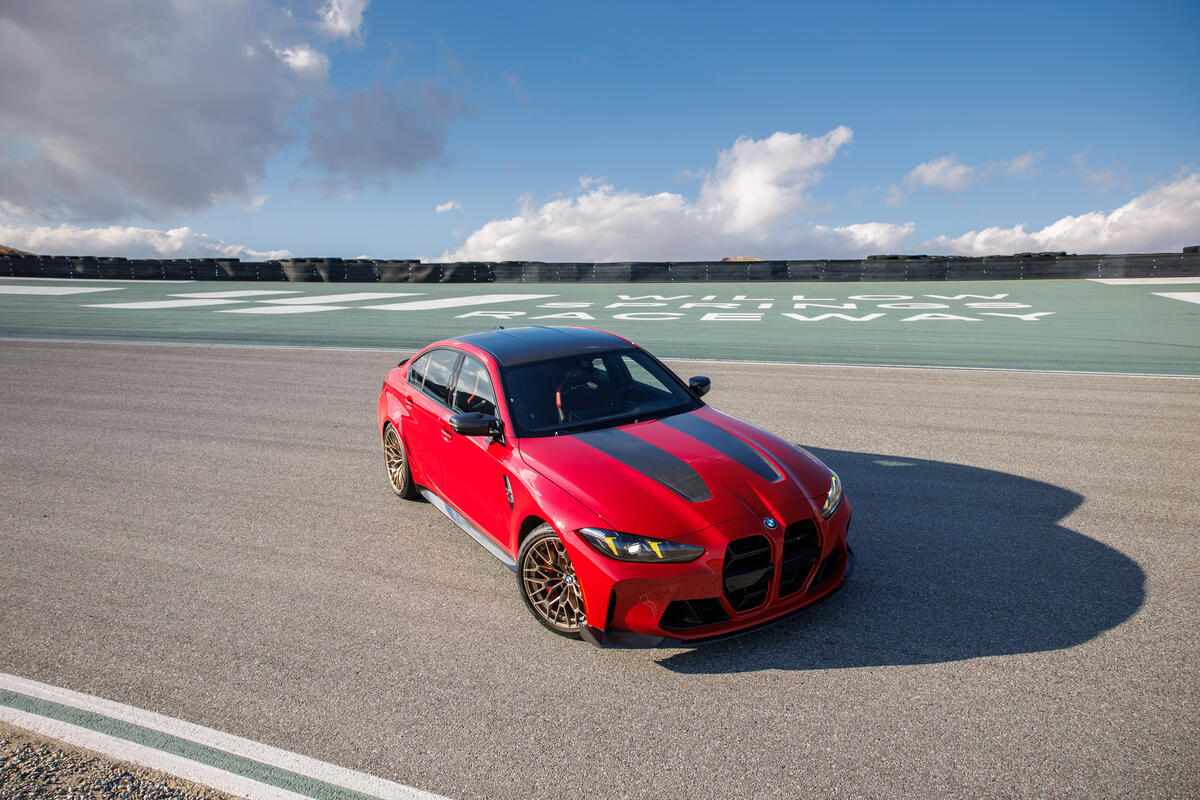
BMW M3 Touring
"The current model BMW M3 Touring. With that gopping front. When you look at it, you think, oh, God, it's still there. But somehow... It looks different."
The BMW M3 Touring is the M3 turned into a wagon. It’s meant to be a fast, sporty car, but with extra space like a family estate.
The BMW M3 Touring is a performance wagon version of BMW’s M3, combining the M3’s high-output straight-six character with a practical estate body. In this segment, Chris Harris focuses on its distinctive front-end styling and how the car’s look can feel “still there” but different in person.

Aston Martin DB7
"Now, it's not a Jaguar. To me, when Aston Martin came out with the DB7, I didn't like it because I was used to the Aston Martin looking like the 80s Aston Martins... So for me, the DB7 is an ugly duckling car."
The Aston Martin DB7 is a luxury “grand touring” car from Aston Martin. In this segment, they’re talking about how its styling looks different from older Aston Martins, and why some people call it an “ugly duckling.”
The Aston Martin DB7 is a grand tourer (GT) from Aston Martin that became a key model in the brand’s late-20th-century lineup. It’s especially notable because the DB7 is often discussed as a design pivot—some people love its front-end styling, while others feel it doesn’t match the look of earlier Aston Martins.
Aston Martin XK8
"Now when I see one, of course, you can use the XK8 as well as the same reference."
The Aston Martin XK8 is another Aston Martin grand tourer. Here it’s mentioned as a comparison—like “you can think of it alongside the XK8” when talking about the DB7’s look.
The Aston Martin XK8 is a late-1990s/2000s Aston Martin grand tourer known for its V8-powered character and classic Aston styling. In this discussion, it’s used as a reference point for how the DB7 relates visually or stylistically to other Aston models.

Ferrari 612 Scaglietti
"Yeah, I think I have. Because it's the Ferrari 612 Scalietti."
The Ferrari 612 Scaglietti is a Ferrari grand tourer with a V12 engine. In this segment, it’s used as the punchline comparison for what the “ugly duckling” really is.
The Ferrari 612 Scaglietti is a front-engine, V12-powered grand tourer from Ferrari, built for high-speed comfort rather than pure track focus. Here, the host compares the Aston Martin DB7’s styling to the Ferrari 612 Scaglietti, implying a similar “shape” or design vibe.

Lamborghini Diablo
"is this rather beautiful 93 Diablo. [3226.7s] Yeah, I would love to drive that around the howl."
The Lamborghini Diablo is a famous 1990s supercar. It’s known for sounding incredible and feeling very raw and exciting to drive—like a proper “old-school” supercar.
The Lamborghini Diablo is a 1990s supercar known for its aggressive styling and loud, high-revving V12 character. In this segment, “93 Diablo” points to a 1993-era Diablo, which is especially prized for its analog feel and classic 90s supercar drama.
MV Augusta Series 3
"It is this MV Augusta Series 3. [3246.9s] And I think that is going to sound like an absolute banshee for Thruxton."
MV Agusta makes high-end Italian motorcycles. “Series 3” is a particular version/generation, and the point here is that it’s expected to sound extremely wild.
MV Agusta is an Italian motorcycle brand famous for high-performance engines and race-bred sound. The “Series 3” refers to a specific generation of MV Agusta’s model line, and the host is highlighting how it would sound like a “banshee” at Thruxton.
banshee
"And I think that is going to sound like an absolute banshee for Thruxton. [3252.1s] for Thruxton."
“Banshee” is a colorful way of saying it’ll sound super high-pitched and wild. It’s basically “that’s going to sound crazy.”
“Banshee” is a car/motorcycle enthusiast slang comparison meaning an extremely shrill, intense, and ear-catching sound. Here it’s used to describe the expected audio character of the MV Agusta at Thruxton.

A110 Alpine 110
"...and ding, whenever it is. So I'm going to take an Alpine 110. Because it's probably a car that I can enjoy"
The Alpine A110 is a small sports car designed to handle well. It’s usually built to feel light and fun rather than heavy and bulky. The podcast mentions it as a car the host expects to enjoy driving.
The Alpine A110 is a lightweight, mid-engine sports car known for its agile handling and driver-focused feel. In the podcast, it’s mentioned as the Alpine 110 the host plans to take, implying it’s a car they can enjoy. The A110’s reputation for being fun to drive is why it fits that “enjoyable” role in the conversation.
on-car and classic
"This is an original car. It's on-car and classic. [3475.4s] It's POA."
They mean the car is a real, complete classic that you can actually drive and enjoy, not just something for parts or a restoration project.
“On-car and classic” is shorthand for a car that’s currently road-legal and also considered a classic (i.e., historically significant and desirable). In other words, it’s not just a project or parts car—it’s a complete, usable classic.
POA
"This is an original car. It's on-car and classic. [3475.4s] It's POA. It's a 1969 original car."
POA means “Price On Application.” Instead of listing a number, the seller requires you to contact them to get the price, which is common for rare cars where pricing depends on condition, provenance, and demand.

Lola T70
"What's the engine in that car, Chris? [3493.9s] What is the engine in the Lola T70? [3497.2s] It's a big Chevy."
The Lola T70 is an old race car from the 1960s. It’s famous for having a big Chevrolet V8 engine, which is why it can feel so strong even today.
The Lola T70 is a classic 1960s sports-racing car known for its lightweight, race-focused design and big V8 power. In this segment, Chris Harris describes the Lola T70’s engine as a “big Chevy,” pointing to the common use of Chevrolet V8 engines in these cars.
auction
"So in the auctions, it starts on an auction. [3527.5s] I had to print this out, my apologies."
An auction is where people bid against each other for the car. The highest bid wins, so the price can swing depending on who shows up and how badly they want it.
An auction is a sales process where cars are offered to bidders, and the final price is set by the highest bid. For classic cars, auction results can vary a lot based on timing, condition, and how many serious buyers are competing.

BMW F10
"It is a one of 50 F10 B5 Biturbo. 600 horsepower. These were factory Alpina cars with a Krapowicz exhaust Drexler LSD."
This is an Alpina-tuned BMW 5 Series (the F10 generation) called the B5. “Biturbo” means it uses two turbochargers to make a lot of power.
The “F10 B5 Biturbo” refers to an Alpina-tuned BMW 5 Series (F10) B5, using twin-turbo (“biturbo”) power. In this segment it’s described as a limited run (“one of 50”) with high output, and it’s being compared as a standout, enthusiast-spec Alpina build.
biturbo
"It is a one of 50 F10 B5 Biturbo. 600 horsepower. These were factory Alpina cars with a Krapowicz exhaust Drexler LSD."
“Biturbo” means the engine has two turbochargers. Turbos force more air into the engine, which helps it make more power.
“Biturbo” means the engine uses two turbochargers. That setup can improve boost response and help the engine make more power across a wider range of speeds than a single turbo.
Alpina
"These were factory Alpina cars with a Krapowicz exhaust Drexler LSD. Is there a better sounding additive and expert clever component on a car"
Alpina is a German company that makes special, factory-style versions of BMWs. The key point here is that it’s not just a random modification—it's built to Alpina’s own design.
Alpina is a German tuner that builds factory-backed versions of mainstream BMW models, typically with its own engine tuning, suspension, and drivetrain calibration. In this segment, “factory Alpina cars” signals that the car was built to Alpina’s specification rather than modified later by an aftermarket shop.
Drexler LSD
"These were factory Alpina cars with a Krapowicz exhaust Drexler LSD. Is there a better sounding additive"
An LSD helps the car put power down when one wheel starts to slip. A Drexler LSD is a performance version meant for better grip, especially when driving hard.
An LSD (limited-slip differential) is a differential designed to reduce wheel spin by biasing torque to the wheel with more grip. Drexler is a motorsport-focused supplier, so a “Drexler LSD” implies a higher-performance, track-oriented differential than a typical street setup.
Brembo brake upgrade
"I think the German, hope they are, Drexler. And it's got Brembo brake upgrade. So you turn up in your 10 year old B5 Alpina"
Brembo makes performance brakes. A “brake upgrade” usually means better brakes that can stop harder and handle heat better when you drive aggressively.
Brembo is a well-known performance brake manufacturer, and a “Brembo brake upgrade” typically means larger or higher-spec brake components for stronger stopping power and better heat handling. The host is using it to emphasize that this Alpina build is more track-capable than a typical older car.
Group C
"I want some downforce with my noise. And that means Group C."
Group C was a famous era of race cars used in endurance racing. They were built to be very stable at high speed, and they’re known for a loud, dramatic sound.
Group C was a top-level sports car racing category (especially associated with endurance racing) that emphasized fuel efficiency and aerodynamic performance. In the segment, “downforce with my noise” ties Group C to high-speed stability and the distinctive, loud racing sound of those cars.
650 horsepower
"You need a Group C car with a 650 horsepower VA in it. We've got more than that. It's a six and a half liter."
Horsepower is a way to describe how much power an engine can make. More horsepower usually means the car can accelerate harder, especially when paired with the right gearing and traction.
Horsepower is a measure of engine power—how quickly the engine can do work. In this context, the host is using a specific power target to describe what kind of engine output they want for the car they’re talking about.
TDI
"And I want to drive there in this. I want to drive there in a 106 TDI. I'll tell you why."
TDI is a diesel engine type that uses a turbo and injects fuel directly into the engine. That usually helps the car feel strong and efficient, especially in everyday driving.
TDI stands for turbocharged direct injection, a diesel setup where a turbo boosts air and fuel is injected directly into the combustion chamber. This combination is designed to improve torque and efficiency compared with older diesel injection approaches.

Alpine A106
"And I want to drive there in this. I want to drive there in a 106 TDI. I'll tell you why."
The Alpine A106 is an older, small sports car made by Alpine. The podcast mentions a “106 TDI,” which indicates a modified version meant to be more practical for driving. They’re talking about using it for a trip, not just looking at it.
The Alpine A106 is a classic Alpine model from the mid-20th century, known for its compact size and period-correct sports-car character. The podcast mentions wanting to drive there in a 106 TDI, which suggests a diesel-converted or modified version used for practicality on a trip. That context points to the A106 as a fun classic that can still be made usable.
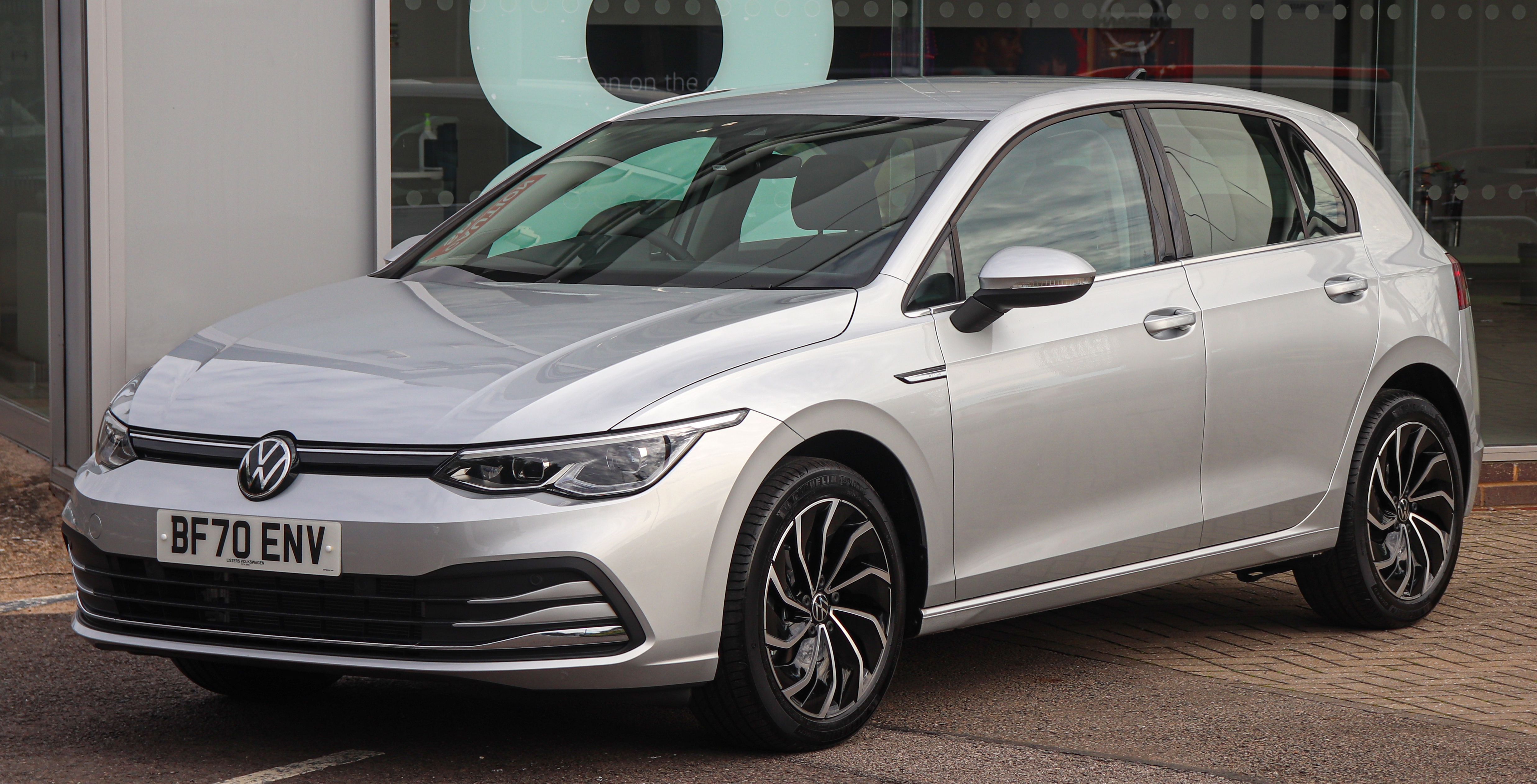
Volkswagen Gti
"...g with laughter. And I so fondly remember the 106 GTI there. So I want to remember Cole in the 106."
The Volkswagen Golf is a compact car that’s made in many versions. The podcast mentions a performance version called a GTI and connects it to a memory of enjoying it. It’s being used as a reference point for what the host liked about driving.
The Volkswagen Golf is a widely known compact car that comes in many performance and trim variations. The podcast specifically references remembering a 106 GTI, tying the Golf to earlier enthusiast memories and the idea of a fun, quick hatchback. It’s brought up as part of a personal recollection about driving and enjoying that kind of car.

106 GTI
"And I so fondly remember the 106 GTI there. So I want to remember Cole in the 106."
The Peugeot 106 GTI is a small, sporty hatchback. It’s the kind of car people like because it feels lively and quick, especially for its size.
The Peugeot 106 GTI is a small hot hatch known for being light, quick to rev, and fun to drive on back roads. In GTI form, it typically pairs a punchy engine with a sportier suspension setup, which is why people still talk about it as an enthusiast favorite.

599 GTO
"And I've known Alex basically from a teenager stood on the corner of the street trying to chase me down the street in a 599 GTO. [3867.2s] I was in the 599 GTO."
The Ferrari 599 GTO is a special, faster version of the 599. It’s famous for having a big V12 engine and a more aggressive, track-style setup than the regular model.
The Ferrari 599 GTO is a high-performance grand tourer built by Ferrari, known for its naturally aspirated V12 and track-focused tuning. It’s a rare, enthusiast-oriented variant of the 599 that emphasizes sharper response and aerodynamic efficiency compared with the standard car.
V12 diesel
"It's just a bloke who's got one of those Audi Q7 V12 diesels. You know the ones? Yeah, the one."
A “V12 diesel” is a car engine with 12 cylinders arranged like a V, and it uses diesel fuel. It’s designed to run smoothly and pull strongly at low speeds, but it’s not a common engine type.
“V12 diesel” describes an engine with 12 cylinders arranged in a V shape, burning diesel fuel. Compared with more common diesel layouts (like V6), a V12 typically aims for smoothness and strong low-end torque, but it’s also rarer and more complex.
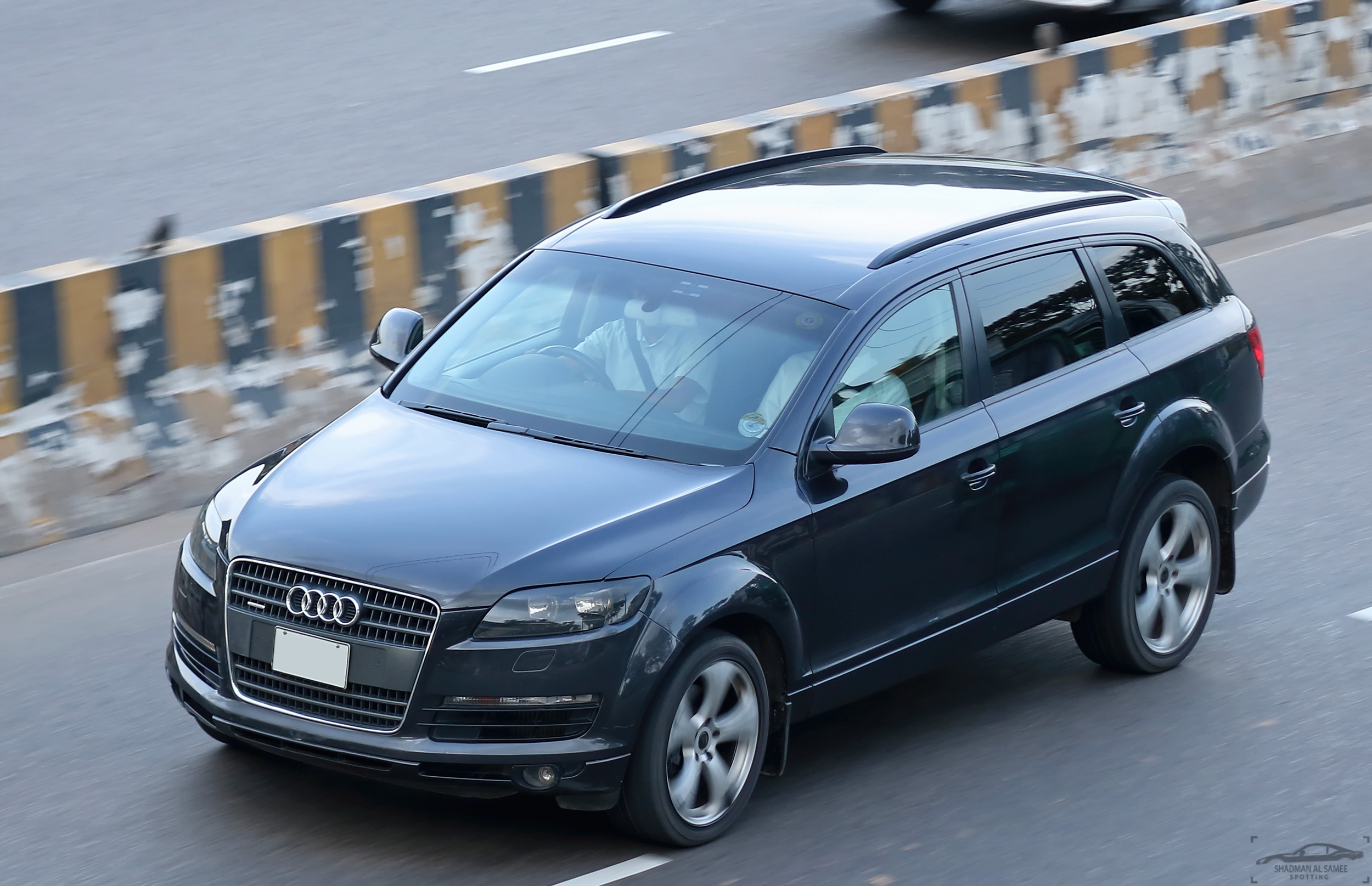
Audi Q7 V12 diesel
"And this one is called Benny and the V12. It's just a bloke who's got one of those Audi Q7 V12 diesels. You know the ones?"
An Audi Q7 is a big luxury SUV. This one is described as a “V12 diesel,” meaning it has 12 cylinders and runs on diesel fuel—something you don’t see very often in SUVs.
The Audi Q7 is a large luxury SUV, and in this case the host specifies a V12 diesel version. A V12 diesel is unusual because most diesels in this size class are V6 or inline-six, so the “V12 diesel” detail is the standout enthusiast hook.
million-kilometer challenge
"And he's trying to do a million kilometers. I think it's up to... What's he up to? He's up to something like 800,000..."
A “million-kilometer” goal means the owner is trying to drive the car for an enormous distance. It’s basically a test of whether the car can survive long-term use.
A “million-kilometer” goal is a durability challenge: the owner tries to rack up extremely high mileage while keeping the car running. It’s often used as a real-world test of how well a specific car and its maintenance practices hold up over time.
Request an Explanation
Heard something you'd like explained? We'll add it to this episode.
Sign in to request explanations for terms you heard.
Want to learn more?
Browse our glossary for plain-English explanations of automotive terms, jargon, and concepts.
Help improve this episode
See something that's not quite right? Our annotations are AI-generated and can sometimes miss the mark. Click the flag icon on any annotation to suggest a correction.