
Worst ever Porsche? | The Car Podcast #96
About this episode
The hosts kick off with Goodwood and motorsport nostalgia, then drift into practical towing stories—complete with trailer-light connector quirks and tight-space reversing. The conversation turns to big-event impressions and historic driving moments, including Derek Bell in a 1968 Ferrari 312 and a hill-climb lineup featuring GT40s and F1 machinery. After plenty of car-magazine and media-production reminiscing, the episode pivots to the debate behind “worst ever Porsche,” focusing on the Porsche 928 and 964 Turbo’s driving disappointments.
Get your tickets to Clapham Grand below! From £34.50!
https://dice.fm/event/g5q62a-the-car-podcast-live-in-london-17th-jul-the-clapham-grand-london-tickets
Download Car & Classic’s app today to see our 2CG’s, and our weekly pick of our favourite listings:
https://candc.li/App_Download_
(00:00) Intro
(00:06) Things you have gone in cars this week or good news
(27:39) A Picture that tells a Story - CH
(34:46) Immediate Car Love
(54:35) Worst ever Porsche
(1:07:50) 2CG with Car & Classic
(1:17:49) Music
Hosted on Acast. See acast.com/privacy for more information.

Land Rover Defender
"preference it and set it up by saying has any of us ever seen a Land Rover Defender without a tow bar is it illegal to have a Land Rover Defender and not have a tow bar on it"
The Land Rover Defender is a tough off-road vehicle made for work and towing. Here, they’re talking about whether a Defender should have a tow bar, since it’s the kind of car people use to pull things.
The Land Rover Defender is a classic British off-road SUV known for its rugged, utilitarian design and strong towing capability. In this segment, Chris Harris uses it to set up a question about whether Defenders should be equipped with a tow bar, especially in rural versus urban use.
tow bar
"has any of us ever seen a Land Rover Defender without a tow bar is it illegal to have a Land Rover Defender and not have a tow bar on it"
A tow bar is the hitch on the back of a car that lets you attach a trailer or tow something. Without it, you can’t tow safely or legally in most setups.
A tow bar is the hitch receiver fitted to a vehicle that allows you to attach a trailer or towing equipment. It’s a key part of making an SUV actually usable for towing, like pulling a dinghy or small boat.
female end
"it probably used to be called the female end yeah of the arrangement yeah and the Haynes manual yeah not sure we can call it that anymore"
The “female end” is the connector part with holes that receives the other plug. It’s the matching half of a plug-and-socket electrical connection.
In electrical connector terminology, the “female end” is the part with sockets/holes that accept the matching “male” plug. The host is discussing a trailer-light or accessory plug connection and the terminology used for the two halves.
Haynes Manual
"it probably used to be called the female end yeah of the arrangement yeah and the Haynes manual yeah not sure we can call it that anymore yes okay for those watching in black and white"
A Haynes manual is a popular do-it-yourself car repair book. They’re joking that the manual would use a certain old-fashioned word for the connector parts.
A Haynes manual is an aftermarket repair guide series that explains how to service and troubleshoot cars with step-by-step instructions. Here, it’s referenced as the kind of book that would use older terminology for electrical connectors.

Volvo 240 DL
"…you were sitting in a vehicle that was like a Volvo 240 DL you 16 years old it was around harvest time and the police stopped you…"
The Volvo 240 DL is an older Volvo sedan. Here it’s mentioned because the police thought the driver was using it like a tractor, not a normal road car.
The Volvo 240 DL is a classic Swedish family sedan from Volvo’s 240 series, known for its boxy, durable design. In this story it’s used as an example of a “car” that a teenager might be mistaken for driving like a farm vehicle.
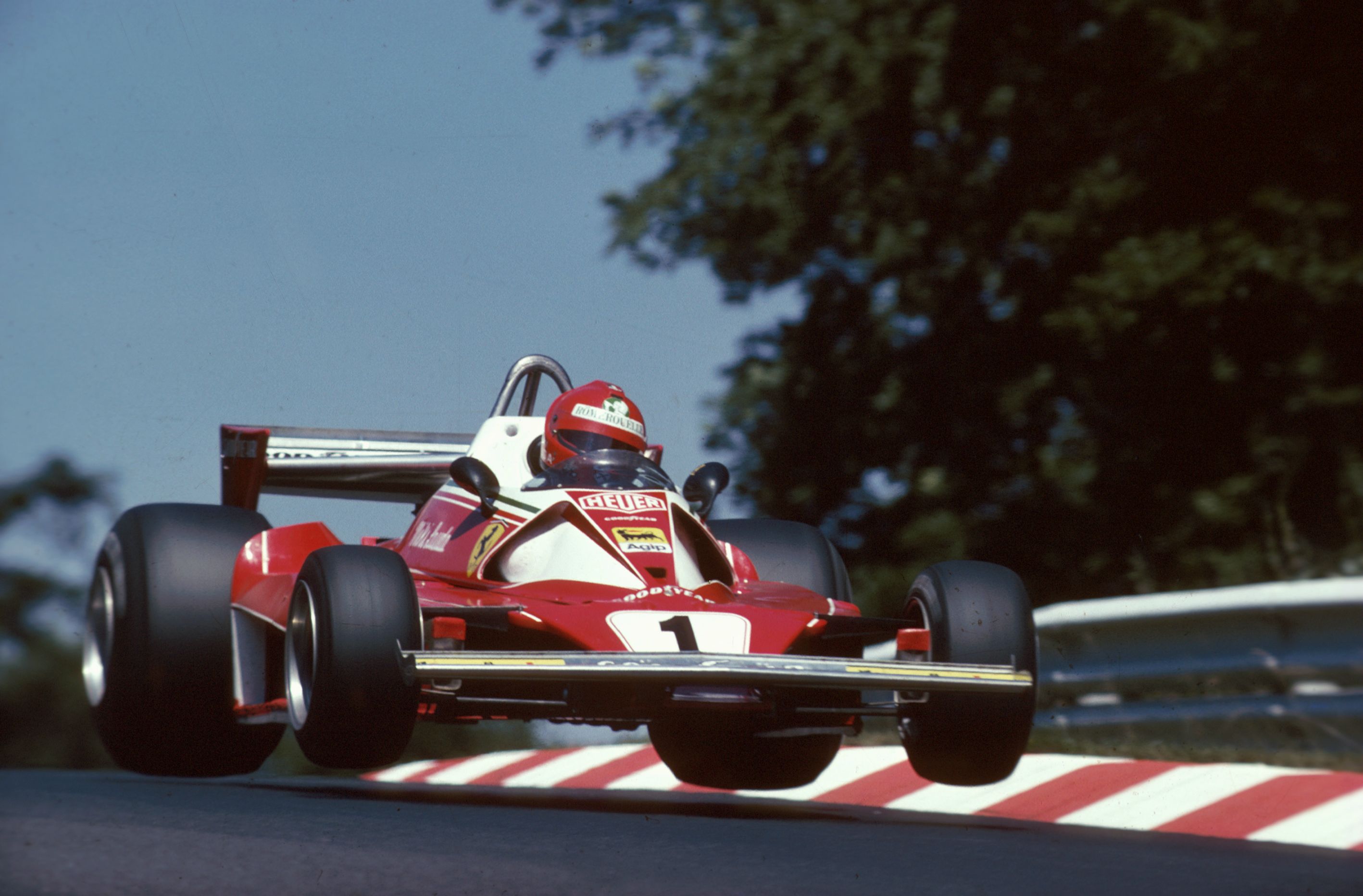
1968 Ferrari 312
"…there was a 1968 Ferrari 312 you know the ones with the white spaghetti it's coming out of that yeah Derek Bell drove one of those for the first time since 1969…"
The 1968 Ferrari 312 is a famous old Ferrari race car from Formula 1. It’s known for its V12 engine and for looking distinctive, and the episode highlights Derek Bell driving one again after many years.
The 1968 Ferrari 312 is a legendary Formula 1 car from Ferrari, notable for its 3.0-liter V12 engine architecture used in that era. The hosts also reference its distinctive “spaghetti” exhaust/header look, and the story centers on Derek Bell driving it again after decades.
Derek Bell
"…it's coming out of that yeah Derek Bell drove one of those for the first time since 1969 lovely…"
Derek Bell is a well-known professional race driver from the UK. Here, he’s the person who drove the old Ferrari 312 again after many years.
Derek Bell is a British racing driver known for long endurance and historic racing careers. In this segment, he’s specifically mentioned as driving the 1968 Ferrari 312 again after a long gap since 1969.
oversteering
"…had treaded tires was throwing up a lot of dust that thing was just basically oversteering in every gear that he picked…"
Oversteering is when the back of the car slips outward and the car turns more than you intended. They’re saying the car felt like it was doing that constantly in every gear.
Oversteering is when a car’s rear end loses grip and the car rotates more than the driver expects, often making it feel like it wants to “turn itself.” In this segment, they describe the Ferrari 312 as essentially oversteering in every gear, emphasizing how lively and challenging it felt.

Volvo 745 estate
"Volvo 745 estate yeah with the Sonax lip I mean this is basically two and a half tons of bus again just being driven as if it was a little mini club"
The Volvo 745 estate is a big, old-school station wagon from Volvo. Here they’re treating it like a fun, fast hill-climb car, which is surprising because it’s not the kind of car you’d normally expect to be “sporty.”
The Volvo 745 estate is a classic Swedish wagon known for its long, boxy shape and practical, durable “family car” roots. In this segment, it’s being used as a playful hill-climb-style car, which highlights how even a big, old-school wagon can be made to feel lively.
Sonax lip
"Volvo 745 estate yeah with the Sonax lip I mean this is basically two and a half tons of bus again just being driven as if it was a little mini club"
A “lip” is a small front body piece that sticks out a bit lower than the bumper. It’s usually added to change the car’s airflow and make it look more aggressive.
A “lip” is an aerodynamic add-on at the front or lower edge of a car’s bodywork. A Sonax lip here is being referenced as a styling/handling aid that changes how the Volvo 745 estate looks and potentially how it affects airflow at speed.
Williams FW 18
"but not the hill it was I mean it was incredible to Williams FW 18 so this was the the shock of me"
The Williams FW 18 was a Formula 1 car from the late 1990s, built for high-level aerodynamic grip and race pace. Mentioning it in the context of “incredible” hill driving is a comparison point for how serious and fast the cars feel on the climb.
James vowels
"one of them was driven by James vowels the man who runs Williams can drive a formula on car really really quickly"
James Vowels is a racing driver connected with Williams. In this story, they’re pointing out he’s good enough to drive a Formula 1 car extremely fast.
James Vowels is a racing driver associated with the Williams team, referenced here as someone who can drive an F1 car very quickly. The segment uses him to emphasize how skilled the drivers were in the hill-climb setting.
Damon
"the second one was of course Damon who had and it was really a bit of a Damon day at the end he was pretty emotional couldn't believe it had been 30 years since he was well champion"
“Damon” is Damon Hill, a former Formula 1 World Champion. They’re saying it’s been about 30 years since he won the title, and he seemed really moved to be back doing it.
“Damon” here refers to Damon Hill, the former Formula 1 World Champion. The host notes it’s been 30 years since he was champion, framing his emotional reaction as a big moment for classic racing fans.
Stefan Johansson
"Stefan Johansson in the 2008 Ferrari F1 car I didn't know whether it was masses or whether it was Reichenan's but again just Johansson a driver of the 80s and early 90s"
Stefan Johansson is a Swedish former Formula 1 driver. In this segment, he’s driving an F1 car up the hill, and they’re impressed by how well he still does it.
Stefan Johansson is a Swedish Formula 1 driver known for racing in the 1980s and early 1990s. Here, he’s described as piloting a Ferrari F1 car up the hill, emphasizing his continued skill and the event’s “classic F1” appeal.
hill climb
"just piloting this bullet up the hill it's the one with the bar code where the Marlborough sticker would have been you know that really clever way of having that one"
A hill climb is a race where cars go up a steep course, usually timed rather than side-by-side. It’s a format that makes handling and control feel especially important.
A hill climb is a motorsport event where cars race against the clock on an uphill course, usually on a road or mountain route. Because the track is short and twisty, setup and driver technique matter a lot, and even unusual cars can feel dramatic.

Ford GT40
"what they had the trio of 1966 Le Mans winning F for GT40s so three of those black blue and bronze with pink highlights and I have to say you know like 1966 the three Le Mans guys"
The Ford GT40 is a famous race car from the 1960s that was built for endurance racing at Le Mans. They’re talking about the 1966 Le Mans-winning versions, and how amazing they sounded and looked together.
The Ford GT40 is a legendary mid-1960s endurance racer built to beat Ferrari at Le Mans. The host specifically calls out the “1966 Le Mans winning” GT40s and describes their striking colors and sound, which is why they’re such a big deal to enthusiasts.
hay bales
"and by the way hay bales on either side of a car make it look faster can I just say you're watching"
Hay bales are used as a simple barrier to help protect drivers if something goes wrong. They also make the track look more intense and fast in the background.
Hay bales are used as a low-cost barrier and energy absorber along the sides of some motorsport courses. They can also create a visual “speed” effect in photos and video, which the host jokes about while discussing how the scene looks.

Goodwood
"…so all in all two days at Goodwood first was be pretty cool…"
Goodwood is a famous UK motorsport and car event area. Car fans go there for big shows and racing-related events.
Goodwood is a major British motorsport and car-enthusiast venue, known for events that mix racing history with modern supercars and collector cars. It’s a common stop for car shows where people bring rare cars and talk enthusiast culture.
British Grand Prix
"…mr. Clifford the British Grand Prix two weeks ago we’re actually a week ago…"
The British Grand Prix is a big Formula 1 race in the UK. It’s one of the most well-known races on the F1 calendar.
The British Grand Prix is a Formula 1 race held in the UK, typically at Silverstone. It’s one of the sport’s most historic events and a major draw for motorsport fans.
Silvers and circuits
"…I was talking to the people there and the inestimable mr. Pringle who runs Silvers and circuits…"
This sounds like a UK motorsport/circuit event organizer. The host is talking about who runs it and what the crowd is like.
“Silvers and circuits” appears to refer to a motorsport venue or organization connected to Silverstone and circuit events. The speaker mentions the person who “runs” it while discussing crowd demographics.
EV
"[1201.2s] was amazing about it was I mean you know I [1205.5s] become honestly I tell you what was amazing about it was I mean you know I [1205.5s] become honestly I tell you what was amazing about it was I mean you know I [1205.5s] was there Renault to do a bit and Bob I was racing anyway first of all it's an [1201.2s] EV I can get excited about"
EV means the car runs on electricity from a battery. Instead of a gas engine, it uses an electric motor to move the car.
EV stands for “electric vehicle,” meaning the car is powered primarily by an electric motor(s) and a battery rather than a gasoline engine. In performance contexts, EVs can deliver instant torque and allow different chassis tuning than traditional cars.
key of E6
"he knows all it's they drive the cars regularly to keep themselves educated on why it's important what the DNA strand matters anyhow before about to go out I say look I'm not a very good passenger but I assume you've done a few laps here"
It sounds like they’re referring to different stages of a prototype project. The key point is that the engineer knows the project’s “phase one” and “phase two” details and why the development work matters.
This appears to be a mis-transcription of a Porsche prototype/phase identifier (the speaker lists “phase one” and “phase two”). In context, they’re talking about different development stages of a specific E6-related project and why those changes matter.
phase two
"he knows all about the key of E6 the phase one the phase two he knows all it's they drive the cars regularly to keep themselves educated"
This is the next step after the first development stage. It usually means the prototype gets updated and tested again before moving on.
“Phase two” is the next development stage after phase one, typically involving further engineering refinement and validation. In this context, it’s part of a structured prototype program where the team learns from driving the car regularly.
phase one
"he knows all about the key of E6 the phase one the phase two he knows all it's they drive the cars regularly"
They’re talking about the car being built and tested in stages. “Phase one” is the first step of development before later improvements in the next phase.
“Phase one” refers to an early development stage of the prototype program. The speaker contrasts it with “phase two,” implying staged engineering changes and validation before the car is finalized.
DNA strand
"what the DNA strand matters anyhow before about to go out I say look I'm not a very good passenger"
“DNA strand” is a metaphor for the specific design/engineering traits that define a car’s identity. Here, the speaker says the engineer knows why those traits matter, suggesting the prototype is being tuned to preserve the brand’s core characteristics.
breaking point
"he picks a perfect breaking point for the first chicane and they're in then he just gives me a demonstration of extremely talented driving"
A braking point is where the driver decides to start slowing down before a turn. Hit it right and the car turns better; hit it wrong and it can be too fast or too slow into the corner.
A “braking point” is the exact spot on track where a driver starts slowing for a corner. Choosing it well is crucial because it affects corner entry speed, balance, and how much grip you have left for turning.
chicane
"he picks a perfect breaking point for the first chicane and they're in then he just gives me a demonstration of extremely talented driving"
A chicane is a twisty section made of quick turns that makes you slow down. It’s designed to be a handling test, especially for braking and turning control.
A chicane is a sequence of tight turns that forces cars to slow down and change direction quickly. It’s often used to reduce speed in a section and test braking stability and steering precision.
weight distribution
"we go through the Porsche curves and to demonstrate the real weight distribution he just he parsed in a bit too quickly backs off"
Weight distribution means how the car’s weight is split front-to-rear. That split changes how the car feels when you turn and brake—some setups feel more stable, others turn in more sharply.
Weight distribution is how much of the car’s mass sits on the front vs. rear axles (and sometimes left vs. right). It strongly affects balance—how the car turns in, how it stays stable under braking, and how it behaves when you lift or add throttle.
lock
"he just he parsed in a bit too quickly backs off puts in about that much lock I'm showing"
Here, “lock” means how much the steering is turned. Turning it a lot can help you go around a tight corner, but if you do it too aggressively the car may not grip well.
In this context, “lock” refers to steering lock—how far the steering wheel is turned. More lock typically means tighter turning, but too much too quickly can overwhelm grip and cause the car to understeer or scrub speed.
rear-engine vehicle
"at me and goes it's a real you know it's a real rear-engine vehicle this and I just went good God you're talented"
A rear-engine vehicle has its engine in the back. Moving the engine changes how the car grips the road and how it handles when you turn.
A rear-engine vehicle places the engine at the back of the car instead of the front. That layout changes weight distribution and typically affects handling balance, traction, and how the car feels in corners.
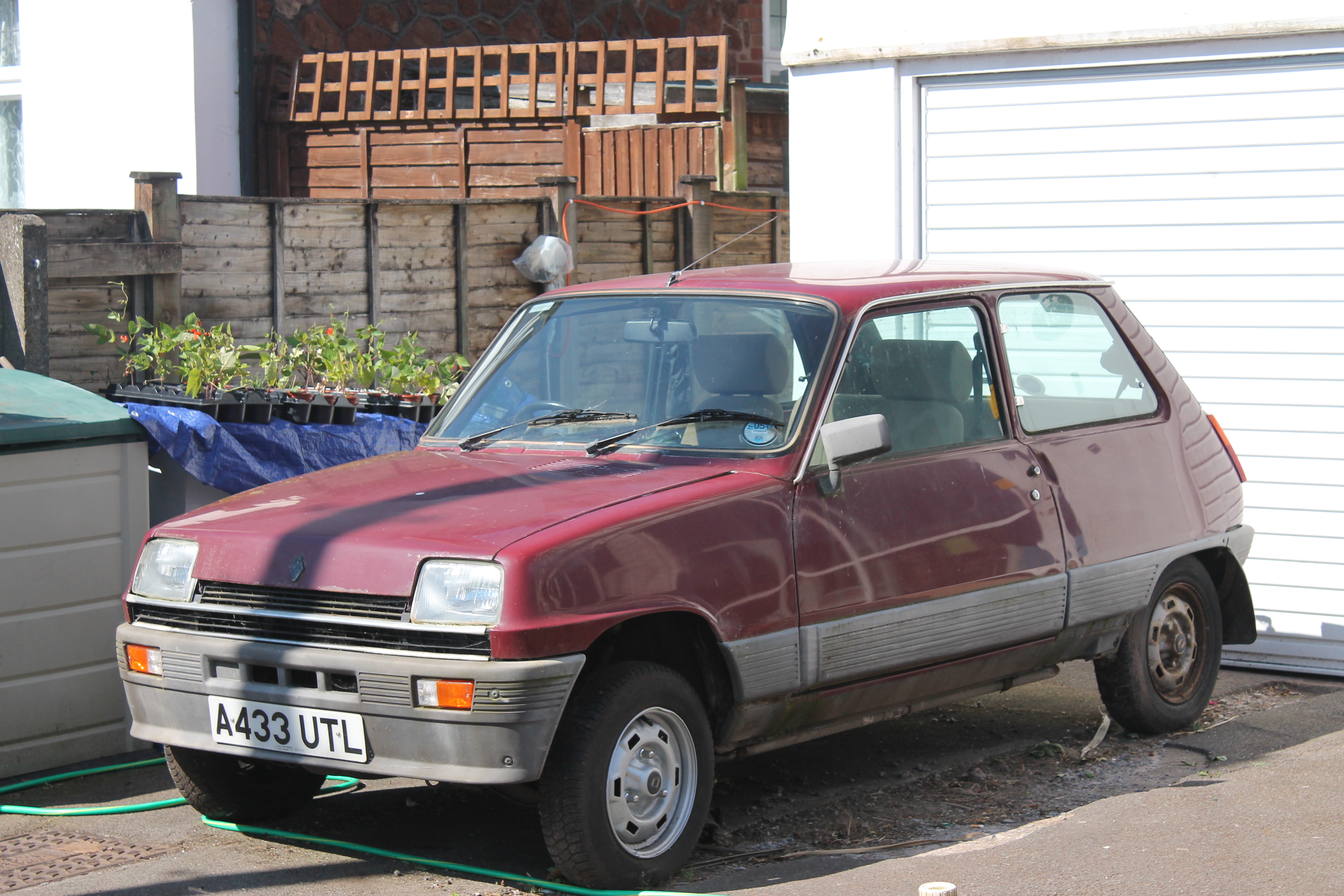
Renault 5 turbo
"the engine in a Renault 5 turbo one or two is shit yes you're not missing a great engine there it's not some piece of flat six glory it makes a load of racket and it's not very good so the electric motor works beautifully"
The Renault 5 Turbo is a small, turbocharged performance Renault. Here, the host is saying the original engine isn’t great, but the electric motor makes the car feel much better.
The Renault 5 Turbo is a hot hatch built around a turbocharged engine, known for being a small, loud, characterful performance car. In this segment, the host argues that the original combustion engine is the weak point, and that the electric motor does the work more smoothly.
flat six
"it's not some piece of flat six glory it makes a load of racket"
A flat-six is a type of engine with six cylinders laid out flat. The host is saying you don’t get that kind of “special” engine here.
A flat-six is an engine with six cylinders arranged in two banks horizontally, like a “boxer” layout. It’s often associated with smoothness and a distinctive sound, and the host contrasts it with what they consider a worse engine in the Renault 5 Turbo.
electric motor
"so the electric motor works beautifully when it replaces a shit engine"
An electric motor is what turns electricity into movement. Here, the host is saying it makes the car work better than the original engine did.
An electric motor converts electrical energy into mechanical motion to drive the wheels. In conversions or hybrid setups, it can mask weaknesses of the original engine by providing smooth torque and response.
V12
"there've been some sonorous V12 to quote car magazine then maybe"
A V12 is a big, smooth-sounding engine with 12 cylinders. The host is using it as an example of the kind of engine you’d expect to be great.
A V12 is an engine with 12 cylinders arranged in a “V” shape, typically delivering smooth power and a distinctive high-end character. The host mentions it as a benchmark for engine sound/quality, implying the car in question doesn’t live up to that standard.
alternator
"the black one as it's known because it's black the alternator shit itself so myself and my two boys"
The alternator is the part that keeps your car’s battery charged while the engine is running. If it fails, the battery drains and the car’s electronics can start shutting down.
An alternator is the engine-driven generator that powers the car’s electrical system and recharges the battery while you drive. If the alternator “shit itself,” the battery can’t be kept charged, so the car may eventually lose power.
battery-changes
"to pleat that down and keep some we did nine battery changes military style in 21 hours"
“Battery changes” here means swapping out car batteries repeatedly to keep the cars running when the electrical system isn’t reliably charging. The host describes doing this “military style” during a long drive to get the cars back.
tapeworm tablet
"getting that extra appointment to have the the warming tablet or the sort of the worst the worms take tapeworm tablet"
A “tapeworm tablet” is medicine you give a dog to kill tapeworm parasites. The host brings it up because getting the dog ready for travel involves paperwork and a vet visit.
A “tapeworm tablet” is a veterinary deworming medication used to treat tapeworm parasites in dogs. The host mentions it because travel requires an appointment to get the paperwork and treatment done.

Ferrari 360 spider x288 KRK
"we'll put up probably which is of a Ferrari 360 spider x288 KRK which was the UK press car if they go there's the picture now"
This is a Ferrari 360 Spider, a special mid-engine Ferrari with a roof that can open. The extra “x288 KRK” is likely the specific UK press car’s identifier/plate for that exact car.
The Ferrari 360 Spider is a mid-engine V8 Ferrari with a retractable hardtop, and it’s a well-known modern classic. In this segment, the host also mentions “x288 KRK,” which appears to be a specific UK press-car plate/identifier tied to that particular example used by the media.
press car
"which was the UK press car if they go there's the picture now"
A “press car” is a car that the manufacturer gives to journalists so they can photograph and review it. It’s usually a specific example used for media coverage.
A “press car” is a specific vehicle provided to journalists/media for coverage, often before or around a model’s launch. The host’s point is that this Ferrari 360 Spider was the UK press car, tying the photo to a particular media moment.
chrome limb
"my boss Steve Sutkin from the art department as well gave me what's called the chrome limb now was the proof on which the magazine was based so an auto car on a Tuesday a Monday or Tuesday the chrome limbs would come in"
This is the physical printing template used to make the magazine picture. It’s part of the old-school photo printing process—turning a photo into something the magazine could reproduce accurately.
“Chrome limb” here refers to a photographic printing plate/film used to reproduce the magazine image. The host contrasts it with the “proof” and the “negative,” explaining the workflow from an original image to a print-ready template.
hot pressed
"we're past hot pressed but you still had what was effectively the negative from which you were going to print"
This refers to an older printing method where heat is used to press and set the image. The point is that the magazine still used a template/negative process to get the final picture.
“Hot pressed” describes a traditional print-production step where materials are heat-pressed to transfer or set the image/plate. The host uses it to explain how the magazine’s image production evolved, while still relying on a negative-to-positive workflow.
negative
"but you still had what was effectively the negative from which you were going to print this is a positive this is what you got"
A “negative” is an image format where the light and dark are flipped. Printers use it to make the final, normal-looking picture for publication.
A “negative” is the photographic film/image that stores the scene with inverted tones, which is then used to produce a positive print. The host explains that even after changes in production, the magazine still effectively worked from a negative to create the final image.
500 mile limit
"then they only have one and you weren't allowed to do more than 500 miles in it your 500 mile limit so sometimes we would drive it for 500 miles and have to trailer it back to to Egham because you'd bust the mileage limit"
It sounds like a company rule that said you could only drive the car up to about 500 miles. If you went over, you’d break the rules, so they sometimes had it brought back by trailer.
A “500 mile limit” is a fleet-use restriction that caps how far a company car can be driven before it must be returned. Here, it’s used to explain why they sometimes drove the car up to the limit and then had it trailered back.
trailer it back
"so sometimes we would drive it for 500 miles and have to trailer it back to to Egham because you'd bust the mileage limit"
“Trailer it back” means putting the car on a trailer and hauling it home instead of driving. They did it to avoid going over the mileage limit for the company car.
“Trailer it back” means transporting the car on a trailer instead of driving it. In this context, it’s a workaround to avoid exceeding the fleet’s mileage limit.

Citroën DS
"his family were massive Citroën fans they'd had cx's ds's his father especially"
The Citroën DS is a legendary older French car. They mention it because Max’s family were big Citroën fans, and it shows how long that love goes back.
The Citroën DS is one of the most iconic French cars ever, celebrated for its advanced design and engineering when it debuted. Here it’s referenced alongside the CX to show how deeply Max’s family was into Citroën’s “French” identity.

Citroën CX
"his family were massive Citroën fans they'd had cx's ds's his father especially"
The Citroën CX is a famous older French car. The hosts bring it up because Max’s family really loved Citroën cars, and it helps explain their “French car” background.
The Citroën CX is a classic French executive car known for its distinctive styling and comfort-focused engineering. In this episode it’s mentioned as part of Max’s family’s long-running Citroën obsession, setting the scene for why French cars matter to them.
vinyl interior
"it was um kind of that it was that creamy vanilla color had black vinyl interior had the had the roof that would roll right back"
Vinyl interior means the car’s seats and trim are covered in a plastic-like material. It’s usually chosen because it’s tough and easier to wipe clean than fabric.
A vinyl interior means the seats and/or trim are covered in vinyl, a synthetic material that’s durable and easy to clean. In older cars, vinyl was common because it could look good and resist wear better than some fabrics.
roof that would roll right back
"had black vinyl interior had the had the roof that would roll right back it was the first time I'd ever seen anyone change"
That phrase means the car’s roof could open up and slide back. It’s like having a convertible, so you get more fresh air while driving.
“Roof that would roll right back” describes a retractable roof design that opens the cabin to the air. It’s essentially a convertible-style feature, and it’s part of what made the car feel special to the speaker.
gears that came through the dashboard
"it was the first time I'd ever seen anyone change the gears that came through the um the dashboard and Max says it was very very good rugby"
They mean the gear shifter was set up in a way that you could see it coming through the dashboard. It’s a different layout than the usual shifter on the center console.
“Gears that came through the dashboard” refers to a dashboard-mounted gear selector arrangement, where the shift mechanism is integrated into the dash rather than coming from the center console. This kind of layout is a distinctive design detail that can change how the car feels to drive.
600cc
"on country lanes you you know belize it's 600 cc you can really throw it I mean"
“600 cc” is how big the engine is, measured in cubic centimeters. A smaller number usually means a smaller engine, which can still be fun—especially on local roads.
“600 cc” is engine displacement—600 cubic centimeters—which is a measure of the engine’s size. Smaller displacement engines typically feel more rev-happy and can be perfectly adequate for lively driving on smaller roads.
body roll
"the body roll was at times 30 degrees but my god we enjoyed being in it and the car was felt very very quick"
Body roll is how much a car tilts or leans when you go around a corner. If it rolls a lot, it can feel a bit wobbly, but some older cars do this and still feel fun.
Body roll is how much the car leans to the outside of a turn when cornering. More body roll often means softer suspension or less lateral stiffness, which can feel less “planted” but still be part of a car’s character.
wasp got in
"had the had the roof half open not fully open half open and somehow a wasp got in"
They’re describing a funny moment where a wasp got into the car because the roof was partly open. It turns into a chaotic situation, but it’s really about the open-air design.
This is a humorous anecdote about insects entering the cabin through an open roof. It’s not a technical automotive term, but it’s a memorable “real-world” scenario tied to the car’s open-roof design.

Citroen 2CV
"...rave with instant first time car love that's that 2cv was it I like to think the way they got that colo..."
The Citroën 2CV is a small, simple car that became famous for being unusual and easy to live with. People often remember it as a first car that made them love cars. The podcast is describing that kind of early excitement.
The Citroën 2CV is a quirky, lightweight, air-cooled small car known for its simple design and long-running production history. It’s often discussed because it represents a very different approach to motoring—focused on practicality and affordability rather than performance. In the podcast, it’s brought up as a “first time car love” story, which fits its reputation as an accessible classic.
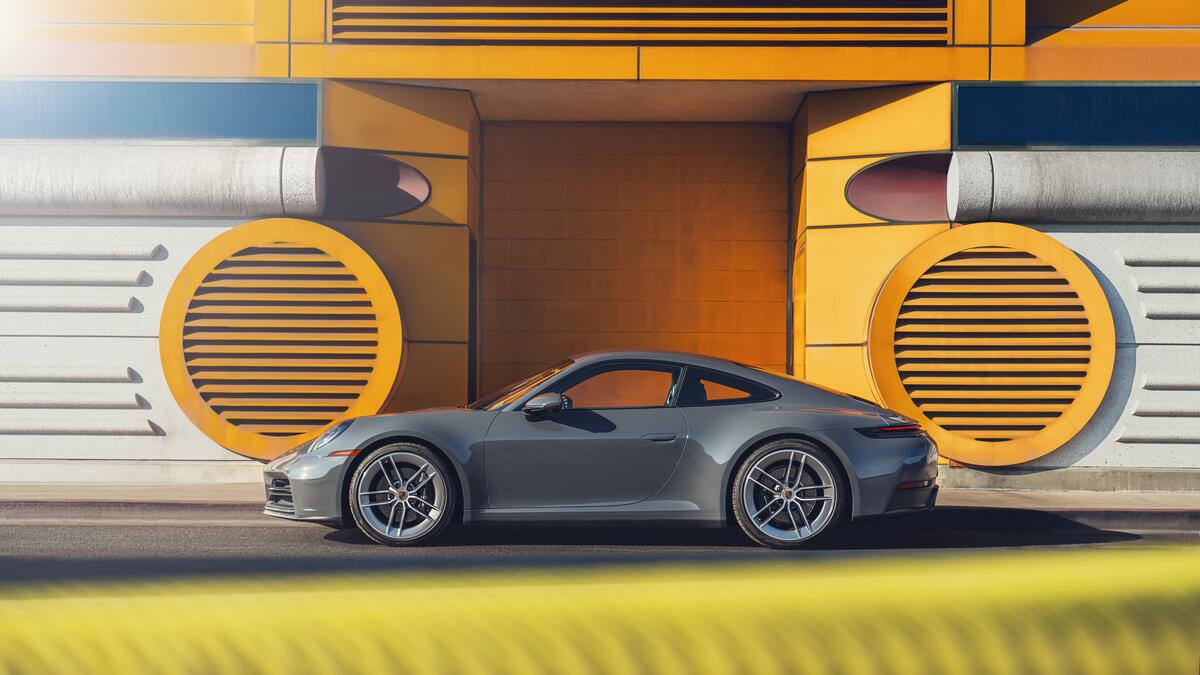
Porsche 911
"...ve but any different to any other car um my first 911 which was actually the probably the shittest 911 ..."
The Porsche 911 is a sports car made by Porsche. It’s known for being very quick and for having a unique feel when you drive it. People talk about it a lot because there are many versions over the years.
The Porsche 911 is a long-running sports car famous for its rear-engine layout and distinctive driving feel. It’s significant because nearly every generation has become a benchmark for sports-car balance and performance. It often comes up in podcasts because owners and drivers compare their personal experiences across different 911 eras.
G50
"[2323.2s] so I bought a crappy one a 3.2 I think on an 87 G50 black but tatty black with that linen"
G50 is the Porsche 911’s internal gearbox generation code used for certain 1980s 911 models. It’s a shorthand enthusiasts use to identify which transmission variant a car has, which can matter for parts fitment and feel.

Ford Escort
"[2384.1s] but what I would say my real answer is my first car really Ford Escort [2393.7s] yellow badly painted 1300 L mark 12 door"
The Ford Escort is a common, everyday small car from Ford’s lineup. In this story it’s important because it was the host’s first car and sparked his interest.
The Ford Escort is a long-running compact car line that became a staple of British motoring. Here, the host remembers it as his first car, emphasizing how early “car love” can start with something humble.
L mark
"[2393.7s] yellow badly painted 1300 L mark 12 door even though I like the look of the four doors"
“L” here means a simpler, lower-trim version of the Escort. “Mark” is Ford’s way of numbering different versions of the same model over time.
“L” is a trim level designation used on some Ford Escort variants to indicate a more basic equipment specification. “Mark” refers to a generation/update of the Escort model line, which affects bodywork and parts.

SD1 Rover Sd1
"...ar and Motor still when I started. Yeah. When the Rover SD1 was launched, 1976, in those days, you couldn't, ..."
45 degree angle of roll
"They would just show cornering shots with the car really loaded up and like at a 45 degree angle of roll, because that's how he showed it."
The “angle of roll” is how much the car tilts when it turns. Saying “45 degrees” is basically describing a very dramatic lean to make the cornering look intense.
“Angle of roll” is how much the car leans to one side during cornering. A “45 degree” roll angle is an exaggerated, dramatic way to show lateral load and body movement, implying the car is being pushed hard through a turn.
apex
"So the middle of the apex of the car is fully loaded up and there's a head-on shot of his SD1, sort of like this sort of 30 degree angle, fully loaded, fully committed, thinking how, I can't even begin to imagine how wonderful and special."
The “apex” is the inside point of a corner—the closest part to the curb/inside. Drivers aim for it to make the turn efficient, and ads often show the car there to look fast.
The “apex” is the point in a corner where the car is closest to the inside line. The speaker describes the SD1’s position at the apex while fully loaded, emphasizing how the car is shown to be committed through the turn.

Ford Sierra
"...er the article, it was a white Ford, the original Ford Sierra Costworth Drive Stories in the magazines. Yeah. I..."
The Ford Sierra is a Ford car from the 1980s. A “3-door” version means it has three doors instead of four. The podcast is referencing it as part of the Sierra story people read about in magazines.
The Ford Sierra 3-door is part of the Sierra lineup, a popular Ford model known for its distinctive shape and role in 1980s touring-car culture. It’s mentioned in the podcast in connection with a specific “Drive Stories” feature and the Sierra Cosworth theme. That kind of reference usually points to how the car was presented and remembered in magazines.

Ford Sierra Cosworth
"The other one, I just remember the article, it was a white Ford, the original Ford Sierra Costworth Drive Stories in the magazines. Yeah. In spring 1986. ... And it was the first Drive Stories of Ford Sierra Costworth, which 150 miles an hour,"
The Ford Sierra Cosworth is a fast, performance-focused version of the Ford Sierra from the 1980s. The hosts are talking about how magazines made it sound incredibly quick and exciting back then.
The Ford Sierra Cosworth is a performance version of the Sierra, best known for its rally-bred reputation and turbocharged power in the 1980s. In this segment, it’s discussed as a magazine “Drive Story” car that was portrayed as extremely fast for its time, with specific claims about speed and horsepower.
Drive Stories
"Costworth Drive Stories in the magazines. Yeah. In spring 1986. ... And it was the first Drive Stories of Ford Sierra Costworth, which 150 miles an hour,"
“Drive Stories” is a type of car magazine article where writers talk about what it was like to drive a particular car. In this case, they’re referencing an old magazine story about the Ford Sierra Cosworth.
“Drive Stories” refers to a magazine feature format where journalists describe a specific car’s performance and impressions from an actual drive. Here, it’s used to anchor the Ford Sierra Cosworth article and its claimed top speed and power.
Sierra Ford Sierra Costworth
"Yep. And it was the first Drive Stories of Ford Sierra Costworth, which 150 miles an hour, which then was just lik..."
The Sierra 3-door is a version of the Ford Sierra with three doors. The podcast is talking about an article that highlighted the Sierra Cosworth and how fast it was said to be. It’s basically a reminder of how people discussed these cars back then.
The Ford Sierra 3-door is the three-door variant of the Sierra, a model that became well known in the 1980s and featured prominently in period magazine coverage. In the podcast, it’s specifically tied to the “Drive Stories” feature about the Sierra Cosworth and its claimed high-speed performance. That makes it a reference point for how the car was marketed and remembered.
big wing
"Three-door, three-door shape. ... Three-door with a big wing on the back. Yeah. Not the R500, so the clean boot lid, but with a big wing,"
A “big wing” is a large spoiler on the back of the car. It helps push the car down onto the road at higher speeds so it feels more planted.
A “big wing” is a large rear spoiler designed to increase aerodynamic downforce, improving stability and grip at speed. In the segment, the Ford Sierra Cosworth is described as having a prominent rear wing, which is a key visual cue of its performance focus.
touring car
"And it said, the car was white as the Spanish sun, and it was just all of it. ... The words, the color of the car, 150 miles an hour, touring car, Stardom to come."
A touring car is a race car that’s based on a normal road car. The hosts are using the term to suggest the Sierra Cosworth felt like a serious race-bred machine.
A touring car is a race car based on a production model, typically competing in touring-car championships. The segment uses “touring car” to frame the Ford Sierra Cosworth’s motorsport credibility and mainstream performance image.
Ricciaro seats
"[2877.1s] Ricciaro seats. [2878.5s] The Ricciaro, yeah."
This is a named type/brand of car seat. It’s the kind of thing car fans mention because the seat design can feel very different from standard seats.
“Ricciaro seats” refers to a specific brand/model of aftermarket or special-application car seats. In enthusiast circles, seat names like this usually point to a particular design (often supportive bucket-style) and intended use, such as track driving or a sporty cabin feel.
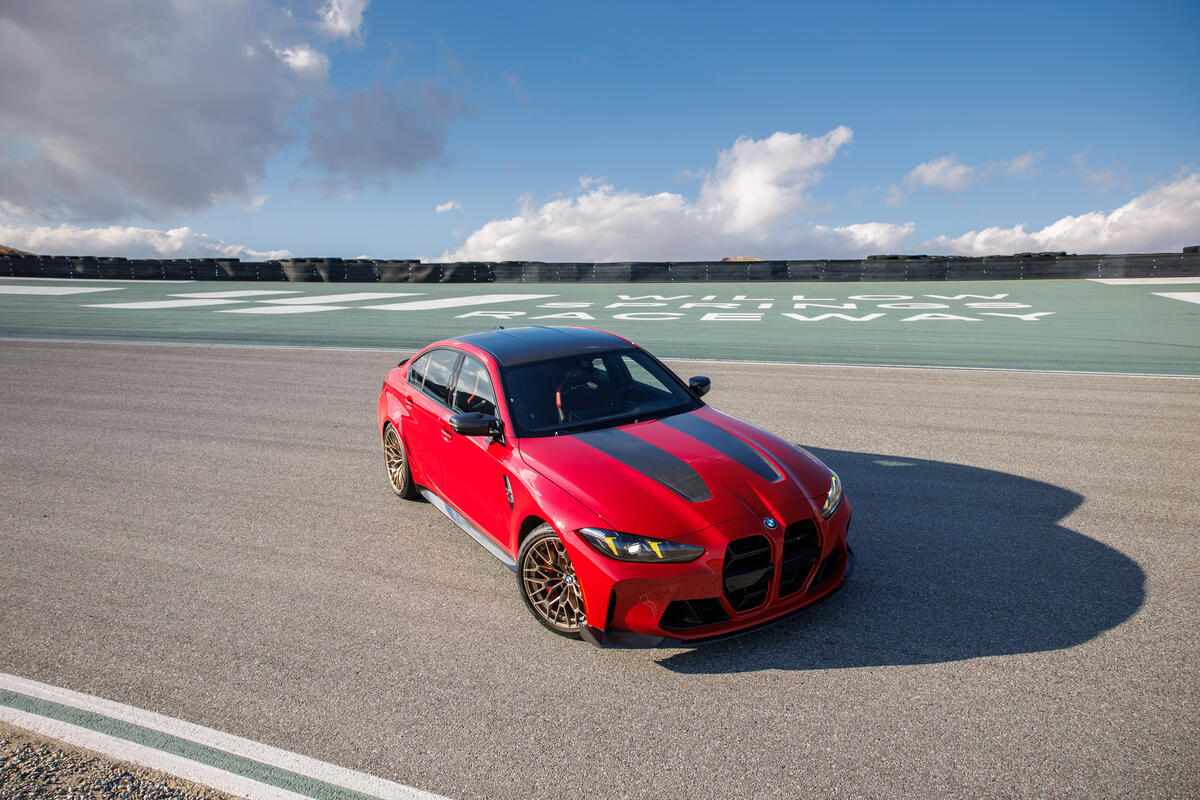
E46 M3
"And I remember driving the E46 M3 and thinking, oh my God, this is perfect. And it looks right. It sounds right. It goes as fast as the 911."
The BMW E46 M3 is a famous BMW sports car from the 1990s/early 2000s. It’s known for a lively engine and a very engaging feel to drive. Here, the host is saying it felt so right that he couldn’t think of an easy way to improve it.
The BMW E46 M3 is a performance version of the 3 Series, built around a high-revving inline-six engine and known for sharp steering and balance. In this segment, Chris Harris describes it as feeling “perfect” on a small circuit, with the car’s sound and acceleration matching the 911 in his mind.
glove box
"You'd open the glove box and there'd be a thousand quid in France for you to get back from the south of France, the UK."
The glove box is the small storage compartment in the front of the car, usually on the passenger side. The host is describing a situation where money was left there as part of the trip.
The glove box is the dashboard compartment used to store documents and small items. In this anecdote, it’s where the speaker says there was money left for him to cover travel expenses, illustrating how the car launch process worked at the time.
Val de Vienne
"And that reminded me, I once did a race down there at Val de Vienne. France has got so many cool little recent racing circuit."
Val de Vienne is a race track in France. They’re saying they’ve raced there before, as part of their memories of European circuits.
Val de Vienne is a racing circuit in France, known for hosting smaller-scale motorsport events compared with the biggest venues. In this segment, they mention doing a race there, which frames the discussion around European track culture.
Le Mans
"And that reminded me, I once did a race down there at Val de Vienne. France has got so many cool little recent racing circuit. And the other thing I did is I met, this is just a bit of memory from last week, at Le Mans."
Le Mans is a famous race in France. It’s known for long endurance racing, and they’re talking about visiting a shop there.
Le Mans refers to the famous French endurance-racing venue associated with the 24 Hours of Le Mans. Here, they’re recalling a shop visit at Le Mans, which ties the conversation to motorsport culture and the event’s fan ecosystem.
onboard
"“...I said the on-board, that early on-board of him in the Tyrol to Montreal in the wet is some of the best on-board I've ever seen in a racing car.”"
“On-board” means video filmed from inside the race car. It helps you see what the driver is doing—like where they steer and when they brake—rather than just watching the car from outside.
An “on-board” is race footage filmed from inside the car, typically mounted to the driver’s view or dashboard area. It’s used to show exactly what the driver is doing—steering, braking, throttle, and line choice—so it’s especially meaningful when the host says it’s among the best they’ve ever seen.

Porsche 928
"“...this is a car that I actually adore... But I don't really enjoy driving a Porsche 928. I like looking at them... I've owned them... But I'm, oh, the manual's better than the automatic. You don't, the manual's overrated. You get an auto. It's fantastic.”"
The Porsche 928 is an older Porsche that was built more like a comfortable grand tourer, not a lightweight sports car. In this segment, the host says they like looking at the 928 and even owning them, but they don’t enjoy driving it—especially comparing the manual versus automatic versions.
The Porsche 928 is a grand-touring Porsche from the 1970s–1980s era, famous for its V8 and its “luxury GT” direction compared with the 911. Here, the host differentiates between the 928’s manual and automatic behavior, saying they prefer the automatic and find the manual overrated—so it’s central to the “worst ever Porsche” discussion.
manual transmission
"“...But I'm, oh, the manual's better than the automatic. You don't, the manual's overrated.”"
Here, “manual” means you have to shift gears yourself while driving. The host is comparing how the manual version feels versus the automatic version.
In this context, “manual” means a gearbox that requires the driver to shift gears themselves (as opposed to an automatic transmission). The host is using it to compare driving feel and how well the car “keeps up with the times.”
automatic
"“...the manual's better than the automatic... You get an auto. It's fantastic.”"
“Automatic” means the car changes gears for you. The host says the automatic version of the Porsche 928 is great compared with the manual.
“Automatic” here refers to a transmission that shifts gears without the driver manually selecting them. The host argues that the automatic is “fantastic” in the Porsche 928, implying it suits the car better than the manual for their taste.
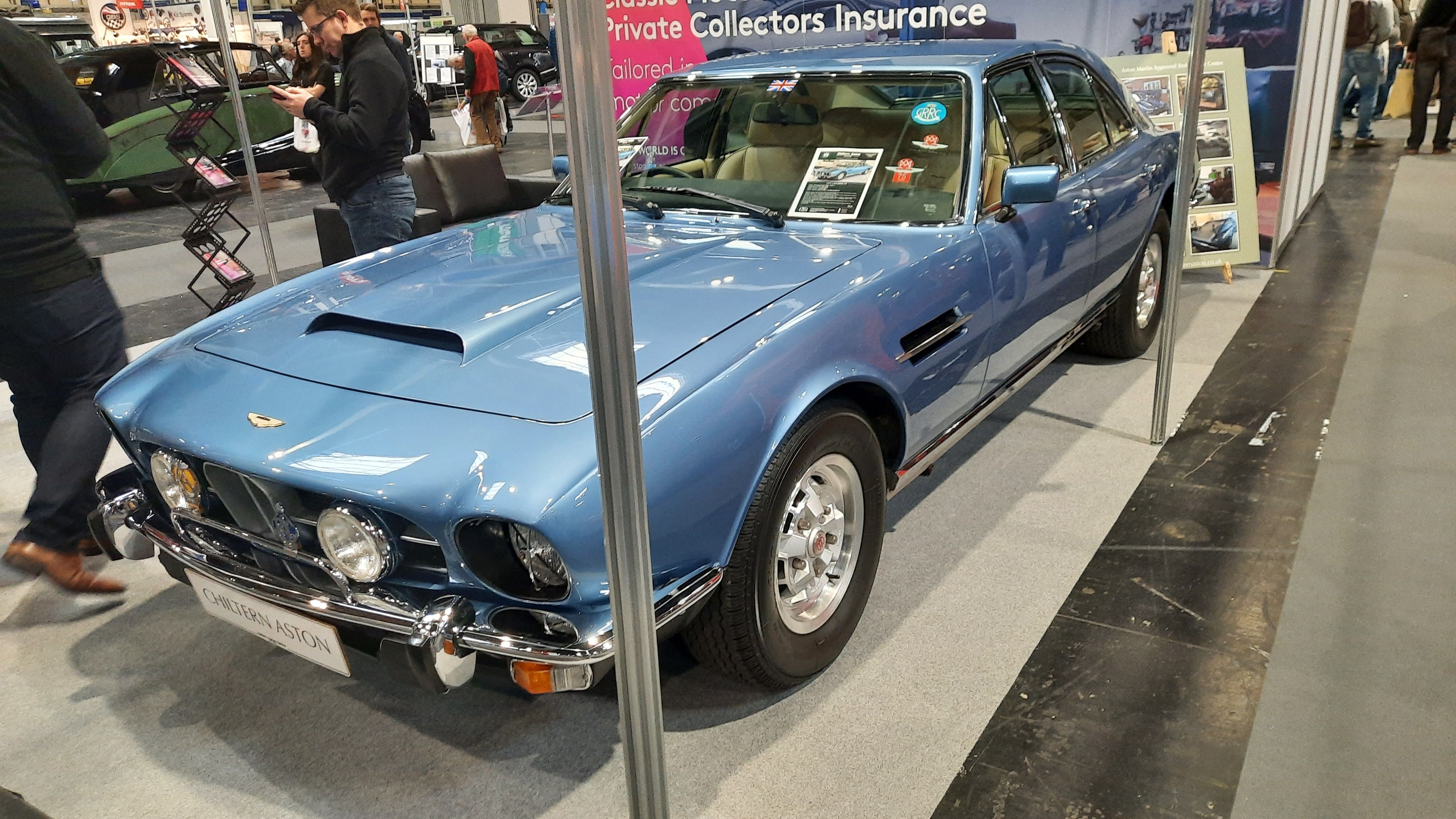
Aston Martin Lagonda
"...in, you know, in 76 when I saw the Contagion, the Lagonda, and all the rest of it. Anyway, she saw me sort ..."
The Aston Martin Lagonda is a luxury car made by Aston Martin. It’s known for having a very distinctive look compared with many other luxury cars. The podcast is mentioning it because it stood out when it was seen around that time.
The Aston Martin Lagonda is a luxury car line from Aston Martin, known for its distinctive styling and status as a more unusual, high-end model. It’s brought up in the podcast in the context of seeing it around the time of a specific film, which highlights how memorable and recognizable it was. That kind of mention usually points to the car’s presence in popular culture and its standout design.
carbon fiber accents
"to being bought, bought my first ever proper carbon fiber racket. Was it a Prince?"
A carbon fiber racket is made from a lightweight, stiff material. That can make the racket feel more responsive when you hit the ball.
A carbon fiber racket uses a composite frame made from carbon fibers, which can be stiffer and lighter than traditional materials. In tennis, that stiffness can change how the racket flexes on impact and how the ball feels off the strings.
vibrasorb
"It wasn't it was a Donne no, it was a, it was a Wilson. I was my first one with a little vibrasorb."
“Vibrasorb” is a racket feature meant to reduce vibration. It’s there to make the racket feel less harsh in your hand.
“Vibrasorb” is a brand name used on some tennis rackets for vibration-damping technology. The idea is to reduce harshness and vibration transmitted to the player’s hand.

Porsche 924
"And Steve had a red Porsche 924. ... And this thing, it was a classic tennis pro's car... I read today, it had 95 horsepower on a good day, 30 horsepower less than a European 90."
The Porsche 924 is an older Porsche model that was meant to be a more affordable way into the brand. Here, the host is talking about the U.S.-spec version being weaker and less satisfying than the European one.
The Porsche 924 is a front-engine Porsche from the late 1970s/early 1980s era, known for being a more affordable entry into the brand compared with the 911. In this segment, the host specifically contrasts the American-spec 924’s lower output and overall feel versus the European version, which is why it’s part of the “worst ever Porsche?” discussion.
American 924
"And the American 924, I was in into cars enough to know how gutted this car was."
“American 924” means the version sold in the U.S. It can be tuned differently than the European one, often making less power—like the host says here.
“American 924” refers to the U.S.-market specification of the Porsche 924. U.S. emissions and tuning differences often reduced power compared with European versions, which is exactly what the host is pointing out with the horsepower comparison.
95 horsepower
"I read today, it had 95 horsepower on a good day, 30 horsepower less than a European 90."
Horsepower is a number that describes how much power the engine makes. Here it’s used to show the U.S. Porsche 924 had less power than the European one.
Horsepower is a measure of engine power output. The host uses the “95 horsepower” figure to argue that the U.S.-spec Porsche 924 was significantly detuned versus the European version.

Porsche 997.2 GT3
"[3747.7s] is the one I've been disappointed by. And then you end up sort of feeling that, well, you didn't [3753.1s] quite have the sort of the handling finesse of the 997.2 GT3."
This is a Porsche 911 GT3 from the 997.2 generation. It’s built to feel very precise and “race-car like,” and the 997.2 version is a specific update of that 911 era.
The Porsche 997.2 GT3 is a track-focused 911 variant known for its high-revving character and sharp handling. The “997.2” generation matters because Porsche made meaningful running changes during the 997 facelift era, and the GT3 is tuned specifically for driver feedback and lap times.

Porsche 944 S2
"[3803.8s] about a 911 because it was just too far over the horizon. You couldn't realistically even dream [3809.4s] about it. You could just about dream about a 944. And when the 944 S2 came along"
This is the Porsche 944 S2, a more developed version of the 944. The 944 is a different kind of Porsche than the 911, and the S2 is especially known for its nicer interior and updated look.
The Porsche 944 S2 is a performance-focused variant of the 944, known for its more refined, modernized feel compared with earlier 944s. The speaker highlights the S2’s styling and dashboard shape, which is part of why it became a memorable “enthusiast” Porsche even though it’s not a 911.
four-cylinder engine
"[3838.8s] 1985, page six, something like that, thinking I'll never desire a car more than that. It's just [3844.4s] looks fantastic. It's got 250 horsepower, which is more than God. It's a four cylinder engine."
It means the engine has four cylinders. More cylinders usually isn’t the point here—the speaker is saying this four-cylinder Porsche felt like a big deal.
A four-cylinder engine means the engine has four combustion chambers (cylinders) arranged to produce power. In this context, the speaker is emphasizing the 944 Turbo’s engine layout as part of why it felt impressive at the time.

Corrado
"I read in the middle of the night on Tesla Day, which was Corrado versus 944, 2.7 as it was back then. So that was the last one without, it didn't have the lovely fed in front end..."
The Volkswagen Corrado is a sporty VW coupe, and the “2.7” is the engine size of a specific version. The hosts bring it up to compare it with a Porsche and talk about what people wanted from the badge and the car.
The Volkswagen Corrado is a late-1980s/early-1990s sporty coupe, and “2.7” refers to the 2.7-liter VR6-engined version. In the segment, it’s compared against a Porsche 944-era choice to argue that the Porsche badge mattered, and that some buyers preferred having the Porsche nameplate.
airbag
"And if you kept in one, judged by monostandards, they handle like a boat. The steering is abominable because it's got the heaviest airbag ever fitted to a car."
An airbag is a safety cushion that inflates during a crash to help protect you. Here, the host is talking about how the airbag adds weight and affects how the car feels to drive.
An airbag is a safety device that inflates rapidly in a crash to help protect occupants. The host specifically complains about the “heaviest airbag ever fitted to a car,” arguing that its weight contributes to the Porsche 964 Turbo’s heavy, awkward feel.
turbo lag
"It's obviously got this 10 kilogram mass right where you don't want it. It's got tragic turbo lag. And when it delivers its full boost..."
Turbo lag is the momentary delay before the turbo really starts working. So when you press the gas, the car may feel slow to respond, and then the boost hits.
Turbo lag is the delay between pressing the accelerator and the turbocharger producing meaningful boost. The host says the Porsche 964 Turbo has “tragic turbo lag,” meaning it doesn’t respond instantly, and the power arrives suddenly later.
boost
"And when it delivers its full boost, which it does for about 300 rpm, you hang on for dear life..."
Boost is the extra “push” from the turbo that helps the engine make more power. The host is saying the strongest turbo effect happens only in a small engine-speed range.
Boost is the extra air pressure a turbocharger creates to increase engine power. The host says the car delivers its full boost for only about 300 rpm, meaning the turbo’s strong effect is narrow and the power delivery can feel abrupt.
traction control
"And when it delivers its full boost, which it does for about 300 rpm, you hang on for dear life, there's no traction control. Then you get out and look at it..."
Traction control helps prevent the wheels from spinning when you accelerate on slippery or low-grip surfaces. If a car has no traction control, you have to be more careful with throttle to avoid losing grip.
Traction control is an electronic system that reduces wheel spin by cutting engine power and/or applying brakes when the tires lose grip. The host notes there’s “no traction control,” implying the car can be harder to drive smoothly because it relies more on the driver to manage grip.

Clio 182
"But I think it's shit. And I think, if you told me to get down a road quicker than a bloke in a Clio 182, I'd either die or lose."
The Renault Clio 182 is a sporty “hot hatch” version of the Clio. It’s known for feeling quick and lively, and the host is basically saying the Porsche couldn’t beat it on a road.
The Renault Clio 182 is a hot hatch built around a high-revving 2.0-liter engine tuned for sharp throttle response and driver-focused handling. In this episode, it’s used as a benchmark for quick acceleration on a road, showing how the speaker felt the Porsche they’re discussing couldn’t match a fast small car.
steering wheel
"A lovely cool friend called Steve that's done exactly that to a 3.6, basically made it like a Turbo S. Yeah. New steering wheel, new suspension, looks fantastic, drives fantastic now, but it's a lot of work."
A steering wheel swap is a common interior modification, but it can also be part of a broader “feel” upgrade when paired with suspension and steering changes. In this context, it’s mentioned as part of a conversion that makes the car drive much better after the original setup was disappointing.
Turbo S
"A lovely cool friend called Steve that's done exactly that to a 3.6, basically made it like a Turbo S."
“Turbo S” is Porsche’s name for a more powerful, higher-spec turbo model. Here it’s used to describe how a modified car ends up feeling closer to that kind of performance.
“Turbo S” is a performance trim/variant name used by Porsche to indicate a higher-output, more track-capable version of a turbocharged model. In the episode, it’s referenced as the target feel after modifications—new steering wheel and suspension—so the car behaves more like a top-tier Porsche turbo.
suspension
"Yeah. New steering wheel, new suspension, looks fantastic, drives fantastic now, but it's a lot of work."
Suspension is what helps the wheels stay in contact with the road and controls how the car rides and handles. The host is saying the suspension changes are a big reason the car drives much better now.
Suspension is the system that connects the wheels to the body and controls ride comfort and handling. The host credits new suspension (along with other changes) for transforming the car’s driving feel, which is why it’s central to their “it’s a lot of work, but it works” point.

BMW E30
"And those two cars, let me just get my little picture up. The first one is the BMW E30 for me was a magnificent, gorgeous, fantastic."
The BMW E30 is an older BMW 3 Series from the 1980s. It’s famous with car fans for being fun to drive and for having lots of parts and upgrades available.
The BMW E30 is the 3 Series generation (1980s-era) known for its classic rear-wheel-drive layout and huge enthusiast support. Here, the host calls it a “magnificent” car and compares how it drives versus another classic Porsche, making it part of the episode’s “best 80s cars” debate.
exhaust pipe
"And look at this. It's even got this very rare. Look at this. Where's my bloody picture now? Exhaust pipe. Shit, I can't find it. I'll"
The exhaust pipe is the tube that carries the engine’s exhaust gases out of the car. The host is pointing out that the listing shows a notable exhaust detail.
An exhaust pipe is part of the exhaust system that carries spent gases from the engine toward the muffler and tailpipe. The host mentions it as a detail on the car listing, implying the car has specific exhaust-related hardware that stands out.

Peugeot 205 GTI
"To me, those are the two cars of the 80s. Peugeot 205 GTI. That's a 1.6. Who knows whether that's better. I still prefer the 1.9."
The Peugeot 205 GTI is a classic 1980s “hot hatch” that’s famous for being fun to drive. Here they’re talking about whether the 1.6 or the stronger 1.9 version is the one to buy.
The Peugeot 205 GTI is a hot-hatch from the 1980s known for its small, punchy engine and sharp, driver-focused handling. In this segment, they’re debating which engine size (1.6 vs 1.9) is the better choice for an enthusiast-spec 205.
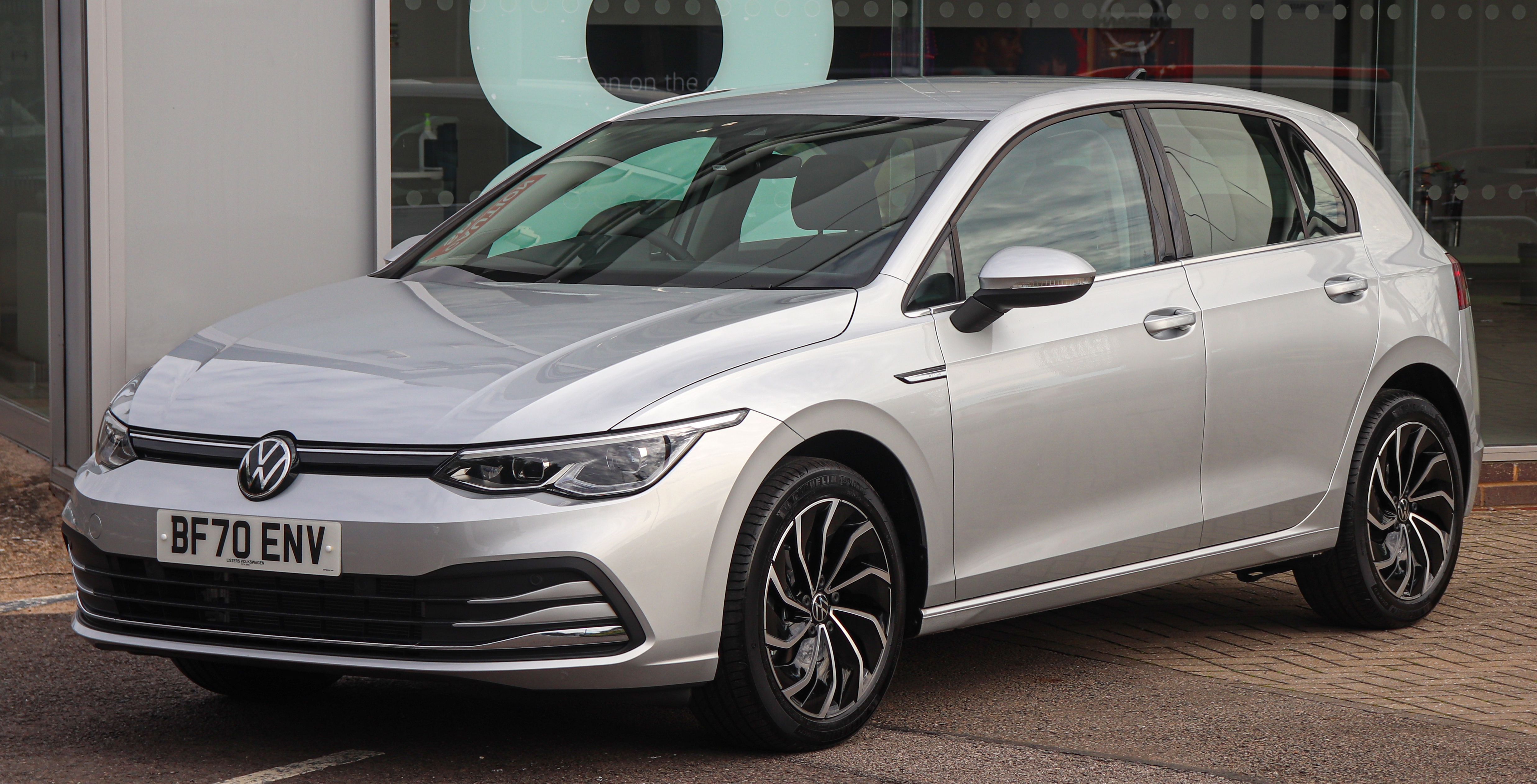
Volkswagen Gti
"...e, those are the two cars of the 80s. Peugeot 205 GTI. That's a 1.6. Who knows whether that's better. I..."
The Volkswagen Golf is a popular small car meant for everyday driving. It’s known for being practical and widely used. The podcast is mentioning it as one of the important cars from the 1980s.
The Volkswagen Golf is a mainstream compact car line that became a long-term reference point for everyday usability and broad appeal. In the podcast context, it’s grouped with other 1980s icons, suggesting it’s being remembered for its role in that era’s car culture. It’s often discussed because it’s both common and influential in how compact cars evolved.

Peugeot 205 GTI
"...To me, those are the two cars of the 80s. Peugeot 205 GTI. That's a 1.6. Who knows whether that's better. I..."
The Peugeot 205 GTI is a sporty version of the Peugeot 205. It’s a small car that was made to feel quick and fun, not just practical. The podcast is calling it one of the standout cars from the 1980s.
The Peugeot 205 GTI is a compact hot hatch from the 1980s that became a benchmark for fun, responsive driving in its class. It’s significant because it’s widely remembered as an enthusiast favorite and a symbol of the “hot hatch” era. In the podcast, it’s named as one of the defining cars of the 1980s.
Phase 1 interior
"Could you get a Phase 1 interior on a 1.9? I think so, yeah. Could you?"
“Phase 1” is a way collectors talk about early versions of a car when the interior design changed. They’re wondering if you can find (or swap) the early-style interior on a later version.
“Phase 1” refers to an early production update stage for a model, where interior (and sometimes exterior) details changed over time. In this segment, they’re asking whether a “Phase 1 interior” can be fitted to a later 1.9 car, implying there are identifiable trim/fitment differences by phase.
Request an Explanation
Heard something you'd like explained? We'll add it to this episode.
Sign in to request explanations for terms you heard.
Want to learn more?
Browse our glossary for plain-English explanations of automotive terms, jargon, and concepts.
Help improve this episode
See something that's not quite right? Our annotations are AI-generated and can sometimes miss the mark. Click the flag icon on any annotation to suggest a correction.