
Protective Asset Protection
This is a company that helps car dealers sell extra “protection” add-ons. The idea is that dealers can make more money by offering these products to customers.
strike authorization vote
This is a union vote where workers decide whether they’re allowed to go on strike. If the vote passes, the union can move toward a strike if talks don’t improve.
UAW
UAW is a union for many auto workers in the U.S. They’re voting on whether to authorize a strike at a specific factory.
Stellantis
Stellantis is a big car company that makes vehicles in the U.S. The union is targeting one of its truck factories for labor negotiations.
tariffs
Tariffs are extra taxes on imported products. If they’re raised on cars, imported vehicles and parts can get more expensive.
life cycles
A model life cycle is how long a particular version of a car stays on sale. “Stretching” it means Honda plans to keep selling that version longer.
Honda
Honda is a car company. They’re saying they’ll keep some of their main models around longer instead of changing them as quickly.
EV pullback
An EV pullback means a company is backing off from its electric-car plans. That can include slowing down launches or spending less for a while.
Tesla
Tesla is a company that makes electric cars. In this discussion, it’s used as an example of how EVs can be designed around software.
software-defined vehicles
A software-defined vehicle is one where key functions are controlled primarily by software rather than fixed hardware. This enables faster feature updates, easier improvements over time, and tighter integration of vehicle systems.
SBD Automotive
SBD Automotive is a company involved in automotive engineering and product development services. In this segment, it’s the employer of the guest being quoted about how automakers should approach EV-era design and integration.
marry the old school and new school
The speaker is saying it’s hard to mix the traditional way of building cars with the newer EV/tech approach. They think companies should switch to the newer approach instead of trying to blend both.
disrupting ourselves
It means the company is trying to change its own way of doing things before someone else forces it to. Here, it’s about adapting to the EV market.
Rivian
Rivian is a newer electric-vehicle company. The speaker is comparing their approach to how traditional automakers should adapt.
multi-stage process
This means the union’s plan unfolds in steps. The vote is just the first part before anything bigger could happen.
trade agreement
A trade agreement is a formal set of rules between countries about buying and selling. If it hasn’t been ratified, it may not be officially active yet.
Bernstein
Bernstein is a company that does financial research. Analysts there are estimating how much money European car companies could lose if tariffs change.

Volkswagen Group
Volkswagen Group is the big company that owns multiple car brands. They’re saying their electric cars won’t make as much profit as their gas cars for several more years.
MEB plus platform
MEB plus is Volkswagen’s shared design for electric cars. Using the same basic “platform” helps the company build EVs faster and with less cost.
combustion vehicles
Combustion vehicles are regular gas or diesel cars that burn fuel in an engine. The speaker is comparing how much money EVs make versus those traditional cars.
margins
Margins are the profit left over after paying the costs to make and sell something. Here, they’re saying EVs are expected to make less profit than gas cars.
EU CO2 fines
These are money penalties in the EU for emitting too much CO2. If a car company’s cars don’t meet emissions rules, they can have to pay fines.
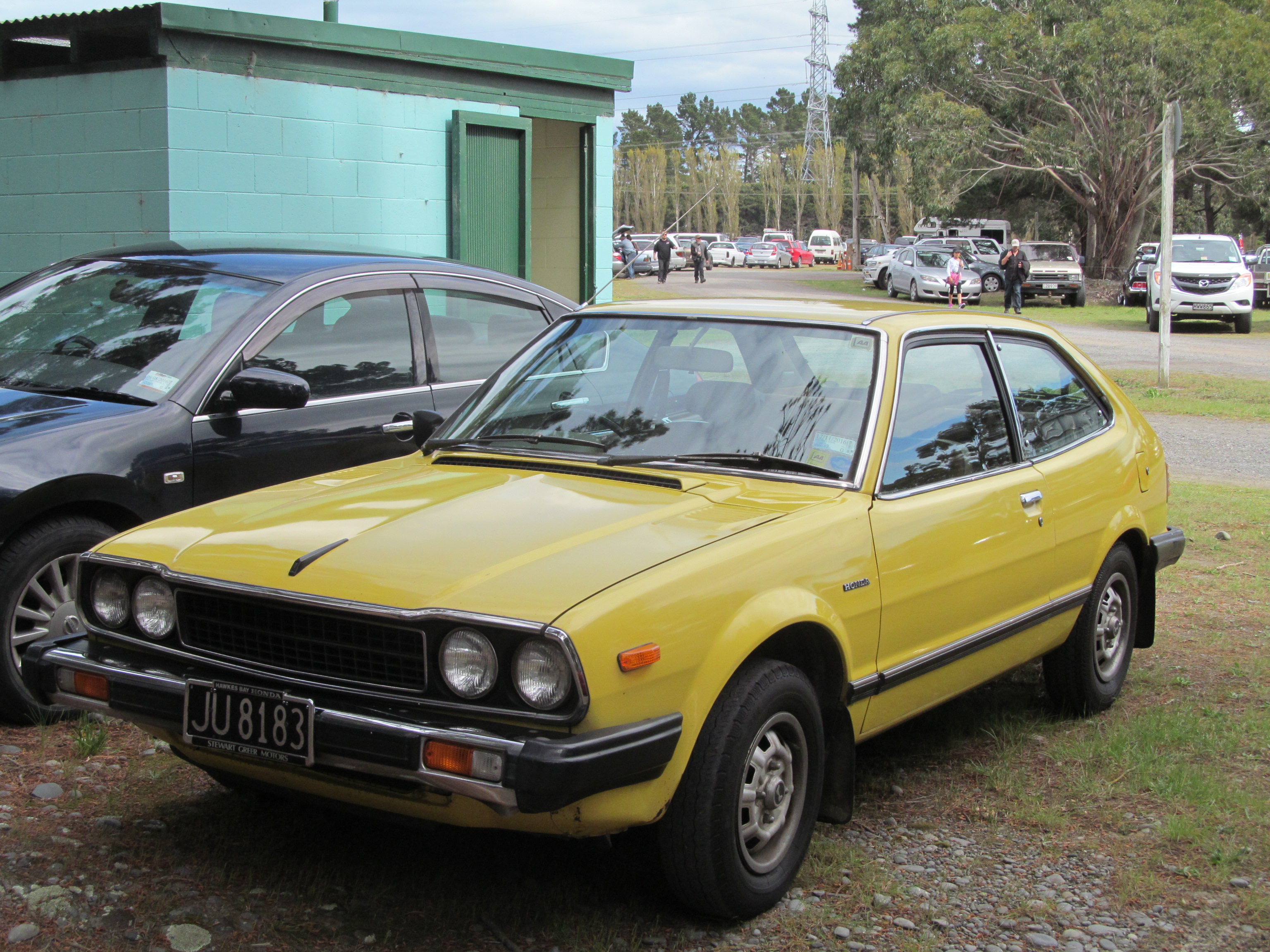
Honda Accord
The Honda Accord is a popular Honda sedan. Honda is saying it will keep some versions on sale longer instead of doing a full redesign right away.

Honda HRV
The Honda HR-V is a small crossover SUV. Honda is saying it won’t redesign some models until the early 2030s, so the current generation will last longer.

Honda Odyssey
The Honda Odyssey is Honda’s minivan. Honda is planning to keep it in its current generation longer rather than redesigning it immediately.
electric vehicles
Electric vehicles are cars that run on electricity from a battery. In this segment, Honda canceled some of its EV plans, which is part of why it’s changing other car timelines.
hybrids
A hybrid uses two power sources—an engine and an electric motor. The idea here is Honda is working on more hybrid options to cover the time before newer platforms arrive.
hybrid platform
A hybrid platform is the underlying design that lets a company build hybrid cars more efficiently. Here, Honda says its bigger hybrid plan is coming, but not right away.

Acura Integra
The Acura Integra is a sportier Acura model. The point here is that Acura/Honda is keeping it around longer by delaying the next redesign.

Toyota Sienna
The Toyota Sienna is another minivan that shoppers compare against the Honda Odyssey. The segment is saying Honda’s Odyssey will face more competition than before.

Chrysler Pacifica
The Chrysler Pacifica is another minivan option. The host is basically saying it’s not brand-new compared with newer competitors.
all wheel drive
All-wheel drive means power goes to all four wheels. It can help the car grip better on wet or snowy roads.
front wheel drive
Front-wheel drive means the front wheels do the work of moving the car. It’s usually efficient and common in family vehicles.
supplier memo
A supplier memo is a message about production timing that companies share with their parts suppliers. The point here is that the schedule might not be final and could change.
hybrid only
“Hybrid only” means the car would be sold only as a hybrid, not as a regular gas-only version. It’s usually done to cut emissions and improve fuel economy.
mid-cycle updates
A mid-cycle update is like a “refresh” halfway through a car’s life. The car stays the same overall, but it gets some improvements so it doesn’t feel outdated.
digital retailing
It’s when buying a car starts and happens online—like browsing inventory, getting offers, and completing paperwork—rather than only going to a dealership. Dealers have to adapt their process because customers expect it to be faster and easier.
vehicle protection plans
These are add-on plans sold with a car that can help cover the cost of certain repairs later. Think of them as a way to reduce the chance you’ll have to pay full price for unexpected problems.
FNI solutions
FNI is shorthand for the finance-and-insurance stuff that gets sold with a car. It often includes add-on plans that help cover repairs or other financial risks.
guaranteed asset protection
GAP coverage helps if your car is totaled or stolen and you still owe more on the loan than the car is worth. It can cover that “gap” so you’re not stuck paying the difference.
limited warranties
A limited warranty is a promise to fix or pay for certain problems, but only for specific parts and time periods. It usually doesn’t cover everything, so you have to check the details.
advanced driver assistance systems
Advanced driver assistance systems are safety and convenience features that help you drive. They can use cameras and sensors to warn you or even assist with things like staying in your lane or braking when needed.
retrofit decades-old development processes
This means older car companies have to change how they build cars. If your process was designed for hardware and long development cycles, it’s hard to switch to a world where software updates and coding drive the features.
SDV maturity index
An SDV maturity index is a way to measure how “software-first” a car company is. It looks at how ready they are to build and update cars using software, not just traditional hardware design.
SAE levels for autonomy
SAE levels for autonomy are a common “grading scale” for how automated a car’s driving is. Higher levels mean the car can handle more of the driving work, while lower levels mean the human driver still does most of it.
infotainment
Infotainment is the screen and software in the car that handles things like music, maps, and settings. When it’s “connected,” it can also talk to online services and the car’s systems.
software over the air
OTA updates are wireless software updates sent to your car. Instead of going to a shop, the car can download and install updates on its own.
updatable vehicle
An “updatable vehicle” is a car that can get new software updates without a dealer visit. It’s part of the transition toward cars that are more flexible and software-driven.
ECUs
ECUs are the car’s electronic “computers” that run different systems. Some cars use many separate computers, and newer designs try to combine them to make software updates and control easier.
zonal architecture
Zonal architecture is how the car’s electronics are organized by different areas of the vehicle. Instead of every feature having its own complicated setup, the car groups systems so the wiring and control can be simpler.
cloud
Here, “cloud” means computers on the internet that the car can use. Some tasks can be done inside the car, and others can be done by online servers when the car is connected.
open developer ecosystem
An open developer ecosystem is a platform approach where third-party developers can create and distribute applications for the vehicle, not just the automaker’s own team. The goal is to expand software features over time and allow more variety in apps and services.
EV PurePlay OEMs
This term means companies that mostly make electric vehicles, not a mix of gas and electric. Because they’re focused, they can design the car’s computer systems more cleanly from the start.
vertically integrate
Vertical integration in this context means controlling multiple stages of the technology stack—here, owning development and intellectual property from electronics through software. The goal is to reduce dependency on outside suppliers and to move faster when updating or expanding vehicle capabilities.
IP stack
An IP stack is basically the company’s “technology toolbox” made up of its own inventions and know-how. If they own more of it, they can control how the car works and how updates get rolled out.
ADAS
ADAS are the driver-assist features that help you drive, like keeping in your lane or braking if you’re about to hit something. They depend on sensors and software, so they’re important for “software-first” cars.
ECU architecture
An ECU is a computer in the car that controls functions. ECU architecture is how those computers are arranged—fewer, more consolidated computers can make the car’s software easier to manage.
lucid
“Lucid” likely refers to the EV company Lucid Motors. They’re mentioned as part of the group pushing software-heavy vehicle designs.
program key performance indicators
Program KPIs are the goals and numbers a company uses to judge a project. Here, the argument is that those targets can make companies less willing to adopt new software-first approaches.
risk management profile
This means how a company tends to think about and manage risk when building something new. The claim is that traditional automakers are pushed to avoid uncertainty, which can make them slower to adopt SDV.
SDV platforms
SDV means “software-defined vehicle.” It’s a car where software does more of the work—like features and controls—using computers inside the car, instead of many separate electronics boxes.
central compute unit
This is the car’s main computer. Instead of many separate computers doing small jobs, the car uses one central “brain” to run lots of features and controls.
level two
This is a scale for how automated a car is. Level two means the car can help with steering and speed, but you still have to pay attention and take over when needed.
level three
Level three is more automated than level two. The car can do more of the driving for certain situations, but it will still require you to take over when it reaches its limits.
level four
Level four is near-autonomous driving. In certain areas or conditions, the car can handle driving on its own without you constantly monitoring—though it may still have boundaries.
moonshotting
“Moonshotting” here means going for a big, ambitious goal rather than a cautious step-by-step approach. The idea is to redesign the whole strategy so it can support much higher automation.
Ford
They’re talking about Ford and how the company is organizing its electric-vehicle work. The point is that Ford is trying to build a strategy that can grow into more vehicle types later.
Skunk Works
“Skunk Works” is a nickname for a company’s special innovation team. The idea is that a smaller group can experiment and build new ideas faster than the normal process.
greenfield
“Greenfield” means building something new instead of modifying an older design. In EV terms, it’s like designing the car and its systems for electricity from the start.
platform capability
A “platform” is the underlying design and production setup that multiple cars can share. “Platform capability” means the company’s ability to build and improve that shared foundation for different models.
move that platform up market
It means the company starts with a cheaper car using a new platform, then later uses the same basic design to make more expensive versions. That helps them reuse engineering work instead of starting over each time.
multi-stream
“Multi-stream” means working on more than one path at the same time. In car development, that can happen when a company tries to blend older methods with newer EV technology.
capital management
It means how the company budgets and controls the money it spends on big projects. If you run multiple development tracks, it can be harder to manage that spending.
IP
“IP” means the company’s protected ideas and technology—things they can legally own. When projects get more complicated, figuring out who owns what can be a big issue.
risk tolerance
It means how comfortable the company is with taking chances. Some strategies are safer but slower, while others are riskier but could pay off more.
KPIs
KPIs are the numbers a company uses to track progress. They help decide if a project is on track or needs changes.