
Midweek Motorsport s21 e19
About this episode
Midweek Motorsport s21 e19 bounces from football and weather into a packed motorsport rundown. The hosts set up Formula One and endurance coverage, then dig into Nürburgring 24/N24 themes, including class competitiveness, pit-lane and safety-car decision-making, and the chaos of changing conditions. They also cover Silverstone club racing (C1) with a disqualified Citroën C1, plus a deep GT4/GT3 chat on traction control, aero, and tire strategy. The episode ends with Le Mans, Indy 500, and more motorsport banter.
Nürburgring
"for giving fans a four-day automotive party [447.5s] from the Nürburgring."
The Nürburgring is a well-known racing track in Germany. The hosts are mentioning it as the place where the event is happening.
The Nürburgring is a famous German motorsport circuit and event venue, often associated with high-profile endurance and enthusiast track days. In this segment it’s referenced as the location for a four-day automotive event.
air-cooled engine repair
"for a module that includes air-cooled engine repair [471.4s] currently tearing down a 1984 Porsche Carrera motor."
An air-cooled engine uses air flowing over the engine to keep it from overheating, instead of coolant. Repair work has to account for that cooling system and the engine’s heat-control design.
Air-cooled engines rely on airflow over finned cylinders and heads to remove heat, rather than using liquid coolant through a radiator. That changes both how the engine is designed and what “good repair” looks like—cooling fin condition, sealing surfaces, and heat management are especially important.
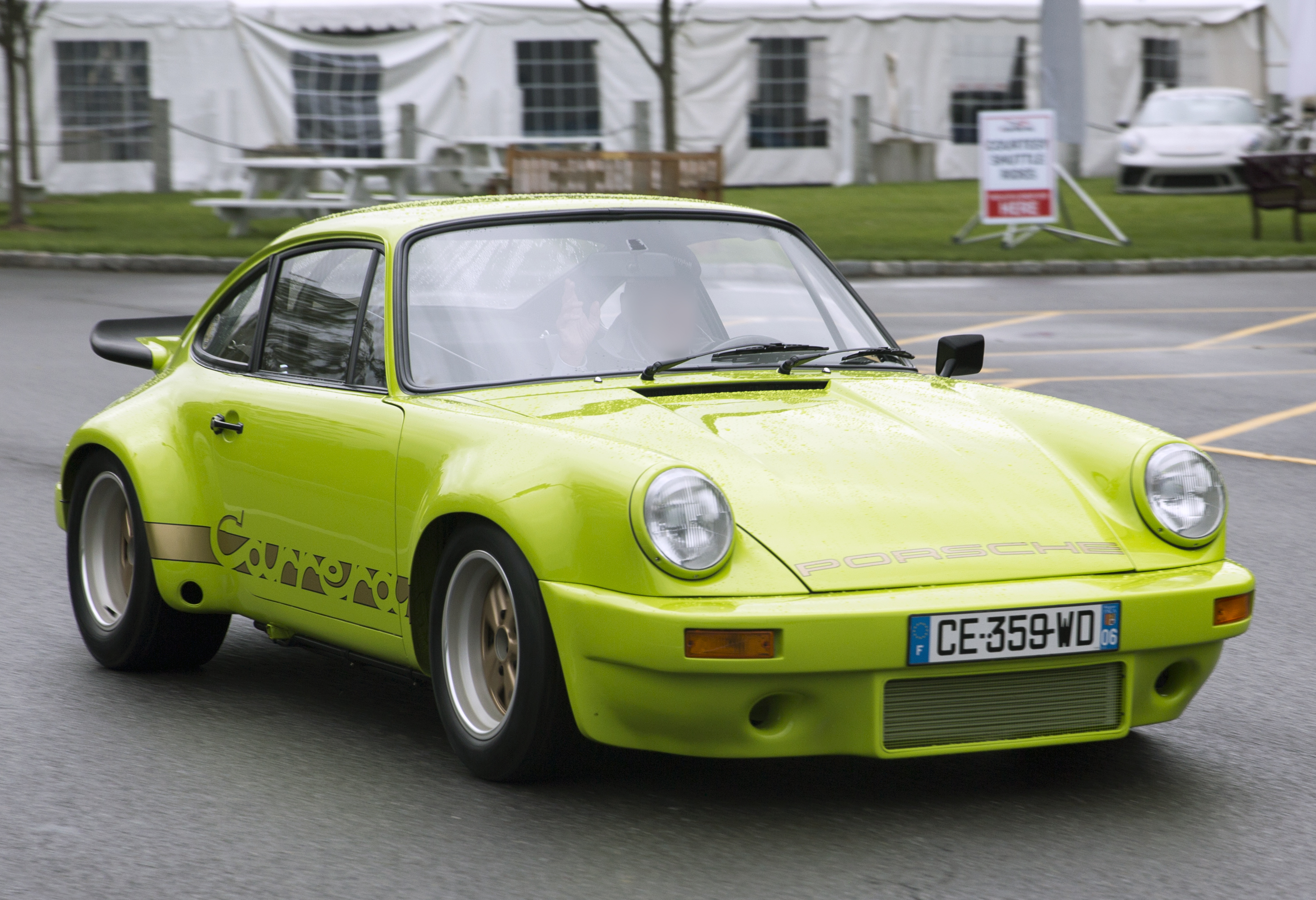
Porsche Carrera
"for a module that includes air-cooled engine repair [471.4s] currently tearing down a 1984 Porsche Carrera motor."
Porsche “Carrera” is Porsche’s performance line. Here they’re talking about a 1984 Carrera engine being taken apart for repair, and it’s an older air-cooled type of engine.
The Porsche Carrera is the brand’s name for performance models, and in this segment they’re specifically talking about a 1984 Porsche Carrera engine being torn down. The key enthusiast angle is that this is an air-cooled-era Porsche powerplant, which is maintained and repaired differently than modern water-cooled engines.
N24
"Ed Moser's not EFAA's this week listening with Mrs. M [484.2s] who really enjoyed the coverage of the N24."
“N24” is a nickname for a 24-hour endurance race at the Nürburgring. They’re saying someone really liked the show’s coverage of it.
“N24” is shorthand commonly used for the Nürburgring 24-hour race (the 24 Hours at the Nürburgring). The hosts mention it as coverage that someone enjoyed, tying the segment to endurance racing.
Le Mans
"for your Le Mans sticker order. [504.2s] There are rules for whether or not you get [506.1s] the Haribo with your order for Le Mans."
Le Mans is a famous long-distance race (the “24 Hours of Le Mans”). In this part of the show they’re talking about Le Mans-themed stickers.
Le Mans refers to the 24 Hours of Le Mans, one of the world’s most famous endurance races held in France. Here it’s used in the context of ordering Le Mans stickers, but it signals the episode’s motorsport focus on endurance culture.

Citroen Zx
"Yes. It wasn't the fact that they turned up in a Citroen ZX or a Citroen Zara Turbo instead."
The Citroën ZX is a compact car that was made for regular everyday driving. It’s not a race-specific model by default. In the podcast, it’s mentioned mainly to clarify that the topic wasn’t about a Citroën ZX being the relevant car.
The Citroën ZX is a compact car that was produced in the 1990s and early 2000s, known for being a practical everyday model with a range of trims. The podcast reference uses it as an example in a discussion about what cars showed up or were expected to show up. It’s brought up to clarify that the conversation wasn’t about a Citroën ZX (or similar) being the focus.
Citroen C1s
"Most of the cars are Citroen C1s, but not all of them."
The Citroën C1 is a small, city-focused car. Here it’s mentioned because most of the cars in the race/event were that model.
The Citroën C1 is a small city car (a compact hatchback) built for easy driving and low running costs. The hosts mention that “most of the cars are Citroën C1s,” which frames the event as being dominated by lightweight, entry-level machinery.

Peugeot 107
"The Peugeot 107 of Emacs Motorsports was entered as well... The Peugeot 107 finished 33rd."
The Peugeot 107 is a small city car. In this segment, they’re talking about a specific Peugeot 107 entry and where it finished in the race.
The Peugeot 107 is a small city car that, like the Toyota Aygo, is part of a shared small-car family developed with other manufacturers. The hosts specifically discuss the Peugeot 107 entered by Emacs Motorsports and even give a finishing position, making it a concrete example of the event’s car lineup.

Citroen 2CV
"Right. There was also a 2CV. Was there?"
The Citroën 2CV is an older, simple car that was made for basic transportation. It’s known for its unusual design and long history. The podcast mentions it as a car that was (or might have been) part of the lineup being talked about.
The Citroën 2CV is a classic, lightweight French car originally designed for simple, economical transportation. It’s often discussed because it has a distinctive, old-school character and a long-running reputation as an unusual but iconic vehicle. In the podcast, it’s referenced as part of a list of cars that might have been present or considered.

BMW 116Is
"No way. The top three were all BMW 116Is. All right."
The BMW 1 Series is a compact BMW, smaller than many other BMW models. In the podcast, it’s mentioned because the top finishers were all BMW 116Is. That means this specific compact model did very well in that race.
The BMW 1 Series is BMW’s compact car line, typically offered in performance-oriented versions as well as more everyday trims. In the podcast context, it’s specifically tied to race results where the top positions were all BMW 116Is, emphasizing how that particular model performed in the event. That makes it relevant to the discussion of what cars were competitive.
European class
"The highest place, actual Citroen, was also not in the main class. It was in the European class, because it was a Danish entry, driven by Michael Mack, Marko Kisarka and Christian Kroner."
Races often split entries into different categories. Here, they’re saying the Citroen competed in a European category rather than the main one.
An “European class” refers to a motorsport grouping based on regional eligibility and/or series rules. In the segment, the hosts explain that the highest-placing Citroen wasn’t in the main class, but instead competed in this European class.

Citroen C1
"And the actual... The car that finished fifth overall, but was the highest finisher in the UK pro class of Citroen C1s, had some people that no one's ever heard of in it."
The Citroen C1 is a small, city-focused car. Here, they’re saying a Citroen C1 did well in a racing category—so it wasn’t just a normal road car.
The Citroen C1 is a small city car known for being compact and easy to drive in tight spaces. In this segment, the hosts talk about a Citroen C1 that finished fifth overall and was the top finisher in the UK pro class, showing how the C1 can be used in motorsport rather than just as a commuter.
UK pro class
"The car that finished fifth overall, but was the highest finisher in the UK pro class of Citroen C1s, had some people that no one's ever heard of in it."
In racing, cars are split into categories. The “UK pro class” is one of those categories, and “highest finisher” means it did best within that group.
A “pro class” is a racing category that groups cars and drivers by rules and experience level. Being the highest finisher in the UK pro class means the car was the best among that specific class, even if it wasn’t the overall winner.
NLS races
"But obviously there are some NLS races this year where he could go and get his license. I expect to see him in August sometimes when there's room on the course."
“NLS” is a long-distance racing series at the Nürburgring. It’s the kind of racing where drivers can earn experience and work toward bigger endurance races.
“NLS” refers to the Nürburgring Langstrecken Serie, a Nürburgring endurance racing series. It’s a common stepping-stone for drivers aiming to build experience and qualify for higher-profile endurance events.
24h race
"Which Formula One driver has expressed an interest on doing a different 24h race there? Could be any of them."
A “24h race” is a long endurance race that lasts a full day. Cars have to keep running reliably while teams manage tires, fuel, and driver changes.
A “24h race” is an endurance event where cars run continuously for 24 hours, typically with driver changes and pit stops. Strategy—tire wear, fuel, reliability, and traffic management—matters as much as outright speed.
Daytona
"Alonso has already done Daytona and Le Mans. Charles Leclerc wants to do the modern."
“Daytona” is a famous endurance race in the U.S., typically the 24-hour event at Daytona International Speedway. It’s a big deal for sports-car and prototype racing.
“Daytona” here refers to the Daytona endurance event (commonly the 24 Hours of Daytona) held at Daytona International Speedway. It’s a major North American prototype/sports-car race with a strong crossover appeal for drivers from other series.

Chevrolet Corvette
"...ber of F1 manufacturers like GM with Cadillac and Corvette, like Ford, like McLaren, like Ferrari, like AMG,..."
The Chevrolet Corvette is a sports car made by Chevrolet. It’s built to be fast and fun to drive, and it has a long history. People mention it in racing and performance discussions because it’s designed for that kind of driving.
The Chevrolet Corvette is a long-running American sports car known for its performance-focused design and strong presence in motorsport and enthusiast culture. It’s often discussed because it represents a major manufacturer’s commitment to building a dedicated performance platform. In a motorsport context, it may come up when talking about how big automakers support racing programs and high-performance engineering.
Audi
"[1852.1s] Williams Daunt, Haas Daunt, Audi. [1858.3s] Audi have a GT3 car, which was relatively competitive still, although they're not going to replace that."
Audi is a car brand that also races. Here they’re talking about Audi having a race car in the GT3 class.
Audi is a major automaker that competes in motorsport across multiple categories. In this segment, the host mentions Audi’s involvement with GT3 racing, highlighting how manufacturers back different racing programs.
GT3
"[1858.3s] Audi have a GT3 car, which was relatively competitive still, although they're not going to replace that. [1880.8s] That have cars in major endurance races, either GT3 or prototypes."
GT3 is a racing category for sports cars. Cars in GT3 are based on real production models, but they’re built to race under a shared rule set.
GT3 is a class of sports-car racing for production-based cars that follow standardized FIA rules. It’s popular because teams can buy or build cars to the same spec and compete on a relatively level technical footing.
Formula 1 manufacturers involved
"[1873.3s] So you're getting on for half the grade, aren't you, in Formula 1, in terms of the manufacturers who are involved. [1880.8s] That have cars in major endurance races, either GT3 or prototypes."
They’re talking about how many car makers show up in Formula 1, and how that relates to other types of racing.
This segment discusses how many manufacturers are involved in Formula 1 and how that compares to other racing categories. It’s a comparison of manufacturer participation across motorsport disciplines.
prototypes
"[1880.8s] That have cars in major endurance races, either GT3 or prototypes. [1887.2s] So I totally agree with you."
Prototypes are race cars built specifically for racing. Unlike normal production-based cars, they’re designed from the ground up for endurance events.
In endurance racing, “prototypes” are purpose-built race cars that aren’t based on a specific production model. They’re typically designed for maximum performance and efficiency within the rules of the top endurance series.
F1
"Jesse Young says if BYD do an F1, what are the chances that it would be the pathway back to the sport?... The thing is that if BYD did decide to do a from scratch entry, it's at least four years away."
F1 is the highest level of open-wheel racing. It’s expensive and takes years to set up, so the hosts are saying a new team couldn’t realistically appear overnight.
F1 is shorthand for Formula 1, the top tier of open-wheel racing run under the FIA. The segment treats an F1 entry as a major, multi-year commitment that would require significant resources and infrastructure.
BYD
"Jesse Young says if BYD do an F1, what are the chances that it would be the pathway back to the sport?... His bit of money would be of no interest to vast amounts of money that BYD have."
BYD is a car company from China. The hosts are talking about whether BYD could enter top racing like Formula 1 and use that to get more attention and credibility in motorsport.
BYD is a Chinese automaker that’s been expanding beyond road cars into motorsport and high-profile racing partnerships. In this segment, the hosts discuss the idea of BYD entering Formula 1 (or another FIA World Championship) as a way to re-enter or gain influence in top-level racing.
super license points
"If he has the super license points for these."
Super license points are points drivers need to earn to be allowed to race in Formula 1. The hosts are referencing whether the driver has enough points to qualify.
Super license points are part of the FIA’s licensing system that drivers must earn to be eligible to race in F1. The segment implies that a driver’s point total can affect whether they can move into F1-level competition.
from scratch entry
"The thing is that if BYD did decide to do a from scratch entry, it's at least four years away."
A from scratch entry means creating a brand-new team for a racing series rather than buying or partnering with an existing team. In F1 terms, it typically requires years to build the operation, secure staff, and develop a competitive car under FIA rules.
FIA World Championship
"I do think, though, for any manufacturer to go and work in an FIA World Championship that wasn't F1... politics could easily be replacing that word."
The FIA is the organization that governs many major racing series. The hosts are saying a car maker might join a different FIA world championship first, as a way to get into the sport.
The FIA World Championship refers to FIA-run global racing series (not just Formula 1). The hosts discuss how a manufacturer could use another FIA World Championship as a stepping stone to get involved in top-level motorsport and build credibility.
endurance racing
"because Max was in it, told him all about endurance racing, and now he's going to watch more. [2359.9s] And that is the two-way street."
Endurance racing is long-duration racing where the car has to last. Teams plan things like pit stops, driver changes, and how hard to push so the car finishes the whole race.
Endurance racing is motorsport where the goal is to complete a long event—often hours—while managing tire wear, fuel use, driver stints, and mechanical reliability. Strategy and consistency are as important as outright speed.
Formula One
"And I strongly suspect that there will be Formula One fans, if not, you know, absolute Max, [2371.1s] aficionados and fans who will have watched what they saw at the weekend and decide they want to watch it again."
Formula One is the most famous kind of professional car racing with single-seat race cars. Here, they’re talking about how F1 fans might get interested after watching another big race.
Formula One (F1) is the top-tier single-seater racing series, with races held around the world. In this segment, it’s referenced as a fanbase that may cross over from endurance racing after watching the Nürburgring 24.
knock-offs
"It's about knock-offs, there we go. Is he too slow? Oscar Piastri."
A “knock-off” is a copy of something—usually cheaper and not the real thing. In car racing discussions, it can mean copied parts or designs instead of the genuine article.
“Knock-offs” are imitation products made to look like something more expensive or official, often without the same engineering or legal approvals. In motorsport talk, it can imply copying designs or parts rather than using the original, intended specification.
Rob Smedley
"According to Rob Smedley. Oh, OK, Rob. Rob hasn't been in Formula One for quite a while, has he?"
Rob Smedley is a Formula One engineer. Here, the hosts are quoting his view on how F1 teams make decisions during a race.
Rob Smedley is a motorsport engineer associated with Formula One, known for leading technical and performance roles. In this segment, he’s cited as offering an opinion about how pit wall teams operate during races.
GT4 debut
"Yeah, so this time last year, [2841.8s] I was just ready to make my GT 4 debut in the European GT 4 series"
GT4 is a racing category for modified production sports cars. “Debut” here means it was Mackenzie’s first time racing in that GT4 class.
GT4 is a class of sports-car racing built around production-based cars with performance and safety rules that keep costs lower than top GT categories. A “GT4 debut” means the driver’s first season or first race in that specific class.
European GT 4 series
"I was just ready to make my GT 4 debut in the European GT 4 series with Elite Motorsport in the McLaren Artura."
This is a European championship where teams race GT4 cars at different tracks. Mackenzie joined this series when he started his GT4 season.
The European GT4 series is a regional championship for GT4-class cars, typically featuring multiple rounds across European circuits. It’s the competition Mackenzie joined when he moved into GT4 racing.
Elite Motorsport
"I was just ready to make my GT 4 debut in the European GT 4 series with Elite Motorsport in the McLaren Artura."
Elite Motorsport is the racing team that prepared and supported the car Mackenzie drove. In racing, the team’s work can strongly affect how well the driver does.
Elite Motorsport is the racing team Mackenzie drove for in GT4. In endurance-style series, the team’s car preparation, strategy, and support are a major part of results.

Mclaren Artura
"I was just ready to make my GT 4 debut in the European GT 4 series with Elite Motorsport in the McLaren Artura."
The McLaren Artura is a high-performance McLaren that uses a hybrid setup. Here, it’s the specific car Mackenzie drove in GT4 racing.
The McLaren Artura is a modern McLaren sports car built around a hybrid powertrain. In this episode, it’s specifically mentioned as the race car Mackenzie Creswell drove for GT4 competition with Elite Motorsport.
endurance side of things
"Obviously, the sort of endurance side of things, sharing a car, pit stops, all that stuff I had to learn."
Endurance racing is about lasting a long time. Instead of one driver doing everything, teams often swap drivers and stop in the pits to refuel, change tires, and keep the car in top shape.
“Endurance” racing focuses on completing a long event reliably, often with driver changes and careful car management. It typically involves sharing a car among multiple drivers and coordinating pit stops to keep the car fast and running.
pit stops
"sharing a car, pit stops, all that stuff I had to learn."
A pit stop is when the team brings the car into the pit lane during the race. They may refuel and change tires, and how fast and when they do it can strongly affect who’s leading.
Pit stops are scheduled stops in the pit lane where teams service the car—most commonly refueling and changing tires. In endurance and GT racing, pit stops are tightly planned because they directly affect track position and race strategy.
wheel-to-wheel action
"So, sometimes the racing is perhaps a bit monotonous, and there's not so much wheel-to-wheel action, but, yeah, GT4 is constant."
Wheel-to-wheel action means cars are racing very closely next to each other. The speaker is saying some racing formats can feel less like that, even if it’s still competitive.
“Wheel-to-wheel action” describes close, side-by-side racing where cars are competing for the same space at the same time. The speaker contrasts that with endurance-style racing, where traffic and strategy can reduce how often you get true side-by-side battles.
GT open
"and also last weekend, it was my first GT open round this year"
GT Open is a type of GT racing event with its own rules. Teams enter cars that match those rules so different brands can race together.
GT Open is a racing format/series that uses GT cars under a specific set of regulations. It’s typically associated with multi-make grids where teams choose cars that fit the series’ rule set rather than a single manufacturer-only spec.
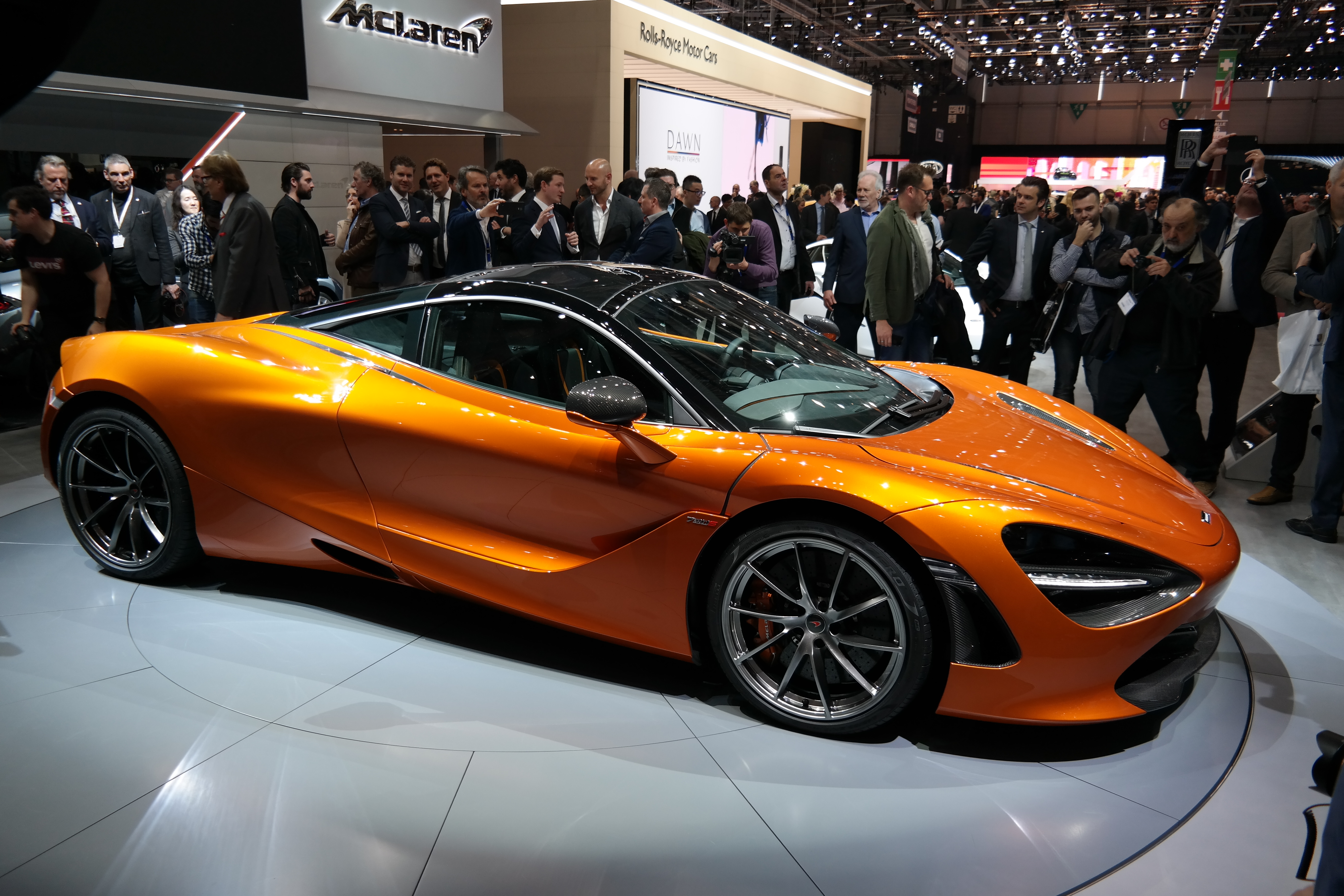
McLaren 720S GT3
"And also last weekend, it was my first GT open round this year with Greystone GT in the McLaren 720S GT3."
The McLaren 720S GT3 is a track-focused racing version of the McLaren 720S. It’s built to GT3 rules, which are designed so different brands can compete fairly in the same racing series.
The McLaren 720S GT3 is a race-prepped version of McLaren’s 720S, built to compete in GT3-spec events. “GT3” means it follows a standardized set of rules that balances performance across different brands, so teams can race them on relatively equal footing.
endurance race
"So, yeah, it was really good to kind of dip my toe in the endurance side of things. And yeah, it was a pretty good debut."
An endurance race is a long race where the main challenge is lasting the distance. Drivers usually swap during the race, and teams plan things like tire choice and pit stops.
An endurance race is a motorsport event where the goal is to keep a car running reliably for a long time, often with driver changes. Strategy matters as much as outright speed because you manage tires, fuel, and traffic over multiple stints.
slicks
"We had a little bit of everything. It was sort of what? We started the race on wet, and it was starting to dry out. So, we put slicks on at the first pit stop."
Slicks are race tires made for dry roads. They grip really well when the track is dry, but they don’t work well when it’s wet because they can’t push water out of the way.
Slicks are tires with no tread pattern designed for dry or drying track conditions. They provide maximum contact and grip on clean asphalt, but they’re unsafe and lose performance in wet weather because they can’t evacuate water.
low-grip situation
"So, it was always a bit of a low-grip situation, but yeah, it was definitely testing as a driver."
“Low grip” means the tires don’t stick to the road as well. When it’s wet, the car can slide more easily, so you have to drive more gently and precisely.
A low-grip situation means the tires can’t generate as much traction as usual, so the car is more likely to slide. Wet weather, like the rain described here, reduces tire-road friction and makes braking, turning, and throttle application more sensitive.
Spa
"It was kind of as you expect when you go to Spa. But that's why it's one of our favourite circuits."
Spa is a well-known race track in Belgium. It’s famous for being tough on drivers, and weather can make it even harder.
Spa refers to Circuit de Spa-Francorchamps, a famous Belgian track known for challenging corners and variable weather. The driver’s comment links the wet, low-grip conditions to how the circuit tests drivers.
TC
"I would presume that TC and ABS in particular are a bit more, maybe a lot more sophisticated in the GT3 car than they are in the GT4. Tires are different, et cetera, power delivery."
TC (traction control) is a driver-assist system that reduces wheel spin by limiting power or adjusting engine/brake intervention when grip is low. In GT racing, TC calibration can differ a lot between classes, which is why the host mentions needing to get used to the GT3’s TC behavior versus the GT4’s simpler setup.
slip and gain
"So, in the GT4, we just have one TC setting, just one through 12, whereas in GT3, we have slip and gain. So, that's something that I sort of needed to get used to,"
This is a way traction control can be programmed to let the tires slip a little, then help the car regain grip smoothly. It’s more detailed than just turning traction control on or off.
“Slip and gain” describes a traction-control strategy that targets a specific amount of tire slip and then manages how quickly the car regains grip (“gain”) after intervention. The host contrasts this with the GT4’s simpler TC setup, implying the GT3’s control logic is more nuanced and requires driver adaptation.
minimum corner speed
"GT4, I always think is so much fun, because you have to really get through the corners and that minimum corner speed. GT3, you've got a little bit more help on the aero."
It means the slowest speed you can take a corner without losing control or falling off the ideal racing line. If you go too slow, the car can’t stay planted.
Minimum corner speed is the lowest speed you can carry through a turn while still maintaining enough grip and balance to stay on line. The host suggests GT4 driving demands that you “really get through the corners” and maintain that minimum speed, implying less aerodynamic assistance than GT3.
aero
"As you said, there's a lot more aero in GT3, so you can kind of rely on that to fire a little bit more speed into the corner."
“Aero” means the car’s aerodynamics. In racing, it often helps push the car down onto the tires so it grips better in turns.
In racing, “aero” is short for aerodynamics—how the car’s shape and wings generate downforce and reduce drag. More aero downforce increases tire grip, helping the car stay planted and carry more speed through corners.
apex
"As you said, hit your marks, hit the apex, all that sort of thing is transferable."
The apex is the closest point to the inside of a corner. Getting to it correctly helps you set up the turn so you can drive out faster.
The apex is the point on a race line where the car is closest to the inside of a corner. Hitting the apex helps set up the car’s trajectory so you can accelerate sooner and more effectively out of the turn.
Monza
"So that will be, is that in Monza? Yeah, that's Monza next weekend. GT4 European series. Oh my goodness, the cathedral of speed."
Monza is a legendary race track in Italy. It’s known for going very fast, especially compared to many other circuits.
Monza is a famous Italian racing circuit known for very high speeds and heavy braking zones. It’s often called the “cathedral of speed,” reflecting its long history and reputation for top-end performance.
going completely blind
"No, that's my first time going completely blind. So yeah, we'll see how it goes."
It means you’re driving a track without having studied it first. You don’t know where to brake or how the corners flow, so it’s much harder to drive fast and safely.
“Going completely blind” means driving a circuit without prior track knowledge—no memorized braking points, corner sequence, or ideal racing line. In racing, that usually makes lap times harder to predict because you’re learning the track in real time.

GT4
"Obviously, you'll have to plug your GT4 Brinn in rather than your GT3. And then Mizano circuits, Michael Sim and Shelley, now I've seen GT3s racing around there,"
GT4 is a type of race car category. It’s based on cars you could buy, but modified for racing, usually with less extreme performance than the higher GT classes.
GT4 is a racing class for production-based sports cars, typically with less aerodynamic and engine performance than GT3. Drivers often choose GT4 when they want a more affordable, more “driver-focused” platform while still racing on proper circuits.
Mizano circuits
"And then Mizano circuits, Michael Sim and Shelley, now I've seen GT3s racing around there, and it's a bit like trying to fly a fighter jet around your living room."
Mizano refers to Misano World Circuit Marco Simoncelli in Italy, a track known for being relatively tight and technical. That kind of layout demands precise cornering and consistent braking because there’s less room for mistakes.
technical circuit
"It is very, very tight, but it's a really technical circuit. And then you lucky, lucky person,"
A technical circuit is a track where you win by driving well through corners, not just going fast in a straight line. It usually means lots of precision—braking, turning, and keeping the car moving smoothly.
A “technical circuit” is one where lap time depends heavily on cornering technique—like braking accuracy, turn-in precision, and maintaining momentum through complex sections. These tracks often have tighter corners and less forgiving run-off, so driver skill matters more than raw speed.
Canada
"“yeah, there are some highlights in that Canada.” “...lovely, really good place. Race as well, as well.”"
They’re talking about races happening in Canada—where some of the events on the calendar are located.
“Canada” here is the geographic context for the racing highlights being discussed. It frames where the upcoming GT3/GT4 rounds are planned to take place.
Zandvoort
"“I think Zandvoort's definitely a highlight for me. I've always enjoyed that place.” “...I don't look twisty, but I think it races well.”"
Zandvoort is a famous race track in the Netherlands. The hosts are saying it’s a great place to race and provides a good challenge.
Zandvoort is a well-known Dutch circuit that’s often praised for its layout and racing character. The hosts mention it as a “highlight” and discuss how it “races well,” implying it’s a track that produces good on-track action.
cherry picking a few rounds
"Your focus is on GT4, so you're cherry picking a few rounds. But ultimately, Mackenzie, is that where you want to be in one of the European GT3?"
In racing, “cherry picking a few rounds” means selecting only certain events from a larger championship schedule rather than committing to every race. Teams do this to manage budget, logistics, and driver development while still gaining useful race experience.
planning for 2027
"You're already planning for 2027, and would that ideally be a GT3 championship? Definitely, yes."
Motorsport programs often require long lead times because teams must secure entries, sponsorship, and car availability well in advance. Planning for a future season helps ensure the right race opportunities and equipment are lined up when the calendar turns over.
BOP
"“If perhaps the BOP is not on your favour that weekend, then the best result you can get is eighth, go get eighth.”"
BOP is a racing rule that tries to make different cars perform more similarly. If the rules end up not helping your car that weekend, you may not be able to win even if you’re a strong driver—so you focus on the best finish you can get.
BOP stands for “Balance of Performance.” It’s a set of rules used in many racing series to equalize cars with different designs (like engine output or aerodynamics) so competition is closer. When the BOP isn’t favorable, a car may be slower than its raw potential, so the best achievable finish can drop (e.g., aiming for eighth instead of a win).
SB10
"Finished 24th, won his class in SB10,"
SB10 is a race class designation used in Nürburgring 24-hour events to group cars with similar performance. Finishing “24th” overall while “winning his class in SB10” means he wasn’t necessarily the fastest across the entire field, but he was the best within that specific category.
homologated GT four-cars
"which is the homologated GT four-cars with the lovely people from Cheney. [3918.7s] In a race that I think it has to be said, Peter,"
“Homologated” means the race organizers have approved the car for that class. “GT4” is a type of race car category that’s based on real production cars, but built for racing.
“Homologated” means the car has been officially approved to compete in a specific racing class under the rules. “GT4” is a category for production-based race cars that are intended to be closer to road cars and less extreme than GT3.
qualifying sessions
"Thinking about the weather conditions through the qualifying sessions, [3948.9s] it was never consistent."
Qualifying is when drivers set fast times to decide where they start the race. If the weather changes a lot, it can be hard to choose the right tires and settings.
Qualifying sessions are the timed runs that determine starting positions for the race. Weather swings during qualifying can force teams to make tire and setup decisions before they know what the track will do next.
setup
"a consistent direction on setup. [3961.4s] So come Friday night. [3963.1s] I don't think we were alone in this, by the way,"
“Setup” means how the race team adjusts the car to suit the track and the driver. If the tires or weather change, the best setup can change as well.
In racing, “setup” is the car’s adjustable configuration—things like suspension settings, tire pressures, and alignment—to match track conditions and driver preferences. When conditions change (like switching tire brands or weather), the “right” setup can change too.
Michelins
"So trying to get the car set up on those Michelins [3987.0s] basically from the first lap on Thursday till the last lap on Friday"
Michelin makes racing tires. Different tires grip and wear differently, so the team may need to adjust the car when switching to a new brand.
Michelin is a tire brand used in motorsport, and tire choice can significantly affect grip, wear, and how the car behaves in changing weather. Switching to a different tire brand often requires reworking the car’s setup to match the new tire characteristics.
running your own race
"How was it this year in terms of being out there on the track [4046.9s] and how hard was it just to run your own race? [4051.1s] I think it was better this year."
“Running your own race” means focusing on your planned pace and strategy rather than getting pulled into other drivers’ mistakes or incidents. In traffic-heavy, multi-class conditions, it’s about staying consistent, managing gaps, and avoiding unnecessary risks.
officials handled that with a new module in the training
"I think the way that the officials handled that with a new module [4082.1s] in the training that we have to do every year to get our permits [4085.6s] that really did help."
The race organizers added extra training for drivers. It’s meant to teach everyone how to deal with faster and slower cars sharing the track more safely.
This refers to race-organizer training modules aimed at improving multi-class behavior and reducing incidents. The idea is to standardize how drivers learn to anticipate faster/slower interactions and follow procedures when traffic is involved.
overtaking slower cars at the same time
"what's going to be the most advantageous route through this next sequence with a couple of cars coming through, but at the same time overtaking slower cars at the same time."
When different race classes share the track, faster cars have to pass slower cars while still racing for their own spot. It’s tricky because you can lose time if you pick the wrong moment.
In multi-class racing, faster cars must pass slower traffic while still defending their own position. That creates complex timing decisions—where to go, when to commit, and how to avoid losing time or getting stuck behind lapped cars.
front end of the field
"Quite obviously, and particularly this year with the addition of Max Verstappen, there was a lot of focus on the front end of the field, which as I said, there always is."
The “front end of the field” just means the cars that are leading the race. They’re often the focus because they’re setting the pace and dealing with traffic.
“Front end of the field” means the leading group of cars in a race. In multi-class events, the front can also be where the most attention goes because those cars set the pace and create the biggest on-track traffic interactions.
quality times
"because the class was so close in terms of quality times."
“Quality times” means really competitive lap times. If everyone is close to each other, then even small issues—like a penalty—can change who finishes where.
“Quality times” refers to lap times that are competitive within the field, often meaning the cars are closely matched in pace. When a class is close in quality times, small mistakes or penalties can have an outsized effect on race outcomes.
30 second penalty
"And there was a wrinkle to our plan, because you may know we had a 30 second penalty that we had to take after the first lap."
A 30-second penalty is extra time you have to “pay back” because of a rules mistake. It usually makes you fall behind because you’re effectively slower for a moment during the race.
A 30-second penalty is a race consequence added for a rules infraction, such as speeding in a pit lane. In many formats, it’s served as a time penalty (or sometimes a stop-and-go), which directly affects your finishing position because you lose track time.
pit lane incident
"It was a very slight speeding the pit lane incident with one of my teammates."
A pit lane incident means something went wrong in the area where teams service the car. Pit lane speed limits are strict, and breaking them can lead to penalties.
A pit lane incident here refers to a specific infraction occurring in the pit lane, like exceeding the pit lane speed limit. Pit lane rules exist to protect crew and other cars, and even small violations can trigger penalties.
Code 120 double yellows
"or Code 120 double yellows. [4322.4s] You might catch one of those, and your competition won't,"
Double yellow warnings mean the track is dangerous ahead, so you have to slow down. Code 120 is the series’ specific way of telling you exactly how much to slow down.
“Double yellows” are track-safety flags/lights that warn drivers to slow down because there’s a hazard on or near the racing line. “Code 120” is a specific safety-car/virtual-safety-car style speed-control code used by some series to standardize how fast cars must go under caution.
diff temperature sensor alarm
"We had a diff temperature sensor alarm going off [4359.9s] for the first sort of four hours of the race. [4362.8s] I realised it was a sensor,"
That alarm is from a sensor that measures how hot the car’s differential is getting. If the reading is wrong or the diff is running too hot, it can cause problems with grip and how the car behaves.
A “diff temperature sensor” monitors the temperature of the differential (the gear unit that splits torque to the left and right wheels). If it reports an implausible value or overheats, it can trigger alarms and may indicate a cooling/measurement issue that can affect traction and drivability.
minus 21 degrees C
"I realised it was a sensor, [4364.1s] because it was reading minus 21 degrees C for the diff, [4366.8s] which I can assure you it was cold there,"
The speaker is using the sensor’s temperature reading (−21°C) to show the alarm was likely caused by a faulty or misreading sensor rather than a real overheating event. In endurance racing, temperature sensors are used to protect components and to detect abnormal operating conditions early.
sensor warning
"nothing to worry about other than the sensor warning just kept popping up on our screens and distracting us just when we were entering a Code 60."
The car is telling you that one of its sensors is acting up. It might not mean “something is about to break,” but it can still pull your attention away at the worst times.
A sensor warning means the car’s onboard diagnostics detected a problem signal from one of its sensors (like engine, throttle, or wheel-speed sensors). Even if it’s not immediately dangerous, it can distract the driver and sometimes correlate with drivability issues later.
Code 60
"just kept popping up on our screens and distracting us just when we were entering a Code 60. Of course."
A “Code 60” is when the race control tells everyone to slow down because something is happening on the track. Drivers have to drive carefully and can’t push or pass like normal.
“Code 60” is a track safety procedure where cars must slow down to a controlled speed (often around 60 km/h) due to an incident on track. It changes how drivers approach corners and overtaking, because everyone is constrained by the safety speed limit.
loss of power
"later in the race, we had a mysterious loss of power when Uren was driving."
“Loss of power” means the car isn’t pulling like it should—acceleration feels weak or inconsistent. In a race, that can be caused by a mechanical or electronic problem that needs fixing.
A “loss of power” is when the engine or drivetrain suddenly can’t deliver the usual acceleration or torque. In racing, it can be caused by issues like fuel/air delivery problems, boost control faults, overheating protection, or electronic throttle/engine management behavior.
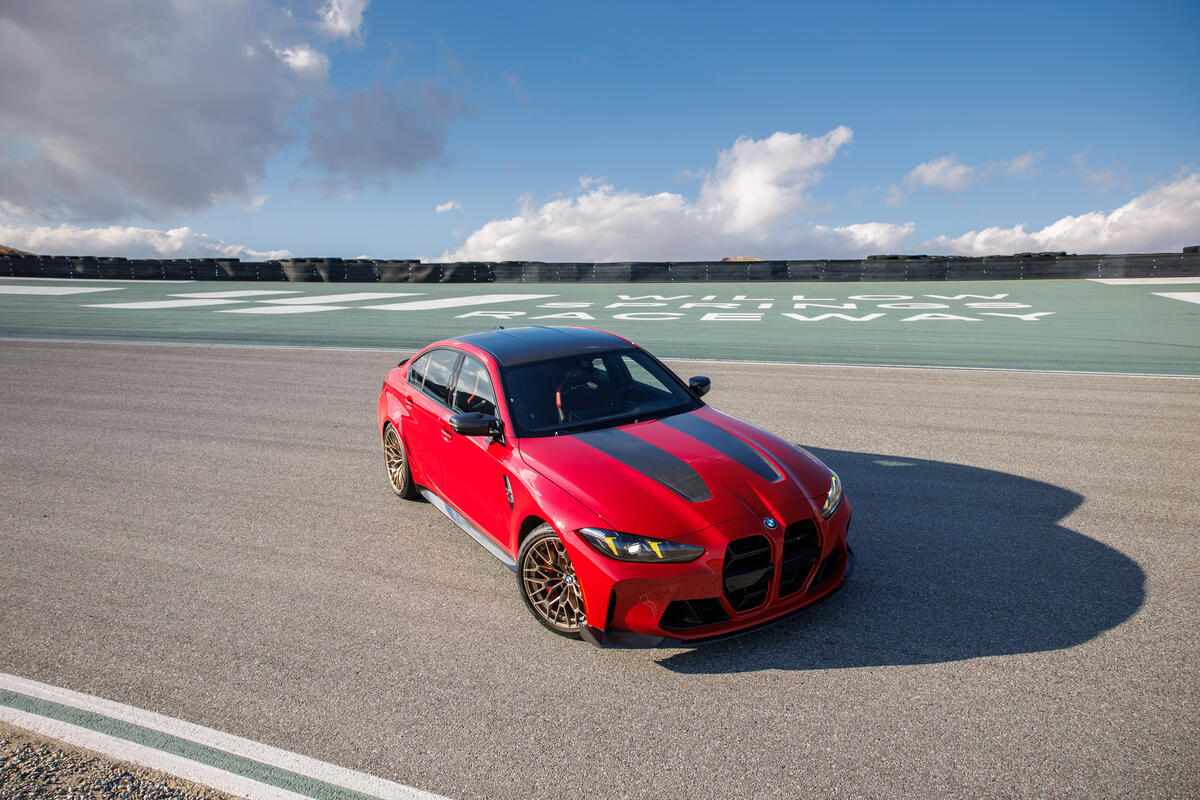
BMW M3
"had the BMW M3 two-ring N24, 24-inch car up there, 4445.3s actually did the fastest BMW in the last lap of the race"
The BMW M3 is BMW’s high-performance version of the 3 Series. Here, they’re talking about it as a fast, competitive race car.
The BMW M3 is BMW’s performance-focused “M” model, known for its driver-focused chassis and strong engine output. In this segment, it’s being discussed in a race context as a front-running BMW that had notable pace.
SP8T
"Because you've got to remember, in 2024, we won it together, a different class SP8T, but still in the M4 BMW, with six weeks' preparation."
SP8T is a racing class—basically a category of cars that compete under similar rules. If the class changes, the competition and strategy can change too.
SP8T is a class designation used in Nürburgring endurance racing to group cars with similar performance rules. Mentioning “a different class SP8T” signals that their competition category changed, which affects rivals, strategy, and how the team prepares the car.
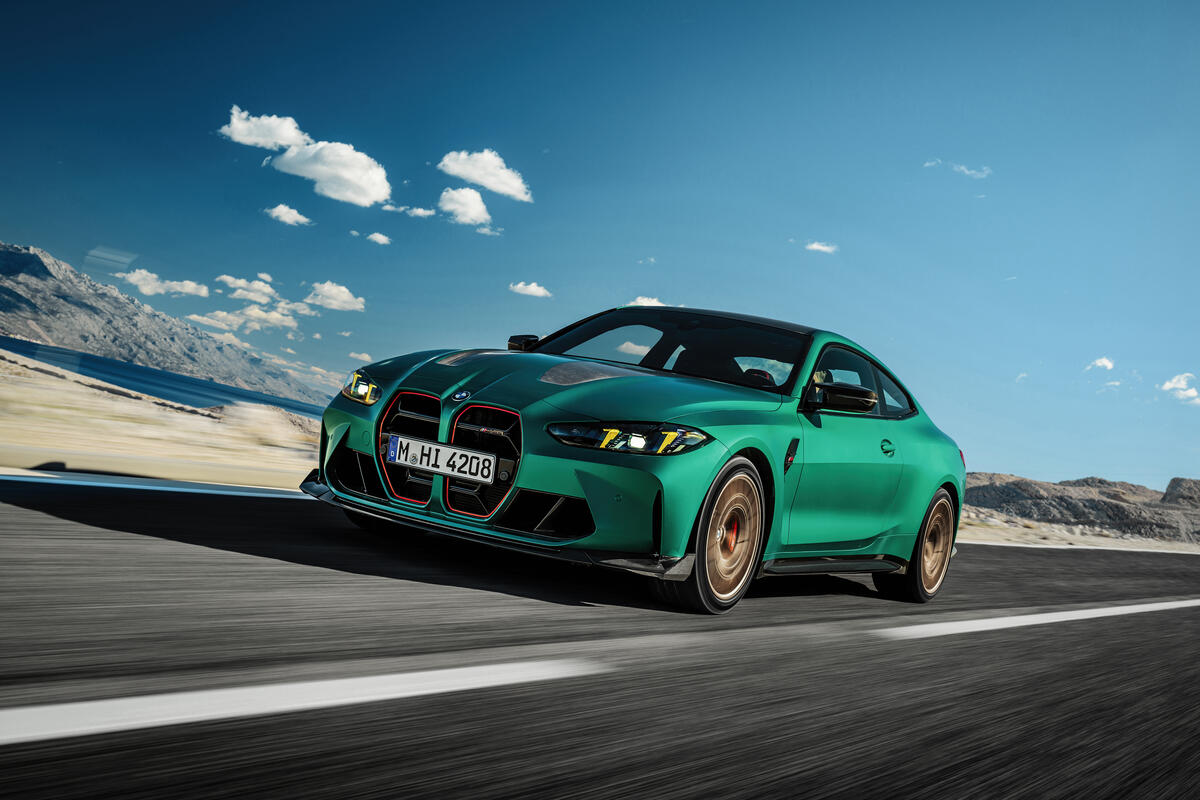
BMW M4
"Because you've got to remember, in 2024, we won it together, a different class SP8T, but still in the M4 BMW, with six weeks' preparation."
The BMW M4 is BMW’s sporty, track-capable version of the 4-series. Here, they’re talking about racing it and how much preparation time they had before the event.
The BMW M4 is BMW’s performance coupe/convertible line built around a high-output inline-six and track-focused tuning. In this segment, it’s the platform they campaigned in endurance racing, and the discussion centers on how quickly they had to get the car ready for race conditions.
final stint
"Josh has taken the final stint. We're doing everything right, and it starts to rain."
A stint is how long you drive before you pit again. The final stint is the last stretch of the race, so tire and pace decisions matter a lot.
A stint is a continuous period of driving between pit stops. The “final stint” is the last run before the finish, so tire choice and fuel/pace management become especially critical.
lead car in the class
"You're the lead car in the class. What do you do? Well, you certainly don't stop, because if you do, the other guys won't, right?"
In some races, different types of cars run at the same time and are scored separately. “Lead car in the class” means you’re the fastest/first among your group of similar cars.
In multi-class racing, cars compete within their own class (based on rules/spec). Being the “lead car in the class” means you’re first among that class, which affects strategy because you’re managing gaps to class rivals rather than the overall race leader.
who blinks
"So we were in that situation of, you know, who blinks? And in the end, they blinked."
It means “who makes the first move.” In changing weather, the first team to switch tires might be wrong if the rain doesn’t get as bad as they hoped.
“Who blinks” is racing shorthand for strategic timing: the team that makes the first move (like pitting for tires) can lose time if the weather doesn’t develop as expected. It’s essentially a game of chicken between competing strategies.
wets
"They dived in for wets, hoping it would be a downpour. It wasn't. We knew that wets won't go quicker than about 10-minute lap in the dry."
Wets are tires made for rainy weather. Their tread helps push water out of the way so the car can still grip the road instead of skidding on a water film.
Wets are rain tires built with tread and grooves to channel water away from the contact patch. That helps prevent hydroplaning and restores grip in wet conditions, but they typically perform best only when the track is sufficiently wet.
maintaining the gap
"We were maintaining the gap. They dived in for wets, hoping it would be a downpour."
It means keeping a time cushion between you and the cars behind. Instead of pushing too hard, you drive in a way that keeps your advantage steady.
“Maintaining the gap” is a strategy where the leader controls the time difference to rivals, usually by driving consistently rather than taking maximum risks. In wet/dry tire decisions, keeping the gap can be more valuable than chasing outright speed.
24 Hours
"You've got to balance this to what the Nürburgring Nordschleife and the 24 Hours is. I'm interested, I'd be interested to know what you thought"
“24 Hours” is endurance racing where the same car keeps racing for a full day. Teams have to plan for tires, fuel, and driver changes, so the car needs to stay consistent for hours.
“24 Hours” refers to endurance racing where cars run continuously for a full day, typically with driver changes and fuel/tires managed over long stints. Because the race lasts so long, teams tune the car for consistency and predictable grip rather than only peak speed.
greasy
"Although it didn't rain, it looked to me that it was just like almost all of the race, Peter. Although it didn't rain, it looked to me that it was just like almost all of the race, Peter. Although it didn't rain, it looked to me that it was just like almost all of the race, Peter."
In track talk, “greasy” describes a surface that has reduced grip but doesn’t behave like fully wet asphalt. It often feels slippery and unpredictable because the tire can’t fully bite, yet there isn’t enough water to create a true wet-race pattern.
intermediate
"and one of those track conditions that can be described as almost intermediate, not in terms of tyres that you would choose, but it wasn't wet, it wasn't dry."
“Intermediate” means the track is in-between dry and wet. Racers use special tires for that kind of damp surface so the car can grip without the tires getting overwhelmed by water.
“Intermediate” is a tire and track-condition category used when the surface is damp but not fully wet. Tires and pressures are chosen to balance traction and water evacuation—so the car can be quick without overheating or losing grip as conditions change.
tyres
"that can be described as almost intermediate, not in terms of tyres that you would choose, but it wasn't wet, it wasn't dry."
In racing, “tyres” aren’t just generic tires—they’re a key setup variable that changes with weather and track grip. Teams select compounds and tread patterns to match conditions like cold temps, dampness, and how much water is on the surface.
double stint
"I was lucky in the sense that when I did what we call the graveyard shift, the sort of double stint in the middle of the night from sort of midnight to 3am kind of period, it was actually probably the most consistent running we've had"
A double stint is when you keep the same tires on for longer than usual. Because the tires get hotter and wear out, you have to drive and manage them more carefully.
A double stint means running the same set of tires for two race stints back-to-back instead of changing them after the first stint. That increases tire wear and heat cycles, so the driver has to manage grip and temperature more carefully.
tyre pressures
"Getting the tyre pressures proper, because you had to really work the tyre hard, and of course when you do that, you can overpressure the tyre just from the aggressive driving you're doing, so trying to sort of manage that, not send them out too low, but not let them get too high in the stint."
Tyre pressure is how much air is inside the tires. Getting it right matters because it changes how the tire grips the track and how quickly it wears out.
Tyre pressure is the air pressure inside the tire, and it strongly affects how the tire heats up and how much grip it provides. In endurance racing, teams often adjust pressure to keep the tire in its ideal operating window—too low can overheat and wear quickly, too high can reduce contact patch grip and increase sliding.
knife edge balance
"so there's a real knife edge balance to be made, is it really going to be better to run the slick or the wet at this point?"
A knife-edge balance means the decision is very close and easy to get wrong. Here, it’s about choosing the right tires when the track conditions are right on the border between dry and wet.
A knife-edge balance describes a situation where the performance difference between two choices is extremely small and the wrong call can quickly cost lap time. In tire strategy, it often means choosing between slicks and wets when conditions are changing, so the tires may be slightly mismatched to the track.
Max Verstappen
"is it really going to be better to run the slick or the wet at this point? There's no sort of intermediate choice. Max Verstappen was a huge draw this year,"
Max Verstappen is a very famous race driver. Mentioning him as a big draw usually means people are excited because he’s a top-level competitor.
Max Verstappen is a top Formula 1 driver known for aggressive, high-commitment driving and strong tire management under pressure. When he’s mentioned as a “huge draw,” it signals the episode is referencing star power and likely the level of competition or attention around the event.

Bmw M
"Max Verstappen was a huge draw this year, the BMW M Touring was a huge draw this year, the Dacia Loga..."
The BMW M Coupe (E36) is a sporty two-door BMW from the E36 generation. It’s made by BMW’s performance team (M) to be more exciting to drive than a standard model. People bring it up because it’s a special, less common version.
The BMW M Coupe (E36) is a two-door, performance-focused variant of the E36-generation BMW 3 Series, developed by BMW M. It’s notable because it’s a relatively rare, enthusiast-oriented model compared with more common E36 body styles, and it’s often discussed for its driving feel and classic status. In a motorsport podcast context, it may be referenced as part of the broader lineup of cars that draw attention at events.

Dacia Logan
"...MW M Touring was a huge draw this year, the Dacia Logan was back, albeit in a slightly different form."
The Dacia Logan is a practical, lower-cost car made for everyday driving. In the podcast, it’s mentioned because it returned to the event, but with some changes. That’s why it stands out in the discussion.
The Dacia Logan is a budget-focused compact sedan/hatchback platform known for offering practical transportation at a lower cost. The podcast notes it was “back, albeit in a slightly different form,” which suggests the car returned to the event in an updated or modified configuration. That kind of mention is usually about how familiar, cost-effective cars can still be competitive or noteworthy in racing.
pit door
"we tried to sort of tell some of these stories, [4807.4s] but ultimately Peter, and you've been there long enough, [4809.7s] we could have knocked on any pit door,"
In racing, the pit area has team garages. The “pit door” is the opening into that garage where the team works on the car during the race.
A “pit door” is the entry/exit opening to a team’s garage area in the pit lane. In endurance racing, it’s where teams coordinate quick changes, repairs, and driver-related operations—so the “story behind that garage door” reflects how each team’s situation can differ dramatically at any moment.
risk versus reward
"he's going to make the GT3 drivers rethink how they drive, because he is driving at a different level of risk versus reward than most people do around there,"
In racing, “risk versus reward” is about deciding how hard to push. You can go faster, but if you push too much you’re more likely to make a mistake—so drivers balance speed against the chance of trouble.
“Risk versus reward” in racing describes how aggressively a driver chooses to push. Higher risk might mean taking tighter braking points or faster corner entries, but it can also increase the chance of mistakes or contact; the reward is gaining track position or time.
passed by a world champion F1 driver
"And given that you were out there when Max was on the track, what was it like being passed by a world champion F1 driver? How was he with you?"
This is talking about how much faster and more skilled an F1 champion can be at getting around you. Even if you’re in a different race class, an F1 driver often has an advantage in how they brake, turn, and choose the right moment to pass.
Being “passed” by an F1 world champion highlights the speed and racecraft gap between Formula 1 and other classes. Even when the cars are different, an F1 driver’s braking consistency, cornering precision, and decision-making under traffic can make them much faster at overtaking.
mechanical challenges
"You know, he hasn't had the clean runs he needs with the mechanical challenges and this and that and the other,"
“Mechanical challenges” means the car had problems that affected how well it could run. If the car isn’t behaving perfectly, the driver can’t always do their best laps.
In racing, “mechanical challenges” are problems with the car that can interrupt performance—such as reliability issues, setup faults, or component wear. These can prevent a driver from getting clean laps and consistent pace, even if they’re skilled.
24-hour race
"surely the Nurburgring, and particularly the 24-hour race, [5163.0s] has got to be one of the most specialised races."
A 24-hour race is a long endurance event where cars run for a full day. Teams have to manage tires, fuel, and driver fatigue—not just go fast.
A 24-hour race is endurance racing where teams compete for an entire day, typically using driver changes and careful fuel/tire management. Because it lasts so long, small setup and strategy choices can matter as much as outright speed.
gradients
"We talked about the weather, we talked about temperatures, [5186.3s] let's talk about things like gradients, [5188.0s] 300 metres of elevation from top to bottom,"
Gradients are how steep the track is as it goes up and down. Steep sections change how hard you have to brake and how well the tires grip.
Gradients are the track’s slope changes—how steeply it goes up or down. On a circuit like the Nürburgring, repeated elevation changes affect braking points, traction, and how the car loads its tires over crests and dips.
Request an Explanation
Heard something you'd like explained? We'll add it to this episode.
Sign in to request explanations for terms you heard.
Want to learn more?
Browse our glossary for plain-English explanations of automotive terms, jargon, and concepts.
Help improve this episode
See something that's not quite right? Our annotations are AI-generated and can sometimes miss the mark. Click the flag icon on any annotation to suggest a correction.