Mike Burroughs and Scotto Discuss it all … Except the F40!?
About this episode
Ferrari brand drama opens the conversation, then the hosts pivot to what people actually want to hear: F40 progress. The guest explains why the build keeps moving through rebuilds—switching gearboxes to Hollinger, chasing the “weakest link,” and learning that track-style stress is a different world than street driving. Along the way, they compare development drivers, talk about teething pains on ground-up race builds, and connect it all back to how real testing (and fixing) defines success.
Mike Burroughs is back… and he’s got some gripes! If you didn’t already know him from StanceWorks; or indeed for his legendary F40 and K-swapped 308 projects, you may remember Mike as one of our earliest guests alongside Ferrari expert Victoria Bruno. It seems only right to bring him back on and throw him the mic - he’s got some things to say! (Oh, and stop asking him when the F40 project will be done!). Apart from *cough* that project… Mike has plenty of other fascinating projects, and he even gives us a sneak peek of what’s in the pipeline. Beyond the metal, Scotto and Mike get borderline philosophical on this one, it’s a ripper. Enjoy!
Mentioned in this episode
Surprising Dad with a Norton Commando
Keith Black Camaro Article - Stanceworks
The Little Red Racing Car - Book
Ron & Vin Topic Roulette Episode - Very Vehicular
Victoria Bruno & Mike Episode - Very Vehicular
Partners:
Vyper Industrial
FCP Euro
Heatwave Visual
Wera Tools
KW Suspension
Producer: Nick Rutter @nickrutterarts
Music: SlikSound
Patreon: https://patreon.com/u37266647
https://bio.site/321actionaction
00:00 - Welcome & Introduction
00:23 - Sponsors: Heat Wave Visual & KW Suspensions
02:00 - Mike Burroughs Returns
02:41 - Ferrari’s Cease & Desist… that Mike Swore Wouldn’t Happen
03:44 - All Anybody Asks Mike About is the F40 Project
05:06 - What’s Shaking with the K-Swapped 308?
13:40 - Rundown of All the Projects
15:19 - Sneak Peek: Tracking Down a VERY Special Camaro
24:09 - The Reality of Building for YouTube and Burnout
31:12 - Authentic Build Philosophy
41:21 - StanceWorks Origin Story
44:43 - Pivoting to YouTube
49:58 - Could There be a StanceWorks Archive Book?
51:51 - Sponsor: FCP Euro
54:08 - Scotto & Mike: One Fateful Day Under a Bridge
01:01:45 - Family TV Legacy Connection
01:05:17 - Perhaps OnlyFans?
01:06:24 - Is There Ever Going to be Enough Time to Finish all the Projects?
01:11:05 - Audi Deadline And Camaro Plan
01:12:36 - Dream Cars And Thinning Herd
01:25:25 - Format Experiments: Return of the Video Essay?
01:32:22 - Ultrace Impressions
01:37:56 - Why Car Shows Feel Broken
01:39:30 - What Does it take to get Invited to Treffpunks?
01:41:33 - A Date with Riverside Chattanooga
01:48:46 - Sponsors: Vyper Industrial & Wera Tools
01:50:11 - Do You Miss Taking Photos?
01:56:03 - Mk1 Rabbit Love
02:01:28 - Mike’s Gripes: The 911
02:15:22 - Ferrari Luce - Thoughts on EVs?
02:30:18 - What Brings you Joy as a Car Nerd?
Z87
"introducing the SkyNet, an all-new frame that's Z87 plus safety rated with zero horizontal obstructions."
Z87 is a safety rating for protective glasses. It means the eyewear was tested to help protect your eyes from impacts and debris.
Z87 is a U.S. safety standard for protective eyewear. If a frame is rated Z87, it has been tested to meet impact and protection requirements intended to reduce the chance of eye injury from debris or projectiles.
coilovers
"Have you ever bought a set of coilovers just to lower your car for looks?"
Coilovers are suspension parts that combine the spring and shock together. People use them to lower the car and sometimes make the ride feel more controlled.
Coilovers are an aftermarket suspension setup that combines a coil spring and shock absorber into one unit. They’re commonly used to lower a car and tune ride height and, depending on the design, damping behavior for street or track use.
two-way adjustability
"they offer the club sport, available in both two-way and three-way adjustability."
Two-way adjustability means the suspension has two independently adjustable settings, typically for compression and rebound damping. That lets you fine-tune how the car behaves over bumps and during weight transfer.
three-way adjustability
"they offer the club sport, available in both two-way and three-way adjustability."
Three-way adjustability means the suspension provides three separate damping adjustments, often including compression, rebound, and an additional setting (commonly high/low-speed compression or similar). More adjustment points generally allow closer tuning to different driving conditions.
Nurburgring
"It's developed at the Nurburgring but on street tires so you can race on Sunday but [85.9s] still commute on a Monday."
The Nürburgring is a well-known race track in Germany. Car makers use it to test cars, and fans use it as a bragging point because it’s tough and takes real skill to drive fast.
The Nürburgring is a famous German racing venue used as a benchmark for car development. In particular, enthusiasts often reference the Nordschleife section because it’s long, fast, and full of elevation changes and corners.
street tires
"It's developed at the Nurburgring but on street tires so you can race on Sunday but [85.9s] still commute on a Monday."
Street tires are made for normal driving on public roads. They’re not as specialized as track tires, so they’re a compromise that can still work for casual racing while remaining usable for commuting.
“Street tires” are tires designed for everyday road use rather than dedicated track-only tires. They typically prioritize comfort, tread life, and predictable grip in normal conditions, which is why the speaker frames them as enabling both weekend racing and weekday commuting.
Nordschleife
"And who doesn't like being able to name drop the infamous Nordschleife when bragging specs [92.9s] at cars and coffee?"
The Nordschleife is the main, very twisty and hilly part of the Nürburgring track. People talk about it because it’s hard to drive well, so it’s a good way to judge how fast and capable a car really is.
The Nordschleife is the “north loop” of the Nürburgring, known for its demanding mix of high-speed sections, tight corners, and big elevation changes. Because it’s so challenging, lap times and development references there are treated as a serious performance indicator.
kwsuspensions.com
"[94.1s] Go find the kit for your vehicle at kwsuspensions.com."
This is a website that sells suspension parts. The host is pointing listeners to it if they want to upgrade their car’s suspension.
kwsuspensions.com is a vendor site for suspension-related products. In this context, it’s being referenced as a place to buy a suspension “kit” for the listener’s vehicle.
cease and desist
"So really the only things I'll say about it is, so I did get a cease and desist from Ferrari and it was the most gentle kind letter..."
A cease and desist is a formal legal notice that says, “Stop doing this.” It’s often sent when a company believes someone is using their name or stuff in a way they don’t approve of.
A cease and desist is a legal demand telling someone to stop a specific activity, often related to alleged trademark, copyright, or other intellectual-property issues. In car culture, it can come up when someone is producing content, merchandise, or modifications that a brand claims are unauthorized.
Ferrari
"So really the only things I'll say about it is, so I did get a cease and desist from Ferrari and it was the most gentle kind letter and everything that I said on the last podcast..."
Ferrari is a famous Italian company that makes high-end sports cars. Here, it’s mentioned because the host says Ferrari sent them a legal warning letter.
Ferrari is an Italian supercar and race-car brand known for high-performance engines, distinctive styling, and a strong brand identity. In this segment, the name comes up because the speaker says they received a cease and desist letter from Ferrari.
engine or driveline
"It currently has no engine or driveline in it. How many Ks have you been through on that?"
The “driveline” is everything that sends power from the engine to the wheels. If it has no engine or driveline, it basically can’t move under its own power right now.
“Driveline” is the set of components that transmit power from the engine to the wheels, typically including the transmission, driveshaft(s), differential, and related parts. Saying the car currently has no engine or driveline means it’s missing the whole powertrain package, not just a single component.
K number four
"How many Ks have you been through on that? So I'm currently on, technically speaking, K number four. But the current K is one."
In this conversation, “K” sounds like a way of counting how many times they’ve gone through a setup. It’s basically tracking how long each engine or drivetrain lasted before problems.
“K” here appears to be shorthand for a unit of experience or mileage/usage cycles the speaker is tracking for engine/gearbox life. The context (“K number four” and “current K is one”) suggests they’re counting separate rebuilds or powertrain “lives.”
gearbox
"And it is out of the car not because it had any issues, but because I'm on gearbox number four now. And so I'm changing gearboxes over to Hollinger."
A gearbox is the transmission that lets the engine use the right gear for the speed you’re going. If someone is on gearbox number four, it usually means the car is being driven very hard or the setup is struggling.
A gearbox is the transmission unit that changes gear ratios so the engine can stay in its effective power band. In racing, repeatedly replacing “gearboxes” often points to high stress from launches, hard shifts, and sustained load.
Hollinger
"And it is out of the car not because it had any issues, but because I'm on gearbox number four now. And so I'm changing gearboxes over to Hollinger."
Hollinger makes racing transmissions. People choose them when they want a gearbox that can handle track abuse better than a stock or weaker unit.
Hollinger is known for building heavy-duty racing transmissions/gearboxes used in motorsport. Switching to a Hollinger gearbox typically signals the driver is chasing durability under track loads and hard shifting.
David RS Machine
"With that out, I took the engine and gave it back to my new engine builder, which is David RS Machine. And I'm shouting him out because he has like that engine stayed together for an entire"
David RS Machine is the shop that built or rebuilt the engine. In racing, the engine builder matters a lot because they’re the ones making sure the engine can survive hard use.
David RS Machine is referenced as the engine builder the speaker worked with after removing the engine. In racing contexts, engine builders are responsible for assembling and preparing the engine to survive repeated high-load use.
K series
"And so this has really changed that K series. [393.3s] Yeah, experience for me."
“K series” is a name for a Honda engine family. When someone says they changed the “K series,” they usually mean they worked on that engine—like replacing parts or fixing problems that keep happening.
“K series” usually refers to Honda’s K-series engines (a family of inline-four motors used across many Honda/Acura models). In a project context, changing or working on a “K series” often means swapping parts, tuning, or addressing engine-related failure points specific to that engine family.
weakest link
"So having engines break multiple times or having gearboxes break multiple times, I'm [449.5s] finding the weakest link and so learning where I can improve on other people's parts, but"
The “weakest link” is the part that gives up first when you stress the system. If you upgrade the right part, the whole project can become more reliable.
“Weakest link” is a mechanical reliability idea: when you push a system harder, the first component to fail is often the one with the lowest strength or durability. In performance projects, finding the weakest link helps you target upgrades where they actually improve reliability or speed.
putting it through the paces
"And now you're actually doing what a lot of YouTubers don't do, which is like you're [526.2s] taking the car that you built and like you're putting it through the paces and it's not"
It means you’re not just building the car—you’re testing it hard in real driving. The goal is to see how it holds up when things get demanding.
“Putting it through the paces” means testing a car under real, demanding conditions rather than just building it and showing it off. In enthusiast circles, it often implies repeated driving that stresses cooling, drivetrain, and reliability.
time attack
"which is be like, oh, you went to all the [534.0s] grid life, she went to world time attack, you got to do it."
Time attack is racing against the clock. You try to set the fastest lap, and a modified car gets tested hard over and over.
Time attack is a motorsport format where drivers try to set the fastest lap time on a course, usually with multiple runs. It’s a common way to evaluate a heavily modified car because it stresses tires, brakes, cooling, and traction repeatedly.
teething
"It's like, yeah, well, they only made 35 of them and they had to develop them until they broke and they went through six variations before they got to the one that like you're getting to drive because they already did all the teething for you."
“Teething” means the early problems that happen when something new is first put into use. Race teams expect bugs and breakages at the start, then they test and tweak it repeatedly until it works reliably.
“Teething” refers to early-life problems that show up when a new race car or component is first used. Teams often run multiple iterations (“variations”) to fix reliability issues and refine performance until the car is stable enough to race consistently.
WRC level
"like we started doing stuff on the WRC level, but like we had a WRC car and then we had another car built by like a really good builder."
WRC is the highest level of rally racing. Rally cars have to handle rough roads and changing traction, so teams spend a lot of time testing and fixing problems that show up during events.
WRC (World Rally Championship) is the top level of rally racing, with cars built and tuned for loose surfaces and constant changes in grip. Rally development is especially demanding because the car is asked to survive repeated impacts and failures across many different stages.
development
"And I think, and I think that's where like I learned like, oh, development is like a whole other process."
In racing, “development” is the work of testing a car, finding problems, and improving it step by step. It’s not just building once—it’s repeated trial, failure, and fixing until it’s ready to race.
In motorsport, “development” is the structured process of testing, learning, and iterating on a car until it’s reliable and fast enough for competition. It includes identifying failure modes, changing designs, and validating fixes—often taking far longer than people assume.
race car versus making a street car work
"And I think one of the things that a lot of other people tend to forget when you're [761.2s] talking about a race car versus making a street car work is, is completely [764.4s] different."
They’re saying race driving and normal street driving are not the same. Racing keeps the car under extreme stress for longer, so it needs different setup and durability than a typical street car.
This is the core idea that race-car use and street-car use stress a vehicle differently. Track driving often involves sustained maximum loads (power, braking, cornering), so parts and tuning that work for a street car may fail or wear out quickly under race conditions.
ring its neck
"You think about how hard it is on a vehicle to go out and then ring its neck [770.6s] full throttle for 20, 30, 40 minutes at a time under full G forces,"
“Ring its neck” is slang for revving the engine very high and driving it hard. In this context, they’re saying racing-style use is tougher than normal street driving.
“Ring its neck” is a motorsport slang phrase meaning to rev an engine very high and run it hard. It’s used here to contrast short, aggressive driving with sustained track-style operation.
full throttle
"You think about how hard it is on a vehicle to go out and then ring its neck [770.6s] full throttle for 20, 30, 40 minutes at a time under full G forces,"
“Full throttle” means the driver is asking for the maximum engine power. Keeping it there for a long time is harder on the car than quick accelerations.
“Full throttle” means the engine is receiving maximum available air/fuel demand (typically wide-open throttle). Holding full throttle for long periods is much more demanding on engine cooling, fuel delivery, and drivetrain stress than short bursts.
full G forces
"full throttle for 20, 30, 40 minutes at a time under full G forces, [777.9s] full braking."
“G forces” tell you how hard the car is accelerating compared to gravity. “Full G forces” means the driver is pushing the car extremely hard, like during racing braking and cornering.
“G forces” are a measure of acceleration relative to gravity; “full G forces” means the car is being pushed extremely hard in multiple directions. Sustained high lateral and braking loads are a major reason race cars need stronger cooling, brakes, tires, and durability than typical street use.

F 40
"I'm learning a lot from the 308 that I can take over to the F 40 so that I don't have some of those same teething pains"
“F 40” is the Ferrari F40, one of the most famous old-school supercars. It’s known for being intense and a bit unforgiving as a project car. The speaker is saying they want to avoid the same early problems they had before.
The “F 40” is the Ferrari F40, a mid-engine supercar famous for being brutally fast and mechanically raw—built to be a no-compromise, last-of-an-era kind of Ferrari. The host is describing how experience with another car (the Ferrari 308) can help reduce early “teething pains” when working on or living with the F40.

BMW E36
"Um, so I've got, um, I've got my E 36 that I've had. This is 20 years now."
“E36” is a BMW 3 Series from the 1990s. It’s a common enthusiast car because parts and knowledge are easy to find. The speaker is basically saying they’ve owned one a long time and it’s been a mixed bag.
“E 36” refers to the BMW 3 Series (E36 generation), a popular 1990s-era platform that’s known for being mod-friendly and widely supported by the enthusiast community. The host mentions having one for 20 years, framing it as a long-term love/hate ownership experience.

Ford F350
"So I've got the big Ford F 350. I've got Ash's F 100, which is about to become a massive project."
A Ford F-350 is a heavy-duty pickup truck. It’s the kind of truck people buy when they need to tow or haul a lot, and it’s also a common base for custom builds.
The Ford F-350 is a heavy-duty pickup from Ford’s Super Duty lineup, built for towing and hauling. In enthusiast circles, it’s often used as a platform for big upgrades or projects because the chassis and drivetrain are designed to handle work-duty loads.

Ford F100
"So I've got the big Ford F 350. I've got Ash's F 100, which is about to become a massive project. We miss it."
The Ford F-100 is an older model of Ford pickup truck. People often keep them because they’re good candidates for restoration or custom builds. The podcast mentions it because someone is planning a big project with it.
The Ford F-100 is a classic American pickup truck, typically associated with older truck culture and restoration projects. In the podcast, it’s described as being “about to become a massive project,” which signals that it’s a current build focus. That makes it relevant to discussions about turning older trucks into modernized or customized machines.
Penn's oil
"“...and so I partnered up with Penn's oil and Napa and I acquired the car.”"
Pennzoil is a company that makes motor oil. The speaker is saying they teamed up with Pennzoil (and Napa) as part of getting the car.
Pennzoil (spoken here as “Penn's oil”) is an engine-oil brand that often sponsors or partners with performance and motorsports projects. In this segment, the host says he partnered with Penn’s oil and Napa when acquiring the car, suggesting sponsorship support or promotional backing tied to the build or purchase.
Napa
"“...Penn's oil and Napa and I acquired the car.”"
NAPA is an automotive parts store/brand. In this clip, it’s mentioned as a partner involved in helping the speaker acquire the car.
NAPA is a well-known U.S. automotive parts and supplies brand/retailer network. Here it’s mentioned alongside Penn’s oil as a partner in the process of acquiring the Camaro, implying support from automotive supply sponsors rather than a technical component discussion.
land speed car
"“...So I knew like, was it a land speed car? Um, in a sense it competed against the top gun, uh, Callaway Corvette.”"
A land speed car is a car built mainly to go as fast as possible in a straight line. Instead of racing around turns, it’s tuned for top speed and stability at very high speeds.
A land speed car is a vehicle built and tuned specifically to set speed records on a measured straight-line course (as opposed to racing on a track). These cars are usually optimized for aerodynamic stability, high top-end power, and sustained high-speed operation. The host’s context ties it to magazine coverage and competition with other high-speed machines.

Chevrolet Corvette
"“...in a sense it competed against the top gun, uh, Callaway Corvette.”"
Callaway is a company that upgrades Corvettes to make them faster. Here, the speaker is saying the Camaro was in the same “serious speed” category as a Callaway-tuned Corvette.
Callaway is a performance tuner that modifies Chevrolet Corvettes, often focusing on making them faster and more powerful than stock. In this segment, the speaker uses “Callaway Corvette” as the benchmark the Camaro was competing against, implying a high-performance, speed-oriented build. The key idea is that the Corvette is not just any Corvette—it’s one enhanced by Callaway’s tuning program.
Keith Black racing engines
"And, and so the Camaro was kind of an ad, uh, project because Keith Black racing engines wanted to get into the streetcar space instead of just drag cars and boats."
Keith Black is known for building and selling high-performance racing engine parts. In this story, they wanted to make their parts relevant to street cars, not just drag racers.
Keith Black is an engine-building brand/company known for performance cylinder heads and racing-focused engine components. In this segment, they’re described as wanting to move from drag-racing-only applications into streetcar use, which is a common path for performance parts companies.
Camaro
"And, and so the Camaro was kind of an ad, uh, project because Keith Black racing engines wanted to get into the streetcar space instead of just drag cars and boats."
The Camaro is a popular American sports car made by Chevrolet. Here, they’re talking about a Camaro that was built as a promotional project to show off sponsor products.
The Chevrolet Camaro is a long-running American muscle car platform. In this segment, the Camaro is discussed as an “ad project,” meaning it was built/used to showcase sponsor products rather than just as a personal vehicle.
drag cars
"wanted to get into the streetcar space instead of just drag cars and boats."
Drag cars are built for quick acceleration in a straight line, usually for short races. They focus more on making power and getting traction than on everyday driving.
Drag cars are vehicles built primarily for straight-line acceleration over a short distance. They often prioritize power and traction over handling and comfort, which is why performance engine builders may start there before targeting street use.
Sponsorship integration builds
"Sponsorship integration builds is in your blood. Yeah."
This means building a car with sponsors in mind—so the car helps advertise companies. The build is partly about getting products seen by the public and in media.
“Sponsorship integration builds” are custom builds where the car is used as a platform to promote sponsor brands—often through branding, media coverage, and product placement. This segment frames the Camaro as part of that strategy, tying the build to marketing rather than only performance.

Jeep Willys
"... arrangement of stuff. Like he had like a, like a Willys and Auburn, he had Mercedes SL, he had a DeLorean..."
The Jeep Wrangler is an SUV built for off-road driving. Many versions are designed so you can remove parts like the roof and doors. The podcast mentions it because it was part of a collection of different cars.
The Jeep Wrangler is a rugged off-road SUV known for its go-anywhere capability and its removable roof and doors on many versions. In the podcast, it’s mentioned as part of a list of cars owned by someone else, which highlights its place in a varied garage. That kind of mention usually points to the Wrangler as a recognizable, practical enthusiast vehicle.

Mercedes SL
"Like he had like a, like a Willys and Auburn, he had Mercedes SL, he had a [1166.4s] DeLorean and that's a car that I very much would love to track down because"
“Mercedes SL” is a Mercedes roadster/convertible model line. People use “SL” as a quick way to talk about that specific kind of Mercedes.
“Mercedes SL” refers to the Mercedes-Benz SL roadster line, known for being a luxury convertible with a long-running history. The SL badge is a shorthand enthusiasts use for that specific model family rather than a single year or trim.

Delorean DMC-12
"...a Willys and Auburn, he had Mercedes SL, he had a DeLorean and that's a car that I very much would love to t..."
The DeLorean DMC-12 is a sports car made by the DeLorean company. It’s known for its unusual stainless-steel look and gull-wing doors. The podcast brings it up because it was owned in the speaker’s family.
The DeLorean DMC-12 is a distinctive sports car best known for its stainless-steel body and its place in pop culture. In the podcast, it’s mentioned among other classic cars the speaker’s relative owned, showing it as part of a personal car collection story. That kind of context often makes the DMC-12 memorable even to non-enthusiasts.
Savill, Long Island
"There was actually in Savill, Long Island, where my friend Jay used to live. [1220.8s] Like there was like this one parking lot that had like 27 DeLoreans in it in like [1224.6s] 2004, you know, like, why would you want that?"
Long Island is in New York. The speaker is saying that in one parking lot there, a lot of DeLoreans were gathered together.
Long Island is a region in New York State, and the speaker is describing a specific local area where many DeLoreans were reportedly stored together. This is relevant because it frames how rare or collectible the car was in that community at the time.

Pinto
"E type, which he sold when I came around and bought a Pinto."
The Ford Pinto is a well-known older compact car. In this story, it’s just the car the speaker bought after the E-Type was sold.
The Ford Pinto is a compact car best known for being widely sold in the 1970s and for its place in automotive history. In this segment, it’s used as a contrast to the speaker’s earlier Jaguar E-Type ownership and their later interest in a more hands-on project build.
rest oh, modded
"Like I want to drive like a fully like rest oh, modded, like build my own car."
A restomod is when someone takes an old classic car and keeps the look, but upgrades it with newer parts or changes. The speaker is saying they want to build one themselves instead of driving a vintage car unchanged.
“Restomod” (restoration + modification) describes taking a classic car and updating it with modern improvements while keeping the original body or character. The speaker says they don’t want to drive a vintage E-Type “as-is,” but instead want a restomod-style approach—using the body and building the rest their way.
Sterling Moss
"And it's about a guy who finds a Maserati race car that belonged to Sterling Moss,"
Sterling Moss was a famous race car driver. The book the speaker mentions says the Maserati race car belonged to him, which is part of why the story is so exciting.
Sterling Moss was a legendary British racing driver known for his success in Formula 1-era motorsport and for being one of the greatest drivers never to win the F1 World Championship. The speaker uses him as the provenance hook for the Maserati race car in the book—adding historical weight to the story.

E type
"Like I'm talking about a basic E type. [1353.1s] I didn't find my dad's original E type. [1355.2s] I just found a E type."
The Jaguar E-Type is a classic British sports car from the 1960s. It’s known for its iconic shape and driving feel, and here they’re talking about finding one that’s not exactly the same as their dad’s original.
The Jaguar E-Type is a famous British sports car known for its long hood, lightweight feel, and classic 1960s design. In this segment, the host calls it a “basic E type,” contrasting it with a more specific, dad’s original car that they didn’t find.
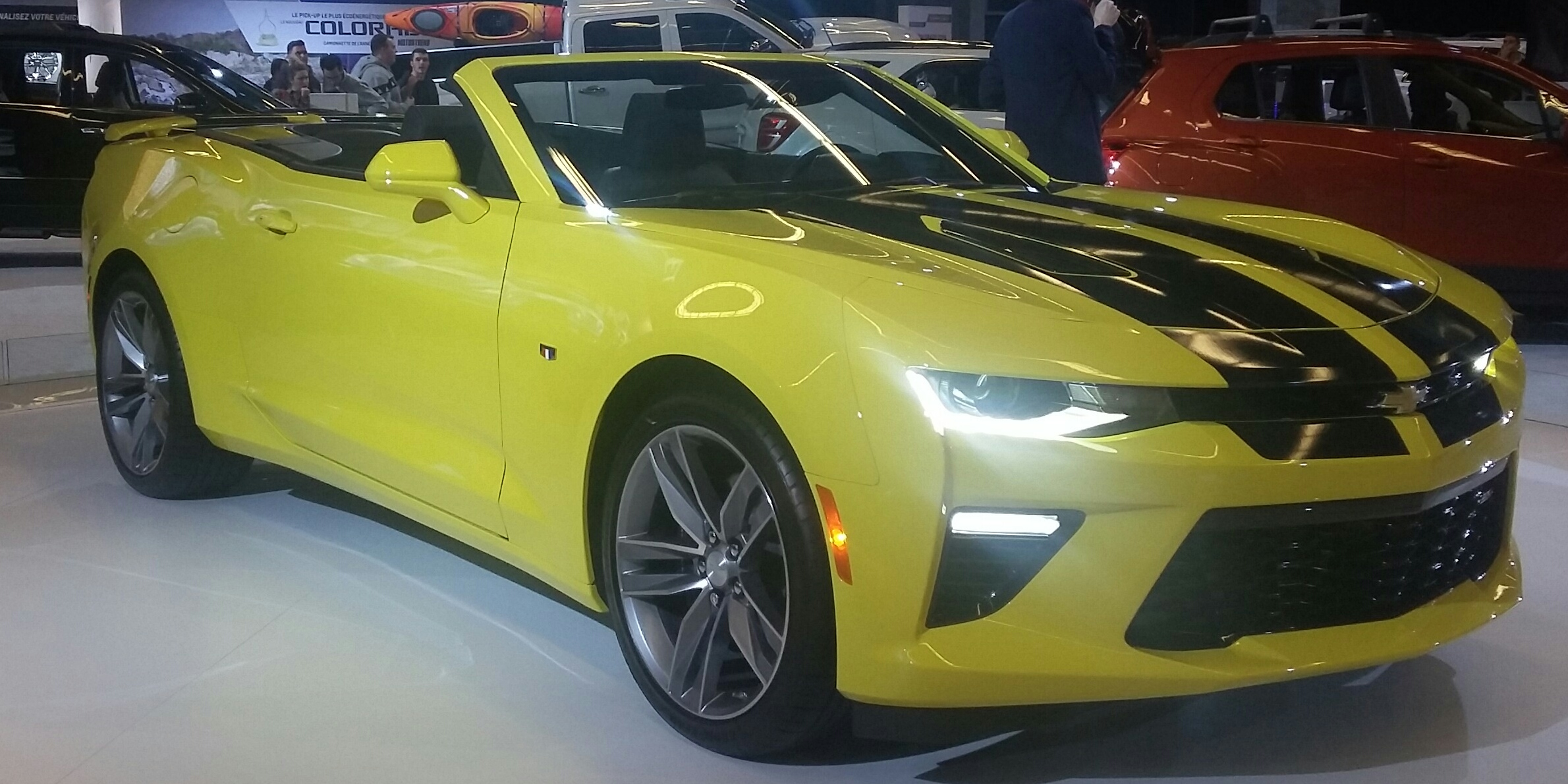
third gen Camaro
"I mean, plenty of people will be like, dude, a third gen Camaro is not as cool as an F40. What are you talking about?"
The Camaro is an American muscle car, and “third gen” means the version made roughly from the early 1980s into the early 1990s. They’re basically saying that even if it’s not as famous as a Ferrari F40, it can still be really cool to the owner.
The Chevrolet Camaro is a long-running American muscle car, and “third gen” refers to the 1982–1992 generation. In the segment, it’s brought up as an example of a car some people might dismiss compared to an F40, but the speaker argues personal meaning matters more than rankings.
full tube chassis
"Is it in its final form, full tube chassis, wide body, mid engine, BMW, group five race car, rat rod thing that started as it was originally an E28 five series sedan."
A tube chassis means the car’s main structure is made from metal tubes welded together. It’s often used in custom or race cars because it can be built to fit the builder’s exact design.
A full tube chassis uses a welded steel tube frame instead of relying on the factory unibody/body structure. It’s common in extreme custom builds because it can be made stronger, lighter, and easier to package around a mid-engine layout.
wide body
"Is it in its final form, full tube chassis, wide body, mid engine, BMW, group five race car, rat rod thing that started as it was originally an E28 five series sedan."
Wide body means the car’s fenders are widened so you can run wider tires and wheels. It also gives the car a more aggressive look.
A wide body is a bodywork modification that increases the car’s fender/track width, usually with flared fenders and wider wheel/tire fitment. It’s often done to improve stance and allow more tire grip, especially on track-focused or show builds.

BMW E28 five series sedan
"mid engine, BMW, group five race car, rat rod thing that started as it was originally an E28 five series sedan. It's now a chop top two door."
BMW E28 is an older 5 Series model. Here, they’re saying the build started with that older sedan and then got transformed into something totally different with major body and layout changes.
The BMW E28 5 Series sedan is a late-1970s/early-1980s BMW platform that’s become a popular base for custom builds. In this segment, it’s referenced as the original donor car that later got heavily modified into a mid-engine, wide-body, chop-top race/rat-rod-style project.
mid engine
"full tube chassis, wide body, mid engine, BMW, group five race car, rat rod thing that started as it was originally an E28 five series sedan."
Mid engine means the engine sits closer to the middle of the car. Putting the weight more evenly can make the car feel more balanced when turning.
A mid-engine layout places the engine near the center of the car, typically between the front and rear axles. That positioning helps balance weight distribution and can improve handling response compared with front- or rear-engine designs.
group five race car
"mid engine, BMW, group five race car, rat rod thing that started as it was originally an E28 five series sedan."
Group 5 was a type of racing rule set from the 1970s. Saying it’s a “Group 5 race car” usually means the build is inspired by that old-school, wild race-car style.
“Group 5” refers to FIA Group 5 regulations from the 1970s, which allowed highly modified, purpose-built sports racers with fewer restrictions than earlier touring-car rules. When someone describes a custom as a “Group 5 race car,” they usually mean it’s styled and engineered to evoke that era’s wide, aggressive prototype look.
rat rod
"group five race car, rat rod thing that started as it was originally an E28 five series sedan."
A rat rod is a hot rod that looks intentionally rough or worn. Instead of trying to make it look perfect, the builder leans into the gritty, cool vibe.
A rat rod is a deliberately rough, unfinished-looking hot rod—often with visible rust, patina, and an intentionally “scrappy” aesthetic. It’s more about attitude and visual character than strict restoration or polished show-car presentation.
chop top
"It's now a chop top two door. Like it's it's ridiculous."
A chop top means the roof has been cut down to make the car sit lower. It’s a classic custom style change that makes the car look more aggressive.
A chop top is a custom body modification where the roof is lowered by cutting and re-welding the upper section. It’s commonly used to create a lower, more aggressive profile and a “hot rod” silhouette.
fab car
"I want to call it a fab car because I feel like it's a car where it's like the fabrication on the car is what makes it amazing."
A “fab car” is a car that’s impressive mainly because of the custom building and metalwork. The cool part is the fabrication work done to make it unique.
A “fab car” is slang for a build where the fabrication work—metalwork, welding, custom body/structure fabrication—is the main point of the project. The emphasis is on craftsmanship and custom engineering rather than simply buying a finished performance car.
concept car
"It's like a fab and a concept car. Yeah, I think the concept of it is like really what makes it cool and interesting."
A concept car is basically a show car or prototype built to demonstrate an idea. Here, they mean the project feels like that kind of creative, experimental build.
A concept car is a prototype or design study meant to showcase new ideas, styling, or technology rather than to be mass-produced. In this context, they’re using the term to say the build feels like a one-off design exercise, not just a normal car conversion.
forum
"So I think it's initially started as a forum because I was really active on like, you know, BMW forums and whatnot."
A forum is a website section where people can start discussions and reply to each other. Here, it was meant to be a place for car fans to share ideas without turning into fights.
In this context, a “forum” is an online discussion board where people post topics and threads. The speaker describes starting as a forum so like-minded car owners could share builds without arguments taking over the conversation.
slamming our cars
"And we were getting into, you know, just slamming our cars and having aggressive wheel and tire fitment as was the thing at the time."
“Slamming” a car refers to lowering it significantly from stock ride height, typically to reduce wheel gap and emphasize the body’s stance. Enthusiasts often do it with suspension changes, but it can affect ride quality and may increase wear if alignment and tire clearance aren’t managed.
aggressive wheel and tire fitment
"And we were getting into, you know, just slamming our cars and having aggressive wheel and tire fitment as was the thing at the time."
Fitment is how the wheels and tires are set up on the car. “Aggressive” fitment usually means the wheels are pushed farther toward the fenders for a more extreme look.
“Fitment” is how a wheel and tire physically sit on the car—things like wheel width, offset, and tire size. “Aggressive” fitment usually means the wheels sit closer to the fenders and may push the tire outward or inward more than stock, often to achieve a tighter, more dramatic stance.

Chevrolet Nova
"We said, let's do it. You guys shot my Nova for Stan Thurks. Exactly."
The Chevrolet Nova is a car made by Chevrolet that comes in different generations. Some Novas are known for being modified and used in performance projects. In the podcast, it’s mentioned because it was used for filming or a media shoot.
The Chevrolet Nova is a compact car that became popular in performance and street-racing circles, especially in earlier generations. The podcast references a Nova being “shot” for a project, which suggests it’s being used as a featured vehicle in media or a build story. That’s why it’s mentioned alongside other notable cars.

Model A
"Like the first one that I did was that 28 model A and that one I funded through."
They mention a “Model A,” which is a classic Ford from the early 1900s. People like it for projects because it’s old-school and there are lots of parts and support for it.
The “Model A” refers to the Ford Model A, an early-1930s classic that’s popular for restoration and hot-rodding. Project builders often start with cars like this because parts are widely available and the platform is simple to work on.
pivoted in
"And so to answer the question a long way around is to say that YouTube, when I pivoted in, you know, I guess it was December of 20 was when I bought that 308."
They’re using “pivoted in” to mean they changed their plan. Instead of just building cars, they started using YouTube to help make money from the projects.
“Pivoted in” is being used in a business sense: switching the focus of their efforts toward YouTube. In car-project terms, it means turning a garage build into content to create revenue.
Euro tuner
"VW and, you know, in Euro tuner, European car, Max power, you know,"
“Euro tuner” means a car-modification scene centered on European cars. People in that world often focus on how the car looks and how it’s set up, not only how fast it is.
“Euro tuner” refers to a tuning culture focused on European cars, where modifications often emphasize styling, fitment, and driving feel rather than just raw power. It’s commonly associated with scenes like stance/low-suspension aesthetics and wheel/tire setup.
zero 60
"So in zero 60, my, my editor's column was called stance. Cause it's like the double on time."
“Zero 60” here sounds like the name of a column or section the speaker edited. It’s not a car spec in this moment—it’s just the label they used for their writing.
“Zero 60” is referenced as the name of the speaker’s editor’s column. In this context it functions as a publication/section title tied to the stance discussion rather than a technical automotive metric.
off-stop
"Like there was this term in German, it's like off-stop, which is like the nose is"
“Off-stop” is a German-style car term people use when talking about how low or how far the front end is sitting. It’s about the car’s stance/position—especially the nose—and how it’s set up.
“Off-stop” (as described here) is a German term used in the stance/fitment world to describe a specific suspension/ride condition where the car’s nose is sitting at a particular limit. In practice, it’s tied to how the front end sits relative to the body—often discussed alongside ride height and wheel fitment.
60 40 kit
"And like there was just a certain look that like looked really good on like Mark three Volkswagen's and H&R made a kit called the 60 40 kit. [2944.8s] And it was like 60 mil, 40 mil to give you that look."
A “60 40 kit” is a suspension lowering setup that drops the car by different amounts at the front and back. The idea is to get the car sitting “just right” for the look and fitment.
A “60 40 kit” is a lowering setup described by how much the car is dropped at the front versus the rear. In this segment it’s quantified as “60 mil, 40 mil,” meaning the front is lowered more than the rear to achieve a specific stance/stance balance.
H&R
"And like there was just a certain look that like looked really good on like Mark three Volkswagen's and H&R made a kit called the 60 40 kit."
H&R is a company that makes aftermarket car parts, especially suspension parts. In this case, they made a kit to lower the car for a certain look.
H&R is an aftermarket parts brand best known for suspension components like lowering springs and related kits. Here, it’s tied to a specific “60 40 kit” that changes ride height for a particular stance look.
stance
"Cause if you go back, like whenever I see people build like period 1980s cars, but the stance is going like, that's not period. Like cars were gross."
“Stance” is how a car sits—how low it is and where the wheels sit in relation to the body. It’s mostly about the look, and people debate what’s “right” for a given era.
“Stance” is a car-scene term for the visual and geometric setup of a car’s ride height and wheel position—how low it sits and how the wheels tuck or poke relative to the fenders. The speaker uses it to talk about what looks “period correct” versus what became an extreme trend.
three fingers a gap
"Like, like fitment was gross. Like even lowered, there was still three fingers a gap in it. You know, so, but there was this moment where that shifted."
“Three fingers a gap” is a rough way people measure how much space there is between the tire and the fender. More fingers usually means the car isn’t lowered as much.
“Three fingers a gap” is a common informal measurement used in stance/fitment circles to describe the clearance between the tire and fender. It’s a quick way to communicate how much the car is lowered and whether the gap looks acceptable or too high.
FCP Euro
"Oh, hey everybody. Here we are for another story time interruption brought to you by my good friends at FCP Euro."
FCP Euro is a company that sells car parts, especially for European cars. The host is mentioning them as a sponsor because they’re doing work on their car.
FCP Euro is an aftermarket parts and service retailer known for selling European-car components and offering warranty-style return policies on many parts. Hosts often mention it when they’re doing maintenance or repairs on German cars.

Audi coupe Quattro
"If you're at all familiar with my builds, you know that I'm not really good at, um, let's just say this. I'm the king of scope creep. I had an Audi coupe, Quattro, and I was going to build into a 500 horsepower driver."
This is an Audi coupe with Quattro, which means it has all-wheel drive. The host is saying they planned to build it for more power, but the project grew into something much bigger.
The Audi coupe Quattro refers to an Audi coupe equipped with Audi’s Quattro all-wheel-drive system. In this story, it’s the base platform the host planned to build up from a modest power goal to a much more extreme race-car setup.
scope creep
"Here we are for another story time interruption brought to you by my good friends at FCP Euro. If you're at all familiar with my builds, you know that I'm not really good at, um, let's just say this. I'm the king of scope creep."
Scope creep means a plan keeps getting bigger and bigger. In car projects, it’s when you start with one goal, but then add more upgrades and it turns into a much larger job than you expected.
Scope creep is when a project keeps expanding beyond the original plan—adding more goals, complexity, or cost. In car builds, it often shows up as “while I’m in there” upgrades that snowball into a much bigger (and sometimes delayed) project.

Audi Quattro
"I'm the king of scope creep. I had an Audi coupe, Quattro, and I was going to build into a 500 horsepower d..."
The Audi Quattro is an Audi model/feature known for better traction, meaning the car can grip the road more effectively. In the podcast, it’s mentioned because someone owned one and planned to make it much faster with upgrades. It’s brought up as a platform for building a high-power car.
The Audi Quattro refers to Audi’s Quattro system and models built around it, which are known for improved traction and confident driving in challenging conditions. The podcast mentions having an Audi coupe Quattro and planning to build it toward “500 horsepower,” indicating it’s a popular base for performance upgrades. That makes it a common topic among people who like modifying cars.
strut bearing
"So I went around one corner and I heard a very familiar clunk. This clunk, the Volkswagen Audi guys is nothing other than a blown strut bearing."
A strut bearing is part of the suspension that helps the front suspension move smoothly when you turn the steering wheel. If it’s worn out, it can make a clunking sound.
A strut bearing is the bearing assembly that lets the suspension strut smoothly rotate as the wheels turn. When it fails, it can create clunks or clicking noises, especially noticeable over bumps or during cornering.
CV joint
"And while most people would probably be dismayed at the tedious task ahead of them, not I, I saw this as an opportunity. Yeah, an opportunity to finally fix that clicking CV joint."
A CV joint is a part of the drivetrain that lets the wheels move and turn while still getting power. When it wears out, it can make clicking or clunking noises.
A CV joint (constant-velocity joint) is the drivetrain joint that transfers power from the transmission to the wheels while allowing the axle to move up/down and turn. A worn CV joint can click or clunk, and it’s often more likely to show up on cars that are lowered or driven hard.
crazy machine
"Or maybe they're building something because they want to have this crazy machine. [3610.1s] You know, they put a tank engine in a something or other."
They’re talking about why people build cars—either to race them or just to make something wild and memorable. Their point is that the car should still feel cool when you see it in real life, not just on paper.
The speaker is contrasting “building to race” versus building for the sheer spectacle of a highly unusual machine. It’s a mindset about what makes a custom car compelling: not just the parts or concept, but how it feels and looks in person.
tank engine
"You know, they put a tank engine in a something or other. [3612.6s] And it's like, yeah, you did it, but like, how does it, how does it?"
They’re using “tank engine” as a metaphor for an over-the-top engine swap. The idea is: even if it sounds awesome in theory, the car still has to be satisfying to look at and experience.
“Tank engine” is a colorful way to describe an extreme, non-standard powerplant swap—something far beyond what the original platform was meant to use. In custom-car culture, these kinds of swaps are often discussed as “concept cool,” but the speaker emphasizes that the real test is whether it still feels right and looks right.

E 28
"[3966.0s] Okay. [3972.2s] There's a, um, I have an E 28. [3976.4s] This is kind of like a little thing."
“E28” is BMW’s code name for an older 7 Series. It’s a classic-era BMW that some enthusiasts seek out for projects.
“E28” is the BMW 7 Series generation code from the 1980s. It’s a less common BMW than the E30/E36, but it’s still a recognizable classic platform for people who like older German cars.
fuel system issue
"[4007.4s] That's incredible. [4008.0s] Yeah. [4008.1s] I got it because I had an issue with the rabbit, like fuel system issue, fix that."
They fixed a problem in the car’s fuel system—basically the parts that get gas to the engine. If that system has a problem, the car may run badly or not run at all.
A “fuel system issue” means a problem with the parts that deliver gasoline from the tank to the engine—commonly the fuel pump, fuel filter, fuel lines, or fuel pressure regulation. These problems can cause hard starting, stalling, or poor running because the engine isn’t getting the right amount of fuel.
cold crank situation
"[4032.2s] Have you started it up since? [4033.9s] No, cause it's going to be a, it's going to be a cold crank situation. [4036.6s] So it hasn't, it hasn't ran."
This means the car is being started when everything is cold. Cold starts can be tougher because the engine needs more help to get going, especially if the car hasn’t been run in a while.
A “cold crank situation” means the engine is being started when it’s cold and the starter has to crank the engine over under harder conditions. It often goes along with reduced fuel vaporization and battery/starting-system strain, which can make long-stored cars harder to get running.
fuel fuse
"[4036.6s] So it hasn't, it hasn't ran. [4038.0s] I'm going to have to like pull the fuel, fuel fuse and crank it for a little bit. [4042.3s] I think we're going to save that one for the Patreon."
A “fuel fuse” is a safety fuse for the car’s fuel system. If you pull it, you’re basically disabling the fuel pump circuit, which can help with troubleshooting before you try to start the car again.
A “fuel fuse” is the fuse that protects the car’s fuel-delivery circuit (commonly the fuel pump and related control electronics). Pulling it and then cranking can be used as a diagnostic or to manage how the fuel system primes before attempting a full start after long storage.
three cylinders
"[4051.6s] It's not pleasant. [4052.7s] No. [4052.9s] Like it'll run on like three cylinders, then four, then five, then six, then seven, then eight."
“Three cylinders” means only three parts of the engine are firing at first. When a car has been sitting, it may not start smoothly right away, and it can take a moment for all cylinders to start working normally.
Running on “three cylinders” means the engine is only firing in three of its cylinders during the start attempt. That kind of cylinder-by-cylinder ramp-up (three, then four, etc.) often indicates ignition/fuel delivery not fully stabilizing yet—common after long storage when fuel pressure, spark, or sensors need time to come back into range.
Vanos unit
"The E 28, it runs the E 36 30 runs, although it does need a Vanos unit, but it runs, it just rattles."
VANOS is a BMW engine system that helps control when the engine’s valves open. If the car “needs a VANOS unit,” it likely means that timing control part isn’t working right, so the engine may run poorly.
VANOS is BMW’s variable valve timing system, which changes cam timing to improve power and drivability across the rev range. When someone says their car “needs a VANOS unit,” they’re usually talking about a failed or missing VANOS component that affects how the engine runs.
transmission
"It will, it will be back on the road before, as soon as I get that transmission, like it"
The transmission is the gearbox that helps the engine power the car at different speeds. They’re saying they’re waiting on a transmission to finish the project and get it driving again.
A transmission is the gearbox that selects gear ratios so the engine can deliver the right amount of torque at different speeds. In this segment, the speaker implies the project will return to the road once they get the transmission installed.
fuel pump
"[4179.3s] Yeah. [4179.5s] It's like, it would be, it would be unhappy. [4182.8s] Um, so I mean, so I replaced the fuel pump in it. [4186.5s] It does run, but now I think now the carb is all on hand."
A fuel pump is what sends gas from the tank to the engine. They replaced it and the car runs, but they think the new pump might not be delivering the right amount of fuel for how the carburetor wants it.
A fuel pump supplies pressurized fuel to the engine so it can run consistently. They replaced the fuel pump and the car now runs, but they suspect the pump’s flow rate may not match what the carbureted setup needs, which can cause drivability issues.
carb
"[4182.8s] Um, so I mean, so I replaced the fuel pump in it. [4186.5s] It does run, but now I think now the carb is all on hand. [4190.3s] I don't know if like the flow rate of the pump is different, but I replaced that"
“Carb” means carburetor, which is how older engines mix fuel and air. They’re saying they have the carburetor parts ready, and that the fuel pump needs to match what the carb setup requires.
“Carb” is short for carburetor, a fuel-mixing device common on older engines. If the carburetor is “all on hand,” it suggests they’re ready to reinstall or tune it, and that correct fuel delivery (including pump flow) matters for proper mixture and running quality.
fuel pressure regulator
"but do you, [4209.3s] is there's no fuel pressure regulator. [4212.6s] You might just throw one of those in like, maybe it seemed to have like"
A fuel pressure regulator is a device that keeps the fuel pressure steady. If the pressure is wrong, the engine can get too much or too little fuel, and it won’t run right.
A fuel pressure regulator controls the fuel pressure delivered to the engine, keeping it within the carb/fuel system’s intended range. If pressure is too high or unstable, it can overwhelm the carb’s metering and cause issues like flooding or poor throttle response.
accelerator pump
"problems with the jets on the accelerator pump on the, on the carb. [4220.3s] So it could just be that like I had tuned the carb for a barely running fuel pump."
The accelerator pump adds a quick extra burst of fuel when you hit the gas. It helps stop the engine from stumbling when you accelerate.
The accelerator pump is part of many carburetors that squirts extra fuel when you press the throttle. That extra shot helps prevent a hesitation/flat spot by covering the momentary lag before airflow and fuel metering catch up.
PSI
"and it might [4230.0s] actually be easier to just crank it down to like two or two and a half, [4233.5s] three PSI or something."
PSI is a way to measure pressure. In this context, it’s how much pressure the fuel pump is pushing to the carb.
PSI is pounds per square inch, a unit used to measure fuel pressure. Carbureted fuel systems often need a specific pressure range so the carb’s jets and valves meter fuel correctly.

GMT 400
"Um, the GMT 400, uh, it, it drives. [4257.0s] I'm going to sell it. [4258.4s] If anybody wants a GMT 400, regular cab short bed black, it's pretty cool."
GMT 400 is a GM truck generation used in many Chevrolet and GMC pickups. People like it because it’s a classic, relatively simple truck to work on and keep running.
The GMT 400 is a GM truck platform (most famously Chevrolet/GMC C/K trucks) from the mid-1990s to early 2000s. It’s known for being a straightforward, durable work-truck base that’s popular for simple mechanical fixes and for enthusiasts who like older GM trucks.
8.9 liter
"[4320.0s] What engines in that? [4321.2s] Uh, it's got an 8.9 liter Keith Black racing engine in it. [4324.2s] Wow."
“8.9 liter” tells you how big the engine is. It’s the total size of all the cylinders combined, and bigger usually means the engine can make strong power—especially with the right racing setup.
“8.9 liter” is engine displacement, meaning the total volume of all cylinders combined. Bigger displacement often helps make power and torque, especially in racing engines, but it also affects how the engine is built and tuned.
compression
"[4325.5s] It's a lot of displacement. [4326.8s] It's 12 and a half to one compression. [4328.8s] Oh yeah."
“Compression” here means compression ratio—how tightly the engine squeezes the air/fuel mixture before ignition. A higher number can make more power, but it also needs the right fuel and tuning so it doesn’t ping or knock.
“12 and a half to one compression” refers to compression ratio, the relationship between the cylinder volume when the piston is at the bottom versus near the top. Higher compression ratios generally increase thermal efficiency and can improve power, but they also require careful fuel choice and engine design to avoid knock.
seven
"[4331.3s] Uh, I don't know. [4332.6s] I think it revs to like seven. [4335.0s] So it's a lot for an 8.9 liter."
“Seven” here means the engine spins up to about 7,000 RPM. Racing engines often run at higher RPM to make more power, but that also puts more strain on the engine parts.
The speaker is talking about engine speed in thousands of RPM—“revs to like seven” means roughly 7,000 RPM. Higher RPM can be part of how racing engines make power, but it also increases stress on components like the valvetrain and bearings.
RPM
"[4341.7s] uh, racing engines. [4343.4s] So like I've got video of it just being held at 7,000 RPM going around the, uh, [4348.0s] Ohio transportation research facility oval, the seven mile oval, just screaming."
RPM means how many times the engine spins each minute. Racing engines are built to spin fast and keep making power at those higher speeds.
RPM (revolutions per minute) measures how fast the engine’s crankshaft is spinning. Racing engines are often tuned to reach and sustain high RPM because power is strongly tied to engine speed and airflow.
Ohio transportation research facility oval
"[4343.4s] So like I've got video of it just being held at 7,000 RPM going around the, uh, [4348.0s] Ohio transportation research facility oval, the seven mile oval, just screaming. [4353.0s] It's the coolest sounding thing."
This is a big oval track in Ohio used for testing. The “seven mile oval” description suggests it’s meant for long, steady high-speed runs—great for seeing how a car performs over time.
This refers to a test/track oval at an Ohio transportation research facility, described as a “seven mile oval.” Ovals like this are used for high-speed running and evaluating how engines and drivetrains behave under sustained load.

Nissan R32
"Um, I would really like a white R 32 GTR. [4400.4s] I support that."
This is the Nissan Skyline GT-R R32. It’s a famous turbocharged all-wheel-drive Japanese sports car that people love for its performance and aftermarket support.
“R32 GT-R” refers to the Nissan Skyline GT-R R32, a legendary Japanese performance car known for its all-wheel-drive traction and turbocharged inline-six. Enthusiasts especially prize the R32 era for its motorsport heritage and tuning potential.

Dodge B150
"that if I sold them and be good to sell them, like the Ferrari and maybe even, you know, like the B 150 and a couple of things are like, we're decent amount. I also have a lot of things that are like all sub $5,000 cars that if I sold, I"
The Dodge B-150 is an older Dodge van. It’s the kind of vehicle people keep for utility, restoration, or customizing. The podcast mentions it because it’s one of the cars the speaker is dealing with in their collection.
The Dodge B-150 is a full-size van from the B-series lineup, often associated with older work-van and customization culture. The podcast mentions it alongside other cars as something the speaker has and considers selling, implying it’s part of a larger collection. That context makes it relevant to discussions about ownership and project planning.
wiring harness
"Yeah. Yeah. Um, it is one of my favorite vehicles, but I have had a series of dumb issues with it over the past. I had like a wiring harness issue."
A wiring harness is basically the car’s electrical “wire bundle” that connects everything. If it has a problem, the car can act weird in different ways because signals aren’t getting through correctly.
A wiring harness is the bundled set of wires and connectors that routes electrical power and signals to the car’s modules (like sensors, lights, and control units). When a wiring harness has an issue, you can get intermittent faults that are hard to diagnose and may trigger multiple “dumb” symptoms at once.
fan blade
"like a clip broke and broke the fan, the fan blade open, like cut the radiator open."
The fan blade is the part of the cooling fan that actually pushes air through the radiator. If it breaks, the broken pieces can hit and damage the radiator, which is what the speaker describes here.
A fan blade is part of the engine cooling fan assembly that moves air through the radiator. If a fan blade breaks, it can physically damage nearby components—like the radiator—because the broken pieces can get thrown into the cooling stack.
radiator
"like a clip broke and broke the fan, the fan blade open, like cut the radiator open."
The radiator is what helps cool the engine by getting rid of heat from the coolant. Here, it gets damaged when broken fan parts tear into it.
The radiator is the heat exchanger that removes heat from engine coolant by passing air through its fins. In this story, the radiator gets cut/opened by shrapnel from a broken fan blade, which would quickly lead to overheating if not repaired.
Request an Explanation
Heard something you'd like explained? We'll add it to this episode.
Sign in to request explanations for terms you heard.
Want to learn more?
Browse our glossary for plain-English explanations of automotive terms, jargon, and concepts.
Help improve this episode
See something that's not quite right? Our annotations are AI-generated and can sometimes miss the mark. Click the flag icon on any annotation to suggest a correction.