Listeners get expert advice from The Motor Medics on diagnosing various car issues, including misfires in a Toyota Corolla, traction control problems in a Chevy Impala, and transmission lurching in a GMC Sierra. The hosts emphasize the importance of checking ignition coils, wiring, and potential fuel system issues. They also discuss the necessity of replacing engine oil coolers when changing engines and the common problems with older vehicles. The episode is packed with practical tips and troubleshooting strategies for everyday automotive problems.
"...I was wondering if you could tell me everything about trying to track down a misfire. In the Corolla?"
The Toyota Corolla is a small car that many people use because it's dependable and doesn't cost much to keep running. It's popular around the world for being easy to drive and maintain.
The Toyota Corolla is a compact car known for its reliability and fuel efficiency. It's one of the best-selling cars globally, often favored for its practicality and low maintenance costs.
"...I got a misfire that I'm trying to track down..."
A misfire is when the engine doesn't work properly, causing it to shake or lose power. It can happen for different reasons, like problems with the spark plugs or fuel delivery.
A misfire occurs when one or more cylinders in an engine fail to ignite the air-fuel mixture at the right time. This can lead to reduced power, rough idling, and increased emissions.
"...which comes from coils and the coil boots, but if you pull out ignition coils..."
Ignition coils help start the engine by sending a strong electric spark to the fuel. If they are not working right, the engine can misfire or run poorly.
Ignition coils are electrical components that convert the battery's voltage into the high voltage needed to ignite the air-fuel mixture in the engine's cylinders. A faulty ignition coil can lead to engine misfires.
"...because the valve cover gasket is leaked on the inside through the tube seals and they get oil damage..."
The valve cover gasket is a rubber seal that keeps oil inside the engine. If it breaks, oil can leak out and cause problems.
The valve cover gasket seals the top of the engine and prevents oil from leaking out. If it fails, oil can leak into areas where it shouldn't be, potentially causing engine problems.
"I didn't know if it didn't. It can be. So what happens is that when you turn the wheels off a center..."
Traction control helps your car maintain grip on the road when you accelerate. If the wheels start to spin too much, it slows them down to help you keep control of the vehicle.
Traction control is a safety feature in vehicles that helps prevent wheel spin during acceleration by adjusting engine power or applying brakes to specific wheels. This system is particularly useful in slippery conditions, ensuring better grip and stability.
"...It knows by the steering angle sensor which direction you're turning and now it assumes with its computer algorithm..."
The steering angle sensor tells the car how much you're turning the steering wheel. This helps the car's systems know how to react when you're driving, especially in slippery conditions.
A steering angle sensor measures the angle of the steering wheel and helps the vehicle's stability control systems understand how much and in which direction the driver is turning. This information is crucial for systems like traction control and electronic stability control.
"The other thing that can cause it is the wheel bearings on these things now have changed. They used to rust and we had, if you listened to our show for a number of years, you'd hear us talking about rust on these sensors."
Wheel bearings help your car's wheels turn smoothly. If they get damaged, you might hear strange noises or feel the car handling poorly.
Wheel bearings are crucial components that allow the wheels to rotate smoothly. They support the weight of the vehicle and reduce friction between the wheel and axle, but they can wear out or get damaged over time, leading to issues like noise or poor handling.
"Well, now it's got a ceramic magnet on the back of the hub. You buy a hub and for years people would call..."
A ceramic magnet is a strong magnet made from special materials. It's used in car parts to help with things like sensors, making them more reliable.
A ceramic magnet is a type of permanent magnet made from a combination of iron oxide and strontium or barium. They are commonly used in various applications, including automotive sensors, due to their strength and resistance to demagnetization.
"you'd call us at our Nordstroms parts counter and order a hub and we'd say with or without ABS. Well, that was the fault of the company making the computer system because by that time they were the same."
ABS is a system that helps your car stop safely without the wheels locking up. It lets you steer while braking, which is especially helpful on wet or slippery roads.
ABS stands for Anti-lock Braking System, a safety feature in vehicles that prevents the wheels from locking up during braking. This helps maintain steering control and reduces stopping distances on slippery surfaces.
"...I had a friend of mine came in with his traverse and I did the left front and then it came back and I had the right front and the left rear out that same day."
The Chevrolet Traverse is a large SUV that can fit many passengers and has a lot of space for cargo. It's designed for families and long trips.
The Chevrolet Traverse is a mid-size SUV known for its spacious interior and family-friendly features. It's popular for its comfort and practicality, making it a good choice for families.
"my son has got an 07 GMC 1500 with a 5.3 in it and the thing was having what we were hoping was just an oil pressure sensor issue..."
The GMC 1500 is a large truck that can be used for work or personal use. The 2007 version is known for being reliable and has many features that make it comfortable to drive.
The GMC 1500 is a full-size pickup truck known for its versatility and capability. The 2007 model is part of the GMT900 generation, which features improved comfort and technology compared to its predecessors.
"We replace every cooler on an engine when we replace. If we're replacing an engine and there's been any failure with the results in any kind of metal contamination in that oil, the cooler always gets replaced, 100%."
An engine cooler helps keep the engine from getting too hot. It's important because if the engine gets too hot, it can cause damage.
An engine cooler is a component that helps regulate the temperature of the engine by dissipating heat. It is crucial for maintaining optimal engine performance and preventing overheating.
"If we're replacing an engine and there's been any failure with the results in any kind of metal contamination in that oil, the cooler always gets replaced, 100%."
Metal contamination means tiny bits of metal get mixed into the oil, which can happen when engine parts wear out. It's important to clean this out to keep the engine running well.
Metal contamination refers to the presence of metal particles in engine oil, often resulting from wear or failure of engine components. This contamination can lead to further damage if not addressed properly.
"If you pull that cooler off and you spray brake cleaner in it back and forth and then rinse it out, you get a few little flakes."
Brake cleaner is a special spray used to clean car parts, especially brakes. It helps get rid of dirt and oil so that the parts work better.
Brake cleaner is a solvent used to clean brake components and other automotive parts. It effectively removes grease, oil, and contaminants, making it useful for cleaning engine components as well.
"...unless it's got a no fault warranty which some people buy. For us it's just cheaper to do it."
A no fault warranty means you won't have to worry about paying for repairs if something goes wrong with your car, even if it's your fault. It's like insurance for your car's engine.
A no fault warranty covers repairs regardless of who is at fault for the damage. This type of warranty can be beneficial for car owners, as it provides peace of mind against unexpected engine failures or issues.
"...they found it's just too expensive to fix so they say let me scrap the car and they say well wait a second..."
When someone scrapes their car, they are selling it for parts or metal because it's too broken to fix. They can still get some money for it, even if it doesn't run anymore.
Scrapping a car means selling it for parts or metal, typically when the vehicle is no longer operational or too costly to repair. This process can provide some financial return to the owner, even if the car is not in working condition.
"...you're going to get fluids, filters, seals, gaskets, spark plugs, the tune up items like your coil boots..."
Spark plugs are small parts that create a spark to ignite fuel in the engine. If they are old or worn out, the engine might not run smoothly or use fuel efficiently.
Spark plugs are essential for igniting the air-fuel mixture in the engine's combustion chamber. They play a key role in engine performance and efficiency, and worn spark plugs can lead to misfires and reduced fuel economy.
"...we check the radiator if it wasn't replaced for proper temperature drop inlet to outlet to make sure it's not going to fry that new engine."
The radiator helps keep the engine cool by removing heat from the coolant that circulates through the engine. If the radiator isn't working properly, the engine can overheat and get damaged.
The radiator is a crucial component of a vehicle's cooling system, responsible for dissipating heat from the engine coolant. It ensures that the engine operates at the correct temperature, preventing overheating and potential engine damage.
"...we look and make sure there's zero codes in that engine. We got to drive it, make sure all the monitors are running..."
Engine codes are like messages from the car's computer that tell you if something is wrong. Mechanics use these codes to figure out what needs to be fixed.
Engine codes are diagnostic trouble codes (DTCs) generated by the vehicle's onboard computer when it detects a malfunction. These codes help technicians identify issues within the engine or other systems.
"...they put the wrong fuel in it over a long period, you know low octane and damaged the pistons from detonation..."
Octane is a number that tells you how well a fuel can handle pressure without causing engine problems. Higher numbers mean better performance for powerful engines.
Octane is a measure of a fuel's ability to resist knocking or pinging during combustion, which can lead to engine damage. Higher octane fuels are typically used in high-performance engines to prevent detonation.
"...damaged the pistons from detonation, they didn't change the oil so the oil system was the failure..."
Detonation is when the fuel in the engine explodes too early, which can hurt the engine parts. It usually happens if the fuel isn't strong enough for the engine's needs.
Detonation is an uncontrolled explosion of the air-fuel mixture in the engine's cylinder, which can cause significant damage to engine components like pistons and cylinder heads. It often occurs when low-octane fuel is used in high-compression engines.
"like that in your shop or do you typically like replace the transmission input seal while you're in there or if they're not leaking you leave them alone, what's your thoughts"
The transmission input seal is a part that keeps the fluid inside the transmission. If it breaks, the fluid can leak out, which is bad for the car.
The transmission input seal is a critical component that prevents fluid leaks where the transmission connects to the engine. If this seal fails, it can lead to transmission fluid leaks, which can cause serious damage to the transmission over time.
"If we have an engine that still turns over so we can unbolt the flywheel and torque converter properly and remove the engine without disturbing it and it looks nice, a lot of those have already had transmissions replaced, we don't change them and we typically never have a leak"
The flywheel is a round metal part that helps keep the engine running smoothly. It helps to balance the engine's power and makes it easier to change gears.
The flywheel is a heavy, rotating disk that helps to smooth out the power delivery from the engine to the transmission. It stores rotational energy and helps the engine maintain a steady speed, especially during gear changes.
"If we have an engine that still turns over so we can unbolt the flywheel and torque converter properly and remove the engine without disturbing it and it looks nice, a lot of those have already had transmissions replaced, we don't change them and we typically never have a leak"
The torque converter is a part in automatic cars that helps the engine and transmission work together. It allows the car to move smoothly without stalling when you stop.
The torque converter is a type of fluid coupling that connects the engine to the transmission in automatic vehicles. It allows the engine to spin independently of the transmission, enabling smoother acceleration and gear shifting.

"at about 50,000 miles an old 350 Chevy in an 80s or early 90s truck would just start to leak..."
The Chevy 350 is a type of engine made by Chevrolet. It's a V8 engine, which means it has eight cylinders arranged in a V shape, and it's often used in trucks and cars from the 1980s and 1990s.
The Chevy 350 is a small-block V8 engine produced by Chevrolet, commonly used in various vehicles including trucks and muscle cars. It's known for its reliability and performance, making it a popular choice for both everyday driving and performance applications.
"I have a 2010 Hyundai Santa Fe, it's got about 129,000 miles on it and what it does is if you're driving it say about 40 miles..."
The Hyundai Santa Fe is a type of SUV made by Hyundai. The 2010 version is known for being roomy and comfortable, making it a good choice for families.
The Hyundai Santa Fe is a midsize SUV known for its spacious interior, comfort, and reliability. The 2010 model features a variety of engine options and is designed for family use and everyday driving.
"I've had the engine mounts checked, they're good, I took it to a transmission shop..."
Engine mounts hold the engine in place in your car. If they are broken or worn out, the engine can move too much, making loud noises.
Engine mounts are components that secure the engine to the vehicle's chassis while absorbing vibrations and shocks. If they are worn or damaged, they can lead to excessive movement of the engine, which may cause noise or banging sounds.
"Does it feel like it's supposed to be downshifting at that speed..."
Downshifting means changing to a lower gear in your car. This helps the engine get more power when you need it, like when you're going uphill.
Downshifting is the process of shifting to a lower gear in an automatic or manual transmission. This is typically done to increase engine power or control speed, especially when going uphill or needing to accelerate quickly.
"...exhaust shield or the exhaust pipe too close to that. Look at the rear driveshaft, look really close, because it's all wheel drive..."
An exhaust shield is a part that protects other parts of the car from the heat of the exhaust. It helps keep everything safe and can also make the car quieter.
An exhaust shield is a protective component that prevents heat from the exhaust system from damaging other parts of the vehicle. It helps to reduce heat transfer to nearby components and can also minimize noise from the exhaust system.
"...look at the rear driveshaft, look really close, because it's all wheel drive, isn't it? It's a front wheel, it's a two-wheel drive front..."
A driveshaft is a long metal rod that helps send power from the engine to the wheels. It helps the car move by connecting different parts together.
A driveshaft is a rotating shaft that transmits power from the engine to the wheels. In all-wheel drive vehicles, it plays a crucial role in delivering power to both the front and rear axles.
"but when he's talking about the throttle position switch that is your throttle position sensor."
The throttle position sensor is a part that tells the car's computer how far the gas pedal is pressed. This helps the engine know how much power to produce.
The throttle position sensor (TPS) is an electronic component that monitors the position of the throttle valve in an engine. It sends this information to the engine control unit (ECU) to optimize fuel injection and ignition timing for better performance and efficiency.
"...You're on the 12th Jeep Grand Cherokee Limited 5.7 Hemi. Just got it. Getting it for the little woman..."
The Jeep Grand Cherokee Limited 5.7 Hemi is a type of SUV that has a powerful 5.7-liter V8 engine. It's designed for comfort and can handle both city driving and off-road adventures.
The Jeep Grand Cherokee Limited 5.7 Hemi is a variant of the popular Grand Cherokee SUV, featuring a 5.7-liter Hemi V8 engine known for its power and performance. This model is often equipped with luxury features and advanced technology, making it a versatile choice for both off-road and on-road driving.
"...what can we do for you? Yes I just bought a Ford flex and the lights go off and they come back on if I ..."
The Ford Flex is a big family car that has a lot of space inside for passengers and cargo. It's known for being comfortable and practical, which is why people like to talk about it.
The Ford Flex is a full-size crossover SUV that offers a spacious interior and unique boxy design. It is often discussed for its family-friendly features and versatility, making it a popular choice for those needing extra room.
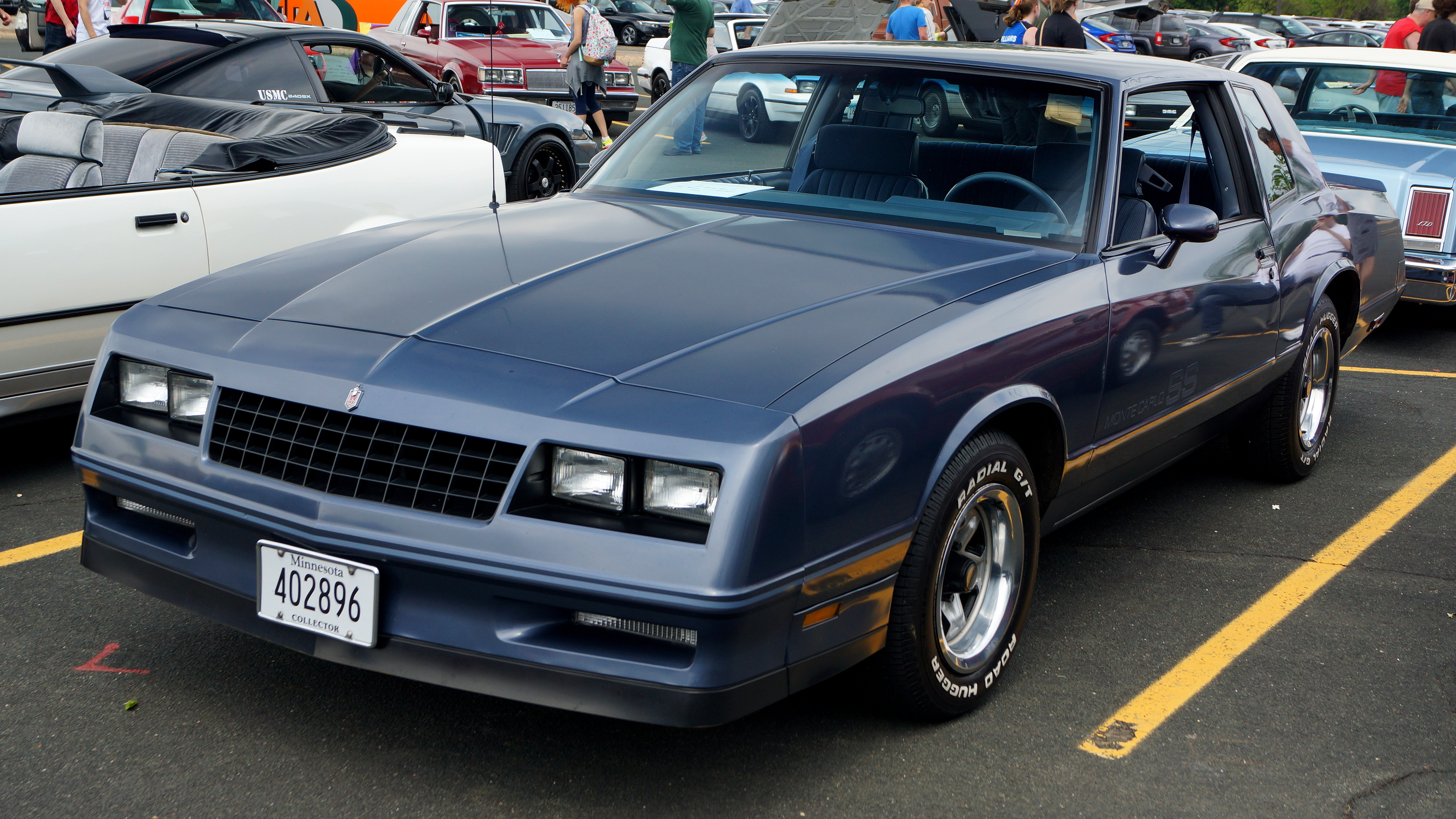
"... they've just gone to sound they actually in the Monte Carlo they are in the body control module they went aw..."
The Chevrolet Monte Carlo is a car that used to be very popular because it looked cool and drove fast. It's often talked about because it represents a fun time in car history when many people loved sporty cars.
The Chevrolet Monte Carlo is a mid-size car that was produced from the 1970s until the late 2000s, known for its sporty design and performance. It often comes up in discussions about classic American cars and its impact on the muscle car era.
"...you how are you guys doing good listen i got the dodge ram 350 uh i have one for 15 years never have a mech..."
The Dodge Ram is a big truck that can carry heavy loads and is great for work or off-road adventures. Many people like it because it's strong and can last a long time without many problems.
The Dodge Ram is a full-size pickup truck known for its robust performance and versatility. It has been a popular choice among truck enthusiasts for its towing capacity and durability, often discussed for its reliability and long-term ownership experience.
Select text to request an explanation
You're listening to the best of the Under the Hood Show.
Welcome to the Under the Hood Show podcast.
Thank you very much for listening and downloading the podcast app.
Russ Evans, who brings us the Under the Hood Show podcast?
Berkeley won classics.
Your key to collector car insurance.
And road ready wheels, replica OEM wheels at huge savings.
Use the offer code hoodie for even more.
And by car dash part, over 200 million use parts ready to ship to you fast.
Don't forget we stream the show on YouTube and Facebook.
We'd love to have you join us there.
Here is the Under the Hood Show podcast.
This is Under the Hood.
Welcome to the Under the Hood Show.
We are glad to have you with us.
Russ Evans is here to answer your automotive questions.
Thanks for joining us under the hood.
Shannon Nordstrom is here to do the same.
Welcome, hoodies.
Thanks for tuning in so we can help you tune up.
I'm Chris Carter here to answer your calls at 866-594-4150.
866-594-4150, Jason's been waiting while the music played there.
So let's get right to Jason in California.
Jason, you're on the Under the Hood Show.
What can we do for you?
Hi, thank you for taking my call.
I appreciate it.
You bet.
I was wondering if you could tell me everything about trying to track down a misfire.
In the Corolla?
We're going to need more information.
Fourteen.
Yeah, sorry.
In the Corolla, I got a misfire that I'm trying to track down and I usually, with far
dry as far as I find it, it's a little bit slow off the line, you know, from a stop
light or stop light, but it's always good and it doesn't feel like it's, you know,
misfiring an idol or anything and so it picks up and speaks pretty good after I get going.
But usually, between zero and 20, it's a little, you know, like it's really kind of almost
hesitates to want to take off in a sense, but it drives great, you know, so I'm trying
to figure out if it's misfiring, if it's like...
All right.
I think we can have, going to have to pinpoint it a little more on his end, too, right?
I mean, that's the issue here.
Yeah, I'm just wondering if it's got an ignition misfire.
Because on a Corolla, the most common misfire you're going to have is an ignition misfire
on those cars, which comes from coils and the coil boots, but if you pull out ignition coils,
a lot of times we find there's oil intrusion into the holes through that valve cover because
the valve cover gasket is leaked on the inside through the tube seals and they get oil damage
into the coils and it causes the misfire, so you've got to start with that.
You pull them out one at a time and look at each one of them.
Don't pull out all four.
Don't pull out just one, but pull them all out one at a time and look at them.
If there's oil in there, you got to put a valve cover gasket in it and a new coil.
You know, start with that and a new spark plug because it's going to seep into the bottom
of the ceramic on the plug as well and follow it out.
That's where we start and on a car of, you know, of that age, yeah, it's 10 years old.
Coils are kind of right on the edge of replacement time.
They do tend to last a long time on Toyotas, but still I would be thinking about replacing
those coils.
Rarely get an injector that's bad on one of these cars or anything that's dirty or stuck
in that way.
Unless you've got a major internal engine problem, which we don't want, like a valve
or something that's burnt, I'm still just lean towards those coils for almost everything
related to misfires on those.
Well, you said tell us everything, which I, you know, it was a little hard, but that's
where most people are going to start.
It didn't sound like you had any lights or flashing lights or anything.
You just didn't feel right.
Yeah.
You go to take off and when you get a heavier load, it would misfire and stumble and not
want to, not want to go.
Jason, thanks very much for the call.
Good luck.
Yeah.
Start with the coils and then from there it's going to be a whole another whole different
thing.
Right.
Yeah.
For sure.
866-594-4150.
Let's go to Kansas and talk to Joe.
You're on the end of the hood show.
Joe, what can we do for you?
Well, I got a 15 and Paula, a V6 and when you turn to the left to take off, it, it's
going to grab your, I didn't know what they said it could be the traction control, but
they do it.
I didn't know if it didn't.
It can be.
So what happens is that when you turn the wheels off a center, the wires that are a twisted
pair of wires that runs from the body down past the strut to your wheel bearings, they
may have a break in one of them and straight, you're fine.
But as you turn and the wire twists a little more, it can open up the circuit just barely.
It's partially open where it's still kind of bouncing on itself and arcing as the wheel
moves up and down as you're cornering and it can cause the traction control to activate
because it thinks one wheel is turning faster than the other.
It knows by the steering angle sensor which direction you're turning and now it assumes
with its computer algorithm, if I'm turning left, the driver's side wheel will be turning
at a percentage slower than the passenger side wheel.
If it sees that that wheel is turning the same speed as the passenger side or the passenger
side is turning slower than the inboard wheel, it's going to activate traction control.
Okay.
And that can happen with a bad wire.
The other thing that can cause it is the wheel bearings on these things now have changed.
They used to rust and we had, if you listened to our show for a number of years, you'd hear
us talking about rust on these sensors.
Well, now it's got a ceramic magnet on the back of the hub.
You buy a hub and for years people would call, they'd call us at our Nordstroms parts counter
and order a hub and we'd say with or without ABS.
Well, that was the fault of the company making the computer system because by that time they
were the same.
All cars used the same hub.
There was no wire.
So we'd send this part, sometimes we'd ship it to a person, they'd get it and say, well,
this is wrong.
There's no sensor on it because what they did is they read their scanner, saw the sensor
was bad and ordered one.
They didn't actually go take the part off and look at it and realize there was no wire
on their sensor.
So they'd get it.
They'd return it.
They'd get another one.
They'd return it and then they would get one, take theirs off and go, oh, there's no wire
and put it on and say, well, what did you do?
It just had a bad sensor.
Where was the sensor?
It was built on.
So you never hear the rest of the story in single situations.
Those magnets though are very susceptible just with age to crack and fall off.
Not real easy to see.
You would have to pull a sensor out of the wheel and shine a flashlight in the hole and
turn it slowly and look at the whole surface of it to see if any of it is broken.
Now some of them in the back, you can see because they're open and you can turn it and
just look and see and they made it that way so that they can't rust or corrode.
Great system, but they do require some maintenance.
So I'm suspecting that you may have a broken piece of magnet on one of those.
The other thing would be you've got a broken wire going down there and either one of those
is really easy to fix.
It's either a hub or the wire.
That's after confirming that it's the traction control.
It could be, what is there other things it could be?
There could be lots of things, but that's the most common and if you scan it, you should
get an erratic speed signal code from one of the wheels.
That's really common.
It'll say front left erratic vehicle speed.
Okay, so Chevrolet dealer can check that out.
Chevrolet dealer, independent garages.
That is a common readable system by lots of tools.
There he goes.
That help you out there, Joe?
Yeah.
Well, I had it in, put a new hub on about, oh, 25 miles ago and so I took it back in
and they said the other wheel bearing goes, all right, you know, the other side and that
side.
So it would have been then, but I have had them where I've put them on and six weeks
later the other side fails.
The piece falls off of it.
Is at a certain age they start to break, which is close to 10 years old and you'll eventually
have all four.
I had a friend of mine came in with his traverse and I did the left front and then it came
back and I had the right front and the left rear out that same day.
I replaced those and I said, the other one's coming next.
He says, ah, I don't want to spend the money yet.
And he was back in about a month later and hey, it's doing it again.
Joe, thanks very much for the call.
Good luck.
866-594-4150, that's the number to reach us here at the end of the hood show.
Let's talk to Steve.
You're on the end of the hood show.
Steve, what can we do for you?
First off, appreciate your show.
Thank you.
Thank you.
The issue I'm having is my son has got an 07 GMC 1500 with a 5.3 in it and the thing
was having what we were hoping was just an oil pressure sensor issue but when they got
it in the shop, the shop found we're finding metal plates and shavings in it.
So I'm guessing and assuming that we're probably headed for replacing the engine in it.
And I'm just kind of curious to ask, when you get like, a lot of these engines have
like engine oil coolers in the radiators and stuff like that.
Do you replace the radiators or can you just flush them and get the filings out of them?
How do you guys handle that in your shop, Russ?
We replace every cooler on an engine when we replace.
If we're replacing an engine and there's been any failure with the results in any kind
of metal contamination in that oil, the cooler always gets replaced, 100%.
Whether it's a radiator or a standalone cooler or a bolt-on one that bolts on the side of
the engine that uses the heater hose runs through it, it always gets a cooler on it
no matter what.
As we just know from experience that if you don't replace it, you can try to flush it
but they always have a little tiny bit of metal in there that will come out.
If you pull that cooler off and you spray brake cleaner in it back and forth and then
rinse it out, you get a few little flakes.
You blow it out there, you think you got it good and dry, you rinse it out again, you
blow it out, you get a few little flakes.
There's always a couple flakes here and there and all it takes is a few flakes to come out
of there and get into a bearing and then more where to occur and then you damage the engine.
An engine re-manufacturer can tell if that engine failed due to their problem or due
to somebody else's problem.
If they take it apart and they see that there's trash starting at the front of the oil feed
of the engine towards the back decreasing as it gets there, they say the trash didn't
come from internally in the engine.
It was introduced into the oil system and made its way heavily until it filtered down
to the back of the engine and up to the cam and they say that's your engine, you killed
it unless it's got a no fault warranty which some people buy.
For us it's just cheaper to do it.
The best way to do an engine we found is do the whole thing.
When we do them at our shop, we've literally done thousands, like over 10,000 engines at
that shop and that's a lot.
We have a lot of people that are looking, consumers looking for engines because they
want to get rid of their car because they found it's just too expensive to fix so they
say let me scrap the car and they say well wait a second, how about check with us and
see at an engine.
We get these in our shop, we look at them, when we do an engine it's typically if you
come in and let's say we need a reman engine you're going to get fluids, filters, seals,
gaskets, spark plugs, the tune up items like your coil boots, thermostat, water pump, oil
cooler if needed and then once we install it we check external things like we check the
radiator if it wasn't replaced for proper temperature drop inlet to outlet to make sure
it's not going to fry that new engine.
We look and make sure there's zero codes in that engine.
We got to drive it, make sure all the monitors are running, there's no codes at all in there.
We look for leaks, make sure they're addressed, turn it out, then we're good.
We find that I'd say more than 98% of all engines that fail, fail because of something
external and whether that's the driver of the vehicle, they overloaded it, they drove
it too hard, they put the wrong fuel in it over a long period, you know low octane and
damaged the pistons from detonation, they didn't change the oil so the oil system was
the failure, those are all external engines themselves are very resilient and if they're
taken care of they can last a very long time, they're very tough these days so that's kind
of the procedure we follow when we do every engine we have and we've repeated it so many
times now like I said doing thousands of them that we've finally got into this good you
know pattern of we know what'll make these engines last.
Does that help you out there Steve?
Yeah, one more quick question, this rig has just about $200 miles on it, when you do rigs
like that in your shop or do you typically like replace the transmission input seal while
you're in there or if they're not leaking you leave them alone, what's your thoughts
there?
If we have an engine that still turns over so we can unbolt the flywheel and torque converter
properly and remove the engine without disturbing it and it looks nice, a lot of those have
already had transmissions replaced, we don't change them and we typically never have a leak
but if we have to pull the torque converter out with the engine because the engine's locked
up or there was some kind of issue or it's already showing any signs of seepage or anything
they always get replaced and overall we've had good luck with that and that's cars that
were built in the last 20 years before that we had to replace every single one because
at about 50,000 miles an old 350 Chevy in an 80s or early 90s truck would just start
to leak and we had a couple of them, we ended up pulling the motor back out or trans to
put a seal on it just because we wanted to take care of the customer and now we look
at those things as we're doing it just to make sure we don't cost ourselves extra money
and time.
Steve, thanks very much for the call, good luck. 866-594-4150, let's go to Oklahoma and
talk to Bryant here on the end of the hood show, Bryant, what can we do for you?
I have a 2010 Hyundai Santa Fe, it's got about 129,000 miles on it and what it does is if
you're driving it say about 40 miles, you're doing 70 miles an hour and you go up a hill,
it'll bang, like it's downshift and it bangs really hard.
Round town, 50-60 miles an hour round town, no problem with it, it's when you hit that 70
mile an hour speed limit and you go uphill, it makes a large bang. I've had the
engine mounts checked, they're good, I took it to a transmission shop, they ran the codes,
they tried to make it do it, they couldn't do it, they say it is not a transmission problem.
Someone told me it might be the throttle positioning switch.
Does it feel like it's supposed to be downshifting at that speed, would you think that
it shouldn't downshift while you're going that speed or does it, do you think, yeah,
it's got to load, it should downshift now? I think it has a load in it downshift.
Okay, so if that's acting normally, then a bang, if it's a physical
thump like something hitting something, I'm going to be looking for something like an
exhaust shield or the exhaust pipe too close to that. Look at the rear driveshaft, look really
close, because it's all wheel drive, isn't it? It's a front wheel, it's a two-wheel drive front
wheel. Okay, then you can rule that out, so that's one last thing. So you can look at exhaust
shields to see if the shields are loose or hitting something on the all-wheel drives is
real common form to bang on that rear driveshaft, that's why I said take a look at that. But
look up front too and make sure you don't have a shield that's really close, because when you
downshift at that speed, things can move around more than they would at different speeds, because
you've got different loads, the engines at a higher RPM, but you have less of a load on the
drivetrain because you're already traveling and you've got that mass moving, so things are looser,
but things are revved up at a higher RPM, so you could get a bang you wouldn't normally around
town at a lower speed at 30-40 miles an hour. I would look at those really close, but there's
nothing we've seen on a that's really prevalent to a Hyundai compared to other vehicles.
Brian said he goes through town, he was around town at 50-60 miles an hour, he might just be
hitting stuff. Signs, wagons, rabbits. Is there a... It's really strange,
you have to be going uphill and it downshifts, and that's when it just... I mean it's a solid
bang, and then it's fine. Motor mounts are good. In your part of a country where rust shouldn't be
a problem, in our part of the country we get rust issues where cradles will actually start
losing structural integrity and flex because they're getting weak. Maybe the transmission
shop would have noticed if it would have been a pressure issue, if it would have been over pressurizing
the system and making a hard shift between gears, the tranny shop should have noticed that on their
analysis, and they said that all was well. They ran the codes and they said they could not find
anything. And were they able to duplicate the problem? No, they drove it and they said,
well of course where they were they didn't have any hills to go up, but it takes about an hour
you know going into Oklahoma City from where I live and there's some hills and after it gets
warmed up, one guy told me that it's the torque converter in a zero throttle positioning switch
problem and I haven't checked into that. Well torque converter will unlock at that speed,
but when he's talking about the throttle position switch that is your throttle position
sensor. That controls the range of everything at every speed though, so I wouldn't think about that.
A torque converter could make noise at a higher rpm like that as it unlocks then at the lower
speeds. Not typical though. But yeah it's it would usually do it at all speeds all the time.
That's that's something that that's why I kind of shy away from that. You got to find a friend
with a scanner that can hook up to it and duplicate the problem and and watch while you're going.
Well when it happens and see if there's anything out of whack. Brian thanks very much for the call.
The end of the hood show podcast is brought to you by exclusive sponsors like Berkeley One Classics
Celebrating 50 years your key to collector car insurance and by car-part.com with over 200
million parts. Find them online at car-part.com and by road ready wheels oem replica wheels
at a huge savings road ready wheels.com. Thanks for listening to the under the hood show podcast.
This is for those of you who need a new wheel or a set of wheels due to damage or leaks.
You've heard people call our show with wheels that are constantly leaking air have been damaged in
some way. Maybe that person is you or maybe you want a set of spare wheels that you can install
on your vehicle over the winter months with snow tires to avoid damaging your nice summer wheels.
Road ready wheels has replacement wheels for many oem manufacturers at substantial cost savings.
These wheels look and perform like oem wheels so save money and go with road ready wheels when
you need a replacement. Are you tired of needing to add air to your tires every few days because
your wheels have been eaten away by road salt and corrosion? A new set of wheels from road
ready wheels is the cost saving way to go. A new set of road ready wheels will stop the leaks.
Do you have factory steel wheels and have shopped in the seemingly endless and expensive
aftermarket wheel scene not knowing what to get but you want a better look? Road ready wheels can
help you upgrade to factory looking oem aluminum wheels. Over 40,000 wheels with free shipping
available and returns with a one-year warranty. Under the hood listeners save 10 percent when
you use the code hoodie at checkout. These wheels are a direct fit so your factory caps and TPMS
sensors will fit. Find out more and or yours at roadreadywheels.com. Hey it's Chris Carter with
Russ Evans and Shannon Nordstrom under the hood. When you need great coverage for your ride Berkeley
1 Classics is here for you. They'll work with you to help determine the amount of coverage a vehicle
like yours should have and that coverage is agreed value coverage so there's no disagreement on what
your vehicle is covered for. They also have discounts for car club members. For 50 years
Berkeley 1 Classics has ensured a wide range of vehicles from sports cars and rare exotic cars
to antique vehicles including cars, trucks, tractors, military vehicles and motorcycles.
Over 50,000 of them a year. They give you confidence and your vehicle's protection.
Find Berkeley 1 Classics on the web at BerkeleyClassics.com. Get a free quote and find out
first hand what they can save you and how well they can cover your valuable investment.
It takes just a few minutes using their easy online quote tool. BerkeleyClassics.com
or call 1-800-603-3330. That's 800-603-3330. When you need parts for your car finding them is
half the battle and we have a great source for you to find those parts you need at great prices.
If you need parts whether it be for a brand new car or going back about 20 years it doesn't matter.
Check out car-part.com. It's fast and it's easy. Over 200 million parts strong all across North
America. Over 4,000 recyclers to choose from giving you the largest selection available.
Whether it's an engine, transmission, doors, seats or wheels you can find them on car-part.com.
We even let you know what parts from other models and years fit your car. Many recyclers
supply pictures of their parts too. We even have a mobile app. Search US and Canada or buy from your
local independent recycler. Whichever you choose buying recycled is good for the environment and
good for your wallet. If you're a repair shop there is a professional version available for you
at no charge. That's car-part.com. Check it out today. Welcome back everybody. It's time to get
back under the hood with our motor medics. Let's go and talk to Pete. You're on the
12th Jeep Grand Cherokee Limited 5.7 Hemi. Just got it. Getting it for the little woman.
And the push button ignition wouldn't work. We messed around, messed around with it.
And finally just wound up putting the key fob in there and it seems to work okay like that.
And it's always you know I mean it wouldn't shut off before if you get it started but it wouldn't
shut off. Well then we started using the key fob. It seems to be working just fine.
You know I don't know if you guys' wives are like mine but you know the last thing I want is
hey I'm broke down you know. Yeah that doesn't always go well. Something
no it generally doesn't you know. So I'm wondering is that something that is a computer thing or is
it something I can you know should be worried about or get looked at or. I want to clarify
something and I maybe Russ has already got this figured out but when you say using the key fob
explain what you're talking about. Well we took you know the push button deal pop that little
button out and then just put the key fob right in the ignition switch and then use that.
To turn and turn that little button that you push and it just turns like a regular key you know
but it's use the actual key fob deal for it. Yeah if you take it off.
That's their that's their failsafe. Yeah so they've had a lot of there's been a at least a
significant number of those ignition switches that have failed in the dash themselves and they
the fix for it is to replace the whole unit where that button is and the key fobs they get
they come as a set when you buy it you get the switch behind the dash with the button and you
get two key fobs and that usually takes care of it. I've seen a number of these put in so if you're
having to if the button's not really working anymore and you're having to do it manually then
yeah it's uh I think you're probably gonna have to replace that whole thing but the way you're
doing it now the other part failed with the push button this may fail too so you may need to
you may need to get that fixed now before it all fails. I see what you're saying.
That's what I was wondering and what's the funny thing is you know we popped a little button out
of there but I can stick my pinky in there and push that deal all the way down and it'll start
to shut off that way. Yeah and that's usually another indication that switch is bad in the dash.
You don't want that. You don't want that. Chris you would run for a long time. Yeah I would.
I would have a mold of my pinky done so I wouldn't. Yeah you would leave that alone for a long time but
if I were driving it. Based on the situation with his little woman I think that I think that he's
got to get this fixed the right way. I think so Pete thanks for the call. Yeah if it were me
it would go a long time but if it were my wife I would get it fixed I think. 866-594-4150 let's
talk to Donna in Missouri. Donna you're on the end of the hood show what can we do for you?
Yes I just bought a Ford flex and the lights go off and they come back on if I switch it
off and back on they come back on and then they'll stay on for a little while but I never know when
they're going to go off. Oh the old headlights going off on the flex trick. They're flexing.
Yeah but when I touch it they come back on. It's really easy. They call it a multi function switch
because it has multiple functions and the function of that switch sometimes doesn't function the
way it's supposed to and the little contactors inside of there will start to burn on the ends
and not make a good connection. So when the lights are on if you just give a little touch
they'll come back on again if they go out or if you flip it from high down to low
or wiggle it around or if the temperature changes all those things can happen so the fix we found
on most of those is to replace that switch the entire unit on the end and the way they
test it at a shop is just like you did. They'll turn the lights on they'll leave them sit there
for a while wait for them to go off and then they'll just lightly touch the end of it. If they
come back on again they say oh that's a problem it's a switch and then they'll replace it. They
just got to verify that that's what's going on because sometimes you touching the switch clicks
the relay that's in the in the junction box and and that is the problem not the switch but
the ones we've had that we've had to fix were related to the switch itself which replaced the
switch. Well that sounds pretty good to me you know I don't know anything about cars and some
mechanics see a woman coming you know so I wanted to get an idea before I took it in what could be
wrong and that's exactly what we're here for we welcome those kind of calls so we can help you
um not get a surprise when you go in. Well and I'm when you look at the industry as a whole
there are so many good people out there that take care of every customer the exact same way
it's a shame the the ones over the years and the few currently that that do cause that reputation
to exist because it shouldn't matter what you know about your car the repair should be the same
the options they give you should be the same as what's it it's just we got to continue to help
educate people so they know the right questions to ask so we can break that stereotype and also
find out the bad actors and and show them out because that's just wrong. Donna thanks very much
for the call good luck and I've we've learned we had that and if you hit a deer and have the
entire front end replaced oh dear that sometimes will fix the headlight problem too we found out
that in the Avalon. Took care of everything. No problems yeah eight six six five nine four
four one five oh let's talk to Travis you're on the end of the hood show Travis what can we do for
you? I've got a uh 2016 Chevy Silverado 1500 that lurches between first and second when I'm
accelerating from a stop it's very random it doesn't do it every time but when it does you feel it
and as far as you are aware you think everything is normal you don't see any lights no no nothing
like that correct correct correct yeah and I'm at 100,000 miles I'm due for a transmission flush
but that's about it. Which transmission do you have the six-speed automatic or the eight-speed automatic?
I believe it's the eight-speed the z71 version.
5.3 or 6.2?
5.3. Geez leave the guy alone. I'm just asking a lot of questions because I don't know the answer.
Something's going to come out here that's going to help me Chris. Well no I'm just trying to
determine trying to determine if the problem is you know transmission related between you know the
torque converter and the shifting or if it's a engine tune issue where the where it's missing a
beat when he when he steps on the fuel and with 100 miles it really could be either one of them
and so I do lean towards transmission a little bit. Then we've we've replaced so many transmissions
in these things I I like to look at the condition of the fluid and if the fluid is in really good
shape there's no sense in spending your money to flush it because a lot of those are you know 300
dollars to flush out now and there's just no reason to waste that money if if it looks like the
fluid is in good condition. Programming on the other hand has to be done whether you replace
the transmission with a new one or you're using your old one so I would suggest to have that checked
and it's it's going to have some updates because at the miles as things wear they change programming
to account for wear and transmission so you might look into getting that programmed and if you have
a transmission replaced at the same place that reprograms your transmission they should be able
to still do that for free over the next 12 to 24 months depending on how long that software was
purchased for so because a lot of cases in our shop will program a transmission and say you know
here it is here's the fee for programming now if we find out six months later that's not going to
work we got to put a transmission in we don't have to charge you that fee for programming because
we already did and it's already been done it's already been updated and we can put that in the
new transmission it doesn't cost us anymore so we do it as part of the trans service but I mean
we're kind of I don't know we're fast forward into a transmission here but if it lurches between
gears it's not engine it's got to be transmission related yeah and if it's not like a little shutter
going down the road under a light load of like with cruise control on or something like that
you know there was a that era of transmission that they had some that from the factory they
said hey we put fluid in there that didn't coexist well with the assembly lube from the
tranny and then over time they not very much time they would get a shutter in them and then
they would have to flush them and and put in a different fluid and then sometimes flush them
again I had that happen with my 2018 so but that was a different symptom than what you're describing
it seems like to me yeah and they're with the symptom you're describing with someone that is
hooking up a drivability scanner to the vehicle they can they can watch those things as they drive
it if it's doing it all the time if it's repeatable that should be a lot easier to find than it used
to be okay did that help you out there travis yeah yeah that did cool thanks very much for the call
good luck eight six six five nine four four one five oh that's the number to reach us here at the
end of the hood show let's talk to david you're on the end of the hood show david what can we do for
you hi guys i got a 2003 and i got dogs i got a 2003 uh s10 uh chevy pick up uh four by four uh
four three and uh the hazard lights don't work and i was wondering where is the hazard
flasher module at in that car it's kind of hard to find there's nothing on the net about it
trying to think of the error there if it actually has one or not yeah it does okay
i can't find anything on the net you know they're pretty good about other stuff but there's nothing
does the uh does the turn signal switch work yeah turn that on turn that on and follow the click
i think they're i think that relay is the same on that i think they're both in the same unit
if they're not in the same unit they're next to each other so what we do is we turn it on we
we follow the click because the newer ones they the noise comes out of the speaker because it's
part of the body control module if the click sound is coming out of the driver side speaker
then you have a problem because it's part of the body control module and that that's where
your hazard flashers at but if the sound if there's no sound coming from the speaker it's
actually a relay clicking behind the dash find that relay but yeah they've gone now they've
just gone to sound they actually in the Monte Carlo they are in the body control module they
went away from the the switch on the my first instinct was the s10 was still the old design
you know they hadn't updated that to the newer stuff yeah it still has the old old the old clicker in
it there you go david thanks very much for the call that that's what you want the you want the
noise to be the noise right you want a real click yeah like the ups truck click click click
good old relay you hear those on phone calls sometimes when people call the show sometimes
yeah let's talk to kadeer you're on the end of the hood show kadeer what can we do for you
how are you guys doing good listen i got the dodge ram 350 uh i have one for 15 years never
have a mechanical problem so i decided to have a four door i bought one i driving it back from
Minneapolis with a three car trailer behind it is just keep carrying up every 30 50 mile for 75
mile going down to 20 mile and coming back or back and forth so i make it back to sufa took it to
bullion they told me the module box and all the fuse boxes needed 2700 dollars they changed it
after a week pick up the car truck is the same thing i am driving look like i run out of gas
suddenly the car is dying all the way down to 20 mile and pick up
randomized advise me took it to the quarter diesel they say two injectors no good so i say go ahead
change all six of them 3500 and they did everything the promise every problem is going to be soft
i driving it still is doing same thing guys i driving in a freeway 70 miles 65 mile suddenly
going down to turn out a god diesel or electric problem until now nobody find out what's going
on with the truck when i started it runs smooth engine is pretty quiet everything is properly
work only in a freeway doing this i kind of wonder if it is a fuel problem and it's somehow starving
for fuel when it needs more fuel at those heavier loads at the higher speeds where you're pulling
trailer with it driving or whatever and it's just it's needing more fuel something is causing that
to to stop and it it's not a real easy thing to find so we have had this on duramax trucks
that had fuel line issues where the fuel lines would collapse when they would get hot and it would
not allow it to get enough fuel to the engine it would slow way down to 10 20 miles an hour and
then all sudden it'd pick back up because it didn't need that fuel again and it would run for a
little bit and drop back down and if you parked on the side of the road and idled for 10 minutes
and you could take off and go but it was worse than the heat and and some of those we ended up putting
you know in the suction line going to the engine we'd put a clear hose in and look at it and see
if we could see that the fuel was disappearing or put a pressure gauge on it we could read from the
cab that's what you really need to do is put a pressure gauge on there that you can read to
see if it's if it's going into a vacuum because if it's going into a vacuum state on that suction
line it means that that it's not allowing fuel to flow from the tank they make you know systems
you can put on these trucks ones called an air dog that that supplies a good feed of fuel from the
tank to the injection pump at all the times to protect it and it shouldn't need that if it's
operating properly unless it's got a very big performance engine and then you need them a lot
of people put them on to fix the problems they had with the cp3 pumps and and things in the old
in the the dermax diesels and the ram trucks got them too some people did it but this one here that
15 ram is new enough that the fuel system is designed plenty well as long as it's working but
we've seen some strange stuff when working on vehicles like this we found one with a rag in
the tank and every once in a while the rag would would float around it would suck up onto the fuel
strainer and then it would die and and then it would fall off after when the truck sat for a while
it'd be fine and it'd float around the tank and then it would suck up there again that is the
definition of a strange one yeah that would be that would be and we've seen that more than once
where the rag was in the tank um that's that's one possibility but the court diesel they say they
cleaned the whole tank for me they put the new filter on it that's good they would know yeah they
would know that then that fuel system is working and then the you know the companies you you mentioned
they've got a good history of understanding these diesels and you know they have their if the dealership
has their good diesel tech work on it they're usually quite skilled people the specialized
diesel shops they see a lot of this stuff and they typically know what they need to do this is a
this is a bit unusual that it could be that mysterious are you getting a a deep power
light or check engine light or anything when this happens no no no that's my problem that
that the car when i drive in it before doing that is so smooth and this cold weather i turn the key
on starting it fire up right away you're not hearing the engine usually diesel you hear it
everywhere but then when i start driving in a freeway about five six ten mile is just look
like i am running out of gas again or all the power is cut off and going down down and i push
the gas a couple more time and pick up again for another 20 30 mile and man if i got i'm not using
right now because i cannot trust it when you when you took it to the the repair shop were they able
to duplicate the problem or did they have the trailer loaded or you know where they could
duplicate the problem or not no they just drove it and they say that the billion told me this is
the problem with the fuse box and module and stuff so 2800 dollars go ahead do it uh but
matter of fact i spent about 7000 oh it sounds really in these two it sounds terrible i would
you know one thing that i would you might consider russ's i've heard him have customers
where we've had a little bit of a challenge before and said you know what here's what we're
gonna have to do you're gonna have to you're gonna have to pay us a couple hours bring the thing in
hooked up and loaded and we need to go out and do pay us to drive it and duplicate it with our
with our scanner and stuff hook to it so that we can see actually what is missing when this thing dies
and that could be you know the fact that you've already spent so much i feel so bad for you
but uh that might be the commitment it's going to take to figure it out for sure right thanks
very much for the call good luck yeah that is not a fun that is not a fun issue to have to deal with
and the best thing is go back to the place that actually did the work because you've spent thousands
of dollars with them right you know you've got to pick and choose how you don't want to discharge
you more and not do anything but you also you're in a position to ask some good questions and they're
gonna want to get it handled too i would sure think so let's go to virginia and talk to gene
you're on the end of the hood show gene what can we do for you yeah my friend has a 94
four diff 150 in about a month ago periodically every
two or three days or so driving along and said we'd just shut off so his brother said hey let's
take the hose off to the um you know just a few of us just got throttle body and he sprayed some
starting fluid in there things started up and you know it ran and so that's what my friend has
been doing anytime that the thing is has uh the engine is quit um i've listened to it i've never
been around it when the thing has not run but i told him how to listen for the fuel pump you know
the you know the motor but here the last two weeks he hasn't had any problem is there something
else that would periodically it it just acts like like the fuel is shut off
no not you know the only thing i can think of on these that will
cause fuel to just quit but the fuel pump still works most of the time there is an inertia
shut off switch in the cab that when you hit a hard enough bump or crash it will cut power to that
and they were famous for having some issues with the contactors in them not working real well
so you could lose your fuel pump but then when the pump worked it was working fine it wasn't
like a pump that was going out it was the actual power to the pump so if that inertia switch is bad
you know we had a number of them come in that were just jumped the they had cut the wires and
they're jumped across when when we used to buy them we'd call out here to the yard and say hey i
need an inertia switch and they go well we check six vehicles and they are all all the wires were
cut and spliced around them what does that mean well that means the switch is bad so it's possible
that switch is going bad it's a 94 it's 30 years old so it could definitely be losing its contactability
so what's the what do you do there replace it or do you most people jump around them yeah but
you know um yeah you could find another switch for it too i don't know where you'd get one
now you pull it yard self-service you know go on grab another one of another vehicle
they're down in the right hand kick panel that's that's where you're gonna find it you're not
gonna get a new one most likely not or and then also check the wires up by the battery to make
sure the the power wires that feed the battery are not corroded and the two black ground wires
the small ones they've got to be grounded really well they're on the core support if they're
loose or corroded and that'll lose your power to your ecm and then then things will just not work
keen thanks very much for the call that'll do it for this hour of the under the hood show
until next time you can find us at under the hood show dot com make sure if you go watch our
show at youtube or facebook you like and subscribe and do all the things and share it with a friend
we would appreciate it for russ evans shanna nordstrom i'm chris carter thanks for joining us
on the under the hood show with russ evans this is shanna nordstrom thanking you for tuning into
the nordstroms under the hood show have a great day and remember ptla the opinions heard on this
program based on the many years of experience of russ and shannon are offered for entertainment
value only and as a guide to your repair needs no claim to repair or cause is given or implied
always consult with your own certified technician and follow all safety procedures before attempting
any repair to be a part of the show call eight six six five nine four forty one fifty find out
more by visiting under the hood show dot com under the hood is produced by prairie house productions
all content is the property of nordstroms automotive incorporated and may not be used
without our permission copyright nordstroms automotive ink
Request an explanation for:
7 cars
Scroll for more
7 cars featured
Request an Explanation
Heard something you'd like explained? We'll add it to this episode.
Sign in to request explanations for terms you heard.
Want to learn more?
Browse our glossary for plain-English explanations of automotive terms, jargon, and concepts.
See something that's not quite right? Our annotations are AI-generated and can sometimes miss the mark.
Click the flag icon on any annotation to suggest a correction.