
"My Cars Are Investments, So I Barely Do Any Maintenance"
About this episode
SwitchCast opens with the hosts joking that they “know what we’re talking about” and that they do “research in advance.” The conversation then swings through used-car hunting in Maine, left-lane traffic habits, and a couple road-rage stories. The core theme lands on an investment mindset: “these cars for me are investments, so I just do the bare minimum,” which the hosts connect to why people hate car flippers and how skipped upkeep can still get expensive—especially when later buyers pay to fix what was neglected.
Doug has some thoughts on market "speculators" and investment vehicles this week. Plus, we'll get into Doug's experience Lemons racing, too.
Support us on Patreon for bonus, exclusive content + live stream access https://www.patreon.com/switchcast
For more information on SwitchCast & to submit vanity plates, check out our website: https://switchcast.live/
Visit our sponsors:
Follow our socials:
https://www.facebook.com/SwitchcarsInc
title
"allegedly not delivering a title to a client more than 10 months after the deal. Whoa."
The “title” is the official paperwork that shows who owns the car. If the dealer doesn’t give it to you, you may not be able to register or prove ownership properly.
A vehicle title is the legal document that proves ownership of a car. If a dealer delays delivering the title after the deal, it can create serious ownership and registration problems for the buyer.
motor cars of Chicago
"The dealership in question is motor cars of Chicago, not to be confused with Chicago motor cars, although it's possible that they would like you to be confused with them..."
This is the name of a car dealership in Chicago. The hosts are discussing a complaint about them not providing the car’s ownership paperwork on time.
This refers to a specific used-car dealership: Motor Cars of Chicago. The hosts mention it in the context of alleged issues with delivering a vehicle title after a sale.
rusty
"It's [703.2s] never works in Maine. Here's why. Well, because isn't everything rusty up there? [708.5s] Yes. Yes."
“Rusty” here means the car’s metal is corroding, often from salt and moisture. The host thinks that makes it hard to find a good used car up there.
In this context, “rusty” refers to corrosion—metal degradation caused by moisture and road salt. The host is arguing that cars in Maine are more likely to have hidden rust problems, which hurts their value and condition versus the seller’s description.

Shelby GT 500
"Was your mistake assuming that there are cars up there worth more than that? [768.9s] Wow. Was it anything good? There was a newer Shelby GT 500 or yeah, like a 2011"
The Shelby GT 500 is a special, high-power version of the Ford Mustang. The host is saying they saw one listed there, but overall there weren’t many good deals.
The Shelby GT 500 is a high-performance Mustang variant from Shelby American, known for big power and track-capable hardware. In this segment, it’s mentioned as a relatively rare find in eastern Maine under the speaker’s search filters.

Shelby Gt500
"Was your mistake assuming that there are cars up there worth more than that? Wow. Was it anything good? There was a newer Shelby GT 500 or yeah, like a 2011 and there was like a Mark III Toyota Supra for like 39 grand. Oh, is that that can't be how much"
A Shelby Mustang is a Ford Mustang that’s been made more powerful by Shelby. It’s usually built for better performance than a regular Mustang. In the podcast, it’s mentioned alongside other high-value cars in a comparison.
A Shelby Mustang refers to a Ford Mustang that’s been modified or built by Shelby for higher performance than standard models. The podcast groups it with the GT500 discussion and compares it to a classic Toyota Supra, which suggests they’re talking about expensive, enthusiast-focused cars and their relative appeal. It’s discussed because Shelby Mustangs are a major part of the modern muscle-car collector conversation.

Porsche Boxster
"Slim peasy. I think [791.5s] there was a I think I found a 986 Porsche Boxster on Marketplace. And that was that was it."
The Porsche Boxster is Porsche’s mid-engine convertible/roadster. The host is saying it was basically the only decent Porsche they found in that area.
The Porsche Boxster is a mid-engine roadster from Porsche, known for balanced handling and the “open-top” feel of a true sports car. The host mentions a “986 Porsche Boxster” as the only standout find they saw in their Maine search.
beat up Volkswagen wagon
"But [850.0s] when you have a beat up Volkswagen wagon with lots of bumper stickers and you have long dreads."
A Volkswagen wagon is a car with a longer rear for carrying stuff. The host is saying someone may have misidentified that car and it led to conflict.
A Volkswagen wagon is a body style that typically emphasizes practicality and cargo space. The host uses a “beat up Volkswagen wagon” as the likely source of mistaken identity during a road-rage incident.

Volkswagen Up Volkswagen
"... or windows were closed. But when you have a beat up Volkswagen wagon with lots of bumper stickers and you have l..."
The Volkswagen up! GTI is a small sporty hatchback. It’s meant to be fun to drive while still being compact and practical. In the podcast, it’s mentioned as part of a Volkswagen-focused conversation.
The Volkswagen up! GTI is a small hot-hatch variant based on the up! platform, designed to deliver sporty driving in a compact package. The podcast mentions it in a scene involving a “beat up” Volkswagen wagon and bumper stickers, which suggests they’re talking about recognizable Volkswagen models and how they’re perceived. It comes up because compact performance cars are often discussed as fun alternatives to larger vehicles.

Honda Crv
"there was a Honda CRV in the left lane holding up all these cars... And that has caused CRVs are frequent offender."
A Honda CR-V is a popular SUV. Here, the host is using it as an example of a car that seems to stay in the left lane and slow everyone down.
The Honda CR-V is a compact crossover SUV known for being practical and common on American roads. In this segment, it’s singled out as a frequent example of a driver “hogging” the left lane, creating slow-moving traffic for other cars.
left lane
"there was a Honda CRV in the left lane holding up all these cars... even if you flash your lights at them... just like they're in the left lane forever."
The left lane is the lane closest to the center/median on multi-lane roads, and it’s often treated as the “passing” lane. The host is describing a driving pattern where vehicles stay there for long stretches instead of moving right when they’re not actively passing.
0% financing deal
"he said he said to somebody that they were asking if they should take a 0% financing deal ... in order to get 0%, you have to pay sticker price."
“0% financing” means you borrow money without paying interest. But the dealership or manufacturer may still make money by charging a higher price or using other incentives, so it’s not always as good as it sounds.
A 0% financing deal is a loan where the lender charges no interest. In practice, the cost is often shifted into the vehicle price (e.g., higher “sticker price”) or other incentives, so it’s not always a free money offer.
0% interest
"It's not really debt because it's ... 0% interest, which is not true. It's still debt."
0% interest means you’re not paying interest charges. But you can still end up paying more overall if the price or incentives are structured differently.
0% interest means the lender charges no interest on the loan balance. The transcript argues that even with 0% interest, the deal can still be structured so the buyer pays more elsewhere, so it’s still effectively “debt” in cost terms.
sticker price
"in order to get 0%, you have to pay sticker price."
Sticker price is the “official” price printed on the car’s paperwork. If you pay that full amount, you may lose out on discounts or rebates that could make the deal cheaper.
Sticker price is the manufacturer’s listed retail price shown on the vehicle’s pricing sheet or window sticker. In negotiations, paying sticker price can erase the value of discounts or rebates, which is why it’s often discussed as the trade-off for certain financing offers.

F-150 Raptor
"...'t he drive some like how home like? No, he has a Raptor and he has a like a C1 or C2 Corvette. That's all..."
The F-150 is a large pickup truck from Ford. It’s used for carrying things and towing, and it’s also common for everyday driving. In the podcast, it’s brought up as part of a comparison with other performance cars.
The F-150 is Ford’s full-size pickup truck line, commonly used for work, towing, and everyday driving. In the podcast, it’s mentioned alongside a Raptor and sports cars, which highlights how the F-150 family spans from performance-oriented trims to more general-purpose trucks. It’s discussed because it’s a mainstream vehicle that still has enthusiast versions.
manufacturer sponsored program
"0% financing typically is a manufacturer sponsored program. The dealer does not set the interest rate or create the programs."
This means the car company itself is setting up the financing offer. The dealership usually just sells the car under those rules rather than inventing the 0% terms.
A manufacturer sponsored program is a financing or incentive offer created by the automaker (not the dealer). These programs often come with specific terms, and the dealer typically can’t freely change the interest rate or structure the deal outside the program rules.
third party financing
"They are selling third party financing, including manufacturers financing."
Third party financing means the money for the loan comes from a lender outside the dealership. The dealership helps arrange it, but they don’t always control the interest rate.
Third party financing is when the loan is arranged through a lender other than the dealer itself, even if the offer is tied to the manufacturer. Dealers may “sell” the financing product, but the interest rate and program terms are typically controlled by the financing source.
cash rebate
"you the manufacturer would come out with a finance deal and a cash rebate. You couldn't take both."
A cash rebate is money the manufacturer gives you to lower what you pay. Sometimes you can’t combine it with certain financing deals, so the “best” option depends on the numbers.
A cash rebate is a manufacturer incentive paid directly to the buyer (or applied to the purchase) to reduce the effective price. Some promotions are mutually exclusive with certain financing offers, so you may have to choose between a rebate and a low/zero-interest loan.
trade off
"but it, but no, you don't have to pay sticker price. Like, if you know cars, at least know that this is what the trade off actually is."
A trade-off means you usually get one advantage but pay for it somewhere else. With car deals, the “0%” headline may come with a higher price or fewer discounts.
In car deals, a trade-off is the idea that one benefit (like 0% financing) is often balanced by another cost (like paying a higher price or giving up a rebate). The transcript uses it to explain that the “best deal” depends on the full package, not just the headline financing rate.

Chevrolet Express
"...our personal luxury vehicle, Shaughnessy Overland Express delivers with precision, privacy, and respect. Th..."
The Chevrolet Express is a large van. It can be set up to carry people or be used for work, depending on how it’s configured. In the podcast, it’s mentioned as a vehicle that can be used in a more personal or customized way.
The Chevrolet Express is a full-size van used for passenger transport and commercial work, depending on configuration. The podcast context includes a “personal luxury vehicle” style description, which suggests they’re talking about a specific Express setup or a humorous reframe of what a van is for. It’s discussed because vans like the Express can be customized and used in many roles beyond typical commuting.
GT3 allocations
"…unless you just have access to new GT3 allocations well don't say lucky because everybody that does it…"
When people say “allocations,” they mean limited production spots that a dealer gets to sell a specific high-demand car. For GT3s, those spots are scarce, so getting one can be the hardest part.
“GT3 allocations” refers to the limited production slots Porsche (and Porsche dealers) distribute for high-demand 911 GT3 models. Because supply is constrained, getting an allocation is often the bottleneck for buyers who want one.
opportunity cost
"…that's why they don't service them though is that's a very big opportunity cost because if…"
“Opportunity cost” means the downside of choosing one thing instead of another. In this case, not maintaining the car can hurt it later, even if you’re trying to treat it like an investment.
“Opportunity cost” is the value of what you give up by choosing one option over another. Here, the hosts argue that skipping maintenance to hold cars as investments has a cost because the cars can deteriorate or lose value if not properly cared for.
asset class
"…if you see cars as an asset class you know art is reasonably easy… you don't have to maintain it if it's stored properly…"
An “asset class” is just a type of thing people invest in. The point here is that some owners treat cars like investments you can hold, but cars still need upkeep to stay healthy.
An “asset class” is a category of investment (like stocks, bonds, or art) that people buy and hold for financial return. The hosts are contrasting that idea with cars, which still need ongoing maintenance to stay in usable condition.
investment mentality
"…they want to see them as asset classes I think that's what drives that mentality of well I'm not going to service it because this is an investment…"
“Investment mentality” means treating the car like a money investment instead of something you drive and care for. The downside is that cars still need maintenance to stay in good shape.
“Investment mentality” is the mindset of treating cars primarily as financial holdings rather than as machines meant to be used and maintained. The hosts argue this leads some owners to skip servicing because they believe the car’s value will rise regardless.
low mile goods
"…a buyer is inevitably going to pay top dollar for one of these top dollar ish because low mile goods back whatever…"
“Low mile goods” just means cars with low mileage. People pay more for them because they seem less used, but they can still need work if they weren’t properly maintained.
“Low mile goods” means vehicles with very low odometer readings, which often command a premium because they’re perceived as less worn. The hosts connect this to a cycle where buyers pay top dollar and then must spend money to keep the cars properly maintained.
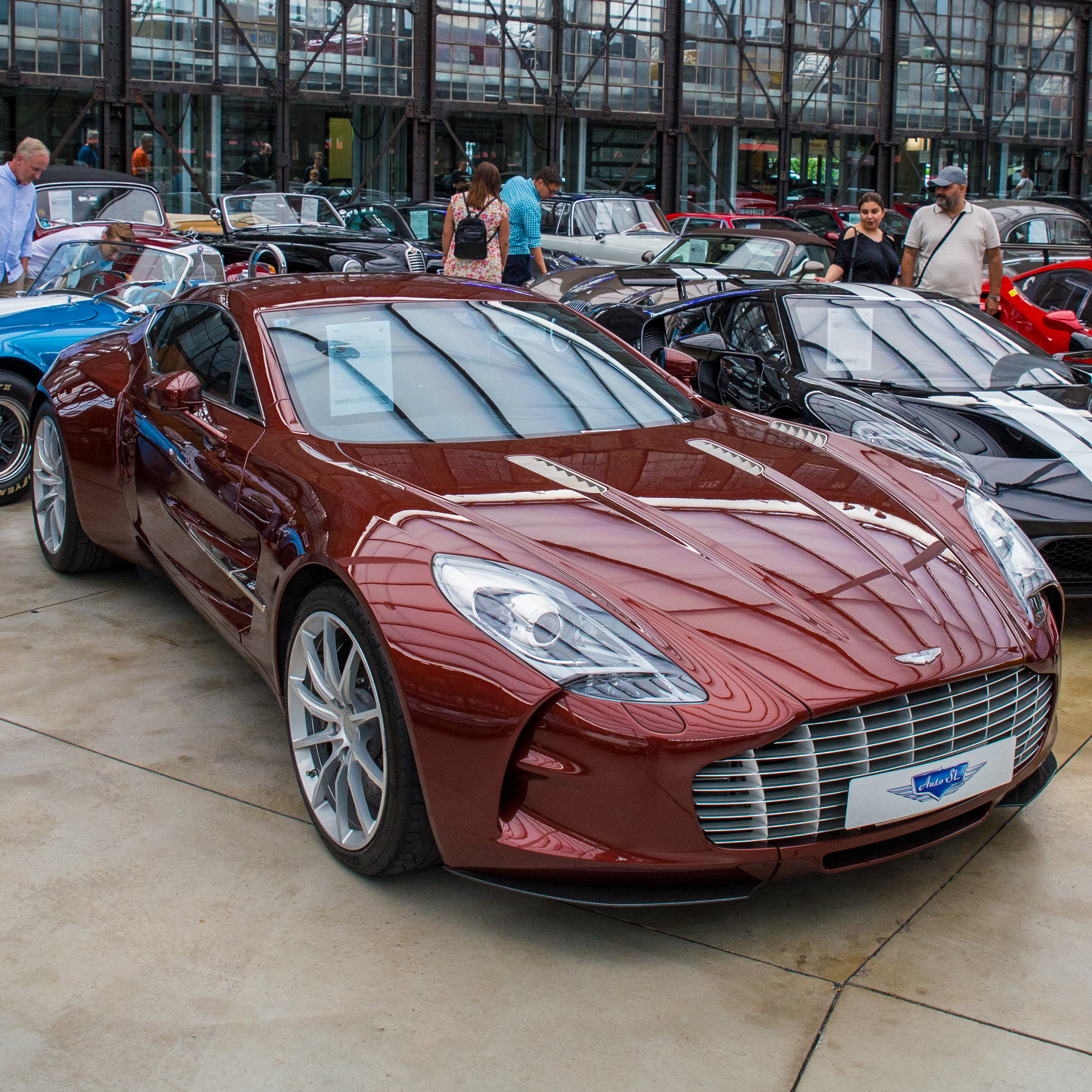
Aston Martin V12 Vantage
"yeah I I recently bought a v12 Vantage Aston Martin [2384.7s] hmm yes and the guy that I almost bought it from but didn't because he sold it to somebody else I [2389.8s] bought it from that person but I was trying to get service information from the guy who had it and [2394.0s] he had it for like eight months not I don't think he intended to be a flipper but whatever [2398.3s] it's an opportunist and I was like hey this car is misfiring it showed up with a check engine light [2404.0s] we want to service this thing I need to know what was done he's like oh man I paid a guy we did [2409.5s] everything anything that need done open checkbook whatever I finally got the receipt they replaced [2414.6s] his spark plugs that was it not even the coils on a v12 Aston Martin"
The Aston Martin V12 Vantage is a high-performance car with a V12 engine. The point here is that if you don’t replace wear items like spark plugs and ignition coils, the engine can misfire and that can cause expensive damage downstream.
The Aston Martin V12 Vantage is a performance coupe built around a V12 engine, and it’s known for specific maintenance items that directly affect both drivability and emissions hardware. In this segment, the host ties neglect of ignition service (plugs/coils) to misfires that can damage catalytic converters and even lead to internal engine damage.
check engine light
"he sold it to somebody else I [2389.8s] bought it from that person but I was trying to get service information from the guy who had it and [2394.0s] he had it for like eight months not I don't think he intended to be a flipper but whatever [2398.3s] it's an opportunist and I was like hey this car is misfiring it showed up with a check engine light"
The check engine light is a warning on your dashboard that something in the engine or emissions system isn’t working right. It doesn’t tell you exactly what’s wrong, but it usually means you should get the car scanned and checked.
The check engine light is the dashboard warning that the car’s engine management system has detected a fault. It can be triggered by anything from a misfire to emissions-related problems, so it’s a clue that the car needs diagnosis rather than being ignored.
spark plugs
"I finally got the receipt they replaced [2414.6s] his spark plugs that was it not even the coils on a v12 Aston Martin"
Spark plugs are the small parts that create the spark to start combustion in each cylinder. If they’re worn out, the engine can misfire and run poorly.
Spark plugs ignite the air-fuel mixture in the engine’s cylinders. If they’re old or worn, you can get misfires, rough running, and increased stress on other components like the ignition system and emissions equipment.
coil
"his spark plugs that was it not even the coils on a v12 Aston Martin that's known for needing [2420.0s] plugs and coils at the 12 year mark slash 20,000 miles"
Ignition coils provide the high voltage needed for the spark plugs to fire. On many V12 engines, worn coils can cause misfires, which can then lead to unburned fuel and higher risk of damage to emissions components.
catalytic converter
"it can screw up [2427.9s] the catalytic converters which then because of the valve timing overlap the catalytic converter [2434.7s] material can get sucked back into the engine"
Catalytic converters are parts in the exhaust that help clean up the engine’s fumes. If the engine misfires and sends extra fuel into the exhaust, the catalytic converter can overheat or get damaged.
Catalytic converters are emissions devices that reduce harmful exhaust gases by converting them into less harmful substances. If misfires or unburned fuel reach the exhaust, catalytic converters can overheat or get contaminated, leading to expensive damage.
valve timing overlap
"it can screw up [2427.9s] the catalytic converters which then because of the valve timing overlap the catalytic converter [2434.7s] material can get sucked back into the engine"
Valve timing overlap is a moment in the engine cycle when both intake and exhaust valves are open briefly. That timing can affect how exhaust gases move through the engine, which is why problems in the exhaust can sometimes end up causing internal engine damage.
Valve timing overlap is when the intake and exhaust valves are open at the same time near the end of the exhaust stroke and start of the intake stroke. That overlap can allow exhaust gases (and in this case, catalytic material) to flow back toward the intake side under certain conditions.
bore scoring
"the catalytic converter [2434.7s] material can get sucked back into the engine whoa and then bore score the engine so not doing the [2440.6s] coils can potentially screw up your engine"
Bore scoring means the inside cylinder walls get scratched or damaged. If debris gets into the engine, it can grind against the cylinder surface and cause serious wear.
Bore scoring is damage to the cylinder wall (the engine’s bore) where metal is scratched or worn. If catalytic material or debris gets into the combustion chamber, it can act like abrasive and score the cylinder walls, which can lead to major engine repairs.
PPF
"when cars are going up in value by this much owners are much more prone to spending money on things like ceramic coating and PPF and stuff like that because"
PPF is a clear plastic film that gets put on your car’s paint. It’s meant to protect the paint from things like small rocks and scratches so the car looks better longer.
PPF (paint protection film) is a clear protective layer applied to a car’s paint. It helps guard against rock chips, light scratches, and minor abrasions, and it’s often marketed as preserving resale value by keeping the paint looking new.
ceramic coating
"owners are much more prone to spending money on things like ceramic coating and PPF and stuff like that because"
Ceramic coating is a protective layer you apply to a car’s paint. It helps repel water and dirt and makes the car easier to wash, so the paint stays cleaner and looks better.
Ceramic coating is a liquid polymer/ceramic-based protective layer that bonds to paint. It’s designed to make the surface more hydrophobic (water-repellent) and easier to clean, while also improving resistance to minor contaminants and light abrasion.
sales tax
"but not just any old taxes but you have sales tax which in some states there's no sales"
Sales tax is extra tax you pay when you buy something. For cars, it can add a noticeable amount to the total price, and it depends on where you live.
Sales tax is a consumption tax added to the purchase price of goods and services. In car buying, it directly increases the out-the-door cost, and the rate (and whether it applies) can vary by state.
1031 like kind exchange
"and then the IRS disallowed the 1031 like kind exchange like the deferment on capital gains tax on cars like a long time ago so you can do it for like investment properties"
This is a tax rule that can delay taxes when you sell one investment property and buy another similar one. The host is saying it doesn’t work the same way for cars, so car swaps can create tax bills you can’t easily avoid.
A 1031 like-kind exchange is a U.S. tax rule that can let you defer capital gains taxes when you sell certain types of investment property and reinvest the proceeds into another qualifying property. In this segment, the host says the IRS disallowed using it for cars, which is why car trades can trigger taxes differently than real estate.
capital gains tax
"like the deferment on capital gains tax on cars like a long time ago so you can do it for like investment properties ... you don't have to pay the capital gains now you still have to pay it later"
Capital gains tax is what you pay when you sell something for more money than you paid for it. The host is saying that with cars, the government may still treat a trade as a taxable profit based on value changes.
Capital gains tax is the tax on profit you make when you sell an asset for more than you paid for it. The host is describing how car transactions can be treated as taxable events, even if you didn’t “cash out,” because the tax agencies may still look at the value difference.

Lamborghini Diablo
"but I'm not super wealthy if I want to take my Diablo now there it's debatable whether or not I would have to pay capital gains tax because I actually use and drove the car"
The Lamborghini Diablo is a famous high-end supercar from Lamborghini. The host brings it up to illustrate how taxes can get complicated if you trade or sell a valuable car.
The Lamborghini Diablo is a late-1980s/1990s supercar known for its aggressive styling and high-performance V12 character. In this segment, it’s used as an example of a car the host might sell or trade, raising questions about whether capital gains tax would apply.

Jaguar XJ220
"...if I wanted to just trade for another car like an XJ220 even they're both worth the same I'm not coming o..."
The Jaguar XJ220 is a very rare, very fast supercar made by Jaguar. Because it’s uncommon, it tends to be expensive and collectible. In the podcast, it’s mentioned as a high-value car option.
The Jaguar XJ220 is a rare, high-performance supercar that’s known for its limited production and collectible status. The podcast mentions it in a “trade for another car” context, implying it’s being treated as a valuable, comparable option. It’s discussed because cars like the XJ220 often come up when people talk about rarity and value.
trade-in credit
"I mean have I obviously have a problem with the trade-in thing because that that is a state of Ohio kind of BS thing that they pastored in past forever ago where used cars don't count for the trade-in credit"
A trade-in credit is supposed to lower the sales tax you pay when you trade in your old car. The host is saying Ohio’s rules are unfavorable, so used cars may not count for the credit the way people expect.
A trade-in credit is a sales-tax-related benefit that reduces the taxable amount when you trade one vehicle for another. The host claims Ohio’s rules don’t treat used cars as qualifying for that credit, which can make the tax hit larger when you swap vehicles.
Rolls Royces
"extensively like Rolls Royces those are the ones that get serviced the best back to our original"
Rolls-Royce is a luxury car brand. The idea here is that people who own them usually take better care of them, including paying for service, which can help the car stay in good shape.
Rolls-Royce cars are luxury vehicles that are often maintained more carefully than many other brands because owners tend to keep them longer and spend more on upkeep. In the context of depreciation, the speaker is contrasting how some luxury cars are serviced “extensively” to preserve condition and value.

BMW E63
"theory when it's not about the money it's not about the money yeah yeah well but still painful though speaking of my E 63 which is depreciating and now has a massive service bill anyway uh on to bigger and better more exciting things plate two sample game which is where we read"
The BMW 6 Series is a luxury car meant for comfortable, long-distance driving. In the podcast, it’s mentioned because owning one can come with expensive maintenance. That’s why it comes up in a conversation about costs.
The BMW 6 Series is a luxury grand tourer line, typically aimed at drivers who want a more upscale, comfortable, and stylish driving experience than a standard sedan. The podcast mentions an E63 and a “massive service bill,” which indicates they’re discussing ownership costs and maintenance surprises. It’s brought up because the 6 Series can be expensive to maintain depending on the specific model and condition.
vanity plate
"plate two sample game which is where we read off a vanity plate and the co-host has to guess what kind of car that plate is on"
A vanity plate is a personalized license plate. People pick it to say something about themselves, like a joke, a name, or a message.
A vanity plate is a personalized license plate where the owner chooses characters to express something about themselves. The speaker frames it as a social signal—what the driver wants others to infer from the plate.
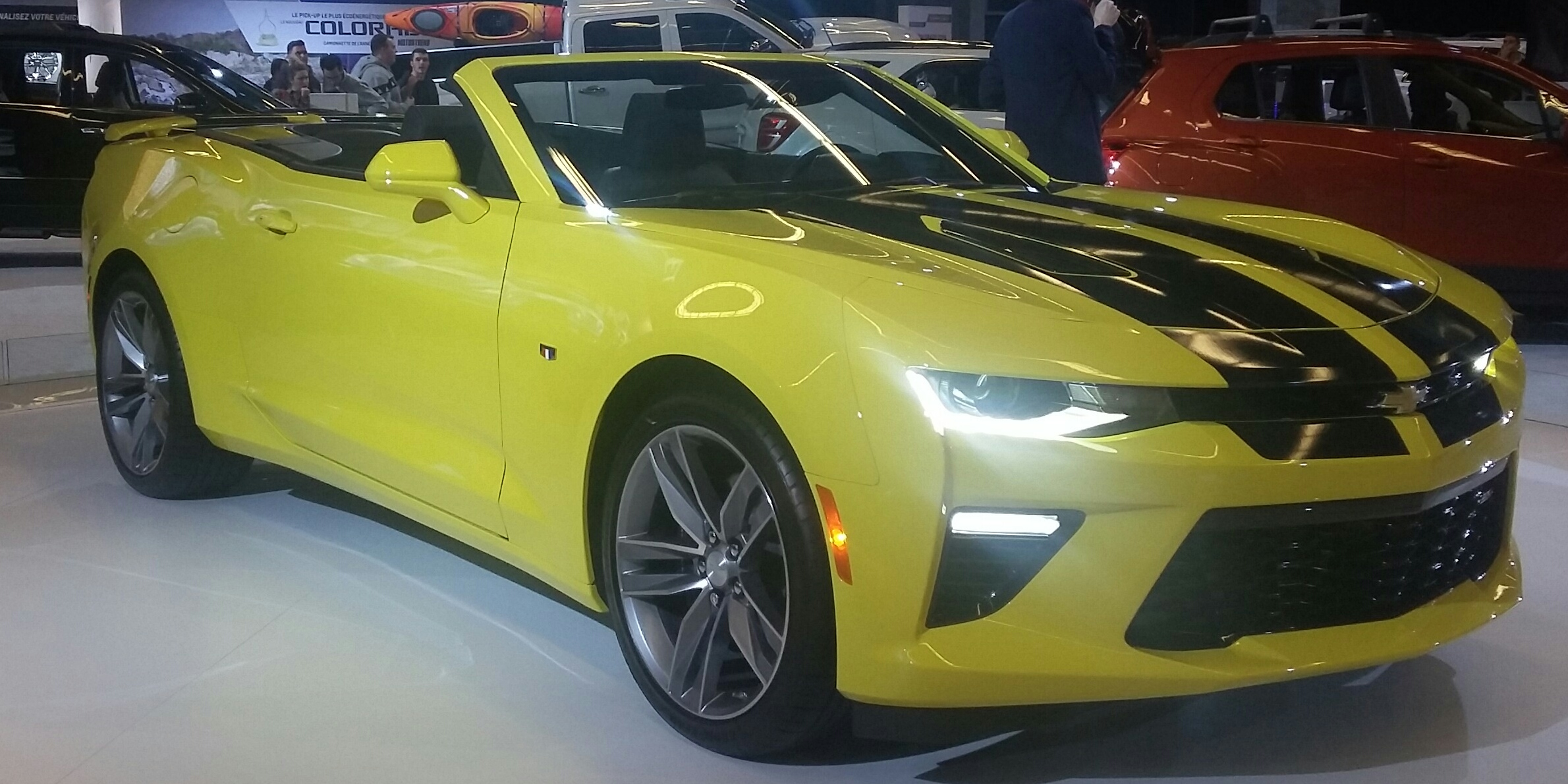
Chevrolet Camaro
"...e plate NKLEAR nuclear um this is like some a hot Camaro or something nope well it's not going to be nucle..."
The Chevrolet Camaro is a sporty American car that’s usually built for strong acceleration. People often talk about it as a “muscle car” because of its performance focus. It comes up a lot in conversations comparing classic-style performance cars.
The Chevrolet Camaro is a muscle-car and pony-car model known for its powerful engines and sporty driving feel. In the podcast, it’s brought up in a joking, stereotype-style way, which is common when people talk about American performance cars. It’s likely mentioned because it’s a recognizable alternative to other popular muscle-era icons.
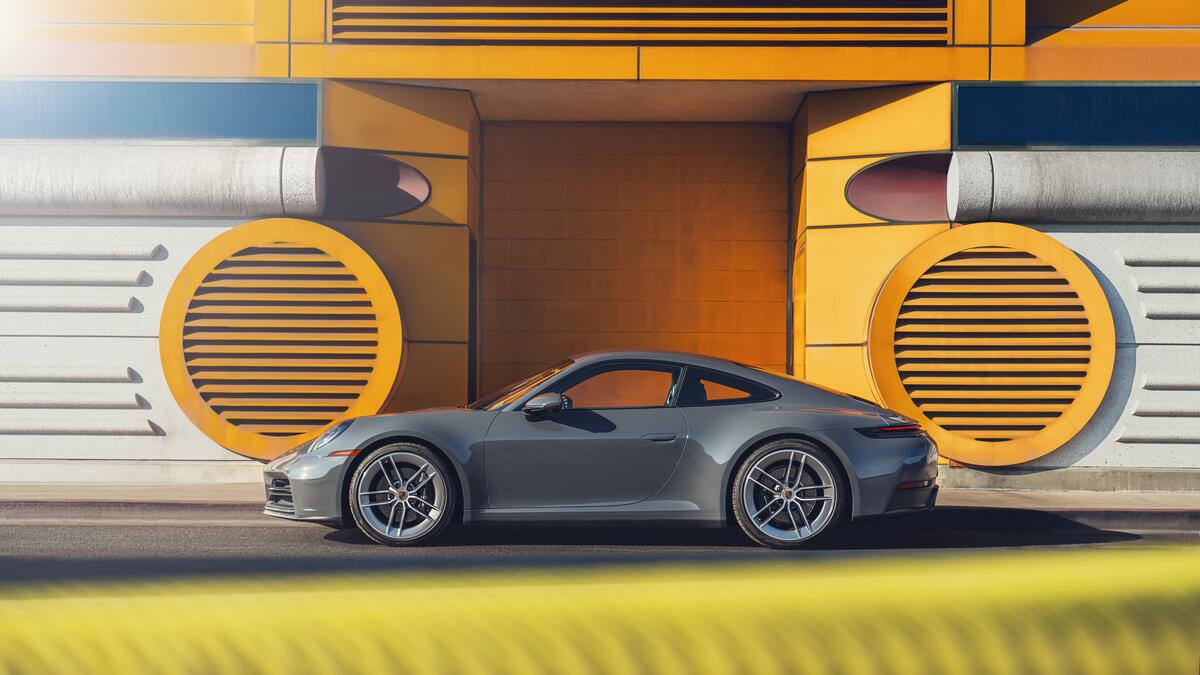
997 turbo
"no it's a turbo oh 997 turbo okay I mean that's a cool plate doesn't say anything about the car but it's a cool plate"
“997 turbo” is a Porsche 911 Turbo from a specific generation. It’s a fast, turbocharged 911, and the speaker later talks about cool factory options on it.
“997 turbo” refers to the Porsche 911 Turbo from the 997 generation. The 997 Turbo is a well-known performance model with a twin-turbo setup, and it’s often associated with enthusiast-spec options like upgraded brakes and wheels.
twin turbo
"so you have a twin turbo Metzger it's like this thing is nuclear I think that's what they're getting at"
Twin turbo means the engine has two turbochargers. Turbos cram more air into the engine, which usually makes the car feel much stronger.
Twin turbo means an engine uses two turbochargers to force more air into the cylinders, improving power and responsiveness. The speaker is connecting the “nuclear” plate idea to the car being “nuclear” in power.
ceramic brakes
"it's uh I think cobalt blue and it's got the factory gt3 wheels on the turbo and ceramic brakes so it's nice hot nicely a million dollars"
Ceramic brakes are a premium type of brake system. They can handle hard driving better and often produce less brake dust than regular brakes.
Ceramic brakes (typically ceramic composite rotors) are high-performance brake components designed to resist fade and reduce brake dust. The speaker mentions them as part of the Porsche 911 Turbo’s spec, implying a more expensive, enthusiast-oriented setup.
factory wheels
"it's uh I think cobalt blue and it's got the factory gt3 wheels on the turbo and ceramic brakes"
“Factory GT3 wheels” means wheels that came from the Porsche GT3 lineup (or are specified as such by Porsche). Using GT3 wheels on a different model is a common enthusiast move to get a more track-focused look and fitment.

Audi S3
"...th a three nsec ur3 insecure I mean is it an Audi s3 no it is not I didn't think so but you threw me o..."
The Audi S3 is a sporty version of a smaller Audi model. It’s meant to be faster and more performance-focused than the regular version. In the podcast, it’s brought up as a possible identification that didn’t match.
The Audi S3 is a performance version of the Audi A3, typically built to deliver quicker acceleration and sportier driving than the standard model. In the podcast, it’s mentioned as a guess that gets corrected, which shows it’s being used as a specific “what car is this?” reference. It comes up because it’s a recognizable compact performance choice.

Dodge Ram
"insecure like a lifted Dodge Ram or a Hummer H1 or Dodge Viper none of those um Ferrari negative"
A Dodge Ram is a big pickup truck. Here it’s mentioned as an example of a common “look” people associate with certain stereotypes—like when it’s lifted.
The Dodge Ram is a full-size pickup truck line from Dodge (now part of Stellantis). In this context, it’s being used as an example of a “lifted” truck stereotype that can make someone feel self-conscious.

Hummer H1
"insecure like a lifted Dodge Ram or a Hummer H1 or Dodge Viper none of those um Ferrari negative"
The Hummer H1 is a very big, rugged SUV that looks like it was built for military use. In the conversation, it’s just an example of a stereotypical “look.”
The Hummer H1 is a heavy, military-style SUV from Hummer (GM’s brand). It’s being referenced here as another example of a vehicle that can trigger “stereotype” insecurity.

Dodge Viper
"insecure like a lifted Dodge Ram or a Hummer H1 or Dodge Viper none of those um Ferrari negative"
The Dodge Viper is a loud, high-performance sports car. The host is mentioning it as another example in a stereotype list, not as a technical deep dive.
The Dodge Viper is a performance sports car known for its big V10 engine and raw, old-school feel. Here it’s used as part of a list of vehicles that the speaker associates with certain stereotypes.

Hyundai Elantra n
"ns3 ns3 no ns e c ur3 see it is a Hyundai Elantra n [2988.0s] it's literally the first letter it's not but the spell is part of the spelling it's important"
The Hyundai Elantra N is a sportier Elantra made by Hyundai’s performance team. The discussion here is mostly about the “N” lettering on a plate and how it connects to that model identity.
The Hyundai Elantra N is a performance-focused version of the Elantra, tuned by Hyundai’s N division. In this segment, the host is talking about the “spelling” of the plate/lettering and how it relates to the car’s identity.
smog less
"uh California plate smog ls smog ls so it could be smog less [3026.0s] could be yeah or it could be an ls that was smogged"
“Smog less” is the host’s guess at what the plate letters might mean—basically “less smog,” or cleaner emissions. They’re connecting it to California’s emissions rules and plate wording.
“Smog less” is being used as a playful interpretation of a license plate suffix that could imply reduced emissions. In the context of California plates, it’s tied to how emissions compliance is communicated on registration/plates.
pre-smog
"so it's pre I guess so the pre smog is is correct it's important no I didn't say it was [3047.0s] pre smog it says old and it's important that's a California plate"
“Pre-smog” means the car is from an earlier time period, before stricter emissions rules were enforced. In this conversation, it’s part of the guessing game about what the plate is referencing.
“Pre-smog” refers to vehicles from before modern emissions (“smog”) regulations took effect in a given region. The host is using it as a clue for identifying the California plate’s referenced car era.

G-Class G Wagon
"...nt that's a California plate uh is it like an old G wagon you're on the right track with the G is it I alre..."
The G-Class is a luxury SUV with a very recognizable, boxy shape. It’s designed to handle rough roads and off-road driving better than many regular SUVs. In the podcast, it’s mentioned because it’s easy to identify by its look.
The G-Class is a boxy, off-road-capable luxury SUV known for its rugged design and long production history. The podcast references “an old G wagon” and the “G” track, which shows they’re identifying the model based on its distinctive shape. It’s discussed because the G-Class is instantly recognizable and often associated with luxury plus durability.

GM EV1
"what not what it's a GM EV one oh yeah like a plated yeah I didn't think that was good [3073.8s] what I didn't think that could be plated anymore like I didn't think any of them ran"
The GM EV1 was an early electric car from General Motors. The host is reacting to the idea that one could still have a license plate and be on the road, which feels surprising given how early it is.
The GM EV1 was General Motors’ early electric vehicle program from the 1990s. The host is surprised it could be “plated” and notes a 1998 sticker, using it as an unusual example of an electric car that still shows up in a license-plate context.
2JZ
"from Carson D on Instagram 2JC [3109.2s] 2JC 2JC is an engine code 2JC Japanese 2JZ sorry 2JZ is a Toyota engine right yep"
2JZ is the name of a specific Toyota engine. People talk about it a lot because it’s strongly associated with the Toyota Supra and has a big enthusiast following.
2JZ refers to Toyota’s 3.0-liter inline-six engine family, best known from the Supra community. The host is clarifying that “2JZ” is a Toyota engine, tying it to the Supra discussion.
engine code
"2JC 2JC is an engine code 2JC Japanese 2JZ sorry 2JZ is a Toyota engine right yep"
An engine code is like a label for a specific engine type. It helps people know exactly which Toyota engine you’re talking about, not just the car model.
An engine code is an internal model identifier manufacturers use to distinguish specific engines (often by displacement, design, and generation). Here, the host uses it to explain that “2JZ” is a particular Toyota engine designation.
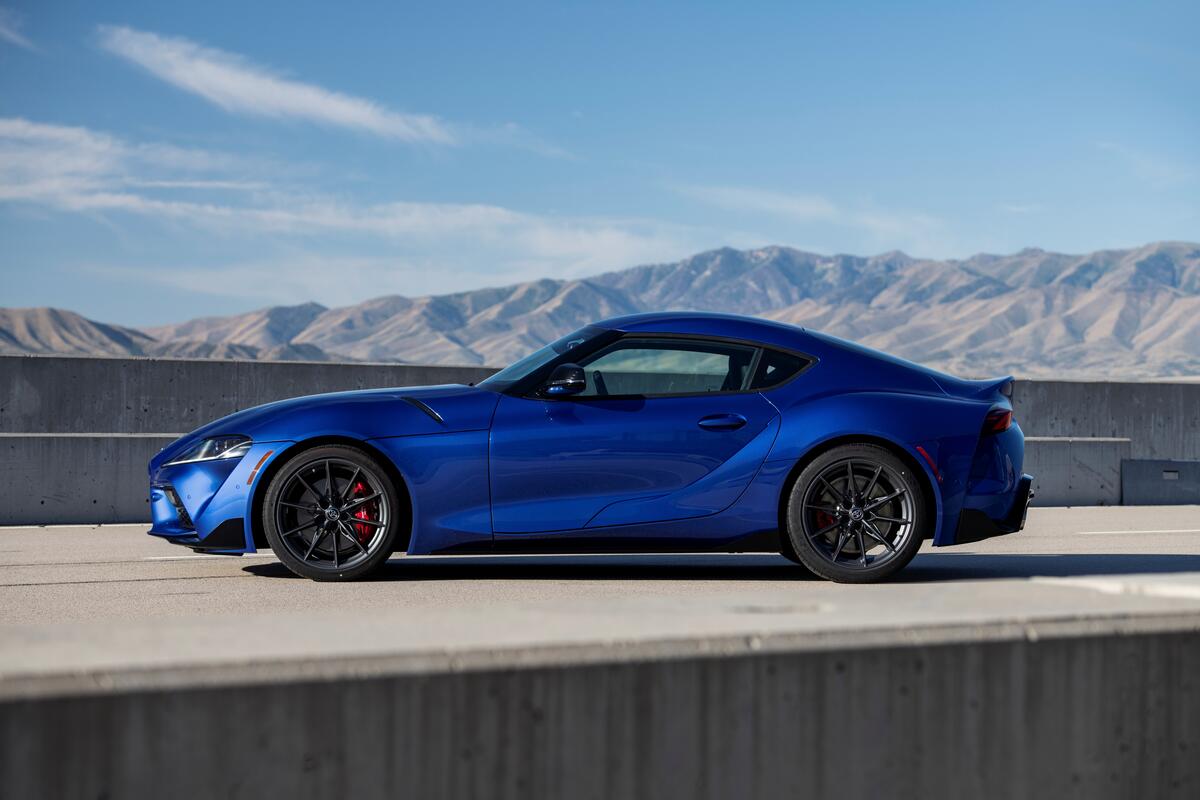
Toyota Supra
"2JC 2JC is an engine code 2JC Japanese 2JZ sorry 2JZ is a Toyota engine right yep [3120.1s] is a Toyota Supra it is a mark for Toyota Supra with an exhaust tip that is a heart"
The Toyota Supra is a famous sports car from Japan with a big enthusiast following. Here they’re talking about the Supra in the context of an engine code and how they’d like one in stock form with a manual transmission.
The Toyota Supra is a legendary Japanese sports car known for its performance heritage and strong aftermarket support. In this segment, the host connects an engine code discussion to the Supra and then talks about wanting a stock manual version.
Ford F150
"it's Corvette well it's like an F-150 no uh is it like a an IROC Camaro no stop stereotyping Mainers bro that's the whole point it's a"
The Ford F-150 is a large pickup truck. It’s built to carry things and handle everyday driving, and it’s one of the most common trucks on the road. It’s mentioned because it’s a very recognizable model when people compare car types.
The Ford F-150 is a full-size pickup truck that’s widely used for work and everyday driving, with many engine and trim options over the years. In the podcast, it’s mentioned as a comparison point in a “stereotyping” conversation, highlighting how common and recognizable the model is. It comes up because it represents a different category than sports cars, even when people are talking about performance brands.
Porsche 991 Carrera S
"Porsche 991 Carrera S nice it's the probably the only one in Maine it's I mean legit but"
This is a Porsche 911 called the Carrera S, from the 991 generation. It’s a rear-engine sports car that’s famous for handling and for being a “best balance” version of the 911.
The Porsche 991 Carrera S is a 911-generation sports coupe known for its rear-engine layout and strong all-around performance. In the 991 era, the Carrera S is a popular sweet spot because it balances power, handling, and everyday usability compared with higher-spec 911s.
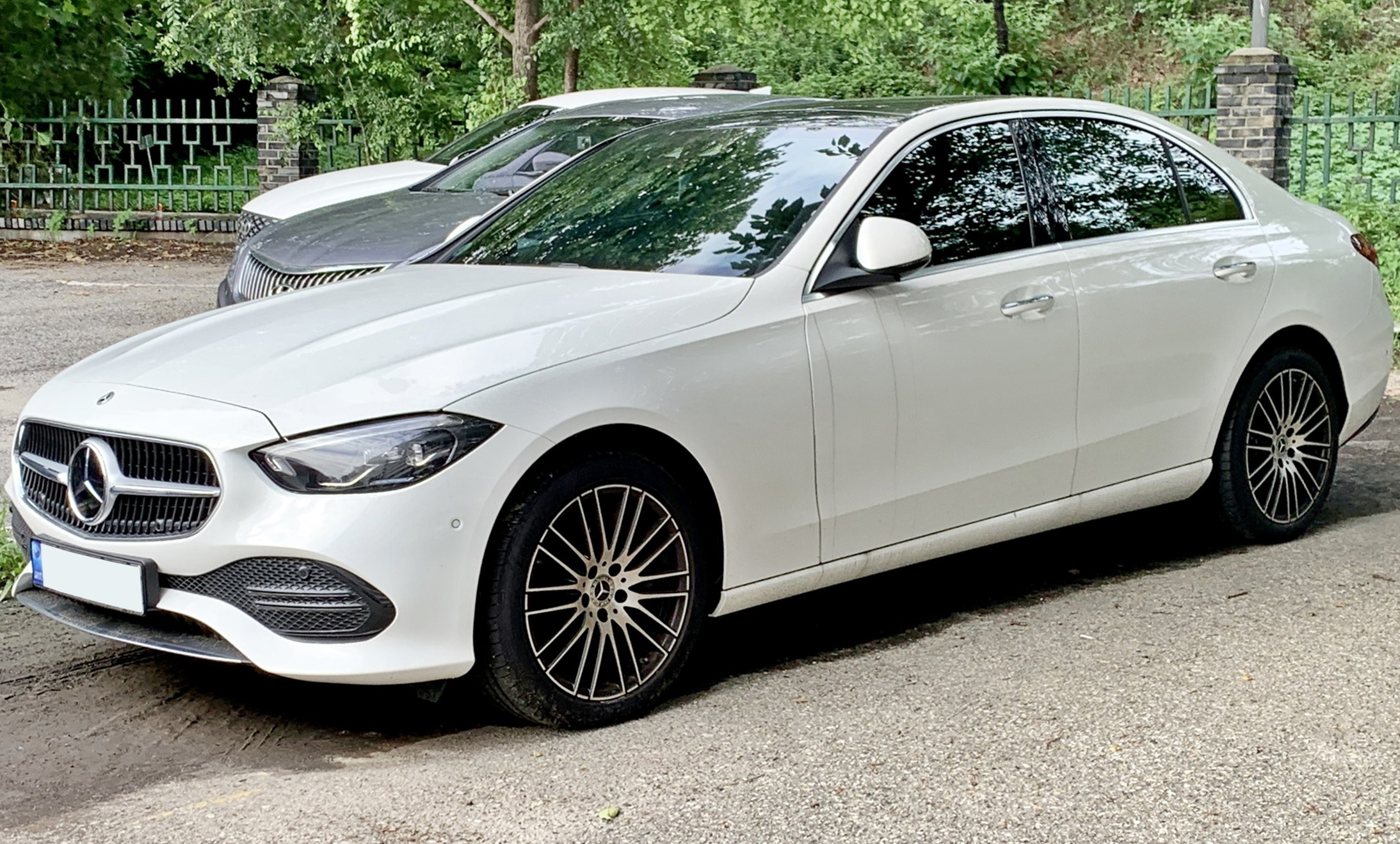
Mercedes C class
"it was a play diva LAW DIVA that's a red Mercedes C class you have one of those three things correct it's red that is not the one"
The Mercedes C-Class is a mid-size Mercedes car line. Here it’s just being used as a guess for what model the license plate is referring to.
The Mercedes-Benz C-Class is a compact executive sedan/estate line positioned below the E-Class in Mercedes’ lineup. In this segment it’s mentioned as part of a playful “what car is on the plate” guessing game.

Mercedes S class
"it's a Mercedes yes because it can't be a C class and not a Mercedes uh Mercedes S class now it is E class yes it is a white E 300 them attorneys love their Mercedes they do"
The Mercedes S-Class is Mercedes’ top luxury sedan. In this conversation it’s mentioned as another possible model for the plate.
The Mercedes-Benz S-Class is the brand’s flagship luxury sedan, typically associated with the most advanced comfort and technology features. The hosts mention it as one of the possible “diva” plate interpretations.

E 300
"now it is E class yes it is a white E 300 them attorneys love their Mercedes they do"
“E 300” is a Mercedes model name from the E-Class family. The “300” part is how Mercedes distinguishes that version from other E-Class models.
An “E 300” refers to a Mercedes-Benz E-Class variant, with “300” indicating the model’s engine/trim level in Mercedes’ naming scheme. Here it’s used to identify the specific Mercedes the hosts are joking about.
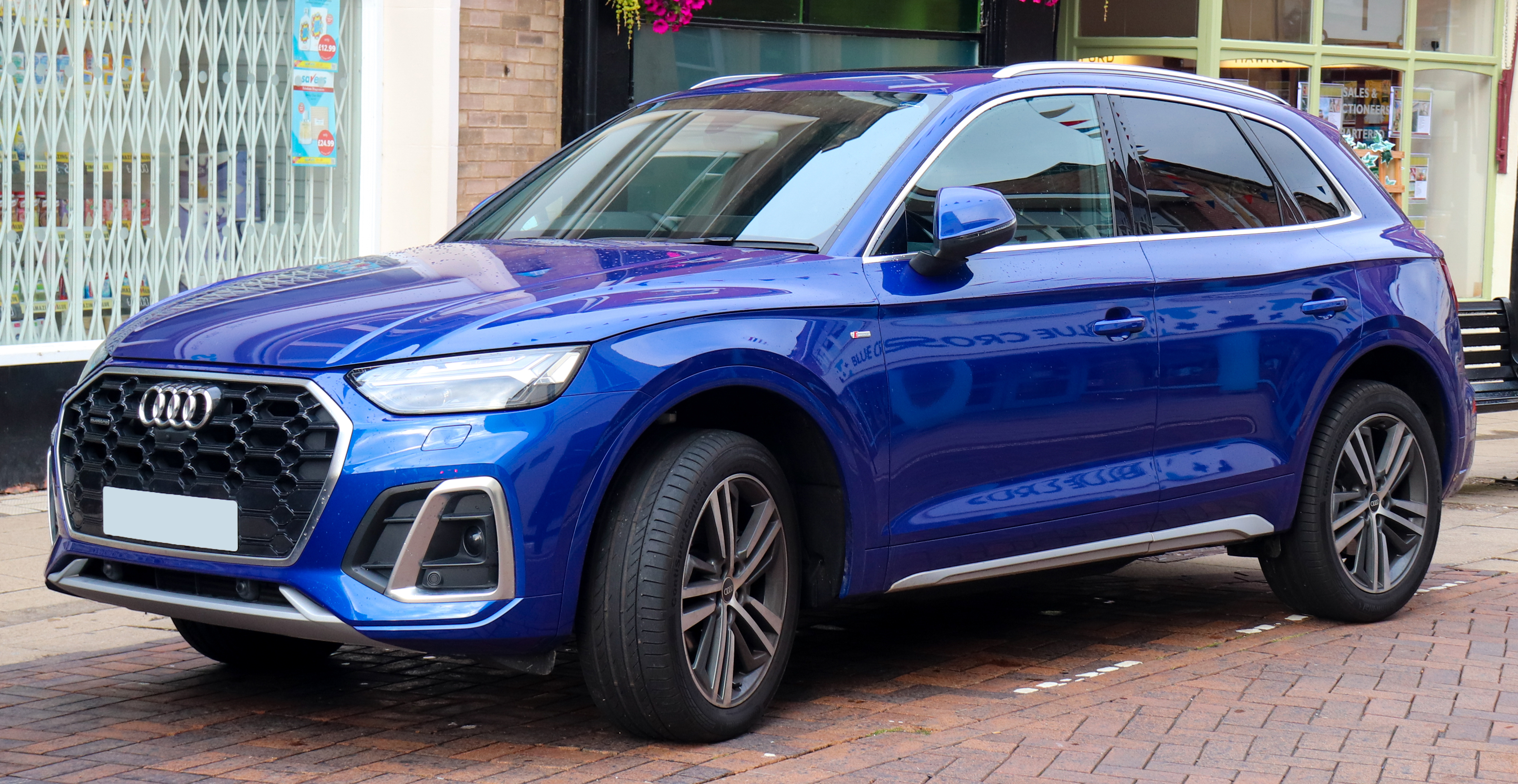
Audi Q5
"um OMG just go is it an Audi like an A5 or something Q5 Q5 yeah yeah that's that's a nice uh another one from big tree uh JG on Instagram he sent two diva plates so this one's"
The Audi Q5 is a luxury SUV. Here the hosts are just guessing whether the plate is referring to a Q5.
The Audi Q5 is a compact luxury SUV known for balancing everyday practicality with Audi’s performance-oriented driving feel. In the segment, it’s guessed as the likely model behind a “diva” license plate.
T5 inscription package
"if a Mercedes E class is a law diva what's an HR BMW 5 series negative Volvo XC90 negative T5 inscription package you're just still still wrong"
“T5” tells you which engine version it is, and “Inscription” is a nicer trim level with more features. So it’s basically a specific version of the Volvo, not just the SUV name.
“T5” is Volvo’s engine/trim designation (a turbocharged power level), while “Inscription” is a higher equipment/trim package focused on luxury features. Together, “T5 Inscription” describes a specific configuration rather than just the model name.

Volvo XC90
"if a Mercedes E class is a law diva what's an HR BMW 5 series negative Volvo XC90 negative T5 inscription package you're just still still wrong"
The Volvo XC90 is Volvo’s big family SUV with three rows. Here it’s just being name-dropped as another car type in the joke.
The Volvo XC90 is Volvo’s flagship three-row SUV, known for family-focused comfort and safety tech. It’s mentioned here as part of a quick “HR vs lawyers vs divas” comparison list.

Bmw 5
"... if a Mercedes E class is a law diva what's an HR BMW 5 series negative Volvo negative XC90 negative T5 i..."
The BMW 5 Series is a luxury sedan, meaning it’s designed to be comfortable and nicer than a basic car. People often talk about it as a “typical” BMW because it’s a mainstream model in the lineup. It comes up in conversations about luxury car stereotypes.
The BMW 5 Series is a mid-size luxury sedan known for comfort, technology, and a strong focus on driving feel. The podcast compares it in a “what’s the stereotype” style, which suggests it’s being used as a reference point for a particular kind of luxury buyer. It’s discussed because the 5 Series is a common benchmark in the luxury-sedan segment.

Dodge Charger
"...it's just as good oh um just like a this is dodge charger no I didn't get up yours oh it's a it's an oris y..."
The Dodge Charger is a car from Dodge that’s built for performance. It’s known for having strong engines and a bold look. In the podcast, it’s mentioned as a recognizable model people can identify quickly.
The Dodge Charger is a performance-oriented sedan/coupe-style model that’s known for its powerful engines and aggressive styling. In the podcast, it’s mentioned as “a Dodge Charger,” likely as part of a quick identification or stereotype discussion. It’s brought up because it’s a widely recognized muscle/performance name.

Lamborghini Urus
"...yours oh it's a it's an oris yeah hence Uranus an urus so Uranus it's an so it's a it's an ass just like..."
The Lamborghini Urus is a Lamborghini SUV, meaning it’s a luxury vehicle with a higher ride height. It’s designed to be both comfortable and very fast for an SUV. In the podcast, it’s mentioned mainly because the name is memorable.
The Lamborghini Urus is a high-performance SUV from Lamborghini, combining luxury and serious power with a taller, family-practical body style. The podcast plays on the name (“Uranus”/“Urus”), which indicates it’s being mentioned for recognition and humor rather than technical detail. It’s discussed because it’s a distinctive modern Lamborghini model that stands out from traditional supercars.
collision repairs
"imagine two identical vehicles same year mileage options color and price the only difference one of them had $15,000 in collision repairs which one would you buy"
Collision repairs are the fixes done after a crash. In this example, one car had $15,000 worth of crash repairs, which is why it would be worth less later.
Collision repairs are the body-and-structure work done after a crash, typically including replacement or restoration of damaged panels, bumpers, and sometimes structural components. Here, the hosts use a $15,000 collision-repair figure to illustrate how accident history can affect value.
clean vehicle history
"imagine two identical vehicles same year mileage options color and price the only difference one of them had $15,000 in collision repairs which one would you buy the undamaged one of course because a clean vehicle history preserves value"
A clean vehicle history refers to having no reported accidents or major damage in the vehicle’s records. In the segment, the hosts connect a clean history to higher resale value because it reduces buyer concerns and documentation risk.
diminished value
"of course because a clean vehicle history preserves value that's what diminished value is the loss in your vehicle's value after an accident even if it's repaired perfectly"
Diminished value means your car can be worth less after an accident, even if it’s fixed perfectly. The reason is that buyers may still see the accident history and offer less money.
Diminished value is the loss in a vehicle’s resale price after an accident, even if the car is repaired correctly. The key idea is that buyers often pay less for cars with a documented crash history, so the “clean” market value drops.
24 Hours of Lemons
"“oh it's called the 24 hours of lemons and we have been trying to win class b 10 years ago”"
“24 hours of lemons” is a race where people compete in very cheap cars. It’s meant to be a cheaper way to get endurance racing experience, but it’s still a real 24-hour race with lots of strategy and reliability.
“24 hours of lemons” is a long-running endurance-racing event where entrants race cheap, often beat-up cars with rules designed to keep costs down. The goal is to make track time accessible while still running an endurance format that rewards reliability and smart preparation.

Alpina B10
"won a 24 hour race it was not Daytona Le Mans and it wasn't it wasn't 24 hours oh it's called the 24 hours of lemons and we have been trying we won class b 10 years ago got rid of the car built a new one and for seven years minus covid we've been trying to win overall"
The Alpina B10 is a performance version of a luxury sedan. It’s tuned to be faster and more fun to drive than a standard model. In the podcast, it’s mentioned because it was used in a race and did well in its class.
The Alpina B10 is a performance-tuned version of a BMW 5 Series–based platform, built by Alpina to deliver stronger power and refined driving. The podcast mentions winning a class in a 24-hour race context (specifically “24 hours of lemons”), which suggests the car was used in endurance-style competition. It’s discussed because Alpina’s B10 is known as a more performance-oriented, enthusiast-friendly take on a luxury sedan.
Class B
"“...we won class b 10 years ago got rid of the car built a new one...”"
“Class B” is one of the race’s categories. Cars are sorted so teams compete against similar setups, and winning your class is still a big accomplishment.
In “24 hours of lemons,” cars are grouped into classes (like “class B”) to separate competitors by rules and performance/cost categories. Winning a class is a meaningful goal even if you’re not aiming for the overall win.
HPDE
"“...is it better to do this versus like doing hp d hp de with like your Porsche club or something”"
HPDE means “High Performance Driver Education.” It’s a track day where you learn to drive faster with instruction, rather than racing other cars for position.
HPDE stands for “High Performance Driver Education.” It’s a track-day format focused on driver coaching and skill-building, usually with less emphasis on racing competition than endurance events like “24 hours of lemons.”
threshold braking
"the only way to learn threshold braking is to lock up your front brakes and go okay there's the line i crossed it now i know how to get right to the line"
Threshold braking means braking as hard as you can without the wheels fully locking. The goal is to stop quickly but still be able to steer.
Threshold braking is the point where you press the brakes hard enough that the tires are right at the edge of locking up, but not fully locked. It’s a key skill for maximum stopping power while keeping steering control.
skid recovery
"the only way to learn skid recovery is to go into a skid um the only way to know when your car is going to lose control is to lose control of your car"
Skid recovery is what you do when your car starts sliding and you need to regain control. Drivers practice it so they know what the car feels like and how to respond.
Skid recovery is the process of regaining control after the car has lost traction and is sliding. In driving instruction, it’s often practiced so drivers learn what the car feels like and how to steer/brake to stabilize it.
wheel to wheel experience
"when i started racing lemons i had tons and tons of on track experience but almost no wheel to wheel experience so it was like it was good that i had that foundation"
Wheel-to-wheel experience is when you’re racing close to other cars, not just driving around the track alone. You have to react to what other drivers do in real time.
Wheel-to-wheel experience means racing alongside other cars in close proximity, where your actions directly affect (and are affected by) other drivers. It’s different from solo track time because you must predict and react to real-time changes in other cars’ behavior.
driver change
"three laps later that same car is all over the place because they went in did a driver change and and you didn't notice but"
A driver change is when the person driving the car switches to someone else during the race. That can make the car behave differently, especially if the new driver is less experienced.
A driver change is when a team swaps the driver during a race, usually because of time limits, endurance format, or driver fatigue. In mixed-skill races, a driver change can dramatically alter how predictable a car is to other competitors.
race car driver
"you even have actual pro race car drivers"
Pro race car drivers are professional competitors who race at a high level, typically with extensive coaching, data analysis, and consistent racecraft. Their presence in a mixed field changes how predictable traffic and passing will be.

bmwe 30
"…then we started with a bmwe 30 which should be easy but it wasn't because there's rust everywhere so when we started building the cage…"
The BMW E30 is an older BMW 3 Series that’s popular with enthusiasts and racers because it’s easy to modify. Here, they’re saying their E30 looked like it would be straightforward, but rust made the build much more expensive.
The BMW E30 is a classic 3 Series generation known for its simple, tunable platform and huge motorsport support. In this story, the hosts are using an E30 as a race car project, and the key issue becomes structural rust that drives up the cost of building a proper roll cage.
rust repair
"…so when we started building the cage it was like we got to do all this rust repair and basically like strengthen the chassis properly…"
Rust repair means fixing areas where the metal has corroded. On a race car, it matters a lot because weak metal can fail under stress, and safety parts may not mount properly.
Rust repair is the process of removing corroded metal and restoring the structure so the car is safe and strong again. In a race-car build, rust repair isn’t just cosmetic—it affects how well the chassis can handle loads and how securely safety equipment can be mounted.
cage
"…when we started building the cage it was like we got to do all this rust repair and basically like strengthen the chassis properly so that we can attach the cage to it…"
A roll cage is a reinforced metal frame installed in the cabin to protect occupants during crashes and to stiffen the chassis. The host describes building the cage and needing to repair rust and strengthen the chassis so the cage can be properly attached.
penalty lap
"…you'd get penalty laps for cheating up your suspension they're like yep just just do coilovers okay…"
Penalty laps are punishments during a race for breaking the rules. In this case, the rules were strict about suspension changes, and teams could be forced to serve penalties.
Penalty laps are additional laps or time penalties imposed for rule violations during a race. Here, the host says teams previously could be penalized for “cheating up” the suspension, implying strict enforcement of suspension-related regulations.
engine swap
"…they're like yep just just do coilovers okay so you didn't like do an engine swap and put like an s54 in it…"
An engine swap means putting a different engine into the car. Racers do it to make the car faster or better suited to the rules they’re racing under.
An engine swap is replacing the original engine with a different one, often to gain power, reliability, or to meet class rules. The host contrasts engine swaps with the newly allowed suspension changes, emphasizing how competitors were trying to stay competitive within the rules.
S54
"…so you didn't like do an engine swap and put like an s54 in it right this bone stock 150 or 250,000 mile 325…"
S54 is a specific BMW engine that people often swap into other BMWs to make them stronger. The host is saying they didn’t do that swap, so their car stayed more stock than the competition.
S54 refers to BMW’s inline-six engine family used in certain performance models, commonly swapped into other BMWs for higher output. The host mentions it as an example of an engine swap they did not do, highlighting how their car was relatively stock compared with competitors.
two valve engine
"…325 like two valve engine like it's nothing horsepower i think 160 stock it's probably 130 or 120 now…"
A two-valve engine means each cylinder has fewer valves controlling airflow. That usually makes it harder for the engine to breathe at high revs, so it tends to make less power than engines with more valves per cylinder.
A two-valve engine has two intake/exhaust valves per cylinder (as opposed to four-valve designs). Fewer valves generally limit how much air and fuel the engine can breathe at higher RPM, which can reduce power potential compared with more modern valve layouts.
Class A
"…and that was one of the things we learned is like you kind of have to cheat it up to even be competitive in class a classy is like the any man's game that's more about the costumes…"
“Class A” is another race category with its own rules and typical level of competition. The host is basically saying it’s where you see more serious, faster cars rather than just show-and-theme entries.
“Class A” is another competition category with different expectations and levels of competitiveness. The host contrasts it with other classes by saying Class A is more “actual competitive racing,” implying tighter performance parity and more serious prep.
Class C
"…there's crown vixen and polas and just moving shoes in class c but class a is actual competitive racing where you see a lot of cars…"
“Class C” is another category in the racing event. The host is grouping the classes together to explain that each one feels different in terms of how people build and compete.
“Class C” is a further racing category referenced as having a different culture and competitive focus. The host mentions it alongside “Class A” and “Class B,” suggesting each class has distinct rules and how teams approach preparation.
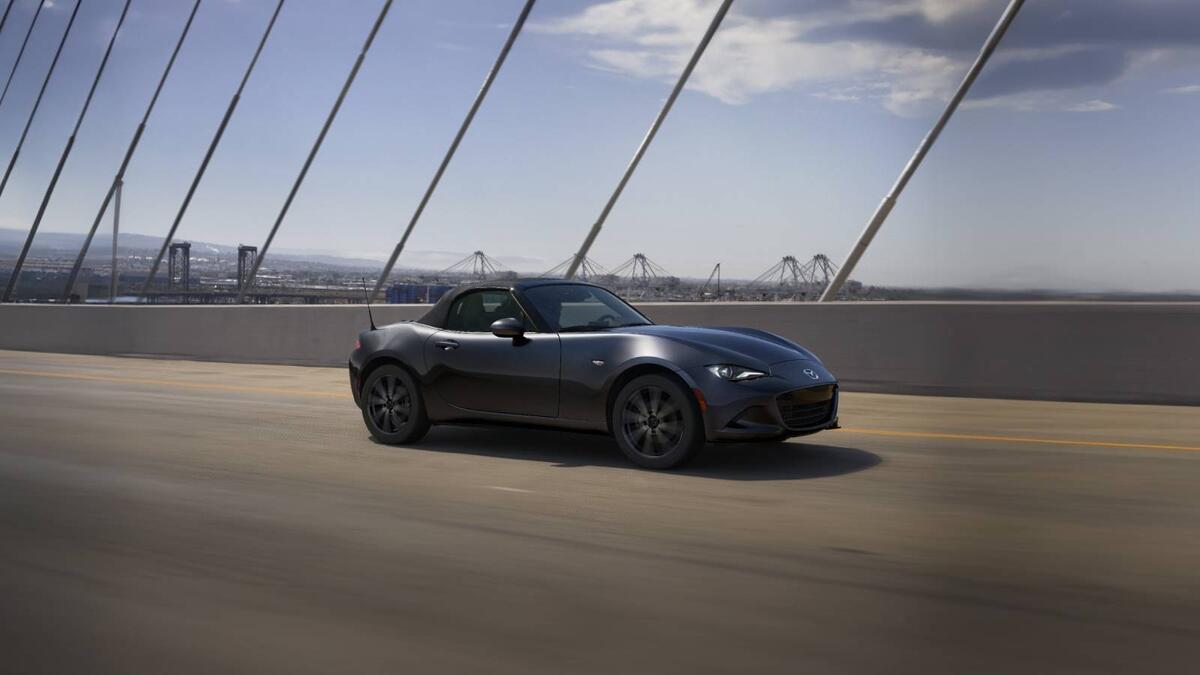
Mazda MX-5 / Miata
"...ee a lot of cars that come in they literally have miata spec stickers on them eight er stickers okay yeah..."
The Mazda MX-5 Miata is a small two-seat sports car. It’s made to be light and easy to drive, which helps it feel fun on winding roads. People also use it as a common reference car in enthusiast and track communities.
The Mazda MX-5 Miata is a lightweight, two-seat roadster designed for fun handling and an engaging driving experience. The podcast mentions “Miata spec stickers,” which suggests the car is being used as a reference point for a specific setup or class. It’s discussed because the Miata is popular in enthusiast communities and track-style events.
fire bottle
"[4013.2s] every car has to have a fire bottle every car has to have a fuel cell in order to be competitive on"
A fire bottle is a small extinguisher mounted in the car for racing. If something catches fire, it can be released fast to help stop the flames before they spread.
A “fire bottle” is an onboard fire-suppression system used in racing. It’s typically a pressurized extinguisher that can be discharged quickly to help control engine-bay or cockpit fires.
fuel cells
"[4013.2s] every car has to have a fire bottle every car has to have a fuel cell in order to be competitive on"
A fuel cell is a safer gas tank used in racing. It’s built to be less likely to leak or cause a big fire if there’s an accident.
A fuel cell is a racing fuel tank designed to reduce leak and fire risk compared with a standard gas tank. It’s usually made with safety materials and is often required by motorsports rules for competition.
dry brake fuel system
"[4019.6s] your fueling a lot of cars are using dry brake fueling systems so their pit stops are literally [4027.2s] like under two minutes for filling 25 gallons and doing a driver change"
Dry brake fueling systems are a racing refueling setup that uses a quick-connect nozzle and a valve arrangement to minimize fuel spillage during pit stops. The goal is faster, cleaner refueling so pit stops can be very short.
pit stops
"[4027.2s] like under two minutes for filling 25 gallons and doing a driver change okay so dry brake [4034.8s] fueling work it's like is that like normal race car feeling uh it's yeah like actual race cars"
A pit stop is when a race car pulls into the pits for service. It often includes refueling and sometimes swapping drivers.
A pit stop is the scheduled service stop in motorsport where the car is serviced—commonly refueling and sometimes driver changes. In racing, pit stop time is a major factor in overall race strategy and results.
NCM
"[4083.9s] kind of outclassed a little bit but here's how we won so last year we ran ncm which is a horsepower [4091.2s] track we were 32nd fastest by lap time"
NCM is a racing track they went to. They’re saying it rewards cars with strong top-end power because it has lots of speed-focused sections.
NCM is a motorsports venue the speaker uses as a reference track for lap-time performance. In this context, it’s described as a “horsepower track,” meaning straight-line speed matters a lot.
lap time
"[4083.9s] kind of outclassed a little bit but here's how we won so last year we ran ncm which is a horsepower [4091.2s] track we were 32nd fastest by lap time so there are 31 cars out there there were faster than us"
Lap time is how long it takes a car to complete one circuit of the track. In racing, comparing lap times across cars and classes is a common way to judge pace and competitiveness.
horsepower
"[4163.7s] is good for us yeah 130 horsepower soaking wet and it's just a lot of corners and there's cars out"
Horsepower is a number that tells you how much “pull” the engine can make. When someone says “soaking wet,” they mean the real, practical version of that number—not a perfect lab condition.
Horsepower is a measure of how much power an engine can produce. In racing talk, “horsepower soaking wet” is a tongue-in-cheek way of saying the car’s output with all the real-world factors included (like accessories and operating conditions).
full aero
"[4172.0s] there with full aero and stuff and you know again wider rubber we're running 205s so we didn't have"
“Aero” is how the car’s shape and add-on parts push air around. “Full aero” means it has a lot of those parts, usually to help the tires stick better in corners.
“Full aero” means the car is equipped with aerodynamic components designed to manage airflow—typically wings, splitters, diffusers, and other bodywork. In racing, more aero usually increases grip (downforce) but can also add drag, affecting top speed and lap time balance.
Request an Explanation
Heard something you'd like explained? We'll add it to this episode.
Sign in to request explanations for terms you heard.
Want to learn more?
Browse our glossary for plain-English explanations of automotive terms, jargon, and concepts.
Help improve this episode
See something that's not quite right? Our annotations are AI-generated and can sometimes miss the mark. Click the flag icon on any annotation to suggest a correction.