
New Lexus ES, Airbag Thefts on the Rise, Best Adventure Vehicles
About this episode
The Car Stuff Podcast jumps between big auto news and practical buying talk: the hosts confirm the Volkswagen ID Buzz is returning for 2027, then dig into rising steering-wheel airbag thefts—especially on Honda models—explaining the fast, hard-to-trace black-market cycle and the repair costs. Lexus ES coverage follows, including the all-new 2026 hybrid/EV lineup, pricing, and charging quirks. The episode also features their adventure-vehicle awards, with winners across off-road, camping, and road-trip categories.
Tom opens the show by acknowledging the passing of jazz saxophone legend Sonny Rollins. Sonny was the last living performer to have appeared in the 1958 Esquire magazine photo A Great Day in Harlem. The image appears on the Car Stuff Podcast Facebook Page.
The hosts discuss the return of the Volkswagen ID. Buzz retro-themed electric themed minivan for 2027. Though little changed mechanically, the Buzz may be packaged to improve the pricey van's perceived value.
Jill talks about a marked increase in airbag thefts in the Chicago area, especially among certain Honda models. The hosts address one possible way to dissuade would-be airbag thieves.
Still in the first segment, Jill reviews the all-new 2026 Lexus ES midsize sedan, which now comes only in hybrid and all-electric trim. Listen in for her take on this long-term brand staple.
In the second segment, the hosts welcome John Vincent of U.S. News to the podcast. John walked the hosts through the outlet's 2026 "Best Adventure Vehicles" list.
In the last segment, Jill is subjected to Tom's "Is it Built There?" quiz.
Hosted by Simplecast, an AdsWizz company. See pcm.adswizz.com for information about our collection and use of personal data for advertising.

Volkswagen Id
"Okay. Turns out the Volkswagen ID buzz will indeed return for 2027. Okay."
The Volkswagen ID. Buzz is an electric van. It’s designed to carry people and gear, and it has a distinctive, van-like shape. The podcast says it’s coming back for 2027, which matters if you’re waiting for an electric van.
The Volkswagen ID. Buzz is an all-electric van-style vehicle, known for its people-hauling practicality and retro-inspired design. The podcast notes that it will return for 2027, which is a significant update for anyone watching the electric-van market. That’s why it comes up in a discussion about upcoming EV availability.
range
"Nothing mechanically has changed, so range has not improved, which was a problem. But one of the interesting things that they've done is that they made the cool two-tone paint jobs available on the base models."
For an electric car, “range” is how many miles it can go before the battery runs out. They’re saying the new version doesn’t go farther than before, which could hurt sales.
In EV context, “range” means how far the vehicle can drive on a full battery charge. The host notes that nothing mechanically has changed, so range hasn’t improved—framing it as a key reason the model may struggle to sell.
two-tone paint jobs
"But one of the interesting things that they've done is that they made the cool two-tone paint jobs available on the base models."
Two-tone paint means the van has two different colors instead of one. In this case, the host is saying you can get that look without paying extra.
Two-tone paint jobs use two different colors on the same vehicle, often split by body panels or a contrasting accent area. Here, the host says Volkswagen is offering the “cool” two-tone look on base models, which affects how much buyers have to pay for styling.
base models
"they made the cool two-tone paint jobs available on the base models. So you no longer have to pay an extra 10 grand to get the orange or the green or the yellow."
“Base model” just means the entry-level version of the car. Here, it matters because the nicer paint option is now available without upgrading to a more expensive trim.
“Base models” are the lowest-trim versions of a vehicle lineup, typically with fewer standard features. The host’s point is that the two-tone paint option is now included on these cheaper trims, rather than being restricted to higher-priced versions.

Hyundai Santa
"...Reuters story that said it was going away was the Hyundai Santa Cruz. So it's not going away either."
The Hyundai Santa Fe is a midsize SUV. It’s a regular family vehicle meant for everyday driving and road trips. In the podcast, it’s mentioned while talking about which Hyundai models are staying in the lineup.
The Hyundai Santa Fe is a mainstream midsize SUV offered in multiple versions depending on model year and market. The podcast mentions it in the context of rumors about certain Hyundai models going away, emphasizing that the Santa Cruz is the one being discussed as not going away. That places the Santa Fe as part of Hyundai’s broader SUV lineup conversation.

Hyundai Santa Cruz
"But the other two vehicles or the other vehicle that is not gone that I think we had previously reported was going away because apparently there was a Reuters story that said it was going away was the Hyundai Santa Cruz. So it's not going away either."
The Hyundai Santa Cruz is a small SUV-like vehicle that also has a pickup-style bed for hauling. It’s popular with people who want some truck usefulness but don’t want a full-size pickup.
The Hyundai Santa Cruz is a compact crossover with a pickup-bed-style cargo area, blending SUV comfort with truck utility. It matters in this segment because it competes for buyers who want “small truck” practicality without going full pickup.
compact trucks
"So there are still two compact trucks in the segment with a Maverick and a Hyundai."
“Compact trucks” means smaller pickup trucks. They’re usually cheaper and easier to live with than big trucks, and the hosts are talking about that market segment.
“Compact trucks” refers to smaller pickup trucks (or truck-like vehicles) that target buyers who want easier parking, better fuel economy, and lower cost than full-size pickups. In this episode, it’s the segment where the Ford Maverick and Hyundai Santa Cruz are competing.

Ford Maverick
"Part of the problem is it comes in a little expensive for what it is. And since it launched, the Ford Maverick redefined what that segment is."
The Ford Maverick is a small pickup truck that’s known for being cheaper than most trucks. In this discussion, it’s mentioned as the reason the compact-truck market changed.
The Ford Maverick is a compact pickup known for being relatively affordable compared with typical trucks. In the transcript, it’s used as the benchmark that “redefined” the compact truck segment—especially for buyers looking for a small truck without big-truck pricing.
crossover with a pickup bed
"And one of the things that segment isn't is a crossover with a pickup bed, which is very much what the Santa Cruz is."
This phrase means an SUV-like vehicle that also has a small pickup bed. It’s a way of describing the Santa Cruz’s mix of comfort and hauling space.
A “crossover with a pickup bed” describes a vehicle that combines SUV-style structure and comfort with a short pickup-style cargo bed. The Hyundai Santa Cruz is called out as fitting this layout, which is different from a traditional body-on-frame pickup.
Auto Savvy
"And one of his listeners sent me a question about a company called Auto Savvy. Auto Savvy is a retailer of used vehicles used that sells vehicles under something called a branded title."
Auto Savvy is a used-car seller. They sell cars that insurance companies previously wrote off, then they fix them up and sell them again with special paperwork.
Auto Savvy is described as a retailer that sells used vehicles with a branded title. In this context, that means the cars have typically been deemed not worth repairing by insurers, then repaired and resold.
branded title
"used that sells vehicles under something called a branded title. Branded title probably doesn't mean a lot to some people in different states because automotive titles are handled at the state level."
A branded title is special paperwork on a used car that tells you it had a major problem in the past. It’s basically the car’s “history label,” and it can affect resale value and insurance.
A branded title is a vehicle title that carries a disclosure label about the car’s history, such as salvage or other damage-related statuses. Because it’s tied to state paperwork, the exact label can vary by state, but it generally signals the car had a serious insurance event.
salvage title
"which means that in the US, it's like an Illinois, it's like a salvage title."
A salvage title means an insurance company decided the car was a total loss. Even after repairs, the car’s paperwork still reflects that past damage.
A salvage title is a specific kind of branded title used when an insurer determines the vehicle is too damaged to be economically repaired. Even if the car is later repaired, the salvage designation remains on the title and can impact future insurance and resale.
fix the car yourself
"to buy a car from them, I think you need to be a little brave. I think you need to be willing to gamble and be prepared to fix the car yourself, perhaps, or do something to keep it running."
The host frames buying these branded-title vehicles as requiring hands-on ownership—either repairing issues yourself or taking steps to keep the car running. This is a common reality with heavily damaged or previously written-off cars, where condition can vary widely.
airbag
"people around me saying that their vehicle has been broken into [542.7s] and their airbag has been stolen and they are overwhelmingly Honda vehicles. [548.3s] I've seen a lot of Honda CRVs, but also Accords and Civics being broken into."
An airbag is a safety cushion that pops out in a crash to help protect you. If someone steals it, the car can’t protect you the same way, and fixing it can cost a lot.
An airbag is a safety device that rapidly inflates during a crash to cushion occupants and reduce injury. Because airbags are expensive and required for proper crash protection, theft can create both safety and financial problems for owners.

Honda Crvs
"I've seen a lot of Honda CRVs, but also Accords and Civics being broken into. [553.8s] And literally, the only thing that is being taken is their airbag."
The Honda CR-V is a common SUV. The host says it’s showing up a lot in reports where thieves break in and steal the airbag.
The Honda CR-V is a popular compact SUV, and the host notes it’s frequently targeted in airbag theft incidents. Because the theft is reportedly focused on airbags specifically, high-volume models can become common targets.
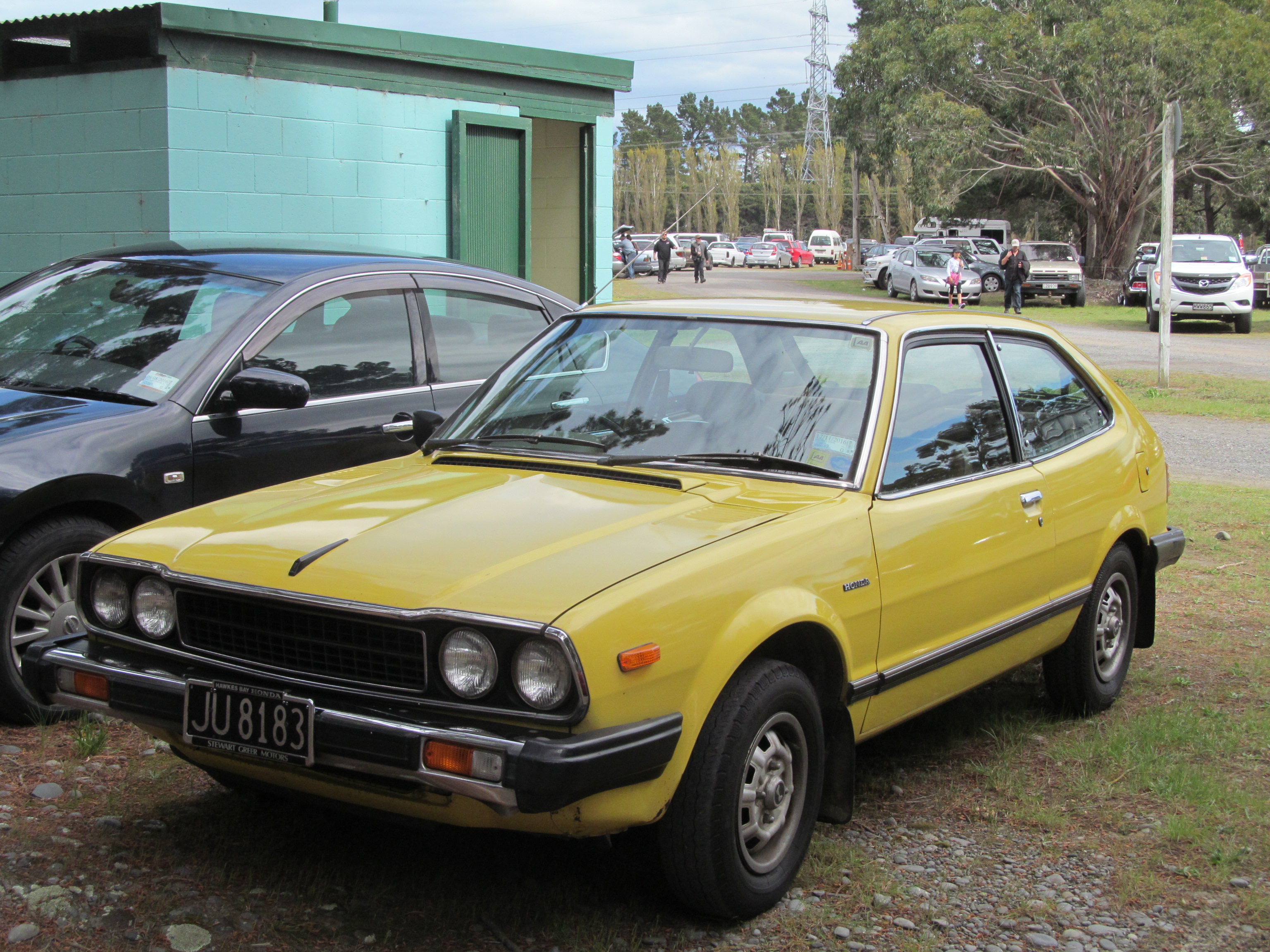
Honda Accord
"I've seen a lot of Honda CRVs, but also Accords and Civics being broken into. [553.8s] And literally, the only thing that is being taken is their airbag."
The Honda Accord is a common Honda sedan. The host says thieves are breaking in and stealing the airbag, and that’s the main item taken.
The Honda Accord is a mainstream midsize sedan, and the host says it’s also being targeted in airbag theft reports. The key point is that thieves are reportedly taking only the airbag, not other parts.
black market
"created this vicious cycle of [592.3s] airbags getting stolen to put on the black market to sell to somebody [595.9s] who actually needs to replace their airbags."
A black market is an illegal place where stolen items get sold. The idea here is that stolen airbags are being resold illegally instead of through normal repair parts channels.
A black market is an illegal resale channel where stolen goods are sold outside normal legal supply chains. In this case, stolen airbags are reportedly resold to people who need replacements, which can keep theft pressure high.
out-of-pocket cost
"And, you know, so they're saying that the total out-of-pocket [636.4s] cost for repairing this is going to be anywhere from $2,000 to $3,500,"
Out-of-pocket cost is what you pay yourself. Here, it means the total bill for fixing the stolen/possibly damaged airbag and related damage can be thousands of dollars.
Out-of-pocket cost is the amount you personally pay for a repair after any insurance coverage. The host is emphasizing that airbag theft can lead to significant personal expense, not just the part itself.

Honda Civic
"which if you have an older, you know, Honda Civic or CRV, it may not be worth the repair."
The Honda Civic is a very common Honda compact car. The hosts mention it to illustrate that if an older Civic needs an expensive repair, it might not make financial sense—especially if you’re not insured.
The Honda Civic is a compact car that’s commonly targeted in theft and vandalism stories because it’s widely owned. In this segment, it’s used as an example of an older Honda where an airbag-related repair may not be worth the cost.
steering wheel lock
"So, they're saying, you know, using a steering wheel lock or, you know, anti theft window film and,"
A steering wheel lock is a clamp that locks the steering wheel so the car is harder to steal. The hosts mention it as one of the anti-theft ideas people recommend.
A steering wheel lock is a physical anti-theft device that clamps the steering wheel in place to make the car harder to steal or drive away. In this segment, it’s mentioned as a preventative measure suggested by articles responding to rising airbag thefts.
anti theft window film
"using a steering wheel lock or, you know, anti theft window film and,"
Anti-theft window film is a film you put on the windows to make them tougher to break. The hosts mention it as another possible deterrent against car break-ins.
Anti-theft window film is a protective film applied to car glass to make it harder to break. The segment lists it alongside other deterrents as part of the advice people share when thefts—like airbag theft—are increasing.
serial number
"And that's that there's no serial number on the airbags. No. So they can't be identified as stolen."
A serial number is a unique tag that helps identify a specific part. The hosts say airbags don’t have one, so it’s harder for police to tell if a replacement airbag was stolen.
A serial number is a unique identifier used to track parts and prove ownership. This segment says airbags have no serial number, which makes stolen airbags harder to identify and trace after the fact.
parts commonality
"But the other problem is parts commonality. And that's that the cards you're talking about, the Honda civics,"
Parts commonality means different cars use the same parts. If thieves can steal one shared part that fits many cars, it’s easier for them to steal and sell.
Parts commonality means different vehicle models share the same or very similar components. In theft terms, that makes it easier for criminals to identify the right part (like an airbag) and easier to sell because demand exists across multiple car models.

Acura Integra
"And that's that the cards you're talking about, the Honda civics, some accords, the Acura Integra, whatever the Acura was before that PIL."
The Acura Integra is a Honda-family car sold under the Acura brand. The host is saying thieves go after it because it shares the same airbag part with other cars, making theft and resale simpler.
The Acura Integra is a compact performance-oriented model, and here it’s included in the same theft pattern as the Honda Civic/Accord. The host’s key point is that these vehicles use the same airbag, so thieves can target multiple models with the same part.
platinum and palladium prices
"And one of the interesting things is I checked today. Platinum and palladium prices are very high."
Platinum and palladium are precious metals used in catalytic converters to help convert harmful exhaust gases into less harmful emissions. When their market prices rise, catalytic converter theft becomes more profitable, which the host connects to the broader theft discussion.
catalytic converter thefts
"So you would think that there's still be a lot of catalytic converter thefts, but actually they're down a lot, which I think a couple of things happen."
Catalytic converter thefts are when criminals steal the catalytic converter from a vehicle, usually to sell the precious metals inside. The host notes that even though platinum and palladium prices are high, catalytic converter thefts are “down a lot,” suggesting thieves may be shifting to other targets like airbags.
spray painted their catalytic converters paint
"but actually they're down a lot, which I think a couple of things happen. But I think a lot of people actually spray painted their catalytic converters paint."
Spray painting catalytic converters is a deterrence tactic: it can make stolen parts harder to resell because they’re visibly marked. The host suggests this behavior is one reason catalytic converter thefts are down.
mesh you could wrap around some of them
"And I think that there's that mesh you could wrap around some of them. Also, I think the demand was met."
A mesh guard is a protective cover that makes it harder for thieves to get to the catalytic converter. The host is saying some people are using this kind of protection.
A protective mesh (often called a catalytic converter guard) is an aftermarket barrier designed to make it harder to access and remove the catalytic converter. The host mentions wrapping mesh around converters as another reason theft may be changing or decreasing.
three grand
"They're not making much money off of these things. Between 50 and 200 bucks. But as you've noted, it can cost you three grand to fix the problem."
“Three grand” is shorthand for roughly $3,000 in repair costs, which the host says it can take to fix the damage from theft. This highlights that even if stolen parts sell for relatively low amounts, the replacement and labor costs can be very high.
club
"So a club is great. Is somehow they've got to shove that out of the way to get to the steering wheel? Or if you could just wrap something around your steering wheel."
A club is a lock device you put on the steering wheel to make the car harder to steal. It doesn’t guarantee safety, but it can slow thieves down enough that they choose another car.
A steering-wheel club is a physical anti-theft device that locks or blocks the steering wheel to make the car harder to steal quickly. The idea is deterrence: it adds time and effort, which can make thieves move on to an easier target.
ring doorbell
"I mean, other than other than the club, you know, or, you know, if you're parking in front of your house and you have a camera like a ring doorbell or something"
A Ring Doorbell is a consumer smart doorbell camera that records video when it detects motion or a person. In car-theft prevention, the value is evidence: it can capture the thief’s actions and identity even if it can’t stop the theft.
wireless
"You know, you could potentially, I mean, a lot of cameras these days are like they're not, they're wireless, so you could put a camera in your car."
Wireless just means the camera doesn’t need a cable connection. That can make it easier to set up a camera to film the theft.
In this context, wireless refers to cameras that don’t require a wired connection to power or the network. That matters because it makes it easier to place a camera where it can capture the theft without complex installation.
side impact
"They're not stealing the passenger side ones or side airbags or side impact or knee airbags. It's specifically the steering wheel ones because they're so gosh darn easy to get out."
Side-impact means a crash where something hits the car from the side. Side-impact airbags are the airbags meant to protect you in that kind of crash, and the episode says thieves aren’t going after those ones.
Side-impact airbags are designed to deploy during a crash where the force comes from the side of the vehicle. The hosts contrast them with the steering wheel airbags, saying the thefts are not targeting side-impact airbags.

2026 Lexus ES
"Lexus really late to the game here in 2026 rolling out a replacement for its popular midsize sedan. ... So coming out this month, they have the all new 2026 Lexus ES. It is both a hybrid and an electric vehicle."
The Lexus ES is a midsize family sedan. In 2026, Lexus is updating it so you can get it with different kinds of power—one version is hybrid and another is electric—while keeping the same basic car.
The Lexus ES is Lexus’s midsize sedan, and this 2026 model is notable because Lexus is rolling out a replacement with both hybrid and electric power options. In the episode, they describe it as essentially the same vehicle platform offered with different powertrains, which is a big deal for how the car’s driving feel and ownership costs can change.
badging
"They look exactly alike except for the badging on the back."
Badging refers to the brand/model nameplates and trim identifiers on a vehicle’s exterior. In this segment, the host says the electric and hybrid ES look almost identical except for the rear badging and a front design detail.
grill
"And then the hybrid has like a slot on the nose that denotes like this is the grill that's letting air into the engine."
The grille is the front opening on a car. It helps bring in air to cool the engine and other parts that need airflow.
The grille is the front opening (often with slats) that allows airflow to reach components that need cooling. The host specifically describes a nose slot/grille area on the hybrid that “denotes” an air path for the engine.
hybrid powertrains
"I mean, Lexus and Toyota do an amazing job with their hybrid powertrains. And, you know, this is smooth, seamless."
A hybrid uses two kinds of power: a gas engine and an electric motor. It can switch between them depending on how you’re driving to help with efficiency and smoothness.
A hybrid powertrain combines an internal-combustion engine with an electric motor and battery. The goal is to improve efficiency and smoothness by using electric drive in some situations and the engine in others.
destination fees
"So the base model is $48,895 with destination fees."
Destination fees are the cost to ship the car from where it’s built to the dealership. It’s why the final price is usually higher than the base number.
Destination fees are charges added to a car’s base price to cover shipping the vehicle from the manufacturer to the dealer. They’re commonly shown on the final “out-the-door” pricing breakdown.
horsepower
"And then although the base electric is a little low on power, is it about 225 horsepower or something like that?"
Horsepower is a number that describes how much power a car’s engine or electric motor can make. Higher horsepower usually means the car can accelerate more strongly, though it’s not the only factor.
Horsepower is a measure of engine (or motor) output power. When the host mentions the electric model being around 225 horsepower, they’re giving a rough sense of how strong the power system is.
instantaneous torque
"So the base electric is 221 horsepower, but I'm going to tell you with the instantaneous torque, I don't think that matters."
Torque is the twisting force that helps the car accelerate. “Instantaneous” means the electric motor can deliver that force right away, so the car feels quick off the line.
Instantaneous torque is the twisting force an electric motor can deliver immediately from a stop or at low speed. Because it’s available right away, it can make the car feel responsive even if peak horsepower numbers look similar.
front wheel drive
"And, you know, if you go for the 500e, so it's the 350e is going to be front wheel drive, 221 horsepower, the 500e is going to be all wheel drive dual motor, 338 horsepower."
Front-wheel drive means the front wheels do the work of moving the car. That changes how the car grips and turns compared with cars where the power goes to more wheels.
Front-wheel drive (FWD) sends engine power to the front wheels, which affects how the car turns and how weight transfers during cornering. In practice, FWD cars often feel different in mid-corner grip and steering feel compared with all-wheel drive.

Mercedes-Benz 500E
"...nk that matters. And, you know, if you go for the 500e, so it's the 350e is going to be front wheel driv..."
The Mercedes-Benz 500E is a luxury sedan with a strong performance focus. The podcast talks about how power is delivered, including that a related model (the 350e) would drive the front wheels. That helps explain how the cars may handle differently.
The Mercedes-Benz 500E is a performance-oriented luxury sedan known for combining a powerful engine with a refined driving experience. In the podcast, it’s discussed in terms of drivetrain layout, noting that the 350e would be front-wheel drive. That kind of detail matters for buyers comparing how these cars deliver power and feel on the road.
all wheel drive dual motor
"221 horsepower, the 500e is going to be all wheel drive dual motor, 338 horsepower."
All-wheel drive (AWD) sends power to both the front and rear axles, which can improve traction and stability. “Dual motor” means there are two electric motors (typically one per axle), allowing the car to distribute torque between wheels more flexibly than a single-motor setup.
drivetrain
"And I mean, I noticed a bigger difference between the all wheel drive and the front wheel drive drivetrain, like when you were rounding corners and things like that, you could feel the movement of the vehicle differently."
The drivetrain is everything that sends power to the wheels. If the car sends power to different wheels (like front-only vs all wheels), it can feel different when turning.
Drivetrain is the set of components that deliver power from the motor to the wheels, including how that power is routed (FWD vs AWD). Differences in drivetrain layout can change how the car feels when cornering, especially in terms of traction and how the car transfers load.

Toyota Crown
"It looks surprisingly like the Toyota Crown to me in silhouette. And I did some checking and it is mechanically very similar to the Toyota Crown,"
The Toyota Crown is a Toyota sedan that’s meant to feel more upscale than a typical family car. Here, the host is saying the new Lexus ES looks similar to it and even shares similar mechanical parts, even though it’s a Lexus.
The Toyota Crown is a long-running Toyota sedan known for its distinctive silhouette and premium positioning. In this segment, the host says the new Lexus ES looks similar to the Toyota Crown in outline and that the Lexus ES is mechanically similar to the Crown, tying the styling and underpinnings together across the Toyota/Lexus brands.

Toyota Avalon
"which makes sense because the old Toyota Avalon was the basis for the old Lexus ES."
The Toyota Avalon is a Toyota sedan. The host is saying the Lexus ES used to be based on it, which helps explain why Lexus and Toyota cars can feel mechanically similar.
The Toyota Avalon is a full-size-ish Toyota sedan that historically served as a platform donor for the Lexus ES. Here, the host uses that fact to explain why the Lexus ES and Toyota Crown feel mechanically related—Lexus’s ES has long been built on Toyota underpinnings rather than being entirely unique.
ottoman
"where they allow you, like behind the passenger side, you can put out an ottoman and recline and there's massaging seats."
An ottoman is a footrest. Here, the host is saying the rear seat has a built-in footrest that pops out so you can recline and relax.
An ottoman in a car is a built-in, deployable footrest—often paired with rear-seat reclining—to let passengers rest their legs. In this segment, the host describes an executive rear package where the ottoman deploys behind the passenger side for a lounge-like setup.
executive package
"they have included an executive package where they allow you, like behind the passenger side, you can put out an ottoman and recline and there's massaging seats."
An executive package is a bundle of nicer comfort options. In this Lexus ES, it includes rear-seat features meant for relaxing—like a footrest, reclining, and even seat massage.
An executive package is a bundled set of higher-end comfort features, typically focused on rear-seat amenities. Here, the host ties it to the ES 350E’s rear-seat lounge functions: a deployable ottoman, reclining, and massaging seats—features that make the car feel more like a chauffeur-driven vehicle.

Lexus LS
"Yeah, I think part of the reason that that's included too is that this vehicle now builds the space that was also occupied by the larger LS, which has been discontinued."
The Lexus LS is Lexus’s top, most expensive luxury sedan. The host is saying that since the LS is discontinued, the newer ES is trying to give you some of that extra space and comfort.
The Lexus LS is Lexus’s flagship luxury sedan, traditionally positioned above the ES in size and price. The host says the new ES now builds the space that used to be occupied by the larger LS, which has been discontinued, implying Lexus is shifting some “big sedan” comfort priorities down into the ES.
infotainment system
"It's got Lexus's newest infotainment system and the battery electric version."
An infotainment system is the car’s main screen and controls for things like music and navigation. Here, it’s also used to help plan EV charging stops.
An infotainment system is the car’s integrated touchscreen/audio/navigation interface. In this Lexus ES discussion, it’s important because it’s where the EV-specific features like route planning and charging-station guidance live.
route planning
"You have the they now have route planning in it. So it will like if you were going from Chicago to Indianapolis, it would tell you how many miles it would take to get there."
Route planning is the navigation feature that helps you plan your trip. For an EV, it can suggest where to stop to charge and how long you’ll likely need.
Route planning in an EV context means the navigation system calculates not just the fastest route, but also where you’ll need to charge along the way. The speaker highlights that it estimates charging stops and even recommends a target state of charge to reach the destination.
charging stations
"it would show you all the charging stations that are along the way and how long you would have to stop at the charging station."
Charging stations are the public places you plug an electric car into to recharge it. The navigation can show them along your route and help you plan stops.
Charging stations are public (or networked) places where you plug an EV into power to recharge. The speaker notes the system can list charging stations along the route and estimate how long you’d stop at each one.
one pedal driving
"One, there is no one pedal driving."
One-pedal driving is when you can slow down mostly by just lifting off the gas pedal. The speaker is saying this car doesn’t do that, so you’ll likely use the brake pedal more.
One-pedal driving is an EV driving mode where lifting off the accelerator slows the car down significantly using regenerative braking, so you may use the brake pedal less. The speaker says this Lexus EV does not use one-pedal driving, implying a more conventional accelerator/brake feel.
charge port
"but you have to turn off the car in order to open the charge port. And you cannot open the charge port from inside the car."
The charge port is where you plug the EV’s charging cable in. They’re saying this car makes you turn the car off and get out to open it, instead of opening it from inside.
The charge port is the physical inlet on an EV where the charging cable plugs in. The speaker points out a usability quirk: you must turn off the car and exit the vehicle to open the charge port, and you can’t open it from inside.

Ford Bronco Sport
"...out best SUVs for off-roading. Subcompact SUV for Bronco Sport. Bronco Sports based on the escape platform,"
The Ford Bronco Sport is a smaller SUV designed for light off-road driving. It’s meant to handle rough roads better than a typical commuter SUV. The podcast also points out it’s related to the Escape, which helps explain how it’s built.
The Ford Bronco Sport is a subcompact SUV built with off-road capability in mind, aimed at drivers who want adventure without a full-size SUV. The podcast notes that it’s based on the Escape platform, which helps explain its size and driving characteristics. It’s mentioned as one of the best off-roading SUV options in its class.

Ford Escape
"... SUV for Bronco Sport. Bronco Sports based on the escape platform, and the escape is going away."
The Ford Escape is a compact SUV. It’s mentioned because the Bronco Sport is built on the Escape’s underlying design. The podcast also notes that the Escape is being discontinued.
The Ford Escape is a compact SUV that serves as a key platform for other small SUVs in Ford’s lineup. In the podcast, it’s specifically referenced as the platform the Bronco Sport is based on, and it’s also described as going away. That makes it relevant to discussions about how Ford’s smaller SUV lineup is changing.
platform
"Bronco Sports based on the escape platform, and the escape is going away."
A platform is the car’s basic “skeleton” that engineers reuse across different models. If two cars share a platform, they’re built on similar underlying parts and layouts.
A vehicle platform is the shared set of engineering foundations—like the chassis design and major mounting points—that multiple models use. When the host says the Bronco Sport is based on the Escape platform, they’re explaining why the two vehicles can feel related in structure and packaging.

Jeep Wrangler
"Best compact SUV for off-roading is probably the most obvious vehicle on this list, and that is the Jeep Wrangler. You're not going to give off road awards"
The Jeep Wrangler is one of the most famous off-road SUVs. In this segment, the host is basically saying it’s the obvious choice when you’re talking about off-roading.
The Jeep Wrangler is a purpose-built off-road SUV known for its strong off-road heritage and capability. Here, the host calls it the most obvious pick for off-roading awards, framing it as the benchmark vehicle in that category.

Bronco
"Best mid-sized SUV for Bronco. A lot of people don't realize how much bigger the Bronco is than the Wrangler, but it's a much larger,"
The Ford Bronco is a bigger off-road SUV than the Bronco Sport. The host is pointing out that it’s actually much larger than the Jeep Wrangler, even if people don’t realize it.
The Ford Bronco is a larger SUV positioned above the Bronco Sport, with a more traditional off-road focus. The host compares its size to the Jeep Wrangler, emphasizing that many people underestimate how much bigger the Bronco is.

Nissan Amada Pro 4x
"But, you know, the Nissan Amada Pro 4x. [1665.1s] Is a good value."
The Nissan Armada is a big SUV meant for carrying people and gear comfortably, and it’s built to handle tougher situations than a small crossover. “Pro-4x” is a higher trim that’s usually set up for more off-road use, and the hosts are saying it works both for trips and everyday driving.
The Nissan Armada is a full-size, truck-based SUV built for towing and family hauling, and the “Pro-4x” trim is aimed at off-road capability. In this segment, the hosts discuss it as a practical adventure vehicle that can also handle daily commuting duties.
good value
"But, you know, the Nissan Amada Pro 4x. [1665.1s] Is a good value."
“Good value” here means the SUV seems worth the money for what it can do. The hosts are saying it’s a smart choice because it works for both weekend trips and normal daily driving.
“Good value” in car talk usually means the vehicle’s overall package—price, features, and capability—makes sense relative to what buyers get. In this segment, it’s tied to the Armada being practical for both adventure trips and everyday commuting.
truck-based SUVs
"including a bunch of truck-based SUVs, [1703.6s] Expedition, Tahoe, Yukon."
A “truck-based SUV” is built on a sturdier foundation similar to pickup trucks. That often makes it better at hauling and handling rougher conditions, which is why it’s popular for people who want one vehicle for both trips and everyday driving.
“Truck-based SUV” refers to large SUVs built on a more traditional truck-style platform, often with a body-on-frame construction. Compared with many unibody crossovers, this usually emphasizes durability, towing, and ruggedness—traits that matter for adventure use and heavy-duty daily needs.

Ford Expedition
"including a bunch of truck-based SUVs, Expedition, Tahoe, Yukon. But, Amada, you know, when you loo..."
The Ford Expedition is a large SUV. It’s made for carrying people and gear, and it can be used for towing. It’s mentioned with other big SUVs because they’re similar in size and purpose.
The Ford Expedition is a full-size, truck-based SUV aimed at families and drivers who need space, towing ability, and highway comfort. It’s often grouped with other large SUVs like the Tahoe and Yukon because they compete on size and capability. In the podcast, it’s mentioned as part of that broader truck-SUV lineup.

Chevrolet Suburban
"...priced it right in there with like Expedition and Suburban. And it was new to the market."
The Chevrolet Suburban is a big SUV made to fit more people and cargo. It’s built for families who need lots of space. It’s often discussed alongside other large SUVs because it competes on size and usefulness.
The Chevrolet Suburban is a full-size SUV known for its large interior space and long-running role as a family hauler. It’s often compared to other truck-based SUVs because it offers similar practicality and capability, but with a focus on maximum room. The podcast mentions it as being priced competitively with vehicles like the Expedition and Tahoe.

GMC Yukon
"Yeah, when you're looking at, you know, a GMC Yukon [1753.0s] that's $100,000, that's a tough deal to take."
The GMC Yukon is a large SUV. They’re using it as an example of how expensive big SUVs have gotten—some are now around $100,000.
The GMC Yukon is a full-size SUV positioned against other large, premium family haulers. The host uses it to illustrate how some big SUVs are now crossing the $100,000 mark, making the deal harder to justify.

Toyota RAV4 Woodland
"it was a little bit of a surprise too, [1767.8s] but when you look at the numbers, [1769.5s] it comes out on top. [1771.5s] Toyota RAV4 Woodland. [1773.5s] Okay."
The Toyota RAV4 Woodland is a special version of the RAV4 made for people who want a little more adventure capability. They’re saying it’s the best choice because it’s efficient as a hybrid and still practical.
Toyota RAV4 Woodland is a RAV4 trim aimed at buyers who want more off-road-ready styling and capability than a typical crossover. In this segment, the host claims it’s the top pick by “the numbers,” and ties it to hybrid efficiency and practical everyday use.

Land Rover Defender
"Luxury SUV for off-roading, Land Rover Defender. [1800.3s] It's a light full vehicle. [1802.2s] For this one, it came down to kind of the Defender [1805.5s] and the Lexus GX. [1813.5s] but the Defender, when we looked at the numbers, [1816.8s] approach and departure angles really helped it out."
The Land Rover Defender is a tough, off-road-focused SUV. The hosts are saying it does especially well on trails because its shape helps it climb obstacles and drop down without scraping the front or rear.
The Land Rover Defender is a luxury off-roader known for its rugged, go-anywhere design. In this segment, the hosts compare it against the Lexus GX and highlight off-road geometry—approach and departure angles—as key factors that help it perform better in real-world trail driving.

Lexus Gx
"For this one, it came down to kind of the Defender [1805.5s] and the Lexus GX. [1809.6s] Two very different flavors of the same thing,"
The Lexus GX is a luxury SUV that’s meant to handle rough roads and trails. In this discussion, it’s being compared to the Defender to show two different ways to do off-roading.
The Lexus GX is a body-on-frame-style luxury SUV built for off-road capability with a comfort-focused interior. Here it’s used as a comparison point against the Land Rover Defender, showing how different off-road philosophies can still target the same “adventure SUV” buyer.
approach and departure angles
"[1813.5s] but the Defender, when we looked at the numbers, [1816.8s] approach and departure angles really helped it out. [1820.1s] Okay."
These are measurements of how well a vehicle can handle steep bumps and dips. If the angles are good, the front and rear are less likely to hit the ground when you go over obstacles.
Approach angle and departure angle are off-road geometry measurements that describe how steeply a vehicle can climb toward an obstacle and then descend away from it without the bumper or underbody hitting first. Higher angles generally mean fewer scrapes on rocks, ruts, and steep trail features.

Rivian R1S
"And then you have an EV. [1826.5s] Yes, the Rivian R1S. [1829.3s] Cool. [1830.0s] Again, a tough category because the numbers between it [1834.3s] and the Hummer EV off-roading were very, very close."
The Rivian R1S is an electric SUV designed for outdoor/adventure driving. They’re comparing it to another electric off-roader and saying the results are very close.
The Rivian R1S is an all-electric SUV aimed at adventure use, combining EV power with off-road-oriented packaging. The hosts place it in an EV off-roading comparison against the Hummer EV, noting how close the “numbers” are between the two.
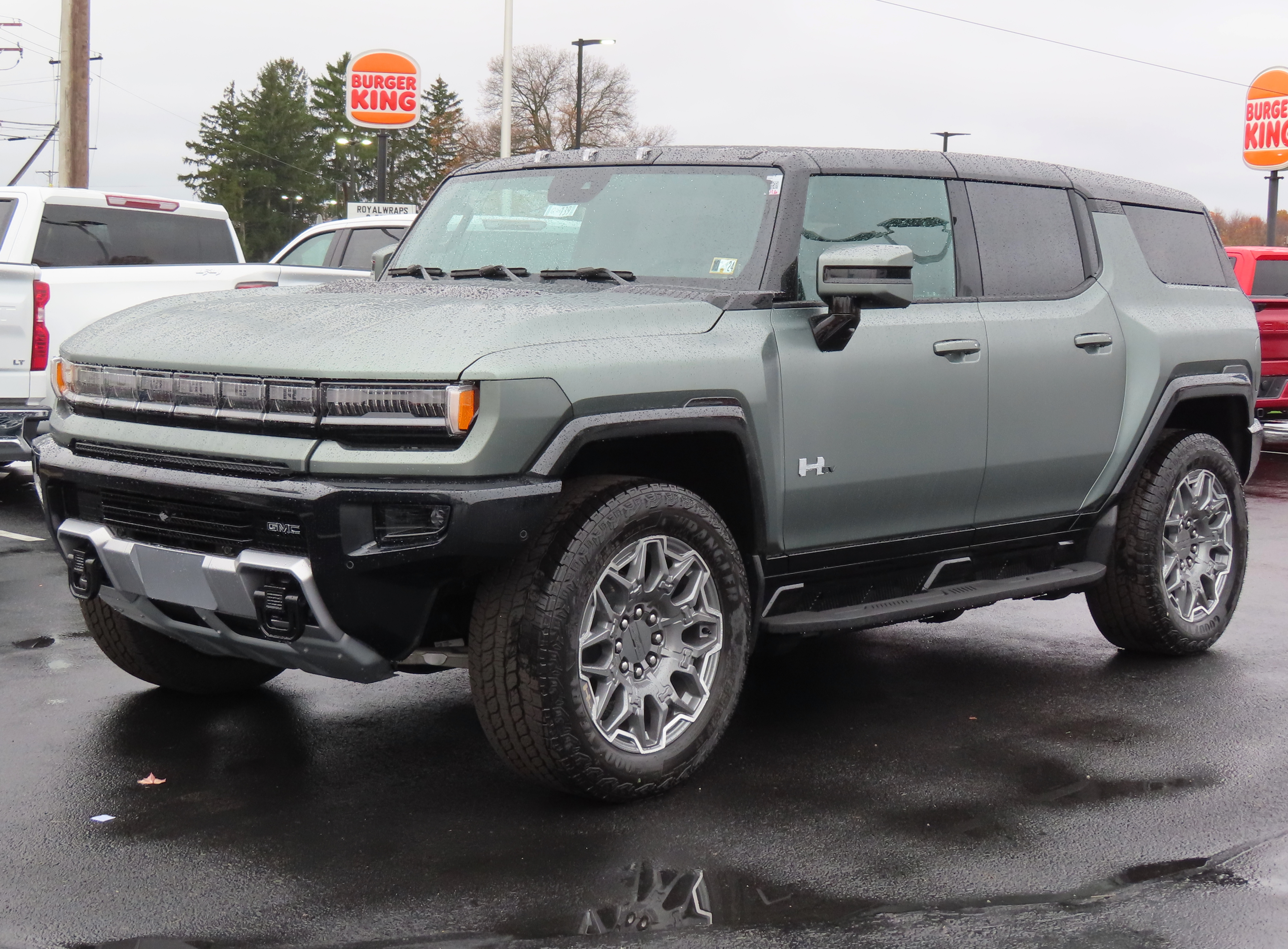
Hummer Ev
"...h category because the numbers between it and the Hummer EV off-roading were very, very close. Or are they?"
The Hummer EV SUV is an electric SUV designed for off-road driving. It’s meant to be tough and capable on rough terrain. The podcast compares it to another similar Hummer EV to see how close their off-road results are.
The Hummer EV SUV is a battery-electric SUV built for off-road capability and rugged styling. The podcast compares it to another Hummer EV off-roading model, noting that the numbers are very close, which suggests they’re evaluating performance or capability metrics. It’s discussed as part of a direct comparison within the electric off-road SUV category.
energy efficient
"but it's not actually energy efficient. It just has a monstrous battery."
Energy efficiency means how much driving you get out of the energy you put in. The host is saying a huge battery can mean you’re not using that energy as efficiently as you could.
Energy efficiency is how effectively a vehicle turns stored energy (like electricity) into motion. The host argues the Hummer/Rivian-style EV setup isn’t energy efficient because it relies on a very large battery pack.
monstrous battery
"It just has a monstrous battery. The battery unit weighs more than a Mazda Miata."
In an electric car, the battery is the heavy pack that stores electricity. The host is emphasizing that this one is extremely large and heavy.
A “monstrous battery” refers to a very large battery pack in an EV, which increases weight and can affect real-world efficiency and packaging. The host uses the battery’s mass as a key reason the vehicle is hard to fit into certain weight-restricted situations.
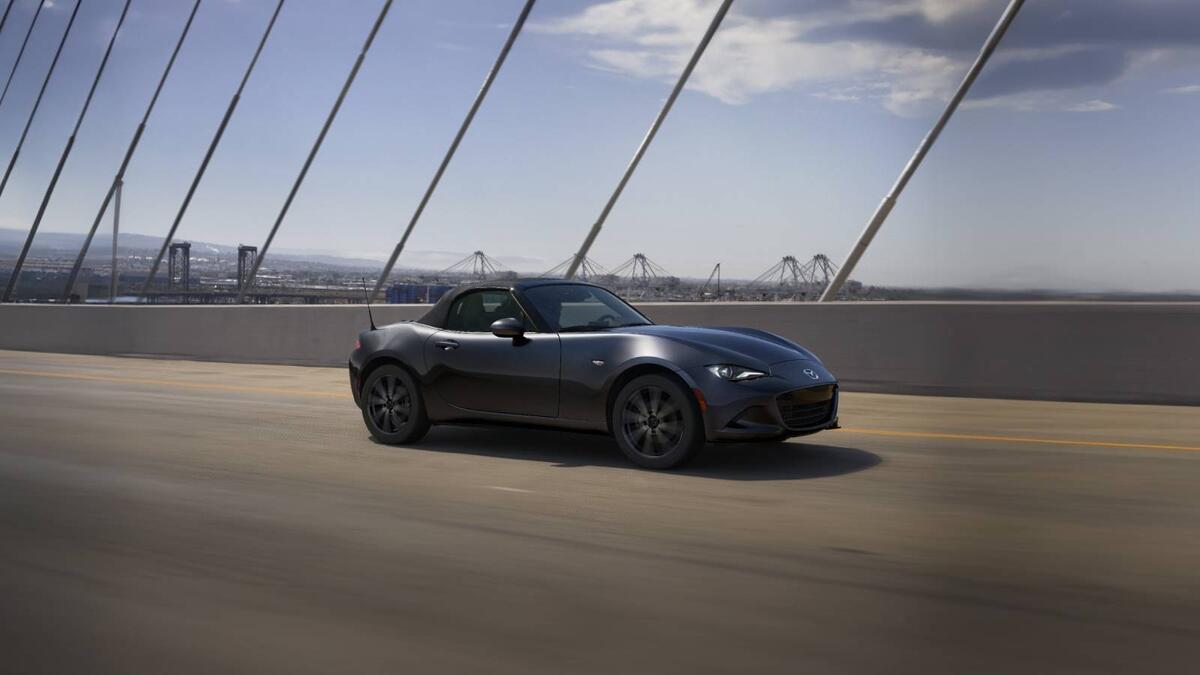
Mazda MX-5 / Miata
"...attery. The battery unit weighs more than a Mazda Miata. There's, okay, by point exactly."
The Mazda Miata is a small two-seat sports car. It’s designed to feel quick and fun to drive, especially in corners. It comes up in comparisons because it’s very light for its size.
The Mazda MX-5, commonly called the Miata, is a lightweight two-seat sports roadster focused on handling and driving feel. It’s significant in technical comparisons because its compact size and low weight make it a useful benchmark for performance discussions. The podcast references it directly in a weight-related point involving a battery unit.
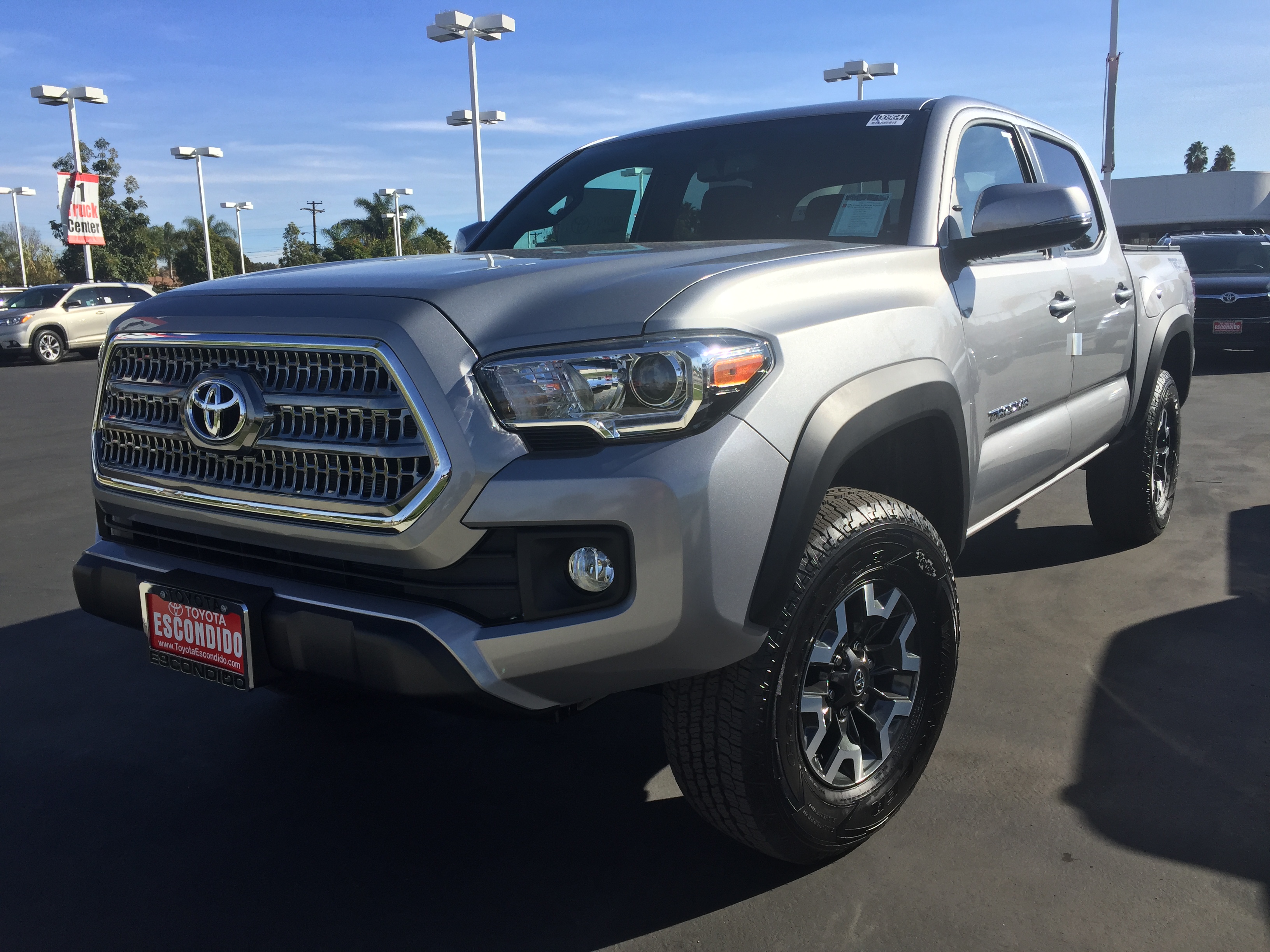
Toyota Tacoma
"...he pickups. Midsize pickup for off-roading Toyota Tacoma TRD Pro. Another tough category, some great compe..."
The Toyota Tacoma is a midsize pickup truck. The TRD Pro version is set up for off-road driving with more rugged equipment. It’s discussed because it’s one of the go-to trucks for people who want to drive on rough terrain.
The Toyota Tacoma is a midsize pickup truck known for off-road capability and a strong aftermarket. The podcast specifically calls out the Tacoma TRD Pro, which is a more rugged, off-road-oriented trim. It’s mentioned as competing in the tough off-roading pickup category.

Jeep Gladiator
"... competitors. Colorado ZR2, GMC Canyon, AT4, Jeep Gladiator. But the Tacoma just is an all around better pack..."
The Jeep Gladiator is a pickup truck that’s designed to handle off-road driving. It has a truck bed like other pickups, but it’s built with off-road features. The podcast mentions it as one of the main options in the off-road midsize truck group.
The Jeep Gladiator is a midsize pickup truck built with Jeep-style off-road intent, combining a truck bed with SUV capability. In the podcast, it’s listed among other off-road-focused midsize competitors like the Colorado ZR2 and Canyon AT4. It’s part of the conversation about which trucks are best “all around” for off-road use.

Gmc Canyon
"...h category, some great competitors. Colorado ZR2, GMC Canyon, AT4, Jeep Gladiator. But the Tacoma just is an a..."
The GMC Canyon Crew Cab is a midsize pickup with a larger back seat area. It’s meant to carry more people while still being a pickup for hauling. The podcast includes it when talking about off-road-capable midsize trucks.
The GMC Canyon Crew Cab is a midsize pickup truck configuration that emphasizes passenger space with a crew cab layout. In the podcast, it’s mentioned as part of the off-road midsize pickup competition alongside models like the Colorado ZR2, AT4, and the Jeep Gladiator. That context makes it relevant for comparing which trucks balance capability and everyday usability.

Ford F150
"False size pickup for off-roading, Ford F-150. [1925.5s] You have two main off-road models of that, [1929.5s] the Trevor and the Raptor. ... [1942.9s] Well, and I just want to say the Ford F-150 from a petite person's [1946.7s] perspective, like that's just my favorite truck period, ... [1962.8s] The kick down windows, like at the front by the A-pillar, [1966.4s] they just kind of drop down, which allows you to lower the side mirrors"
The Ford F-150 is a popular full-size pickup truck. Here they’re talking about a visibility feature where part of the window can drop down so the side mirrors can be positioned lower, helping you see around them with fewer blind spots.
The Ford F-150 is a full-size pickup truck known for offering a wide range of trims and configurations, including off-road-focused versions. In this segment, the hosts focus on a driver-visibility feature on the F-150: power “kick down” windows that let the side mirrors sit lower for better sightlines.
F-150 Raptor
"... main off-road models of that, the Trevor and the Raptor. So there's kind of an off-roader for, you know, ..."
The Ford F-150 is a full-size pickup truck. It’s available in different versions, including off-road-focused models. The podcast mentions it because some trims are specifically built for rough terrain.
The Ford F-150 is a full-size pickup truck and one of the most widely known trucks in its class. The podcast references it in the context of off-road models like the Raptor, highlighting that there are dedicated off-road variants within the lineup. That’s why it comes up when discussing which trucks offer the best off-road options.
blind spots
"And it just, you get really good visibility and very few blind spots. [1958.7s] So I don't know if everyone knows what you're talking about."
Blind spots are parts of the road around your car that you can’t see well from the driver’s seat. The hosts say the F-150’s mirror/window setup helps you see those areas better.
Blind spots are areas around a vehicle that the driver can’t see directly through the mirrors or windows. This segment argues that the Ford F-150’s mirror/window setup reduces blind spots by improving the driver’s view of the area beside the truck.
A-pillar
"The kick down windows, like at the front by the A-pillar, [1966.4s] they just kind of drop down, which allows you to lower the side mirrors"
The A-pillar is the vertical metal support at the front of the car, near where the windshield meets the side window. The hosts mention it because the window feature they’re describing is near that front pillar area.
The A-pillar is the front vertical support structure of a car’s body, located between the windshield and the side window area. In this segment, it’s where the “kick down” window feature is positioned, which affects how the side mirror can be adjusted for visibility.
adjustable pedals
" [1991.7s] And, you know, Jill, does the Ford still have the adjustable pedals? [1996.0s] It does. So does the Ram."
Adjustable pedals let you move the gas and brake closer or farther away. That can make it easier to drive comfortably and reach the controls without stretching.
Adjustable pedals let the driver move the accelerator and brake positions to fit different body sizes. This matters for comfort and control because it helps keep your legs and feet in a natural position without reaching.

Dodge Ram
"It does. So does the Ram. The Ram and the Ford are the only two pickup tru..."
The Ram is a full-size pickup truck. It’s built to haul and tow, and it can be configured in different ways depending on what you need. The podcast mentions it because it’s one of the main pickup choices being compared.
The Dodge Ram (often just called the Ram pickup) is a full-size pickup truck known for offering a wide range of configurations and powertrains. In the podcast, it’s mentioned as one of the only two pickup truck options being discussed alongside the Ford F-150. That makes it relevant to conversations about which trucks dominate the market and offer the most variety.

Rivian R1T
" [2005.1s] Best electric pickup for off-roading Rivian R1T. [2010.0s] Another tough category."
The Rivian R1T is an electric pickup truck built with off-road driving in mind. Here, the hosts are saying it’s the best EV truck if you want to take it off the pavement.
The Rivian R1T is an electric pickup truck known for its off-road focus and adventure-ready design. In this segment, it’s specifically called out as the best electric pickup for off-roading, highlighting how it’s positioned against other EV trucks.

Chevrolet Silverado EV
"...tough category. And again, against the Hummer and Silverado EV, but the truck that you want to live with every d..."
The Chevrolet Silverado EV is an electric pickup truck. It’s meant for people who want the usefulness of a truck but with electricity instead of gasoline. The podcast compares it to other electric trucks and focuses on how easy it is to live with.
The Chevrolet Silverado EV is an all-electric pickup truck aimed at buyers who want truck capability with an electric powertrain. The podcast places it in a tough category by comparing it to other electric trucks and focusing on which one feels livable day to day. That’s why it’s discussed as a practical alternative, not just a concept.

Tucson Hybrid
"[2078.9s] Best compact SUV for camping. [2081.0s] Hyundai Tucson. [2083.5s] What are the Tucson and the Tucson hybrid in the next category?"
The Hyundai Tucson is a popular compact SUV that comes in different versions, including a hybrid. Here they’re talking about it as a camping-friendly choice, mainly because of how much stuff you can carry.
The Hyundai Tucson is a compact SUV known for being practical and efficient, and it’s offered in multiple powertrain options including hybrid variants. In this segment, they’re comparing the Tucson and Tucson hybrid on camping usefulness, especially cargo space.

GMC Acadia
"[2125.1s] Mid-size SUV for camping, GMC Acadia. [2129.2s] GMC did very well in these awards. [2132.6s] You know, they talk about themselves as being like a luxury adventure brand."
The GMC Acadia is a bigger SUV meant for more passengers and more cargo. In this segment, they’re recommending it for camping because it has the space to carry what you need.
The GMC Acadia is a mid-size SUV positioned as a family-friendly option with enough space for road trips and camping gear. Here it’s singled out as the best mid-size SUV for camping, and the hosts note GMC’s strong performance in their awards.
static and dynamic
"We looked at cargo space. [2165.0s] We looked at roof capacity, both static and dynamic. [2169.7s] We looked at fuel efficiency even on this one because you have to get there."
When people talk about roof capacity, they mean two things: how much weight the roof can hold when you’re not moving, and how much it can safely handle while you’re driving. That matters if you’re carrying a tent or cargo on top.
In vehicle packaging, “static” roof capacity is how much weight the roof can support when the car is parked. “Dynamic” roof capacity is the allowable load while driving, accounting for motion, bumps, and wind forces.

Grand Highlander Hybrid
"We looked at fuel efficiency even on this one because you have to get there. [2175.9s] Best mid-size hybrid SUV for camping, Grand Highlander Hybrid. [2181.1s] And that's a vehicle that we just reclassified into mid-size."
This is a Toyota SUV with a hybrid powertrain, meaning it’s designed to be efficient for trips. The hosts are talking about whether it has the right size and space for camping gear and sleeping in the vehicle.
The Toyota Grand Highlander Hybrid is a mid-size hybrid SUV positioned for long-distance comfort and efficiency—useful for camping because you need range to get to trailheads. The hosts also discuss how it was reclassified between large and mid-size categories, which affects how it competes for space and practicality.

Mazda Cx70
"A lot. Do you find the CX-70 and the CX-90 hybrid drivetrains to be deficient in terms of smoothness and just general progressiveness?"
The Mazda CX-70 is an SUV. The podcast is talking about how its hybrid system feels when you drive—especially whether it feels smooth. This matters because some hybrids can feel different depending on how the power is delivered.
The Mazda CX-70 is a Mazda SUV positioned in the mid-size range, and the podcast focuses on how its hybrid drivetrains feel. The question raised is whether the CX-70 and CX-90 hybrid systems are lacking in smoothness and overall “progressiveness.” That makes it relevant to buyers who care about how a hybrid powertrain delivers power day to day.
inline six
"They the inline six in the non-hybrid, non-plugin hybrid is so smooth. When you pop into a plug-in, you realize how not smooth it is."
An inline six is an engine with six cylinders lined up in a row. People often say it feels smooth because it runs in a very balanced, even way.
An inline six is an engine with six cylinders arranged in a single straight line. In many cars, this layout can feel especially smooth because the firing order and balance are naturally well-suited to low vibration.
plug-in hybrid
"When you pop into a plug-in, you realize how not smooth it is. All right. We're on the same page."
A plug-in hybrid is a car that uses both gas and electricity, and you can charge it from a plug. Since it can drive on electricity sometimes, it can feel different than a regular hybrid.
A plug-in hybrid is a hybrid electric vehicle that can be charged from an external power source (like a wall outlet) in addition to using its engine. Because it can run on electric power for part of the time, the driving feel can differ from a non-plug-in hybrid.

Jeep Grand Cherokee
"It just, it was Grand Cherokee. I am now out of my Grand Cherokee and into a Genesis GV-70."
The Jeep Grand Cherokee is a popular SUV from Jeep. Here it’s mentioned as the person’s previous vehicle before switching to something they found smoother.
The Jeep Grand Cherokee is a midsize-to-large SUV known for off-road capability and a long-running model history. In this segment, it’s used as an example of a lease experience and then contrasted with a newer, smoother-feeling SUV.

Genesis GV70
"It just, it was Grand Cherokee. I am now out of my Grand Cherokee and into a Genesis GV-70. Oh, well, that's smoother."
The Genesis GV70 is a luxury SUV. It’s meant to feel more comfortable and refined than many non-luxury SUVs. The podcast mentions it as an upgrade for smoother driving.
The Genesis GV70 is a luxury compact SUV known for a smoother, more upscale driving experience. In the podcast, it’s brought up as a step from a Grand Cherokee to something described as “smoother,” highlighting comfort and refinement. That makes it relevant in conversations about moving from mainstream SUVs to luxury-focused ones.
GMC Yukon XL
"Best large SUV for camping and that is the GMC Yukon XL, the long wheelbase Yukon, suburban in GMC clothing."
The GMC Yukon XL is a big SUV with extra room inside because it has a longer wheelbase. The host recommends it for camping because it has space for gear and people.
The GMC Yukon XL is a full-size SUV with an extended (long) wheelbase, which typically translates to more interior and cargo space. The host calls it the best large SUV for camping, emphasizing how the extra space helps for trips.

Hyundai Ioniq
"...n in GMC clothing. Best electric SUV for camping, Hyundai Ioniq 9, tons of cargo room, good range. A lot of featu..."
The Hyundai Ioniq 5 is an electric SUV, meaning it runs on electricity instead of gasoline. It’s described as good for camping because it has a lot of space for gear and enough driving range for trips. The podcast is using it as an example of a practical EV SUV.
The Hyundai Ioniq 5 is an all-electric SUV designed around efficient packaging, practical cargo space, and a comfortable ride. The podcast highlights it as a strong choice for camping, citing features like cargo room and range. It’s discussed as part of the electric SUV conversation alongside other Hyundai EVs.
power take-offs
"Also, power take-offs. Great looking. Best minivan for camping, Kia Carnival."
Power take-offs are built-in power outlets for running gear outside the car. For camping, that can help you power things like lights or chargers without bringing extra equipment.
Power take-offs (PTOs) are outlets that let a vehicle supply power to external equipment. On camping-focused vehicles, that can mean running accessories (like inflators, lights, or small appliances) without needing a separate generator.

Kia Carnival
"Best minivan for camping, Kia Carnival. Okay."
The Kia Carnival is a minivan that’s built for hauling people and gear. The host recommends it for camping because it has practical space for luggage and supplies.
The Kia Carnival is a minivan designed around family-friendly space, flexible seating, and easy cargo loading. The host recommends it as the best minivan for camping, which usually comes down to how much gear you can carry and how easily you can configure the interior.
pro-power on board
"And that has pro-power on board. Oh, okay. I was going to say zone lighting."
“Pro Power On Board” means the truck can supply electricity from built-in power outlets. For camping, that can run lights or charge devices without bringing a separate generator.
“Pro Power On Board” is Ford’s onboard power system that can run electrical accessories from the vehicle—think camping gear, tools, or charging devices. It’s a big deal for camping because it reduces the need for a separate generator.

GMC Sierra EV
"Best electric pickup for camping because people do that. GMC Sierra EV."
The GMC Sierra EV is an electric version of the Sierra pickup. The hosts are saying it works well for camping because it can provide power and still feels like a real truck.
The GMC Sierra EV is an all-electric pickup aimed at buyers who want truck capability with EV efficiency. In this segment, it’s specifically recommended as a camping-friendly electric pickup, and the hosts compare it to a related electric truck platform.
Request an Explanation
Heard something you'd like explained? We'll add it to this episode.
Sign in to request explanations for terms you heard.
Want to learn more?
Browse our glossary for plain-English explanations of automotive terms, jargon, and concepts.
Help improve this episode
See something that's not quite right? Our annotations are AI-generated and can sometimes miss the mark. Click the flag icon on any annotation to suggest a correction.